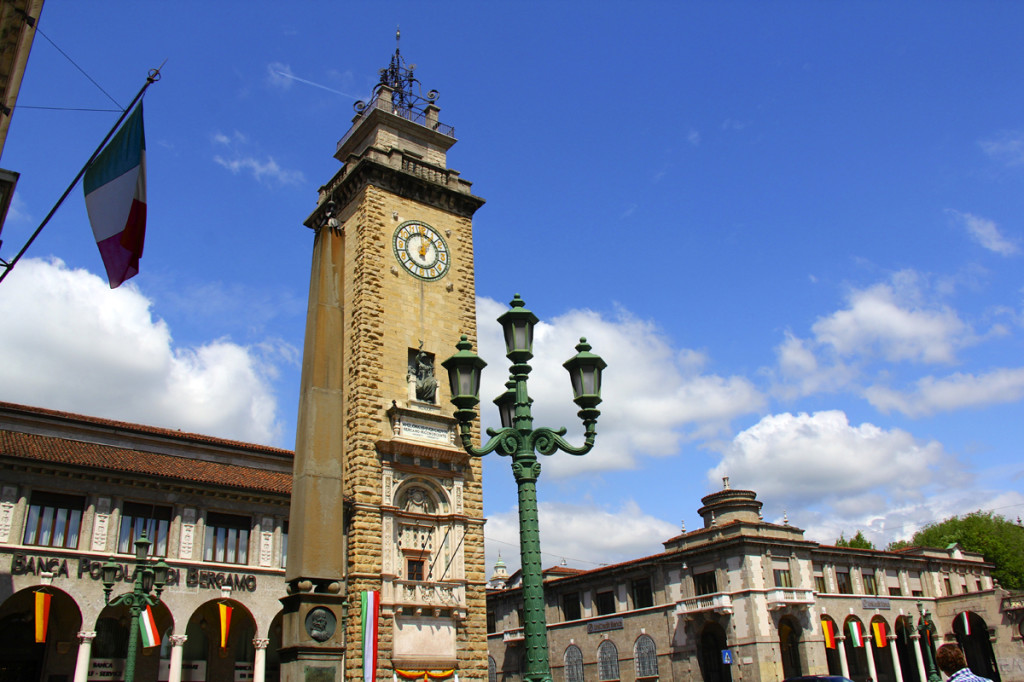
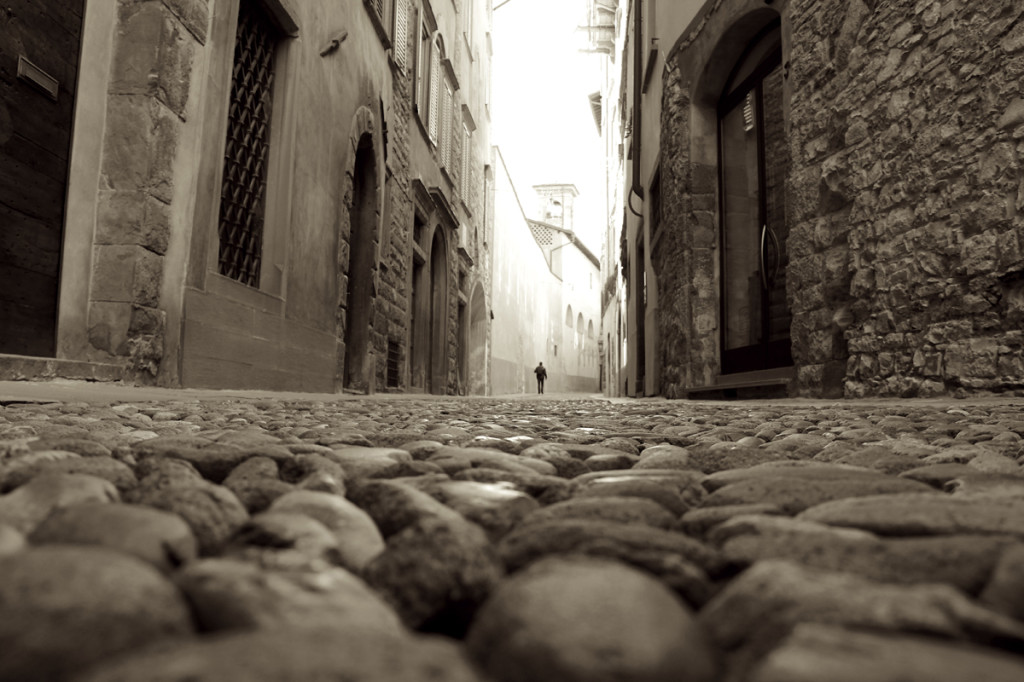
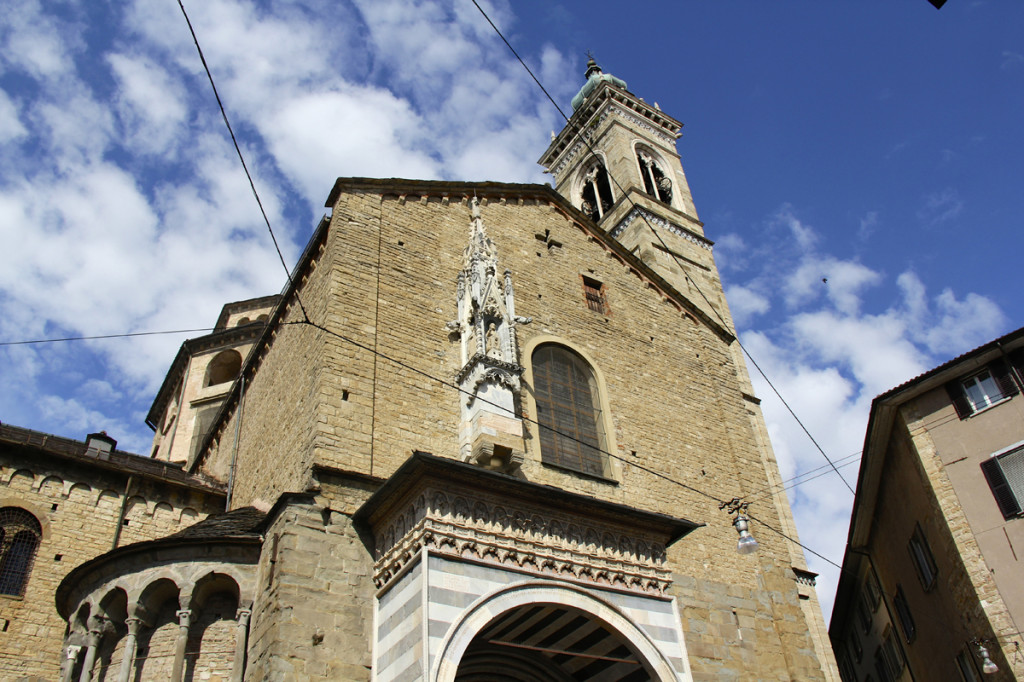
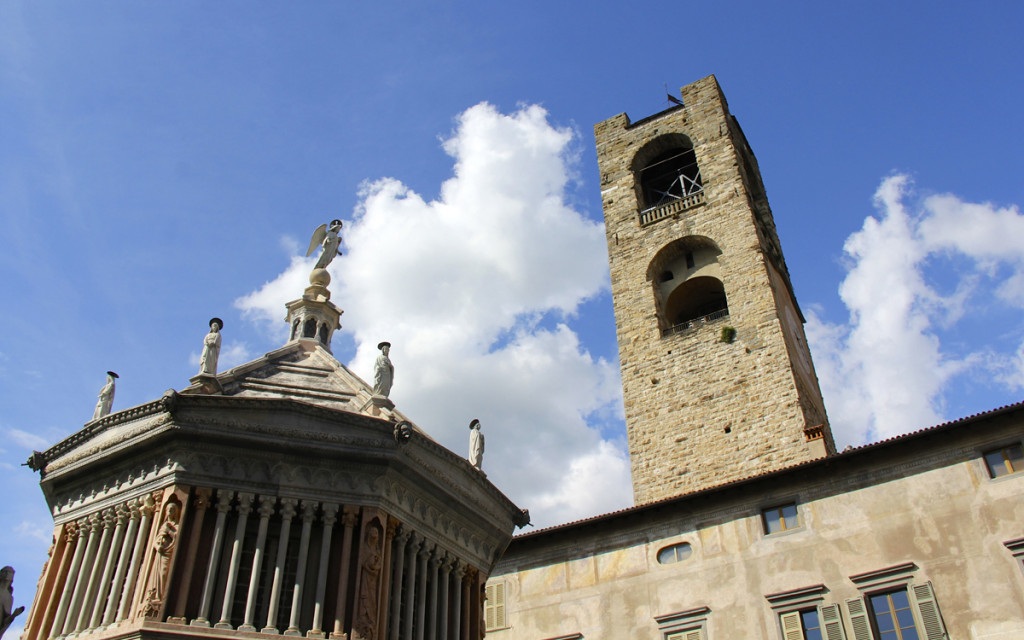
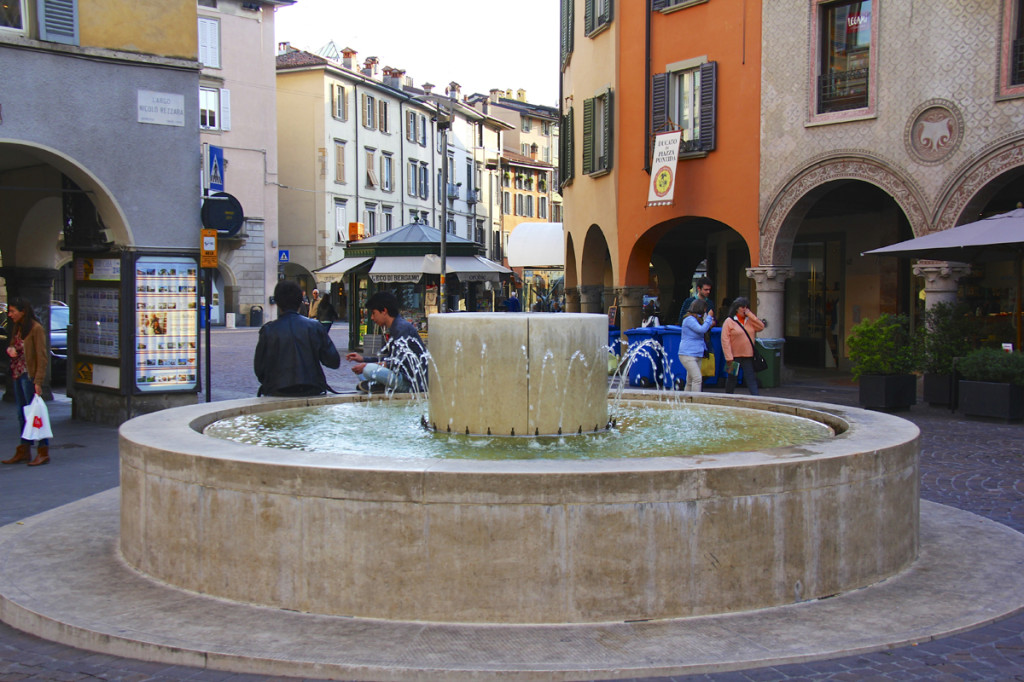
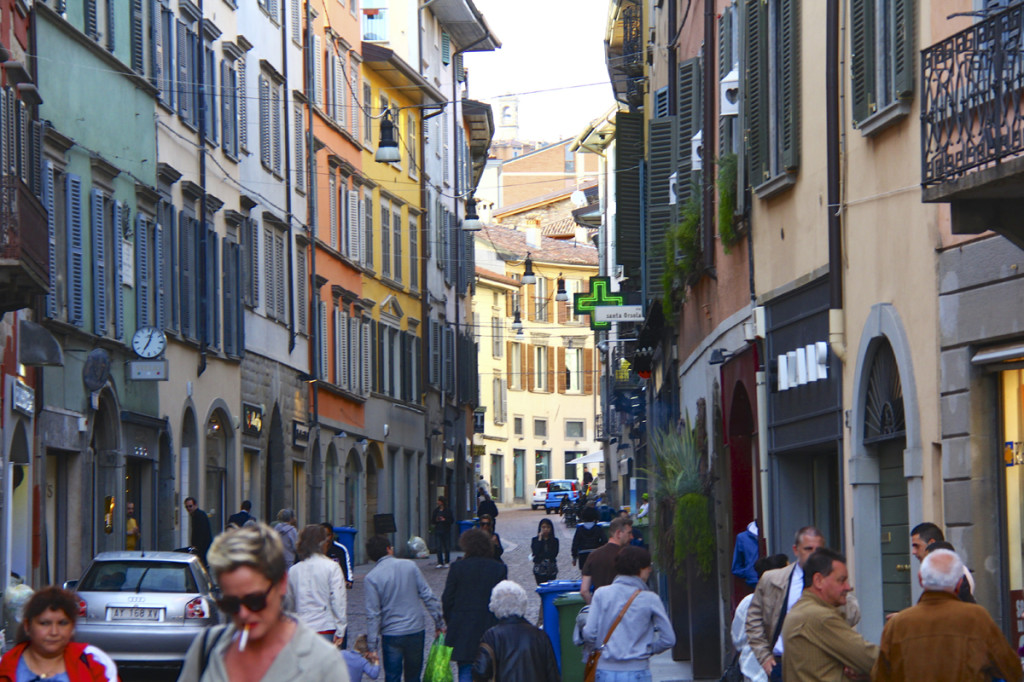
I played with various options for the title of this post, ranging from “Italy’s Most Hidden Treasure” to “Italy’s Best Kept Secret”. Really, any of those title would be apropos. Bergamo is all of those things and so much more. Ultimately, I went with “most underrated” because it seems that most people would rather bypass this northern Italian city for the sexier Venice, Florence or Rome. Heck, even neighboring Verona pulls more visitors than Bergamo. As a matter of fact, I had never even heard of Bergamo until I moved here and I had visited nearby Como plenty of times leading up to this adventure.
Città Bassa in Bergamo
Getting to know Bergamo was truly a blessing, because it is the type of place that we will continue to visit over and over. The distinguishing feature of Bergamo is that it is really two cities in one. There is the older, medieval city at the top of the hill (Città Alta) and the much more modern city (Città Bassa) below. Incidentally, I use the term “modern city” quite loosely… most notable development is still several hundred years old.
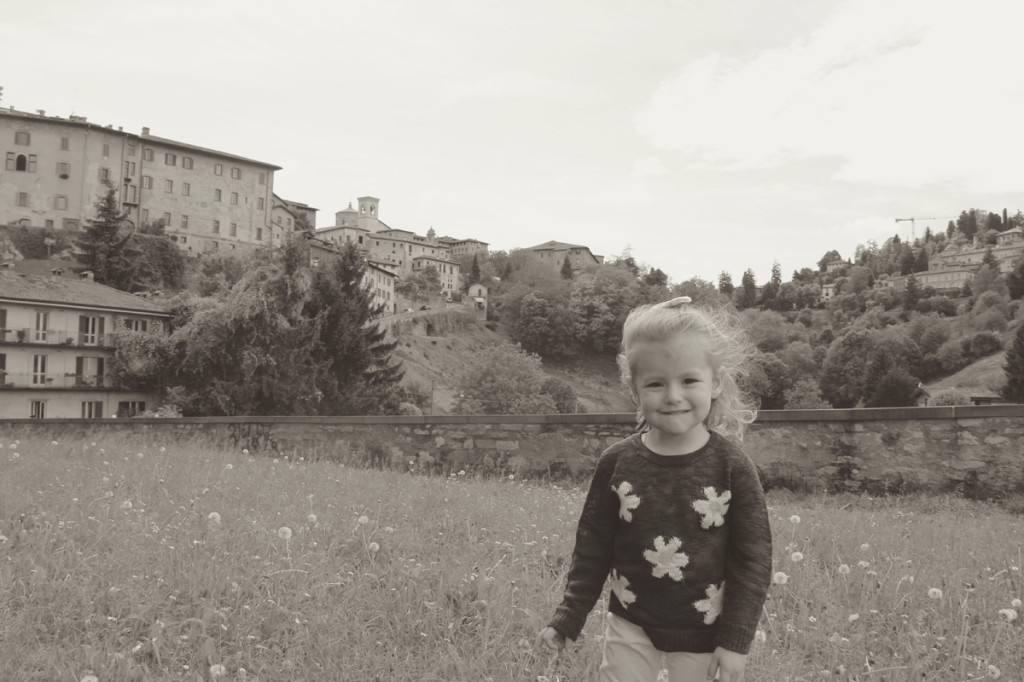
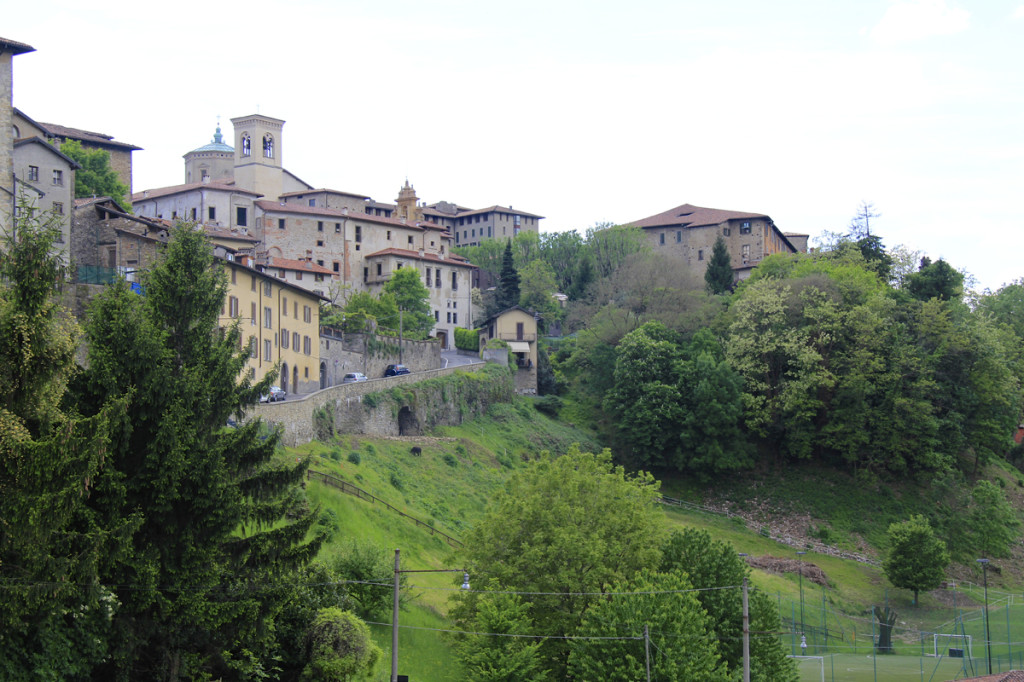
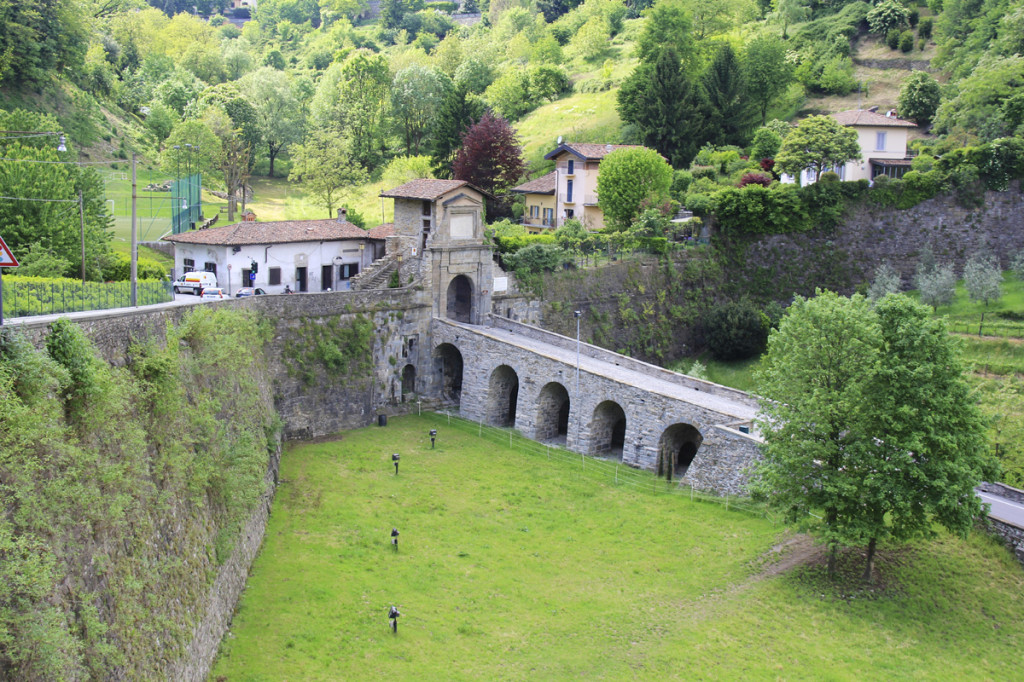
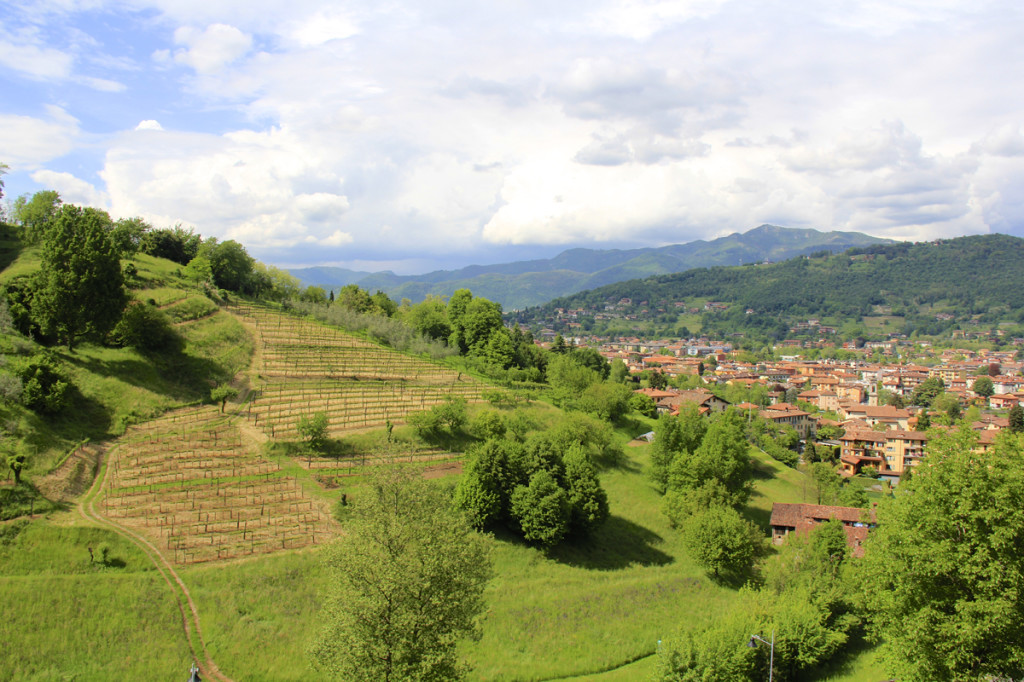
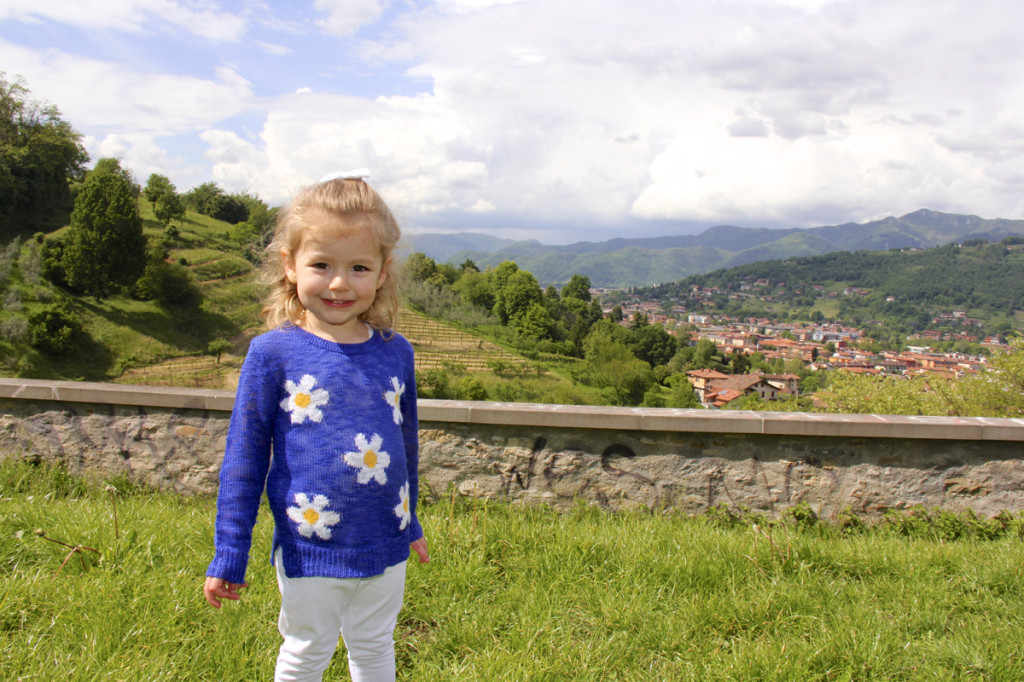
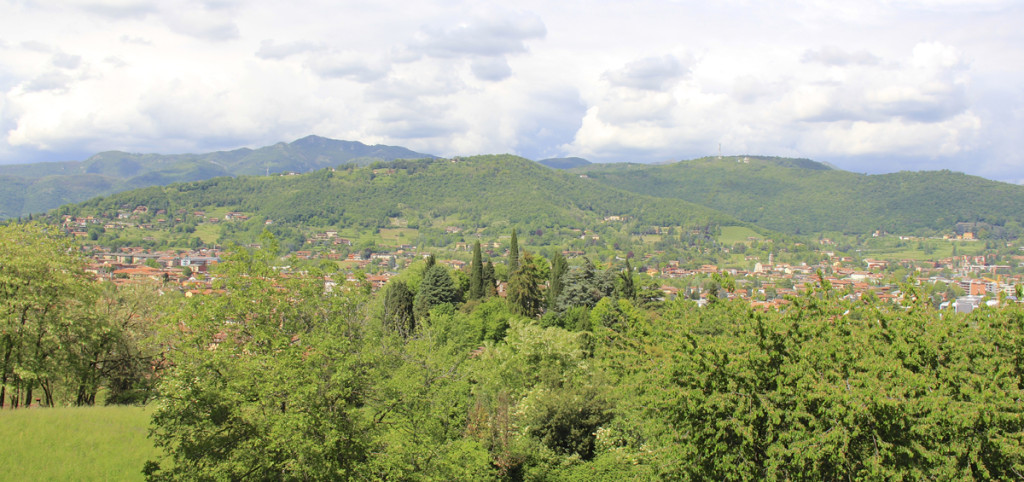
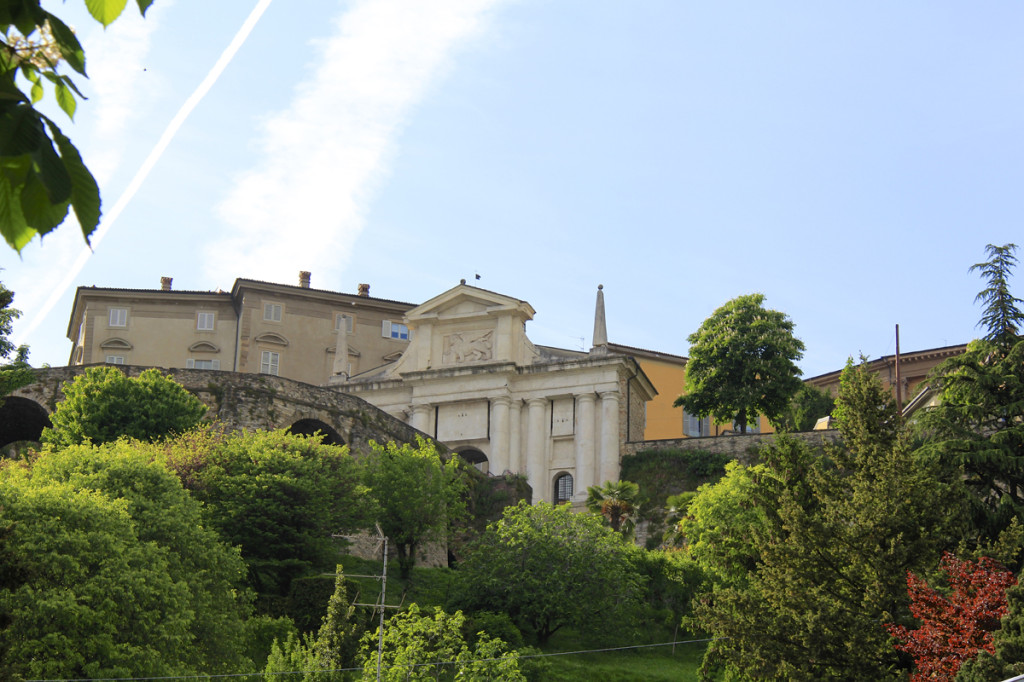
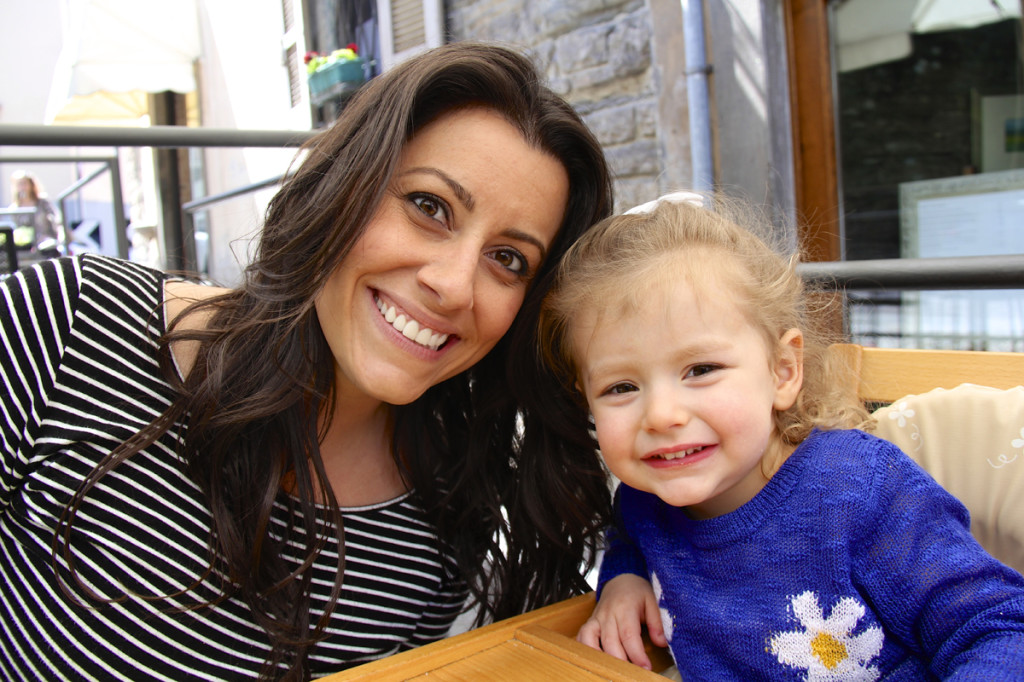
Julia enjoyed her day in BergamoThe older city at the top of the hillSecured roads allowed access into the ancient cityThe view from atop the hill extends for milesJulia enjoyed soaking it all inMore views…The main city gate, marked with the winged Venetian lion from the time Venetians ruled the city
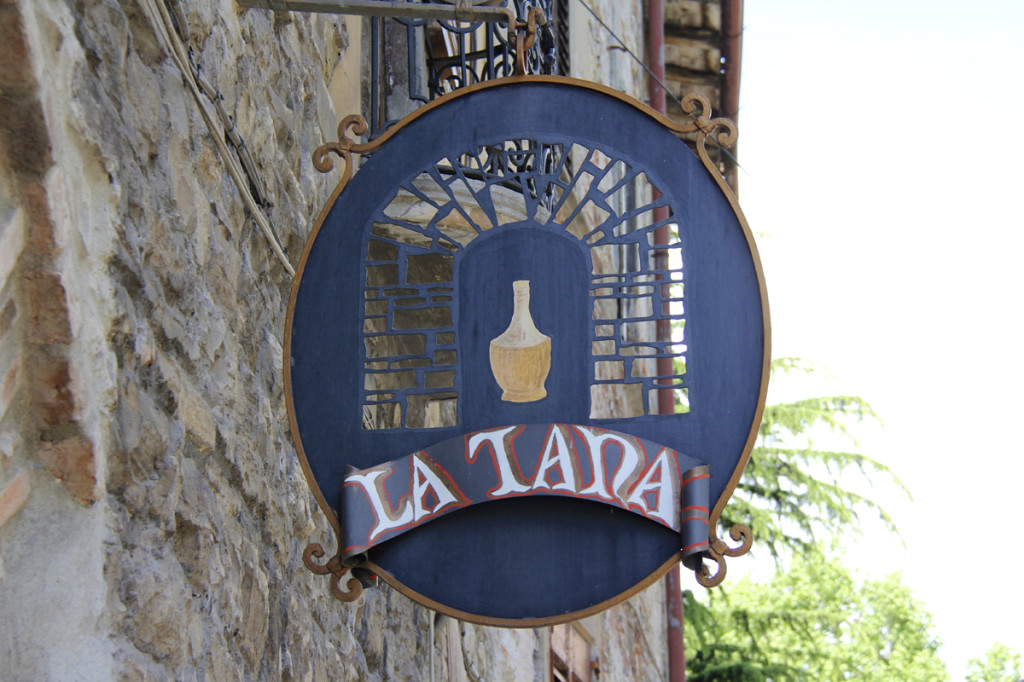
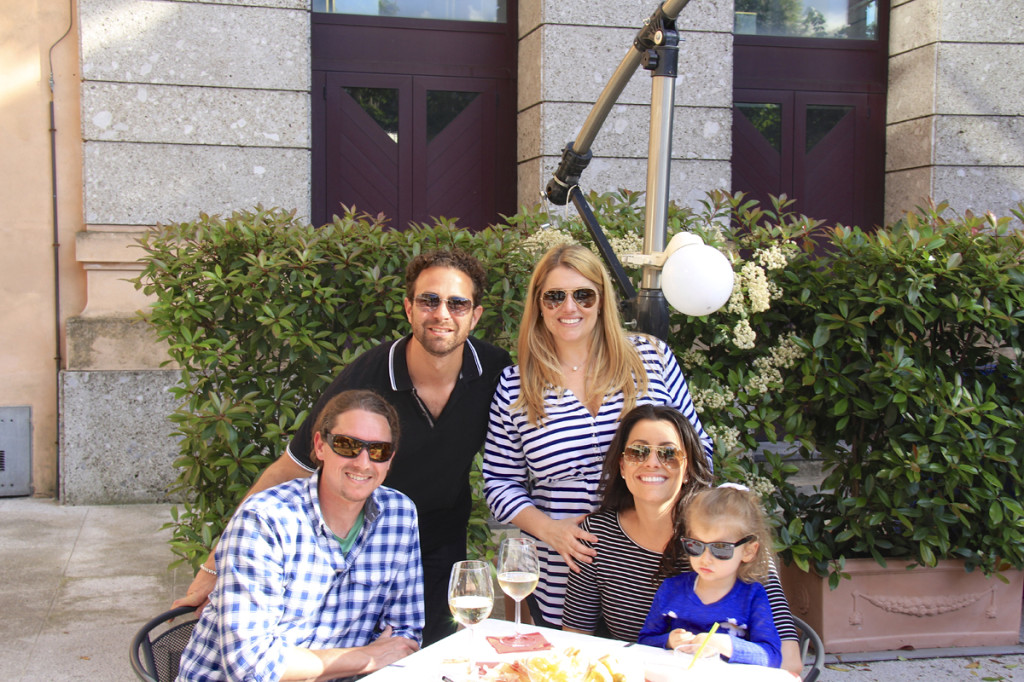
On our first visit well over a year ago, we were drawn toward Città Alta. We spent most of our day wandering the cobblestone streets, soaking up the magical views the high city extends before you. We had been dying to come back to Bergamo and finally got the opportunity when Jen’s sister came to visit with Matt (first post HERE). I thought the mixture of old and new would be something unique for them to see, and the hour(ish) car ride from our home would allow an easy day trip. We loaded our car and headed east toward the city. Our first step was to ascend the hill toward Città Alta (also known as Città Vecchio or Old City) by means of finiculare (cable car). We had researched a good lunch place and in no time, we found ourselves settled outside on the patio of La Tana. After lunch, we spent quite a bit of time wandering around the cobblestone streets and settled in among the other tourists and locals in the centro (center) of town.
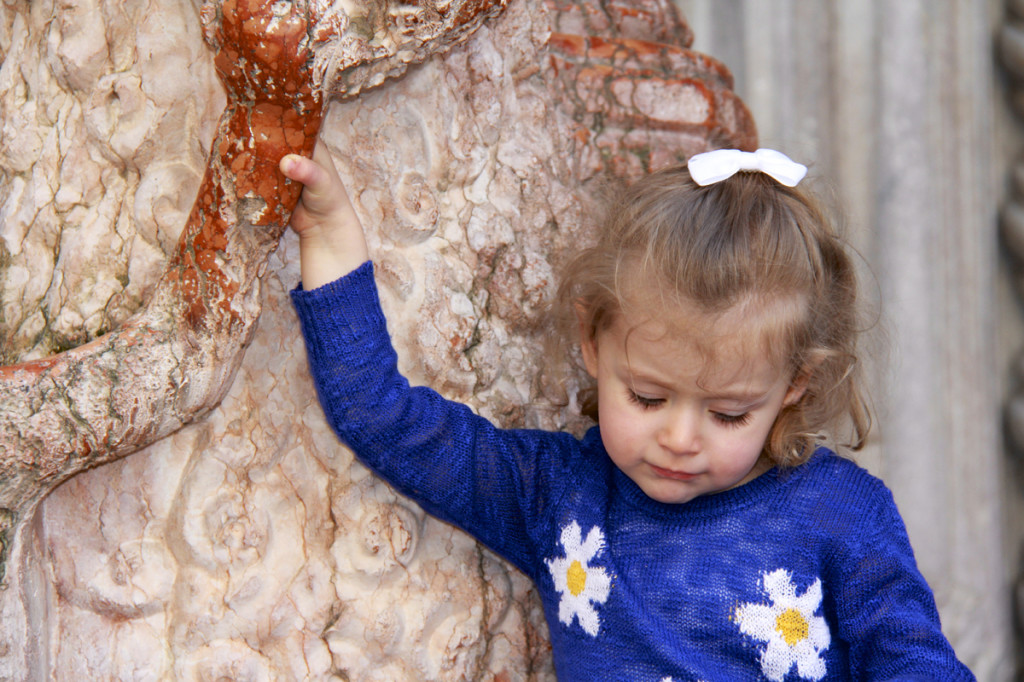
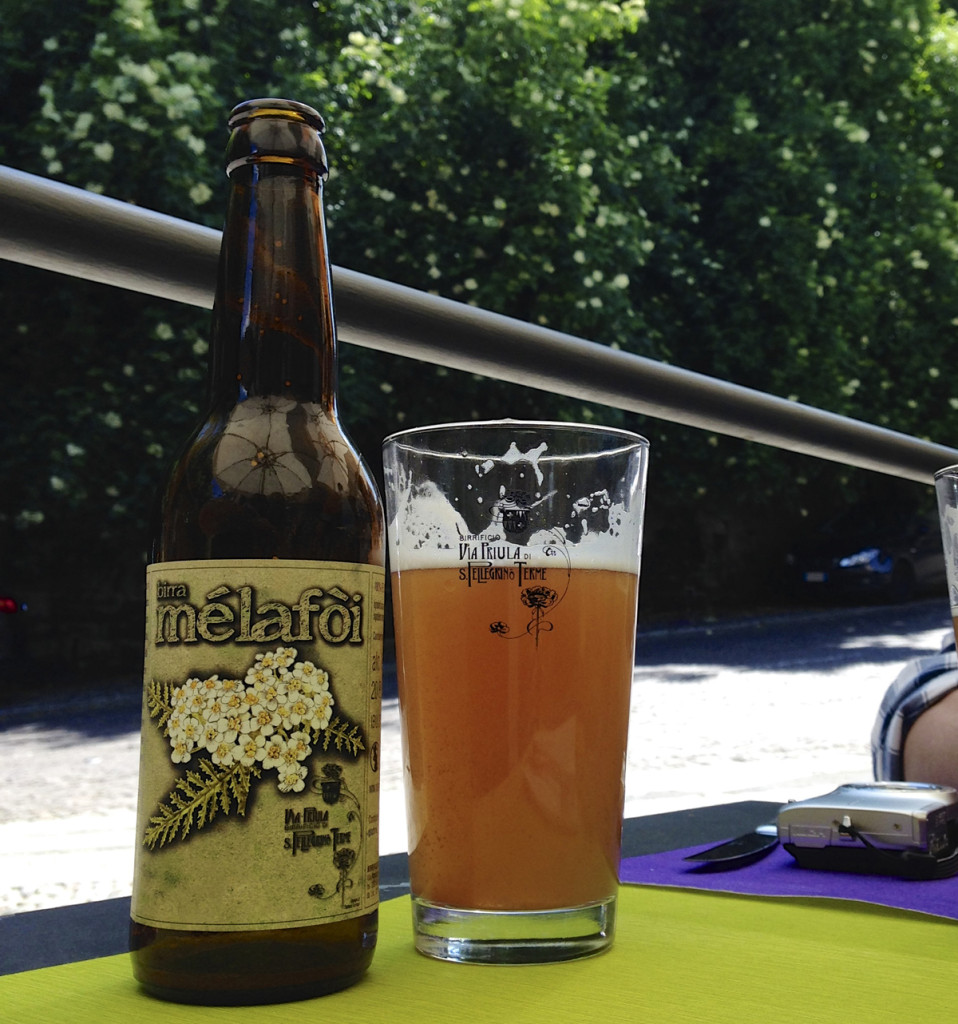
Streets centuries oldOne of the churches in the main piazzaJust outside the main piazzaJulia with a statue of a marble lionLa Tana – a fabulous restaurantJen’s sister, Jessica with JuliaThe waiter recommended a fabulous beer, produced locally. I’m still searching for where it’s sold
Eventually we descended to Città Bassa with plenty of daylight still above us. This gave us a perfect opportunity to enjoy an aperitivo (or two) in the sun. With our thirst quenched, we continued our tour of the lower city. This was the first time that Jen and I spent any notable amount of time down below and we were thrilled with what we discovered. The much more modern, lower city is just as special as the ancient city above.
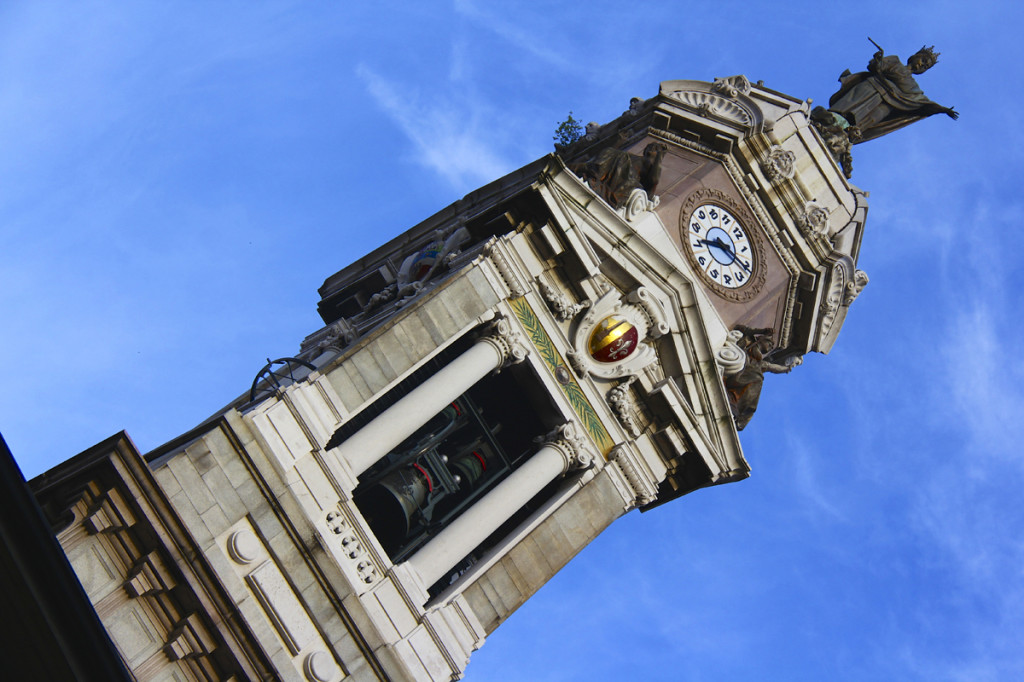
We stopped for happy hourThe lower city has a charm that rivals the higher cityThe streets are full of shops and caffèsChurch tower in Città Bassa
My only regret is that my photos don’t do this special city justice. I urge you to spend a full day exploring Bergamo and come discover for yourself why this is Italy’s “most underrated city”.
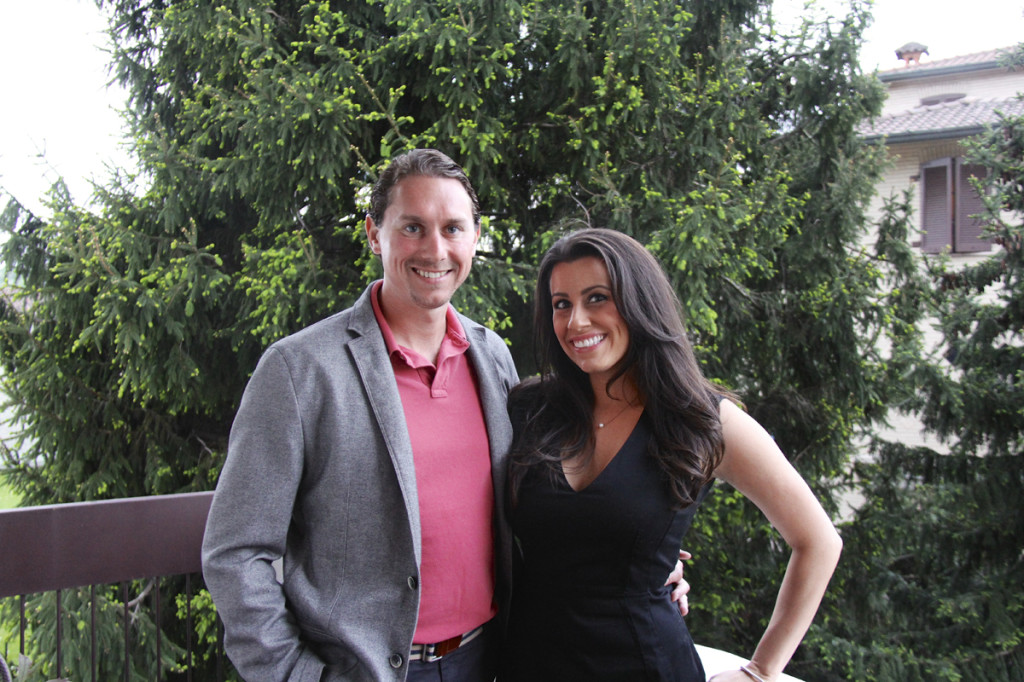
Since the moment my wife Jennifer laid eyes on her baby sister, Jessica, they formed a strong bond that has only developed over time. Sure, Jennifer usually acts more like her mother than her sister and yes, there have been a few lively battles resulting in a couple “boo-boos”, but they are as close as any two sisters I have ever known.
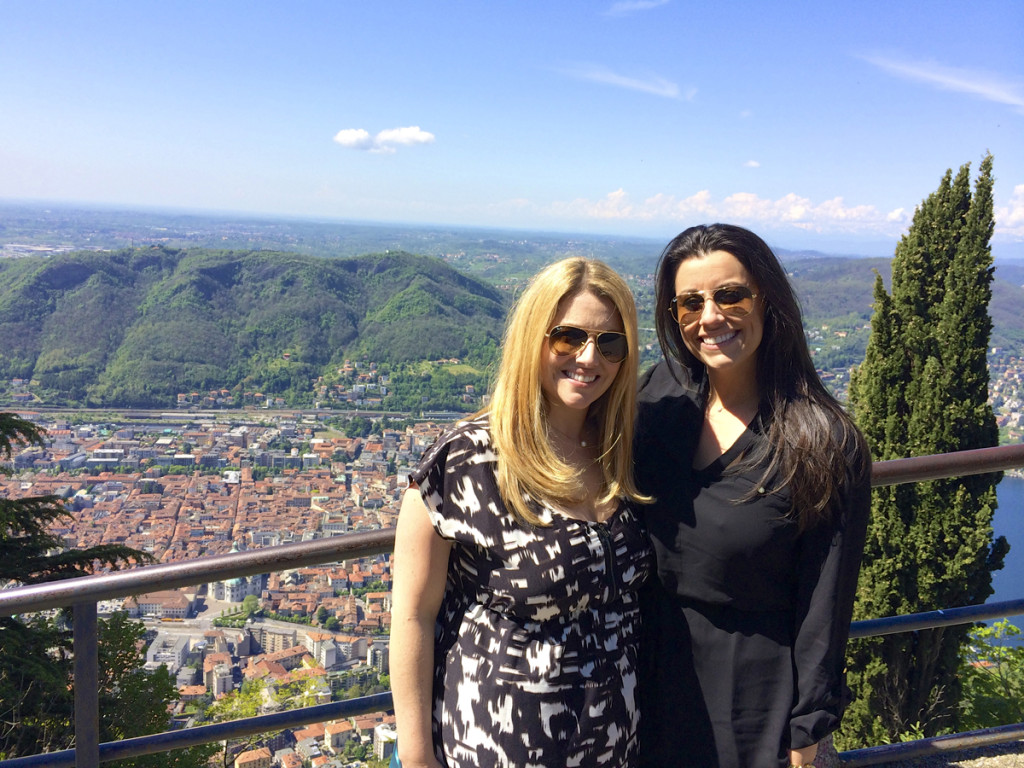
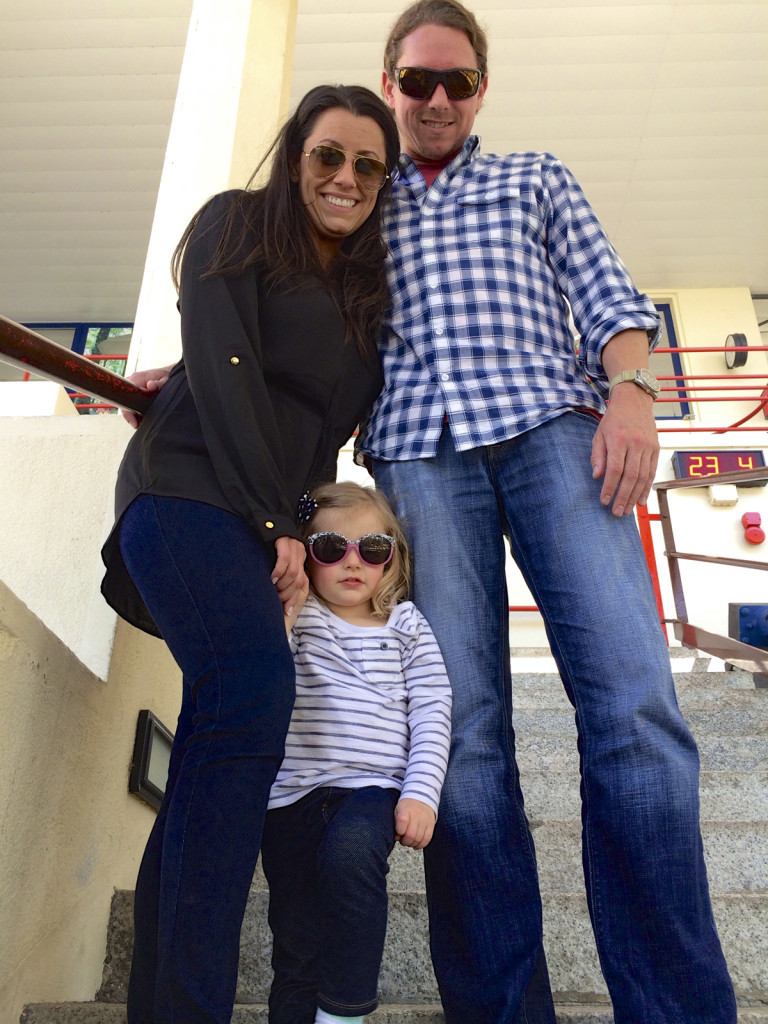
Jen and her younger sister, Jessica overtop Lake Como
That’s why we were thrilled when we learned of a last-minute vacation Jessica planned with her boyfriend, Matt. We were doubly excited because not only were we going to spend time with Jessica, but we were finally going to be able to meet Matt. Living in Italy comes with its obvious benefits, but we do miss out on a lot at home and so we are thrilled any time “home” comes to us.
I picked Matt and Jessica up at the airport and after completing a brief pit stop at home, whisked them to downtown Como. Como is a great first stop for anyone trying to avoid succumbing to jet lag. We walked around the city and rode the finiculare up to one of our favorite spots – Brunate. There, we soaked up the views of the lake and ate a scrumptious lunch at one of our favorite little spots, Bella Vista (Beautiful View).
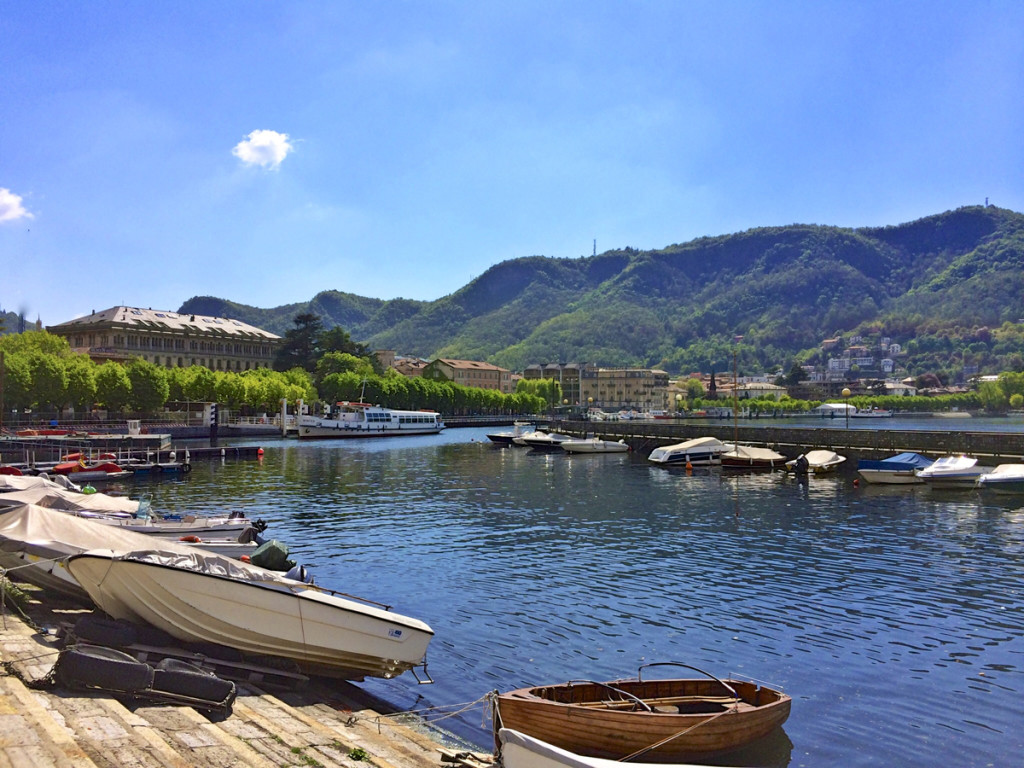
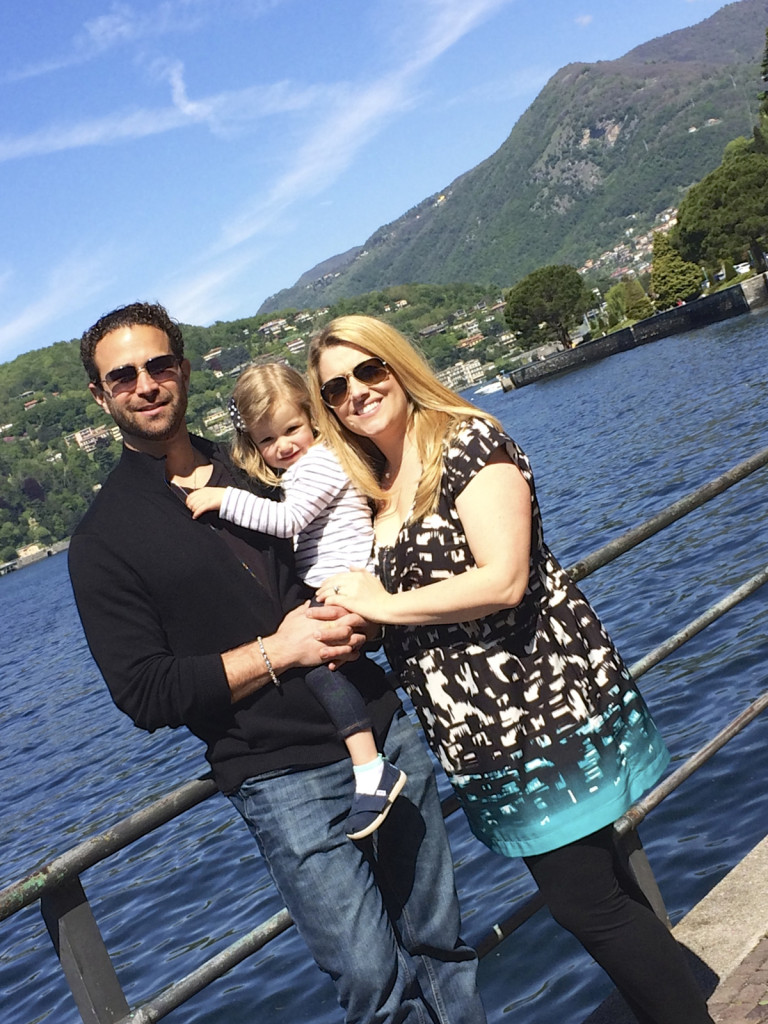
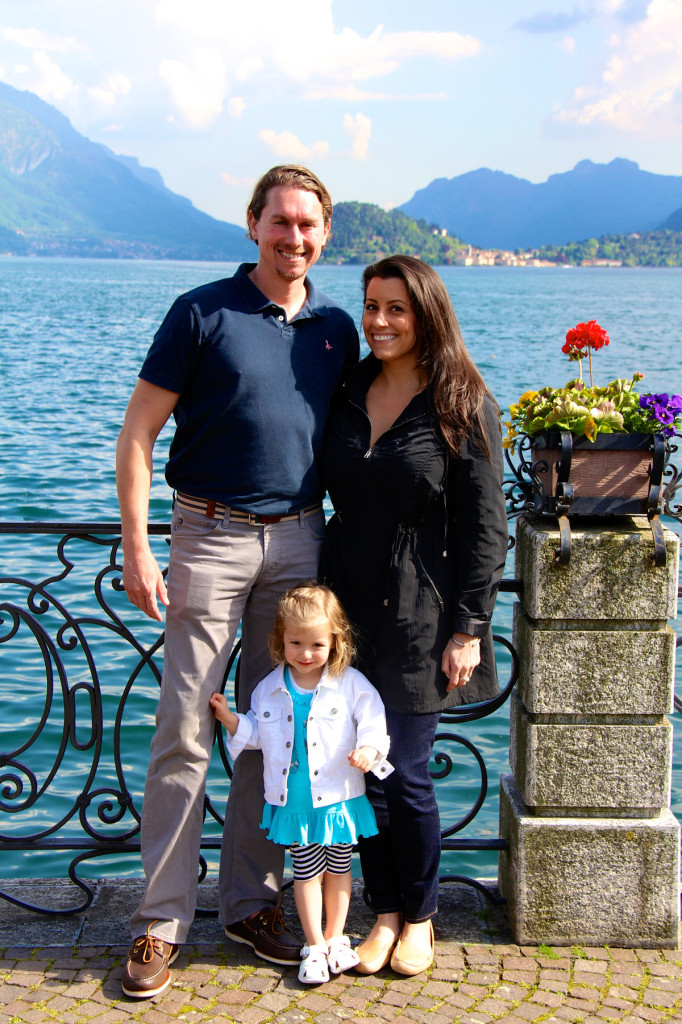
A picture of Lake Como as we walked aroundFamily photo in front of the lakeMatt and Jess take a picture in front of Lake ComoJulia guides Matt and Jess onto the finiculare headed down from Brunate
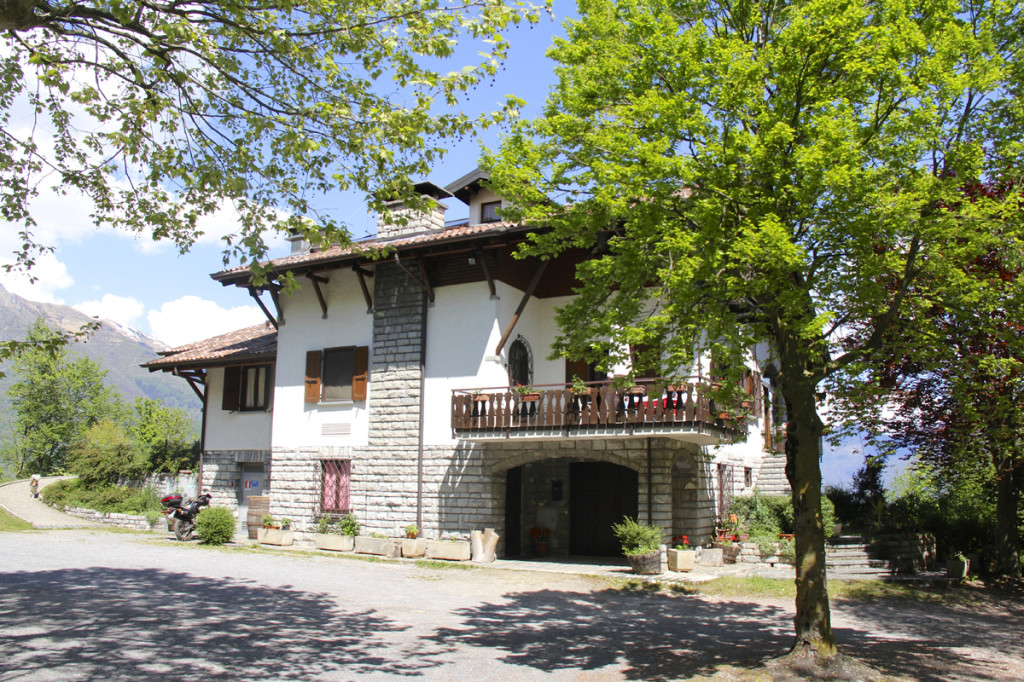
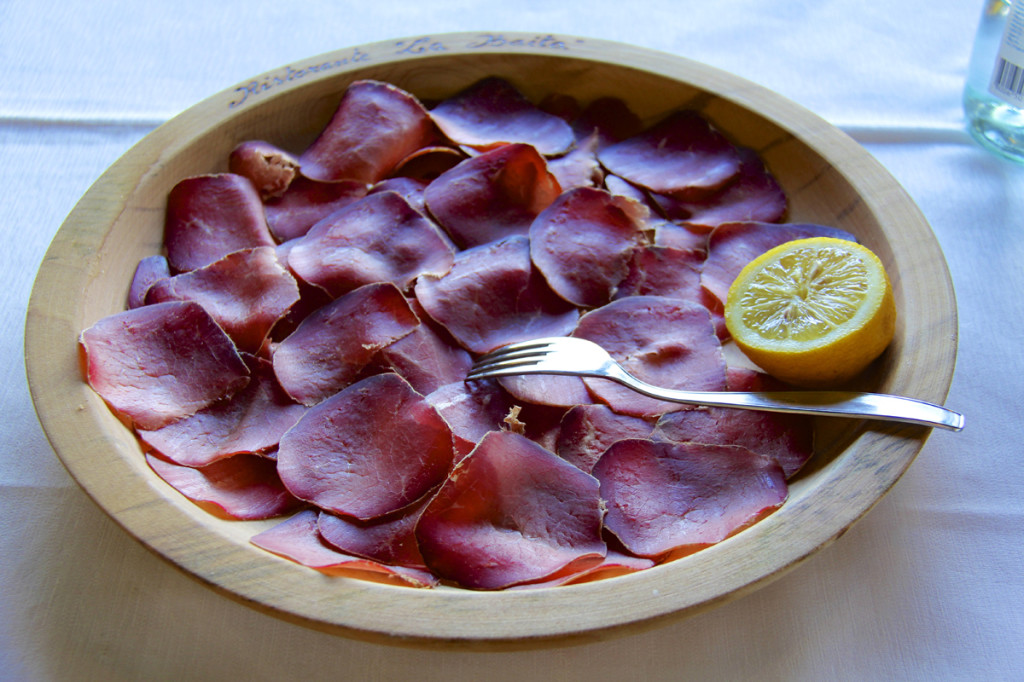
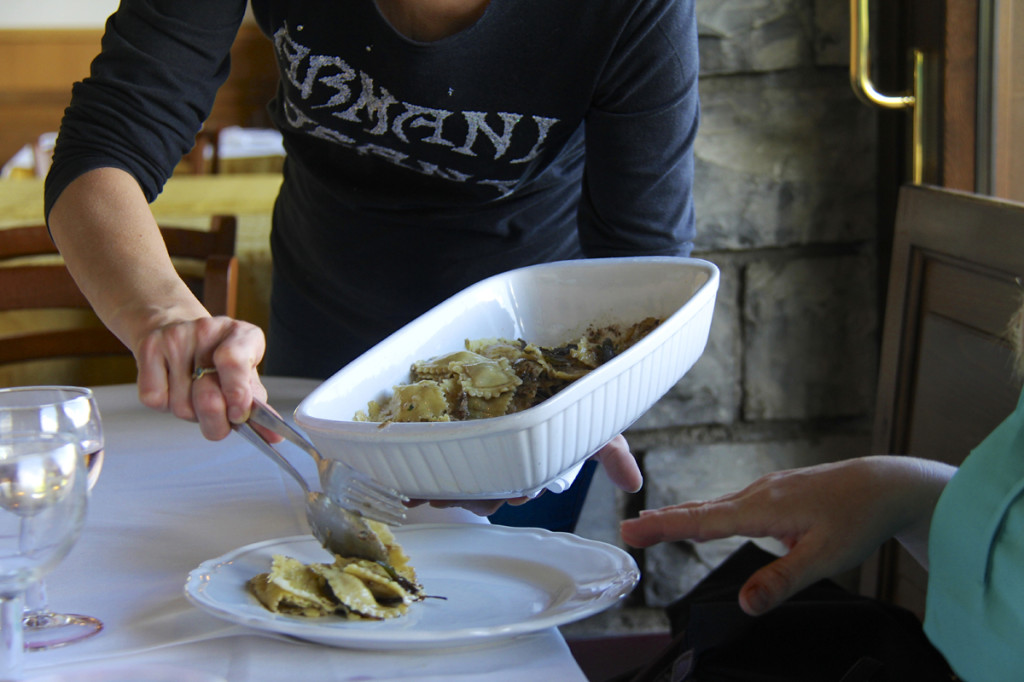
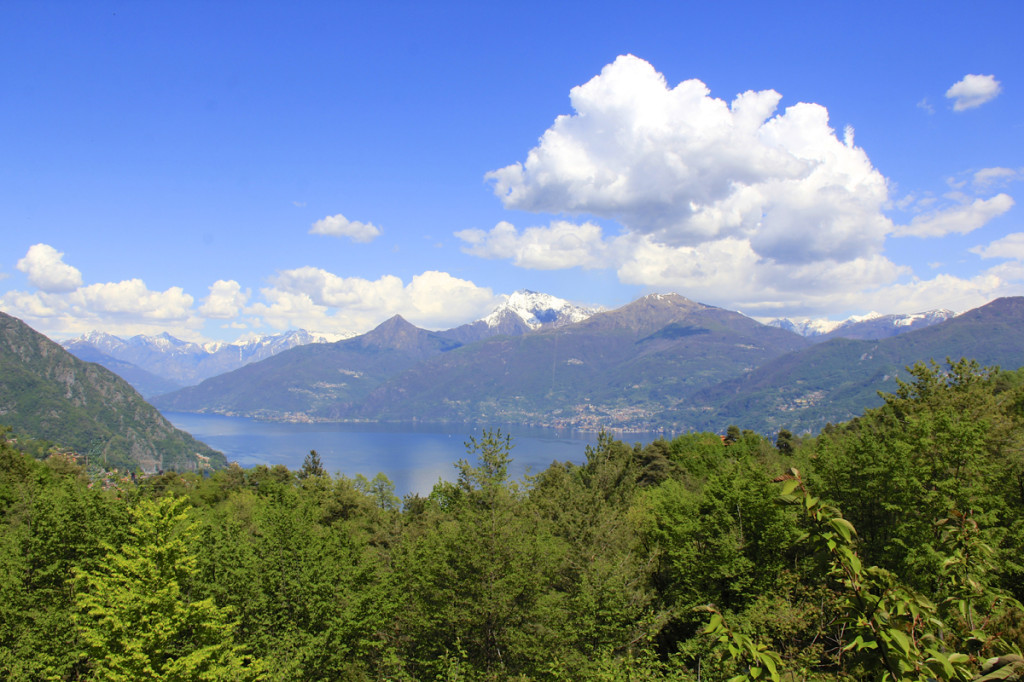
We decided that we wanted the next day to be all about authenticity (OK, perhaps I steered the tour in that direction) and so we ascended through the hills of Menaggio, one of our favorite lake towns. I had read about a little rifugio, which literally translated means, refuge or shelter. If you’re talking about a visit to a rifugio for lunch, you’re referring to a place that is far up in the hills, buried deep beneath the trees and usually only known to locals. You need to be prepared to eat in a converted home or even a glorified shack and you certainly shouldn’t expect quality roads (sometimes you have to abandon your car and hoof it). But if you’re willing to brave all that, you will find that they are… fabulous! Apart from really getting a feel of “authentic Italy”, the views and food are almost always worth the journey. La Baita was one of our favorite restaurant experiences in a long time (read my full review with extra photos on TripAdvisor, entitled “Authentic and Delicious”). We enjoyed bresaola (cured meat), homemade pasta served family style and plenty of mouth water roasts. We were so full that we felt like simply rolling back down the hill into town. Of course, by the time we descended into the town of Menaggio, we had all found enough space in our bellies for some gelato.
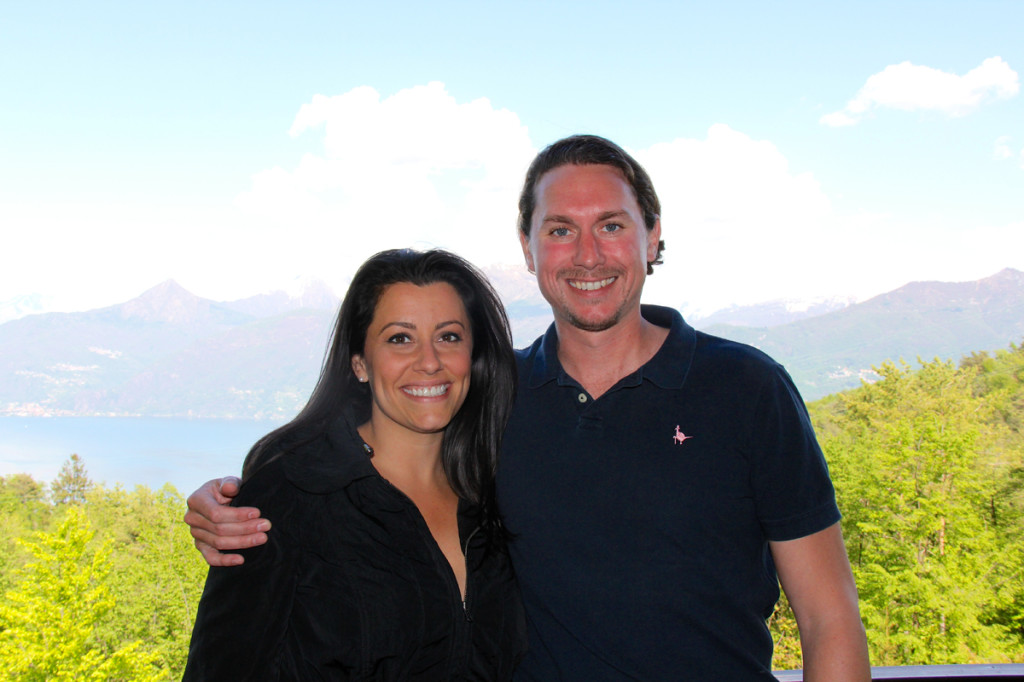
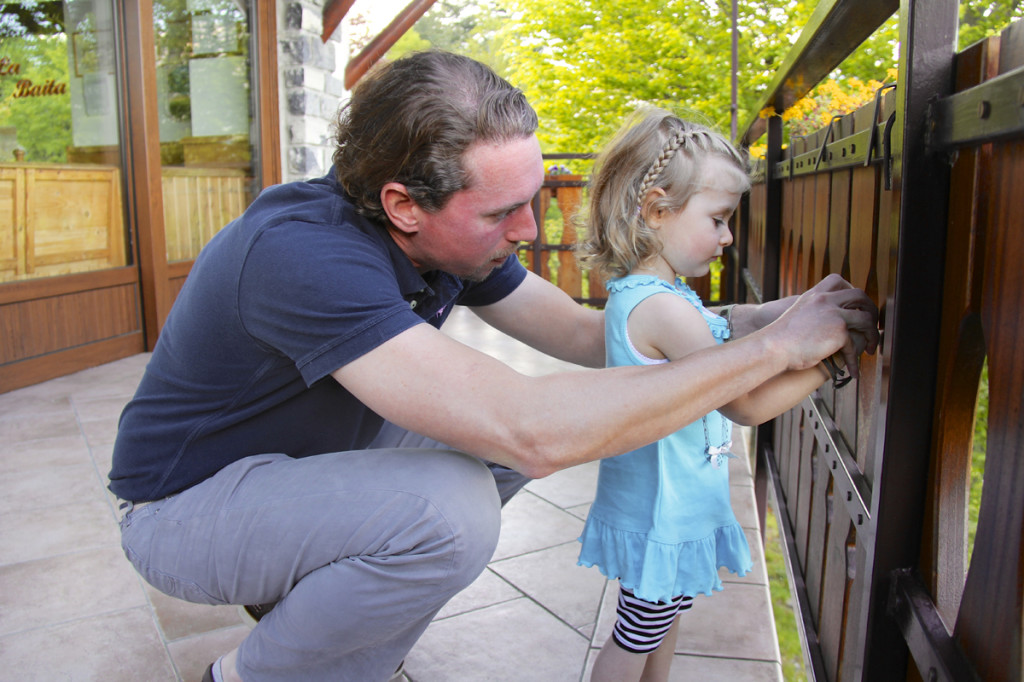
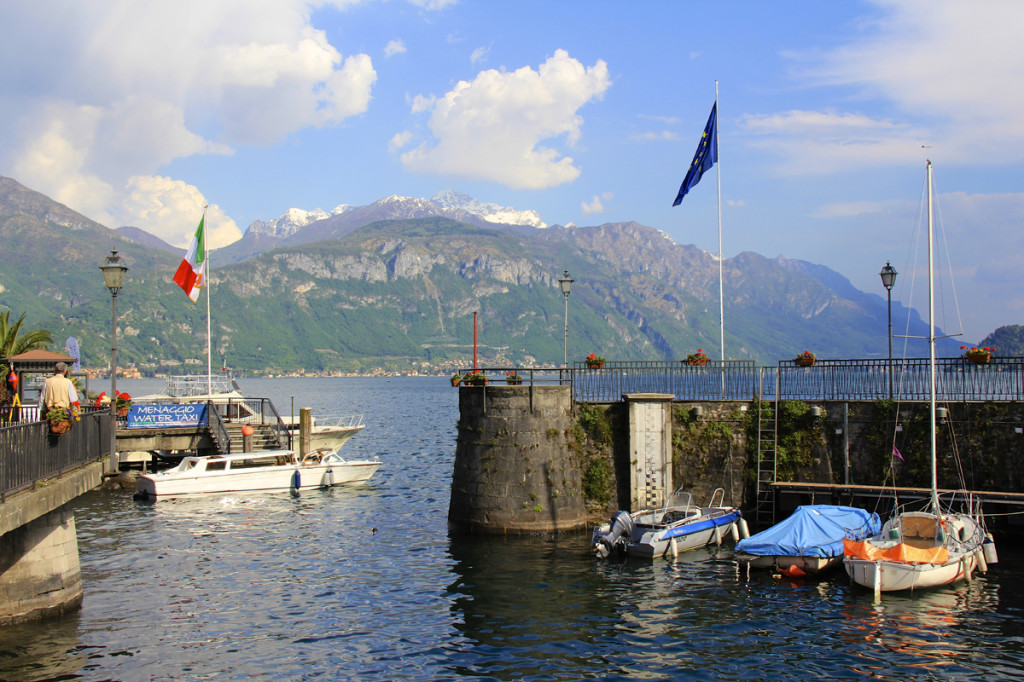
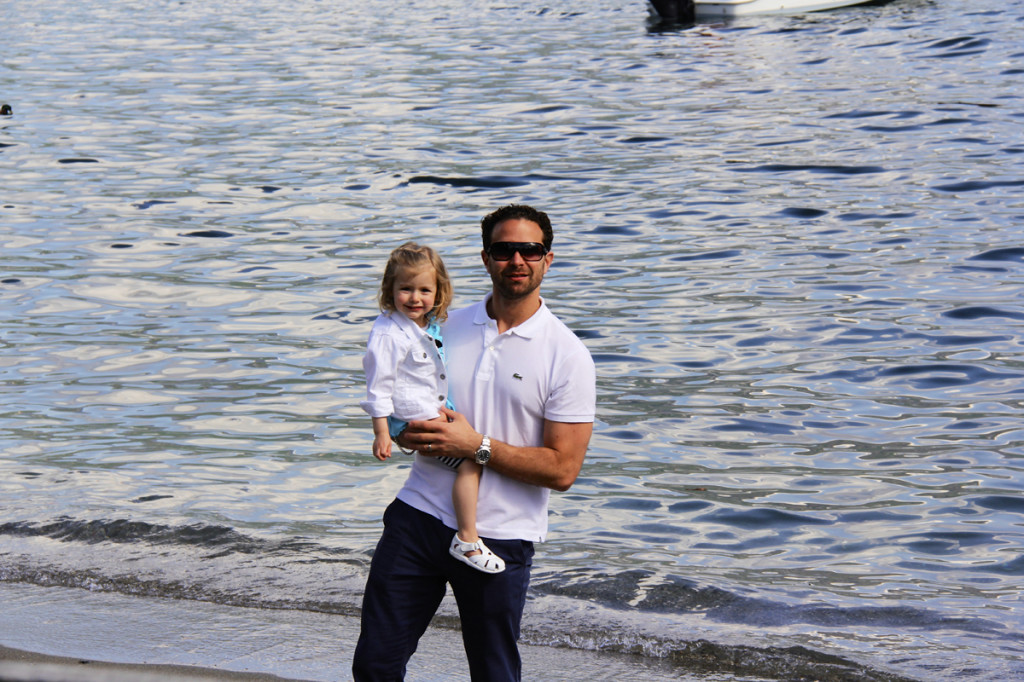
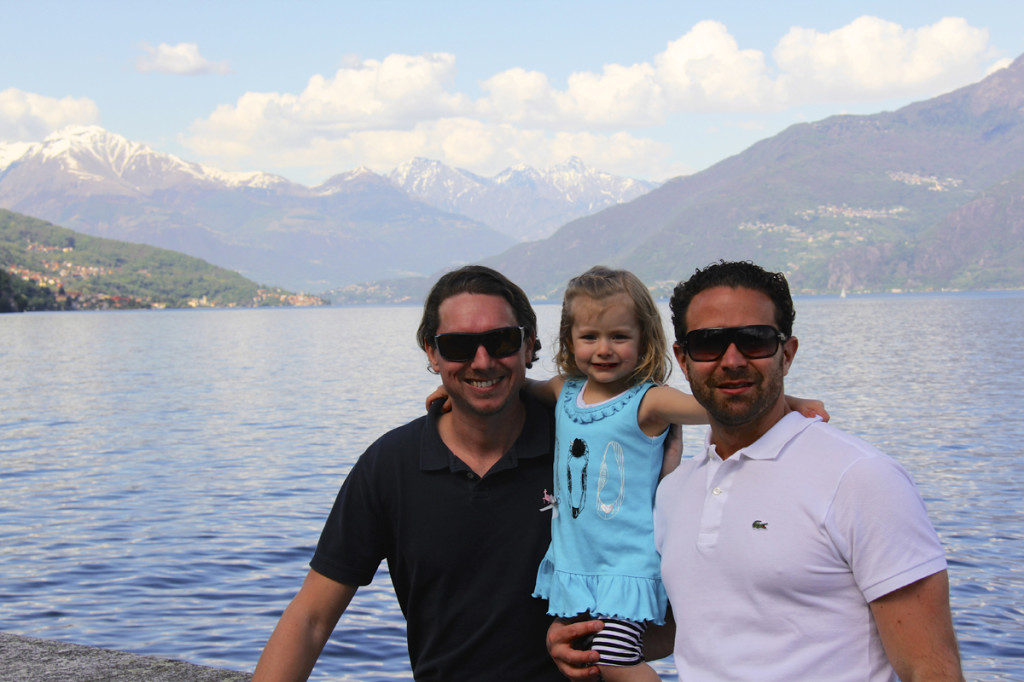
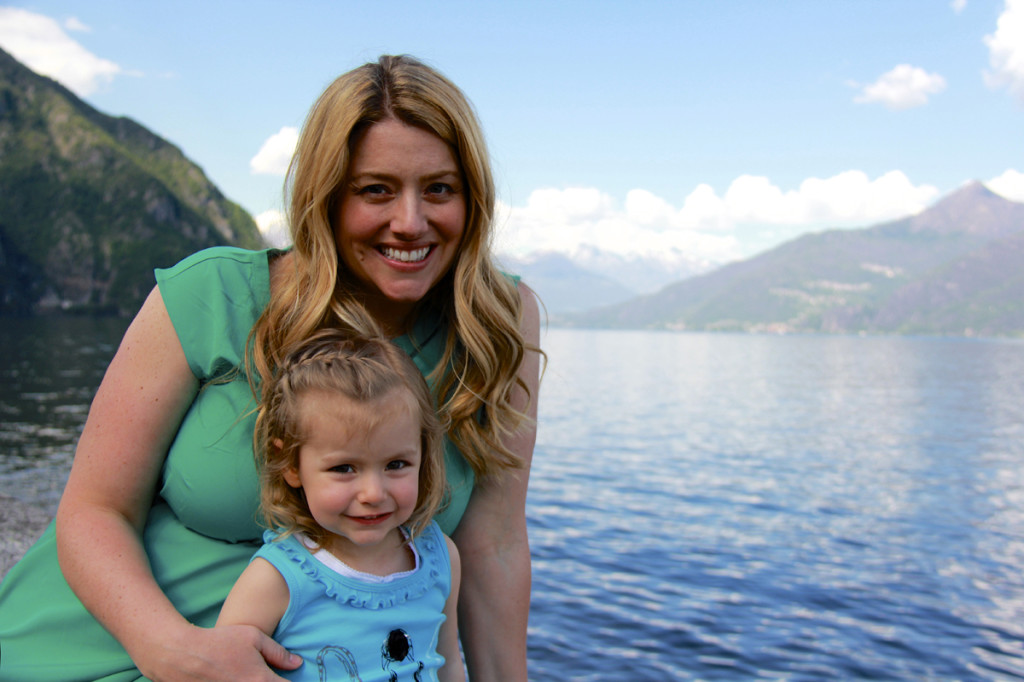
La Baita – a wonderful rifugio that we will definitely be visiting againWe started with bresaola as our antipastaWe had three different pastas, served family style. We each had our own favoriteThe view from the terrace out backMatt and Jessica take a picture on the terraceMatt shows Julia how to take a great pictureWe strolled around Menaggio, which is one of our favorite lake townsWhat do you call a photo-bomb by a toddler?Julia and I walk the small beachHanging out with the guysPosing with mom by the lake
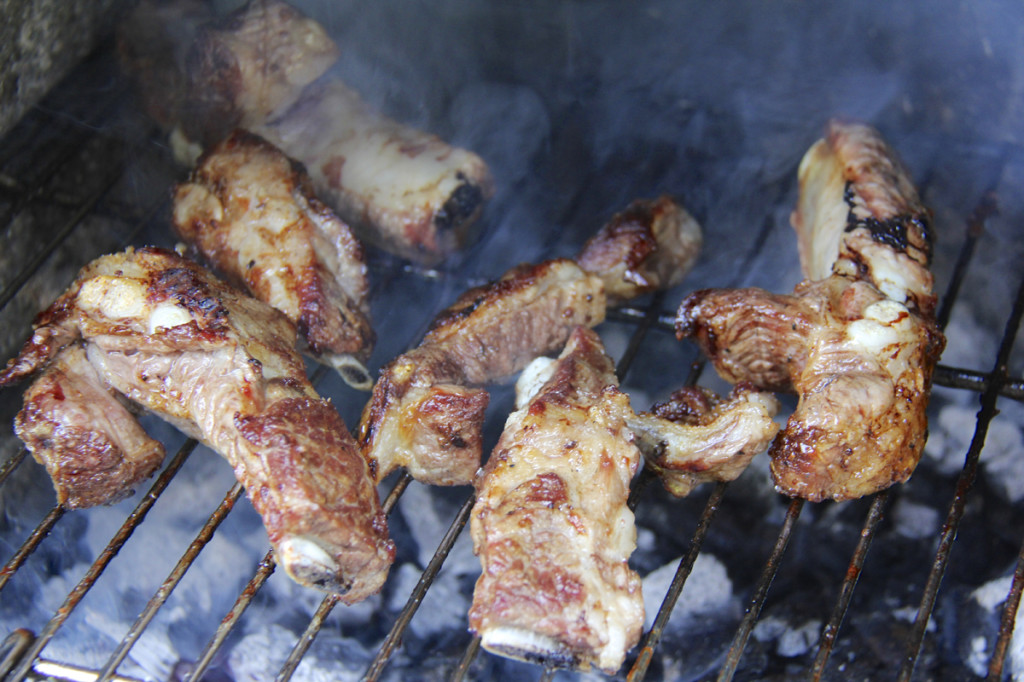
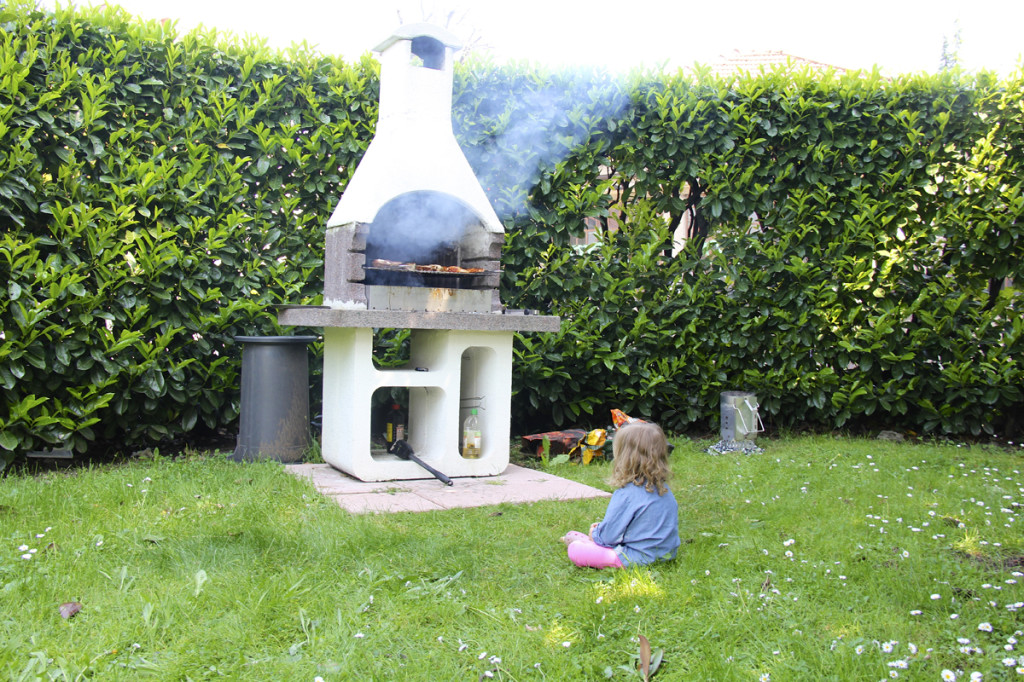
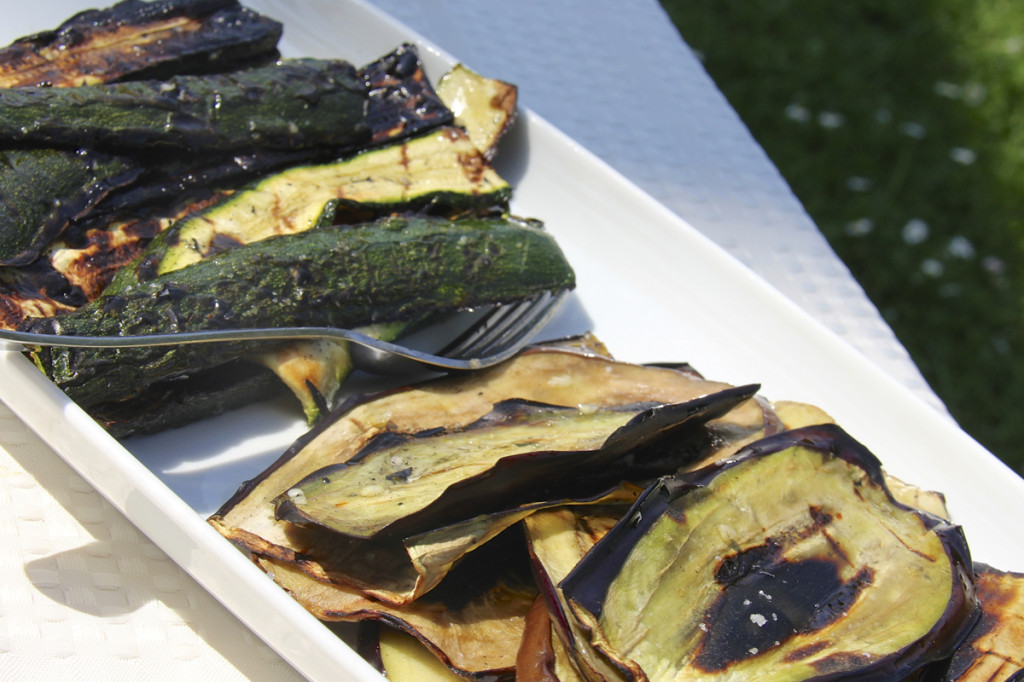
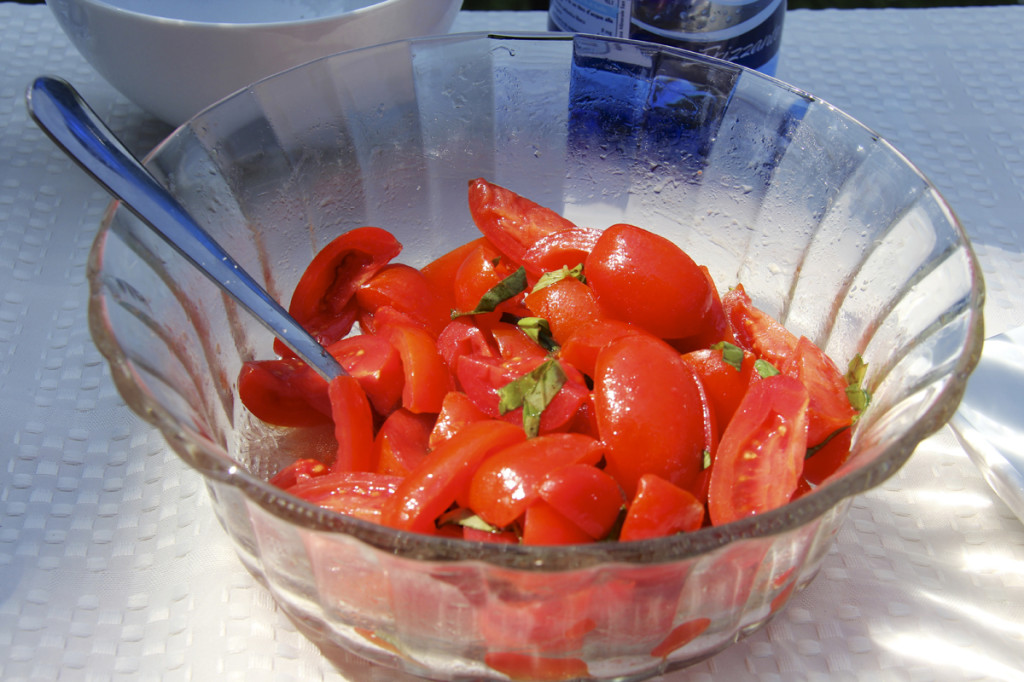
The following day was Matt’s birthday and so the lovebirds took a boat to Bellagio and spent the entire day exploring the “jewel of Lake Como” on their own. They even went out to a romantic dinner in Lake Como, a place known for their Bistecca alla Fiorentina (nothing says romance like splitting two(+) pounds of perfectly cooked beef). Something about an overtired toddler crashing their dinner didn’t seem appealing to anyone, so we hung back and let them go at it alone. Matt realized that while they were in Bellagio, he had left his camera; so he and I picked up the following morning. I’m sure he’s one of a few people who can boast back to back visits to Bellagio with the second visit lasting less than five minutes. Since the morning was spent traveling to Bellagio and back (it’s an hour each way by car on slow and winding roads) we all decided that a leisurely afternoon BBQ was just what the doctor ordered! We closed the day with drinks in Como, always a surefire hit.
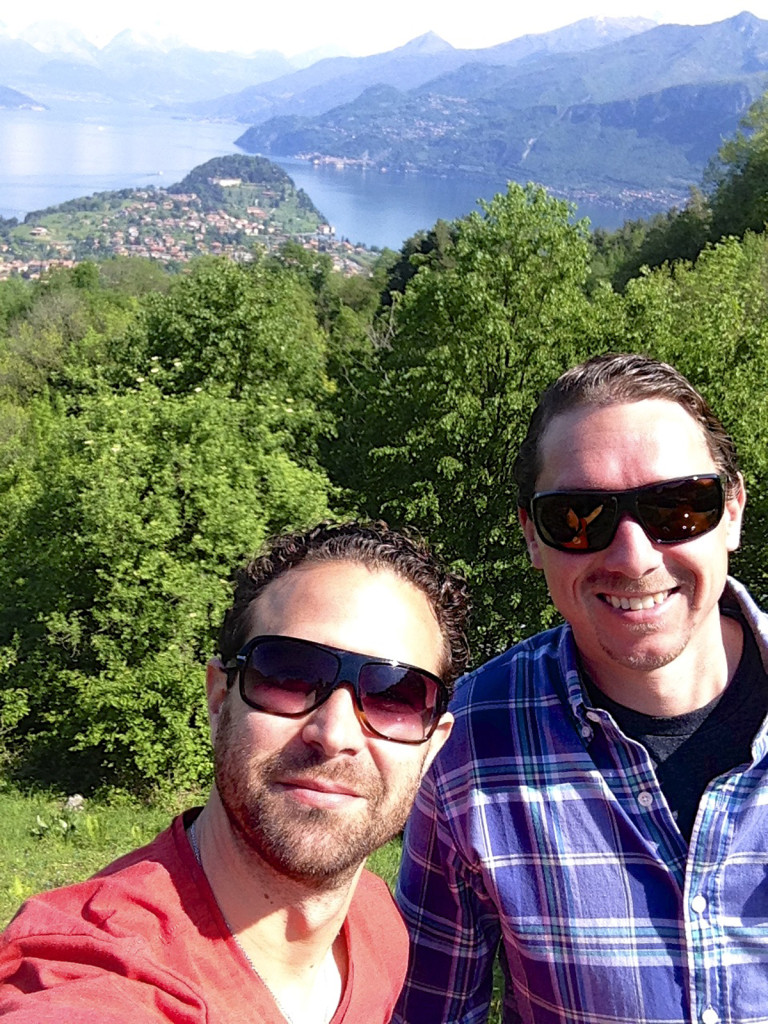
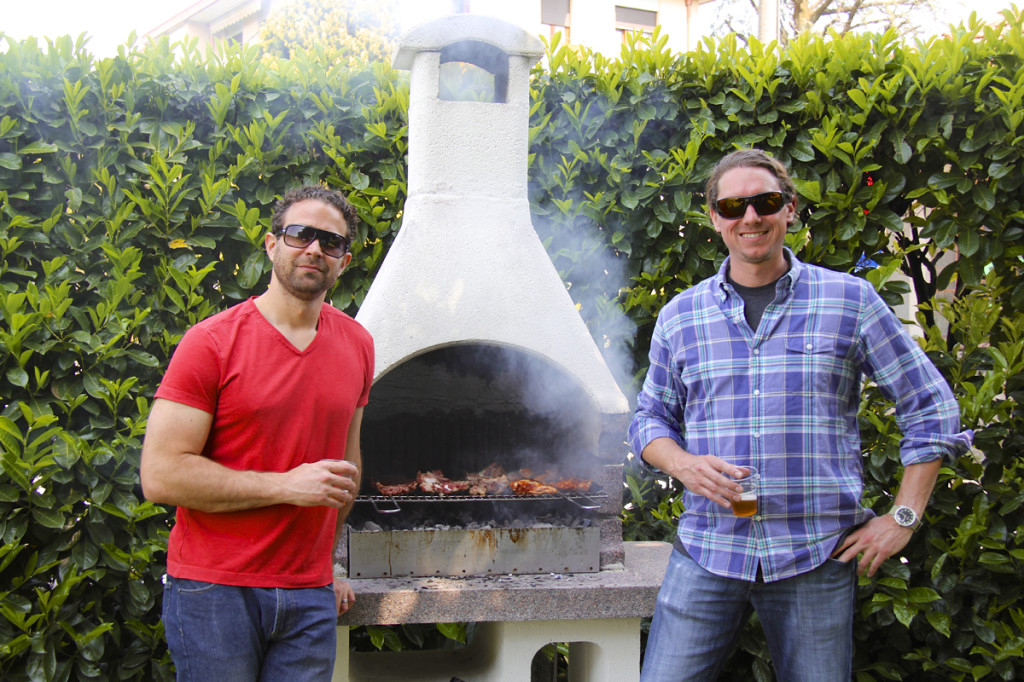
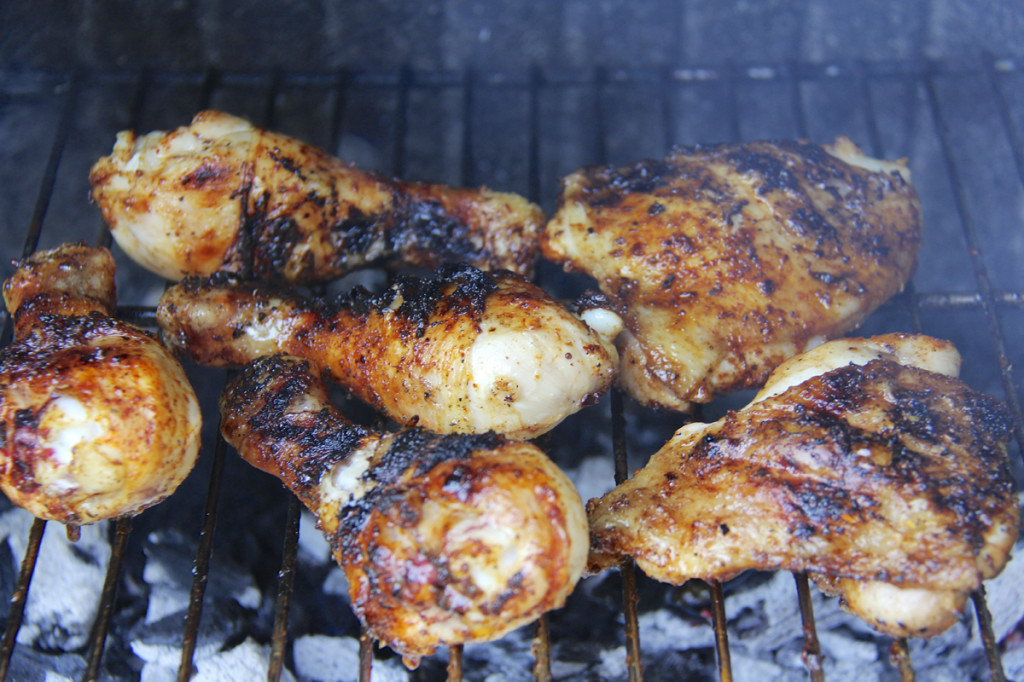
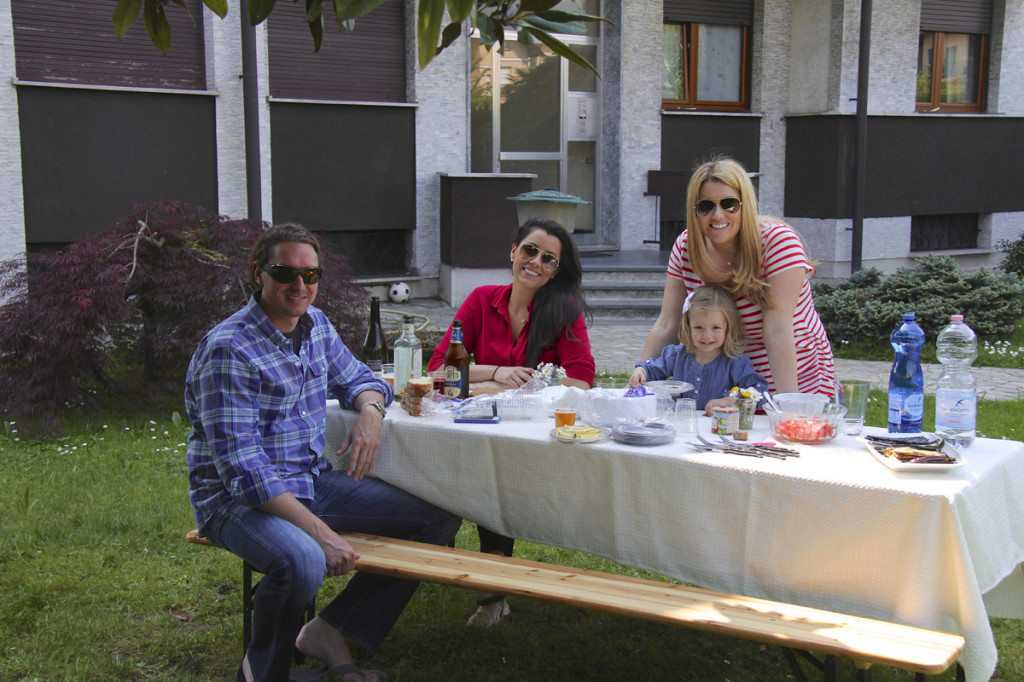
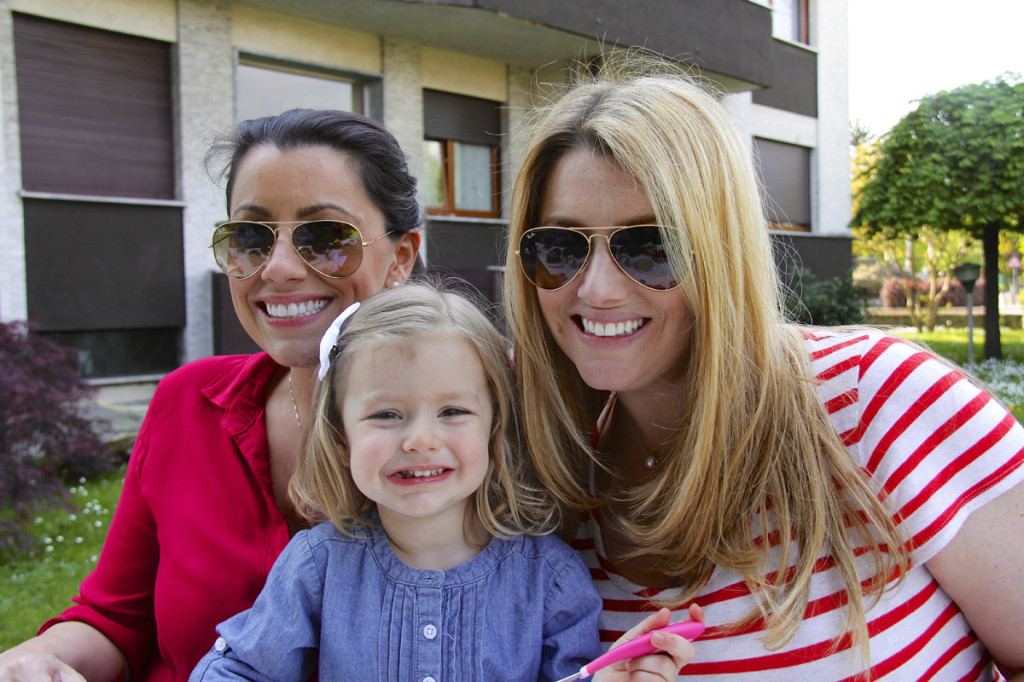
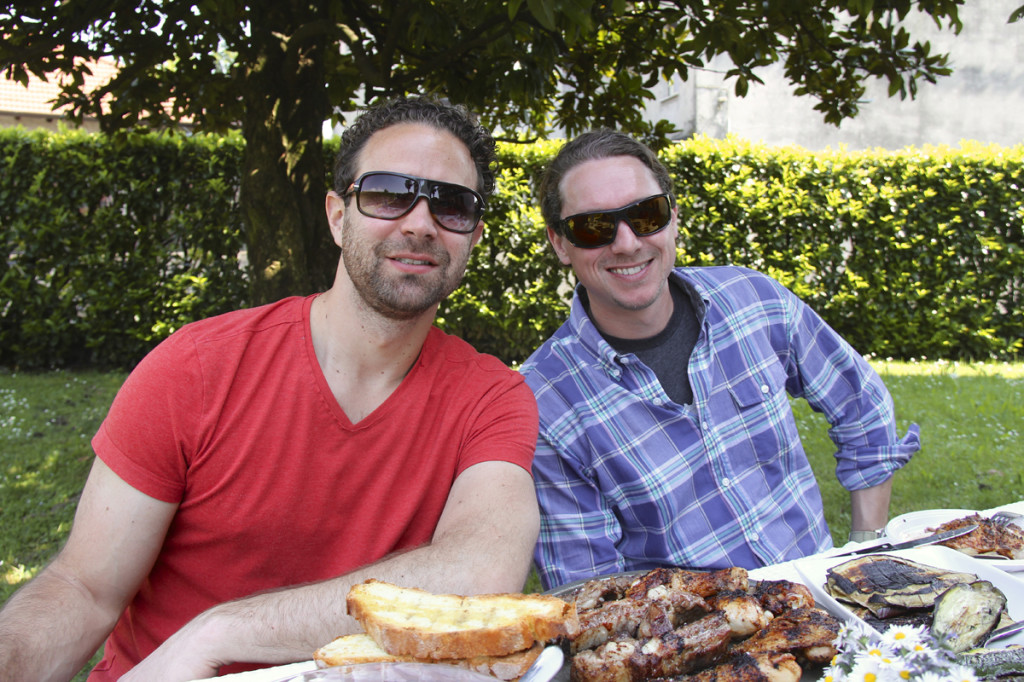
Matt and Jessica before their “date night”Matt and I pulled over for a “selfie” on the way to get his camera. Bellagio is the peninsula behind usMatt and I grilled when we got homeWe cooked some chicken (with American dry rub I smuggled back from my last trip home)Costine (ribs)I asked Julia to watch over the meat for us while we grabbed a drinkGrilled vegetablesInsalata di pomodoro (tomato salad)The table is set and ready for a partyThe gals…
The guys
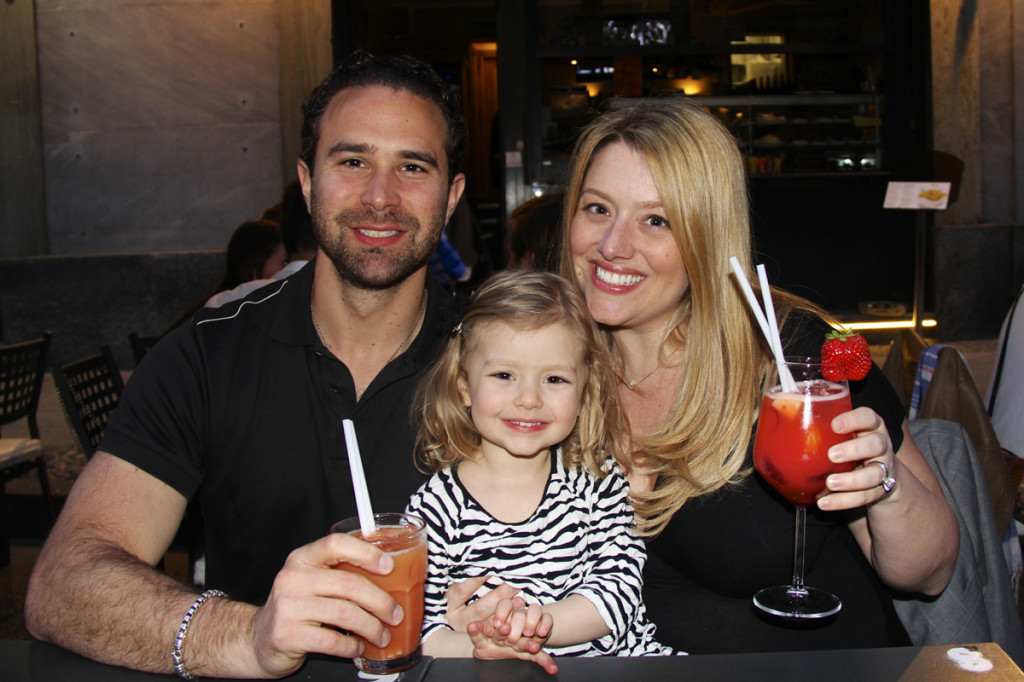
Drinks in Como after our BBQ
We still had plenty more to do with Matt and Jessica, including a trip to the antique market of Milan and a tour of Bergamo – but each of those are deserving of their own post. Sadly, our time with them felt short, as they left us to visit Rome and Venice on their own; but we were thrilled that we got the chance to meet Matt and glad to see Jessica back in her favorite home away from home… Italia!
Man, do I love the bad puns in my titles or what? Probably about as much as I love posing rhetorical questions to my readers…
Roughly twelve days ago, I was as proud of myself as Arvind Mahankali when he successfully spelled knaidel to beat Pranav Sivakumar and secure the championship title during the 86th Scripps National Spelling Bee (apparently, this particular Indian-American knows a thing or two about Jewish comfort food). Why was I so pleased with myself, you ask? Well, I thought that I had finally caught up with our stories on the blog. And then a whirlwind of activity commenced in a flash as Jen’s sister arrived for a visit with her boyfriend. We had such a nice time traveling and eating with them (really, is there anything else you would want to do in Italy?) that now I have a ton more to write about. Additionally, we left them to their own devices while we embarked on a rewarding road-trip, which I cannot wait to tell you about. So, now once again – I am behind the times again faster than you can spell prosciutto.
An accurate portrayal of me as I struggle to keep up with the blog
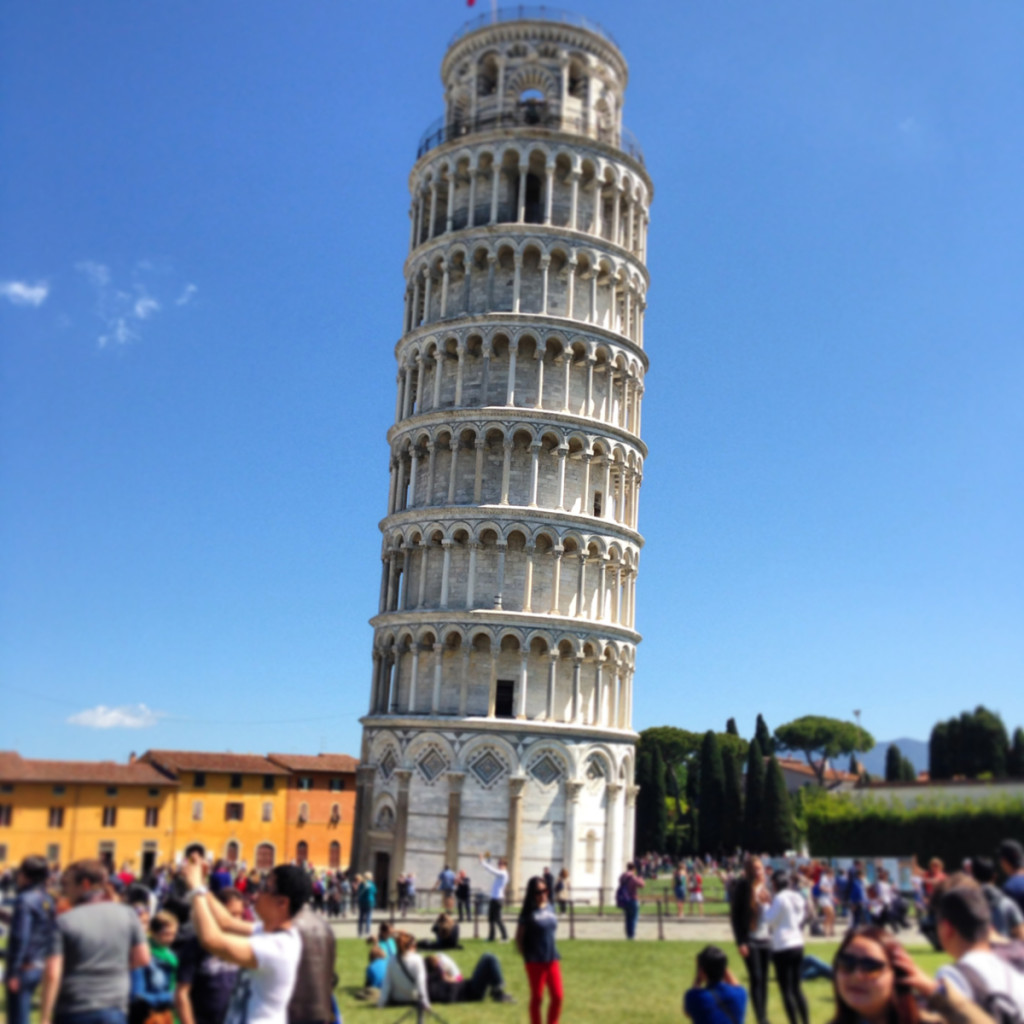
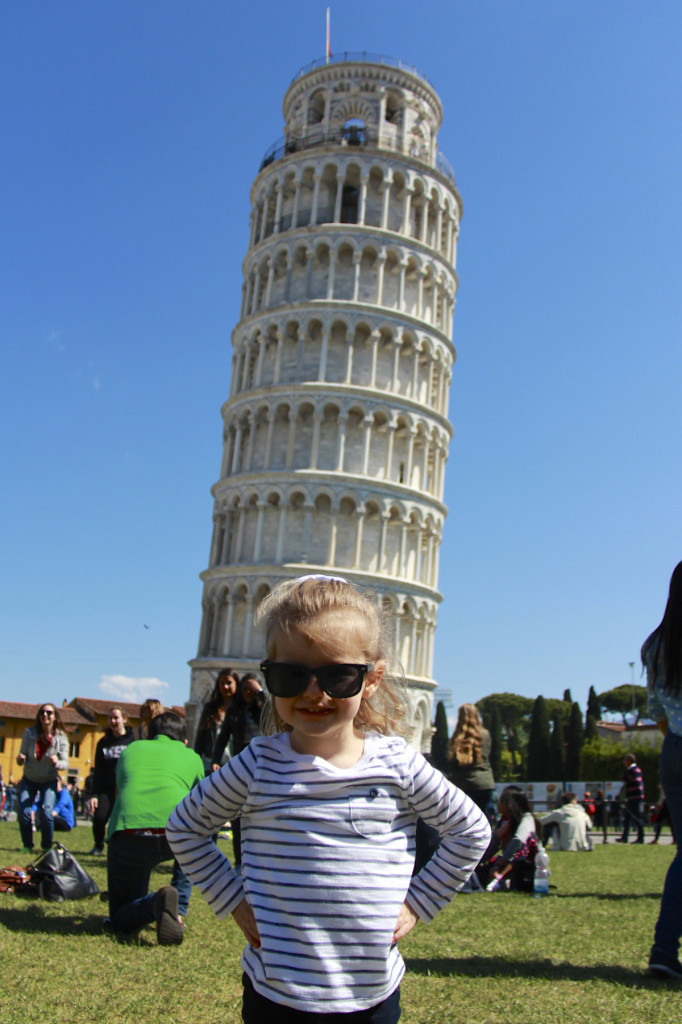
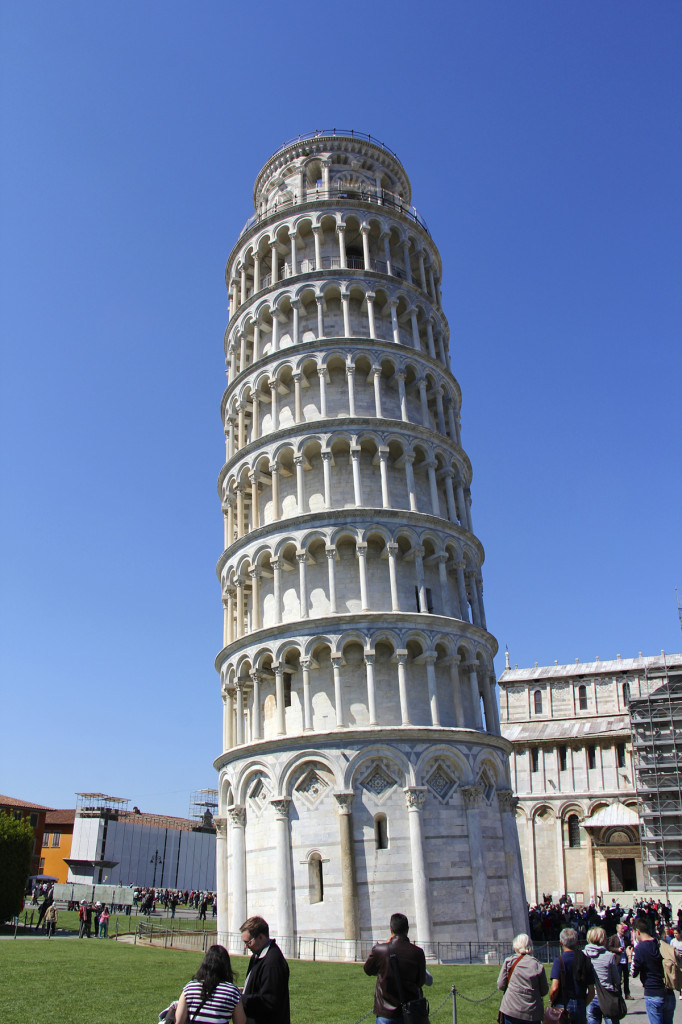
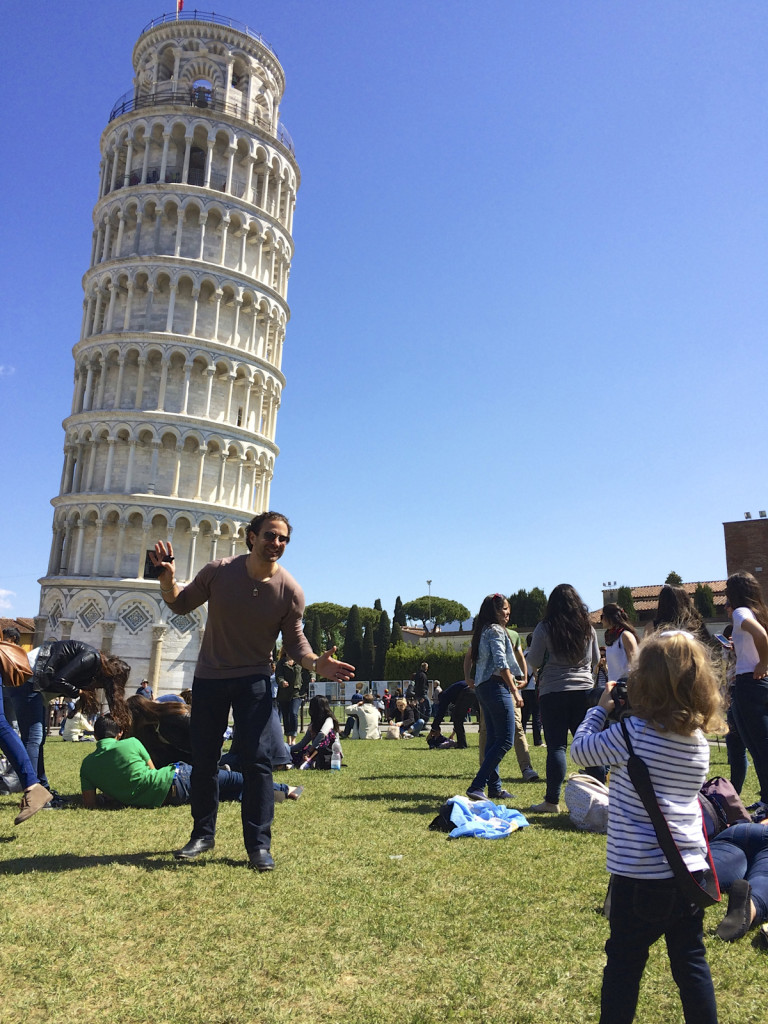
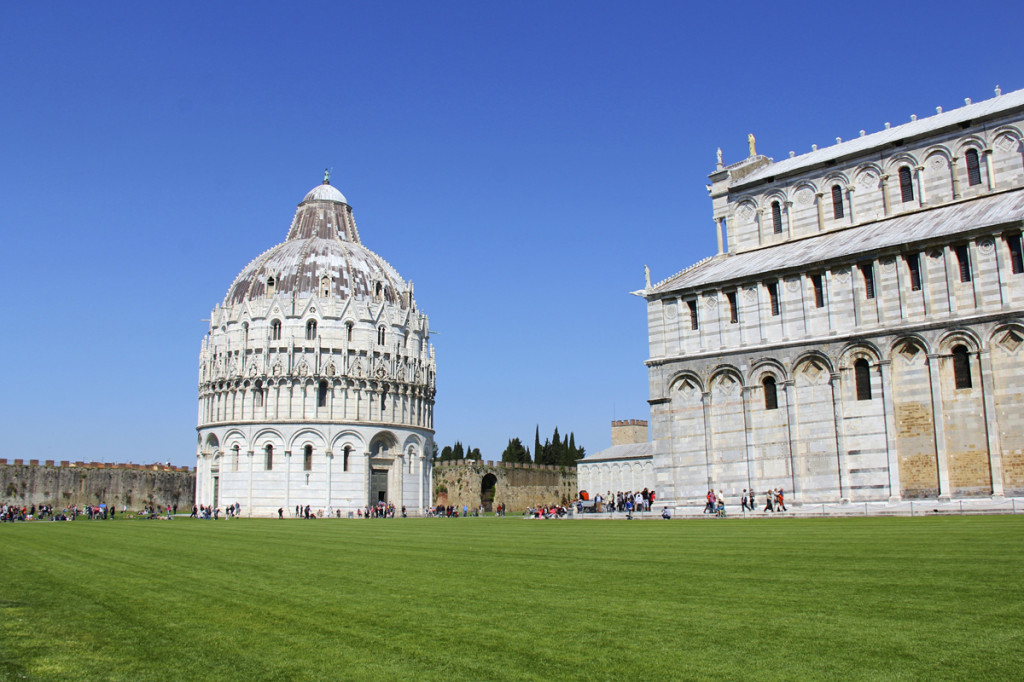
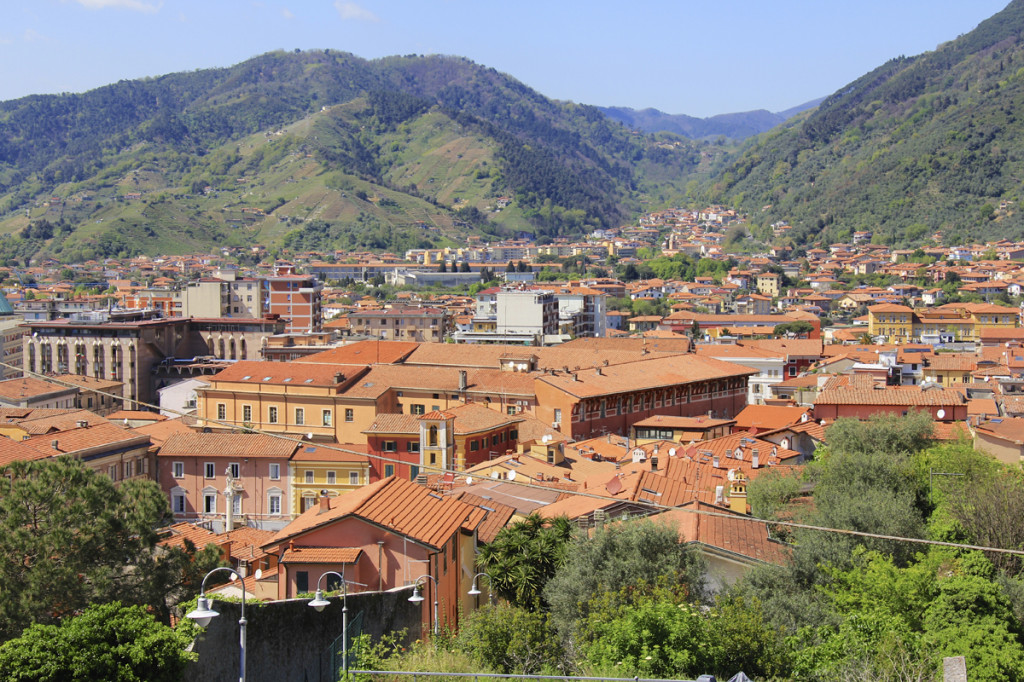
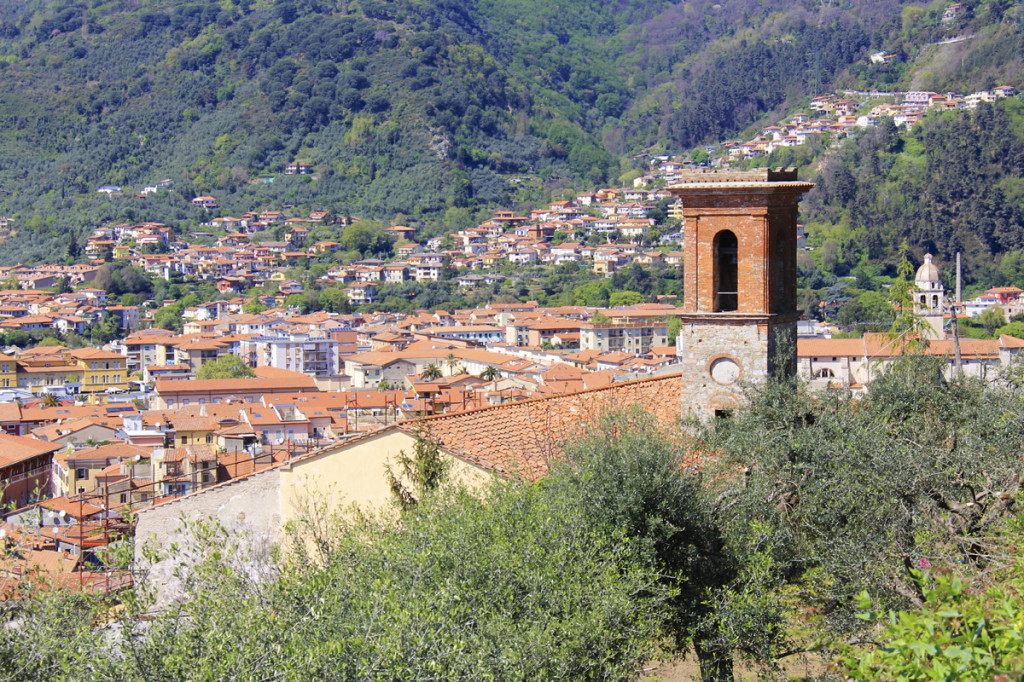
When I was looking ahead toward the next 5-8 posts, I realized that I would be remiss not to step back and mention our visits to Pisa and then Massa in northern Tuscany. When I last wrote, I detailed our trip to Lucca (HERE). During the drive home we detoured to marvel at the Torre pendente di Pisa (Leaning Tower of Pisa) before getting back on the road. We hadn’t traveled too much further when our perfectly timed Italian stomachs told us it was time for lunch (at first I thought our three stomachs growling in unison was a tractor-trailer honking furiously at me). I was more in the mood for a leisurely lunch than a quick stop at an AutoGrill (picture a rest-stop along the NJ Turnpike with better food and espresso). I turned to my trusty “TripAdvisor” cell phone app and searched for a restaurant near us. I discovered Il Fatty (yeah… you guessed the translation; The Fatty) in the city we were approaching. With a name like, “the fatty” – how could you go wrong?! I took the exit toward Massa and headed into the center of town.
Torre pendente di Pisa – Leaning Tower of PisaJulia strikes a poseWork on the tower began in 1173 and took 199 years to completeJulia photographs me in front of the towerBattistero di San Giovanni (Pisa Baptistry) and Primatial (Pisa Cathedral)
You may not have heard of Massa (we hadn’t), but if you’re a fan of interior design, than you’ve definitely heard of the province in which Massa is located, Carrara. Carrara marble is the fashionable stone of choice for kitchens counters the world over. The stone has been mined in this area for centuries (Carrara marble has been used since Ancient Rome). Upon exiting the highway, my mind was set only on lunch with no expectation of discovering any real beauty; the area is heavily industrialized. Like a naval shipyard or factory park, the landscape is blanketed with large machinery, billowing factories and tractor trailers transporting thousands of pounds worth of the white stone.
Massa and Carrara are sister cities in the Province of Carrara
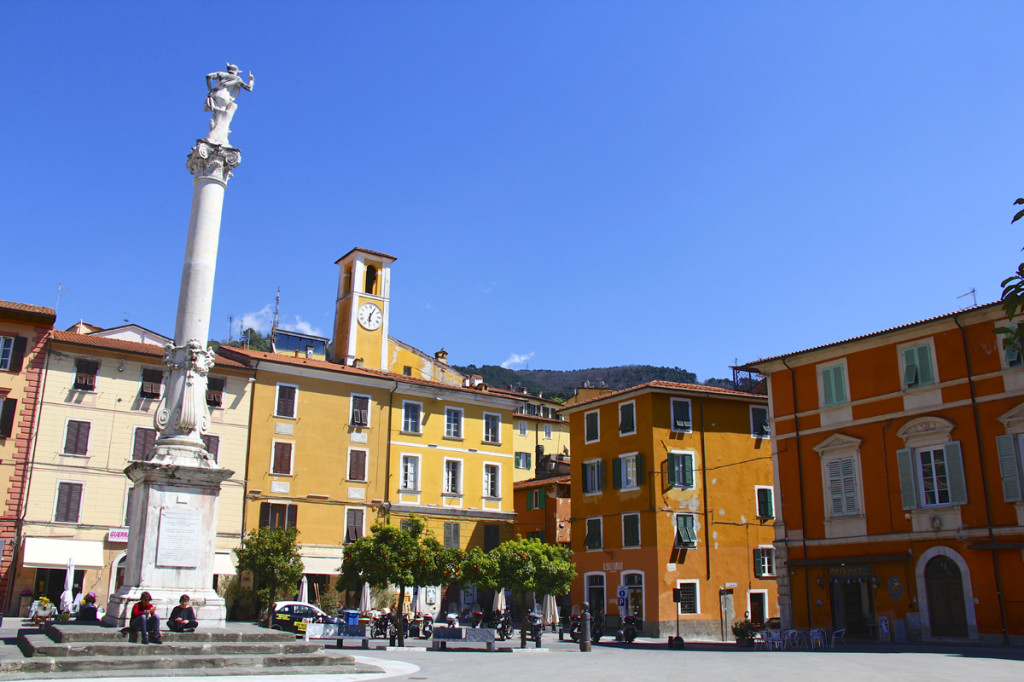
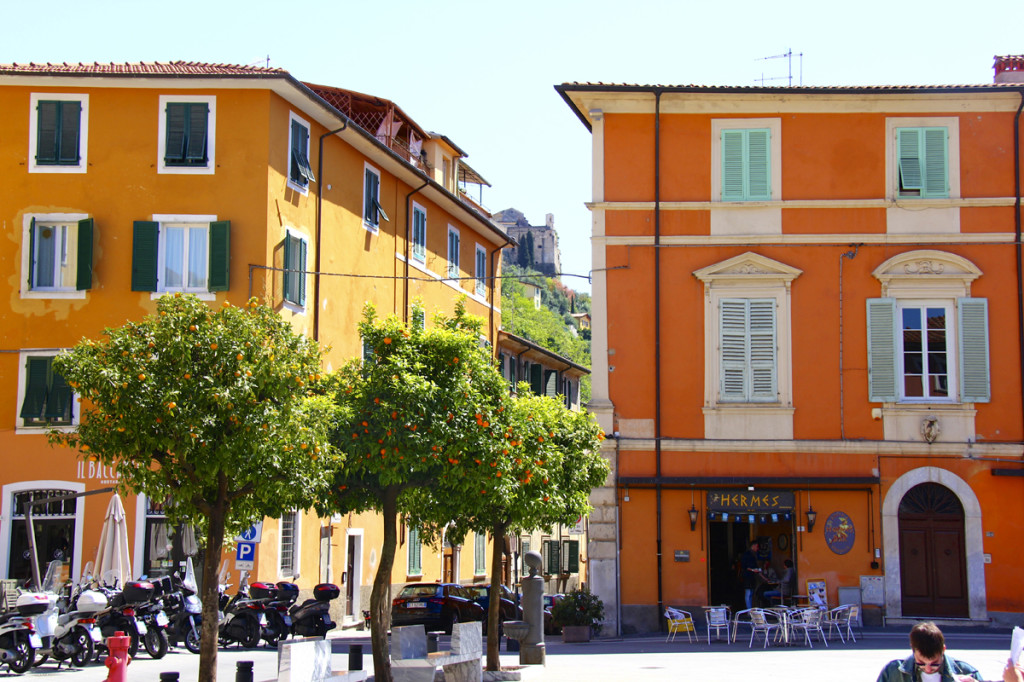
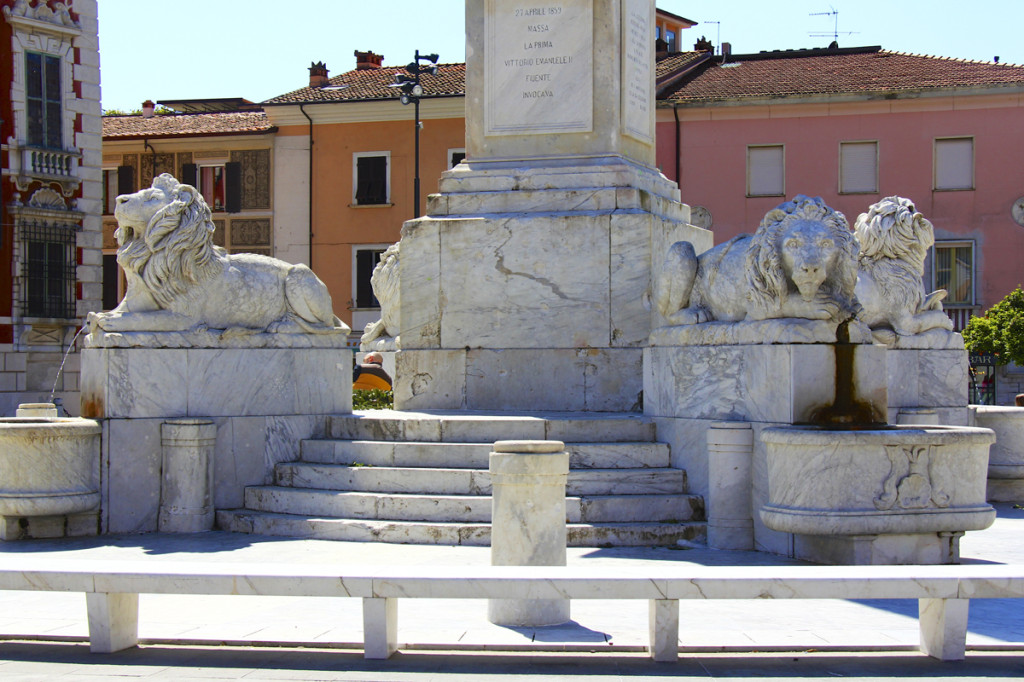
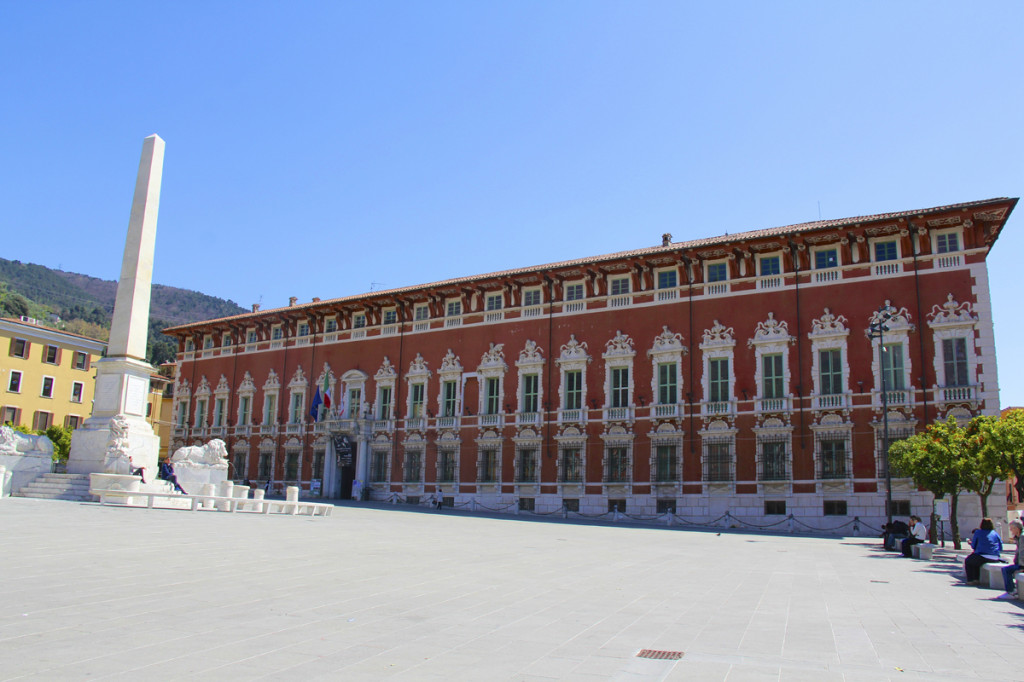
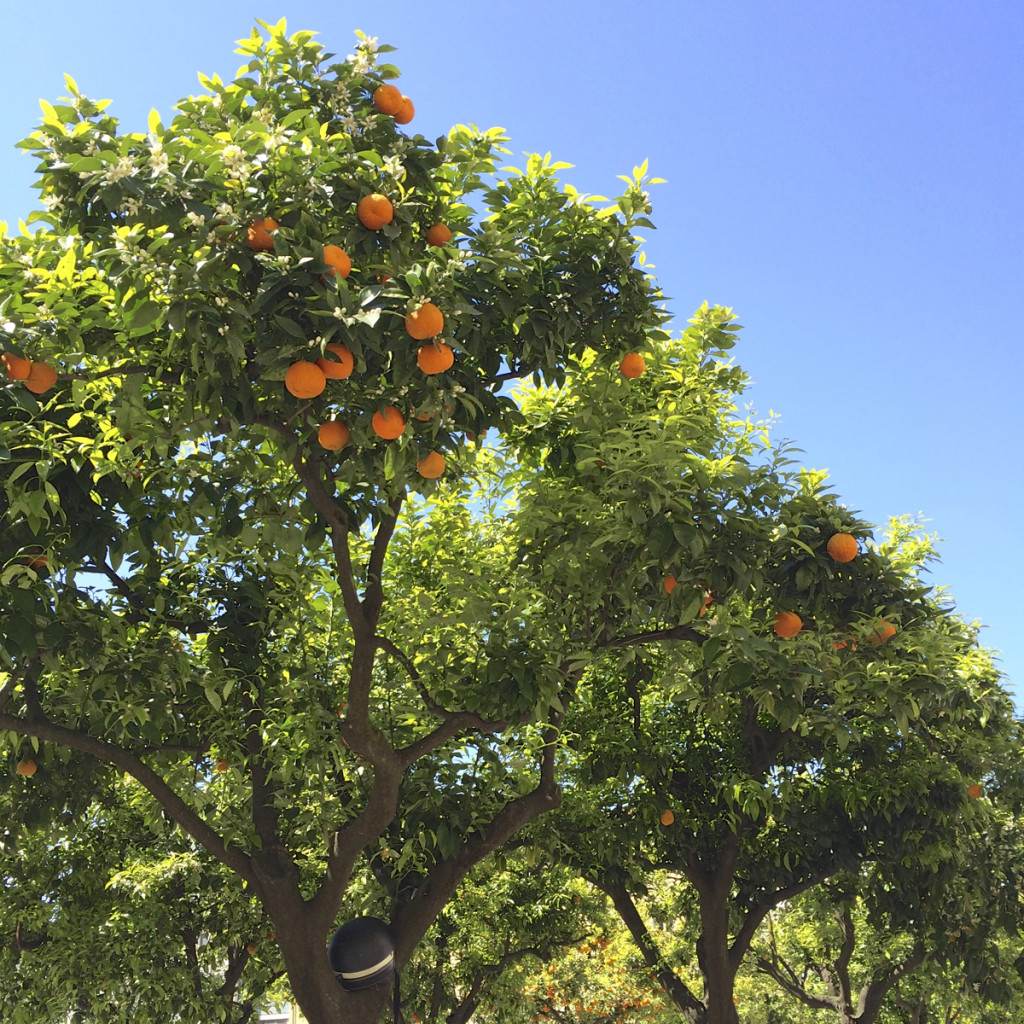
However, we were surprised when we got away from the mining equipment and approached the center of town. The city itself was clean and beautiful. It became obvious that Massa has prospered as a result of the local product. The town is well designed and perfectly maintained. Even the street curbs and park benches are made of Carrara marble! After a delicious lunch at Il Fatty we wanted to discover what the city had to offer. There seemed to be a surprise around every turn. We found orange trees and large piazze (town squares), ancient buildings and ample shopping. We were pleasantly surprised to see how much is available to tourists, although the place is happily devoid of the map-reading, fanny-pack wearing, crowd-shoving sightseers (by the way, I’m not casting stones; that is usually us in a nutshell, less the fanny-pack).
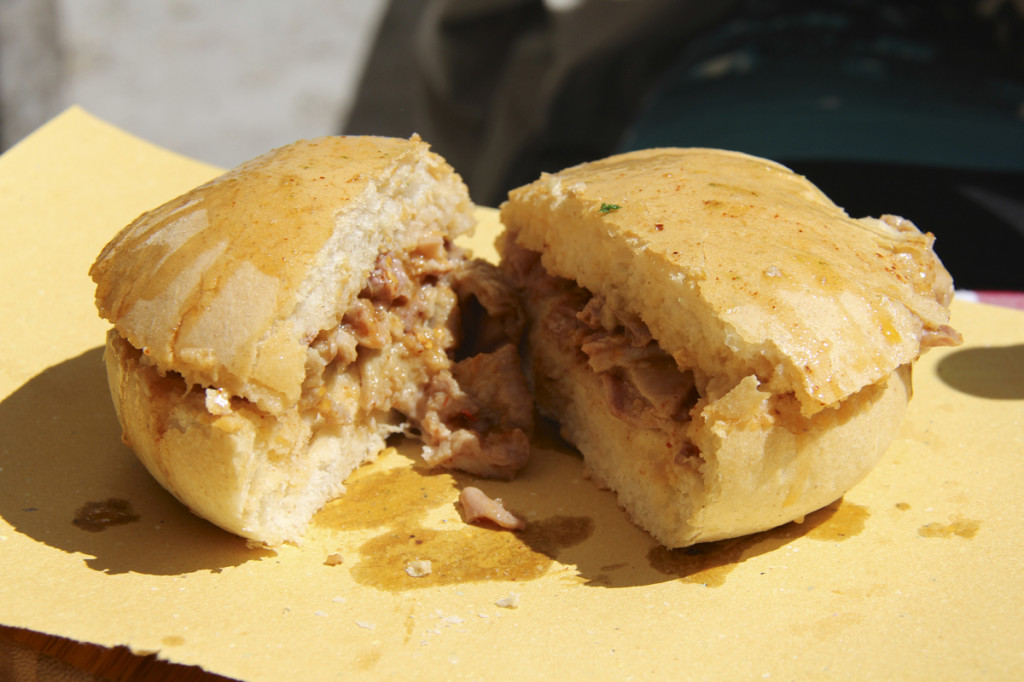
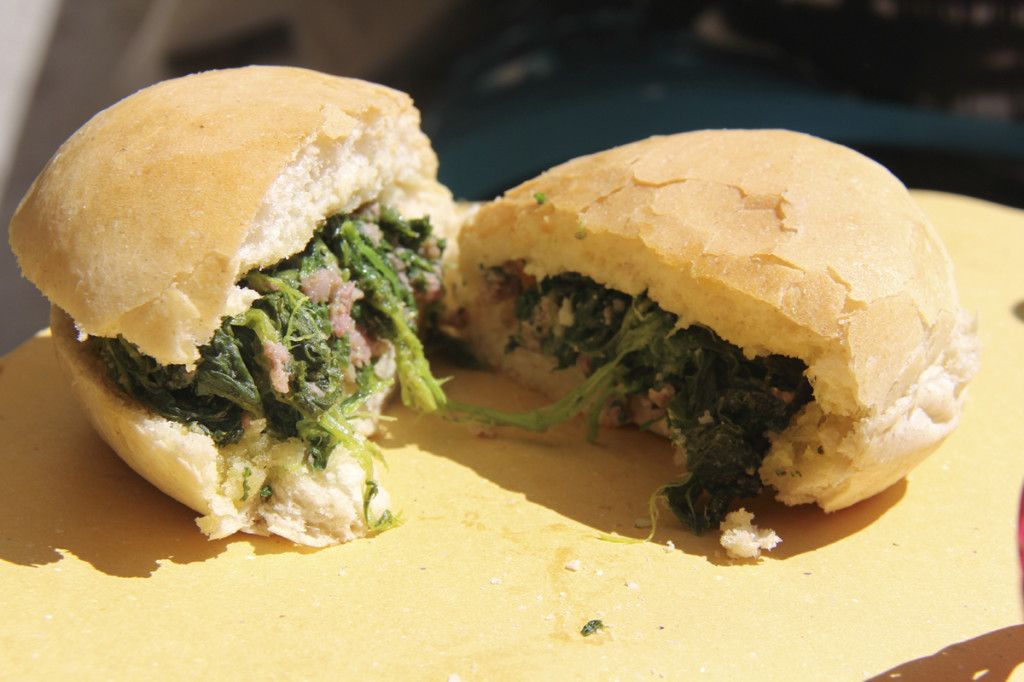
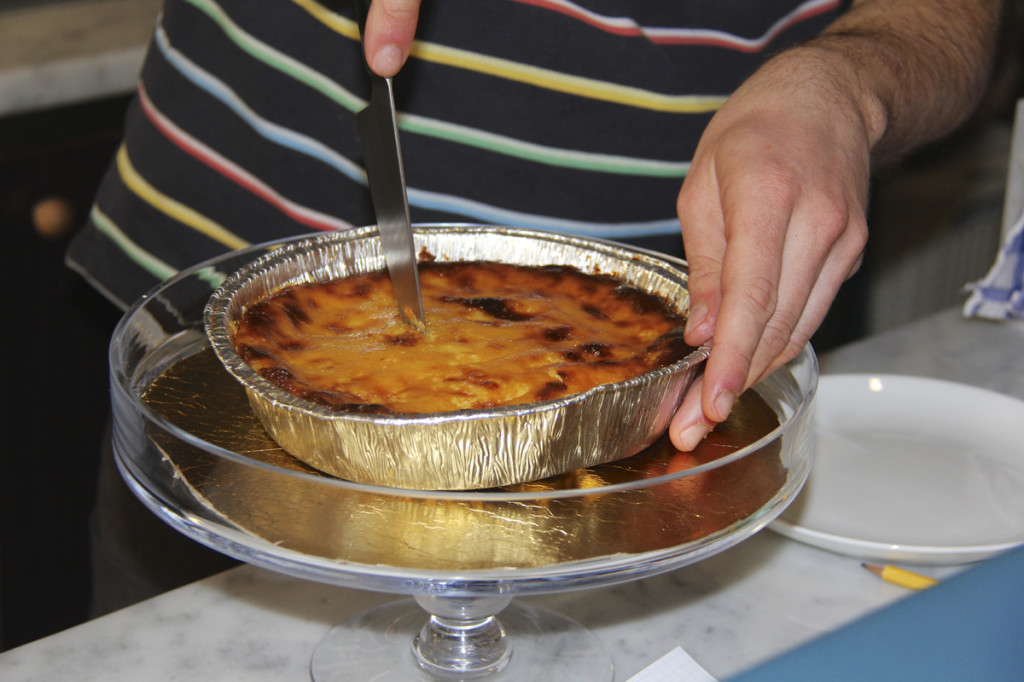
Il Fatty’s “signature” sandwich – Panino LamprodottoPanino salsiccia e rapiniHomemade torta di riso, proudly made by the owner’s son, AlessandroThe interior piazzaSome of the colorful buildings of MassaGreat statue in the center of the main piazzaGovernment building in the main piazzaThere were orange trees everywhere
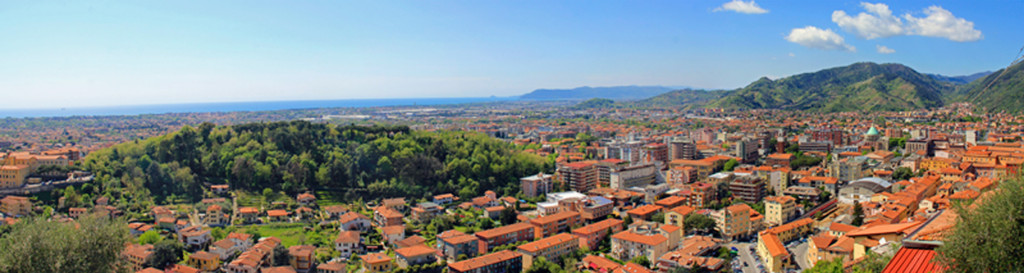
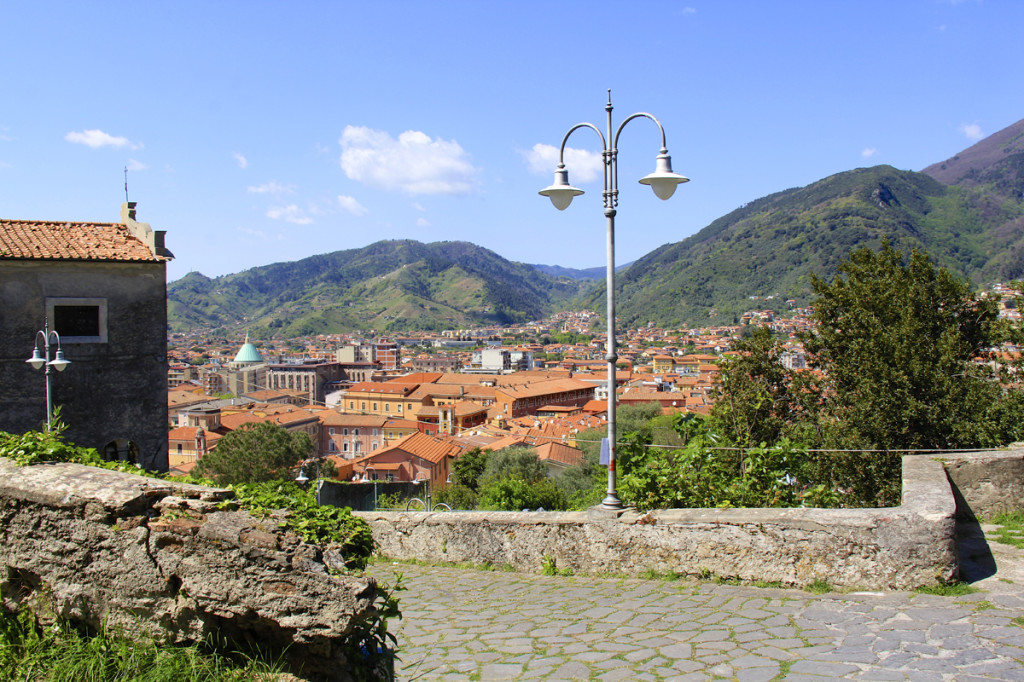
There is even a wonderful 15th century castle perched high above the town. We took the narrow and windy drive up the hill, only to discover the castle was closed for repair. Oh well, I was able to get a couple beautiful panoramic’s of the city and neighboring sea.
Massa on the road to Malaspina CastleView of Massa from aboveThe position of the city is well situated between the coast and the mountains
If I can borrow a page from the Michelin Star guide-book, I would rank Massa with a full star (out of three). One star denotes a very nice place worthy of a visit (but not a place to go far out of your way to see). If you do visit, tell Alessandro at Il Fatty that we said hello. However, be weary of his suggestion to try the local favorite, Panino Lamprodotto. It’s basically just tripe (cows stomach) on a bun – not my favorite Italian food. Of course, I would be lying if I told you I left a single bite behind.
If you read the title of this post with your best impression of an Italian accent, then you probably nailed the pronunciation of one of our new favorite Italian towns. Lucca has been on our bucket list to visit for quite some time and now we can happily say we’ve been.
Lucca, Italy viewed from the Torre GuinigiAnother angle from Torre GuinigiLucca viewed from the city walls
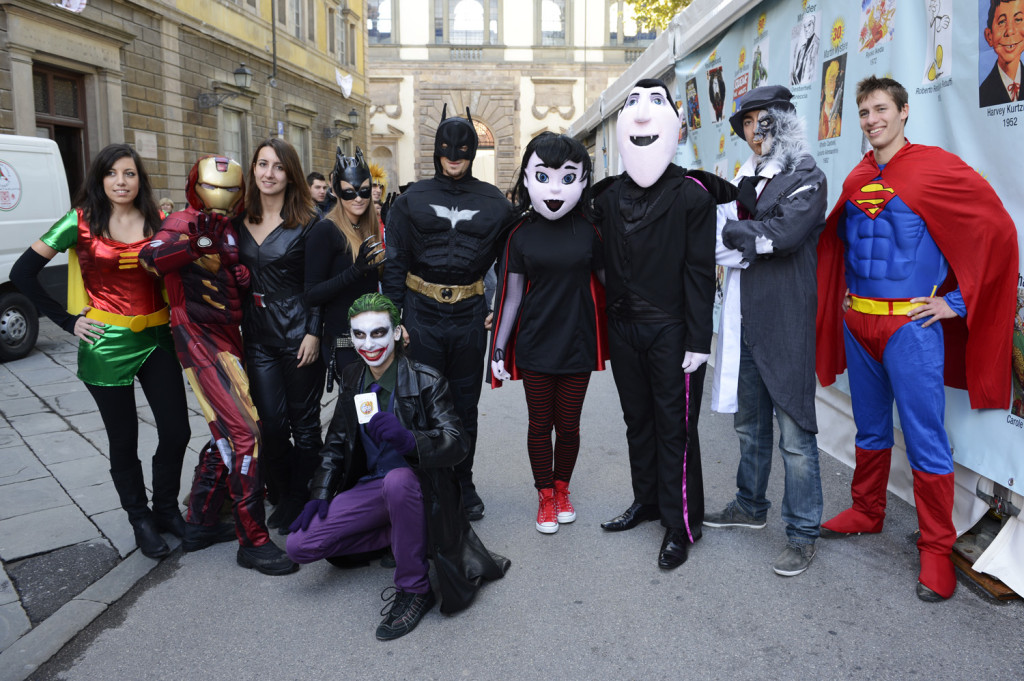
The city is renowned for many things, not the least of which is the giant annual gathering of comic book nerds and fantasy film geeks. Lucca plays host to Europe’s version of Comic-Con, the Fiera Internazionale del Fumetto (International Festival of Comics) or as it’s commonly referred – Lucca Comics and Games.
Some participants of Lucca Comics and Games. Photo courtesy of Francesco Petrucci
For those of us that don’t have any desire to put on a Superman costume (yes, I’m just enough of a geek to know the term cosplay), there is more than enough to do in Lucca, which I will detail below. Thanks very much to some free press bestowed on me by Italia Living, I have recently picked up a few new readers (benvenuto a Sipping Espresso) and so I’m going to treat this post a little differently than in the past. As opposed to running through our little vacation part by part, instead I will opt to go a bit more “mainstream” and simply highlight the featured attractions of the city. Of course, I haven’t boiled it down to a “Top 10 Things To Do In Lucca” just yet. I like to hear myself talk far too much!
Piazza del Giglio near our hotel
During Medieval and Roman times, it was quite common to fortify entire cities behind massive protective walls. Today, Lucca is a preeminent example of such fortification and one of the few cities left in Italy with her ancient walls fully intact. It is a wonderful experience to drive your car through the same gate that was quite possibly used by Julius Caesar himself. Of course, in this scenario, I’m simply the chauffeur and my own little Julia is the royalty riding in the back of the chariot. Even though I can’t positively date the existing walls as far back as Caesar, I can place him in Lucca for the well documented Lucca Conference, along with Pompey and Crassus in 56 BC. The origin of the city itself date back as far as 180 BC. Eventually Lucca rose in importance to the Roman empire and achieved immense wealth and status in the 11th century, thanks to the silk trade. The result of this wealth is evident today; the city is very well maintained. Nearly every street features an ancient church boasting a façade clad with expensive marble. Well designed piazzas are now the gathering places for tourists, street performers and restauranteurs. Streets lined with charming shops and wonderful cafes full of patrons keep the vibe of the city humming well into the night.
The ancient walls completely enclose the cityYou can find many fine examples of sculpture and statues along the top of the wallsThe walls are wide enough for cars to pass along the top, but it is solely pedestrianOne of the many churches that can be found on nearly every corner in the city
Our reason for being in Lucca was to visit our good friend, Beth (although here she goes by, Elizabeth which is better understood in Italian). We had an amazing time when we stayed at her home in Tuscany last year, which I wrote about HERE and HERE. She hosted us once again, but this time it was in the Bed & Breakfast she recently purchased, Le Violette. The place matches her personality perfectly; warm and inviting with an extra pinch of charm. I’ll write a full review of her B&B in an upcoming post. After we unloaded our bags in the room, Beth started our tour of the city beginning with the walls, which were widened centuries ago. In fact, not that long ago they used the walls for racing cars. Today, they are purely pedestrian.
View of the main bell tower of Lucca from on top of the wallsWe made our way to the walls several times throughout our tripJulia wanted to walk on her ownJen and Julia stop for a photo on the wall
We hopped off the walls and strolled through the city, enjoying Lucca as only a pedestrian can.
Via del Fosso has a canal running through the centerVia Cenami is one of the main shopping streetsBeth helps Julia take a drink of waterJulia takes a picture with me in Piazza San FrancescoThe old market building where vendors would set up their stalls
Most Italian cities feature outdoor markets one-two times a week. We made our way to one of the fabulous Lucca mercato (market), which is held every Wednesday and Saturday.
Vendors set up for the market twice a weekWe discovered that we accidentally strolled outside the walls by following the long line of vendorsBeautiful flowers are just one of the many things you could buy in the marketI catch Jen for a photo in the marketThe markets can get crowded but they are a great place to pick up a picnic lunch
While in Lucca, you will want to position yourself in a vantage point that will command a view of the entire city, valley and mountains. You can choose to scale the Torre delle Ore (Clock Tower) or the Torre Guinigi (Guinigi Tower). We opted for the later, because it is the only tower in the city that has trees planted on top. But the ascent is not for the faint of heart; it’s a steep 230 steps until you get to the top. Compared to other similar towers, I found the €6 entry fee a bit steep, considering you don’t get anything other than the view (many similar sites also feature other historical items – this was purely just the tower). I quickly reversed my position on the fee when I actually took in the view. Breathtaking might be an appropriate word to describe the panorama.
The final staircase ascending toward the top of the tower (shooting from below, looking up)I lost my cool when I thought this was the top and I would have to view the city through a cage. When I calmed down, I realized there was a door and simply pushed onView of the city with the prominent Cattedrale di San Martino in viewMore of the city and Torre dell Ore (clock tower)Lucca is a beautiful city set with a backdrop of luscious green mountainsPanoramica da Torre Guinigi – I just noticed that almost this exact shot is in the Lucca city guideI noticed a few groups of school children; Lucca is a popular destination for Italians
You will certainly want to pay a visit the Piazza dell’Anfiteatro, a Roman amphitheater that has been reconstructed into a piazza compete with charming shops and cafes. We sat and enjoyed a few drinks while Julia enjoyed running around with Beth’s son, Indi.
Panoramic of the Piazza inside the amphitheaterJulia and Indi play inside the Piazza AnfiteatroJulia loves chasing pigeons!Outside the Lucca Amphitheater you can see the remains of the original Roman structure
Of course, no trip to Lucca would be complete without a visit to the Piazza San Michele and a tour through the Chiesa di San Michele in Foro.
Chiesa (church) di San MicheleThe Romanesque architecture is clearly demonstrated in the façade, which was built in the 13th centuryThe wealth of Lucca is demonstrated by their larger churchesThe piazza hosts some performers that loved playing American 90’s rock (primarily Nirvana)Julia can’t hear the words of Kurt Cobain without being moved to tipJen and Julia in Piazza San MicheleJulia pushes Beth’s son, Indi across the piazzaPlaying in the piazzaChiesa di San Michele at night
I hope you enjoyed our tour through Lucca together and consider adding it as your next Italian destination. Below are a couple more pictures to temp you even further…
Buccellatio di Lucca is a typical bread that is eaten year roundWe constantly commented on how clean and well maintained the city isJulia enjoys some gelato after dinner one night“Come along for an upcoming post all about a couple restaurants in Lucca!”
Who doesn’t love a good festival? The combination of food, games and fun in an outdoor setting is always guaranteed to be a success. I mean, what more could you ask for? But if the name of the festival is Primavera dei Vini (Wine in the Springtime) and the location is in the remote Italian countryside – then you’ve got all the ingredients you need and more!
Vineyards of Rovescala along our drive into townThe farmers have been producing Bonarda wine for over 800 years
If you check Wikipedia to learn about Rovescala, you will discover that this small commune (municipality) is located about 50km southeast of Milan. Aaaaand… basta (stop). That’s it. If you research the festival itself, you’re likely to uncover only two or three short blog posts about it, aaaaaand… basta! So this event is a relatively unknown festival in a small, remote Italian town – why on earth would anyone be interested in going?! Because it’s a relatively unknown festival in a small and remote Italian town, of course! In our experience, these are usually the best gatherings – genuine and unpretentious, just as it should be in Italy.
I was loving the group of Harley riders that rolled into townOf course, what Italian festival is complete with a collection of Vespa’s?!
Jen and Julia in Rovescala
Every Sunday in March, the residents of Rovescala pull together for the festival meant to celebrate the approaching spring with open air markets, parades, music and games. Of course, what Italian festival would be complete without food and wine as the central theme to the day? With the largest two spaces in town dedicated to either food or wine, you are guaranteed that something delicious will pass your palate. They also had plenty to do for the kids.
They had a face painter for the kids, free of charge – she wouldn’t even take a tipOf course, Julia wanted to be a tigerShe proved how scary she was with a growl and scratch with her clawJen and her baby tiger
I couldn’t uncover a specific reason for the festival, which is close to approaching its 30th year (many such events are held in the honor of a specific saint or battle or historical element). It is my suspicion that the collections of farmers producing a wonderful and relatively unknown wine worked with the local comune (municipal office) to promote their regional product and boost tourism. While the festival does not pull a large contingent of international visitors, each Sunday in March the town swells to capacity with other Italians living nearby.
The town fills up each Sunday in March
Like so many things Italian, the hills surrounding Rovescala are rooted in a tradition that stretches back over eight centuries. The grapes grown for the production of the local Bonarda wines are of a seldom seen variety; the Croatina grape, which is then typically blended with the Barbera grape to make the wine. You won’t discover a finer example of Bonarda wine (not to be confused with the Bonarda Piemontese vine) then you will here in the foothills of the Apennines mountains in our hometown region of Lombardia (Lombardy). This wine website describes the grape,
The mid- to late-ripening grape delivers wines with dark color, gushing fruit, low acidity and soft tannins, often resembling montepulciano or dolcetto in expression.
Before we could get to all the wine tasting, we wanted to fill our stomachs with some food. We discovered that the main pavilion had open table dining, where “neighbors” become friends. In fact, our neighbors were happy to share some of their frog legs with both me and Julia when I asked about them. To say the dining was “organized chaos” is an understatement. But the delicious food, fun neighbors, guitar player and cheap wine (I got a full glass for €1) more than made up for it! The authenticity of the experience was definitely one of these “this is why we moved to Italy” moments.
Inside the pavilion for food – good luck finding a table, we waited about 20 minutes for spaceWe were thrilled when we finally claimed our spotWe lucked out with some great neighbors who were a lot of funIt was great listening to this guy playing and singing at the next table
After lunch, we strolled past the outdoor vendors displaying their hand crafted goods – anything from homemade grappa to artisanal wooden bowls. We made our way to the main hall where the farmers were eager to showcase their wines. A modest €5 bought me an empty wine glass complete with a nifty case that allowed me to dangle the container from my neck (you know, in case I needed both hands to have a conversation like a true Italian – picture a lot of hand gestures). We befriended, Alessandro Dellafiore – the President of the Pro Loco Rovescala a local organization designed to promote local products. He explained that as long as I didn’t leave the building, I could re-fill my glass any number of times and try as many different wines as my little heart desired. “Jen, buckle up and get comfortable – we’re going to be here a while!“
Merchants sold all type of hand crafted goodsInside the wine hall Alessandro gave Julia a wine necklace so she could join in the funJulia carefully helps me select my favorite wine
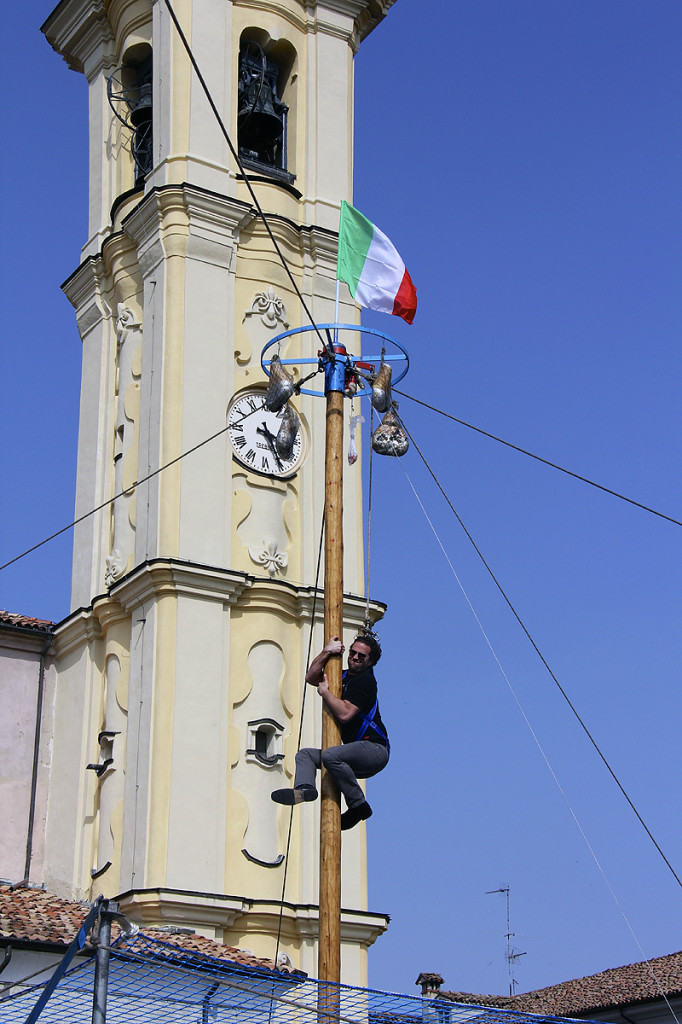
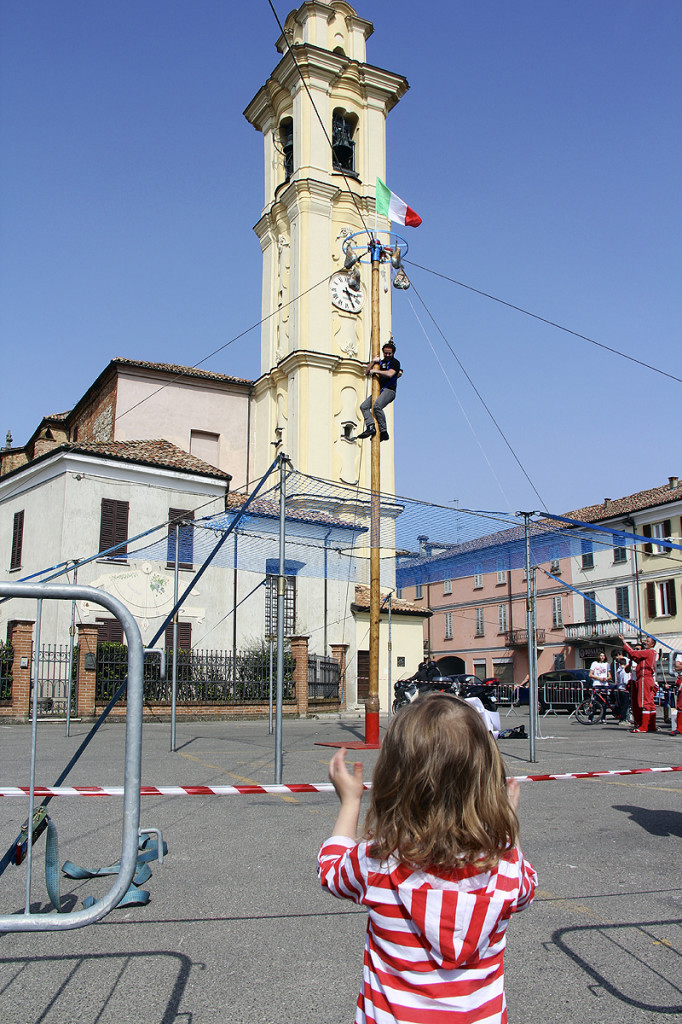
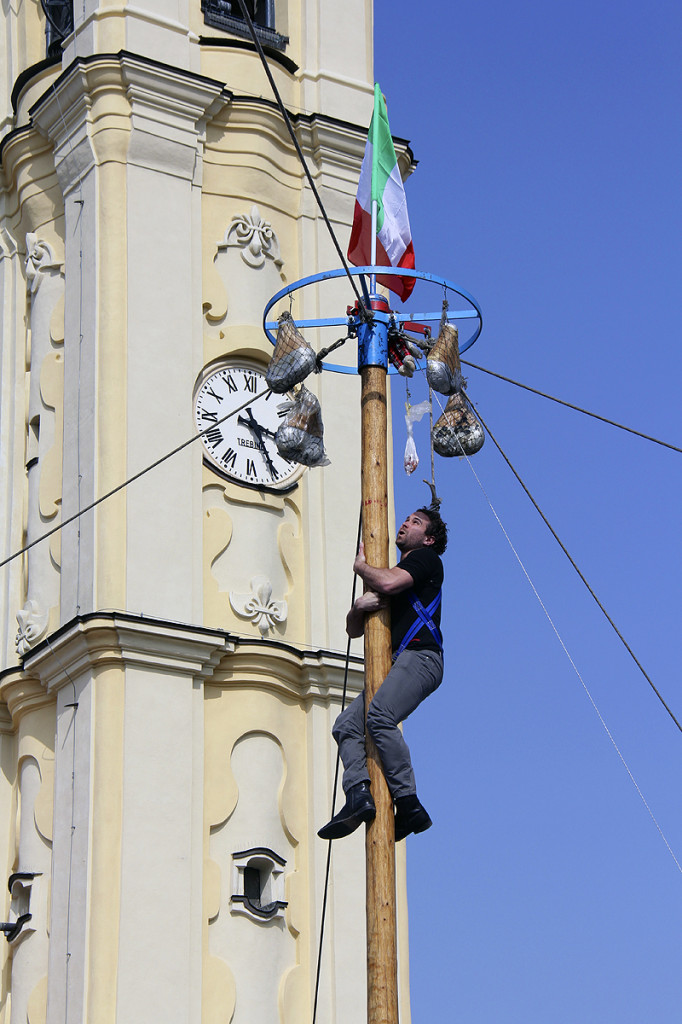
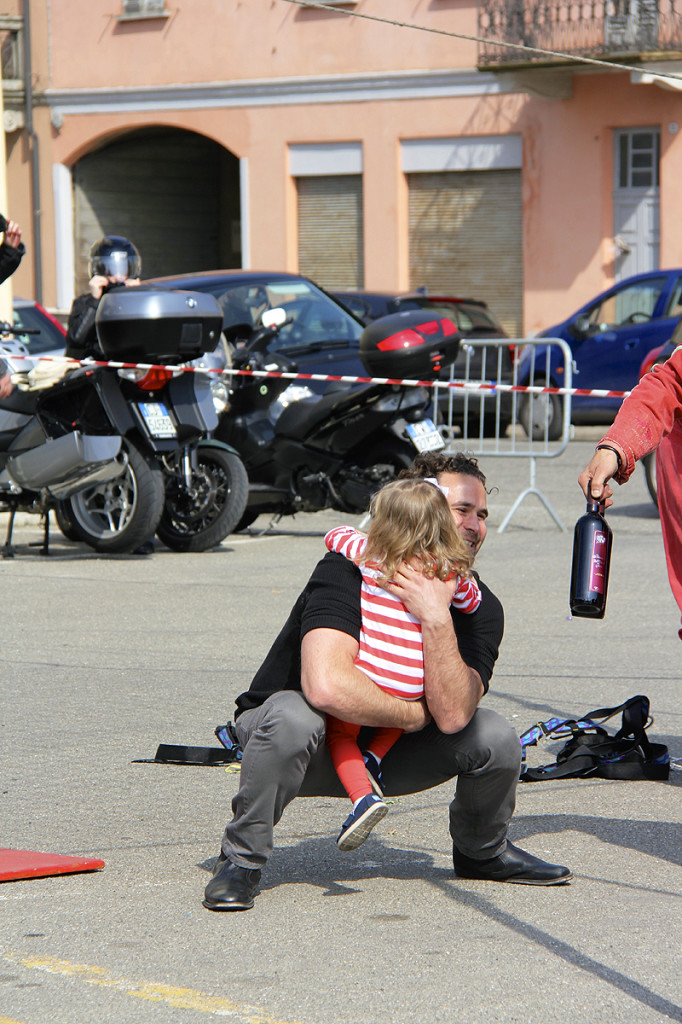
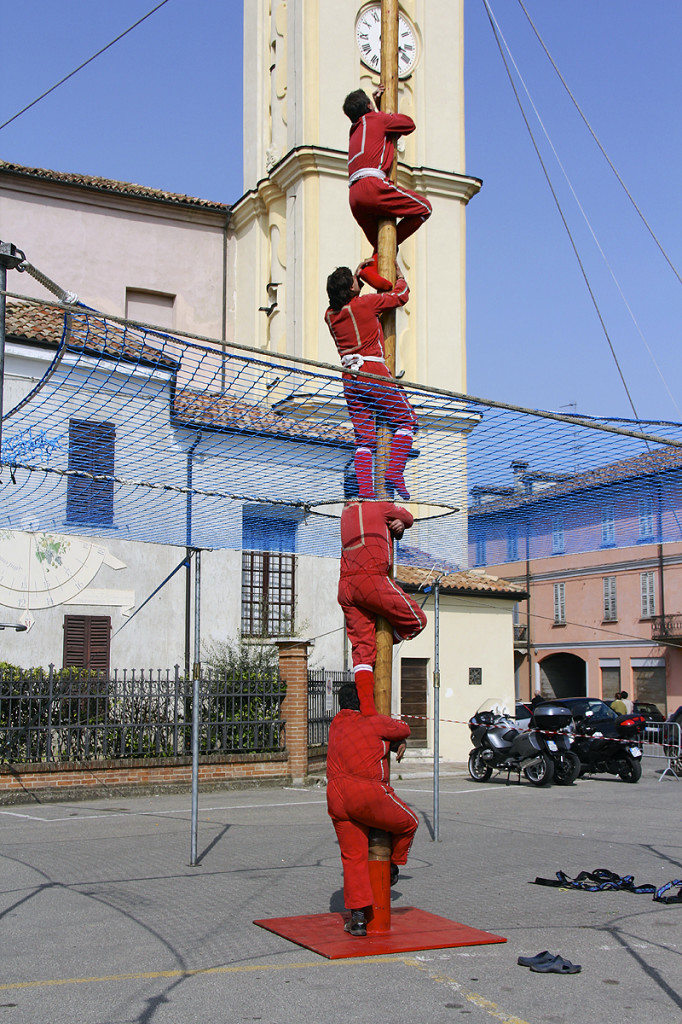
After I had enough liquid courage, I decided that I needed to demonstrate my manliness. I can think of no better way to peacock than to climb a telephone pole in order to slap a leg of prosciutto! I was in luck, as that option was readily available to the brave few willing to try. I waited and watched a half a dozen guys and gals try and fail to reach the top. While I was in line, a kid roughly fifteen years old made it to the top. His effort was rewarded with a bottle of wine. I grinned in admiration of the culture that rewards their youth with a bottle of wine. When it was my turn, I strutted to the pole as if I was Michael Jordan saddling up to the free throw line. I knew it would be no problem to practically fly to the top. That is, until I made my first upward thrust and realized my dress shoes were a major detriment. I nearly slipped coming right out of the gate, but I recovered and found my grove. I made it to the top of the pole in record time and was the only person to receive a large cheer from the crowd and two bottles of wine for my speed (and a bit of showmanship). After I came down, I was pleased to have earned a big hug from Julia in addition to my liquid prize.
I get strapped in for my long climbIt may not have been graceful, but I was the fastest climber of the dayJulia cheers me on – just the encouragement I neededAt last! I made it to the top and slapped that prosciutto like I’ve never slapped a prosciutto before!Julia ran up and gave me a big hug – that was the best prizeOf course, a couple bottles of wine isn’t too shabby eitherJulia wanted to have a goShe did pretty well – she won a generous bag of candyHere we are showing off our prizesAfter the participants all volunteered, the pros took overThey made it look easy!
We wrapped the day with a little more walking and shopping (we went back to buy some wine as gifts and to add to our cellar). Julia stopped to take a seat and “chat” with some locals in front of their home – I suppose she wanted to practice the Italian art of dolce far niente (the sweetness of doing nothing). All in all – it was a fun day and well worth the time in the car.
Julia is an expert at “dolce far niente” (the sweetness of doing nothing)Our collection of “fair booty”
“The journey should be fun, but if you haven’t learned anything along the way, you’ve not yet reached your final destination.”
-Greg
If you can find Kim Kardashian quotes online, then certainly I should be allowed to try my hand at it!
“Excuse me… did you just try to author a quote – that’s my domain!”
There is a point to that quote however, apart from just trying something new. Our journey abroad has been a wonderful and wild ride. I have had a blast blogging about it and I appreciate all of my readers for tuning in. But more importantly, I’ve learned a thing or two over the past year. As it relates to blogging specifically, I’ve learned a lot. When I look back at my older posts and blogging habits I cringe. I used to spend ages loading photos, and have just recently learned a shortcut that saves me hours. I moved from Blogger to WordPress, which I would equate to a jump from junior high directly to college (my MBA is awaiting the day I can build my own website). I have learned that Top Ten lists and featured images of scantily clad women get you the most page-views. I used to write posts that seemed to go on for days (and you thought I wrote a lot now), but recently I am attempting to keep each post specific to one topic (as opposed to combining multiple cities and multiple food related stories all into one post).
“Tell me about these ‘shorter’ posts, daddy”“I think it’s a good idea in theory, but let’s see if you can really stick to it!
With this new framework of shorter posts I think the blog tends to be a little cleaner and better organized. Of course, I have given myself a lot more work in the process. When we took our first cruise last summer on Holland America’s Nieuw Amsterdam, I wrote three posts on the matter (HERE, HERE & HERE). However, on our adventure aboard Celebrity Cruises Silhouette, I have written nine posts on the ports (ROME, ROME, FLORENCE, GREECE, MONTENEGRO, CROATIA, VENICE, VENICE, SICILY ) and one on the FOOD… you know, for good measure! While I have enjoyed reliving this memorable trip – I will tell you that I am thrilled to announce this is the final post on the matter! Whew… I think we can both breathe a sigh of relief!
In fact, I think it might even be worth dancing about…
So, let’s get down to business. By now – you’ll know that any cruise two main components. There is the shipboard life and the daily excursions. I’ve usually been able to mix in a little shipboard life in these posts, because that’s as enjoyable to us as any of the sightseeing. What follows are a few photos of our final days at sea, including our last formal night, Julia with her friend Ava and an amazing show that the dance crew put on.
All dressed up for the final “formal” night on the cruiseTrying to get creative with a photo shootJulia and her bestie, Ava with the Cruise Director, Patti HonackiThese two were thick as thieves“Come on guys, follow us!”Julia was a big fan of the Executive Chef, Anthony WilsonThe wonderful dance crew performed a “Cirque du Soleil” type performance on the final nightThe girls hug one of the performers
Our final port of call was Naples, a major city in the Campania region of southern Italy. If we had been allowed five days in Naples, we wouldn’t have scratched the surface of this unique area of Italy. For the art and architecture lovers, days can be lost walking around the city of Naples. For the history buffs, you can do no better than exploring the ancient cities of Pompeii andHerculaneum, frozen in time as a result of Mount Vesuvius eruption in 79 AD. For the rich and famous, there is hardly a more popular place to be seen than one of the beach towns along the Amalfi Coast, such as Positano. Of course, if none of that tickles your fancy, you could just simply stop and enjoy a pizza. Naples is credited as the birthplace of pizza and still boasts the title as Heavyweight Pizza Champions of the world (although you may get some argument from other regions in Italy).
The streets of Capri, an island near NaplesCapri
We only had a limited amount of time, so picking our daily excursion was next to paramount. I haven’t been faced with a decision this hard since picking my first ride of the day at King’s Dominion. We felt as though just on this cruise alone, we had already seen so many stunning cities and ancient wonders that we would prefer to enjoy the day unplugging while embracing a taste of luxury and beauty. We decided to hop on another boat and set sail for the small island of Capri.
Capri combines stunning manmade and natural beauty
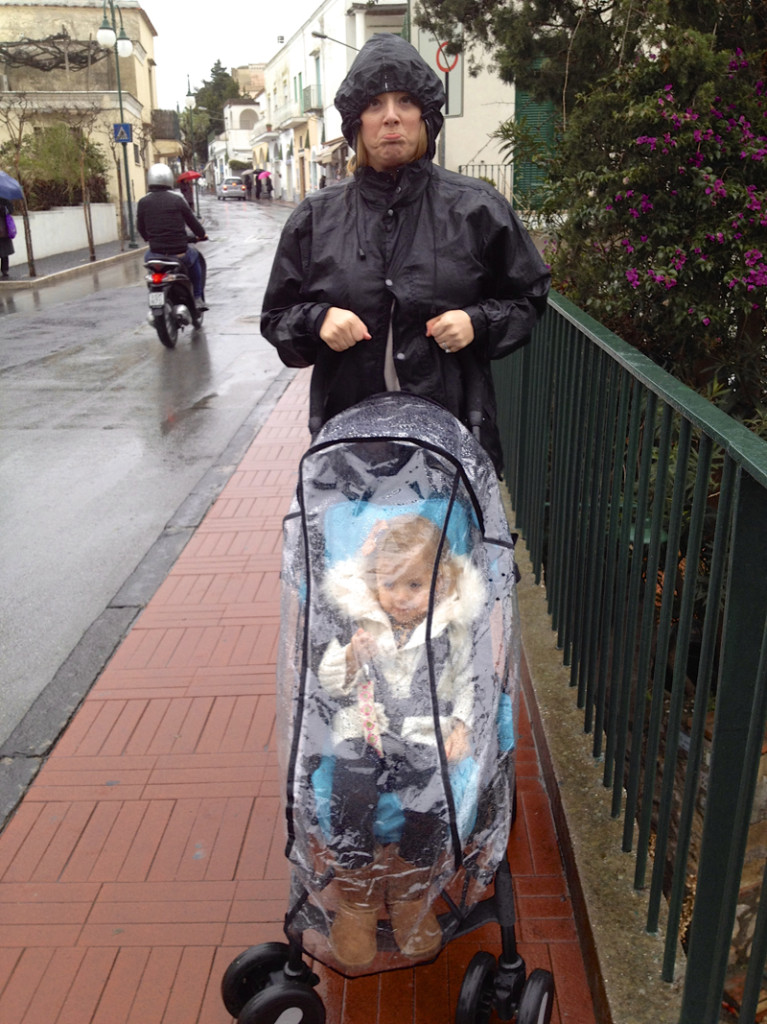
The small island of Capri was blessed with such natural beauty that it was pre-destined to be a paradise hideaway; it has been a resort destination since the time of the Roman Republic. Unfortunately, I don’t have much proof to offer other than a handful of poorly shot photographs. Immediately upon disembarking the ship, we were pelted with rain.
Sadly, this was how we spent most of the dayPart of the main piazza upon taking the funicolare to the top of the mountainView looking out from the top of Capri
We soldiered on and explored the island until we were finally able to duck into a restaurant for a meal and refuge. In this video, Julia helps me taste my wine at lunch.
After lunch, we walked around a bit before throwing in the towel. Cold and wet, we were feeling defeated. We were both sad that our final day turned out to be such a bust, but please don’t let our dark day discourage a visit to Capri. Even through cloudy skies and wet streets, the charm of this island village was not lost on us. We do hope to get back one day… and this time, we’ll stay long enough to enjoy the city of Naples and surrounding attractions.
“I don’t want these cruise posts to end!” (well, Julia… you’re the only one)
If you read about our recent trip to Venice (HERE), then you’ll know that we finally unlocked the key to really enjoying Venice. In a nutshell, it involves beating the other tourists to the finish line. If the “finish line” is a guided tour in Palazzo Ducale (Doge’s Palace), then be the first person in line in the morning. If the finish line is grabbing a moment of solace in an empty Piazza San Marco, then you’d better be there as the sun rises (conversely, you can arrive well after the sun has set and listen to the beautiful music of the dueling bands). Or, more simply, you can do what we did; visit this magical city in the off-season and get to know the city of Venezia (Venice) without having to put up a fight.
San Marco Campanile and Doge’s Palace seen from the water
If you’re blessed with a couple of days in Venice, I would suggest that you go a bit deeper than the surface level attractions. Skip the gondola ride (it’s overpriced anyhow) and instead tour the neighboring islands. With 117 to chose from, you’ll have your pick. You can visit the Jewish Ghetto on the island of Cannaregio. Many of the beautiful parks and gardens on the island of Lido are free of charge to you botany lovers. Or, for the real adventurers, you could opt to wade into the marshes and cast nets with local fishermen near the island of Chioggia.
The Church of San Giorgio Maggiore Church on the island that shares the same name
We knew that we wanted to visit the island Murano and watch how the world-famous Venetian glass was blown. This would require a little preparation and so I enlisted the assistance of a guided tour. I discovered a wonderful website that offers local tours at very reasonable prices – Viator. Travel bugs, take note of that website! It is a great resource for sight-seeing tours in cities all over the world. We will definitely use them again; my only regret was not discovering the website sooner. When searching for a tour of Murano, we found a better option – a tour that also included the islands of Burano and Torcello. You can find the link to our specific tour HERE. I bought my tickets ($28 pp) and had the confirmation sent to my smart phone. I showed up at the designated area, presented the pass on my phone and received our tickets to the boat. Easy, breezy, lemon-squeezy.
Venetian workers were out in the early morningWorking on the water here is no different than working on a truck in another city
Before our tour departed the main island, we had enough time in the early morning to drop by Venice’s famous fish market. The Mercato di Rialto (Rialto Fish Market) is in the area affectionately known as Cuore della Città (heart of the city) behind the Rialto bridge. This area by the famous bridge was settled in the 9th century and becoming a booming marketplace by 1097. Today, the fish market still stands as a wonderful place to visit and buy fresh seafood.
We enter the market – the Winged Lion of San Marco warns not to touchThe ladies are excitedPESCE (FISH)!This guy looks tastyThe granchi (crabs)I wouldn’t want to get bit by this guyThe displays were beautifulThere was also wonderful looking produce – these are delicious peperonciniA butcher – this one specializes in horse meat, common to find in Italy
After viewing the market, we wound our way to the tour meeting-point next to San Marco Square. Our four-hour tour included a professional guide, a glass-blowing demonstration in Murano, a hand-crafted lace demonstration in Burano and round-trip transportation to all three islands via boat. I thought the price was very reasonable for all that was included, but truth be told – the price paid for little more than transportation. The guide was impossible to understand over the boat’s roaring engine. All in all, I’m still happy with the deal and it forced us to be back on our cruise ship in time for departure. Nothing like being stranded on a remote Venetian island and watching your cruise ship sail past to ruin your vacation!
Julia walks on the pier of Burano
Venetian glass, which is more commonly referred to as Murano glass today, is widely recognized as one of the most specialized and beautiful hand-crafted items the world over. Venice emerged as a prominent glass manufacturing center as early as the 8th century. The origins of glass making going back to the Roman Empire when molded glass was used to assist in the illumination of bathhouses. The island gained it’s notoriety when the Venetian glass blowers were all ordered to move their foundries to the island of Murano in 1291, for fear of fire on the main island. By the fourteenth century, the glassblowers were considered among the most elite of Venetian citizens. The closely guarded secrets developed on the island laid the foundation for a glassmaker monopoly on high quality glass that lasted for centuries. Our tour guide explained that even to this day the artisans of Murano are highly trained in this unique skill that is closely monitored by the Glassmakers Guild. Among other things, a Murano glassmaker must be the son of a tenured glassmaker and apprentice for twenty years before being allowed to make his own glass. A “young” glassmaker on the island would be someone who is in his mid forties.
We toured this factory, C&A GiserrieriThe artisan stands next to his furnaceHere he shapes or “marvers” the glass by rolling itNext, he “cuts in” to score the piece’s neckThis is where he is “trimming the lip” with shearsAnother example of design, he quickly molded a horseHe demonstrated the heat of the piece by simply laying a piece of paper on her neck, which immediately burst into flames
Next, we set sail for Burano, which is known mainly for its painted houses and the church of San Martino’s leaning campanile (bell tower). They also have an established reputation for their creations of lace.
As we sailed toward Burano, we could clearly see the leaning bell tower (in the background)A better shot of the bellower – it is leaning quite a bitThe painted houses were something to beholdThere were canals just like on the main islandThe vibrant colors were really something else!We loved strolling around and taking in all the beauty of the island
Lastly, we finished on the island of Torcello. We were surprised to learn that this was actually the first island to be settled by Venetians, and once held the largest population of the Republic of Venice. Today, you can hardly see evidence of this; the island is so sparsely inhabited that only a few structures remain and the inhabitants number fewer than a couple dozen. The main attraction nowadays is the Cattedrale di Santa Maria Assunta (Cathedral of Santa Maria Assunta) founded in 639 AD.
Torcello was very different from the other islands of Venice proving that each island offers it’s own unique beautyJulia and I walk along the ancient canal in TorcelloSince it was cold, we warmed up with a little vin bruléJulia and I take a stroll over this bridgeSanta Maria Assunta (left) and Santa Fosca (right)The historic Santa Fosca church – you can distinguish the Byzantine influence
If you are planning a trip to Venice anytime soon, I would definitely recommend a tour of the peripheral islands. If you discover any other fun places to visit, please drop me a line and let me know!
Since I’ll never be a movie producer, I finally have another outlet to satisfy my life-long dream to wrap something up with the simple phrase…
I think this is a fitting title to end our trip in France, which you can read about HERE, HERE and HERE.
Our little family recently journeyed into France for a visit with some wonderful friends, Michel and Shirley (read his blog HERE). We spent a few days with them in their home in Sablet, France. They were wonderful tour guides, packing in many activities that they knew we would enjoy. After a day spent touring some of the most beautiful villages in France, we had a serious thirst to quench. So the next day, we took advantage of our prime location in the Côté du Rhône region of France (arguably one of the most well-known wine producing regions in the world) and drank our way throughout the area.
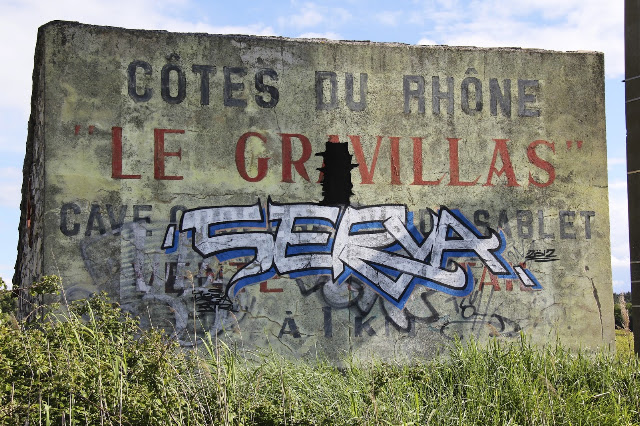
Cool street art just outside of Sablet
Michel owns a charming bistro in Northern California (Bistro des Copains) that has not only increased his knowledge of Californian and French wines, but also given him a unique “in” to the local wine producers surrounding his village. It’s one thing to call and set up a tasting, and another thing entirely to call and set up a tasting because “I might decide to purchase your wine for my restaurant”. Ladies and gentlemen, feel free to unroll your red carpets now!
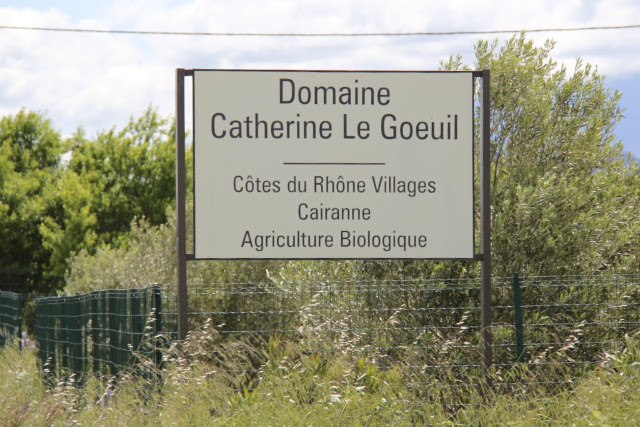
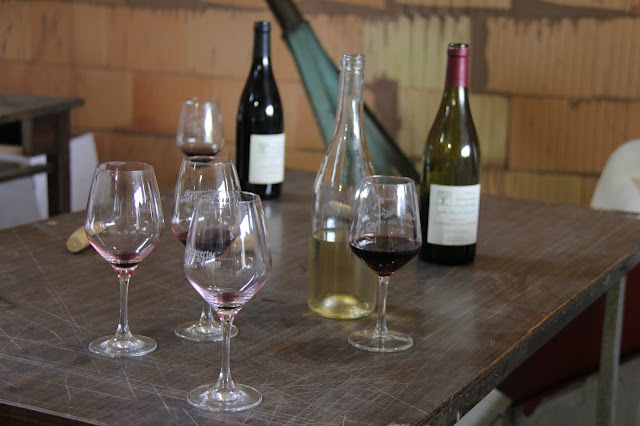
Michel did a wonderful job selecting three wineries to visit, ranging in size of production, type of wine produced and varying ambiance for our tastings. We started the tour at, Domaine Catherine Le Goeuil in Cairanne, a short ride from Michel and Shirley’s home. Catherine had set up a tasting for us in the production facility next to her home. Since I could not possibly tell Catherine’s story better than she could, I have copied her brief biography about the wine she produces from Kermit Lynch’s wine merchant website.
Catherine Le Goeuil’s taste for adventure has made her a leading pioneer in Cairanne. Having been born in the Congo to French parents, she had already lived in interesting places, but she longed to return to her roots. In 1993, with little experience and great determination, she and her family bought a six-hectare domaine. Soon after implementing one of their first chemical treatments on the vines, Catherine became very ill. The viticultural direction for the domaine became instantly clear. In her mind, farming as naturally as possible was the only way to go. Over time, she started the conversion to organic farming, and is now fully certified in this methodology. In a village just shy of one thousand inhabitants and only two others who farm organically nearby, her decisions have been met with suspicion and trepidation. Though rooted to the place both figuratively and literally, she is still considered an outsider—not that she lets this dilute her conviction in any way.
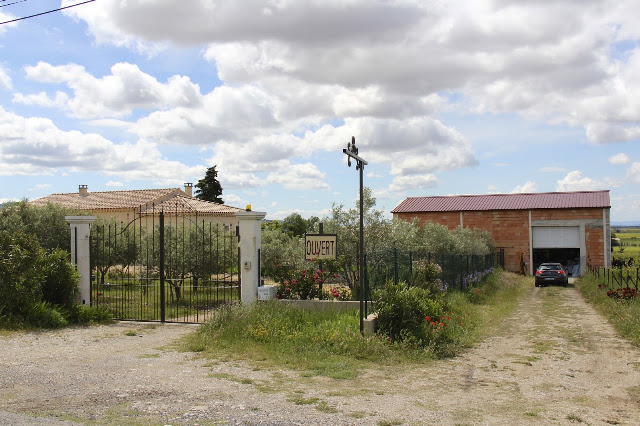
Domaine Catherine Le Goeuil
Ouvert (Open)
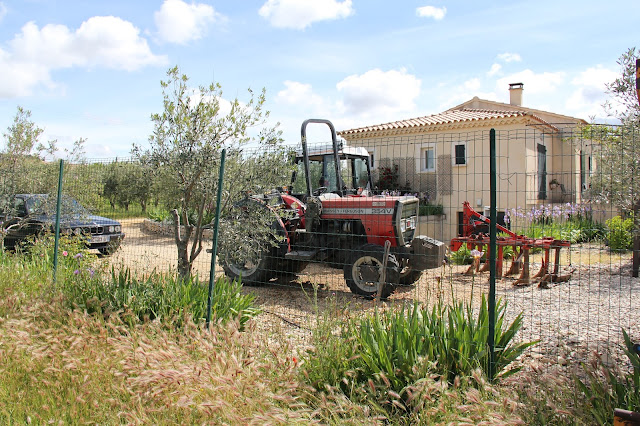
Part of the modest estate
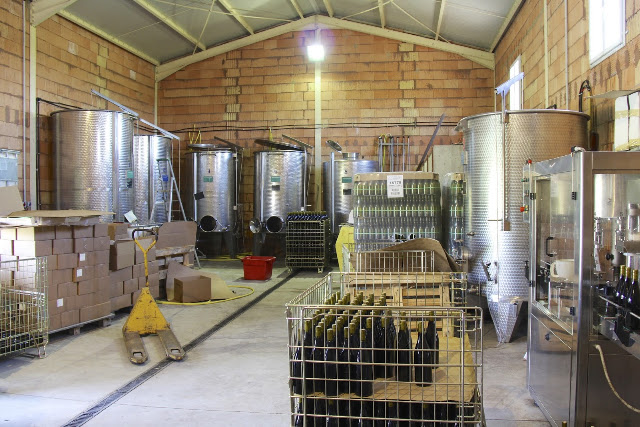
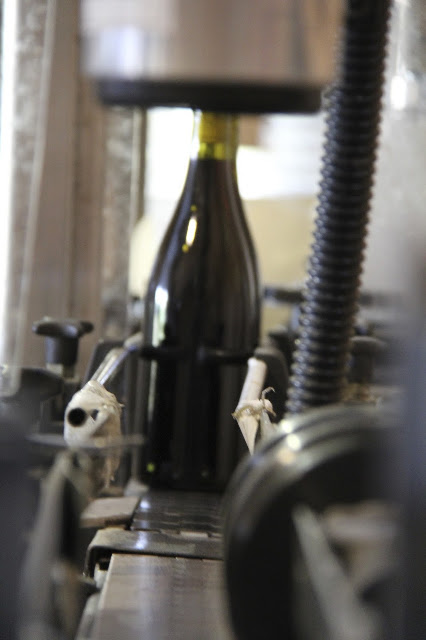
Inside the bottling facility
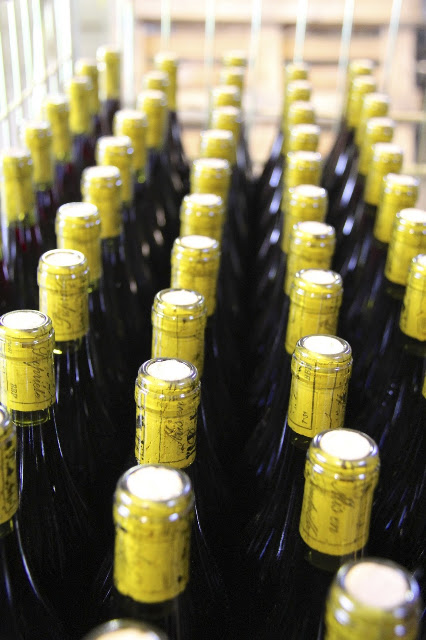
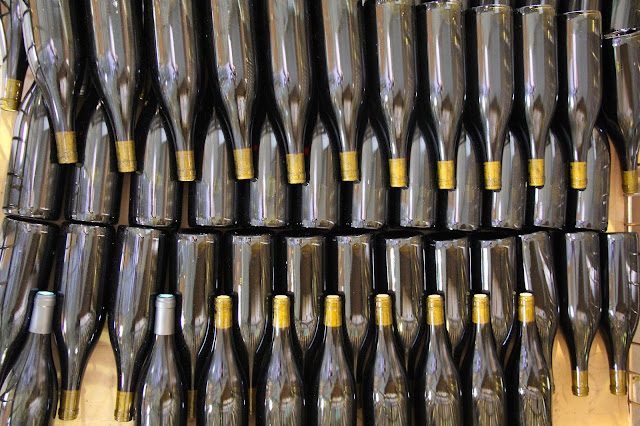
French wine bottles
Bottling process in action
Loved the symmetry of the packaging
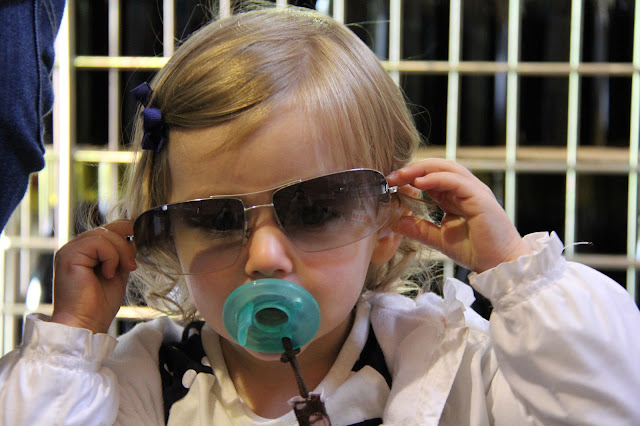
Julia always has to look her coolest
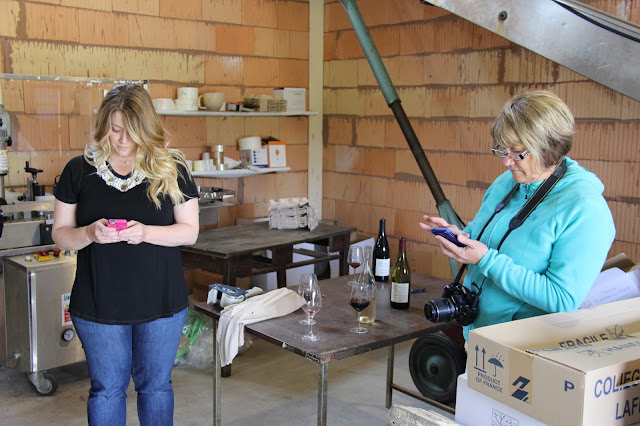
Jen and Shirley were kind enough to be our “scribes” so Michel and I had the necessary information for the our blogs
Aftermath of our tasting
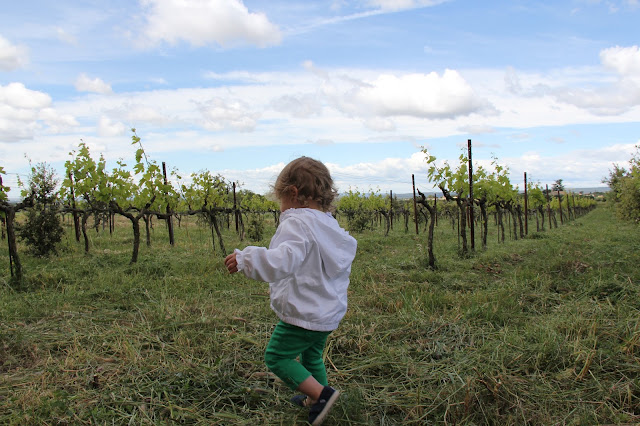
Julia ran wild in the vineyards
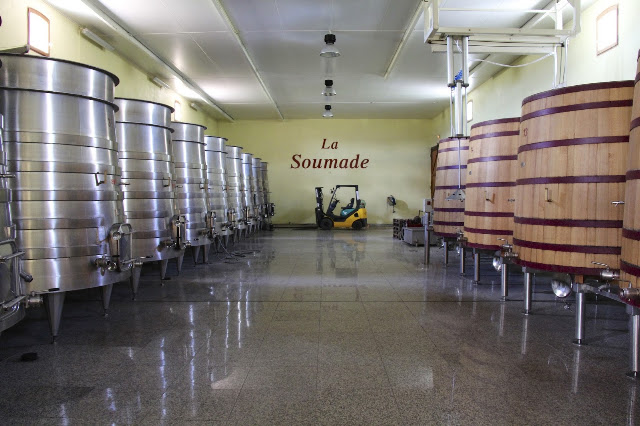
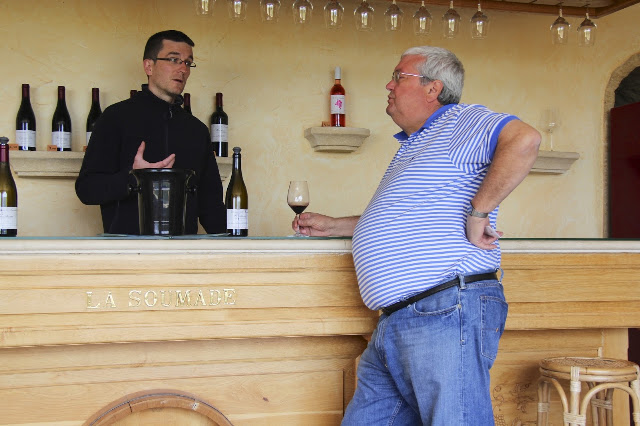
Next, we ventured to Domaine la Soumade, a winery founded in 1979 by André Roméro (website). We slowly worked our way through a flight of Rasteau before selecting which bottles to purchase (or in Michel’s case, which cases to purchase).
Casks
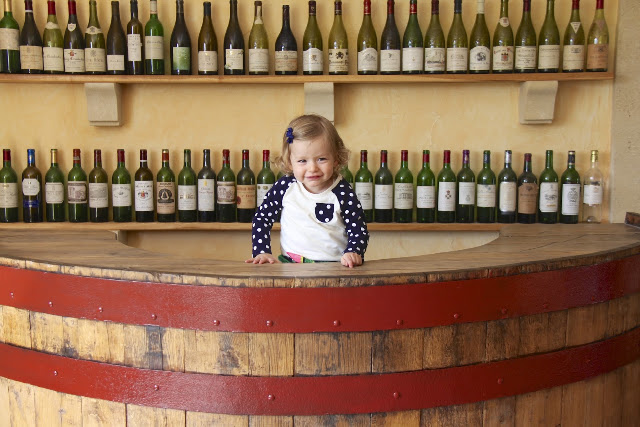
“Step right up… what’ll it be? May I recommend a grenache?”
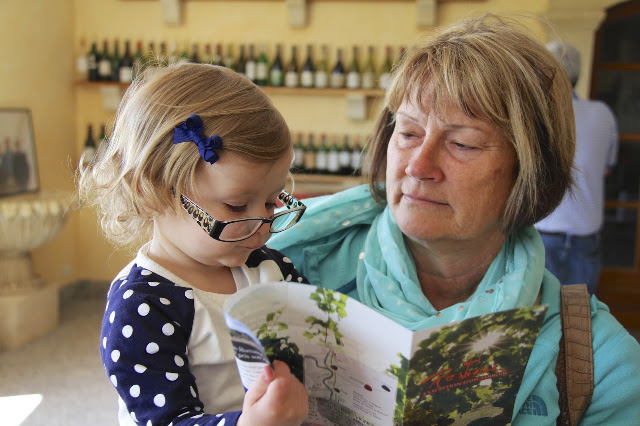
Reading to Shirley
Michel speaking to our host about his wines
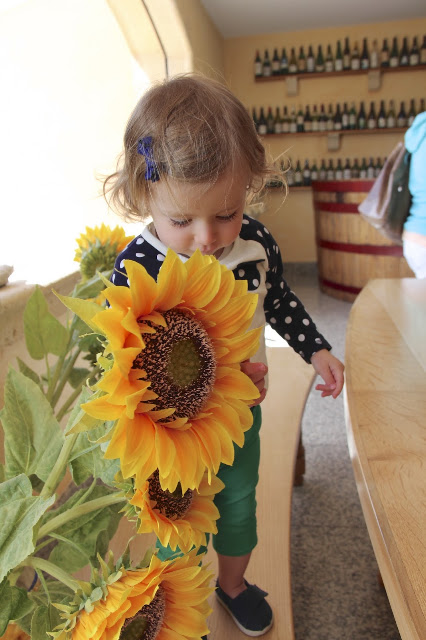
Julia plays with the sunflowers
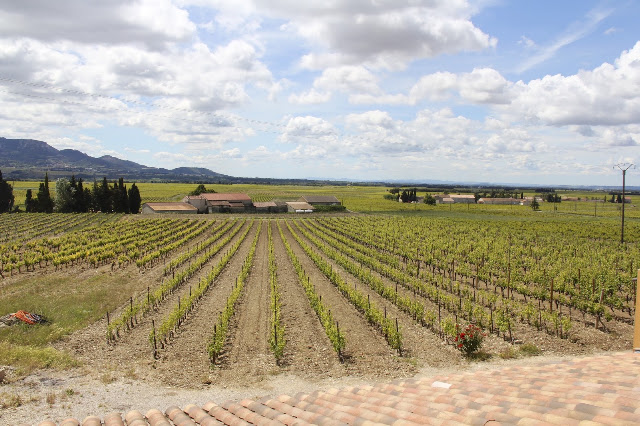
Vineyards out back
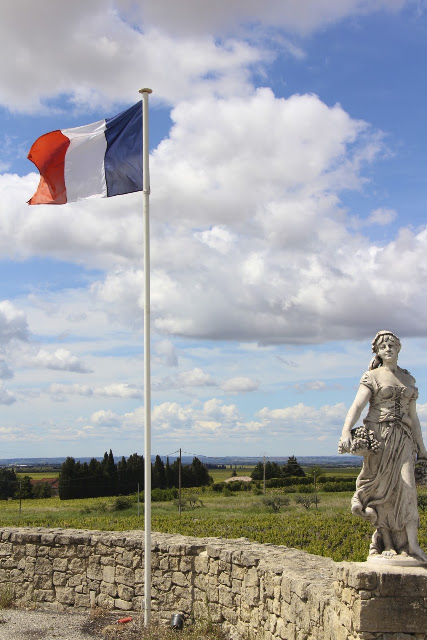
Interesting to see the French flag as opposed to the Italian flag
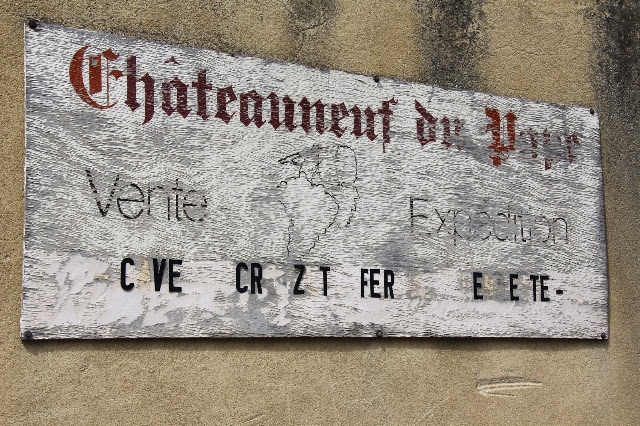
After lunch, we pointed the car toward the much anticipated village of Châteauneuf-du-Pape. If you’re no more than a casual drinker of French wine (like me), than you may be questioning that statement. “I thought Châteauneuf-du-Pape was a grape, or a style of wine, or (what I thought) a region?” Certainly, a wine as noted around the world as Châteauneuf-du-Pape couldn’t simply take the name of a small village with fewer than 1,000 inhabitants…could it?
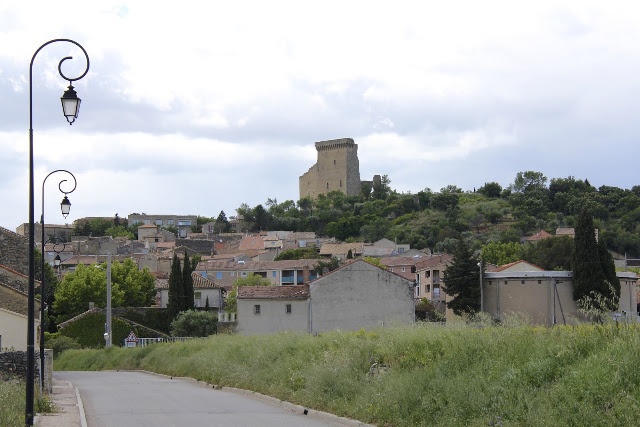
Driving into Châteauneuf-du-Pape
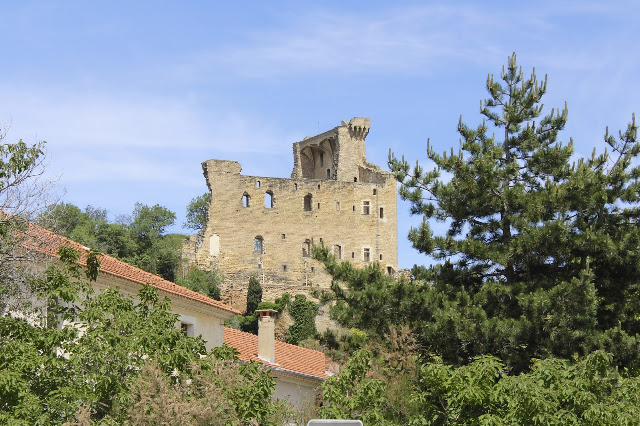
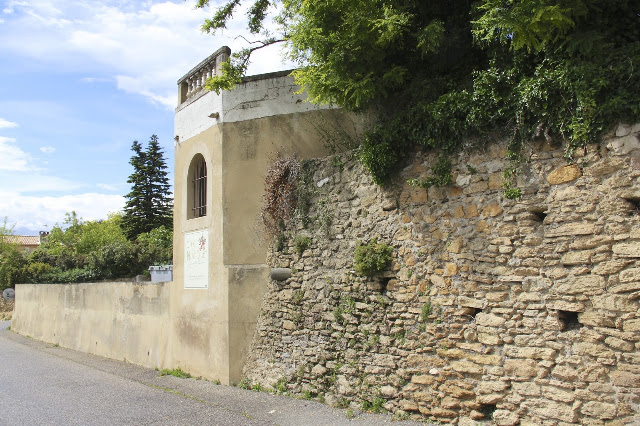
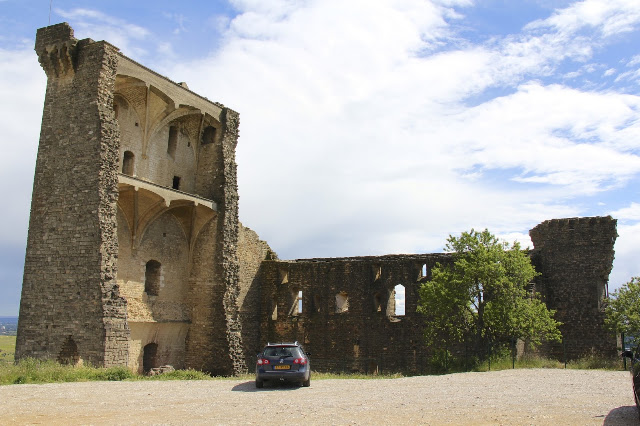
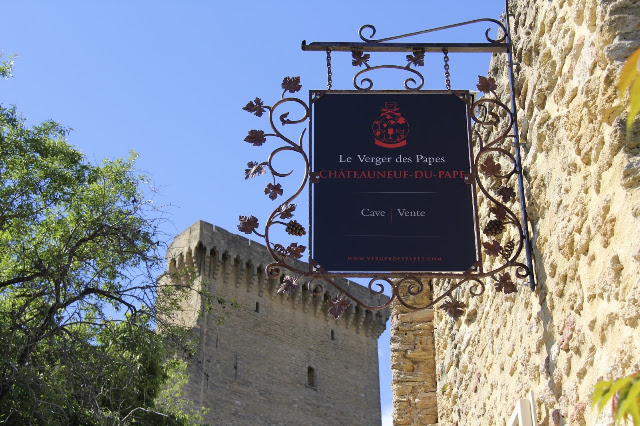
The Popes castle sits high above the village
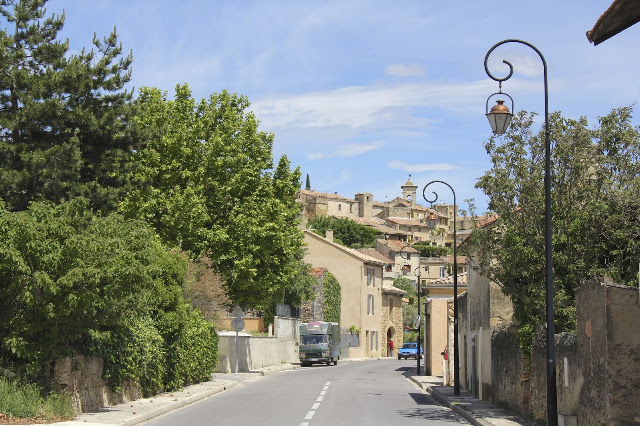
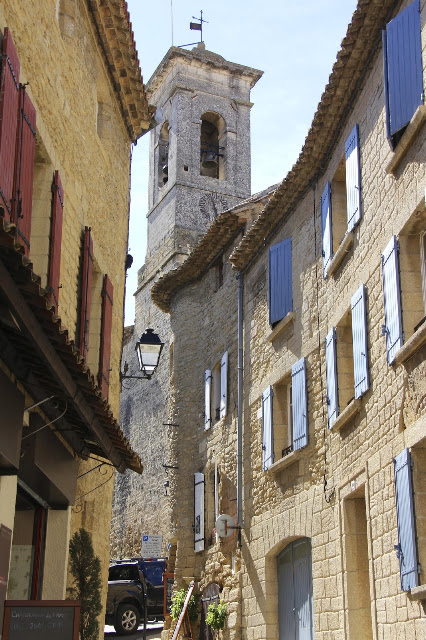
Street in Châteauneuf-du-Pape
The central concept to higher end French wine is the notion of terroir, the location where the grapes are grown and wine is made. The Appellation d’Origine Contrôlée (AOC) classification system uses this concept of terroir when classifying French wine. It is this rigorous classification issued by the government agency that ultimately determines (in part) how your wine bottle reads. The history of the AOC dates all the way back to 1411, when Roquefort (yes, the cheese) was first regulated. It wasn’t until 1935 that the Institut National des Appellations d’Origine (INAO) was created exclusively to manage the process for wines.
I learned that as you drink wines across France- the labeling practices are different and take on their own set of rules depending on which region the wine was made in and what level of classification the wine carries. The minimum information a label will carry is usually the classification and the name of the producer. Michel explained to us that in the Côté du Rhône region the ranking of a wine’s quality is fairly easy to determine, starting with Côté du Rhône (the generic label), thenCôté du Rhône-Villages (which includes 95 communes), next moving on to Côté du Rhône-Villages (named village) (where the village has earned the right to include its name on the label) and finally the highest class-action, Crus (the most demanding level of distinction, upon which the village will use only its name on the label, without needing to include Côté du Rhône). There are only 16 communes that have achieved this high level of distinction. The wines of Châteauneuf-du-Pape have been awarded this high level of crus status and therefore, only use the name of the village on the label.
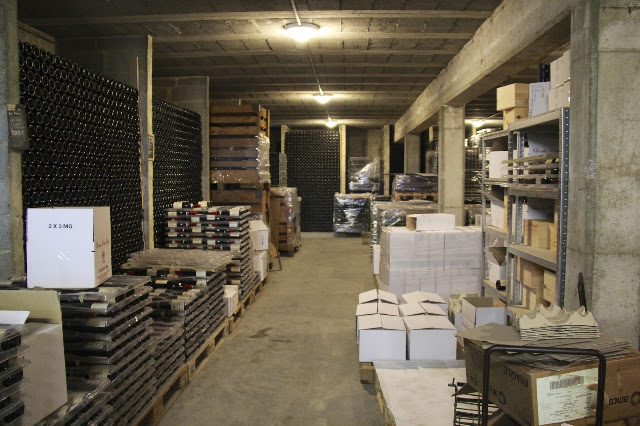
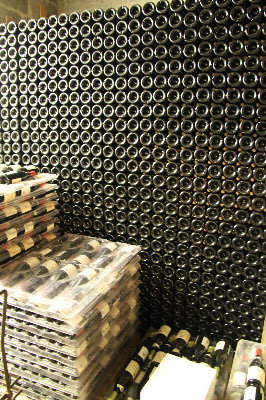
After drinking the spectacular wines of Clos du Mont-Olivet, we toured the proprietors private cellar. It was jaw-dropping indeed to see bottles of wine that were worthy of serving royalty, reaching values too astronomical for me to fathom. It also made my draw drop to see Julia running wild in said-cellar and I had to put my camera down to chase her on more than one occasion. I don’t think stomping grapes the rest of my life to repay the debt of a single broken bottle would have been a wise notion. The estate is managed by David, the third generation in a line of winemakers of the Séraphin family. A kind and gentle man, he was happy to take time to explain his wine, show off his cellar, extol a few interesting anecdotes and allow us to take tons of pictures. David told us that the current spring (when the grapes begin to grow) was the coldest on record since 1887 and that winemakers all over the region were nervous of the outcome. If the outcome was anything like the wines we drank all day – they’ll be just fine!
A sign hangs outside Clos du Mont-Olivet
Outside Clos du Mont-Olivet
Julia kept herself pre-occupied by drawing…
And tasting French water along with us…
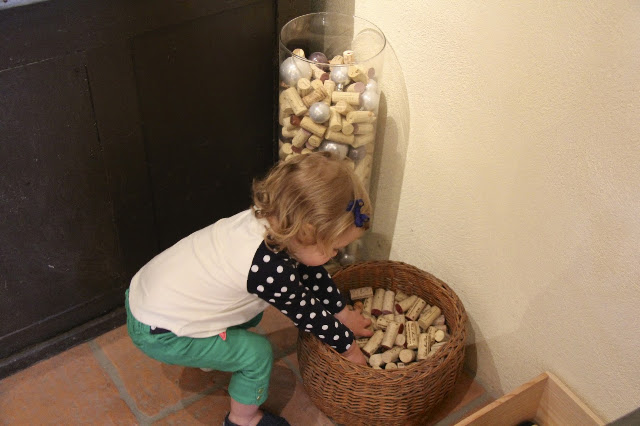
And finally, re-organizing corks
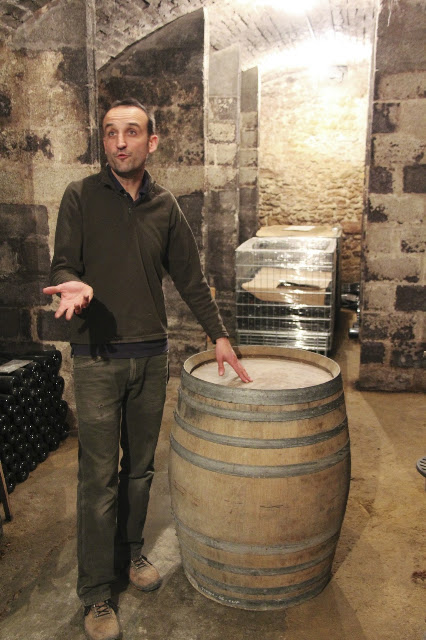
David welcomes us into his family’s cellar
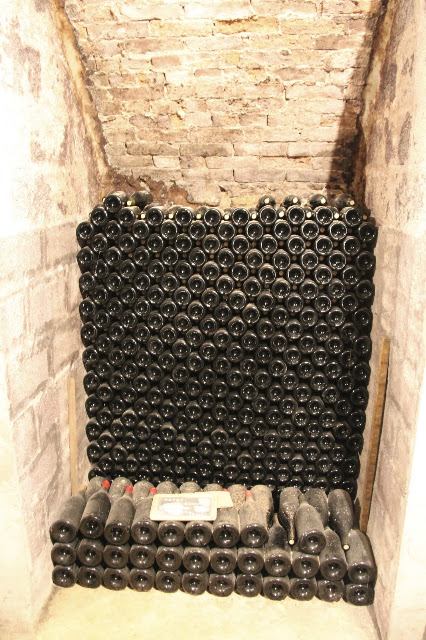
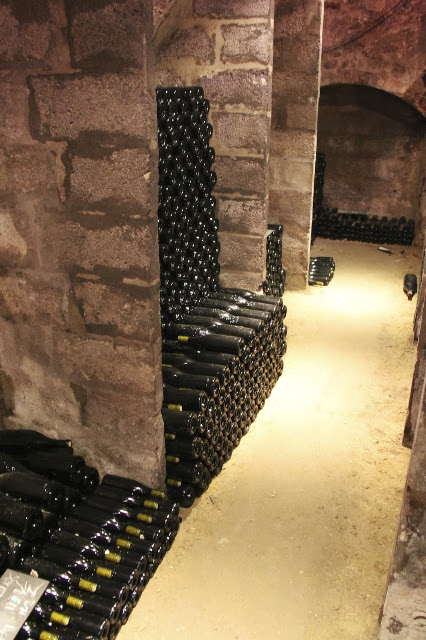
There were thousands of wines inside
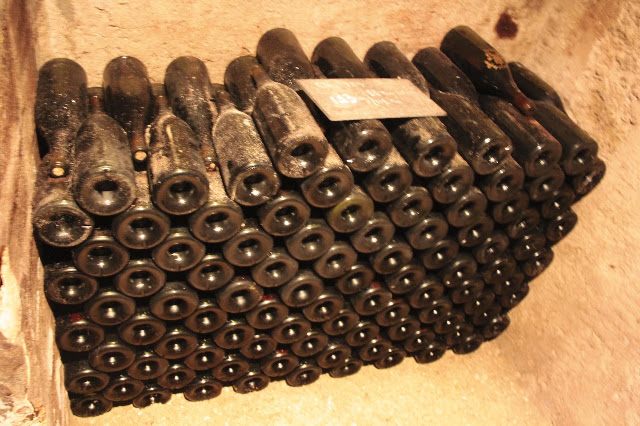
Some wines dated back fifty years
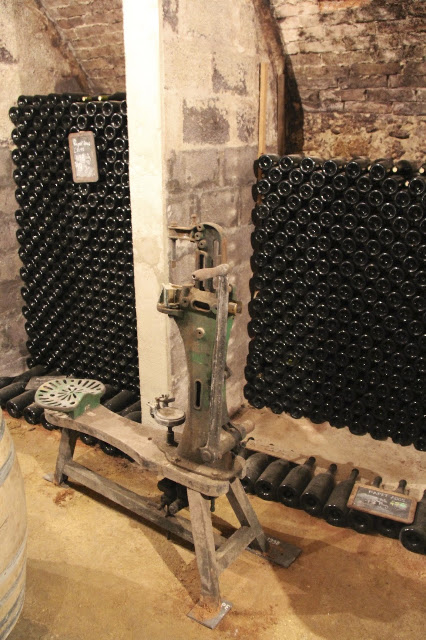
They had one of their original floor corking machines
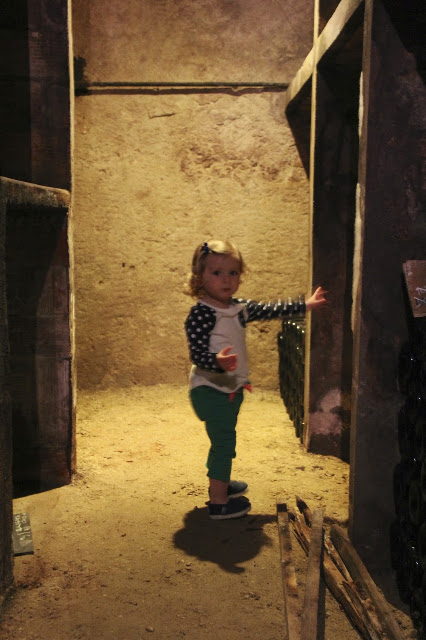
Julia wanted to go “this way” toward the really expensive wines
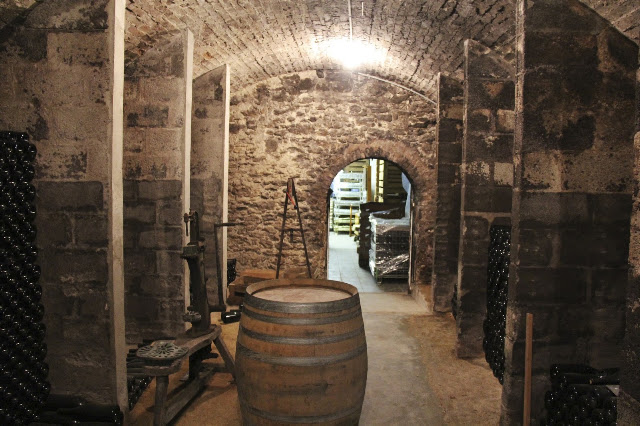
Another shot of the cellar
Leading back into the production area
Packaging and storage area
Bottles prepare to ship
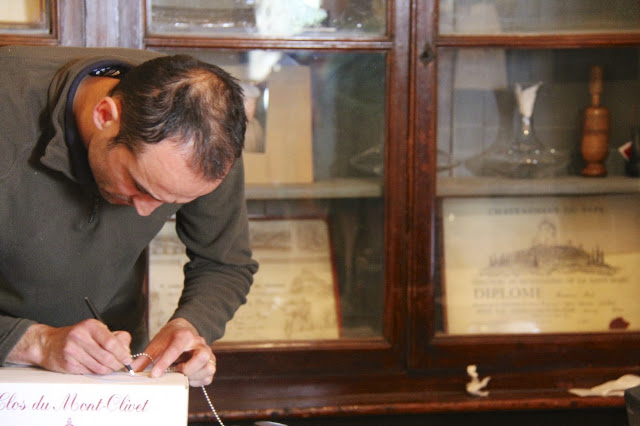
David prepares an invoice for our purchases
When we left Clos du Mont-Olivet we spent some time touring the village of Châteauneuf-du-Pape, which is as firmly intertwined with papal history as it is wine. In 1308, Pope Clement V relocated the papacy to the city of Avignon. My buddy Clement V and his subsequent “Avignon Popes” were rumored to be great lovers and promotors of wine during the seventy-year duration of the Avignon Papacy. John XXII (who came second) is responsible for erecting the famous castle that still stands today, known as the “Popes Castle”.
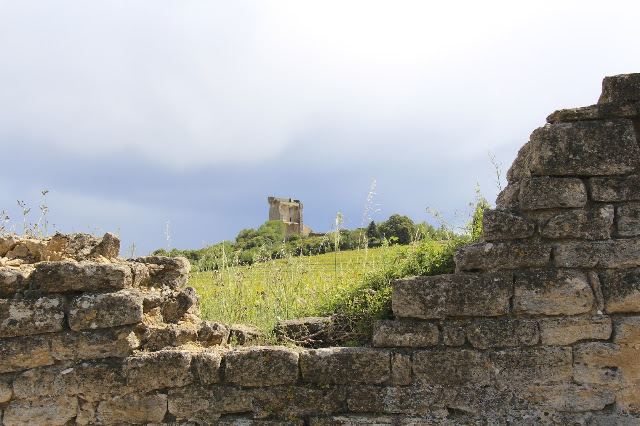
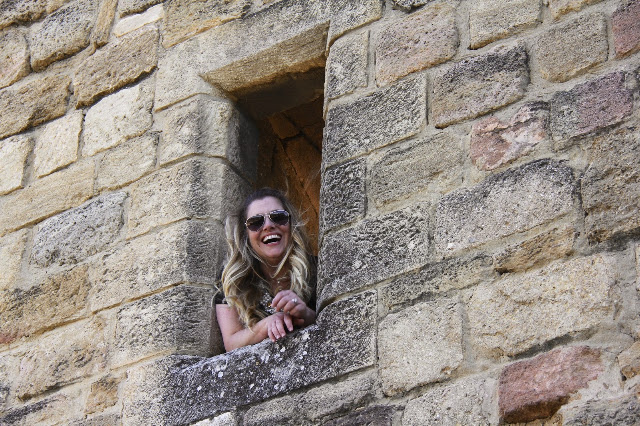
The Pope’s Castle through an ancient wall
Remains of the Pope’s Castle
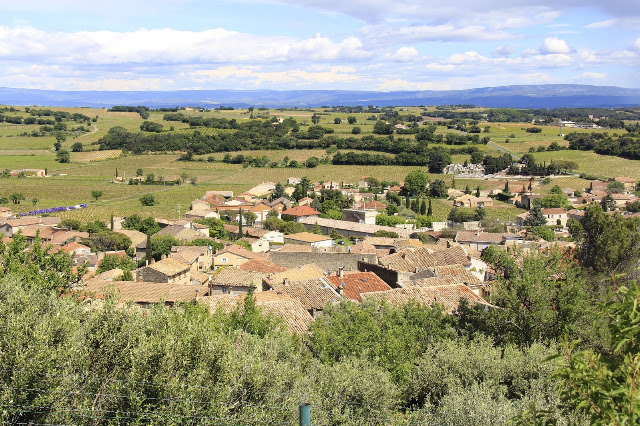
View of the valley
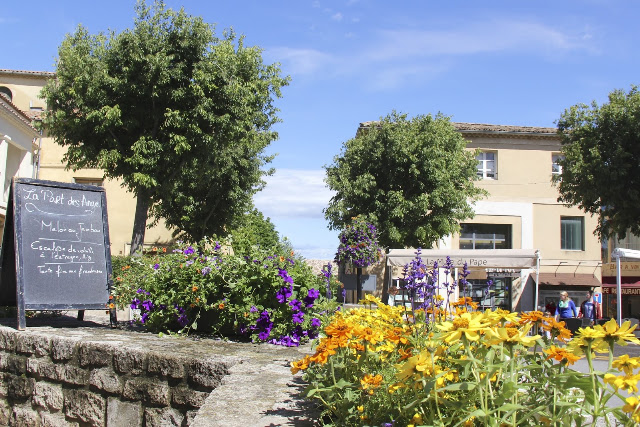
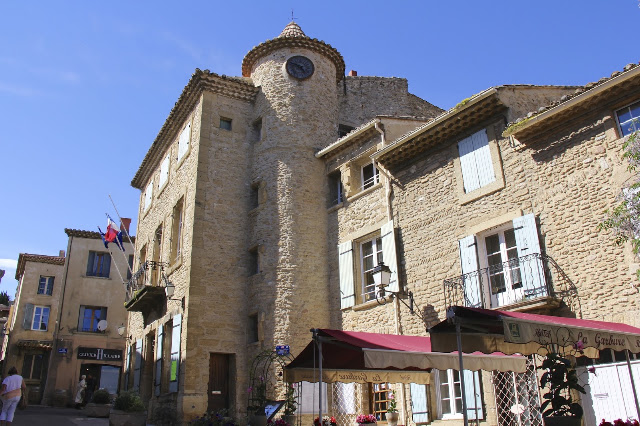
In the village of Châteauneuf-du-Pape
The village was beautiful
Street scene
Looking back up toward the top of the castle
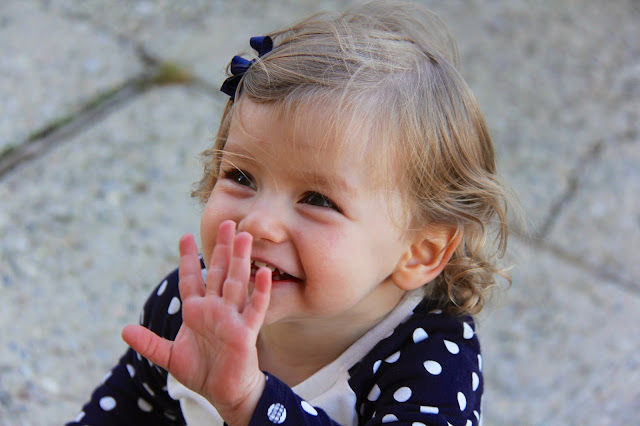
“Hi, everybody!”
“HI, MAMMA!”
“That’s so funny… I want to go up there!”
“Ciao, everyone…errr, I mean bonjour!”
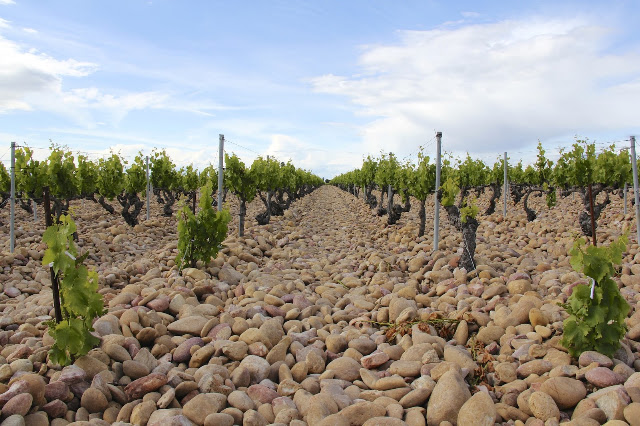
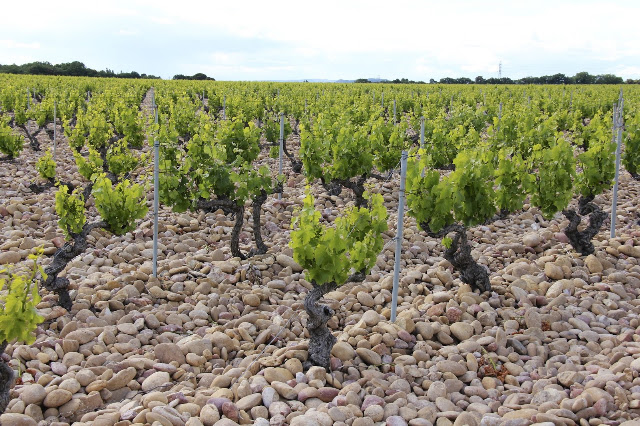
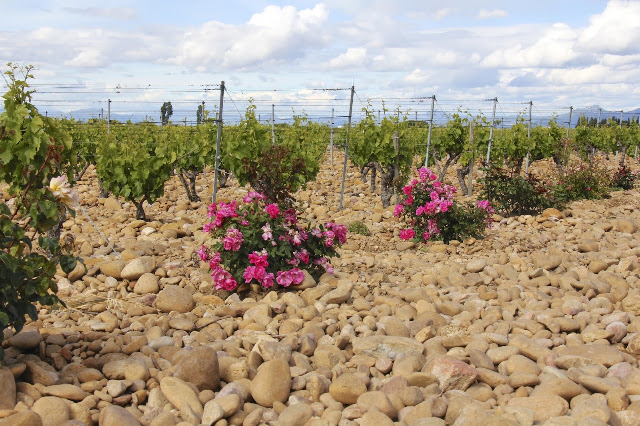
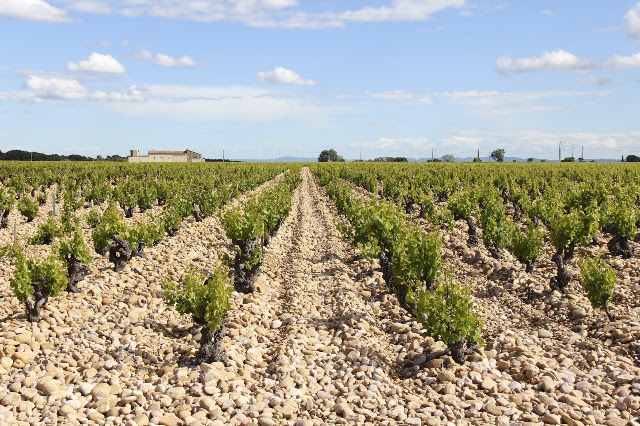
Next, we drove to some of the vineyards, which we were surprised to learn were covered in rocks. Michel explained that these are naturally occurring and even when the farmers rake all the rocks, they simply re-surface again over time. Of course, everyone embraces the rocks and think its what gives Châteauneuf-du-Pape it’s unique terroir.
The rocks were amazing
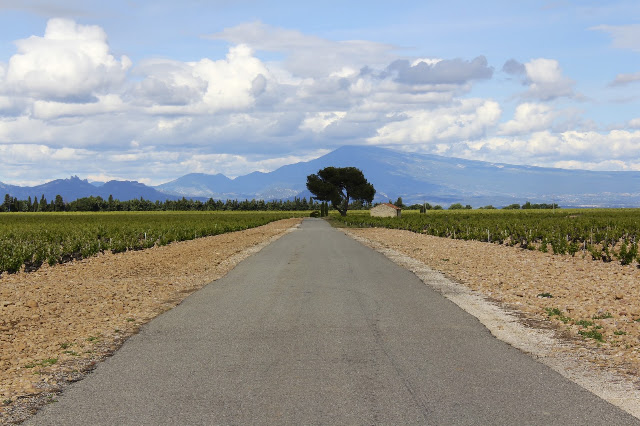
Vineyards in Châteauneuf-du-Pape
One of the wineries planted roses at the end of each row of grapes
View in the middle of the vineyards
Another angle
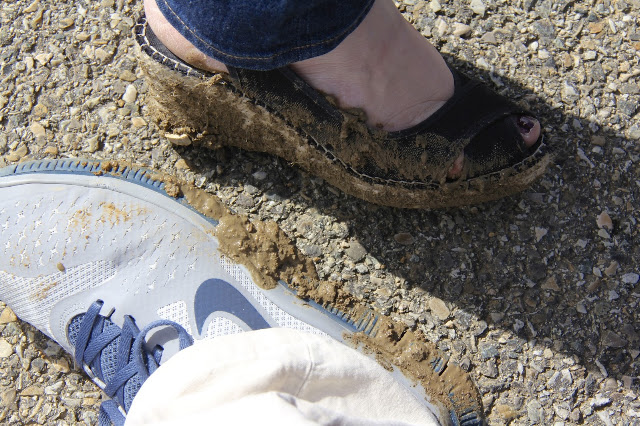
Jen and I paid the price for stepping into the fields to snag a couple rocks as souvenirs
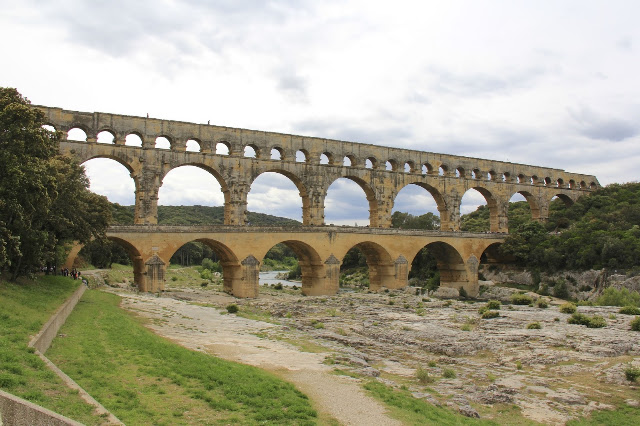
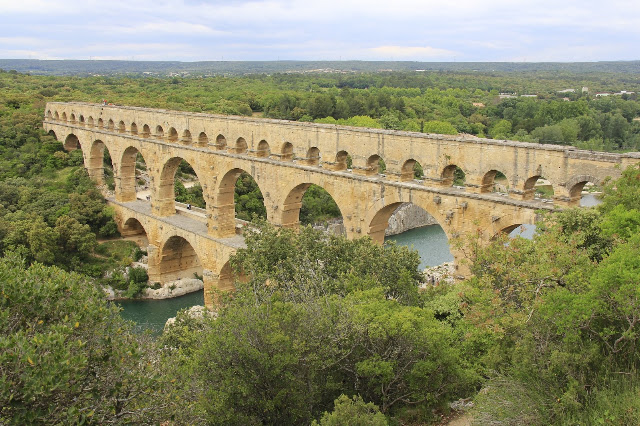
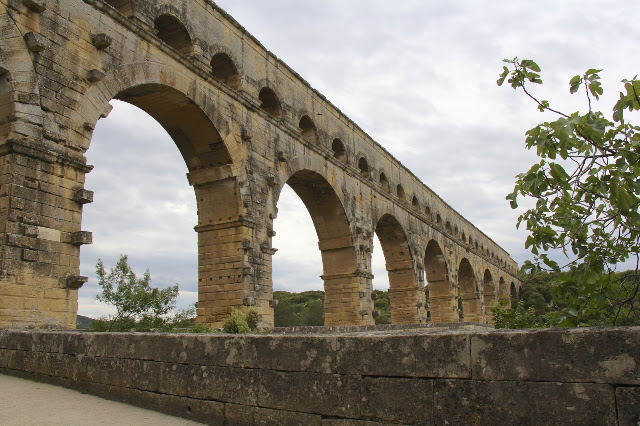
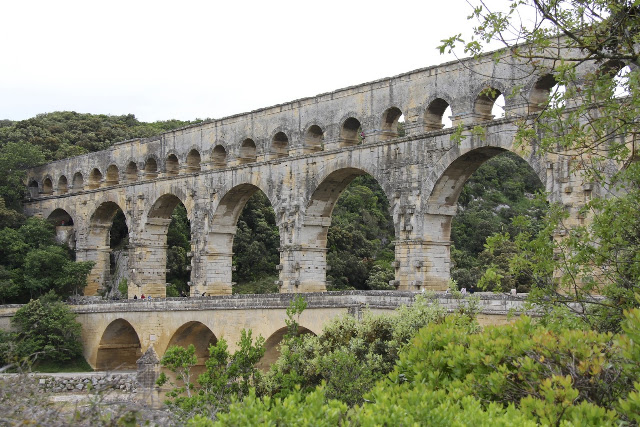
On our final day in France, we visited the Pont du Gard, an ancient Roman aqueduct bridge that crosses the Gardon River. The site is simply stunning to behold, and the UNESCO World Heritage Centre agreed, adding it to their list of World Heritage Sites in 1985 because of it’s historical importance.
Pont du Gard
The opposite side, higher viewpoint
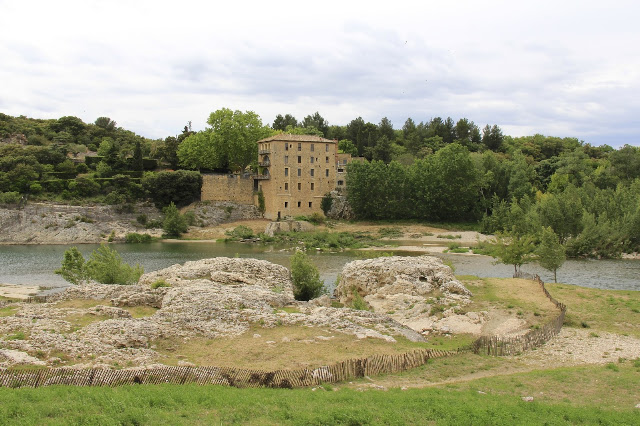
Ancient villa on the Gardon River
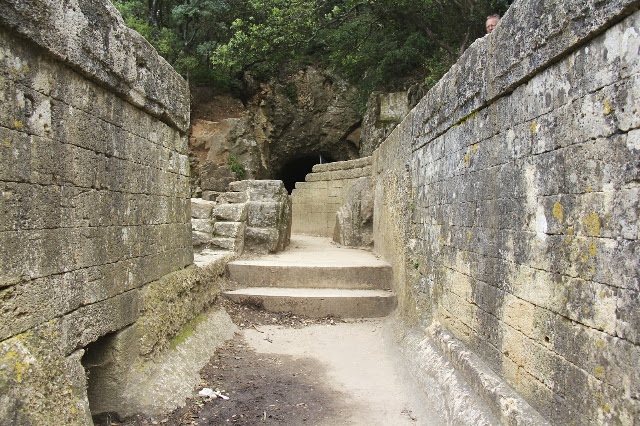
We walked to the top of the aqueduct
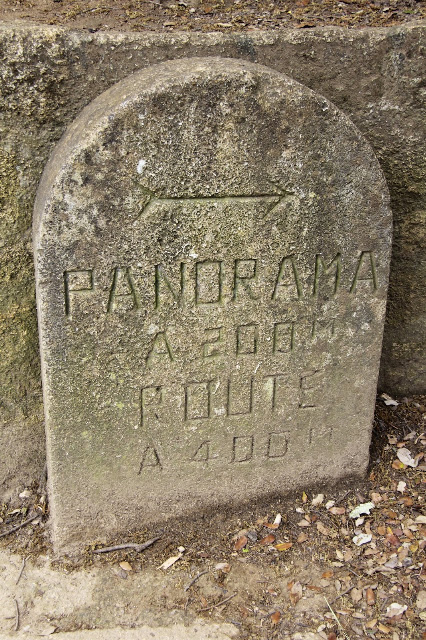
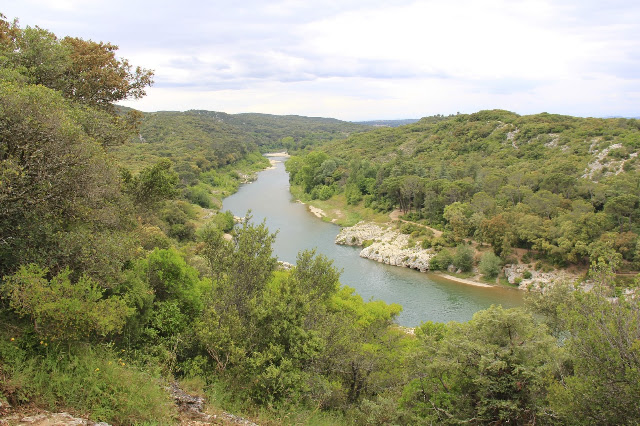
We followed the route up to the panoramic viewpoint
The trek was worth it – there were stunning views
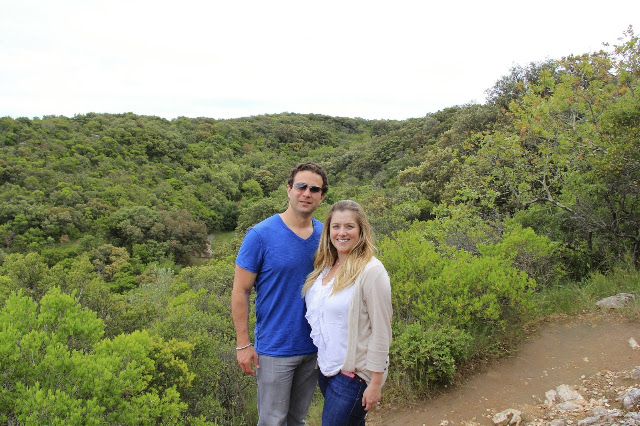
At the top
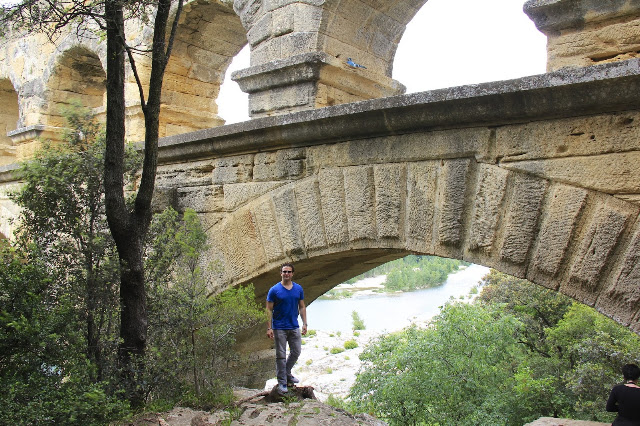
Amazing to see the bridge up close
Angle from below
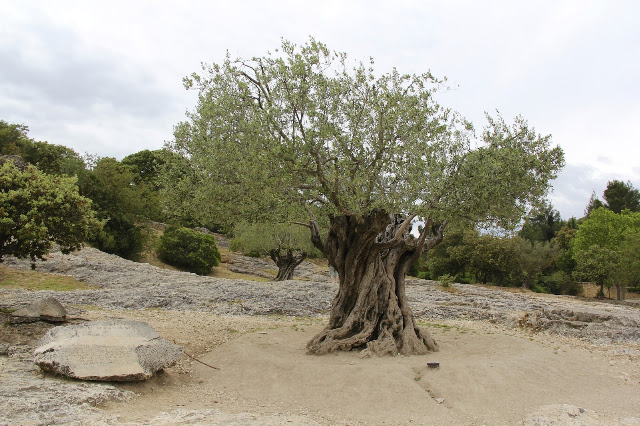
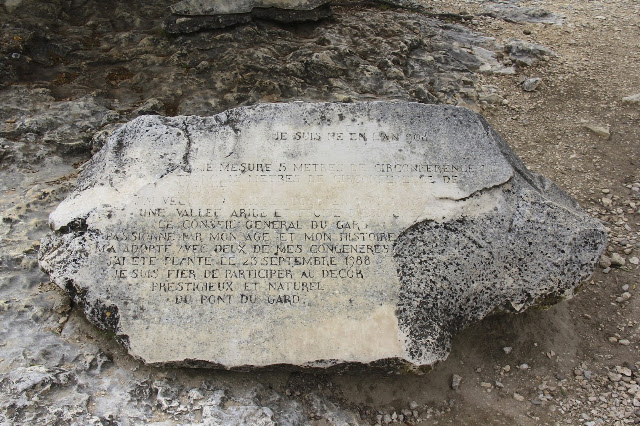
This olive tree, along with it’s sister tree were relocated here and have thrived since 908 AD
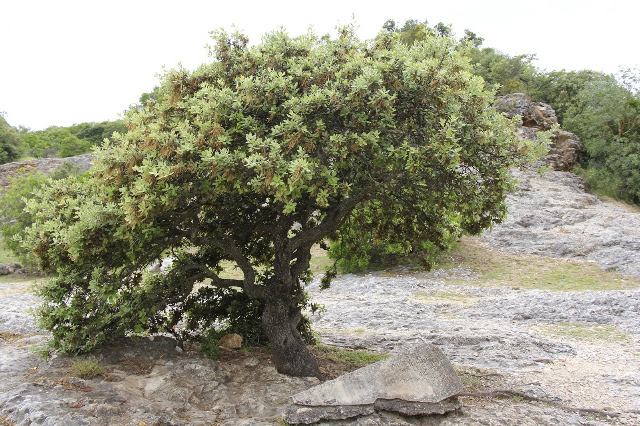
Sister tree
Stone placard commemorating and expelling the trees’ history
View from the opposite bank
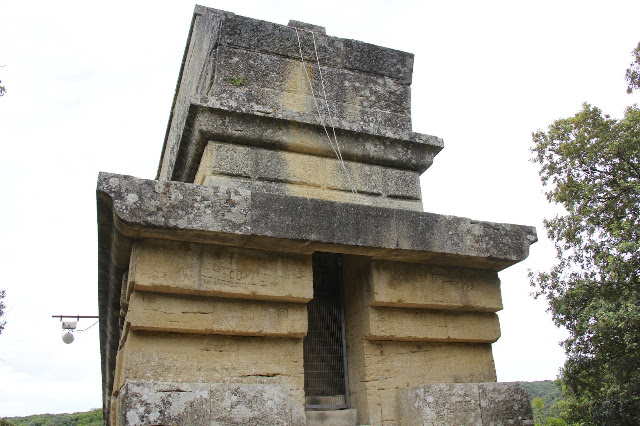
One of the end caps
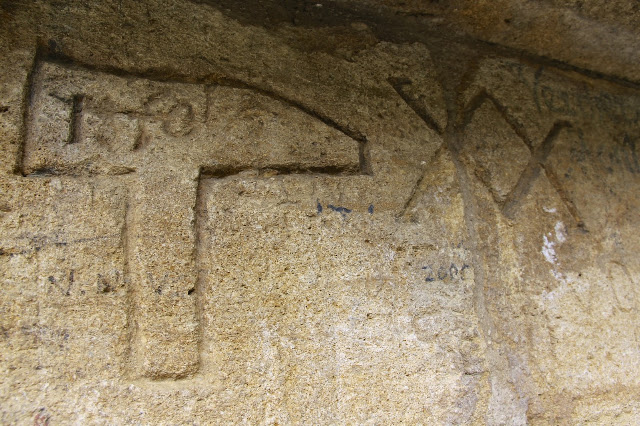
The ancient carvings were magnificent. I think this says, “this end up”
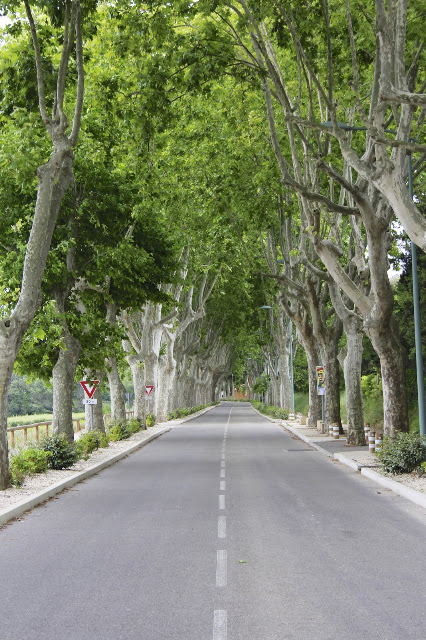
Trees covered the roads to offer shade to the soldiers in ancient times
Nice scenery shot
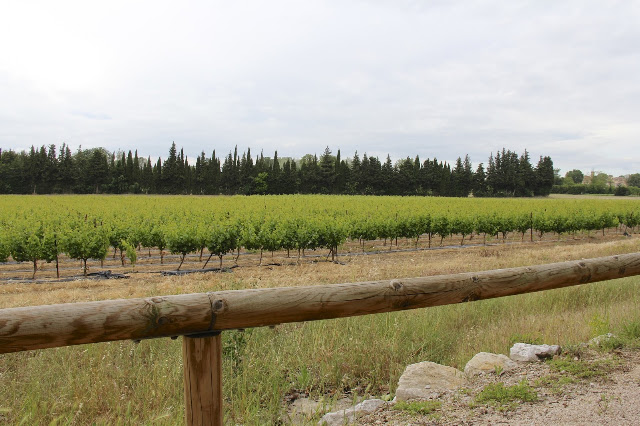
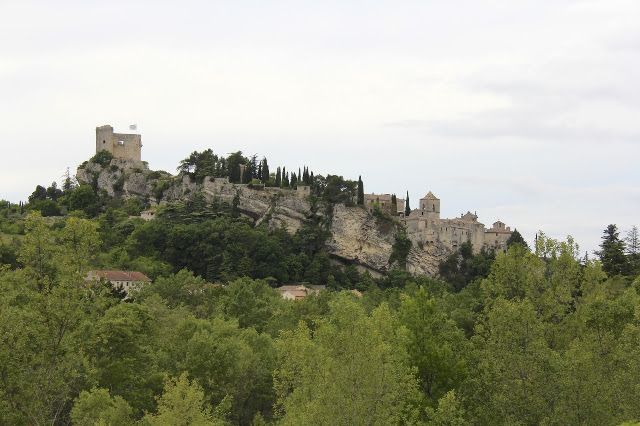
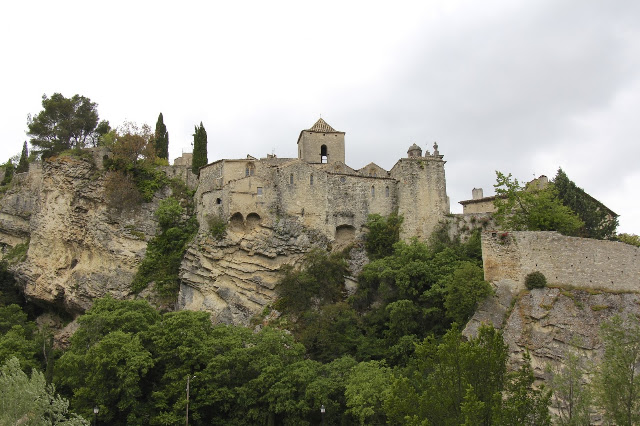
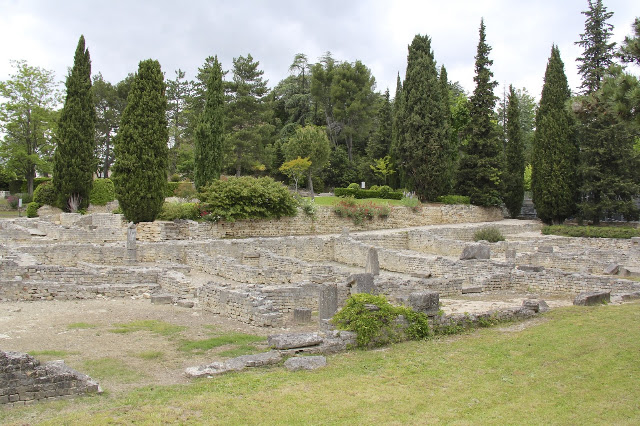
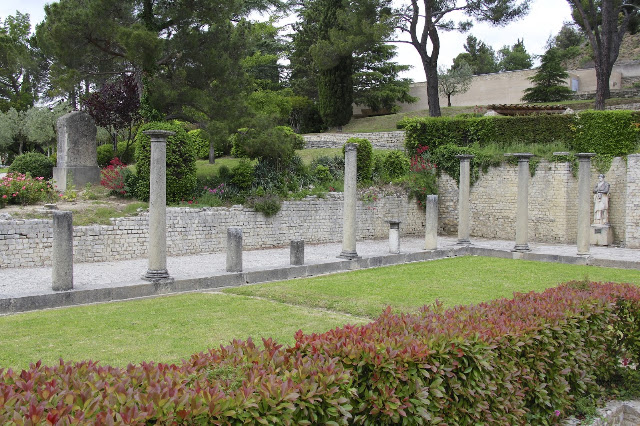
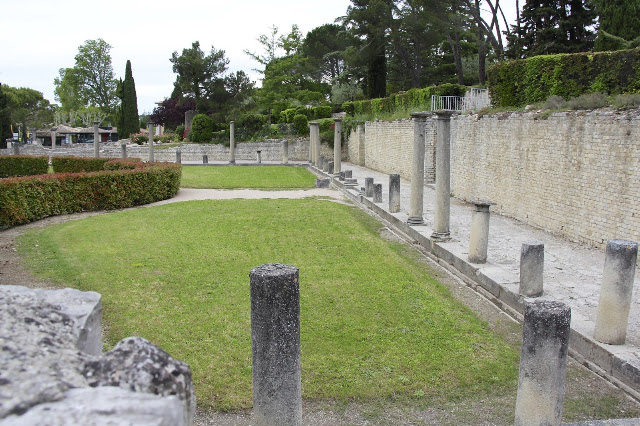
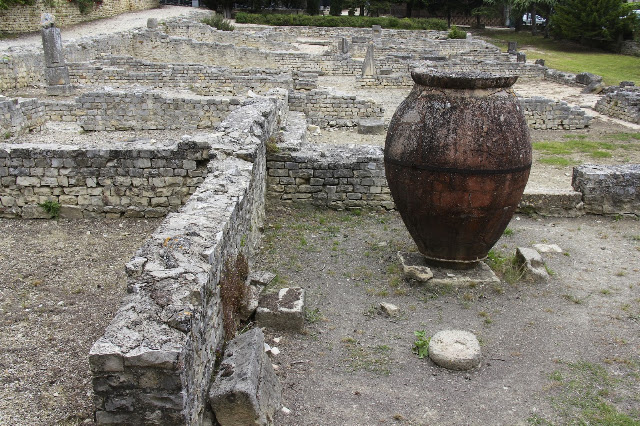
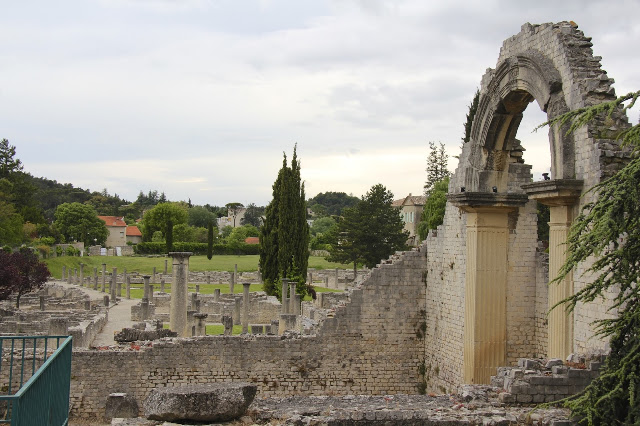
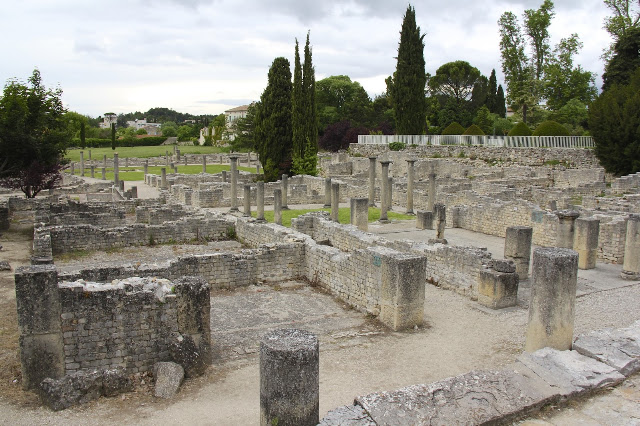
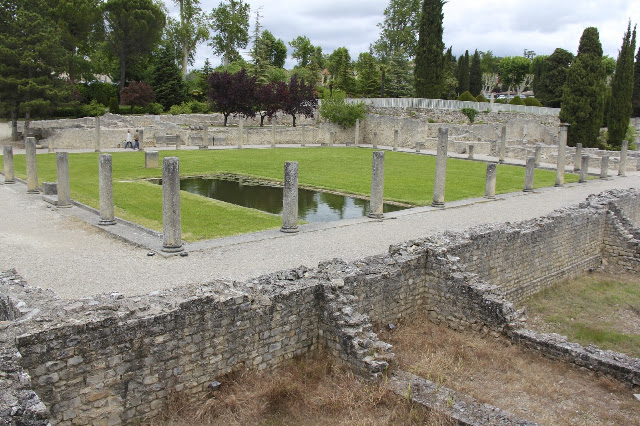
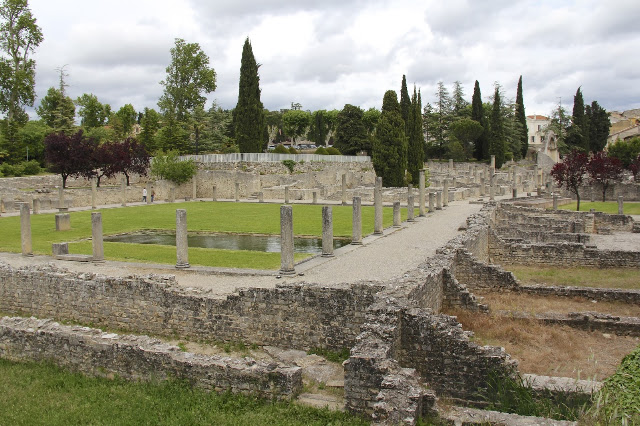
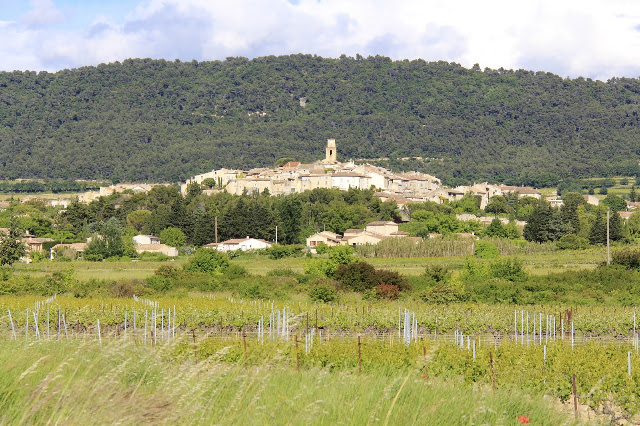
Finally, we ended our day in Vaison-la-Romaine, a village that showcases an interesting historic perspective. Not only is the historic section separated into two parts, it is divided in two distinct ways. On the high side of the dividing river, Ouvèze you have Medieval ruins including a castle. On the lower side, centered on the Colline de la Villasse, you have the largest filed of Roman ruins in France. It’s quite stunning to take it all in.
The upper city – the Medieval city
View of the Medieval castle
Some of the Roman ruins
Roman ruins – pillars surrounding a courtyard
Courtyard
They believed this portion was housing
Ancient Roman gate still intact
The ruins covered such an impressive and vast amount of land
Would have loved to known who’s pool this was… some ancient tycoon?
A final look back over the Roman ruins
I hope you enjoyed your tour through France with us (both historical and culinary) as much as we did. Stay tuned as we return back to Italy and stay busy while Jen’s family comes to stay a month.
Our good friends Michel and Shirley have a wonderful home in a small village in the Côtes du Rhône region of France. They invited us to join them for a few days recently, an invitation we were happy to accept. Google maps told me that the journey from our home to theirs was approximately six hours and so we decided a stopover at the beach for a night would break up the drive nicely (read about it HERE). After a relaxing night in Beaulieu-Sur-Mer, we headed north to Sablet, France so that we could savor an enjoyable visit with good friends.
Sablet, France
We arrived in Sablet as scheduled, late in the afternoon. However, I had misplaced all the phone numbers to reach Michel and so I wasn’t quite sure exactly where to go upon arriving in the village. Michel gave me specific instructions not to attempt a drive directly to his home. “The roads are far too narrow – many cars scrape on either side. Don’t attempt it – park at the local bakery and head by foot”. I only had his home address plugged into the GPS and admittedly, I had the words of Barney Stinson ringing in my head “I shouldn’t attempt the drive… challenge ACCEPTED!” After creeping up, up, up, slowly, slowly, slowly – I made it to their home. Luckily I made it with all car paint intact – but it was close. I had been far too cocky and got lucky – I literally had centimeters on either side of my car at times. We found their home and discovered they were just out at the local market, preparing for our arrival.
Michel is a business man, blogger (his blog), wine connoisseur and a fabulous chef. He owns a restaurant that I’ve mentioned in past blog posts, Bistro des Copains in Northern California. Jen and I knew that we were going to be in for a treat if he was coming back from the the market with fresh groceries to make dinner. When they returned home, we walked in, unpacked and quickly settled in for an epic meal. Luckily, Michel and Shirley are grandparents of four wonderful kids – and so they were naturals with Julia, who instantly fell in love with them both. After a wonderful dinner, stuffed and tired from a long day – we turned in, excited about the following day. Even though we didn’t know the plans, we were still eager knowing that we would have an action-packed day lead by two wonderful guides.
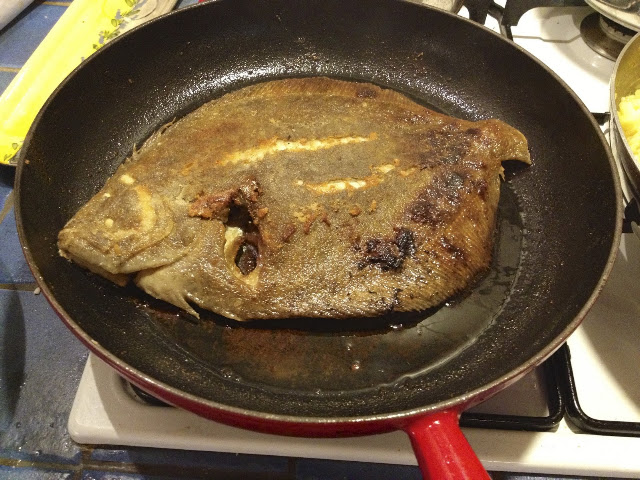
Pan fried fish cooked by Michel
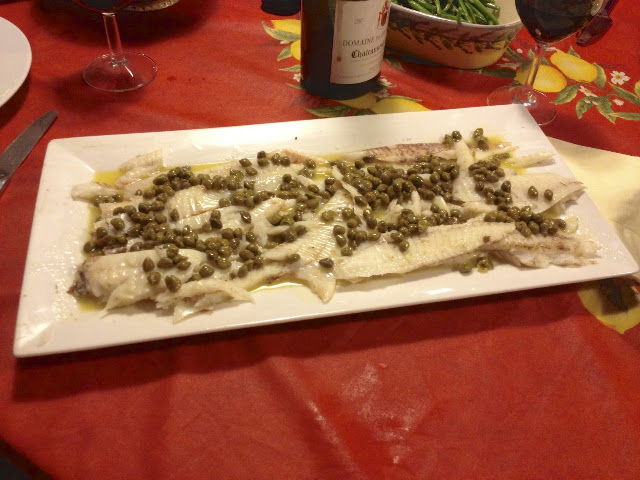
Filleted and seasoned with butter, oil and capers
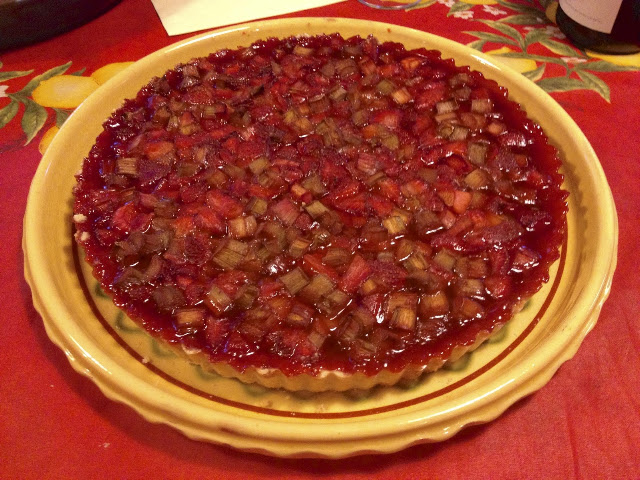
Shirley made the most amazing strawberry and rhubarb torte
Cheese and baguettes for breakfast. Not something you normally think of eating at 8:00am. However, this rich indulgence seems perfectly normal when you’re in France…and when the cheese and bread are that good, you are happy to get your fill. After breakfast, but before I finished my last sip of coffee, Michel jumped up and declared that, “we will be leaving in ten minutes!” For me, this was wonderful – an early start to the day. For Jen, nothing could be more horrific. She rushed to get herself ready, get the baby ready, get the diaper bag packed, etc. and still make it to the car before we pulled away. Somehow she managed and we set out to the first of three villages we would see throughout the day.
The term, L’un des Plus Beaux Villages de France (official site) means, One of the Most Beautiful Villages of France. This is a formal classification, reserved for only the most special of villages that dot the landscape of this fantastic country. Of the 32,000 villages that make up the country, only 157 are classified as such. 15 of these villages are in Provence, where Michel and Shirley have their home. We were fortunate enough to see 3 of these impressive places all in one day.
One of the Most Beautiful Villages of France
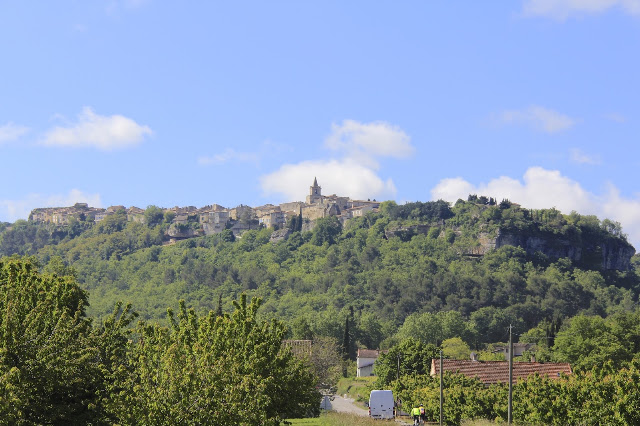
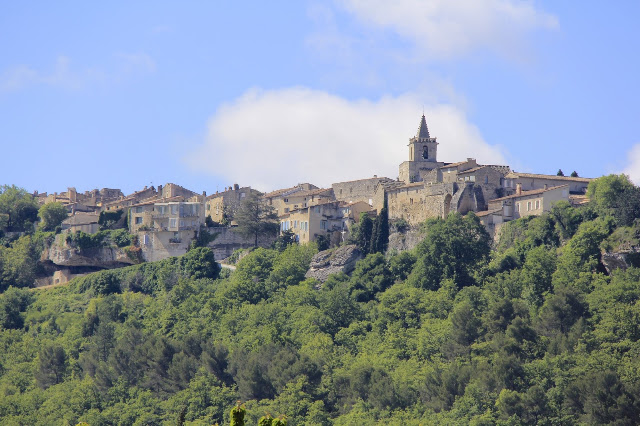
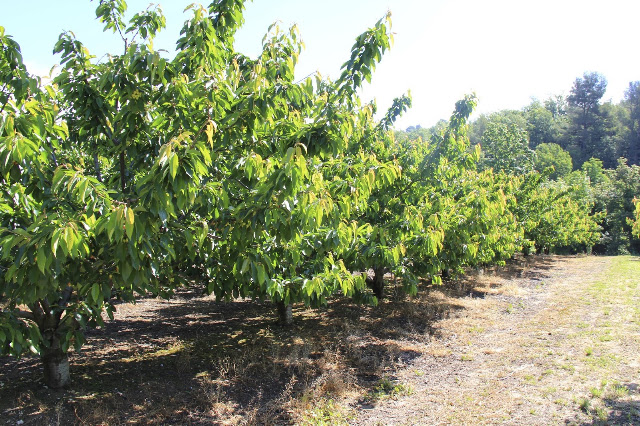
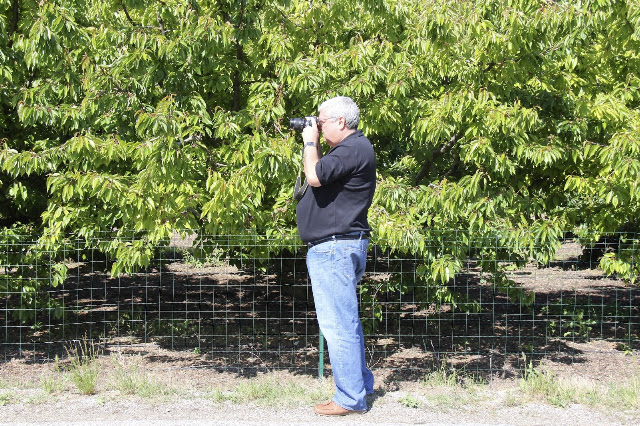
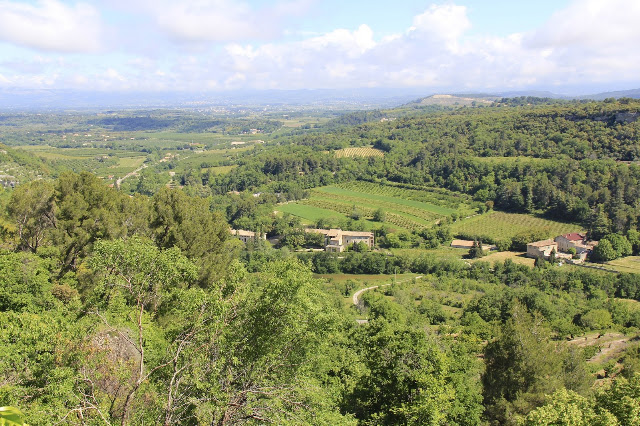
The first stop on our tour was Venasque, a hill-top village at the foot of Mont Ventoux. Venasque overlooks vineyards of many types, including vast fields of cherry trees (a unique sight in a landscape otherwise dominated by grape vineyards). The cherry’s were just starting to come into bloom and so we stopped to take a couple pictures. This medieval town has only the remains of three Saracen towers from those times. A large church from the 11th century stands in the center of town, composing part of the unique beauty we discovered while there.
Approaching Venasque
Venasque sits high atop a hill
We passed fields of cherry trees
Michel in action, capturing images for his own blog
Julia and Jen in front of the remains of the medieval castle
The view of the valley below
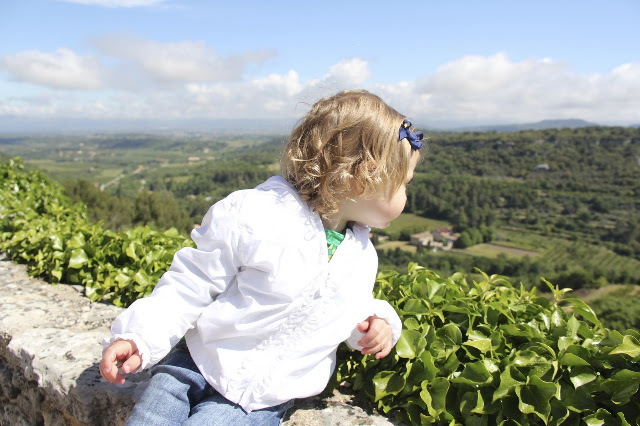
Julia enjoying the scenery
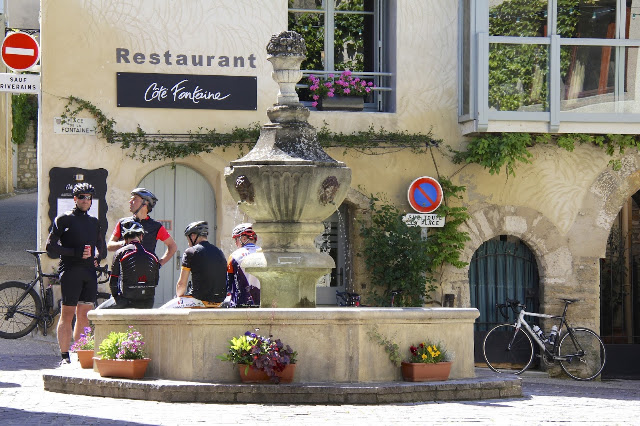
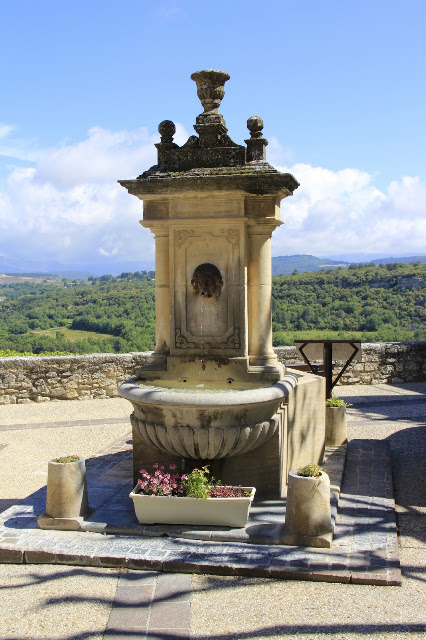
A fountain in the center of town
We passed many bicycle tour groups in each of the villages
Michel strolling along with Julia
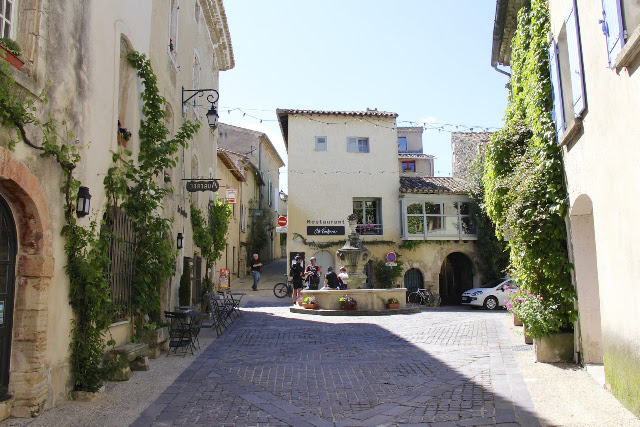
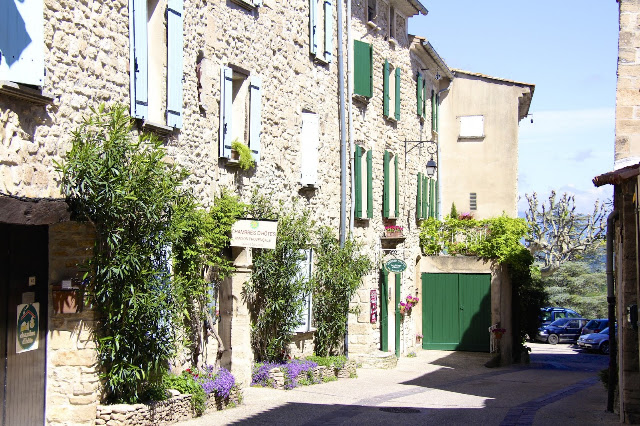
A street scene in Venasque
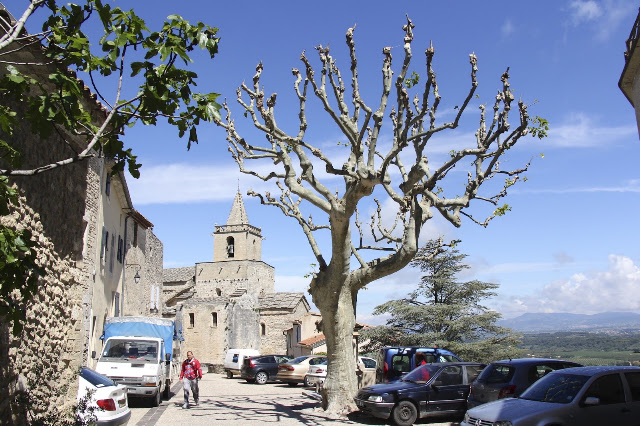
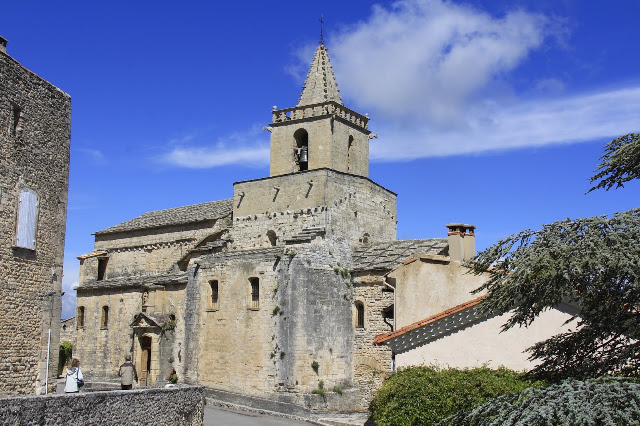
The villages main church framed behind a wonderful tree
A fountain in town, La Planette
Church in the center of town, dating back to the 13th century
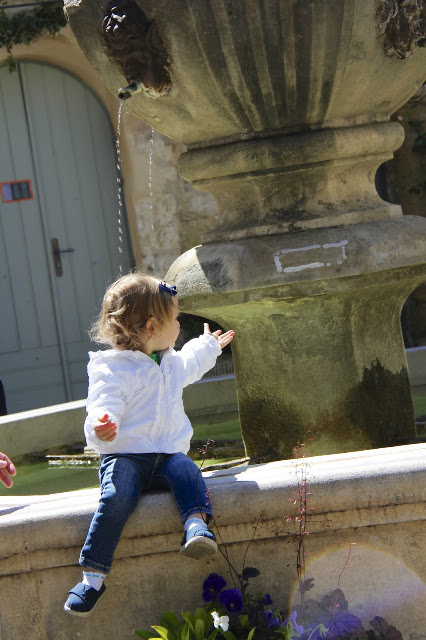
Julia playing in the fountain
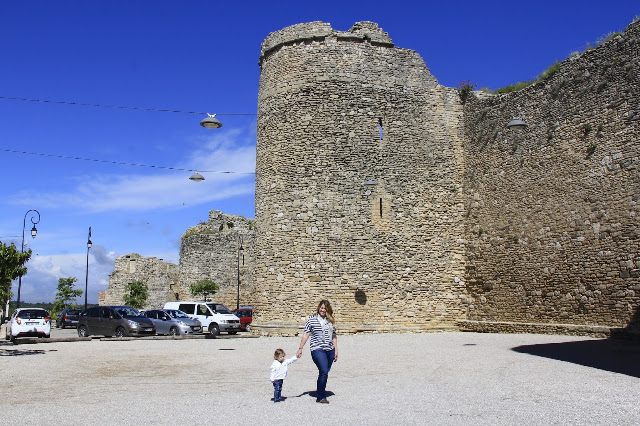
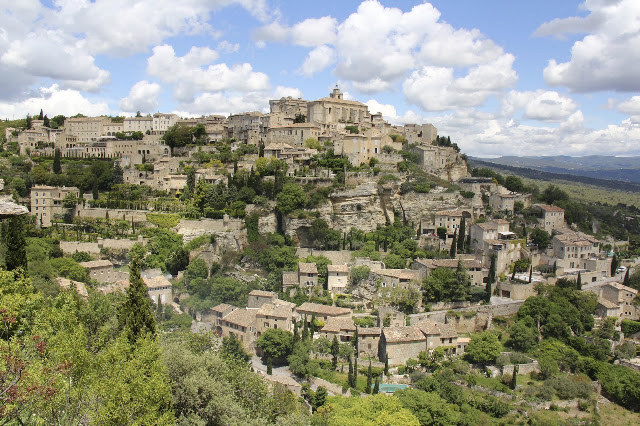
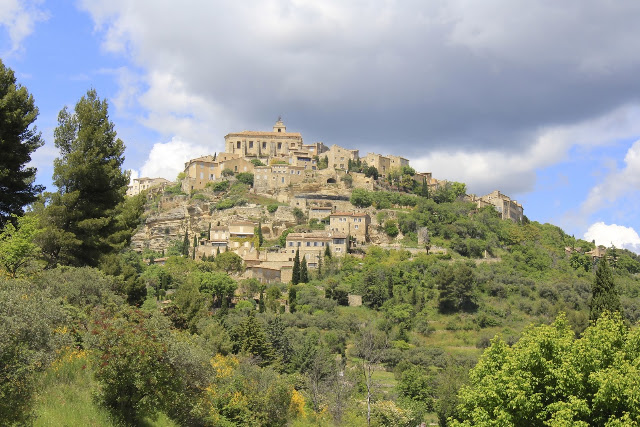
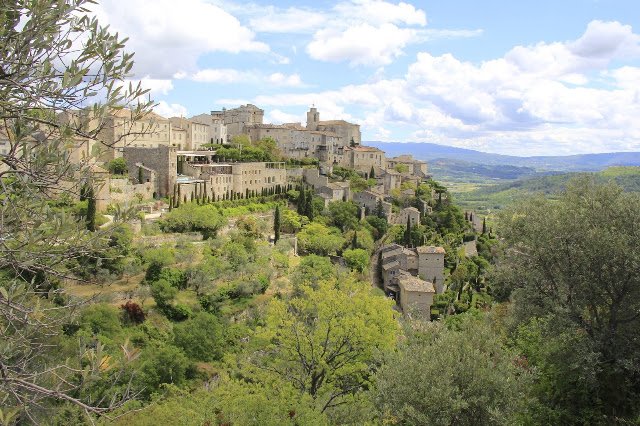
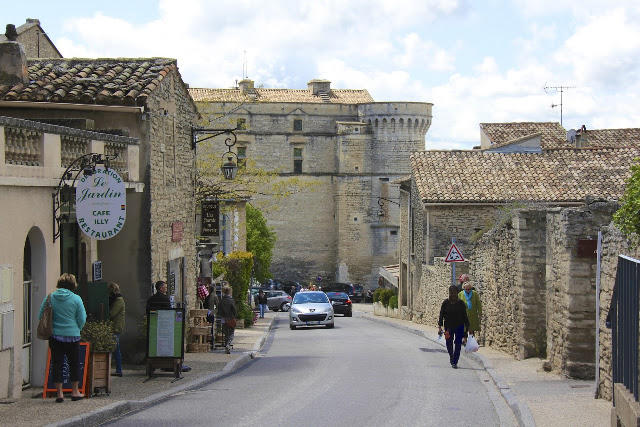
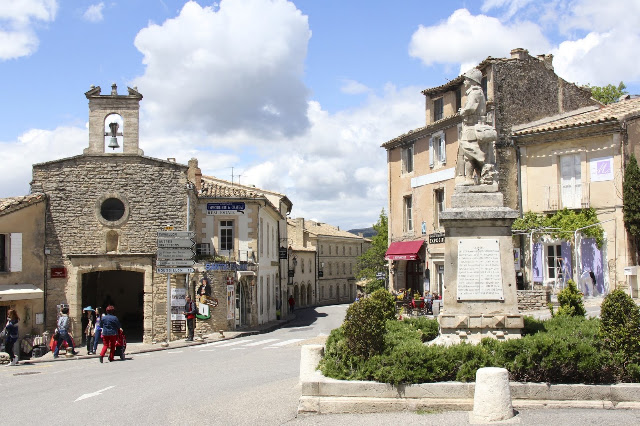
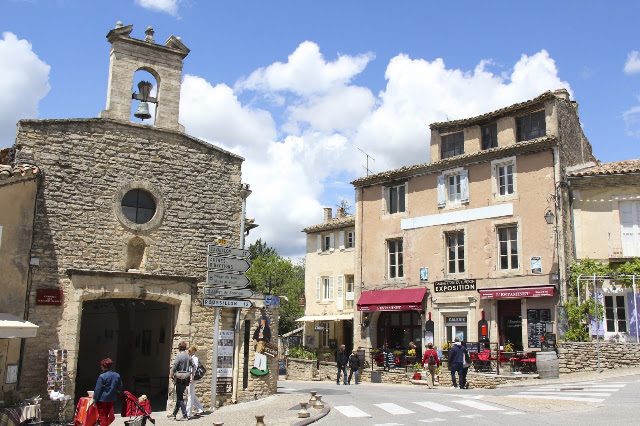
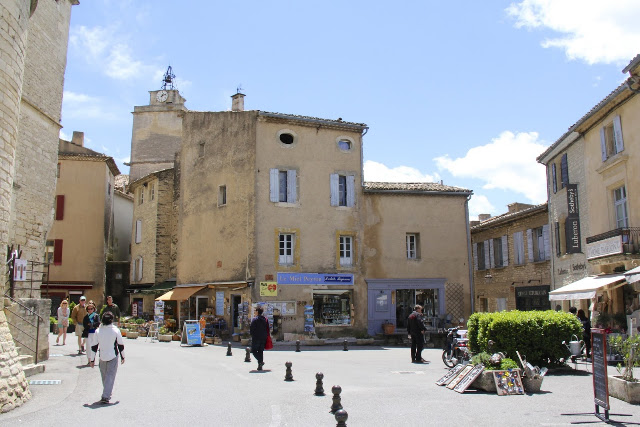
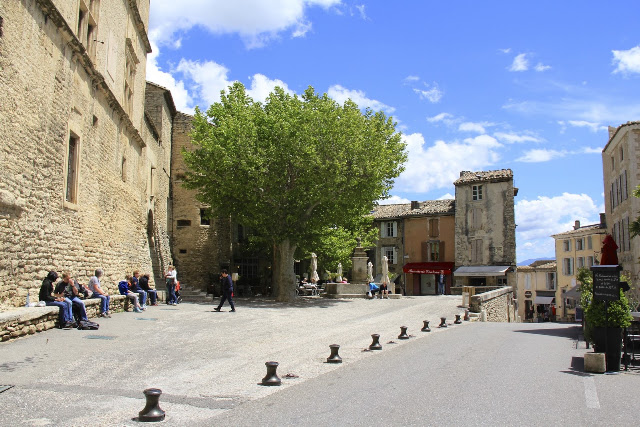
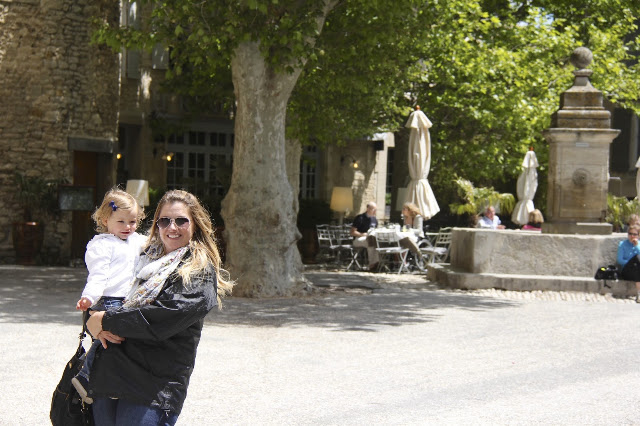
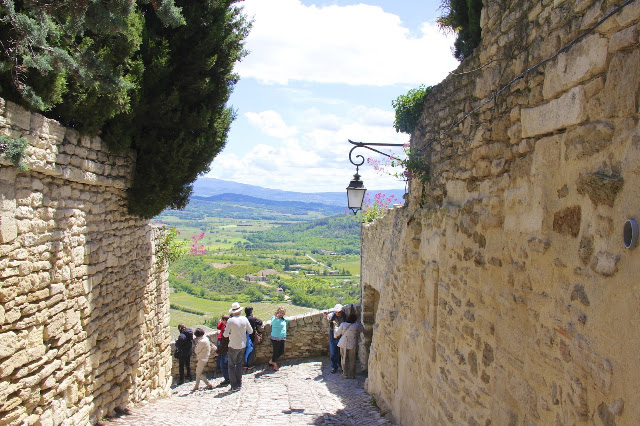
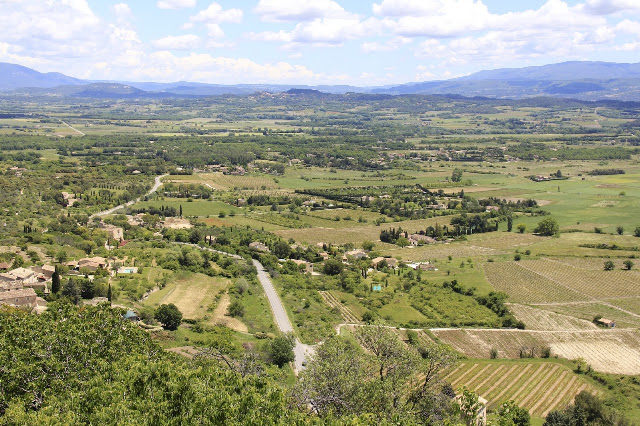
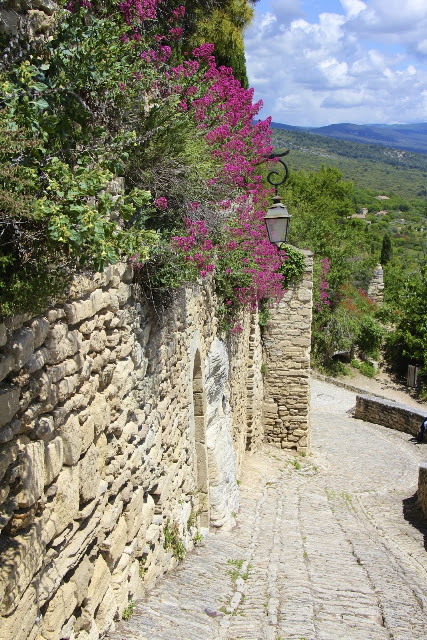
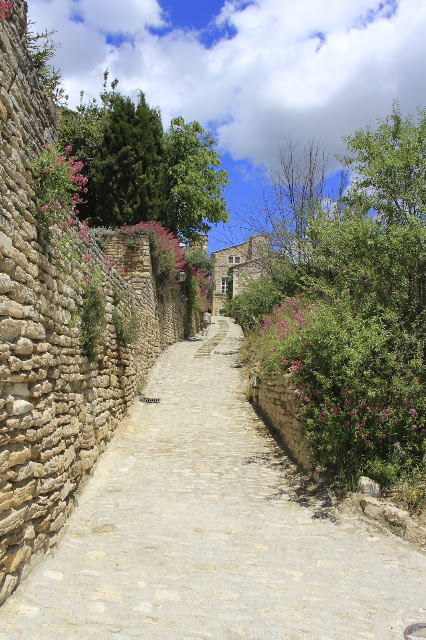
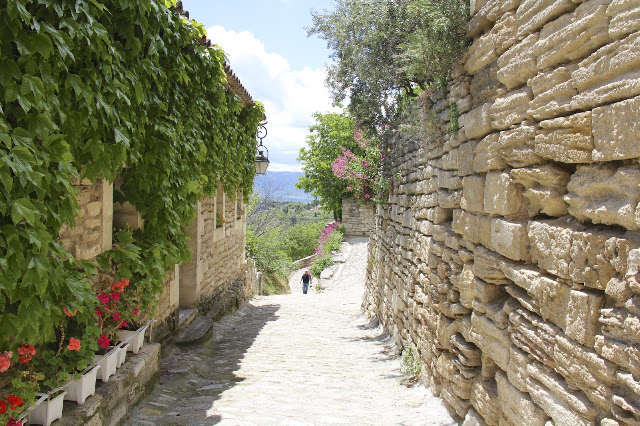
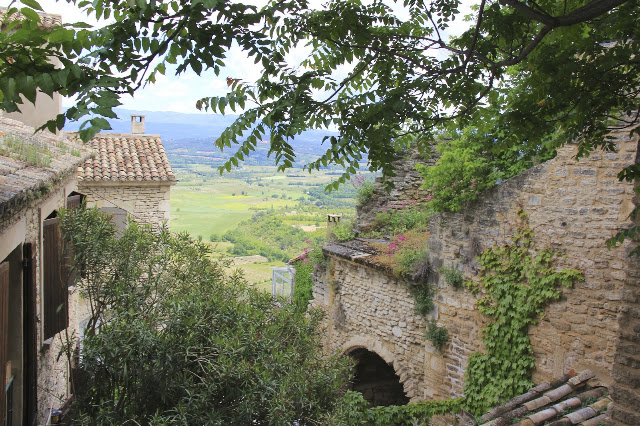
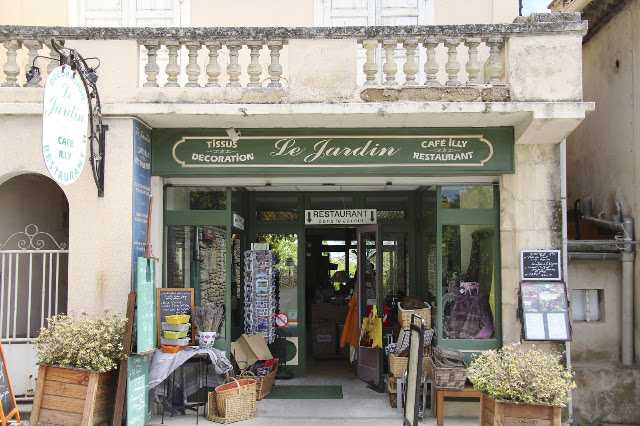
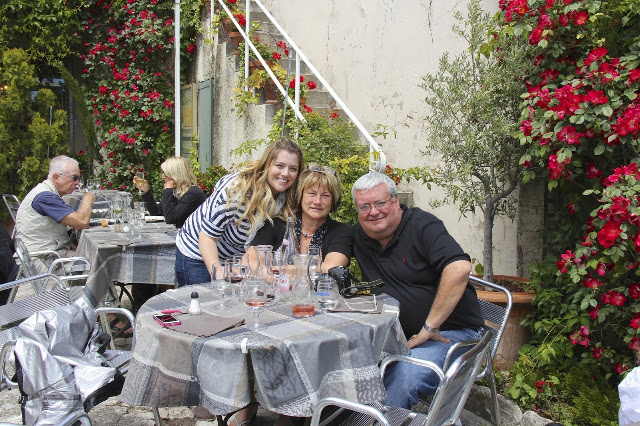
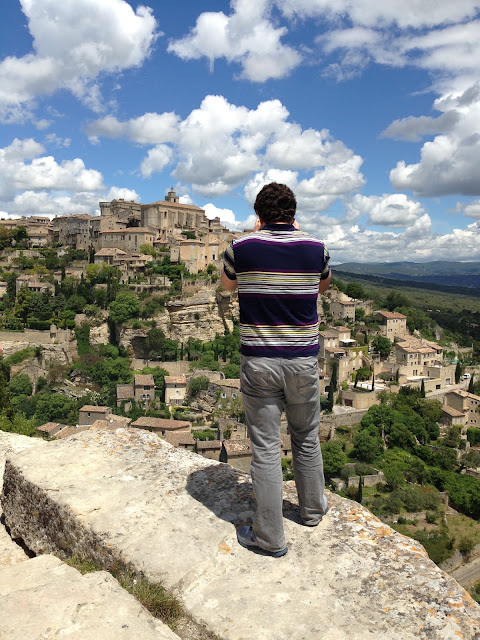
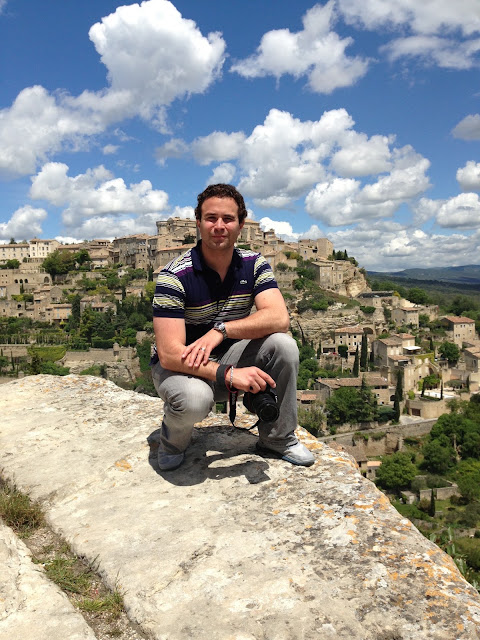
After leaving Venasque, next we drove to Gordes, a village with houses literally clinging to the sides of the Vaucluse ridges, overlooking the Cavaillon plain. The houses and narrow cobble streets are arranged in winding tiers all the way up to the [existing] Renaissance castle and church. Gordes is a village well known to artists, including Chagall (and others I don’t know and can’t remember). Before entering the village from the top and winding our way down and back… we needed to refill and refuel. Lunch time! Michel and Shirley selected a place they had dined before – a charming outdoor restaurant tucked behind a local gift shop. After a delicious lunch, we started winding our way through the streets of Gordes. Jen and I bought Julia a cute hand-made sun dress. We found some of the most picturesque scenes we’ve ever encountered. And right on cue for our magical family photo – Julia didn’t want to cooperate for a posed photo. At least I got some nice landscape photos.
I’ve never seen anything quite like this before – simply stunning in person
Gordes – another angle
It almost appears to be sliding off the side of the cliff
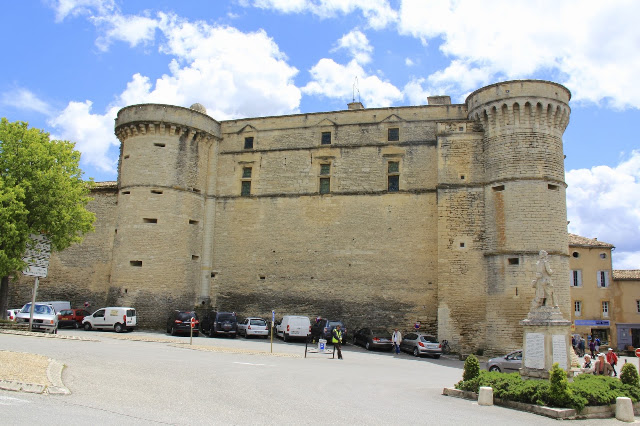
Approaching the city wall – marked by the medieval castle
The main square, what we call a piazza… what do they say in French?
Further into the main entry point
Walking through the village
We had a great time walking around
The girls had fun
A scenic view, indeed!
View of the valley below
Loved this…
and this…
and of course, this!
The buildings in Gordes were truly special
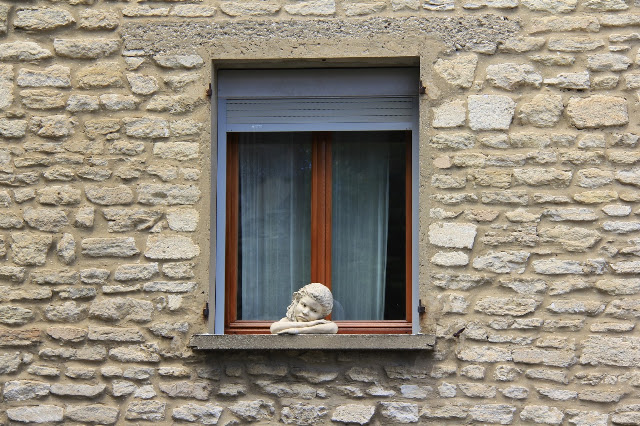
Even the angels come here to day dream
A better view of the castle
Le Jardin – store in the front, restaurant in the back
Enjoying a wonderful lunch
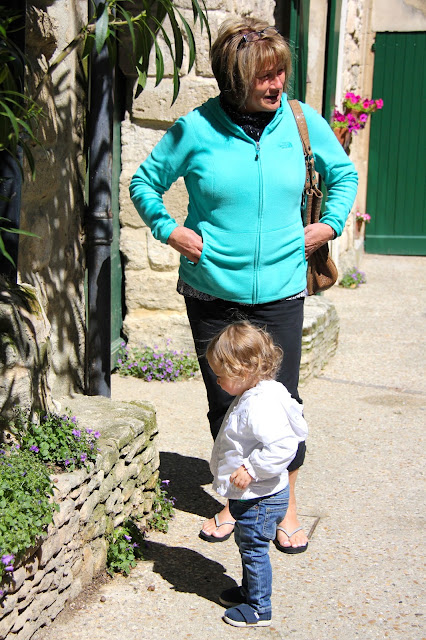
Julia stopping to smell the flower with Shirley
Jen took a picture of me taking a picture of the village
Cheeeeese!
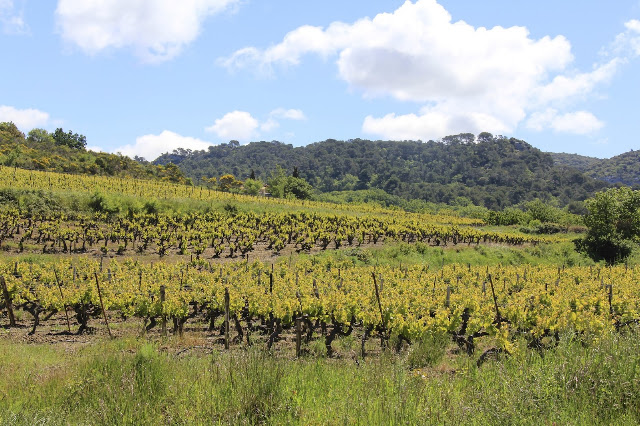
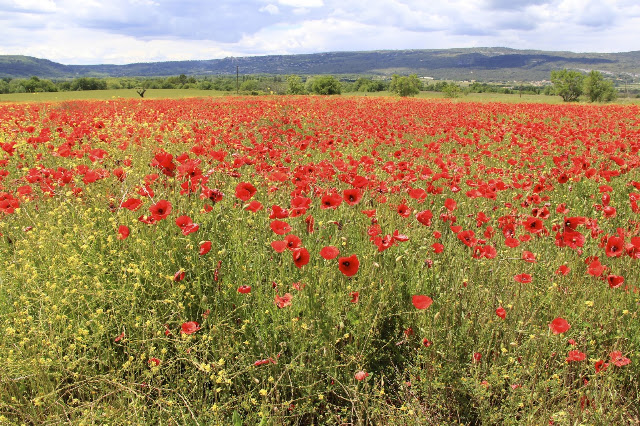
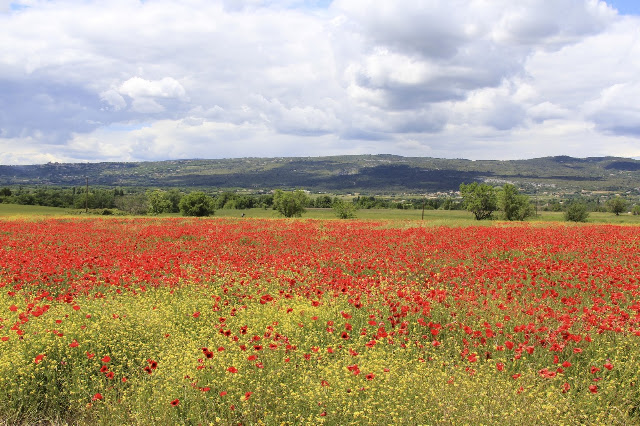
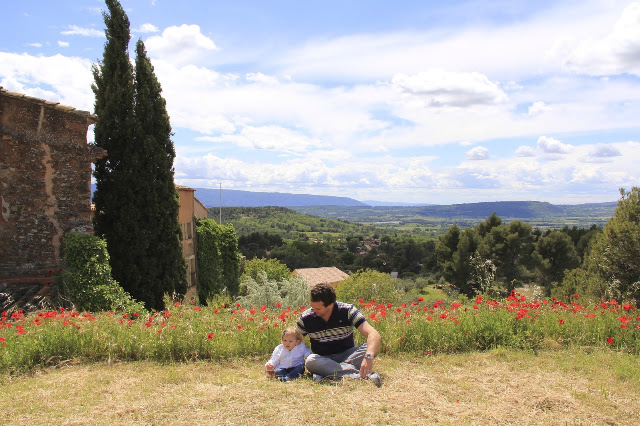
We eventually left Gordes and drove to Roussillon, a village far different than the first two. Along the drive in between towns, we passed a beautiful vineyard that I thought to be so typically French. But the real bonus was when we discovered a huge field of poppies, growing wild – we had to pull over and take some pictures.
Anyone up for a bottle of wine?
Large field of poppies
The poppies were growing wild
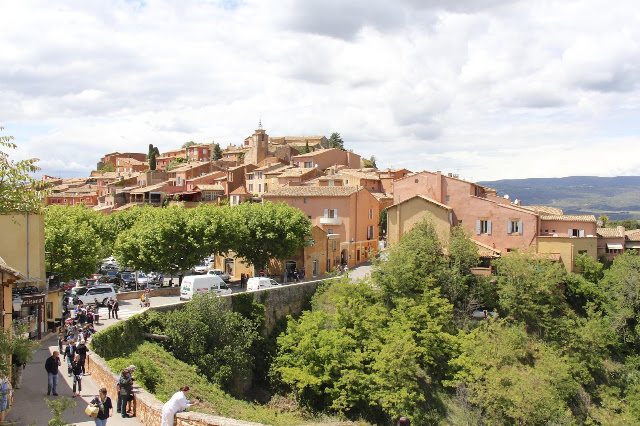
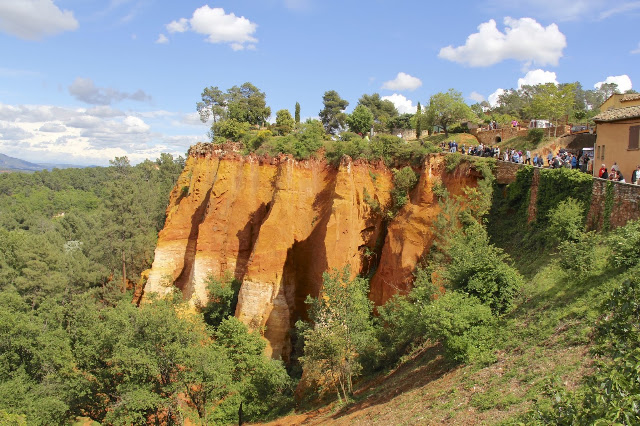
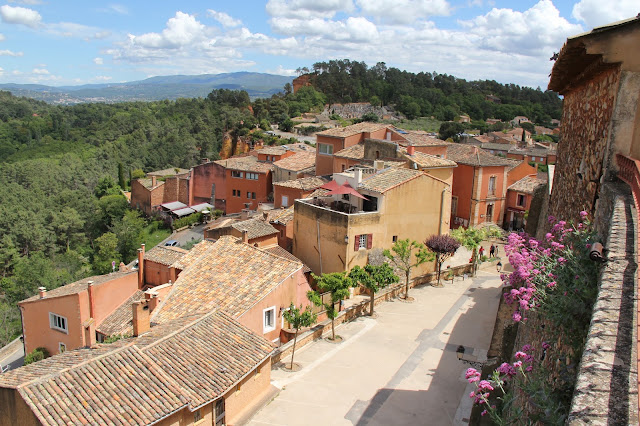
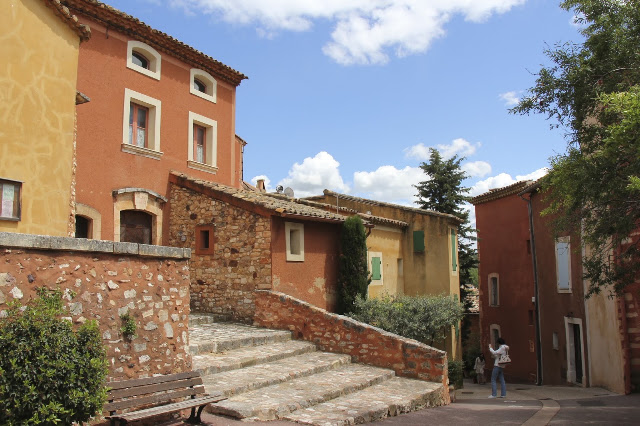
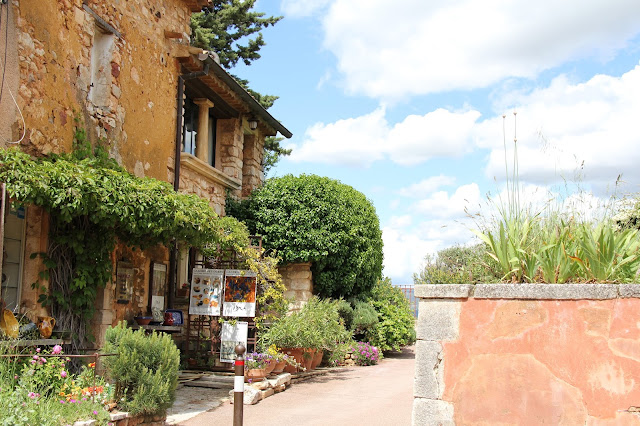
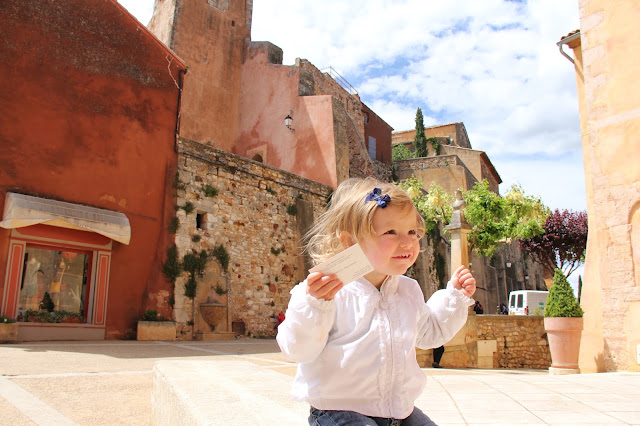
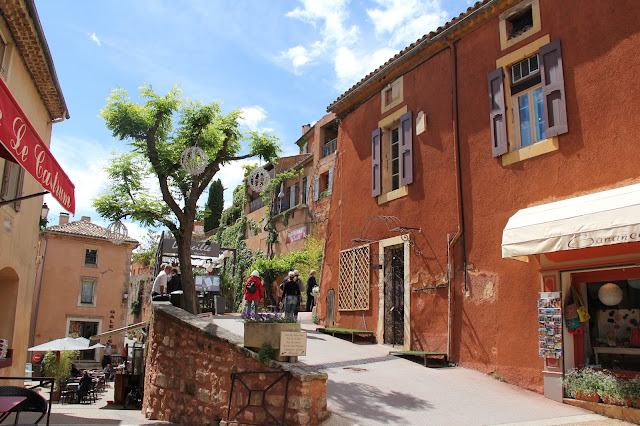
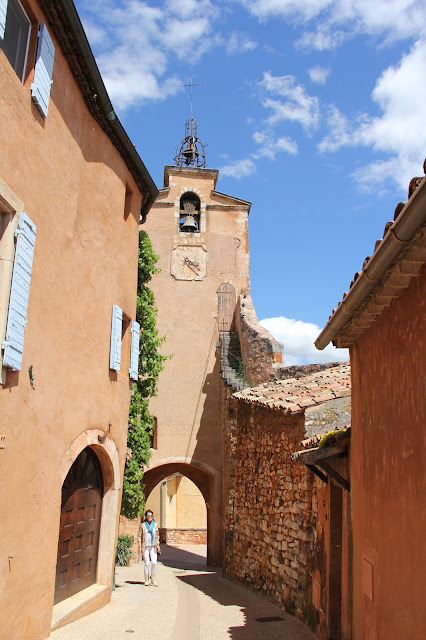
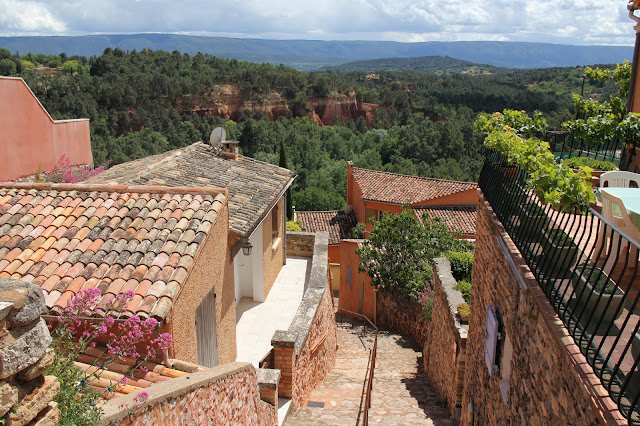
Roussillon screams its independence from other nearby villages by proudly brandishing peaks of vibrant red and ridges of bright orange. We were instantly reminded of Sedona, Arizona. The village sits atop the biggest ochre deposit in all of Europe and the result is a civilization built on bright orange clay-like earth. The village itself has since been shaped by the surrounding land and the homes, churches and buildings all marry this natural beauty perfectly. After a long time exploring, we stopped and had an a apéritif at an outdoor cafe.
Roussillon from slightly above
The earth beneath the village was wonderful to behold
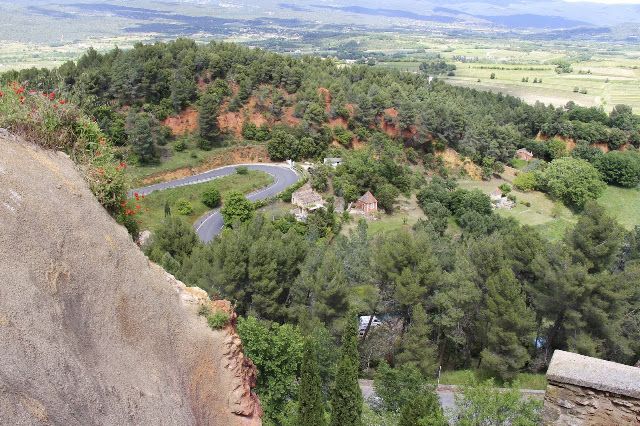
The orange earth follows the bends in the road
The houses were painted to match the landscape and unique soil
Strolling through town was wonderful
Beautifully landscaped front yards
Julia started dancing to music she heard coming from a nearby store
Street scene
Julia snuggled up to me in a nice field overlooking the valley
Great bell tower
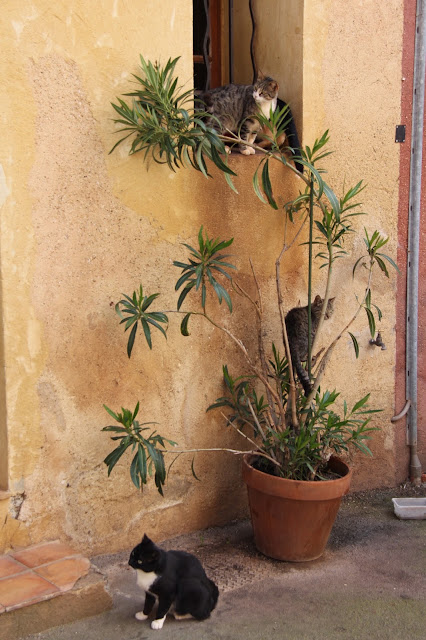
We found “cat-lady’s” home – we counted 8 cats just in this area
Stairway to heaven?
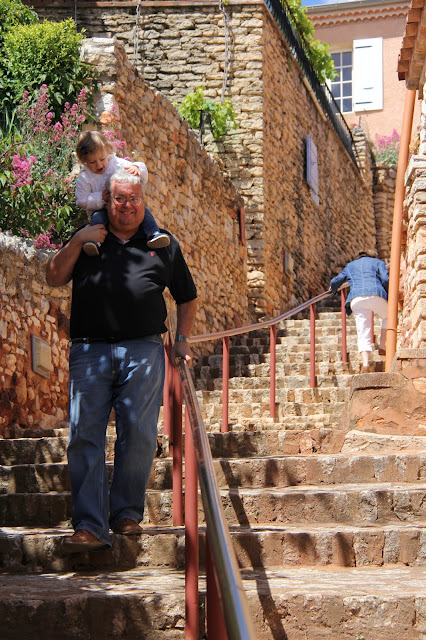
Now that’s the way to ride down a long set of stairs
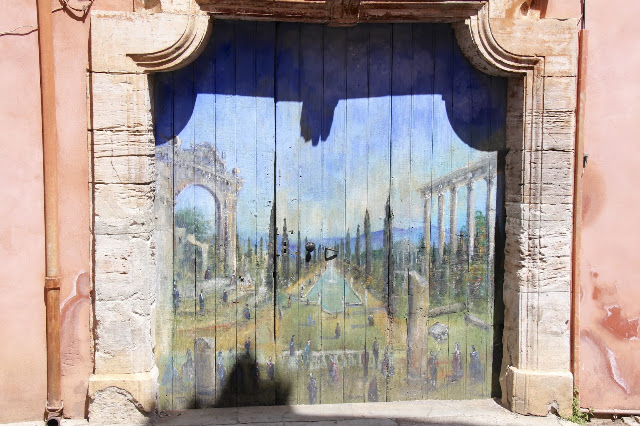
Beautifully painted door
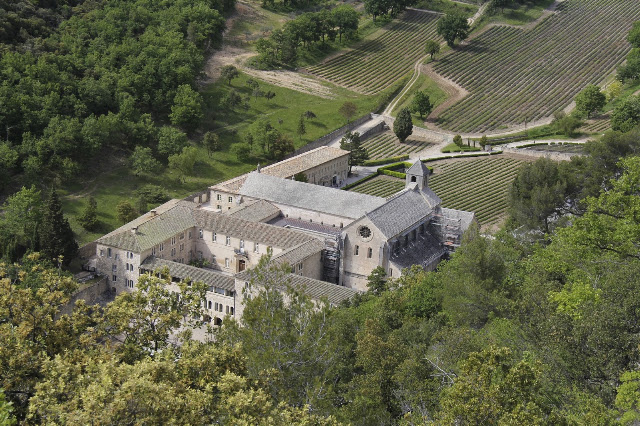
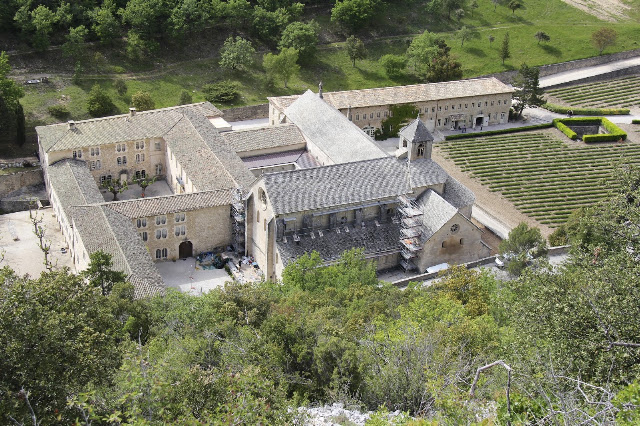
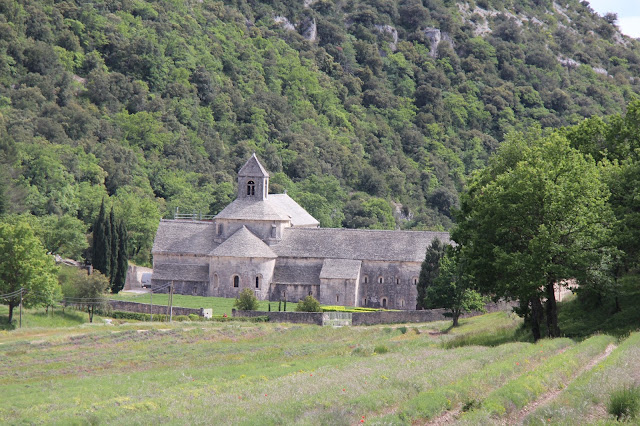
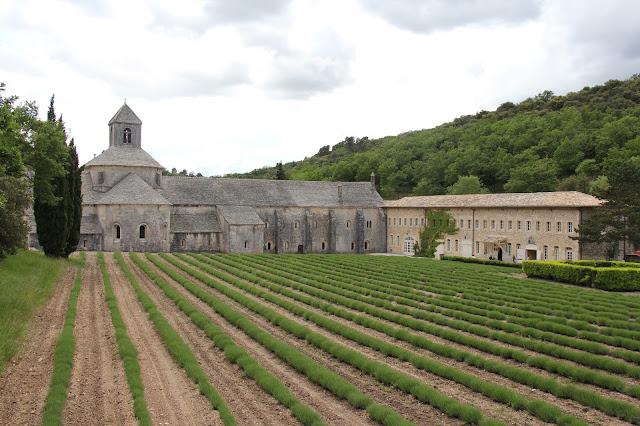
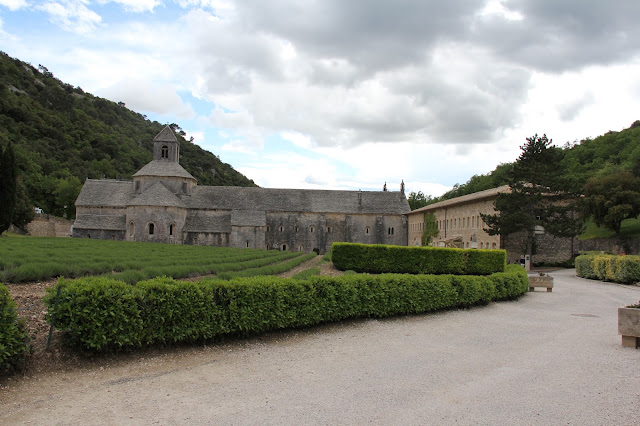
We had one more stop left – an abbey built in the middle of the 12th century. Abbaye Notre-Dame de Sénanque is a working abby, where the local monks tend to large fields of lavender that they sell to subsidize the abby (along with tourist sales of tours and merchandise).
Abbey as we approached from above
Another angle
The monks “front yard”
Fields of lavender, not yet in bloom
12th century Abbey
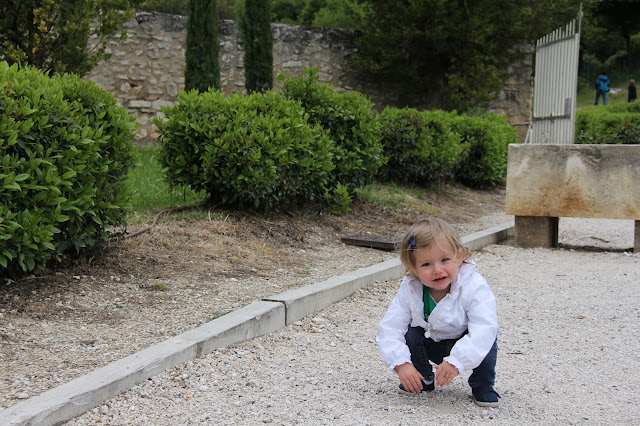
Julia had fun
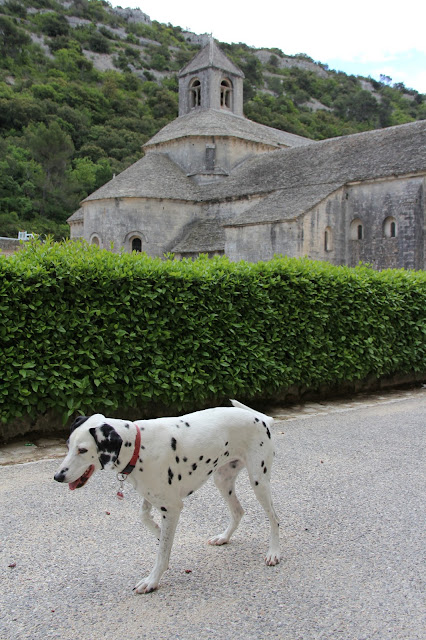
Julia thought this was the dog from, 101 Dalmatians
By the time we reached our “home” village of Sablet at the end of a long day, we were wiped out. But we were only half-way done! We had dinner plans with friends of Michel and Shirley’s – a couple that owns the local bar in town. We had just enough time to freshen up and then head down the street to meet them in front of their bar. We all shared a nice bottle of rosé over introductions and then headed out for dinner. I’ll feature this dinner, along with a few others in a separate “food” post.
Jen and I decided that we had so much fun on our first day, we needed to extend our two day trip into a three day trip and our wonderful hosts obliged us. Stay tuned for tales of glorious wine tastings, wonderful meals and impressive historical sights.
I have no proof that when my sister, Michelle came to visit with her husband and daughter (David and Elsa) that he was the tallest man in all of Italy… but I’d say there’s a good shot! When I picked them up at the airport, I simply looked for the tallest/shortest couple combo possible (he’s a hair over 6’8″ and she’s a modest 5’2″). I spotted them instantly and helped them get some caffeine before taking them home for our big Italian lunch.
David, Elsa and Michelle – he’s crouching down to make it in the frame
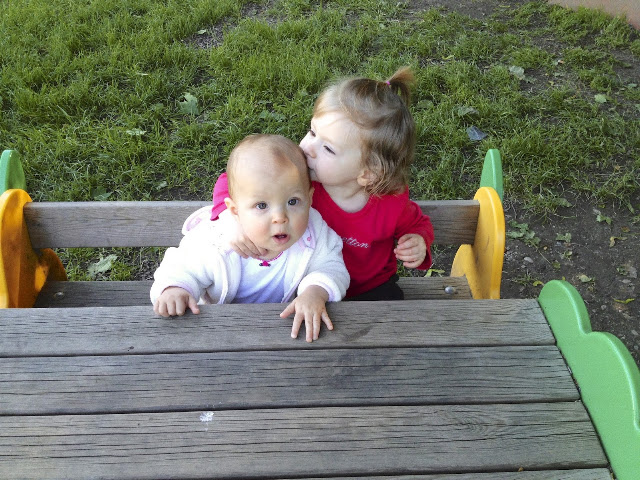
Julia’s younger cousin, Elsa was her newest obsession and she had been excited all week leading up to their visit. She would wake up every day and scroll to some of the video’s or pictures we had on our iPad and scream “ELSA!” When the real thing walked (or rather, crawled) through the door – she was like a kid on Christmas. She couldn’t stop hugging and kissing her. Although, she had an awkward way of pulling her in by the neck – so much so that we dubbed Julia the, “Scranton Strangler” (you “Office” fans will get the reference).
The girls all reunited – Julia just wanted to kiss Elsa all the time
“Is my cousin trying to strangle me?!”
Michelle and David have a high-paced, action-packed lifestyle in Chicago and they were looking forward to a couple weeks of unplugging from their demanding jobs that they both do so well. We were happy to accommodate and show them a slow-paced trip filled with lots of good food and wine. We spent a couple days in the area, taking it easy. We visited the local park with the girls, we walked around downtown Como, we drove through many of the smaller lake towns. I showed David my favorite 5k loop and we went running together nearly every morning. Michelle cracked up one day after her privacy was invaded by our little Julia, somewhere in the beginning stages of potty training. She barged in and saw Michelle on the “potty” and declared to her, “Michelle… potty… YAHHH!”
The girls playing at the park
Jules sporting a pose in Como
It was drizzling when we went to Menaggio
Getting close to the ducks
Elsa fell in love with Italian food – especially risotto
“Mom, why is Julia always all up on my grill?!”
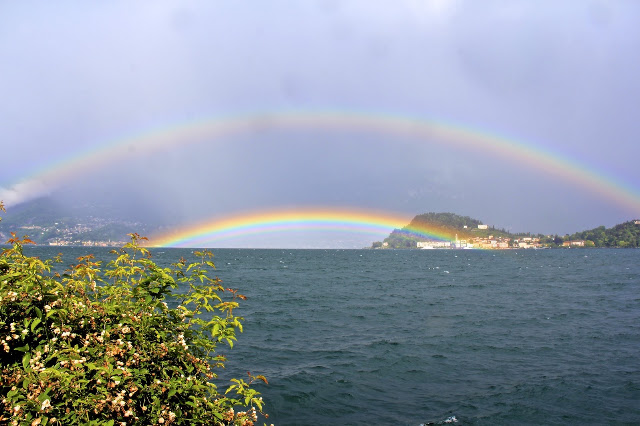
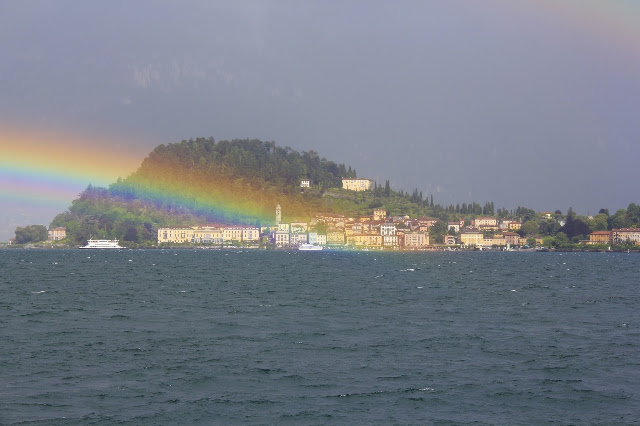
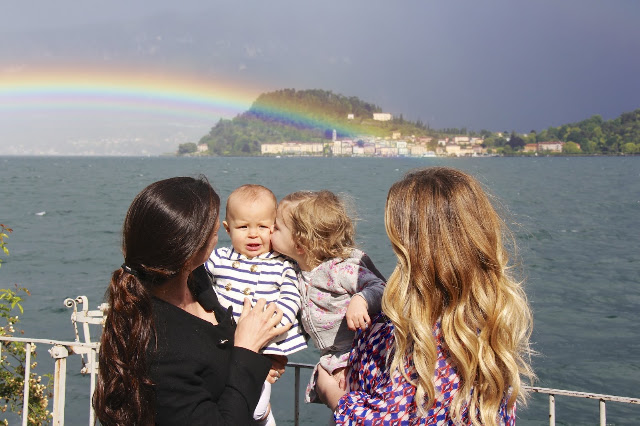
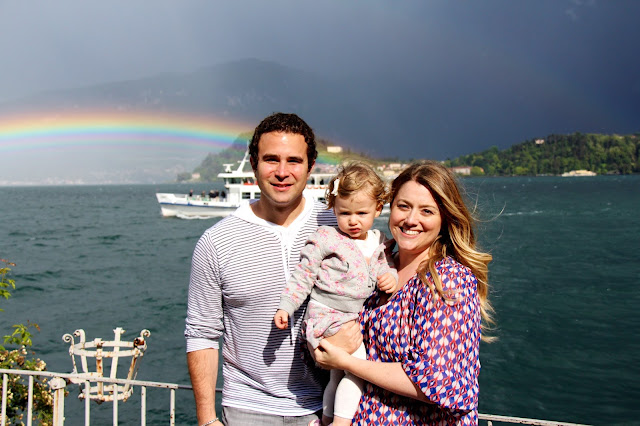
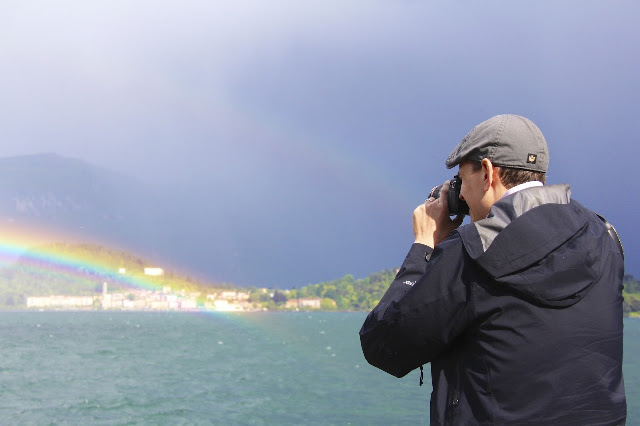
The day we spent driving around the lake was not the most cooperative of days – the temperature was pleasant, but the views were impeded by a haze and a constant drizzle dampened our tour. We stopped for a coffee and a leg-strech in one of our favorite towns, Menaggio before two fussy babies told us it was time to get home. On our way back, the constant drizzle gave us a wonderful gift – a double rainbow! This was something I’d personally never seen and only heard about in the internet-sensation youtube video.
We pulled over and took about 10,000 photos. Below are my favorites.
You could really see both rainbows so clearly
The “inside” rainbow landed directly on Bellagio
All the girls
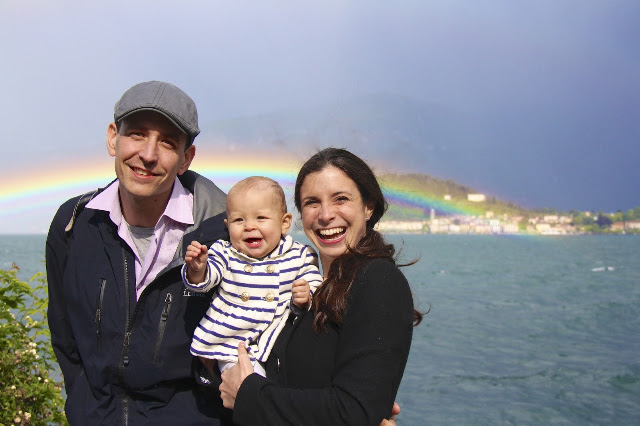
Family photo
David shooting the rainbow
The original plan for Michelle and David’s vacation was to spend a week with us and another week exploring another part of Europe. We convinced them that it was much easier to just stay with us, making our place the home-base. So a few days into the trip, they planned to go to Cinque Terre. Jen and I had plenty to keep us busy around the house so we sent them off exploring on their own.
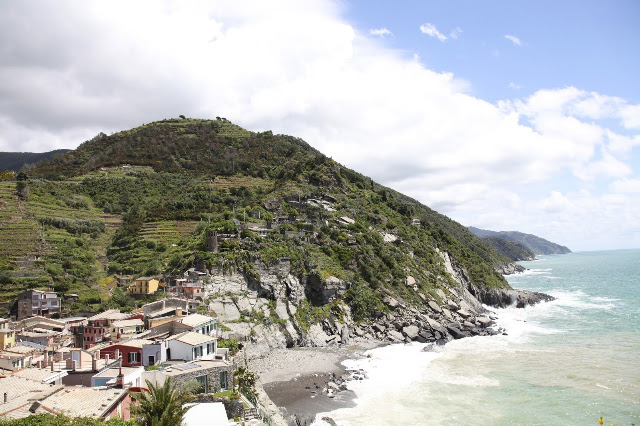
Levanto (David’s photo)
Cinque Terre is a beautiful gem in the Italian Riveria. The area consists of five rural fishing villages (the name means, “five lands“) that are interconnected via a pedestrian walkway. I first discovered this not-so-well-known destination 10 years ago during a study abroad and instantly fell in love. Today, the popularity of the place has reached stratospheric heights and tourists from all over the world come to see the uniquely beautiful terrain. While the change in visitors has altered the local landscape and flavor, it does not deteriorate the beauty of the villages themselves. Michelle and David selected a beautiful B&B in a town just outside Cinque Terre, Levanto which offers beautiful panoramics of the area. They had such a lovely time that they extended their trip by an extra day to really soak it all up. I borrowed a few of David’s photos in order to post them.
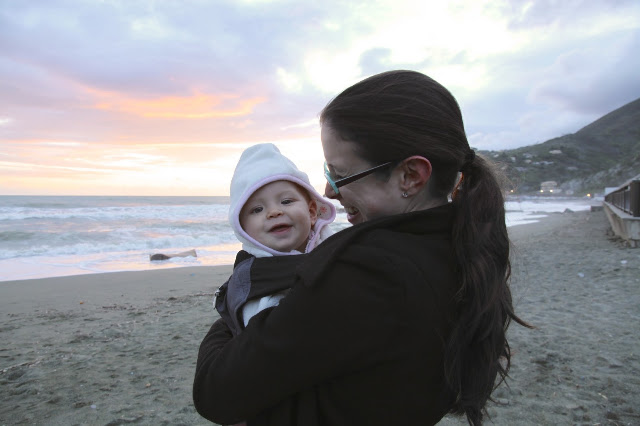
Momma with her baby
Elsa, the little adventurer
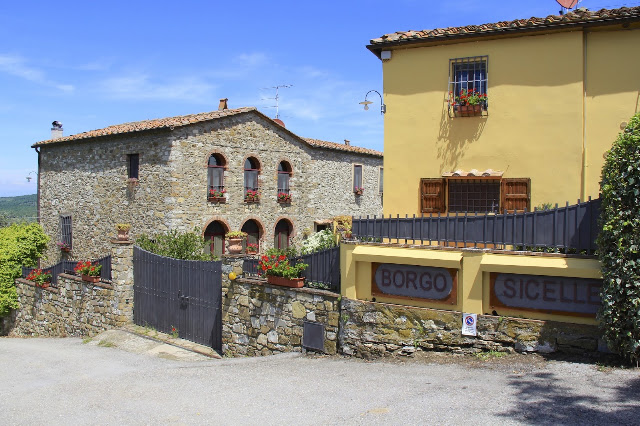
When they returned from their road trip, we spent a few more days locally (the seemingly endless rain kept us close to home) before embarking on another trip, this time all together. The destination – Tuscany. The specific area – open ended. Tuscany is probably the most well known region in Italy. What many people don’t realize is that it’s quite large with a lot of wonderful places to see. What you can’t do is pick a bad area, so I was confident that my internet search would yield a choice that was at least suitable for us. I underestimated just how perfect a location we would discover. A search across many of my favorite websites for this type of thing (trip-advisor, booking.com, agriturismo.net, etc.) lead me to a B&B in the Chianti region of central Tuscany. Borgo Sicelle was the perfect place. The location (midway between Florence and Sienna) offered us a chance to embark on great day trips. The property (originally an old farmhouse, carefully renovated) allowed us to rent a small apartment with individual rooms and a kitchen. The owners (Franco and Silvia) were so hospitable that we had everything we could want and more (including pack-n-plays in each bedroom). I don’t usually use this blog as a forum to recommend places to eat, see or stay (at least not intentionally) – but I will in this case. If you find yourself in Tuscany, stay at Borgo Sicelle!
Borgo Sicelle from the road
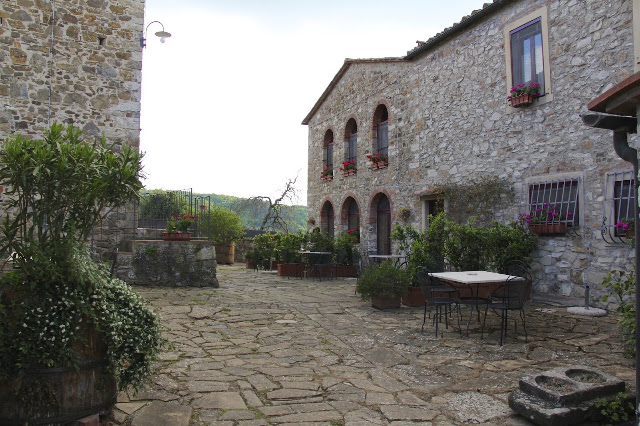
Inside one of the courtyards, showing some of the apartments
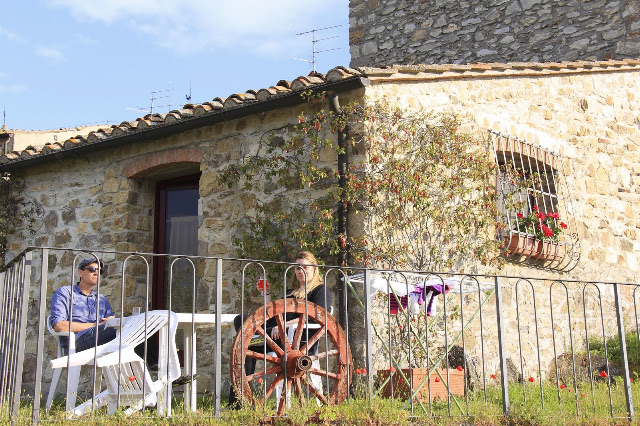
Another apartment with their own outdoor tables
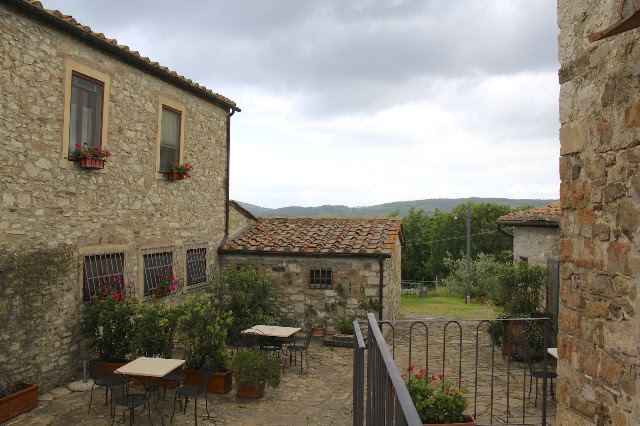
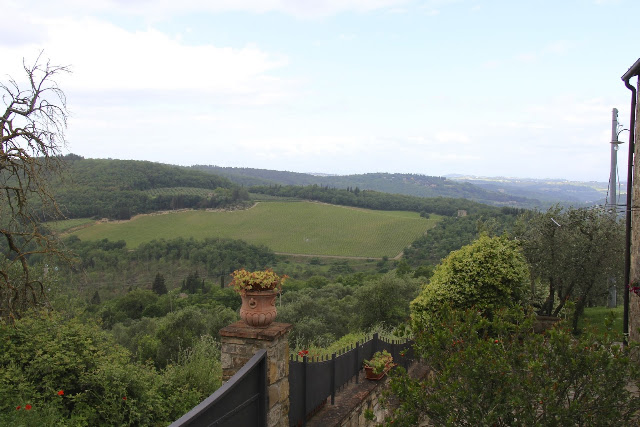
One view from the property – the large open patch is a vineyard
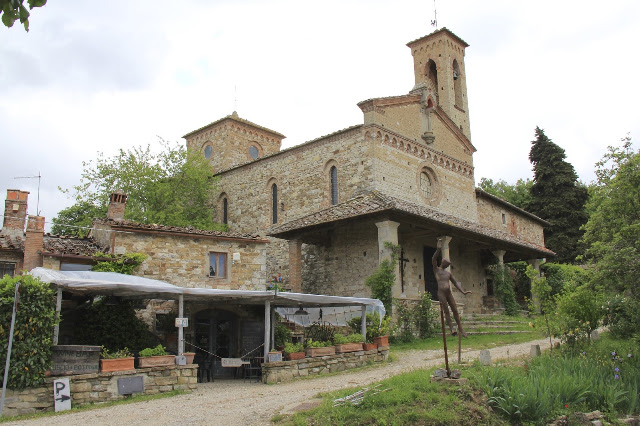
Directly across is a small trattoria (restaurant) and next door is a church
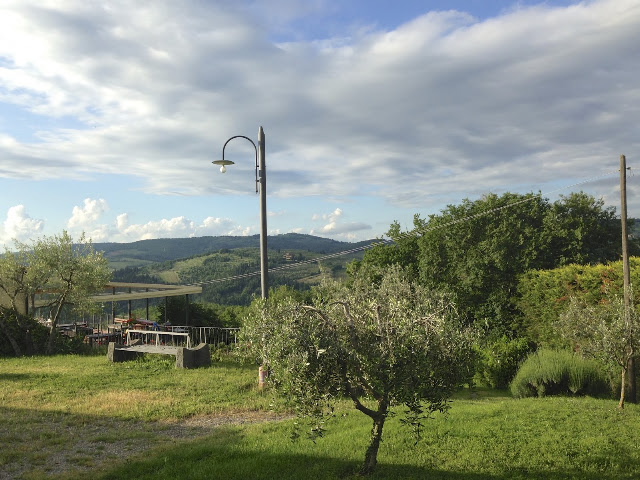
Our “front yard”… at least for a few days
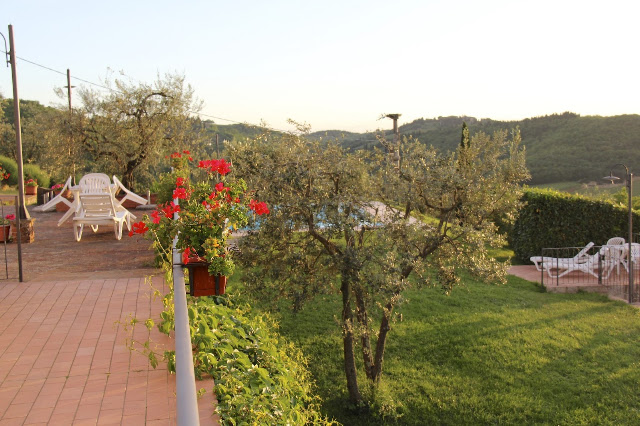
The upper terrace
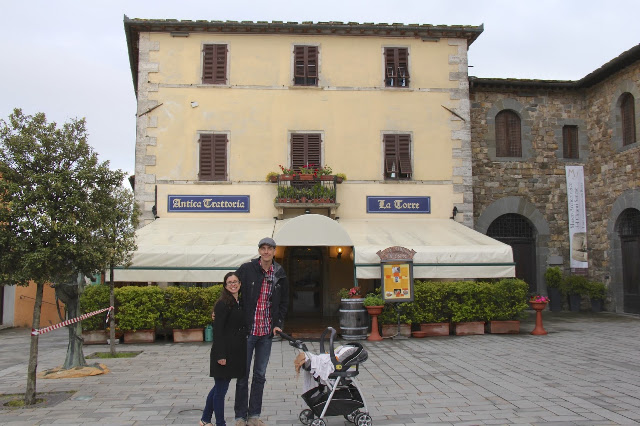
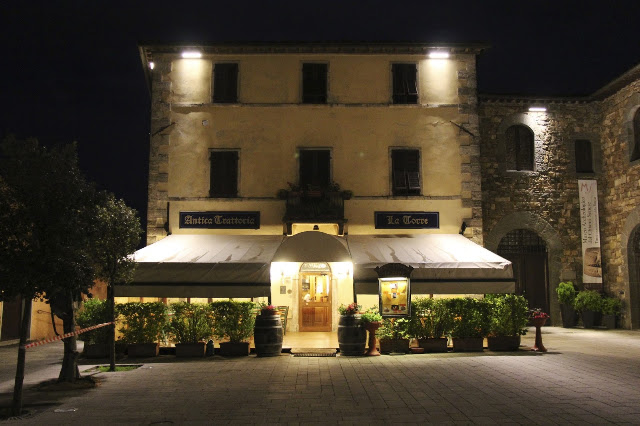
When we arrived, Franco gave us the lay of the land. He also gifted us a bottle of wine made by his brother-in-law (a Chianti, of course) and helped us get settled in by touring us around his amazing property (complete with several private apartments, infinity pool, multiple terraces, a playground, rec room and more). He also explained that many of the local restaurants were participating in a pseudo “restaurant-week” where they were offering pre-fix menu’s at discounted prices. Silvia helped us call and make a reservation at a restaurant, La Torre in Castellina in Chianti, one of the main villages in the area. We arrived on time for our 7:00pm reservation and didn’t leave until all six courses had been served and we’d had our grappa. It was close to 11:00pm by the time we got home and got the girls in bed.
Outside the restaurant
Night fell while we were inside
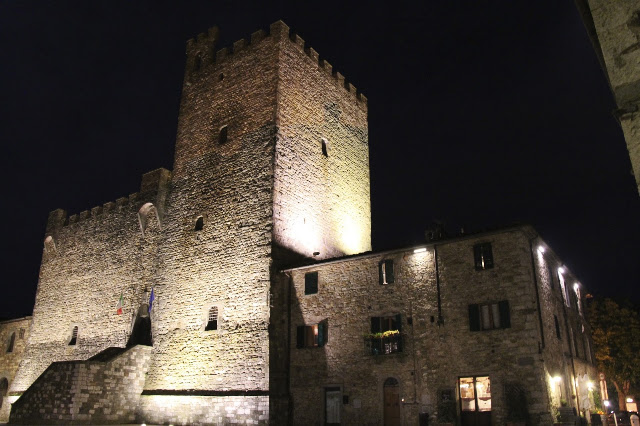
The Rocca of Castellina at night
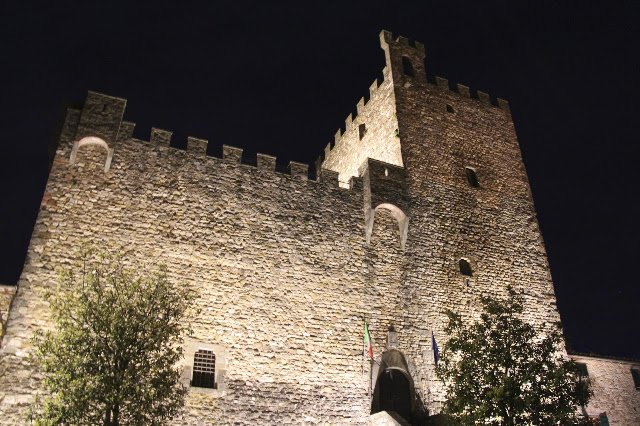
Another angle of the Rocca
Julia was exhausted by the time we got home
The next day, we all took our coffee outside before setting out on an excursion Franco helped us script. We visited a few of the nearby villages, including a stopover for lunch in Volpaia – a medieval village that is as rich in history and beauty as it is in quality wine.
Coffee on our patio
Exploring Volpaia
We had a wonderful lunch here
After lunch Julia took a stroll
David tried to keep up
The girls had fun together
Julia calling out to the people below
Looking cool with mommy
A street scene in Volpaia
Another street
In the center of town
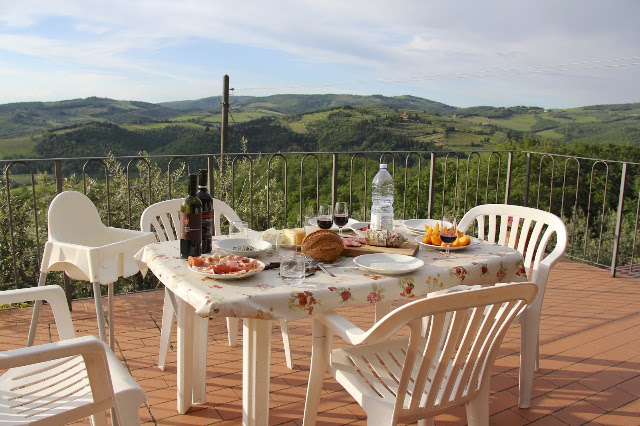
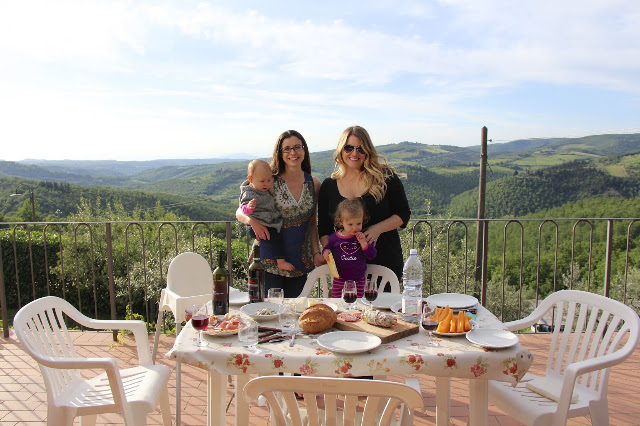
At the end of the day, we pulled together a nice selection of food (meats, cheeses, olives, sardines, etc.) and dined outside while the sun set behind us.
Rustic dinner we threw together to dine al fresco
About to sit down to dinner
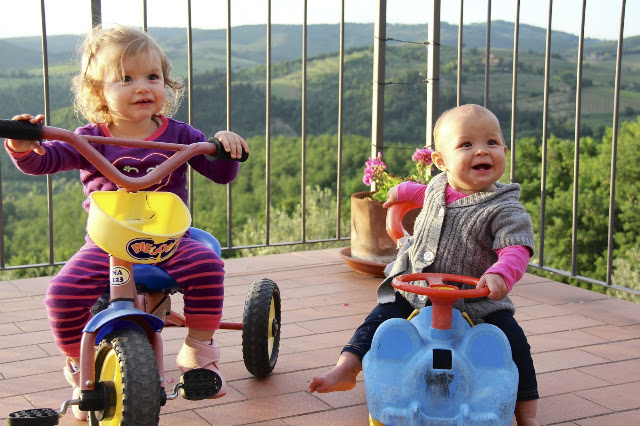
The girls were quick to finish eating so they could play
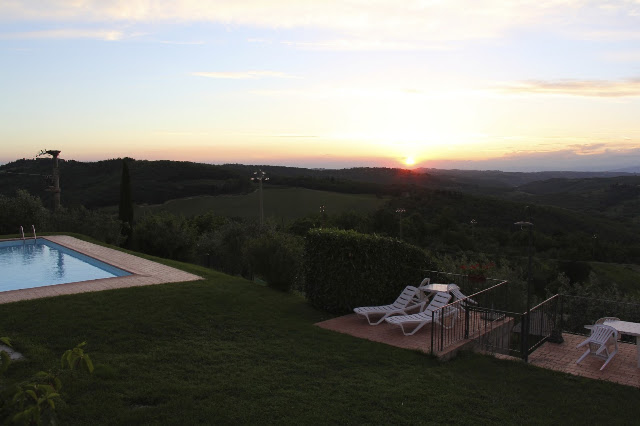
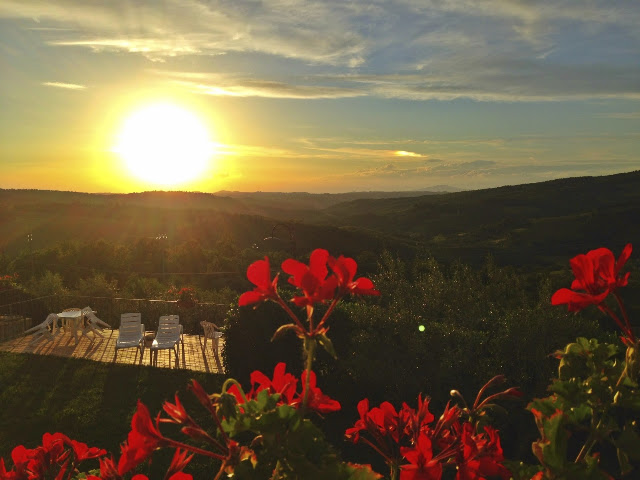
We loved the sunset
The Tuscan hills came to life with such vibrant colors
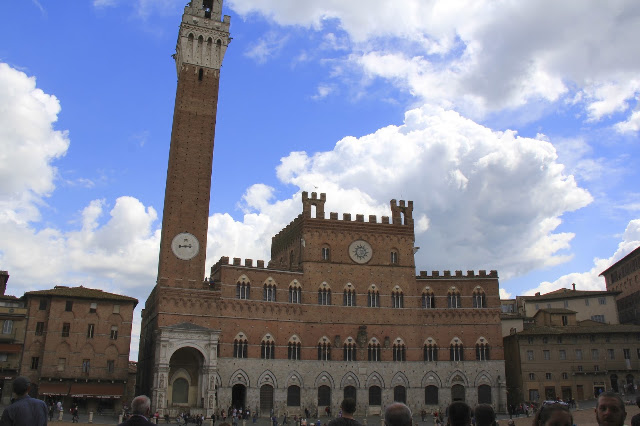
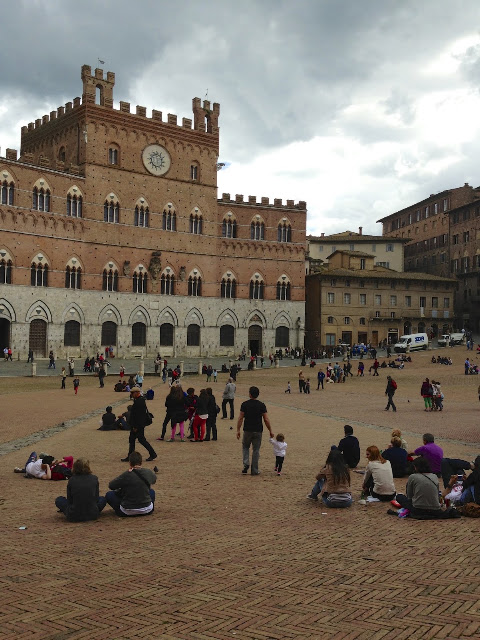
The following day we went to Siena, a short 30 minute drive from our hotel. Siena was settled by the Etrucans between 900 – 400 BC. Today, it stands as one of the most visited locations in Italy. The city center has been named a UNESCO World Heritage Site. Besides the rich art, architecture, museums and cuisine – the city is famously known for Il Palio, a horserace held twice a year in the main square, Piazza del Campo.
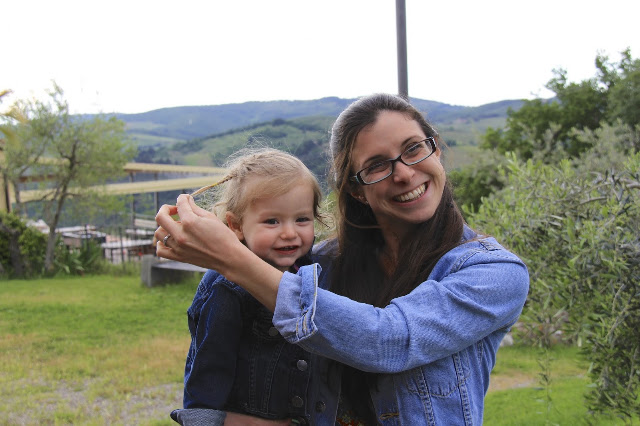
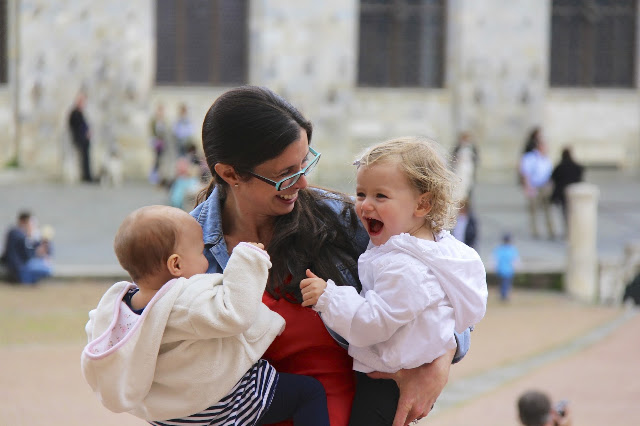
Julia and Michelle made matching braids for the day
Inside Piazza del Campo
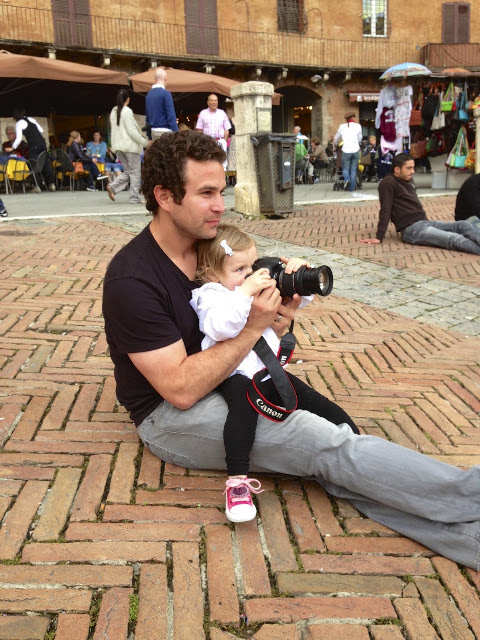
Teaching Julia how to use the camera
I took her for a walk in the piazza
Michelle with her hands full
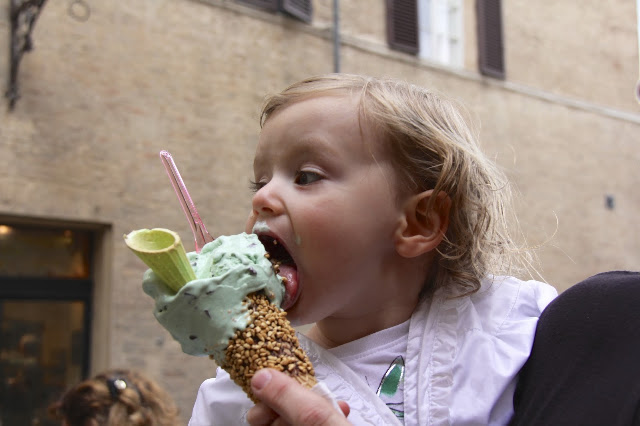
Julia ate all of my mint gelatto
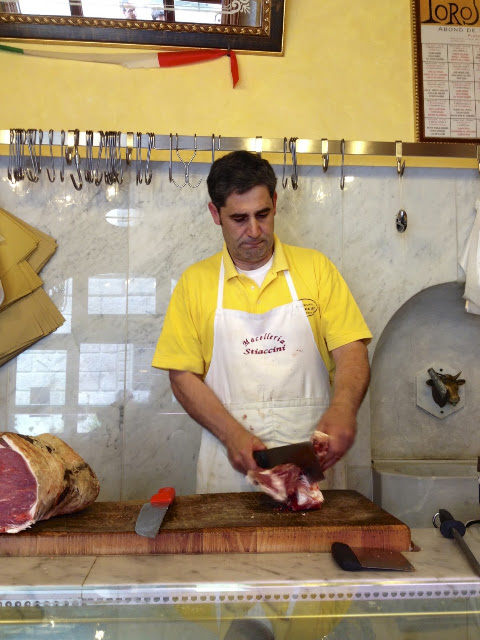
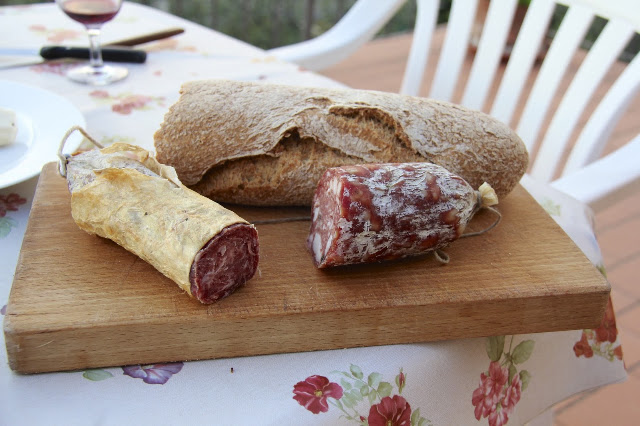
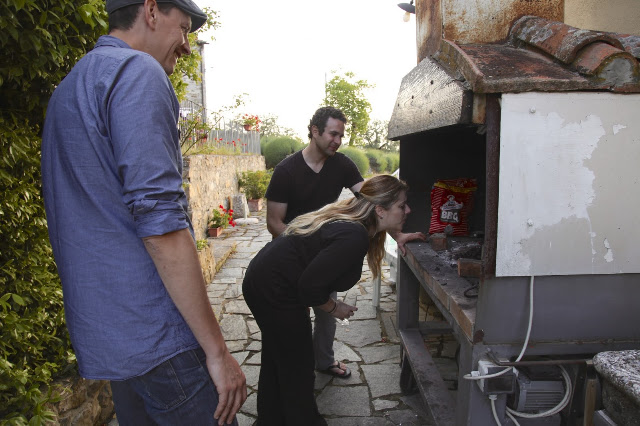
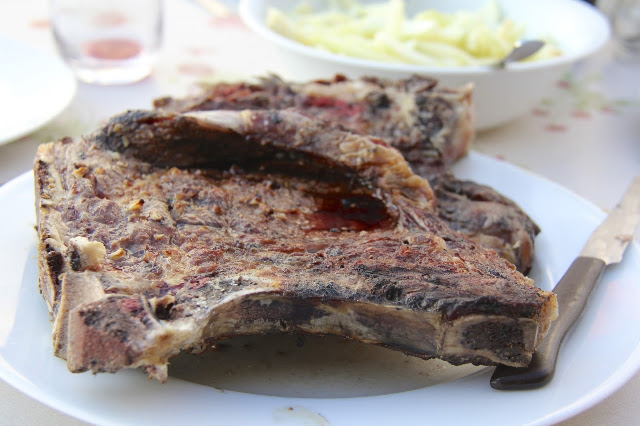
At the end of the day, we swung back by Castellina in Chianti to visit the Macellaio (butcher) and pick up some fresh fruit and vegetables. We had seen Franco using the BBQ the night before and David and I couldn’t get it out of our mind. Our first choice to grill… a big hunk of cinghiale (boar), a specialty of the Tuscan region. Unfortunately, the only boar he had in that day was in a salami (which we got – delicious). For the BBQ, we opted for another Tuscan speciality, bistecca (steak) and salsiccia (sausage). As David and I approached the grill, we admitted to each other that it had been a while since either of us had grilled using charcoal (hedging in case either of us made a critical error). We were further handicapped by the fact that the charcoal provided wasn’t the posh, self-burning American kind – but rather some hard-to-light wood variation. Finally, we both had the gnawing image of Franco’s perfect coals glowing like small pillows delivered straight from Hades the night before. We managed to get enough of a fire going to grill meat – our manhood was in tact and we delivered perfectly cooked steak and sausage to the family. Thousands of years of genetic programing proved to be successful.
The butcher wielding his tools
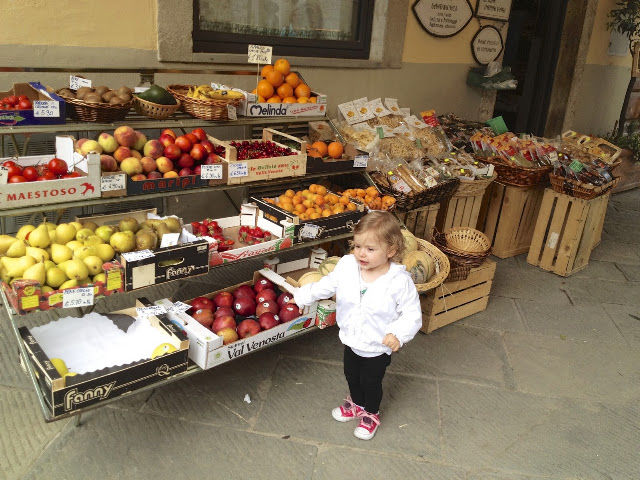
Julia helped us pick our fruit
We had some of the antipasti in front of our “house” before the grilling commenced
Salami (boar salami on the left) and bread
Jen helping us stoke the fire
Our steaks!
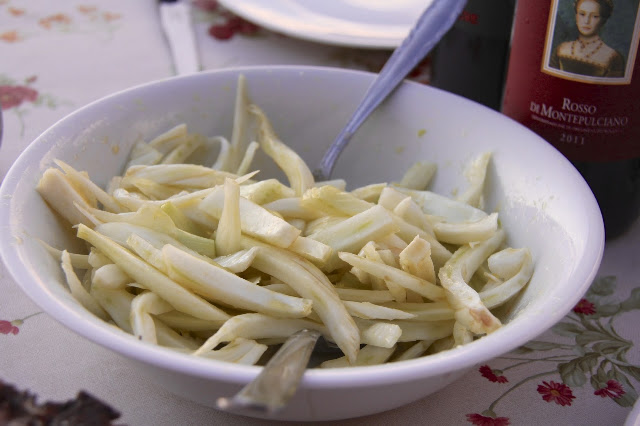
A finocchio (fennel) salad
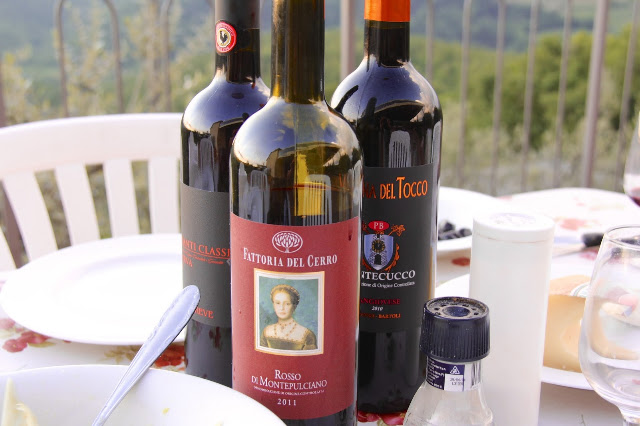
We had learned that we were a “three-bottle” family
Eventually, our time in Chianti came to an end (even after extending an extra day) and we headed back to home to Como. Sadly, Michelle and David’s visit to Italy had also come to an end and we helped Michelle pack for her flight home the next day. What about David, you ask? Well, he must have liked us so much that he stayed an extra night and flew to London the day following day on a business trip. We were thrilled to host their little family, Julia loved having Elsa and we will always remember that trip to Tuscany as something truly special.