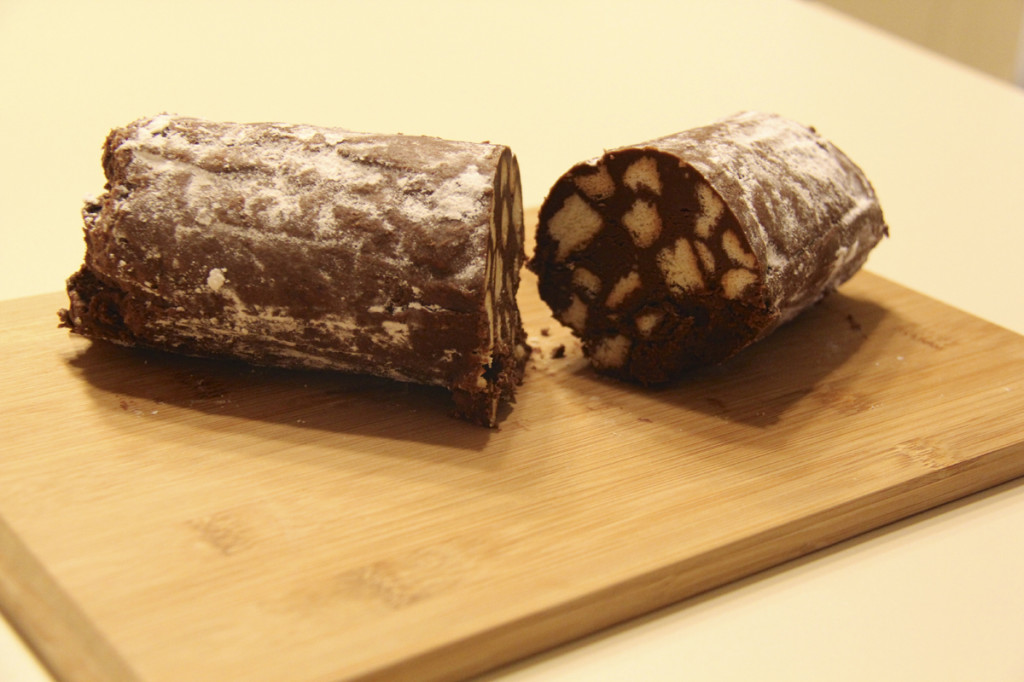
I had the pleasure of first sampling this rich and tasty dessert at a friend’s house over the holidays. After my first bite I was hooked and inquired after the preparation of the dish. Luckily, everyone here is happy to share their secrets and pass on tips. First, let me explain, chocolate salami is not salami at all (even though Greg wolfs this dessert down, he has a hard time getting past the name). This simple, no bake dessert only resembles salami. This Italian favorite was originally served around the holidays but now is acceptable any time of year. I think it’s the perfect dessert to serve while entertaining. The best part is that you can prepare it ahead of time and store it in the freezer.
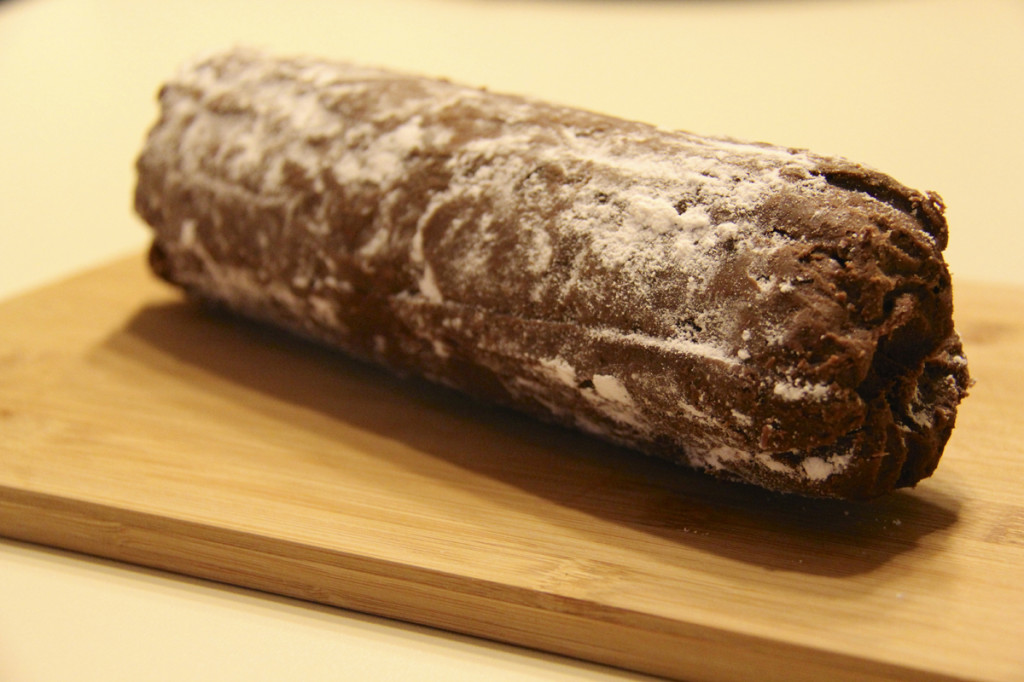
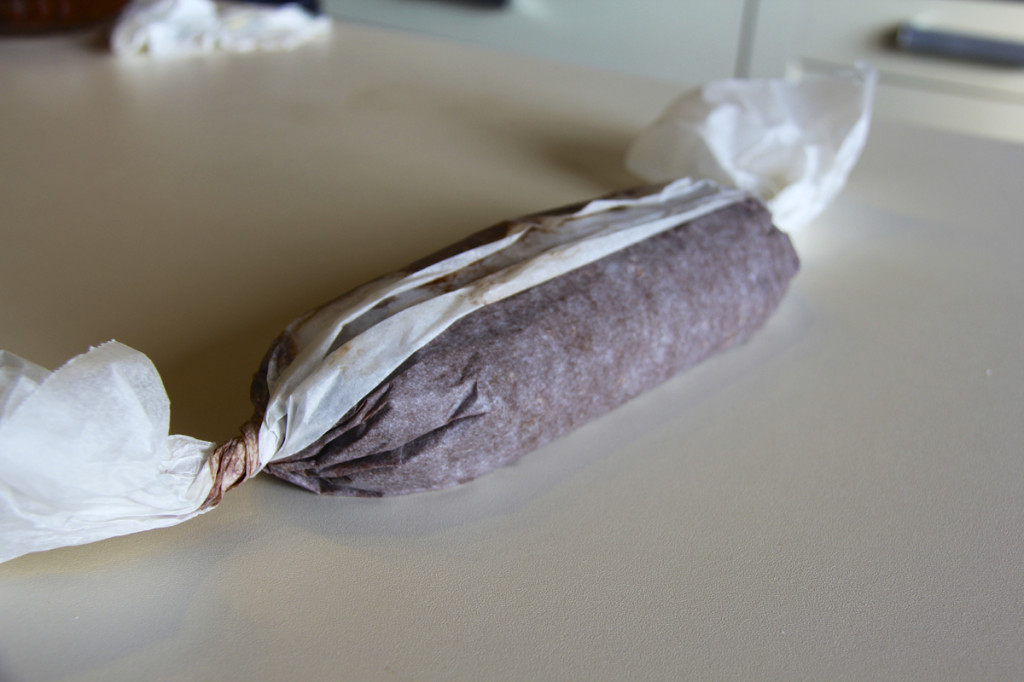
Voilà! A salame di cioccolato (chocolate salami)
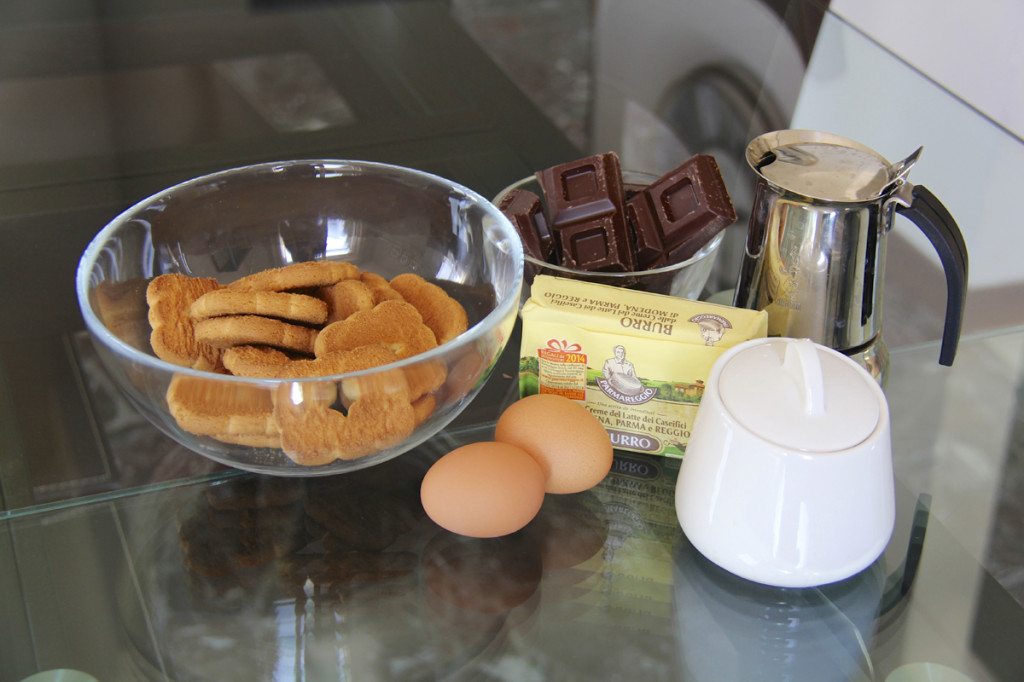
INGREDIENTS (serves 8 people)
>One (1) cup of biscotti or dry cookie broken into pieces >Eight (8) ounces of dark chocolate. I used 70% >One (1) stick of high quality butter, softened >Two (2) eggs, very fresh >Half (½) cup of sugar >Quarter (¼) cup, freshly brewed espresso >Confectioners’ sugar, as needed >Chopped nuts optional (I didn’t use them but I think I will try next time)
***RAW EGG WARNING. I have been told you can make this dish without using eggs but I haven’t tried this myself.
Your ingredients
DIRECTIONS
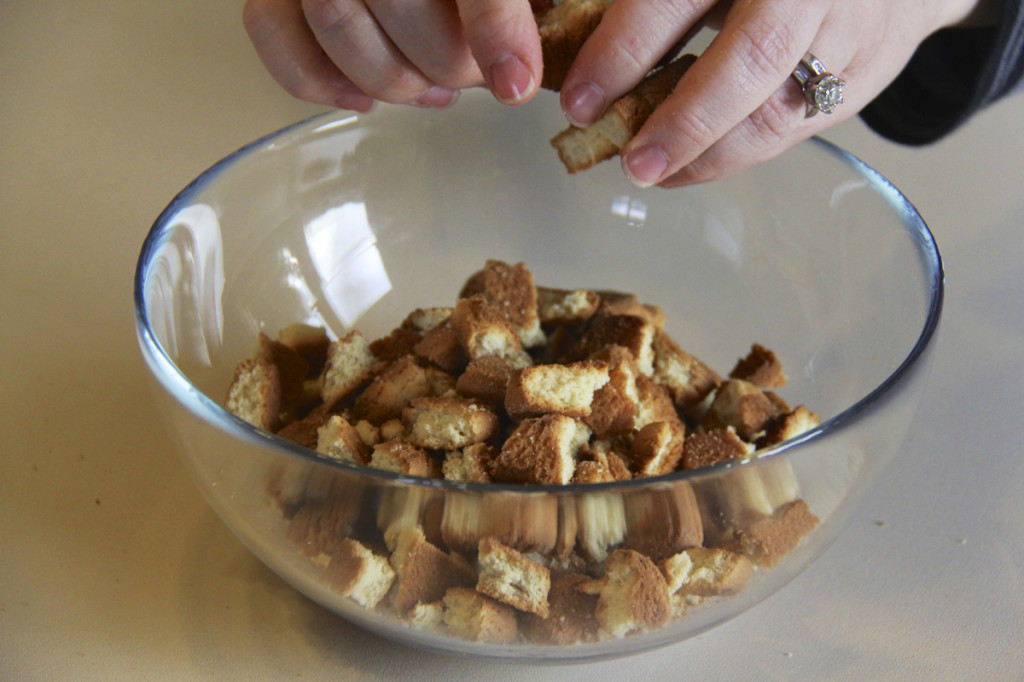
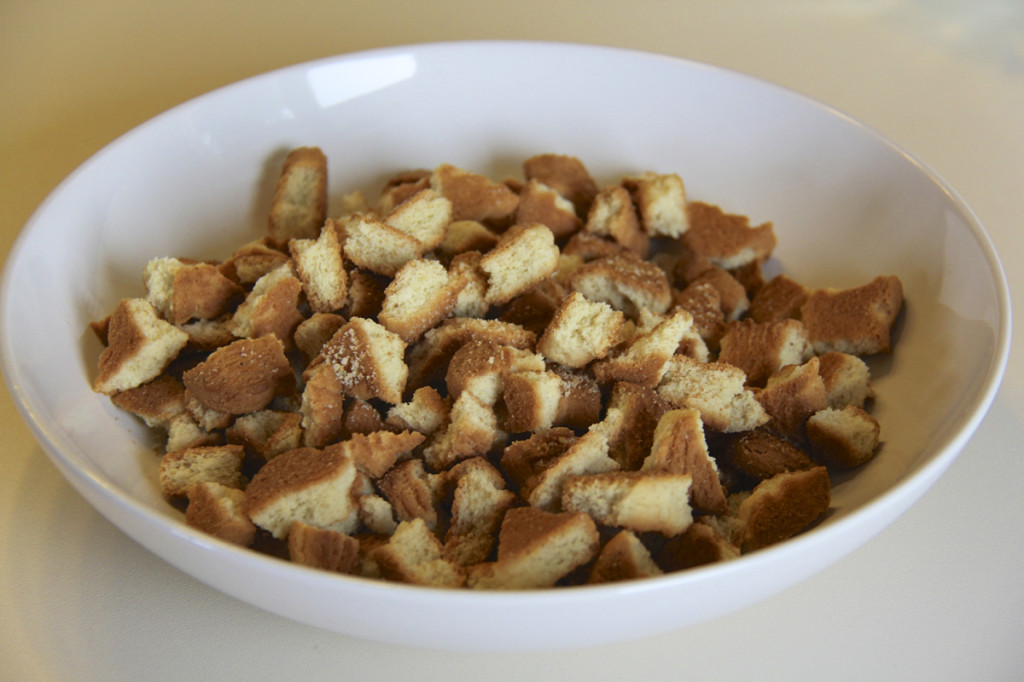
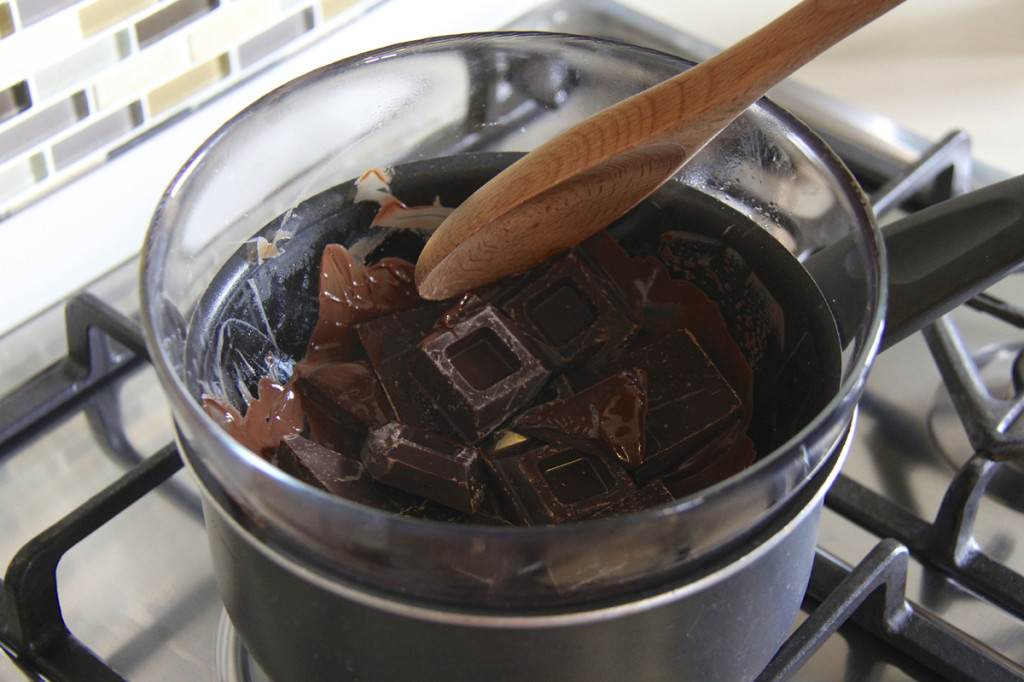
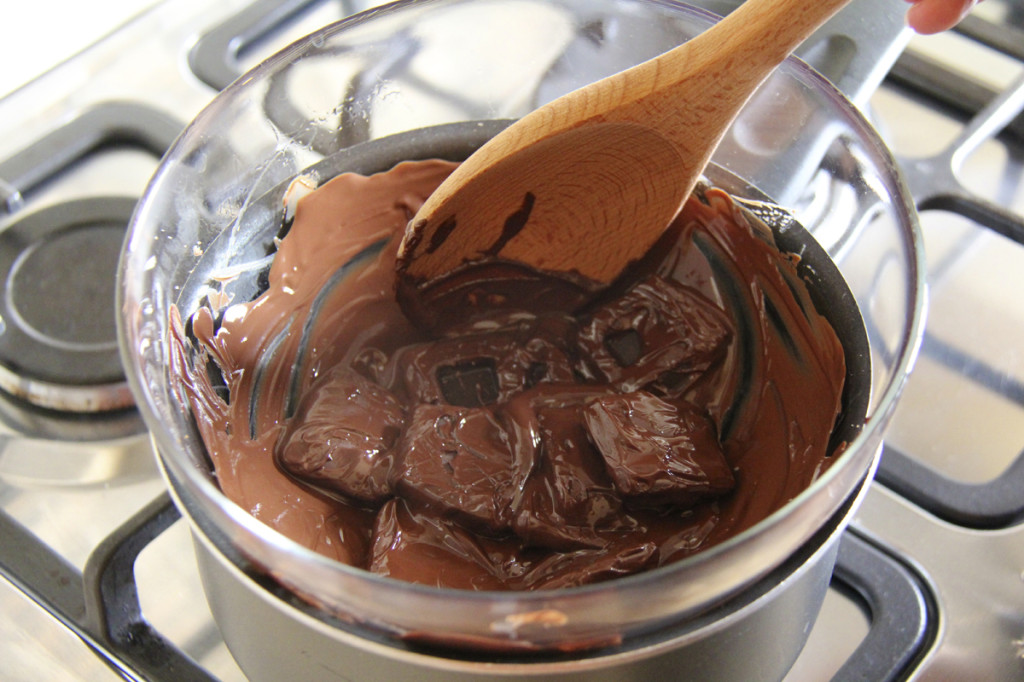
Begin by breaking up the biscotti and setting them aside. Melt the chocolate using a double boiler and stir until there are no lumps.
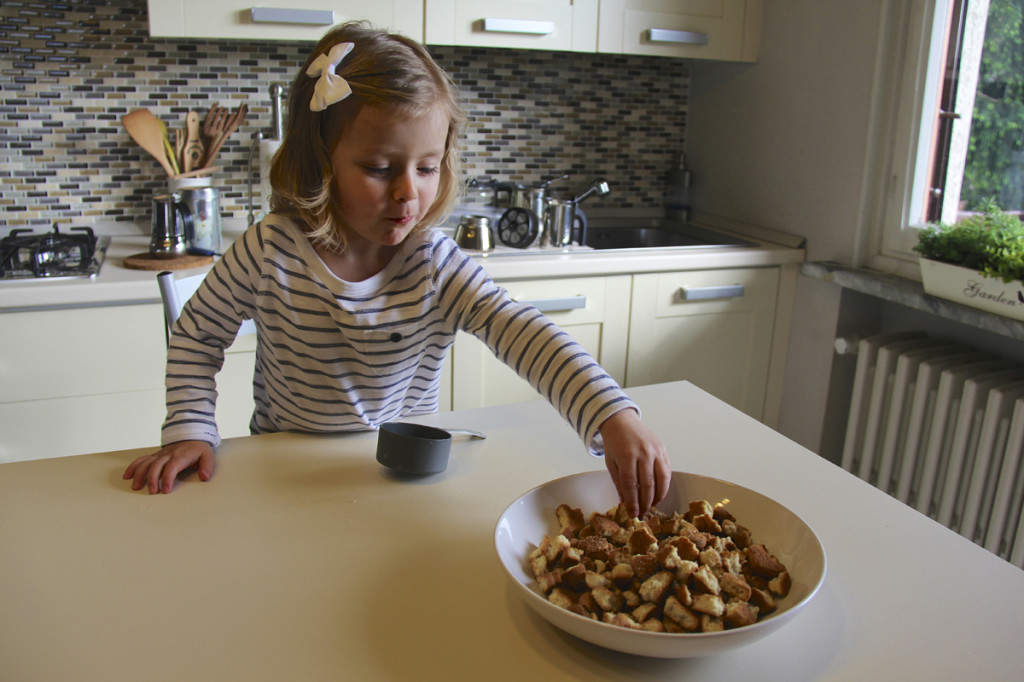
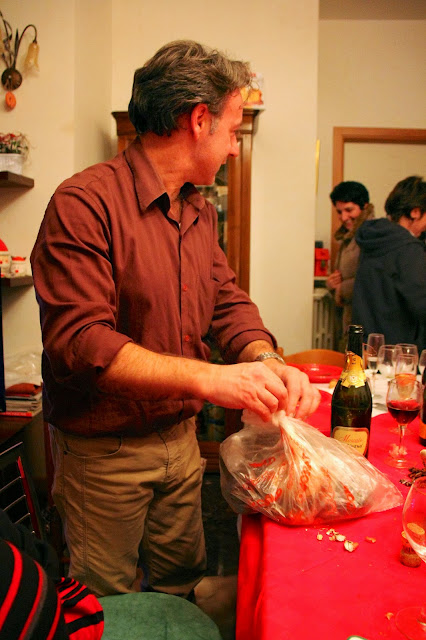
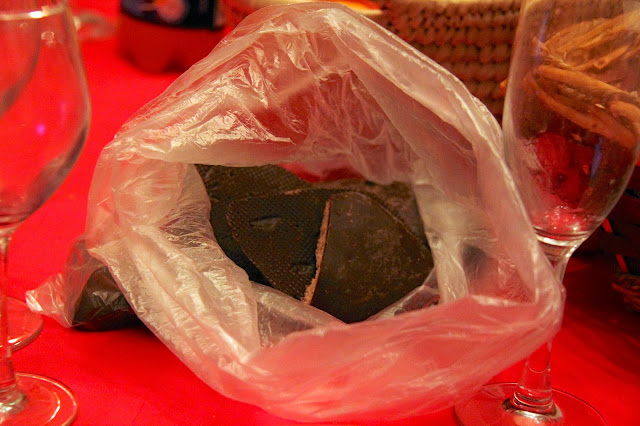
Break the bits of biscottiDon’t crumble them too much – they’ll need to represent the inside of a salamiTry not to lose any too many of your cookie crumbles in the processUse a double boiler to melt the chocolateThe double boil method is easy and brings the chocolate to a perfect consistency
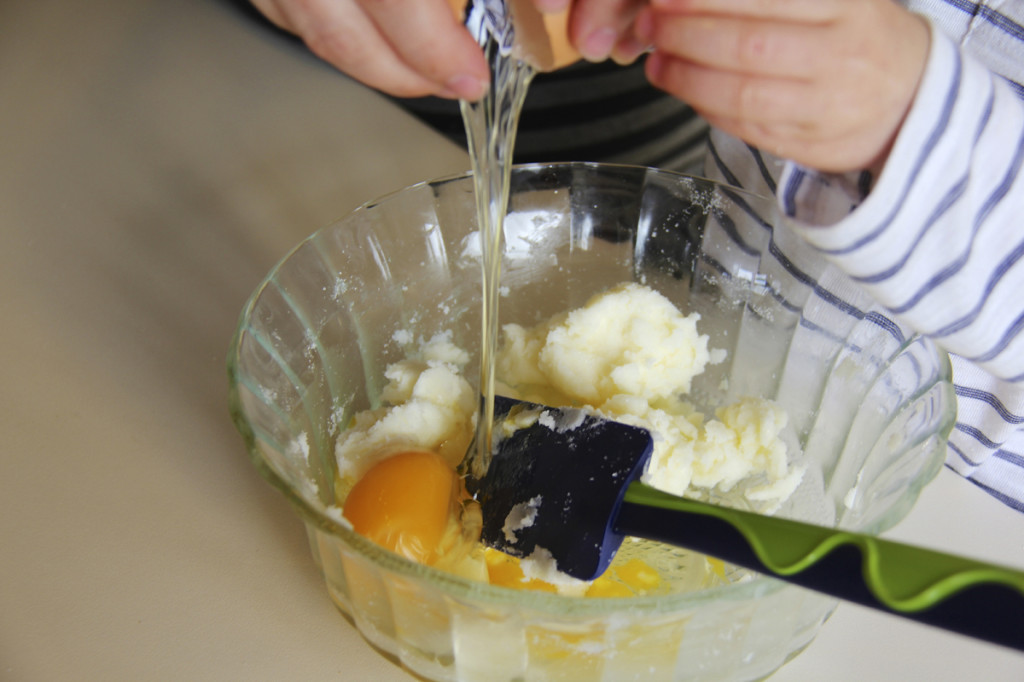
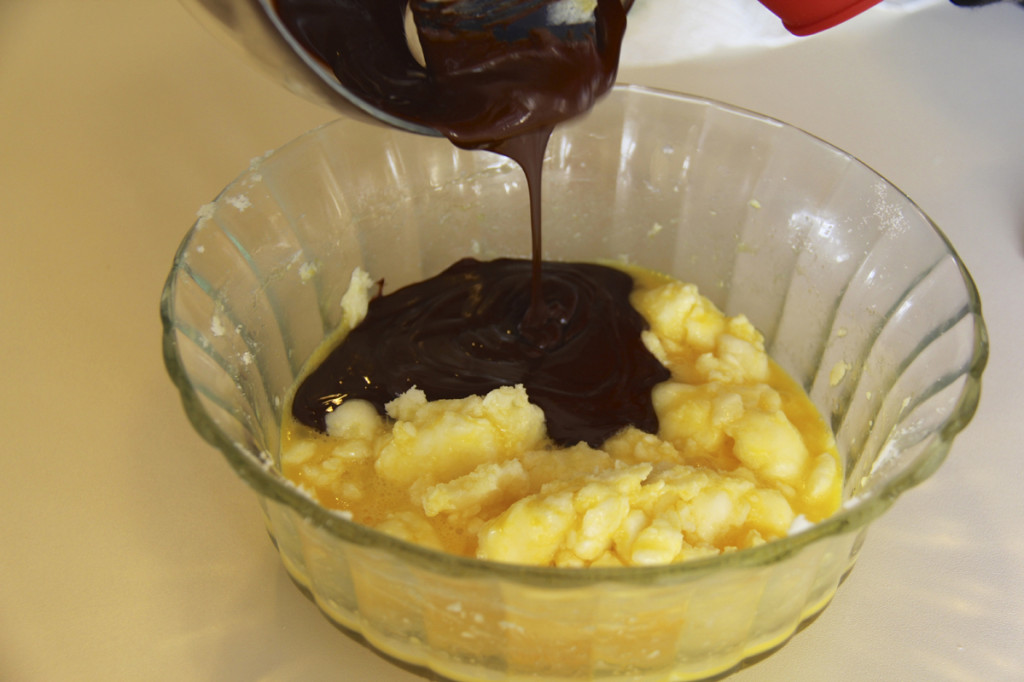
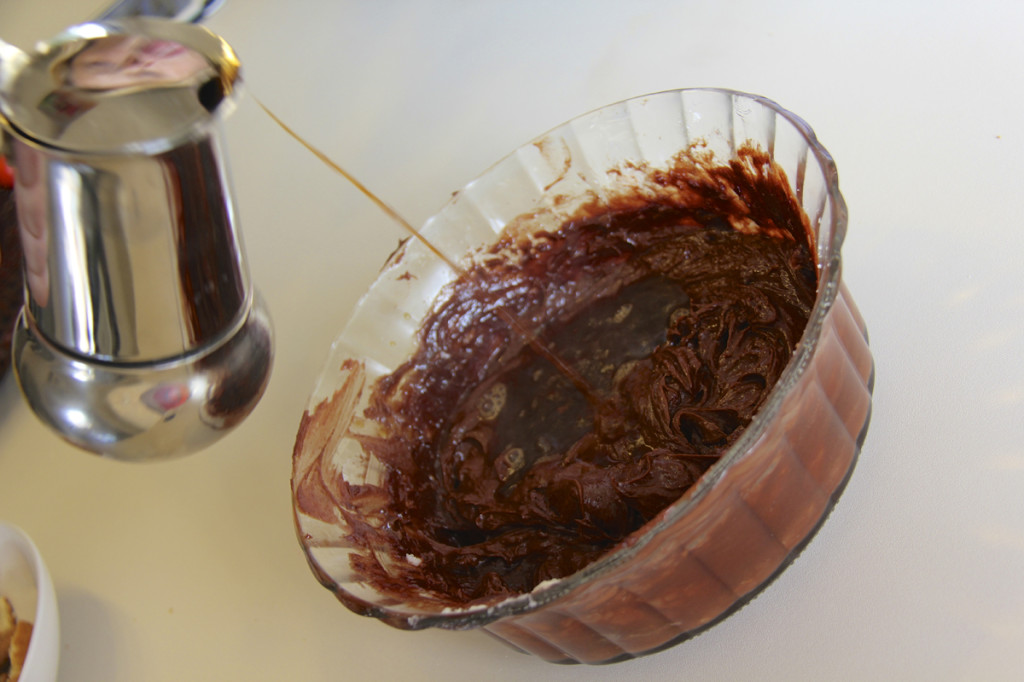
Stir butter in a large bowl. Continue stirring and add sugar and eggs. Once combined stir in the chocolate and add the espresso. Stir the cookies into the chocolate mixture until well combined.
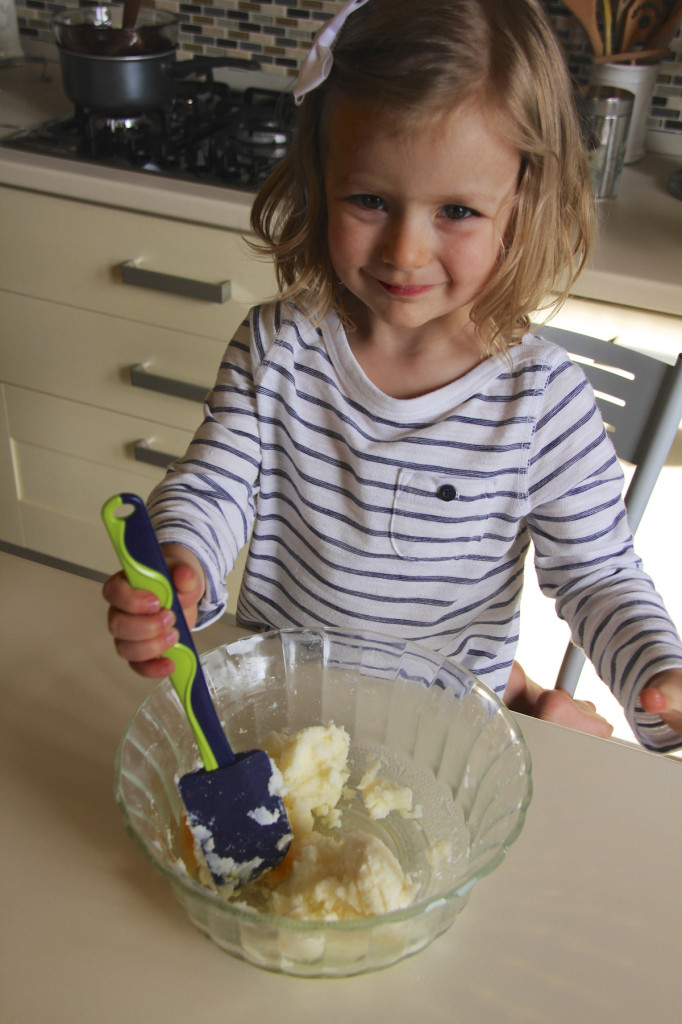
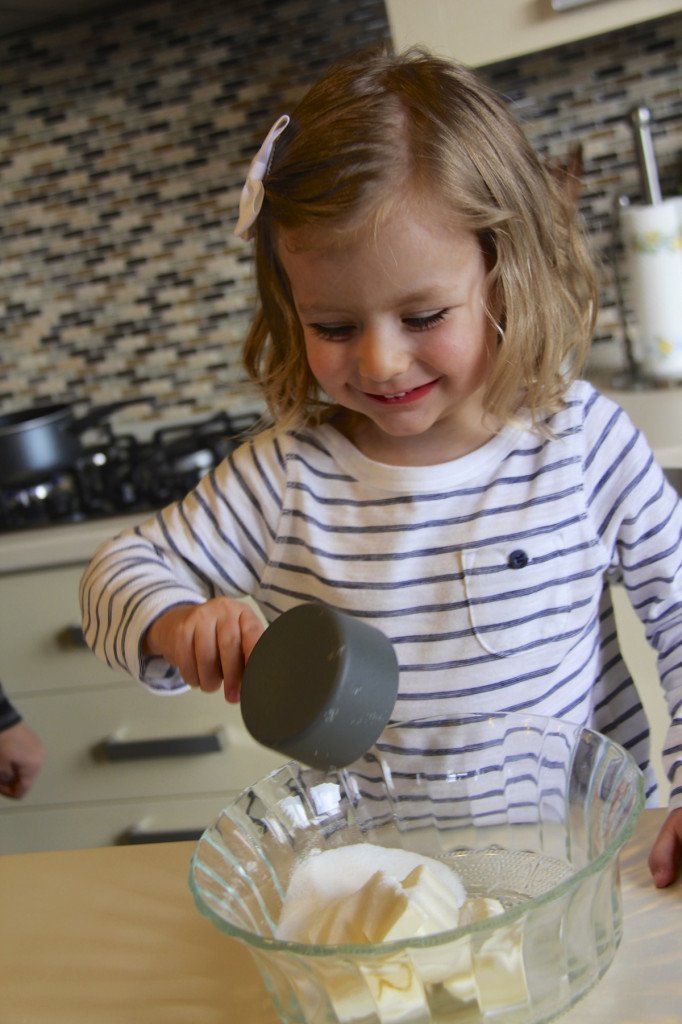
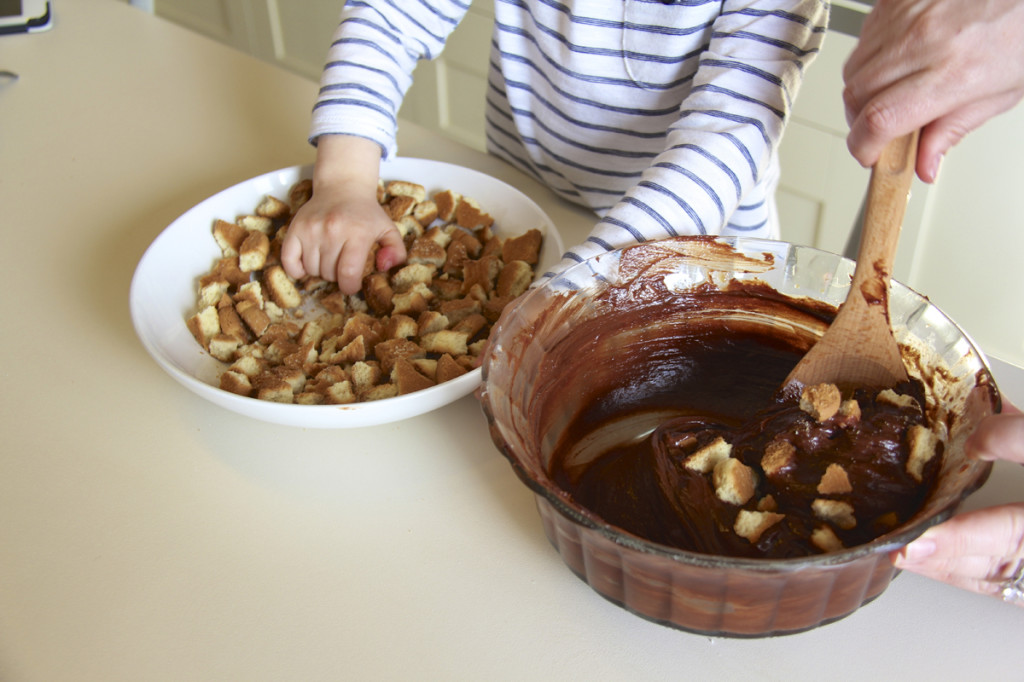
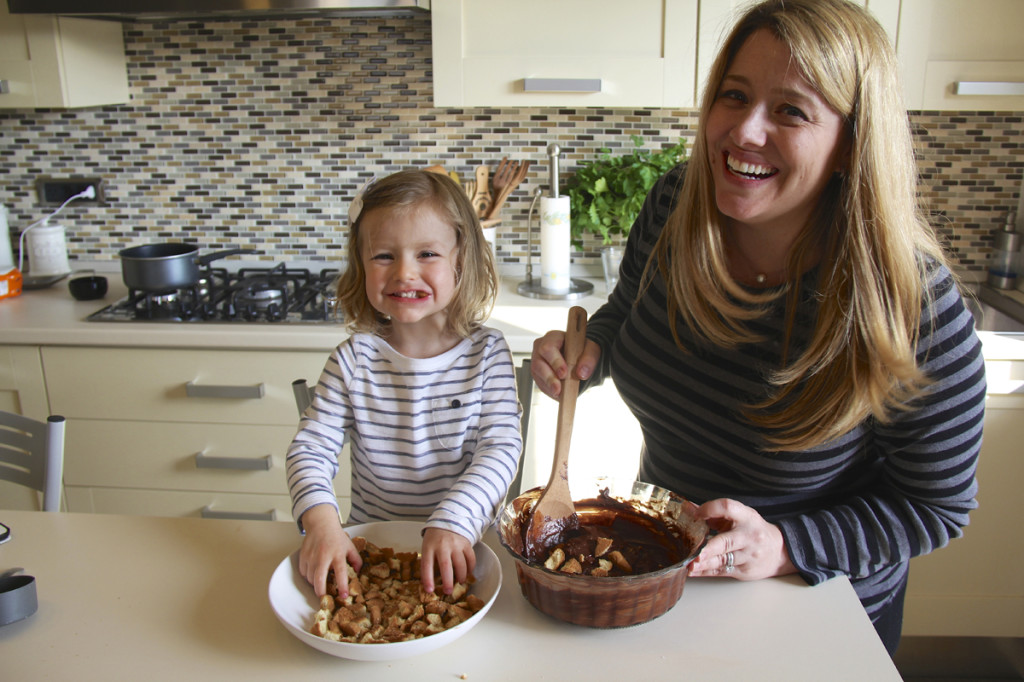
Combine the wet and dry ingredientsMix thoroughlyIt’s always nice to have a helping handAdd your chocolate and mix wellPour in the espressoSlowly combine your biscotti cookiesStir together and watch little “biscotti thieves”
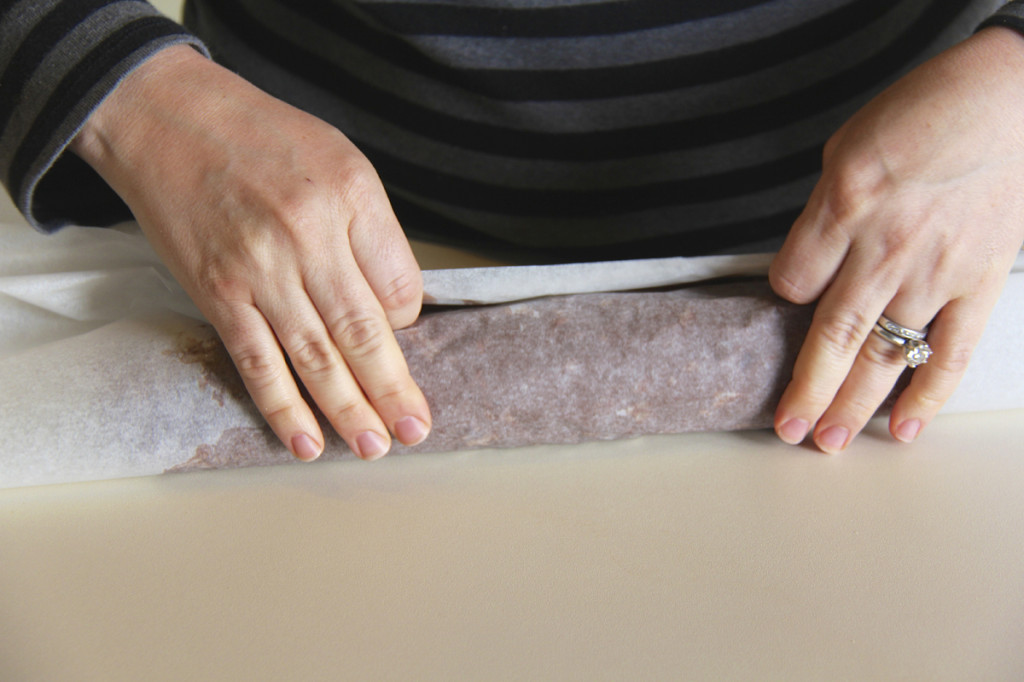
Place the mixture on a large sheet of wax paper and begin to shape the mixture into a salami by rolling it on your work surface. Tightly secure the ends and place the “salami” in the refrigerator for 8 hours. I continued to roll the salami in the refrigerator so that it wouldn’t become flat on one side.
Roll the mixture in wax paper and form the shapeTie off the ends and set in the refrigerator to form
Remove salami from the refrigerator and unwrap. Cover the salami with confectioners’ sugar using brush. Put the salami on a wooden board when ready to serve.
Chocolate Salami – Enjoy!
This dish should keep in your refrigerator for a maximum or two-three days. It should last in your freezer for about one month. Of course, if you have someone like Greg in your home, there is no way it will last anywhere near that long! Enjoy!
Man, do I love the bad puns in my titles or what? Probably about as much as I love posing rhetorical questions to my readers…
Roughly twelve days ago, I was as proud of myself as Arvind Mahankali when he successfully spelled knaidel to beat Pranav Sivakumar and secure the championship title during the 86th Scripps National Spelling Bee (apparently, this particular Indian-American knows a thing or two about Jewish comfort food). Why was I so pleased with myself, you ask? Well, I thought that I had finally caught up with our stories on the blog. And then a whirlwind of activity commenced in a flash as Jen’s sister arrived for a visit with her boyfriend. We had such a nice time traveling and eating with them (really, is there anything else you would want to do in Italy?) that now I have a ton more to write about. Additionally, we left them to their own devices while we embarked on a rewarding road-trip, which I cannot wait to tell you about. So, now once again – I am behind the times again faster than you can spell prosciutto.
An accurate portrayal of me as I struggle to keep up with the blog
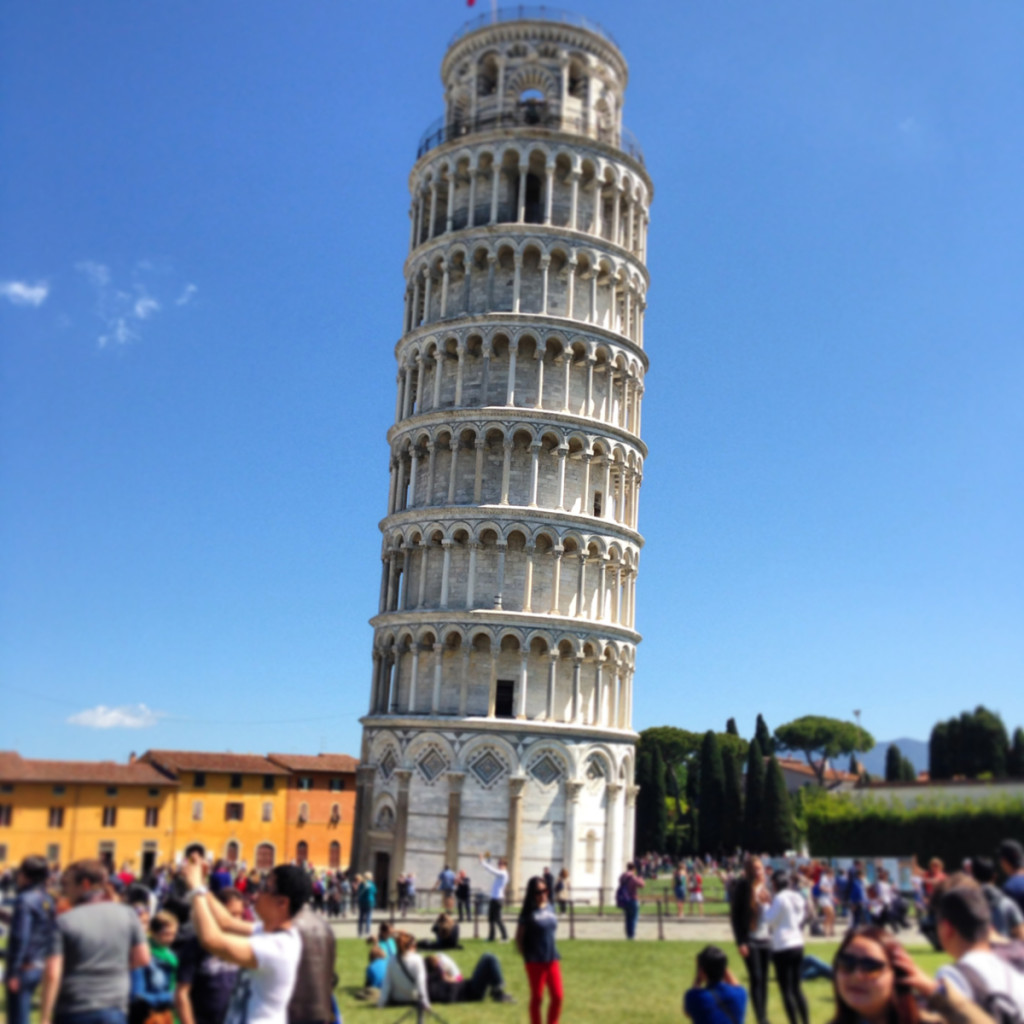
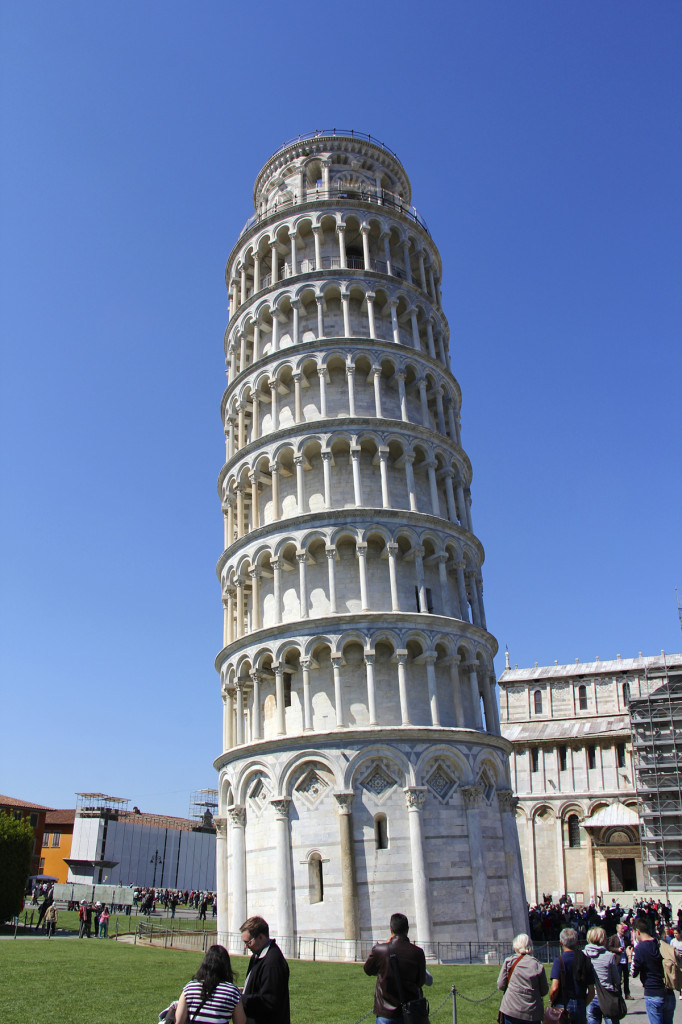
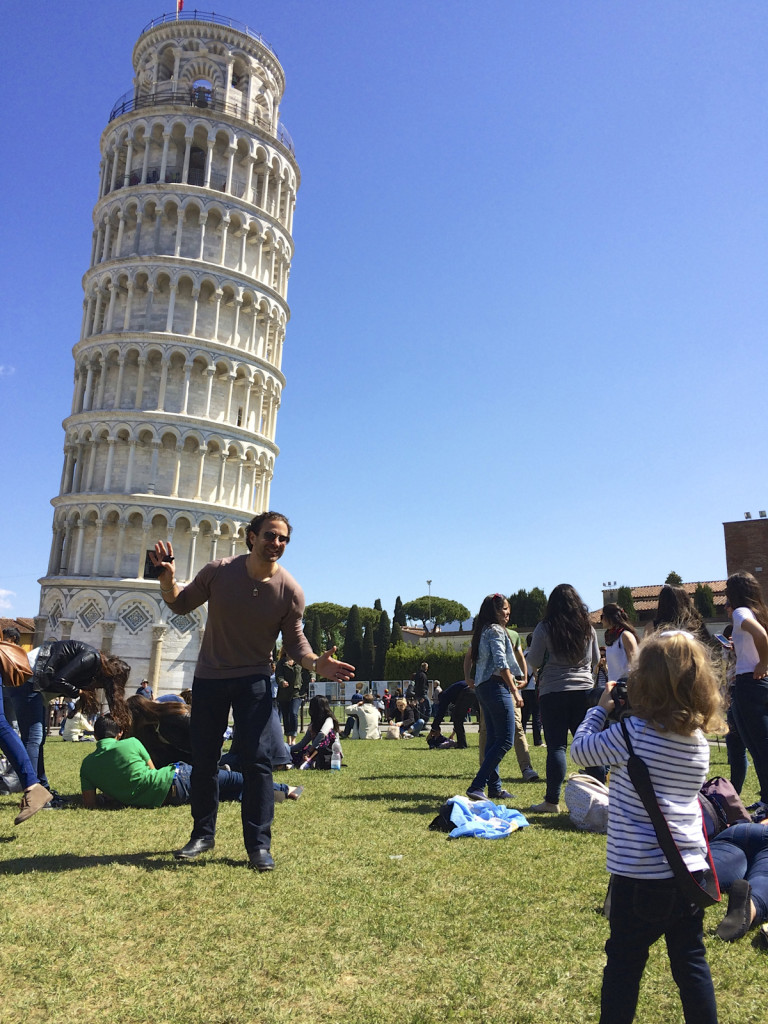
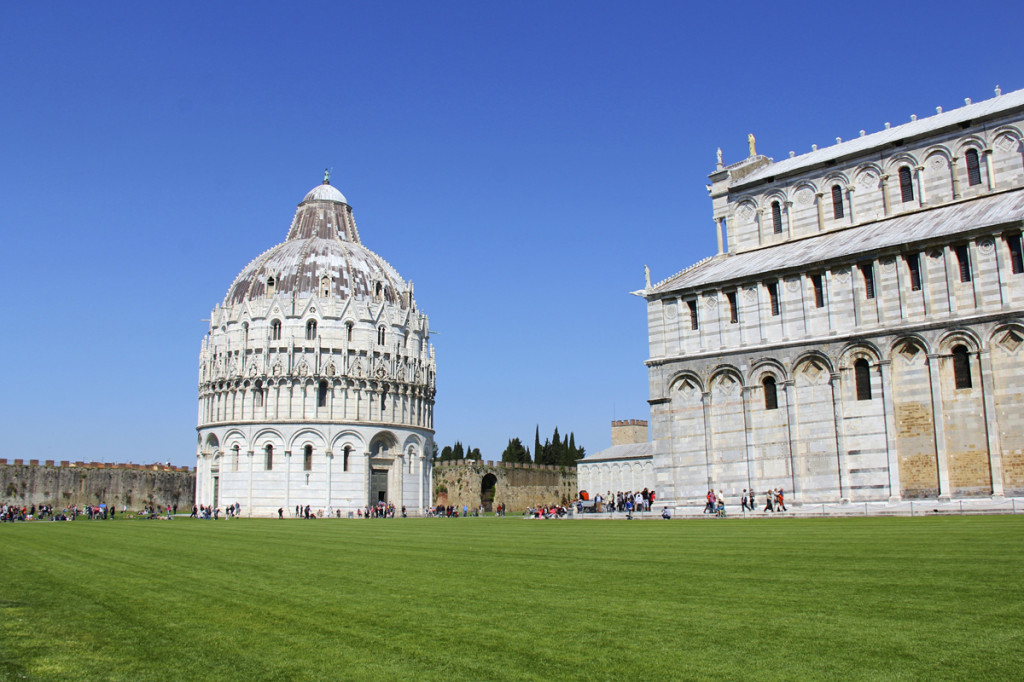
When I was looking ahead toward the next 5-8 posts, I realized that I would be remiss not to step back and mention our visits to Pisa and then Massa in northern Tuscany. When I last wrote, I detailed our trip to Lucca (HERE). During the drive home we detoured to marvel at the Torre pendente di Pisa (Leaning Tower of Pisa) before getting back on the road. We hadn’t traveled too much further when our perfectly timed Italian stomachs told us it was time for lunch (at first I thought our three stomachs growling in unison was a tractor-trailer honking furiously at me). I was more in the mood for a leisurely lunch than a quick stop at an AutoGrill (picture a rest-stop along the NJ Turnpike with better food and espresso). I turned to my trusty “TripAdvisor” cell phone app and searched for a restaurant near us. I discovered Il Fatty (yeah… you guessed the translation; The Fatty) in the city we were approaching. With a name like, “the fatty” – how could you go wrong?! I took the exit toward Massa and headed into the center of town.
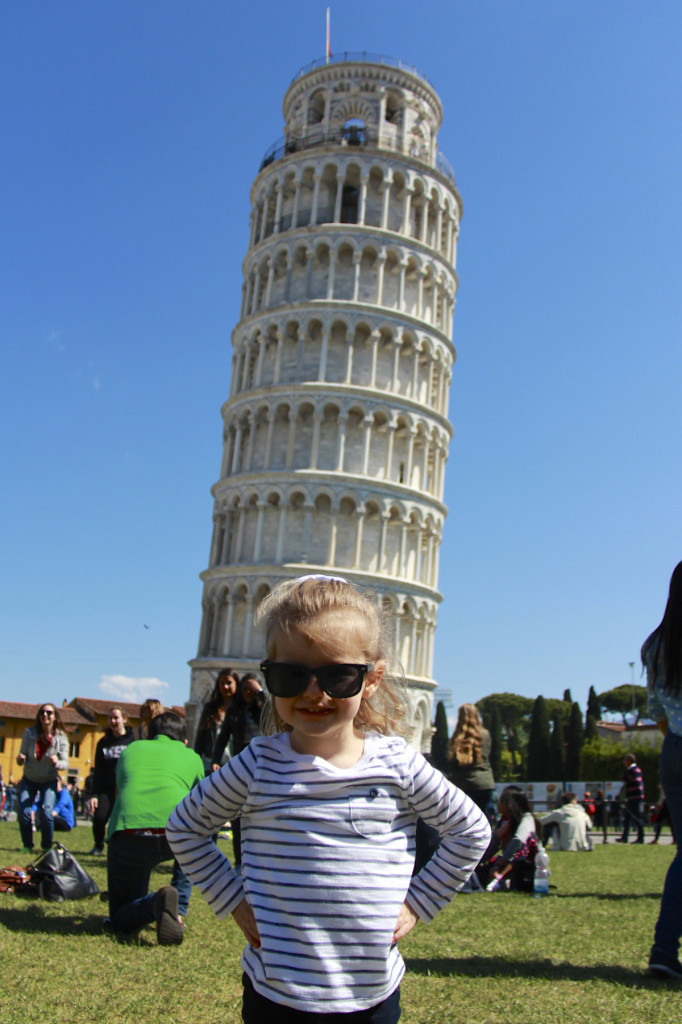
Torre pendente di Pisa – Leaning Tower of PisaJulia strikes a poseWork on the tower began in 1173 and took 199 years to completeJulia photographs me in front of the towerBattistero di San Giovanni (Pisa Baptistry) and Primatial (Pisa Cathedral)
You may not have heard of Massa (we hadn’t), but if you’re a fan of interior design, than you’ve definitely heard of the province in which Massa is located, Carrara. Carrara marble is the fashionable stone of choice for kitchens counters the world over. The stone has been mined in this area for centuries (Carrara marble has been used since Ancient Rome). Upon exiting the highway, my mind was set only on lunch with no expectation of discovering any real beauty; the area is heavily industrialized. Like a naval shipyard or factory park, the landscape is blanketed with large machinery, billowing factories and tractor trailers transporting thousands of pounds worth of the white stone.
Massa and Carrara are sister cities in the Province of Carrara
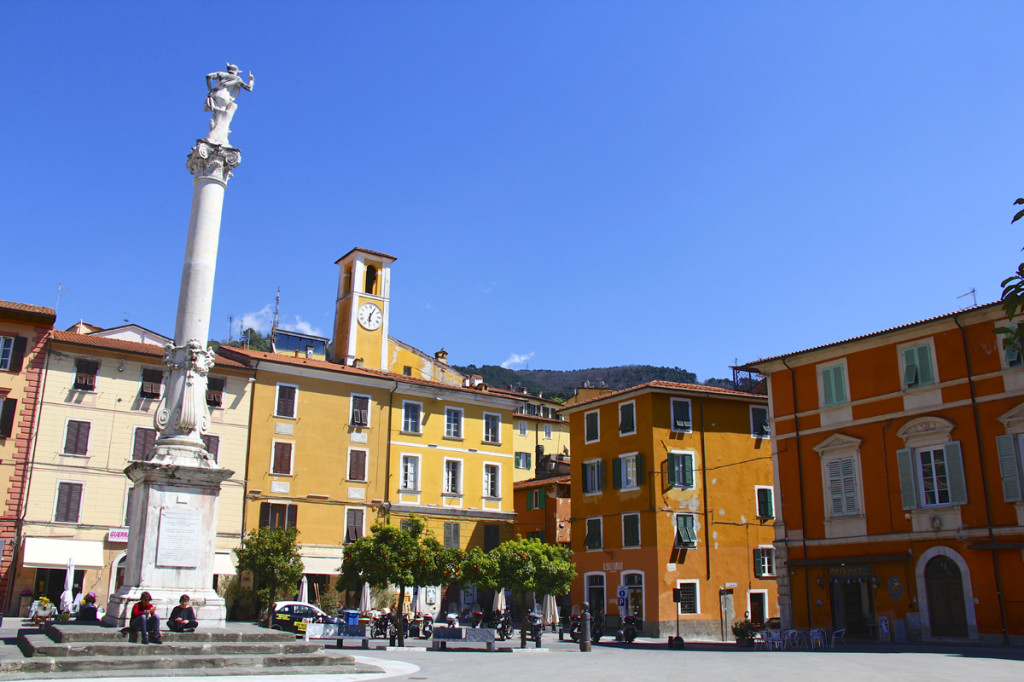
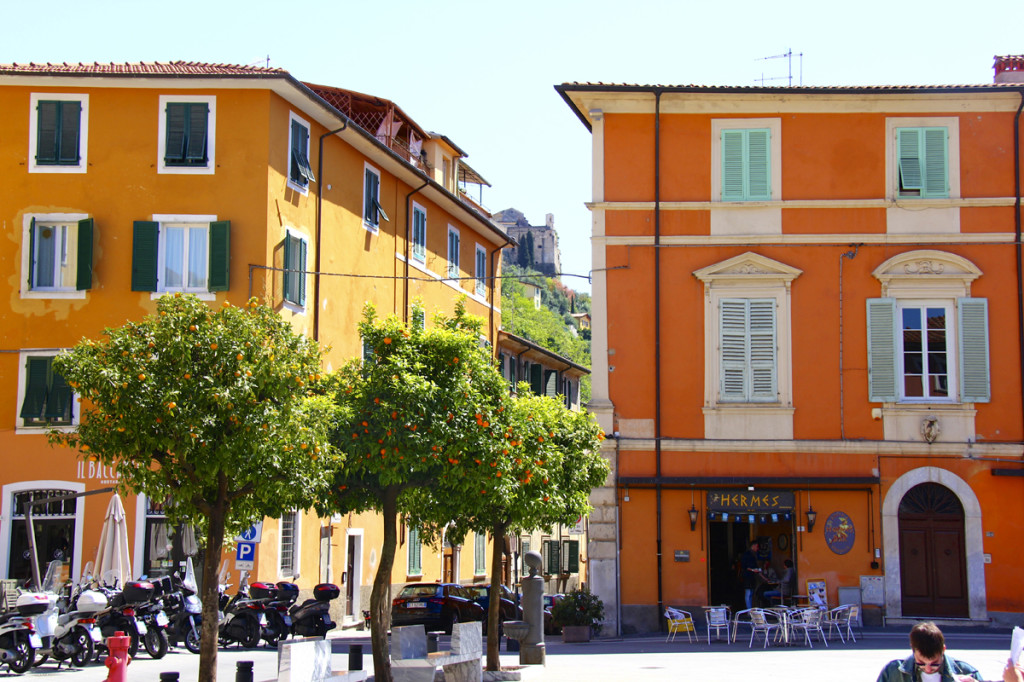
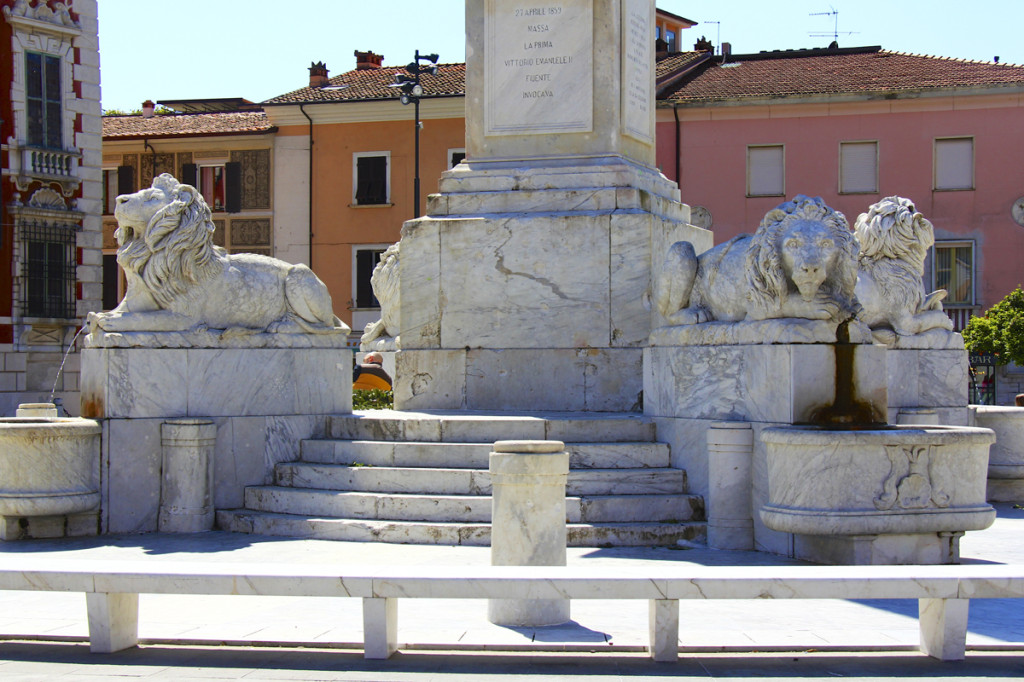
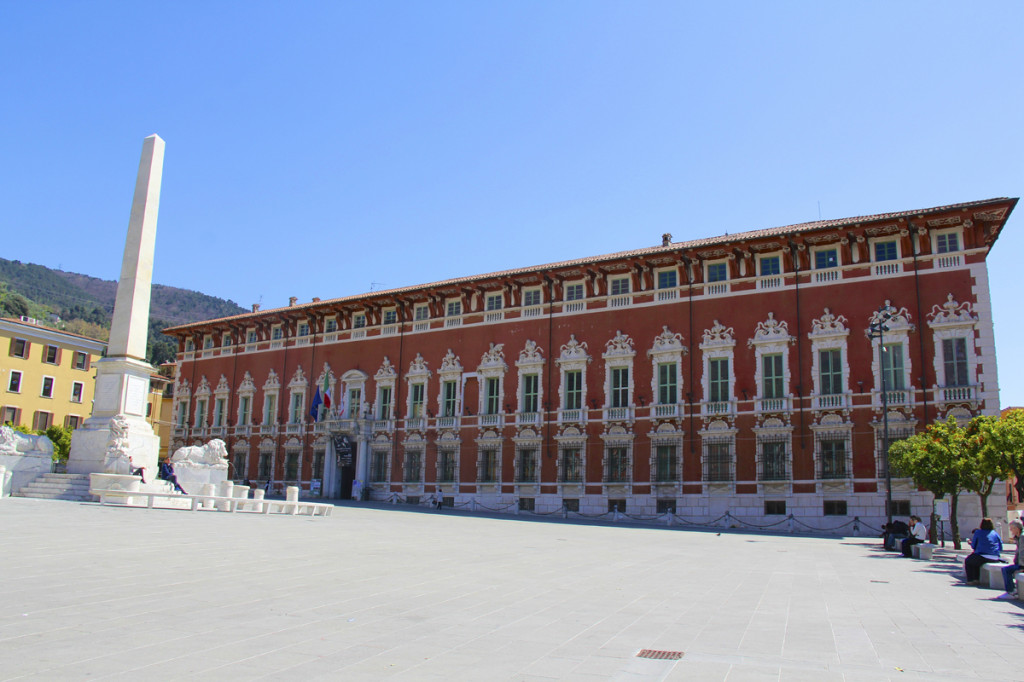
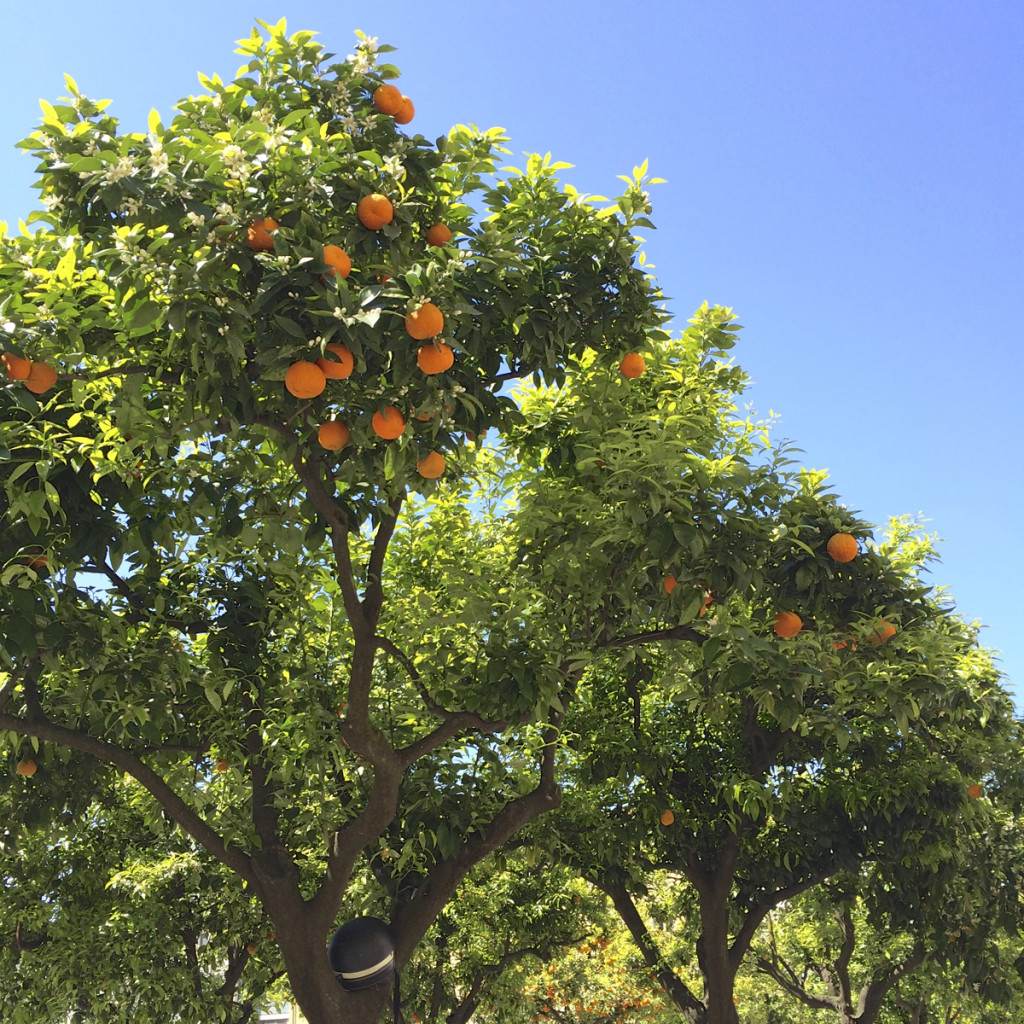
However, we were surprised when we got away from the mining equipment and approached the center of town. The city itself was clean and beautiful. It became obvious that Massa has prospered as a result of the local product. The town is well designed and perfectly maintained. Even the street curbs and park benches are made of Carrara marble! After a delicious lunch at Il Fatty we wanted to discover what the city had to offer. There seemed to be a surprise around every turn. We found orange trees and large piazze (town squares), ancient buildings and ample shopping. We were pleasantly surprised to see how much is available to tourists, although the place is happily devoid of the map-reading, fanny-pack wearing, crowd-shoving sightseers (by the way, I’m not casting stones; that is usually us in a nutshell, less the fanny-pack).
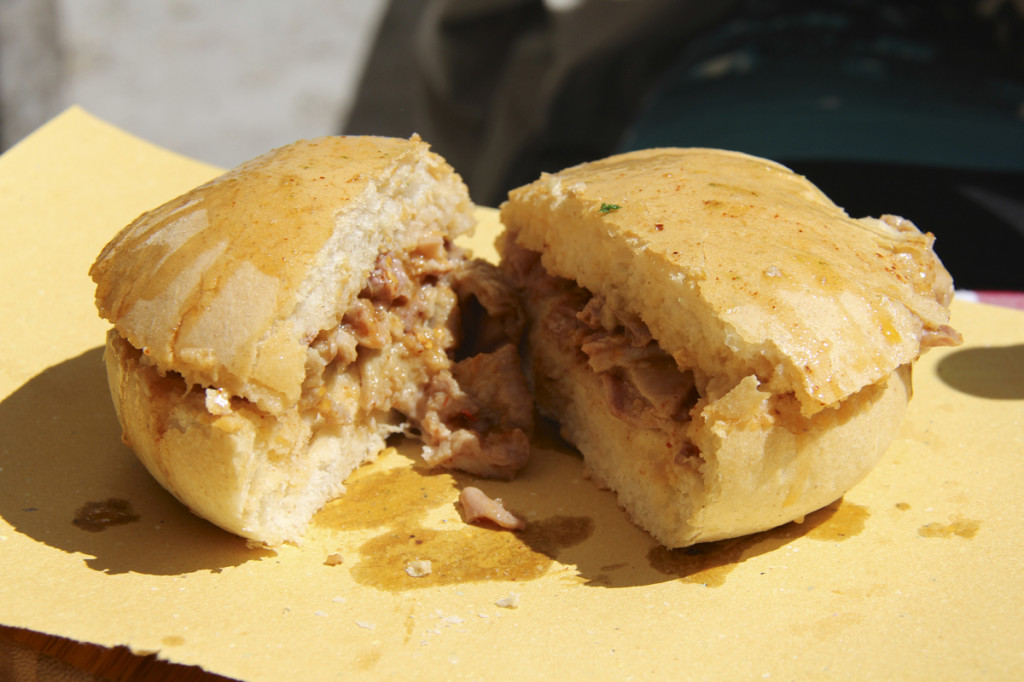
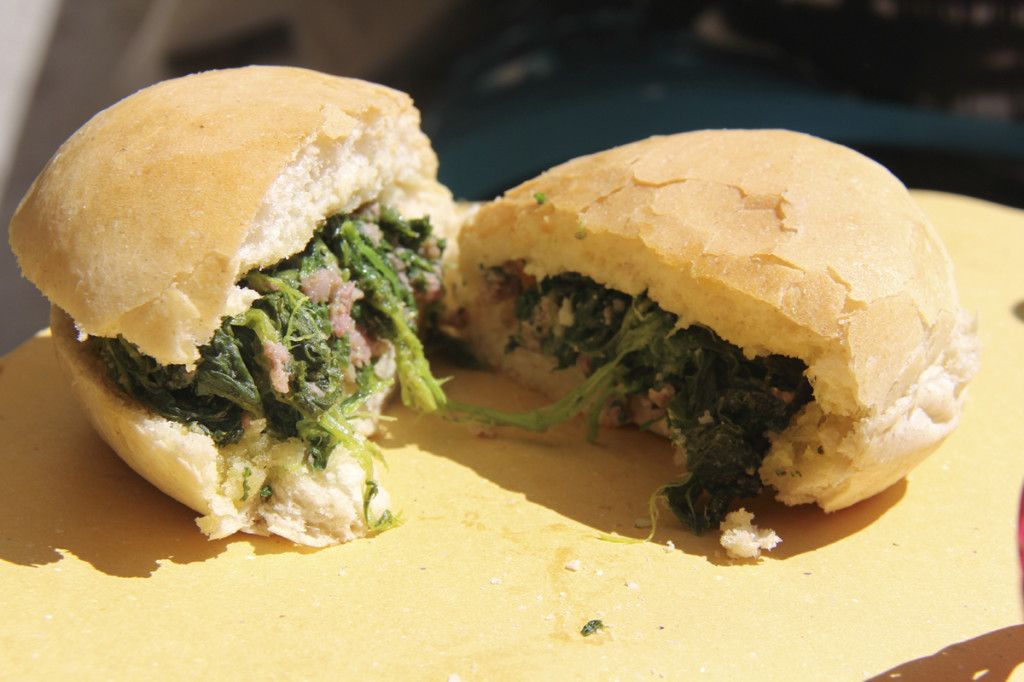
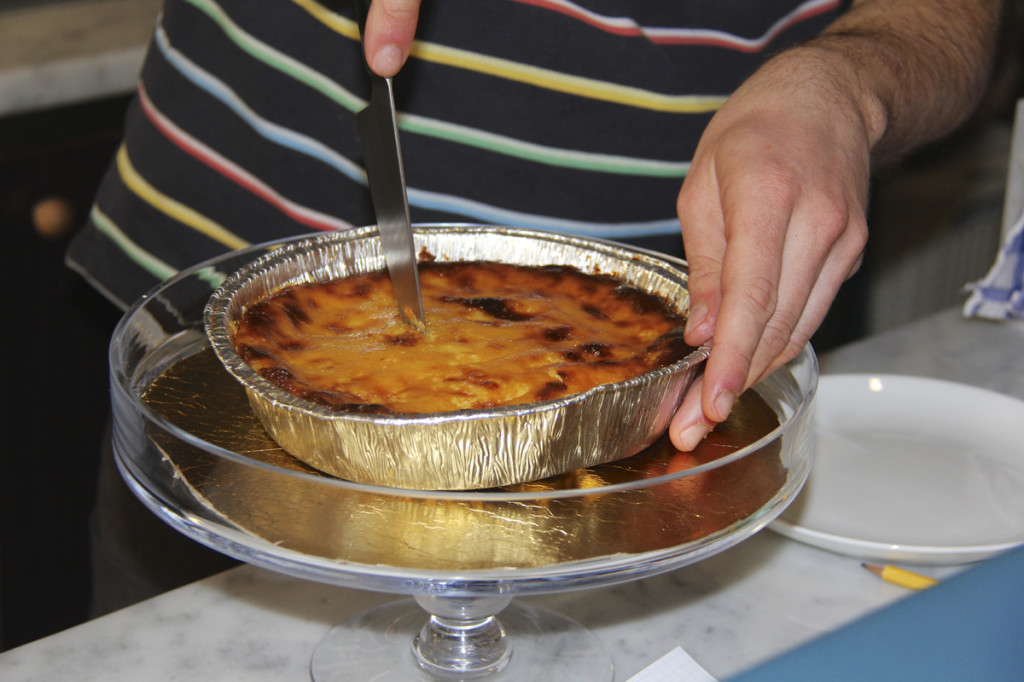
Il Fatty’s “signature” sandwich – Panino LamprodottoPanino salsiccia e rapiniHomemade torta di riso, proudly made by the owner’s son, AlessandroThe interior piazzaSome of the colorful buildings of MassaGreat statue in the center of the main piazzaGovernment building in the main piazzaThere were orange trees everywhere
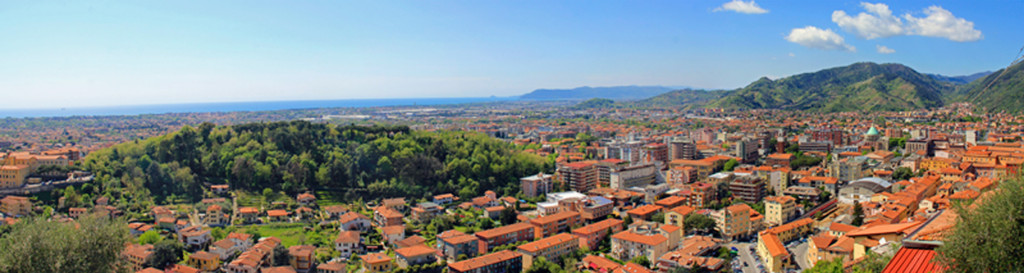
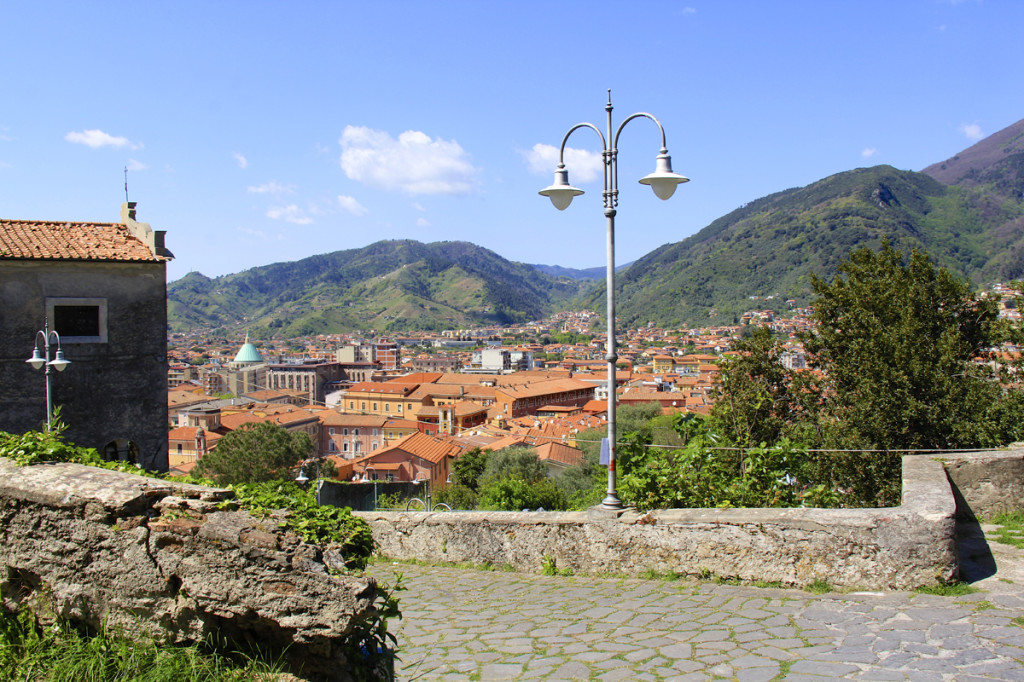
There is even a wonderful 15th century castle perched high above the town. We took the narrow and windy drive up the hill, only to discover the castle was closed for repair. Oh well, I was able to get a couple beautiful panoramic’s of the city and neighboring sea.
Massa on the road to Malaspina CastleView of Massa from aboveThe position of the city is well situated between the coast and the mountains
If I can borrow a page from the Michelin Star guide-book, I would rank Massa with a full star (out of three). One star denotes a very nice place worthy of a visit (but not a place to go far out of your way to see). If you do visit, tell Alessandro at Il Fatty that we said hello. However, be weary of his suggestion to try the local favorite, Panino Lamprodotto. It’s basically just tripe (cows stomach) on a bun – not my favorite Italian food. Of course, I would be lying if I told you I left a single bite behind.
On a particularly warm and sunny day this week, Greg and I and decided to ditch the pasta and opted instead to share a lighter lunch. We all love shrimp (especially Julia) so we decided to try our luck with Shrimp Scampi. I have never made this dish before so I did some research and looked at a few different ways it is prepared. After evaluating the ingredients I had lying around the house, I came up with a simple recipe for my first attempt at this classic dish. I have to say – we were all pleasantly surprised with how it turned out.
Buon Appetito!
I was pleased to see Greg fare la scarpetta, or “to do the little shoe”. This is a term the Italians have come up with that I adore. When you have a delicious sauce that you can’t stand to leave behind, you can use a piece of bread to mop it up. I would encourage you to be sure that you have plenty of good bread for you or your guests to do la scarpetta!
INGREDIENTS (serves two)
>Two (2) teaspoons Olive oil >Juice of half (½) a lemon >Zest of about one (1) lemon >Three quarter (¾) cup of white wine >Three (3) cloves of minced garlic >Two (2) tablespoons of unsalted butter >One-two (1-2) tablespoons of chopped flat leaf parsley >One (1) pound of shrimp >Salt
IngredientsBe sure to prep your ingredients – it will make cooking much easierWe kept the shells on the shrimp
As you can see I used shrimp that was still in the shells. You can also choose to use peeled shrimp. I thought we got good flavor from keeping the shells on though. Either way, make sure your shrimp is clean and dry before putting it in the pan.
Place the shrimp in the pan with a little olive oil
>Place olive oil and two (2) tablespoons of butter in a large skillet over medium-high heat.
>Add the shrimp to the pan and spread them out so they lay flat on the pan bottom.
>While the shrimp is cooking, flavor with salt.
>Cook for one-two (1-2) minutes without moving. Once that side is cooked, mix in the garlic and flip the shrimp.
>Cook for an additional one-two (1-2) minutes or until fully cooked. >Remove the cooked shrimp, set aside and keep warm.
Add the shrimp and spread evenly in the panTurn to evenly brown each shrimpAdd the garlicBe sure to turn as necessary so to not burn the shrimpLooking yummy alreadySet the shrimp aside
>In the same skillet add the wine and lemon juice, scraping up any browned bits from the bottom of the pan.
>Allow the liquid to come to a boil and slightly thicken and salt to taste. >Remove from heat and stir in the lemon zest and parsley. Return the shrimp to the pan and mix into the sauce. Serve while hot!
Making the sauce – I would recommend you make extra – it’s that good!Serve and enjoy!
Note: The next time I make this dish I will try to make additional sauce by increasing everything but the shrimp. The sauce was so good, we wanted more!
If you’ve been a reader of this [travel] blog for sometime, I may have convinced you about the benefits of cruising. You might even think that I’m lobbying for a job with one of the major cruise companies… and seeing as how I’ll need to resume gainful employment sooner rather than later, you may just be right. If I haven’t yet convinced you to book your next vacation on a massive floating wonderland, let me quickly state my case once again. Cruising offers you the opportunity to be pampered day and night while visiting far-off locales in multiple countries without unpacking more than once. You can soak up culture, splurge on shopping, enjoy theatre, gamble in the casino, relax in the spa or simply sit in your room and enjoy room service while taking in the most magical of views.
Julia is no stranger to being pampered. It scares me that my two year old now hands me the phone and tells me to “order dinner”
On top of all that, you will enjoy delectable cuisine any time of day or night. In my opinion (which, I’ve found is more fact than opinion since I’m right 98.8% of the time… just ask Jen), one of the best things about cruising is the food. I once read that the weight gain for your average cruise-goer can be up to a pound a day (do the math for a two week cruise). If the food can be the star of the show, truth be told – it can also be the downfall of your vacation if you’re served meals that are no better than bad banquet food (and you thought you had a lousy meal at Moritz Rosenstien’s bar mitzvah?). That is why careful research about your cruise line (and more importantly, the specific cruise ship) is of the utmost importance. We chose our most recent Mediterranean cruise on one of Celebrity Cruises newest ships, the Silhouette based on the itinerary and overwhelmingly positive reviews of the food. We were not disappointed.
“Tell me more, Dad. Give me the ins and outs of it all!”
It works like this; your per person cruise fare includes all the food in most of the ship’s restaurants. It will not include alcohol or soda, but you can purchase these “extras” with a drink package or à la carte as you go. Most ships have one or two main dining halls, where you can opt to eat your sit-down breakfast and dinner, paired at tables with other guests or by yourself (the choice is yours). This is where you will have your “fixed” dining time for dinner, although it is entirely up to you if you want to show up. Some cruise lines (Norwegian Cruise Lines) opt for a “freestyle” type of dining, so you just show up whenever you want. Nowadays, even the “fixed” dining times are fairly flexible on most ships. If you don’t want to slip out of your wife-beater and into a collared shirt, you’ll want to meander to the buffet on the upper level of the ship. Here you can serve yourself breakfast, lunch and dinner from the vast array of options (anything from contemporary American to Indian). At peak meal times you’d better have a “table-holder” and a “food-runner” who is not afraid to “throw bows“; it does get crowded. Don’t let any of those little old blue hairs fool you – they get serious about being next in line at the omelet station! Finally, you’ll have another casual restaurant near the pool deck – a pizza and/or burger joint. This is the basic formula for most cruise ships. Beyond that, larger ships have a few extra “free” options and then their “specialty dining” options.
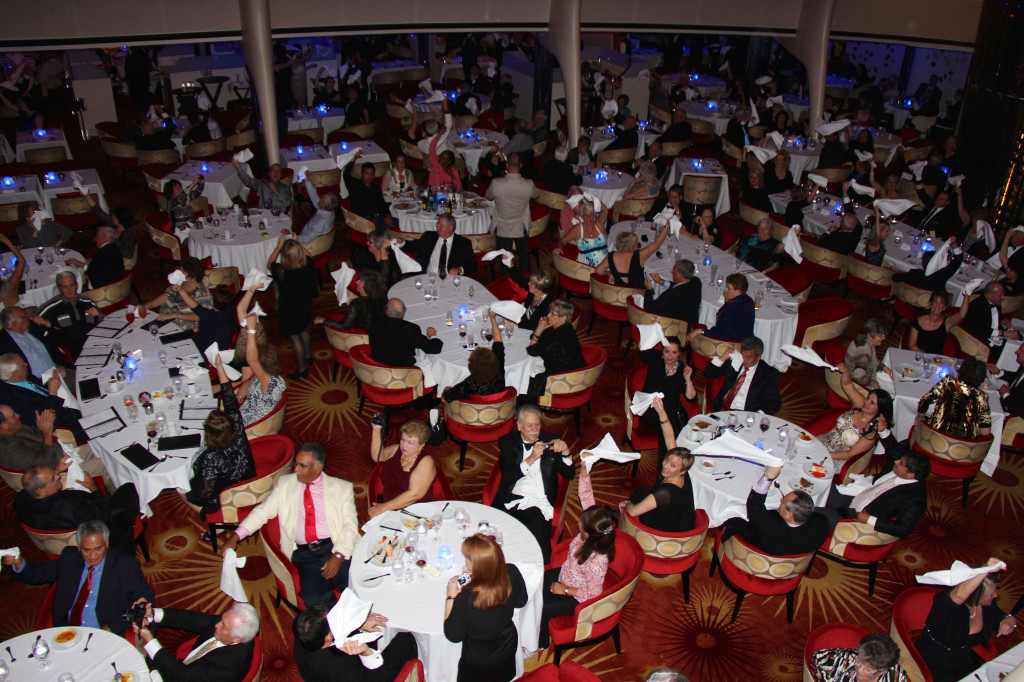
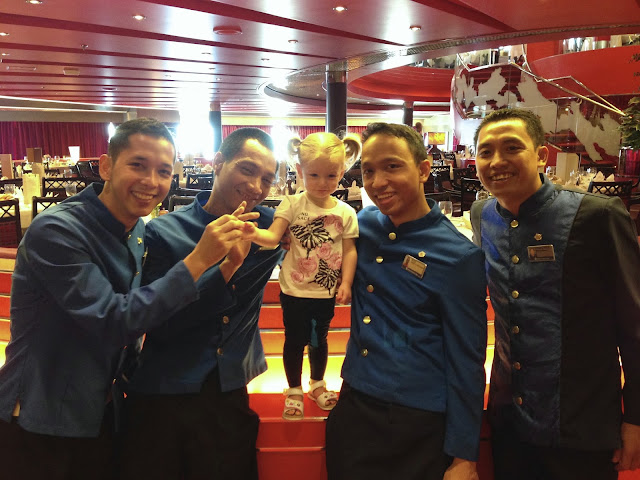
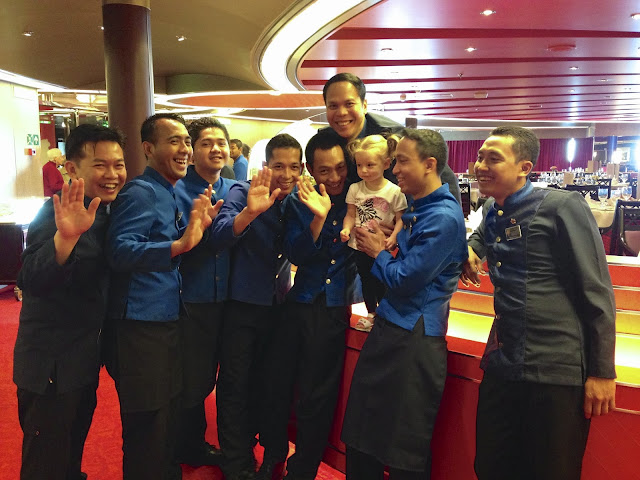
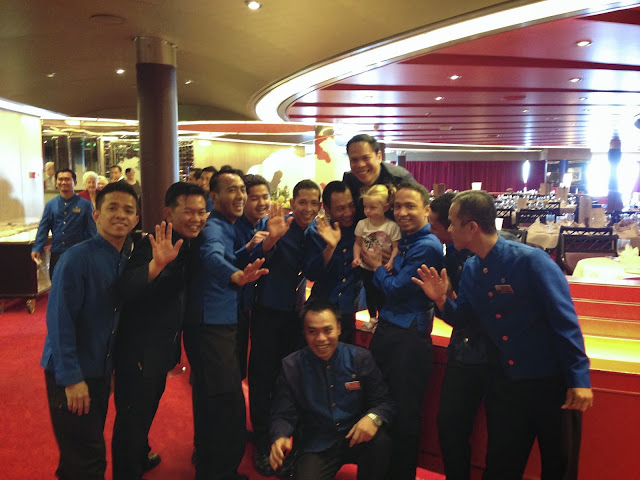
In the main dining room where, on the last night they had a party to introduce the entire staff
The specialty dining restaurants usually range from $15/per person to $50/per person (not including gratuity). We found that on our Holland America cruise last summer onboard the Nieuw Amsterdam, their specialty dining was a steal. For $60 total (including tip), we ate at the Pinnacle Grill, a fabulous steak house – a meal that would easily approach $300 in any major city (that story is at the bottom of this post). On our next cruise this past winter on board the Silhouette, our ship offered more dining options, but at more of a premium. At $110+ per meal ($45/pp plus tip) we knew that we wouldn’t be able to enjoy all their fabulous specialty dining options – many of which feature James Beard chefs (Qsine, Blu, Murano, Tuscan Grill, Lawn Club, Bistro on Five and Bacio Gelateria). We had to choose carefully among them… and I think we nailed it!
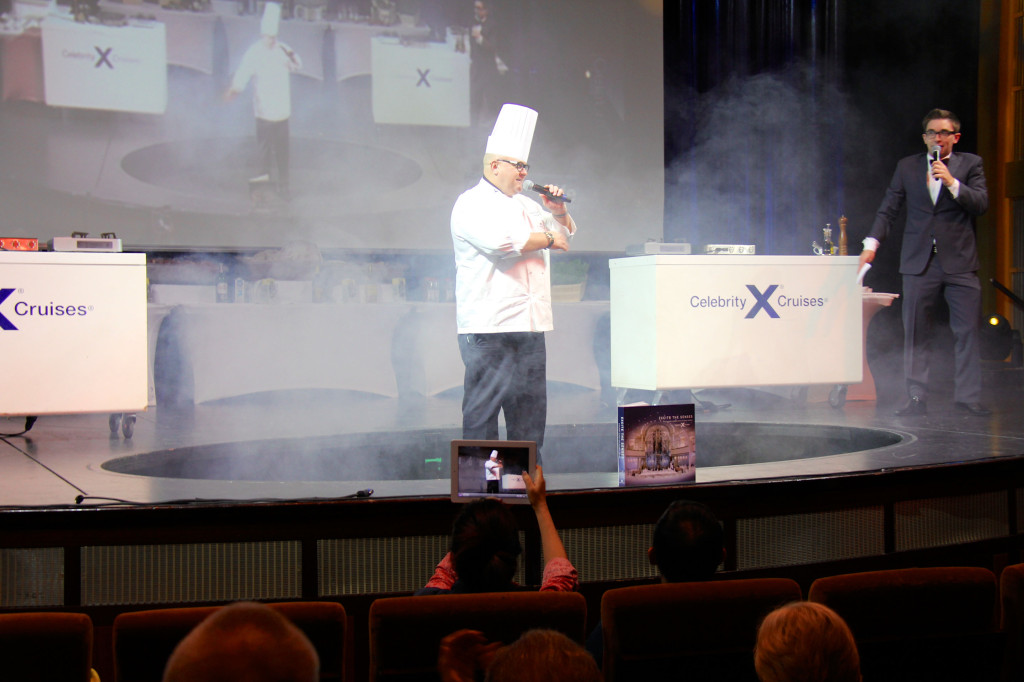
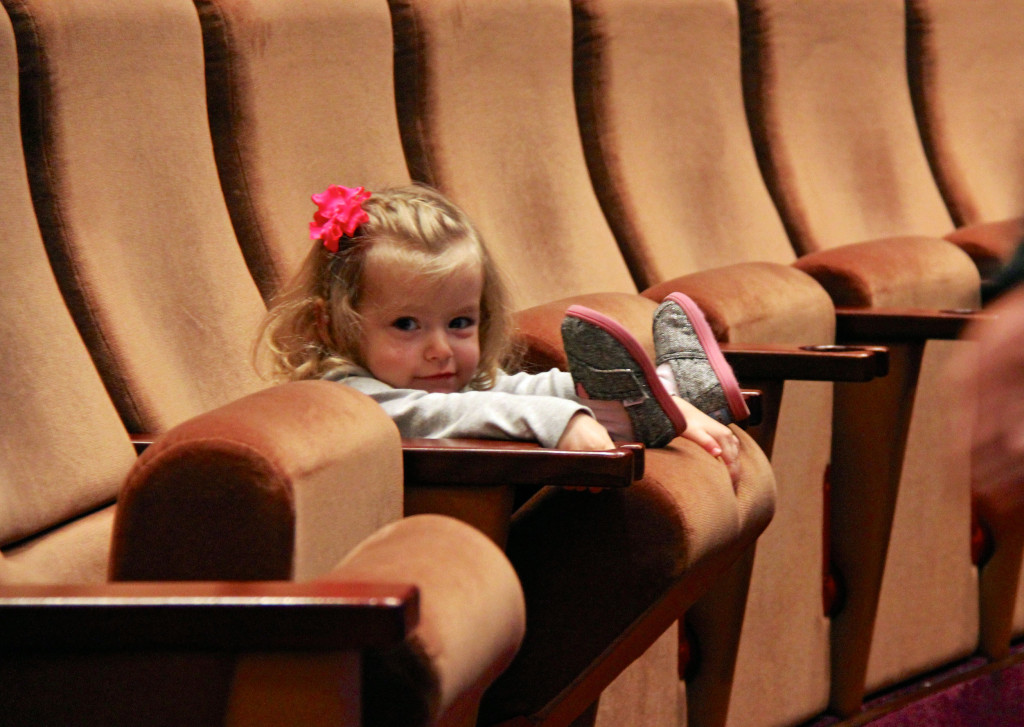
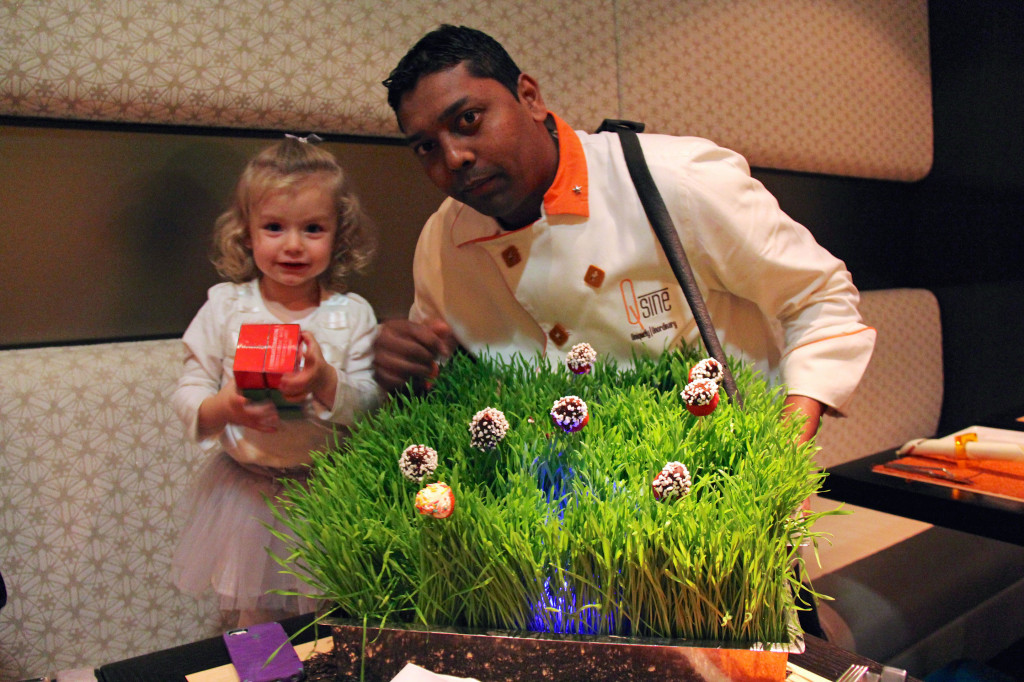
The chef’s are like rock stars. Here, our Executive Chef (Anthony R. Wilson) ascends through the stage floor like he’s Mick JaggerJulia was quite literally knocked off her seat at the spectacle
Since this is not only a travelblog but also a foodblog (identity crisis, much?), I have used this post to feature two of the “specialty dining” restaurants on the Silhouette. This post is dedicated to two fabulous (is there a stronger word than fabulous? If so… insert it please) meals that we enjoyed at Qsine and Murano. I have included a description of each restaurant, copied directly from the company website.
♠♣♥♦ ♠♣♥♦ ♠♣♥♦
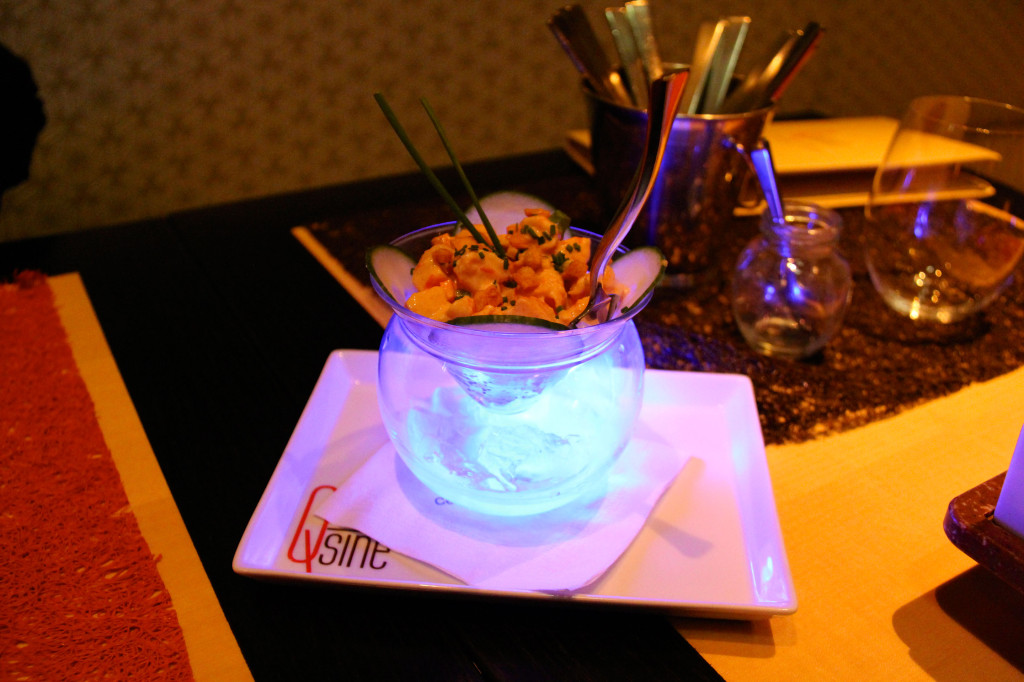
Qsine® offers a culinary journey that delivers elements of surprise and delight. Our James Beard featured Master Chef created Qsine to give you something you’ve never experienced before—on land or at sea. Leave any preconceived notions behind. Dig in and try new things. It’s time your palate got a wakeup call. Our iPad® menus make your dining experience even more fun and interactive.
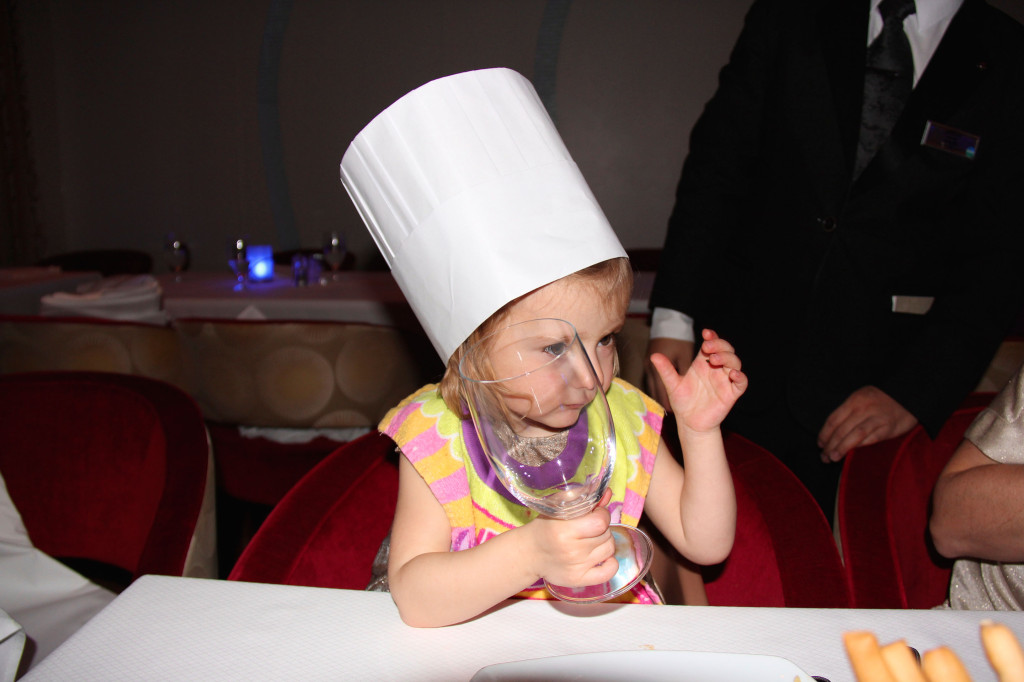
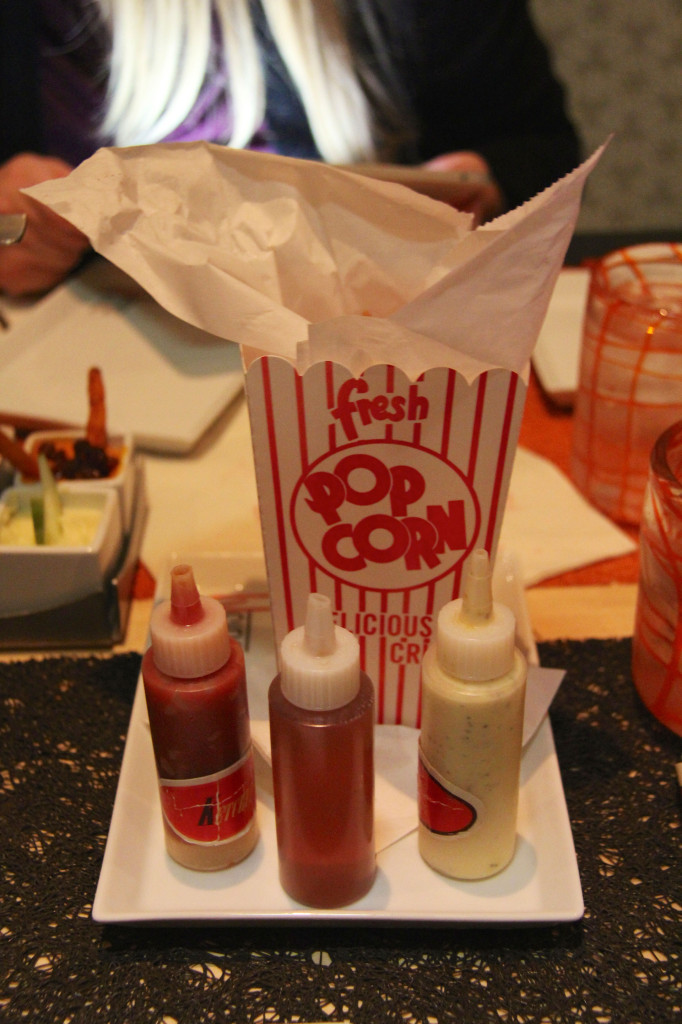
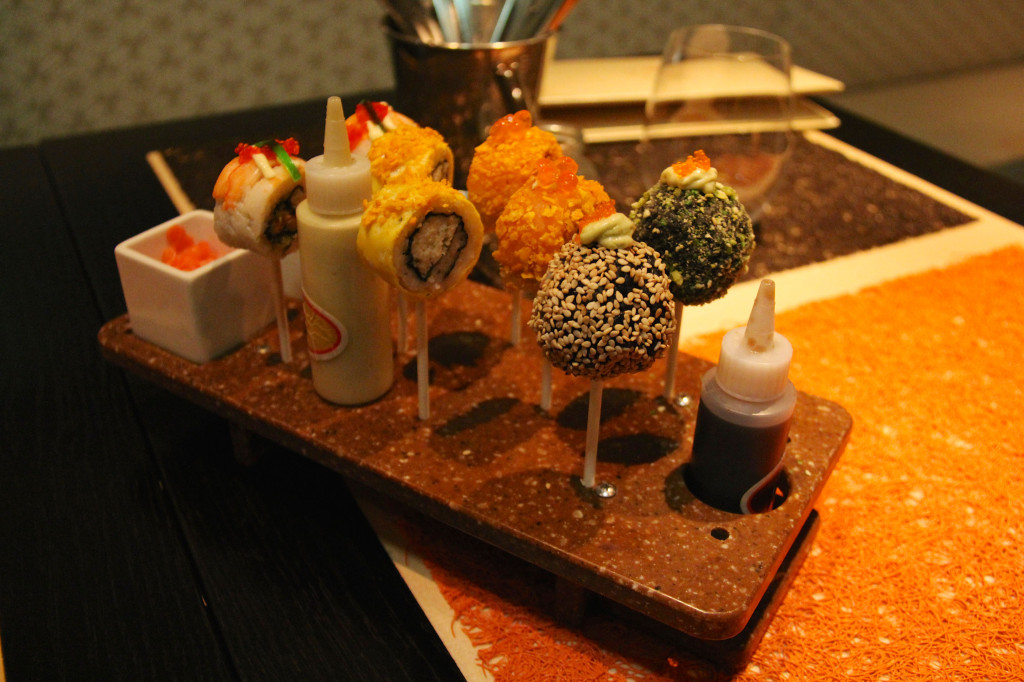
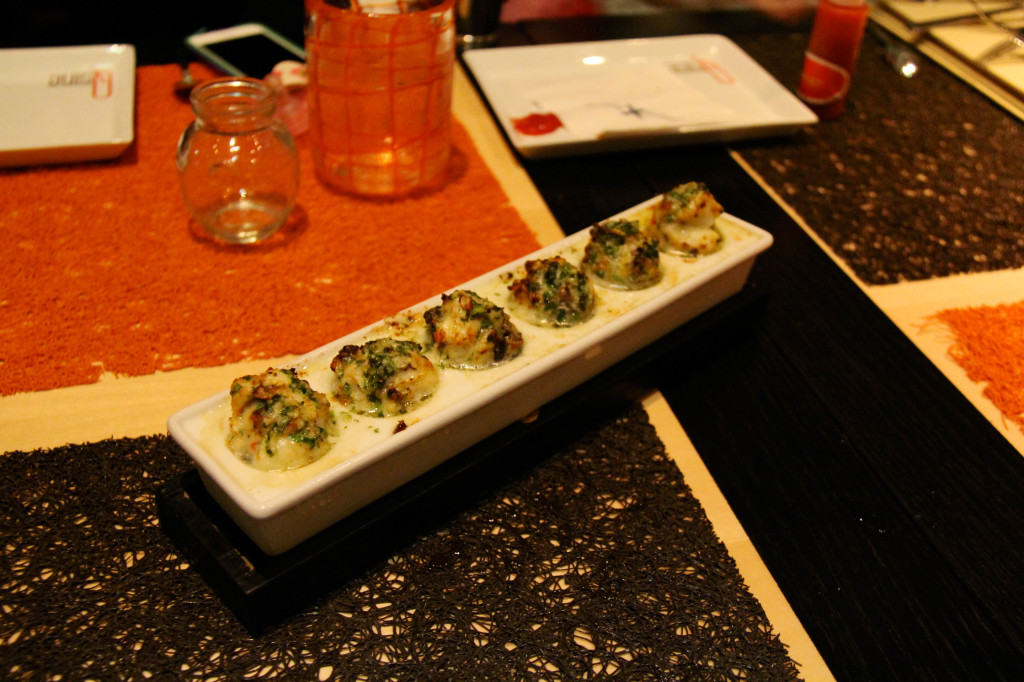
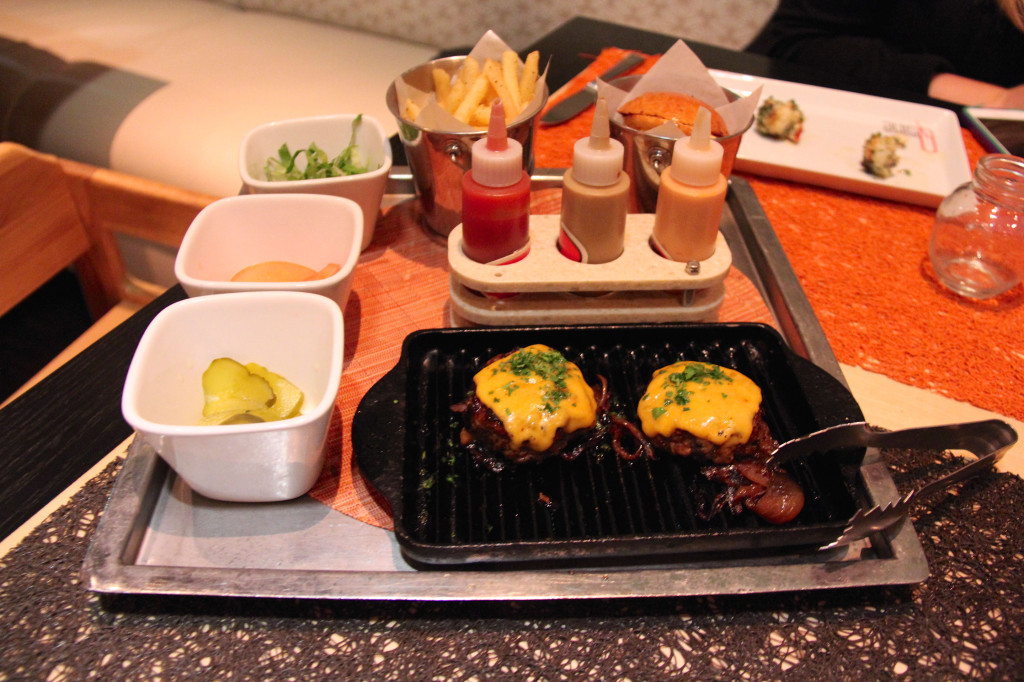
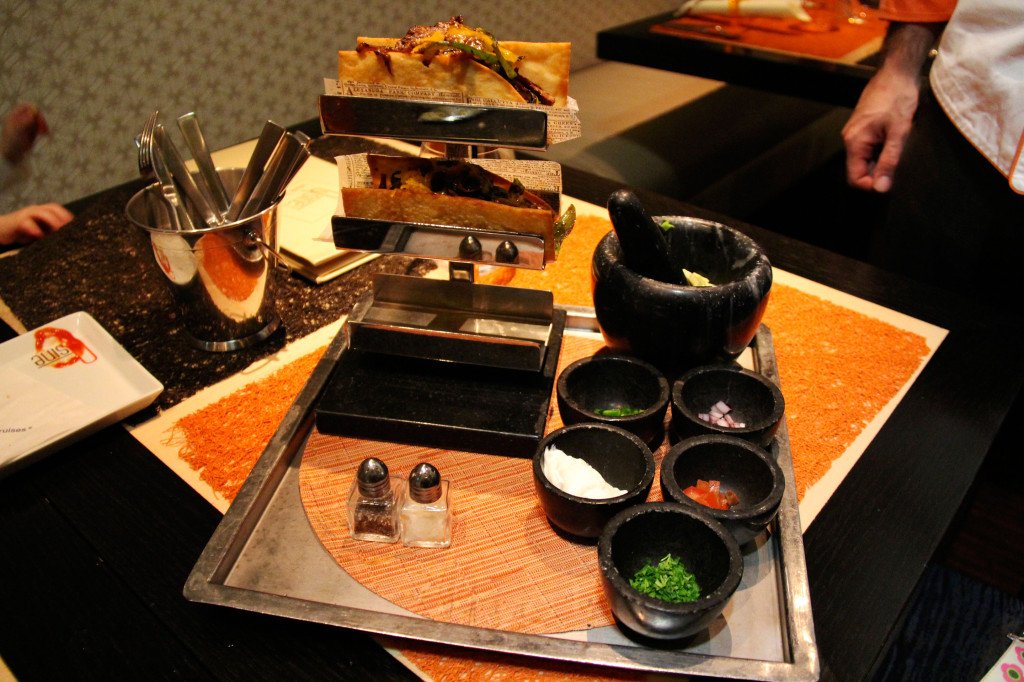
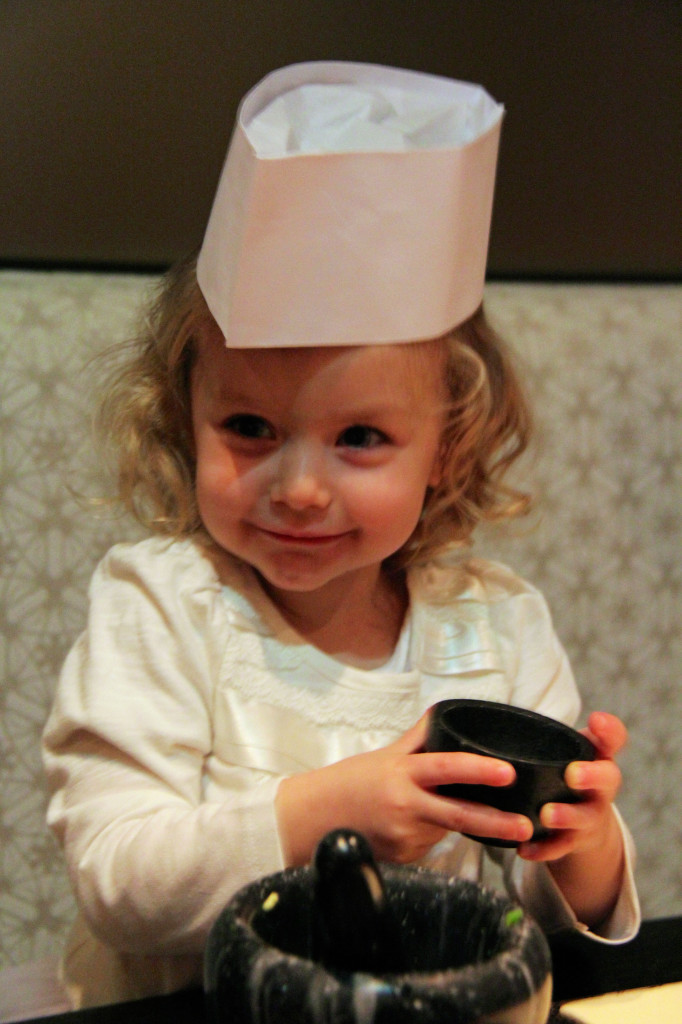
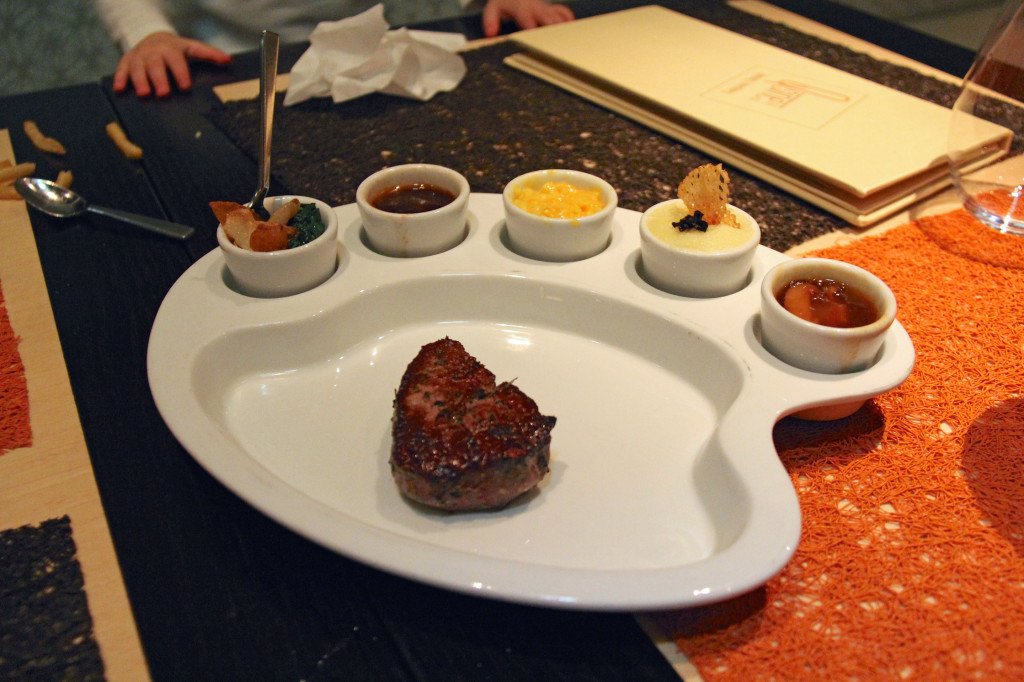
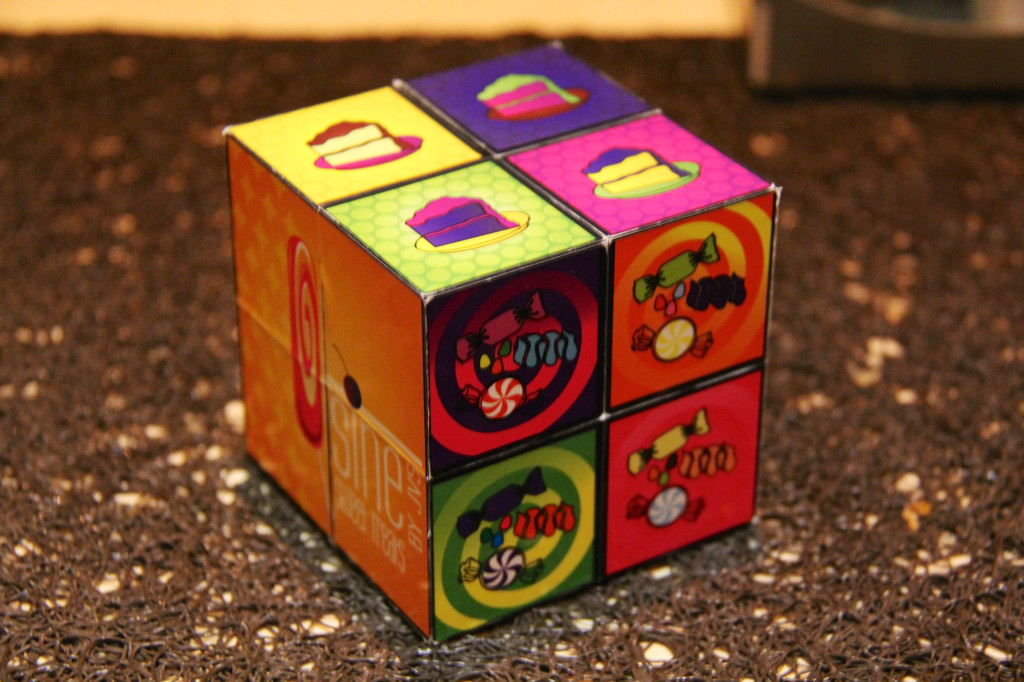
“Popcorn” Fish n’ Chips – Boddingtons Battered Codfish & Chips, Malt Vinegar or AioliSushi Lollipops – Nigiri Sushi, Soy Center, Wasabi Mayo & Pickled Ginger-Radish SaladDisco Shrimp – Bouillon Poached Tiger Shrimp, Avocado, Tomato & Celery, with Cocktail Aioli and Crunchy ToppingsLava Crab – Alaskan King Crab, Sweet Yellow Corn & Scallions, Kataifi with Old-Bay Lobster SauceLobster Escargot – Lobster & Escargot Fritters with Parsley-Garlic Butter SauceSlider Party – Grilled Angus Beef Patties, Aged Wisconsin Cheddar, “Qsine Slider Sauce”, Brioche Buns & Garnishes…Taco “Royale” – Black Angus Sirloin Steak, Unordinary Tacos, Caramelized Onion-Poblano & Mortar Pestle GuacamoleJulia needed a chefs hat to properly mix the guacamolePainter’s Mignon – Filet Mignon with palatable pleasersYou can use the “surprise” puzzle box to select your dessertOr they’ll just show up with candied lollipops to tease your senses
♠♣♥♦ ♠♣♥♦ ♠♣♥♦
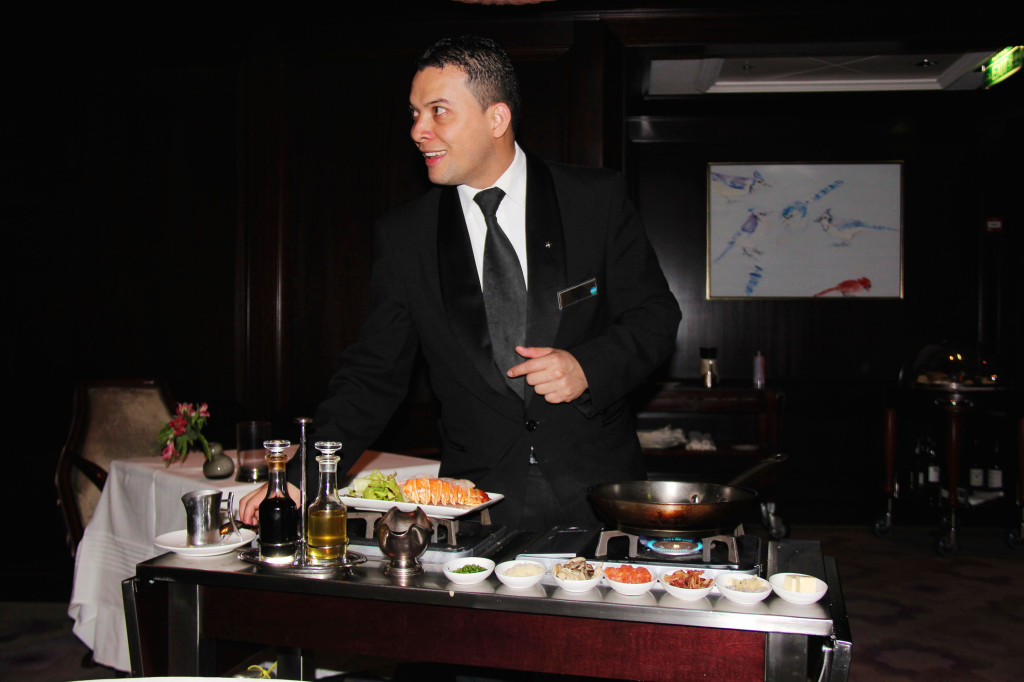
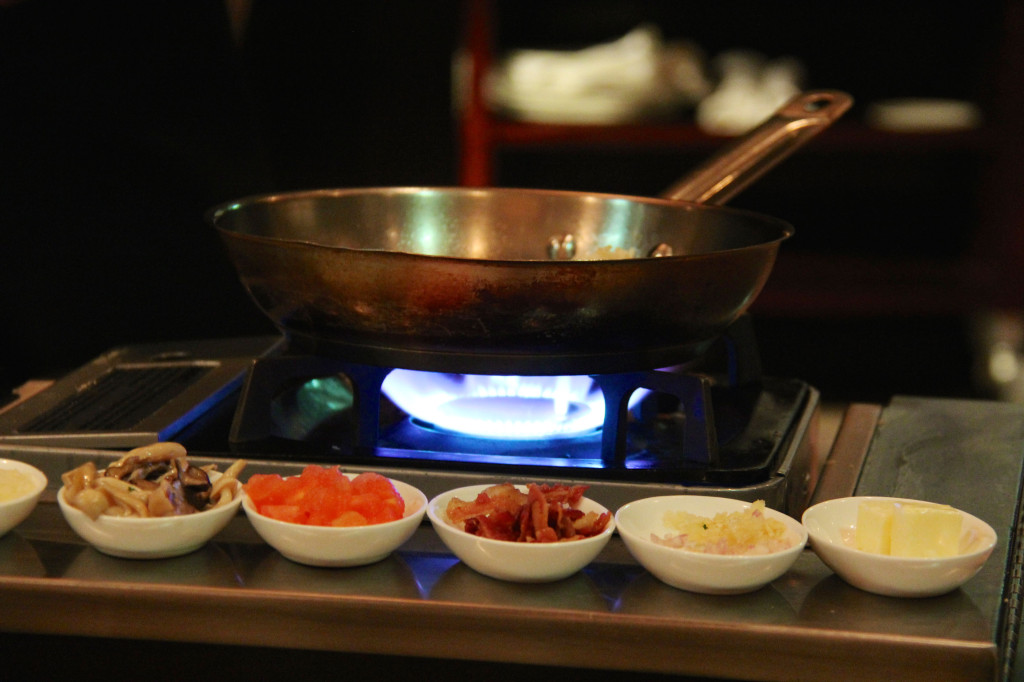
Impeccable service, classic design, world-class cuisine and comfortable sophistication are celebrated to the utmost in Murano. Experience tableside lobster presentation, an expansive selection of artisanal cheeses from around the world, or the extensive American and French wine list.
Charming and timeless, Murano transports you, through palate and décor, to a modern and sophisticated level of dining.
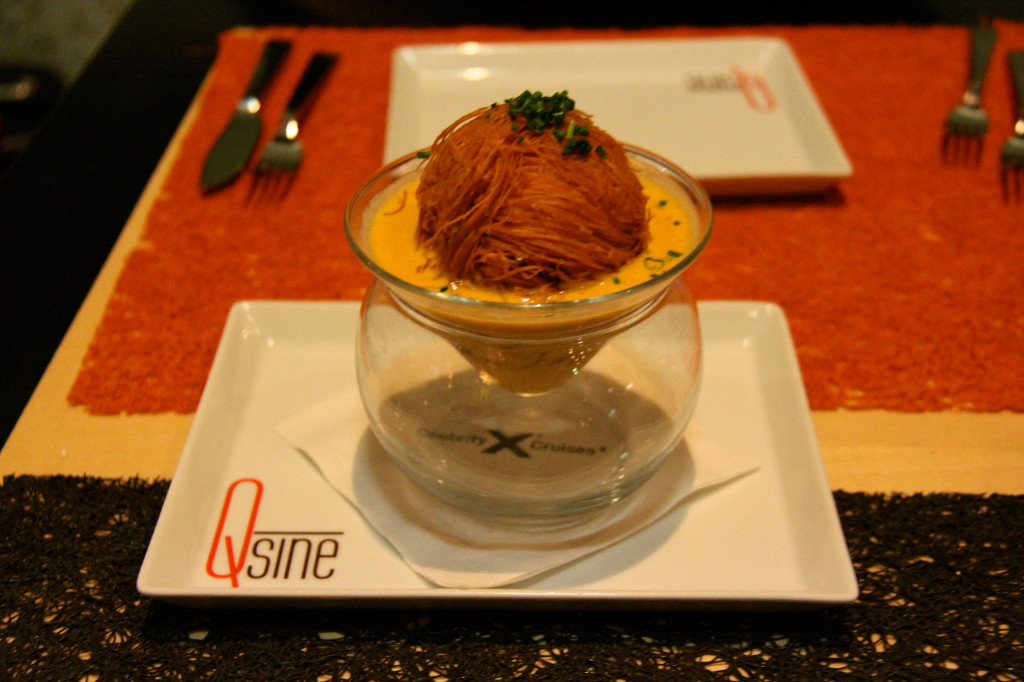
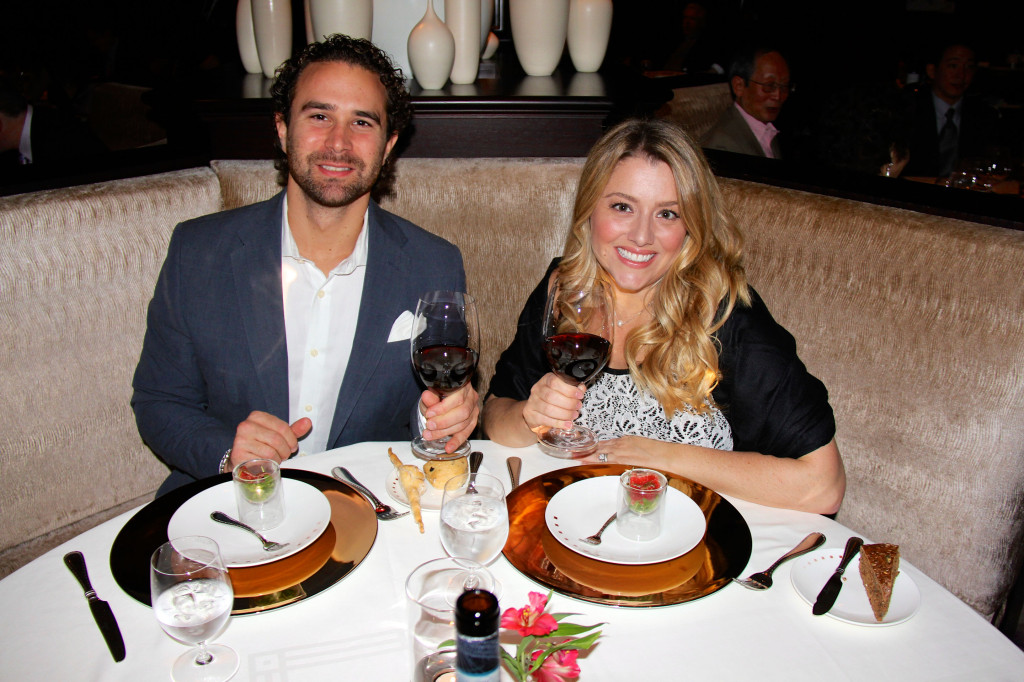
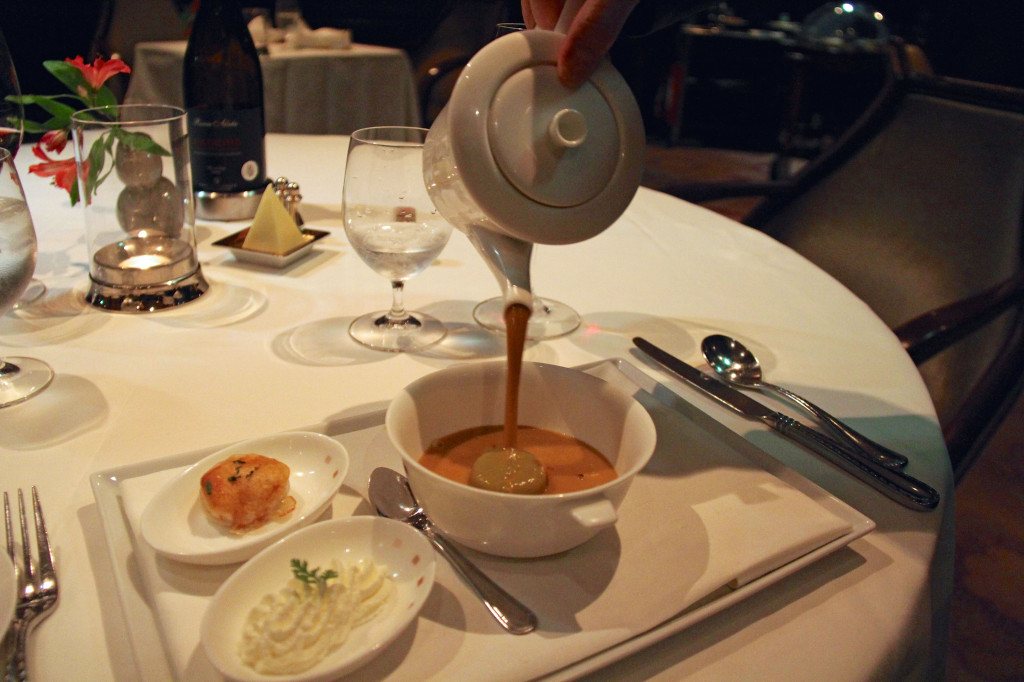
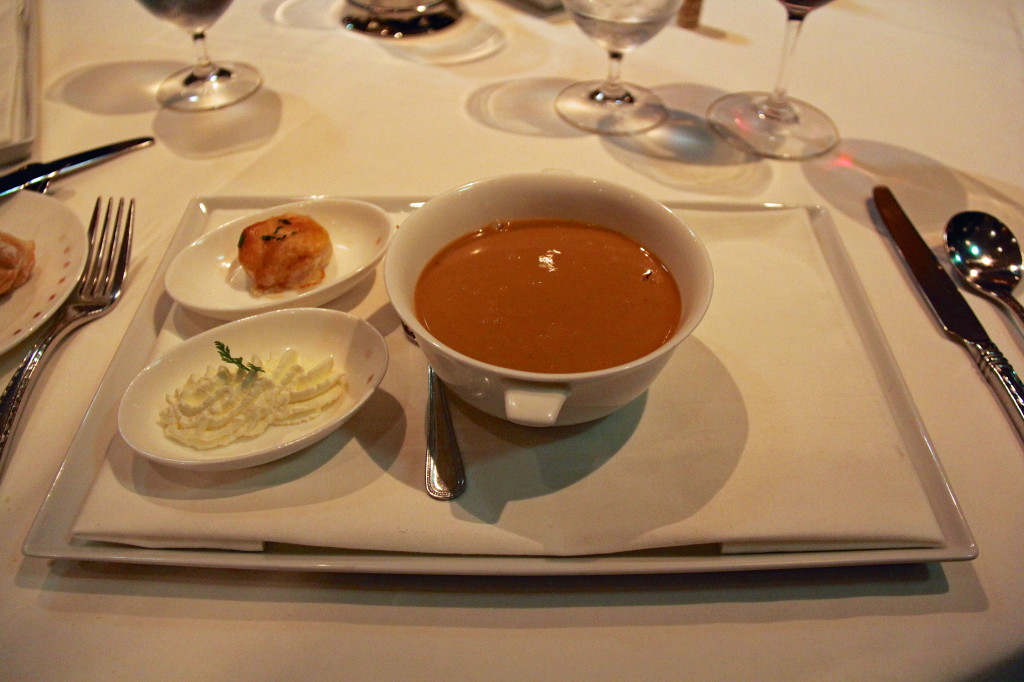
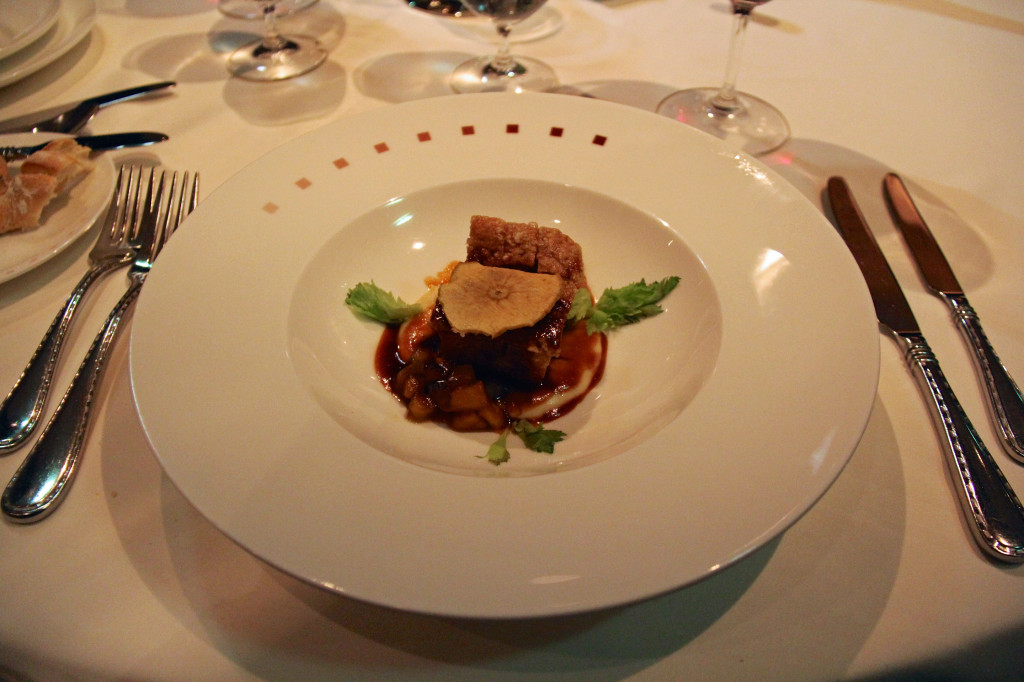
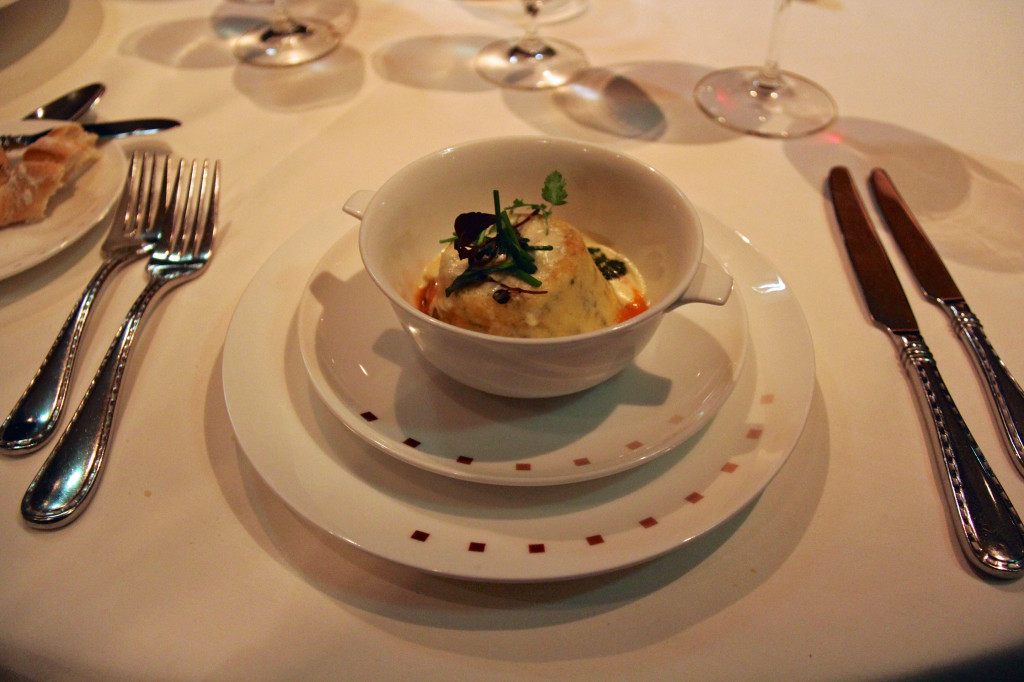
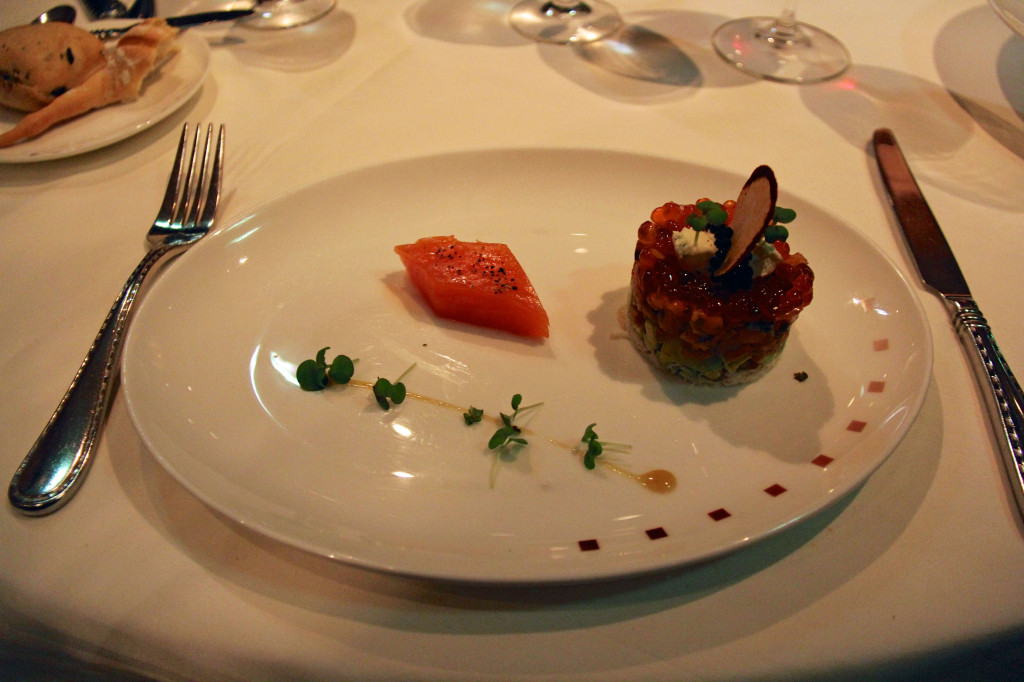
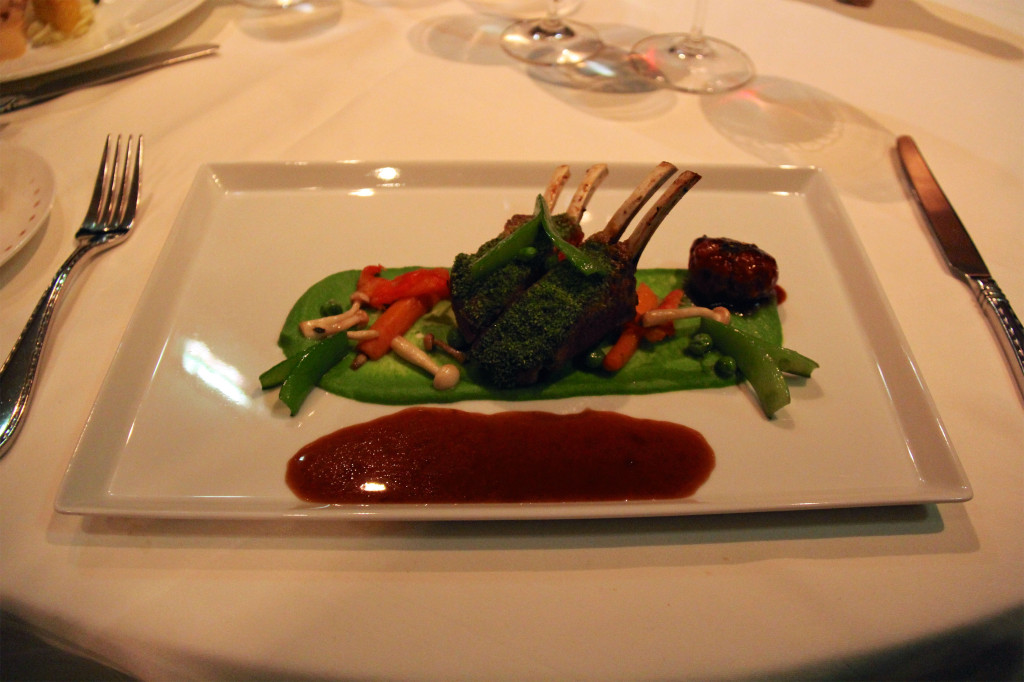
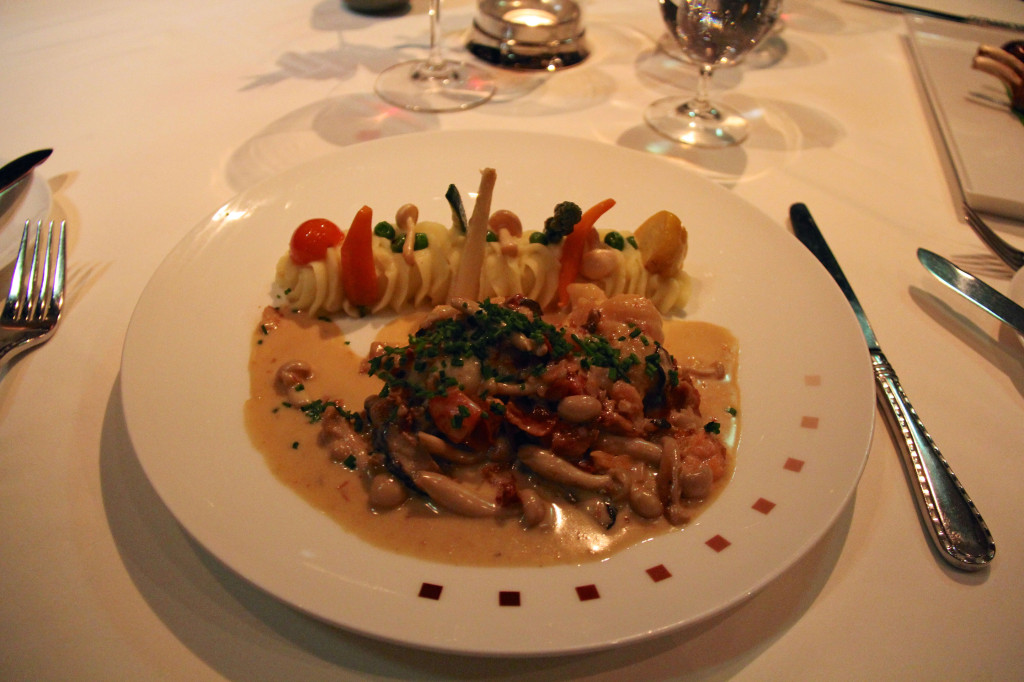
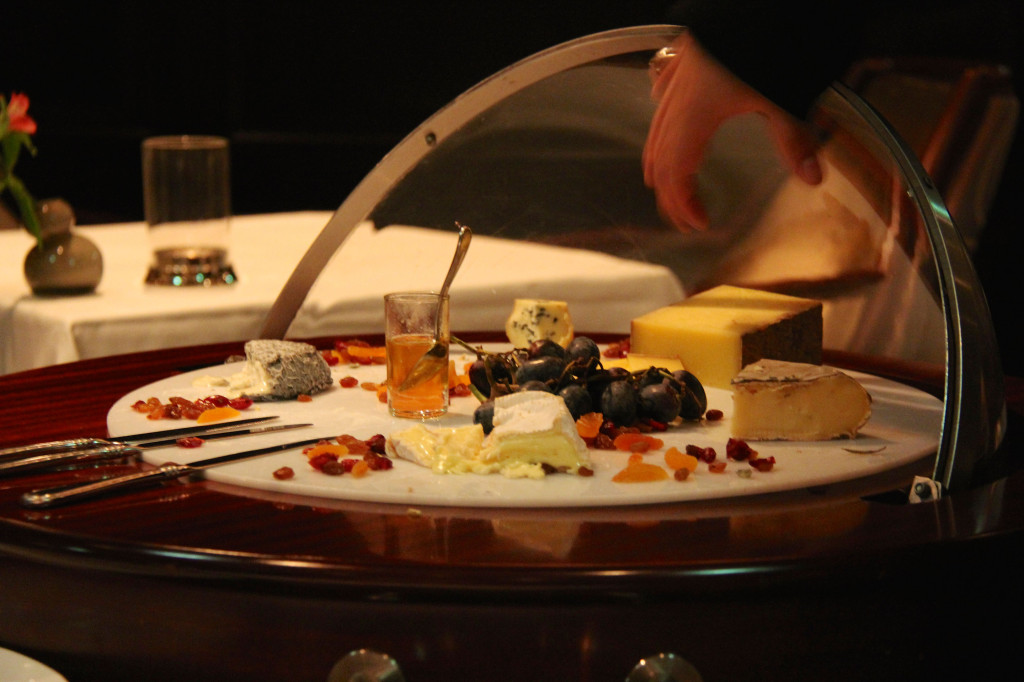
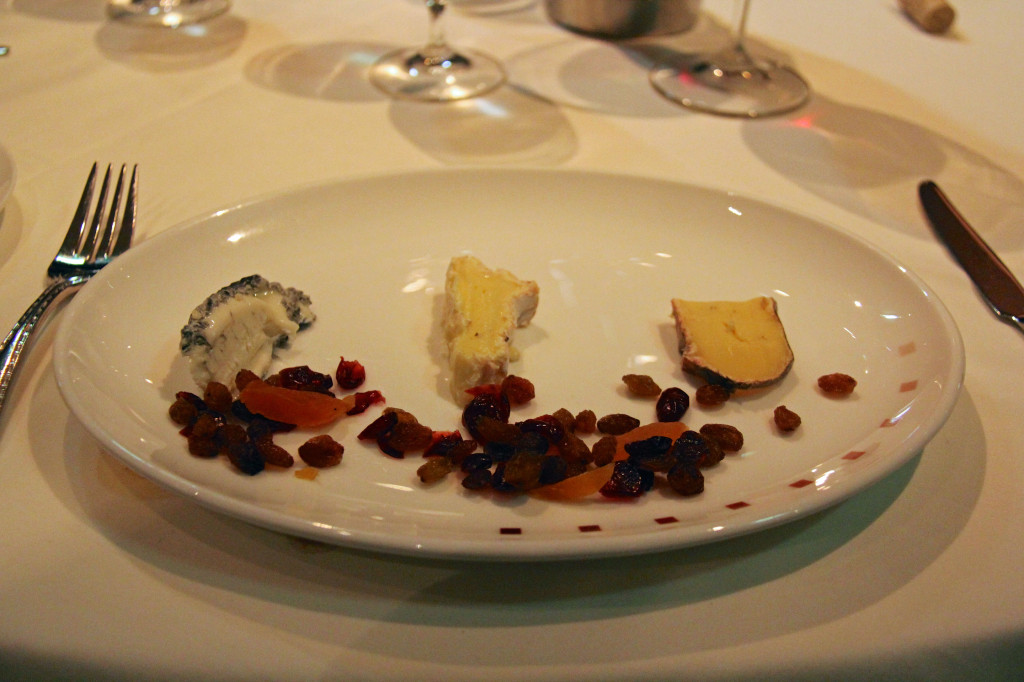
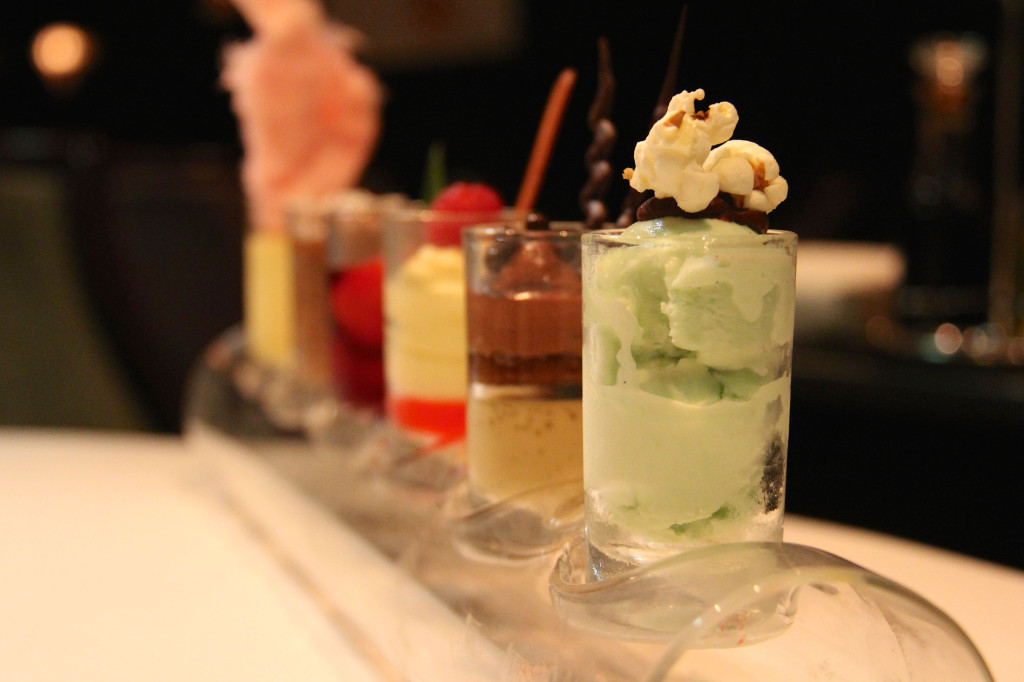
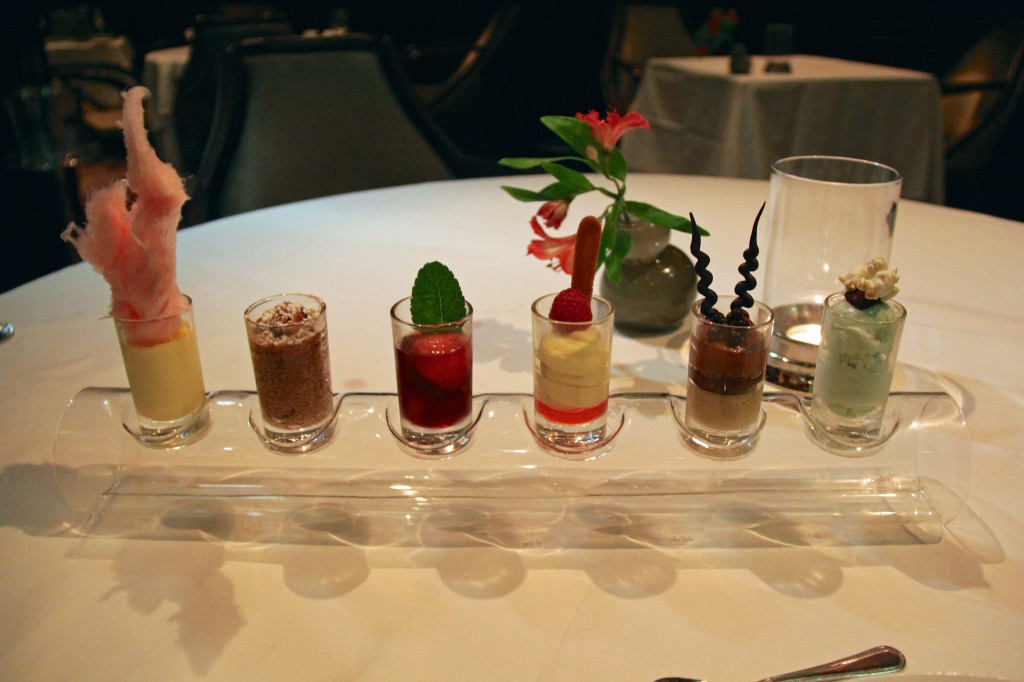
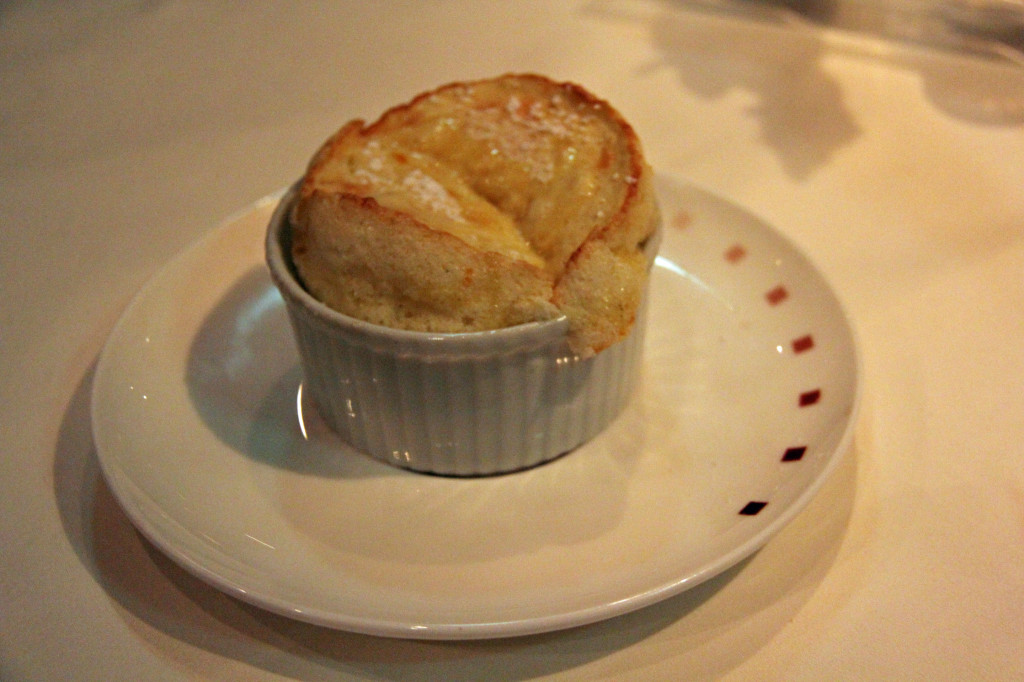
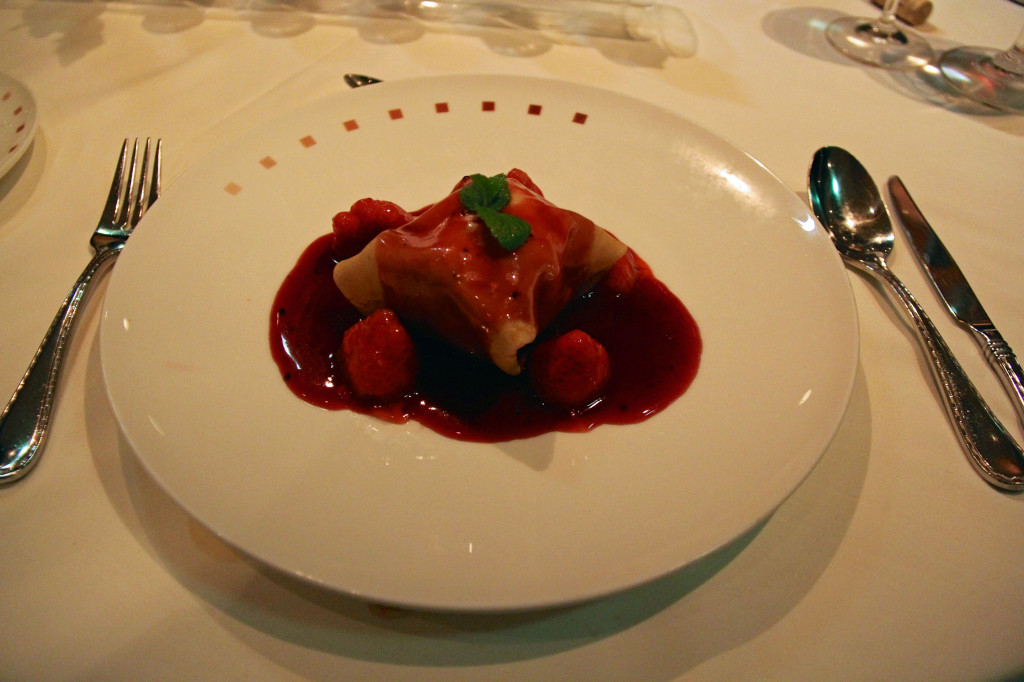
Jen and I are all aglow while attending an adult dinner without kids forks and sippy cupsThe lobster bisque had a wonderful table side presentationCreamy Maine Lobster Bisque – Leek and Shallot Flan, Cognac Cream, Crispy Sweet Yellow Corn BeignetsPork Belly – Parsnip Purée, Caramelized Apples, Calvados JusWarm Goat Cheese Soufflé – Smoked Tomato Coulis, Parmesan Cream, Basil PestoSmoked Salmon & Peekytoe Crab Parfait – Layered with Avocado, Salmon Caviar, Crème Fraîche, Petite GreensJen’s lobster was prepared table side – this poor guy almost never left the side of our table with all of his various preparationsSome of the ingredients mixed in to her lobster dishGreg’s Herb Crusted Lamb Rack – Pea Purée, Tomato Confit, Baby Carrots, Spice Meatball, Garlic JusJen’s Murano Lobster – Cognac Flambéed Warm Water Lobster Tail, Fresh Basil, Applewood Smoked Bacon, Dijon-CreamA Fine Selection of Artisan Cheeses served with Pain de Campagne and Dry FruitsMy cheese plateWOW!Caramel and White Coffee Ice Cream, Dolce, Far Niente, Napa ValleyGrand Marnier Soufflé – Crème Anglaise á la Gousse TahitienneCrêpe with fresh fruit topping prepared table side
We were drawn in by the fun food-play in Qsine and the ability to order our meal on iPads. The food and ambiance did not disappoint. We thoroughly enjoyed our meal at Murano because we had a built in surprise. My parents wanted to give Jen this meal for her birthday and even included four hours of “in-room” babysitting for Julia, which was even sweeter than the restaurant’s jaw dropping desserts. And in case you were counting, yes – that was four appetizers and three desserts in Murano (and countless dishes in Qsine). I mean, once you pay the price of admission… it’s all included, after all!
I hope you enjoyed taking another culinary voyage with me (this time on the high seas). I hope your taste buds were satisfied. Tune back in soon when we conclude our cruise with visits to Montenegro, Croatia, Sicily and Naples. Ciao tutti!
If you are notoriously known for having eyes that are bigger than your stomach, then Italy is the ideal place for you during the holidays. You will eat some of the most delectable food known to man… but you will certainly eat far too much of it! If you possess a willpower stronger than mine and think to yourself, “nonsense Greg, I always stop eating when I am full” then you are mistaken.
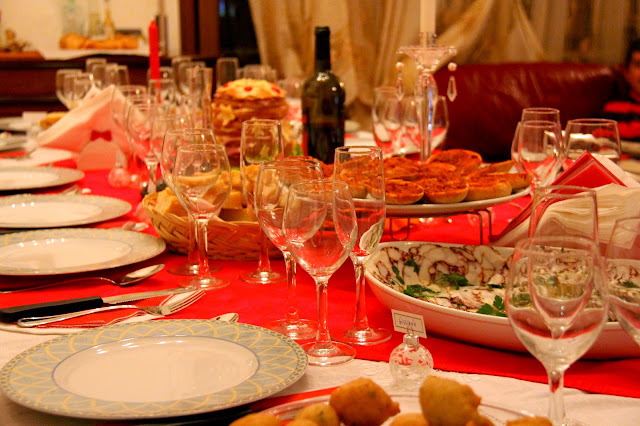
A table like this means it’s impossible to pace yourself
First, it is impossible to “budget” your intake. You will definitely want to sample all the delicious and unique treats on the table. The courses come in waves bigger than Australia’s Gold Coast and there is no telling when they will stop crashing on the table. So even if you simply try a little of everything, you’re still going to eat three times more than a normal meal. But that’s hardly the main reason. If you are a visitor in someone’s home, the hostess is absolutely going to give you the largest portions. And before you’re even done, you should expect seconds. This will continue over and over until a cold sweat starts to break above your brow. The trifecta of being force fed occurs if:
A) you are a man (and therefore expected to eat copious amounts of food)
B) you are a visitor from another country (Italians are very hospitable and eager to show off their regional specialties)
C) you are in a house where a nonna (grandma) is present (as if the hostess herself wasn’t enough, a nonna is guaranteed to guilt you into taking another several portions of food)
This trifecta of food-over-indulgence just happened to me during our six hour dinner on Vigilia di Natale (Christmas Eve). We are blessed to have wonderful neighbors below our condo. Stefano and Aurelia have become great friends of ours. They are among the kindest and most generous people we have had the pleasure of knowing. They have two sons, Giuseppe and Alessio that Julia loves playing with – and the boys are great with her. But there is an added bonus to knowing them that I haven’t yet mentioned. They are from Napoli (Naples)! “So, what’s the big deal” you say? Well, for starters, it means that they know how… to… live! They enjoy having big parties with lots of friends and family – and always with the most amazing food. We have enjoyed many phenomenal dinners with them and have gotten to know their large extended family as well as some of Naples’ most special food secrets.
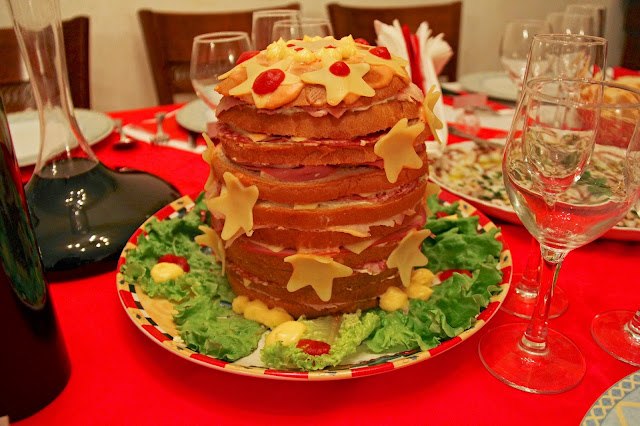
A panini tower complete with festive cheese stars
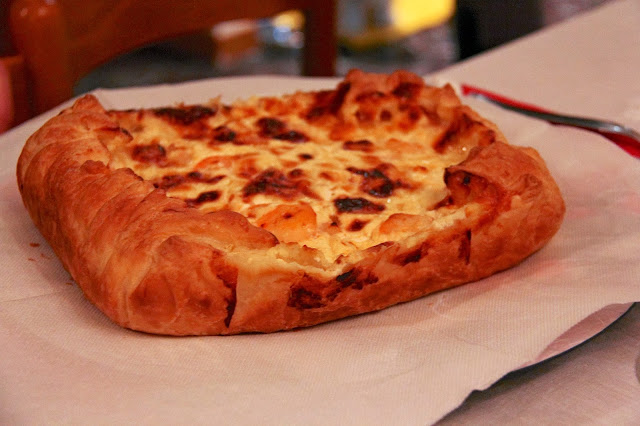
A savory cheese torte with shrimp
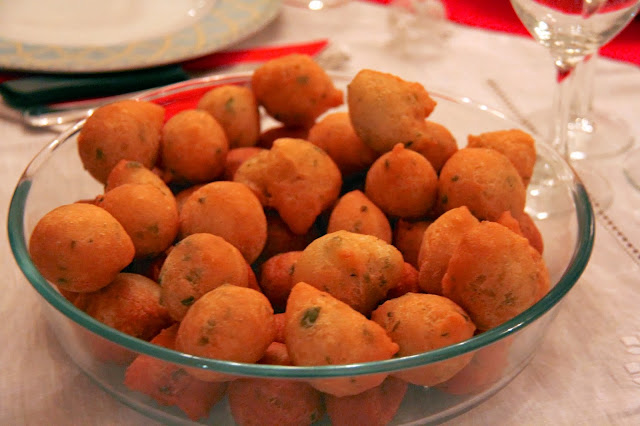
Croquette di patate con polpa di granchio (potato croquette with crab meat)
We were thrilled when we got the invite to join them on Christmas Eve – we knew that we would be in for a treat. I think that in our minds, we set the bar as high as possible, only to have our lofty expectations shattered by an event even more amazing than our most creative fantasies. You’ll notice that I just called this dinner an event, as opposed to a meal. That’s because there are a few things in Italy that are more than they appear on the surface. Seeing La Traviata in Milan’s famous opera house, Teatro alla Scala is an event. Experiencing the sunrise over Rome’s Colosseum is an event. Finally, Christmas Eve dinner at Aurelia’s house is an event!
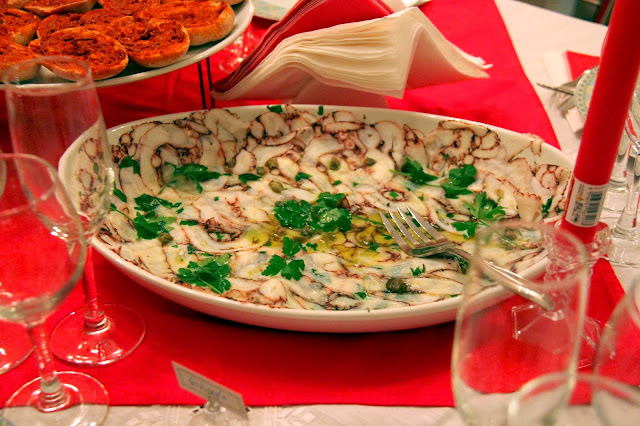
We arrived just after the standard “dinner-time” of 7:30 (there was no need for them to tell us arrival time, everyone just knows when to show up). After roughly 10 minutes of hugs and kisses and then another 20 minutes to decide where everyone was sitting, we sat down to start our meal at 8:00pm. The table was already full of antipasti (appetizers). Normally, I would have the self restraint of a blue ribbon hog presiding over a spread like this. However, this time I paced myself, knowing that this was just the tip of the iceberg (I’ve learned a lot over the past year). It was hard to show restraint around the carpaccio di polpo (octopus carpaccio) and ate more than I originally intended – but, it was pretty light after all.
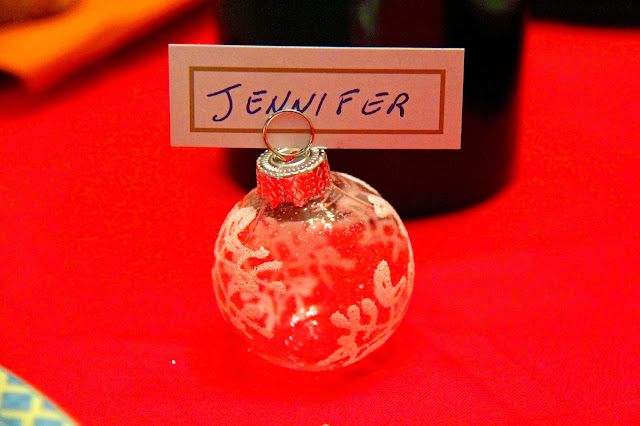
Even though we had place cards – it still took a little while for everyone to find their proper place
Carpaccio di polpo (octopus carpaccio)
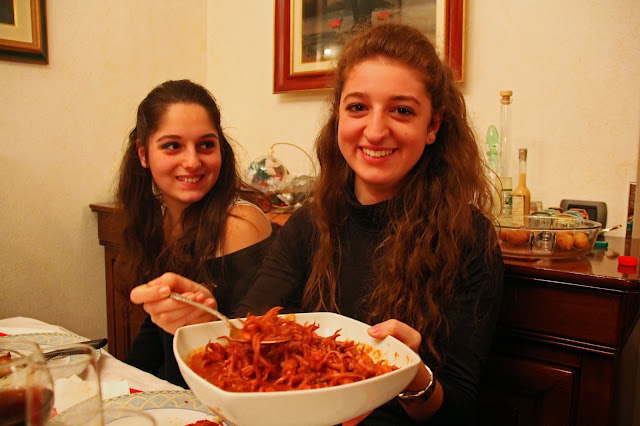
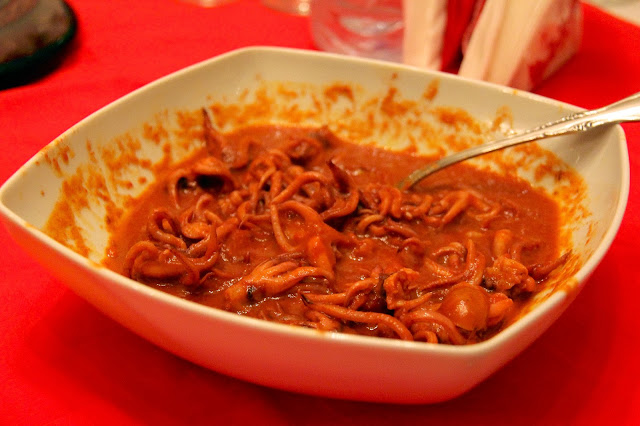
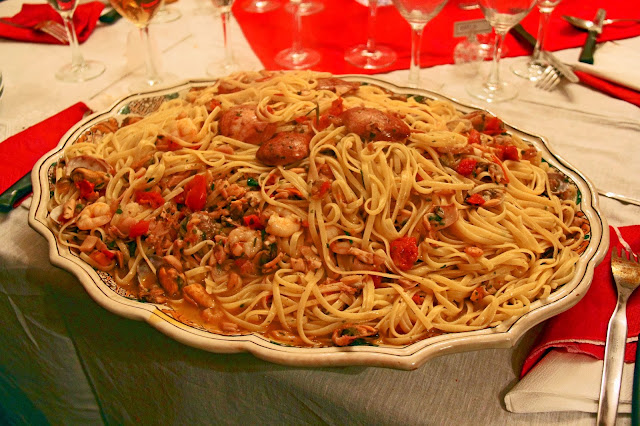
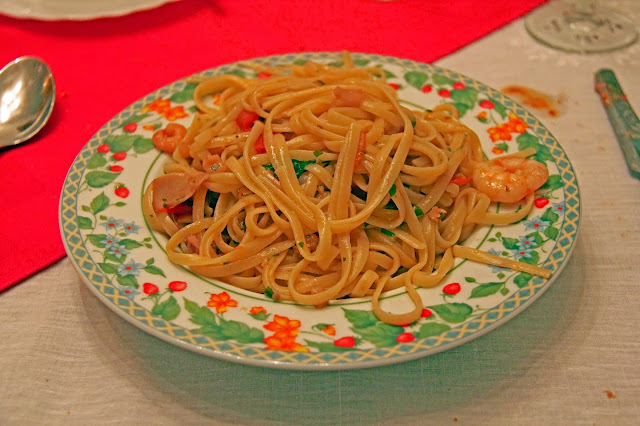
Another round of antipasti appeared, this time calamari (squid) in a spicy tomato sauce. Finally, we moved on to the primo (first course), an impressive pasta full of shellfish. Roughly two hours into the meal and we were only on the first course – fantastic! I was given a plate that was quickly removed because it had been determined (unbeknownst to me) that the portion was not sufficient. A portion much larger and impossibly packed with additional seafood appeared an instant later. The linguine pasta mixed perfectly with eye-popping amounts of clams, shrimp, mussels and calamari.
Aurelia’s niece serves some of the calamari
I couldn’t get a picture before everyone dug in… sorry!
The beautiful pasta dish was presented
My own plate, complete with a fuller portion
You’ve likely noticed a consistent theme to the meal by now. Our dinner was comprised almost entirely of seafood dishes. Jen and I were under the impression that the meal we were enjoying is what is commonly known as, “The Feast of Seven Fishes” and so we asked one of the guests about it. The answer was so perfectly Italian. “No, there is no number of fish. You just eat fish.” That’s it. Case closed. No “Feast of Seven Fishes”. Just fish, because… you eat fish. It turns out that the “Feast of Seven Fishes” is more of an Italian-American thing than an Italian thing. Obviously, there is truth to the tradition of eating fish. However, there is no hard and fast rule about the number of fish – you just eat as much as the hostess has time to cook (this is coming from the Napolitani – the people that started the tradition). If you’re looking for “The Feast of Seven Fishes,” you’re better off booking a flight to the Jersey shore than you would be to Italy.
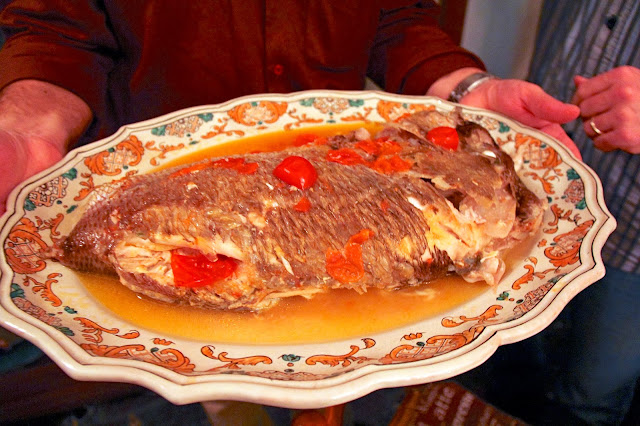
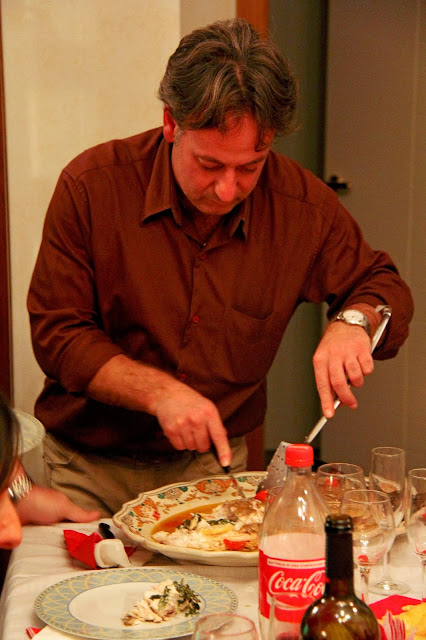
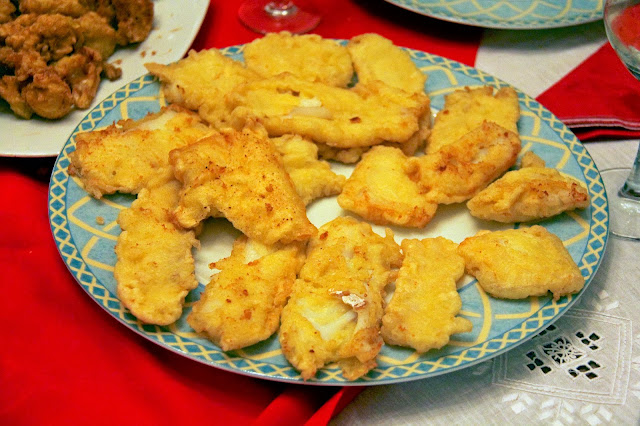
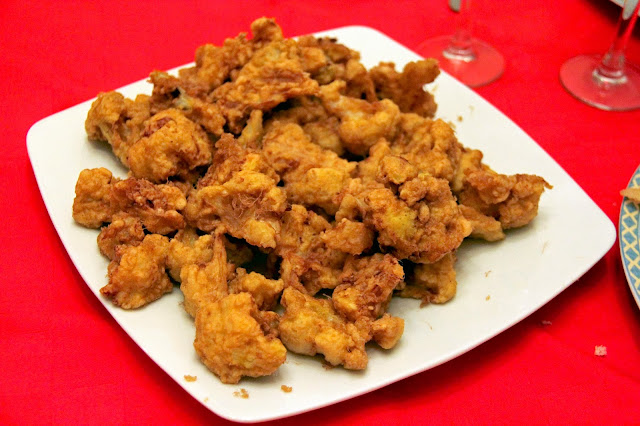
After the pasta, we were finally able to move to our secondo (main course). Stefano presented a fish that any man would be proud to claim as his own – a fish large enough to feed a small village. In our case, it would feed a small apartment building. They also served another traditional fish, baccala – which is a salted and dried cod. For the preparation, they chose to lightly fry it. Our contorni (side dishes) were fried carciofi (artichokes) and fried cavolfiore (cauliflower).
Stefano and Aurelia bring out the fish
Stefano skillfully divides the fish
The fried baccala
The fried artichokes
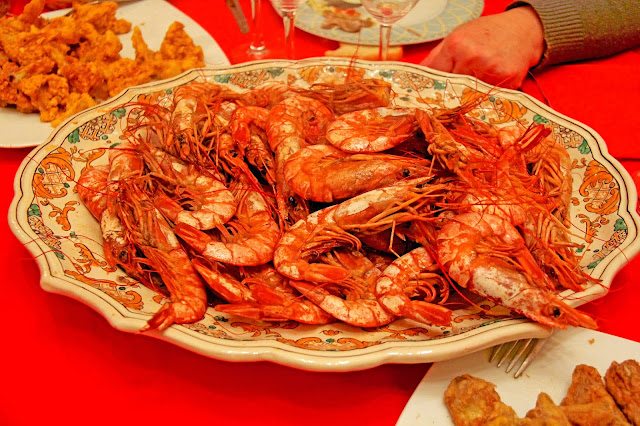
At this point in the meal, any normal human would beg for mercy. He would pray that the food would cease to appear. But there is always that tiny little voice (perhaps due to a food-induced hallucination) in the back of his mind saying, “I wonder what’s next.” Well, in this case it was the most amazing platter of gamberoni (king prawns) that you’ve ever seen. Magically, the platter got completely re-filled once the first supply had dwindled. My plate quickly became an overgrown graveyard of prawn shells.
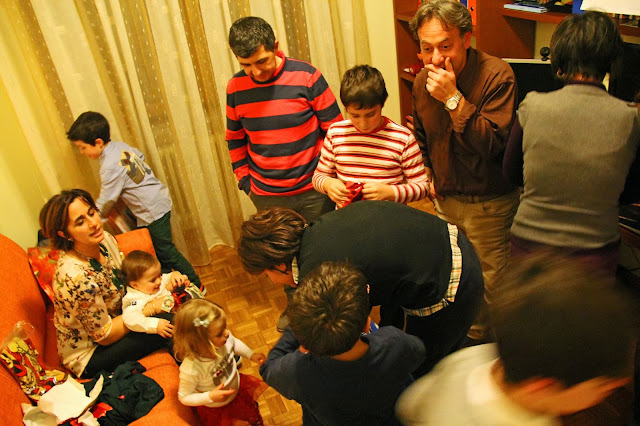
We stopped eating long enough for Babbo Natale (Santa Claus) to bring presents for all the kids
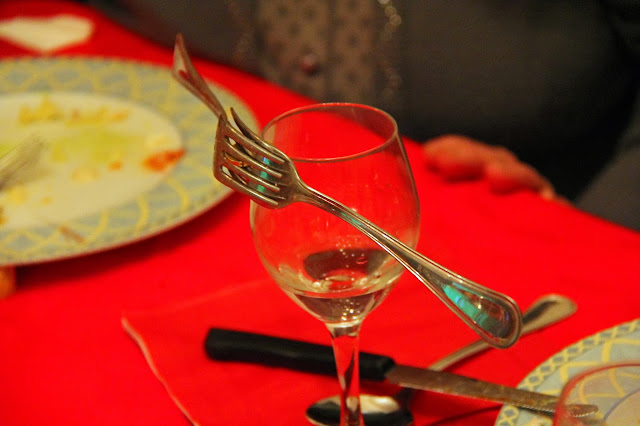
Franco shows us how to balance a coin on the edge of his glass
The nonna next to him had the line of the night – “I don’t drink water at the table. Only wine. Always.”
Success!
The gamberoni appear
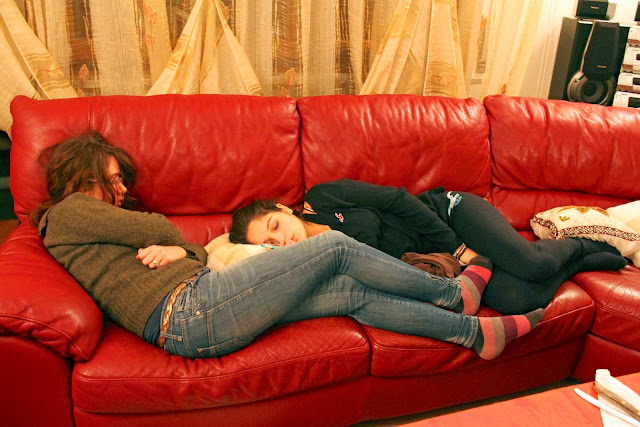
Not everyone made it the full six hours without a power nap
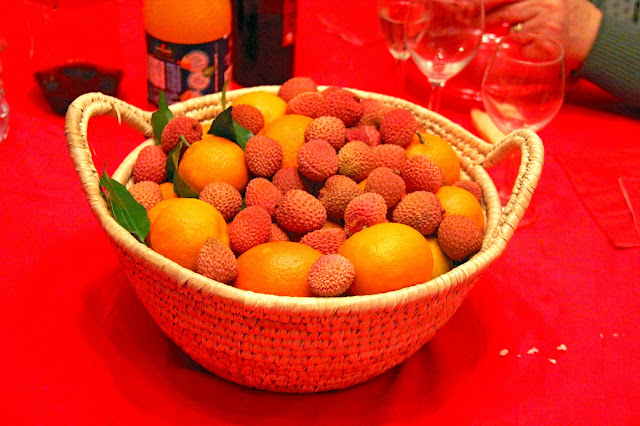
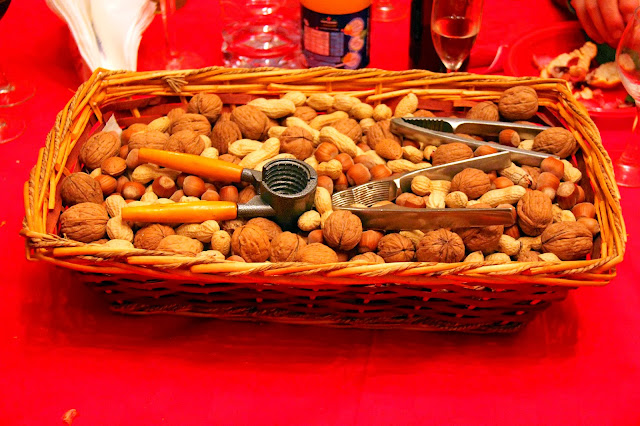
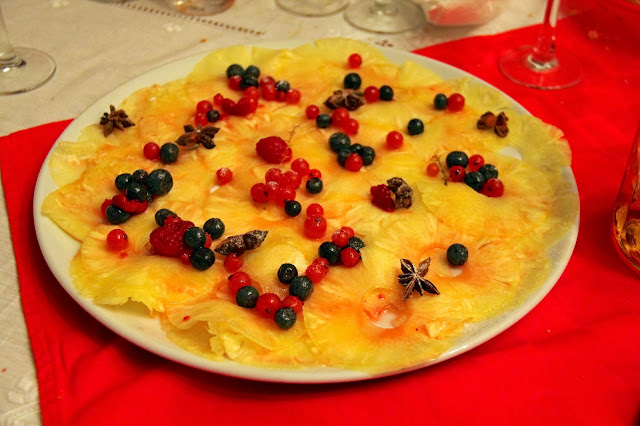
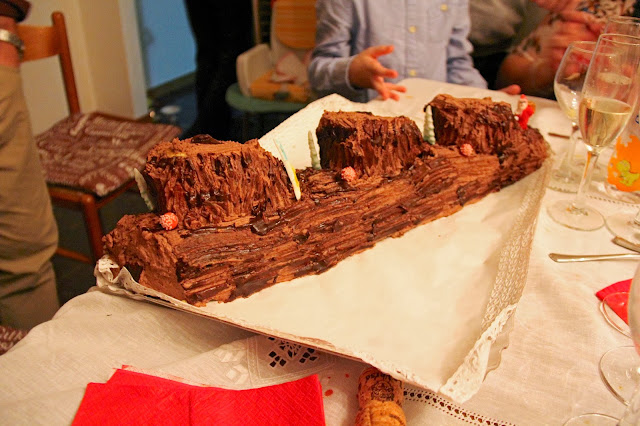
As we crossed past midnight and into Natale (Christmas), the prosecco (Italian sparkling wine) flowed freely. My guesstimate is roughly eight bottles of the bubbly were popped over the course of the evening. After dinner wound down, the fruit appeared. But not your typical fruit plate – more of your, “let’s go harvest a field of fruit and put it in this basket” type of presentation. Same thing for the nuts. Then we had our first dessert – a carpaccio of pineapple, sweetened with sugar and adorned with currant and blueberries. And then, the main dessert! A homemade yule log made of chocolate and compete with the wood graining and extra trees for decoration. It was delicious. Guess who got the biggest piece – larger than any normal dessert after a regular-sized meal! As if that wasn’t enough dessert, regional specialties from the best pastry shops in Naples appeared. Jen and I searched for any spare millimeter of space left in our stomachs – we simply had to sample each one. Lastly, we needed our espresso and grappa. I went with a barrel aged Brunello grappa – I was pleased with my choice.
Fresh fruit – oranges, mandarins and lychee
A mixture of nuts
A pineapple carpaccio
The chocolate yule log
I love when Stefano appears with any kind of bag of homemade goodies
In this case, it was a unique homemade cookie typical of Naples
The grappa was the last thing to appear
It was nearly 2:00am (six hours later) when we started our long walk home (truthfully, I couldn’t have made it any further than a single flight of stairs). Jen and I crawled into bed, completely satisfied after eating one of the most amazing meals we have ever had. We both gave thanks that Julia was not old enough to wake us at the crack of dawn, eager over Santa’s arrival. Of course, Jen and I were sad to not be with our immediate family this Christmas, but we were grateful that we were adopted by such a warm and loving family here in Italy. And of course, it didn’t hurt that they provided the event of a lifetime.
Since Thanksgiving is tomorrow – here is a suggestion of something you can do to dress up your leftovers.
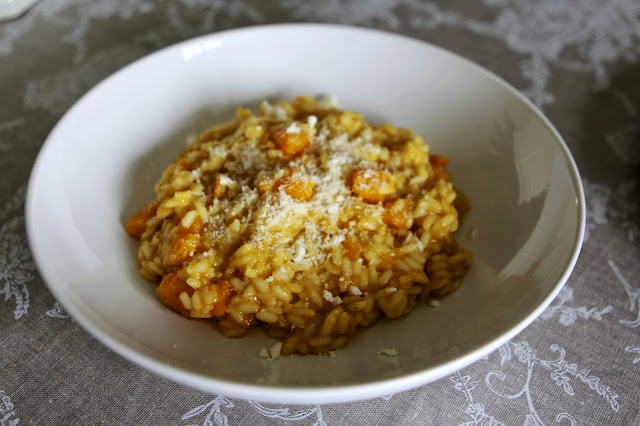
Risotto is a favorite of mine; winter, spring, summer or fall. While cooking risotto, I like to use fresh, seasonal ingredients – and with fall comes all things pumpkin. So, this was my chance to combine one of my favorite dishes with one of my favorite fall flavors.
Risotto con zucca (Risotto with pumpkin)
However, when it came to the Thanksgiving dinner we just had, I knew it would be too much for a first course. While risotto is relatively simple to prepare it is time consuming and requires my undivided attention for at least 20 minutes. I decided instead to create a new family tradition. My plan was to serve pumpkin risotto the day after Thanksgiving, along with all of the other delicious leftovers. I think it’s a perfect way to add a new element to a meal we’ve already eaten a couple times over by lunch the next day. I had plenty of left over zucca (pumpkin) from the soup course, which worked out perfectly. I have officially converted Greg into a pumpkin/squash lover. If you want to add some Italian flavors to your holiday meal this year, check out my simple recipe. I hope your family enjoys it as much as we do.
INGREDIENTS (serving of 4)
>Olive oil
>One (1) small onion (diced)
>Four (4) cups of chicken stock
>Nine (9) palms of arborio rice (two per person with one extra). Roughly two (2) cups
>Half (½) – full (1) cup of white wine (depending on taste… and quality of wine)
>Roughly ½ cup of grated parmesan cheese and additional cheese for the table and for garnish
>Third (1/3) stick of butter
>Salt to taste
>One and a half (1 ½) cups of cubed butternut squash (one butternut squash cleaned, peeled and deseeded)
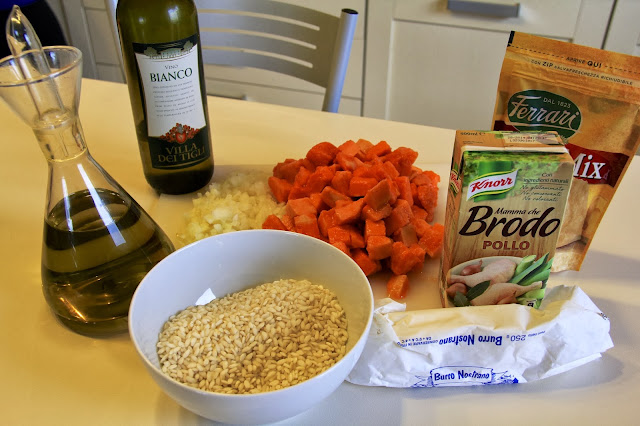
The ingredients
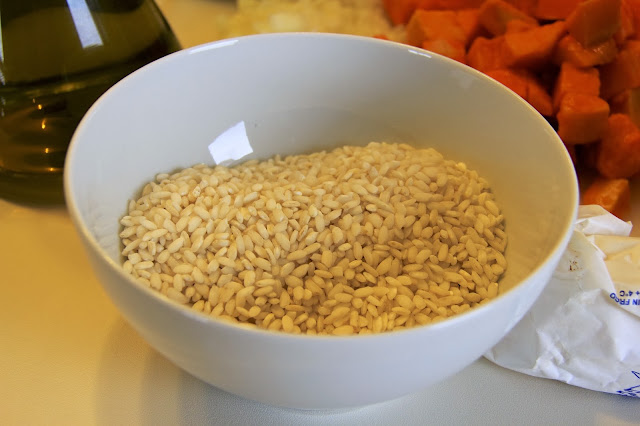
Arborio rice
Directions
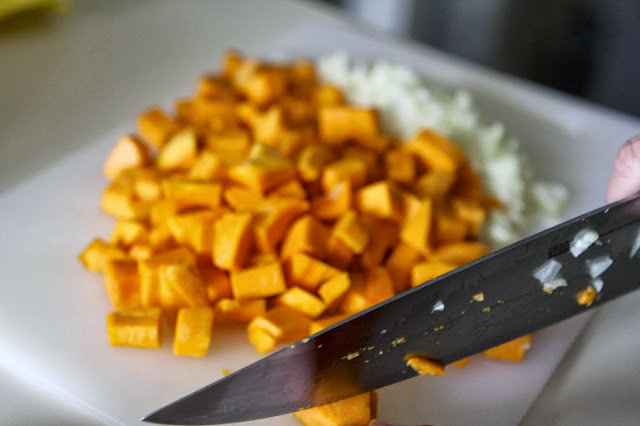
>Cube the pumpkin and dice the onion
Prepare your pumpkin and onion
>Heat chicken stock in a pot
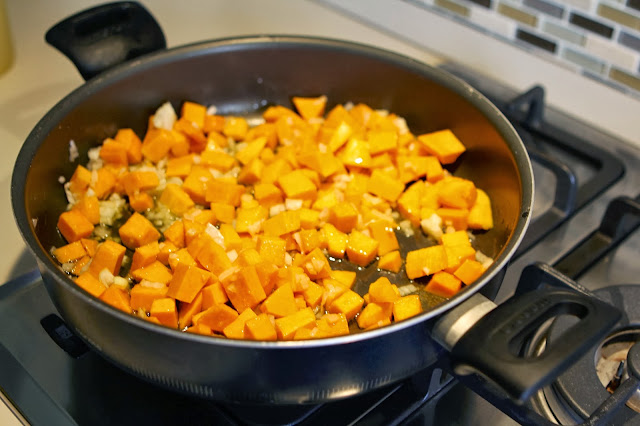
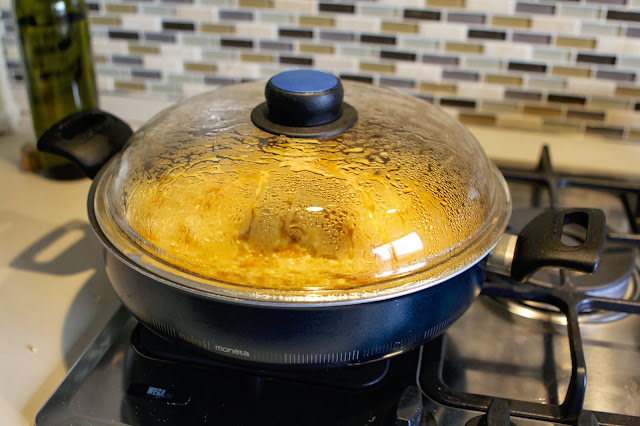
>On a separate burner, heat olive oil in a large flat pan with high sides. Add onion and squash until it is softened and the onion is translucent. While the onion and squash are cooking, add a dash of salt. This could take a little over 5 minutes. Don’t allow the onions to brown
Watch that the onions don’t burn
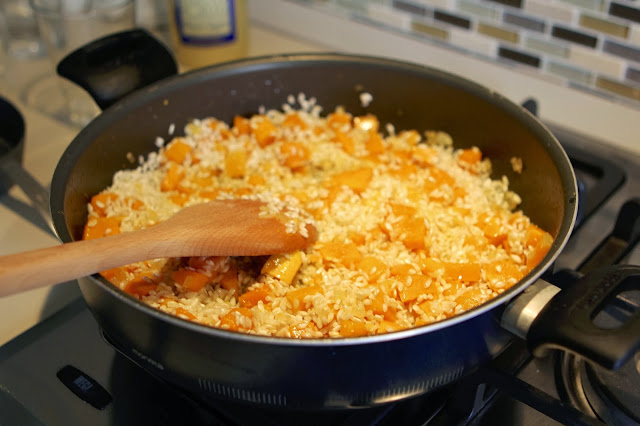
>Add the rice and mix together. Stir until the rice is toasted (but not brown) about three – four (3-4) minutes
Stir in the rice
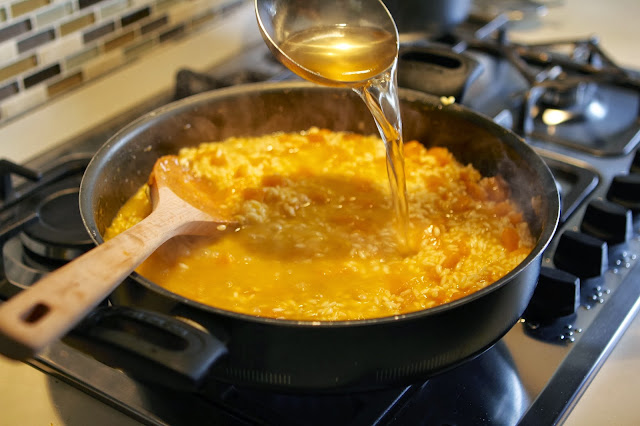
>Add the wine and continue to cook the rice until the wine is absorbed. After a minute, add a ladle or two of the stock, stirring the rice continuously until the liquid is absorbed
Laddle in the broth
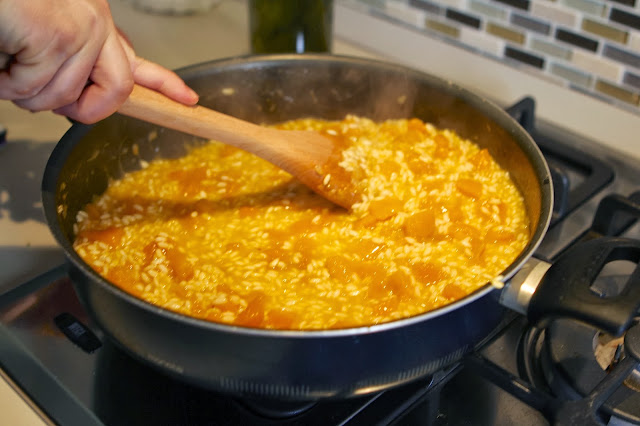
>Continue stirring and ladling the broth for approximately fifteen (15) minutes. Be sure to taste as you go and add salt accordingly. The rice should be al dente and creamy
Keep stirring and add more broth once it’s absorbed
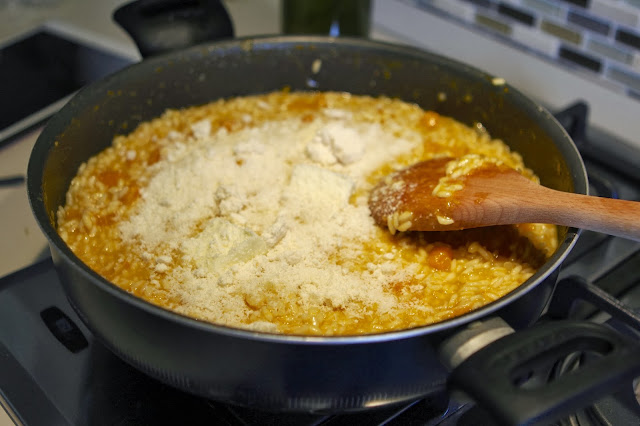
>Remove from heat and stir in butter and Parmesan cheese. Cover and allow pan to sit for five (5) minutes
Stir in the parmesano
Cover and let sit for five minutes
>Serve right away and top with fresh grated Parmesan cheese
Don’t forget to add the grana (grated cheese) and enjoy
PLEASE NOTE – Cooking risotto requires constant attention. Make sure the table is set and everything else you are serving is ready before you begin the rice.
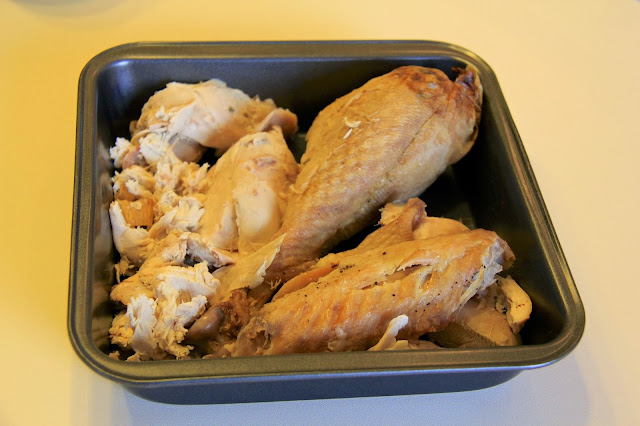
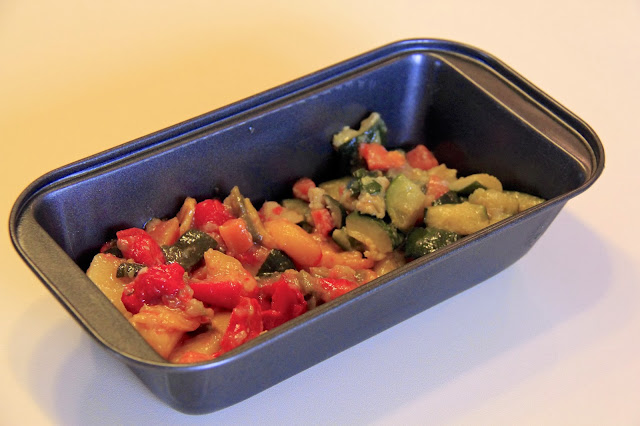
Don’t forget to combine your risotto with your Thanksgiving leftovers!
Is it possible that the turkey gets better after the Thanksgiving meal?!
Combine whatever sides you have leftover
I hope that you’ve enjoyed this recipe and that perhaps you’ll try to incorporate it into this year’s Thanksgiving! Let us know if you do and buon appetito!
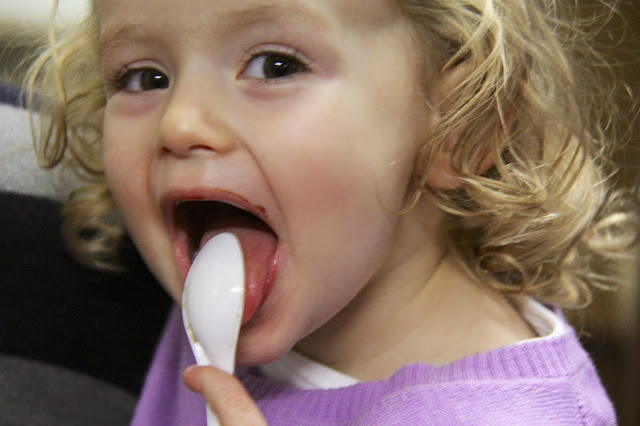
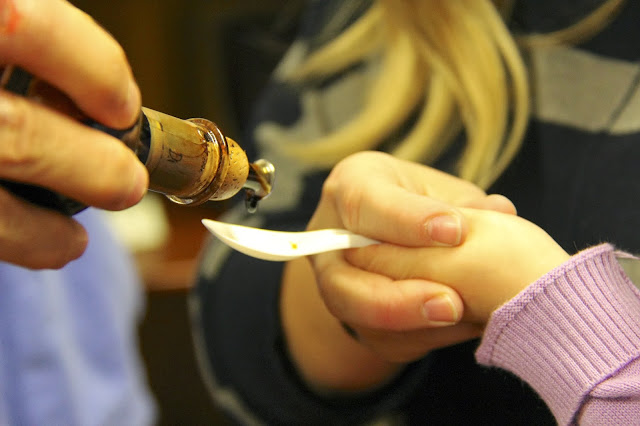
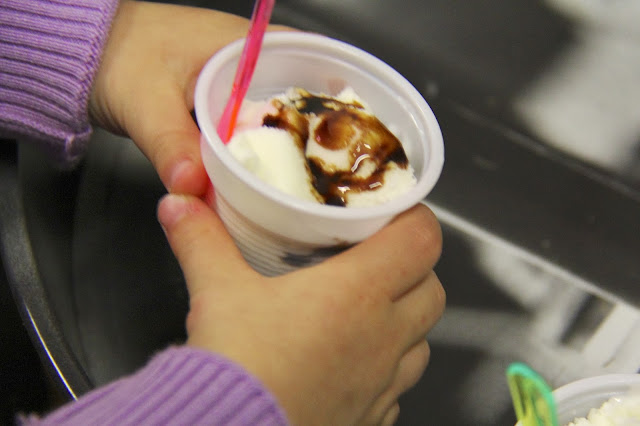
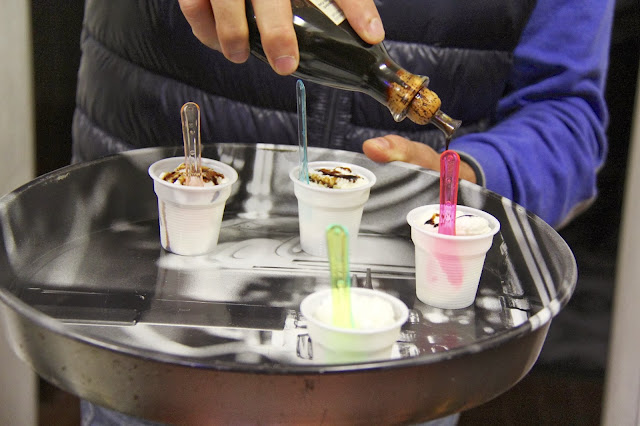
It’s likely that you may think I’ve gone off my rocker. Vinegar on a salad – of course. Vinegar on french fries – sure. But vinegar on ice cream?! Greg, you must be crazy?! I assure you, I am not (well, at least when it comes to this point). Provided one very important detail is in play… that the vinegar used is aged balsamic vinegar from Modena. This dark, delicious treat becomes sweet and thick (almost, syrupy) once it has been aged 12(+) or 25(+) years.
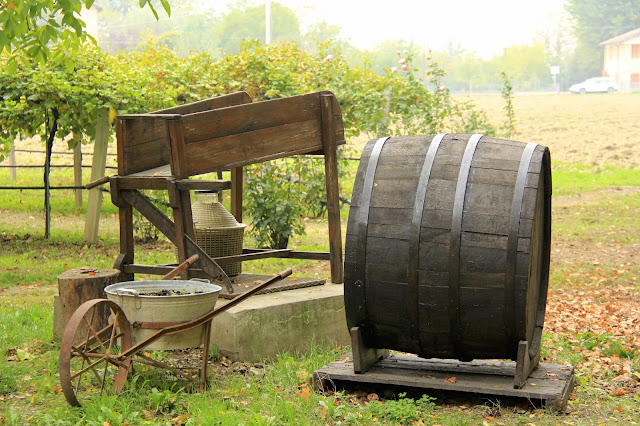
Old fashioned equipment used to make vinegar now stands as decoration
I have been a fan of all things vinegar for as long as I can remember. Admittedly, a strange condiment choice (above ketchup or mayonnaise) – but the heart wants what the heart wants. Although we use apple cider vinegar every single day, I have always been quite fond of balsamic vinegar. Just the right amount can add the perfect hit of acid to round out a caprese salad. However, I recently learned that I have become accustomed to eating the equivalent of a McDonald’svalue meal when a readily available filet mignon was just around the corner. But let’s back up and find out how I discovered this…
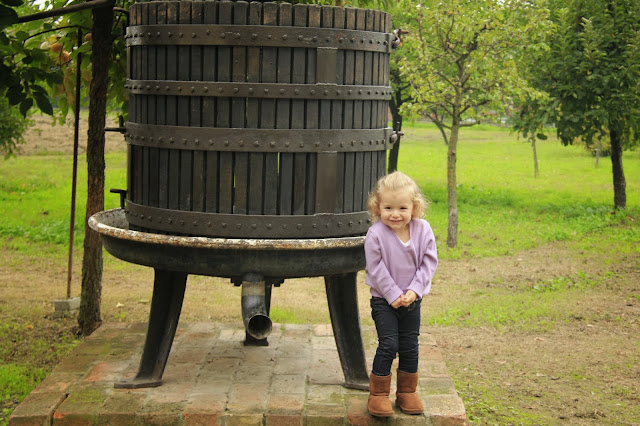
Julia stand by an old grape press
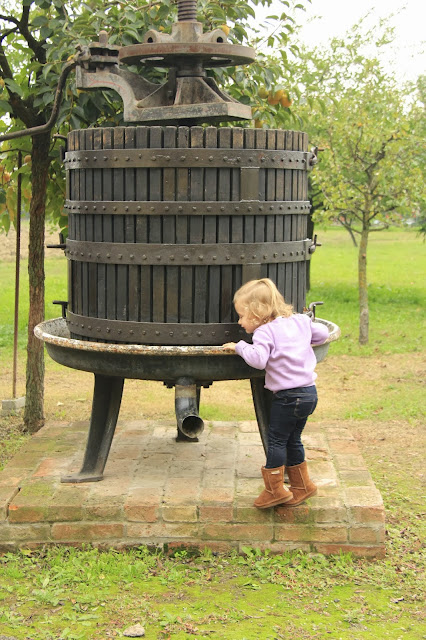
She’s a curious little girl
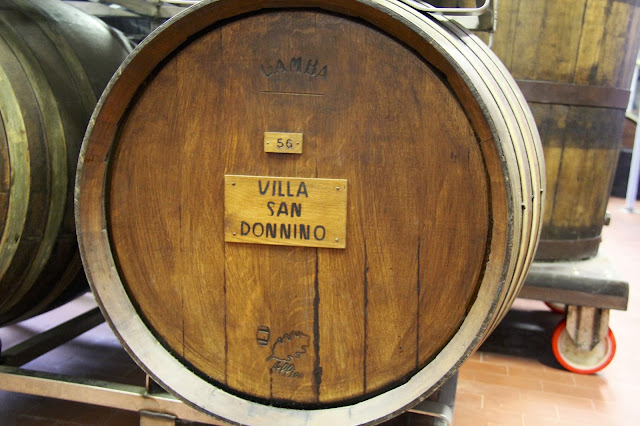
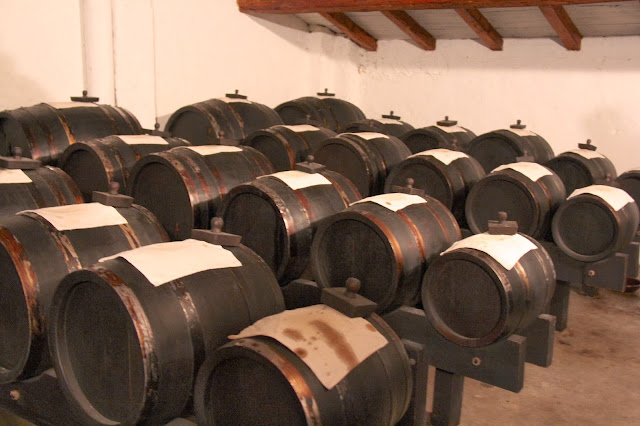
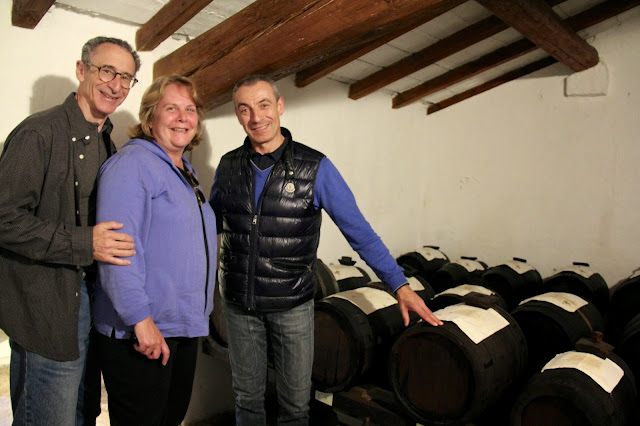
One of the barrels used for aging
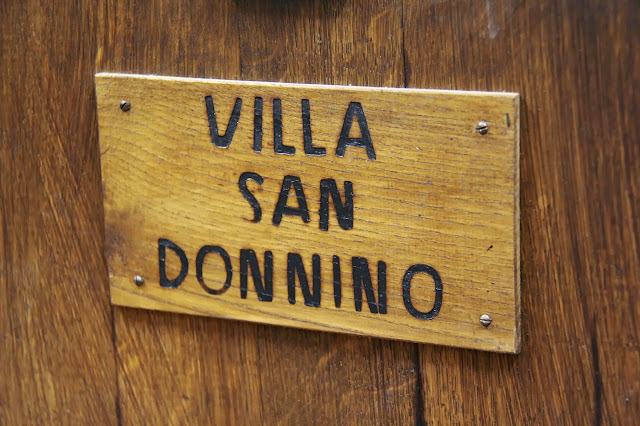
Villa San Donnino has been a family run business for three generations
When my aunt Deborah and uncle S came to visit, we ventured on a road trip to the Emilia-Romagna region of Italy. If you read that particular post, you learned that Emilia-Romagna is widely known for two things – cars and food. One of the most significant contributors to the food column is the aged balsamic vinegar that is produced exclusively in Modena. On our final day of the road trip, we arranged for a private tasting with a local producer, Villa San Donnino. Jen had learned that a tour and tasting at Villa San Donnino was one of the top-rated attractions on Trip Advisor. Once again, our favorite online guide for all things travel hit a home-run.
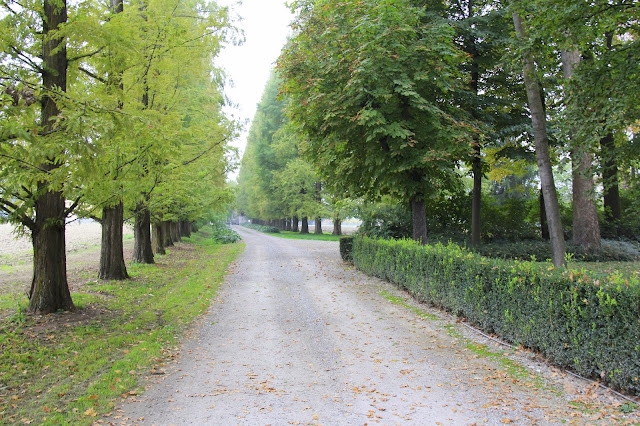
The driveway leading toward the villa
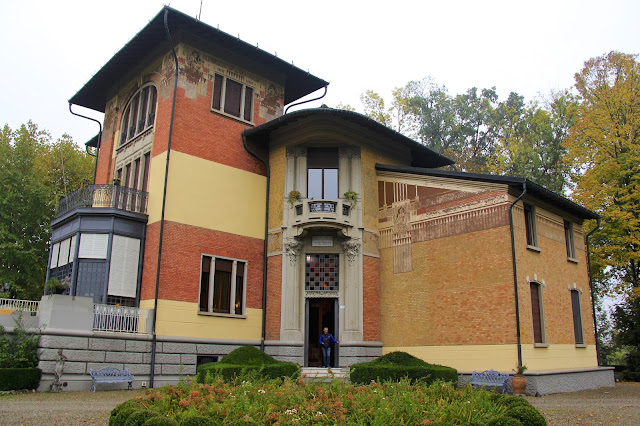
The villa of, Villa San Donnino
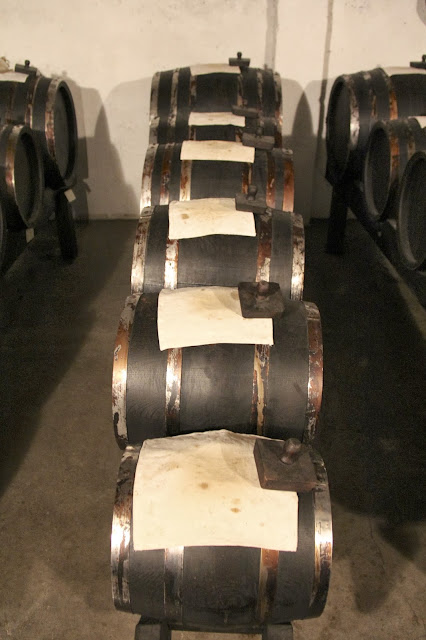
The important aging process begins here, in these barrels
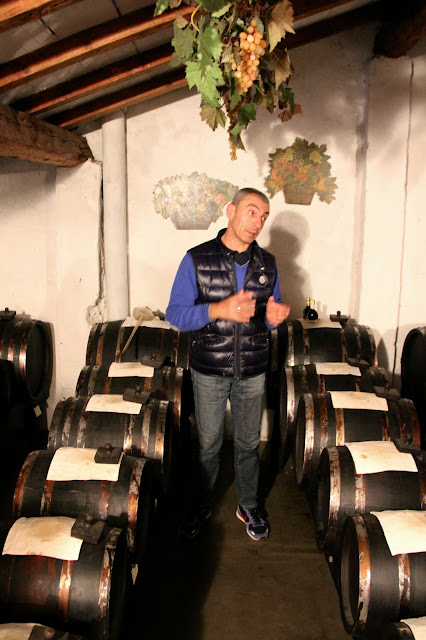
Not only did the overall experience exceed our expectations – it raised the bar for what events like this should be all like over the country. The owner and third generation producer, Davide greeted us warmly and took us into the portion of the property where the vinegar is aged. He first gave us a brief explanation of the vinegar itself. It was summarized nicely in a marketing brochure I took from the villa, so I will copy the text below:
Davide explains the rigorous balsamic making process
Traditional Balsamic Vinegar of Modena is unique from all other vinegar based condiments. Unlike ordinary vinegar which has its origins in an alcoholic liquid, balsamic vinegar is produced directly from grape juice. Grapes, harvested in the region in which balsamic vinegar is produced, are crushed and their liquid – “must” – is boiled in an open vat over a fire. This liquid is then placed in a high quality wooden barrels in which, through an oxidation process, it is transformed into vinegar. The barrels are kept in a vinegar loft – acataia – where over a number of years, the precious liquid inside is lovingly cared for through a special technique involving transfers and topping up. Over many years macrobiotic and enzymatic modifications unite to achieve an exceptional balance in the fragrance and flavor.
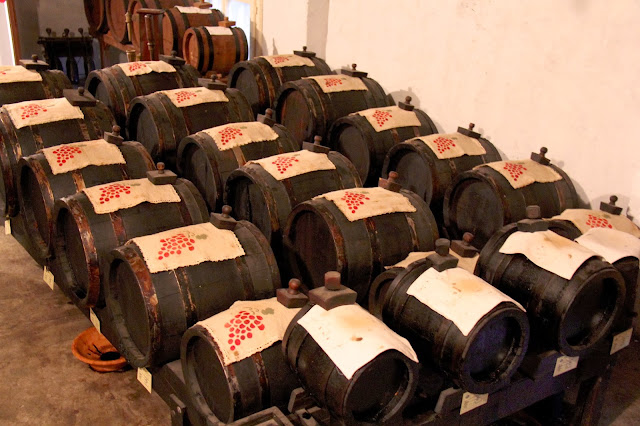
As we climbed the stairs to the acataia (vinegar loft) we were first greeted by the unique and pleasant aroma permeating throughout the loft. Davide began to explain the aging process, having already described that his balsamic vinegar juice comes exclusively from grapes on his property. In order to properly age vinegar, you must use a batteria, a series of five or six barrels that descend in size. A process of “topping” off from the larger barrels into the subsequent smaller barrels is done over many years in order to replace evaporated liquids. Since the last, smallest barrel is the object from which the final contents are removed for bottling – there is no way to identify a specific amount of time in the barrels (i.e. twelve years). Because the liquids have been mixed from the larger barrels over many years, a unique system of labeling was created. A balsamic vinegar that was aged for 12 years will have been aged for at least twelve years (meaning, that 12 years is the youngest portion allowed in that mixture). The same is true for 25 years and the extremely rare 50 year vintages.
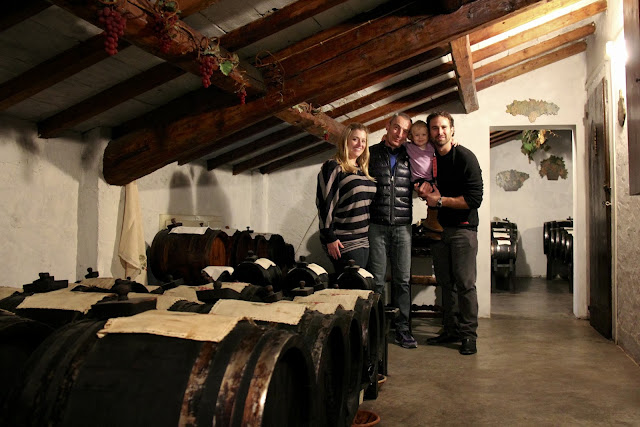
A batteria, aging the vinegar
Another room with a different collection of barrels
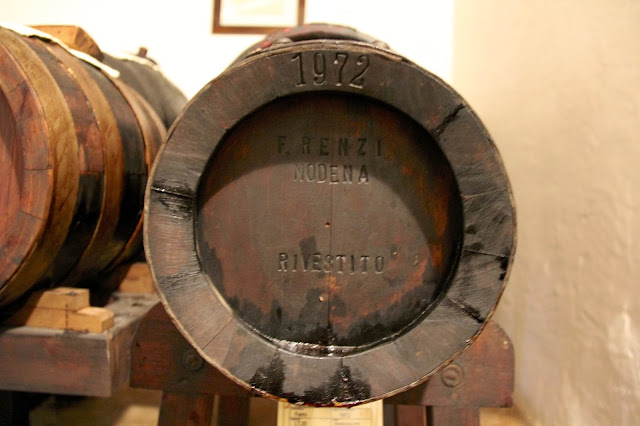
This reserve vinegar has been aging since 1972
As Davide was explaining the process, we all noticed that he acquired a little two-foot groupie. Our little Julia seemed more than just enamored with Davide, she fell head over heels for him! She kept asking him to pick her up and would require his attention at almost every point hereafter. It was hard for Davide to focus on the remainder of his tour, when at each turn he would hear a little voice saying, “Davide… hold me!” If she liked him this early on in the tour, she loved him when he brought out the gelato (ice cream) for us to try.
Davide with S and Deborah
Julia holds Davide close for a photo
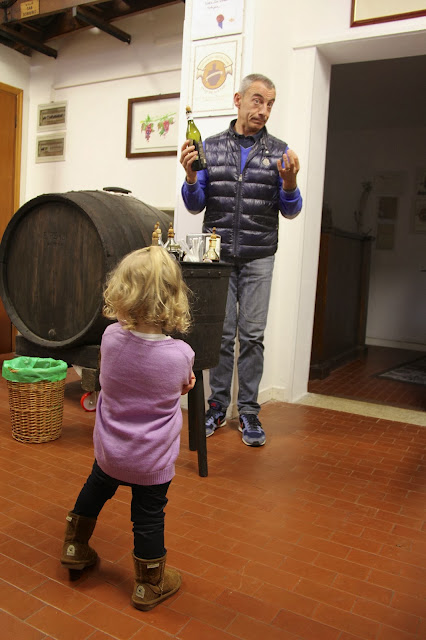
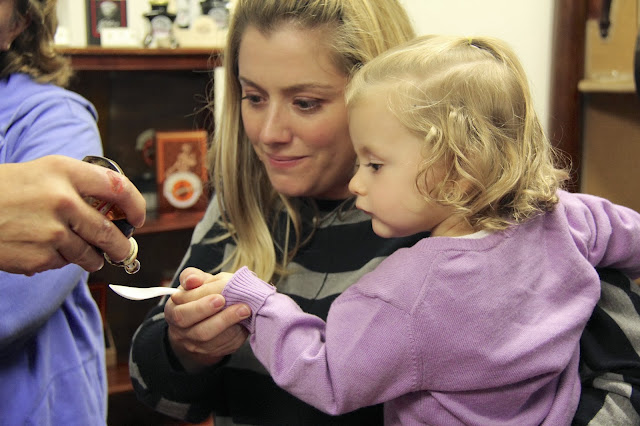
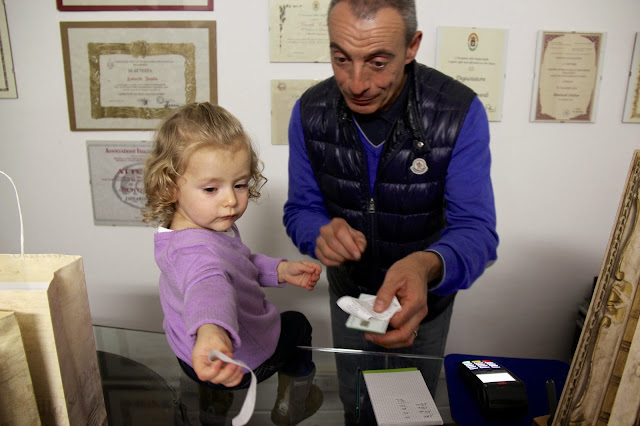
Davide brings Julia in to taste the vinegar with ice cream – she wouldn’t let him go
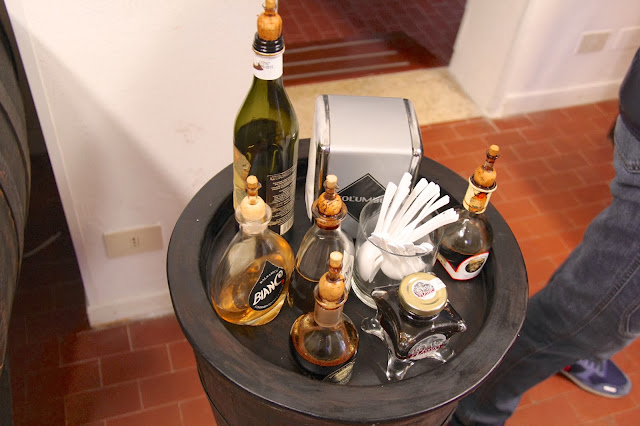
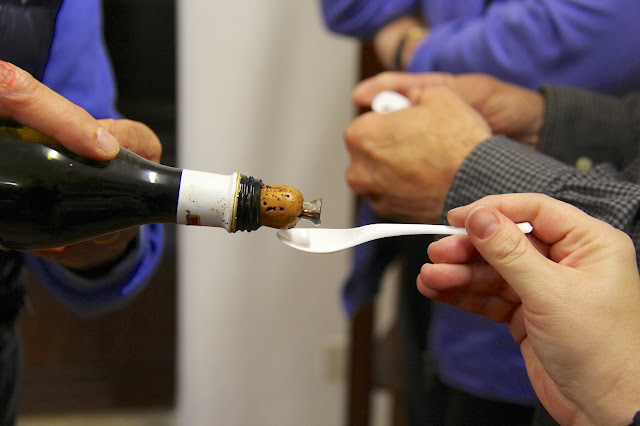
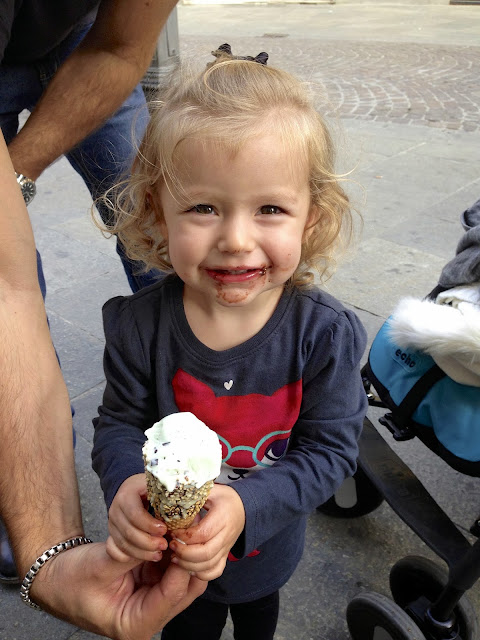
You see, as I mentioned earlier, aged balsamic vinegar has a wonderfully sweet taste with a somewhat thick consistency. It pairs wonderfully with fruit (melon, strawberries), meat (a nice hearty steak), cheese (a few drizzles over parmigiano) and especially ice cream!* In order to prove this point, Davide had arranged a tasting – a “flight” of vinegars, if you will. We started with a store-bought, uncertified vinegar. It was not good. Then we moved onto his white vinegar before climbing the ladder through his 12 year and on to the 25 year. Each one was more magical than the last. When he drizzled it on the ice cream, we couldn’t believe how well it paired. Julia was such a fan of the vinegar that she didn’t want anything to do with the ice cream, and just wanted more vinegar! This is one Italian baby!
A display set, ready for us to taste
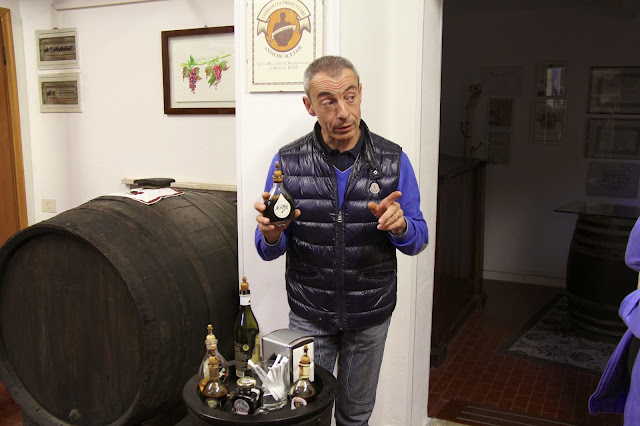
Davide explains the differences of the vinegars to an enamored fan
“Let the tastings begin!”
Davide gave us a very informative and interesting lesson
Julia did not want to miss her turn tasting
She loved the vinegar of Villa San Donnino
“More please!”
The vinegar coats the ice cream like a sweet syrup
Davide drizzles the vinegar for the rest of the group
As the tour wound down, Davide was starting to feel more like a family member than someone we had just met. Each couple bought some of his wonderful aged balsamic. Jen and I got some to use here in Italy and some for when we move home (unlike olive oil, the vinegar can last for many years in the bottle). I think S and Deborah bought his entire supply, including an affinato (aged 12+ years), an extravecchio (aged 25+ years) and the riserva (aged 50+ years). I think I’ll risk facing ten years in prison to smuggle home a wheel of parmigiano-reggiano cheese if S will promise to drizzle some of his riserva on it!
Julia helps Davide ring her father up
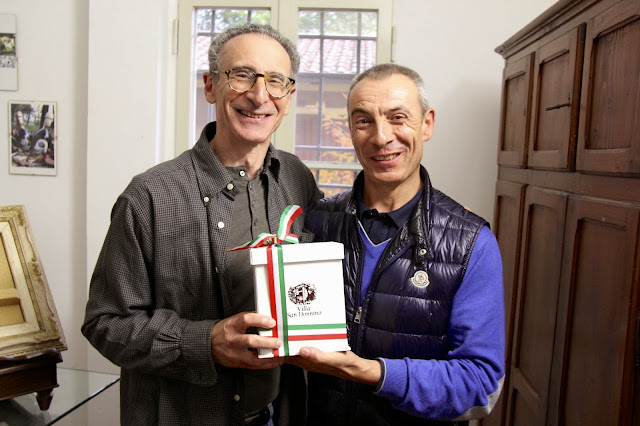
S and Davide take a picture with his new 50 year Riserva
All of a sudden, we all heard, “anche io” (“me too” or “so do I)
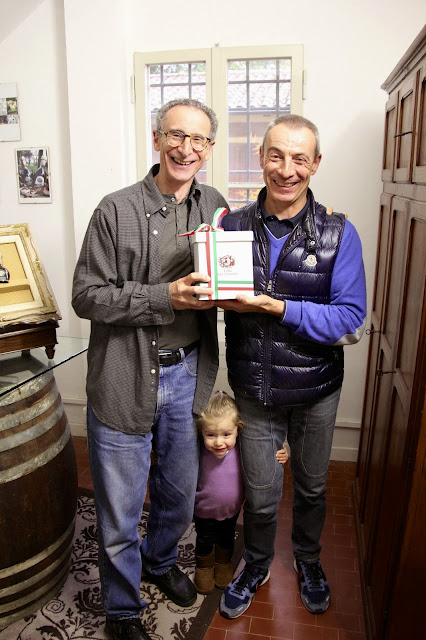
Julia didn’t want them taking a picture without her
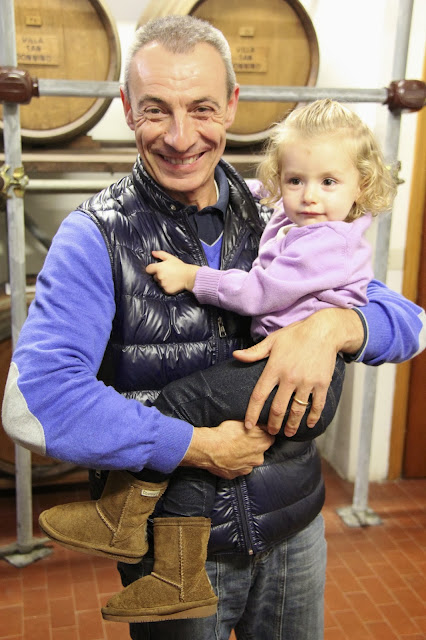
Davide holds Julia for a hug
Julia gives Davide a big hug
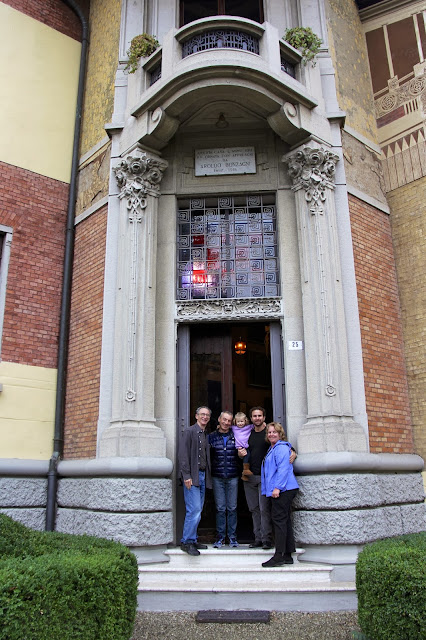
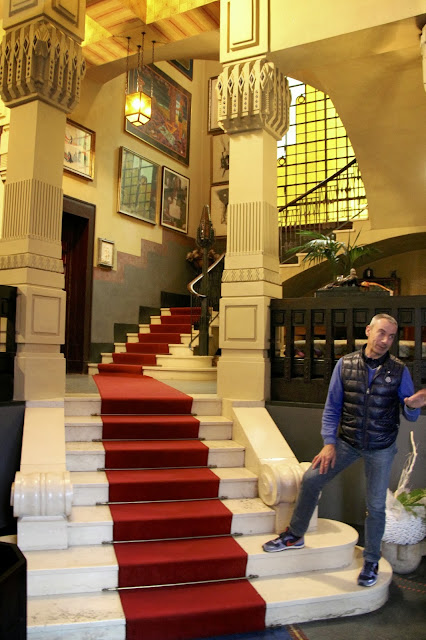
When we had completed the tour and acquisition of our newfound condiments, Davide did something that I suspect he doesn’t do for most tour groups. He offered to open his private home to us, the villa pictured in the brochure. This villa was acquired by his grandfather in the 1940’s and has stayed with the family ever since. In fact, the villa itself plays an integral role in the history of Acetaia Villa San Donnino. After acquiring the property, his grandfather happened upon a barrel used for making vinegar and so he thought he would “give it a try”. Over seventy years later, the family is still making vinegar in the traditional way. Davide explained that to be included in the small fraternity of roughly 80 producers in the world… you must have time, patience and a passion that cannot be taught. The tour of his home was simply amazing, jaw dropping examples of art and collectables abound around each corner. It was no wonder that Bernardo Bertolucci chose this location to film part of his movie, 1900, staring a young Robert DeNiro and Gérard Depardieu.
Everyone prepares to go into Davide’s home
Quite a grand entrance
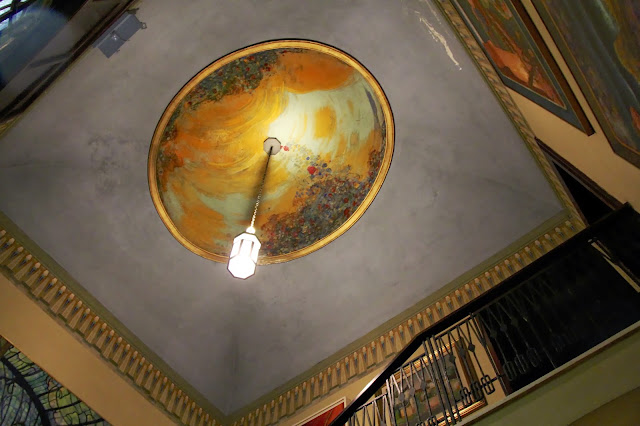
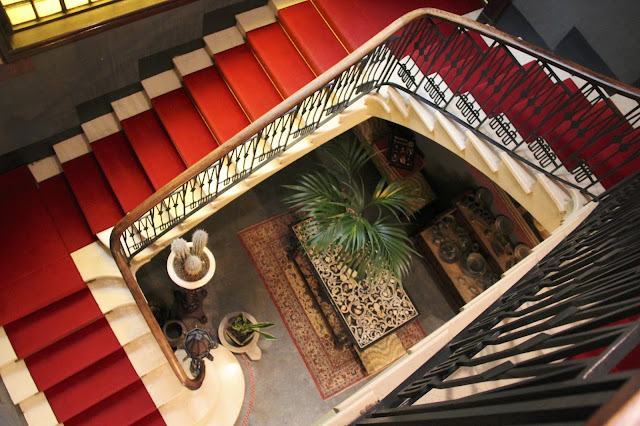
The ceiling above the staircase
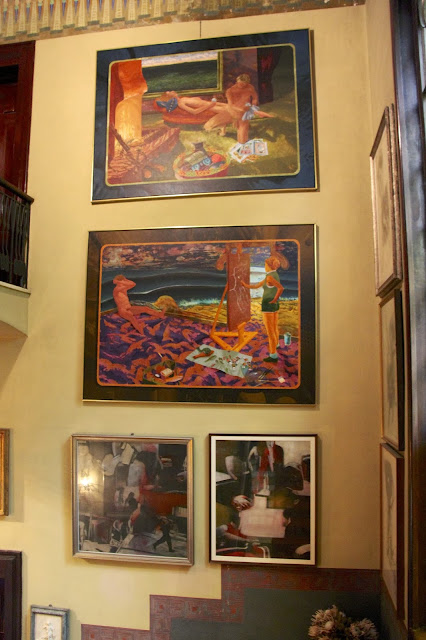
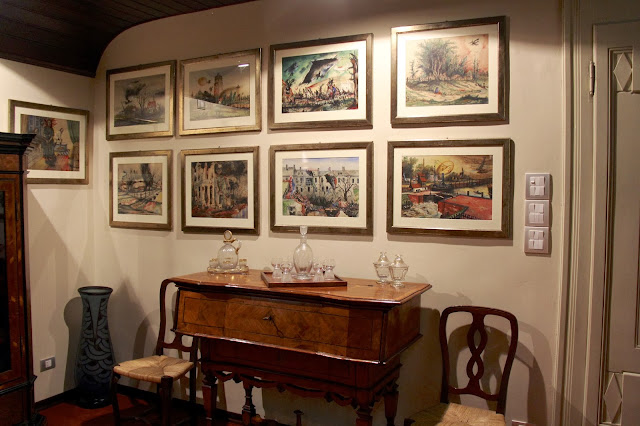
Stunning artwork adorns nearly every wall
The stairwell from the second floor
A collection of smaller original prints frame an antique desk nicely
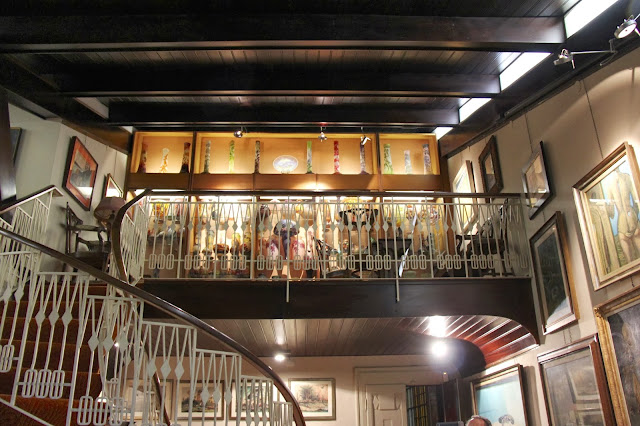
A stairwell leads to an annex full of glass pieces
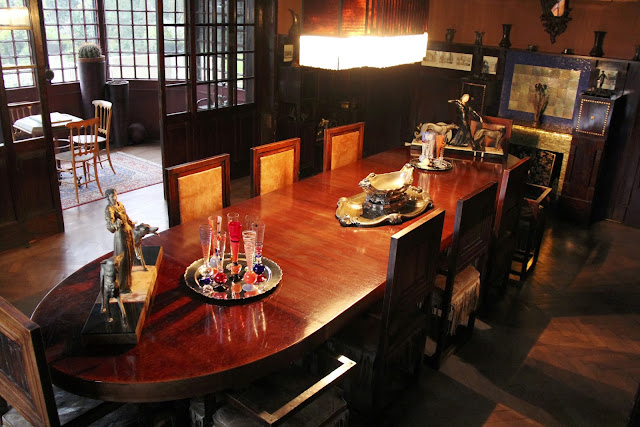
If this dining room could talk… I can’t imagine the history it’s seen. Robert DeNiro, for starters…
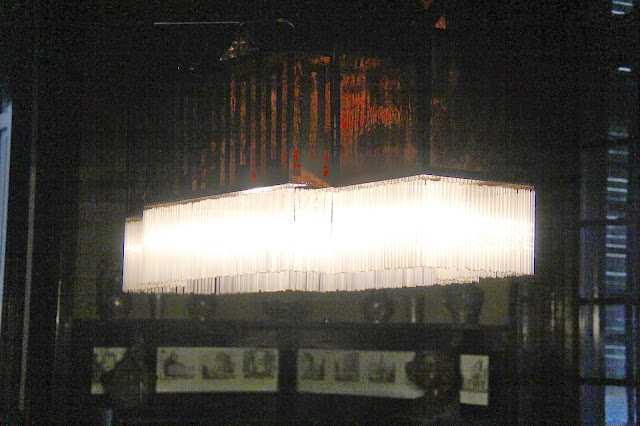
This was one of the more beautiful chandeliers I’d ever seen
As the sun was setting on a long and wonderful day, we bid Davide a fond farewell and Julia tossed her new friend many many kisses. We will definitely come back to see Davide again and re-stock our balsamic vinegar; if you find yourself anywhere near Modena, I suggest you pay him a visit as well!
*These are just a few of the wonderful uses for the condiment. While there are many, many uses for aged balsamic – most applications require a unique understanding of the complexities of this liquid gold. Since it is very expensive and can also overpower a dish with careless use, it is recommended that you do a quick bit of research before adding to your next dish.
Before I’ve even written the first word of this post, my OCD brain is trying to figure out if this post should be categorized under the “Food” or the “Travel” sections of the blog. I will be taking you along with us on our travel adventure to go eat some of Italy’s best food. It’s quite the dilemma…
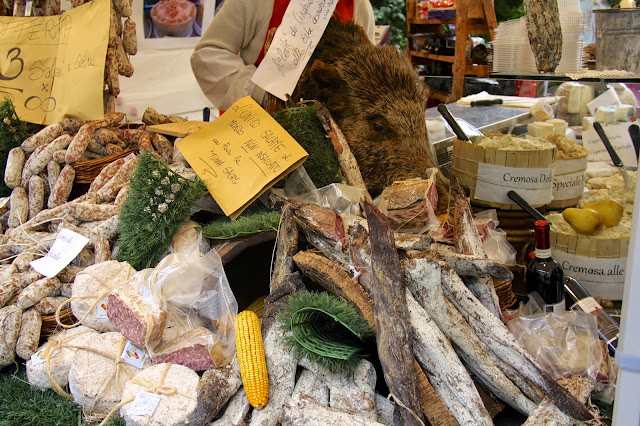
A selection of salumi (cold cuts), formaggi (cheese) and the cinghiale (boar) that gave his life to the cause
You may have read about part of our visit with Aunt Deb and Uncle S where we ventured into the wine region of Piemonte during the first portion of their visit. Their two week sojourn in Italy included a mission to explore the best of what the country has to give. It was no coincidence then, that their adventure had been neatly divided into three of the country’s best offerings. Part I was Vino (wine). Party II was Cibo (food) – the subject of today’s post. Lastly, Part III was Storia (history). Since they experienced the rich history of Pompeii and Venezia on their own, I will let them tell you all about it at their next dinner party. I’ll simply report on the parts during which we were present… and luckily for us, we were present for a three day trip into Italy’s richest “food region”, Emilia-Romagna.
“Now I’m hungry – let’s eat!”
I always laugh when I speak to Italians about their trips to the United States. Before they even tell me, I know that they’ve been to New York City and then Miami (bypassing Washington DC; a detail they don’t want to admit but one that I always extract). If they’re fortunate enough to have a lengthy stay, they will then travel to Las Vegas on their way to Los Angeles. Occasionally, they may venture up the coast to San Francisco before returning home. That’s it. Every. Single. Time. Heck, I don’t blame them – they were raised in large part on American cinema, and that’s what most Europeans see as the sum total of the United States – New York and LA. And of course, who wouldn’t want to throw a trip to Vegas in the mix?! Likewise – it is the same for Americans coming here. Where do we go? Rome. Milan. Venice. Tuscany (Florence and Pisa) and occasionally the Italian Riviera if there’s time. But there is so much of this country that is left undiscovered (I feel like we travel non-stop and we still haven’t gotten a flavor of more than 10% of Italy). One region in particular that is largely overlooked is Emilia-Romagna. Heck, I’m willing to bet you probably haven’t even heard of it! But there are a few things that I know you know. You’ve heard of Ferrari, Lamborghini and Maserati. They’re all produced here, in Emilia-Romagna. Or aged balsamicvinegar? That also comes from here, in Modena. What about parmigiano reggiano (parmesan cheese)? Or prosciutto? I’d be wiling to bet that you’ve even heard of Ferrara chocolate. With culinary delights like these, it’s no wonder that Emilia-Romagna is often considered the “heart” of Italian cuisine.
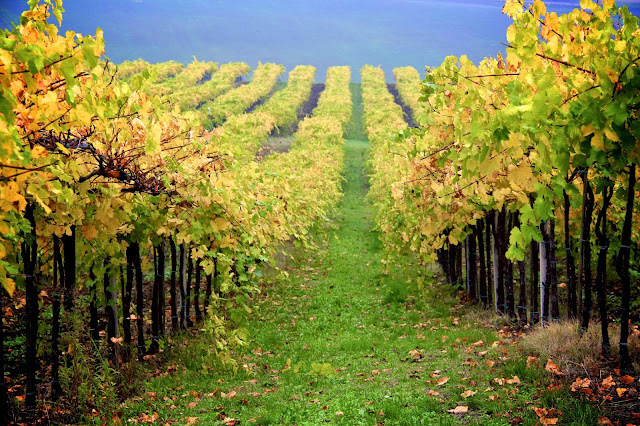
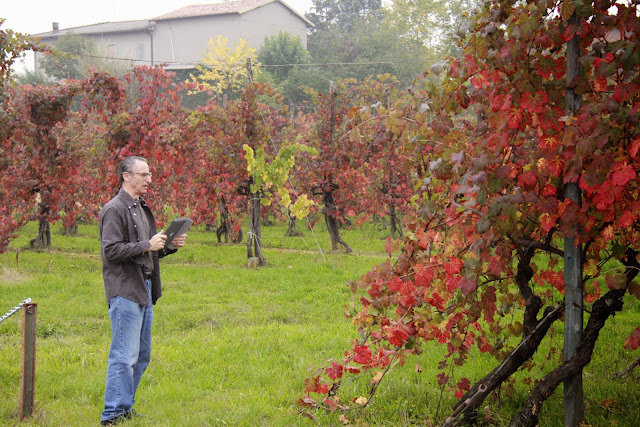
Vineyards in Emilia-Romagna
S studies the frame of his photograph
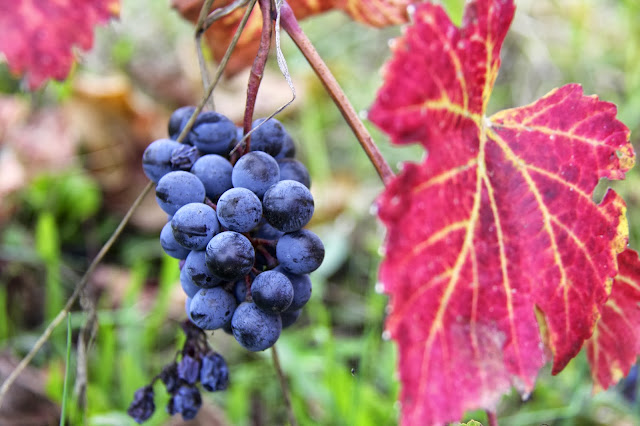
The colors at this time of year were stunning
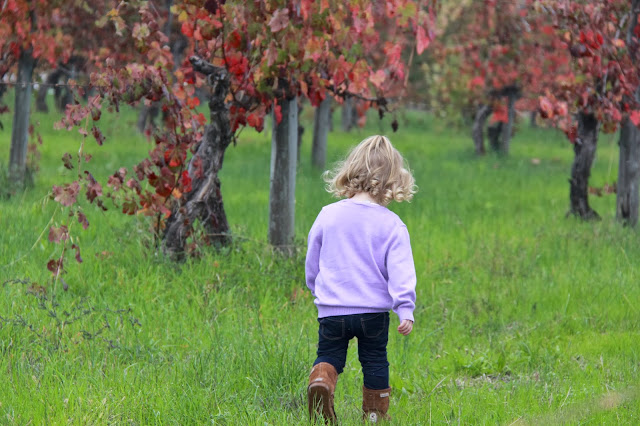
Julia takes a stroll and soaks up all that Emilia-Romagna has to offer
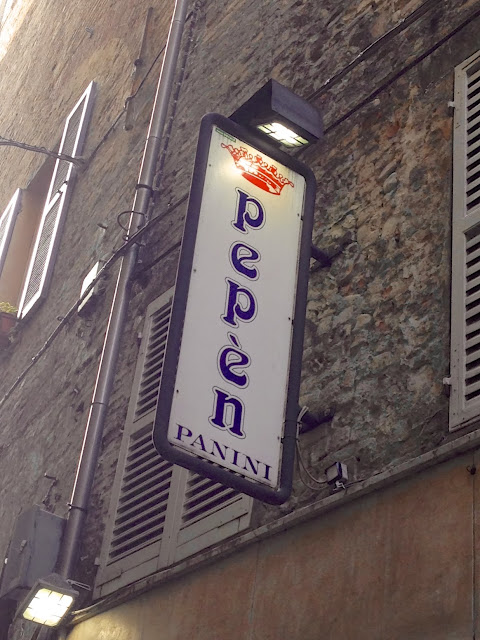
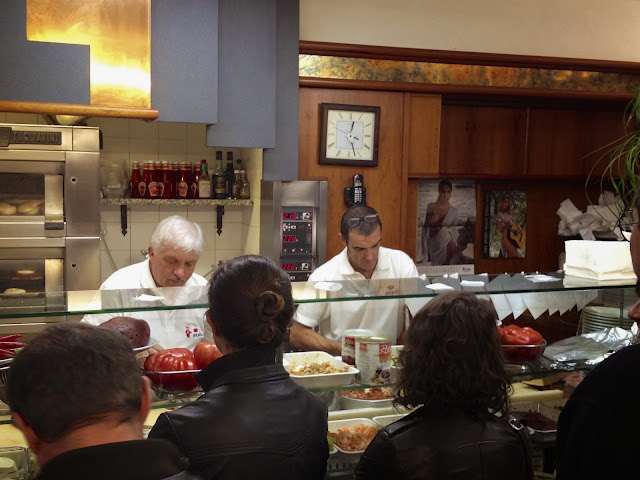
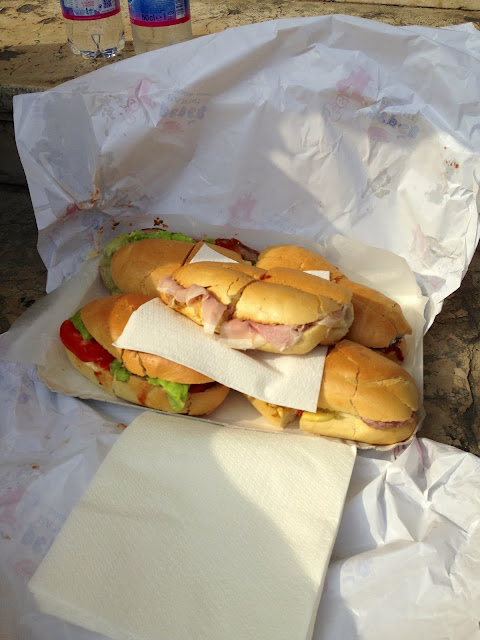
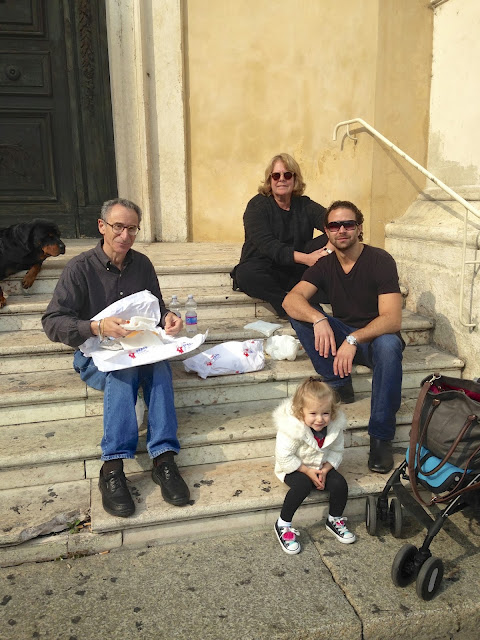
On our first day, we stopped in Parma (of Proscuitto di Parma fame) to begin our culinary escapade. We started small – just panini (sandwiches) at the most popular sandwich place in northern Italy, Pepèn. I was not at all surprised to learn that this tiny shop that has been around for over 200 years does not have a website. I think that they figured out the perfect panino (sandwich) somewhere in the past 100 years and have unabashedly decided not to change a thing since (earning them a #1 rating out of 430 restaurants reviewed on TripAdvisor – although calling it a “restaurant” is a stretch). Uncle S and I crowded into the tiny restaurant and I told the sandwich maestro to give us a mixture of some of his favorite concoctions. We awoke our taste buds with succulent porchetta, life-changing salsiccia crudo (raw sausage) and mind-altering gamberi piccanti (spicy shrimp) – all on perfectly toasted buns (these were just some examples of our sandwiches – we got many more to share). Since the place doesn’t really have any seats, we camped out on the steps of Chiesa Cattolica Parrocchiale San Pietro (St. Peter’s Catholic Church Parish) in Piazza Garibaldi Giuseppe to enjoy our delectable treats.
Pepèn is hidden on a small side street – you have to know where you’re going to get there
These two guys have been making panini in this crowded little shop for many years
One package of our delicious panini
We camped out on the stairs of the church to eat our lunch
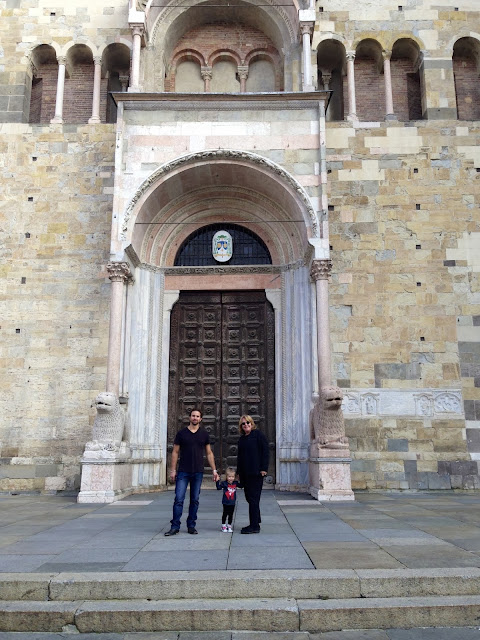
Julia escorts Deborah and me into the Cattedrale di Parma
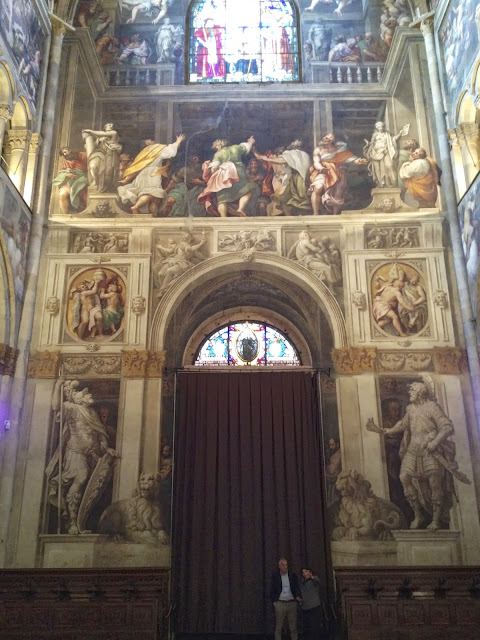
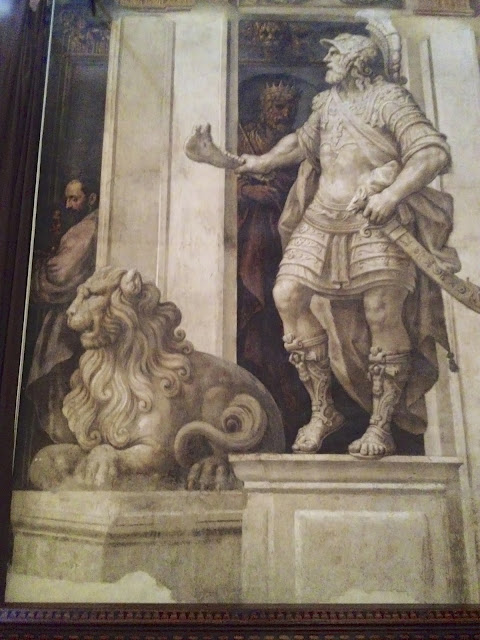
Amazing frescoes adorned every single wall in the church
The paintings on the wall were so lifelike I was mesmerized
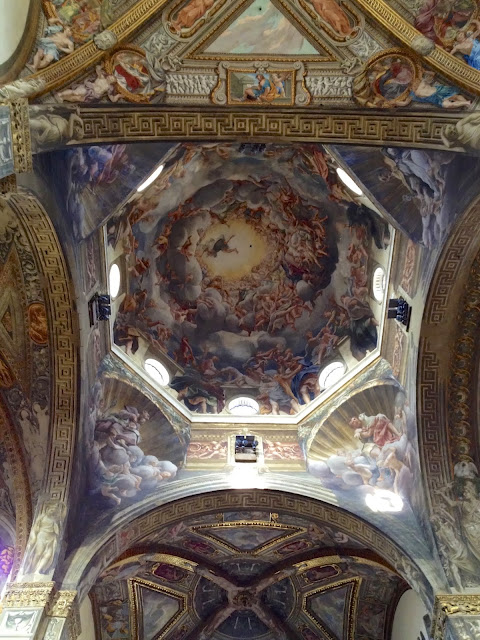
The ceiling amazed all of us inside the Cathedral
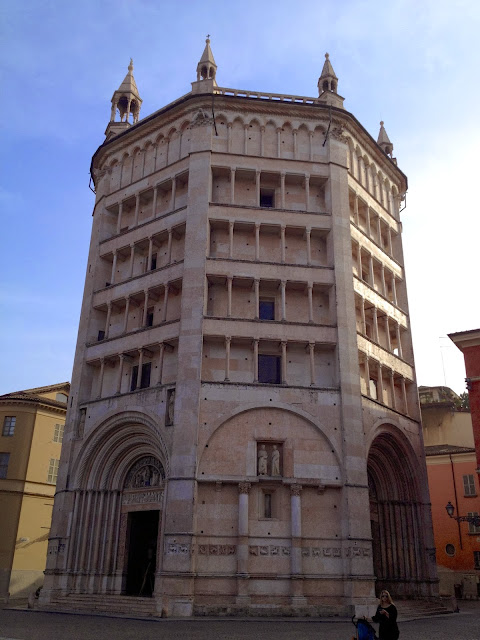
The Baptistery of Parma, commissioned in 1196 by the city counsel of Parma
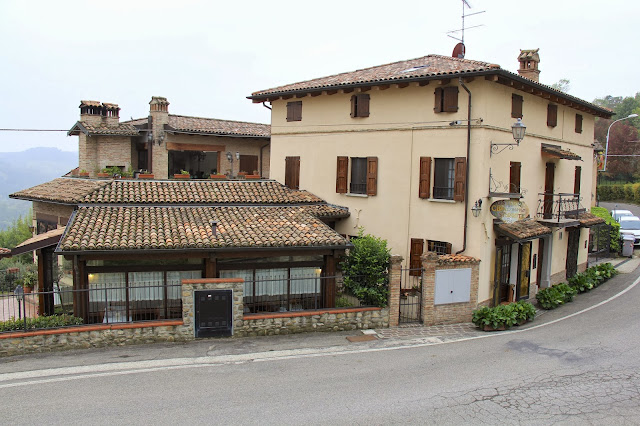
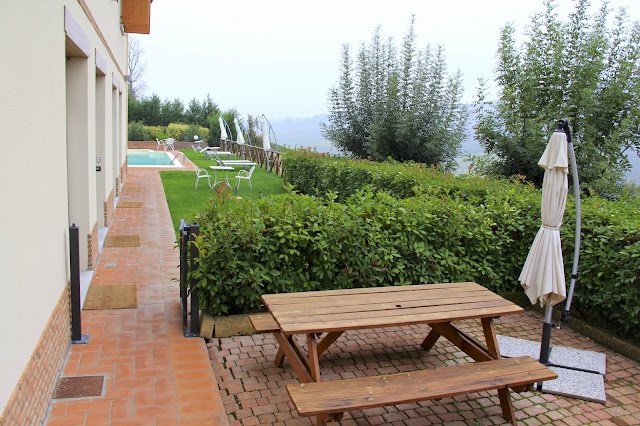
After a complete and rewarding day in Parma, we drove the forty five minutes to our B&B, just outside of Modena. After researching for many hours, we had booked a stay at, Locanda Gli Ulivi because it was centrally located to the places we would be visiting and has a wonderful online presence (great reviews and photos across our most reliable travel websites). We were not disappointed with the place – it was simply wonderful. Since we were weary road warriors on that first day, we decided to eat at the hotel’s restaurant, Osteria Clo ‘Filomena that night. Since the food was so wonderful and I was able to capture a picture of each course, I’ll complete a separate post about that meal.
Locanda Gli Ulivi
“Come on in…”
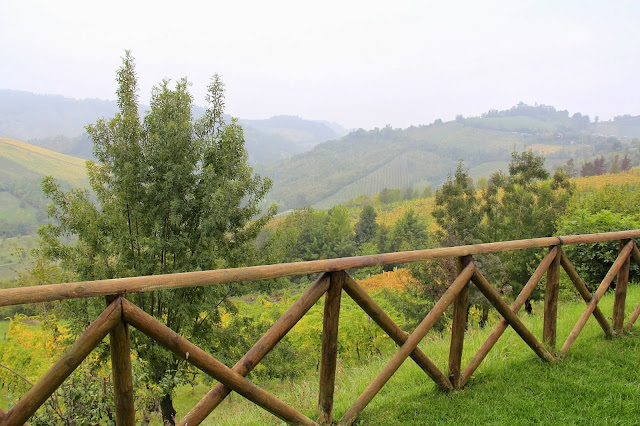
Our backyard
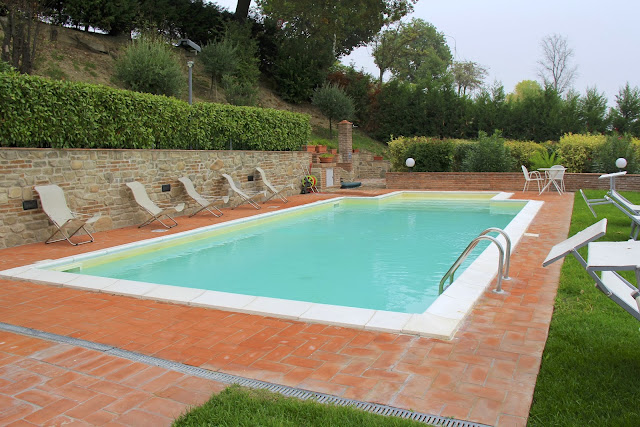
The pool
A nice place for a picnic
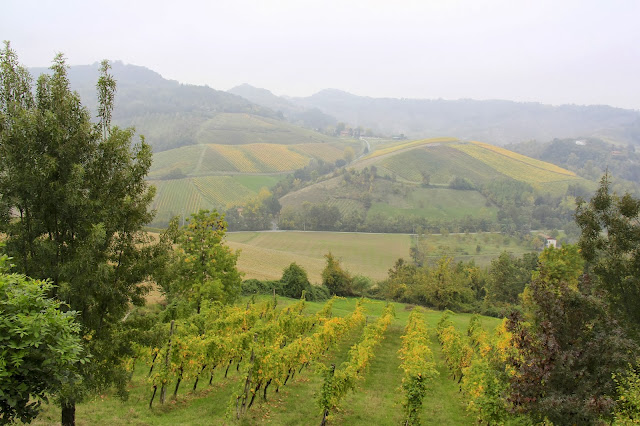
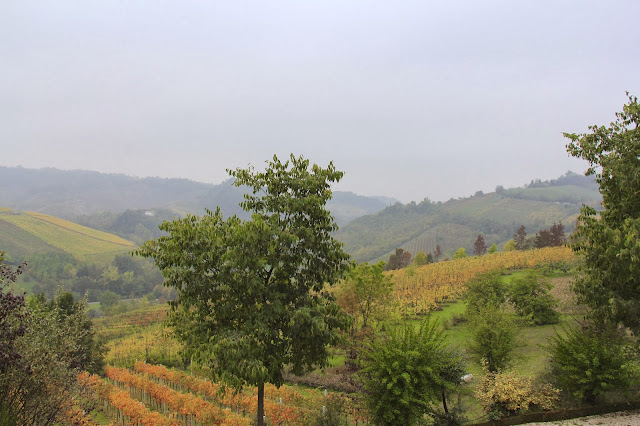
View from immediately across the room
Same place, looking to the right
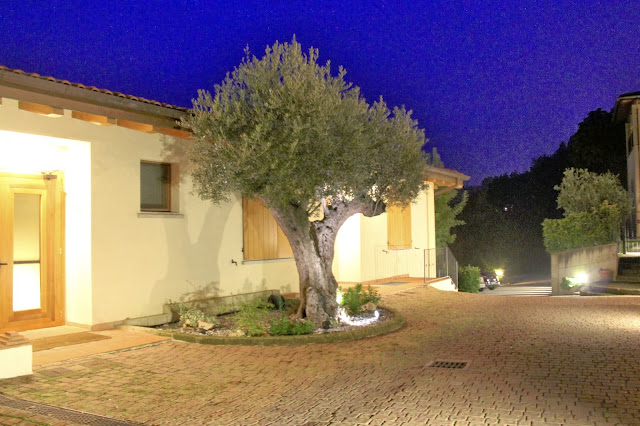
An olive tree at night inside the property
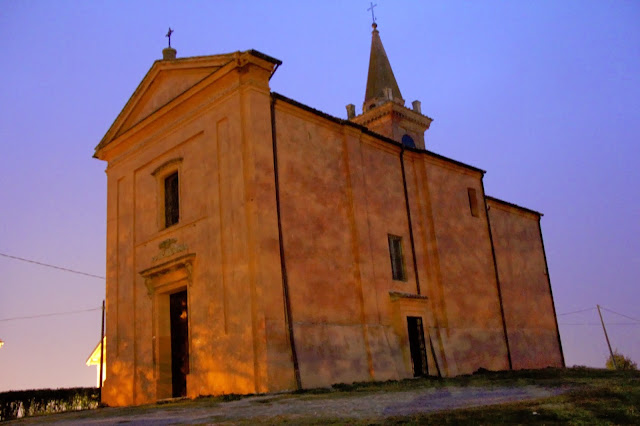
An old church across the street, lit up by the purple sky of early evening
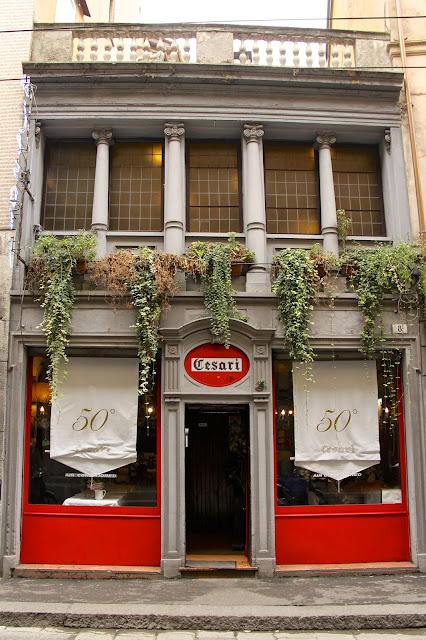
The next day, we departed with our sights on the largest city and capital of Emilia-Romagna, Bologna. To most Americans, bologna is a processed meat (that you either love or hate) sandwiched between two pieces of good ol’ fashioned white bread. In the States, we named “our” bologna after the city that is a major producer of mortadella – a staple meat of Bologna (and very similar – but much, much tastier than “our” bologna). My bologna has a first-name, and it’s…”send this back and bring me a slice of mortadella, please!”. To most Europeans, Bologna is much more than just a processed meat. It is a university town. Home to the oldest university in the world, University of Bologna, founded in 1088. Today, the university accepts students from all over the world – eager to complete a full program, or just a study abroad in the seventh most populated city in Italy. We walked around all day, stopping for a wonderful lunch at Cesari – a selection from S and Deb’s Fodor’s guidebook. The gang at Fodor’s know what they’re doing, it was a wonderful place.
Cesari was as delicious as it was charming
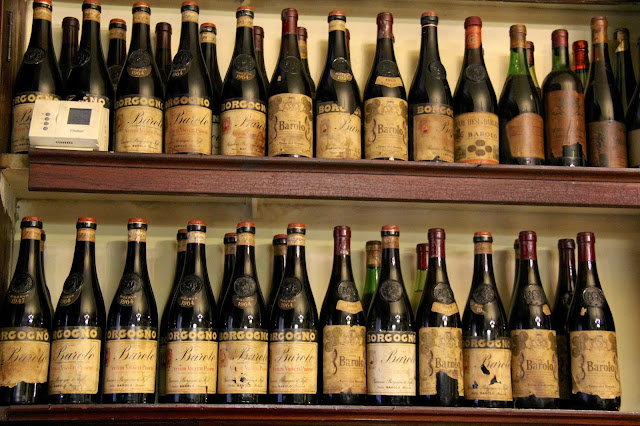
“Hey… we recognize that wine”
(from a tasting we did at Cantina di Borgogno a few days earlier)
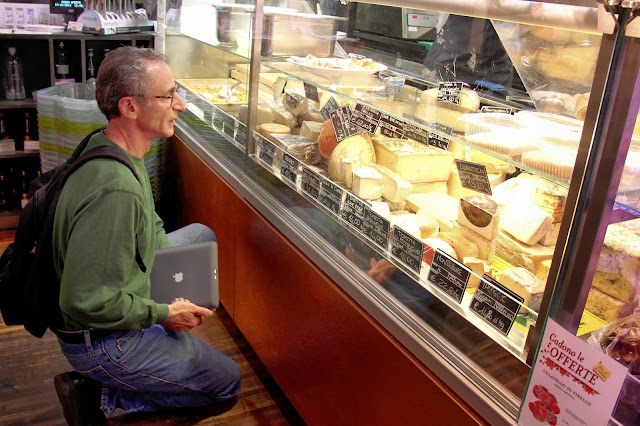
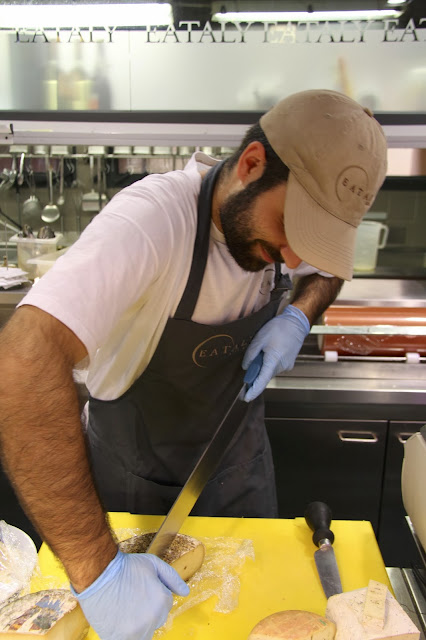
We spent more time walking though this historically significant and important city, before ducking into a building with a much more modern vibe. Eataly is the brainchild of Oscar Farinetti; a store that is a proud Italian marketplace, selling the best ingredients and offering access to goods that are otherwise hard to acquire on a massive scale (imagine a Whole Foods on steroids that just sells Italian products). Even though Oscar opened his flagship 30,000 sq. ft store in Torino in 2007, the company really took off with locations around the world (including New York City) when B&B Hospitality Group (Mario Batali and Joe Bastianich) became a partner. Admittedly, the Bologna location was very underwhelming in size and scale (especially compared to the unique Torino store) – but we were still able to acquire some wonderful salumi (variety of cured meats) and formaggi (cheeses). That night, we procured reservations at the the most exclusive table in all of Italy – we had a little picnic in S and Deb’s room.
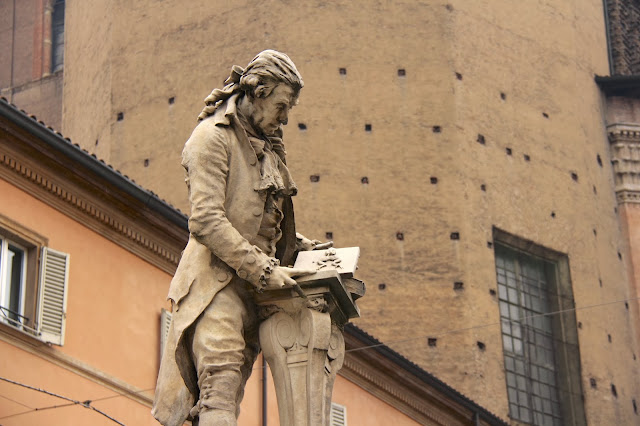
A statue stands near the University of Bologna
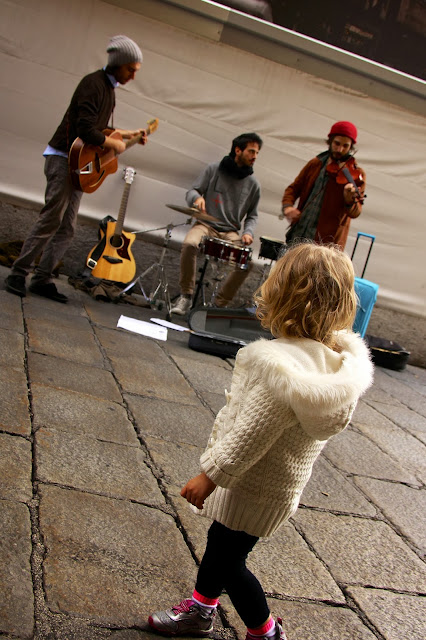
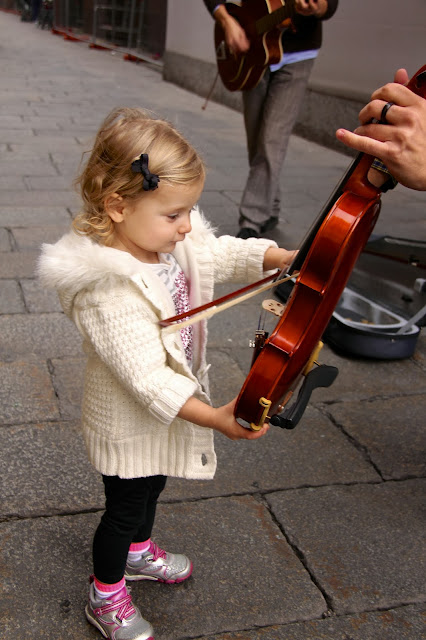
Julia becomes taken with a small group of performers
She takes a shot at playing – she started with some Mozart
Julia made a friend in the main piazza
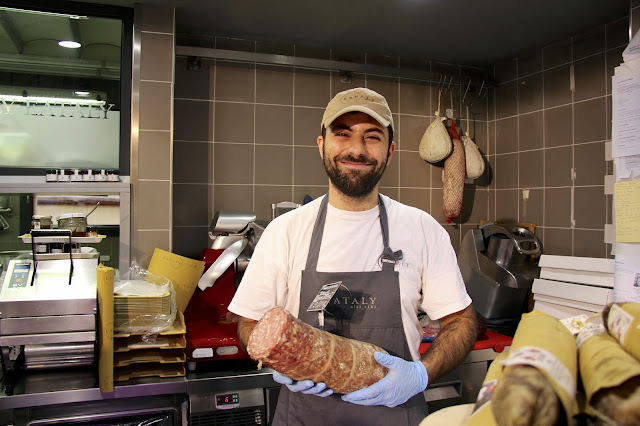
Inside Eataly, our friend helps us select the best meats and cheeses for our picnic
S takes his job selecting for the group very seriously. Good thing he did, we had a wonderful meal
He cuts us a hard cheese
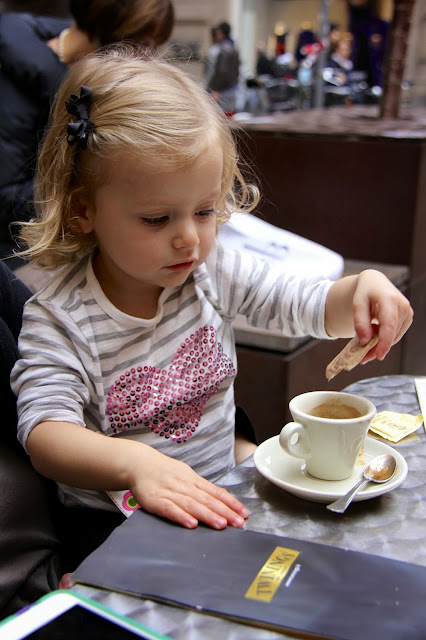
After our visit to Eataly, we needed a little coffee
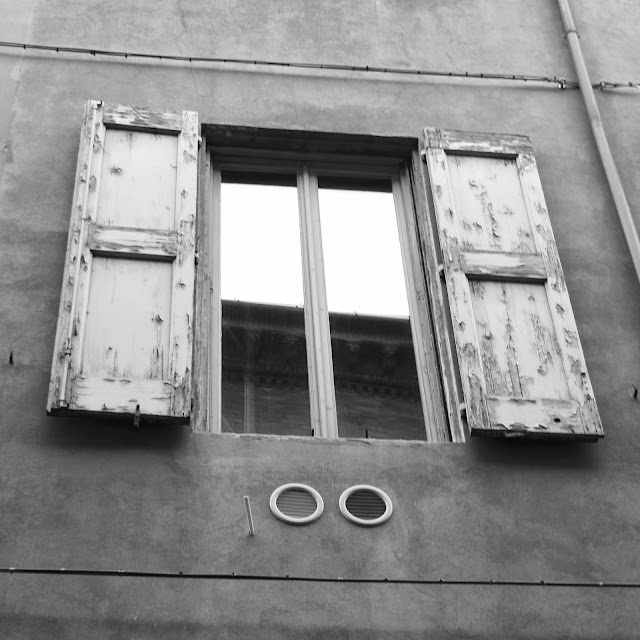
I just thought this window was interesting
As well as this ancient building
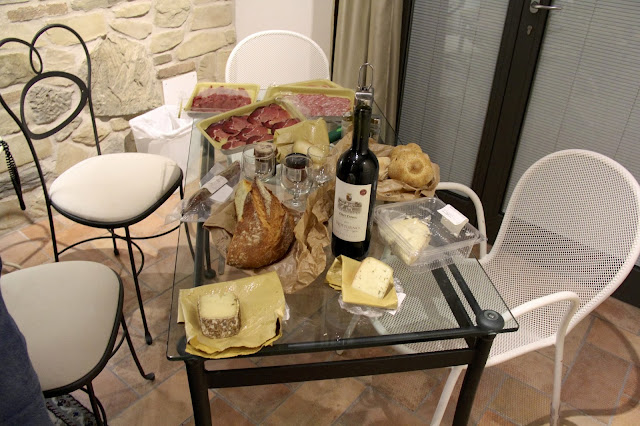
The table is set
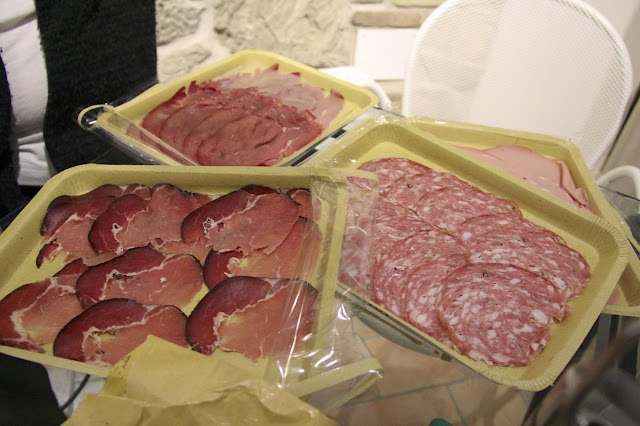
Our salumi (meats)
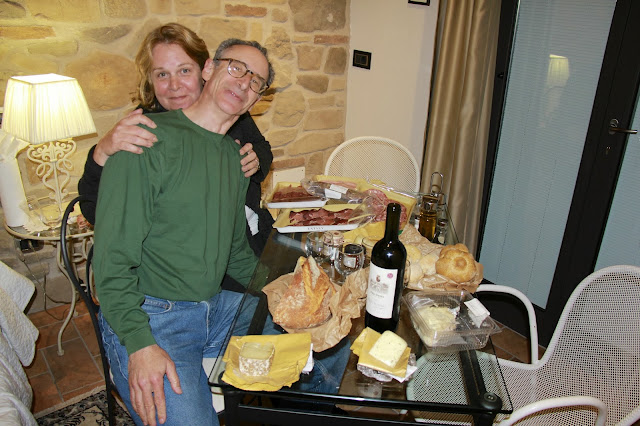
S and Deb are about to dig in with us
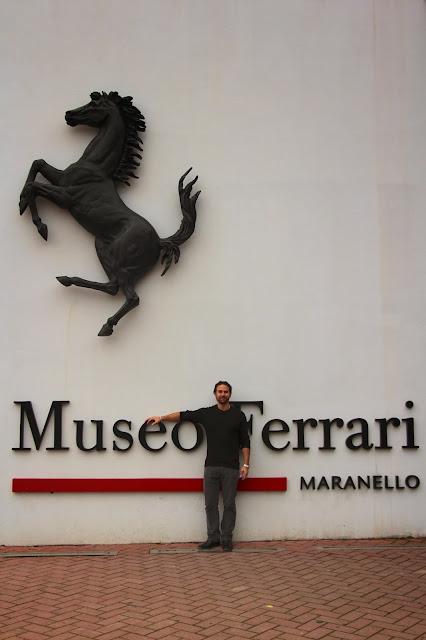
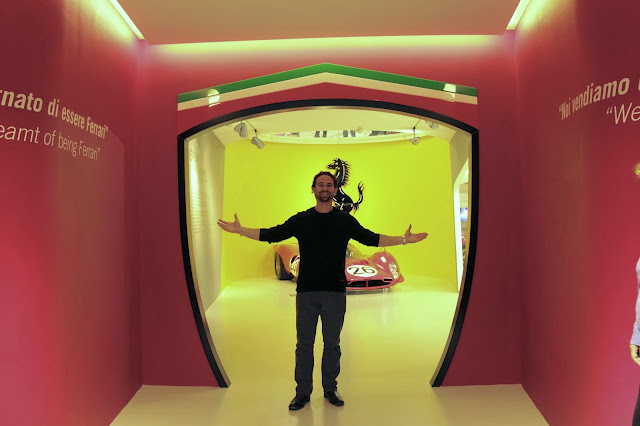
Our final day in Emilia-Romagna was no less packed with activities than the first two. We had scheduled a visit to the Museo di Ferrari (Ferrari Museum), exploration of Modena (with a stop for lunch) and a balsamic vinegar tasting. Car enthusiasts the world over can appreciate a visit to the “mecca of all things automotive”. This is what Modena can offer you – Ferrari and Maserati all have their factories within a few kilometers of the city (Lamborghini moved their headquarters from Modena to Bologna). Ferrari chose to name one of their models after the city itself (Ferrari Modena 360). We chose to learn a little bit about the legacy of Enzo Ferrari himself, one of the world’s truest visionaries. The museum did not disappoint….
Museo Ferrari in Maranello
“Welcome to paradise!”
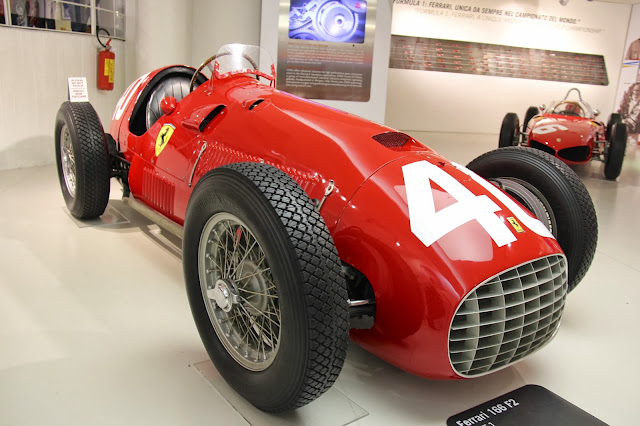
An old Ferrari 166 F2
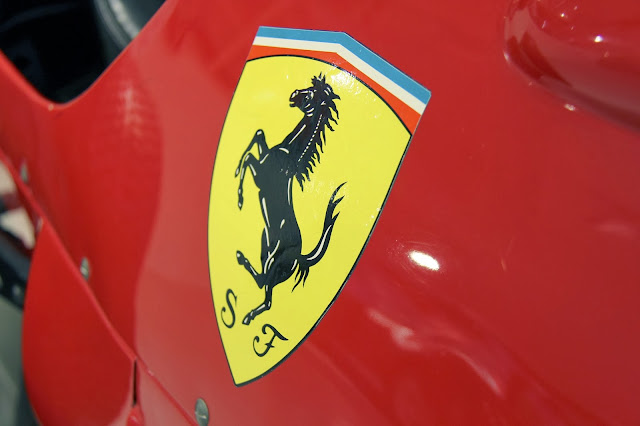
This classic symbol is at the heart of most men’s desires
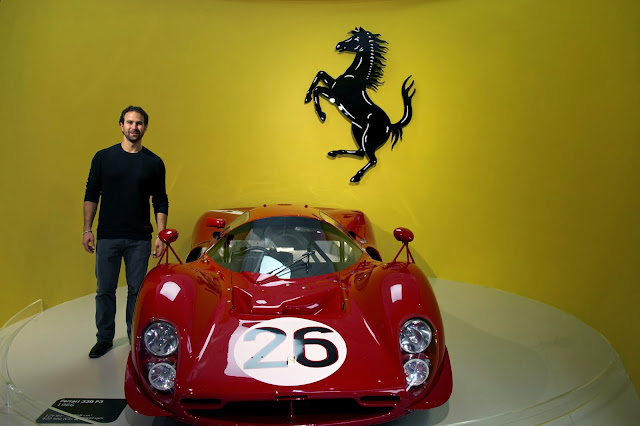
1966 Ferarri 330 P3
1954 Ferrari 750 Monza
F1 Constructors’
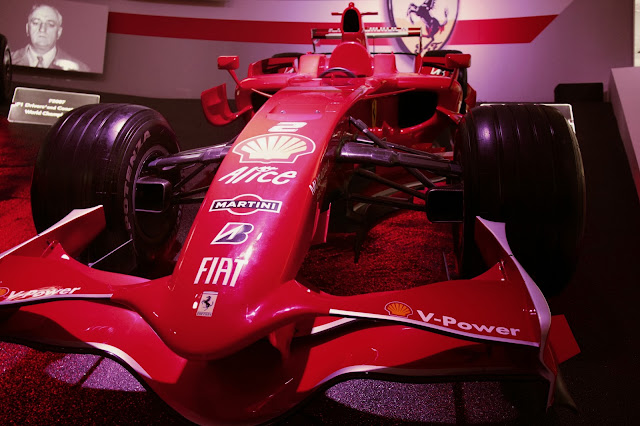
Formula 1 World Champion 2008
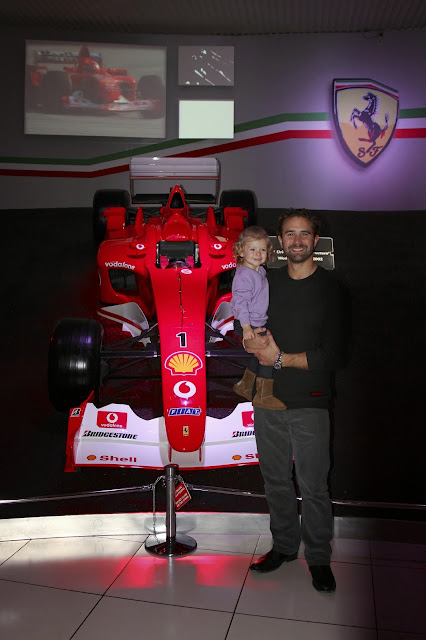
Julia and I sure felt like champions
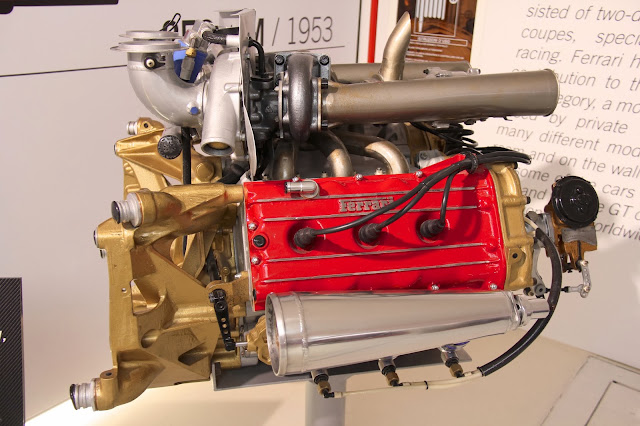
The heart that powers the machine
2013 Ferrari 458 Speciale
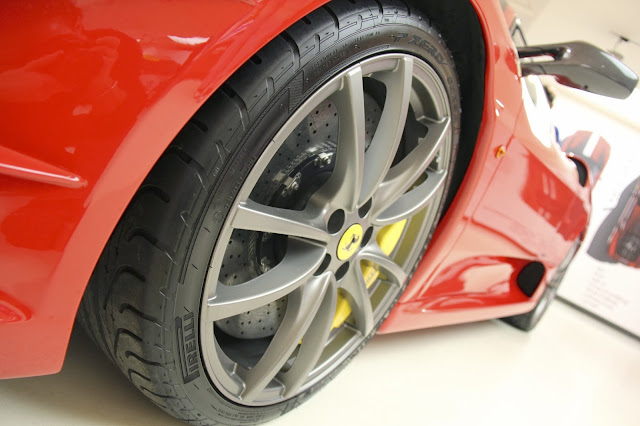
These babies can grip – Pirelli is the tire of race professionals
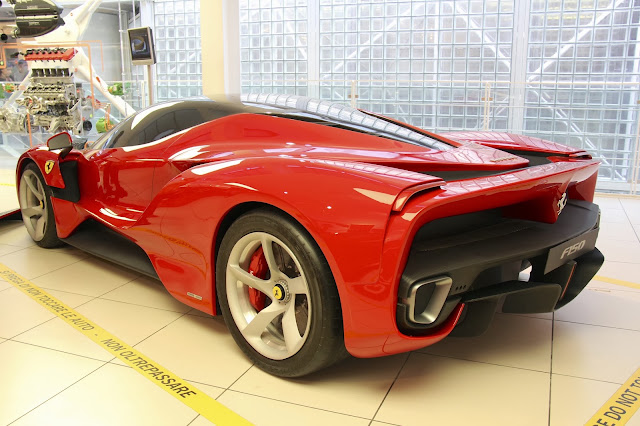
Concept car of the future
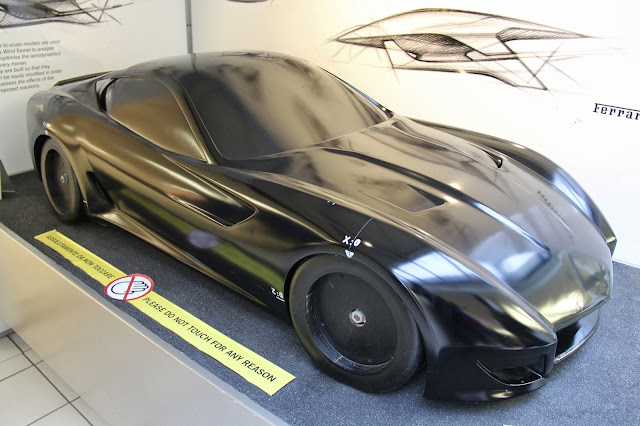
This is a clay model – what they use to construct a concept in the early stages of development
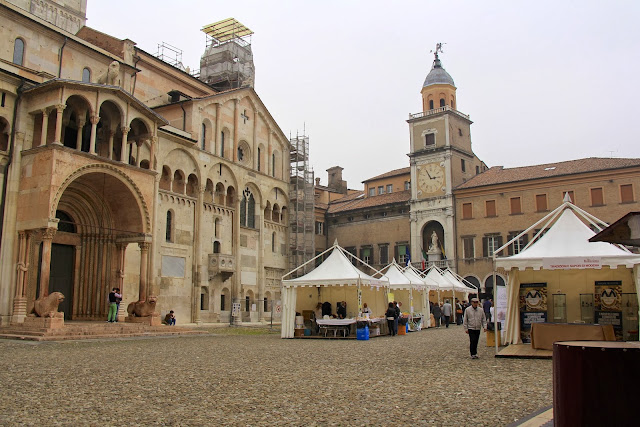
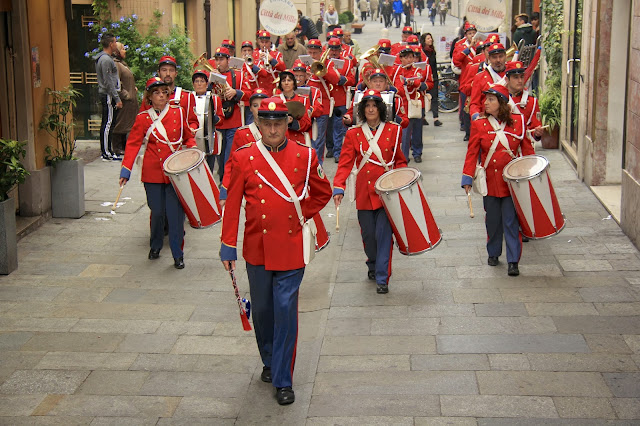
After soaking up all things, Ferrari – I drove us (albeit, much slower than a Ferrari could have gone) to the center of Modena. The town itself is a wonderful place, certainly worthy of a daily visit. It is believed that the city was already in existence by the 3rd century. Here in the 21st century, we lucked out and caught an open air market in the center of town. We were also treated to a marching band that passed us twice as we strolled through the city.
Main piazza in Modena – a street fair had been set up
Julia runs through the city
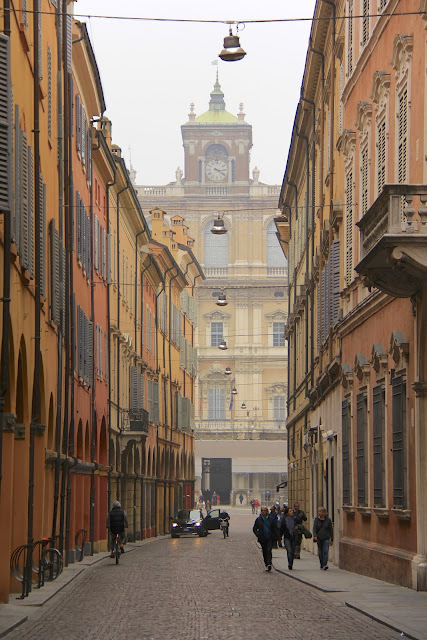
The streets of Modena were beautiful
S and Julia sit by their new friend
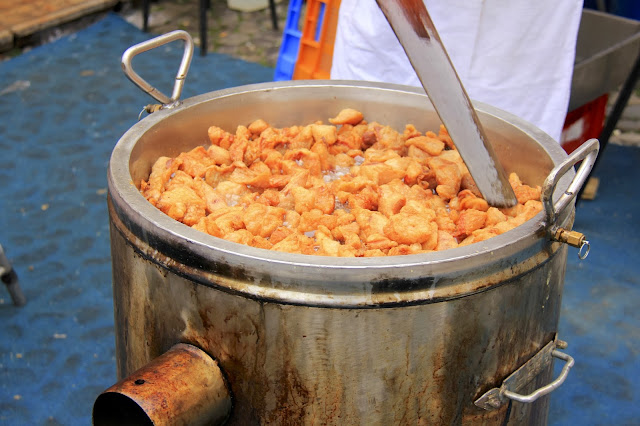
Meanwhile, these two are deep frying pig skins
Crispy, delicious and probably 130% fattening
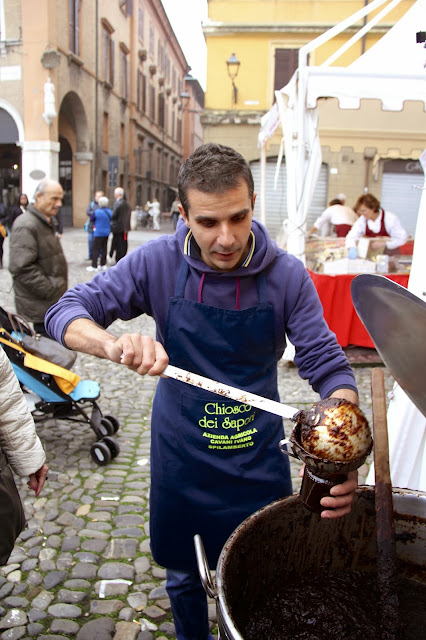
S bought some prune jam – here he is bottling the jar for S
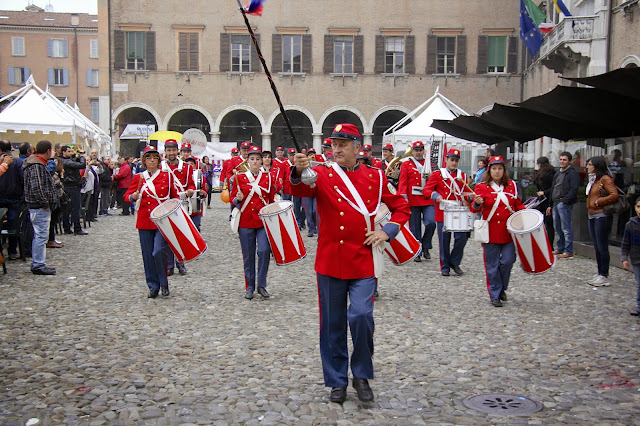
A marching band happened to pass through as we were in the market
Walking through the city again – there are a lot of pedestrian streets in Modena
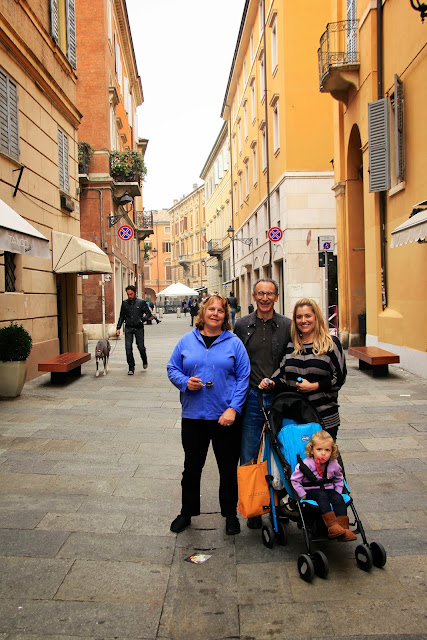
Family photo
We ran into the marching band a second time
The day passed by [too] quickly and we had to bid a fond farewell to Modena – we had an important event coming up later that afternoon. A tasting at one of Modena’s finest producers of aged balsamic vinegar – Acetaia Villa San Donnino. Since it was such a fun and noteworthy event, I will post about it separately. After our trip back from Emilia-Romagna, S and Deborah took off for Pompeii and just a few days later, we were hugging our goodbyes. It’s amazing how quickly time time goes when you are filling it with great food and wine!
I know this is Jen’s Kitchen, but I’m sorry to report that you’ve got me (Greg) writing this one. This area of the blog is Jen’s domain – but she was having trouble getting her writing juices going, so I offered to give her a hand (her timing in the kitchen may be pure perfection, but if I don’t get this post going, it’s sure to be over-cooked).
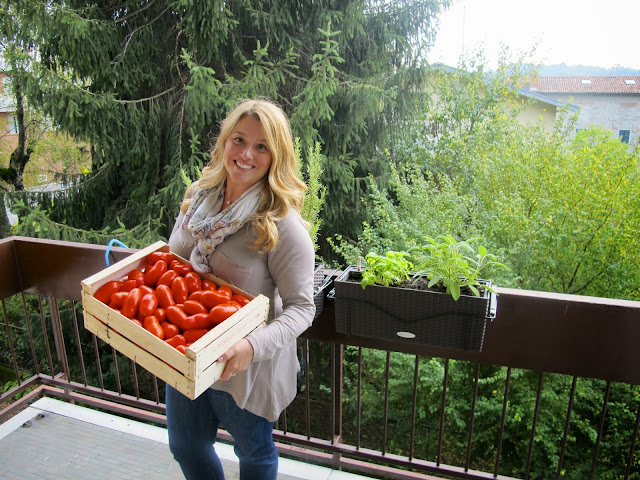
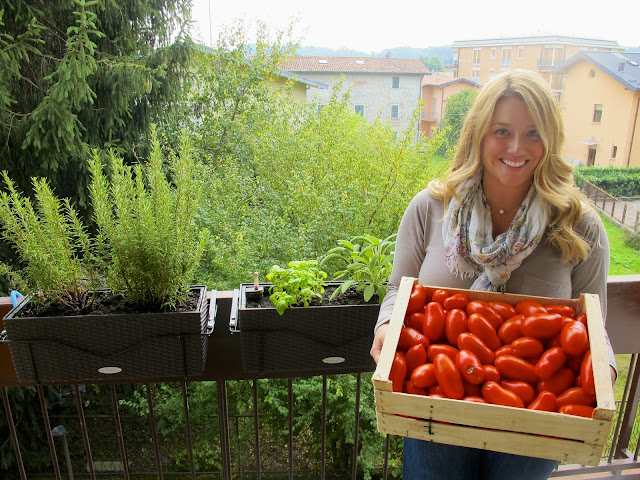
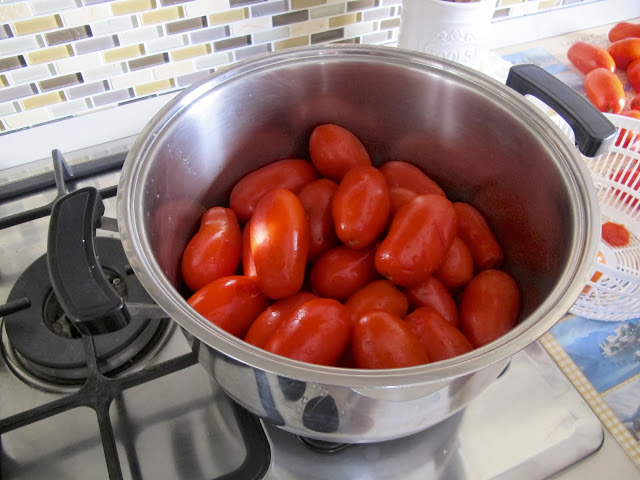
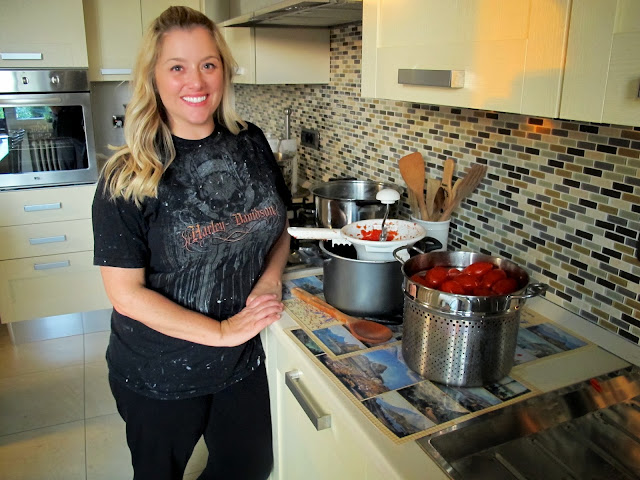
Jen shows of her tomatoes
I may not know a lot, but I have learned two things while living in Italy:
First, every home has two types of olive oil. They all have the generic store bought one (that’s still delicious) for cooking and salads as well as the “special” olive oil that is pressed by someone’s nonno in some small town in the mountains somewhere…
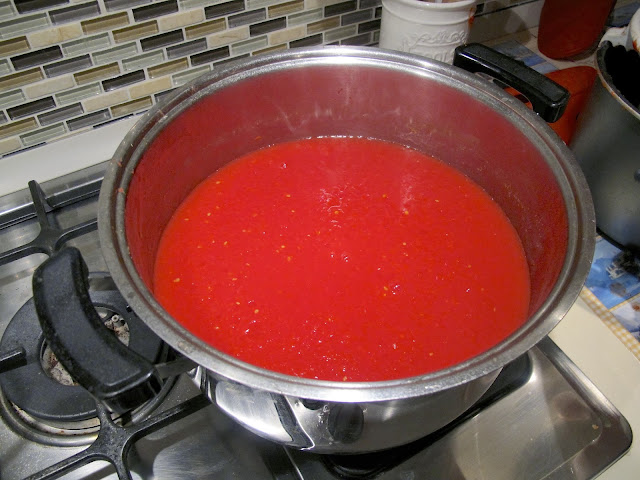
Second, (along the same vein) every home has homemade passata (tomato purée) that is either fatto in casa (made in house) or gifted by a friend of family member. Why the homemade passata, you ask? And what the heck is passata to begin with?! Well, let’s travel back several thousand years to a time when food was seasonal, fresh and delicious. In the time of the ‘hunters-gatherers’ people would eat whatever they could get – whatever was walking around and growing nearby that time of year. They quickly learned that proper storage of proteins (those delicious saber-toothed tigers) was an important part of surviving the winter. Fast forward to the early 19th century and technological advances allowed people to store fresh vegetables alongside their meat and fish. Since Italians love to cook with fresh, unaltered flavors – the benefit of having access to tomatoes year round was paramount. Grazie, Louie Pasteur for your contribution to Italian cuisine. So, the passata that we are talking about, is simply a puréed tomato that is jarred and stored in the cupboard for use throughout the winter.
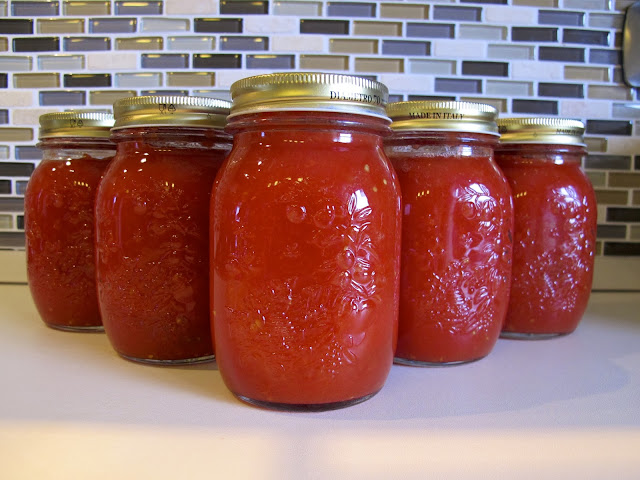
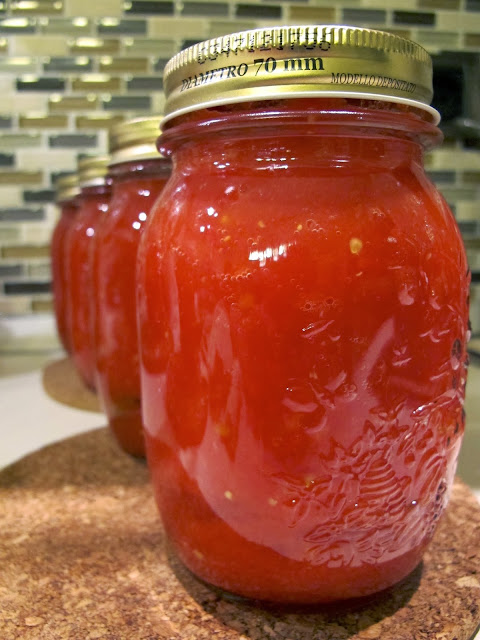
Our freshly jarred passata
Many recipes call for a tomato purée including soups, stews, sauces and dishes that require a tomato flavor (Jen’s easy and delicious marinara recipe). Most of the tomato purée sold in the US is processed and has a different consistency than passata. While that type of purée also has it’s purpose in Italian cooking, you can’t be without freshly jarred passata. At the end of the “tomato season” (early fall) all the grocery stores and fruit stands recognize this fact, and sell crates of San Marzano tomatoes for (in this case, we bought Roma tomatoes).
Here’s how you do it:
Equipment >Canning jars and lids (the ones that have the little “pop” and can be sealed)
>Several large pots
-One to boil the tomatoes
-One to puree the tomatoes
-One to boil the jars in order to seal them
>A passaverdura (vegetable mill)
>Funnel to pour the purée
>Kitchen dishtowels to separate the jars (in order to prevent breakage)
Ingredients
>The best tomatoes that you can find (Jen’s preference is San Marzano)
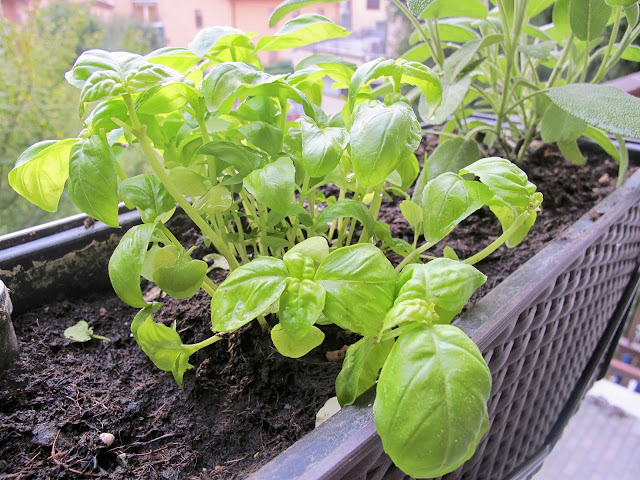
>Basilico fresco (fresh basil)
>Coarse salt (the kind you would use in pasta water)
*Note – the ratio of tomato to passata roughly 2 to 1 (so for 10lbs of passata, you’ll need 20lbs of tomatoes)
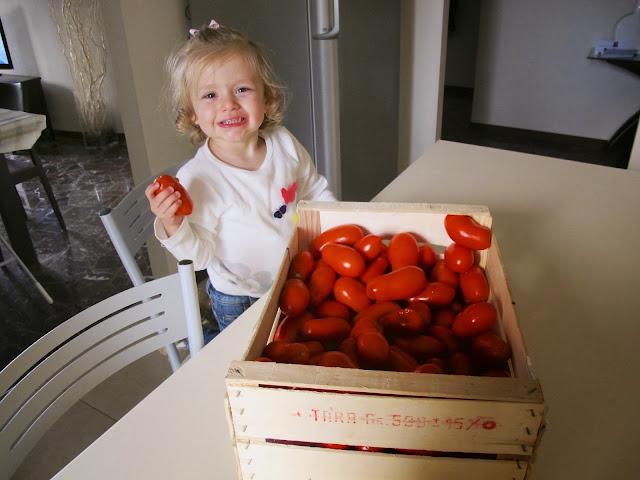
Get the freshest tomatoes you can find
It’s always a benefit if you have a willing helper
We have basil growing on our balcony
Steps
>Clean and sterilize your jars (run them through your dishwasher)
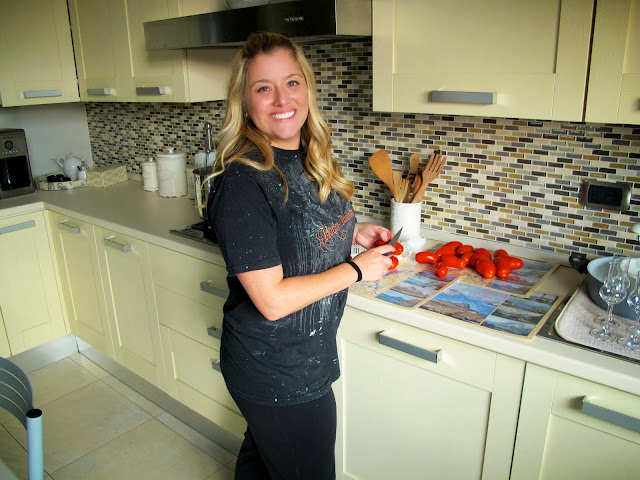
>Put on your husbands nasty old painting tee-shirt; you will get messy
Clean any bruised or damaged tomatoes
>Place the tomatoes in the pot, cover with water
Place your tomatoes in a pot and cover with water
>Add salt to the water (you’ll need 7 teaspoons of salt for 20 pounds of tomatoes)
>Cover pot and bring water to boil
>Once water boils, remove lid and let simmer for 15 minutes
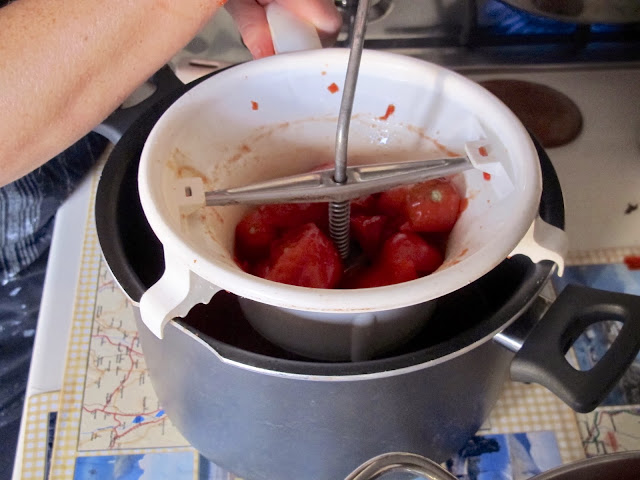
>Remove tomatoes and place into the vegetable mill (which will rest over another large pot)
Place the tomatoes in the mill
>Grind tomatoes through the mill, which remove the skins and seeds
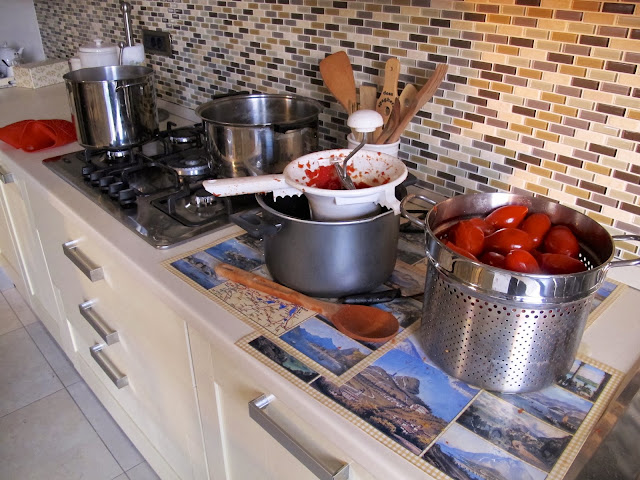
You can see the entire station set up here – it’s quite the process
This one was a pro managing her assembly line
The passata once it has been strained through the passaverdura (mill)
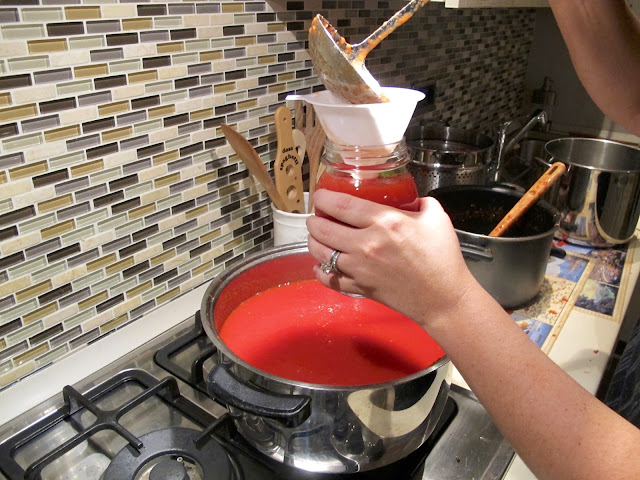
>Now you’re jarring begins – place 3 fresh basil leaf in the bottom of each jar and filter the passata through the funnel to the top of the jar
Pass the passata through the filter so that it all fits into the jars – leave about an inch at the top
If your husband is a dream and a catch wrapped up in a bundle of charm – maybe he’ll make you a snack
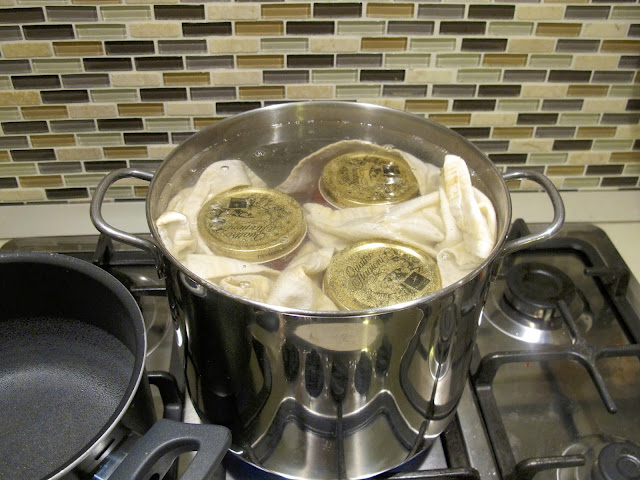
>Place a towel in the bottom of your third pot and place jars inside, separating by additional dishtowels. This will prevent breakage while working with a fragile medium
>Add enough water to cover the jars by roughly an inch (lukewarm water; cold water will cause the jars to break)
The simmering bottles, protected from one another by a dishtowel
>Simmer on a low boil for 45 minutes, removing once they are cool enough to touch
>Rest in a cool, dry place and leave them alone. The jars will create a vacuum seal within the next 12 hours. You can test the seal because the little “pop” in the center of the lid will “suck down”
You’ve done it! You have passata
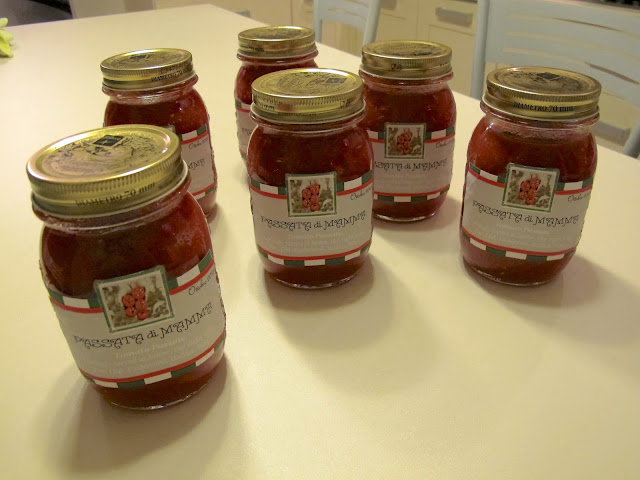
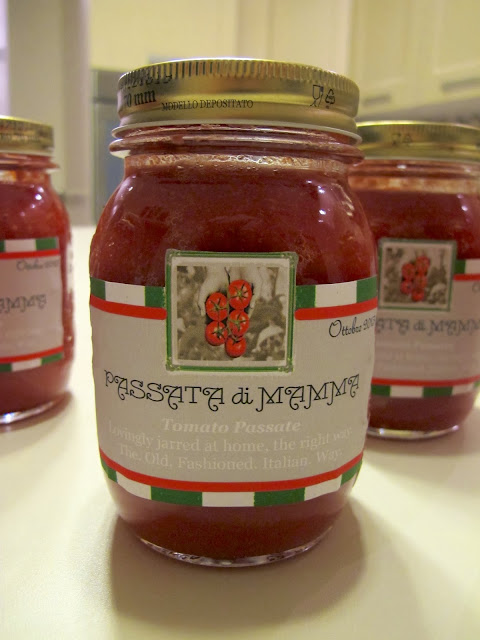
Congratulations! You have just made genuine, Italian passata! One last step is to have fun creating your own labels. I made these for Jen at the same time I made our grappa labels. Do you like them?
Have fun – add some custom-made labels
Come have some of our “Passata di Mamma” – we would love to make some sugo for you
Let us know if you try this and have the benefit of enjoying fresh tomato passata all winter long!
In my most recent blog post, we embarked on a cruise throughout the Mediterranean. I’d love for you to continue the adventure with us as we head to Istanbul, Turkey and the beautiful Greek island of, Lesbos. I’ll finalize our voyage in an upcoming post that will include the final ports of call and some more stories about our shipboard life.
“Oh, tell me… tell me all about it!”
When I last left you, we had visited Venice, Olympia and Athens. By this point in the cruise, we really hit our stride and had fully immersed ourselves in everything Holland America’sNieuw Amsterdam had to offer. We were overeating delicious food (and then trying to work some of it off in their state-of-the-art gym), spending time in the casino (maybe too much time… literally every casino worker knew me by name), taking in shows and making friends all over the ship. We found a couple of other families with small children, but for the most part – we were in the minority (not fitting into your typical “cruise-goer” demographic). I’ll tell you what… if you ever want affirmation about your kids cuteness – go on a cruise with thousands of grandparents missing their grandkids. They were all so happy to pay us compliments about Julia that it made us excited to take her anywhere on board.
Julia made friends wherever she went
She gained a large following of fans
That grew the longer we were on board
Midway through the cruise, we arrived in Istanbul, Turkey. This was to be the only port mid-voyage that had an overnight stay, allowing us two days to explore the massive city. To describe Istanbul as “massive” is underselling it. The city boasts a population of nearly 14 million people in the urban area alone and is ranked as the second largest city in the world ranked by population within city limits [source]. It is the only city in the world that stretches across two continents (Europe and Asia). Istanbul is home to over 3,000 mosques and welcomes nearly 12 million visitors each year. These are just a few of the fun facts about this amazing city, so yeah… massive really undersold it! If only there was some sort of book… kind of like a dictionary… that would give you alternate versions for specific words…
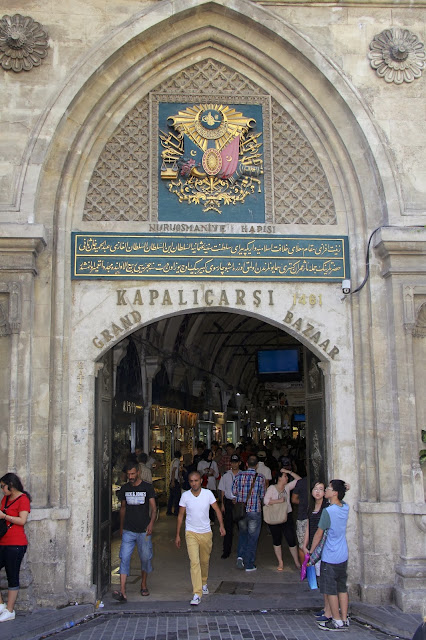
When we got off the ship on the first day, we took a bus directly to the Grand Bazaar. This location was ideal, because it would afford us the time we wanted to shop and then walk around that particular area of the city. We walked through the gates of the Grand Bazaar and our mouths dropped. I still remember the first time I went to a flea market. My great aunt Barbara took me to a market in New York when I was 8 years old. I was awestruck by all the amazing things that could be found with just a little looking. She bought me a brand new GIJoe Cobra Stun vehicle that I probably still have in a basement somewhere to this day. If I could reconstruct that image of my first market in my mind, with all my boyish enthusiasm and multiply it by a hundred – it couldn’t reach the level of awe I found myself in as a man standing in the Grand Bazaar. You can even factor in the fact that I had a wife repeatedly telling me, “I’m ready to shop – make sure you have plenty of Euro’s handy” weighing on my mind!
Main Gate of the Grand Bazaar
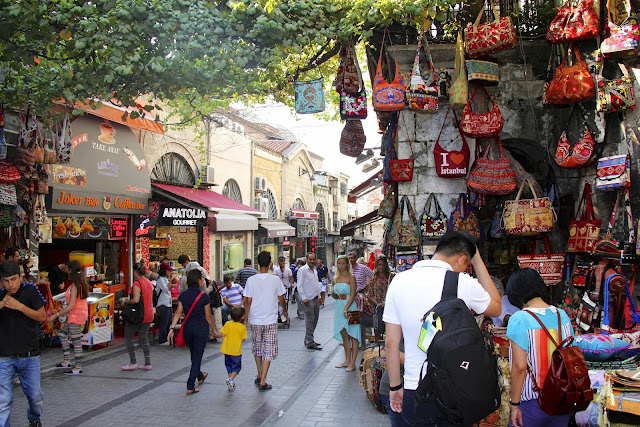
Shops extend around the outside of Grand Bazaar
The Grand Bazaar is like nothing we’ve ever seen. It is an enclosed market that ranks among the oldest in the world. 61 city streets house 3,000 shops that eagerly accept the money of up to 400,000 visitors every single day. This does not include the open air markets that have been built around the Bazaar and dominate many more city streets. Originally, each shopkeeper was allotted a 6′ or 8′ dolap (stall) in which to showcase their wares, the finest of which were kept hidden in drawers. The market was erected after the Ottoman Empire between 1455 and 1460. It reached it’s final form in the 17th century and not much has changed since. The main reason for the collective, enclosed space were to prevent against theft, fire and uprising. Even though the Turkish Lira is the currency of the country, merchants accept US dollars, Euros or Turkish Lira.
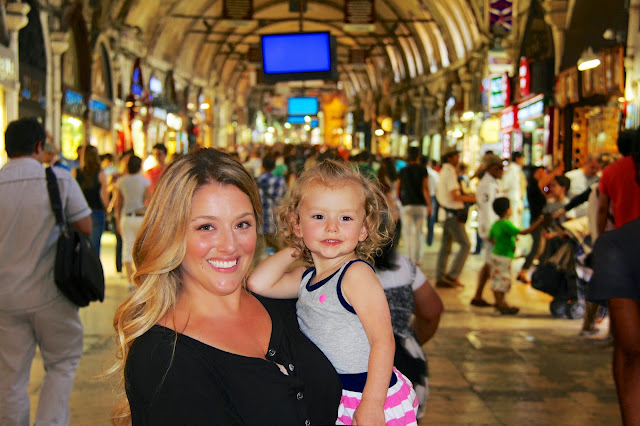
Jen and Julia enter the Grand Bazaar
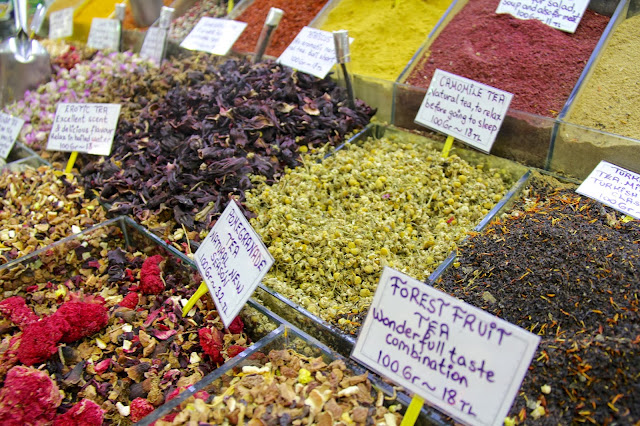
Some teas for sale
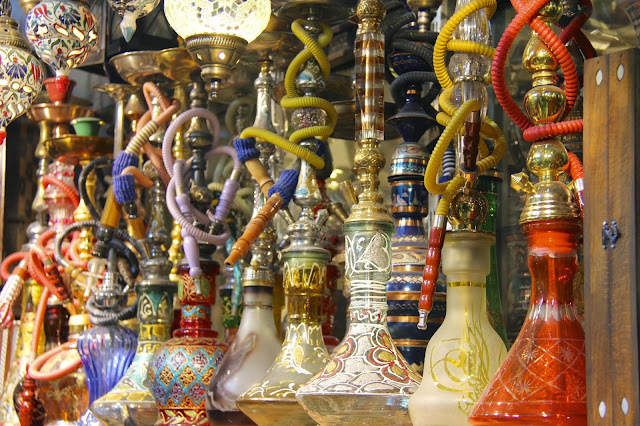
The Turkish nargile (hookah) became popular during the Ottoman Empire
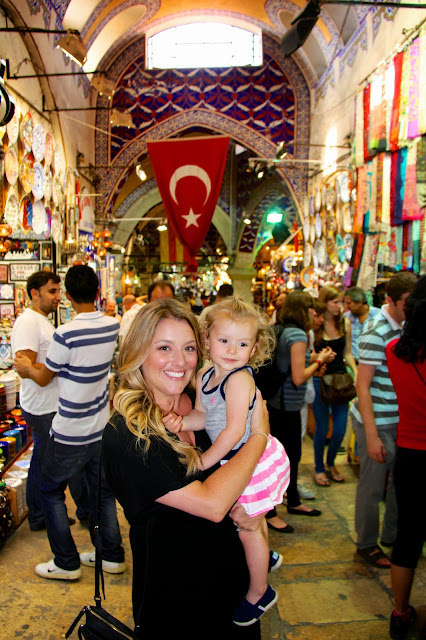
Jen and Julia with a Turkish flag behind them
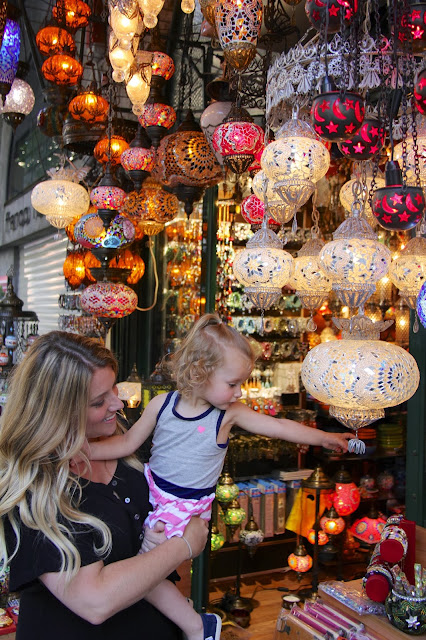
Julia was fascinated with the beautiful lamps
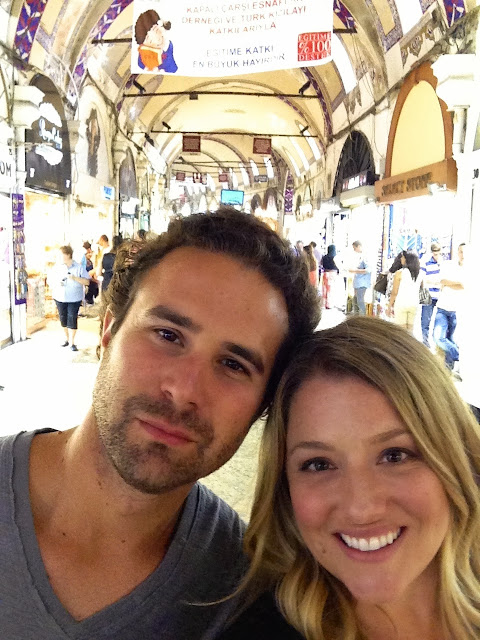
Jen and I pause for a picture in the market
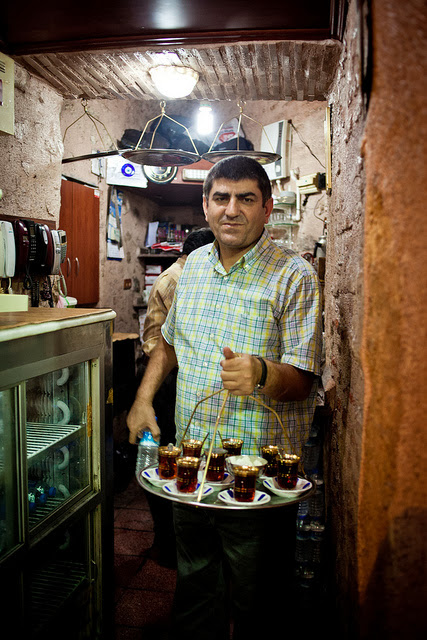
We didn’t notice any food vendors or restaurants inside the Bazaar – it turns out, the merchants have been bringing their lunches in boxes called sefertas for hundreds of years. However, they can get simple dishes like döner kebabs delivered right to their stalls (although, it’s more common for one of the merchants to bring back lunch for the entire shop). What I did notice quite a bit (and became somewhat fascinated with) was the bustling tea delivery business. Turkish tea is a huge part of the culture throughout the country. Tea is most often consumed in Turkish households – offering it to guests is a part of Turkish hospitality. It’s no different in the Bazaar; the custom of drinking tea blends the important tradition hospitality with the other main component for drinking the tea – the social congregation of men. Tea runners (as I was calling them) would skillfully whisk past the crowds and deliver un-spilled tea by balancing the cups on a tray with a long handle. What fascinated me the most was that I never saw any money exchanged for the tea. I imagined the tea runners marking how much tea a merchant drank and collecting on the tab at the end of the week. I have searched the internet to prove or disprove my theory of a “tab” system – but I could not find anything. Any Turkish merchants or Tea Salesmen reading this – please weigh in.
Guys like these would run all over the market, delivering tea
*photo credit – flickr: photographer unknown
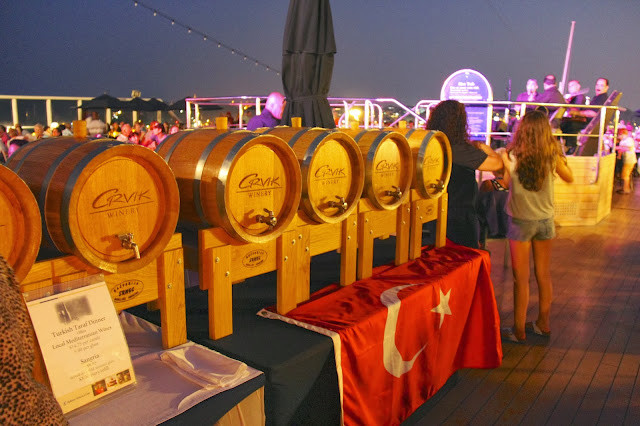
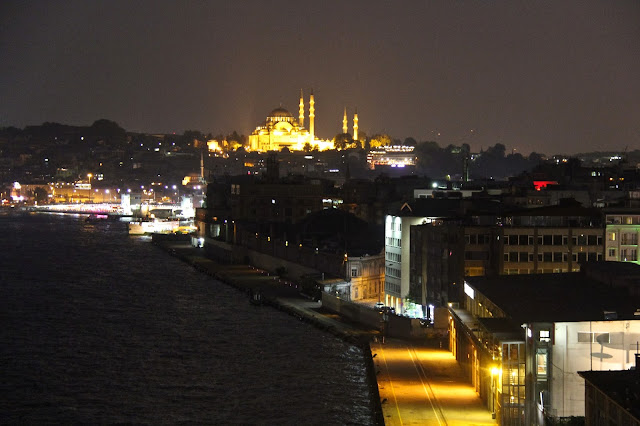
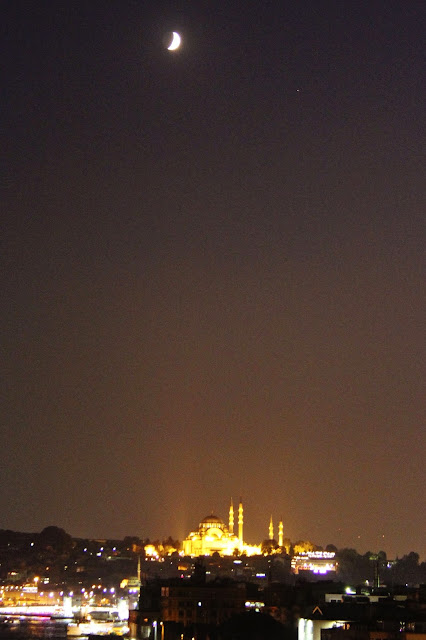
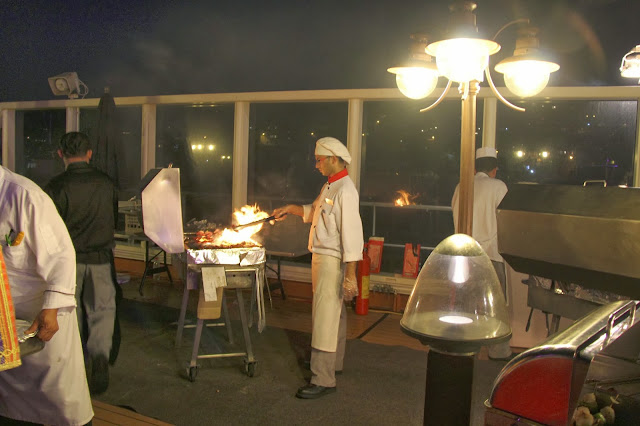
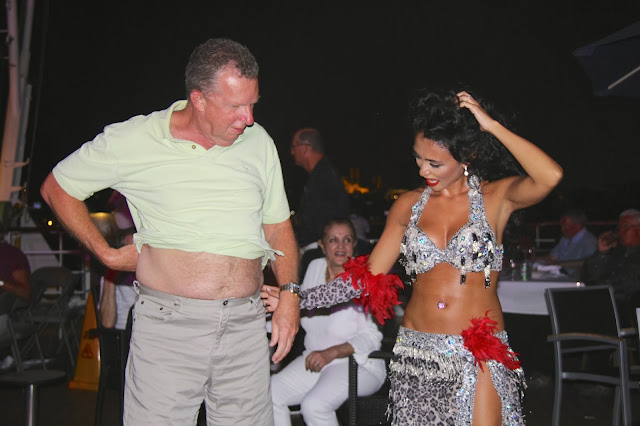
We spent hours navigating the maze that is the Grand Bazaar before we realized the sun was setting. Our intention was to walk the city around after we’d shopped. We had the flexibility to stay out as long as we liked because our ship wasn’t leaving until the next day; although we agreed that we were ready to head “home” for the night and set out early the next day. It turns out that it was a good thing we did! The ship was hosting a Turkish Taraf – a poolside party complete with live music, a Turkish belly-dancer, exotic drinks and spicy kebabs. An outdoor pool party is always a great thing, but if you have the shimmering city lights and uplight mosques of Istanbul framing the backdrop (and did I mention the belly-dancer), there is no greater party combination in the world (this is coming from the guy that was basically the President of Parties in college).
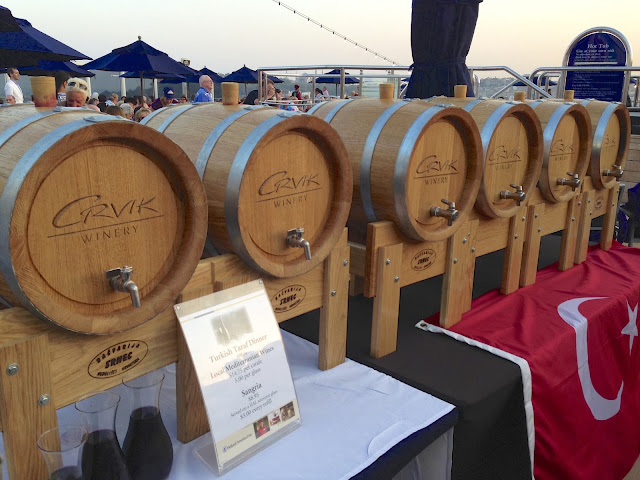
A variety of wine was served at the party – live band in the background
The Blue Mosque at night
The quarter moon looked exactly like quarter moon on the Turkish flag
They were grilling authentic Turkish food
The belly dancer takes the stage
She recruited guests to help her move and move their own hips
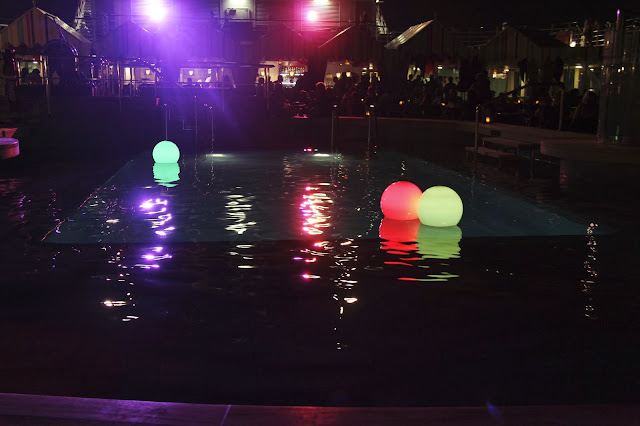
The pool was decorated with lights
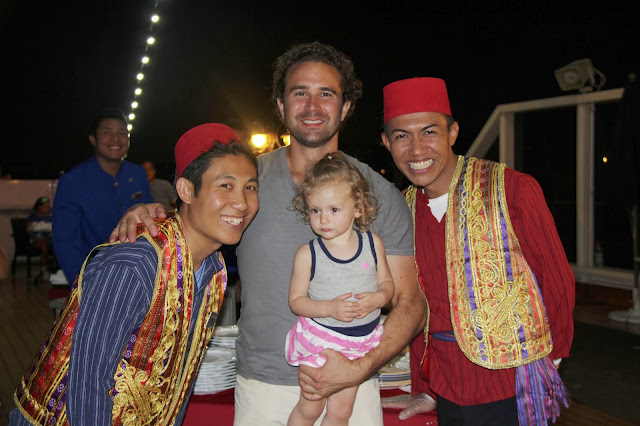
The crew dressed the part
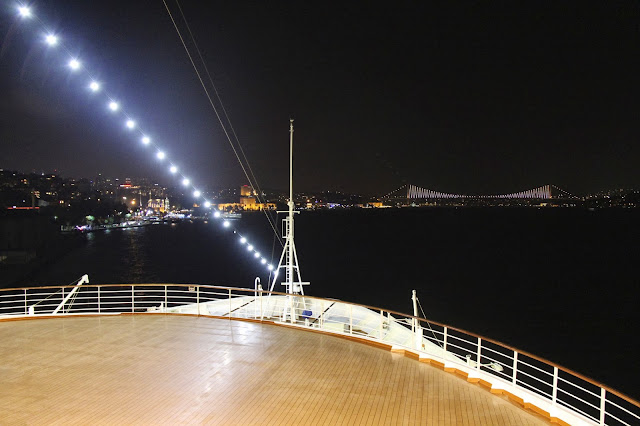
The scenery was beautiful
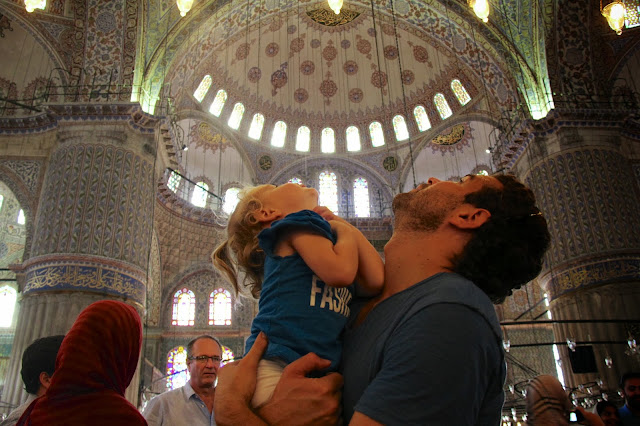
The next day we got an early start – with so much of the city left to take in, we wanted to get in as much as physically possible. We decided we would try to beat most of the crowds and start with the mosque’s. Specifically, the Hagia Sophia and the Blue Mosque – which sit opposite one another. We only ended up touring the Sultan Ahmed Mosque – or Blue Mosque, as it’s commonly called due to it’s blue tiles that adorn the inside walls. The mosque’s construction began in 1609 when it was commissioned by Sultan Ahmed I to not just rival the Hagia Sophia, but to surpass it. The mosque has an unprecedented six minarets (still the only mosque in Istanbul with six to this day), which garnished the wrath of the public. The display of six minarets was preserved for the Prophet’s mosque in Mecca – therefore the Sultan was criticized for incorrectly thinking that he was the man. The prevailing urban legend is that there was a miscommunication in which the Sultan told his architect he wanted gold minarets (altin minare) and the architect understood six minarets (alti minare). Seems fishy to me – sounds like he concocted a scapegoat to shift the heat off himself. Ultimately, he corrected the situation by shelling out the dough to build a seventh minaret on the Prophet’s mosque in Mecca. Whatever the correct history, it was fascinating to absorb in the first person.
We started our day before the city really woke up – just shop keepers setting up
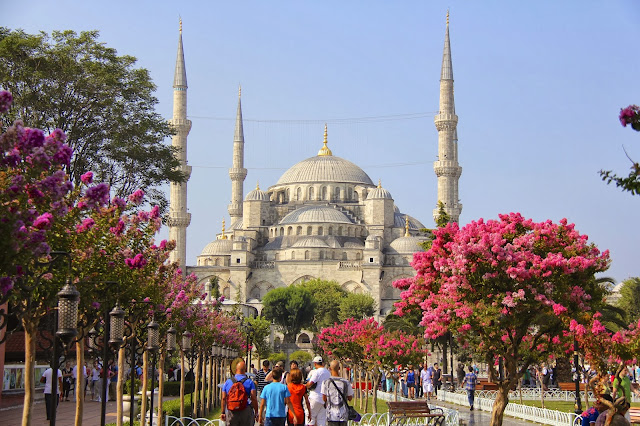
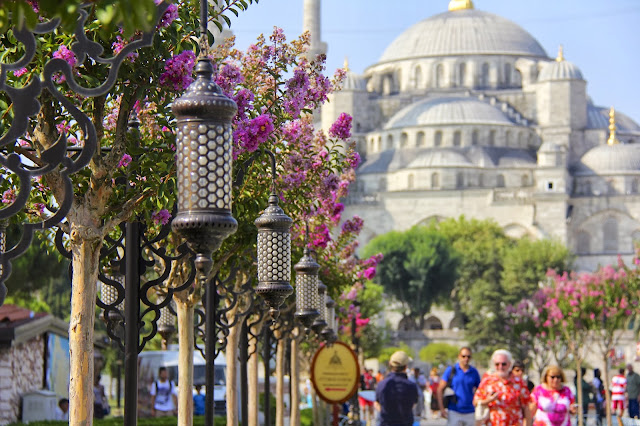
Sulton Ahmed Mosque (the Blue Mosque)
Approaching the mosque
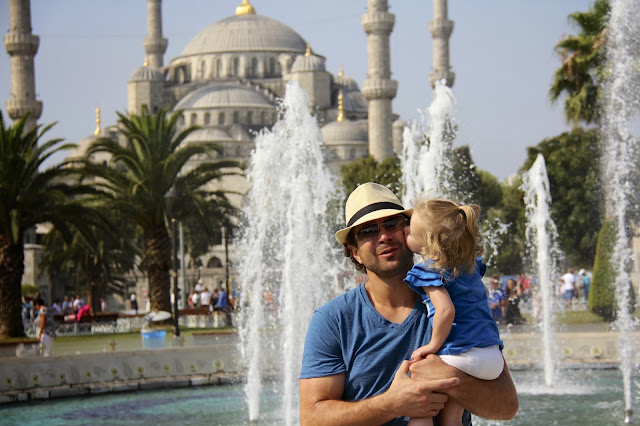
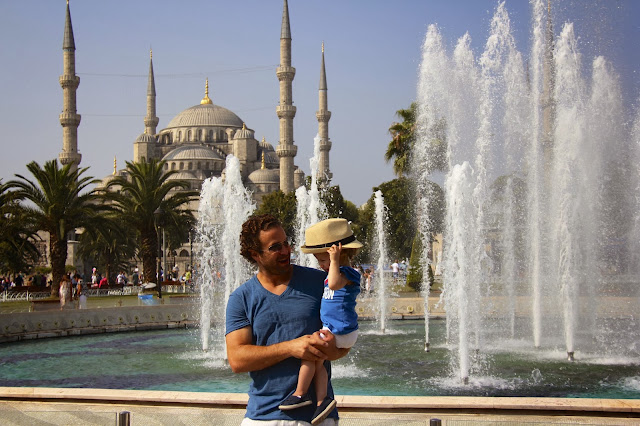
We had fun playing in front of a fountain
Julia steals my hat – I guess she wanted to block the sun
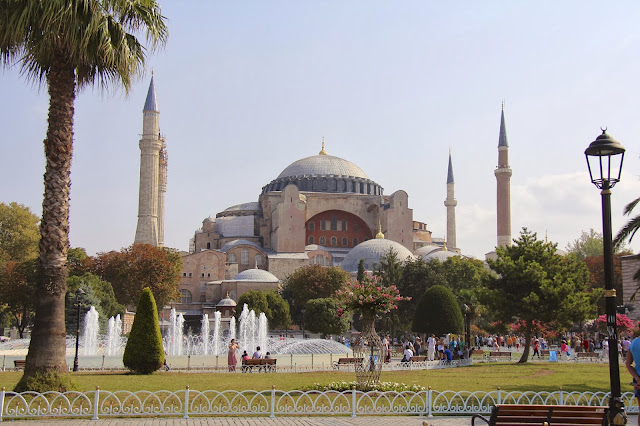
Hagia Sophia Mosque
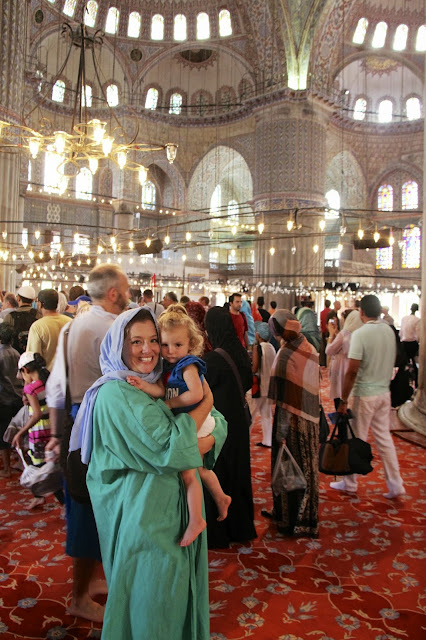
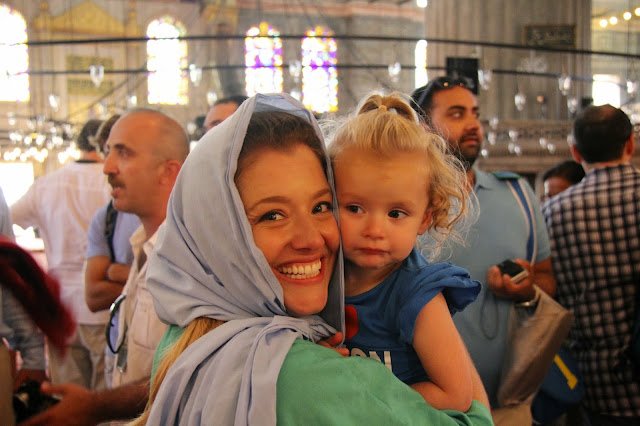
All female visitors are required to wear proper garments
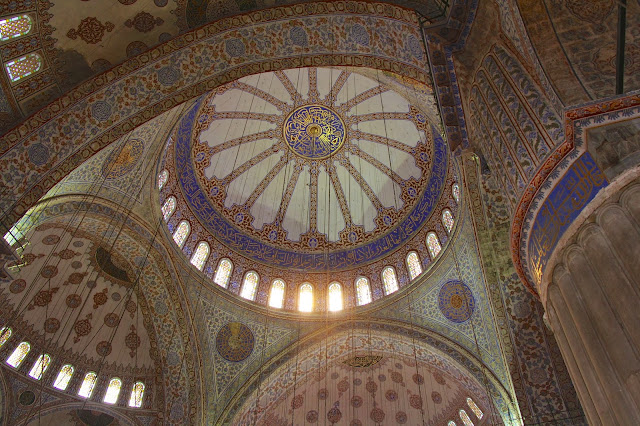
The ceiling and some of the blue tiles that are the reason for the nickname, Blue Mosque
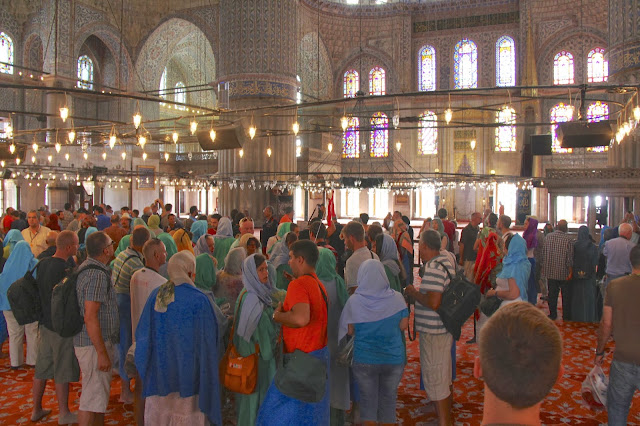
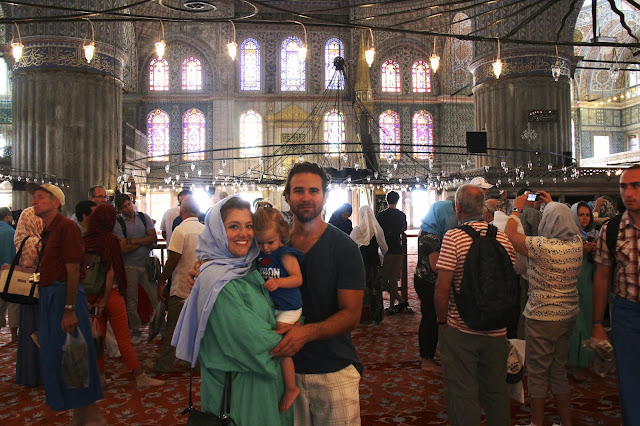
The mosque sees a large number of visitors every day
It’s impossible not to gaze upward at the amazing display of over 20,000 handmade tiles
Jen and Julia in the mosque
Family photo in the mosque
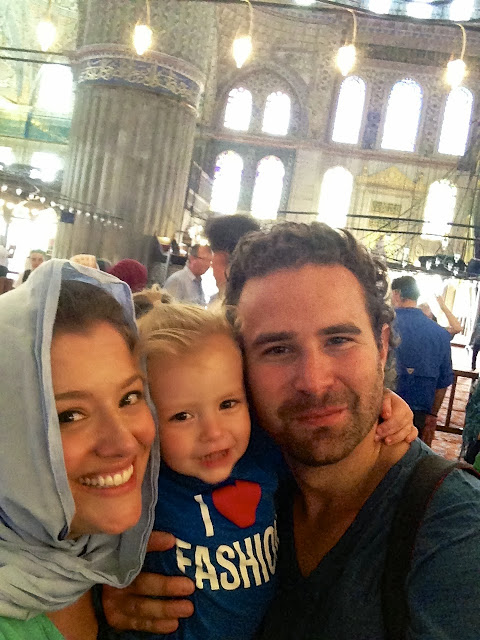
Another family photo
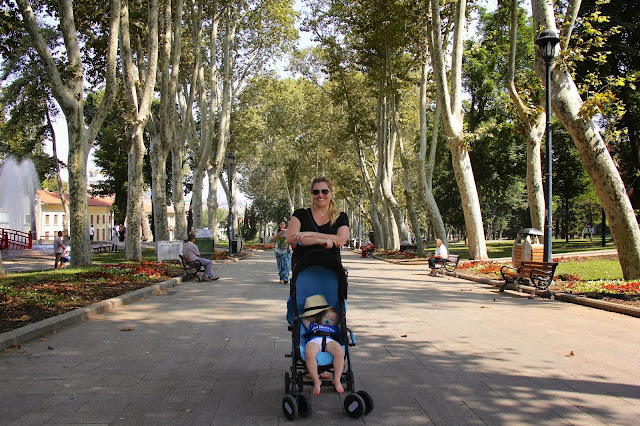
After the mosque tour, we headed northeast by foot to the Topkapi Palace. The palace was the primary residence of Ottoman Sultans for over 400 years. To this day, the residence consumes more land mass along the shoreline than any other single property and has been deemed by UNESCO as “the best example of ensembles of places of the Ottoman period.” We were very excited to see the palace, but unfortunately it was closed and so we had to settle for a stroll through the public gardens.
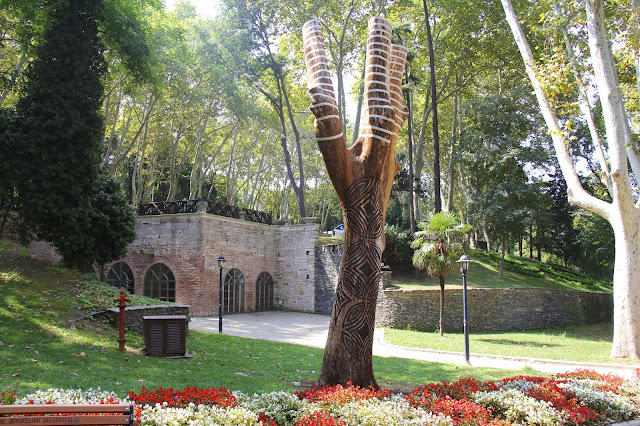
Inside the gardens of the Topkapi Palace
This unique tree appeared as if it had tattoos
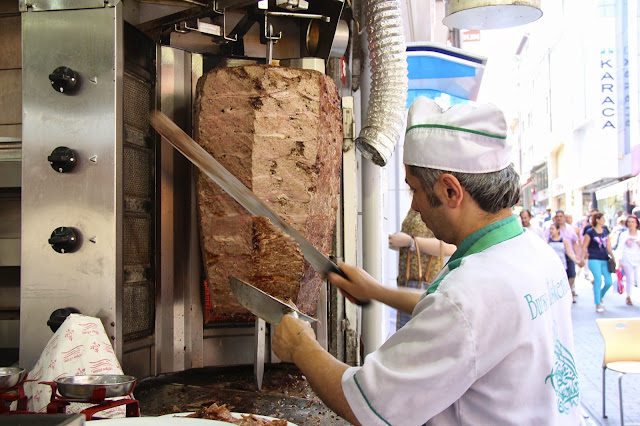
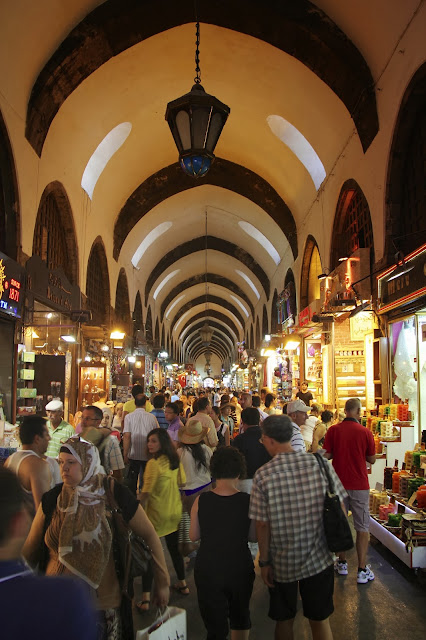
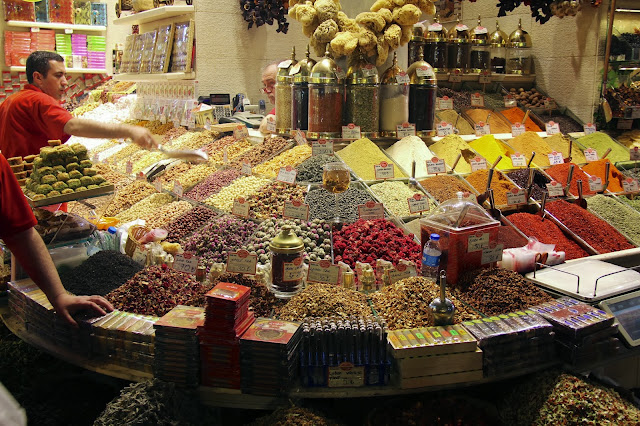
After a long walk to our next destination, we first wanted to stop and have lunch. I had been dying for one thing since arriving in Turkey – a döner kebab. We found a restaurant that looked perfect and ducked inside for lunch. Just prior to walking in, we heard the adhan, called out by the muezzin from mosques across the city – amplified by loudspeakers. More commonly known in English as the call to prayer, this unique chant is called out five times a day, summoning Muslims for mandatory worship. After lunch we entered the famous Spice Bazaar – the center for spice trade in Istanbul. The market is the city’s second largest covered market behind the Grand Bazaar.
Döner kebab – a mixture of meat, usually veal and or beef with lamb and sometimes chicken
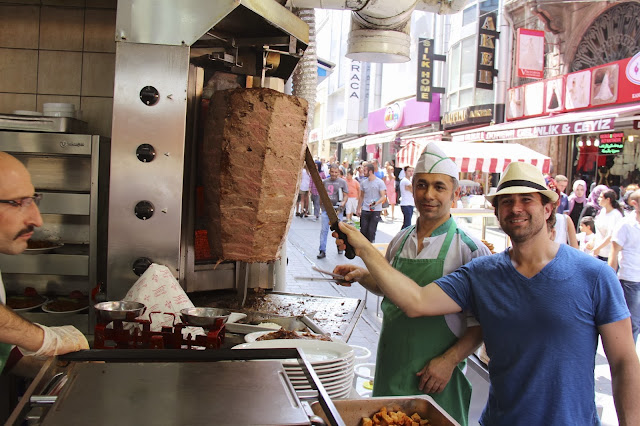
The only thing better than a freshly made döner kebab is one that you slice yourself!
Entering the Spice Bazaar
Merchants showcase their wares, including the ever-popular, Turkish Delight
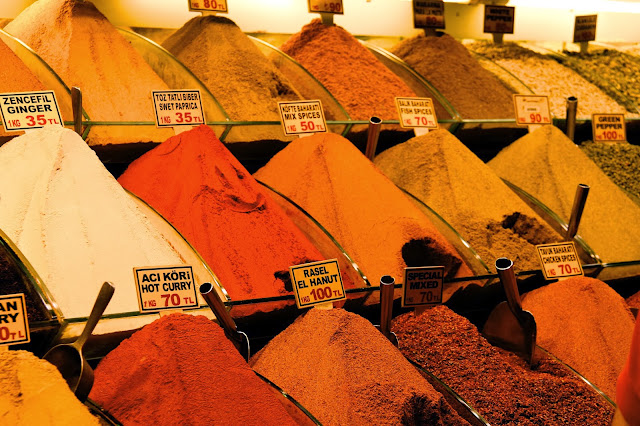
Here you can find most all spices, from hot curry to sweet paprika
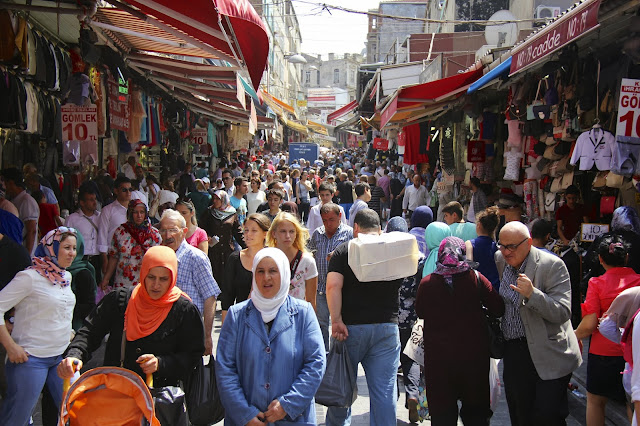
The markets in Istanbul seemed endless – this is departing the Spice Bazaar
The ship hosted another party, this time a “sail away” party that included wonderful wine
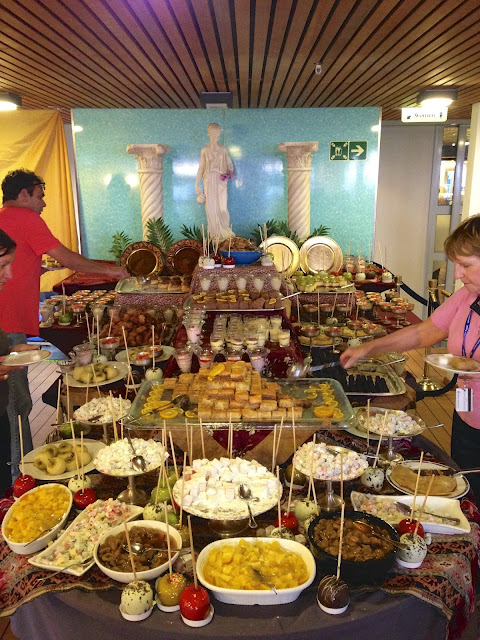
As well as delectable and authentic treats
After our trip to the bustling city of Istanbul, a little bit of unplugging was just what we needed. We easily accomplished this on the island of Lesbos, Greece. This Greek island in the northern part of the Aegean Sea is Greece’s third largest, with a bustling capital (Mytilene) and 200 miles of coast line). Some ports were too small for our monolithic cruise ship, and so we had to use the tender system. All large cruise ships are equipped with smaller boats that can transport passengers from the ship to land when arriving in smaller ports of call. Generally, you are assigned a group number (depending on how quickly you arrive to collect it) and then send ashore in that order. Surprisingly, we arrived fairly early and got to shore just in time to snatch up one of the few remaining tiki huts on the beach. After that, it was clear sailing – nothing but relaxing and sitting in the crystal clear water. Oh, and one more thing… skipping stones. The ocean was just full of perfect stone-skipping rocks. I could easily average six skips but got as high as fourteen skips – the crowing achievement of the day, only to be topped by making the final table at the Casino’s Blackjack Tournament later that night.
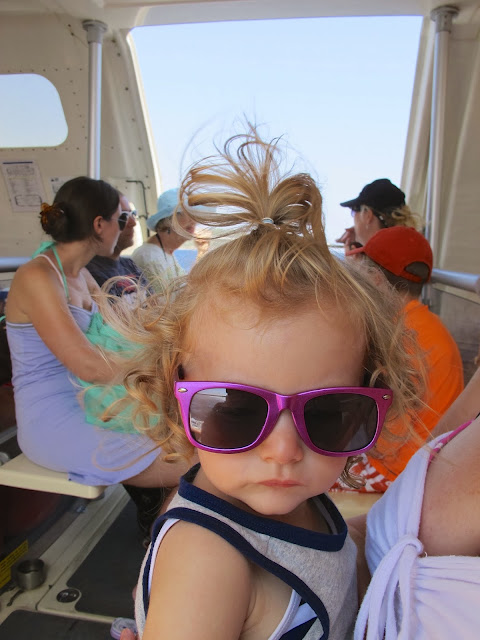
We rode in the tender to get to Lesbos
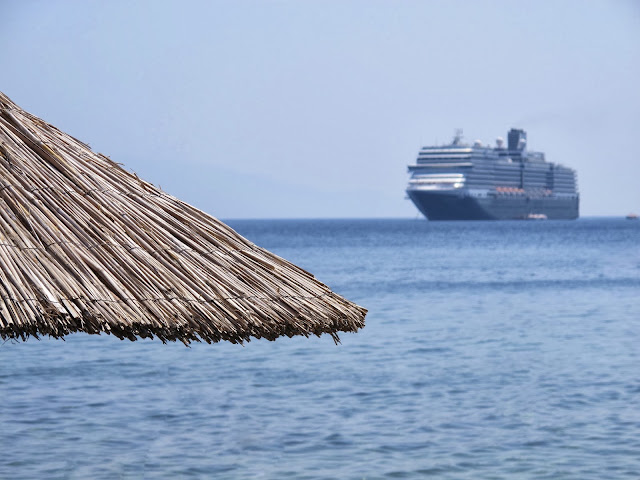
A view of our boat from the tranquil setting under our beach umbrella
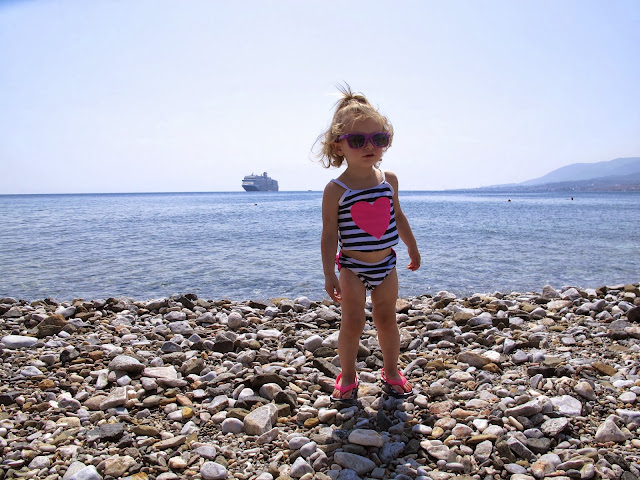
Julia poses for a picture
Skipping rocks with Daddy
Julia wanted to try on her now – she almost got the hang of it
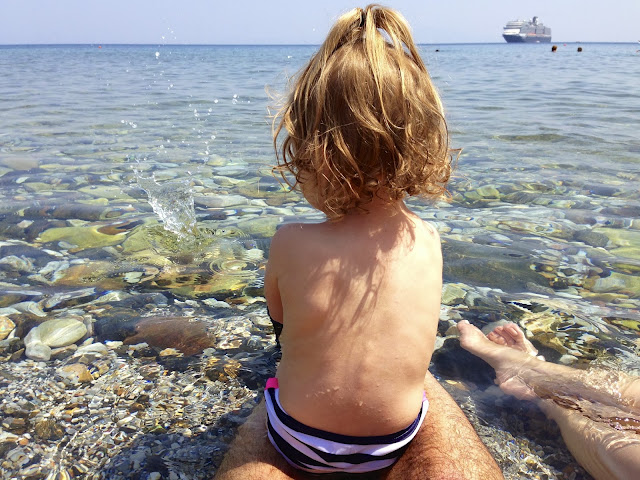
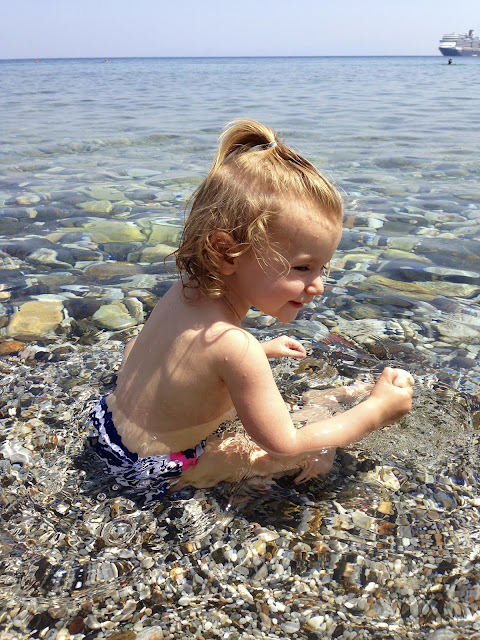
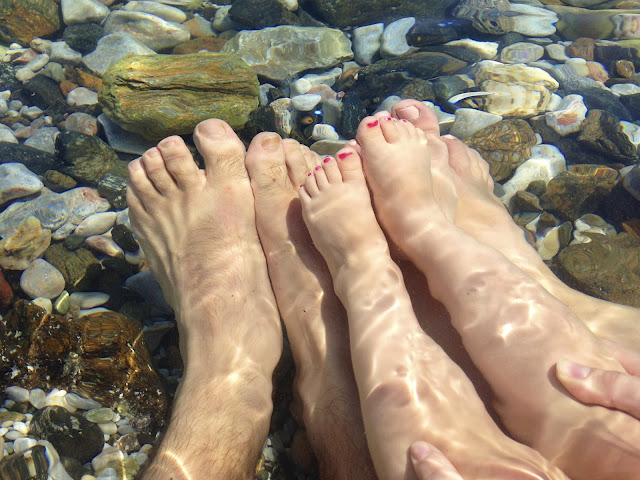
The water was so clear it was fun to just soak
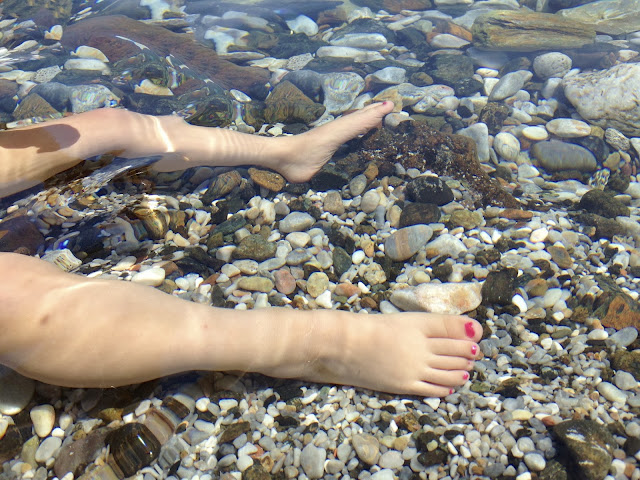
Family toesies
The sun wore Julia out – she was asleep on the ride back
Two beers and a cigar – oh man, oh man! Relaxing on the ship as we sail away
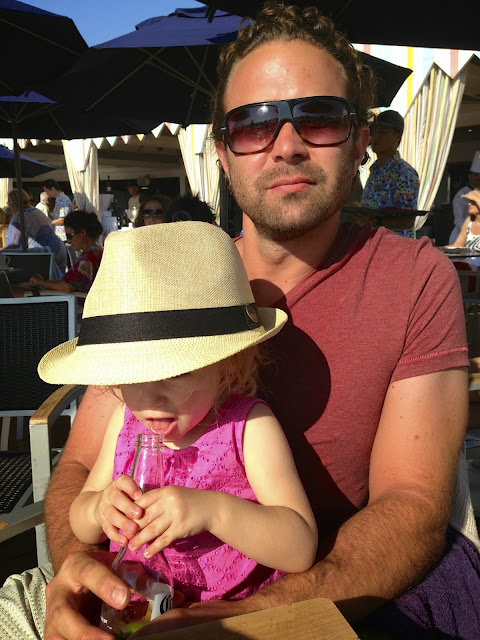
I’m posing for a picture with my girl, little did I know what she was up to under my hat!
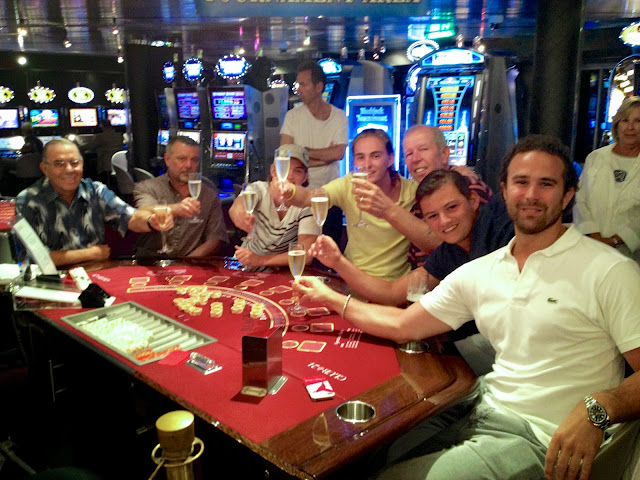
Blackjack tournament final table. Got knocked out doubling down on 10 against a dealer 6. It would have given me an unbeatable chip stack with three hands left. The winner had no idea what he was doing which put me on tilt
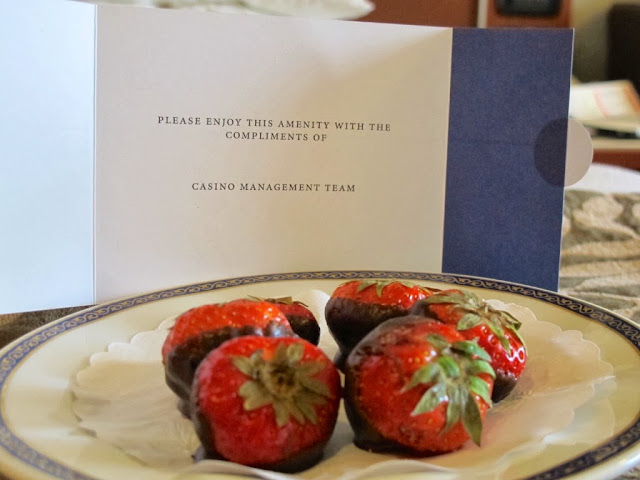
The casino would send up desserts and bottles of wine with their compliments. Perhaps I was too frequent of a visitor??
We still have plenty more adventure to come… please tune back in to the final section of our cruise in the next post.