It’s likely that you may think I’ve gone off my rocker. Vinegar on a salad – of course. Vinegar on french fries – sure. But vinegar on ice cream?! Greg, you must be crazy?! I assure you, I am not (well, at least when it comes to this point). Provided one very important detail is in play… that the vinegar used is aged balsamic vinegar from Modena. This dark, delicious treat becomes sweet and thick (almost, syrupy) once it has been aged 12(+) or 25(+) years.
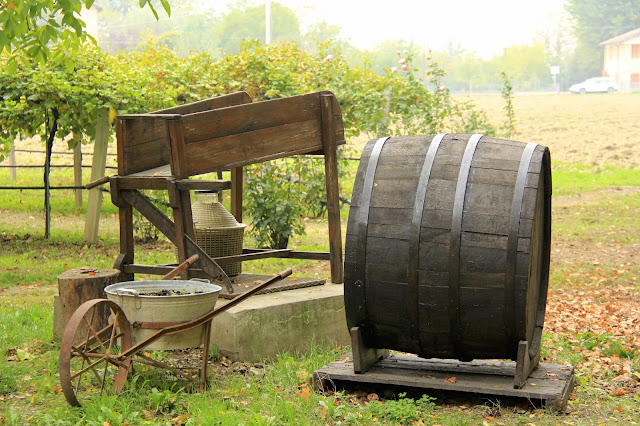
Old fashioned equipment used to make vinegar now stands as decoration
I have been a fan of all things vinegar for as long as I can remember. Admittedly, a strange condiment choice (above ketchup or mayonnaise) – but the heart wants what the heart wants. Although we use apple cider vinegar every single day, I have always been quite fond of balsamic vinegar. Just the right amount can add the perfect hit of acid to round out a caprese salad. However, I recently learned that I have become accustomed to eating the equivalent of a McDonald’svalue meal when a readily available filet mignon was just around the corner. But let’s back up and find out how I discovered this…
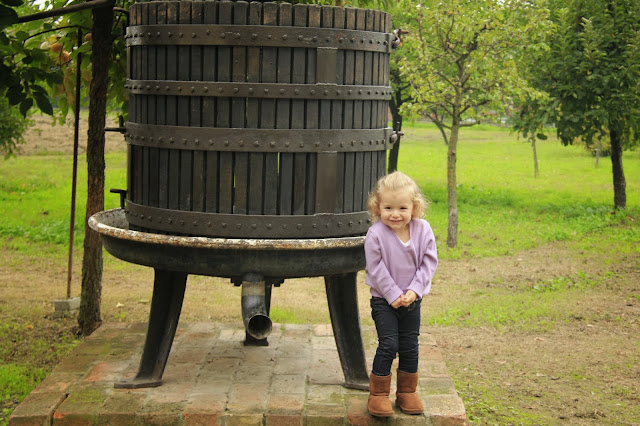
Julia stand by an old grape press
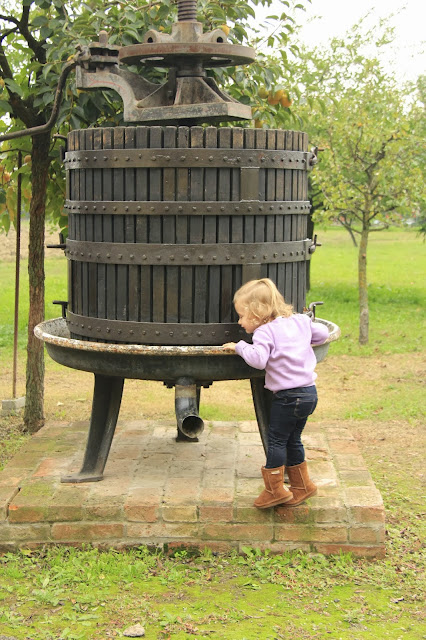
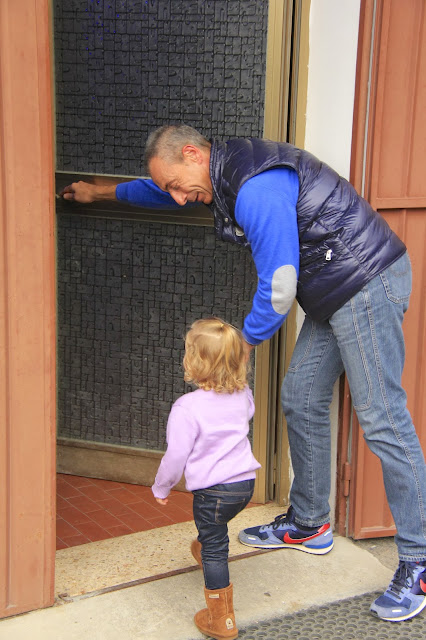
She’s a curious little girl
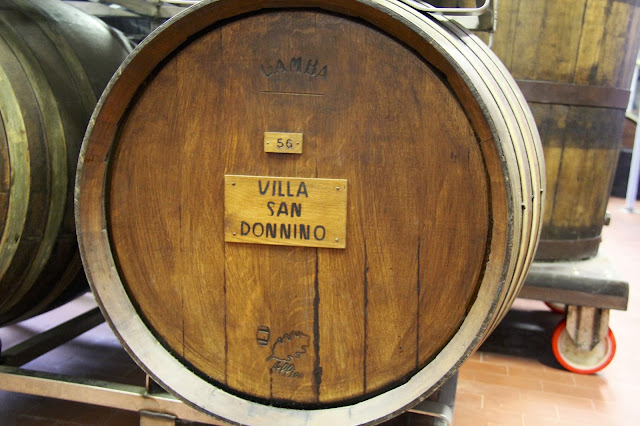
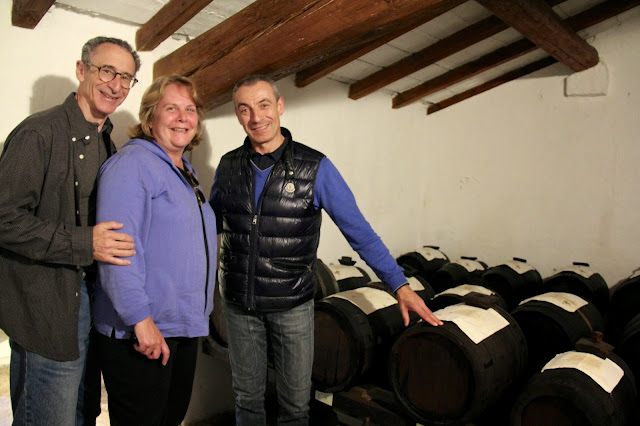
One of the barrels used for aging
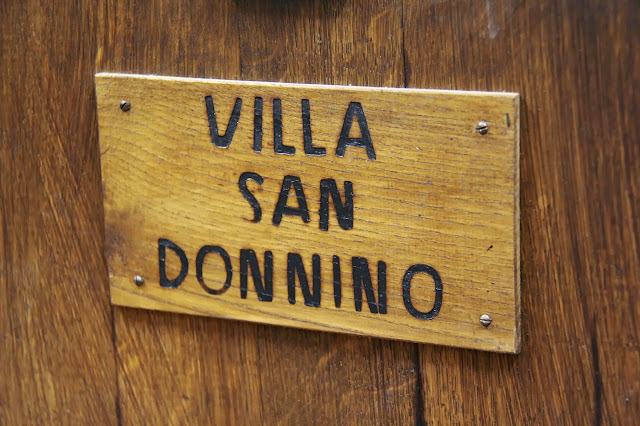
Villa San Donnino has been a family run business for three generations
When my aunt Deborah and uncle S came to visit, we ventured on a road trip to the Emilia-Romagna region of Italy. If you read that particular post, you learned that Emilia-Romagna is widely known for two things – cars and food. One of the most significant contributors to the food column is the aged balsamic vinegar that is produced exclusively in Modena. On our final day of the road trip, we arranged for a private tasting with a local producer, Villa San Donnino. Jen had learned that a tour and tasting at Villa San Donnino was one of the top-rated attractions on Trip Advisor. Once again, our favorite online guide for all things travel hit a home-run.
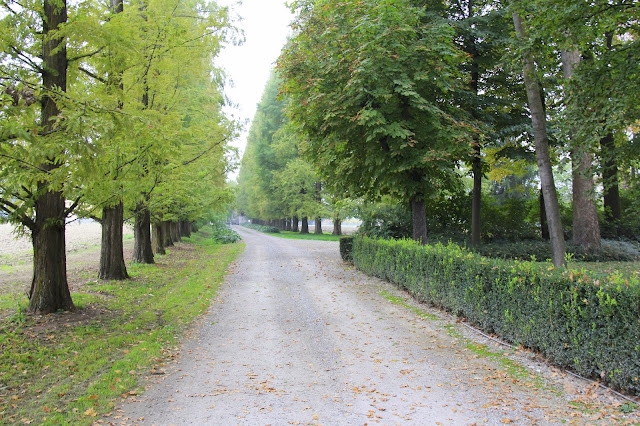
The driveway leading toward the villa
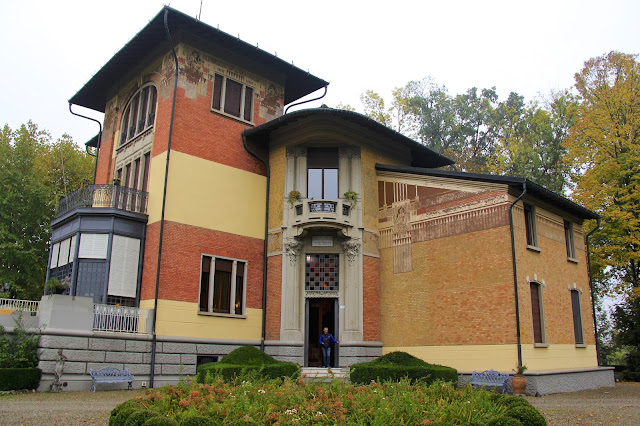
The villa of, Villa San Donnino
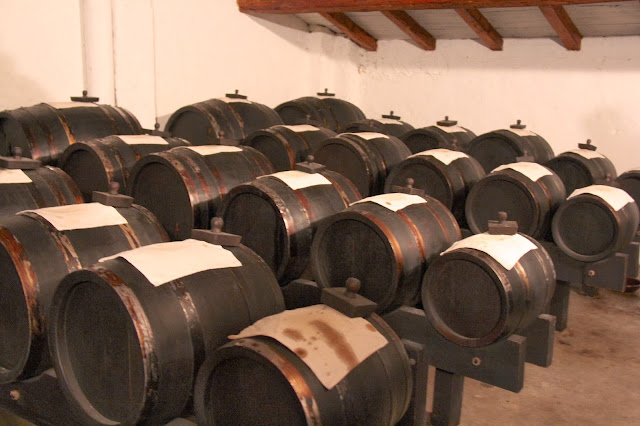
The important aging process begins here, in these barrels
Not only did the overall experience exceed our expectations – it raised the bar for what events like this should be all like over the country. The owner and third generation producer, Davide greeted us warmly and took us into the portion of the property where the vinegar is aged. He first gave us a brief explanation of the vinegar itself. It was summarized nicely in a marketing brochure I took from the villa, so I will copy the text below:
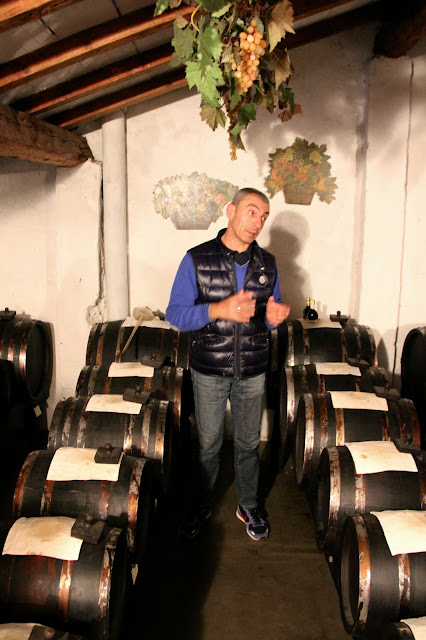
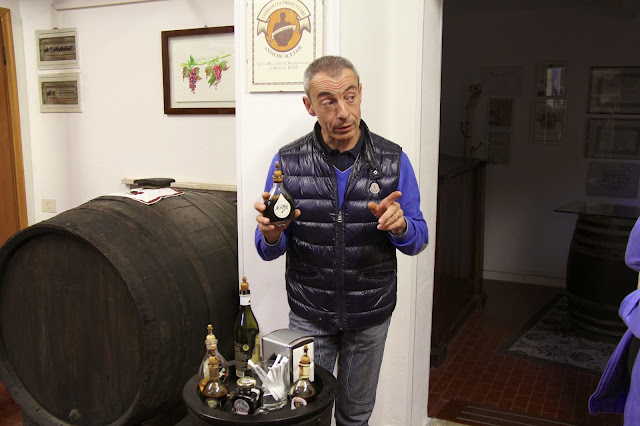
Davide explains the rigorous balsamic making process
Traditional Balsamic Vinegar of Modena is unique from all other vinegar based condiments. Unlike ordinary vinegar which has its origins in an alcoholic liquid, balsamic vinegar is produced directly from grape juice. Grapes, harvested in the region in which balsamic vinegar is produced, are crushed and their liquid – “must” – is boiled in an open vat over a fire. This liquid is then placed in a high quality wooden barrels in which, through an oxidation process, it is transformed into vinegar. The barrels are kept in a vinegar loft – acataia – where over a number of years, the precious liquid inside is lovingly cared for through a special technique involving transfers and topping up. Over many years macrobiotic and enzymatic modifications unite to achieve an exceptional balance in the fragrance and flavor.
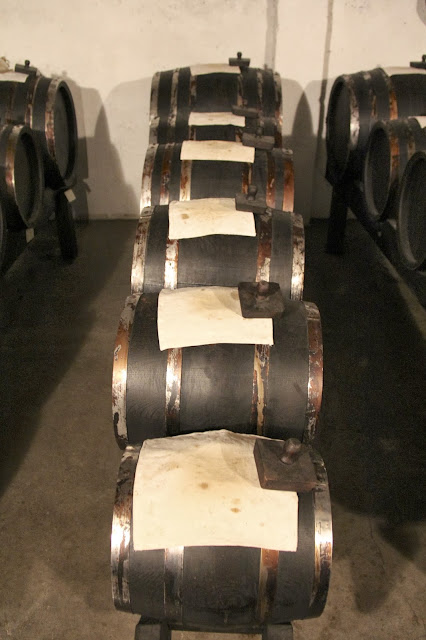
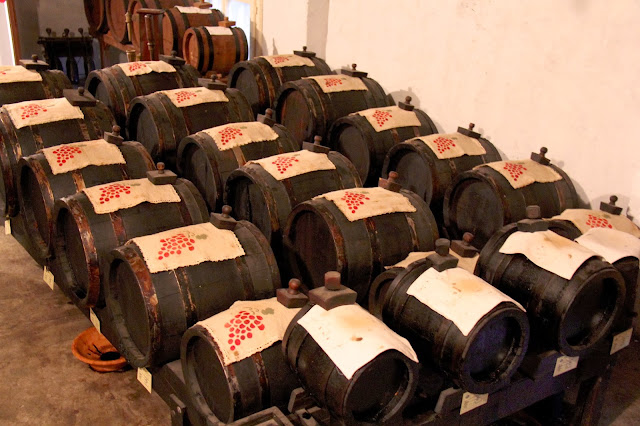
As we climbed the stairs to the acataia (vinegar loft) we were first greeted by the unique and pleasant aroma permeating throughout the loft. Davide began to explain the aging process, having already described that his balsamic vinegar juice comes exclusively from grapes on his property. In order to properly age vinegar, you must use a batteria, a series of five or six barrels that descend in size. A process of “topping” off from the larger barrels into the subsequent smaller barrels is done over many years in order to replace evaporated liquids. Since the last, smallest barrel is the object from which the final contents are removed for bottling – there is no way to identify a specific amount of time in the barrels (i.e. twelve years). Because the liquids have been mixed from the larger barrels over many years, a unique system of labeling was created. A balsamic vinegar that was aged for 12 years will have been aged for at least twelve years (meaning, that 12 years is the youngest portion allowed in that mixture). The same is true for 25 years and the extremely rare 50 year vintages.
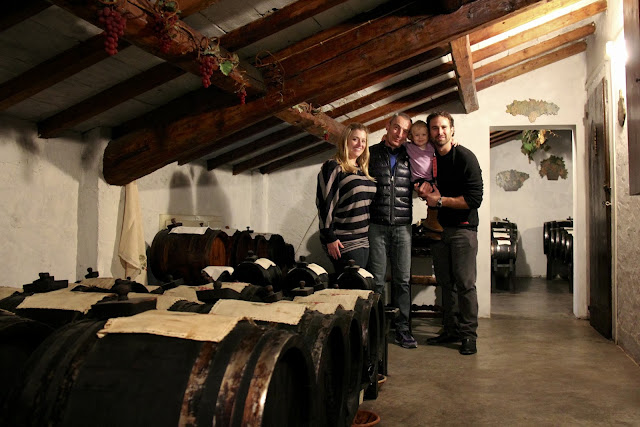
A batteria, aging the vinegar
Another room with a different collection of barrels
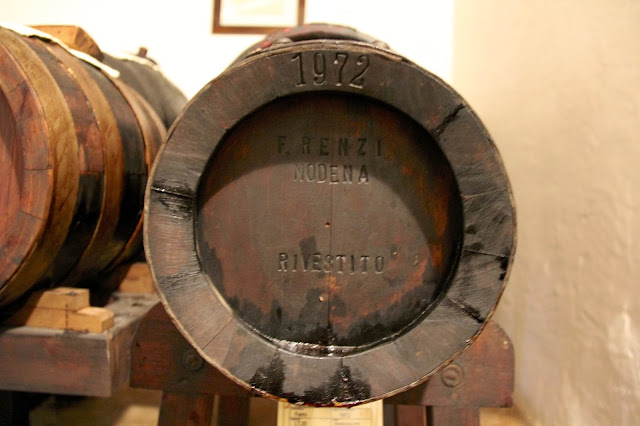
This reserve vinegar has been aging since 1972
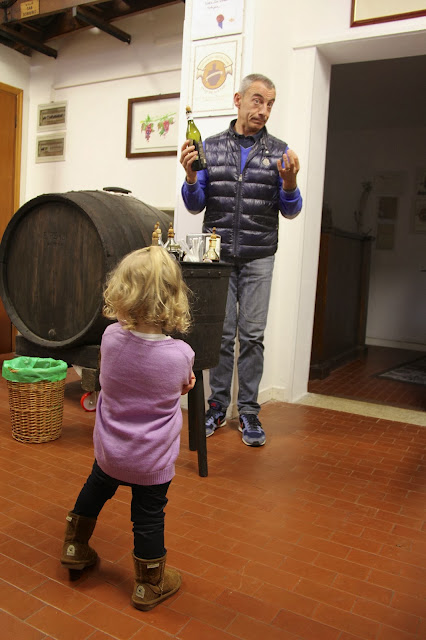
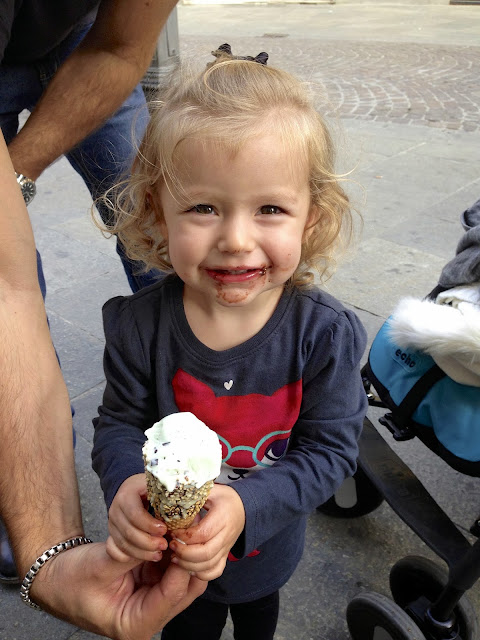
As Davide was explaining the process, we all noticed that he acquired a little two-foot groupie. Our little Julia seemed more than just enamored with Davide, she fell head over heels for him! She kept asking him to pick her up and would require his attention at almost every point hereafter. It was hard for Davide to focus on the remainder of his tour, when at each turn he would hear a little voice saying, “Davide… hold me!” If she liked him this early on in the tour, she loved him when he brought out the gelato (ice cream) for us to try.
Davide with S and Deborah
Julia holds Davide close for a photo
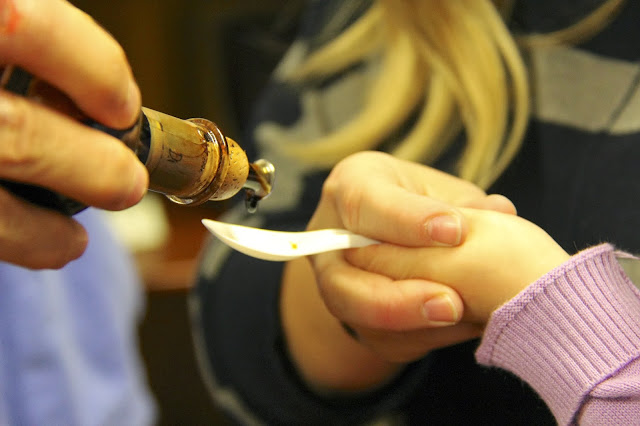
Davide brings Julia in to taste the vinegar with ice cream – she wouldn’t let him go
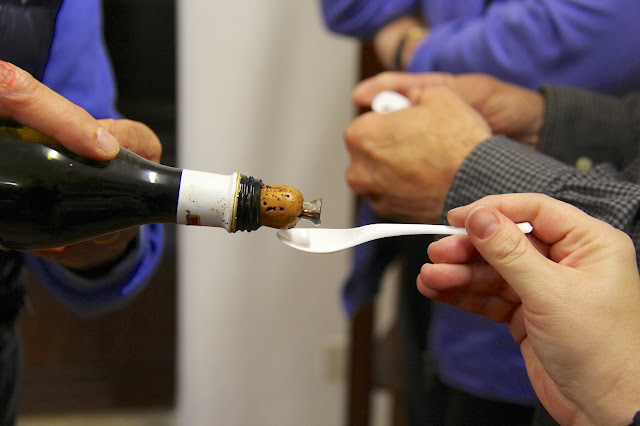
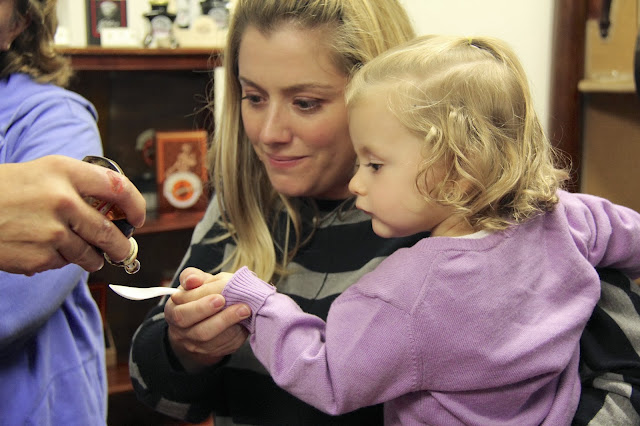
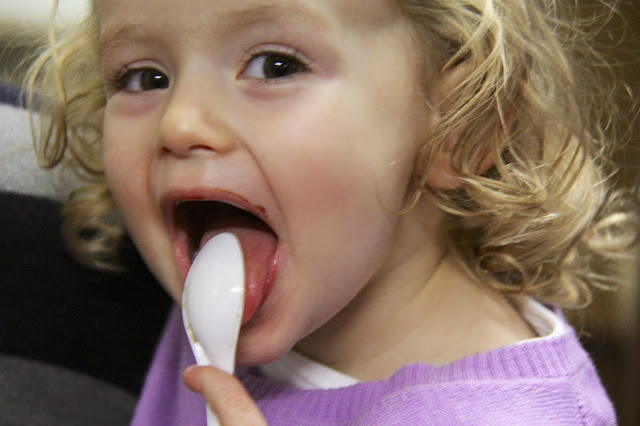
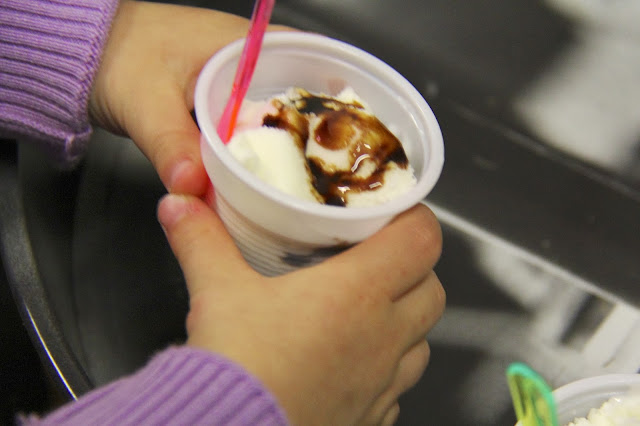
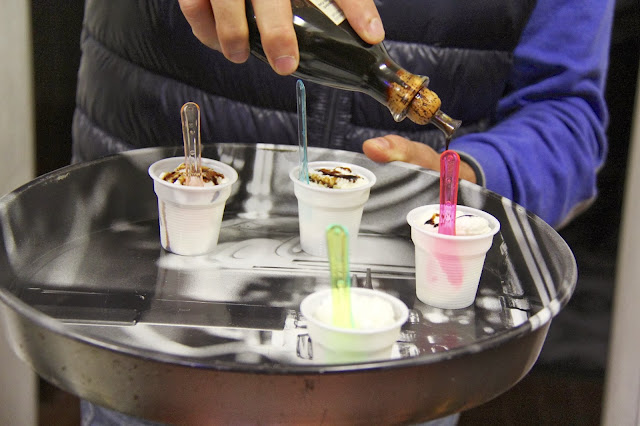
You see, as I mentioned earlier, aged balsamic vinegar has a wonderfully sweet taste with a somewhat thick consistency. It pairs wonderfully with fruit (melon, strawberries), meat (a nice hearty steak), cheese (a few drizzles over parmigiano) and especially ice cream!* In order to prove this point, Davide had arranged a tasting – a “flight” of vinegars, if you will. We started with a store-bought, uncertified vinegar. It was not good. Then we moved onto his white vinegar before climbing the ladder through his 12 year and on to the 25 year. Each one was more magical than the last. When he drizzled it on the ice cream, we couldn’t believe how well it paired. Julia was such a fan of the vinegar that she didn’t want anything to do with the ice cream, and just wanted more vinegar! This is one Italian baby!
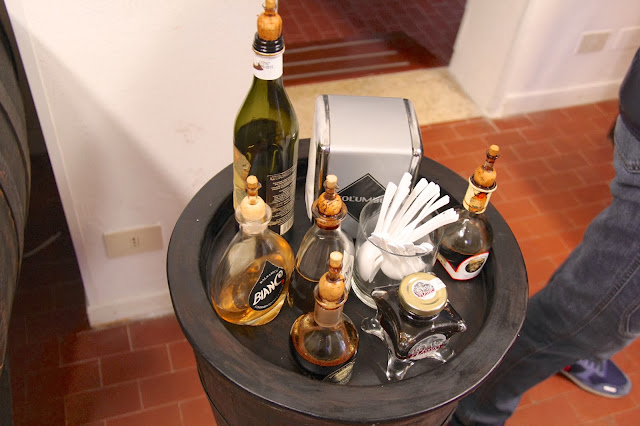
A display set, ready for us to taste
Davide explains the differences of the vinegars to an enamored fan
“Let the tastings begin!”
Davide gave us a very informative and interesting lesson
Julia did not want to miss her turn tasting
She loved the vinegar of Villa San Donnino
“More please!”
The vinegar coats the ice cream like a sweet syrup
Davide drizzles the vinegar for the rest of the group
As the tour wound down, Davide was starting to feel more like a family member than someone we had just met. Each couple bought some of his wonderful aged balsamic. Jen and I got some to use here in Italy and some for when we move home (unlike olive oil, the vinegar can last for many years in the bottle). I think S and Deborah bought his entire supply, including an affinato (aged 12+ years), an extravecchio (aged 25+ years) and the riserva (aged 50+ years). I think I’ll risk facing ten years in prison to smuggle home a wheel of parmigiano-reggiano cheese if S will promise to drizzle some of his riserva on it!
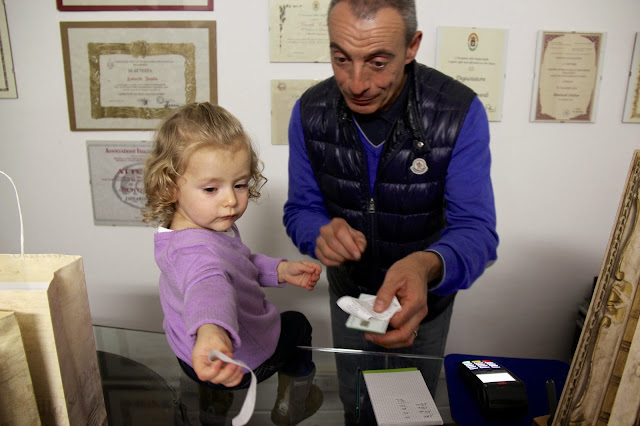
Julia helps Davide ring her father up
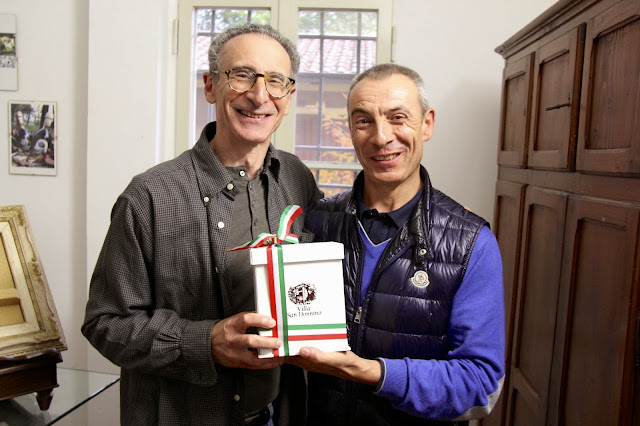
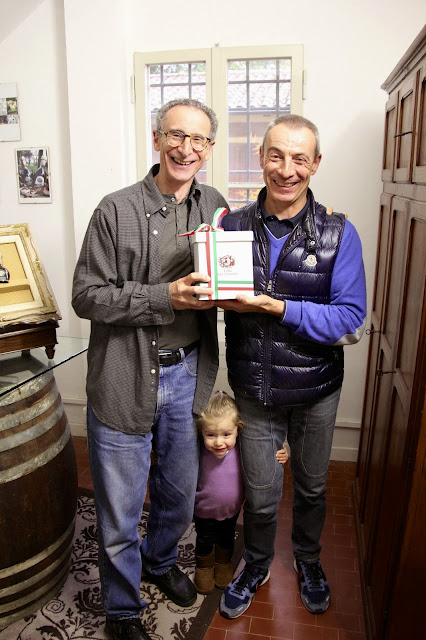
S and Davide take a picture with his new 50 year Riserva
All of a sudden, we all heard, “anche io” (“me too” or “so do I)
Julia didn’t want them taking a picture without her
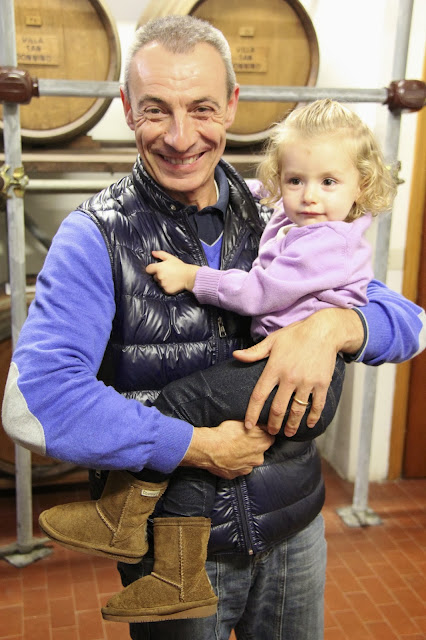
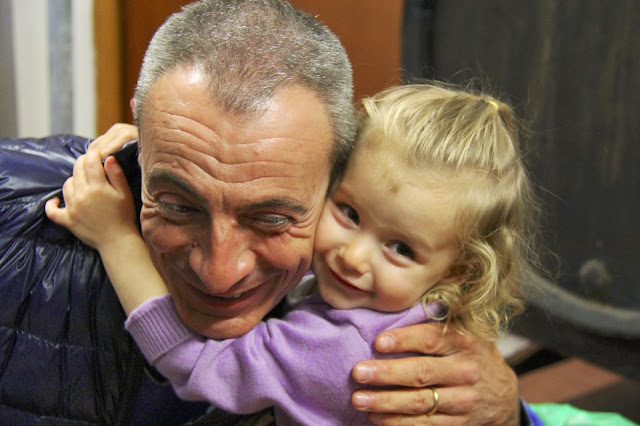
Davide holds Julia for a hug
Julia gives Davide a big hug
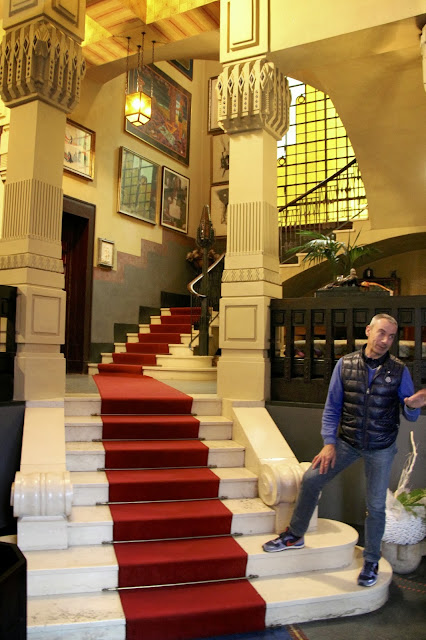
When we had completed the tour and acquisition of our newfound condiments, Davide did something that I suspect he doesn’t do for most tour groups. He offered to open his private home to us, the villa pictured in the brochure. This villa was acquired by his grandfather in the 1940’s and has stayed with the family ever since. In fact, the villa itself plays an integral role in the history of Acetaia Villa San Donnino. After acquiring the property, his grandfather happened upon a barrel used for making vinegar and so he thought he would “give it a try”. Over seventy years later, the family is still making vinegar in the traditional way. Davide explained that to be included in the small fraternity of roughly 80 producers in the world… you must have time, patience and a passion that cannot be taught. The tour of his home was simply amazing, jaw dropping examples of art and collectables abound around each corner. It was no wonder that Bernardo Bertolucci chose this location to film part of his movie, 1900, staring a young Robert DeNiro and Gérard Depardieu.
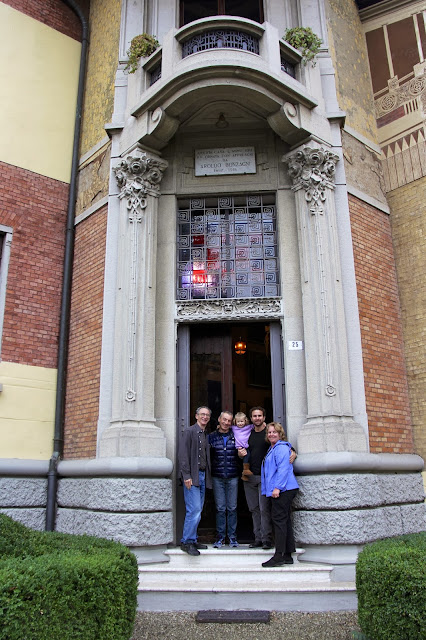
Everyone prepares to go into Davide’s home
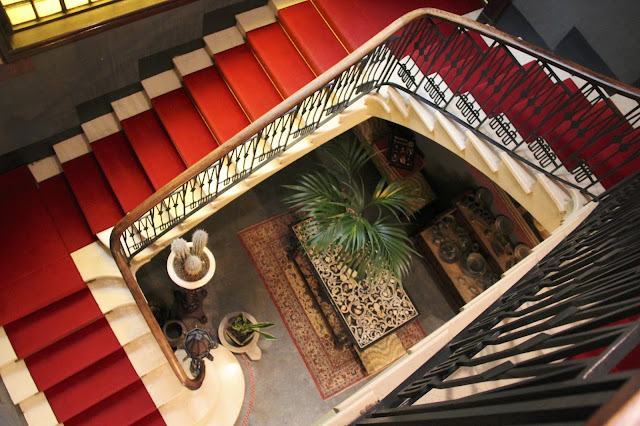
Quite a grand entrance
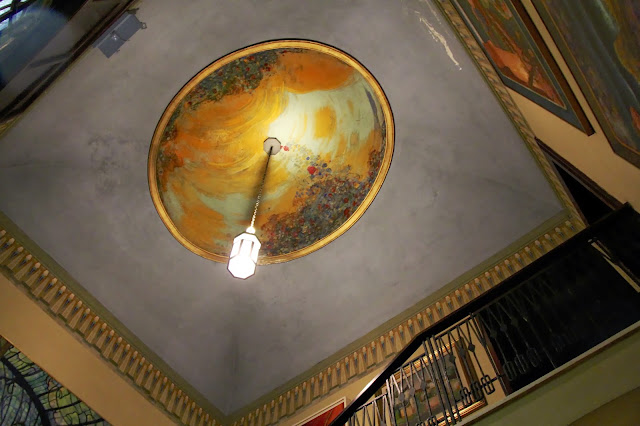
The ceiling above the staircase
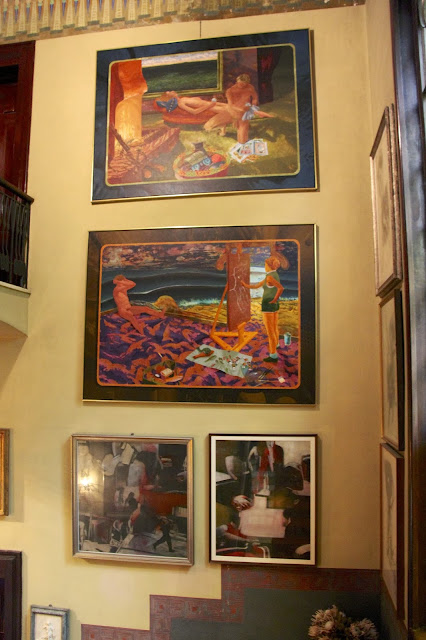
Stunning artwork adorns nearly every wall
The stairwell from the second floor
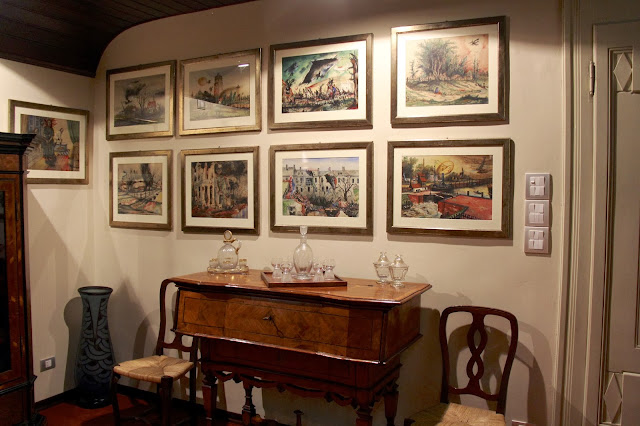
A collection of smaller original prints frame an antique desk nicely
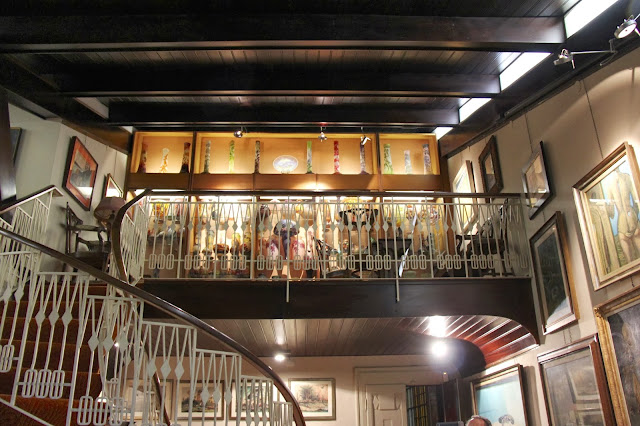
A stairwell leads to an annex full of glass pieces
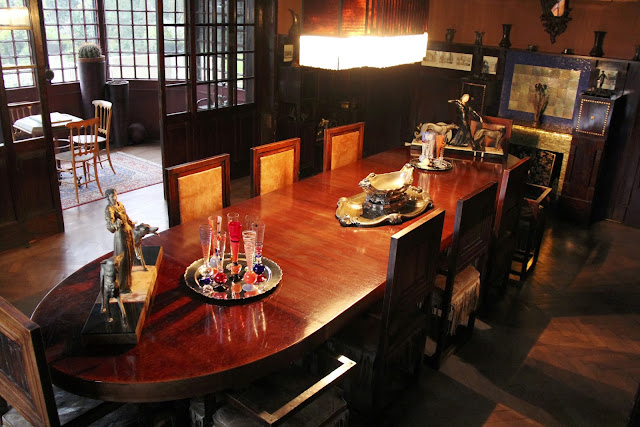
If this dining room could talk… I can’t imagine the history it’s seen. Robert DeNiro, for starters…
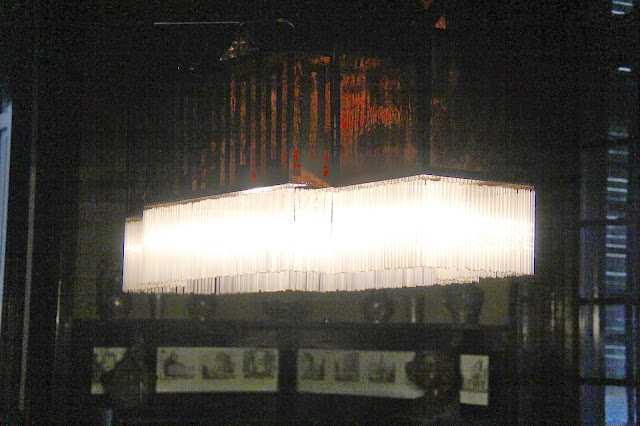
This was one of the more beautiful chandeliers I’d ever seen
As the sun was setting on a long and wonderful day, we bid Davide a fond farewell and Julia tossed her new friend many many kisses. We will definitely come back to see Davide again and re-stock our balsamic vinegar; if you find yourself anywhere near Modena, I suggest you pay him a visit as well!
*These are just a few of the wonderful uses for the condiment. While there are many, many uses for aged balsamic – most applications require a unique understanding of the complexities of this liquid gold. Since it is very expensive and can also overpower a dish with careless use, it is recommended that you do a quick bit of research before adding to your next dish.
Living in Italy grants us access to a lot of great restaurants. We fully take advantage of that and eat at… a lot of great restaurants. I recently read that 75% of the food in Italy is great and 25% of the food is exceptional. I would agree with that – most meals leave you feeling completely satisfied and pleased with the overall experience. But occasionally, you’ll find yourself “mmm’ing” and “aahhh’ing” with more delight than you intended to express aloud.
We can usually spot these exceptional places before we’ve walked in the door. We may have heard about the joint from a friend or relative. It’s possible I’ve read about it on the internet or a travel book. Or sometimes, we just walk into a place and the intense amount of “old-world charm” smacks us in the face. We’re greeted by a little nonna (grandma) who then scurries to the back to cook our meal – and we just know that we are in for a treat. Since it is usually one of those three paths that lead to our exceptional meals, I had all but dismissed, Osteria da Clo’ Filomena when we made our reservation. The reason for the swift dismissal, you ask? Well, the restaurant was in our B&B, in a remote part of Emilia-Romagna, surrounded by nothing by small villages and towns. I’m usually quick to dismiss restaurants in hotels anyway, with a few exceptions. Furthermore, the place was empty. I wasn’t surprised, because it would probably be a 20-30 minute drive for most patrons to arrive. I assumed that the restaurant was in place, merely to service the guests of the hotel and therefore had to serve mediocre food (which, if you remember still falls into the 80% “great” category).
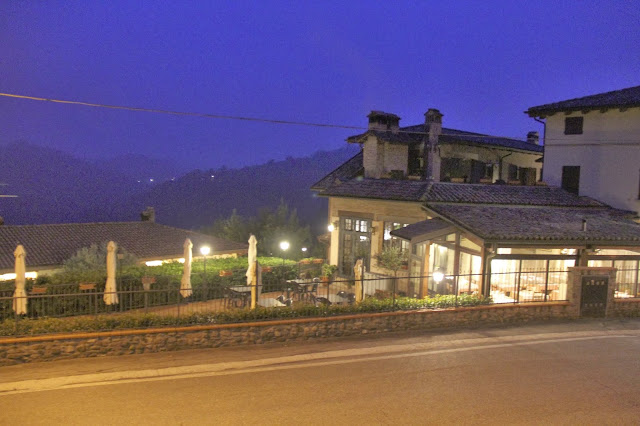
The Osteria at night – the outdoor patio is used in the spring
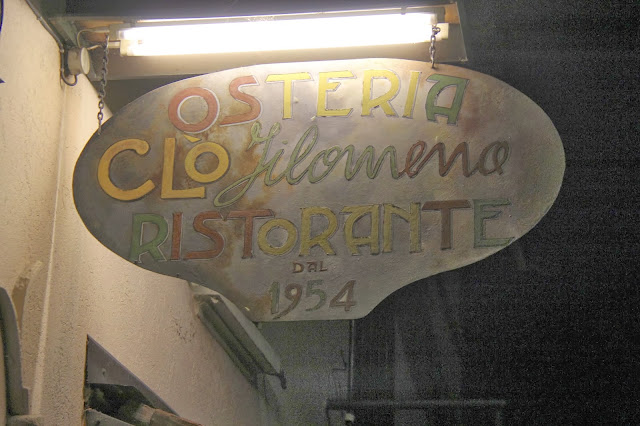
The ristorante opened in 1954
I am happy to say that I have never been so wrong! And we weren’t the only ones in on the secret – by the time we left, the place was nearly full. People had been coming in from [presumably] all over – from towns and villages several miles away. The waiters, two young men (I regret not getting their names) were very helpful and pleasant. Our server spoke fluent English, but indulged me and kept the conversation in Italian until I really needed the help on a word or two.
Our group decided that we would order several dishes and that we would be generous with each other when it came time to share. There were too many things to taste to keep each dish all to ourselves. Our group? Four weary travelers (and a baby past her bedtime), comprised of myself and Jen as well as my aunt Deborah and uncle S, visiting from the States (read about their trip HERE and HERE).
Antipasti
For the antipasti (appetizer), each couple elected to order the:
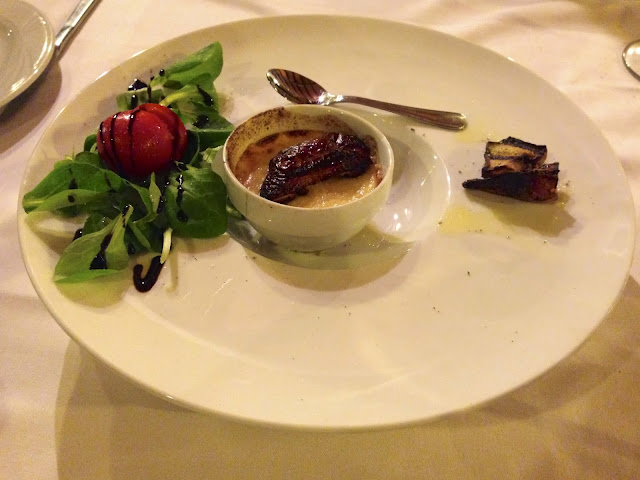
Creme Brulè ai Quattro Formaggi con Porcini e Balsamico
Four Cheese Creme Brulè with Porcini Mushrooms and Balsamic Vinegar
This dish was so tasty, we asked what the four cheeses were so that we could attempt to recreate it at home
Primi Piatti
For our primo (first course), each couple shared a pasta:
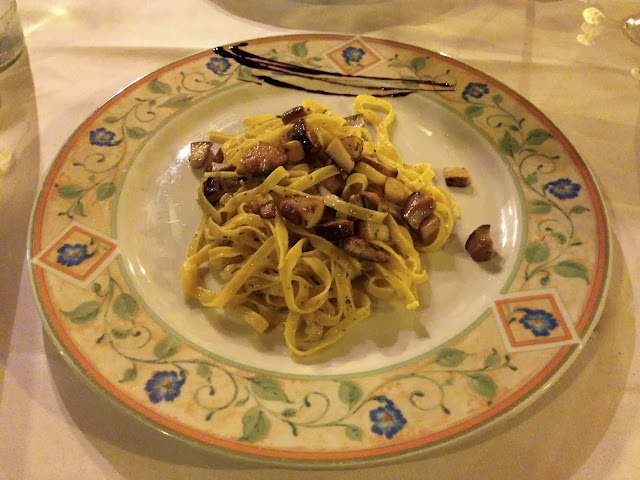
Tagliatelle ai Fungi Porcini (S and Deborah)
Tagliatelle Pasta with Porcini Mushrooms
Dishes with porcini mushrooms were among the restaurant’s specialties
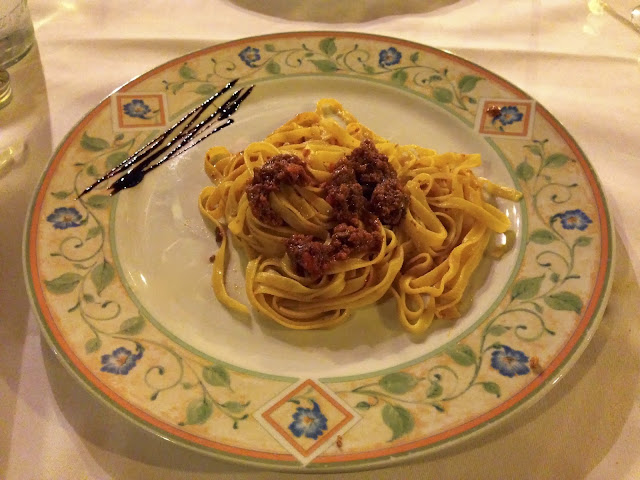
Tagliatelle al Ragù alla Bolognese (Greg and Jen)
Tagliatelle Pasta with a Meat Ragù
Jen and I like to try classic examples of Bolognese – it is a dish that has subtle changes across various regions of Italy
Secondi Piatti Tipici
For our secondo (main course), each couple shared once again:
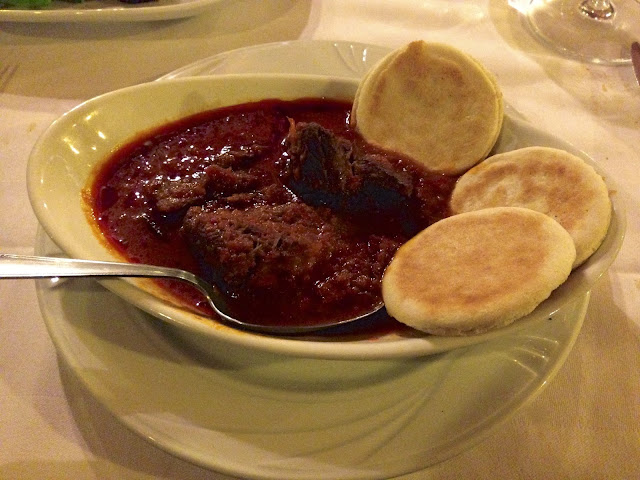
Spezzatino Rosso di Cinghiale con Tigelle (S and Deborah)
Red Stew of Boar with Tigelle Tigelle is a bread that looks like a small pancake, local to the region
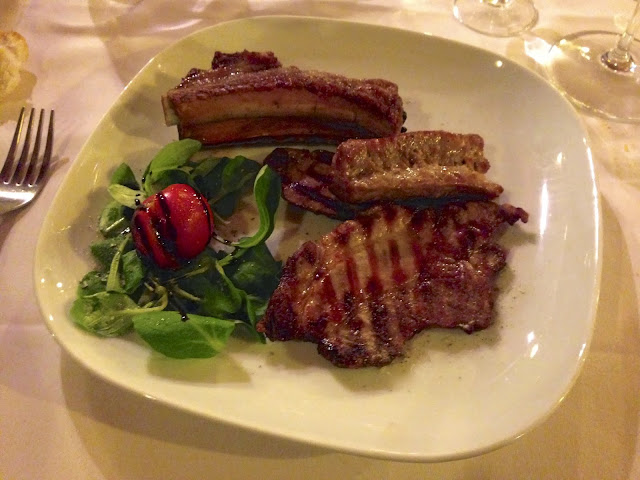
Grigliata Mista di Maiale (Greg and Jen)
Mixed Grill of Pork
This is a fairly common dish throughout Italy, but this was superior to most – perfectly seasoned and tender
Contorni
For our side dishes we selected:
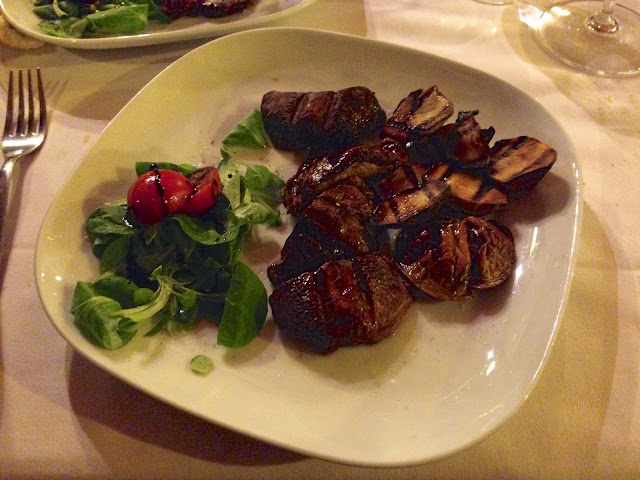
Funghi Porcini Grigliata (a seasonal dish)
Grilled Porcini Mushrooms
This dish is only served during “mushroom season” (September, October, November)
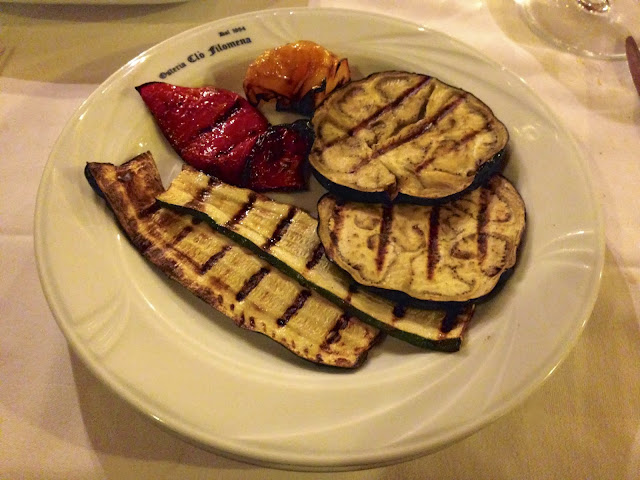
Verdure alla Griglia
Grilled Vegetables
A simple and healthy selection from the grill
Dolce
For me, dessert is usually the weakest part of the meal – I was proved wrong once again. I had to tell myself over and over that it was impolite to pick my plate and lick the remaining chocolate residue. We all shared:
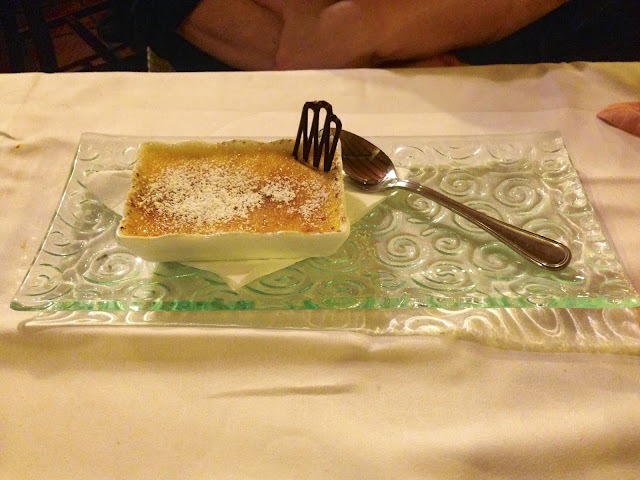
Creme Brulè
Creme Brulè
As delicious as it looks
Torta al Cioccolato di Lave
Chocolate “Lava” Cake
Jen had to restrain me from licking the plate
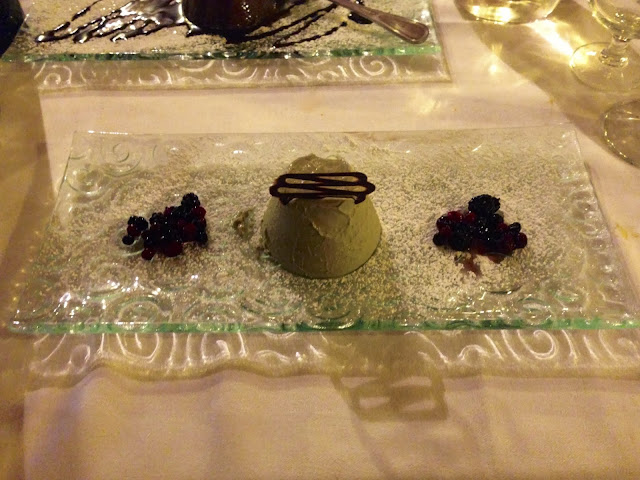
Torta di Pistacchio
Pistachio Cake
I’m not a huge pistachio fan, so it came as no surprise that this was my least favorite of the trio
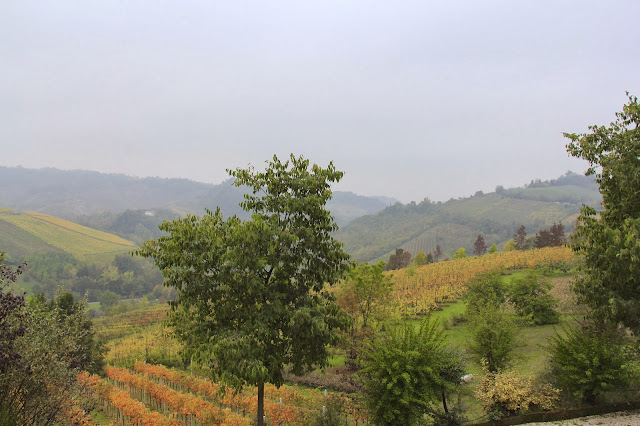
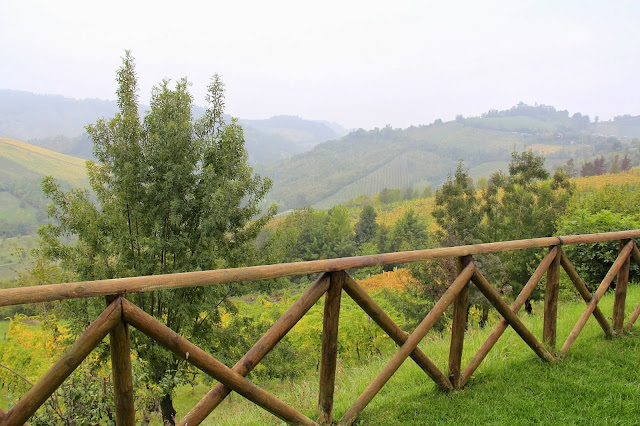
We were fortunate to have found, Osteria da Clo’ Filomena as a byproduct of first discovering the hotel in which we were staying, La Locanda Gli Ulivi. From what I could gather, the restaurant was established first, in 1954 – and is still the main draw on the property. The hotel is a charming B&B, set just far enough away from Modena and Bologna that you can’t help but become immersed in the nature and hills of vineyards.
The rolling vineyards behind Osteria da Clo’ Filomena
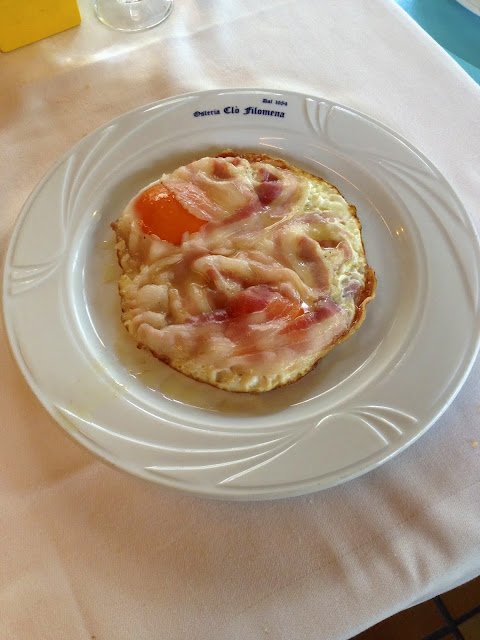
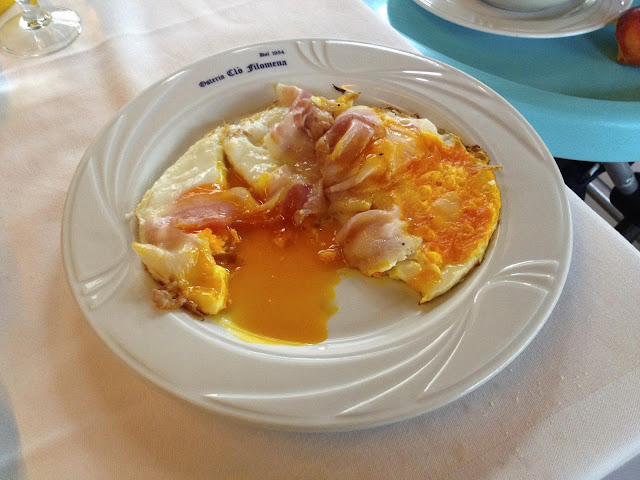
In the summer, a small waterfall cascades on the patio as diners eat under a setting sun and in the winter the fireplace is always glowing – warming the patrons next to the chestnut wood tables. If you stay at the hotel, you can expect a breakfast as delicious as the one pictured below.
Eggs, made to order
Perfectly cooked with delicious pancetta
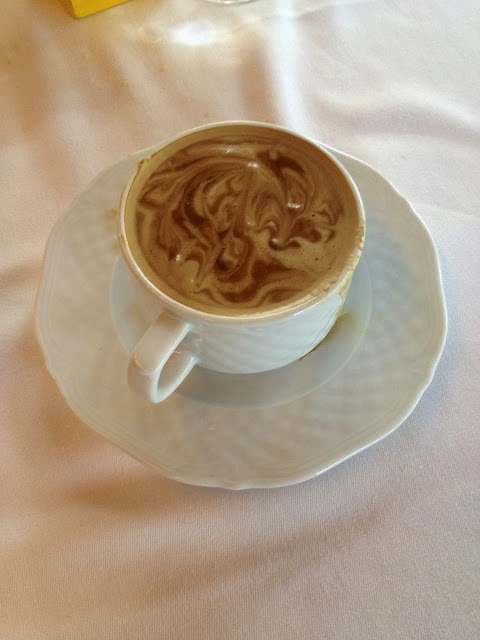
Cappuccino con doppio espresso (cappuccino with double espresso)
Next time you’re in Emilia-Romanga, stop by and have a meal. Be sure to tell everyone that we said, “ciao!”
Before I’ve even written the first word of this post, my OCD brain is trying to figure out if this post should be categorized under the “Food” or the “Travel” sections of the blog. I will be taking you along with us on our travel adventure to go eat some of Italy’s best food. It’s quite the dilemma…
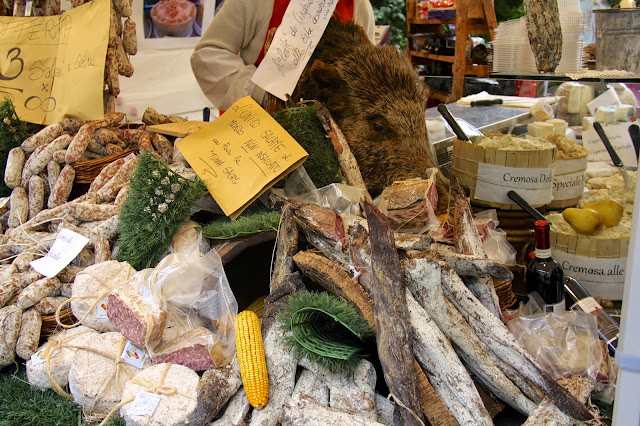
A selection of salumi (cold cuts), formaggi (cheese) and the cinghiale (boar) that gave his life to the cause
You may have read about part of our visit with Aunt Deb and Uncle S where we ventured into the wine region of Piemonte during the first portion of their visit. Their two week sojourn in Italy included a mission to explore the best of what the country has to give. It was no coincidence then, that their adventure had been neatly divided into three of the country’s best offerings. Part I was Vino (wine). Party II was Cibo (food) – the subject of today’s post. Lastly, Part III was Storia (history). Since they experienced the rich history of Pompeii and Venezia on their own, I will let them tell you all about it at their next dinner party. I’ll simply report on the parts during which we were present… and luckily for us, we were present for a three day trip into Italy’s richest “food region”, Emilia-Romagna.
“Now I’m hungry – let’s eat!”
I always laugh when I speak to Italians about their trips to the United States. Before they even tell me, I know that they’ve been to New York City and then Miami (bypassing Washington DC; a detail they don’t want to admit but one that I always extract). If they’re fortunate enough to have a lengthy stay, they will then travel to Las Vegas on their way to Los Angeles. Occasionally, they may venture up the coast to San Francisco before returning home. That’s it. Every. Single. Time. Heck, I don’t blame them – they were raised in large part on American cinema, and that’s what most Europeans see as the sum total of the United States – New York and LA. And of course, who wouldn’t want to throw a trip to Vegas in the mix?! Likewise – it is the same for Americans coming here. Where do we go? Rome. Milan. Venice. Tuscany (Florence and Pisa) and occasionally the Italian Riviera if there’s time. But there is so much of this country that is left undiscovered (I feel like we travel non-stop and we still haven’t gotten a flavor of more than 10% of Italy). One region in particular that is largely overlooked is Emilia-Romagna. Heck, I’m willing to bet you probably haven’t even heard of it! But there are a few things that I know you know. You’ve heard of Ferrari, Lamborghini and Maserati. They’re all produced here, in Emilia-Romagna. Or aged balsamicvinegar? That also comes from here, in Modena. What about parmigiano reggiano (parmesan cheese)? Or prosciutto? I’d be wiling to bet that you’ve even heard of Ferrara chocolate. With culinary delights like these, it’s no wonder that Emilia-Romagna is often considered the “heart” of Italian cuisine.
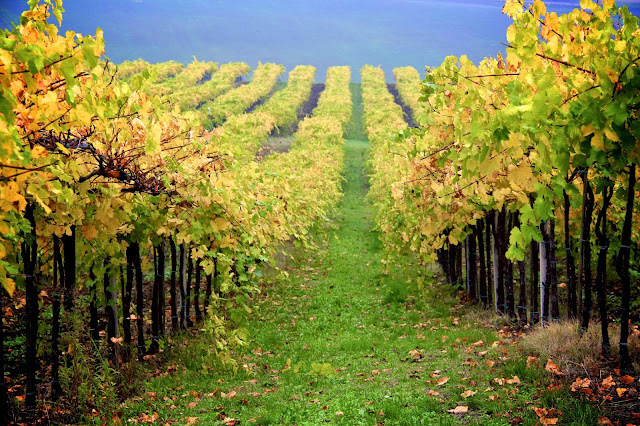
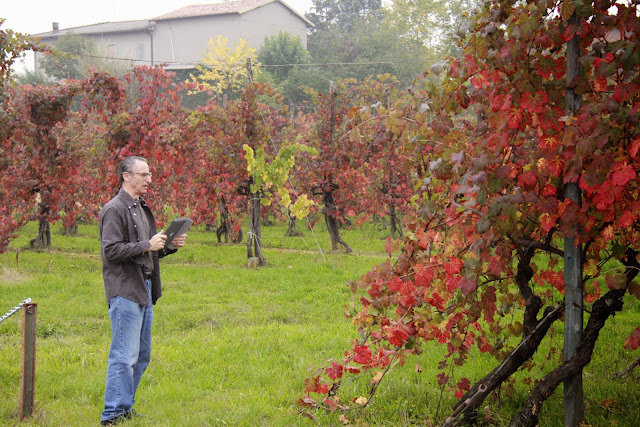
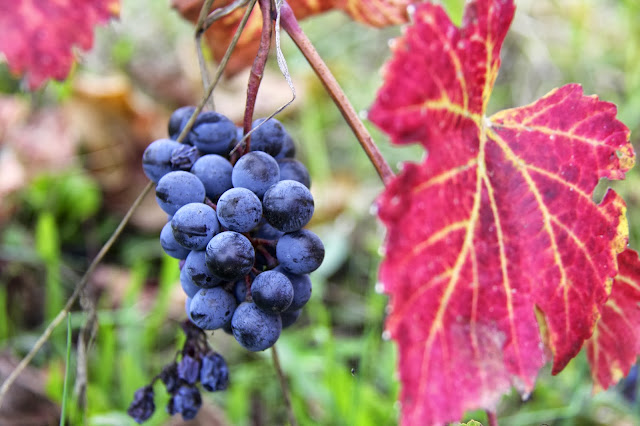
Vineyards in Emilia-Romagna
S studies the frame of his photograph
The colors at this time of year were stunning
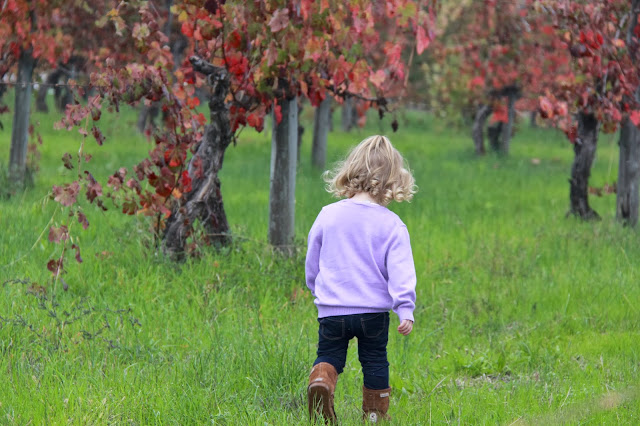
Julia takes a stroll and soaks up all that Emilia-Romagna has to offer
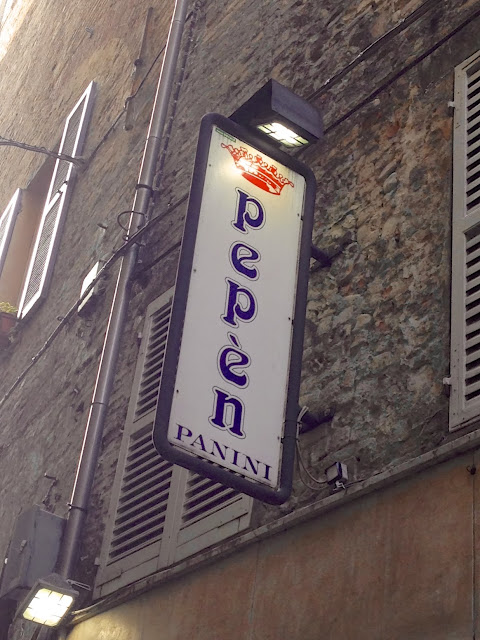
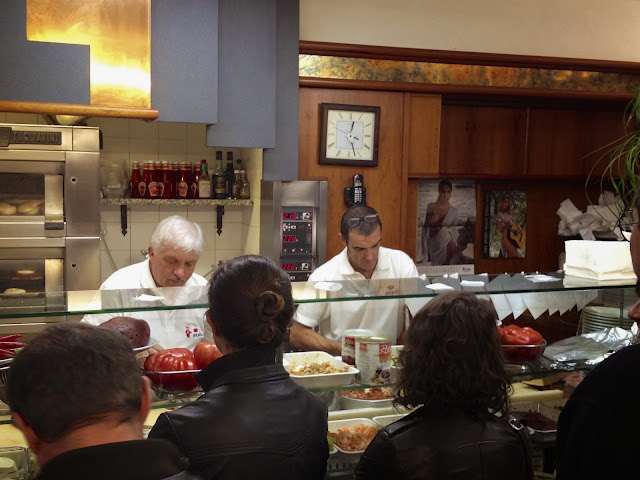
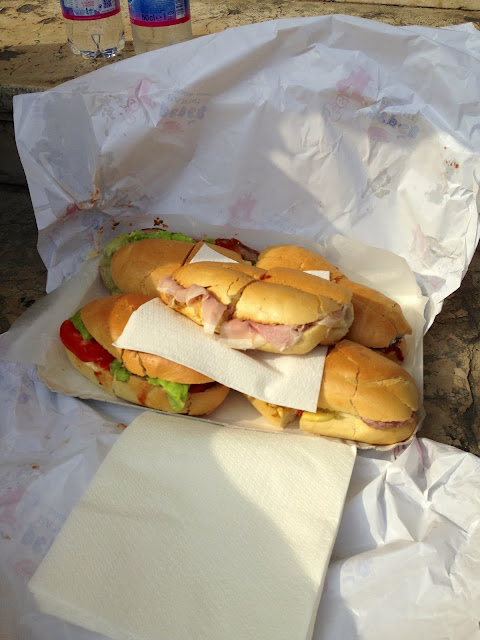
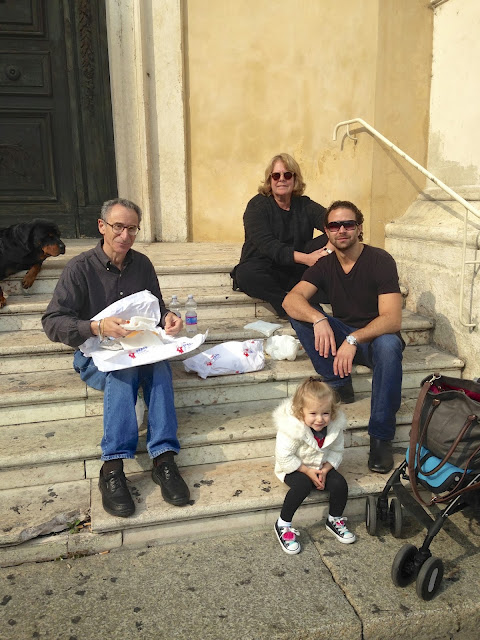
On our first day, we stopped in Parma (of Proscuitto di Parma fame) to begin our culinary escapade. We started small – just panini (sandwiches) at the most popular sandwich place in northern Italy, Pepèn. I was not at all surprised to learn that this tiny shop that has been around for over 200 years does not have a website. I think that they figured out the perfect panino (sandwich) somewhere in the past 100 years and have unabashedly decided not to change a thing since (earning them a #1 rating out of 430 restaurants reviewed on TripAdvisor – although calling it a “restaurant” is a stretch). Uncle S and I crowded into the tiny restaurant and I told the sandwich maestro to give us a mixture of some of his favorite concoctions. We awoke our taste buds with succulent porchetta, life-changing salsiccia crudo (raw sausage) and mind-altering gamberi piccanti (spicy shrimp) – all on perfectly toasted buns (these were just some examples of our sandwiches – we got many more to share). Since the place doesn’t really have any seats, we camped out on the steps of Chiesa Cattolica Parrocchiale San Pietro (St. Peter’s Catholic Church Parish) in Piazza Garibaldi Giuseppe to enjoy our delectable treats.
Pepèn is hidden on a small side street – you have to know where you’re going to get there
These two guys have been making panini in this crowded little shop for many years
One package of our delicious panini
We camped out on the stairs of the church to eat our lunch
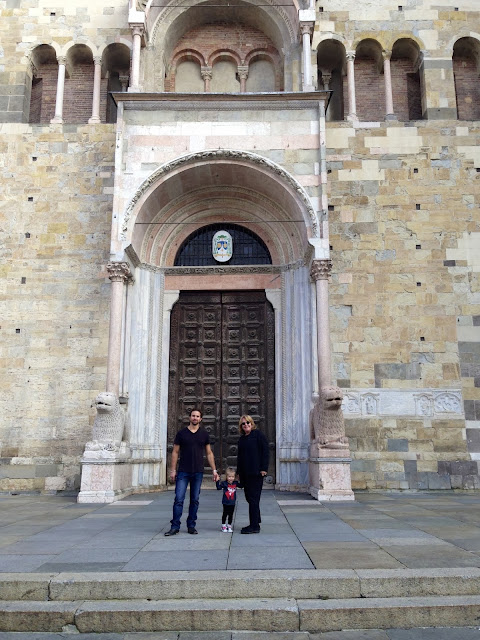
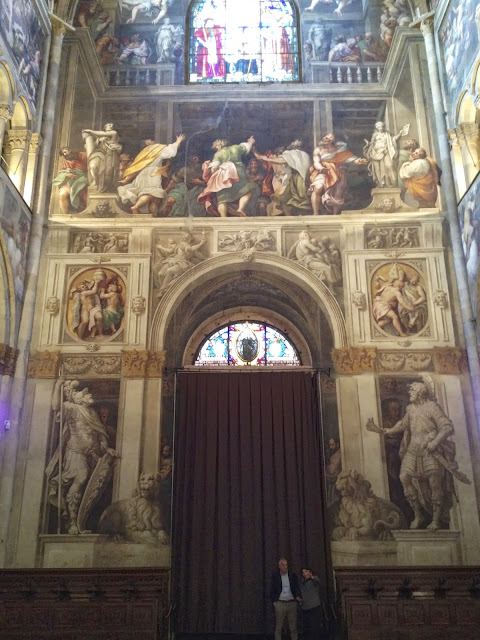
Julia escorts Deborah and me into the Cattedrale di Parma
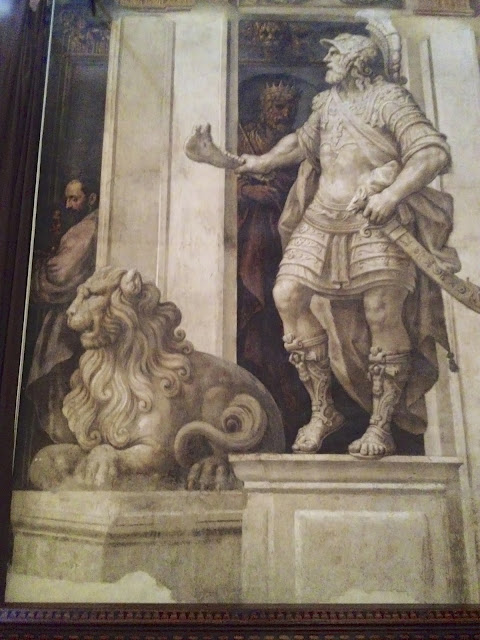
Amazing frescoes adorned every single wall in the church
The paintings on the wall were so lifelike I was mesmerized
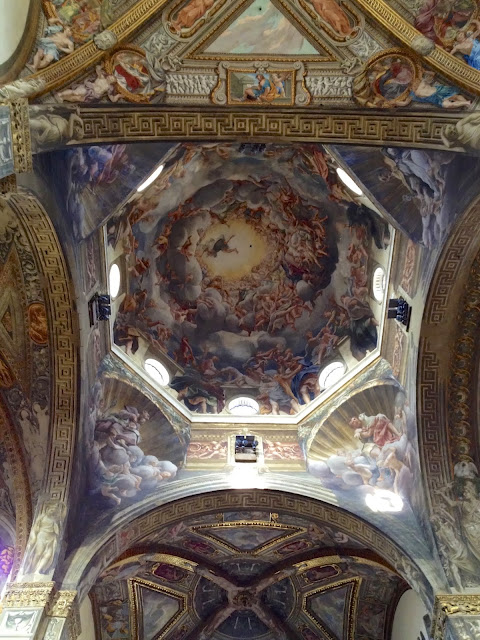
The ceiling amazed all of us inside the Cathedral
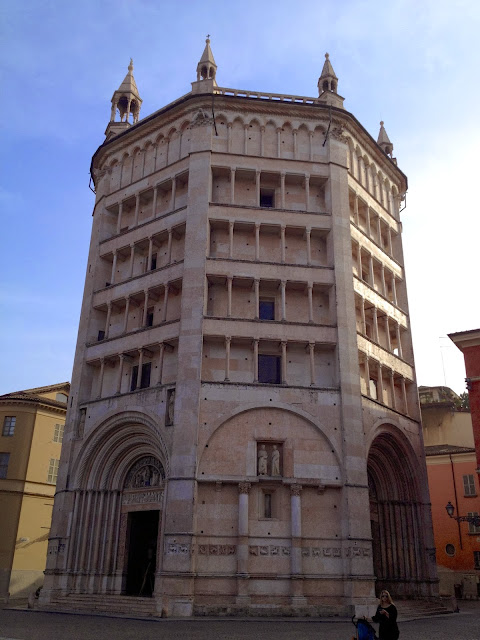
The Baptistery of Parma, commissioned in 1196 by the city counsel of Parma
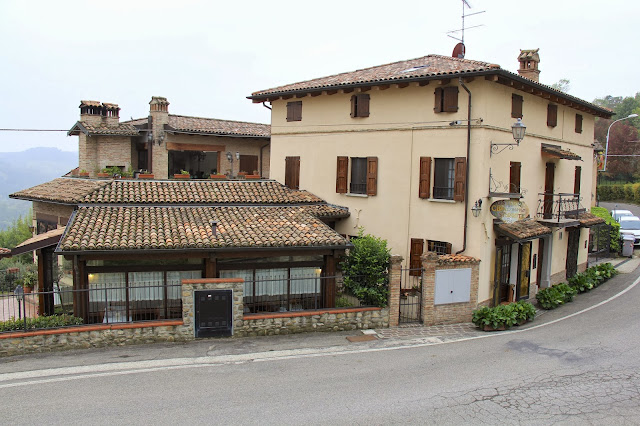
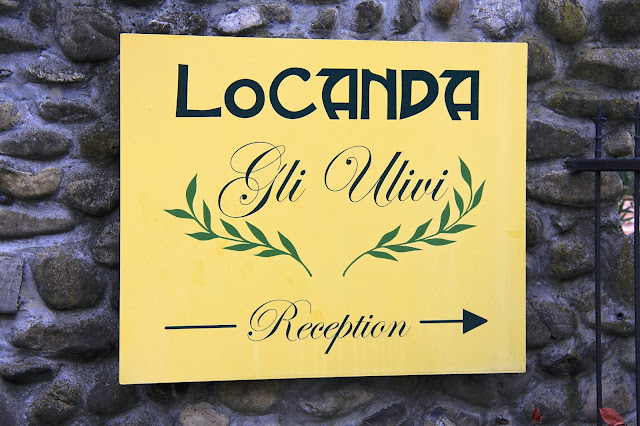
After a complete and rewarding day in Parma, we drove the forty five minutes to our B&B, just outside of Modena. After researching for many hours, we had booked a stay at, Locanda Gli Ulivi because it was centrally located to the places we would be visiting and has a wonderful online presence (great reviews and photos across our most reliable travel websites). We were not disappointed with the place – it was simply wonderful. Since we were weary road warriors on that first day, we decided to eat at the hotel’s restaurant, Osteria Clo ‘Filomena that night. Since the food was so wonderful and I was able to capture a picture of each course, I’ll complete a separate post about that meal.
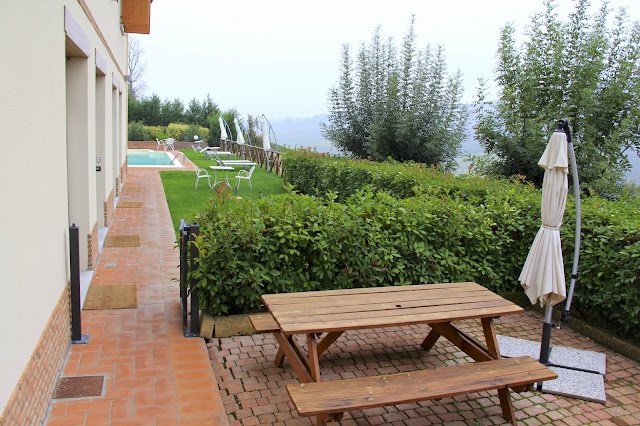
Locanda Gli Ulivi
“Come on in…”
Our backyard
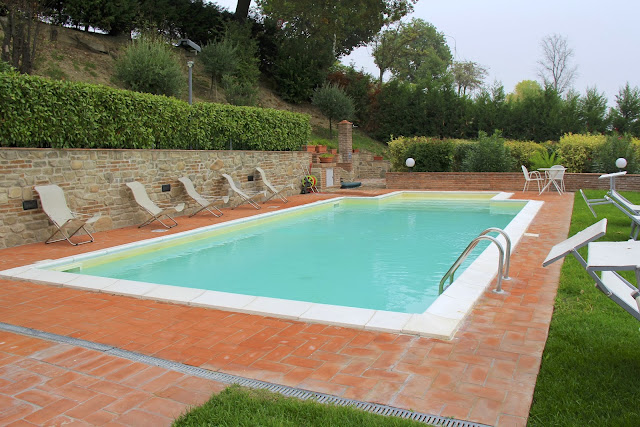
The pool
A nice place for a picnic
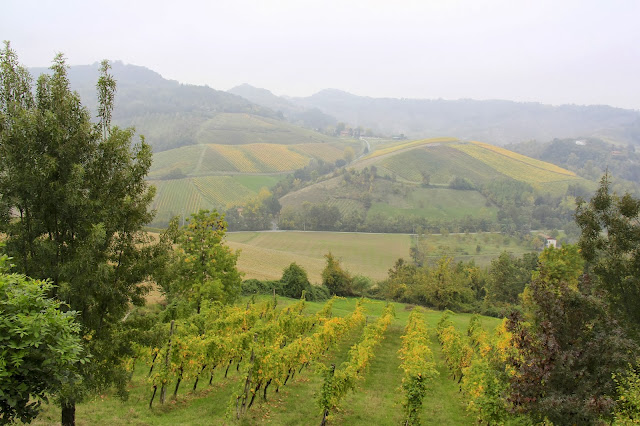
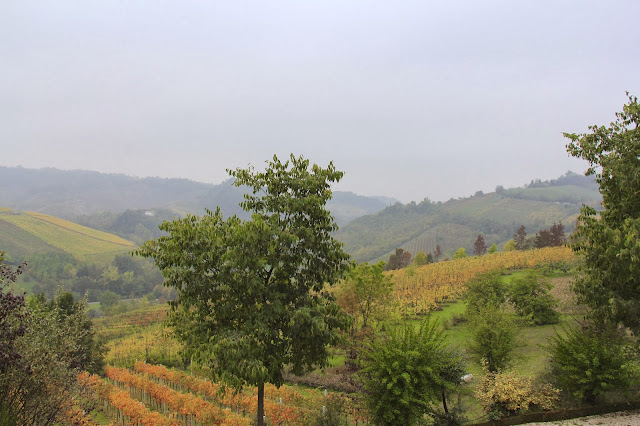
View from immediately across the room
Same place, looking to the right
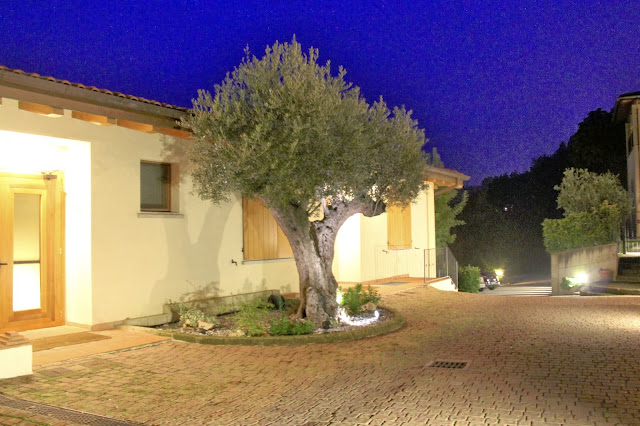
An olive tree at night inside the property
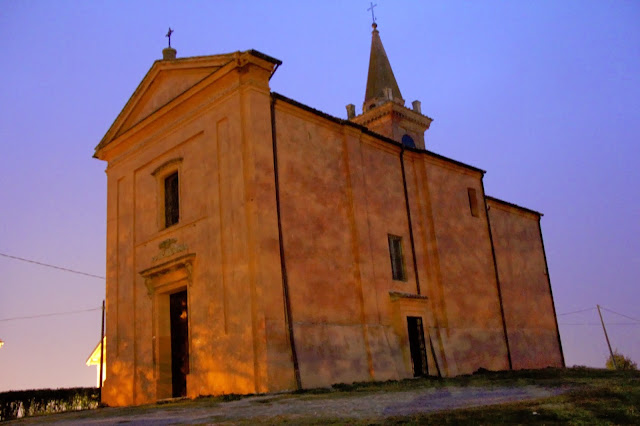
An old church across the street, lit up by the purple sky of early evening
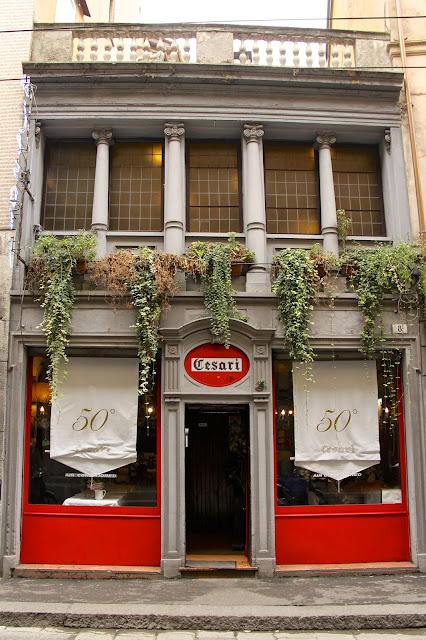
The next day, we departed with our sights on the largest city and capital of Emilia-Romagna, Bologna. To most Americans, bologna is a processed meat (that you either love or hate) sandwiched between two pieces of good ol’ fashioned white bread. In the States, we named “our” bologna after the city that is a major producer of mortadella – a staple meat of Bologna (and very similar – but much, much tastier than “our” bologna). My bologna has a first-name, and it’s…”send this back and bring me a slice of mortadella, please!”. To most Europeans, Bologna is much more than just a processed meat. It is a university town. Home to the oldest university in the world, University of Bologna, founded in 1088. Today, the university accepts students from all over the world – eager to complete a full program, or just a study abroad in the seventh most populated city in Italy. We walked around all day, stopping for a wonderful lunch at Cesari – a selection from S and Deb’s Fodor’s guidebook. The gang at Fodor’s know what they’re doing, it was a wonderful place.
Cesari was as delicious as it was charming
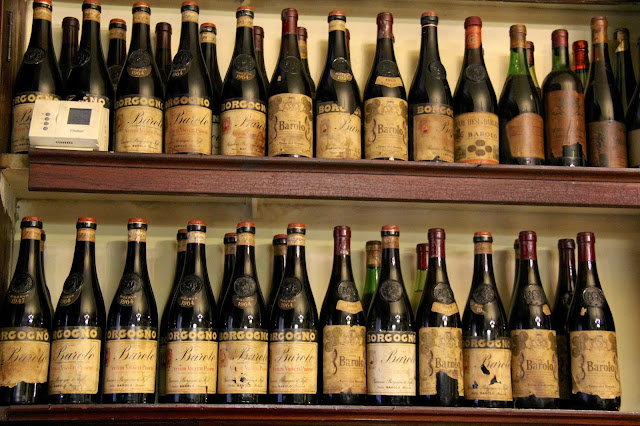
“Hey… we recognize that wine”
(from a tasting we did at Cantina di Borgogno a few days earlier)
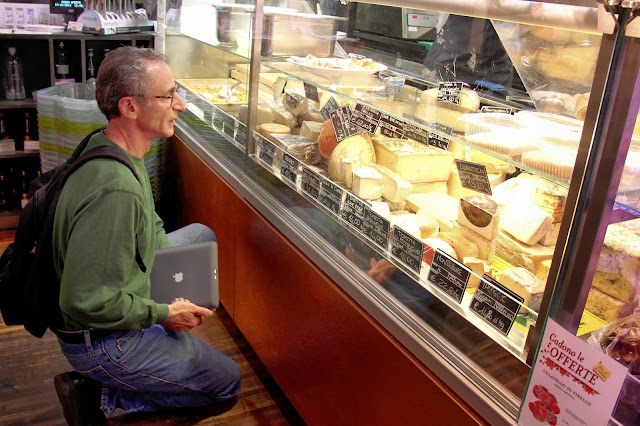
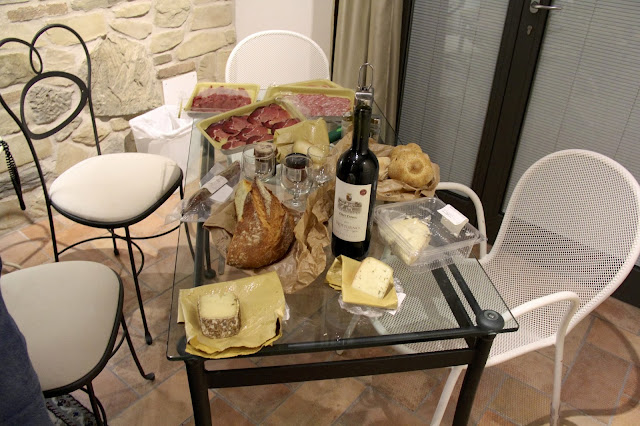
We spent more time walking though this historically significant and important city, before ducking into a building with a much more modern vibe. Eataly is the brainchild of Oscar Farinetti; a store that is a proud Italian marketplace, selling the best ingredients and offering access to goods that are otherwise hard to acquire on a massive scale (imagine a Whole Foods on steroids that just sells Italian products). Even though Oscar opened his flagship 30,000 sq. ft store in Torino in 2007, the company really took off with locations around the world (including New York City) when B&B Hospitality Group (Mario Batali and Joe Bastianich) became a partner. Admittedly, the Bologna location was very underwhelming in size and scale (especially compared to the unique Torino store) – but we were still able to acquire some wonderful salumi (variety of cured meats) and formaggi (cheeses). That night, we procured reservations at the the most exclusive table in all of Italy – we had a little picnic in S and Deb’s room.
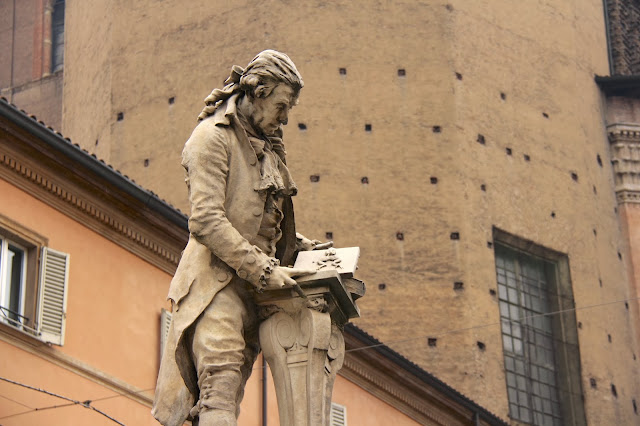
A statue stands near the University of Bologna
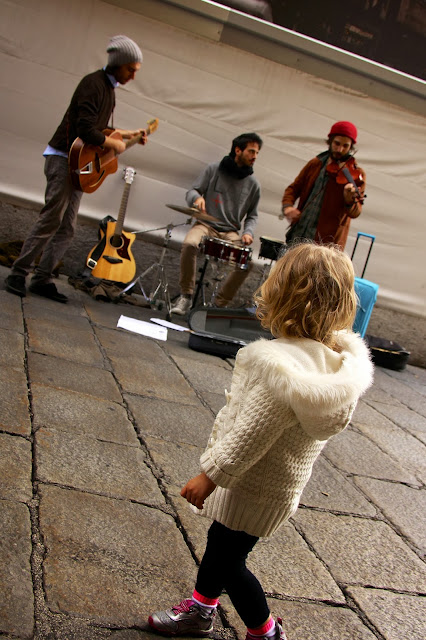
Julia becomes taken with a small group of performers
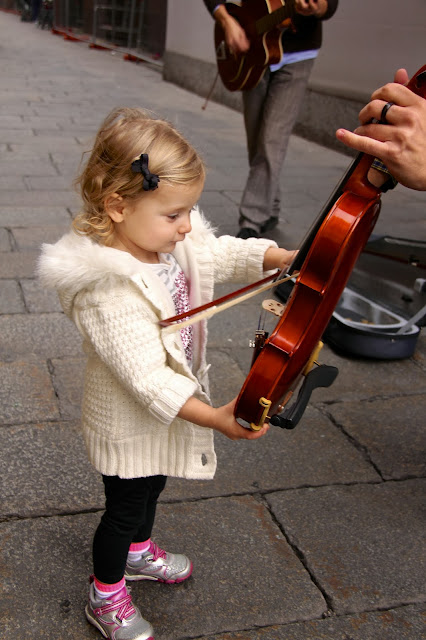
She takes a shot at playing – she started with some Mozart
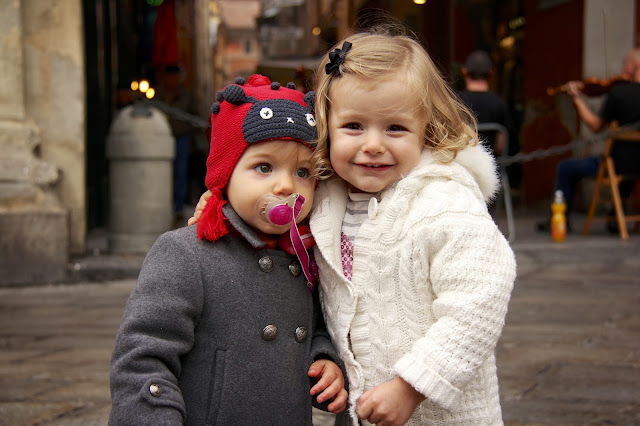
Julia made a friend in the main piazza
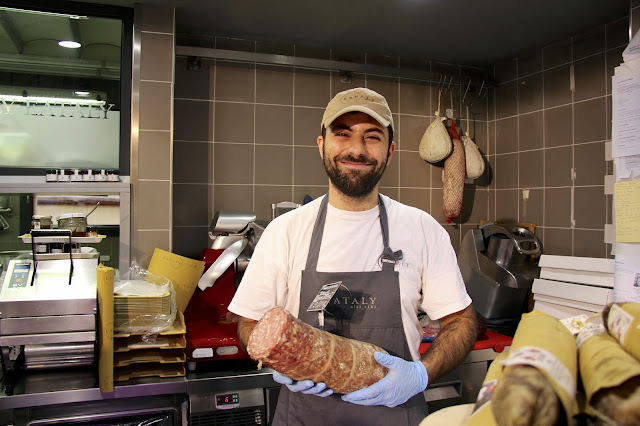
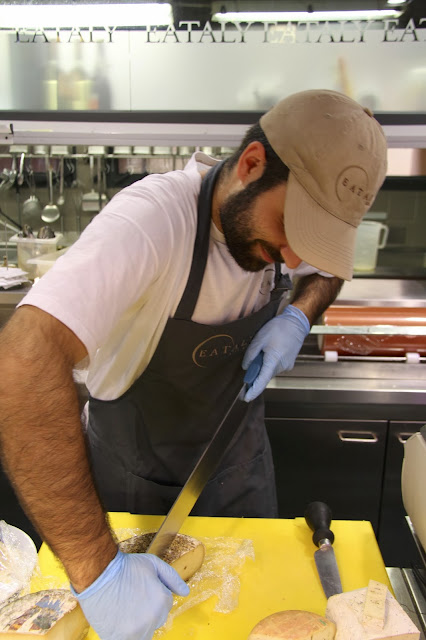
Inside Eataly, our friend helps us select the best meats and cheeses for our picnic
S takes his job selecting for the group very seriously. Good thing he did, we had a wonderful meal
He cuts us a hard cheese
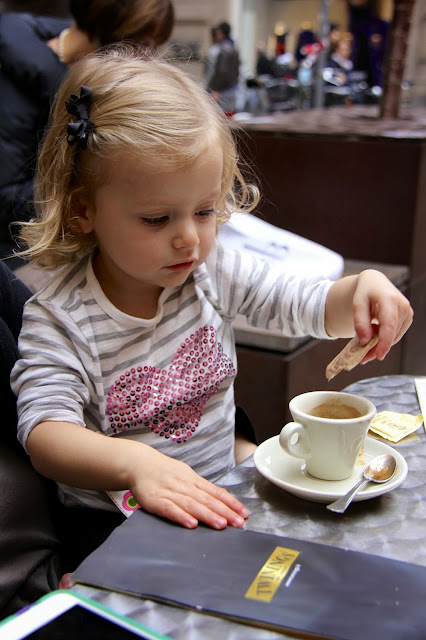
After our visit to Eataly, we needed a little coffee
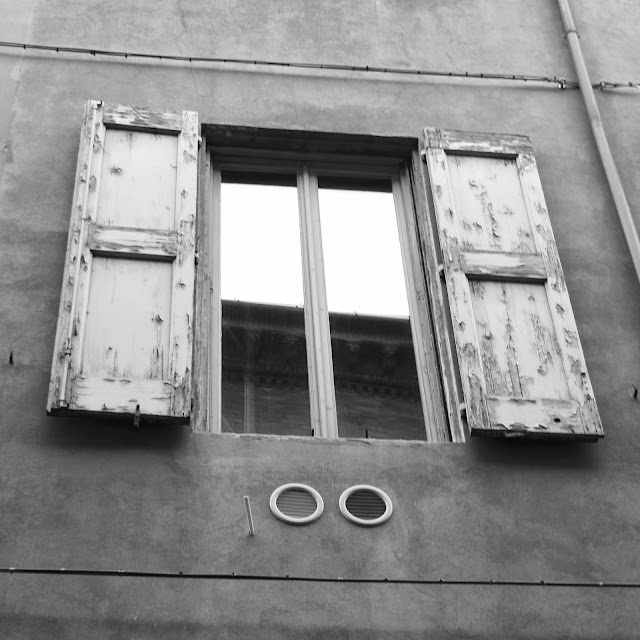
I just thought this window was interesting
As well as this ancient building
The table is set
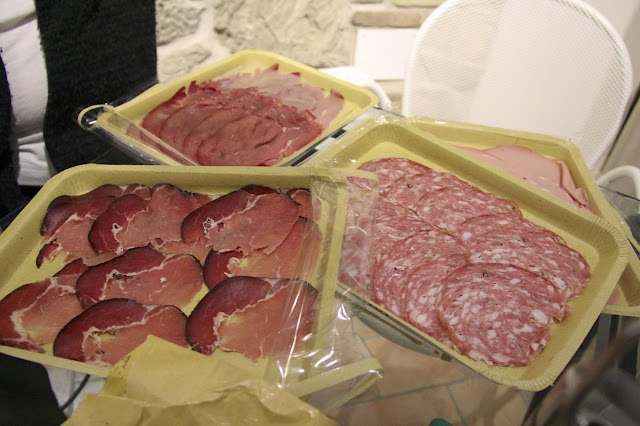
Our salumi (meats)
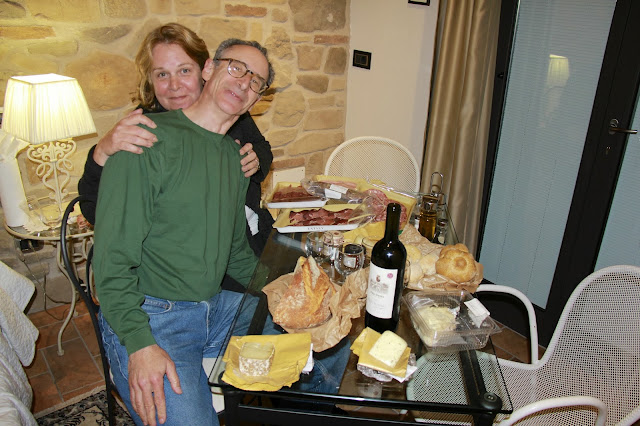
S and Deb are about to dig in with us
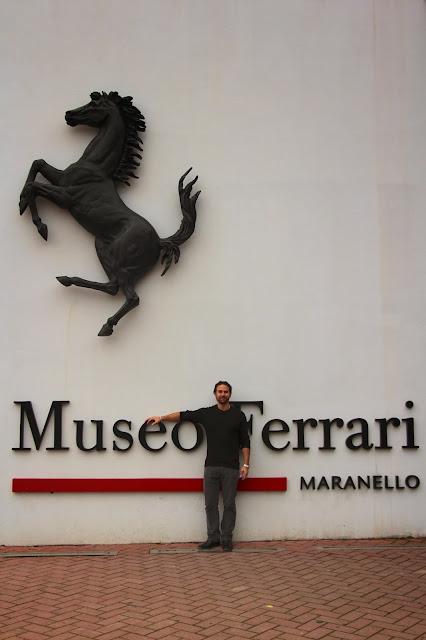
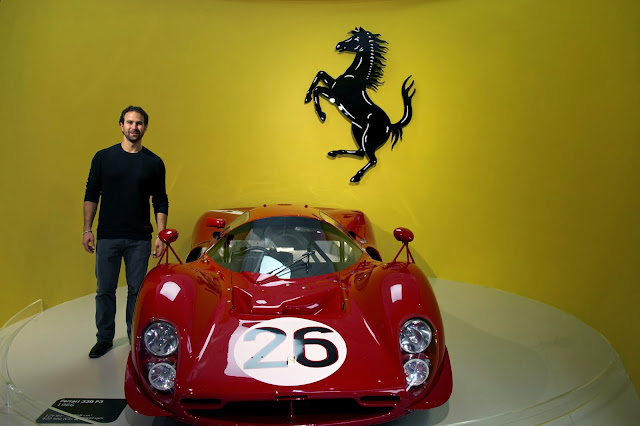
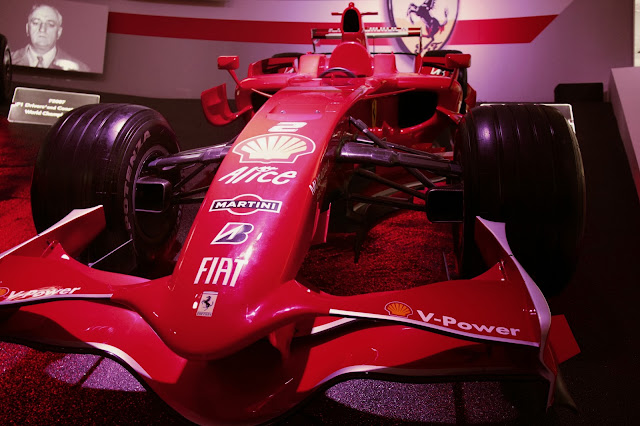
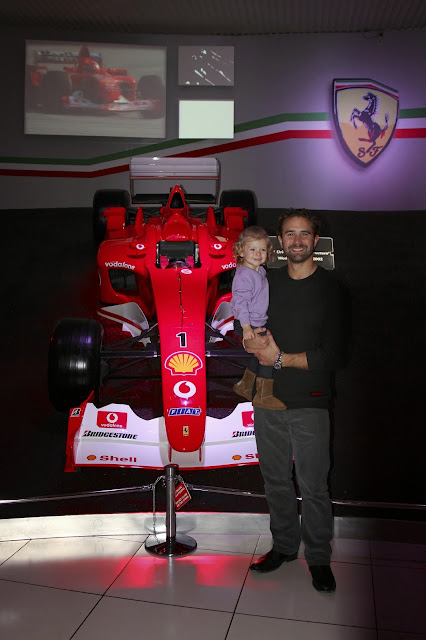
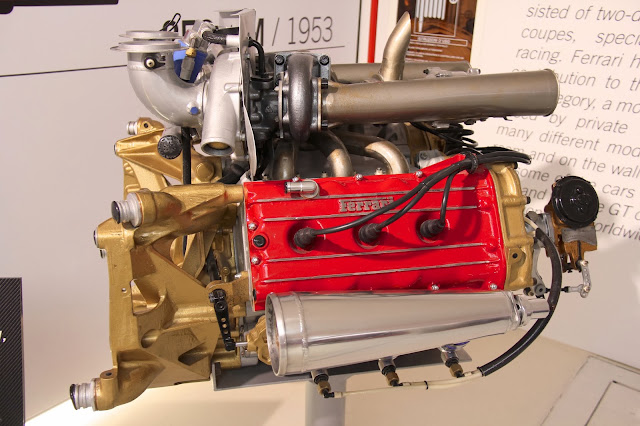
Our final day in Emilia-Romagna was no less packed with activities than the first two. We had scheduled a visit to the Museo di Ferrari (Ferrari Museum), exploration of Modena (with a stop for lunch) and a balsamic vinegar tasting. Car enthusiasts the world over can appreciate a visit to the “mecca of all things automotive”. This is what Modena can offer you – Ferrari and Maserati all have their factories within a few kilometers of the city (Lamborghini moved their headquarters from Modena to Bologna). Ferrari chose to name one of their models after the city itself (Ferrari Modena 360). We chose to learn a little bit about the legacy of Enzo Ferrari himself, one of the world’s truest visionaries. The museum did not disappoint….
Museo Ferrari in Maranello
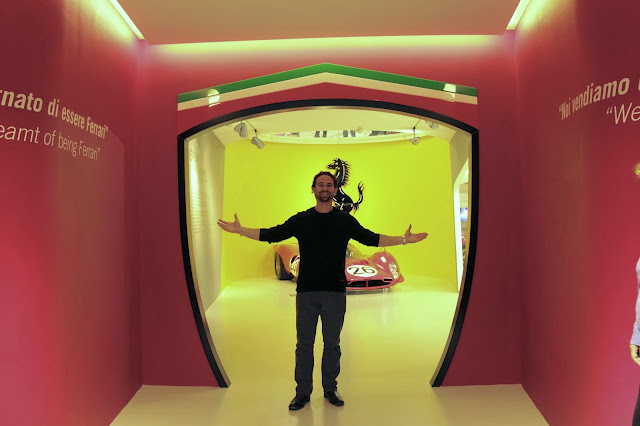
“Welcome to paradise!”
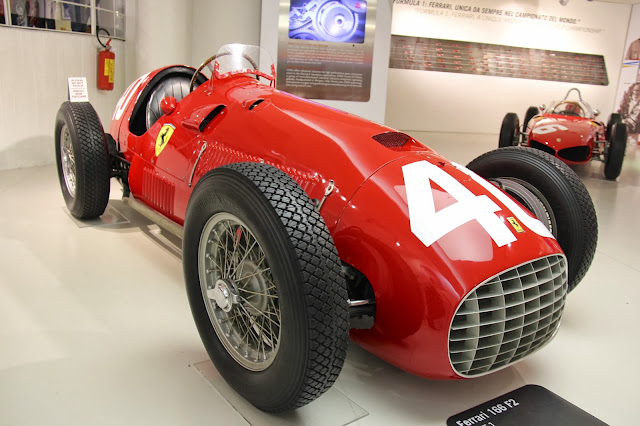
An old Ferrari 166 F2
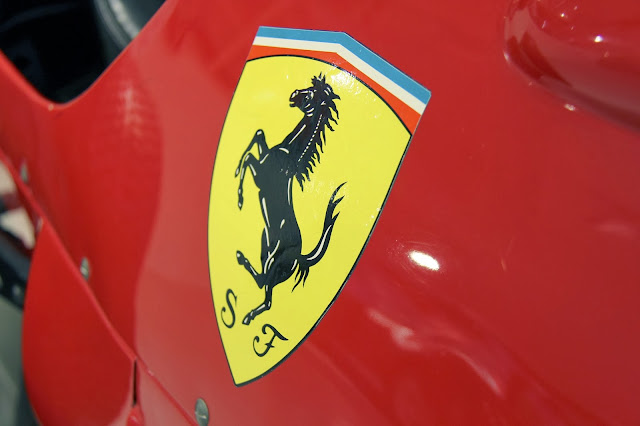
This classic symbol is at the heart of most men’s desires
1966 Ferarri 330 P3
1954 Ferrari 750 Monza
F1 Constructors’
Formula 1 World Champion 2008
Julia and I sure felt like champions
The heart that powers the machine
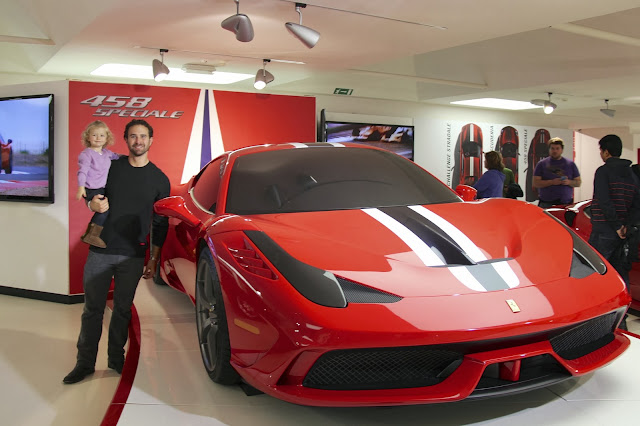
2013 Ferrari 458 Speciale
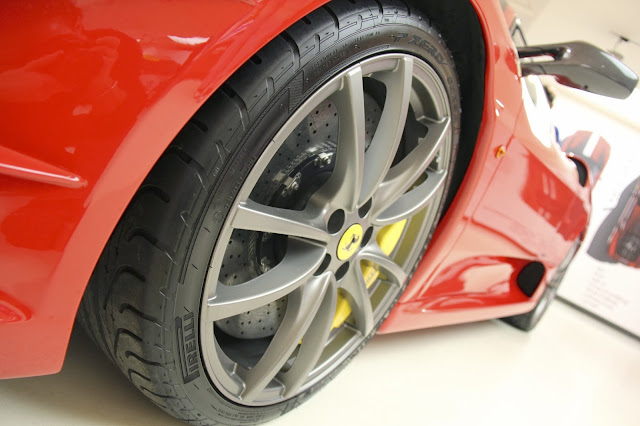
These babies can grip – Pirelli is the tire of race professionals
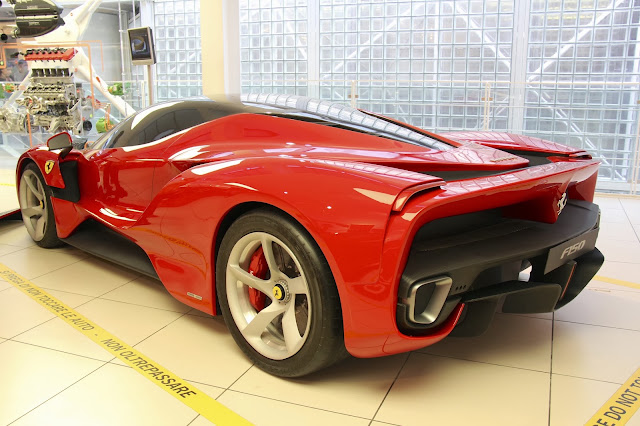
Concept car of the future
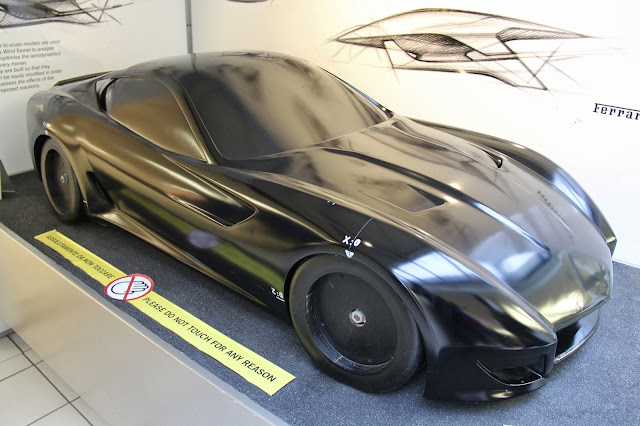
This is a clay model – what they use to construct a concept in the early stages of development
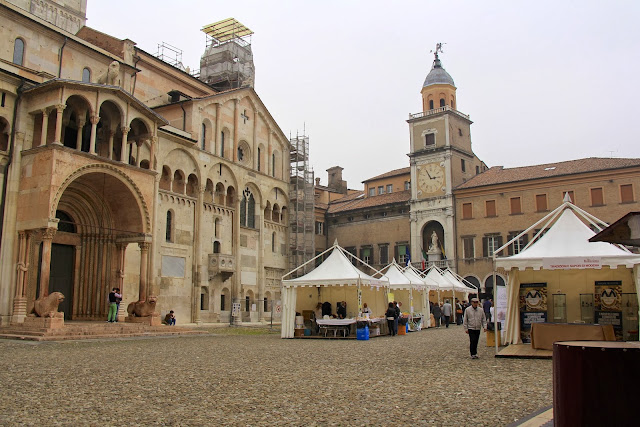
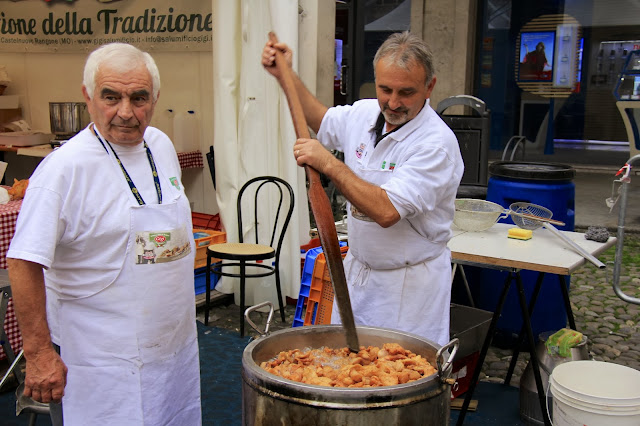
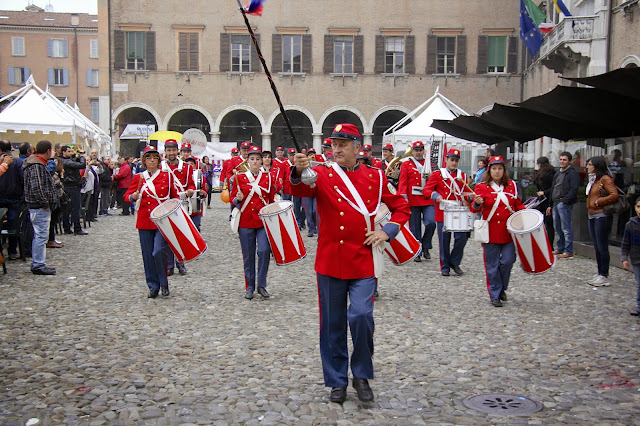
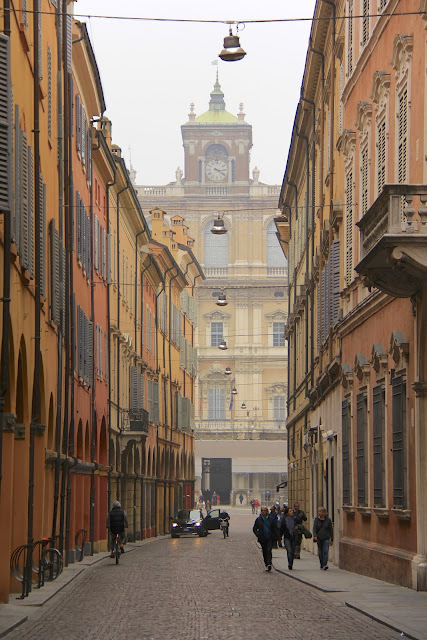
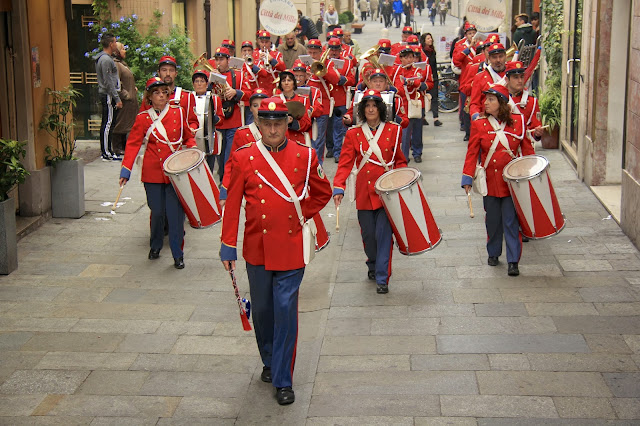
After soaking up all things, Ferrari – I drove us (albeit, much slower than a Ferrari could have gone) to the center of Modena. The town itself is a wonderful place, certainly worthy of a daily visit. It is believed that the city was already in existence by the 3rd century. Here in the 21st century, we lucked out and caught an open air market in the center of town. We were also treated to a marching band that passed us twice as we strolled through the city.
Main piazza in Modena – a street fair had been set up
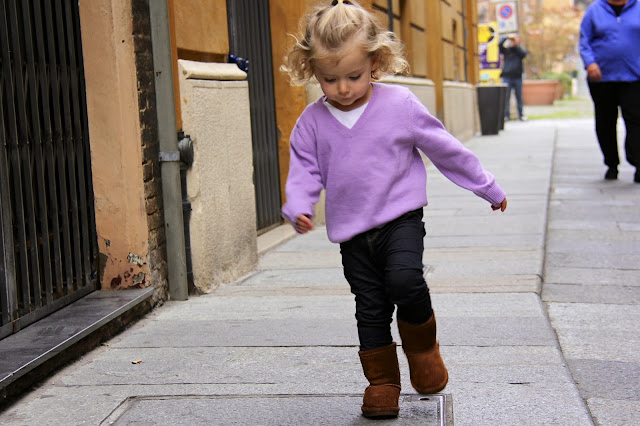
Julia runs through the city
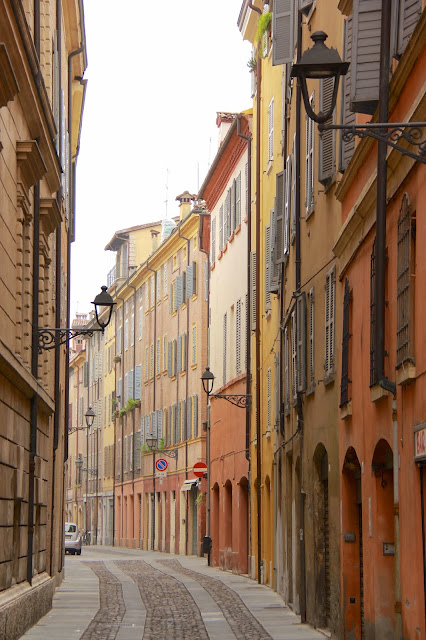
The streets of Modena were beautiful
S and Julia sit by their new friend
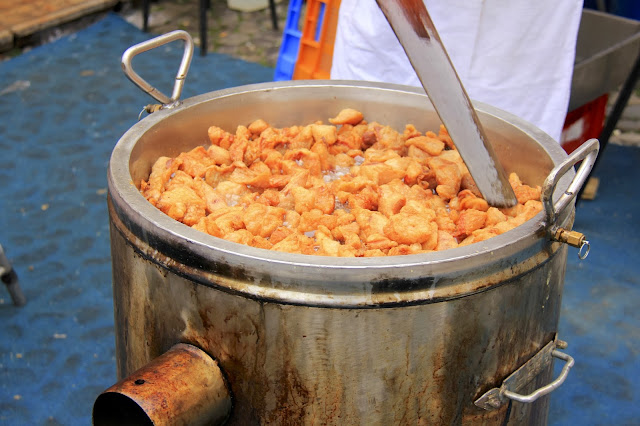
Meanwhile, these two are deep frying pig skins
Crispy, delicious and probably 130% fattening
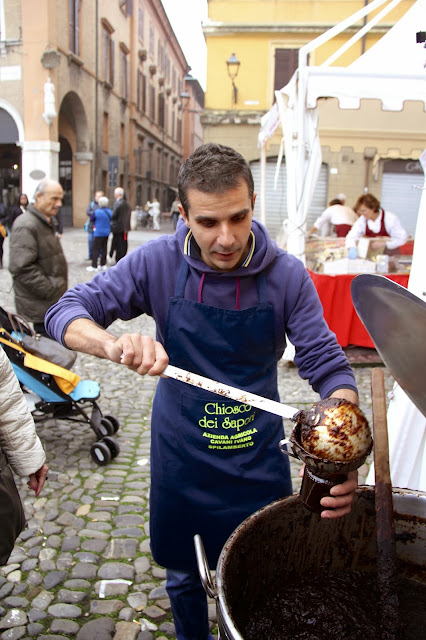
S bought some prune jam – here he is bottling the jar for S
A marching band happened to pass through as we were in the market
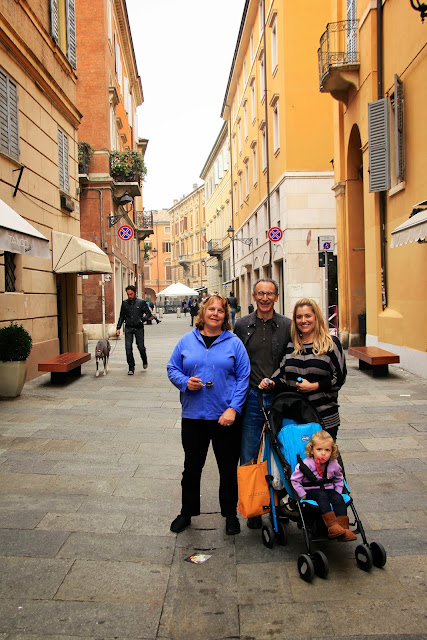
Walking through the city again – there are a lot of pedestrian streets in Modena
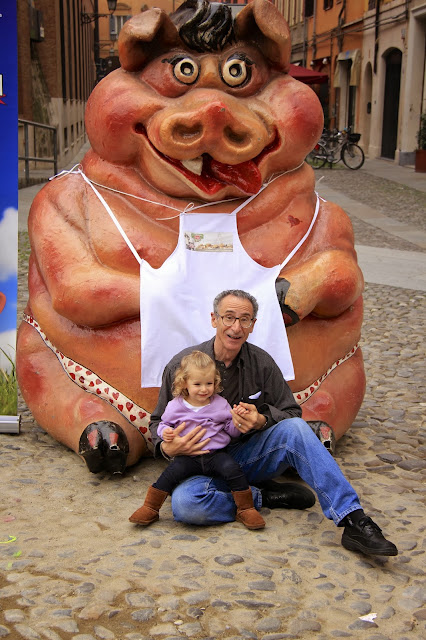
Family photo
We ran into the marching band a second time
The day passed by [too] quickly and we had to bid a fond farewell to Modena – we had an important event coming up later that afternoon. A tasting at one of Modena’s finest producers of aged balsamic vinegar – Acetaia Villa San Donnino. Since it was such a fun and noteworthy event, I will post about it separately. After our trip back from Emilia-Romagna, S and Deborah took off for Pompeii and just a few days later, we were hugging our goodbyes. It’s amazing how quickly time time goes when you are filling it with great food and wine!