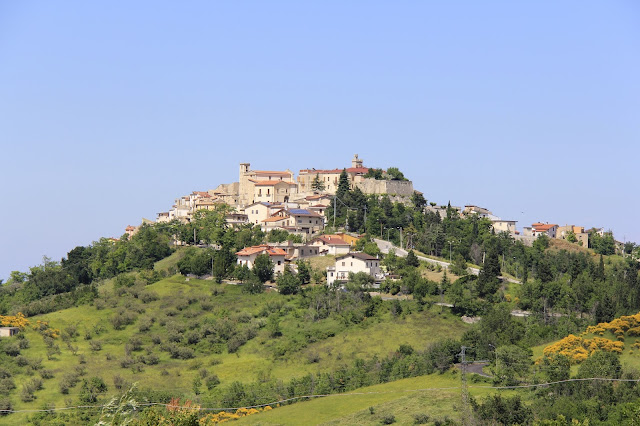
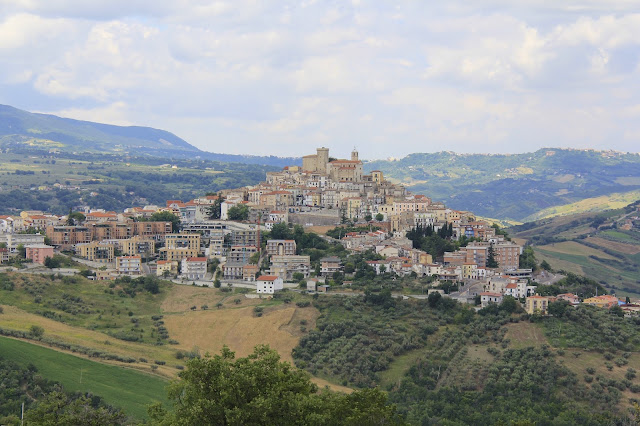
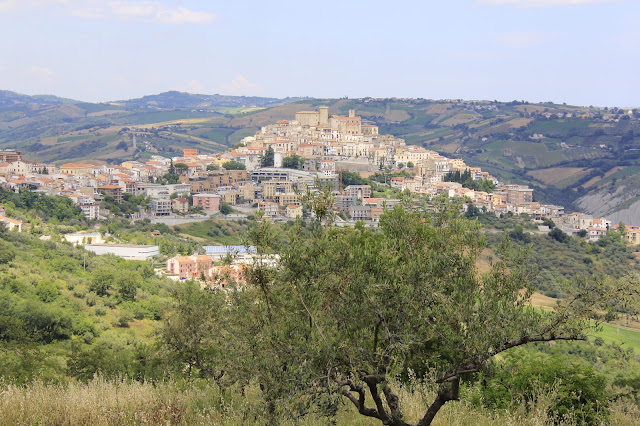
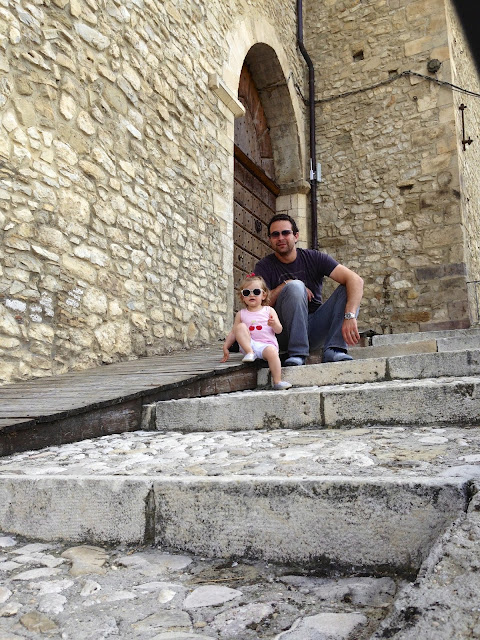
Recently, Jen’s family came to visit (HERE) and since we’re not the type of family that does well sitting still, we planned a couple trips within their trip. One of these week-long sojourns was an impromptu visit to Civitella in the Abruzzo region- Jen’s nonna’s (grandma’s) hometown. The official name of this gem of a village is actually, Civitella Messer Raimondowhich is home to less than 900 residents. Jennifer and Jessica grew up going to visit their nonna and family friends in Civatella during many of their summers abroad. Since I had never been to see such an important part of my wife’s family history – I was excited to go.
Civitella Messer Raimondo – the place where it all started!
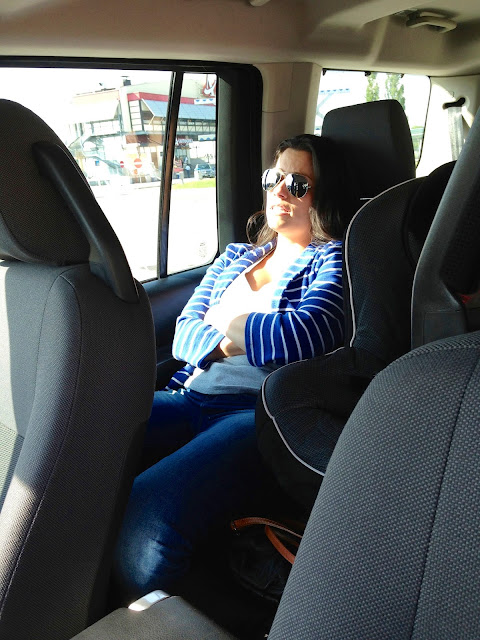
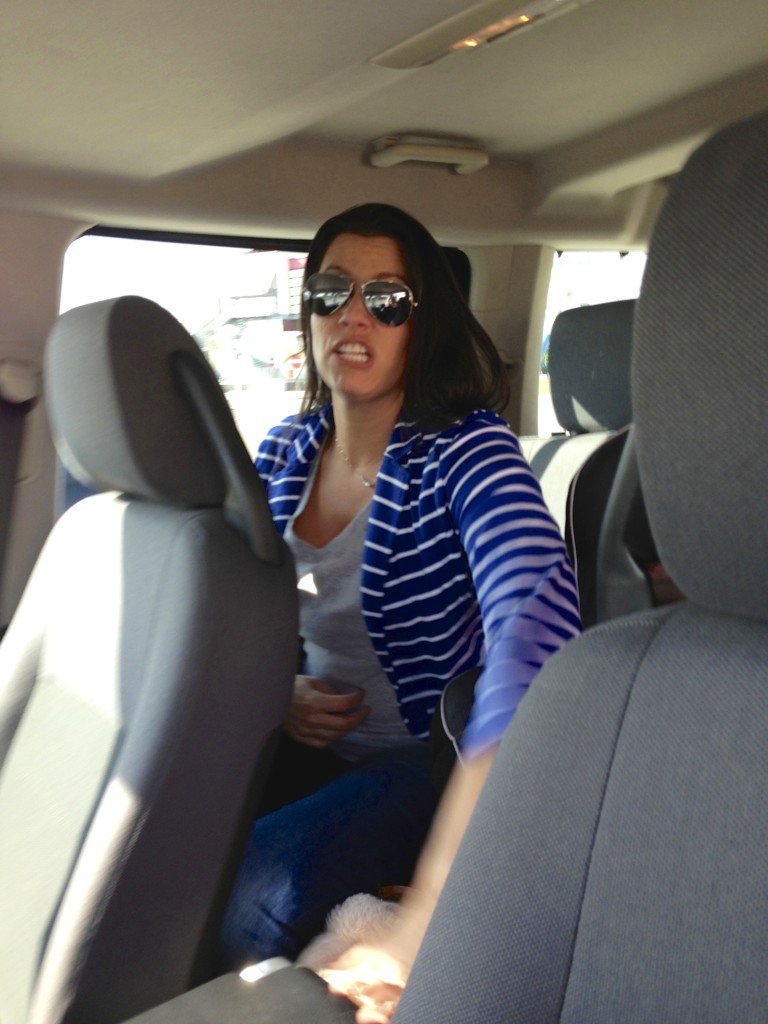
There were only four of us that made the decision to go to Civitella because Jen’s sister, Jessica had gone off for the weekend to visit a friend in London. When we made the decision to go, we realized it would be easiest to pick Jessica up at the airport in Milan and continue the remaining four hours south (already having a one hour head start). We played out a few scenario’s in our head’s where we told Jessica we were going to whisk her immediately from a fabulous weekend of high-end parties with twenty-somethings in one of the world’s most fabulous cities to a small village in a rural part of Italy with her immediate family and a baby. Putting ourselves in her single, Sex In The City mindset… I think we all realized this would be a hard adjustment of vacation speeds for her. She’d most likely want to fly in from London and come home to Como for a day or two to decompress before re-packing. At a minimum, she would want to drive home and pack for herself before turning around and heading back out (all very understandable). Of course, this would add anywhere from 3 hours driving to shortening our trip by a couple days. We were not sympathetic to her anticipated needs and so we formulated a plan. We would pick her up from the airport with the car packed and ready to go. We would simply drive south and when she eventually realized we weren’t approaching Como, we would already be two-three hours in the wrong direction. We were all on pins and needles as we picked her up. I whisked her bag out of her hands and into the fully packed trunk. We peppered her with questions about her weekend so she wouldn’t notice signs heading South as opposed to North. Jen almost blew the whole operation when she burst out laughing so hard that she cried. Luckily, she covered with some lame excuse and Jessica’s usually razor-sharp intuition was dulled from a long weekend of fun. When we were about 20 minutes away from the airport a calm washed over us all… we pulled it off! Of course, the eventual earthquake of truth wouldn’t be far off from rocking the car and crushing Jessica’s plans of a relaxing afternoon at home. After being in the car for well over an hour, her suspicions could no longer be redirected and I delivered the news to her through choked back laughter. She was less than entertained…
“Five hours in the freaking car after flying all day!”
“NO paparazzi!”
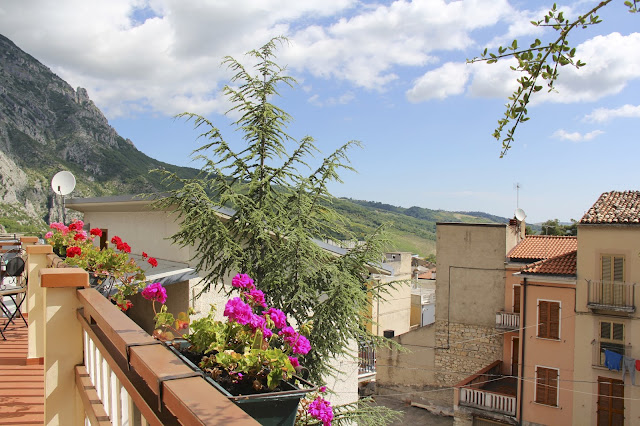
Even though my father-in-law, Dominic grew up in Africa; nearly all his Italian roots are traced back to this small village. So, it’s no surprise that so many years later he still has friends all over the region. Even though his mamma’s house was big enough to accommodate us, it was easiest and most comfortable to stay at a B&B owned by some family friends in the larger town “next door”, Fara San Martino. La Piazetta is owned and run by Pietro and his wife Antonietta – a beautiful B&B, perfect for our family. Once we got settled in, we visited a nearby town, Casoli before heading to Civitella and Jen’s nonna’s house – a home that has been in their family for at least five generations. We ran into the neighbors, Antonino (Tonino) and Maria across the “street” (really, more of a cobblestone alley) and they invited us in for a coffee. This somehow turned into a full meal with homemade salumi (various types of cured meats), fresh fruit, fried cheese and homemade wine. We were a bit full from a big lunch, but I’d like to see you try telling an Italian woman you’re not in the mood to eat! We were glad we did – it was all wonderful.
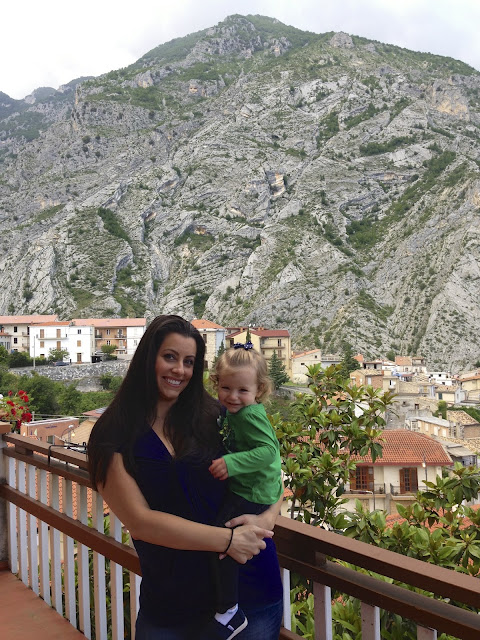
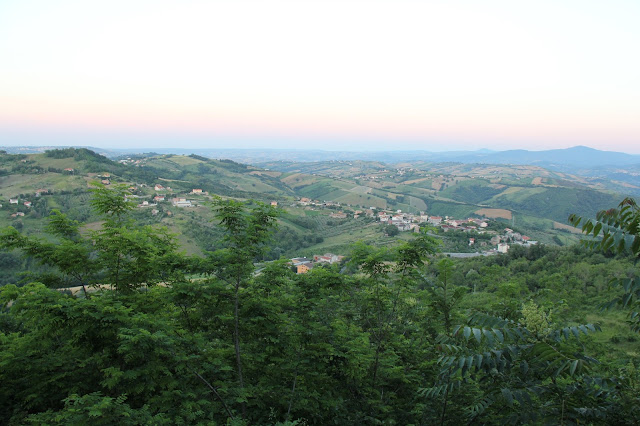
The view from Dominic and Diane’s balcony in La Piazetta
Jess and Jules at the hotel
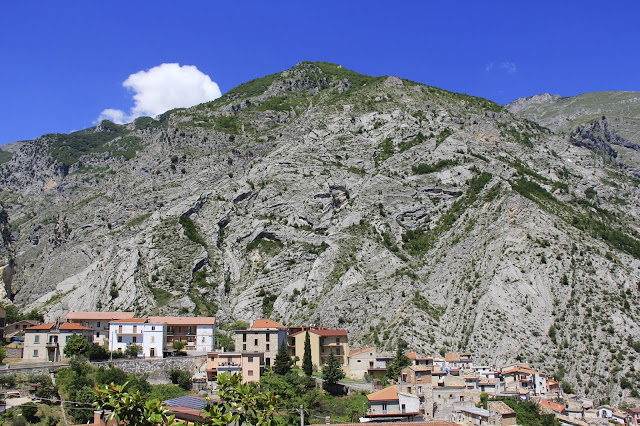
A view in Fara San Martino – you’re quite literally next to the mountain
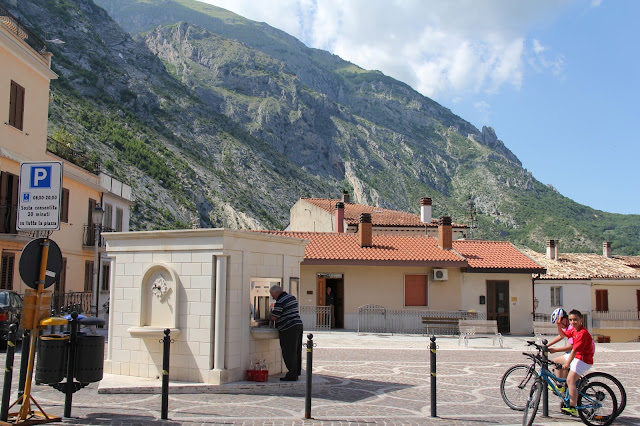
The fountain in the center of Fara San Martino, you can fill up your bottles with mountain water
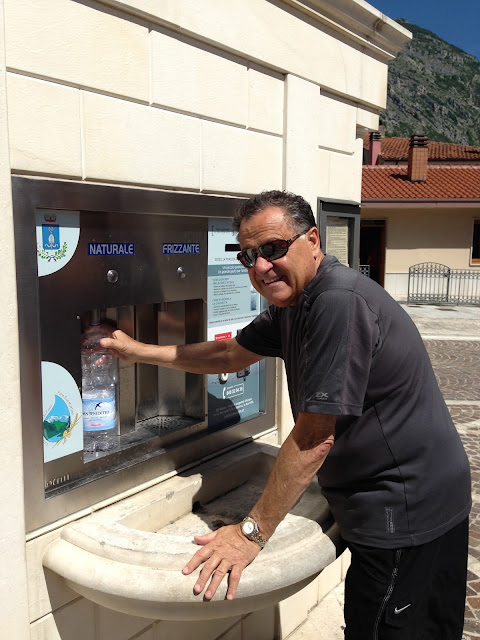
Dom giving it a go – perhaps the best water we’ve ever had
Casoli from afar – where we went after breakfast the first day
Another view of Casoli
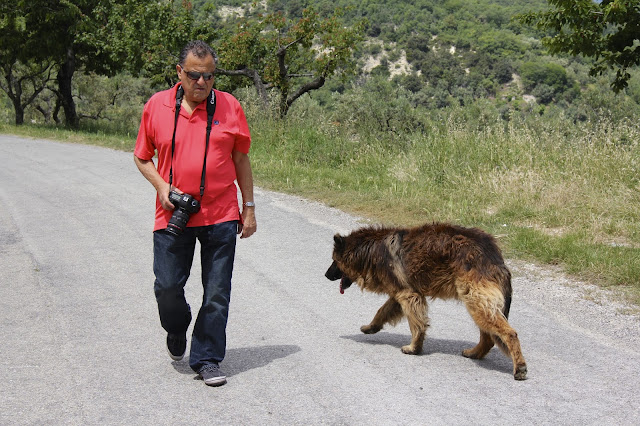
This dog came to say “hello” as we each snapped the above image – I think we can all read Dom’s mind here…
A street scene in Casoli
Me and Julia in front of the Castello Masciantonio
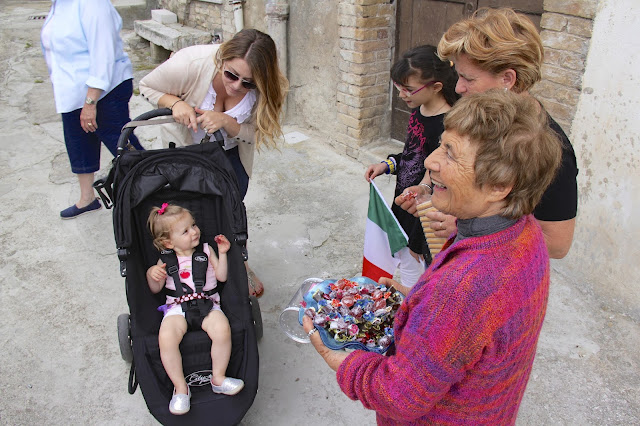
We asked these ladies for directions and they also gave Julia candy and biscotti in addition to the directions
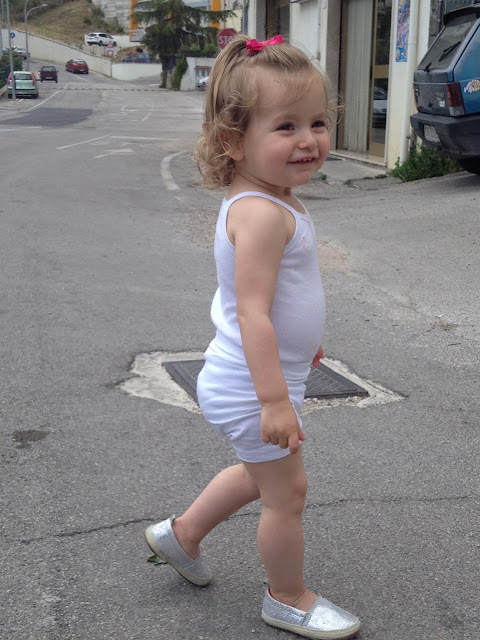
Julia crosses the street, content after a lunch of pasta and lamb (her real shirt was covered in sauce)
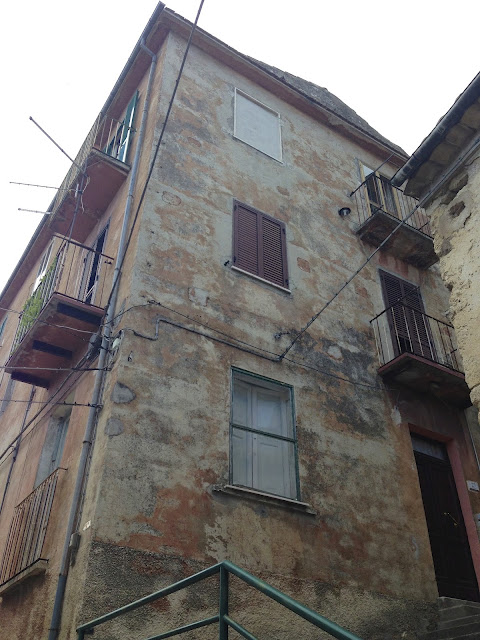
Jen’s Nonna’s house
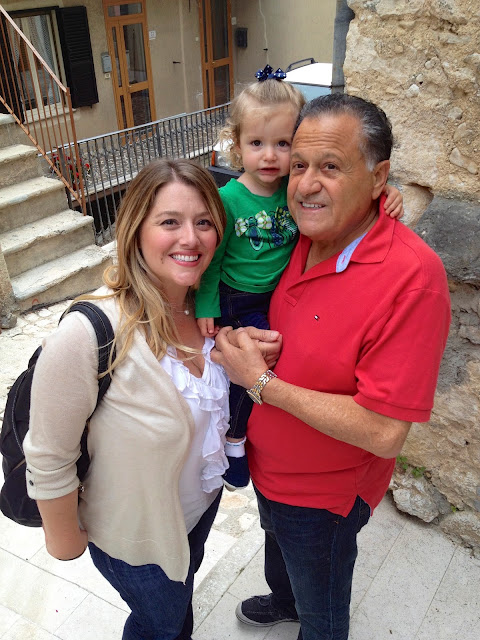
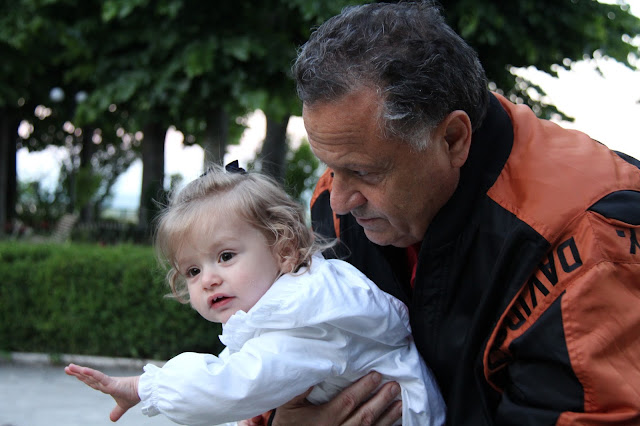
Three generations out front of mamma, nonna and bisnonna’s home
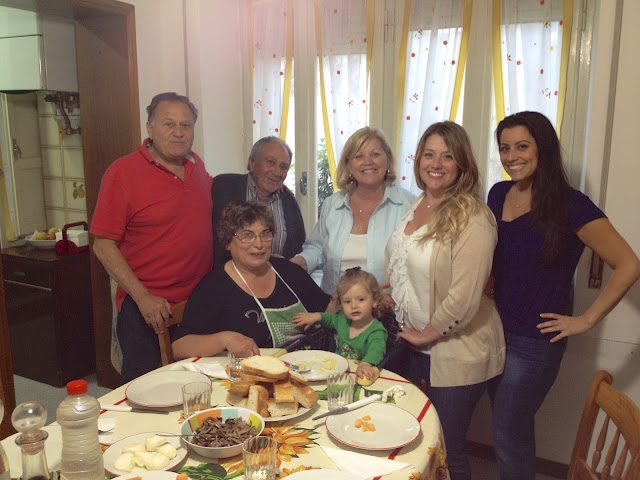
A wonderful makeshift lunch – well done when you have six surprise houseguests
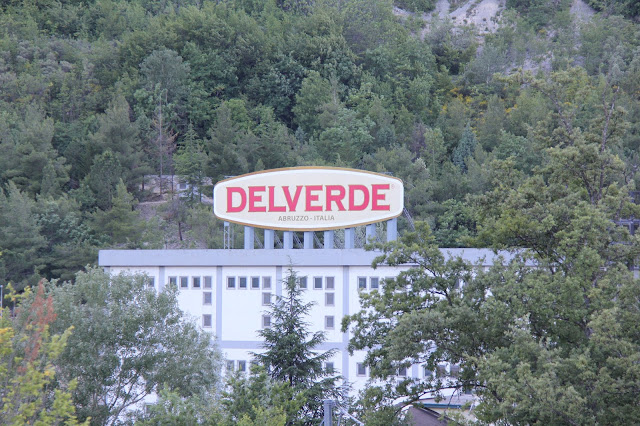
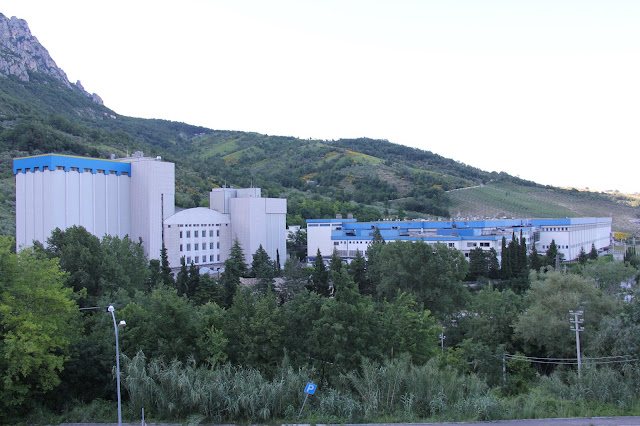
Pietro’s cousin (also named Pietro) brought Dominic into the pasta business years go (nearly two decades ago). This Pietro (the pasta Pietro, not the hotel Pietro) ran Delverde (a large high-quality pasta company) for years before branching off and starting his own gluten free pasta company, Farabella. Their family owned company now makes wonderful pasta that fits perfectly within a quickly growing segment of the market. Their factory is nestled amongst the other three companies all sharing the precious mountain water that is a critical ingredient to their pasta. Along with Farabella, DeCecco (you’ve definitely seen it in your grocery store), Delverde (you may have seen it) and Giuseppe Cocco (you probably haven’t seen it unless you go to high-end Italian specially stores) make up the four corners of this pasta-prodcuing town. I would suspect that these four companies within close proximately to each other produce a large percentage of the world’s intake of pasta – to be eclipsed only by one company, the Wal-Mart of the pasta world, Barilla located all over Italy and the world.
Delverde pasta company
DeCecco takes up the most real estate, by far
When Dominic was working for Pietro and Delverde in the 90’s, their families grew very close. In fact, Pietro sent his son, Antonio and his daughter, Marilina to live with Jen and her family at separate times. They learned perfect English and a perhaps even a few of our American habits. Antonio was so excited to see us in his hometown, he happily adopted the role as our tour guide. He started showing us all over Abruzzo, starting with a tour of their amazing factory.
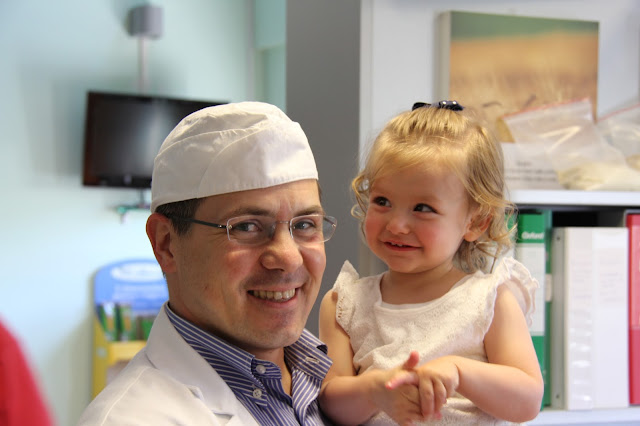
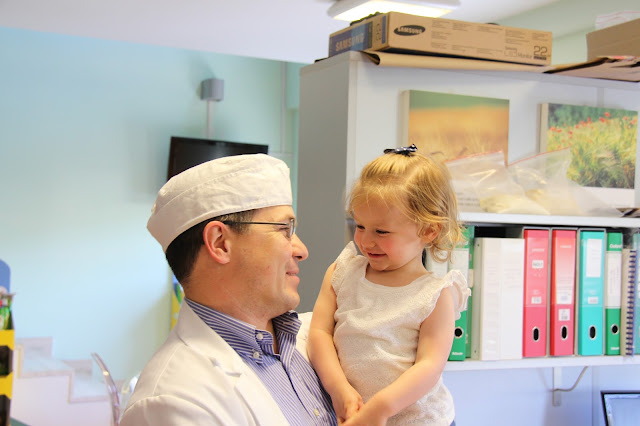
Is Julia in love with Antonio or his hat?
Oh, DEFINITELY Antonio!
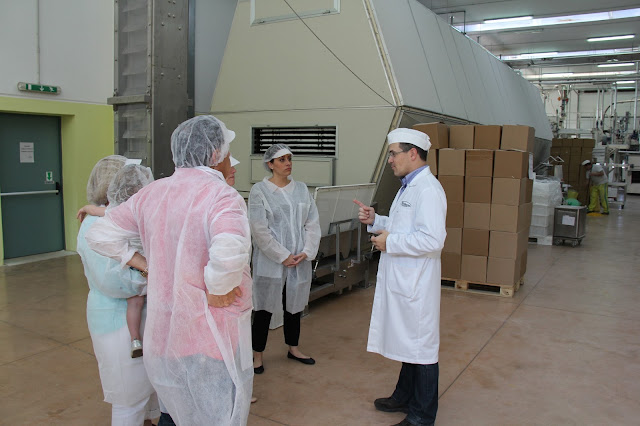
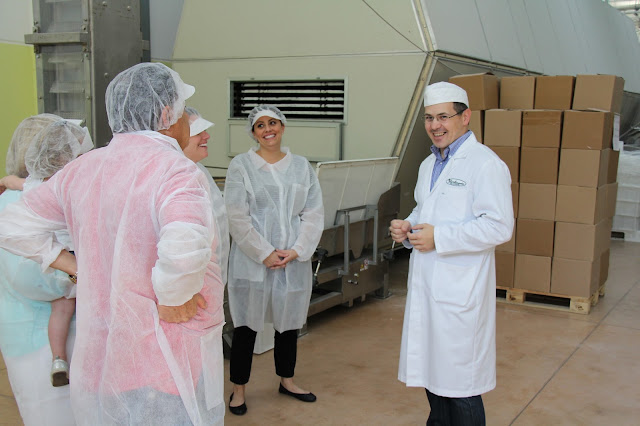
Antonio starts the tour
I embarrassed him, taking pictures of his tour. I assure you, he was excellent under pressure
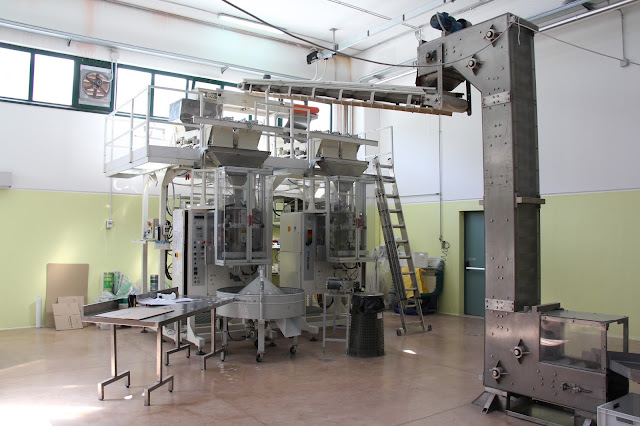
Some of the unbelievably clean and technologically advanced machinery
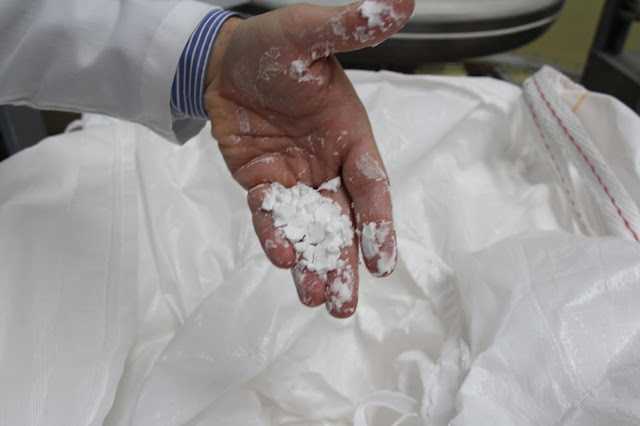
Antonio shows us some of their flower and explains it’s properties
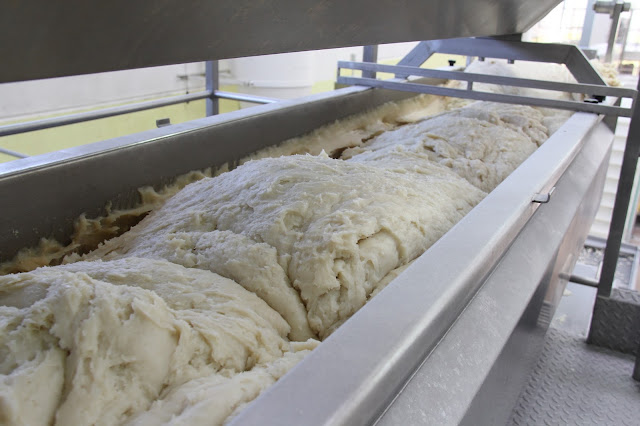
They were making gnocchi that day. The mix goes through a long road on it’s way to become…
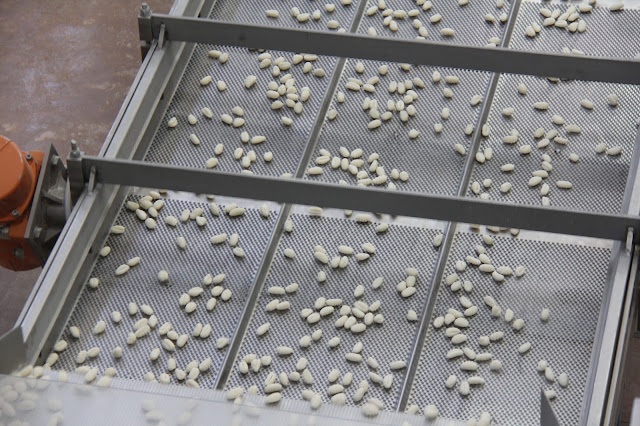
Gnocchi!
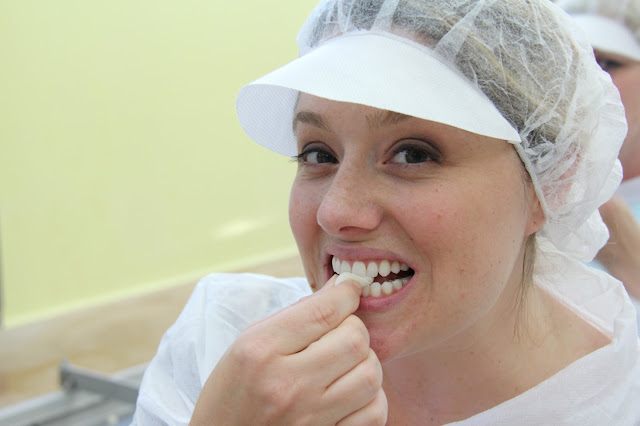
We could eat the gnocchi uncooked, right off the line. It was still warm from the dough mixing
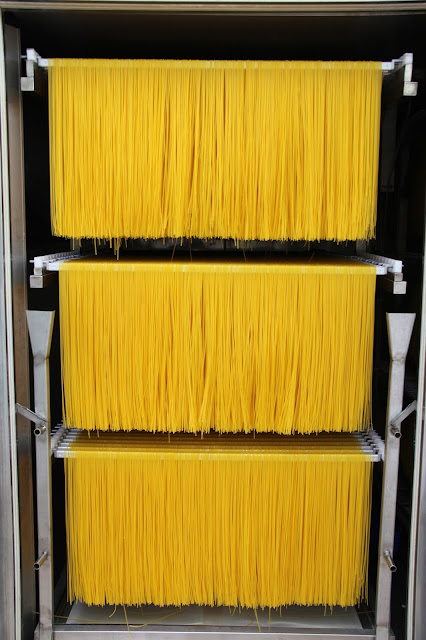
Some spaghetti set aside to dry and properly form
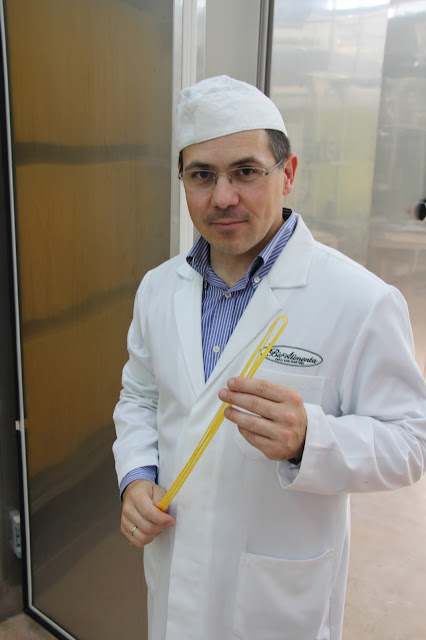
Antonio, didn’t you learn not to play with your food?!
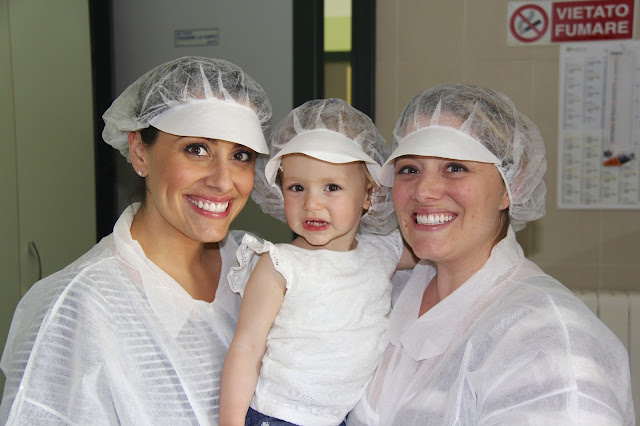
What a great tour for the girls
After the pasta tour we went to a nearby town, Guardiagrele for some sightseeing and shopping. Later that evening, we met Antonio’s parents for dinner at one of their favorite restaurants in that area, Villa Maiella. We had no idea what we were in for! I think there something like 10 courses (I missed photographing a couple) and each one was better than the last! The restaurant is mentioned in the Michelin Guide for Italy and Mario Batali praises it as one of his favorites in Abruzzo (HERE). It was nearly midnight before the bountiful cornucopia of food and wine stopped flowing.
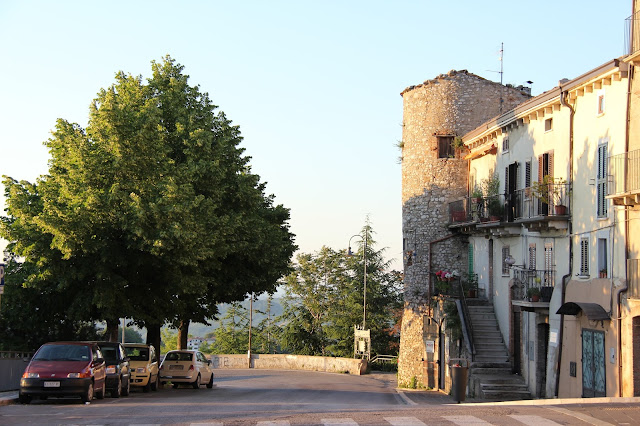
Dusk sets in Guardiagrele
Street scene
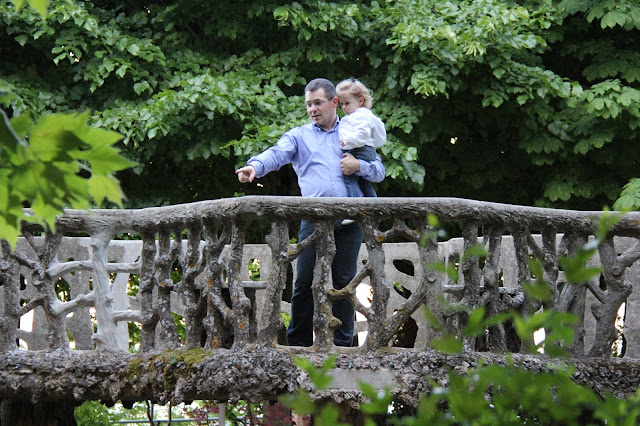
We went to a park
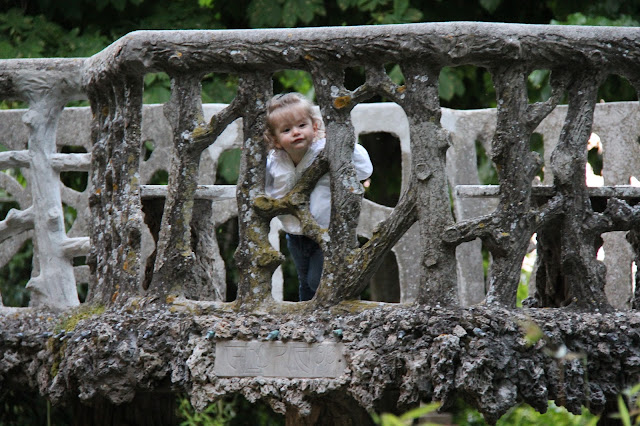
Julia loved this particular bridge
Julia reaching for something she shouldn’t… we’ve never seen that before!
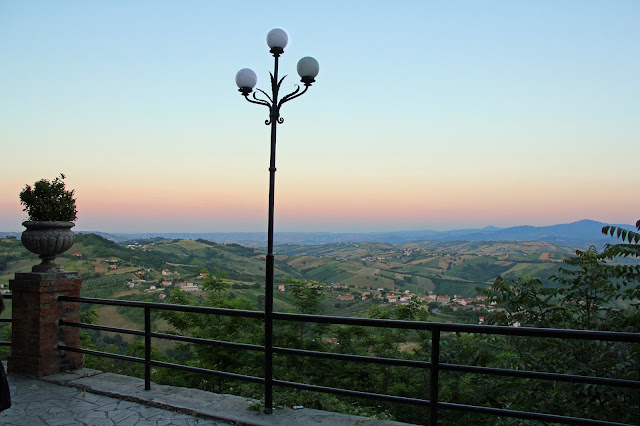
View from Guardiagrele
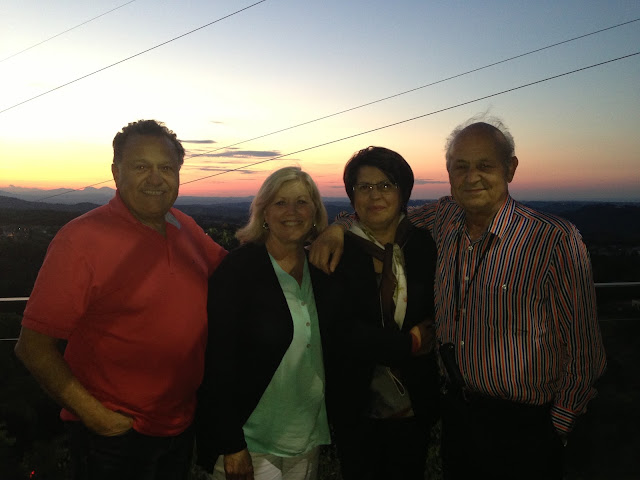
Dominic, Diane, Rosanna & Pietro
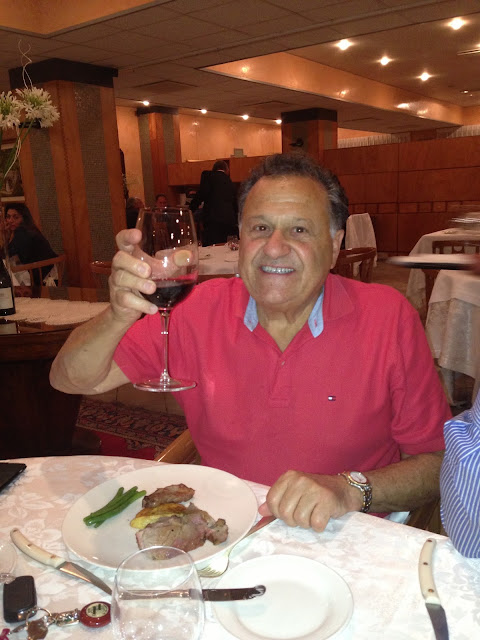
“Cin cin!”
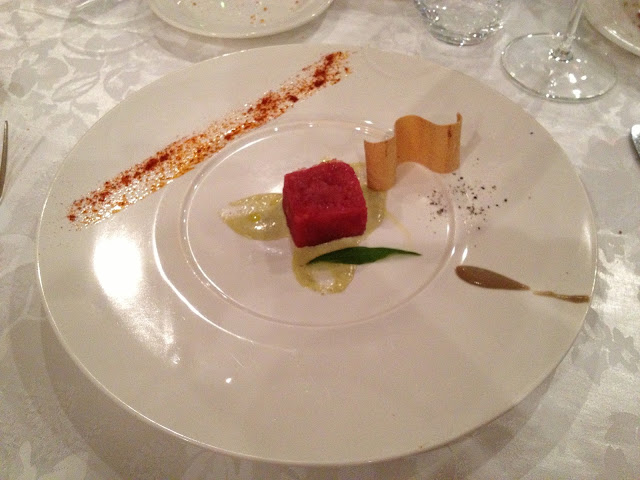
Bistecca alla tartara (steak tartare)
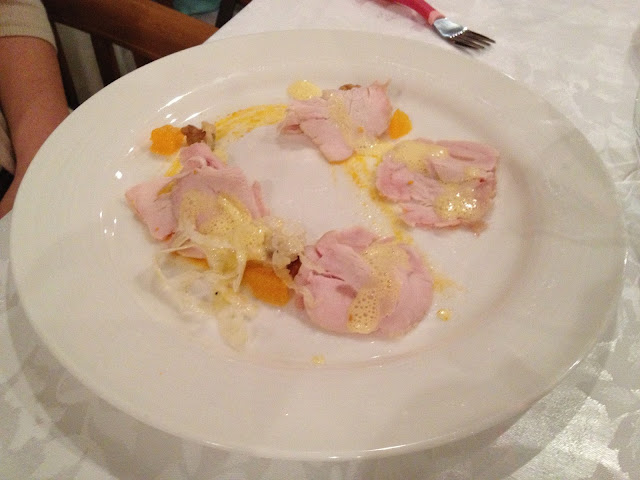
Bianco di tacchino con finocchi, noci e arancia (White turkey with fennel, orange and nuts)
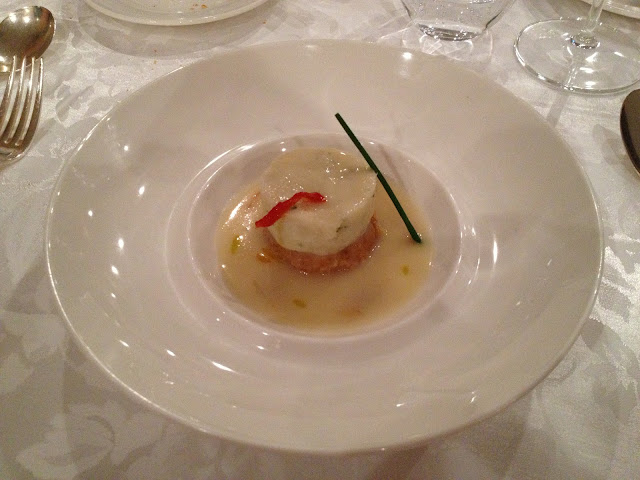
Riso, patate e baccala (rice, potatoes and salt cod)
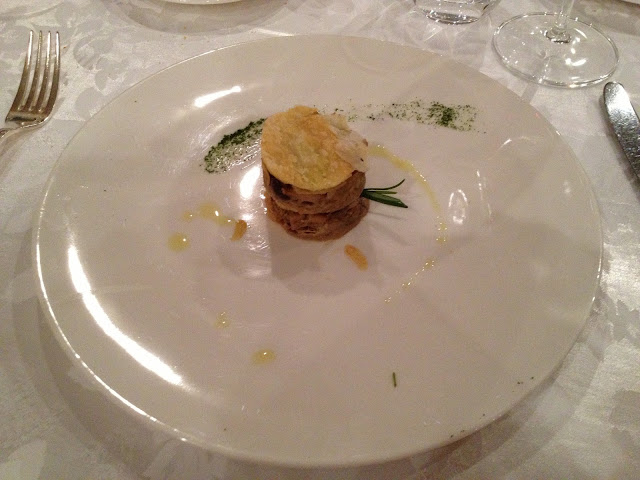
Millefoglie ai porcini (puff pastry with mushrooms)
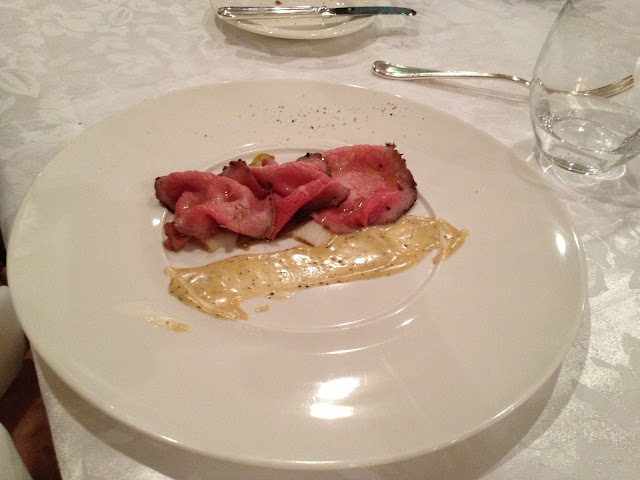
Manzo leggermente scottato (lightly seared beef)
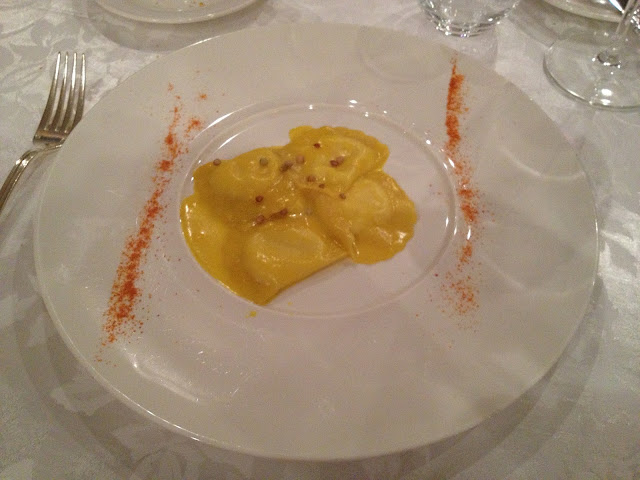
Raviolo di burrata allo zafferano (homemade burrata ravioli with saffron)
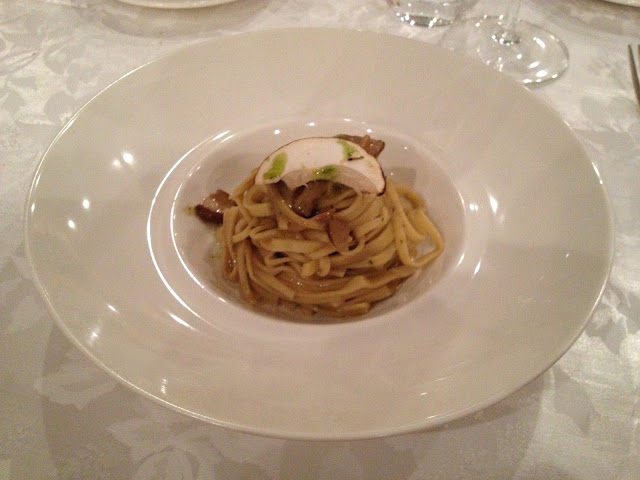
Tagliatelle di semola grezza con porcini (homemade tagliatelle pasta with raw porcini mushrooms)
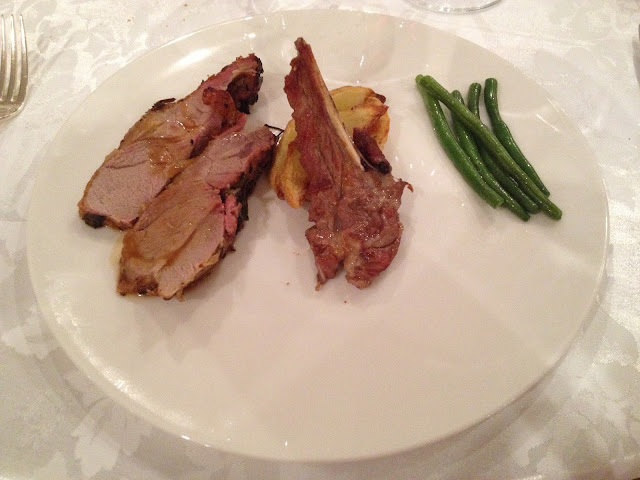
L’agnello: al ginepro e alla brace (lamb prepared two ways, with juniper and grilled)
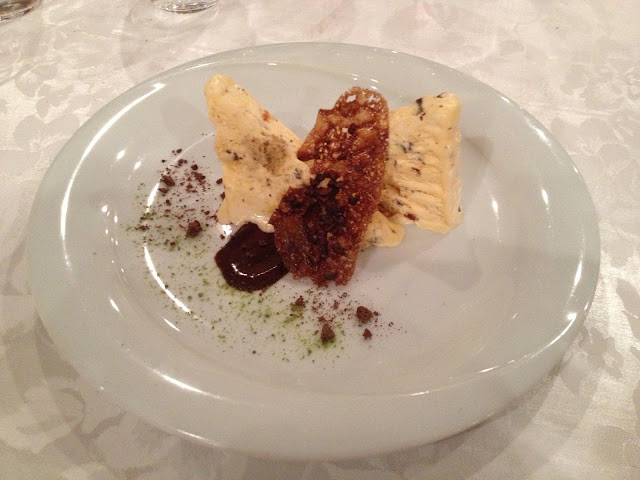
Semifreddo al parrozzo (homemade parfait)
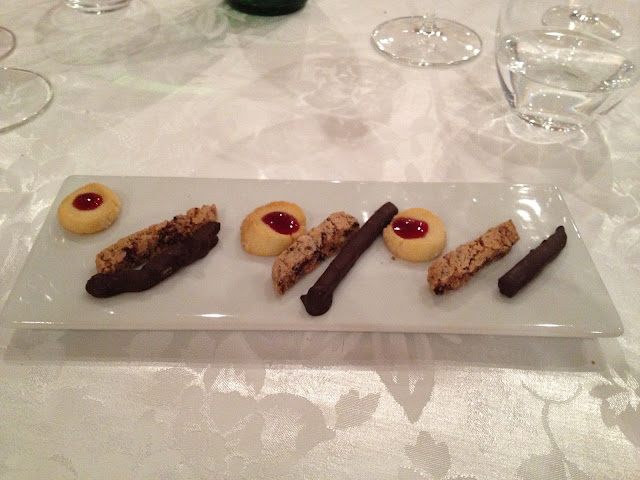
Various biscotti and other desserts served with the espresso
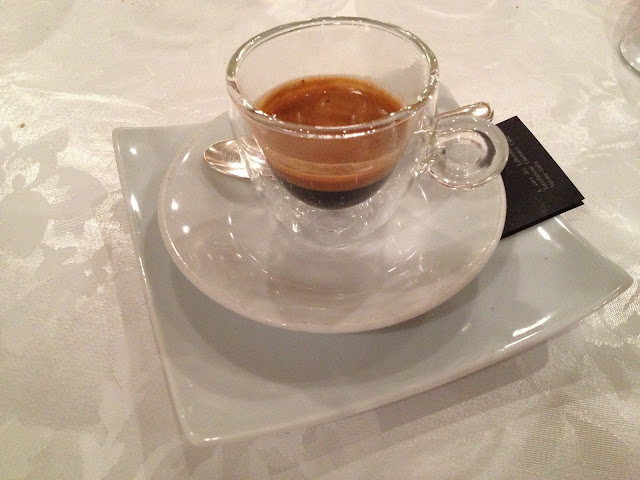
Of course we needed our cafe…
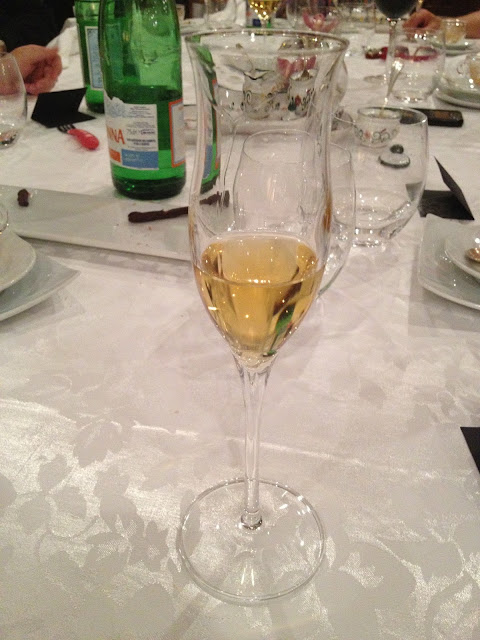
…then our grappa!
The next day, Antonio took us to his home in the beautiful beach town of Pescara (about 45 minutes away).
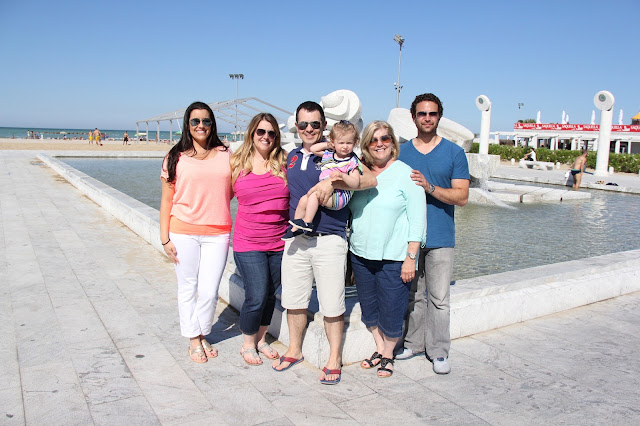
Group shot in Pescara
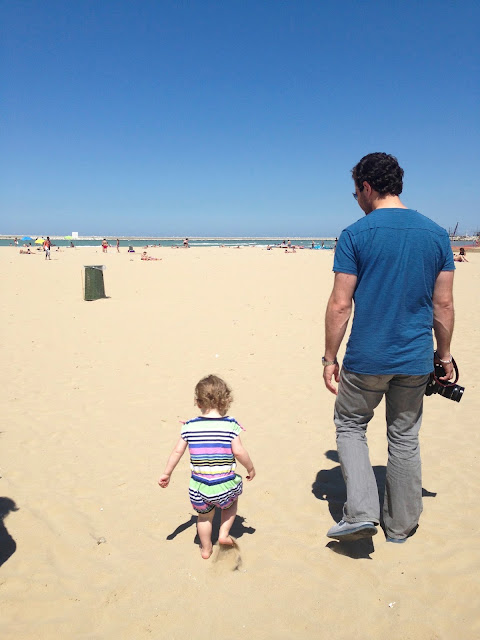
Spending time on the beach with dad
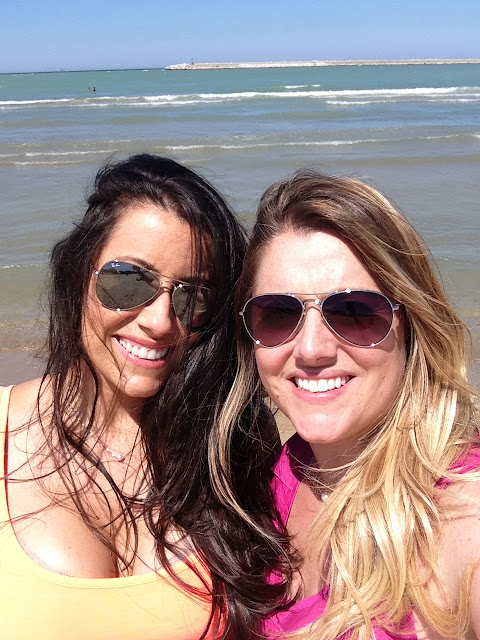
Sisters in the sun
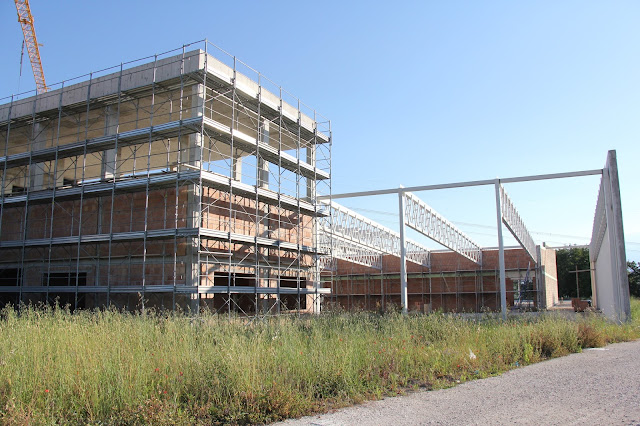
After seeing Antonio’s home and spending a little time on the beach, he took us to a friend’s winery, Cantine Spinelli. Anotnio’s friend and owner, Carlo toured us through the existing facilities as well as through the impressive expanded facilities, currently under construction. I was awe-struck by the scale of it all – they produce wine that is shipped all over the world and they are continuing to grow. At the end of the tour, he presented us a gift of many different bottles of his wine, including several bottles of Montepulciano d’Abruzzo – my favorite wine produced in this region of Italy.
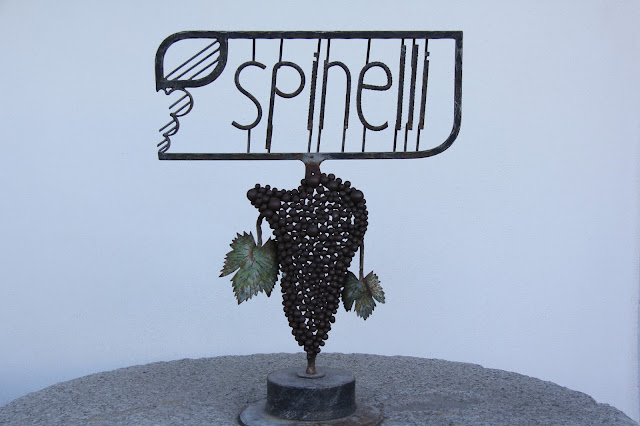
Spinelli wines
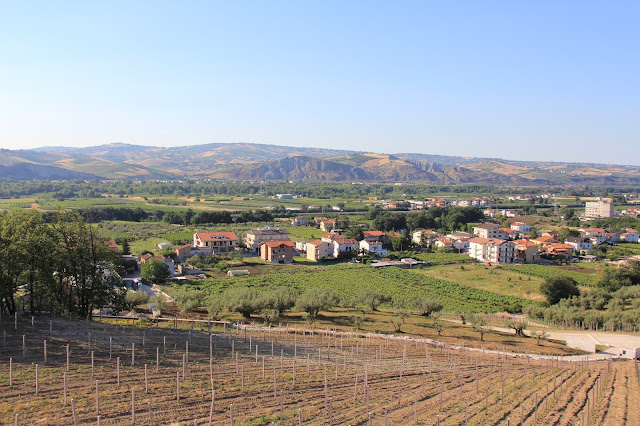
View from the winery
Impressive new facility under construction
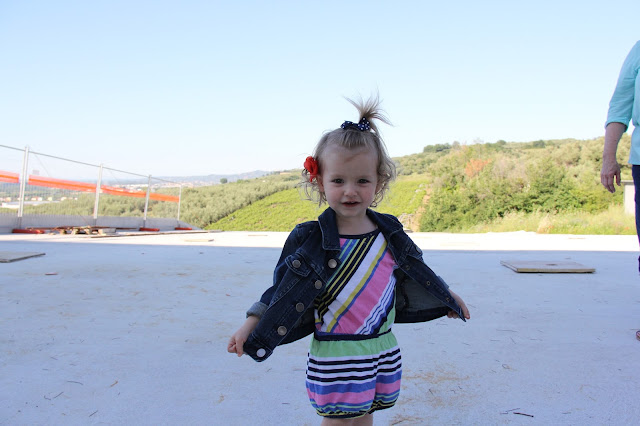
Julia on the roof of the new building
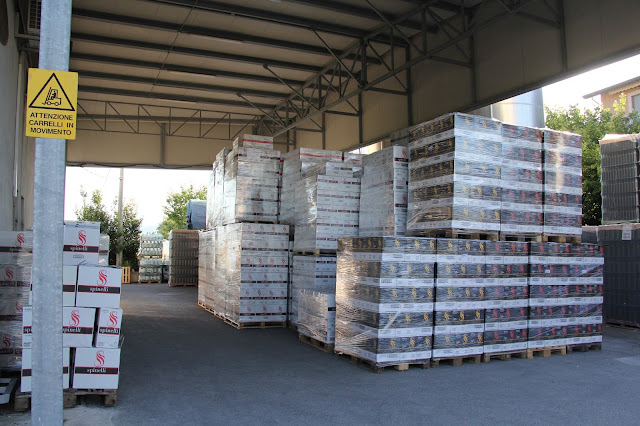
Wine ready to ship
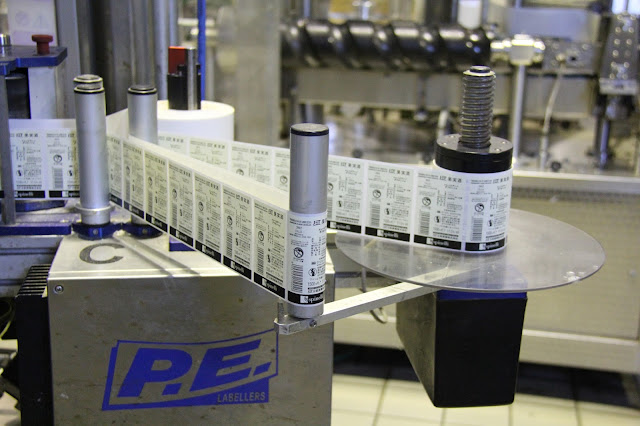
They ship all over the world – these labels were in Chinese for their distribution over there
Inside the private cantina of some of the finer vintages
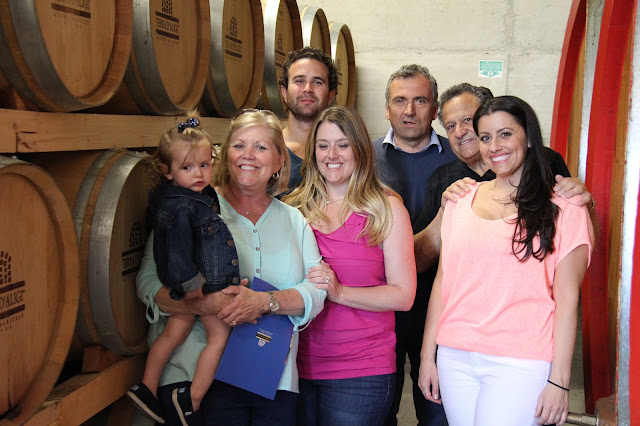
Everyone with Carlo
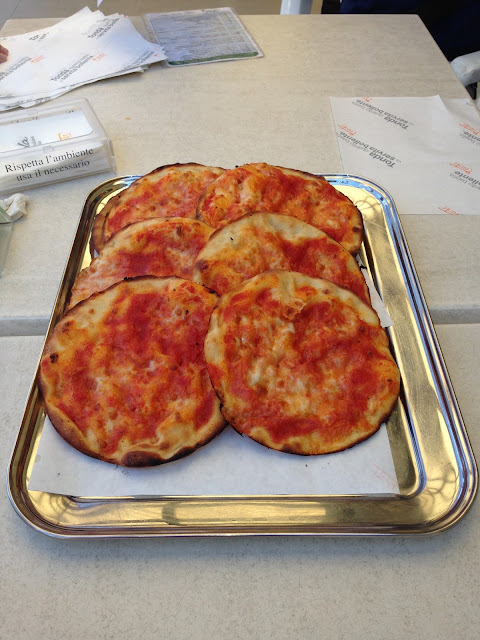
After being such a good tour guide, Antonio did have to get some actual work done – so we temporarily relieved him of his duties and made our own way to the beach for a day. We had lunch at the same beach-pizza place Antonio showed us the day before and spent some fun in the sun.
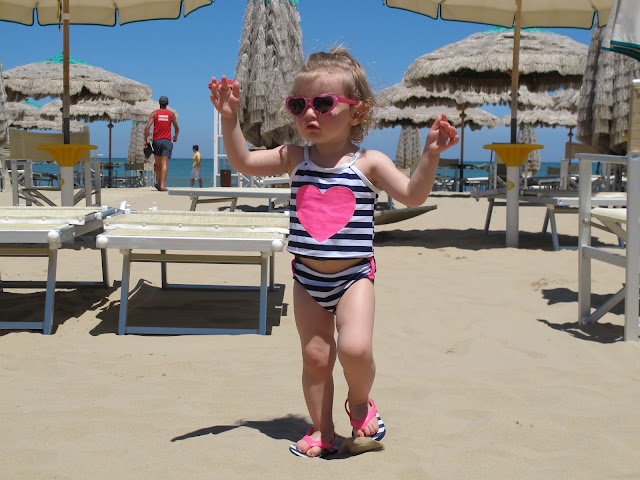
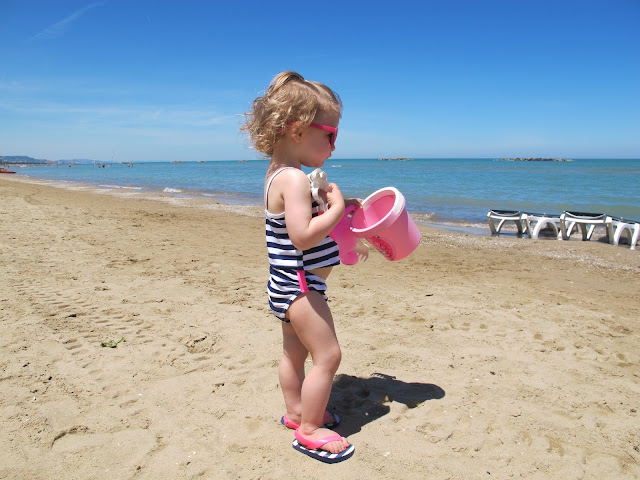
“I’m heeeere… let’s get this party started!”
“This sand needs to be moved from here to there, stat!”
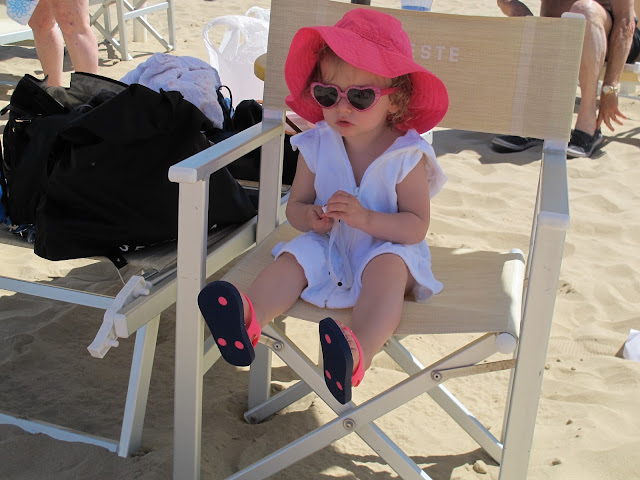
“I’ve gotta take a break… have you seen my milky colored skin?”
“Our” new pizza place that Antonio had showed us the day before
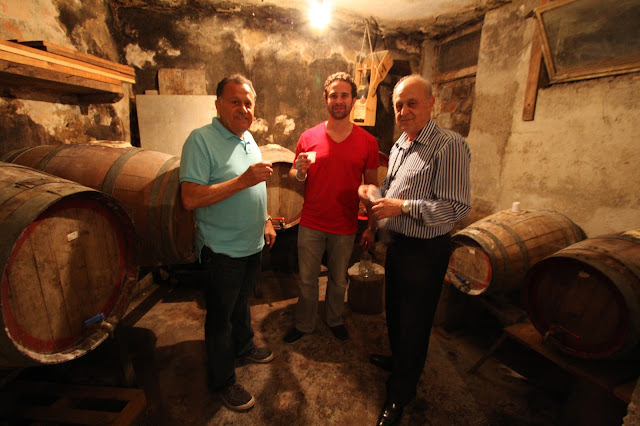
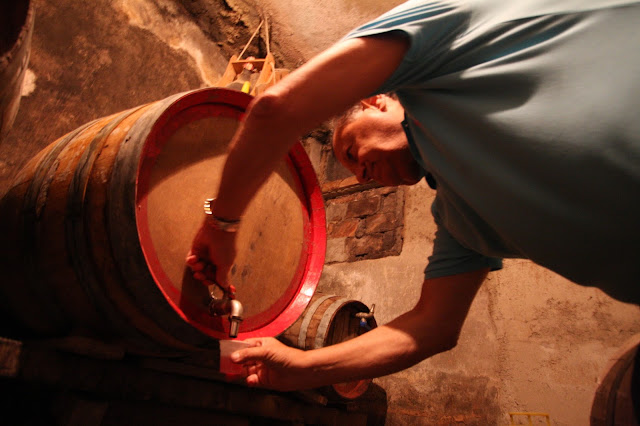
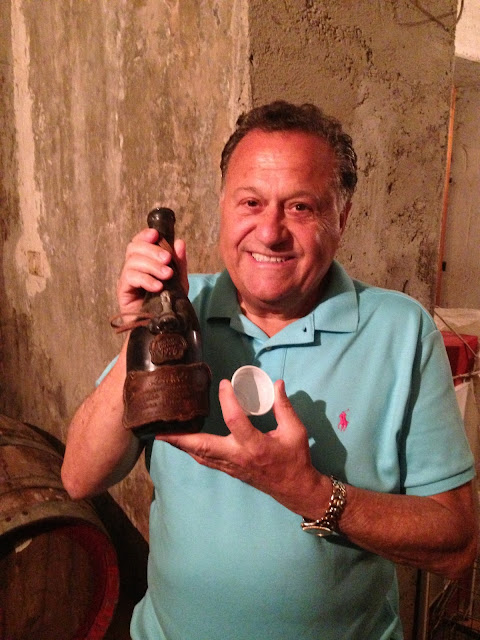
At the end of the day, we went to Pietro and Rosanna’s home (Antonio’s parents) and had an exceptional dinner cooked by Rosanna. Pietro took Dominic and me into his private cantina (wine cellar), where he makes his own wine. He let us try all the various vintages and allowed both Dominic and I to each pick a wine to accompany dinner. Like so many other things with us, this became a small competition – each of us willing the group to drink the wine we selected (if memory serves, my decanter was emptied first). Pietro presented Dominic with a 1974 Barolo, a generous and exceptional gift.
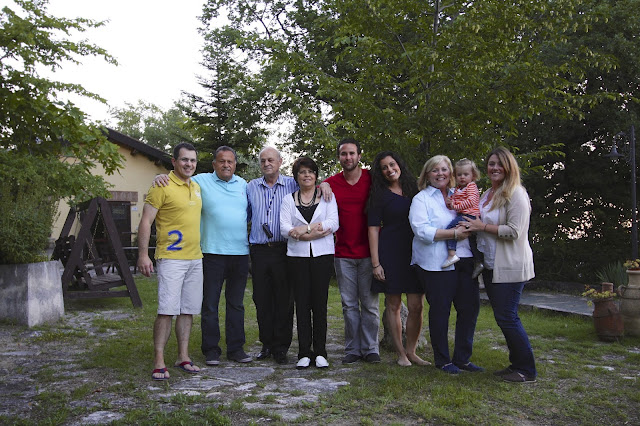
The gang’s all here (at Pietro and Rosanna’s)
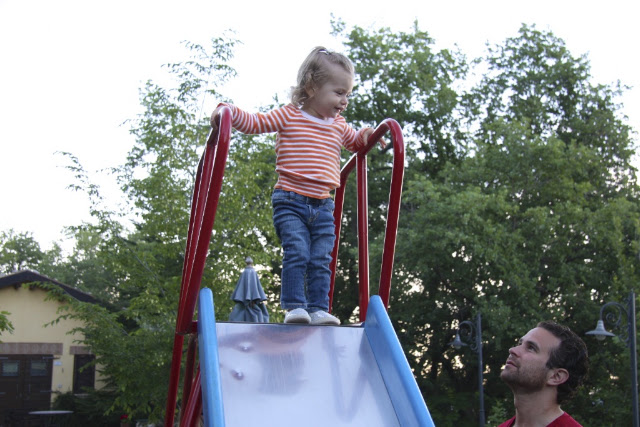
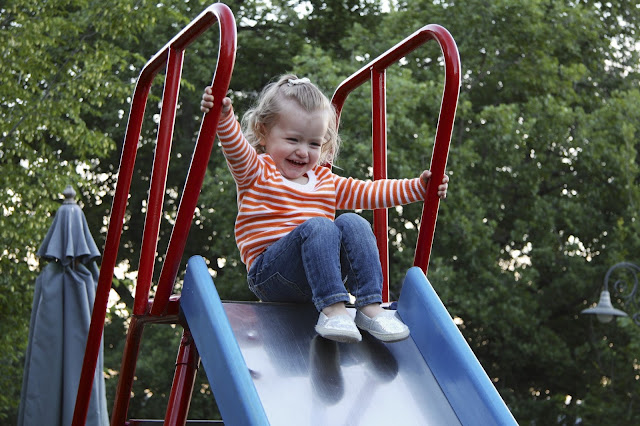
They had some fun playground equipment that Julia could’t get enough of
“Guarda me!”
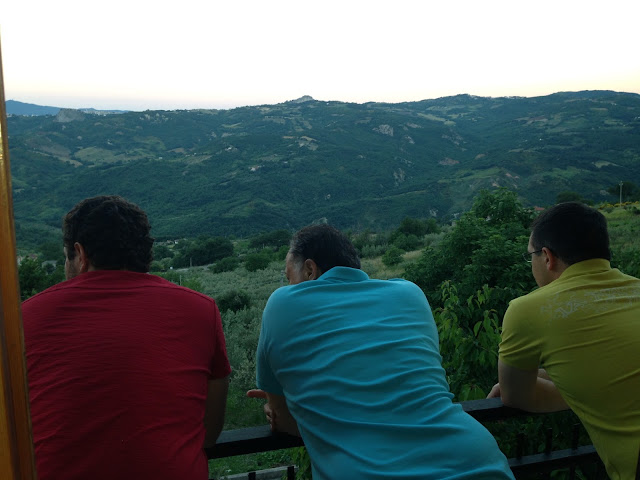
Jen caught us taking in the incredible view from their balcony
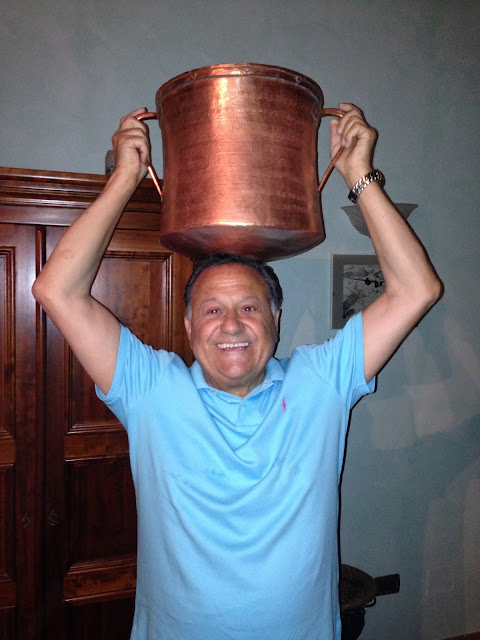
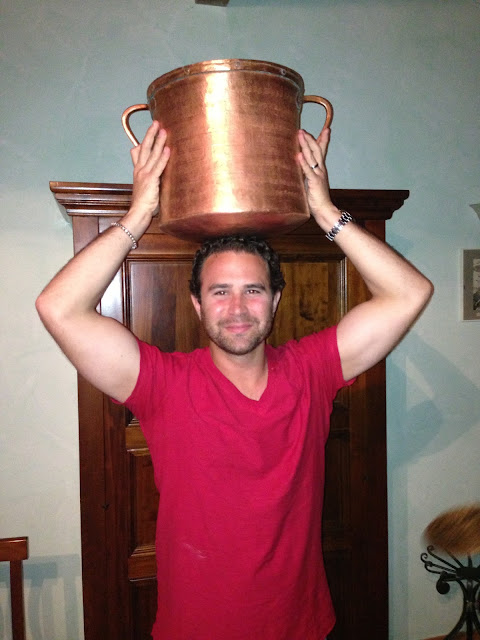
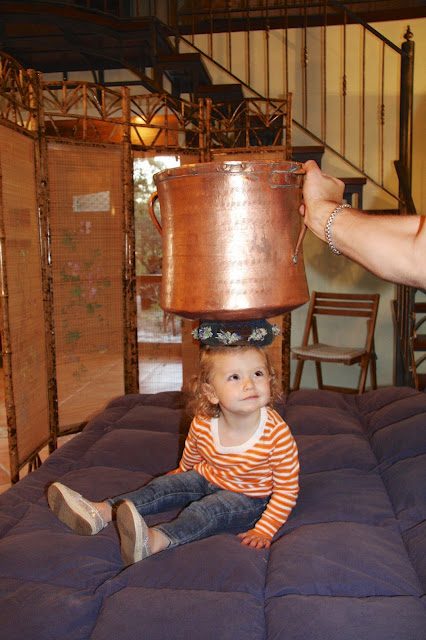
They had a traditional copper pot that was used hundreds of years ago to transport water
It wasn’t so easy to balance without hands
“It’s not so hard, see I can do it!”
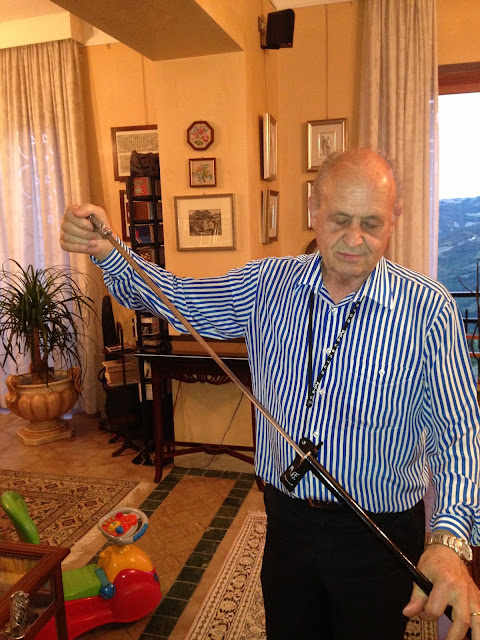
Pietro shows me one of his prized cane… with a sharp surprise inside (a long blade)
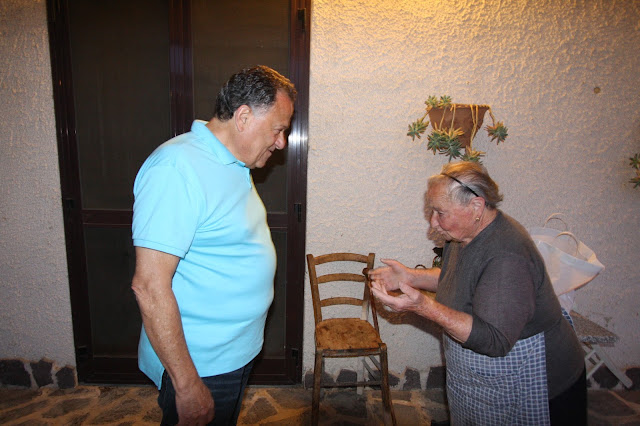
Antonio’s grandmother, fresh from working in the yard and telling Dominic that she remembered him as a boy
Inside Pietro’s private cantina
Dominic enjoyed his free samples
Dom’s wonderful new gift
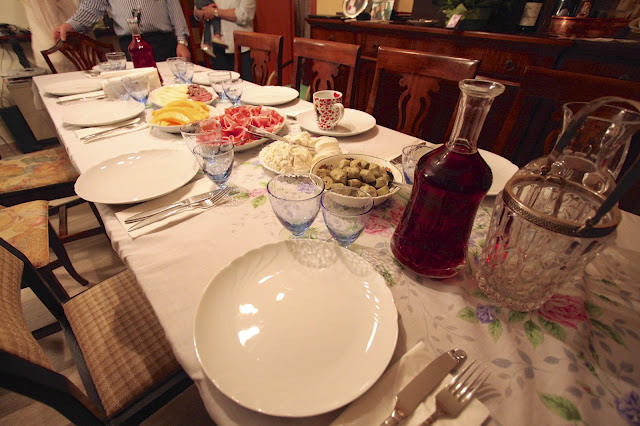
A beautiful table set by Rosanna
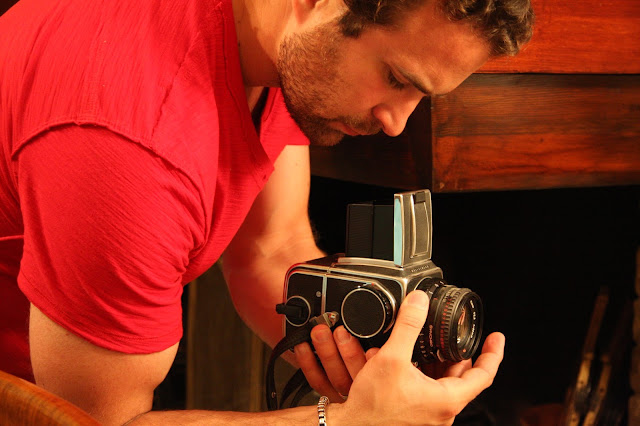
Pietro had an amazing old Leica SLR camera Antonio brought out to show us
A long a fun-filled week had past. We needed to get back to Como because we had an important birthday party to plan… Julia’s second birthday party!
Since I’ll never be a movie producer, I finally have another outlet to satisfy my life-long dream to wrap something up with the simple phrase…
I think this is a fitting title to end our trip in France, which you can read about HERE, HERE and HERE.
Our little family recently journeyed into France for a visit with some wonderful friends, Michel and Shirley (read his blog HERE). We spent a few days with them in their home in Sablet, France. They were wonderful tour guides, packing in many activities that they knew we would enjoy. After a day spent touring some of the most beautiful villages in France, we had a serious thirst to quench. So the next day, we took advantage of our prime location in the Côté du Rhône region of France (arguably one of the most well-known wine producing regions in the world) and drank our way throughout the area.
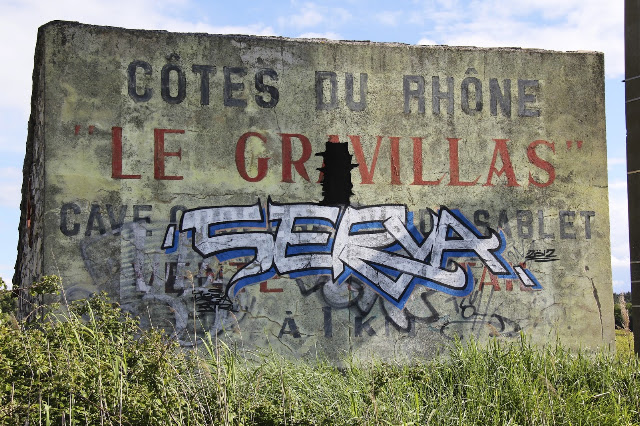
Cool street art just outside of Sablet
Michel owns a charming bistro in Northern California (Bistro des Copains) that has not only increased his knowledge of Californian and French wines, but also given him a unique “in” to the local wine producers surrounding his village. It’s one thing to call and set up a tasting, and another thing entirely to call and set up a tasting because “I might decide to purchase your wine for my restaurant”. Ladies and gentlemen, feel free to unroll your red carpets now!
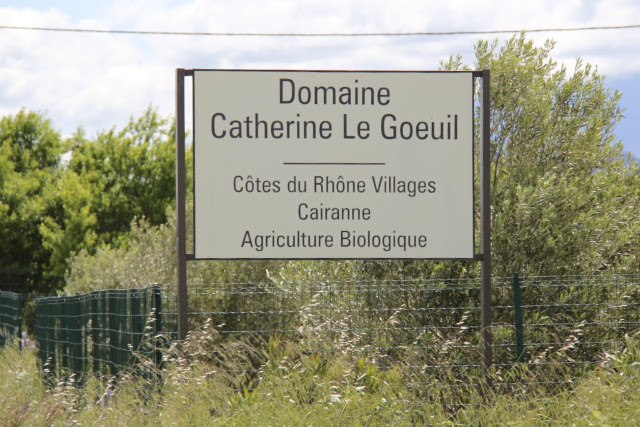
Michel did a wonderful job selecting three wineries to visit, ranging in size of production, type of wine produced and varying ambiance for our tastings. We started the tour at, Domaine Catherine Le Goeuil in Cairanne, a short ride from Michel and Shirley’s home. Catherine had set up a tasting for us in the production facility next to her home. Since I could not possibly tell Catherine’s story better than she could, I have copied her brief biography about the wine she produces from Kermit Lynch’s wine merchant website.
Catherine Le Goeuil’s taste for adventure has made her a leading pioneer in Cairanne. Having been born in the Congo to French parents, she had already lived in interesting places, but she longed to return to her roots. In 1993, with little experience and great determination, she and her family bought a six-hectare domaine. Soon after implementing one of their first chemical treatments on the vines, Catherine became very ill. The viticultural direction for the domaine became instantly clear. In her mind, farming as naturally as possible was the only way to go. Over time, she started the conversion to organic farming, and is now fully certified in this methodology. In a village just shy of one thousand inhabitants and only two others who farm organically nearby, her decisions have been met with suspicion and trepidation. Though rooted to the place both figuratively and literally, she is still considered an outsider—not that she lets this dilute her conviction in any way.
Domaine Catherine Le Goeuil
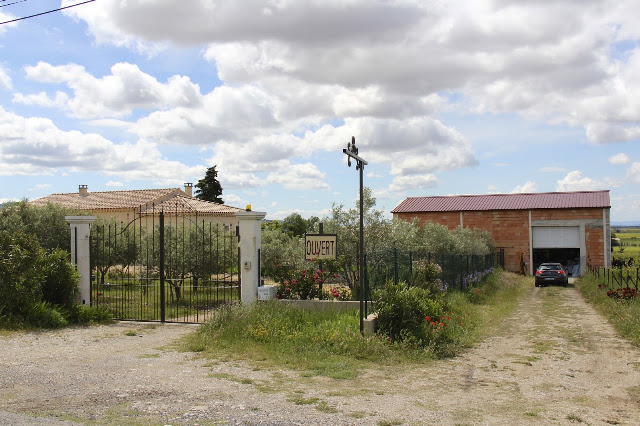
Ouvert (Open)
Part of the modest estate
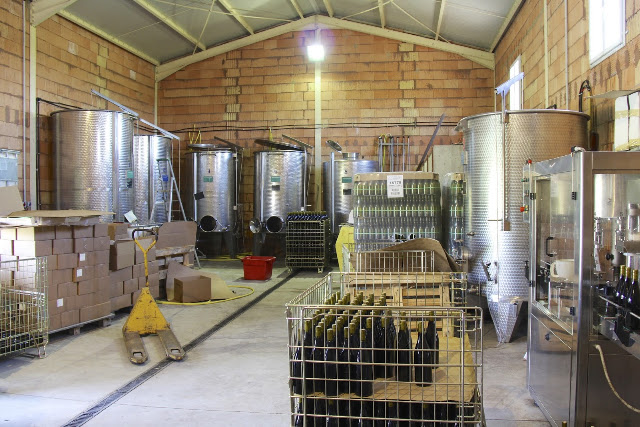
Inside the bottling facility
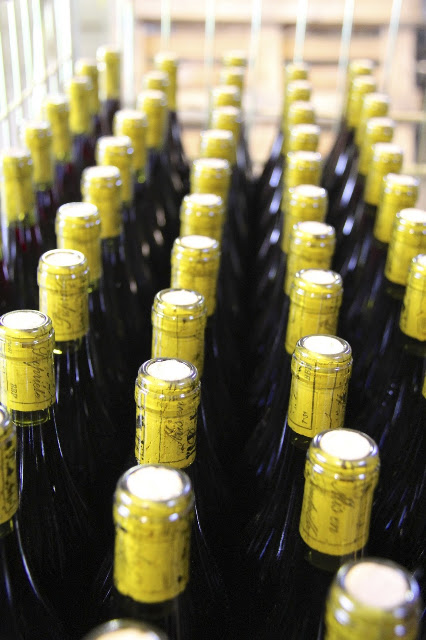
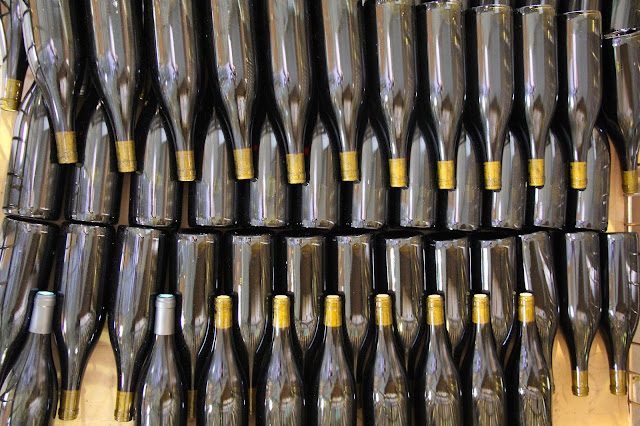
French wine bottles
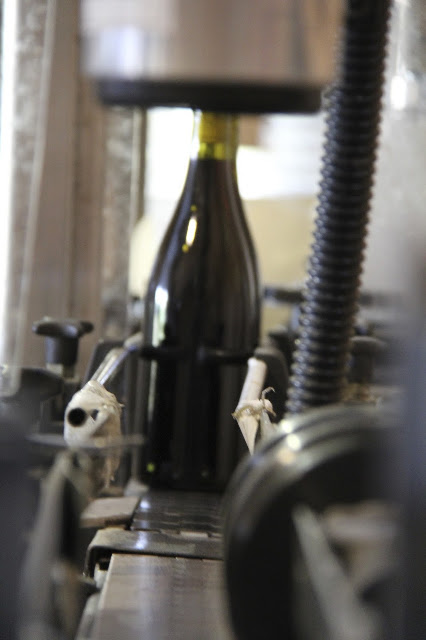
Bottling process in action
Loved the symmetry of the packaging
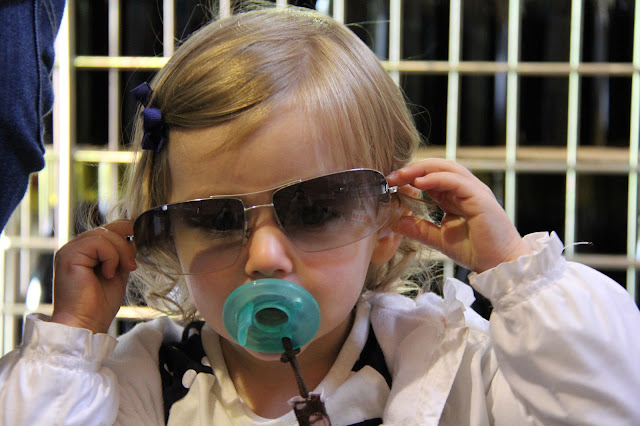
Julia always has to look her coolest
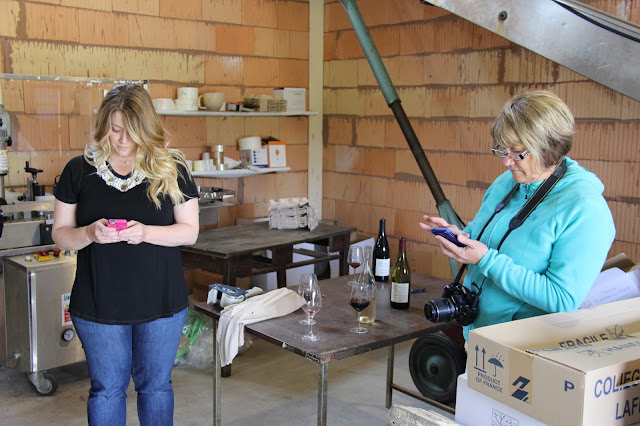
Jen and Shirley were kind enough to be our “scribes” so Michel and I had the necessary information for the our blogs
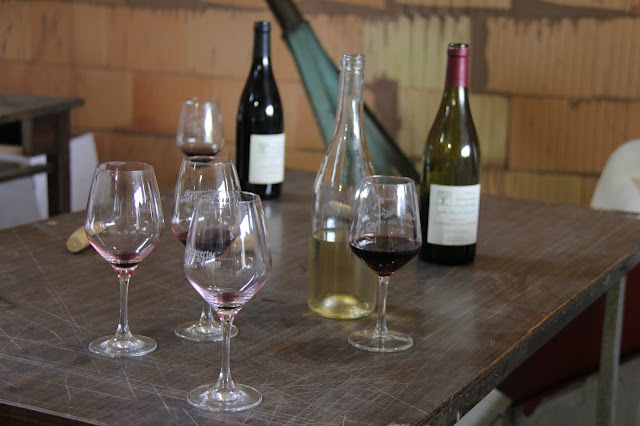
Aftermath of our tasting
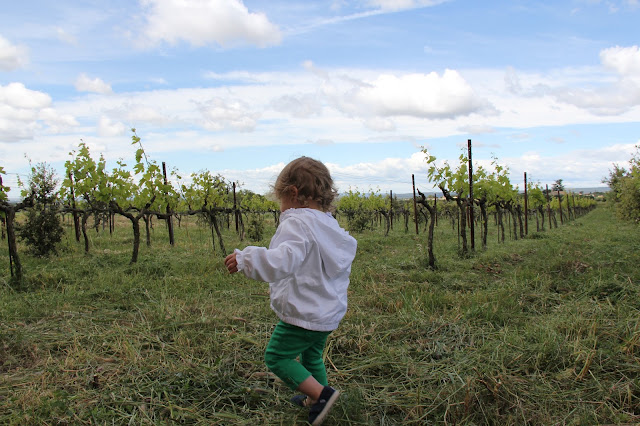
Julia ran wild in the vineyards
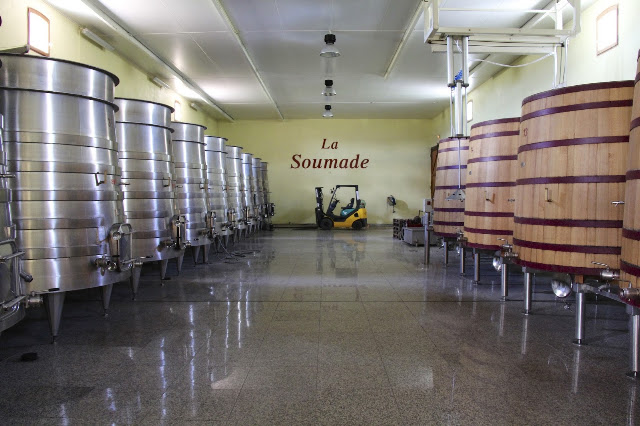
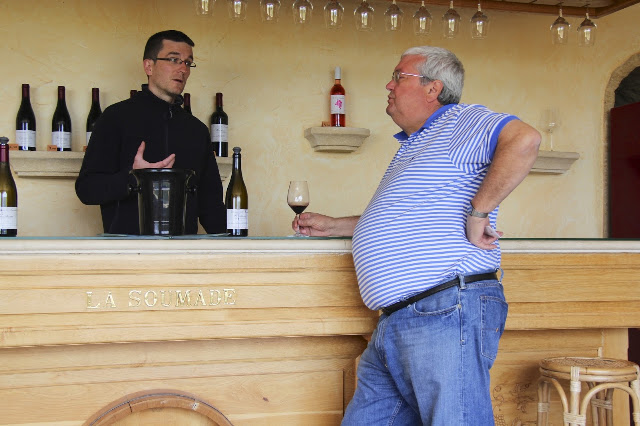
Next, we ventured to Domaine la Soumade, a winery founded in 1979 by André Roméro (website). We slowly worked our way through a flight of Rasteau before selecting which bottles to purchase (or in Michel’s case, which cases to purchase).
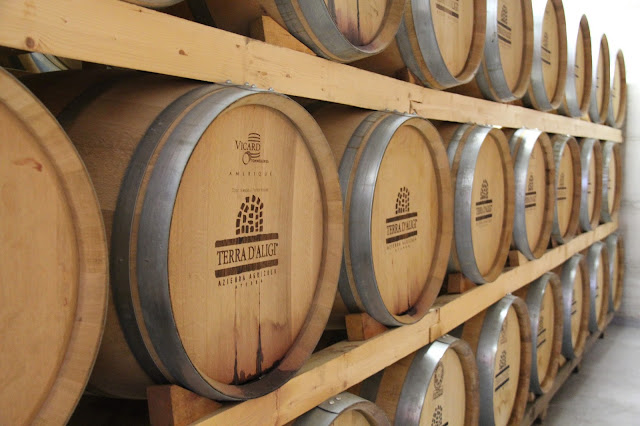
Casks
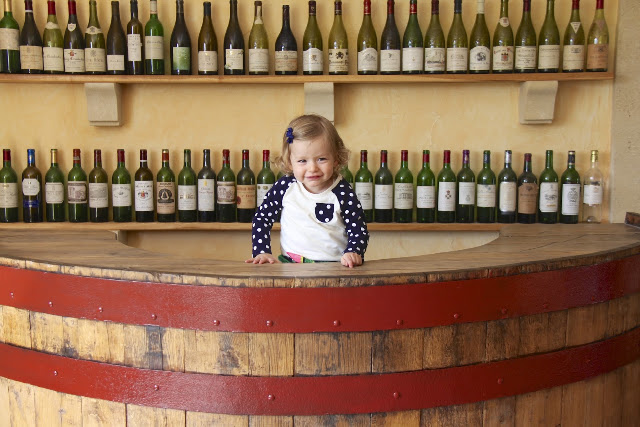
“Step right up… what’ll it be? May I recommend a grenache?”
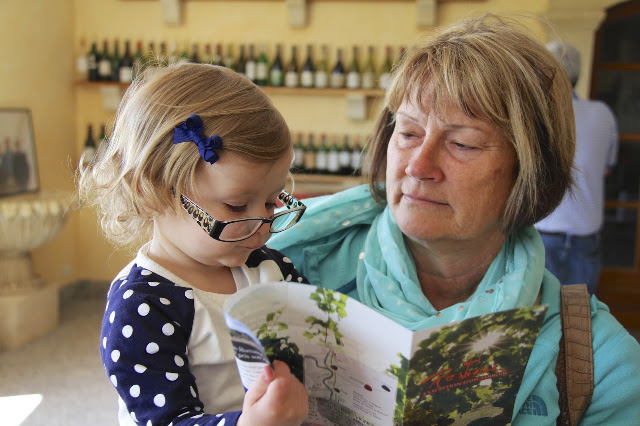
Reading to Shirley
Michel speaking to our host about his wines
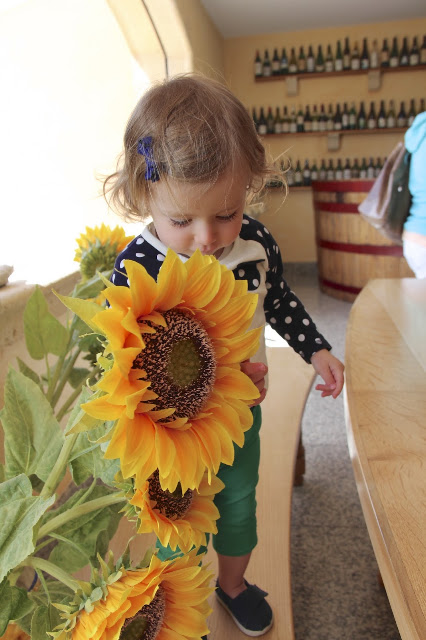
Julia plays with the sunflowers
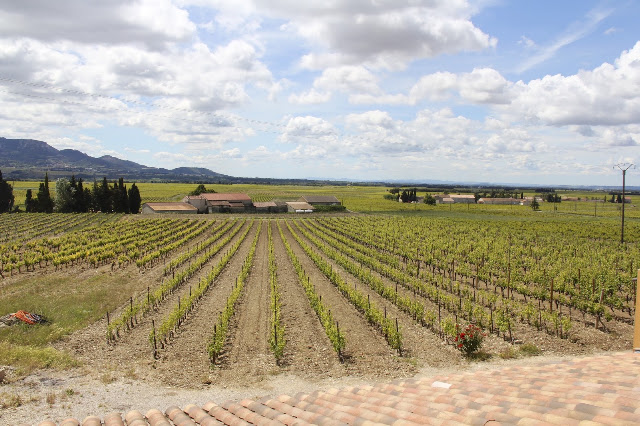
Vineyards out back
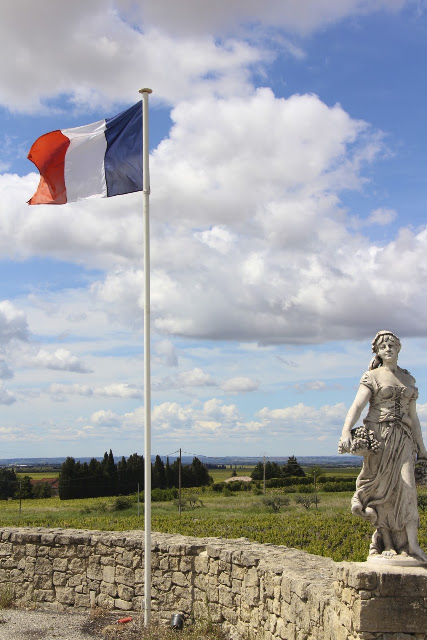
Interesting to see the French flag as opposed to the Italian flag
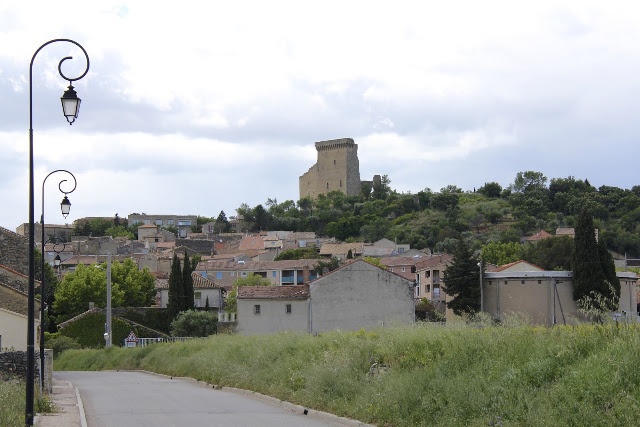
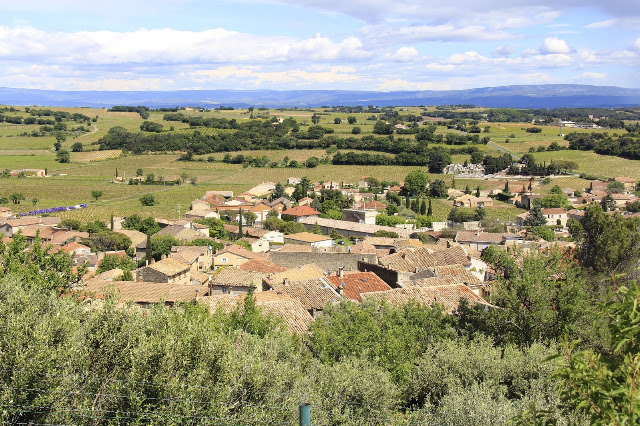
After lunch, we pointed the car toward the much anticipated village of Châteauneuf-du-Pape. If you’re no more than a casual drinker of French wine (like me), than you may be questioning that statement. “I thought Châteauneuf-du-Pape was a grape, or a style of wine, or (what I thought) a region?” Certainly, a wine as noted around the world as Châteauneuf-du-Pape couldn’t simply take the name of a small village with fewer than 1,000 inhabitants…could it?
Driving into Châteauneuf-du-Pape
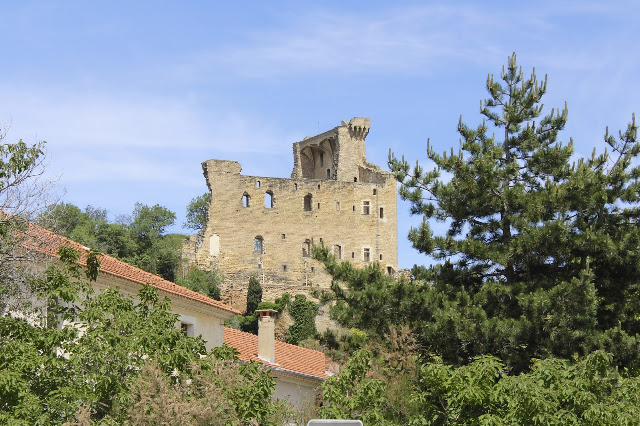
The Popes castle sits high above the village
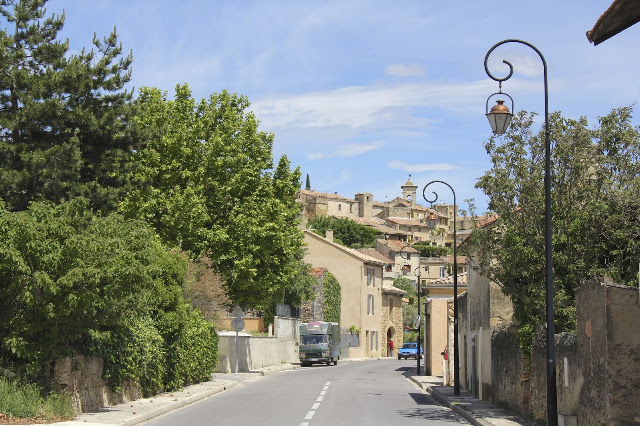
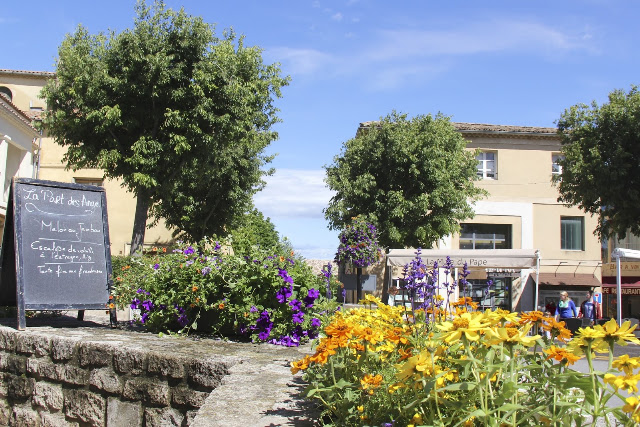
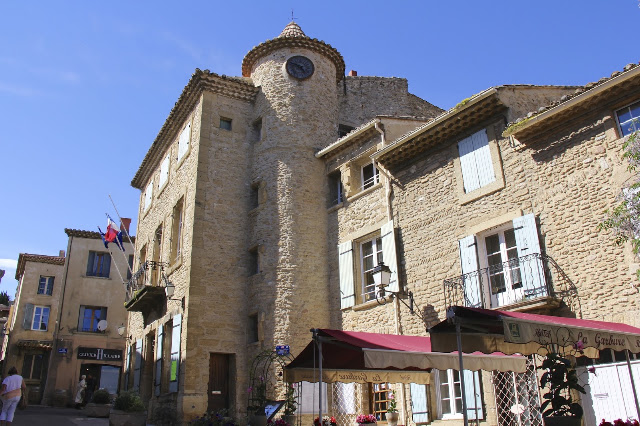
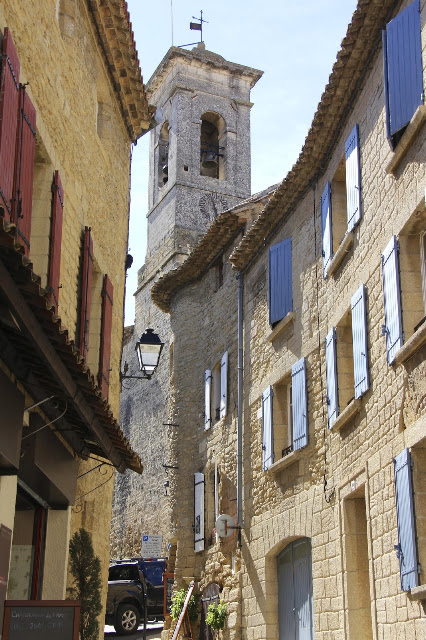
Street in Châteauneuf-du-Pape
The central concept to higher end French wine is the notion of terroir, the location where the grapes are grown and wine is made. The Appellation d’Origine Contrôlée (AOC) classification system uses this concept of terroir when classifying French wine. It is this rigorous classification issued by the government agency that ultimately determines (in part) how your wine bottle reads. The history of the AOC dates all the way back to 1411, when Roquefort (yes, the cheese) was first regulated. It wasn’t until 1935 that the Institut National des Appellations d’Origine (INAO) was created exclusively to manage the process for wines.
I learned that as you drink wines across France- the labeling practices are different and take on their own set of rules depending on which region the wine was made in and what level of classification the wine carries. The minimum information a label will carry is usually the classification and the name of the producer. Michel explained to us that in the Côté du Rhône region the ranking of a wine’s quality is fairly easy to determine, starting with Côté du Rhône (the generic label), thenCôté du Rhône-Villages (which includes 95 communes), next moving on to Côté du Rhône-Villages (named village) (where the village has earned the right to include its name on the label) and finally the highest class-action, Crus (the most demanding level of distinction, upon which the village will use only its name on the label, without needing to include Côté du Rhône). There are only 16 communes that have achieved this high level of distinction. The wines of Châteauneuf-du-Pape have been awarded this high level of crus status and therefore, only use the name of the village on the label.
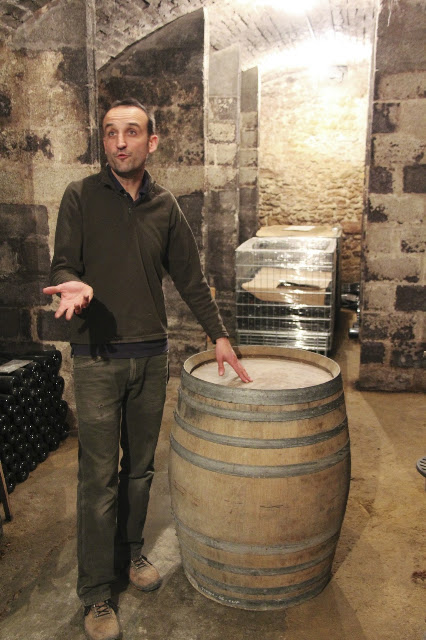
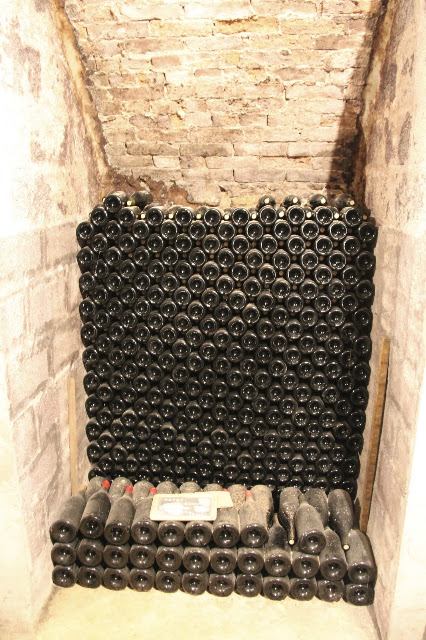
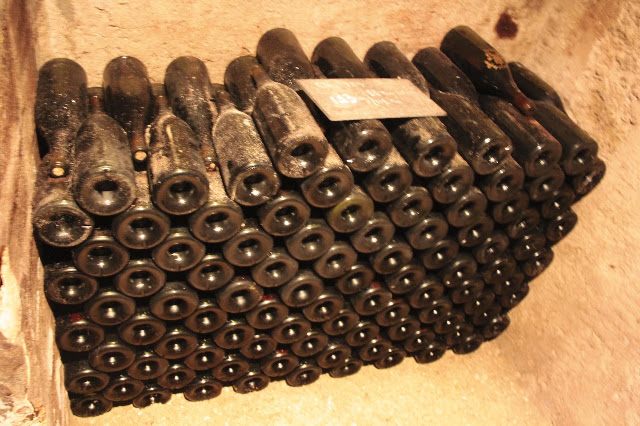
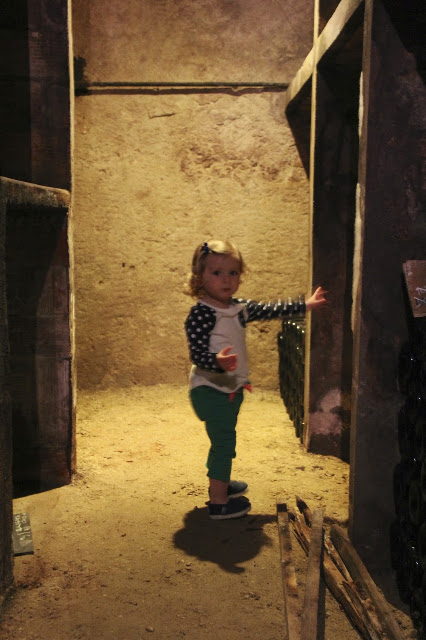
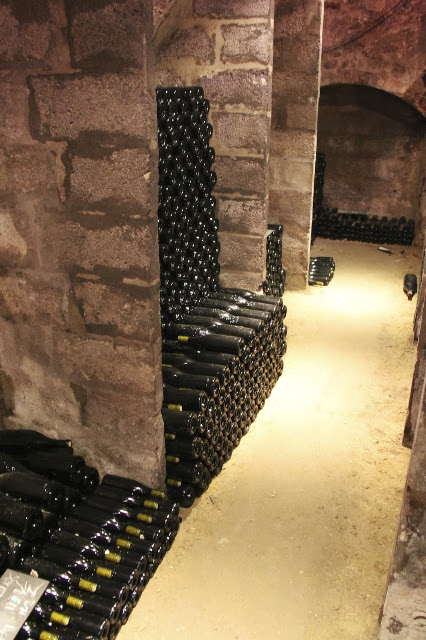
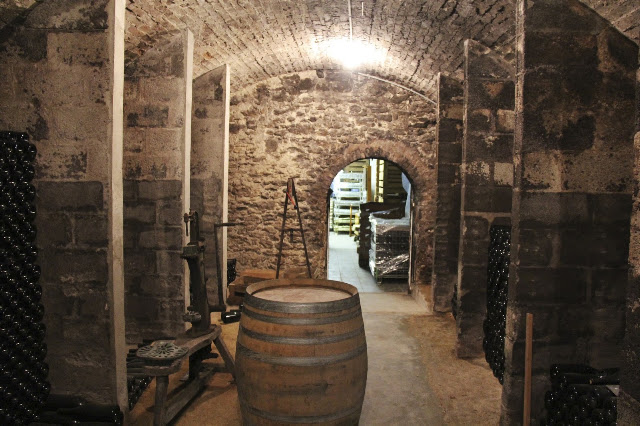
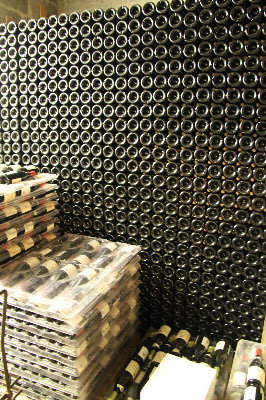
After drinking the spectacular wines of Clos du Mont-Olivet, we toured the proprietors private cellar. It was jaw-dropping indeed to see bottles of wine that were worthy of serving royalty, reaching values too astronomical for me to fathom. It also made my draw drop to see Julia running wild in said-cellar and I had to put my camera down to chase her on more than one occasion. I don’t think stomping grapes the rest of my life to repay the debt of a single broken bottle would have been a wise notion. The estate is managed by David, the third generation in a line of winemakers of the Séraphin family. A kind and gentle man, he was happy to take time to explain his wine, show off his cellar, extol a few interesting anecdotes and allow us to take tons of pictures. David told us that the current spring (when the grapes begin to grow) was the coldest on record since 1887 and that winemakers all over the region were nervous of the outcome. If the outcome was anything like the wines we drank all day – they’ll be just fine!
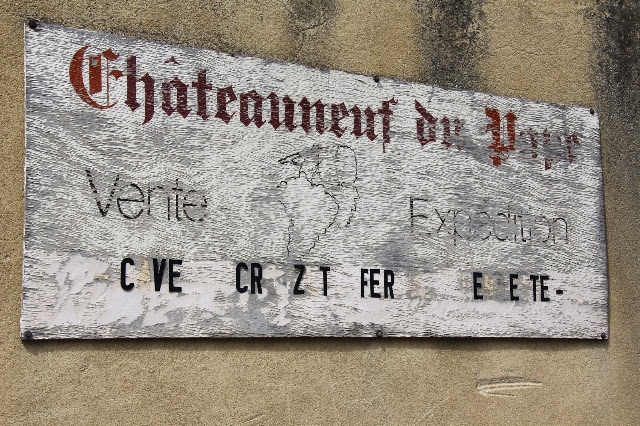
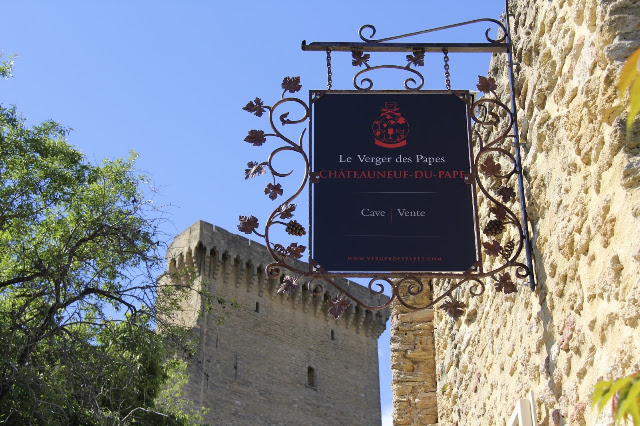
A sign hangs outside Clos du Mont-Olivet
Outside Clos du Mont-Olivet
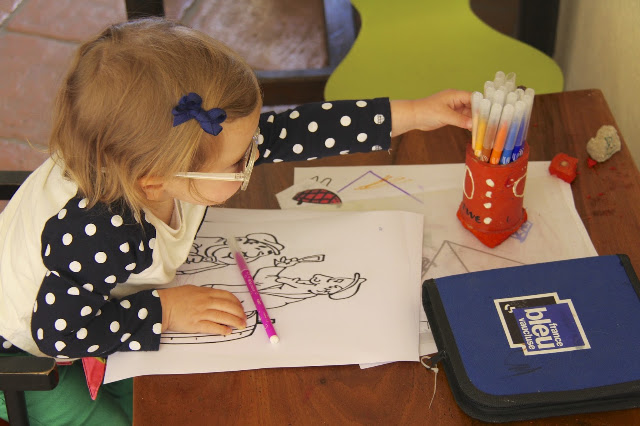
Julia kept herself pre-occupied by drawing…
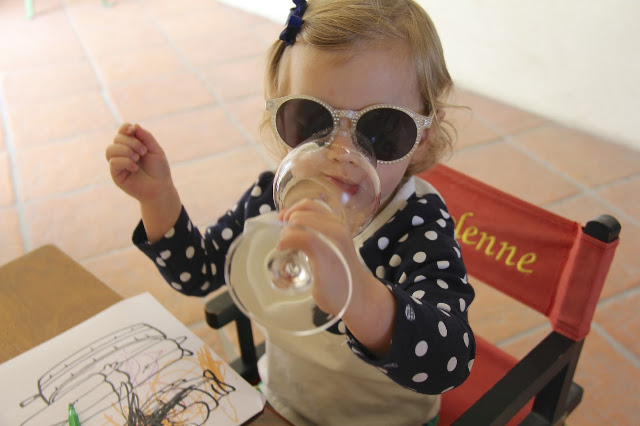
And tasting French water along with us…
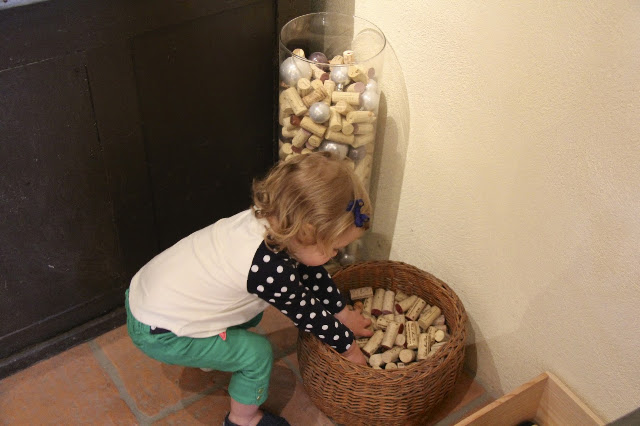
And finally, re-organizing corks
David welcomes us into his family’s cellar
There were thousands of wines inside
Some wines dated back fifty years
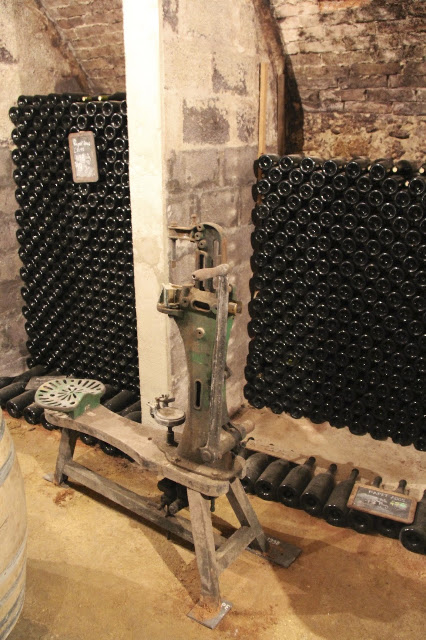
They had one of their original floor corking machines
Julia wanted to go “this way” toward the really expensive wines
Another shot of the cellar
Leading back into the production area
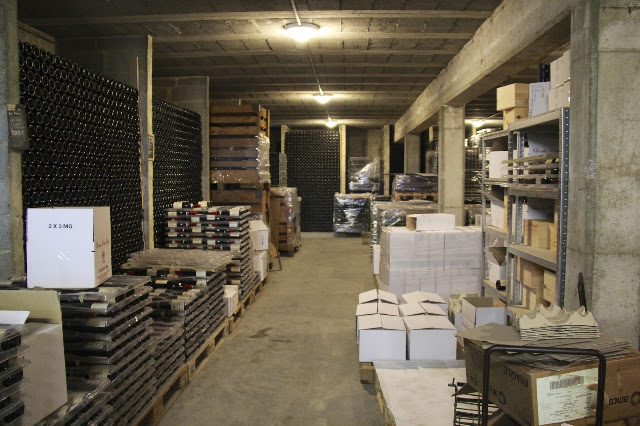
Packaging and storage area
Bottles prepare to ship
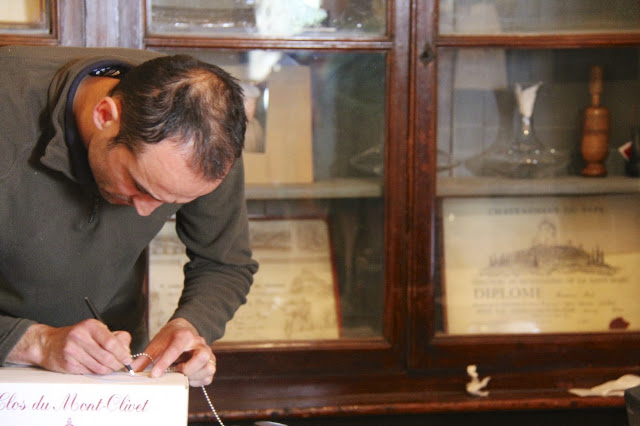
David prepares an invoice for our purchases
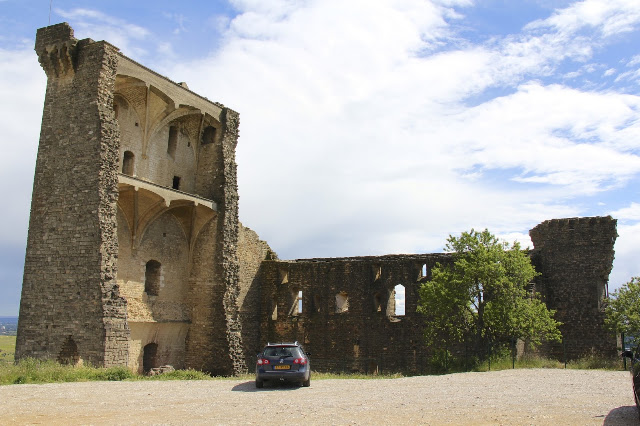
When we left Clos du Mont-Olivet we spent some time touring the village of Châteauneuf-du-Pape, which is as firmly intertwined with papal history as it is wine. In 1308, Pope Clement V relocated the papacy to the city of Avignon. My buddy Clement V and his subsequent “Avignon Popes” were rumored to be great lovers and promotors of wine during the seventy-year duration of the Avignon Papacy. John XXII (who came second) is responsible for erecting the famous castle that still stands today, known as the “Popes Castle”.
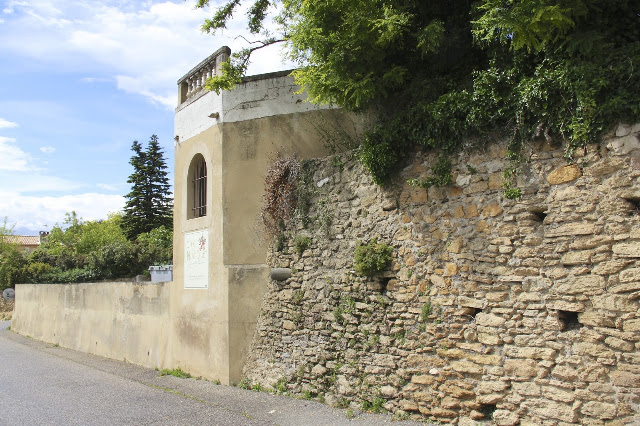
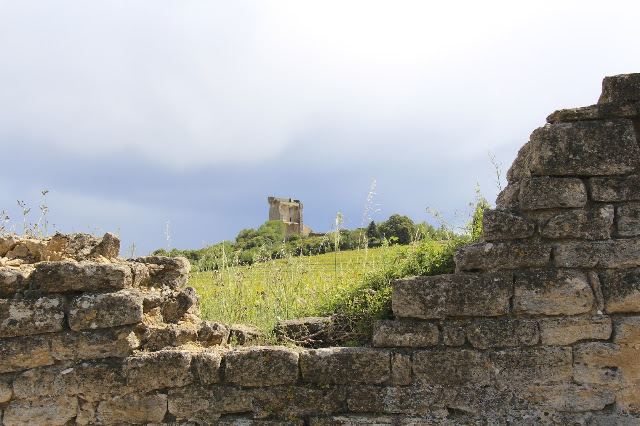
The Pope’s Castle through an ancient wall
Remains of the Pope’s Castle
View of the valley
In the village of Châteauneuf-du-Pape
The village was beautiful
Street scene
Looking back up toward the top of the castle
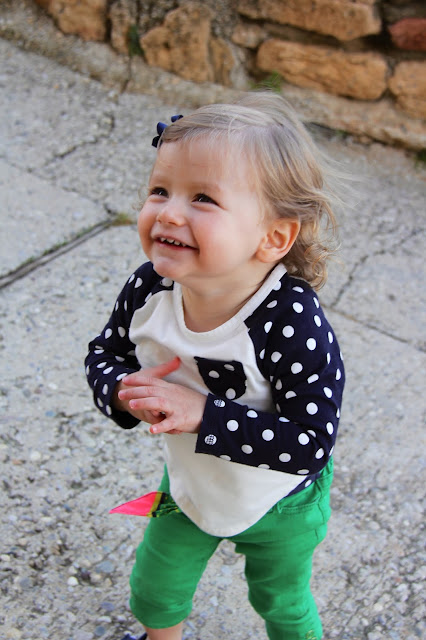
“Hi, everybody!”
“HI, MAMMA!”
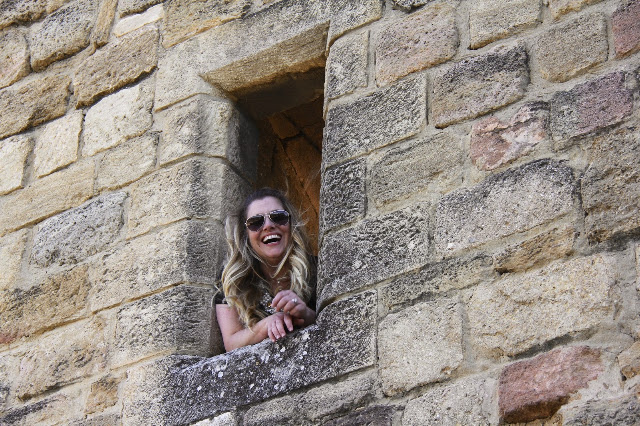
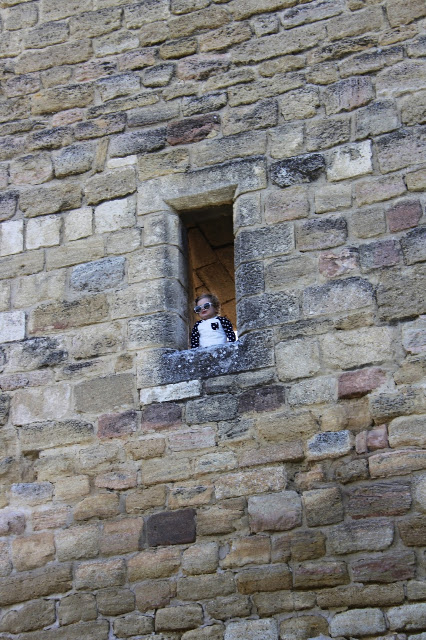
“That’s so funny… I want to go up there!”
“Ciao, everyone…errr, I mean bonjour!”
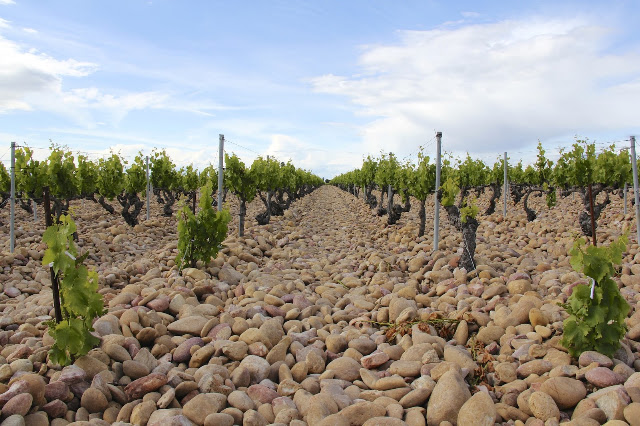
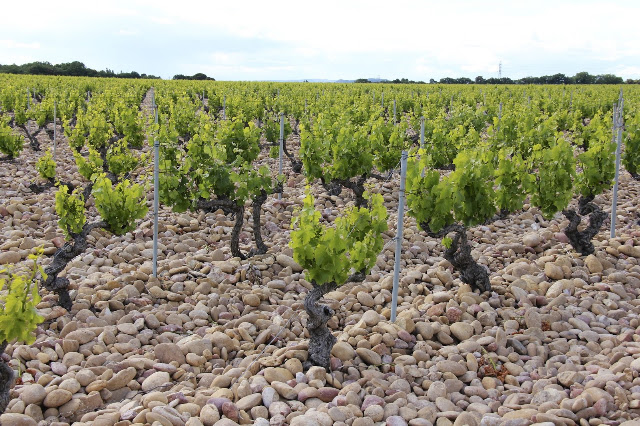
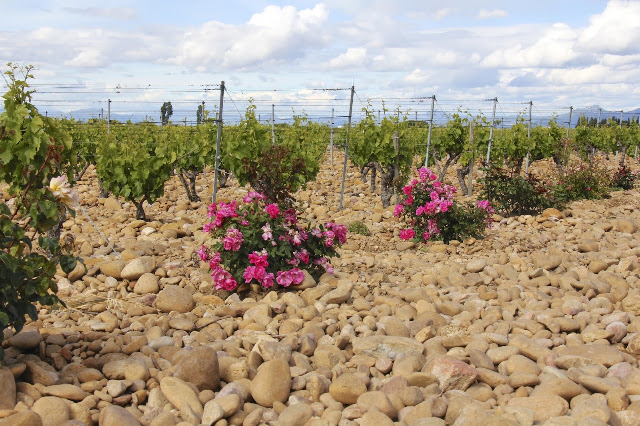
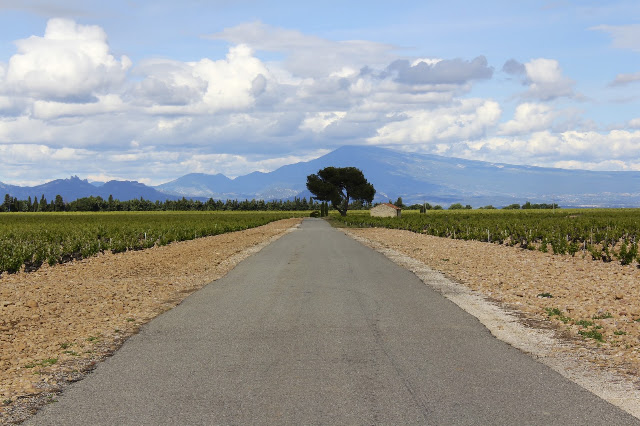
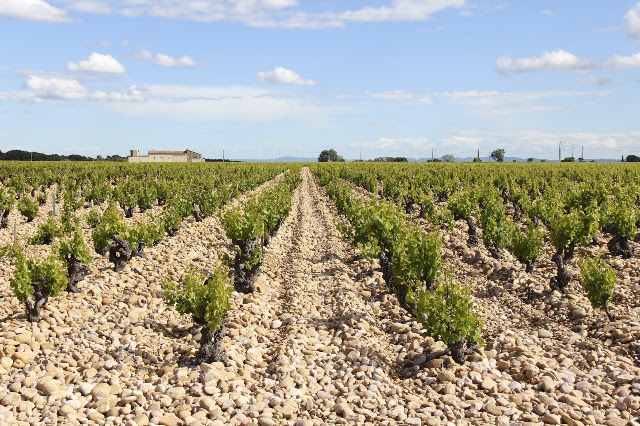
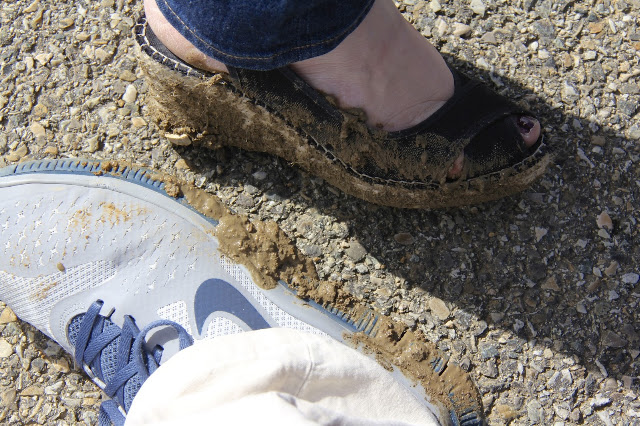
Next, we drove to some of the vineyards, which we were surprised to learn were covered in rocks. Michel explained that these are naturally occurring and even when the farmers rake all the rocks, they simply re-surface again over time. Of course, everyone embraces the rocks and think its what gives Châteauneuf-du-Pape it’s unique terroir.
The rocks were amazing
Vineyards in Châteauneuf-du-Pape
One of the wineries planted roses at the end of each row of grapes
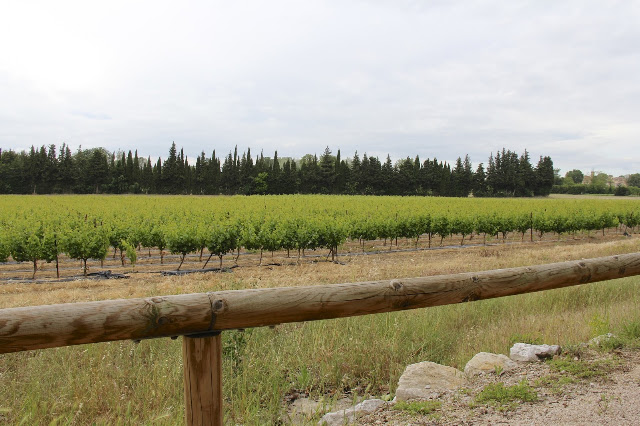
View in the middle of the vineyards
Another angle
Jen and I paid the price for stepping into the fields to snag a couple rocks as souvenirs
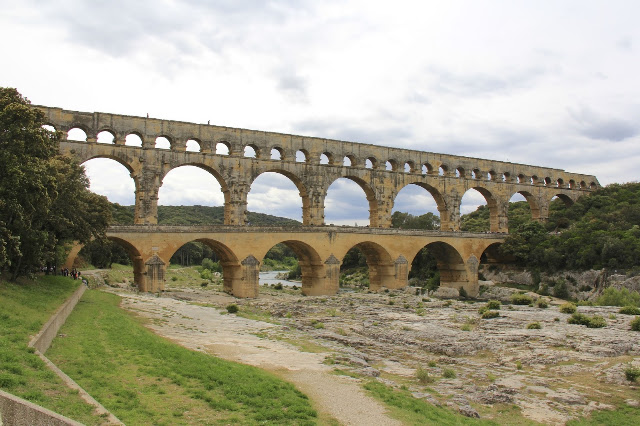
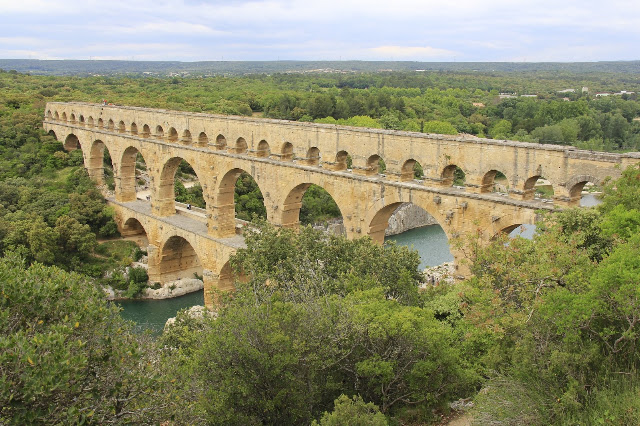
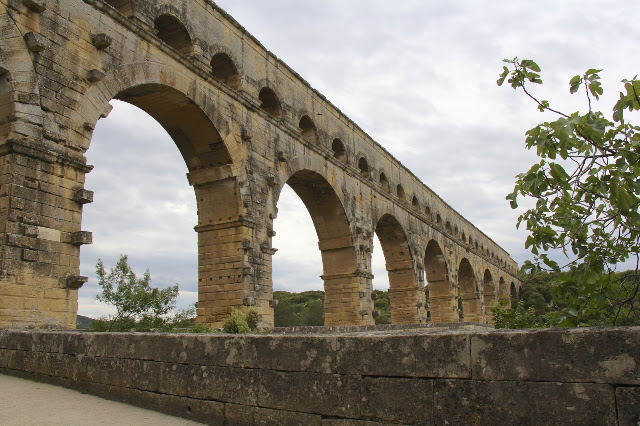
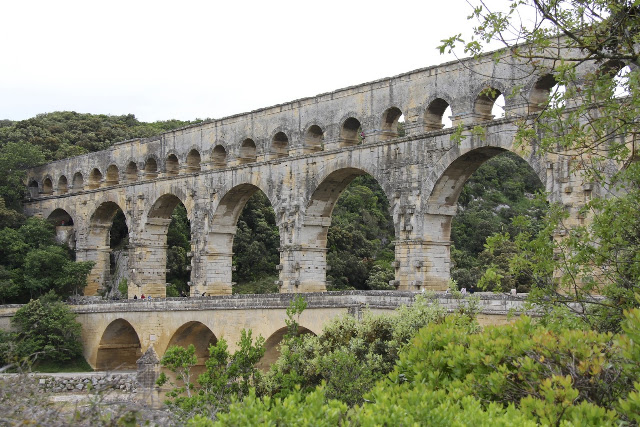
On our final day in France, we visited the Pont du Gard, an ancient Roman aqueduct bridge that crosses the Gardon River. The site is simply stunning to behold, and the UNESCO World Heritage Centre agreed, adding it to their list of World Heritage Sites in 1985 because of it’s historical importance.
Pont du Gard
The opposite side, higher viewpoint
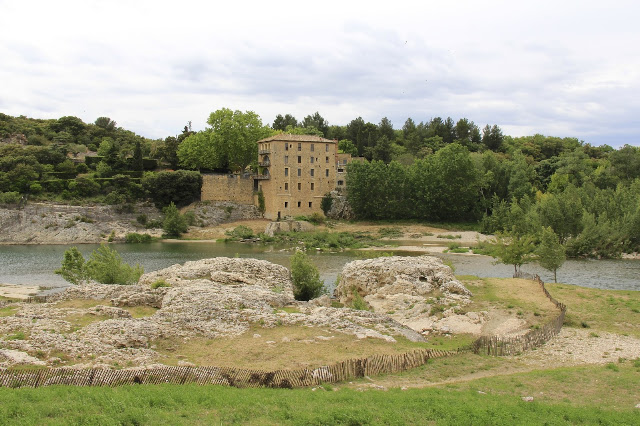
Ancient villa on the Gardon River
We walked to the top of the aqueduct
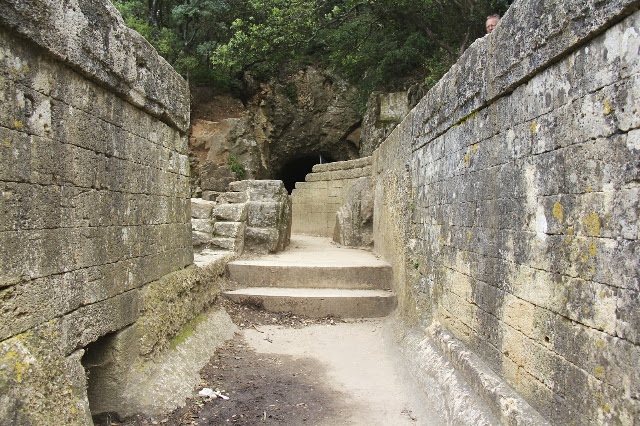
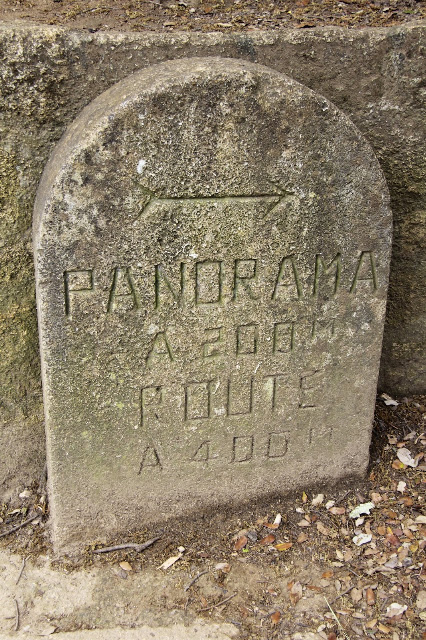
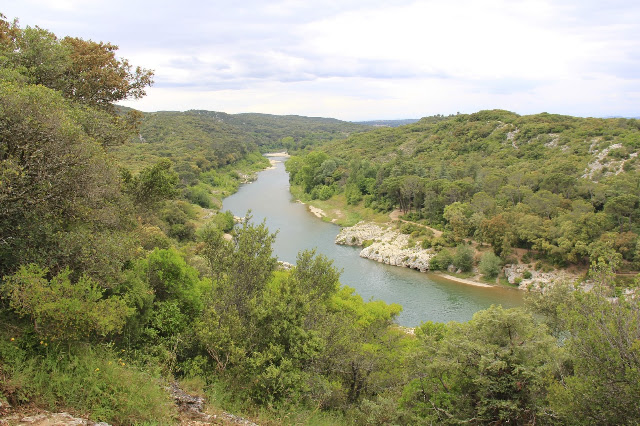
We followed the route up to the panoramic viewpoint
The trek was worth it – there were stunning views
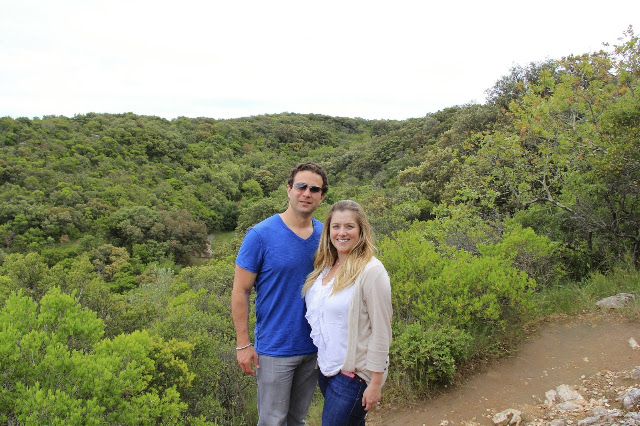
At the top
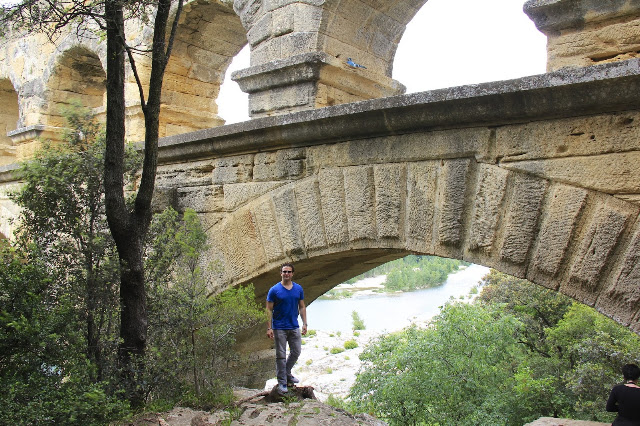
Amazing to see the bridge up close
Angle from below
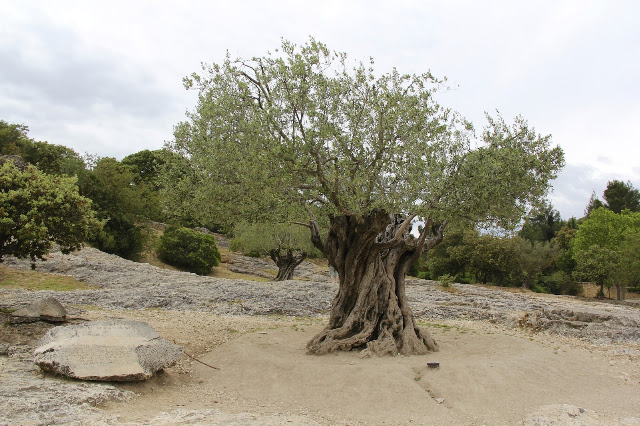
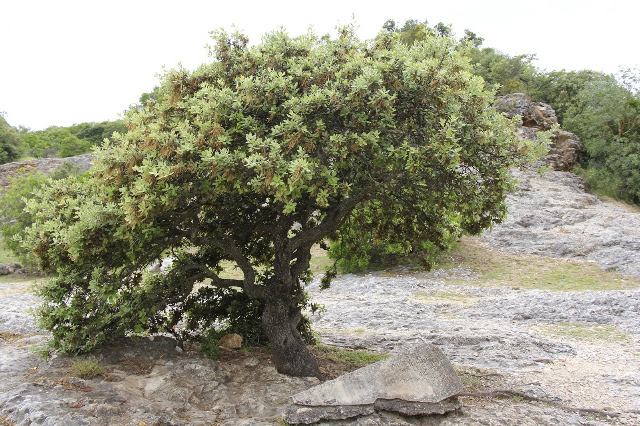
This olive tree, along with it’s sister tree were relocated here and have thrived since 908 AD
Sister tree
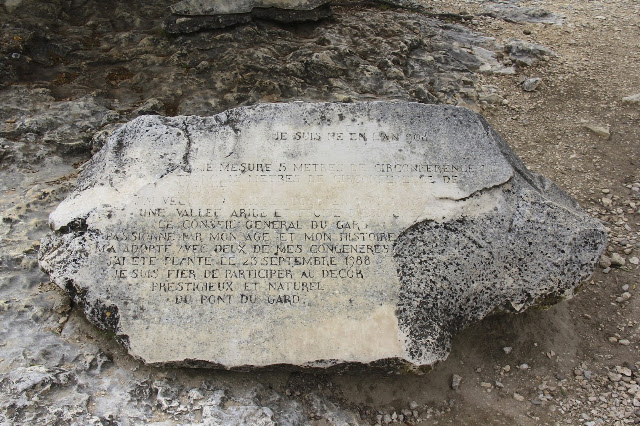
Stone placard commemorating and expelling the trees’ history
View from the opposite bank
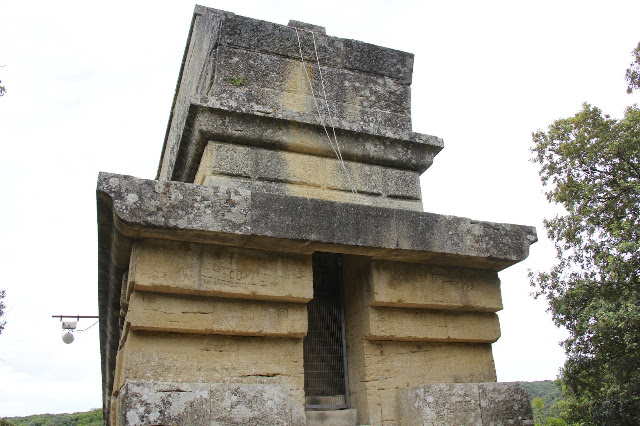
One of the end caps
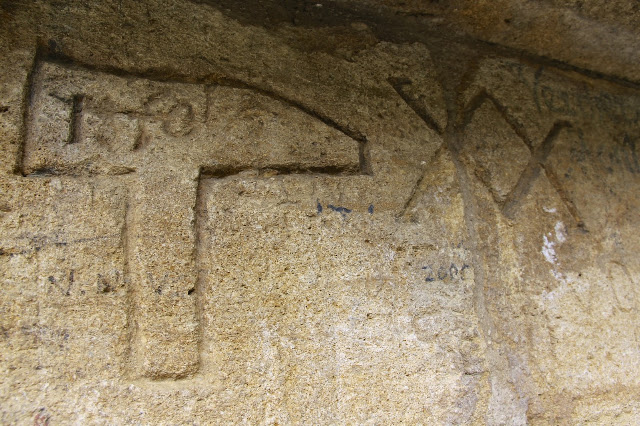
The ancient carvings were magnificent. I think this says, “this end up”
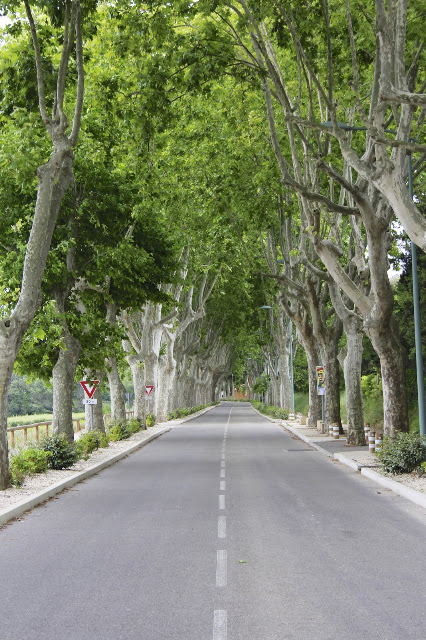
Trees covered the roads to offer shade to the soldiers in ancient times
Nice scenery shot
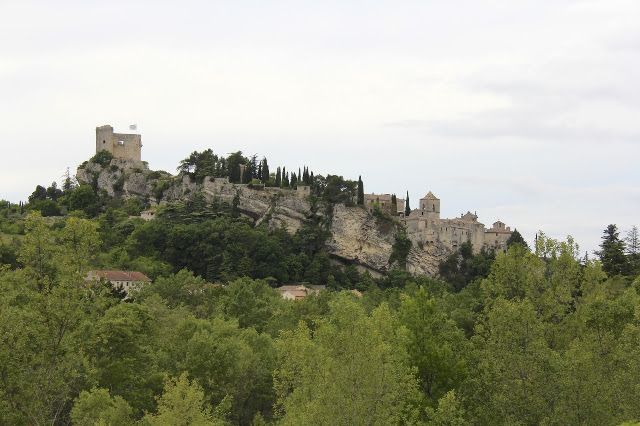
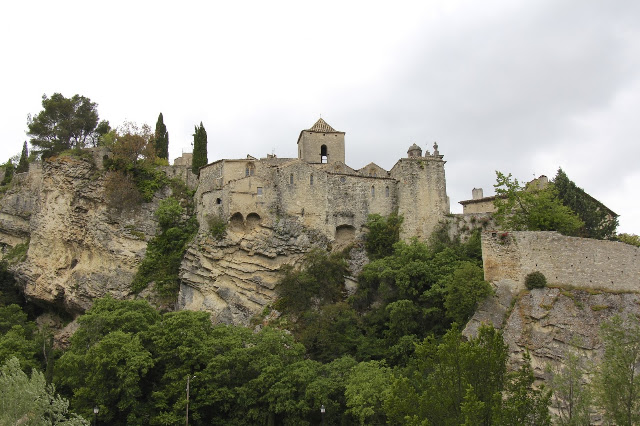
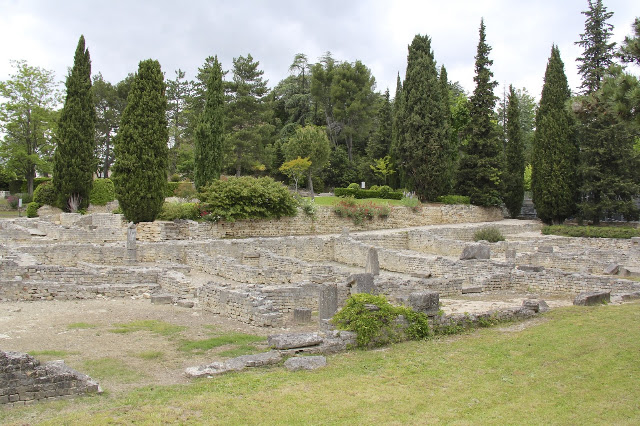
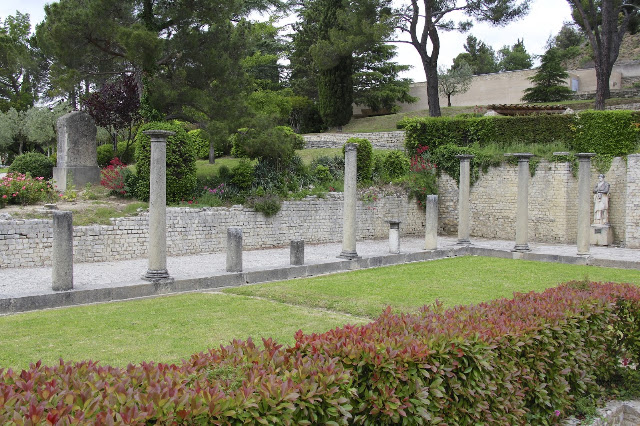
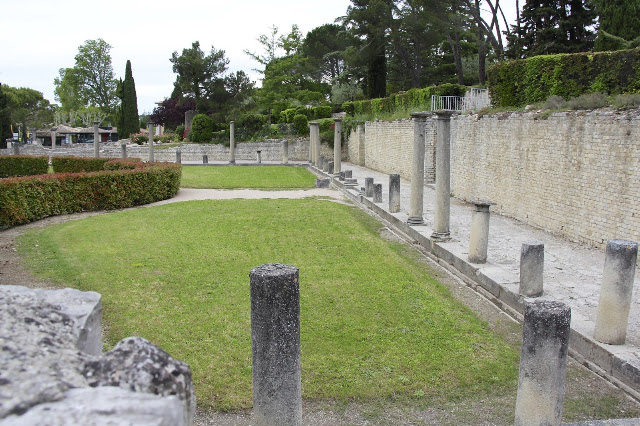
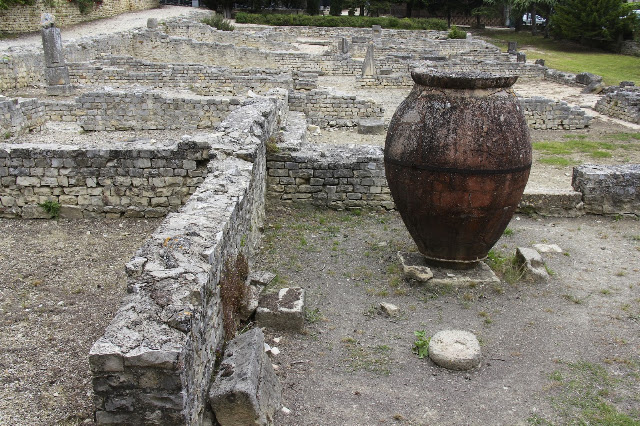
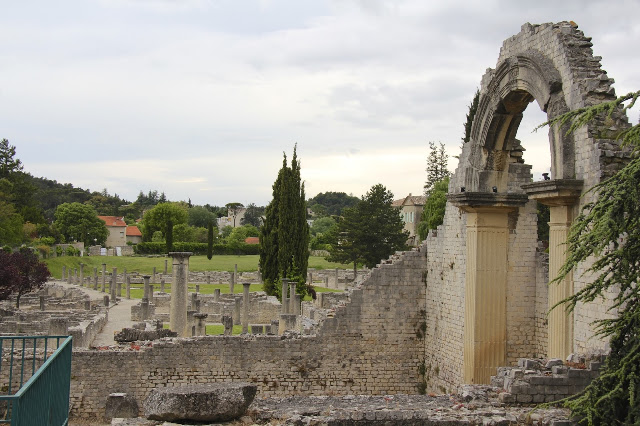
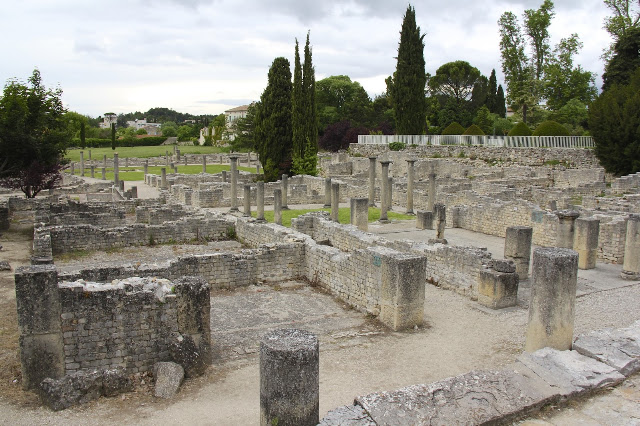
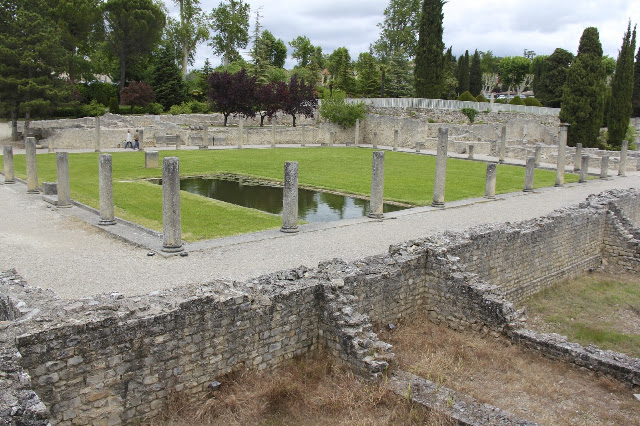
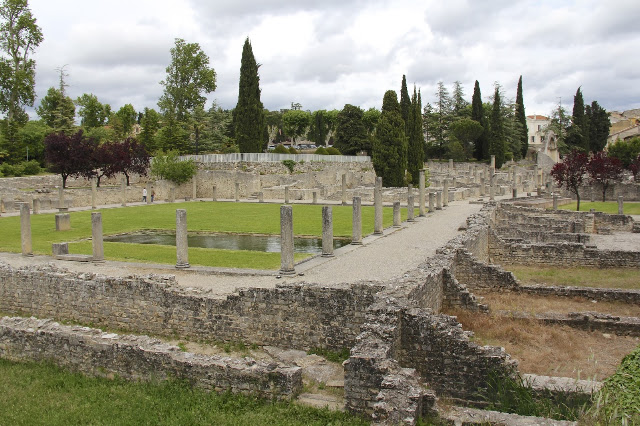
Finally, we ended our day in Vaison-la-Romaine, a village that showcases an interesting historic perspective. Not only is the historic section separated into two parts, it is divided in two distinct ways. On the high side of the dividing river, Ouvèze you have Medieval ruins including a castle. On the lower side, centered on the Colline de la Villasse, you have the largest filed of Roman ruins in France. It’s quite stunning to take it all in.
The upper city – the Medieval city
View of the Medieval castle
Some of the Roman ruins
Roman ruins – pillars surrounding a courtyard
Courtyard
They believed this portion was housing
Ancient Roman gate still intact
The ruins covered such an impressive and vast amount of land
Would have loved to known who’s pool this was… some ancient tycoon?
A final look back over the Roman ruins
I hope you enjoyed your tour through France with us (both historical and culinary) as much as we did. Stay tuned as we return back to Italy and stay busy while Jen’s family comes to stay a month.