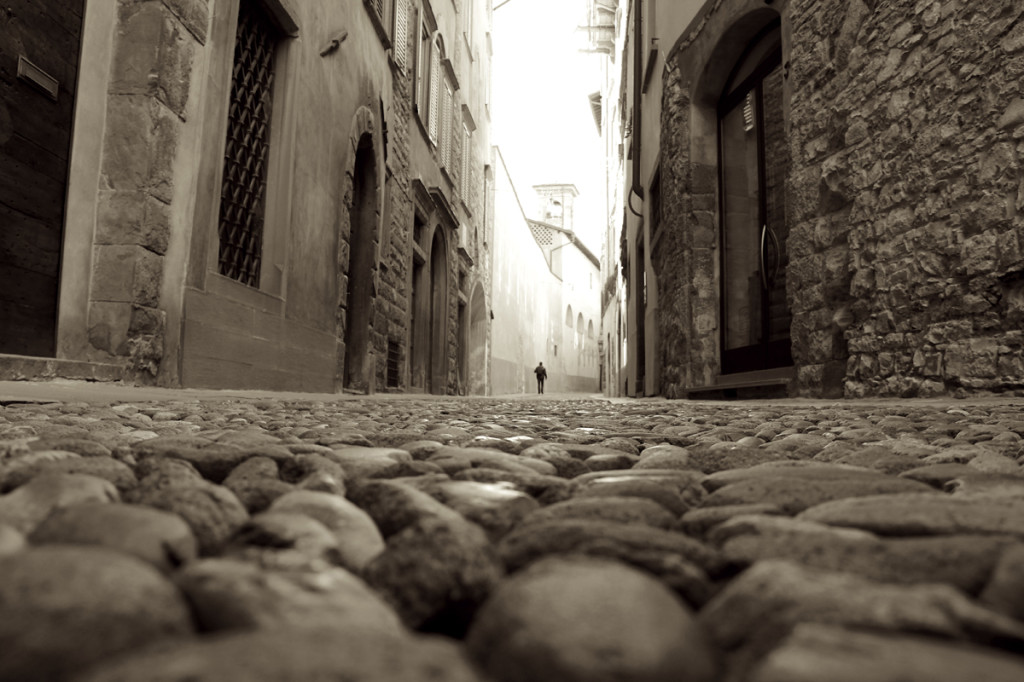
I played with various options for the title of this post, ranging from “Italy’s Most Hidden Treasure” to “Italy’s Best Kept Secret”. Really, any of those title would be apropos. Bergamo is all of those things and so much more. Ultimately, I went with “most underrated” because it seems that most people would rather bypass this northern Italian city for the sexier Venice, Florence or Rome. Heck, even neighboring Verona pulls more visitors than Bergamo. As a matter of fact, I had never even heard of Bergamo until I moved here and I had visited nearby Como plenty of times leading up to this adventure.
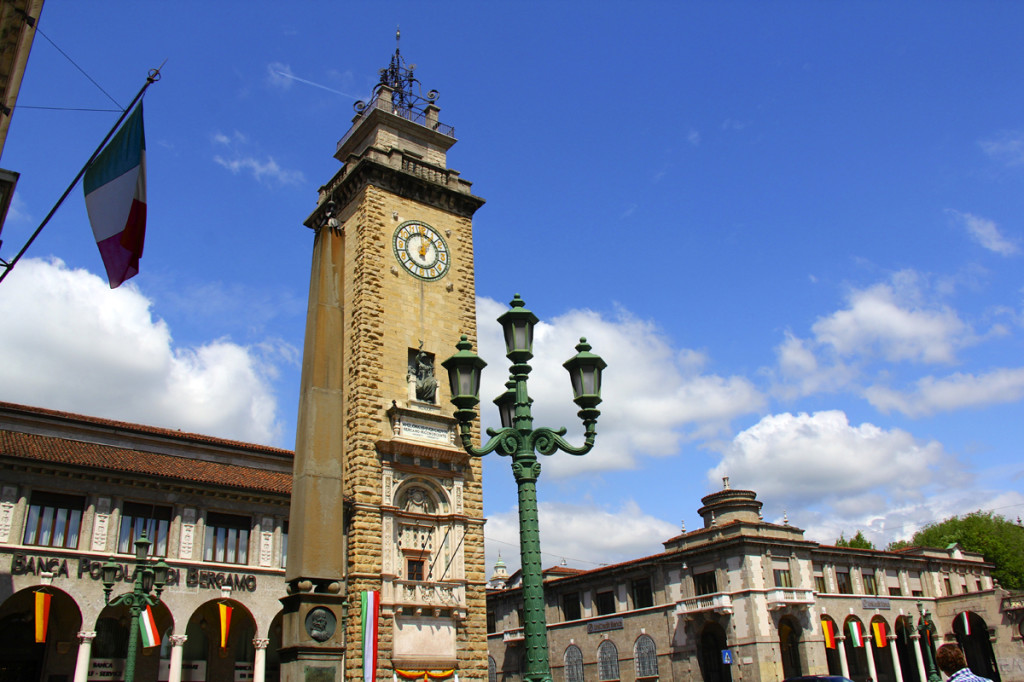
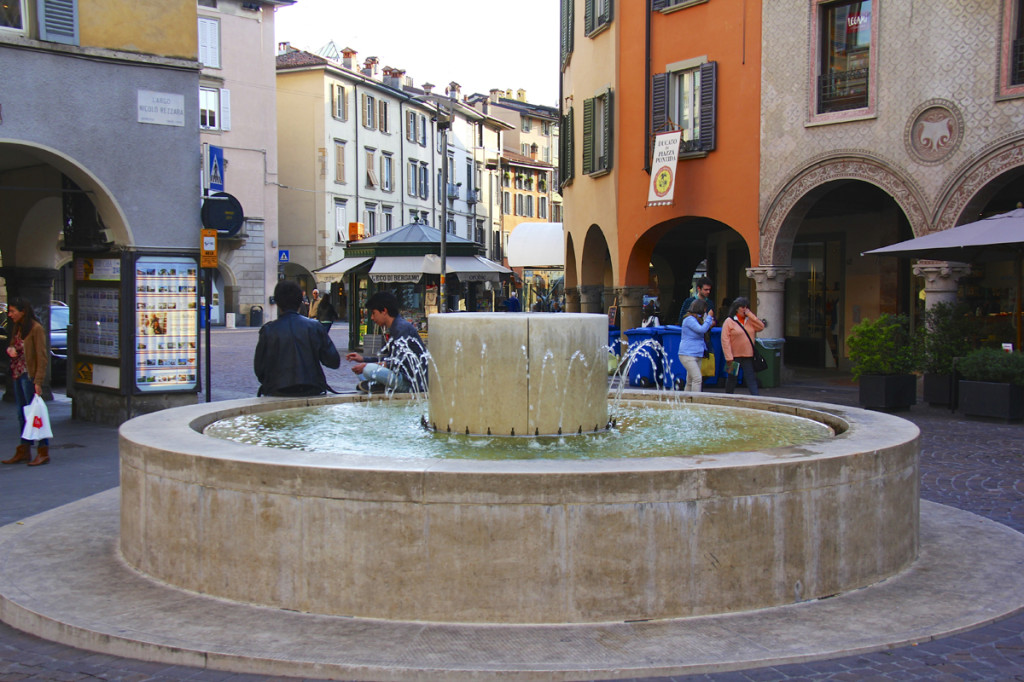
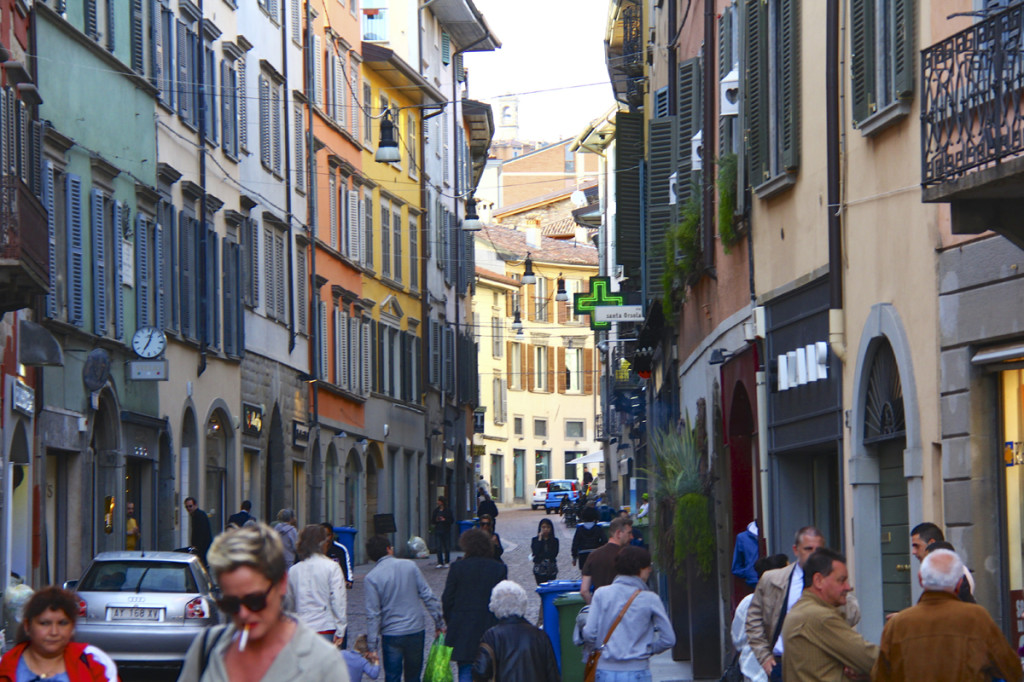
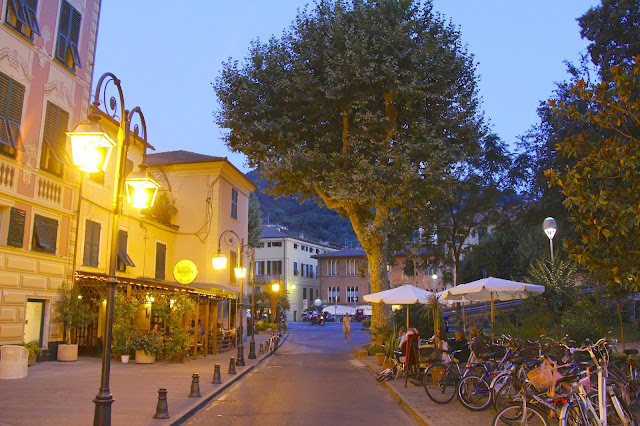
Città Bassa in Bergamo
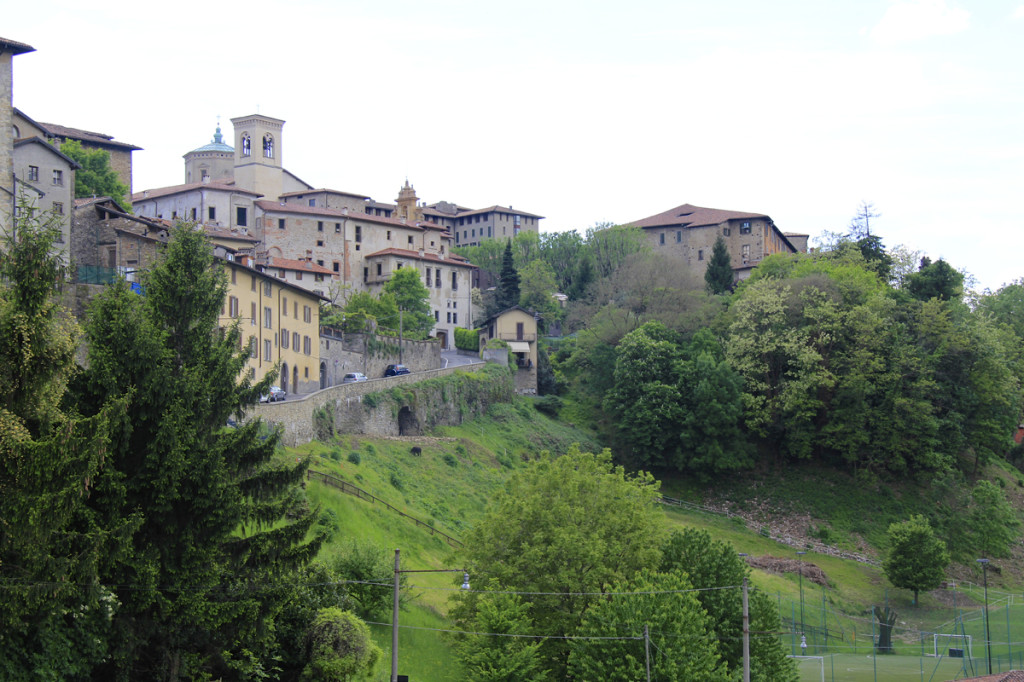
Getting to know Bergamo was truly a blessing, because it is the type of place that we will continue to visit over and over. The distinguishing feature of Bergamo is that it is really two cities in one. There is the older, medieval city at the top of the hill (Città Alta) and the much more modern city (Città Bassa) below. Incidentally, I use the term “modern city” quite loosely… most notable development is still several hundred years old.
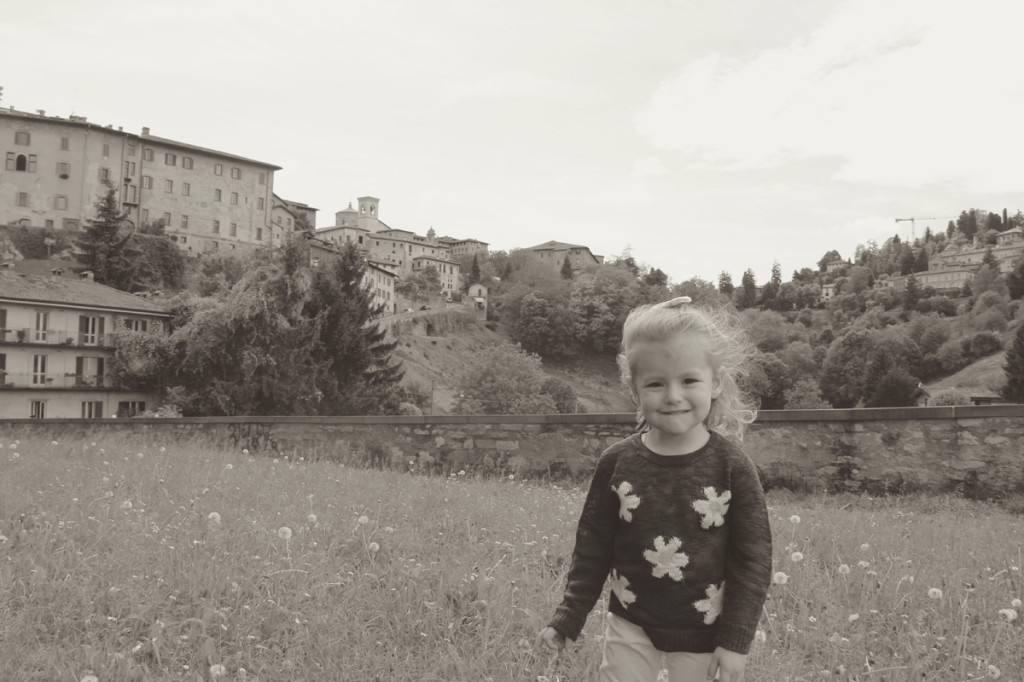
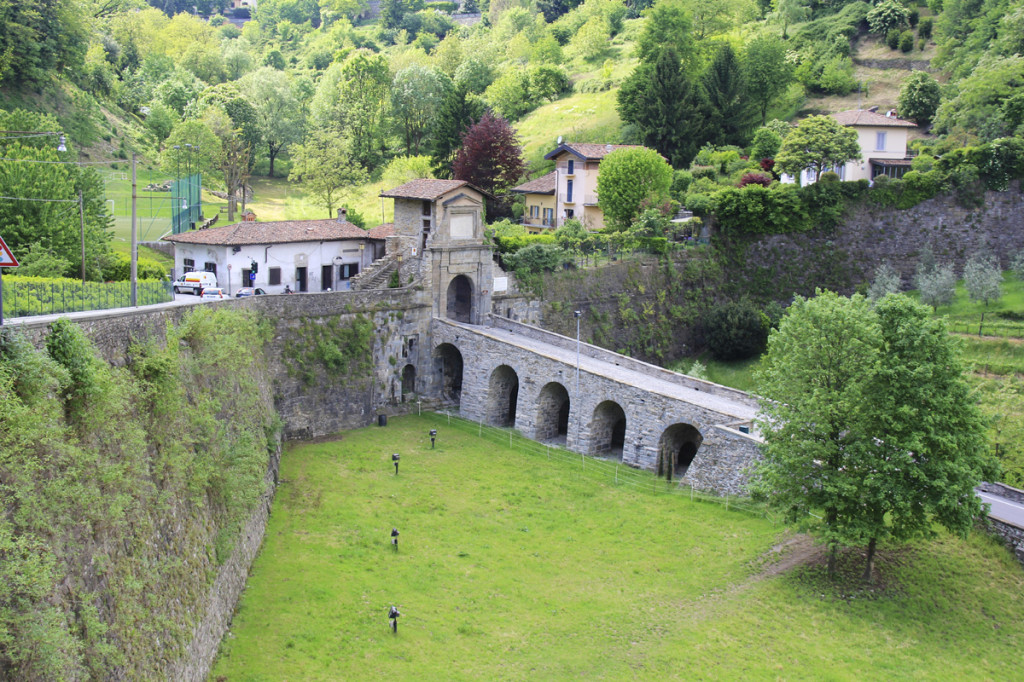
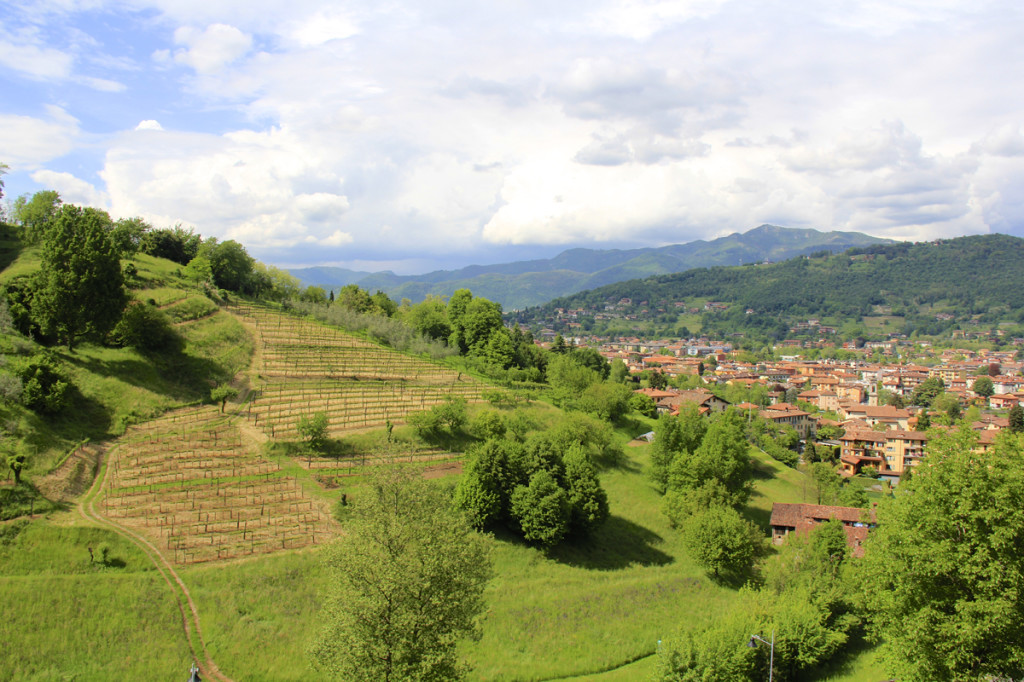
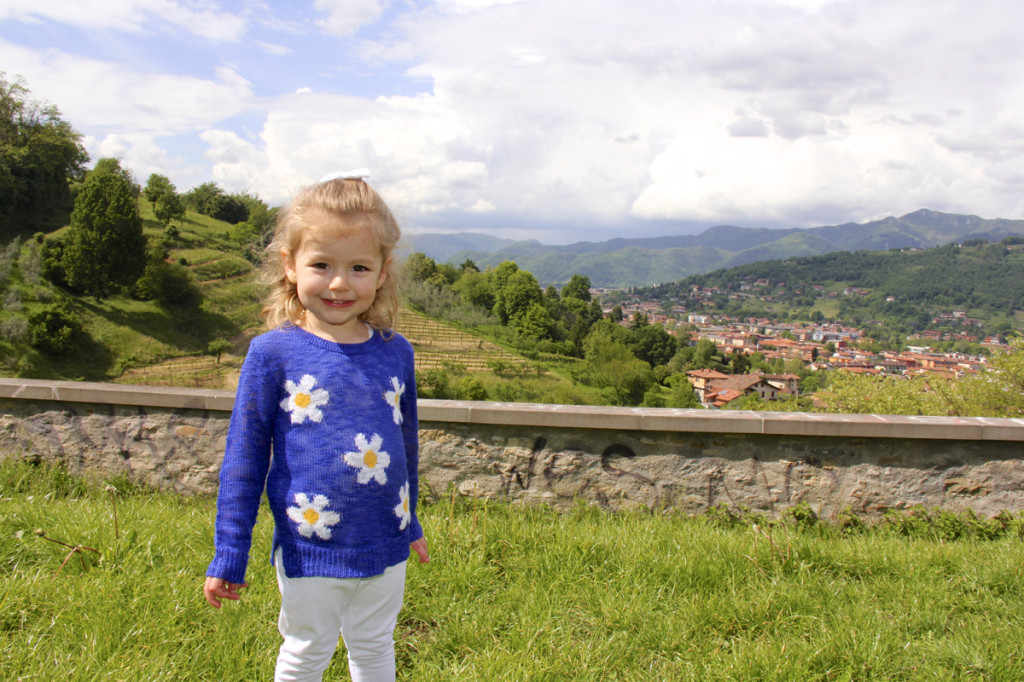
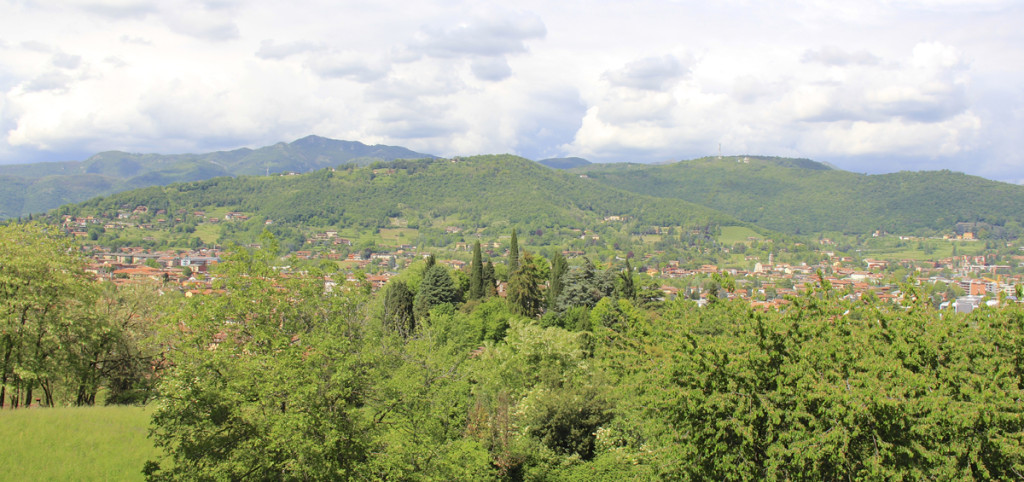
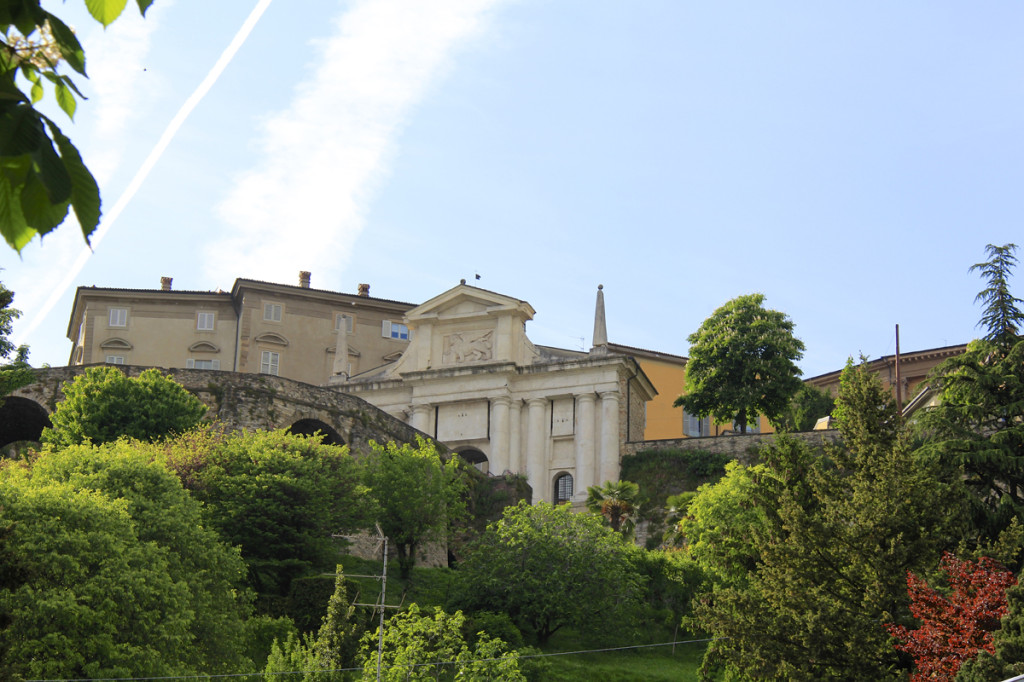
Julia enjoyed her day in BergamoThe older city at the top of the hillSecured roads allowed access into the ancient cityThe view from atop the hill extends for milesJulia enjoyed soaking it all inMore views…The main city gate, marked with the winged Venetian lion from the time Venetians ruled the city
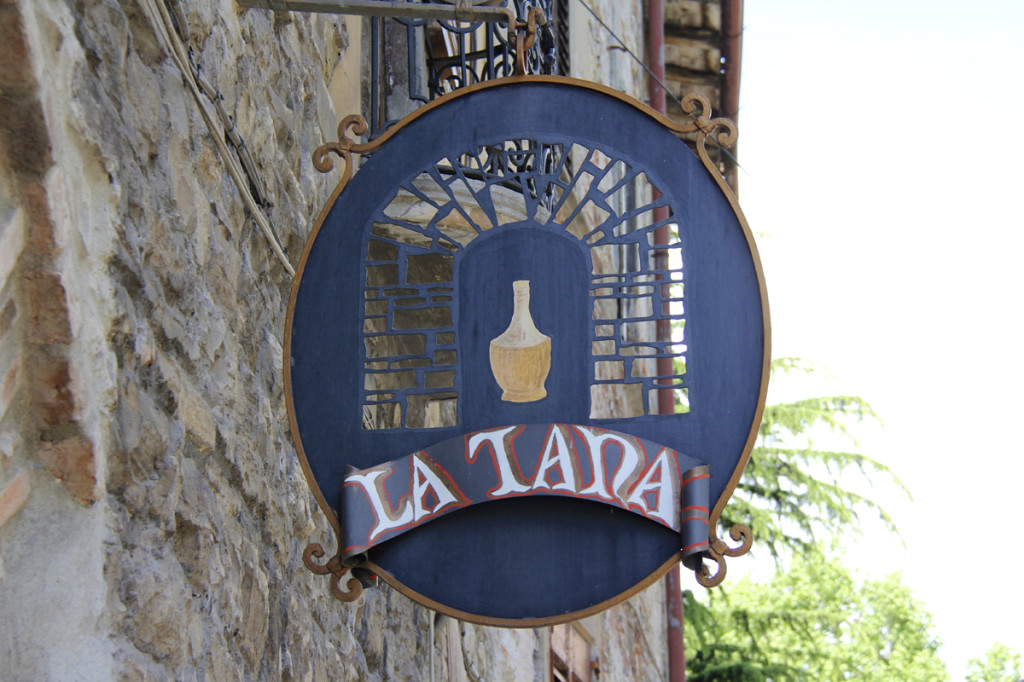
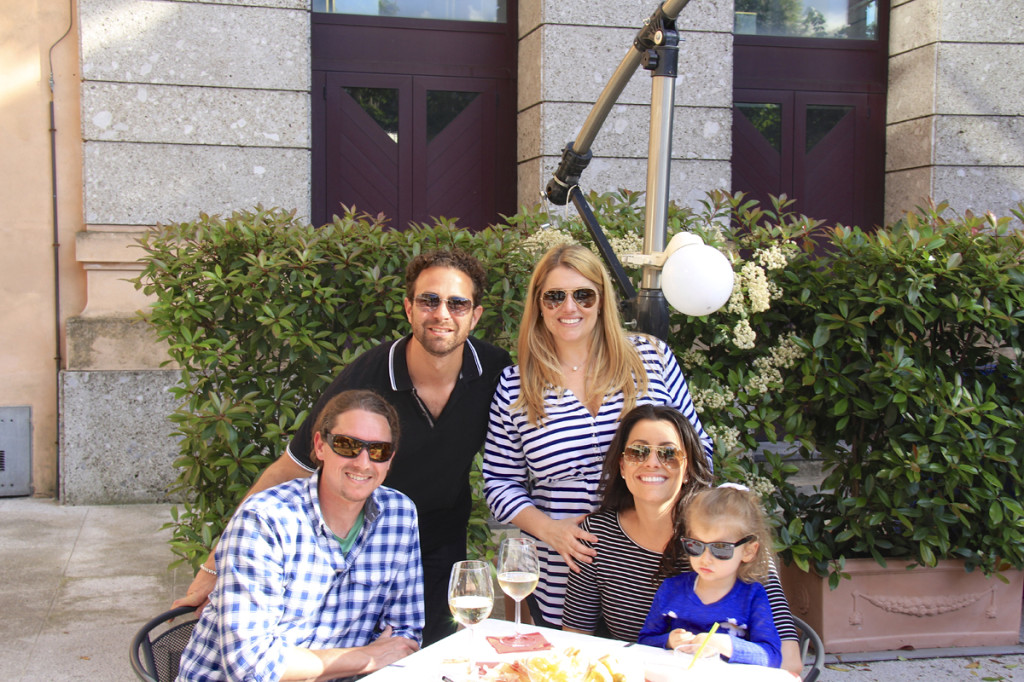
On our first visit well over a year ago, we were drawn toward Città Alta. We spent most of our day wandering the cobblestone streets, soaking up the magical views the high city extends before you. We had been dying to come back to Bergamo and finally got the opportunity when Jen’s sister came to visit with Matt (first post HERE). I thought the mixture of old and new would be something unique for them to see, and the hour(ish) car ride from our home would allow an easy day trip. We loaded our car and headed east toward the city. Our first step was to ascend the hill toward Città Alta (also known as Città Vecchio or Old City) by means of finiculare (cable car). We had researched a good lunch place and in no time, we found ourselves settled outside on the patio of La Tana. After lunch, we spent quite a bit of time wandering around the cobblestone streets and settled in among the other tourists and locals in the centro (center) of town.
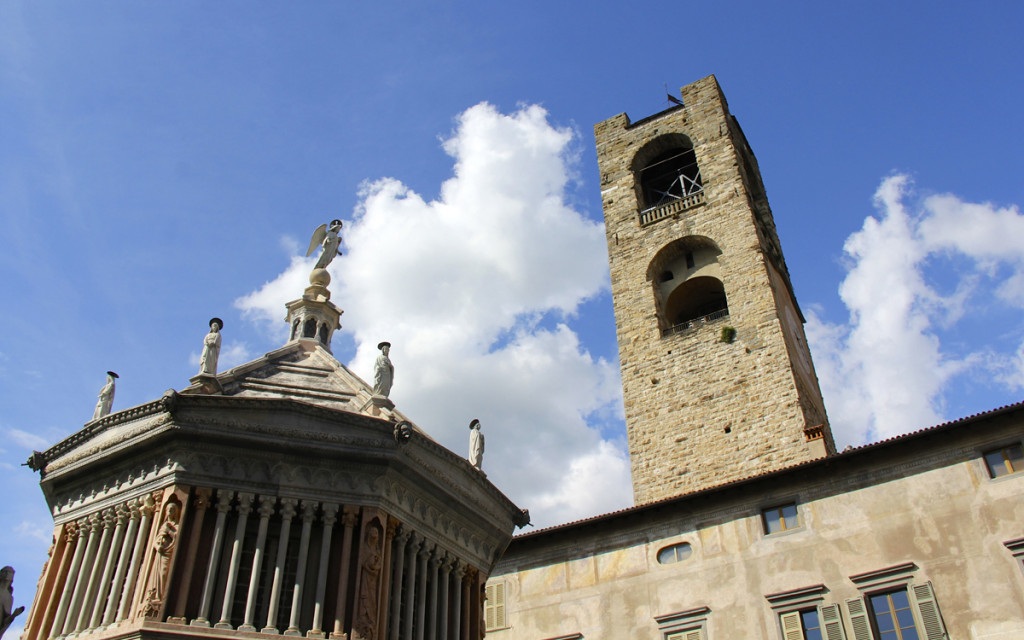
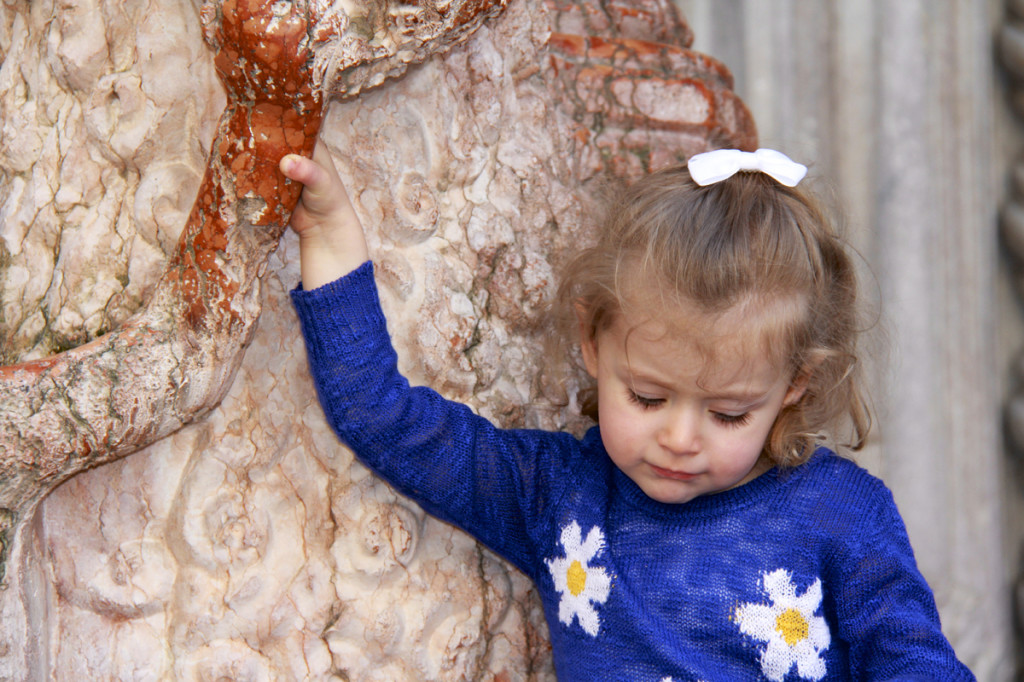
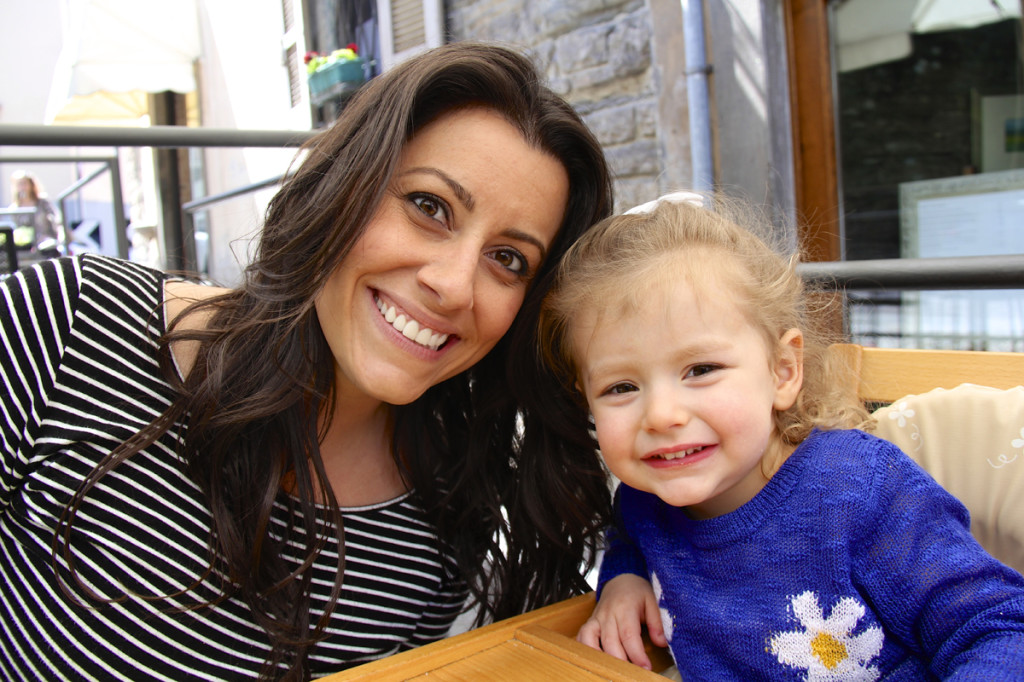
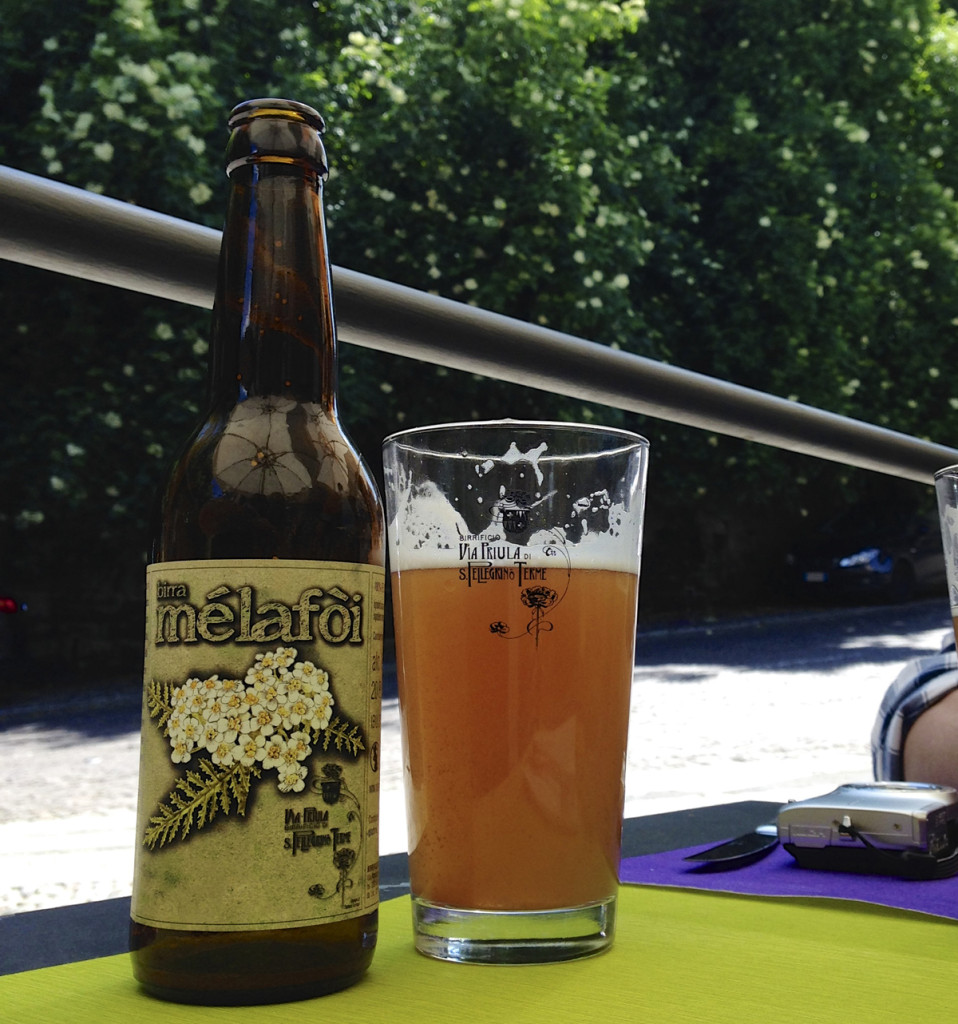
Streets centuries oldOne of the churches in the main piazzaJust outside the main piazzaJulia with a statue of a marble lionLa Tana – a fabulous restaurantJen’s sister, Jessica with JuliaThe waiter recommended a fabulous beer, produced locally. I’m still searching for where it’s sold
Eventually we descended to Città Bassa with plenty of daylight still above us. This gave us a perfect opportunity to enjoy an aperitivo (or two) in the sun. With our thirst quenched, we continued our tour of the lower city. This was the first time that Jen and I spent any notable amount of time down below and we were thrilled with what we discovered. The much more modern, lower city is just as special as the ancient city above.
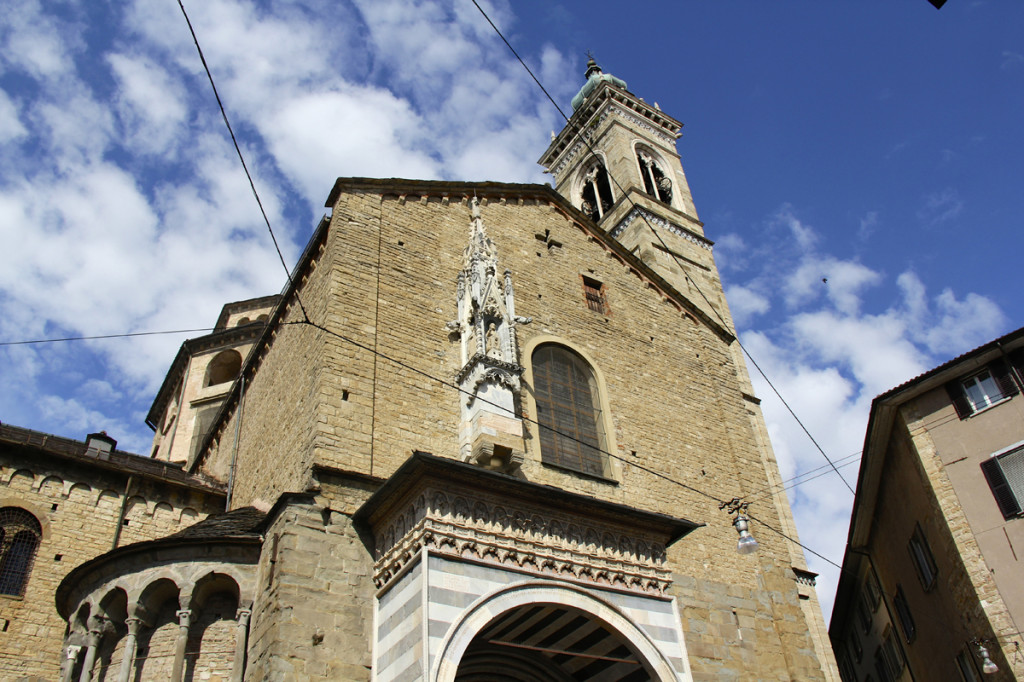
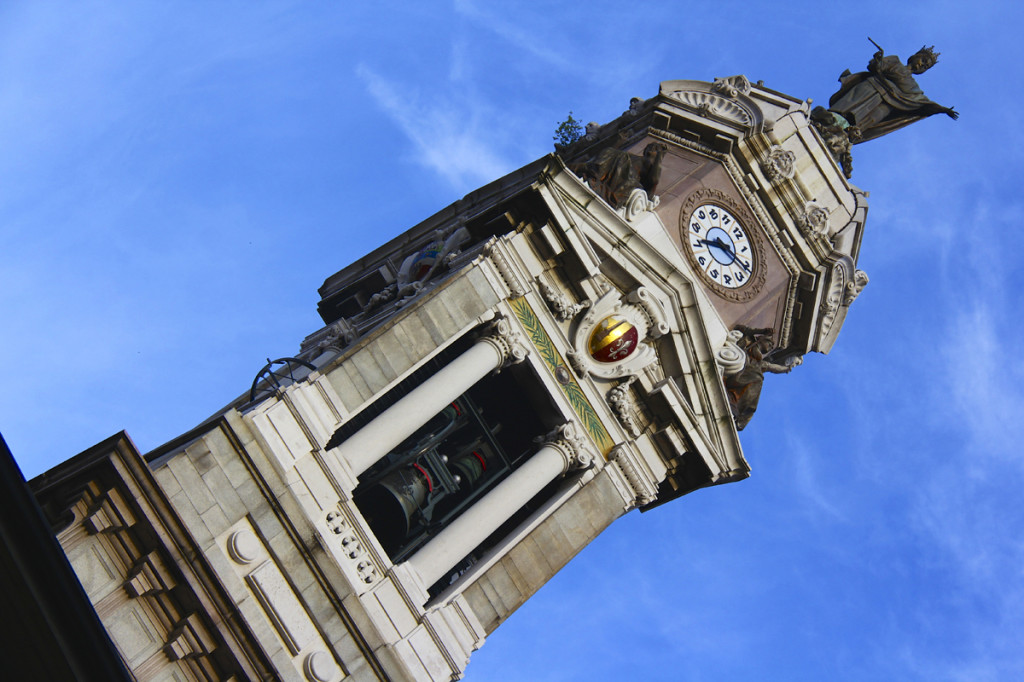
We stopped for happy hourThe lower city has a charm that rivals the higher cityThe streets are full of shops and caffèsChurch tower in Città Bassa
My only regret is that my photos don’t do this special city justice. I urge you to spend a full day exploring Bergamo and come discover for yourself why this is Italy’s “most underrated city”.
If you read the title of this post with your best impression of an Italian accent, then you probably nailed the pronunciation of one of our new favorite Italian towns. Lucca has been on our bucket list to visit for quite some time and now we can happily say we’ve been.
Lucca, Italy viewed from the Torre GuinigiAnother angle from Torre GuinigiLucca viewed from the city walls
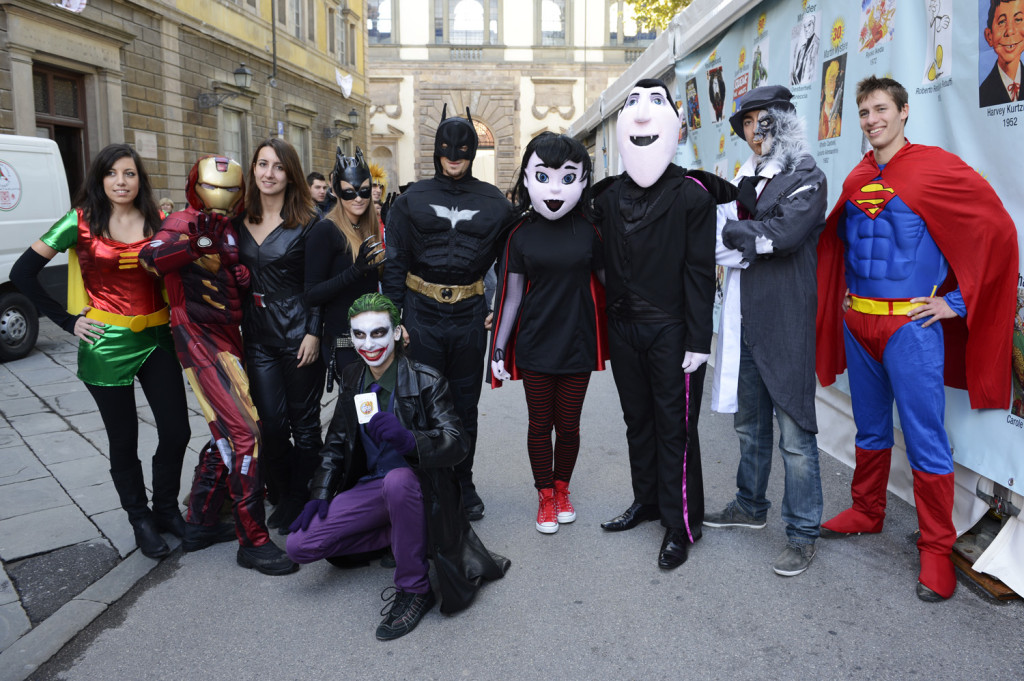
The city is renowned for many things, not the least of which is the giant annual gathering of comic book nerds and fantasy film geeks. Lucca plays host to Europe’s version of Comic-Con, the Fiera Internazionale del Fumetto (International Festival of Comics) or as it’s commonly referred – Lucca Comics and Games.
Some participants of Lucca Comics and Games. Photo courtesy of Francesco Petrucci
For those of us that don’t have any desire to put on a Superman costume (yes, I’m just enough of a geek to know the term cosplay), there is more than enough to do in Lucca, which I will detail below. Thanks very much to some free press bestowed on me by Italia Living, I have recently picked up a few new readers (benvenuto a Sipping Espresso) and so I’m going to treat this post a little differently than in the past. As opposed to running through our little vacation part by part, instead I will opt to go a bit more “mainstream” and simply highlight the featured attractions of the city. Of course, I haven’t boiled it down to a “Top 10 Things To Do In Lucca” just yet. I like to hear myself talk far too much!
Piazza del Giglio near our hotel
During Medieval and Roman times, it was quite common to fortify entire cities behind massive protective walls. Today, Lucca is a preeminent example of such fortification and one of the few cities left in Italy with her ancient walls fully intact. It is a wonderful experience to drive your car through the same gate that was quite possibly used by Julius Caesar himself. Of course, in this scenario, I’m simply the chauffeur and my own little Julia is the royalty riding in the back of the chariot. Even though I can’t positively date the existing walls as far back as Caesar, I can place him in Lucca for the well documented Lucca Conference, along with Pompey and Crassus in 56 BC. The origin of the city itself date back as far as 180 BC. Eventually Lucca rose in importance to the Roman empire and achieved immense wealth and status in the 11th century, thanks to the silk trade. The result of this wealth is evident today; the city is very well maintained. Nearly every street features an ancient church boasting a façade clad with expensive marble. Well designed piazzas are now the gathering places for tourists, street performers and restauranteurs. Streets lined with charming shops and wonderful cafes full of patrons keep the vibe of the city humming well into the night.
The ancient walls completely enclose the cityYou can find many fine examples of sculpture and statues along the top of the wallsThe walls are wide enough for cars to pass along the top, but it is solely pedestrianOne of the many churches that can be found on nearly every corner in the city
Our reason for being in Lucca was to visit our good friend, Beth (although here she goes by, Elizabeth which is better understood in Italian). We had an amazing time when we stayed at her home in Tuscany last year, which I wrote about HERE and HERE. She hosted us once again, but this time it was in the Bed & Breakfast she recently purchased, Le Violette. The place matches her personality perfectly; warm and inviting with an extra pinch of charm. I’ll write a full review of her B&B in an upcoming post. After we unloaded our bags in the room, Beth started our tour of the city beginning with the walls, which were widened centuries ago. In fact, not that long ago they used the walls for racing cars. Today, they are purely pedestrian.
View of the main bell tower of Lucca from on top of the wallsWe made our way to the walls several times throughout our tripJulia wanted to walk on her ownJen and Julia stop for a photo on the wall
We hopped off the walls and strolled through the city, enjoying Lucca as only a pedestrian can.
Via del Fosso has a canal running through the centerVia Cenami is one of the main shopping streetsBeth helps Julia take a drink of waterJulia takes a picture with me in Piazza San FrancescoThe old market building where vendors would set up their stalls
Most Italian cities feature outdoor markets one-two times a week. We made our way to one of the fabulous Lucca mercato (market), which is held every Wednesday and Saturday.
Vendors set up for the market twice a weekWe discovered that we accidentally strolled outside the walls by following the long line of vendorsBeautiful flowers are just one of the many things you could buy in the marketI catch Jen for a photo in the marketThe markets can get crowded but they are a great place to pick up a picnic lunch
While in Lucca, you will want to position yourself in a vantage point that will command a view of the entire city, valley and mountains. You can choose to scale the Torre delle Ore (Clock Tower) or the Torre Guinigi (Guinigi Tower). We opted for the later, because it is the only tower in the city that has trees planted on top. But the ascent is not for the faint of heart; it’s a steep 230 steps until you get to the top. Compared to other similar towers, I found the €6 entry fee a bit steep, considering you don’t get anything other than the view (many similar sites also feature other historical items – this was purely just the tower). I quickly reversed my position on the fee when I actually took in the view. Breathtaking might be an appropriate word to describe the panorama.
The final staircase ascending toward the top of the tower (shooting from below, looking up)I lost my cool when I thought this was the top and I would have to view the city through a cage. When I calmed down, I realized there was a door and simply pushed onView of the city with the prominent Cattedrale di San Martino in viewMore of the city and Torre dell Ore (clock tower)Lucca is a beautiful city set with a backdrop of luscious green mountainsPanoramica da Torre Guinigi – I just noticed that almost this exact shot is in the Lucca city guideI noticed a few groups of school children; Lucca is a popular destination for Italians
You will certainly want to pay a visit the Piazza dell’Anfiteatro, a Roman amphitheater that has been reconstructed into a piazza compete with charming shops and cafes. We sat and enjoyed a few drinks while Julia enjoyed running around with Beth’s son, Indi.
Panoramic of the Piazza inside the amphitheaterJulia and Indi play inside the Piazza AnfiteatroJulia loves chasing pigeons!Outside the Lucca Amphitheater you can see the remains of the original Roman structure
Of course, no trip to Lucca would be complete without a visit to the Piazza San Michele and a tour through the Chiesa di San Michele in Foro.
Chiesa (church) di San MicheleThe Romanesque architecture is clearly demonstrated in the façade, which was built in the 13th centuryThe wealth of Lucca is demonstrated by their larger churchesThe piazza hosts some performers that loved playing American 90’s rock (primarily Nirvana)Julia can’t hear the words of Kurt Cobain without being moved to tipJen and Julia in Piazza San MicheleJulia pushes Beth’s son, Indi across the piazzaPlaying in the piazzaChiesa di San Michele at night
I hope you enjoyed our tour through Lucca together and consider adding it as your next Italian destination. Below are a couple more pictures to temp you even further…
Buccellatio di Lucca is a typical bread that is eaten year roundWe constantly commented on how clean and well maintained the city isJulia enjoys some gelato after dinner one night“Come along for an upcoming post all about a couple restaurants in Lucca!”
Most people visit Europe in the spring or summer. Of course, these are great times of year to see such a magical and historical place. But may I suggest to you a unique alternative?
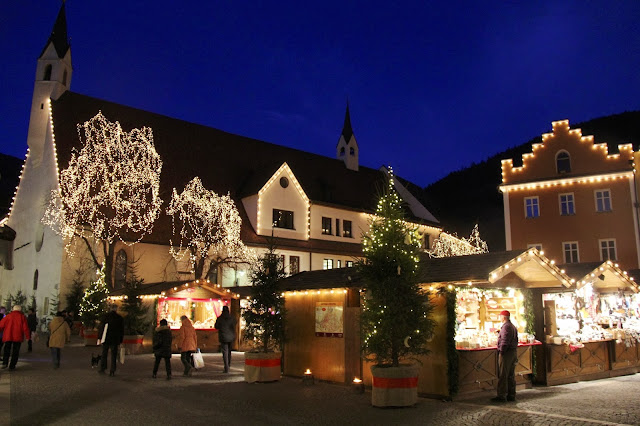
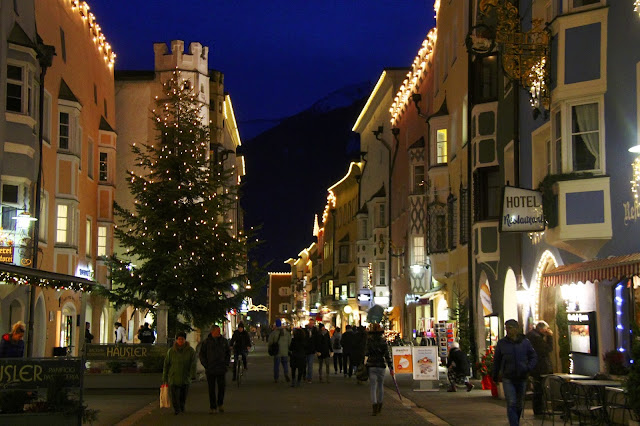
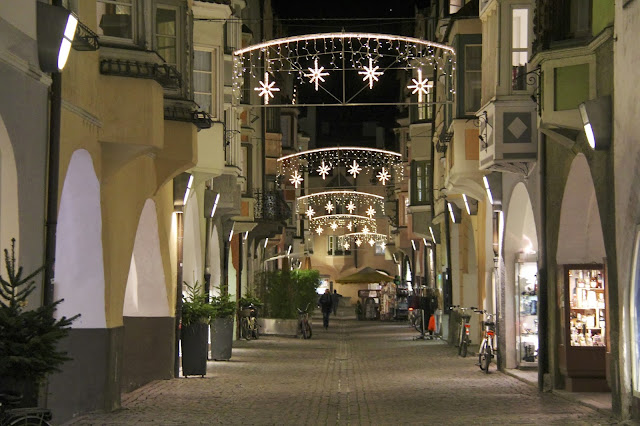
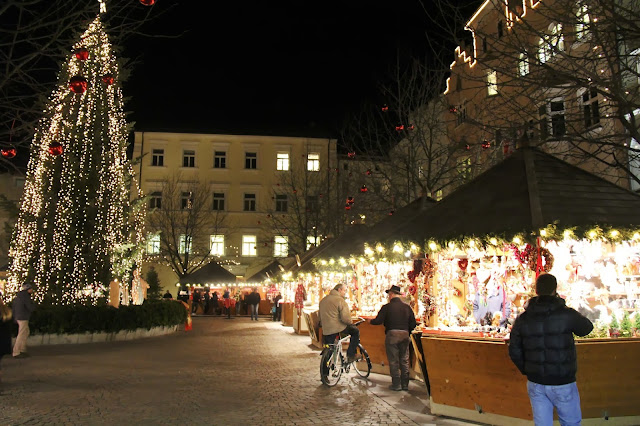
Come in December, when the weather is at it’s coldest and the people are their warmest. When the cobblestone streets are strung with lights and the ancient buildings are trimmed with garland. Imagine your most magical place for the holidays – a winter wonderland, if you will. You will be sure to find something that fits your image here in Europe. There are amazing markets and festivals across the continent. Some countries boast cities that are particularly renowned for their holiday cheer. Finland, Germany and Austria are at the top of the list. Denmark and Switzerland are there as well. And of course, our personal favorite place to be for Christmas is right here in Italy. Before you plan your next Christmas vacation, add Europe into the running.
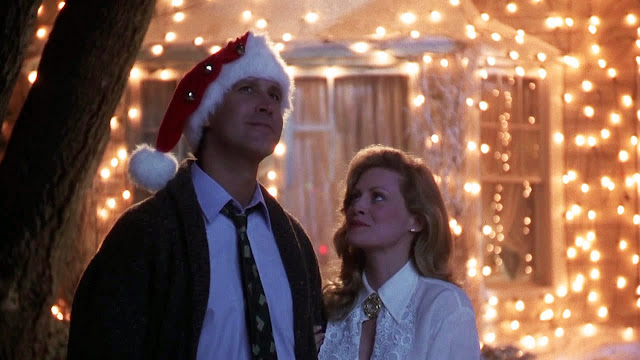
“Boy, Clark – I think we should go to Europe next year”
We had been toying with the idea of visiting another country to experience some of the large and festive Christmas markets (two of the top cities in the running were Cologne, Germany and Lapland, Finland). As we did more and more research, we kept noticing many towns in Italy topping the lists. We decided to stay close to home and shop in a language we know (well, sort of). Jen came across this article describing some of the best Christmas towns in the Trentino Alto-Adige region of Italy. One look at the photos of each town and I was sold. Beyond that, I was eager to explore this region of Italy for it’s unique wines and always breathtaking Dolomiti mountains. So I went to work on google maps and figured out that we could comfortably see five cities (with a bonus sixth on the return) over a period of three days. We would visit Vipiteno, Bressanone, Brunico, Bolzano and Merano with another full day reserved for the region’s capital city, Trento.
When I plotted our course, I literally sketched a rough map on a piece of scratch paper and realized that four of the five towns made a diamond shape. The fifth was sort of floating off to the right side, but for creative purposes – we’ll just stick to the “Five Diamond Christmas Tour”. It has a better ring than “Four Points & That Other One Tour”.
“Sounds great, dad – lets GO!”
We carefully chose our hotel, located just outside of Bolzano. What I didn’t pay much attention to was the name of the actual town, Soprabolzano (literally meaning, above Bolzano). ABOVE Bolzano it was. Our hotel sat roughly 4,100 ft above the town, which gave us two options. Drive up the winding and perilous mountain road or take the 15,000 ft cable car (gondola) ride. I opted to drive, even when the snow fell and the tailgaters lined up behind me.
The view from the road leading to our hotel
We were surprised to learn from Franco and Claudia (Jen’s aunt and uncle) that the area of Italy we were visiting was more Austrian than Italian. They couldn’t have been more correct. We definitely felt as though we were in Austria (which feels just like you’re in Germany). The houses are constructed with charming German architecture (picture gingerbread houses). The food served in the restaurants is German (picture sausages and sauerkraut). The people even spoke German instead of Italian! It was strange to experience, because we were in Italy – but it was also nice because it felt like a more unique “vacation” away from our normal lives. Funny, we were nervous to order pasta for the first time in Italy because we felt like it would be ordering pasta in Germany (something you would never do).
VIPITENO (Sterzing – German)
On the first day of our “Christmas Tour” we drove from our home directly to the northernmost town, Vipiteno. We arrived after lunch and took our time strolling through the market and the charming streets. We were eager to see the setting sun because we knew that meant the Christmas lights would soon be ablaze. We stopped for a vin brulé to warm up and sit for a bit. As opposed to going inside the restaurant, we instead opted to sit outside under the blankets they provided for their guests. It was cozy, fun and comforting. Eventually, we had to tear ourselves away from Vipiteno because we had one more stop on the schedule.
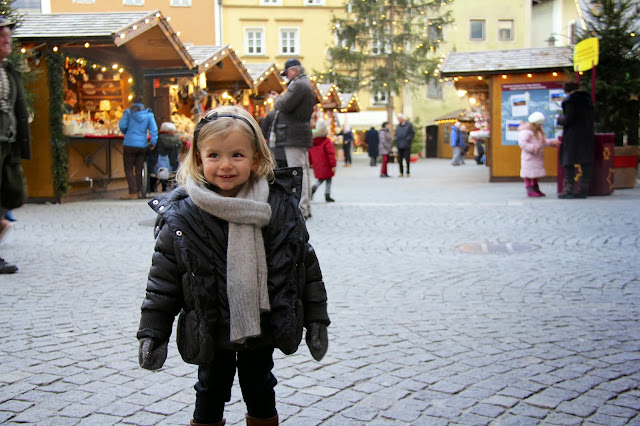
Julia is excited as we enter the market
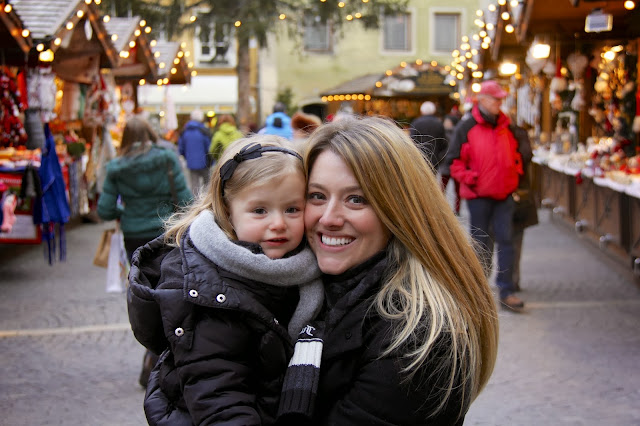
Jen and Julia hugging
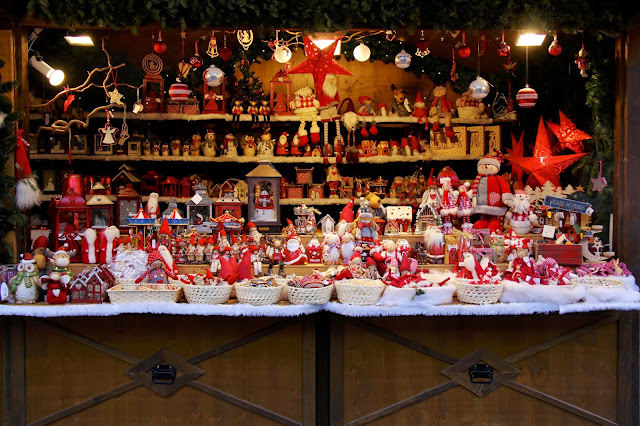
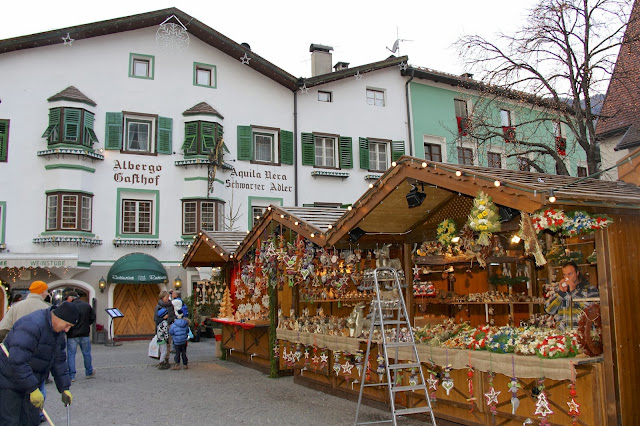
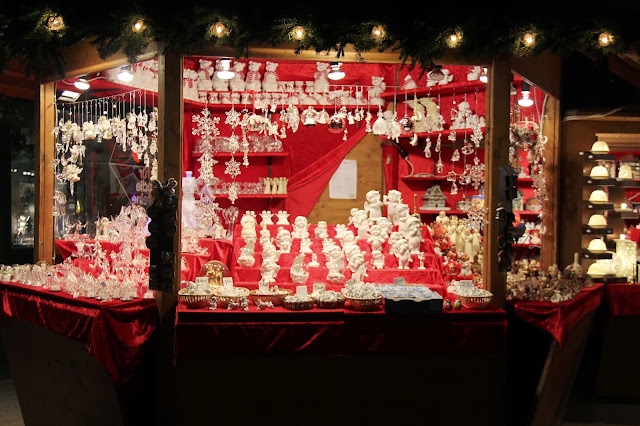
One of the stands, selling a variety of Christmas ornaments
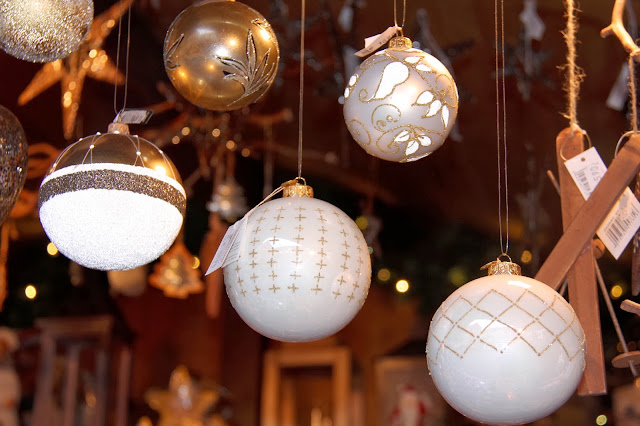
Some beautiful ornaments
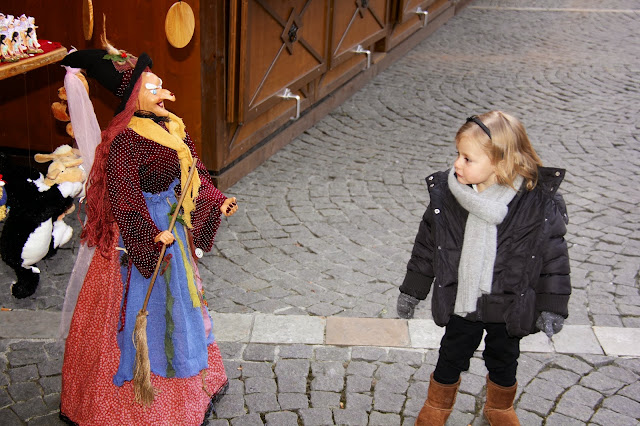
Julia sizes up a Befana (Italy’s Christmas Witch)
The charming town square
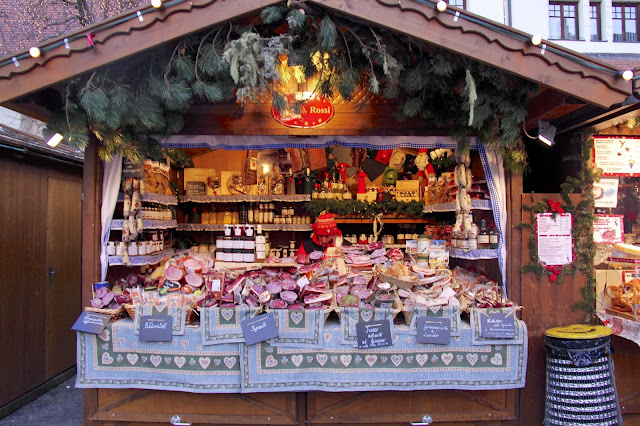
Another stand selling local specialties
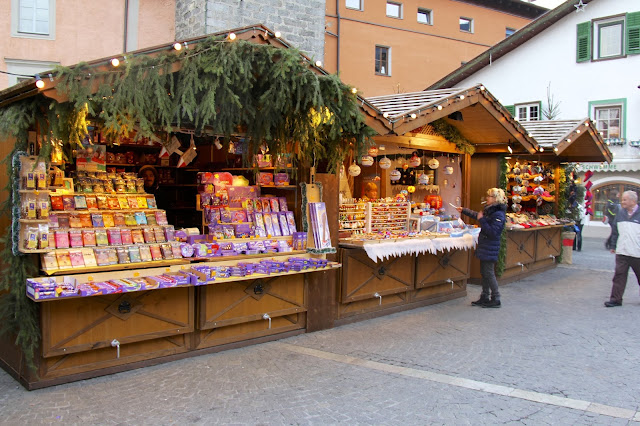
More Christmas stands
My favorite little girl
The lights got a little brighter as it got a little darker
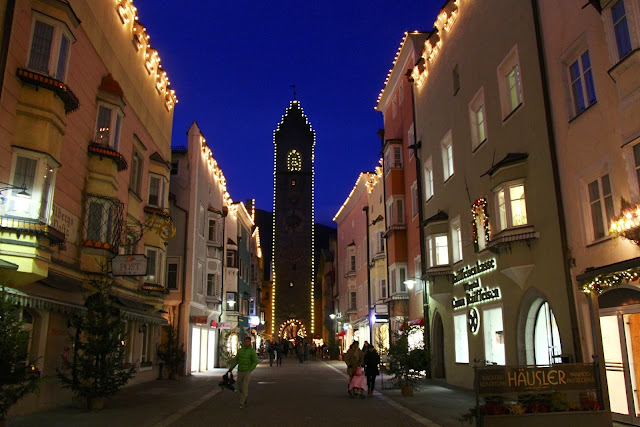
The main street was stunning with a beautiful mountainous backdrop
The main piazza
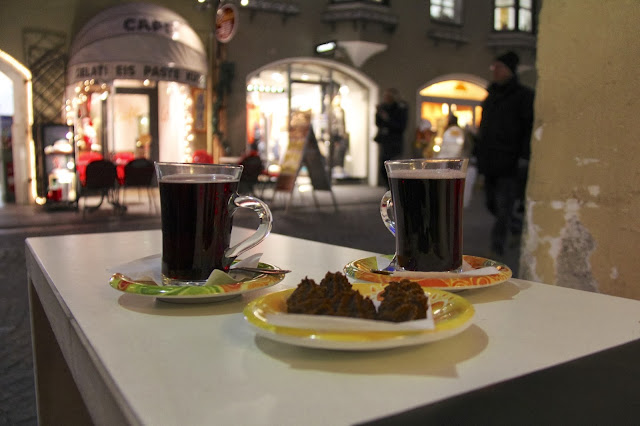
We stopped to warm up and enjoy some vin brulé
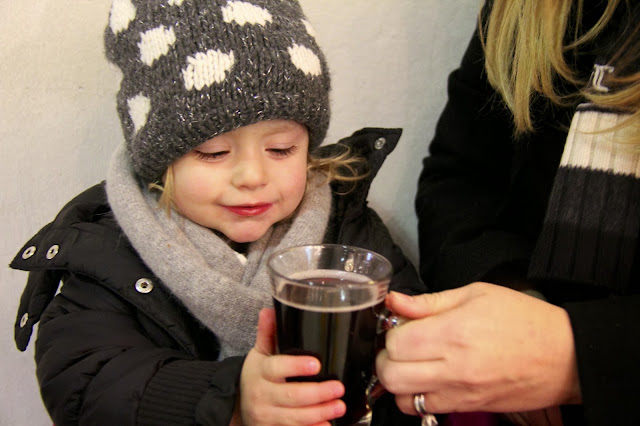
Julia warms her hands on mom’s cup
The sun officially sets
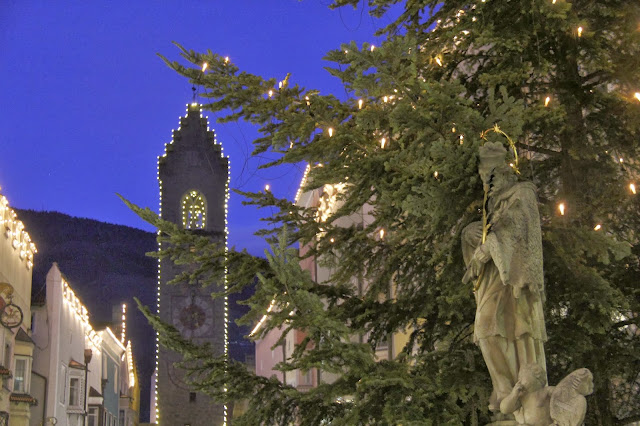
Vipiteno at night
The main square at night
Vipiteno was simply beautiful
BRESSANONE (Brixen)
I almost scratched Bressanone from the list – originally, I didn’t think I could fit all five towns and this was the one that I felt could be sacrificed. We were VERY glad that we kept it in the itinerary. This was arguably one of our favorite towns. We didn’t realize that it is the third largest and and oldest town in the province. Bressanone is absolutely full of charm. Beyond all the Christmas festivities, we enjoyed just walking around the city itself, although most everything had closed by the time we finished dinner.
One street leading to the main piazza
The market in the main piazza
The booths were different than the previous town
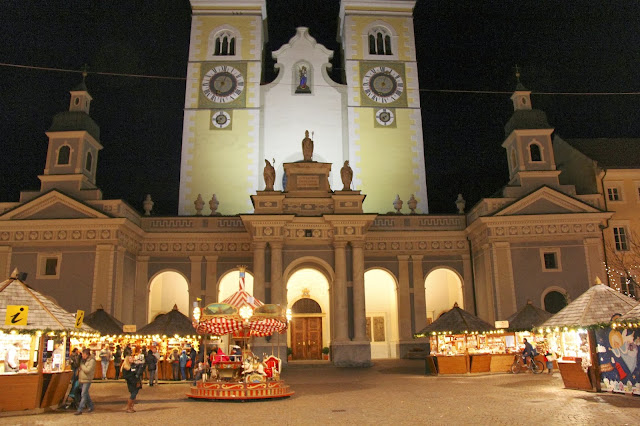
Julia rode the carousel in front of the main church
The most crowded and popular stands were always the ones selling vin brulè – they had an outdoor “bar” vibe
Holiday decorations
SAN CANDIDO (Innichen)
Did you catch it? San Candido was not listed as one of the five towns above. Franco and Claudia suggested that we add it to the voyage – they described the town as “piccolo ma bello” (small but beautiful). It was only a half an hour away and snuggled tightly in the Dolomites, so it was a no-brainer for me. They didn’t have nearly the amount of Christmas decorations as the originally planned towns, but it truly was “small but beautiful”. Plus, there are only a handful of towns in the world that are nestled in the Dolomite mountains, so it was certainly worth the extra drive.
Julia and I enter the charming town of San Candido
Our first snow of the season
Julia remembered how much she loved to eat it
Main street in the town
Jen and Julia in the main piazza
“Hey guys, wait for me!”
A small river runs through town
The Dolomites surround the town
Another town we passed on the way out
BRUNICO (Bruneck)
Our second stop of the second day was Brunico. We strolled through the markets and then through the city streets. It was a beautiful town, but the markets were small in comparison to the other towns – so we didn’t spend a tremendous amount of time here.
The market surrounded the outer wall of the main city street
They had some great stands with local food and crafts
As usual, the busiest stands were the ones serving the drinks
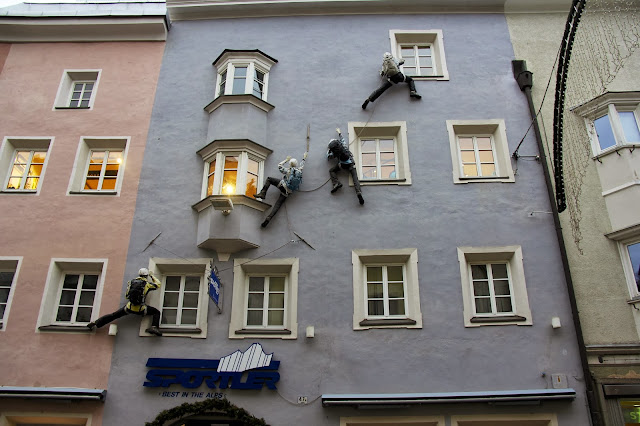
I just loved this outdoor sports store’s display
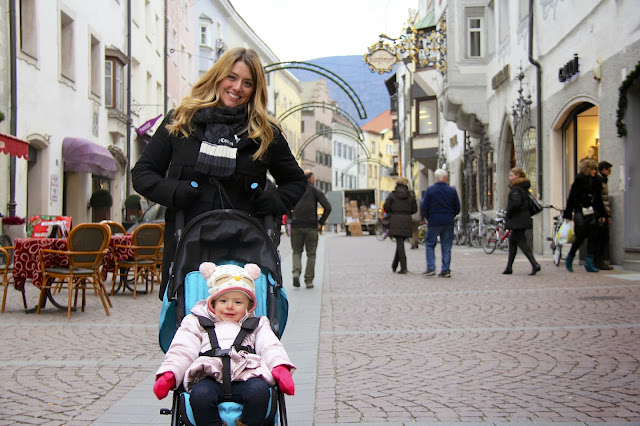
Jen and Julia in the center of Brunico
BOLZANO (Bozen)
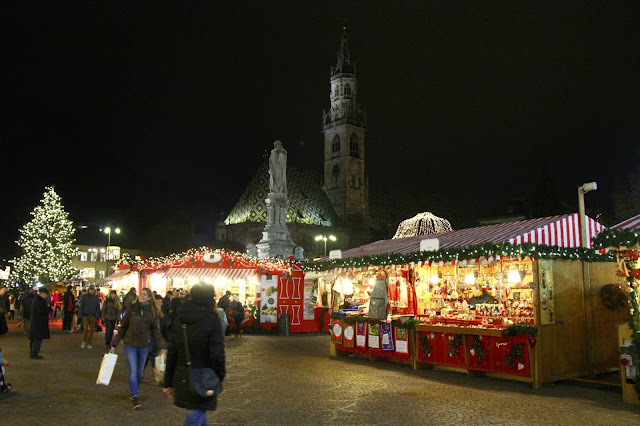
We didn’t think that anything could top Bressanone, which we had seen the night before. We were wrong. We arrived in Bolzano after nightfall and our eyes opened wide as we walked into the center square. Of all the towns, this one had the biggest Christmas market by far. They had the most decorations. They had the best rides for kids (a toy train that Julia loved riding). In conclusion, one could say they had the most charm. Beyond the markets, we loved losing ourselves in the city streets, taking in the restaurants and the shops. We had a wonderful dinner and walked some more. It was the perfect end to a fun-filled day.
The markets and main church of Bolzano
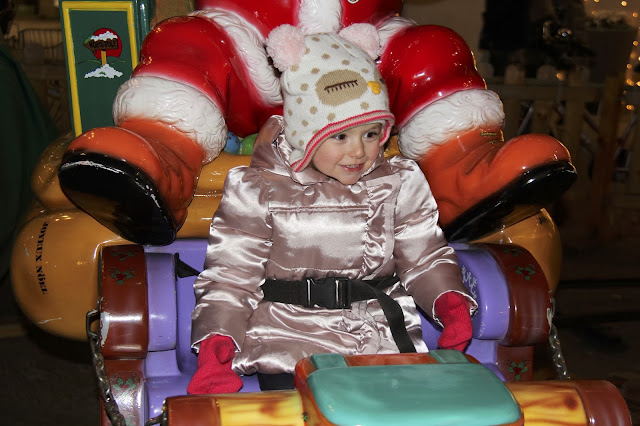
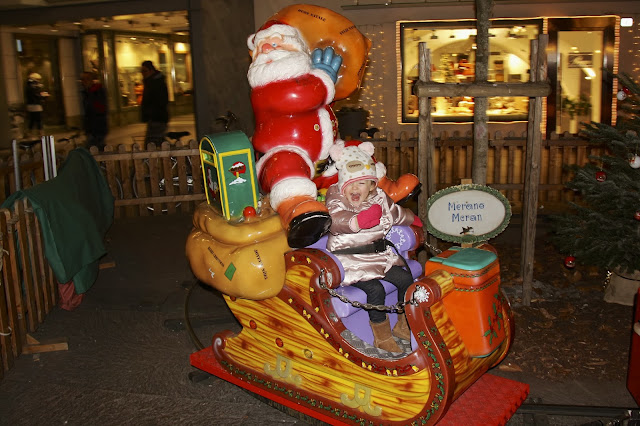
Julia goes for a train ride on Santa’s sleigh
For a kid that’s always happy, I’ve never seen her this tickled
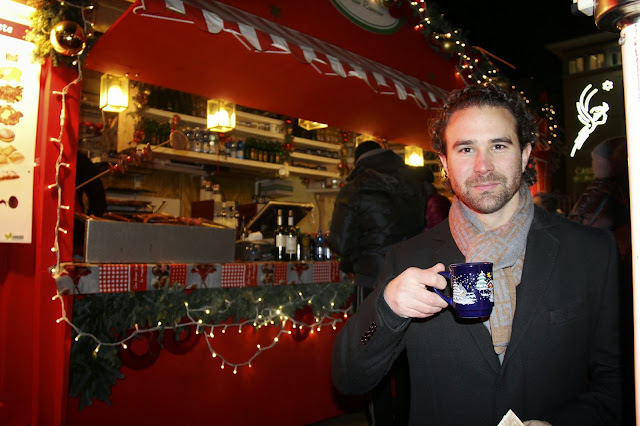
We stopped for a little vin brulé
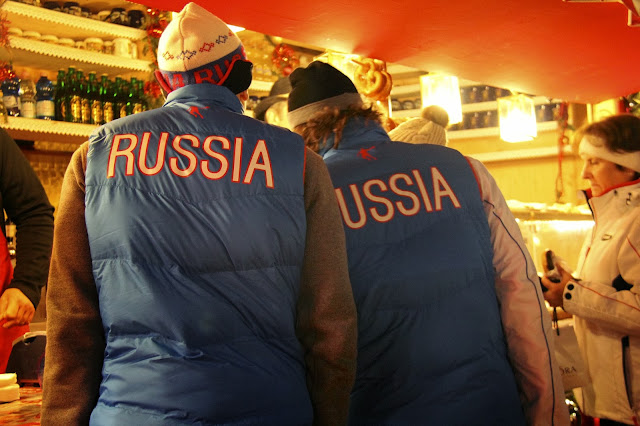
Looks like the Russian hockey team also wanted a little vin brulé to warm up
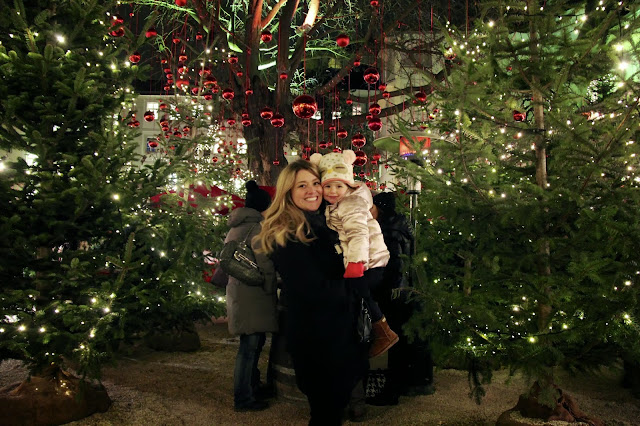
They had a secret Christmas garden off the main piazza
Family photo in the garden
Vendors and crowds flanked the garden made out of Christmas trees, lights and ornaments
Julia floats through the trees
We just loved the garden
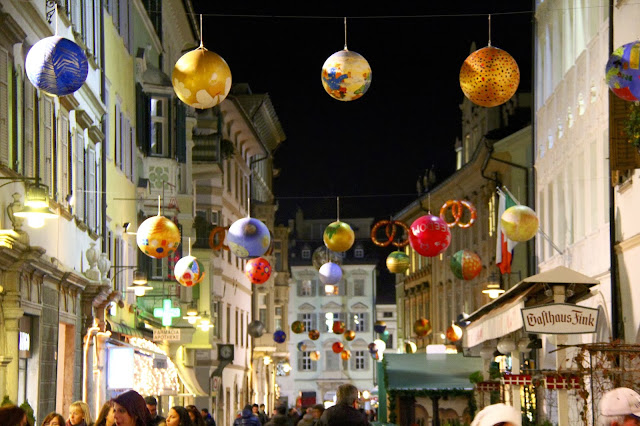
Big ornaments on this street were a nice surprise from the lights that are usually strung across
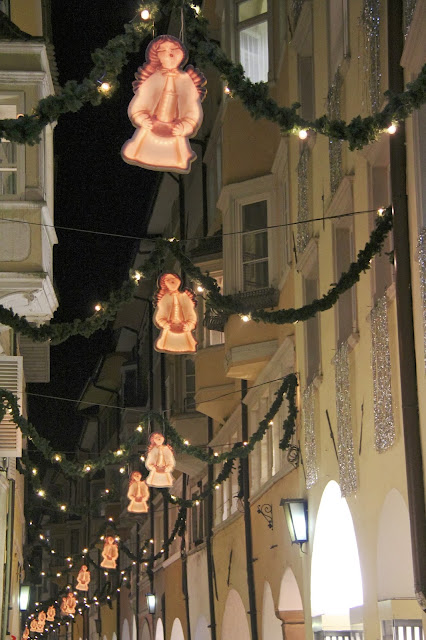
Angels glide across the rooftops
Sadly, our final day was marred by a heavy rain. Our final two stops, Merano and then Trento (two of the places we were most excited about) were unfortunately, scratched from our trip. We didn’t think it would be nearly as much fun to walk around in the rain. If you do decide to take my “Five Diamond Christmas Tour” – do as I say, not as I do. Stick to my original itinerary (Vipiteno, Bressanone, Brunico, Bolzano,Merano and then Trento) and be sure to check the weather forecast!
“It’s the most wonderful time of the year”… and that means so many things! It means snow flakes and Christmas lights. It means cold weather and hot chocolate. It means Santa Claus and stockings stuffed with goodies. When you live in Europe, it also means tremendous Christmas markets and delicious vin brulè (cooked wine, usually sold on the streets). Over the past couple weeks, we have been taking advantage of it all! Because Christmas is only four days away – I will spend the next four days posting about our Christmas fun. In order to do that, I have to bend my “unbreakable rule” and publish blog posts out of order. I’ll fast-forward to Christmas and then flash back to some exciting posts that I have in the pipeline.
Oh bej! Oh bej! No, you don’t have to say “gesundheit”! I didn’t sneeze. That is the name of a festival held each year in Milan, spanning from December 7th through the following Sunday. How did it get that wonderful name, you ask? “Oh bej! Oh bej!” means, “oh so nice! Oh so nice!” in the Milanese dialect. It is by far, the most important Christmas festival held in Milan. December 7th is the day of the Patron Saint of Milano, Santo Ambrogio. The festival is said to date back all the way to 1510.
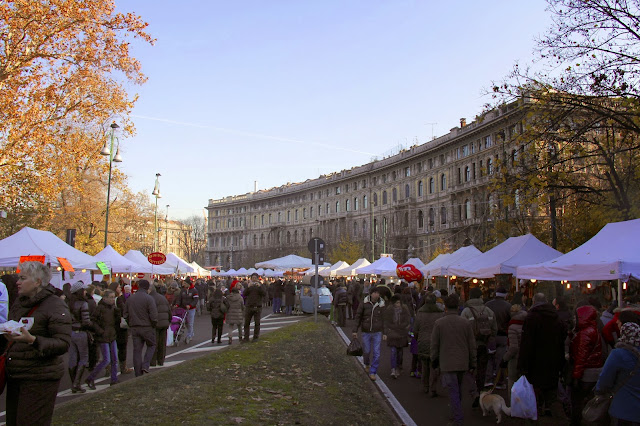
Vendors line the streets during Oh Bej! Oh Bej!
We arrived in Milan early and parked far outside of the central zone. You would think that living just outside of Milan for nearly a year would make me an expert driving in the city. It’s quite the opposite, in fact. I’m even more gun-shy now than I was when I first moved here. Driving through limited zones and parking in residential areas has cost me hundreds of euros in fines. So this time, I didn’t chance it – we parked in a garage outside the central zone and hoofed it just over a mile. The brisk winter weather was cold on our faces, but the fresh air and excitement of the day filled us with an energetic warmth.
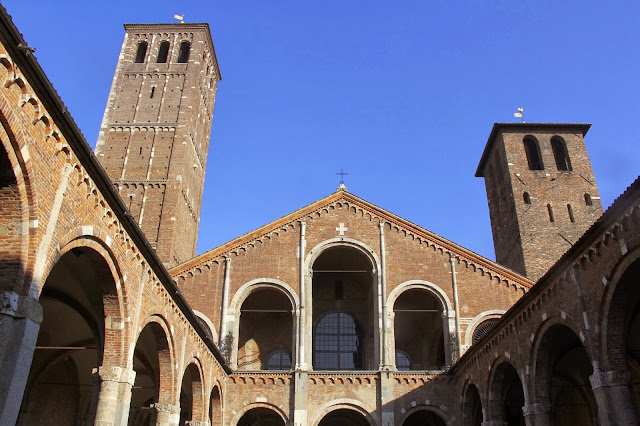
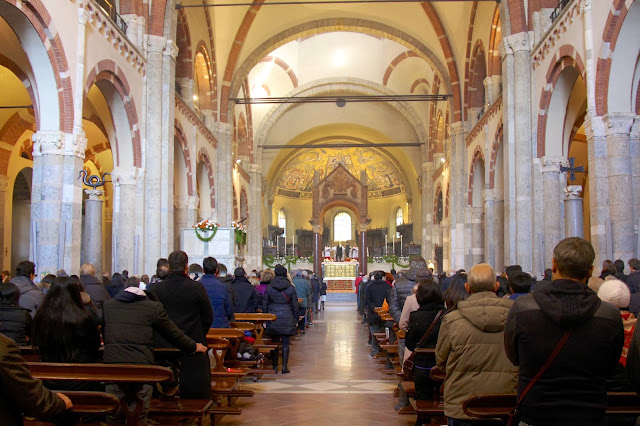
Our first stop was the Basilica of Sant’Ambrogio, the basilica commissioned by and named after Milan’s Patron Saint. Construction of the basilica began in 379, making it among the oldest and most significant churches in Milan. Since we were in the city on the actual day of Sant’Ambrogio, there was a large service being held in the basilica.
Basilica Sant’Ambrogio named for Milan’s Patron Saint, Santo Ambrogio
There was a large church service being held, even though it was a Saturday
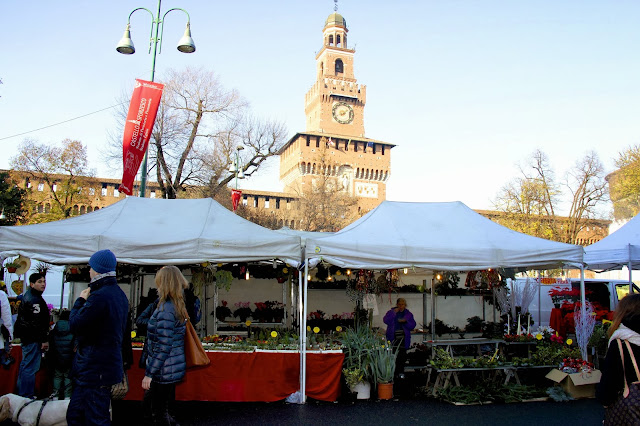
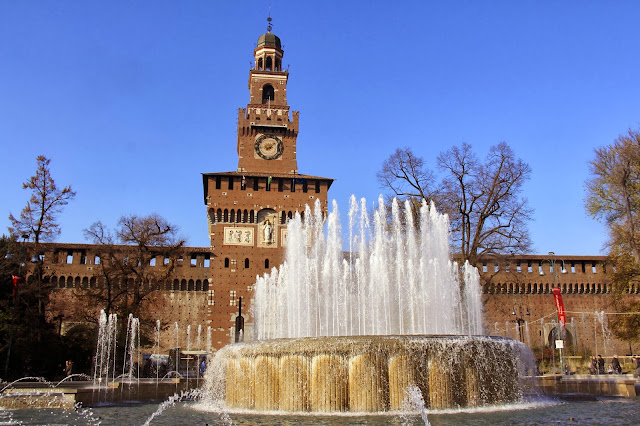
Next, it was time for us to see the festival and enjoy some of my favorite things – vendor food and vin brulè! In the center of the city stands the Sforza Castle, a medieval fortification built in the 15th century. Here in the 21st century, the fortification plays host to hundreds of vendors that encircle the great castle walls. Over 400 vendors vie for the attention of shoppers looking for food, crafts, Christmas ornaments, books and so much more. We got a couple wonderful pannini (sandwiches) and jockeyed for a spot to enjoy them. After lunch and some shopping, we walked through the gates of the castle and explored the courtyard.
Over 400 vendors flanked the ancient castle walls
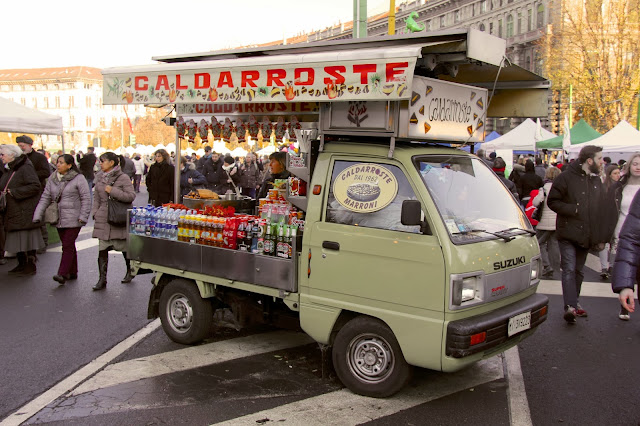
The best roasted chestnuts come from the back of trucks
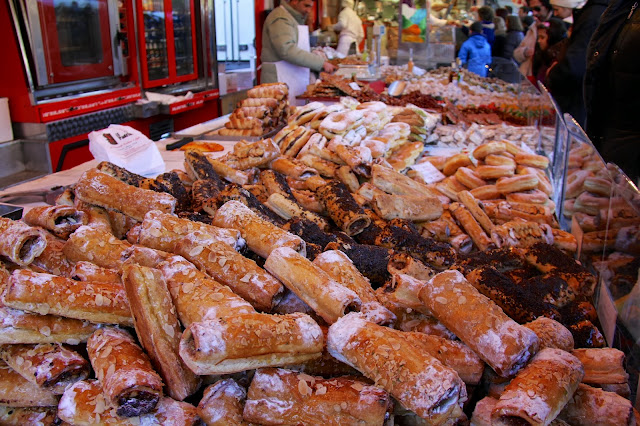
There were literally dozens of stands with delicious Sicilian treats
A stand full of artisanal goods
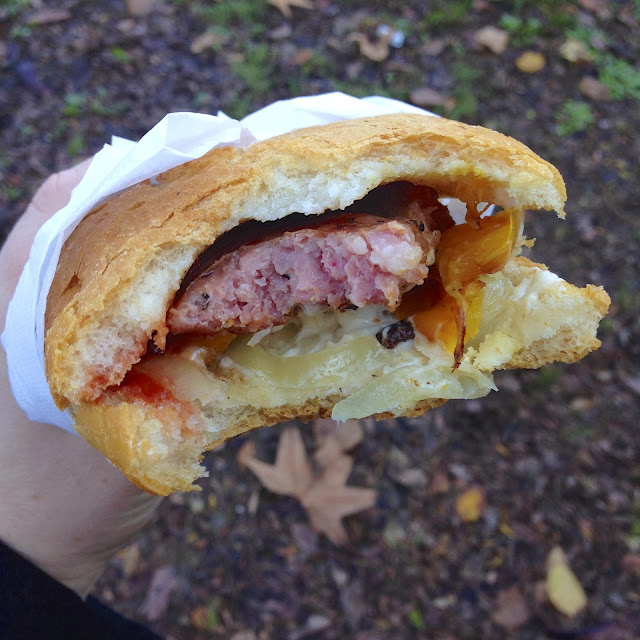
I picked us up a couple sandwiches – porchetta and salamelle
Salamelle panino
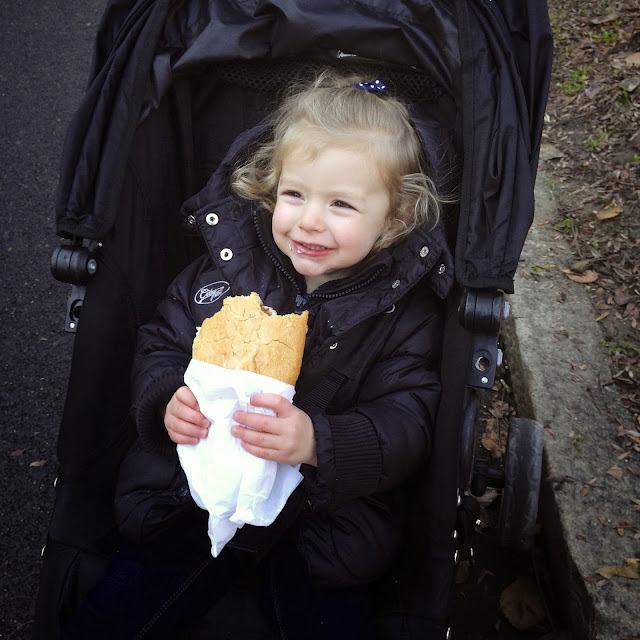
After her first bite, Julia decided she didn’t want to share – I couldn’t blame her
A fountain sprays in front of Sforza Castle
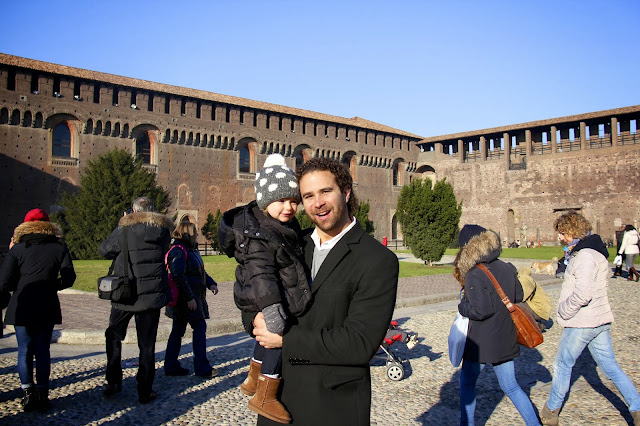
We went inside to explore the courtyard
Jen holds Julia tight in a crowd full of people
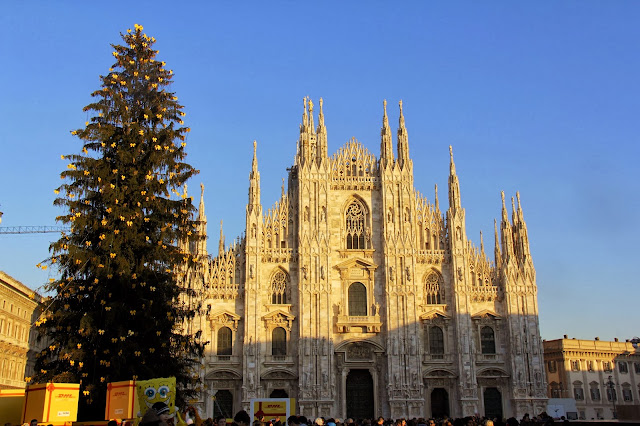
When we had our fill of the market, we strolled down Via dei Mercanti toward the Duomo. No trip to Milan would be complete without seeing one of the most amazing architectural examples of our age. The Duomo is particularly special during Christmas time. Ablaze with sparkling lights and framed behind a giant Christmas tree, you can’t help but become filled with Christmas spirit.
Duomo di Milano
The festival just whet our appetites for all the Christmas fun that we would enjoy. I hope that I’ve been able to do the same for you. We still have so much left to explore together, including the Christmas markets of Switzerland and a tour of some of Italy’s “best towns for Christmas.” Plus, I got an early present… I hope that you’ll help me unwrap it. I’ll give you a hint – it’s got four wheels, two doors and 572 horsepower! Grab a warm cup of vin brulè and get comfy (oh yeah, we’ll give you a recipe for that too) – we’ve still got a lot of exploring Christmas time in Europe left to do.
Cinque Terre… Stunning. Breathtaking. Spectacular.
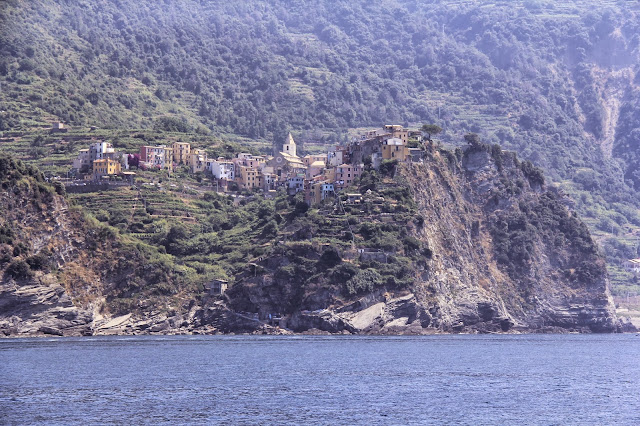
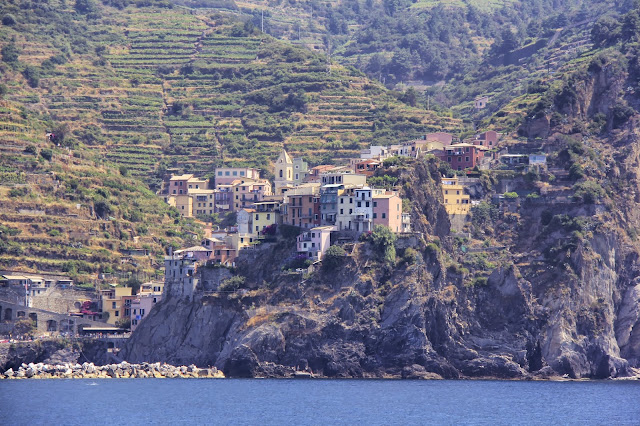
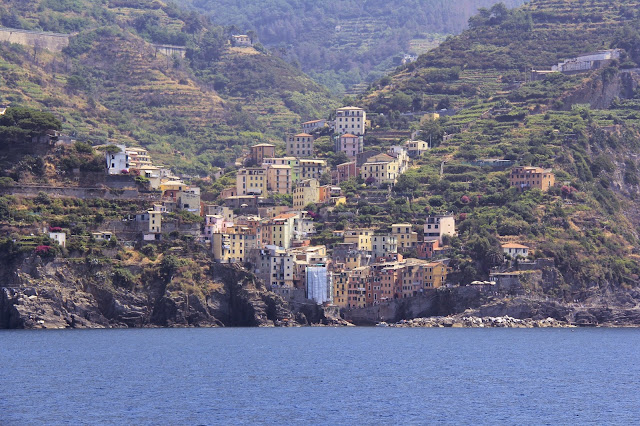
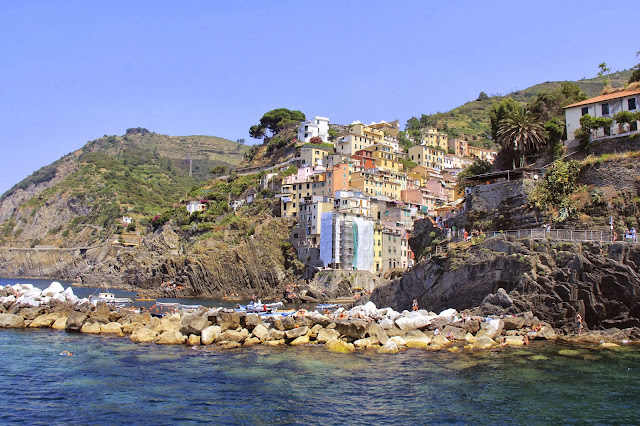
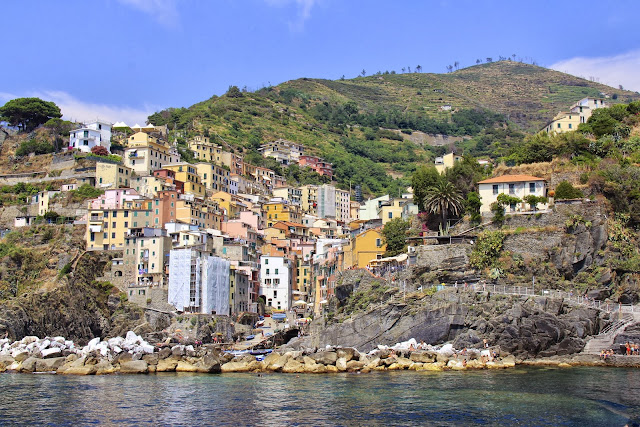
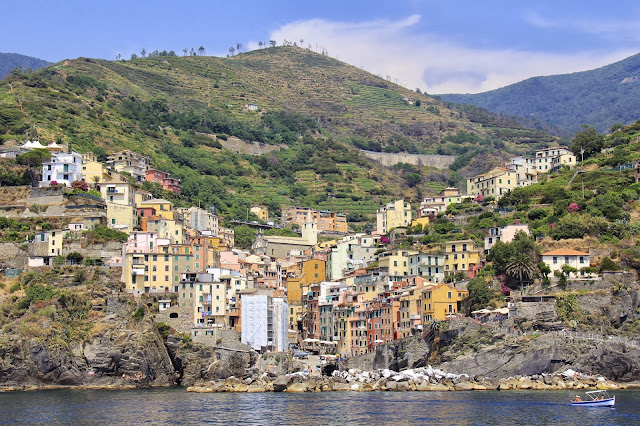
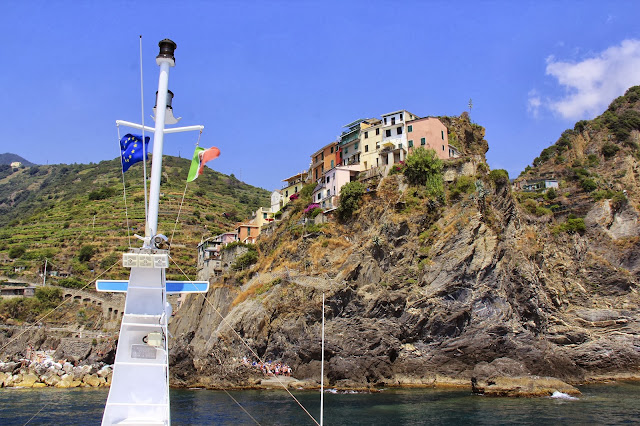
This often-sought and somewhat difficult place to access is all those things and so much more. The area of Cinque Terre, which translated literally means, five lands – is a section of rugged coastline that is comprised of five small fishing villages; Monterosso, Vernazza, Corniglia, Manarola and Riomaggiore. The villages, coastline and surrounding hillside are all part of a National Park that is a UNESCO World Heritage Site. Each of the five villages offers something individually different from the others; yet the overall unique beauty of Cinque Terre would be entirely different without any one part of the whole.
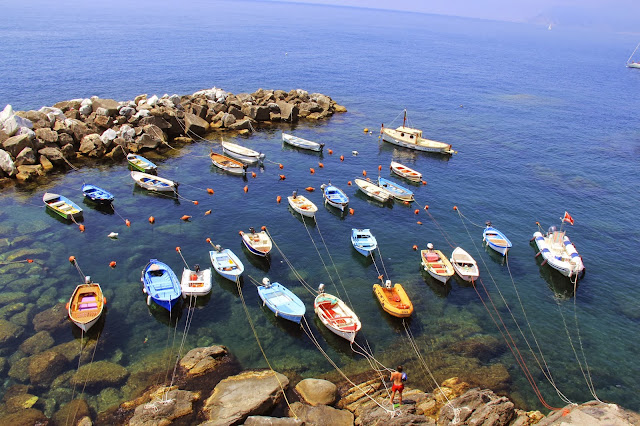
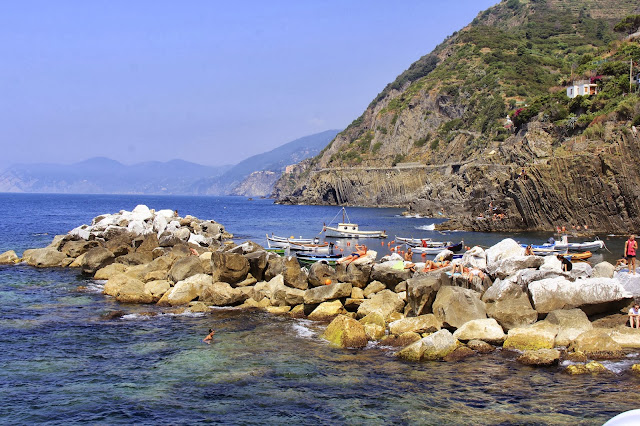
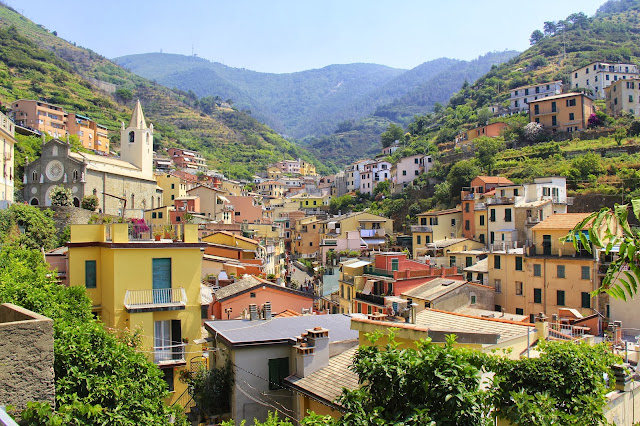
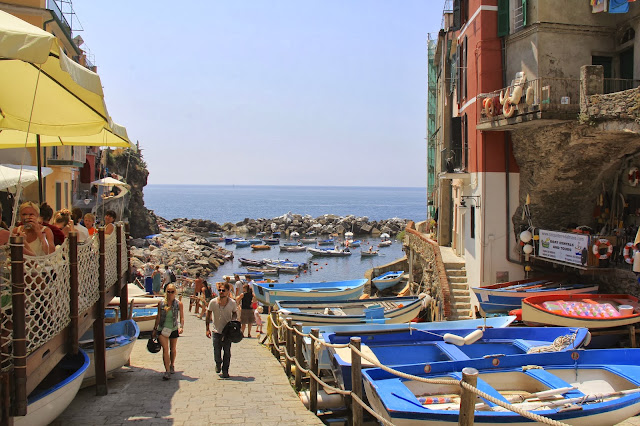
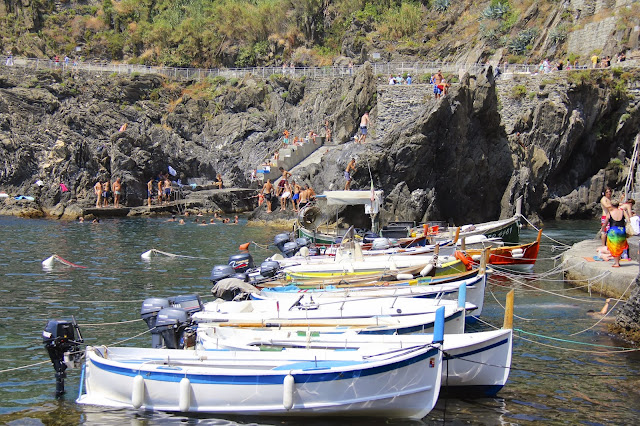
Fishing boats tied off in Riomaggiore
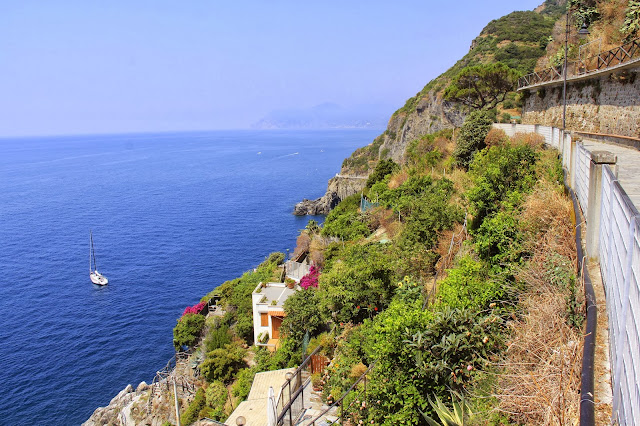
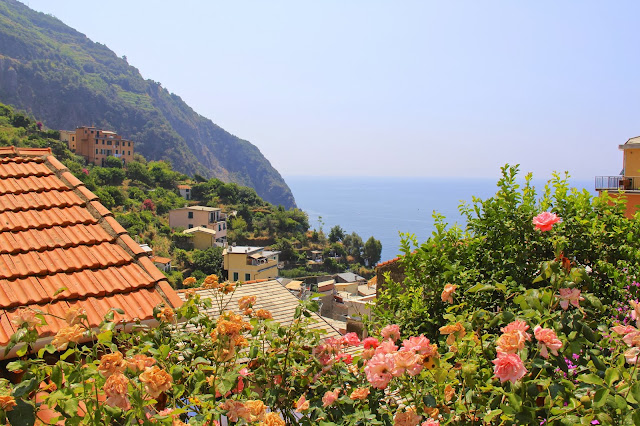
Looking up the coast from Riomaggiore
When my parents recently came to visit (HERE and HERE), we knew that we wanted to take a mini-road trip. I had been to Cinque Terre over a decade ago and eager to go back. I had three vague memories of the most wonderful pesto, my favorite seafood dishes and the creamiest gelato I’d ever had. There seemed to be no better opportunity to go back than now.
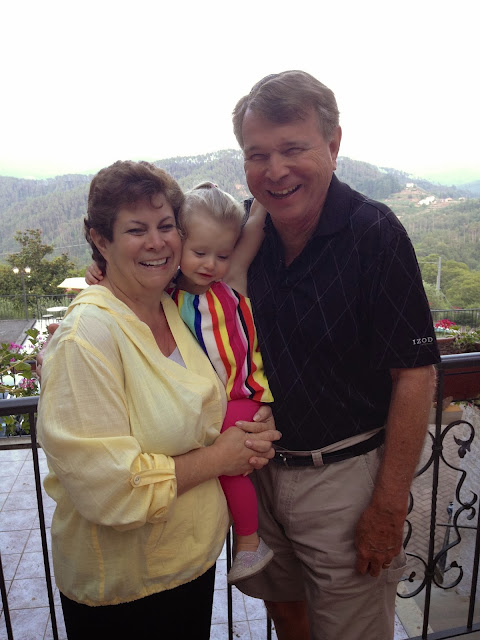
Julia hugs her Grandma and Pop-pop out front of our hotel room
As I said, Cinque Terre is rather difficult to get to. The easiest way to access the area is via train. Cars are very limited in the rugged terrain. Once there, you’ll be presented with three options to traverse the five different villages. You can take a train that weaves along the coast and cuts through the jagged mountain like mouse holes through an old chateau. You could opt take the hiking path that has been created over the years. It is a rugged route – difficult but very rewarding. Not for the faint of heart or anyone with strollers (thus eliminating this option for us). Furthermore, the paths are not always well maintained (large sections have been shut down for years due to a landslide) and you can only cover so much ground in a day. Lastly, you can choose (in my opinion) the most panoramic option – to travel by boat. Ferries depart each village regularly, giving you plenty of flexibility and ease of travel. We were able to see each of the five villages in one day by opting for “the ferry route”.
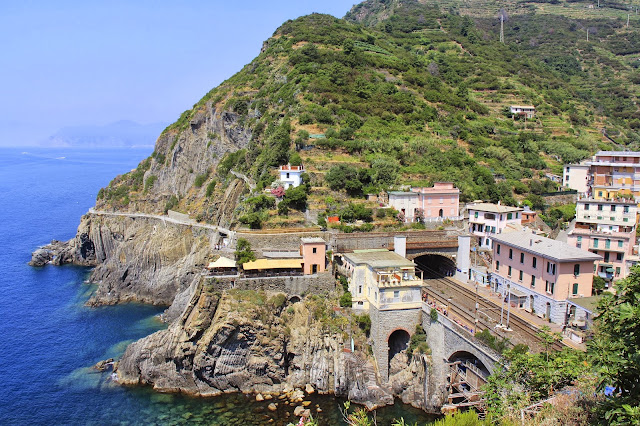
You can see the train tracks ducking into the mountain and the pathway winding around it
But before we could arrive and figure out which of the options above were best for us, we needed a hotel reservation. This too, proved to be quite difficult. Jen and I have become rather skillful at examining multiple travel sites, review forums and securing the best available option at the lowest price. But I had been looking for three whole days and couldn’t find anything! I felt like Little Mac going against Mike Tyson in the classic 80’s game, Punch-Out!!
“Ouch!”
Bruised and bloodied, I refused to let Doc Louis throw in the towel. I expanded my search to the neighboring village of Levanto. A village with certainly enough charm and beauty to be a part of Cinque Terre, but a location set just a couple km too far away to be considered to attend the dance. Besides, Sei Terre just doesn’t have the same ring to it. Finally, I found the perfect hotel, set high in the mountains over Levanto. Villaggio Albergo die Gallo boasts a prime location as a result of their view and ease of access to all the various towns. My anxiety; “did I pick the right place” was quickly calmed by the soothing feeling of victory as we toured the wonderful property. I did it – I knocked Tyson flat on his butt!
“We did it!”
View from our room
The hotel had some wonderful terraces
I love the stone facade of the building
The day we arrived in Levanto was a very special day. Some say, the most important day of the year (OK… my mother have said that… once). It was my birthday. So we had plenty of things to celebrate. The sunshine. The surrounding beauty. The history of a 9th century village. And ME! We spent the day walking around Levanto, cruising along the beach and climbing to the highest point in the village and then back down.
“OK… I’m reaaaaddy!“
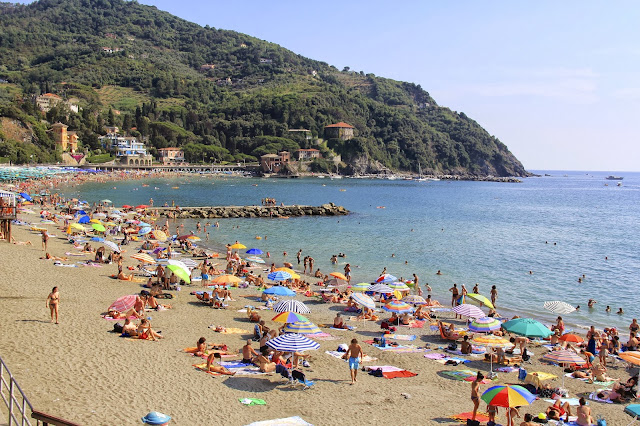
Sun bathers soak up the sun on Levanto’s shore
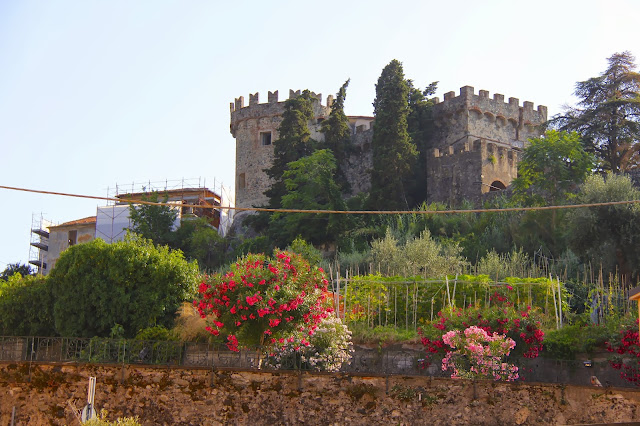
The Castello Medievale dates back to 1165 – used as a residence for kings, a prison and finally a private residence
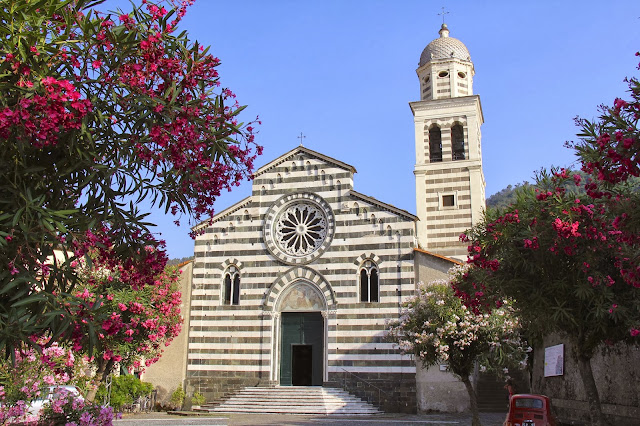
The parish of S. Andrea was built in 1222 and consecrated in 1463
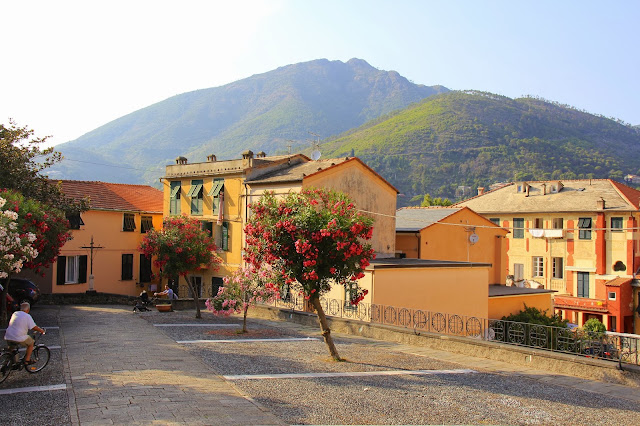
Pathway leading to the towns church
Back down along the beach – this private residence astounded us
Fishing boats and tourists alike dot the shoreline of Levanto
We stumbled across Il porto medievale di Levanto (the medieval door of Levanto), which lead us through a long, winding and ancient road of immense beauty.
Julia strolls along the medieval pathway
I could barely keep up with her
Julia gives me a special treat on my birthday – a big smile
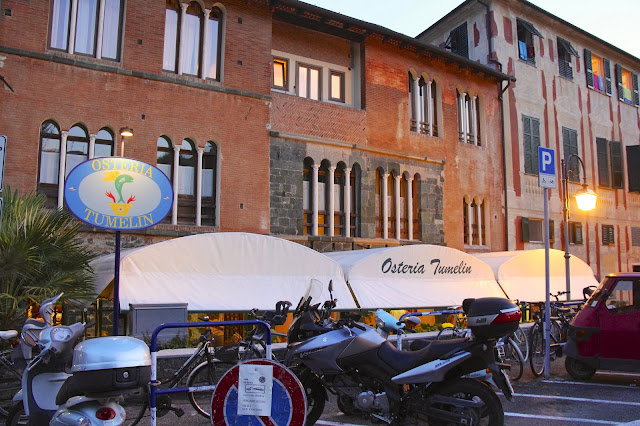
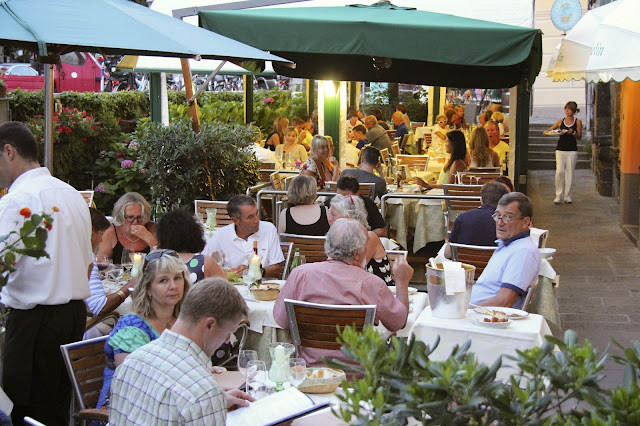
After working up quite the appetite with all our walking, we selected a restaurant, Osteria Tumelin. The restaurant has been operating successfully for over 40 years in a building that was constructed in the 12th century. We chose a wonderful table on the terrace – a great selection for the perfect temperature of the evening. After dinner, we bought some bottles of limoncello (lemon flavored liquore), made with local lemons that we enjoyed back at our hotel to cap a wonderful day.
Osteria Tumelin
The building dates back to the 12th century
They had a large terrace for outdoor dining
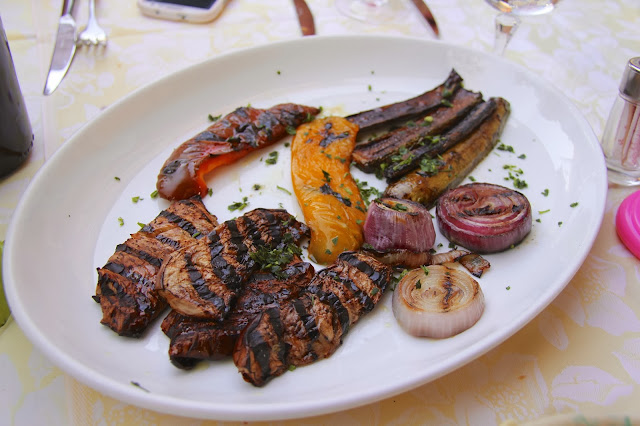
One of our dishes – verdure alla griglia (grilled vegetables)
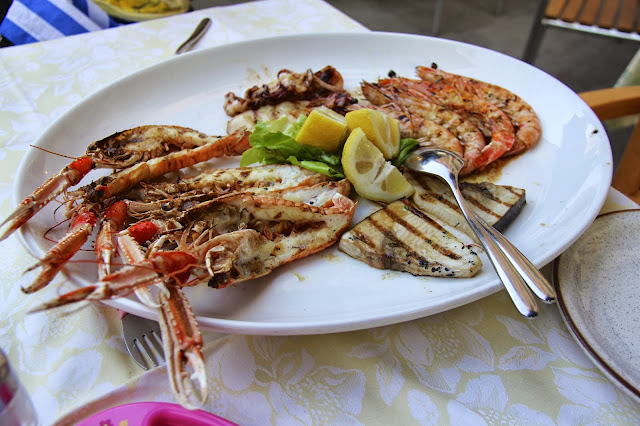
Grigliata mista di pesce (mixed grilled seafood)
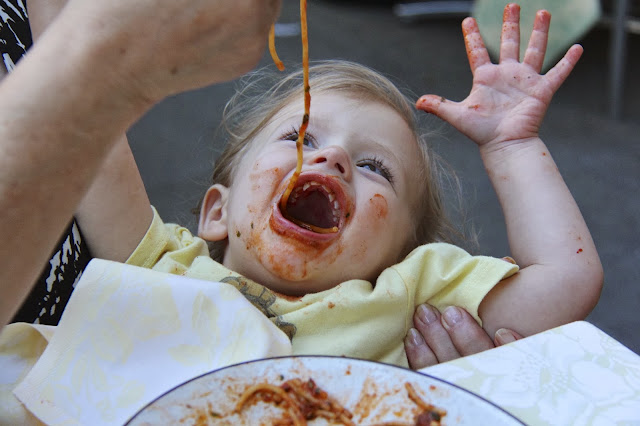
“Ahhh….pasta, pasta!”
We strolled through town after dinner, stopping in a few shops
The following morning, we set out early so that we would have a full day of sightseeing under our belts. We started in Monterosso, the only village that really has a beach (it’s a common misconception that Cinque Terre is a beach town, but in reality the five villages offer very few places to sunbath, apart from a few large rocks). In Monterosso, we purchased the ferry tickets and boarded our buoyant taxi.
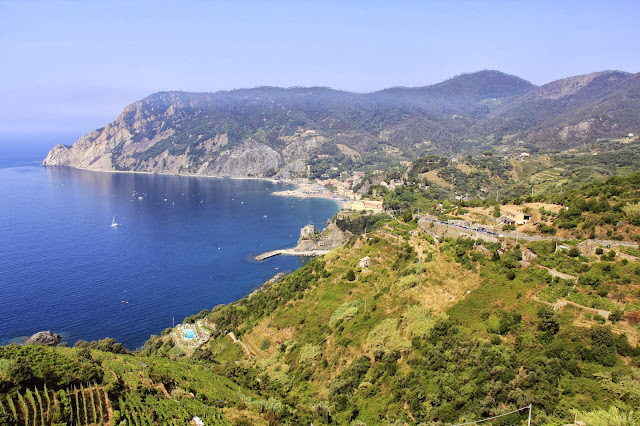
Monterosso from the mountains above
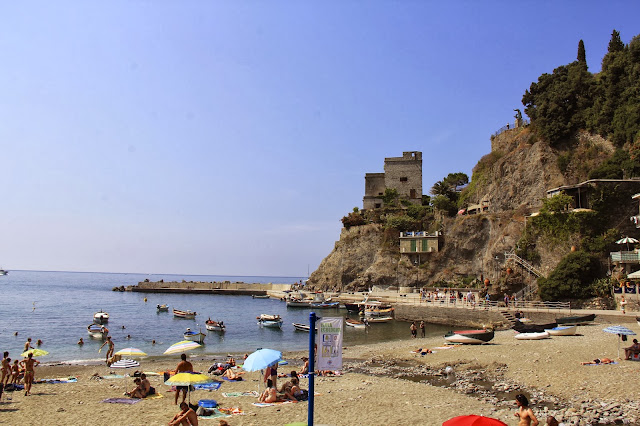
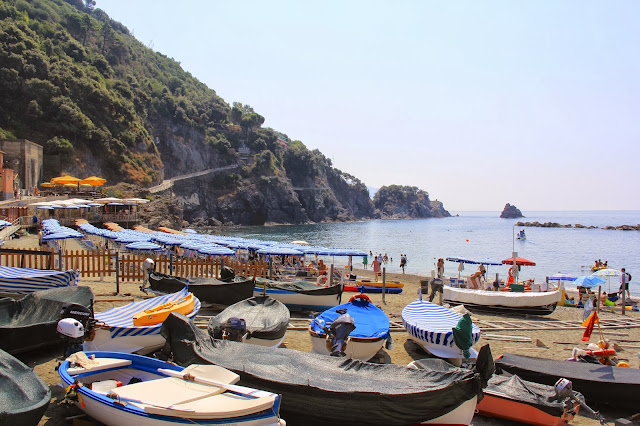
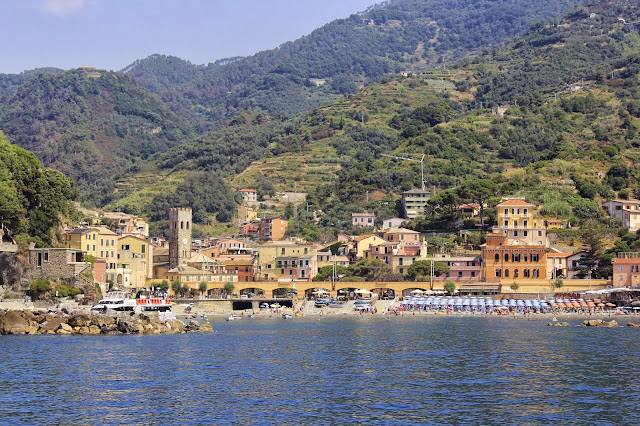
Monterosso is really the only village that has a small beach
The village is set back in a natural tidal basin
We pull away from the dock on our ferry
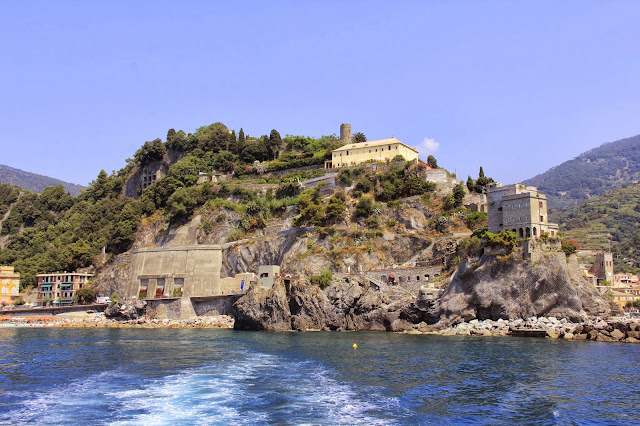
View of Monterosso from the boat
We stopped briefly in the port of Vernazza to allow people on board before breezing by the cliff-top town of Corniglia and then Manarola before finally disembarking at the port in Riomaggiore.
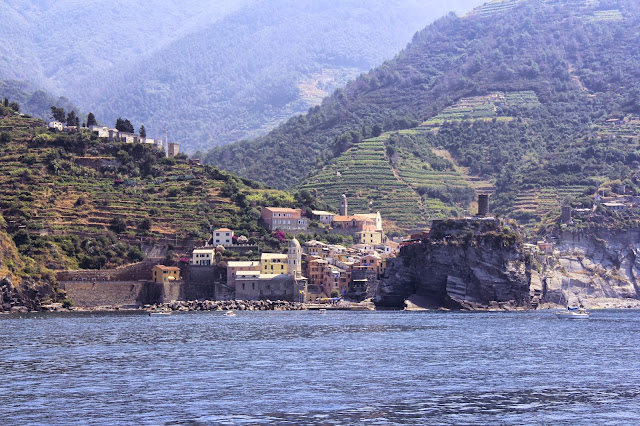
Vernazza from the sea
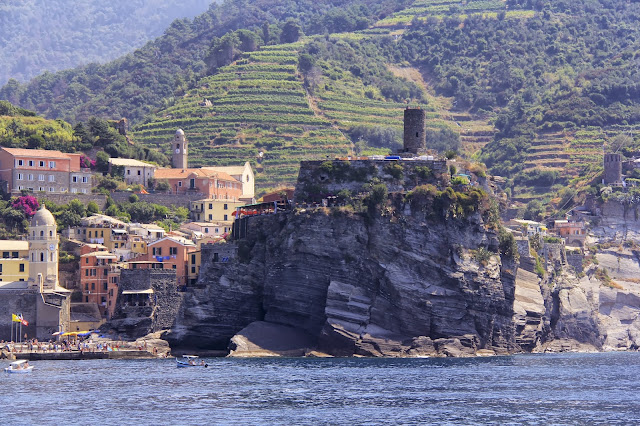
A closer view of the town and Doria Castle, built in the 15th century as fortification against pirates
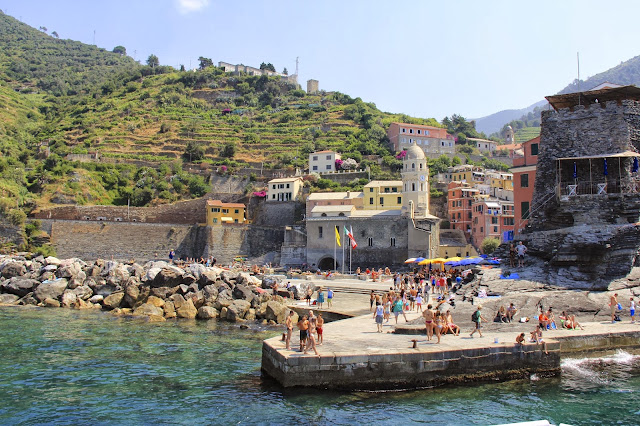
In the port of Vernazza
The cliff top village of Corniglia – the only village not set directly on the water
Our boat breezes past Manarola
We approach our final stop, Riomaggiore
Pulling into port at Riomaggiore
We walked around the Riomaggiore, soaking up it’s unique beauty. We had planned on next taking the hiking trail to Manarola – the only “stretch” of path that is smooth enough for a stroller. Unfortunately, this was one of the areas affected by the landslide in October of 2011 and has been shut down since then. Before we re-boarded the ferry, we stopped for an incredible lunch of homemade pasta and fresh seafood.
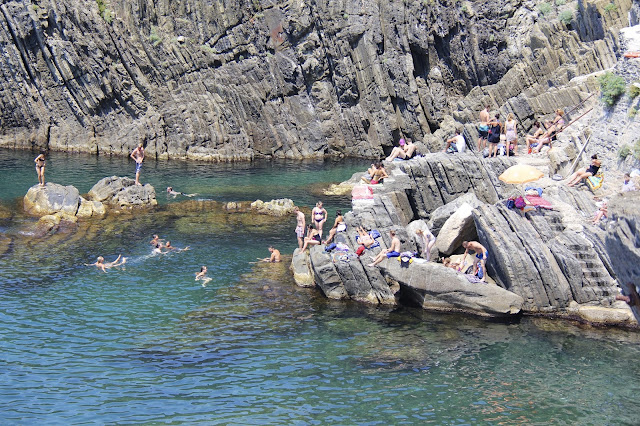
The “harbor” made from a jetty of rocks is shared by boats, swimmers and sunbathers
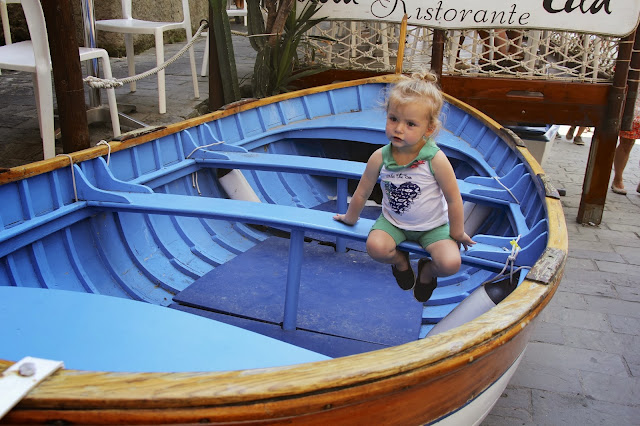
Julia tries her hand at balancing in a fishing boat
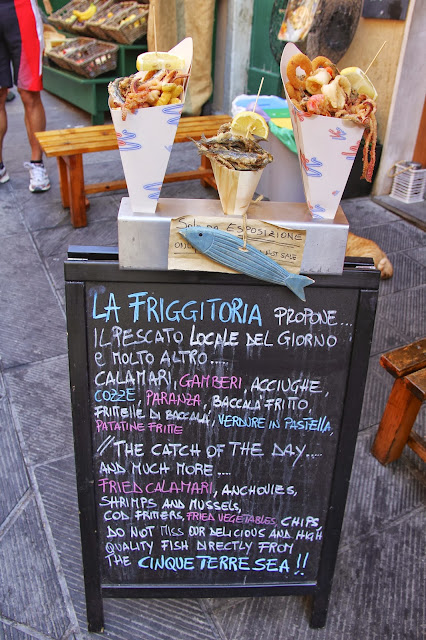
A local restaurant showcases the day’s seafood specials
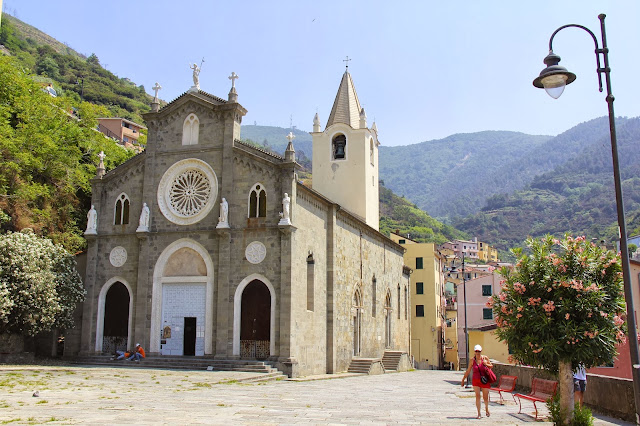
Church high in the mountains of Riomaggiore
View of Riomaggiore from inside the village
View of the opposite direction, overlooking the ocean
Pathway into town from the ocean
People sunbath on the rocks and cool off in the water
Julia decided to cool off beneath the shade of a rock
Riomaggiore as we sail away
Riomaggiore is nestled snuggly within a tidy mountainous nook
We “village-hopped” the rest of the day, finally ending up back in Monterosso, content with a full day’s touring. We made it back to the hotel and took advantage of their restaurant’s pre-fix menu, dining al fresco overtop some of Italy’s most beautiful countryside.
Our ship pulls into port at Manarola
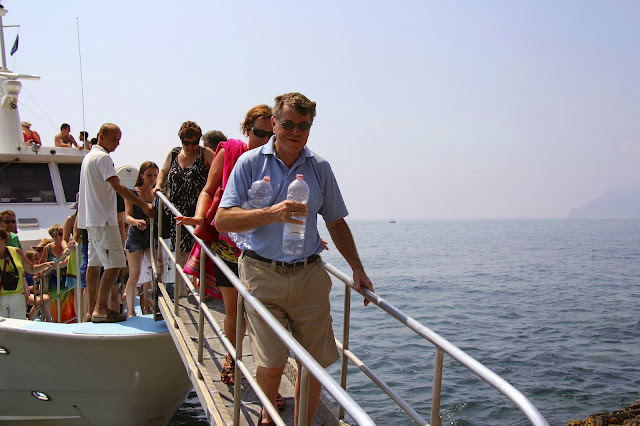
My dad (aka Pop-Pop) disembarks the ship
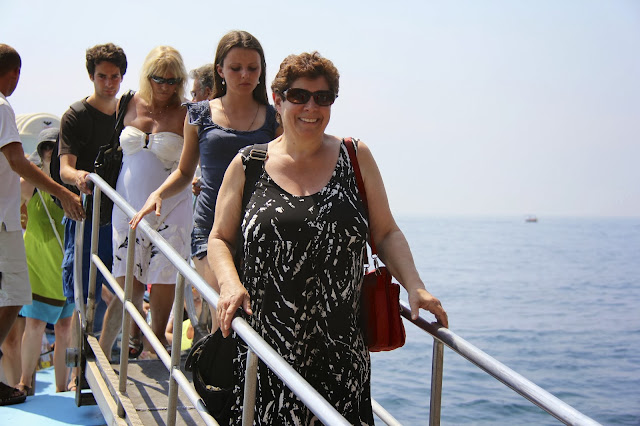
Next comes Stefani (aka Grandma)
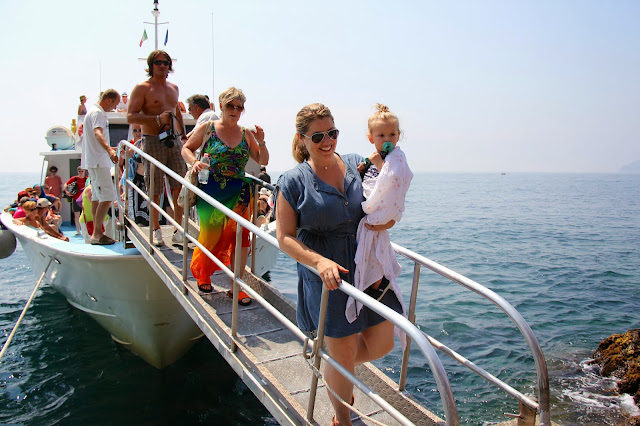
Jen is the last to depart with Her Royal Highness
Ships tied off in Manarola
Vernazza has a nice wide, welcoming appearance
Julia overlooks the water
We had a wonderful dinner as the sun sets over the horizon
By the time our road trip to Cinque Terre had come to an end, so too had my parents visit to Italy reached it’s final chapter. We had a couple wonderful “last” meals together back in Como and gave them big hugs before sending them back to the US with lots of love.
Our good friends Michel and Shirley have a wonderful home in a small village in the Côtes du Rhône region of France. They invited us to join them for a few days recently, an invitation we were happy to accept. Google maps told me that the journey from our home to theirs was approximately six hours and so we decided a stopover at the beach for a night would break up the drive nicely (read about it HERE). After a relaxing night in Beaulieu-Sur-Mer, we headed north to Sablet, France so that we could savor an enjoyable visit with good friends.
Sablet, France
We arrived in Sablet as scheduled, late in the afternoon. However, I had misplaced all the phone numbers to reach Michel and so I wasn’t quite sure exactly where to go upon arriving in the village. Michel gave me specific instructions not to attempt a drive directly to his home. “The roads are far too narrow – many cars scrape on either side. Don’t attempt it – park at the local bakery and head by foot”. I only had his home address plugged into the GPS and admittedly, I had the words of Barney Stinson ringing in my head “I shouldn’t attempt the drive… challenge ACCEPTED!” After creeping up, up, up, slowly, slowly, slowly – I made it to their home. Luckily I made it with all car paint intact – but it was close. I had been far too cocky and got lucky – I literally had centimeters on either side of my car at times. We found their home and discovered they were just out at the local market, preparing for our arrival.
Michel is a business man, blogger (his blog), wine connoisseur and a fabulous chef. He owns a restaurant that I’ve mentioned in past blog posts, Bistro des Copains in Northern California. Jen and I knew that we were going to be in for a treat if he was coming back from the the market with fresh groceries to make dinner. When they returned home, we walked in, unpacked and quickly settled in for an epic meal. Luckily, Michel and Shirley are grandparents of four wonderful kids – and so they were naturals with Julia, who instantly fell in love with them both. After a wonderful dinner, stuffed and tired from a long day – we turned in, excited about the following day. Even though we didn’t know the plans, we were still eager knowing that we would have an action-packed day lead by two wonderful guides.
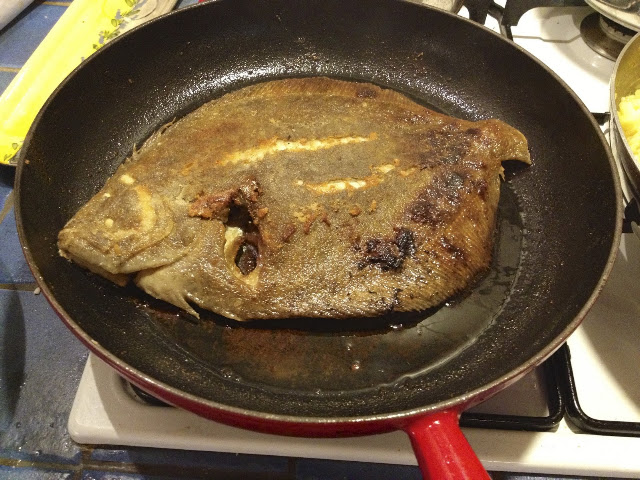
Pan fried fish cooked by Michel
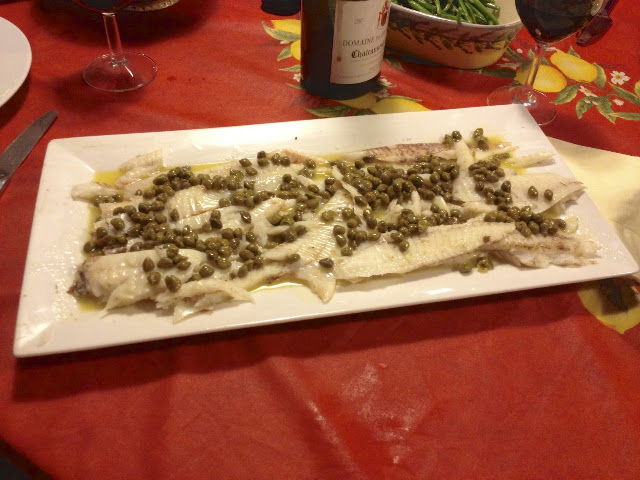
Filleted and seasoned with butter, oil and capers
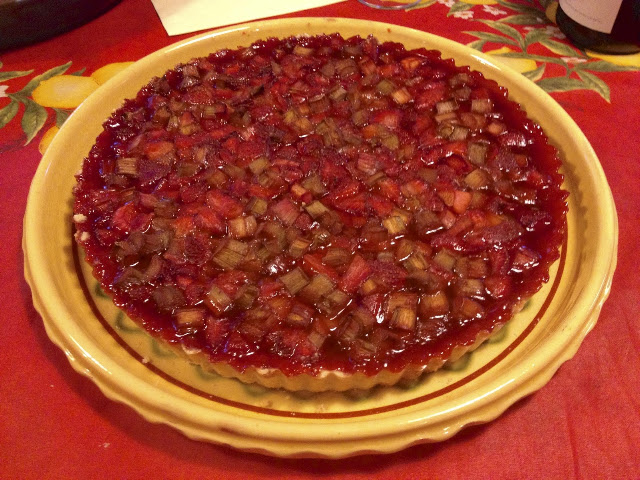
Shirley made the most amazing strawberry and rhubarb torte
Cheese and baguettes for breakfast. Not something you normally think of eating at 8:00am. However, this rich indulgence seems perfectly normal when you’re in France…and when the cheese and bread are that good, you are happy to get your fill. After breakfast, but before I finished my last sip of coffee, Michel jumped up and declared that, “we will be leaving in ten minutes!” For me, this was wonderful – an early start to the day. For Jen, nothing could be more horrific. She rushed to get herself ready, get the baby ready, get the diaper bag packed, etc. and still make it to the car before we pulled away. Somehow she managed and we set out to the first of three villages we would see throughout the day.
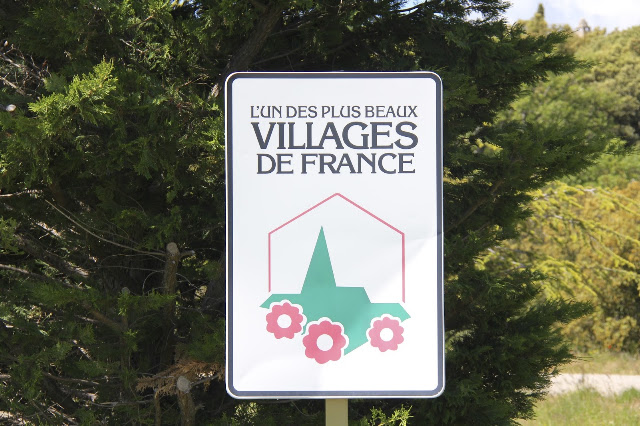
The term, L’un des Plus Beaux Villages de France (official site) means, One of the Most Beautiful Villages of France. This is a formal classification, reserved for only the most special of villages that dot the landscape of this fantastic country. Of the 32,000 villages that make up the country, only 157 are classified as such. 15 of these villages are in Provence, where Michel and Shirley have their home. We were fortunate enough to see 3 of these impressive places all in one day.
One of the Most Beautiful Villages of France
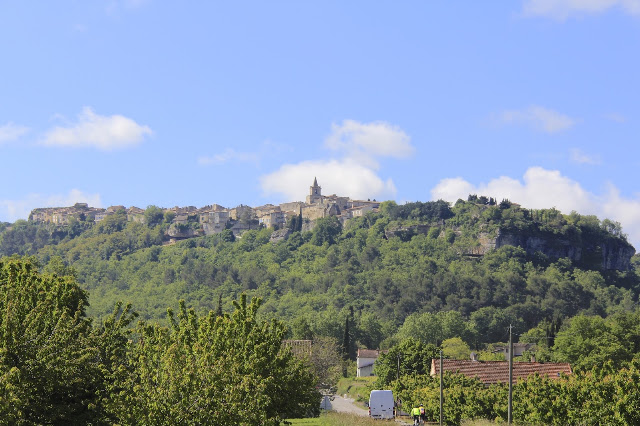
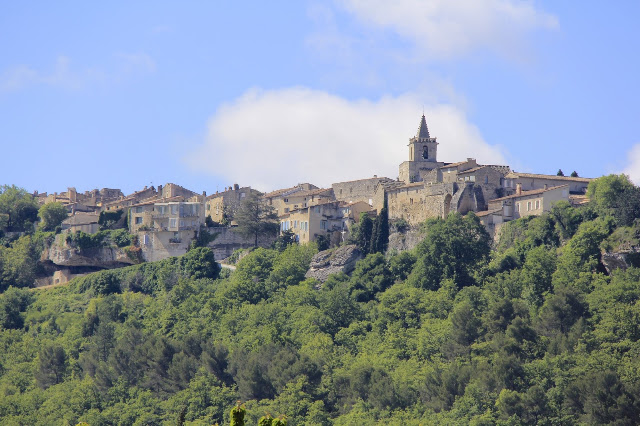
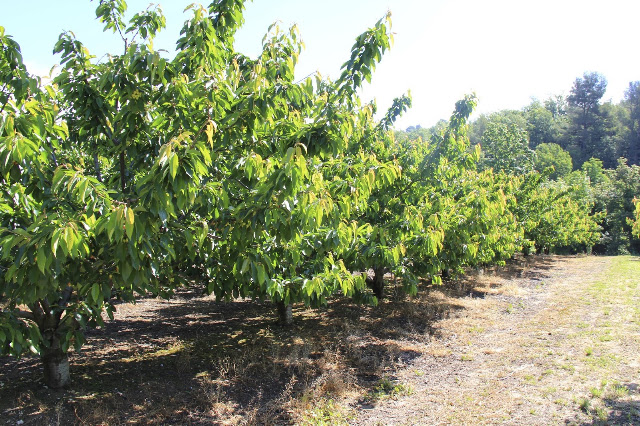
The first stop on our tour was Venasque, a hill-top village at the foot of Mont Ventoux. Venasque overlooks vineyards of many types, including vast fields of cherry trees (a unique sight in a landscape otherwise dominated by grape vineyards). The cherry’s were just starting to come into bloom and so we stopped to take a couple pictures. This medieval town has only the remains of three Saracen towers from those times. A large church from the 11th century stands in the center of town, composing part of the unique beauty we discovered while there.
Approaching Venasque
Venasque sits high atop a hill
We passed fields of cherry trees
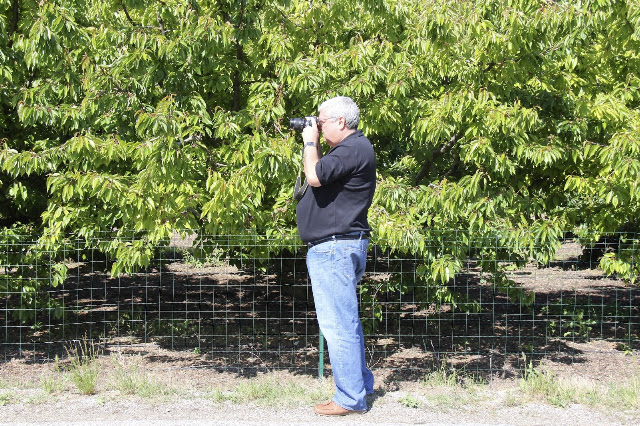
Michel in action, capturing images for his own blog
Julia and Jen in front of the remains of the medieval castle
The view of the valley below
Julia enjoying the scenery
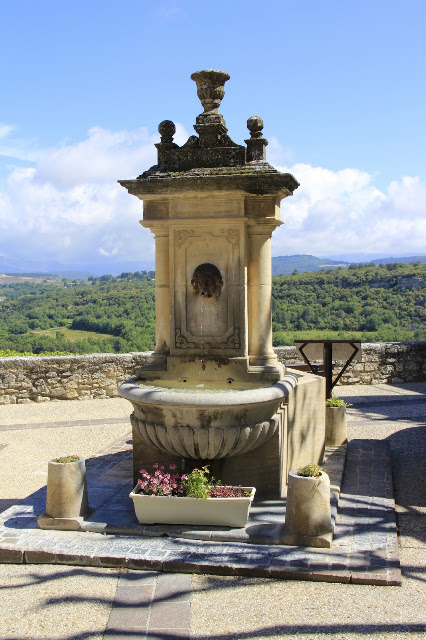
A fountain in the center of town
We passed many bicycle tour groups in each of the villages
Michel strolling along with Julia
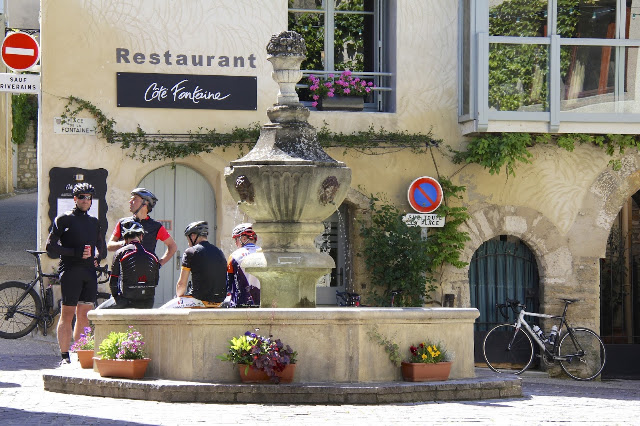
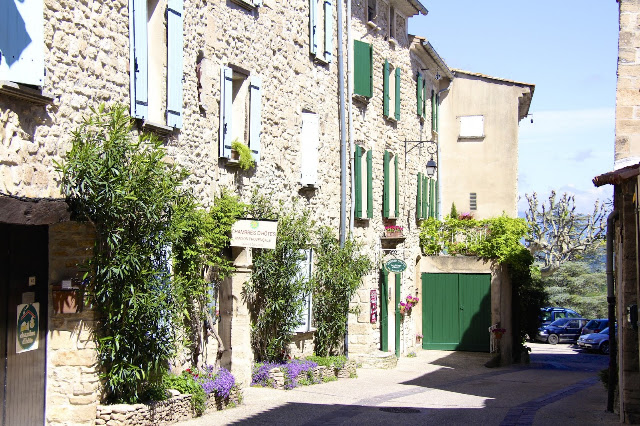
A street scene in Venasque
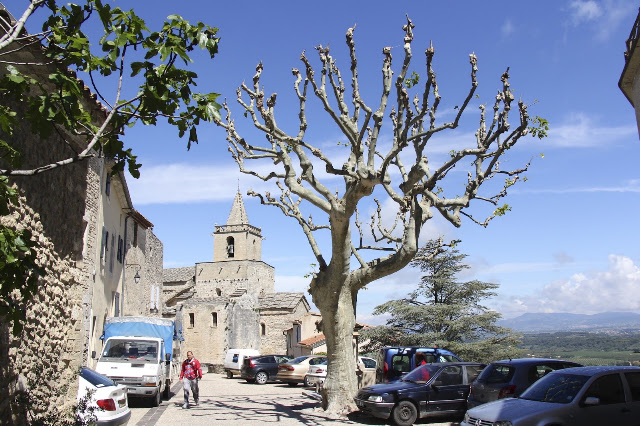
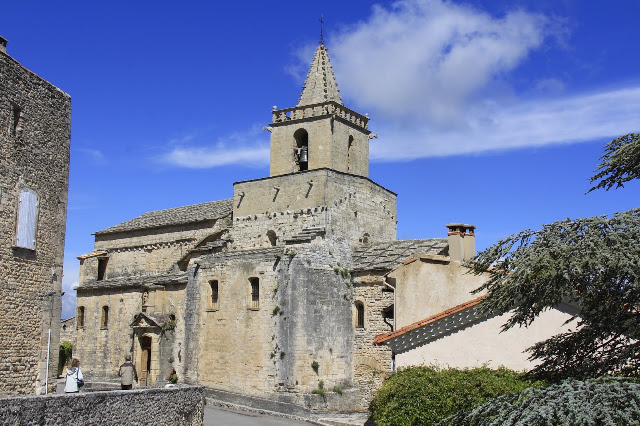
The villages main church framed behind a wonderful tree
A fountain in town, La Planette
Church in the center of town, dating back to the 13th century
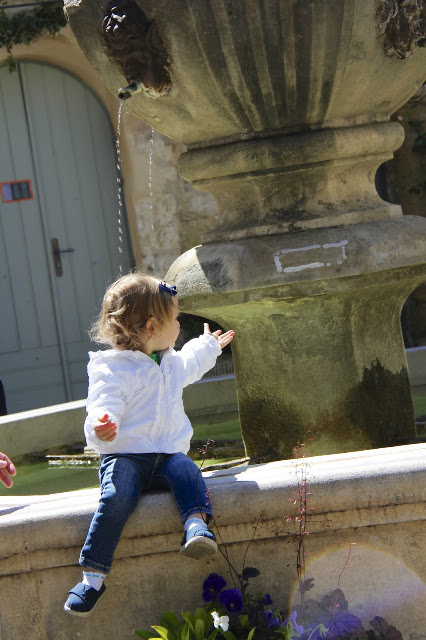
Julia playing in the fountain
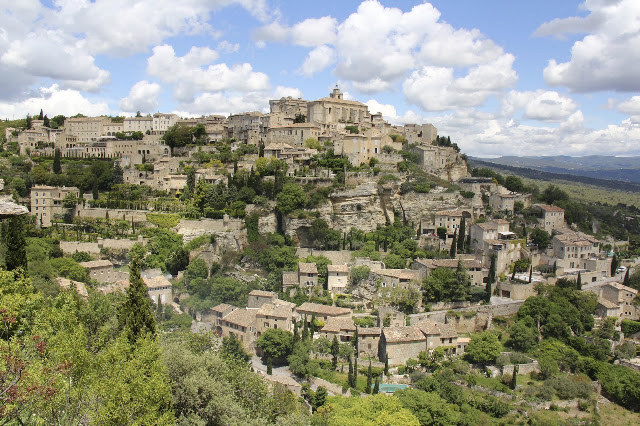
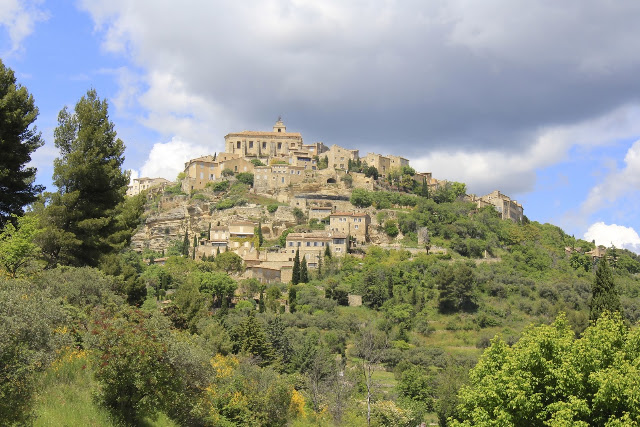
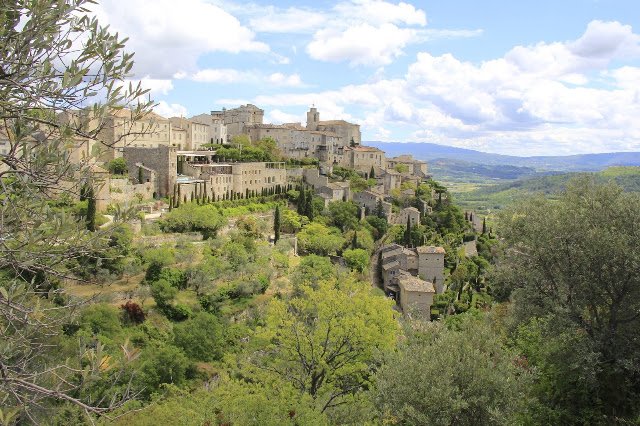
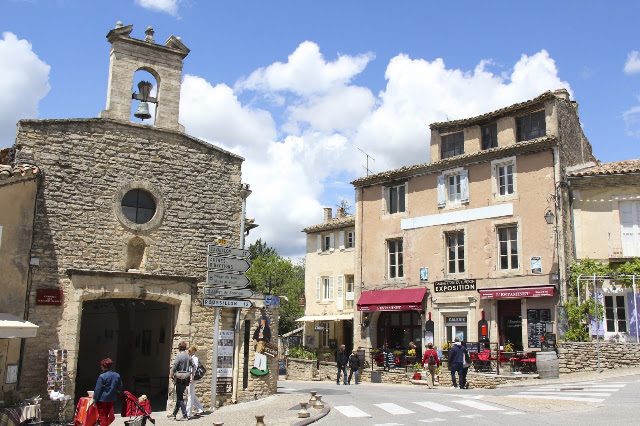
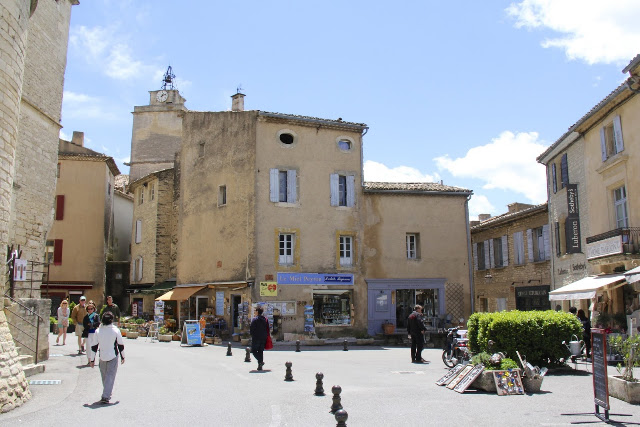
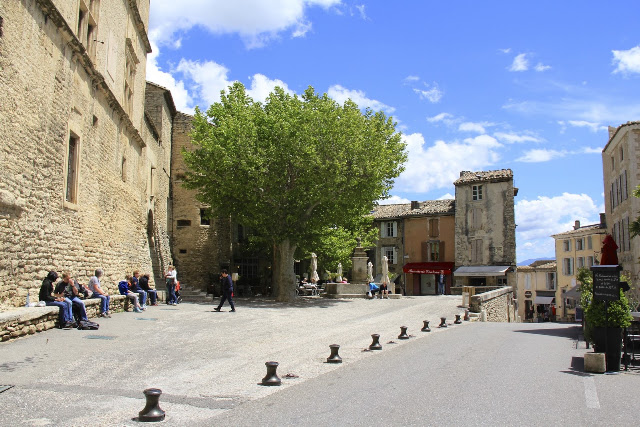
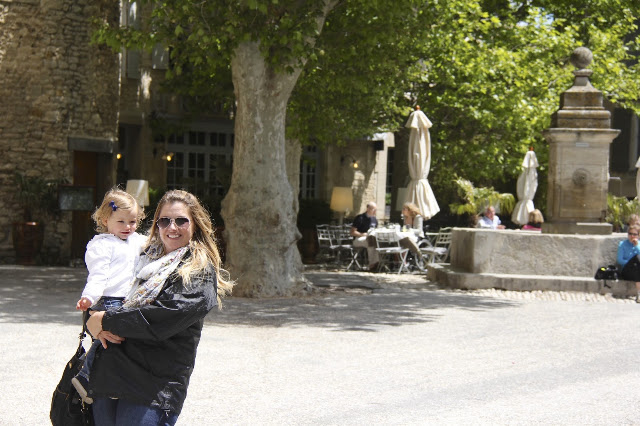
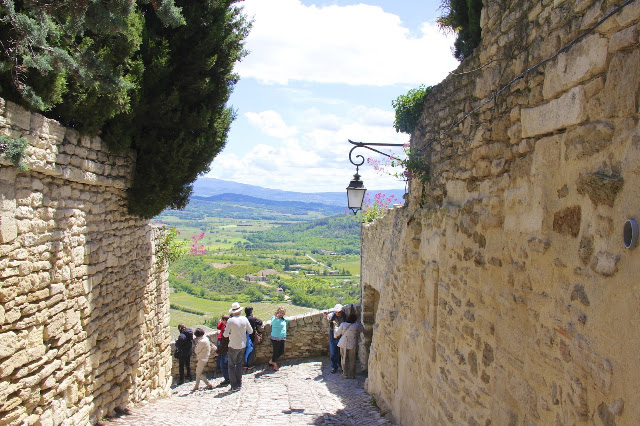
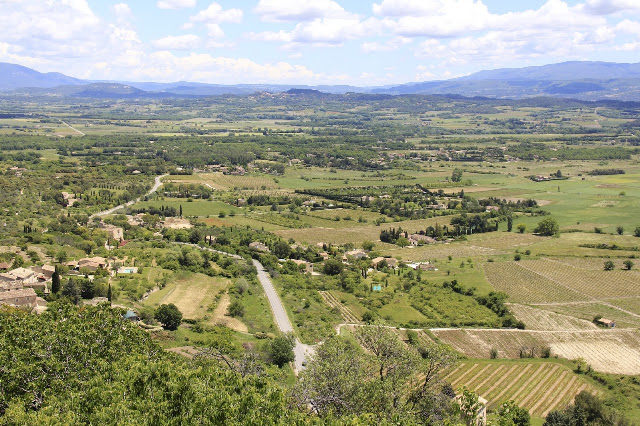
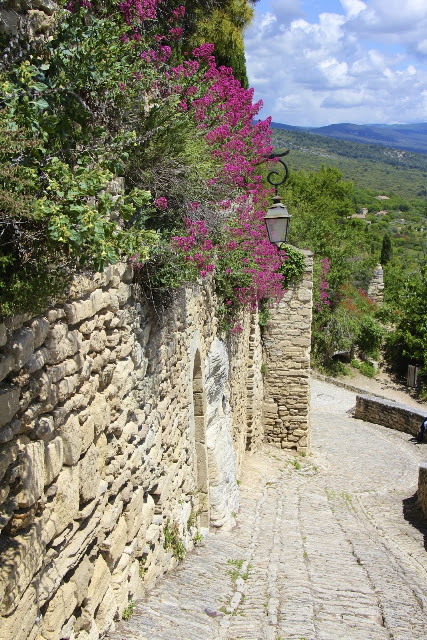
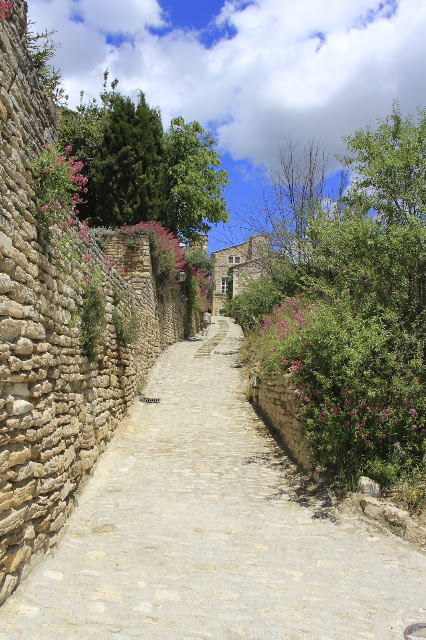
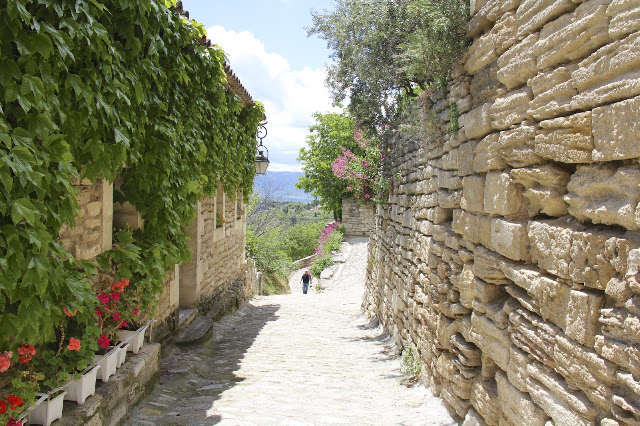
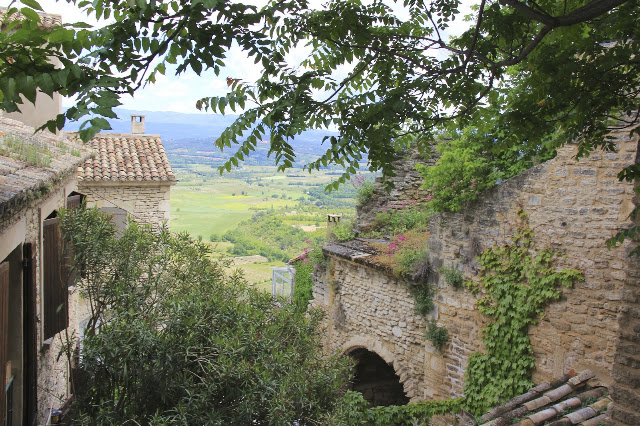
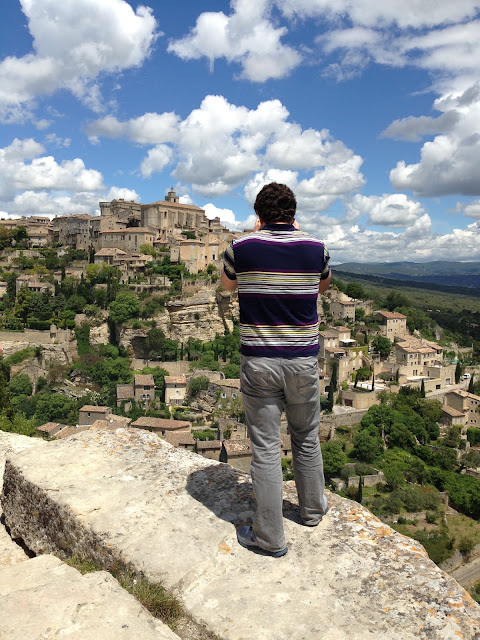
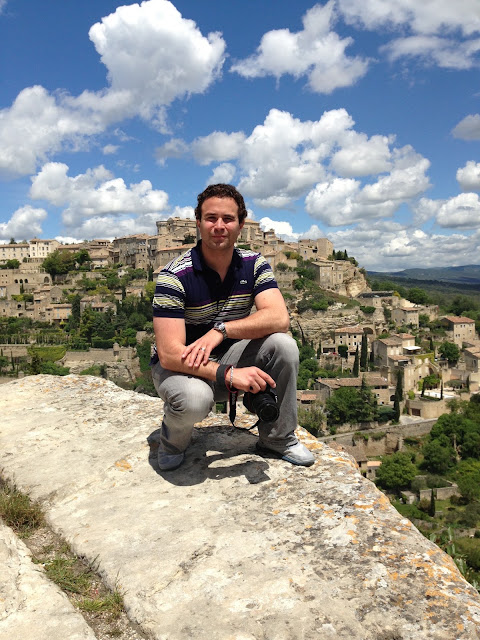
After leaving Venasque, next we drove to Gordes, a village with houses literally clinging to the sides of the Vaucluse ridges, overlooking the Cavaillon plain. The houses and narrow cobble streets are arranged in winding tiers all the way up to the [existing] Renaissance castle and church. Gordes is a village well known to artists, including Chagall (and others I don’t know and can’t remember). Before entering the village from the top and winding our way down and back… we needed to refill and refuel. Lunch time! Michel and Shirley selected a place they had dined before – a charming outdoor restaurant tucked behind a local gift shop. After a delicious lunch, we started winding our way through the streets of Gordes. Jen and I bought Julia a cute hand-made sun dress. We found some of the most picturesque scenes we’ve ever encountered. And right on cue for our magical family photo – Julia didn’t want to cooperate for a posed photo. At least I got some nice landscape photos.
I’ve never seen anything quite like this before – simply stunning in person
Gordes – another angle
It almost appears to be sliding off the side of the cliff
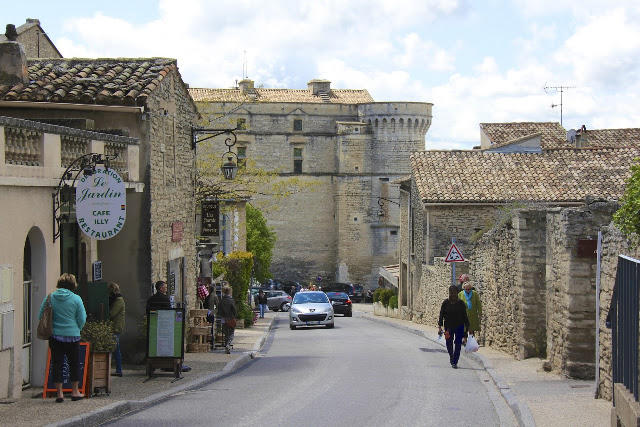
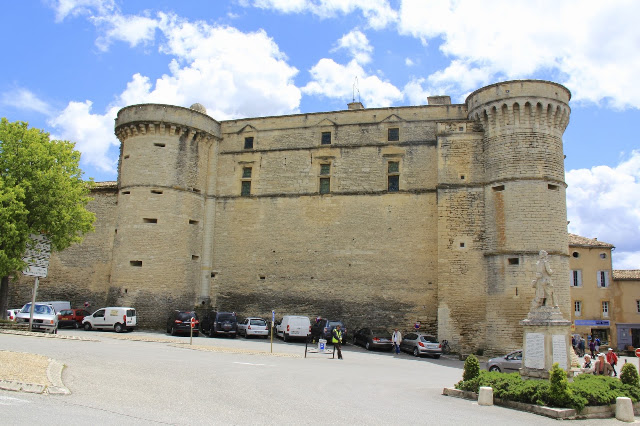
Approaching the city wall – marked by the medieval castle
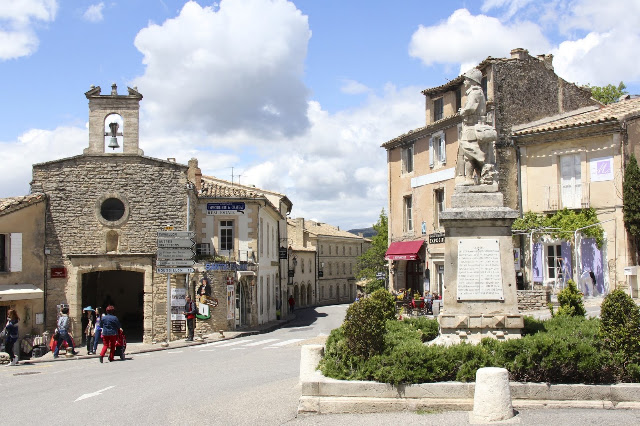
The main square, what we call a piazza… what do they say in French?
Further into the main entry point
Walking through the village
We had a great time walking around
The girls had fun
A scenic view, indeed!
View of the valley below
Loved this…
and this…
and of course, this!
The buildings in Gordes were truly special
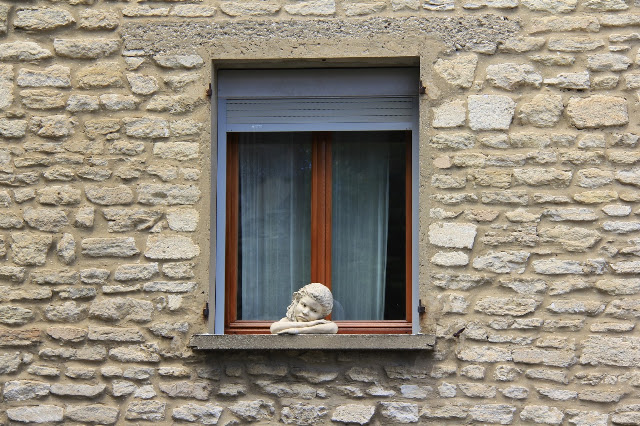
Even the angels come here to day dream
A better view of the castle
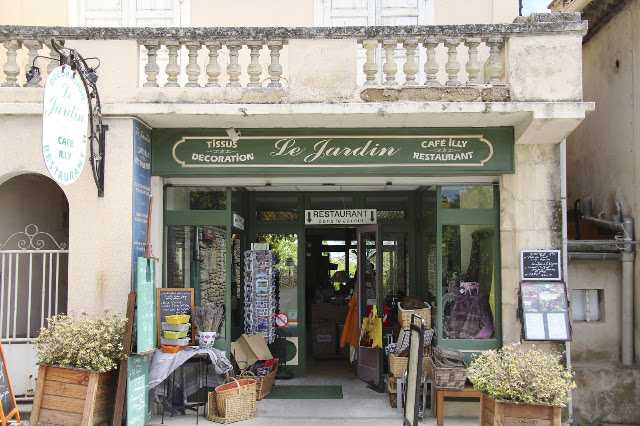
Le Jardin – store in the front, restaurant in the back
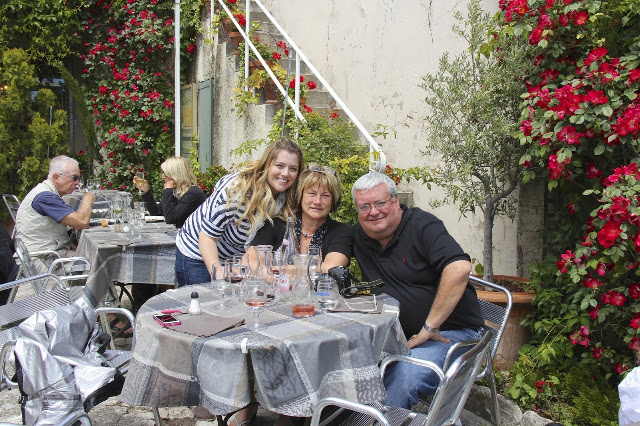
Enjoying a wonderful lunch
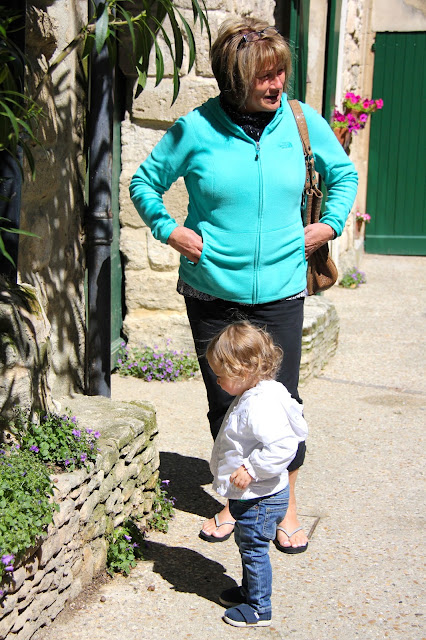
Julia stopping to smell the flower with Shirley
Jen took a picture of me taking a picture of the village
Cheeeeese!
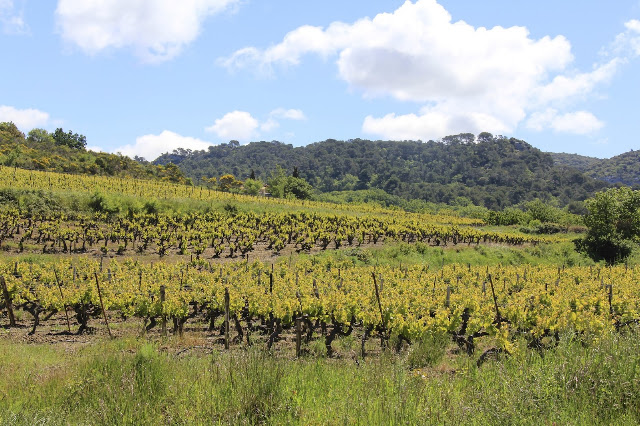
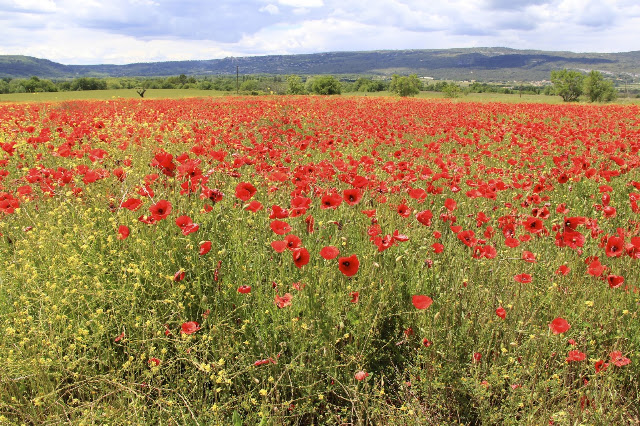
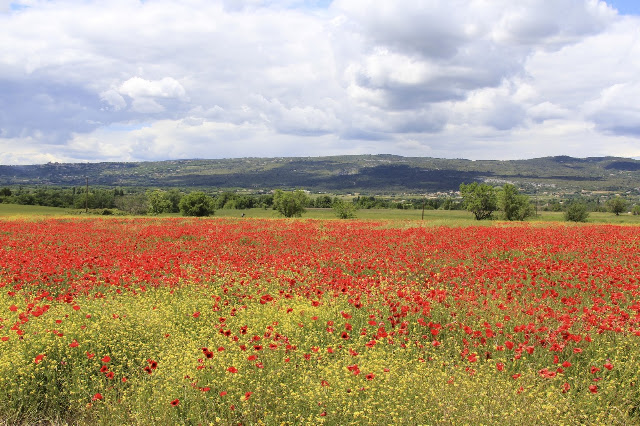
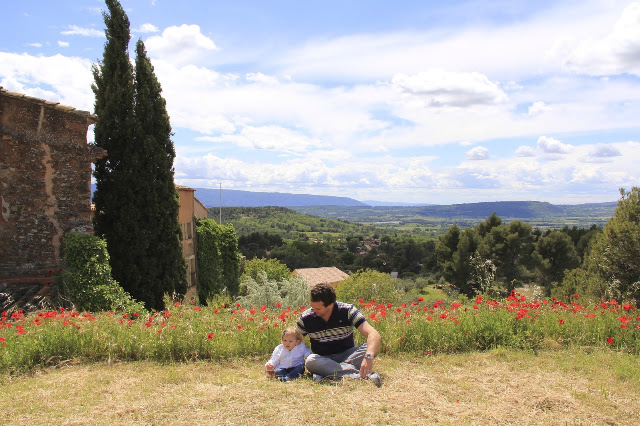
We eventually left Gordes and drove to Roussillon, a village far different than the first two. Along the drive in between towns, we passed a beautiful vineyard that I thought to be so typically French. But the real bonus was when we discovered a huge field of poppies, growing wild – we had to pull over and take some pictures.
Anyone up for a bottle of wine?
Large field of poppies
The poppies were growing wild
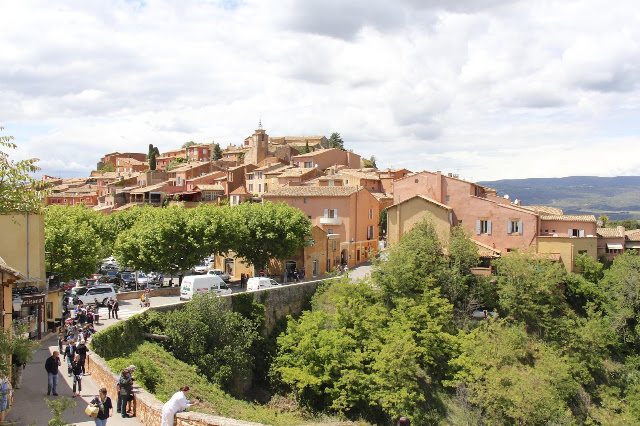
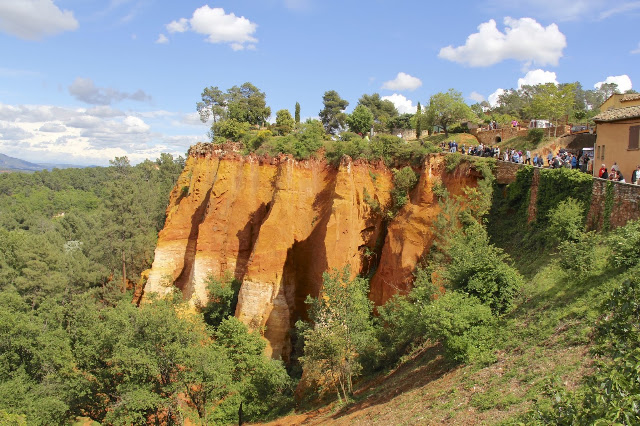
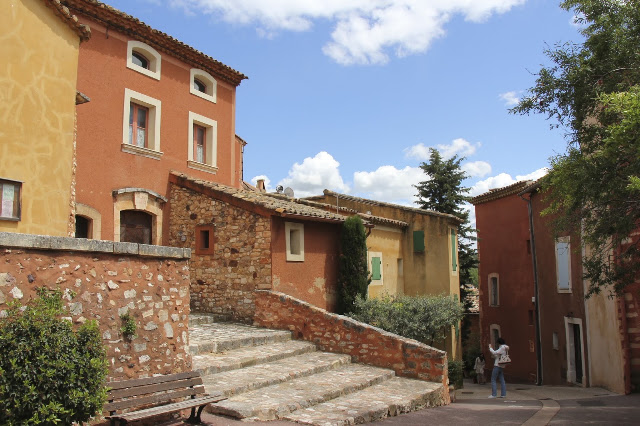
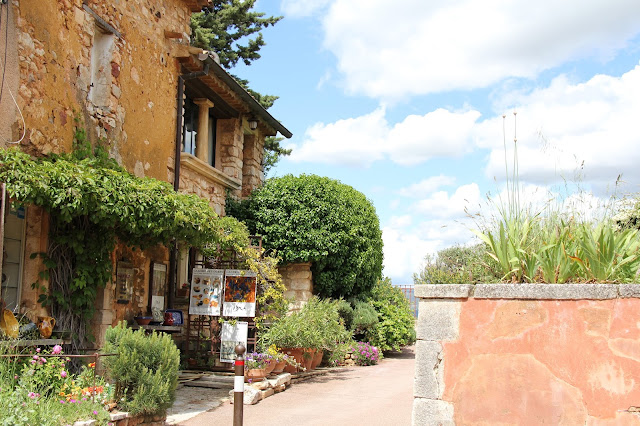
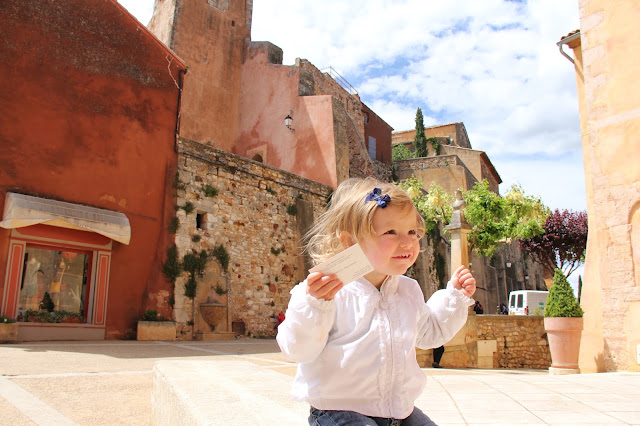
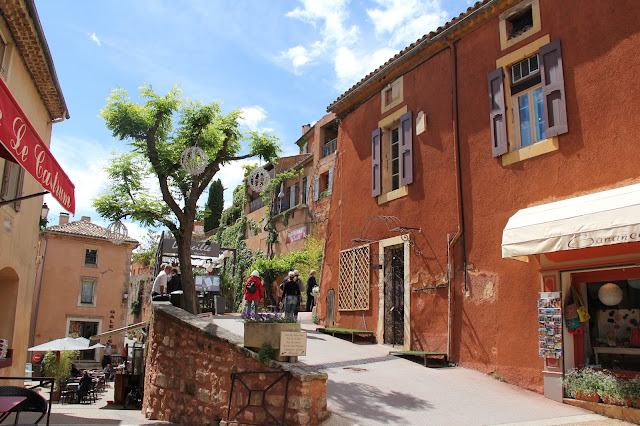
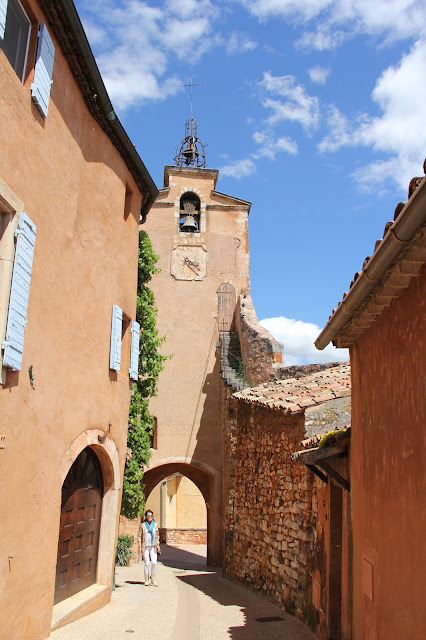
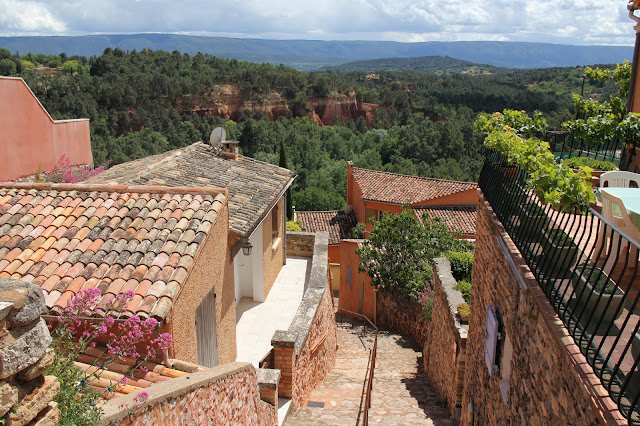
Roussillon screams its independence from other nearby villages by proudly brandishing peaks of vibrant red and ridges of bright orange. We were instantly reminded of Sedona, Arizona. The village sits atop the biggest ochre deposit in all of Europe and the result is a civilization built on bright orange clay-like earth. The village itself has since been shaped by the surrounding land and the homes, churches and buildings all marry this natural beauty perfectly. After a long time exploring, we stopped and had an a apéritif at an outdoor cafe.
Roussillon from slightly above
The earth beneath the village was wonderful to behold
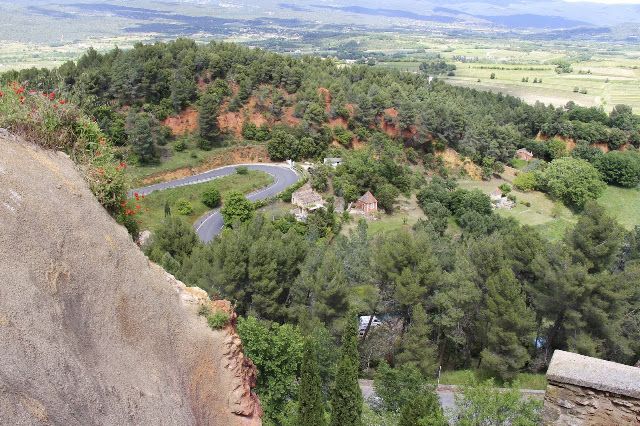
The orange earth follows the bends in the road
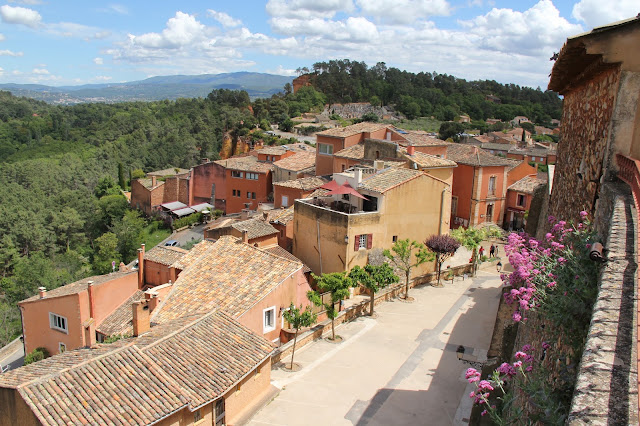
The houses were painted to match the landscape and unique soil
Strolling through town was wonderful
Beautifully landscaped front yards
Julia started dancing to music she heard coming from a nearby store
Street scene
Julia snuggled up to me in a nice field overlooking the valley
Great bell tower
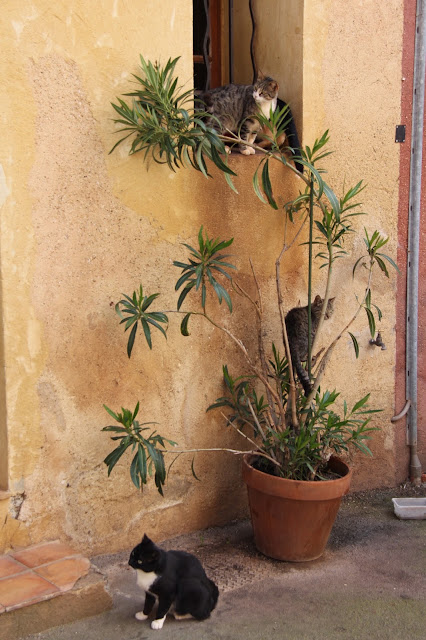
We found “cat-lady’s” home – we counted 8 cats just in this area
Stairway to heaven?
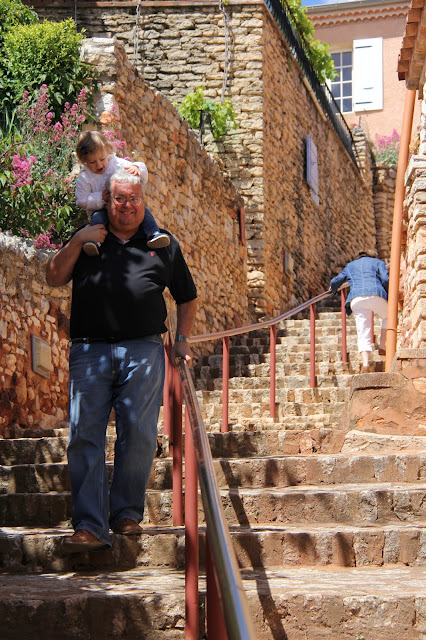
Now that’s the way to ride down a long set of stairs
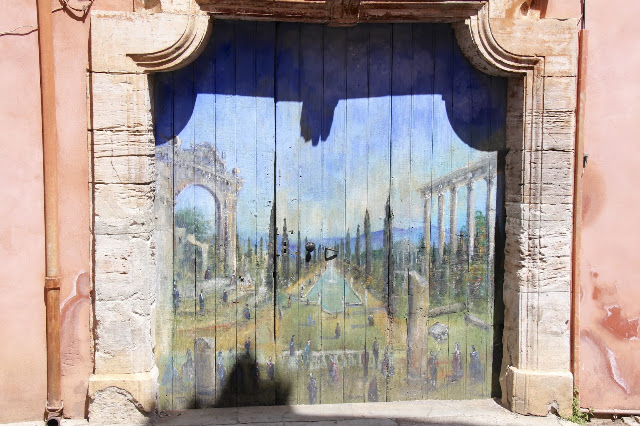
Beautifully painted door
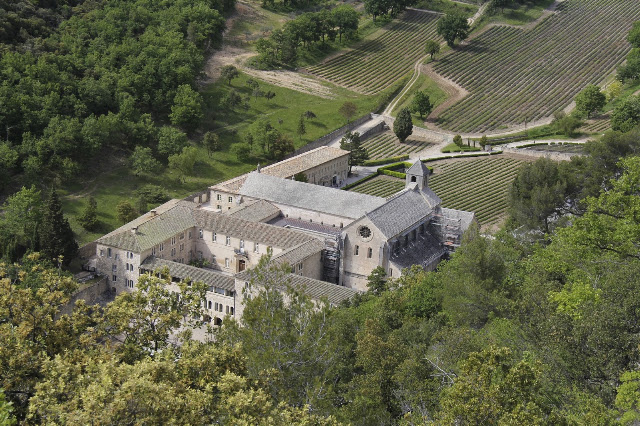
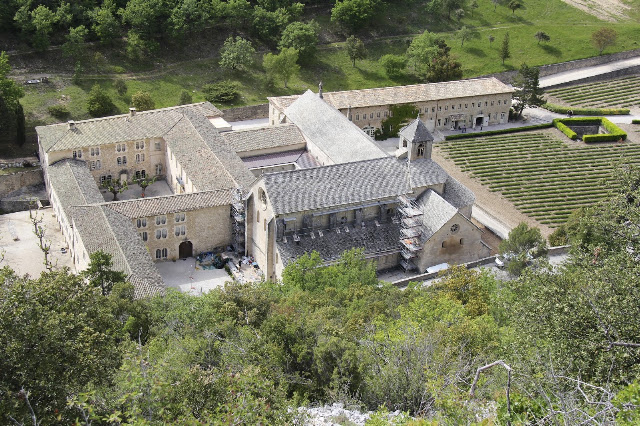
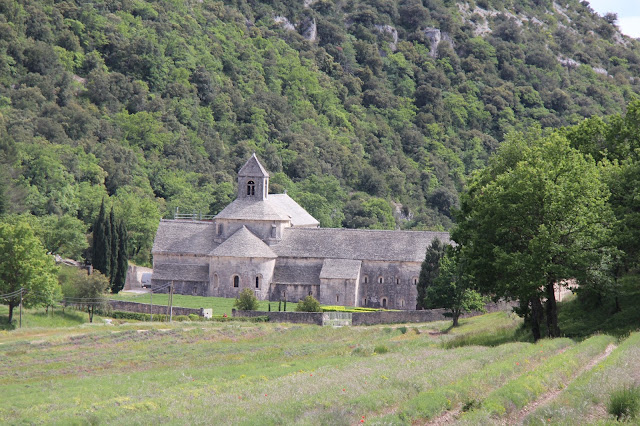
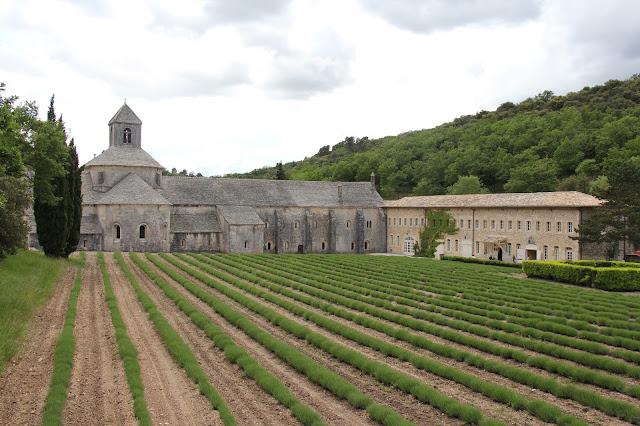
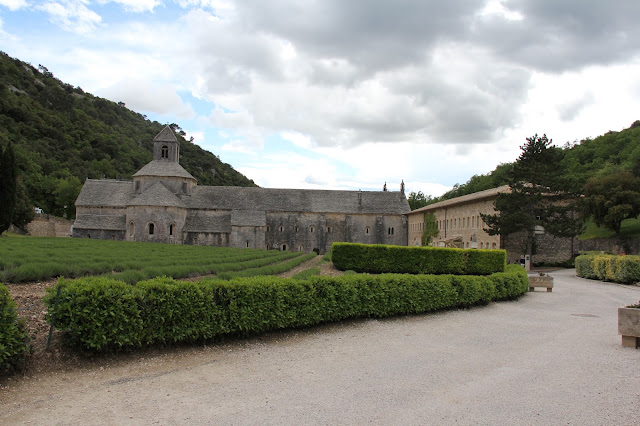
We had one more stop left – an abbey built in the middle of the 12th century. Abbaye Notre-Dame de Sénanque is a working abby, where the local monks tend to large fields of lavender that they sell to subsidize the abby (along with tourist sales of tours and merchandise).
Abbey as we approached from above
Another angle
The monks “front yard”
Fields of lavender, not yet in bloom
12th century Abbey
Julia had fun
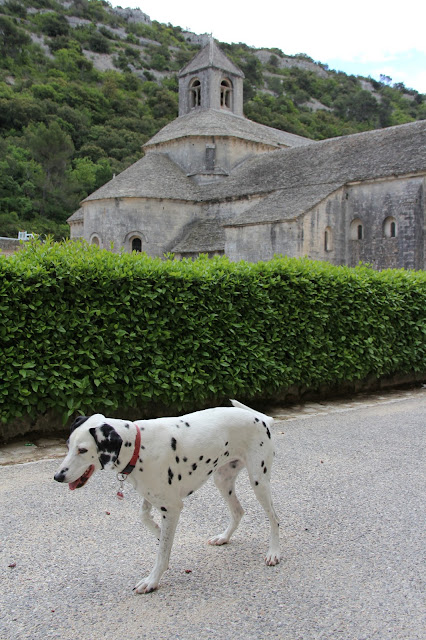
Julia thought this was the dog from, 101 Dalmatians
By the time we reached our “home” village of Sablet at the end of a long day, we were wiped out. But we were only half-way done! We had dinner plans with friends of Michel and Shirley’s – a couple that owns the local bar in town. We had just enough time to freshen up and then head down the street to meet them in front of their bar. We all shared a nice bottle of rosé over introductions and then headed out for dinner. I’ll feature this dinner, along with a few others in a separate “food” post.
Jen and I decided that we had so much fun on our first day, we needed to extend our two day trip into a three day trip and our wonderful hosts obliged us. Stay tuned for tales of glorious wine tastings, wonderful meals and impressive historical sights.
Two posts about the Dolomites and now four posts about Austria… will the posts about this road trip ever end?! I promise, I’ll wrap it up here… I think I’m spending as much time writing as I did enjoying the trip!
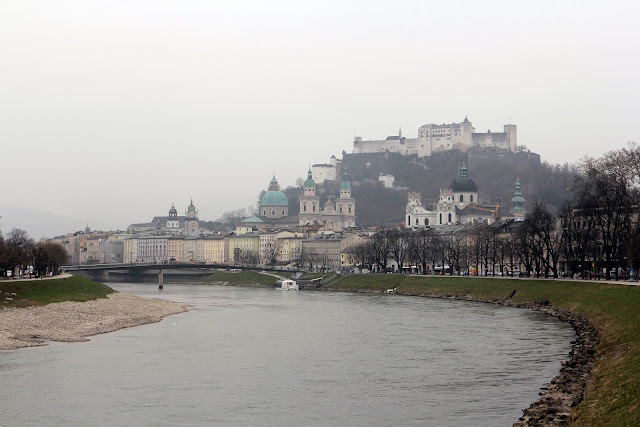
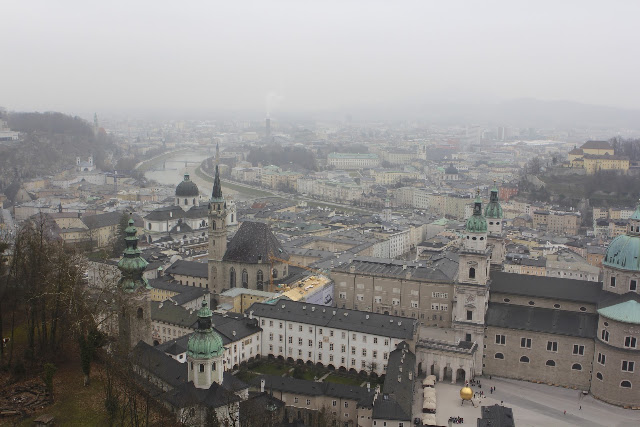
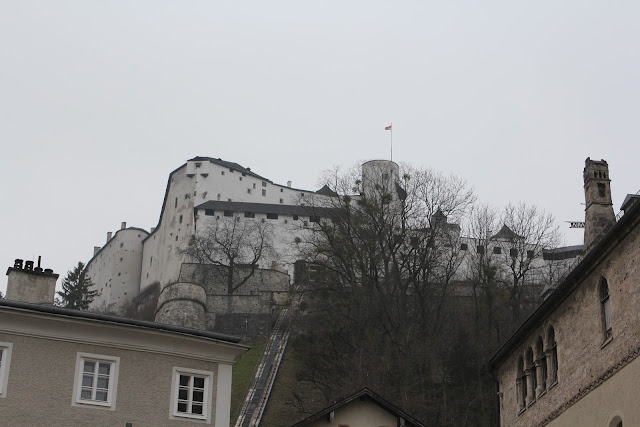
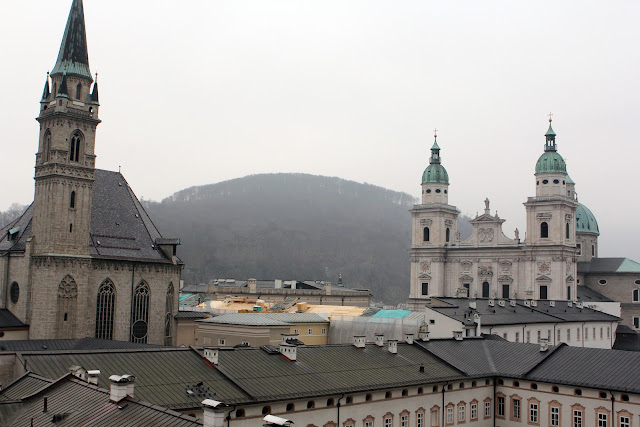
An unfortunate haze covers a beautiful city
You may have gathered (HERE) that we instantly fell in love with Salzburg and extended our trip by an extra day/night to see more. We started day one with a visit to a castle, Hohenwerfen Fortress and so I thought starting our second day with a visit to it’s sister castle, Festung Hohensalzburg would be appropriate.
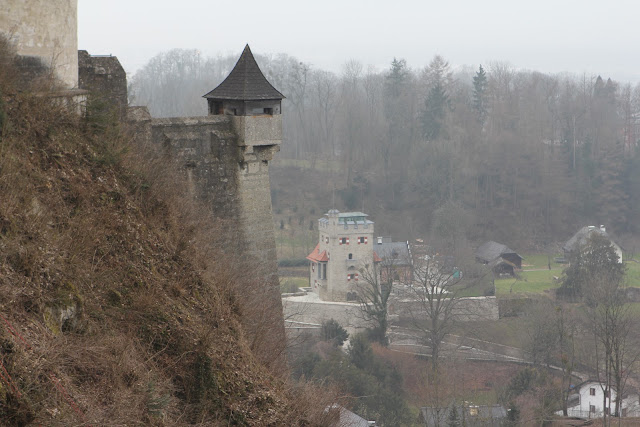
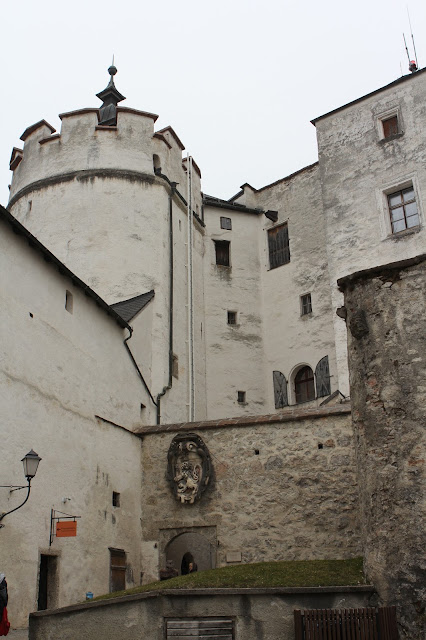
Castle tower
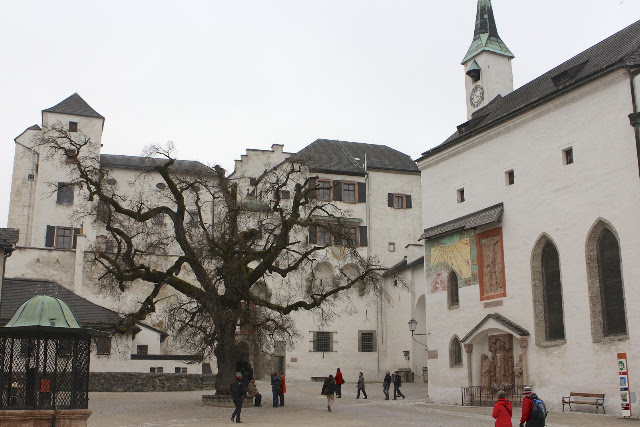
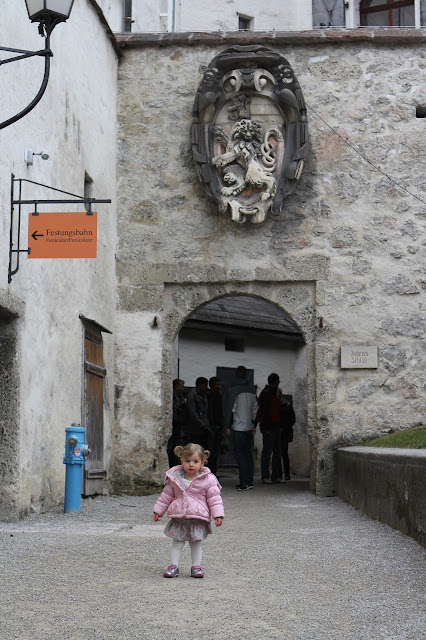
Inside the main gates
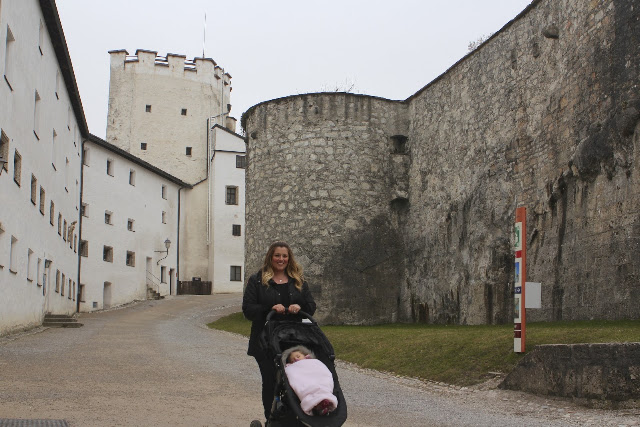
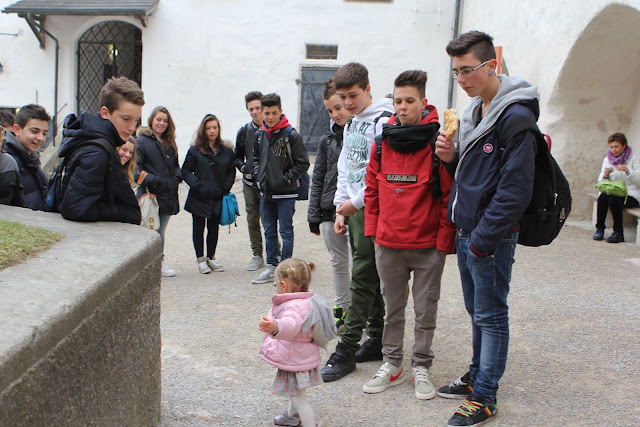
From the main courtyard
Festung Hohensalzburg (literally, High Salzburg Fortress) sits atop the Festungberg Mountain, commanding a view of all Salzburg – a useful feature during the middle ages. Today, the opposite is even better – a view of the beautiful castle is ever-present as you walk through the city below. I described a history of it’s sister castle (HERE) – the purpose for this castle was the same. The original fortification began in 1077 under Archbishop Gebhard von Helfenstein as one of three fortifications during the Investiture Controversy. Today, it remains as one of the largest medieval castles in all of Europe.
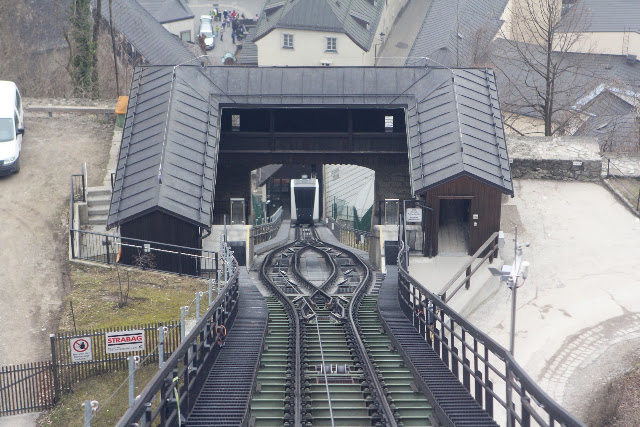
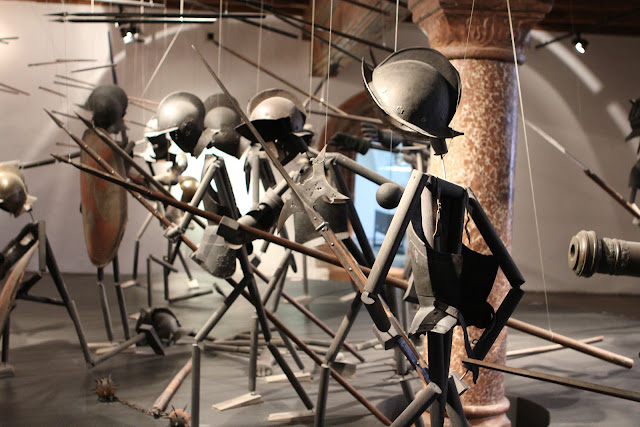
The day was hazy, which was unfortunate given our high position over the city. I was hoping to capture some amazing panoramas of the city – but the haze wanted to get in my way. Still, the castle tour was amazing. We started with a ride up the funicular and then wound our way through the various museums built into the original fortress.
A ride up the funicular
Beautiful views blocked by fog
Wouldn’t want to pick a fight with this crew
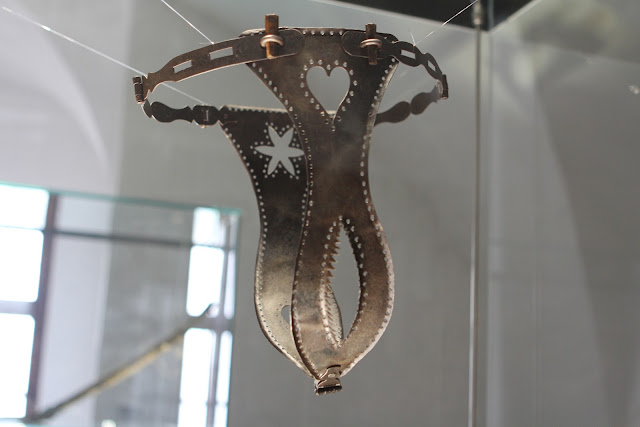
I like my lady wearing a bit more “contemporary” undergarments
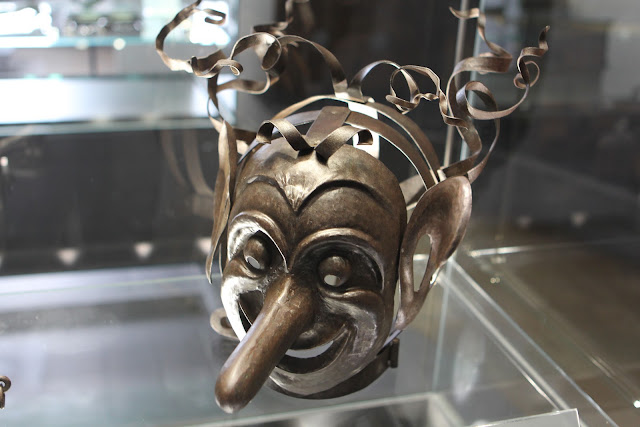
Don’t be a jackass in the 15th century – or else you’d be sporting this
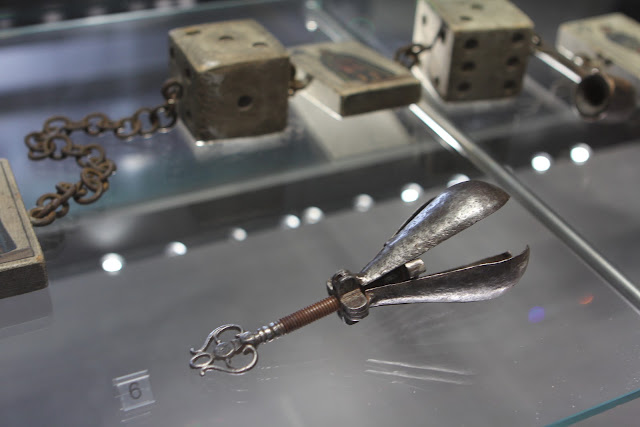
Guys – just go ahead and shiver. Yeah, this punishment is for THAT
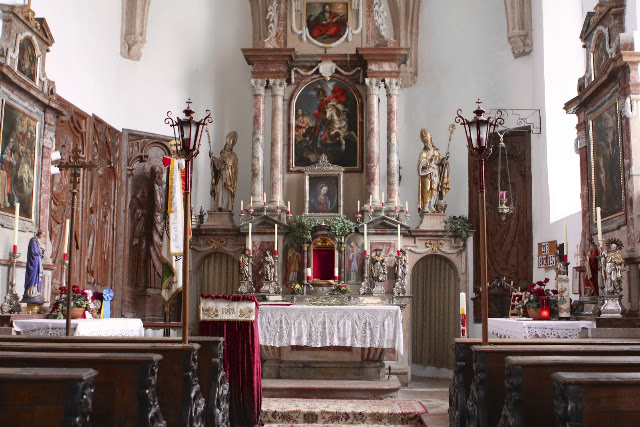
The chapel
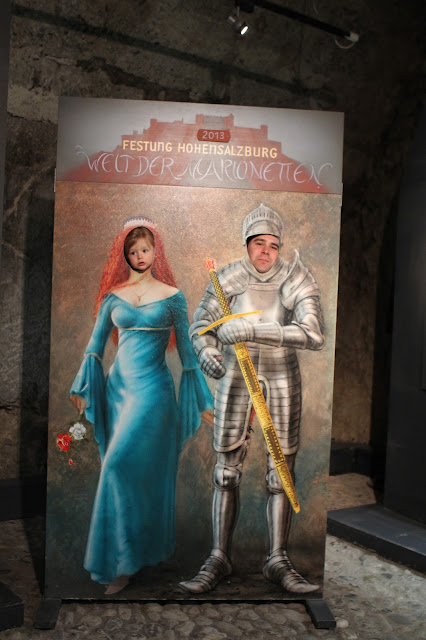
Julia found her knight in shining armor
Leaving the main castle
“My milkshake brings all the boys to the yard…no, really. Where’s my milkshake?”
Castle tower
View from below
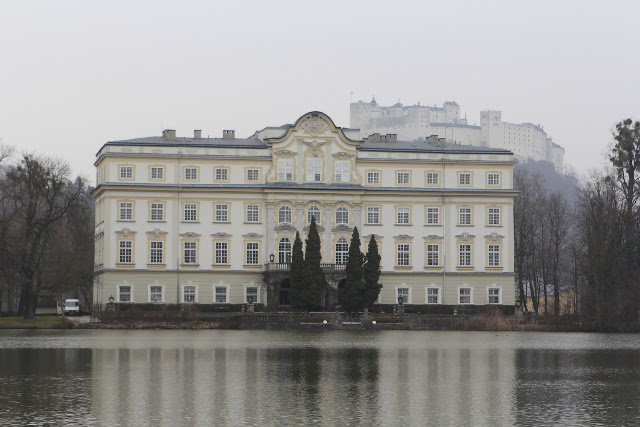
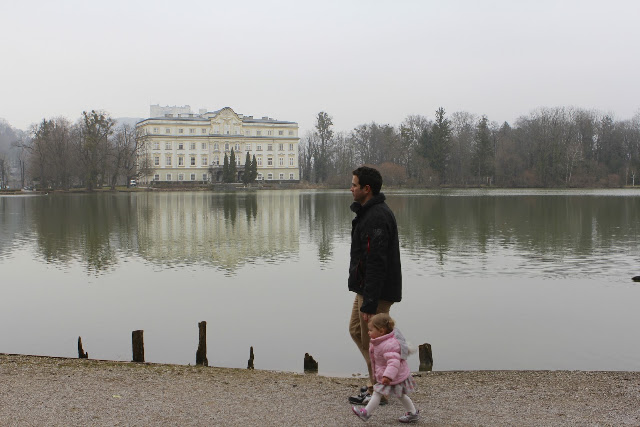
Next up, a classic Sound of Music attraction – Schloss Leopoldskron. The movie was filmed in Salzburg in 1965 and Schloss Leopoldskron, an amazing estate just outside the city – served as the backdrop for some of the most infamous scenes. Surprisingly, the city’s fascination with the movie consumed me and I did an ample amount of research about the film. It turns out, many tour operators pass off the estate as the Von Trapp Family home featured in the movie. Couple points of order (during which, we’ll take a brief detour). The movie, The Sound of Music staring Julie Andrews (America’s earlier version of Julia Roberts) was based on the 1959 musical, The Von Trapp Family Singers. The musical was based on the real life Von Trapp family, a family that lived in Austria in the early 1900’s. OK – this brings us back to Schloss Leopoldskron, which is often falsely presented as the Von Trapp home. The real family did not live there (they lived in a more modest estate in another neighborhood). This was not their home in the movie (there’s only one brief front exterior scene of the Von Trapp home, and that was yet another estate). They did not film inside (the interior shots were done in Hollywood). So, why on earth would anyone come here? Well, it’s easy for tours to pass off as the home because it’s a wonderful sight to behold and who really remembers anyway?! The tie to the movie you ask… remember when the kids paddle home in the canoe to meet The Captain’s girlfriend (and fall in the lake, getting soaked in the process)? Well, that scene was filmed here (and the subsequent scene with the pink lemonade). In any event, it made for a nice walk along the side of the castle and down into another town. Plus, we still had a lot of sausage and pretzels to work off!
We followed a beautiful road that wrapped us around the castle
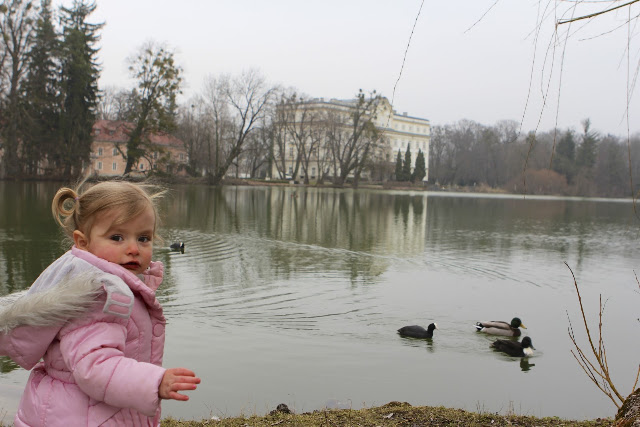
Julia kept wanting to “pet” the ducks – Villa in the back
Schloss Leopoldskron – castle in the background
A stroll with one of my favorite ladies
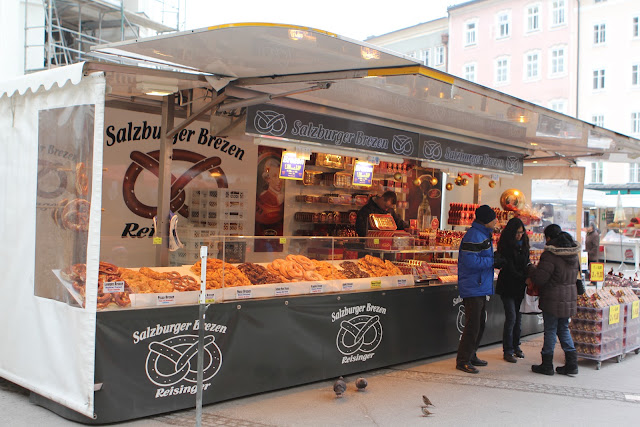
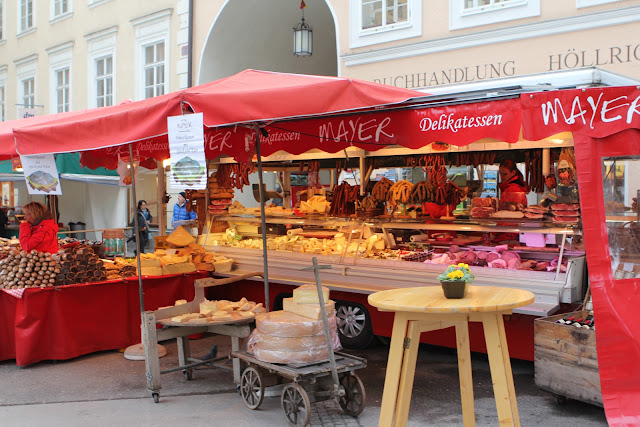
As we walked back, we navigated through town and then walked along the river. Our new mission – successfully make it to Augustinerkloster und Brau – a beer house and oh, so much more! But we passed an outdoor food market… the best kind of market. I had to stop and get a German sandwich.
Rooftop view along the route back to the city
Soft pretzels – I happen to be a sucker
I love me some vendor food – this place made a mean sandwich
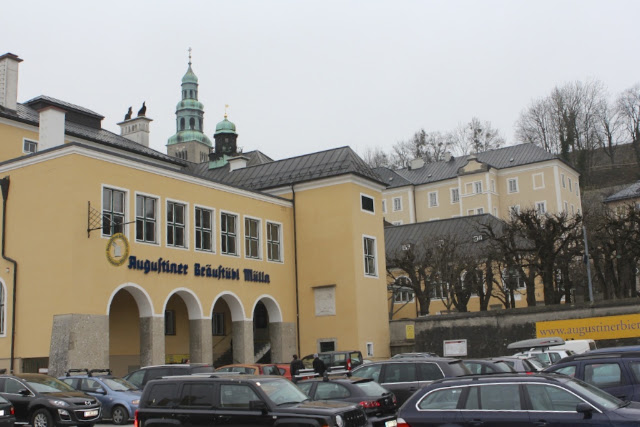
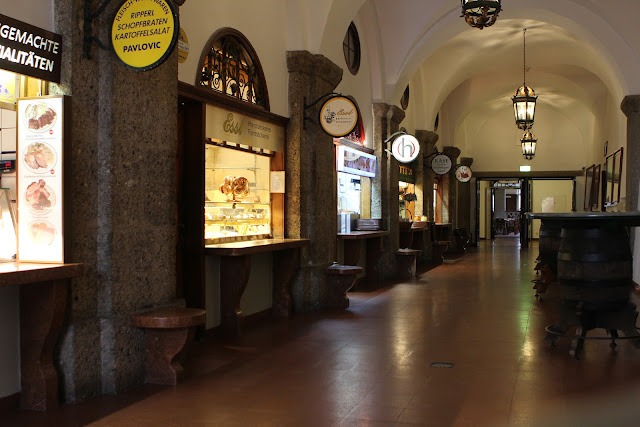
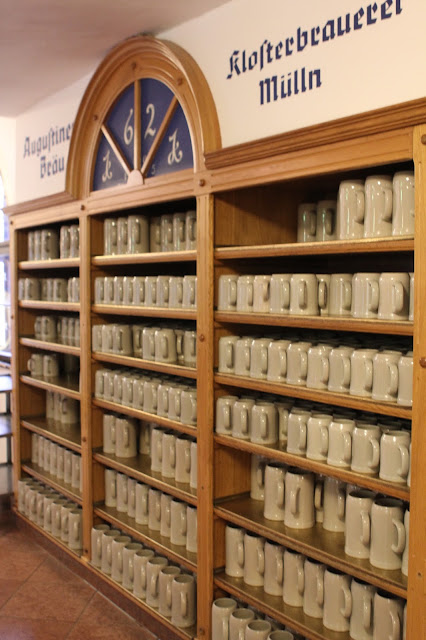
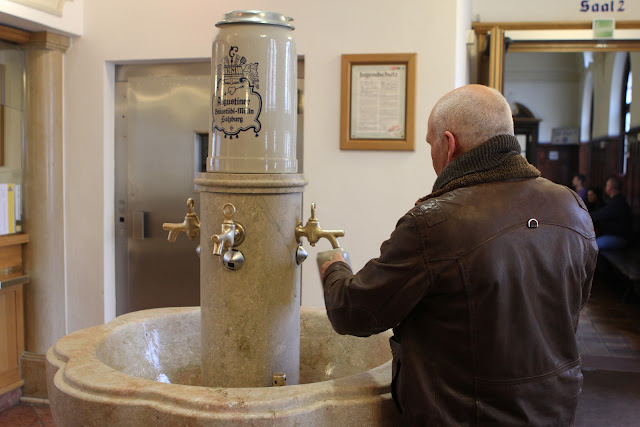
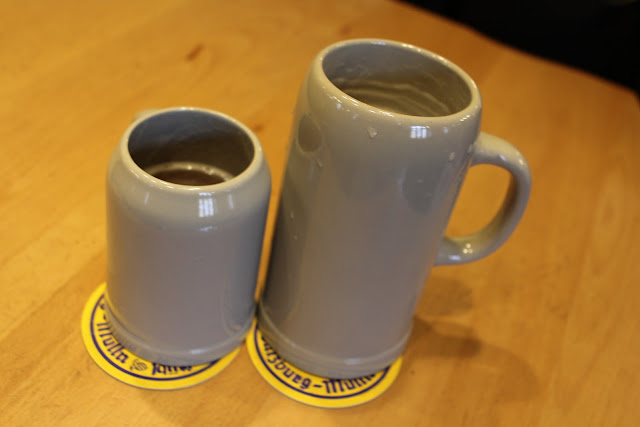
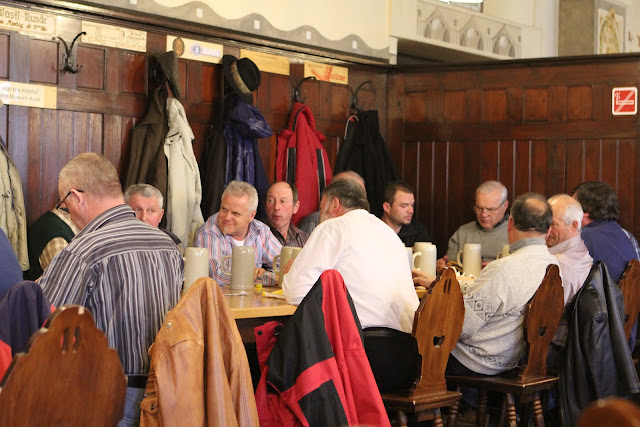
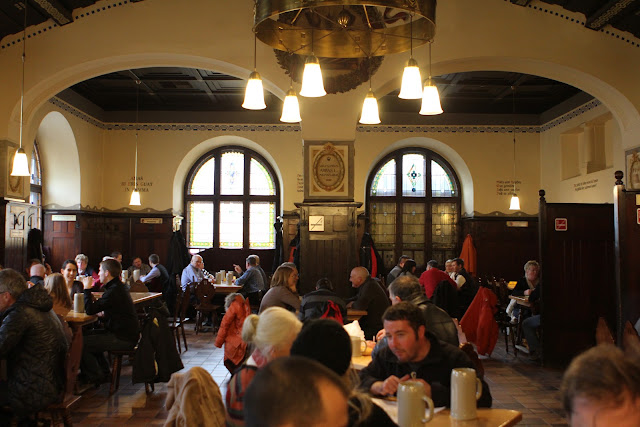
Eventually, we made it to Augustinerbier. The monastery, now turned beer hall is furnished with a large dining area (picture your mall’s food court, but exclusively German food… and no samples on toothpicks), several great halls for drinking, a beer garden and more. The brewery was founded in 1621 by Augustinian monks called from Bavaria. To this day, they follow the Purity Law of Brewing, set in 1516. Your journey begins by picking a mug (the size of your choosing) and then washing it in a communal sink. Next, you present your mug to be filled and go find your seat. Many of the tables are reserved, so move fast! We were among the first through the doors at 3:00pm on a Wednesday and the place was packed within 20 minutes. Many of the tables are reserved for individuals and companies – just like box seats at a stadium.
The most amazing beer house I’ve ever been to outside of Munich
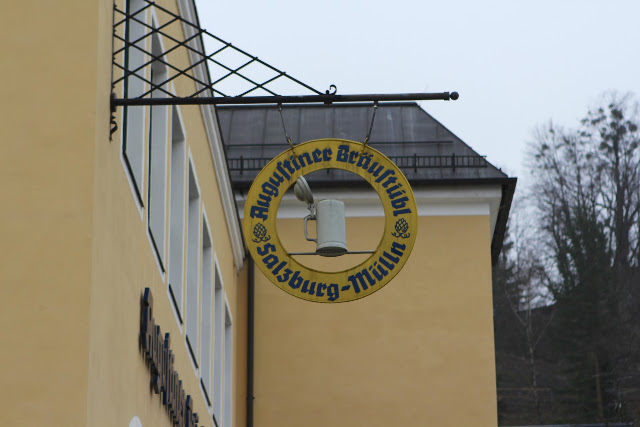
I think this says, “Come in and enjoy some beer”
Food court before the crowds arrived
Choose your mug
Give it a good rinse (that’s not me, by the way)
Guess who’s is who’s. You’re correct… mine is on the left. Jen has a wooden leg
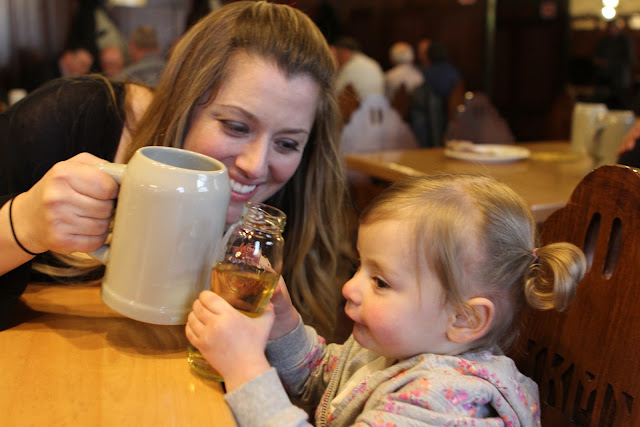
“Not, ‘cin-cin’ Mom… here you say, ‘prost’!”
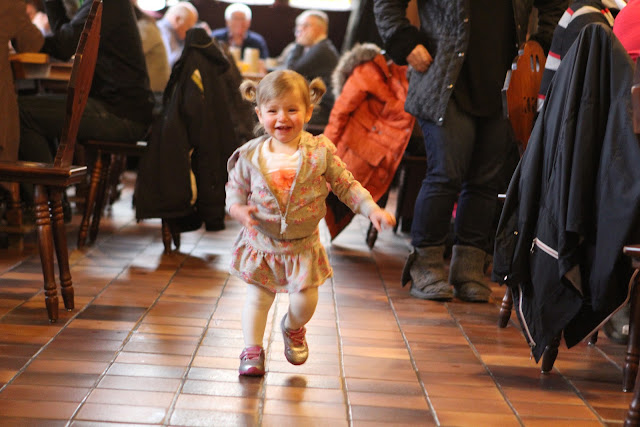
Julia on the loose!
Look at the placards on the wall – choice seats go for big bucks
One of the smaller drinking halls
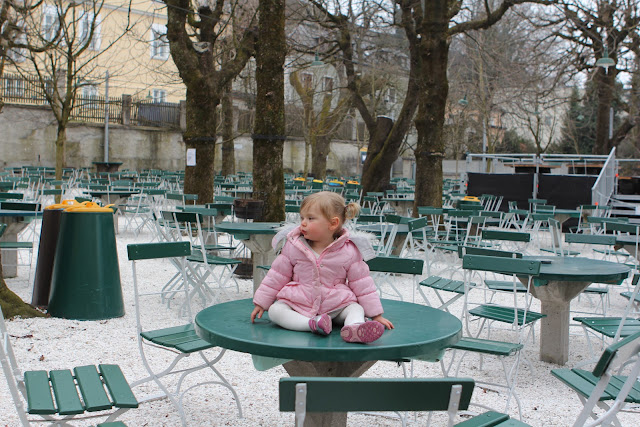
We were bummed it was too cold for the garden – maybe next time
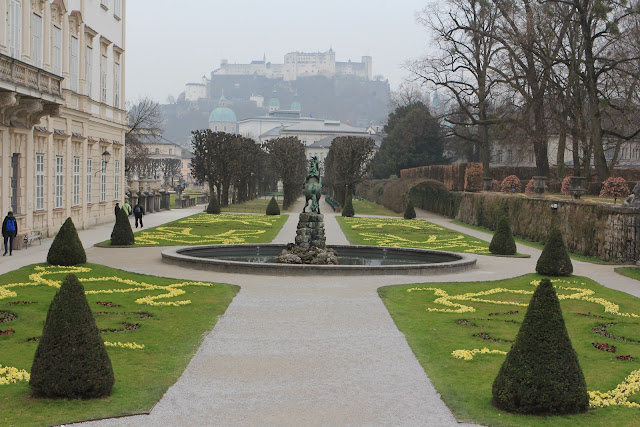
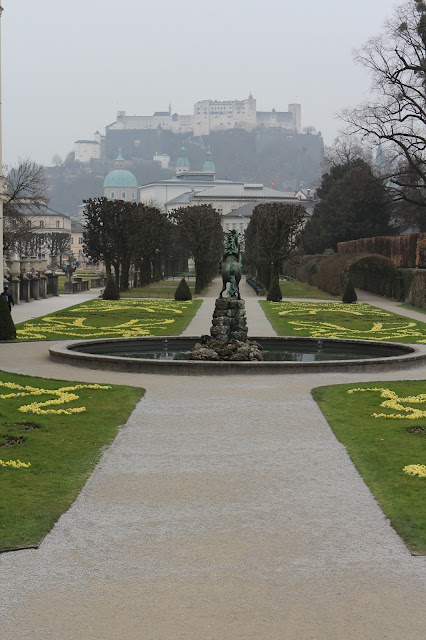
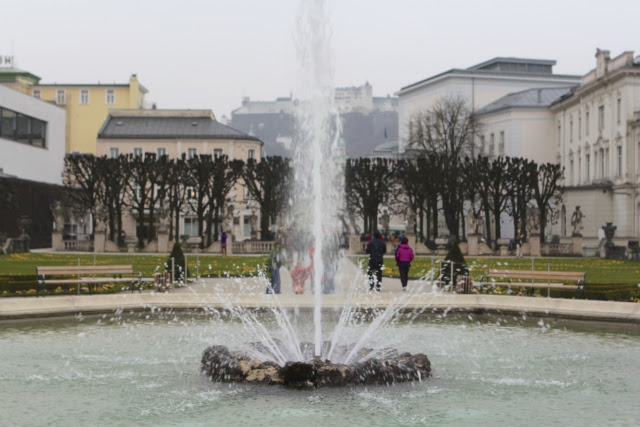
After a couple brews (and apple juices for Julia) we had another Sound of Music destination – Mirabellgarten. These immaculate gardens are beautifully maintained and offer the perfect line of sight to the castle on the hill. They are also great for singing “do-ray-me-fa-so-la-te-do” and running beneath a tunnel of foliage. I even helped a group of college girls photograph a replica of the moment when the Von Trapp family jumps on the entry steps. They could only jump about 4″ off the ground. It was not easy to photograph.
Beautifully maintained garden
Perfect juxtaposition with the castle – sad about the haze
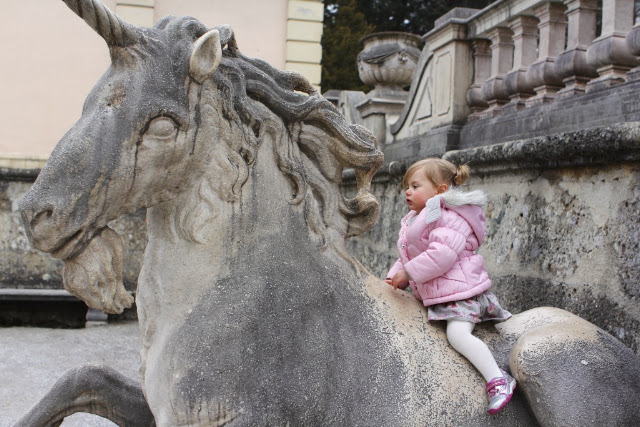
Julia wanted to ride the “horse”
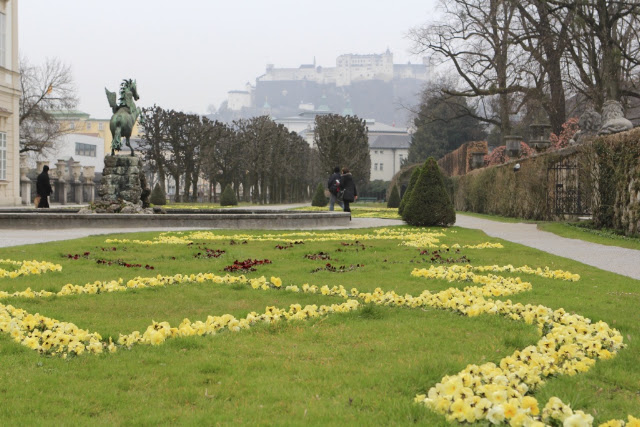
Early for flowers – but in a nice bloom
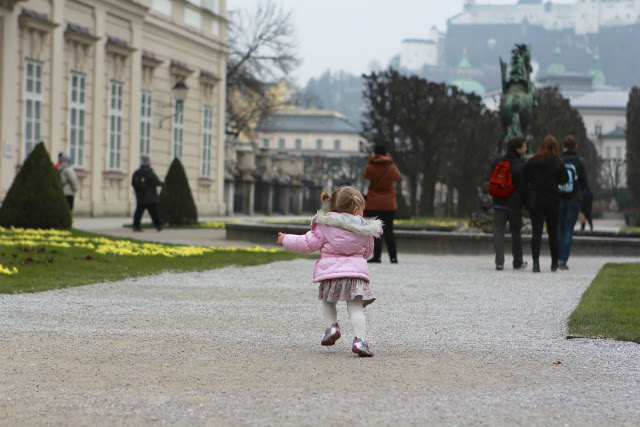
Julia ran around like a kid in a candy store
I had all of three seconds to capture this shot
The Von Trapps ran under this archway in the movie
A nice fountain
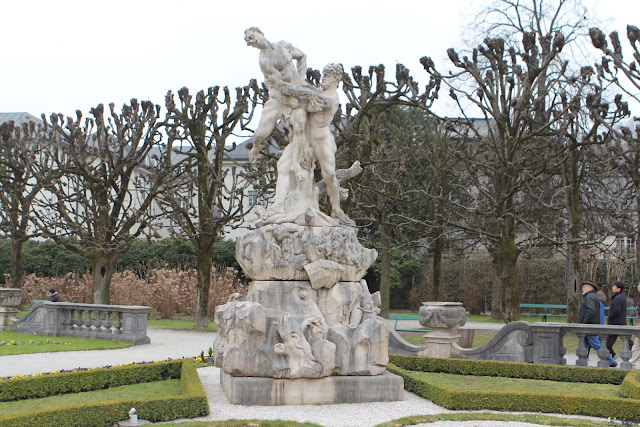
Many beautiful statues
As the sun fell behind my new favorite castle, we headed back toward the hotel to eat dinner. We finally found Das Stadtwirtshaus, a restaurant near our hotel that we were unsuccessful in finding the day before. The 24 hour wait was worth it – everything about the restaurant was exactly what we wanted. Truly authentic and delicious. Unfortunately, a full week in some of the most amazing places we’d ever seen and my camera’s memory card was full, so you’ll have to imagine this meal along with us.
The next day we woke up early and enjoyed a nice breakfast in our hotel. Afterward, we piled into the car and began the six hour ride home. Our three-day trip that turned into a two-country-week-long-tour was finally over. And so are the stories about this particular family adventure. Thanks for reading!
Apparently I’m the only person in the world to forget that, “The Sound of Music” took place in Salzburg, Austria. I base this observation on the countless number of tour operators and tourists we observed visiting and posing at key movie locations. However, thanks to a quick iTunes movie download in the hotel, we were quickly singing our doe-ray-me’s along with the rest of the cheese balls.
Not only was this classic movie set and shot here, but a fairly famous musician was also born and raised in the city. Perhaps you’ve heard of him… Wolfgang Amadeus Mozart. Salzburg is an amazing city filled with a rich history and jaw-dropping beauty. We left northern Italy for Austria on a whim two days prior. We continued riding that whim and drove further into Austria to see Salzburg on the suggestion of family. Since our expectations of the city were nonexistent, they were easy to surpass – but I would think this city could have easily leapt the most lofty of them all.
Julia taking in the sights
Since our first day in Salzburg was framed with an incredible visit to Hohenwerfen Castle (HERE), we didn’t arrive in the actual city until mid-afternoon. Having spent more than the anticipated amount of time at the castle, we had a lot of ground to make up. We walked down Linzer Gasse until we crossed over Staatsbrücke Brücke (State Bridge), one of the oldest in the city. The original bridge was built in 1090 and now the 10th incantation of this passage stands with a plaque commemorating the slave labour from Eastern Europe used to reconstruct it during WWII.
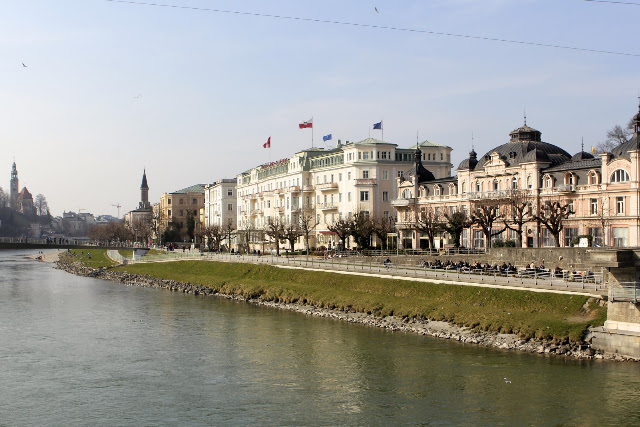
View from the Staatsbrücke Brücke
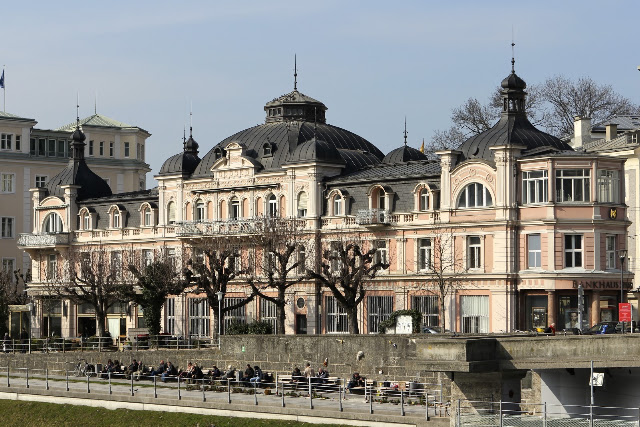
Landestheatre (Provincial Theatre)
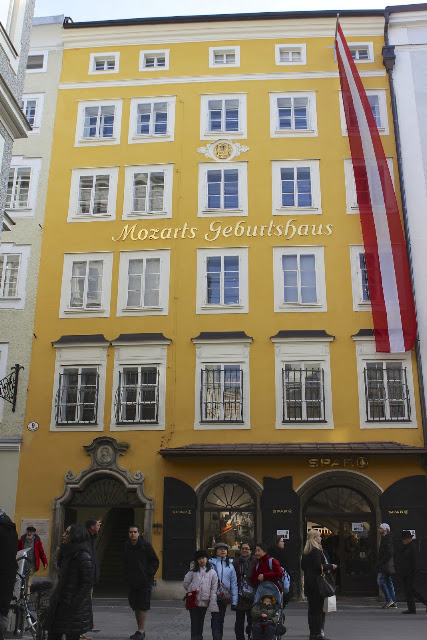
We spent quite a bit of time walking through the Altstadt (Old Town), taking in the marvel of the city. My carefully planned itinerary seemed to constantly evolve as we made turn after turn based on our curiosity, rather than our plan of attack. We strolled past the birthplace of Mozart, but declined to pay the €35 admission (for all of us) to see some old violins. Sorry, Wolfgang… I’m still a fan.
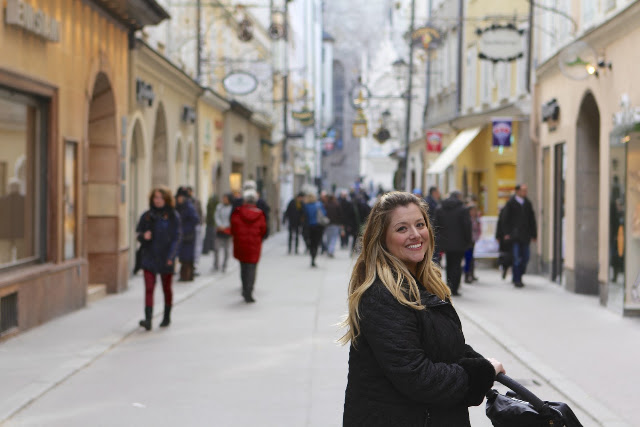
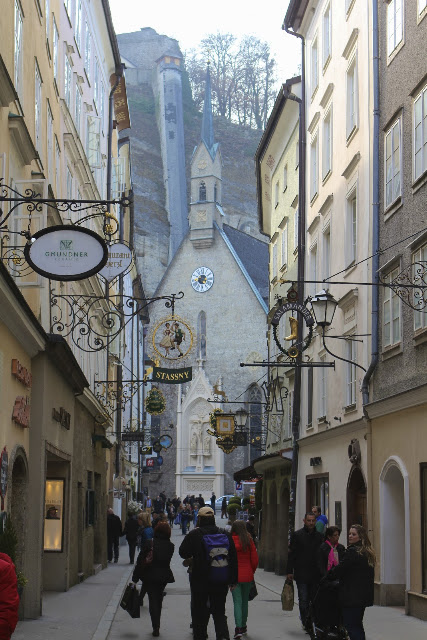
Street view – Google, I’m available for free-lance
St. Blaise’s Church at the end of the shops
Mozart’s first “crib”… literally, he was born here
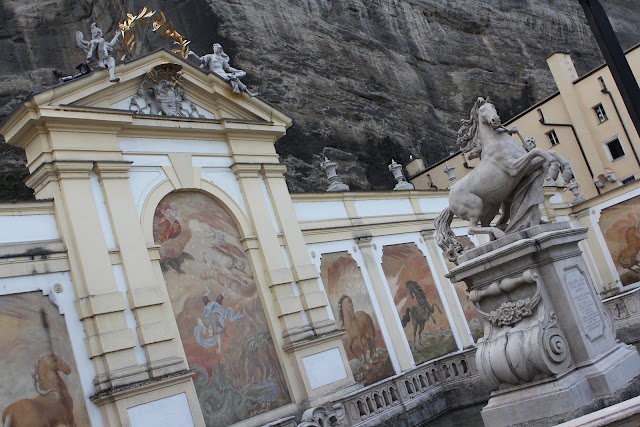
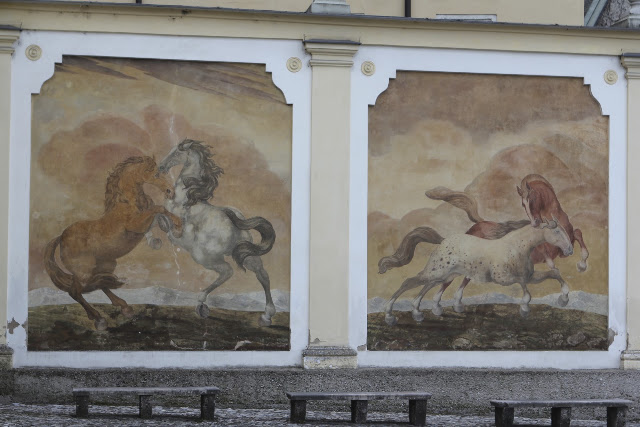
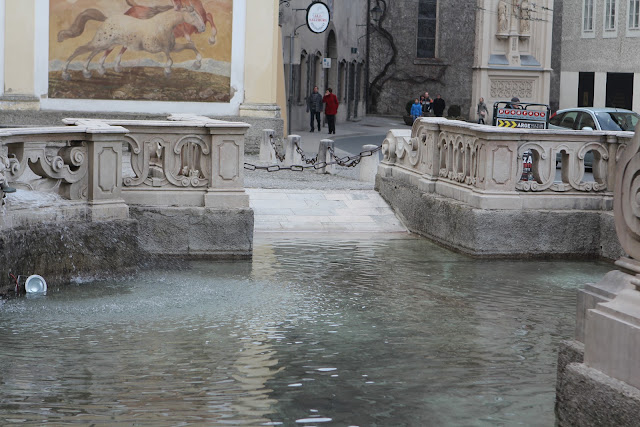
We next discovered the Pferdeschwemme (Horse Pond) – one of two remaining in the city where horses would go to get cleaned. In the middle stands a statue, Der Rossebändiger (horse whisperer), which is a bit of an inside joke unique to the city. Not sure I got the joke, but we did enjoy the spectacle.
The Horse Pond with the “funny” statue in the middle
The pond is carved directly into the face of a mountain
A better view of the horse’s entrance
At this point in our voyage we were at a critical crossroads. We could head northwest to the Augustinerkloster und Bräu (Monastery and Beer… a beer garden) for a brew and dinner. This would consume the remainder of our first of only two days. Or we could head southeast and continue further into the city. I wanted it all, but knew we had to chose. So we made the right choice – stay another night and do it all! We postponed the Beer Garden for the next day.
We were happy with our choice to stay another day
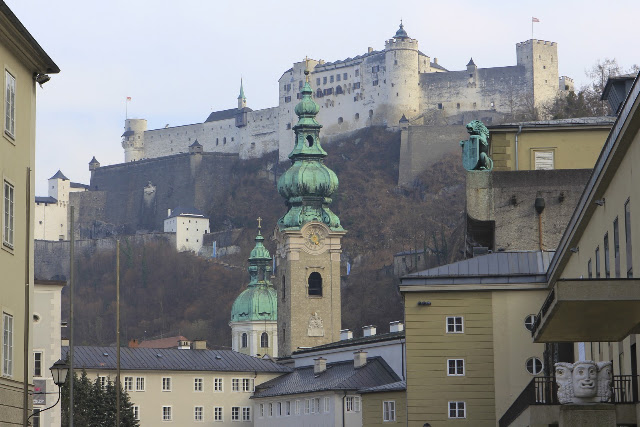
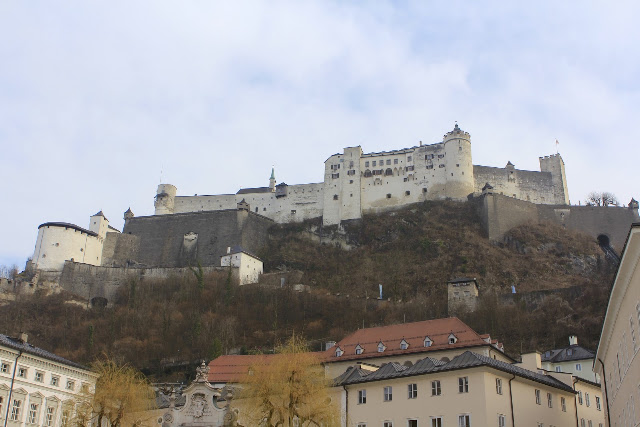
We walked along Hofstallgasee, passing by some incredible sights – and always with an eye upward at Festung Hohensalsburg (the Castle that sits overlooking the city).
Festung Hohensalsburg above the city
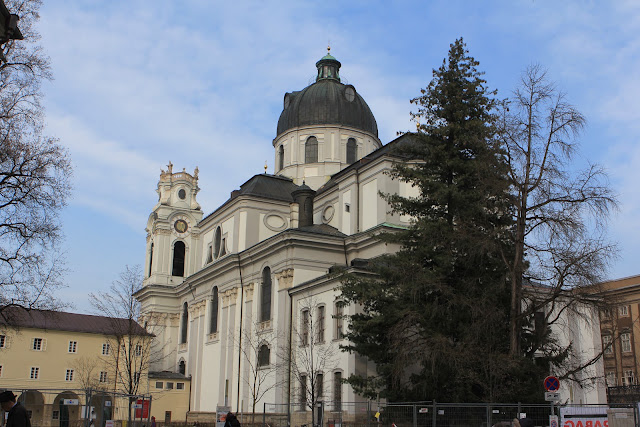
Kollegienkirche (Collegiate Church)
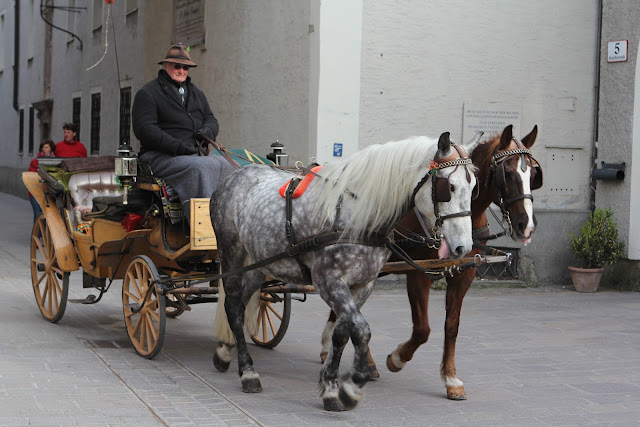
A nice horse and buggy through the city would be fun
And the castle again
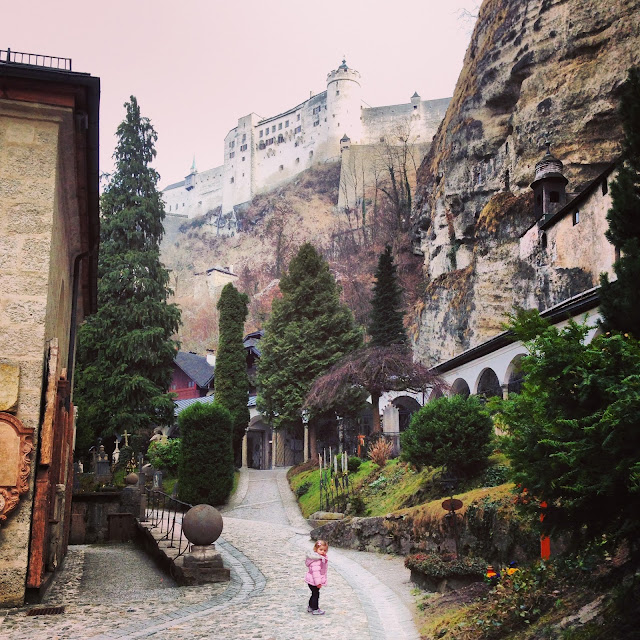
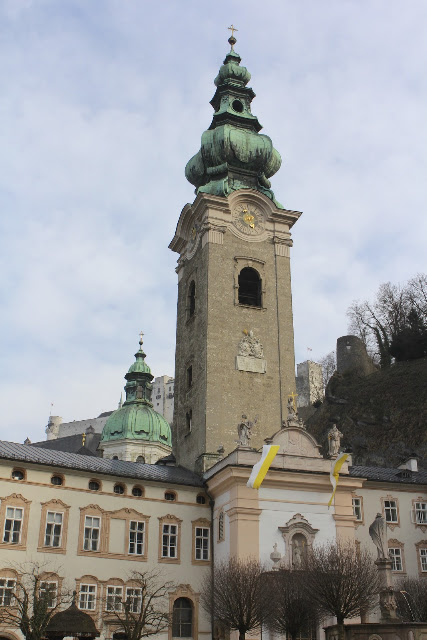
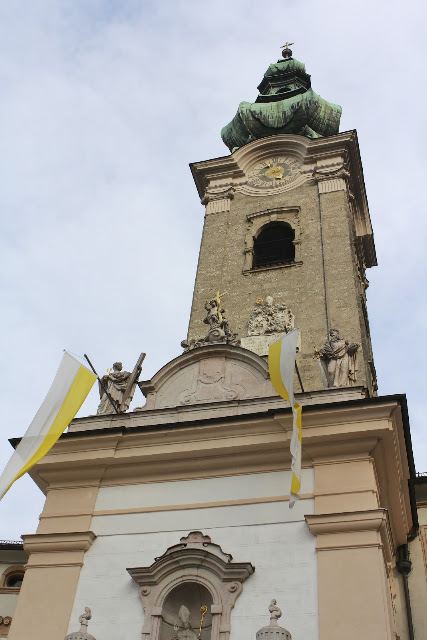
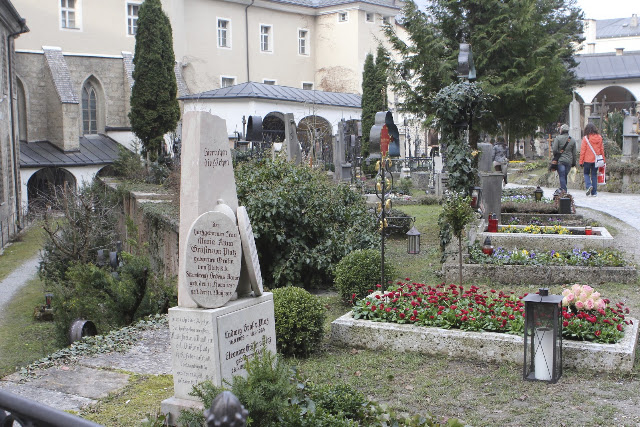
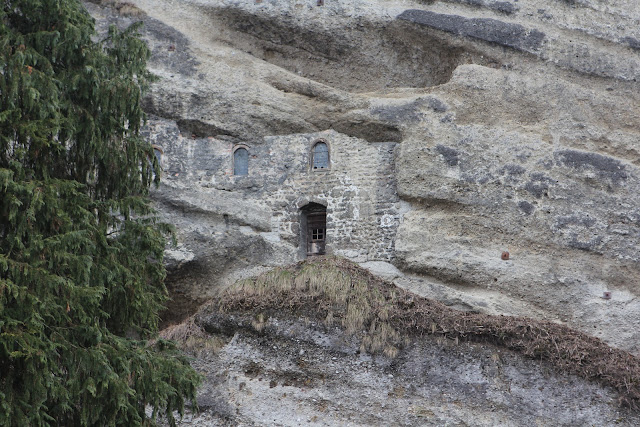
This path led us directly to St. Peter’s Abbey, one of the oldest monasteries in the German area. The abbey was formed in 696 by Saint Rupert. During medieval times, the monastery was known for its educational prowess. Adjacent to the monestary were catacombs that were carved into the face of the mountain, just next to the cemetery. St. Peter’s Cemetery was created at the time of Late Antiquity and therefore, older than the Abbey itself. The dead have been buried here for 1,300 years.
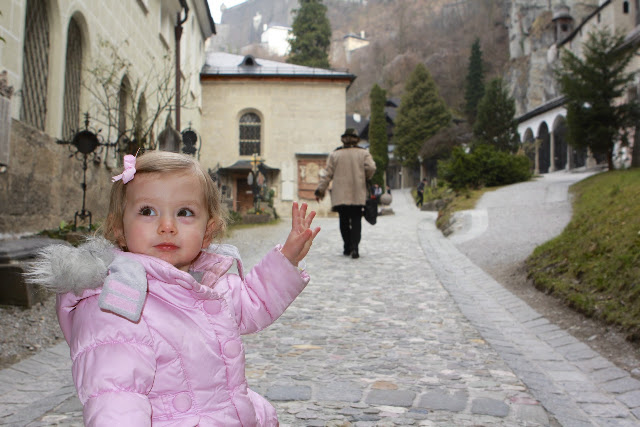
Welcome!
Inside the courtyard
The Abbey at Saint Peter’s
“Hey guys, let’s go!”
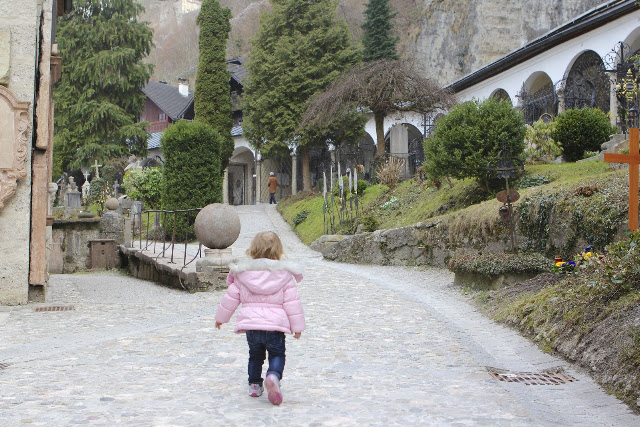
“I’m not waiting for you suckers, I’m off!”
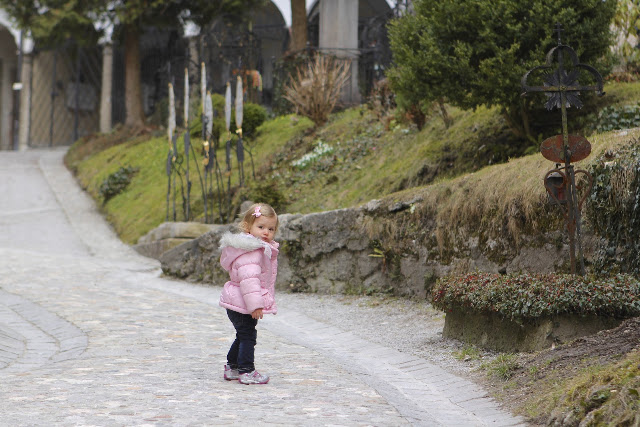
“Are you coming?!”
The cemetery
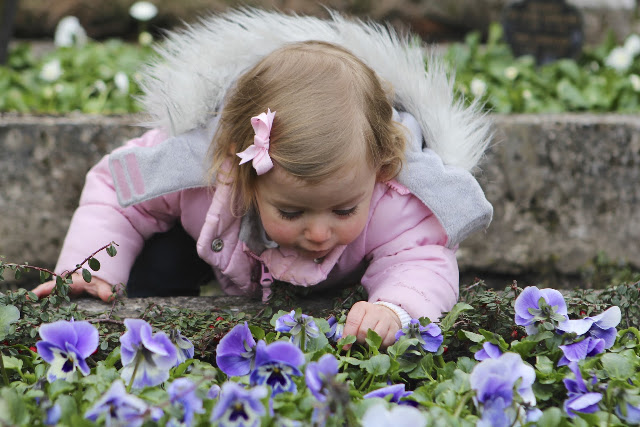
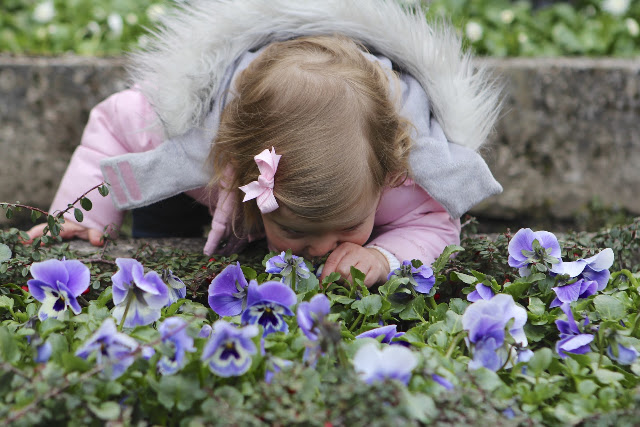
Always time to stop…
…and smell the roses
Catacomb Chapel built directly into the face of the mountain
Private burial sites
“I love this place!”
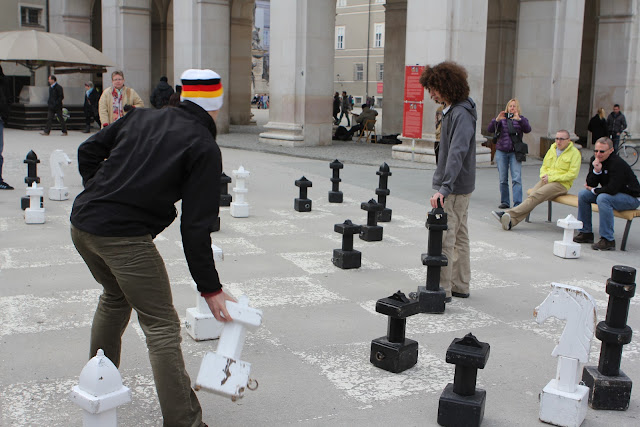
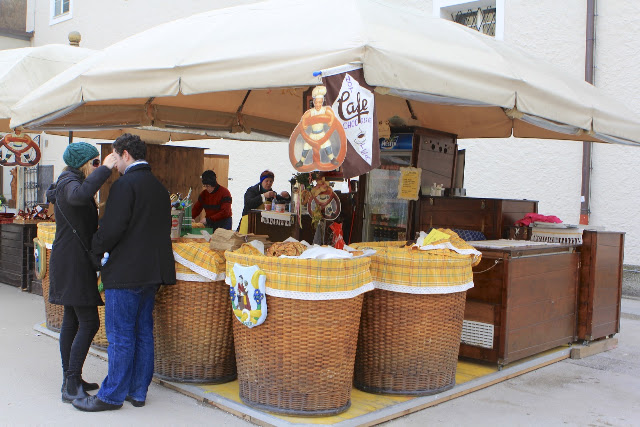
After leaving the awe-inspiring Abbey, we stopped to watch a life-sized chess match in action in the Domplatz (plaza outside the Dom). One of the other spectators was nibbling on a giant pretzel and we had to get in on that action!
Check… and… mate!
Num-num-num!
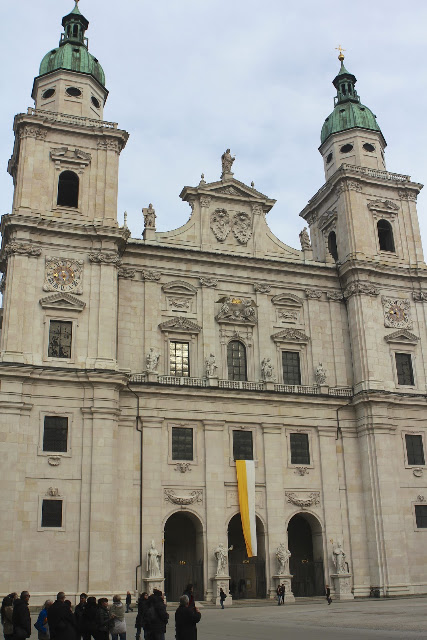
Next up was the Dom of Salzburg, or Salzburg Cathedral. Today’s baroque style cathedral was finished in 1628 and replaces the original cathedral built on the site in 774. I’m sorry to admit, but most European cathedrals, while beautiful – do not particularly hold my attention. However, the Dom was different. My father-in law (Dominic) may say it’s because of the name – but I think perhaps the artwork and painting intrigued me a bit more. We barely got out before closing, and somehow I became the valet as 30 people exited through the surprisingly heavy door I was holding. Good thing I had eaten that pretzel for strength!
The Salzburg Dom
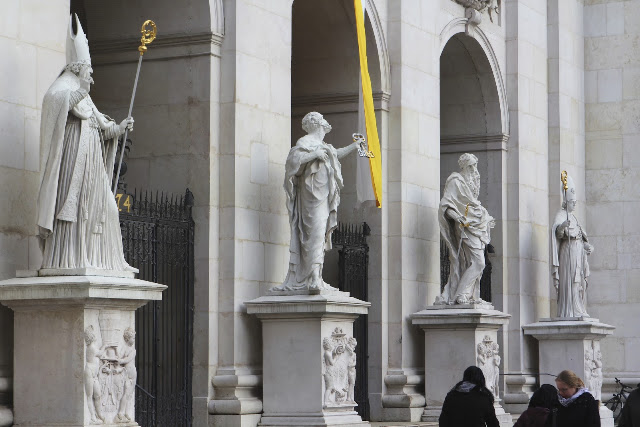
Allegoric figures representing an Angel, Devil, Wisdom and the Church
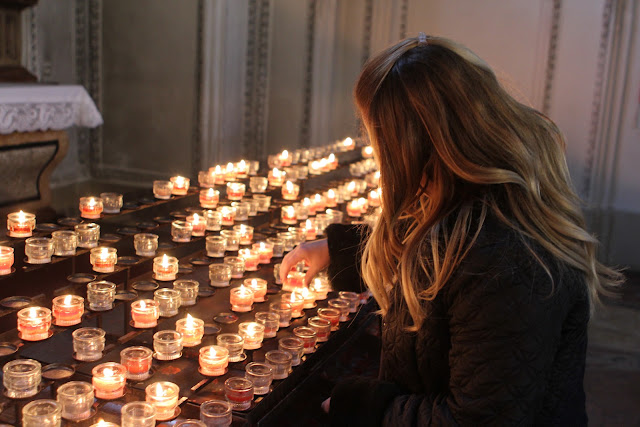
Jen lights a candle
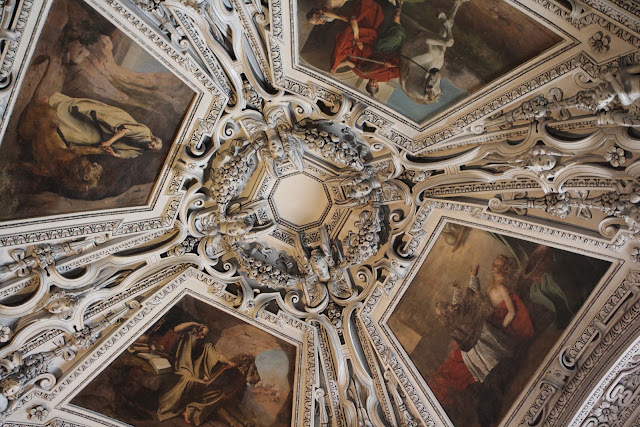
Inside one of the domes
I promise – this door is as heavy as it looks
The day was winding down, and Julia needed to eat. OK… I needed to eat. We walked back toward the hotel and searched for a restaurant the concierge recommended, Das Stadtwirtshaus. Our German hadn’t improved since we first arrived in Austria and we couldn’t find the place. Instead, we found Altstadtheuriger-Bruderhof – a modern place that blended classic German cuisine with a contemporary style. The result was delightful. And Julia couldn’t have had any more fun!
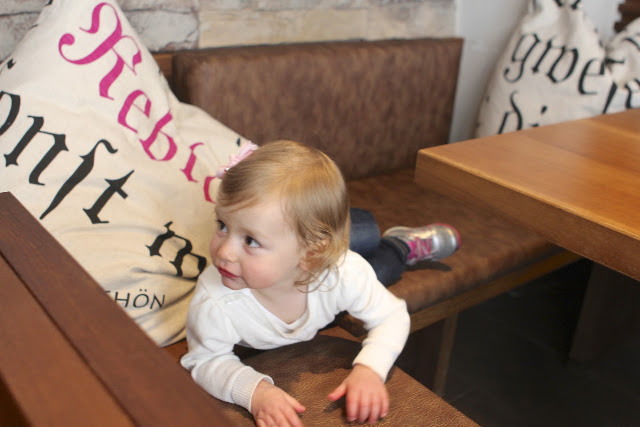
“We’re eating weinerschnitzel?! Hahaha!”
“Daddy, you’re so funny…you said schnitzel!”
“BWHAHAHAHAHA!”
“Oh, did you want to sit here?!”
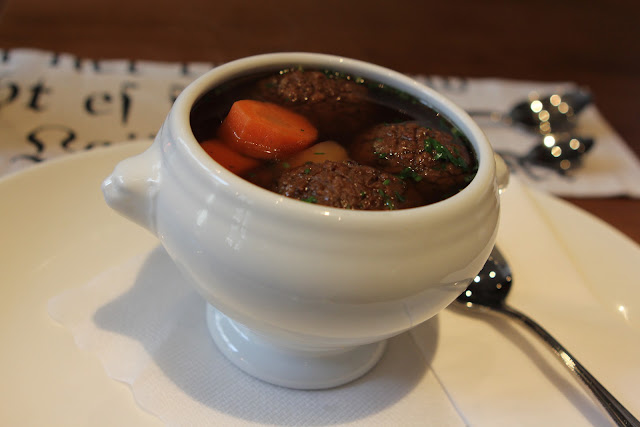
Clear beef soup with root vegetable and liver dumpling
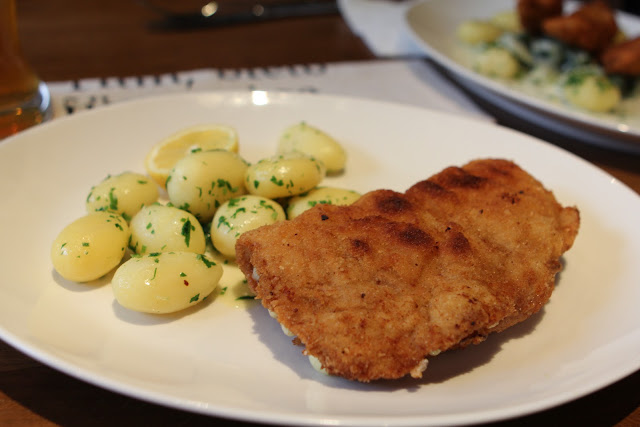
Wienerschnitzel served with parsley potatoes
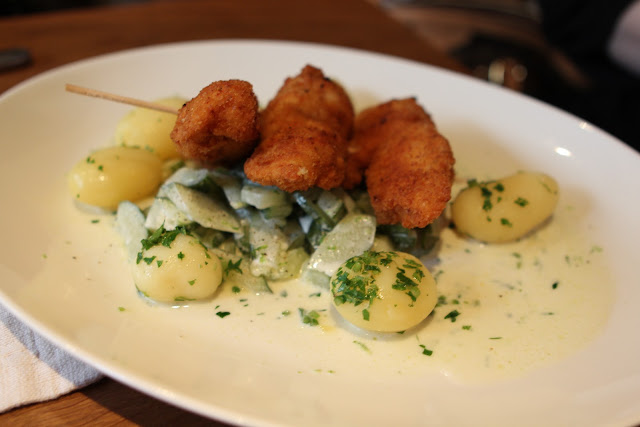
Baked breast of corn chicken
served with a creamy and lime flavored cucumbers and parsley potatoes
At the end of the day, we still hadn’t visited the castle overlooking the city, had a beer at the beer garden or seen any of the classic Sound of Music sights. Glad we had planned to stay an extra day – we would be busy waking up the hills with the sound of our music tomorrow!
Strange… not only do they not say, “g’day mate” in Austria – they speak German! Oh well, what’re you gonna do?!
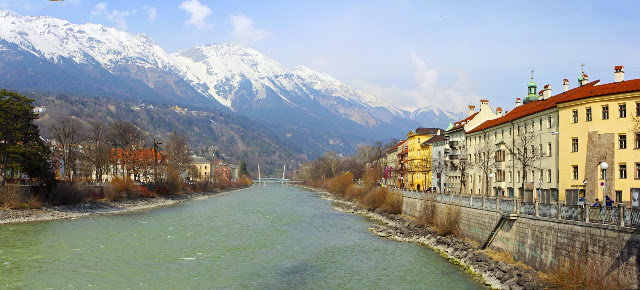
Innsbruck, Austria
After we spent four wonderful days in the Dolomiti mountains (which you can read about HERE and HERE), we planned an impromptu trip to Austria. The Dolomites span across the northern end of the Italy, just south of Austria. A quick google search confirmed that we could arrive in Innsbruck in under three hours and the opportunity was too good to pass up. Once we explained our plan to visit Innsbruck to Claudia’s cousin, Angelo – he suggested we also stop by Salzburg. Well, what’s another couple hours drive and another day or two? After all, we didn’t think we’d be back in Austria anytime soon.
I spent our last night in Canale D’ Agordo (Italy) booking an Innsbruck hotel, researching tourist attractions and planning our itinerary. I was up early, with breakfast in my belly and our luggage in the car by 8:30am. We got on the road at 11:30am.
The GPS took us on small streets winding through the mountains, as opposed to the faster Autostrada – and that was perfectly fine with us. The drive into Austria was probably the most pleasurable drive I’ve ever undertaken. While I loved chauffeuring my wife and baby, I must admit that I did envision instead riding my motorcycle; and sadly missed my poor Harley, sitting all by it’s lonesome in Maryland.
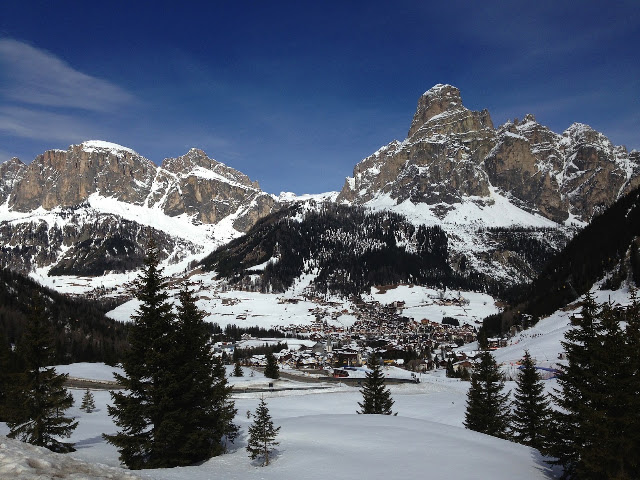
View from the road departing the Dolomites
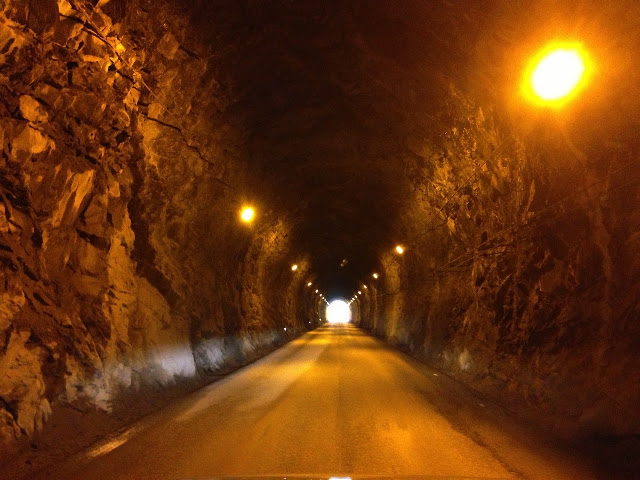
A two-lane tunnel shooting through the mountain
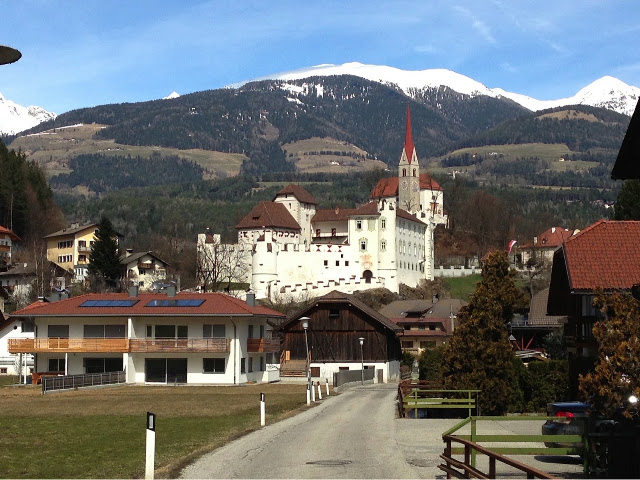
Jen and I were awe-struck by the mountainous scenery; but also impressed by one noticeable phenomenon. Once we crossed over the border into Austria, there seemed to be a castle or fortress at every turn. I was nearly giddy – I’ve been on a caste-hunt since I moved to Italy. And now I was as excited as a boy on prom night, knowing my first castle was just around the corner.
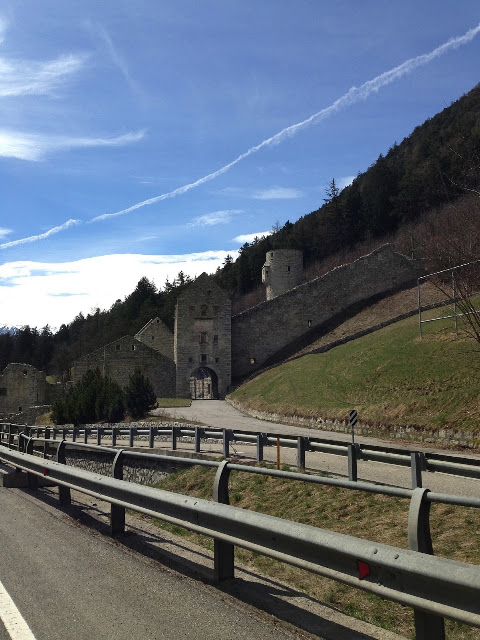
We were greeted by a castle almost immediately upon entering Austria
Older fortresses lined the newer road
We arrived in Innsbruck around mid-day and checked into our hotel. We set out to walk and enjoy some of the sights the city had to offer. Our hotel was centrally located (thank you, booking.com), so we wound slowly through the old city toward the funicular (cable car up the mountain). Innsbruck has astonishing mountains surrounding the entire city, and we intended on elevating ourselves high enough to command a view of the entire city.
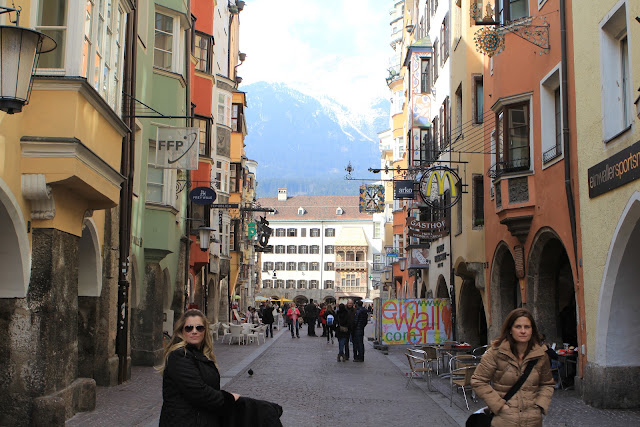
The Old City in Innsbruck
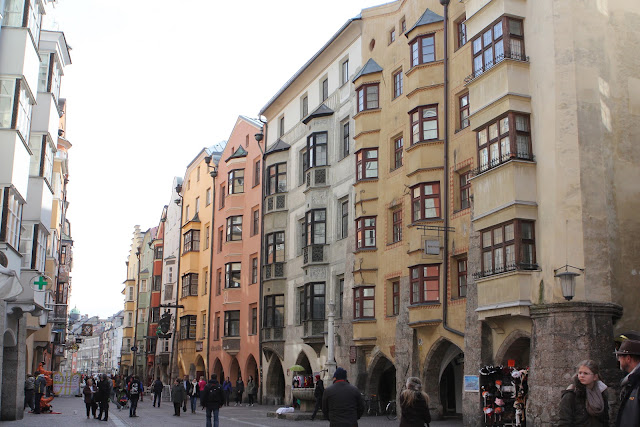
Great architecture
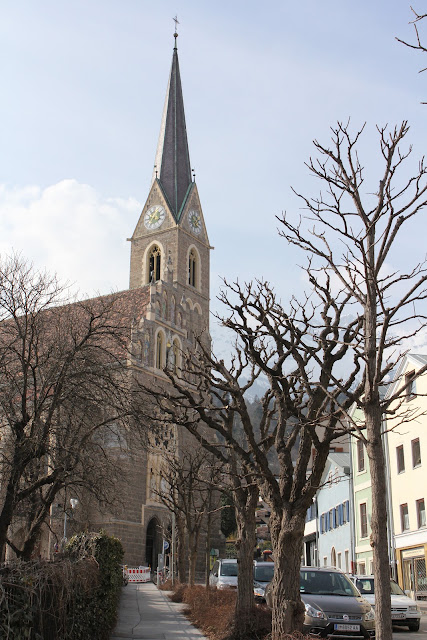
A pretty church peeking out
Along the way, we saw signs for the city zoo – an attraction I had read was enjoyable for families. Since it was on the way, we decided to let Julia have some fun of her own. What we didn’t realize was the trek was going to be quite challenging by foot.
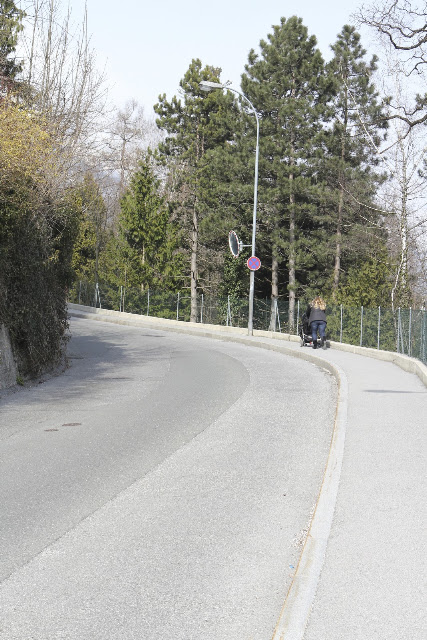
Talk about your uphill climb!
We were tempted to stop here, but we pushed on
We continued to climb for over an hour on steep vertical streets until we finally arrived at the zoo. We eagerly entered, excited to take a break from the climb up the mountain. Oooohhh… so sorry! Since the zoo was literally built into the side of a mountain – the zoo itself wound upward still. I guess that explains why the mountain goats had one of the most impressive exhibits (and one of my favorites).
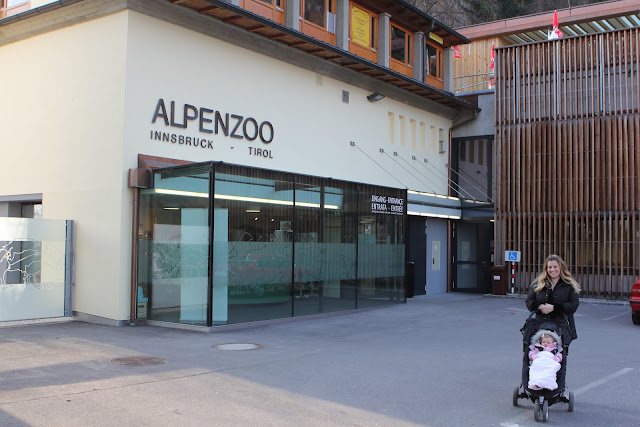
Alpenzoo – we made it!
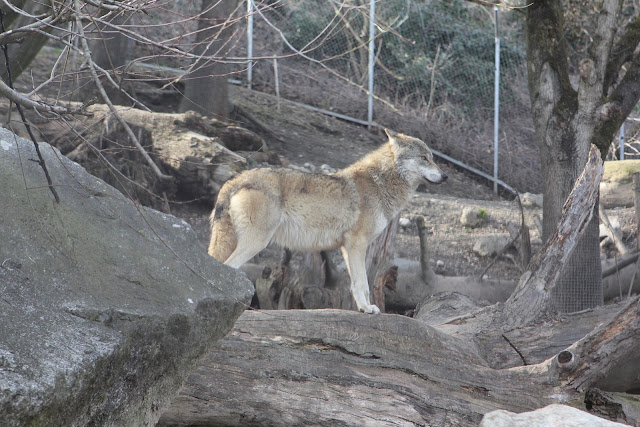
Majestic wolf – he had just finished dancing with Kevin Costner
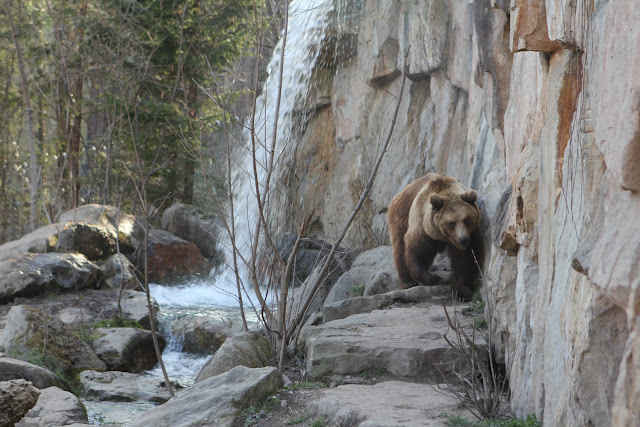
Large brown bear who got within feet of us
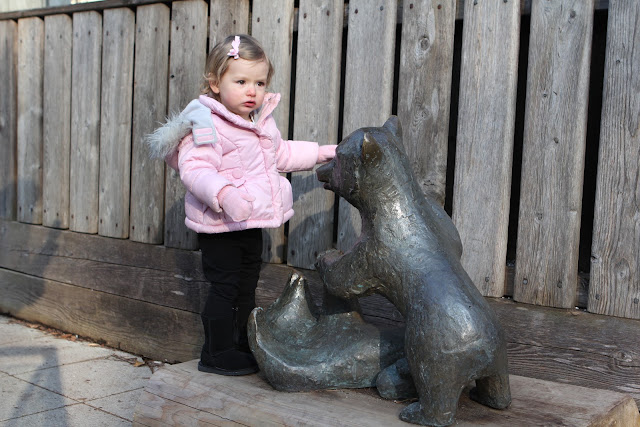
Julia wanted to play with a bear of her own
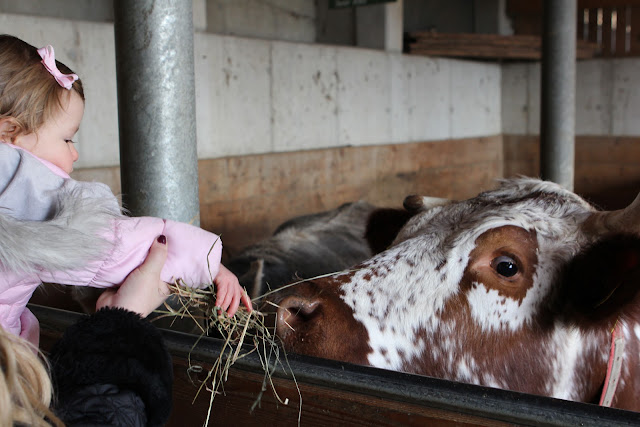
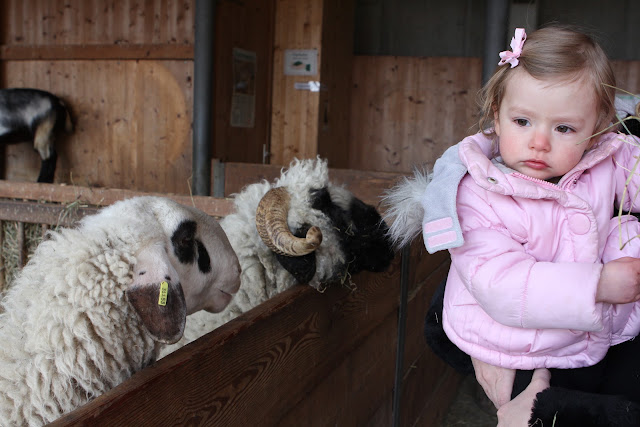
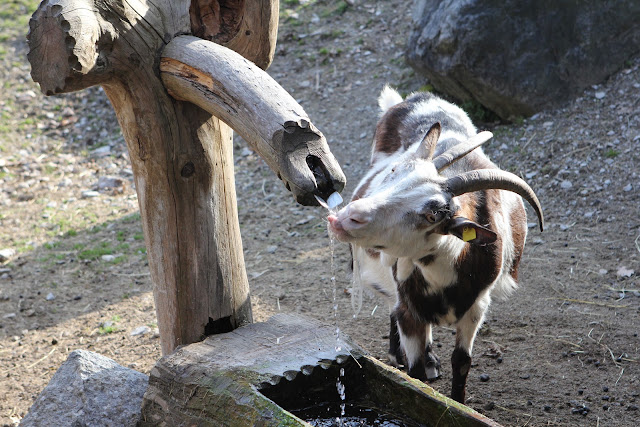
There was a petting zoo for Julia, who always loves getting a chance to pet the cute farm animals.
“Stop watching moooo eat!!!”
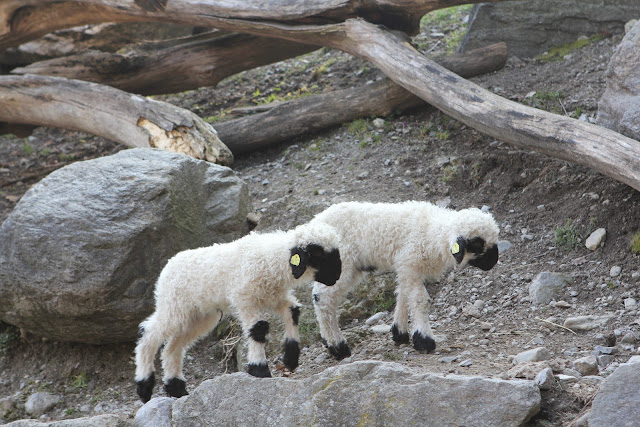
Adorable lil guys!
“Uhh, mom – these guys are a little scary”
Stopping for a quick drink
“Momma, guarda (look)!”
As we wound our way through the zoo’s path, we spotted various bird sanctuaries just off to the side. Everyone had the option to enter and get face to face with various birds (without any glass or cages). I opted to go in each one, but Jen has a small fear of birds so she didn’t go in any of these exhibits. However, strangely enough – the path eventually led us directly into one of these sanctuaries. There was no going around it, so Jen would have to confront her fear. Well, how bad could it be?
As we were walking through (a distance of maybe 20 yards from beginning to end) we first noticed the bird’s lunch – recently digested and lying about four feet from where we were walking. It did not help Jen discover a newfound confidence in these winged mammals.
Lunch?! Ummmm, are we next?!
Next, we came face to face with the great bird itself, taking a drink after it’s lunch.
“Oh, he doesn’t look so bad”
“Well, he’s coming closer”
“Umm, and closer!” (at this point – he was hissing)
Here is Jen, gripped by fear and making a dash for the door
This guy was clearly not happy we had come into his world. He perched atop a nearby rock and hissed until we both cleared from his home. I couldn’t help but laugh at Jen’s gripping fear coming full surface. That is, until I had to walk past him myself. I’d be lying if I didn’t say I hugged the right side of the wall. Next, we came to another one of these death cages. Only, this one was marked by heavy chains!!! What is this?! Some kind of torture zoo?! What type of carnivorous bird was in this exhibit?!
What lies behind the chains?!
Nothing but a bunch of these cute, little guys. WHEW!
After we finished at the zoo, we walked the short way to the funicular. The ride up was fun and the view was truly worth it. We stopped to get a bite for Julia – something that proved to be either a mistake or a wonderful turn of events (depending on how we decided to look at it), as we missed the final cable car by mere minutes. We started the long walk down, a bit nervous about how long the walk might take.
The funicular station
Jen and Julia at the base of the station
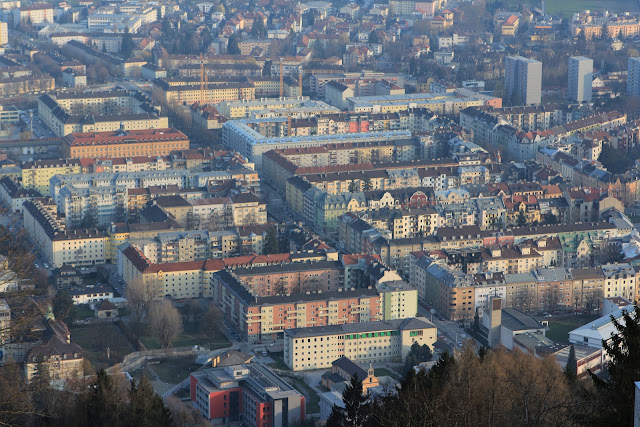
View over Innsbruck
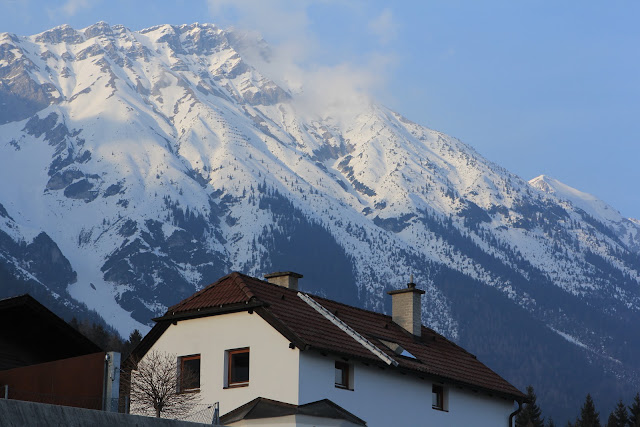
The beautiful mountains surround the city
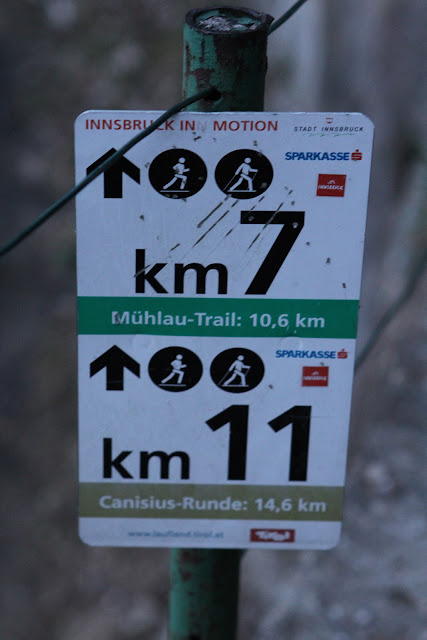
We thought it wise to follow a sign to the zoo, quite some distance below. I knew I could easily get us home from the zoo and so following the sign (as opposed to the actual road) seemed smart at the time. We had no idea this particular route would add a significant amount of time… but also give us a memory of Innsbruck we’d always cherish.
A sign we saw later, noting the path
We didn’t seem to notice as the road narrowed, and then the pavement disappeared. We were too taken with the beauty of nature and the view of the city in the twilight.
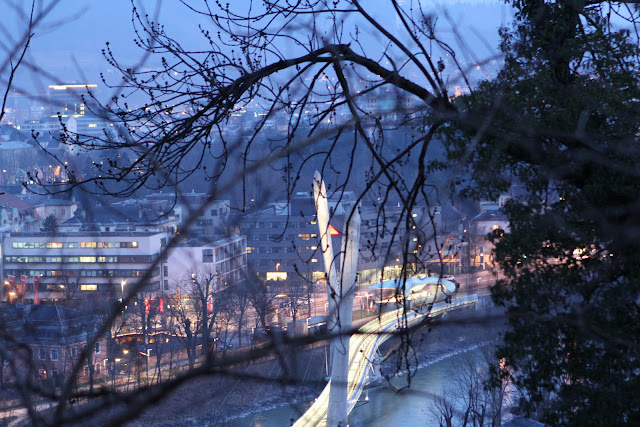
City view as the sun sets
A portion of the funicular
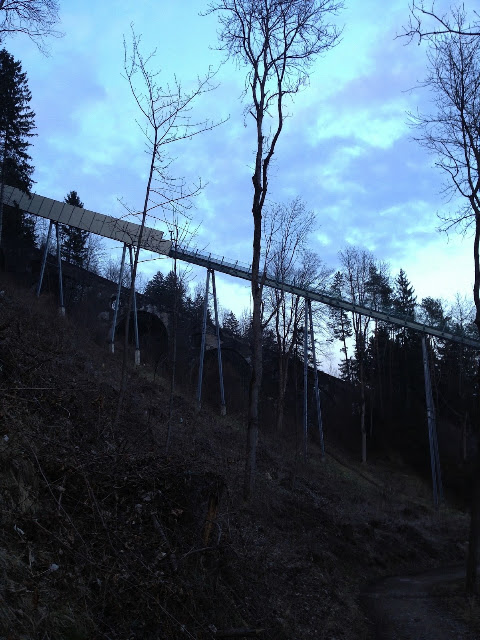
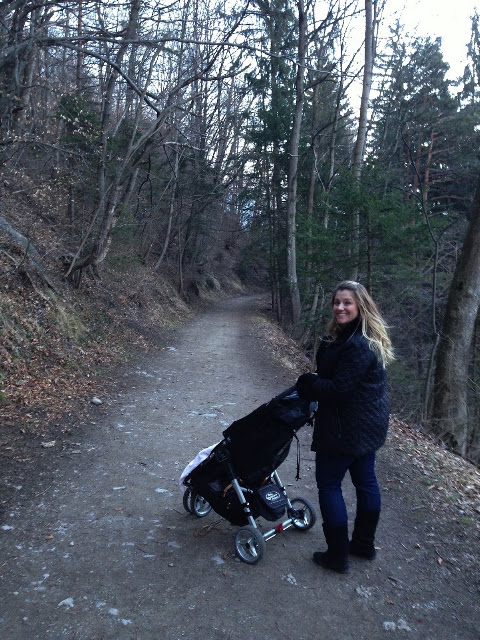
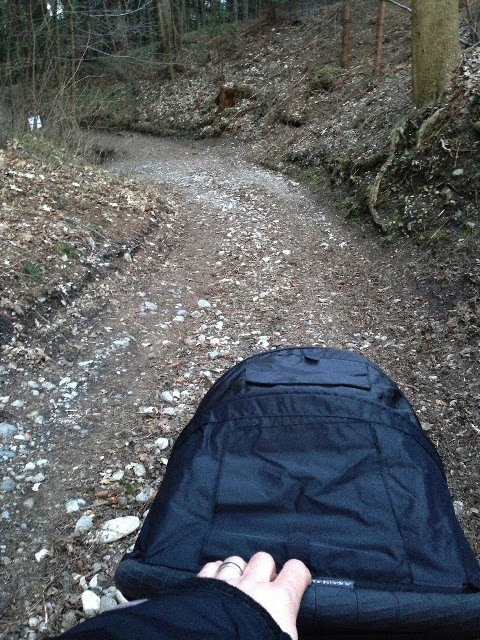
When the path started making sharp turns and the branches and rocks started bouncing Julia’s stroller more than a lowrider with hydraulics – we realized we made a mistake. As it turns out, our Italian is far better than our German. The signs we saw pointing toward the zoo were for mountain bikers – we had begun a trajectory that wound us deep into the woods, on a steep descent. There was just enough daylight to keep Jen from worrying too badly and so we made light of the situation. I pointed out the positives – it was certainly a much more direct route down the mountain… and when else would we have an opportunity to hike through the hills in Innsbruck?
The path here was still fairly simple
It got a bit trickier – I took over the stroller
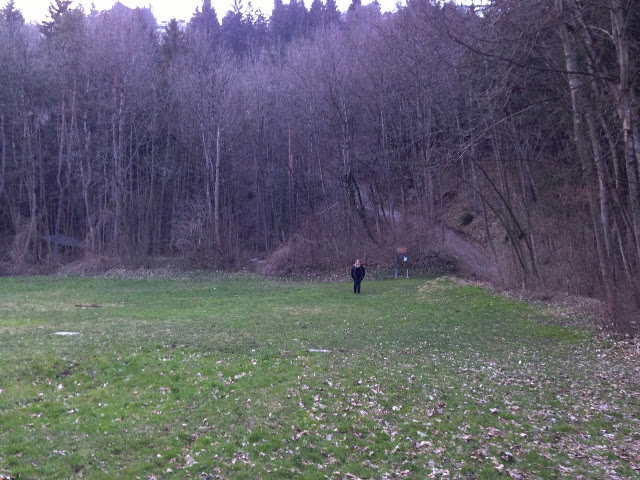
At one point, we found a vast clearing in the woods used as a small campground. I reassured Jen that if we couldn’t find our way out of the woods, we had a wonderful place to camp. She reminded me that we didn’t have any camping gear – I refrained from joking that our love would protect us.
A clearing along the way
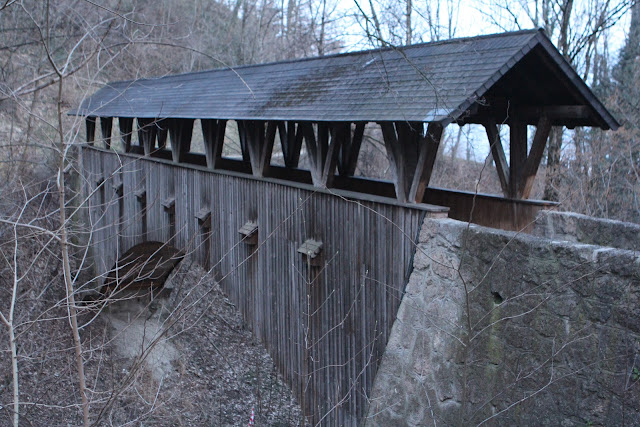
Charming old bridge we passed by (but not over)
Back on a solid path, nearly at the bottom
It was dark by the end of the journey
We crossed one final bridge to get back to the city
At long last, we made it the base of the mountain just as the sun had set. We rejoiced at our good fortune and decided a celebration was in order. Since Julia was already fast asleep, we grabbed a bottle of wine and had a little party for two in our hotel room.
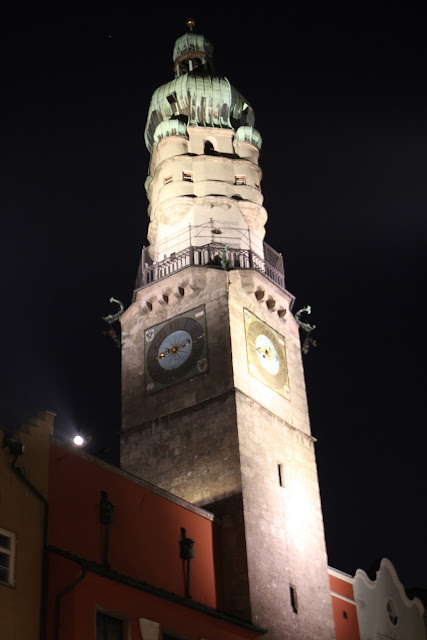
The main clock tower, back in town
Innsbruck is simply wonderful and we would love to have been able to spend more time there. But I had already planned the next day, andHohenwerfen Fortress (my first castle) was calling my name.
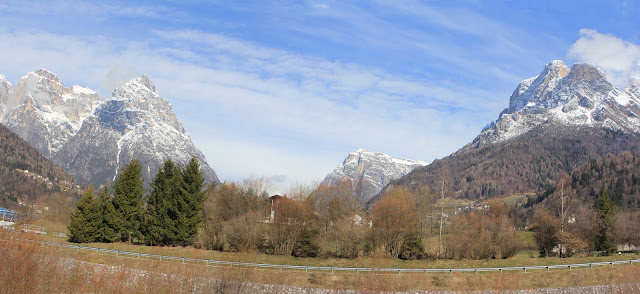
You may have recently read HERE about our trip to the Dolomiti (Dolomite Mountains) to visit Franco and Claudia over Easter weekend. What I wasn’t able to fit into that post, was all the imagery we captured of the most spectacular mountain range we have ever seen.
Hilltop view – I had to trespass to get this shot
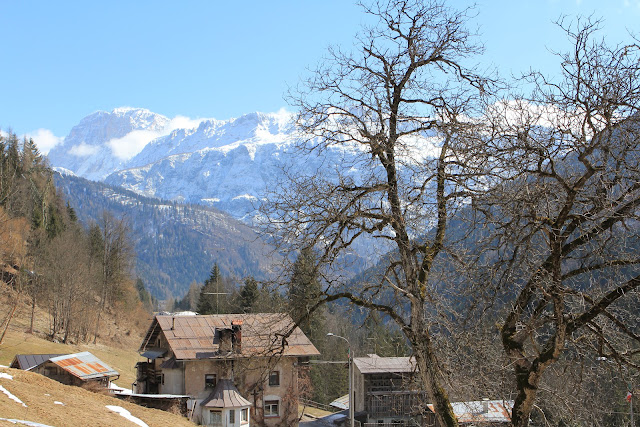
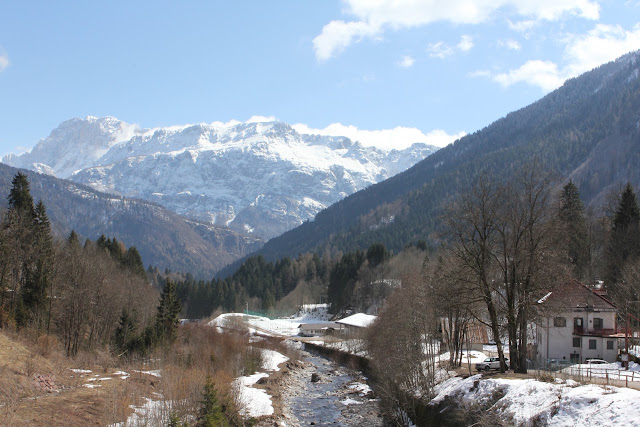
Mountain view from “Claudia’s” bridge in Canale D’ Agordo
We extended our trip in Canale D’ Agordo (Claudia’s hometown) by a day, because the three days we planned was barely enough to just scratch the surface in this region of Italy. Claudia wanted to show us not only her town of Canale D’ Agordo, but also the surrounding towns. We would like to now share them with you.
The day after Easter, we went to neighboring Gares, Claudia’s actual hometown. While she was born in Canale D’ Agordo, she grew up in Gares – a small town with barely a couple hundred residents. The only doctor in the region was in Canale and so she was delivered there, in her mother’s home. The very next day, her mother bundled her up tight and walked the some 10k back to Gares through a snowstorm to bring her home.
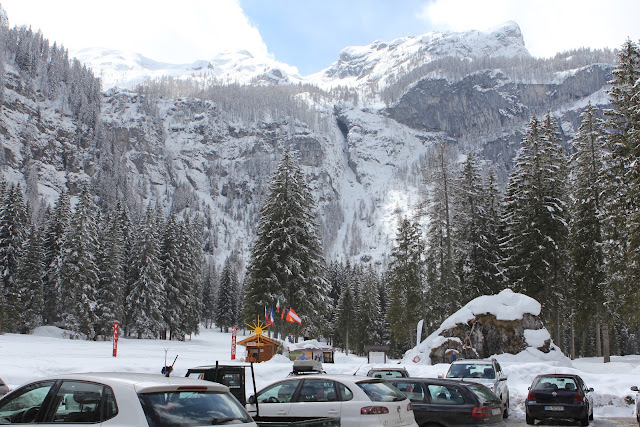
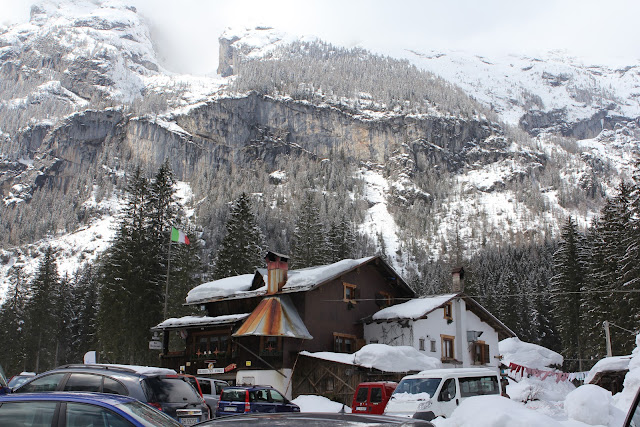
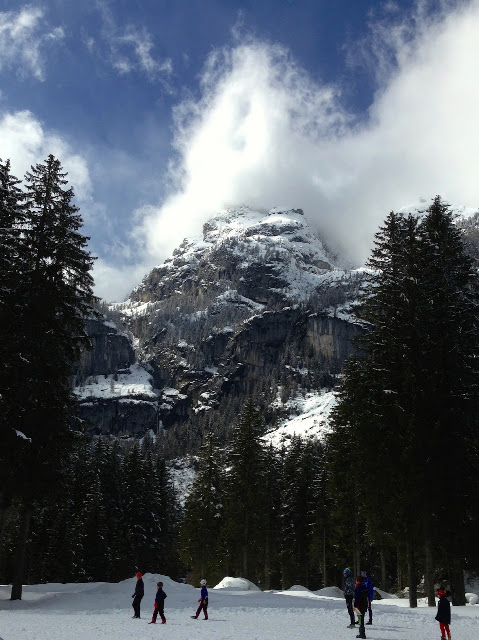
Sheer mountain range in Gares
Claudia’s cousin’s restaurant sits at the bottom of the valley
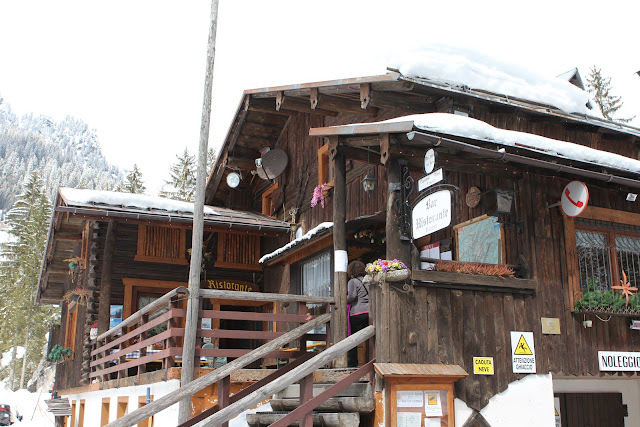
Today, her cousin owns a wonderful restaurant, at the foothills of a large mountain range. Not only was it a treat to eat some of the regional cuisine, it was wonderful to spend time with her family and see this incredible valley.
An incredibly charming restaurant
Special VIP reservations
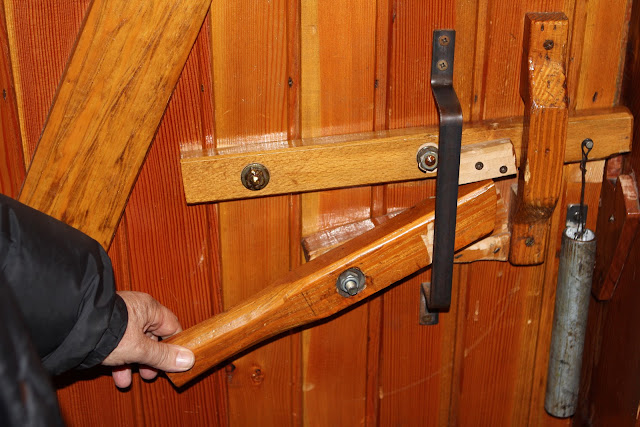
Franco demonstrating the high-tech weight, functioning as a door lock
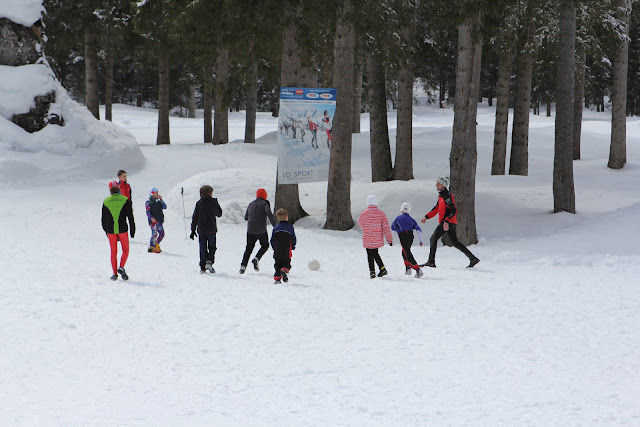
When you live in the mountains, this is your futbol field
The “field” at the base of the mountain
After lunch we walked all through Gares, a voyage that only took a couple minutes by foot.
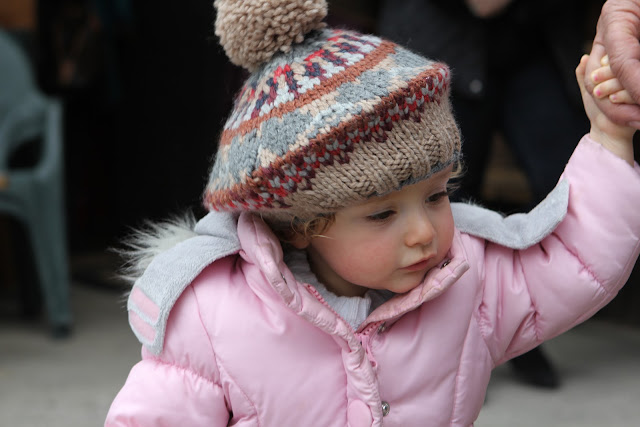
Julia sporting a fun hat for the mountains
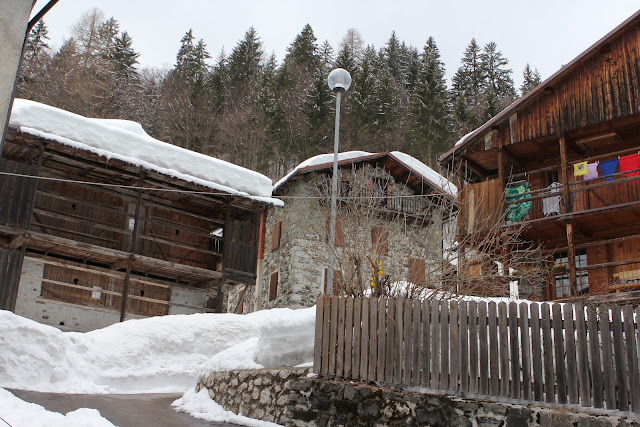
The main street bend in Gares
Part of the house next to Claudia’s original home
I crack up when I see these little guys driving around
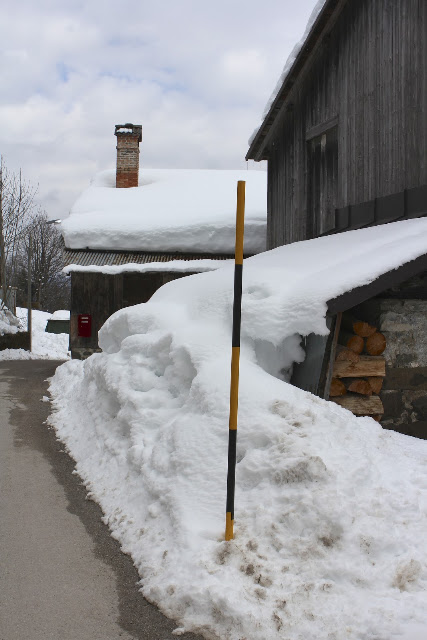
Poles mark the roads atop all the snow
Since we had extended our trip by a day, the next day we went with Franco and Claudia to see some of the other nearby towns. First, we went to Agordo – also in the same Province of Belluno. This town; at a lower elevation, displayed a striking contrast to the previous towns, which were still covered in snow. Green grass had already flourished in the center of town, showcasing a completely different juxtaposition with the mountainous backdrop than the previous towns, still primarily all white.
View from the center of Agordo
Main church
Franco and Claudia walk with Julia
Julia can’t get enough of the fountains
The chiesa (church) in Agordo is of significant importance to the region – and proudly displays it’s high stature by featuring two bell towers (as opposed to the standard one).
Two bell towers
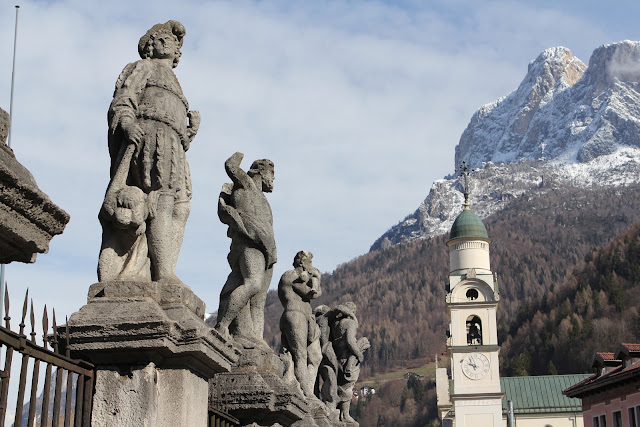
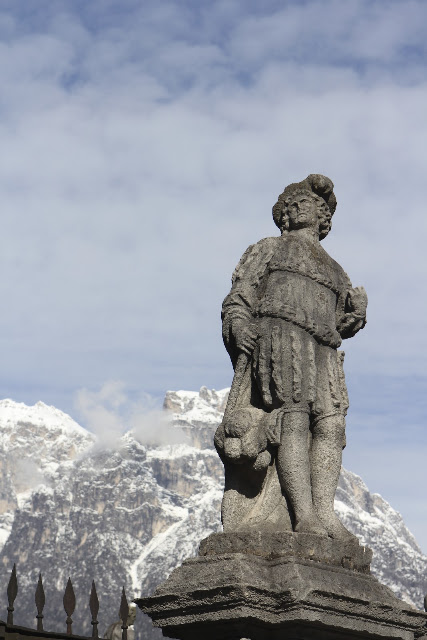
A prominent family of Agordo, Familia di Grotta (the Grotta family) owned a large villa in the center of town. They adorned the outside wall of the villa with the Mutt di Grotta (the Mutes of Grotta) – different “mute” stone statues that represented various traits (poetry, agriculture, astronomy, etc.).
Mutt di Grotta
Perhaps this guy represented philosphy?
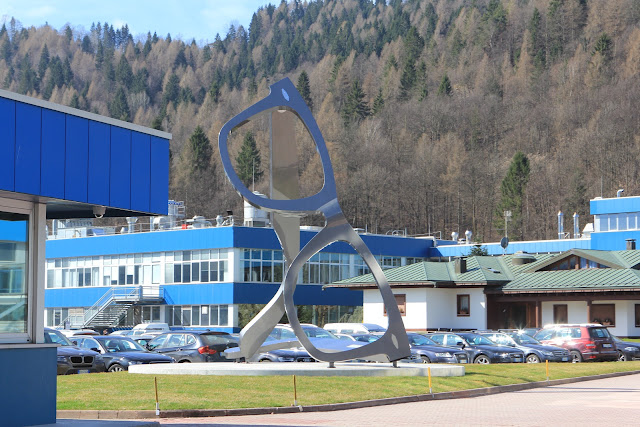
We took a quick detour to visit one of the Luxottica factories, just outside of town. Haven’t heard of Luxottica? Well, have you ever walked into a LensCrafters, Sunglass Hut or Pearle Vision? No? OK – perhaps you’ve put on a pair of Oakley, Ray-Ban or Revo sunglasses? These are all brands owned by the company. And even if you haven’t worn one of their brands, you’re sure to have worn a pair of glasses by Coach, Chanel, D&G, Ralph Lauren, Tiffany or Versace (to name a few). They don’t own these brands, but they do make their glasses with exclusive licensing agreements. The company moved it’s headquarters to Milano, but their factories all still remain in the Belluno region and is the main employer in the area.
The Luxottica factory
I’d fight hard for a corner office to get this view
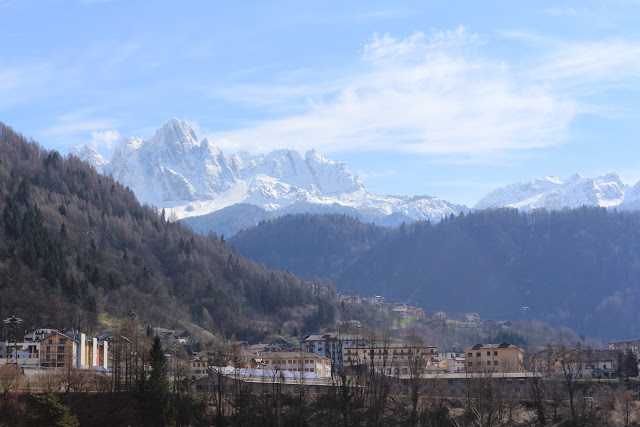
Amazing how the landscape changes in the various towns
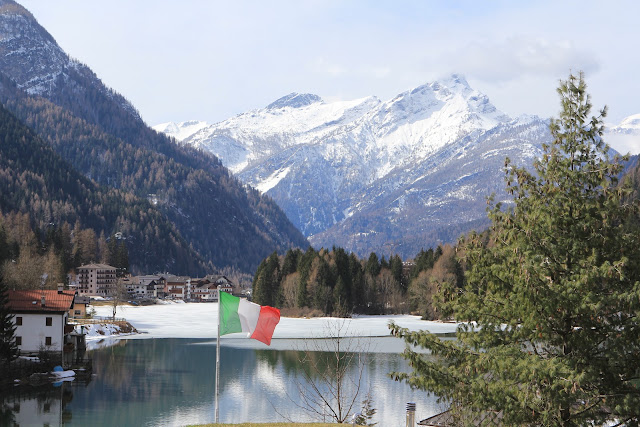
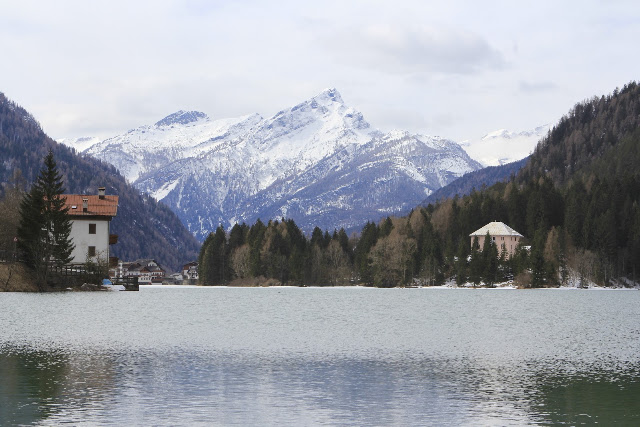
After touring Agordo we drove to Alleghe, a beautiful lake town with a very unique history. The town of Alleghe, which surrounds the lake and runs all the way to the foothills of the mountains is actually much younger than many of the nearby towns. The town was re-built “brand new” in 1771 (young by most measures here) after a severe landslide buried the original town under today’s vast lake. The original town remains buried forever under water. When the lake’s water level falls low enough – you can see the original church’s steeple peeking from atop the waterline.
We love seeing the Italian flag – reminds us we’re really here
View right from the lake
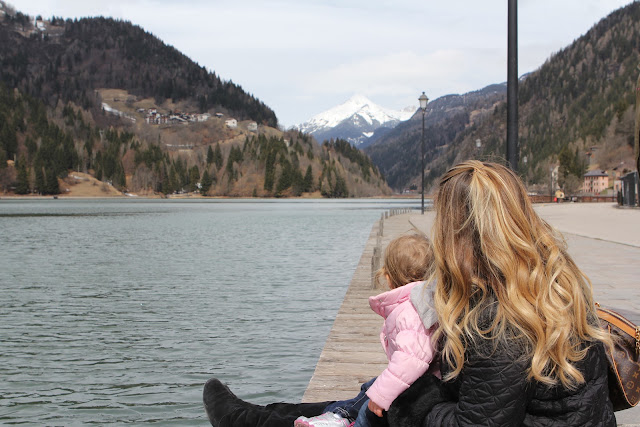
Jen and Julia soaking up the scenery
We were glad that we stayed the extra day to enjoy all the additional sights – we hope you did too.