I played with various options for the title of this post, ranging from “Italy’s Most Hidden Treasure” to “Italy’s Best Kept Secret”. Really, any of those title would be apropos. Bergamo is all of those things and so much more. Ultimately, I went with “most underrated” because it seems that most people would rather bypass this northern Italian city for the sexier Venice, Florence or Rome. Heck, even neighboring Verona pulls more visitors than Bergamo. As a matter of fact, I had never even heard of Bergamo until I moved here and I had visited nearby Como plenty of times leading up to this adventure.
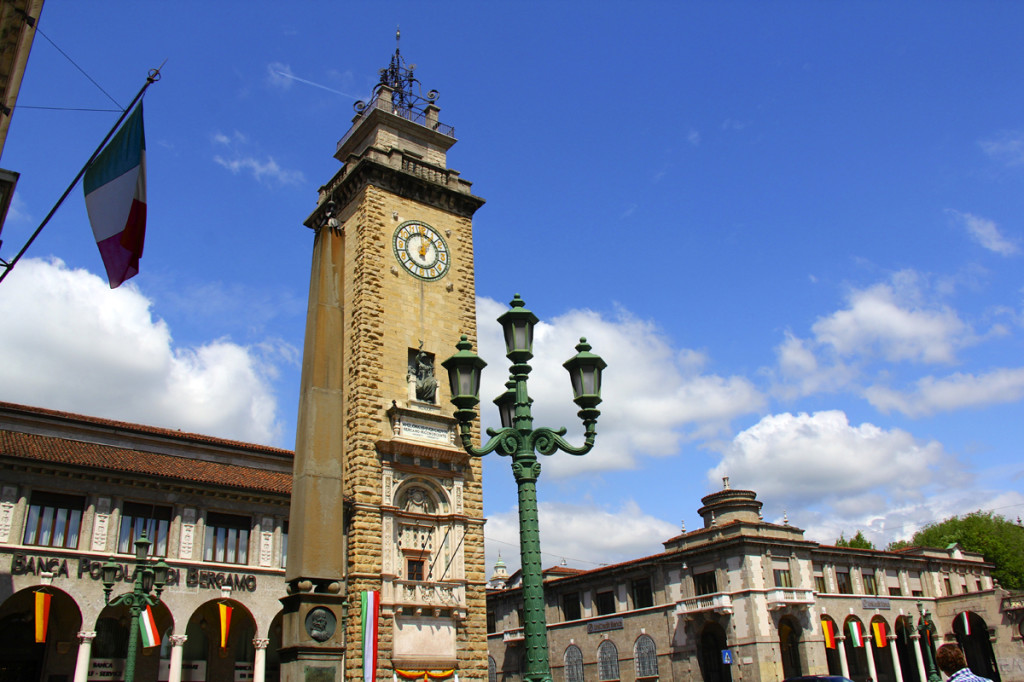
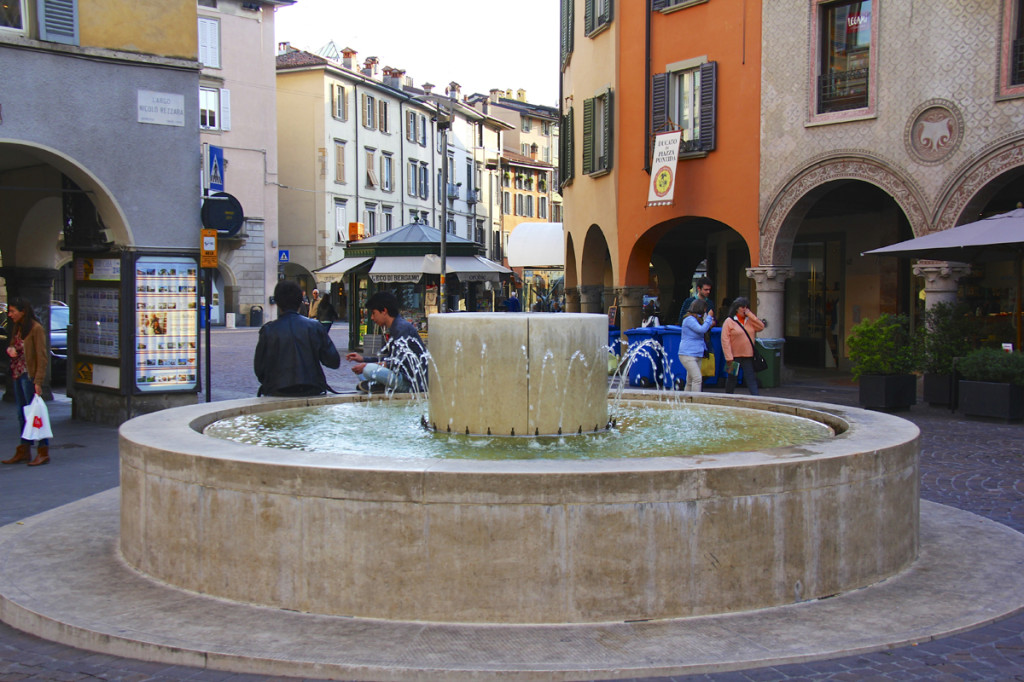
Città Bassa in Bergamo
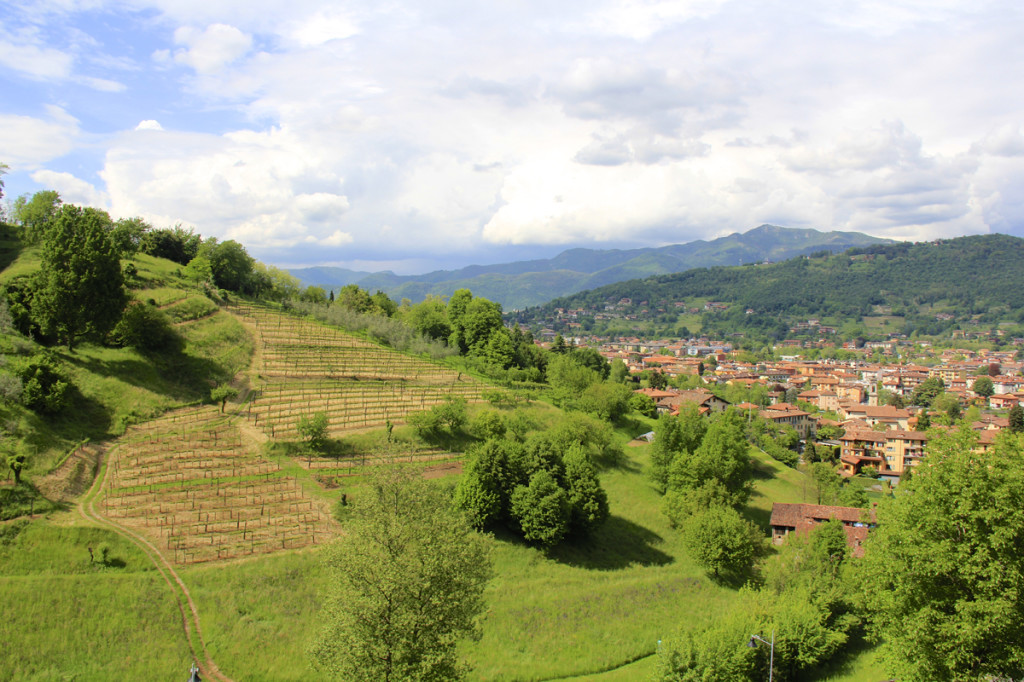
Getting to know Bergamo was truly a blessing, because it is the type of place that we will continue to visit over and over. The distinguishing feature of Bergamo is that it is really two cities in one. There is the older, medieval city at the top of the hill (Città Alta) and the much more modern city (Città Bassa) below. Incidentally, I use the term “modern city” quite loosely… most notable development is still several hundred years old.
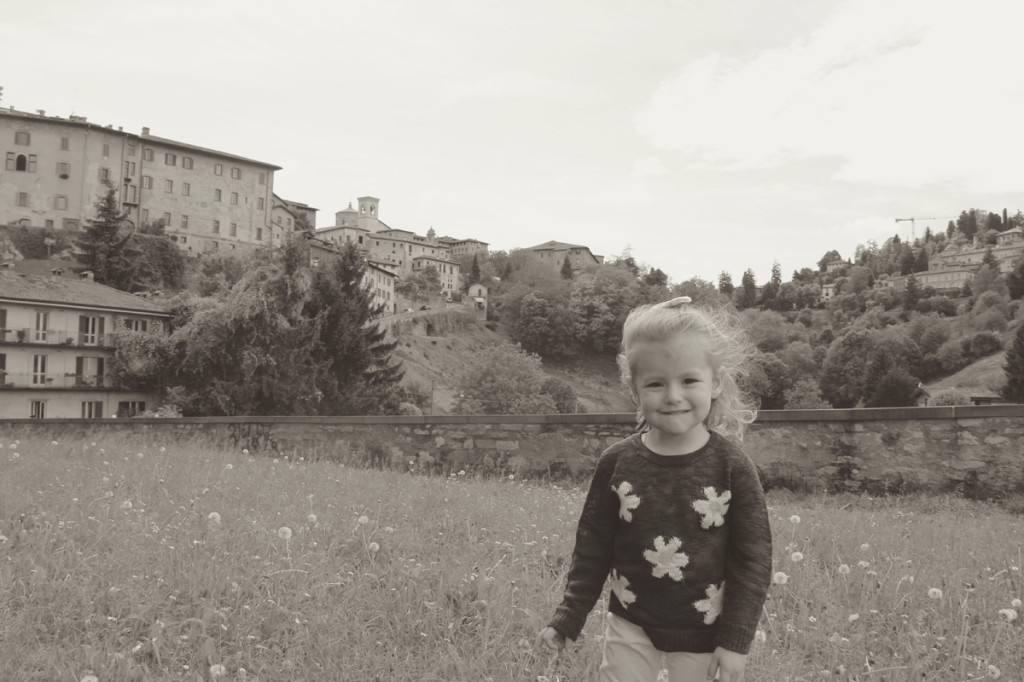
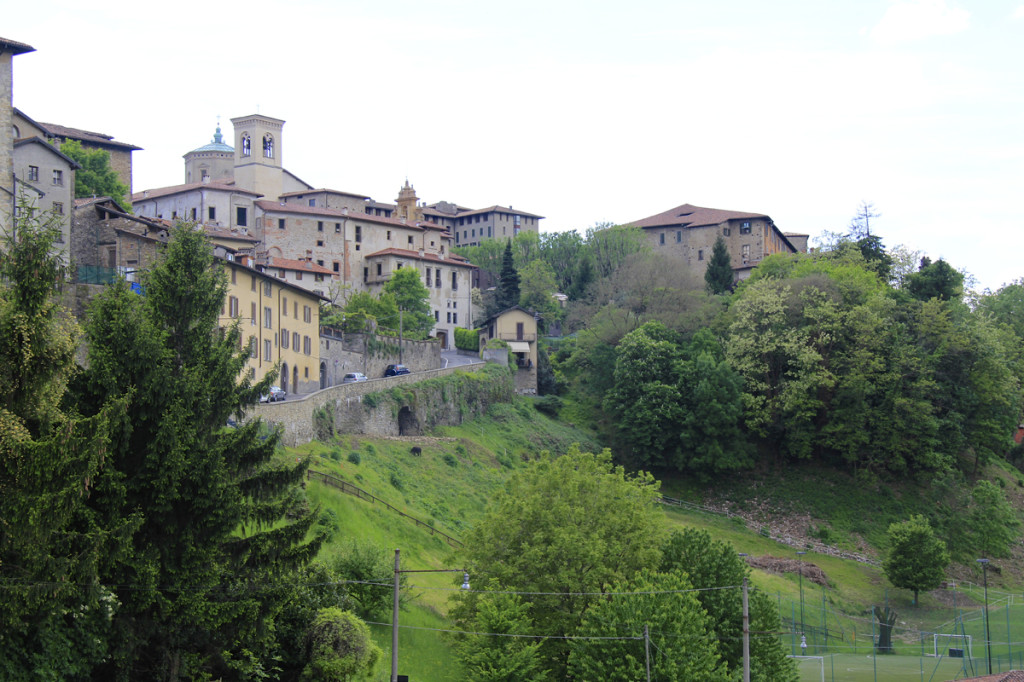
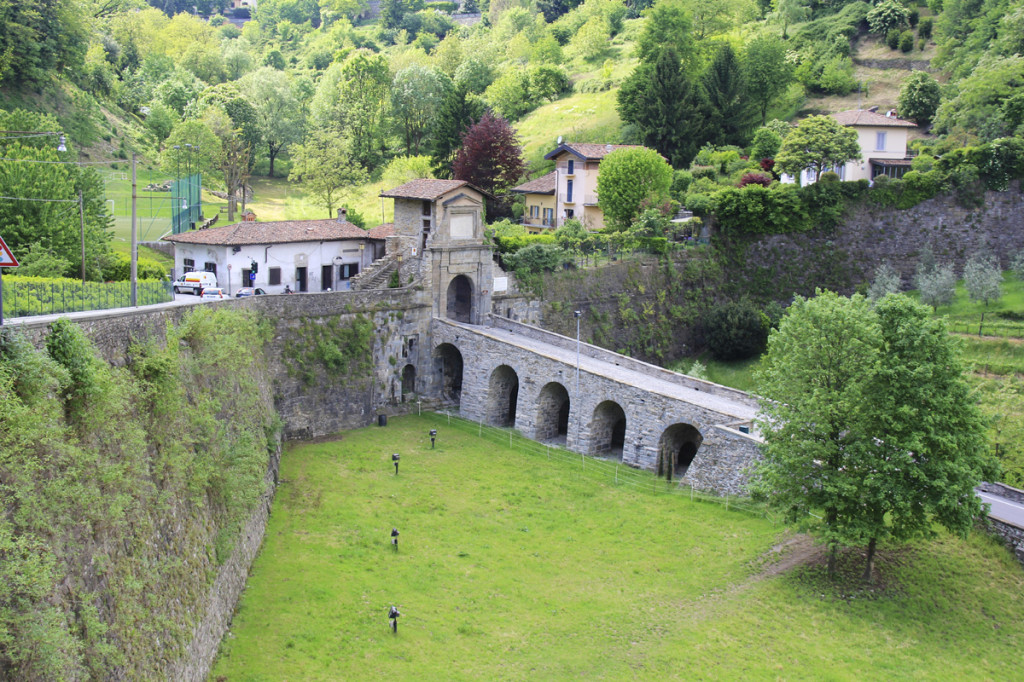
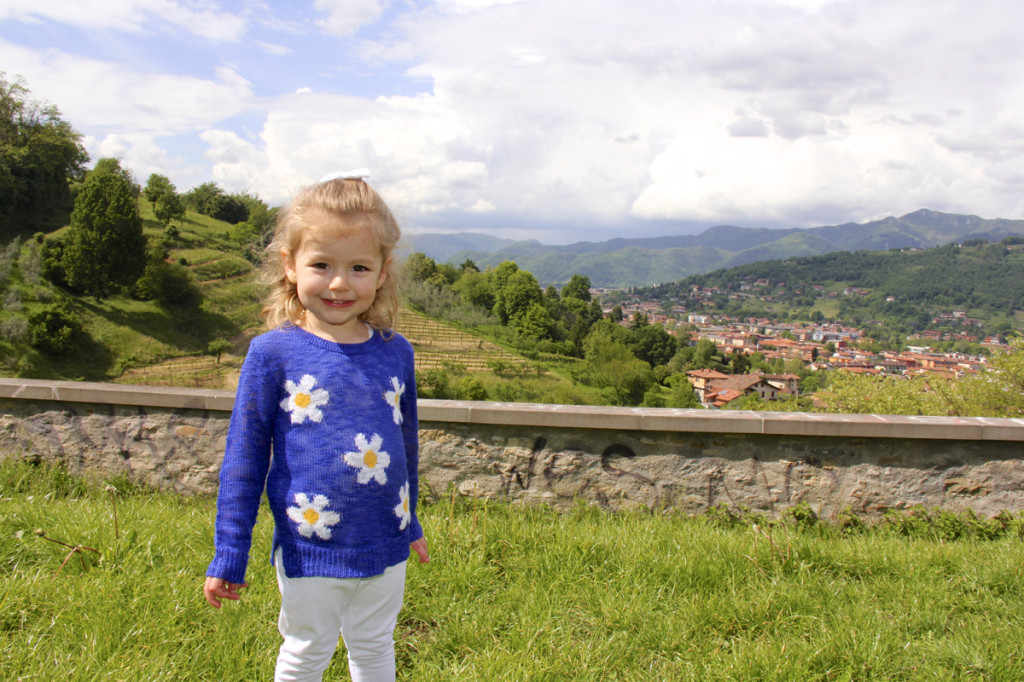
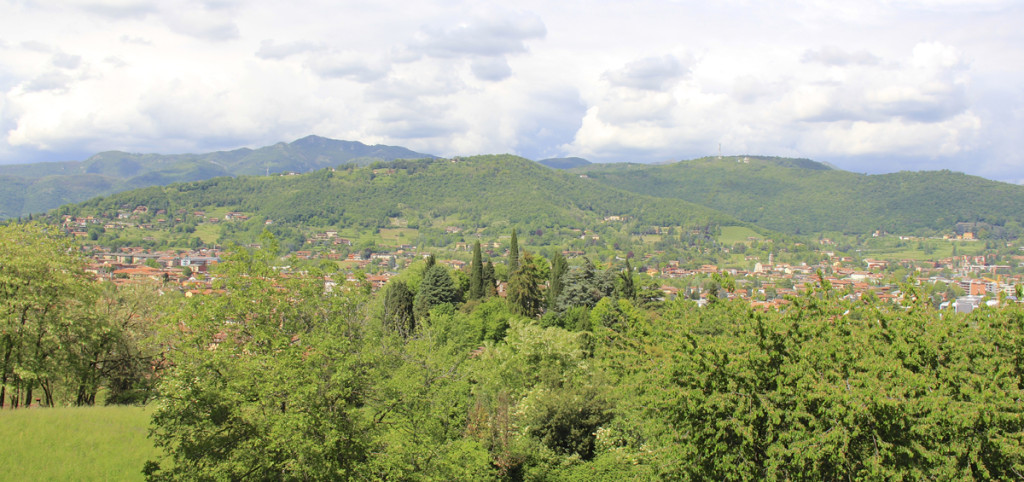
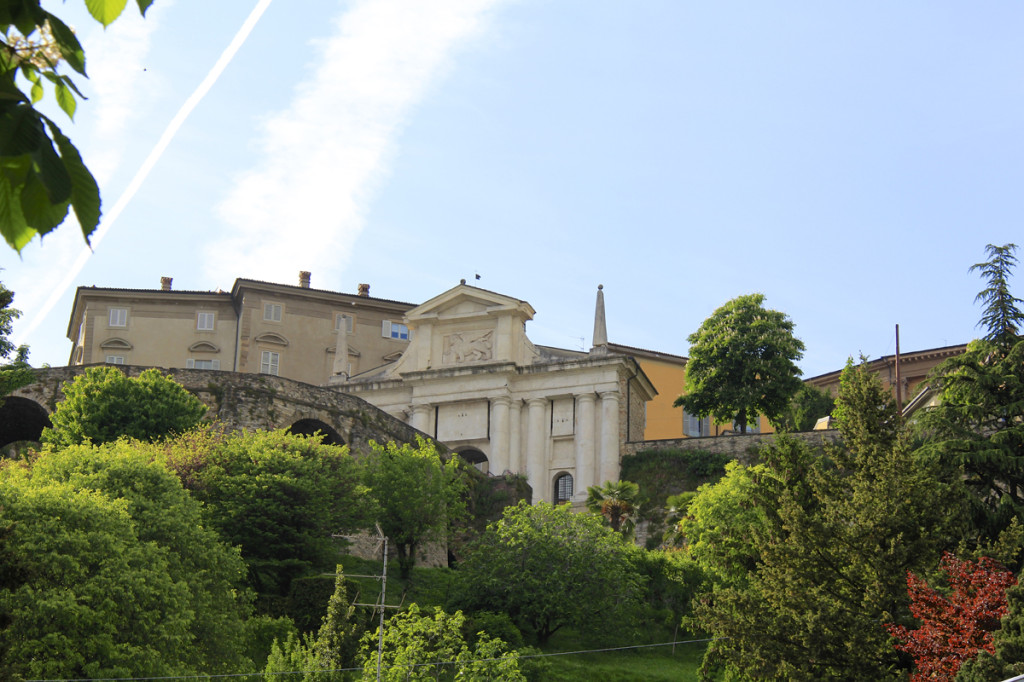
Julia enjoyed her day in BergamoThe older city at the top of the hillSecured roads allowed access into the ancient cityThe view from atop the hill extends for milesJulia enjoyed soaking it all inMore views…The main city gate, marked with the winged Venetian lion from the time Venetians ruled the city
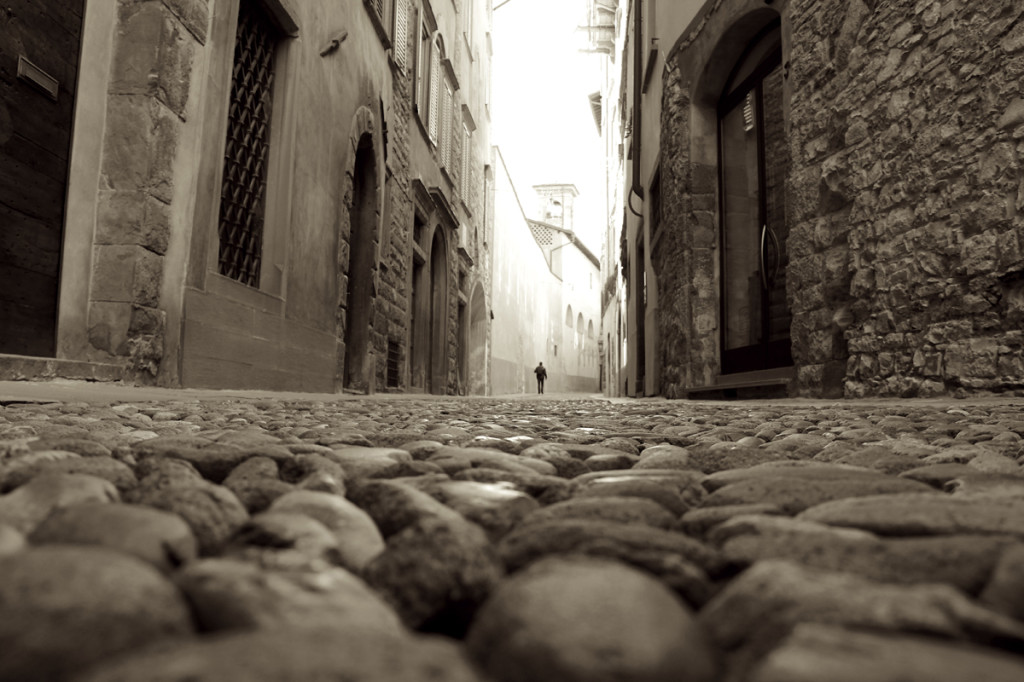
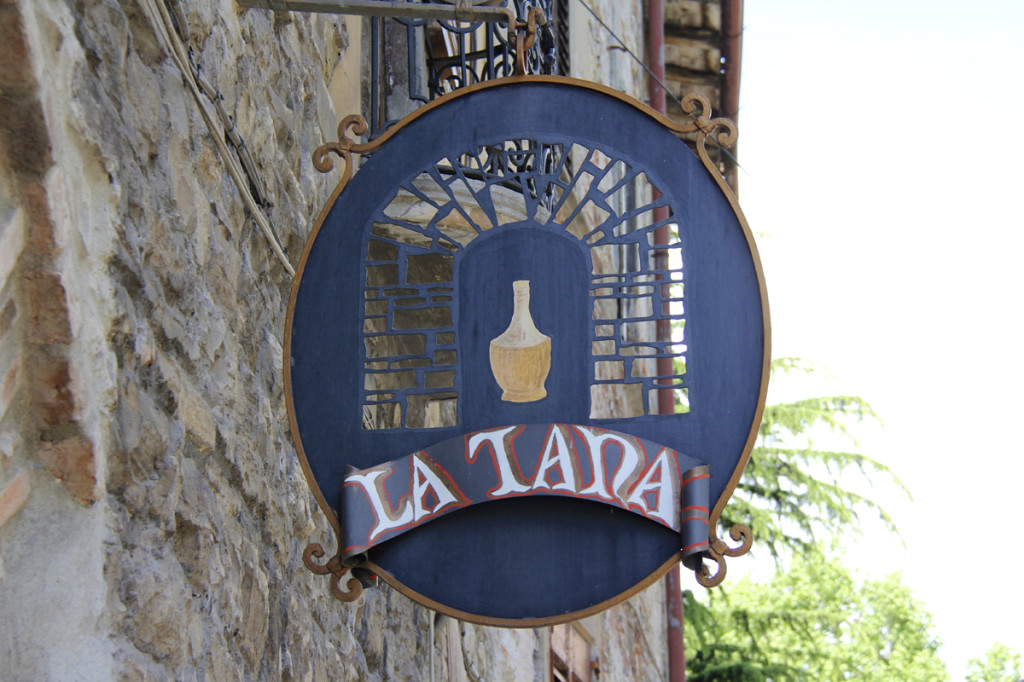
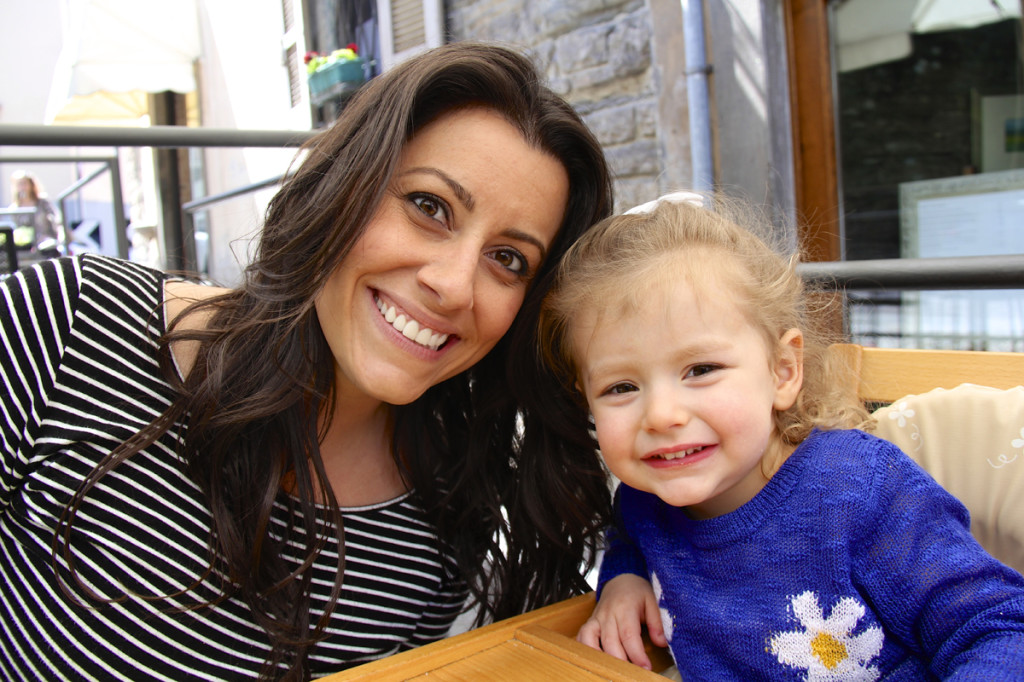
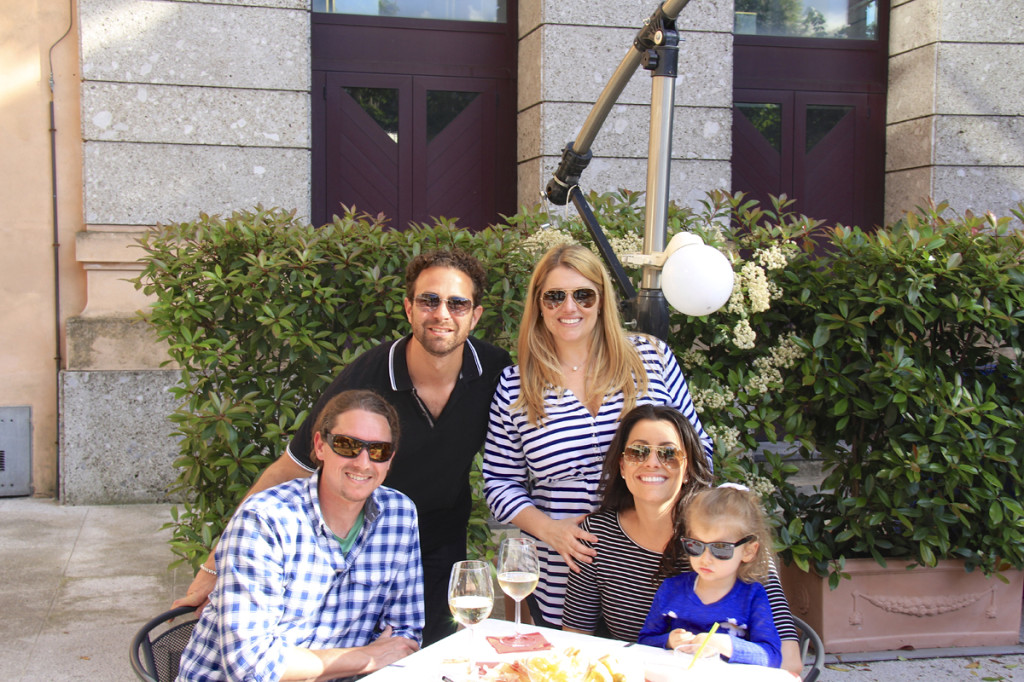
On our first visit well over a year ago, we were drawn toward Città Alta. We spent most of our day wandering the cobblestone streets, soaking up the magical views the high city extends before you. We had been dying to come back to Bergamo and finally got the opportunity when Jen’s sister came to visit with Matt (first post HERE). I thought the mixture of old and new would be something unique for them to see, and the hour(ish) car ride from our home would allow an easy day trip. We loaded our car and headed east toward the city. Our first step was to ascend the hill toward Città Alta (also known as Città Vecchio or Old City) by means of finiculare (cable car). We had researched a good lunch place and in no time, we found ourselves settled outside on the patio of La Tana. After lunch, we spent quite a bit of time wandering around the cobblestone streets and settled in among the other tourists and locals in the centro (center) of town.
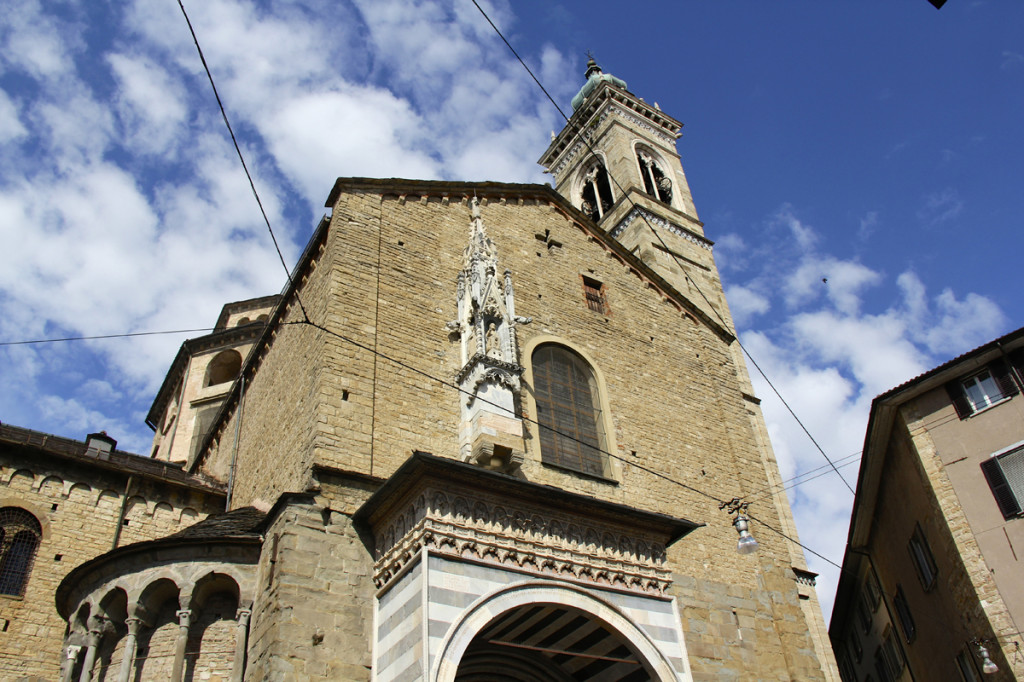
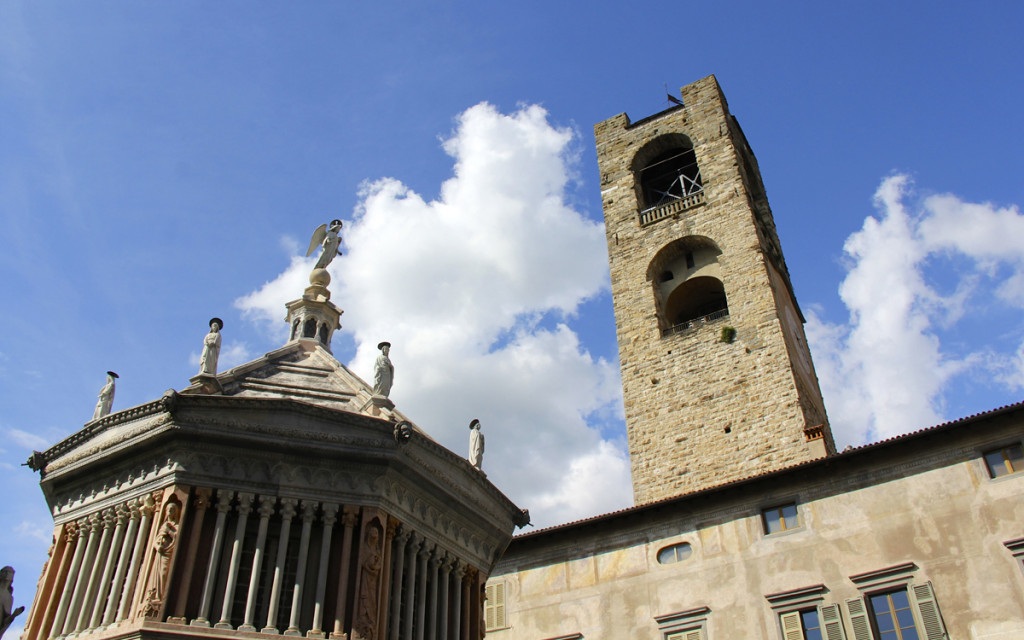
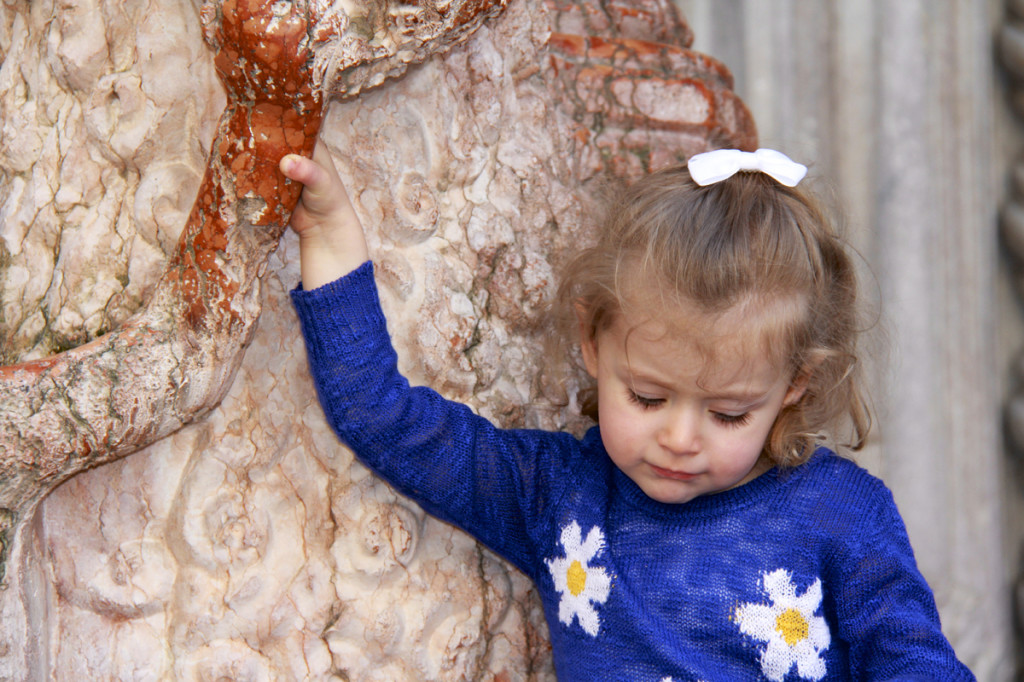
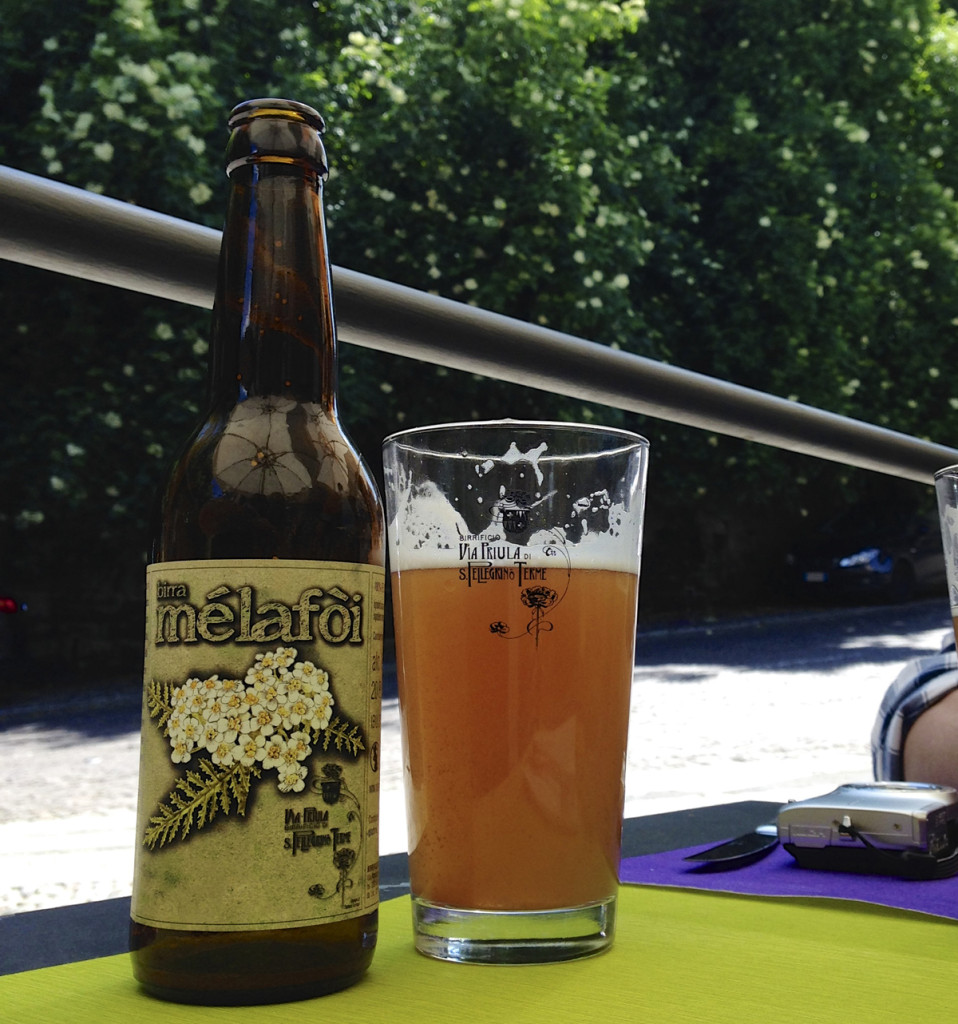
Streets centuries oldOne of the churches in the main piazzaJust outside the main piazzaJulia with a statue of a marble lionLa Tana – a fabulous restaurantJen’s sister, Jessica with JuliaThe waiter recommended a fabulous beer, produced locally. I’m still searching for where it’s sold
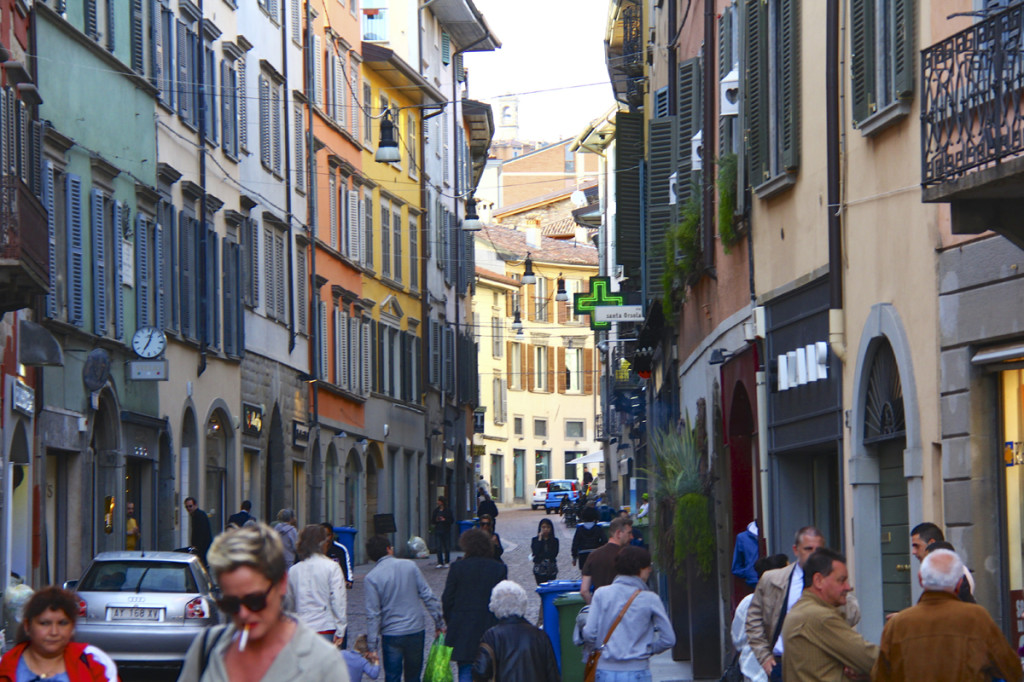
Eventually we descended to Città Bassa with plenty of daylight still above us. This gave us a perfect opportunity to enjoy an aperitivo (or two) in the sun. With our thirst quenched, we continued our tour of the lower city. This was the first time that Jen and I spent any notable amount of time down below and we were thrilled with what we discovered. The much more modern, lower city is just as special as the ancient city above.
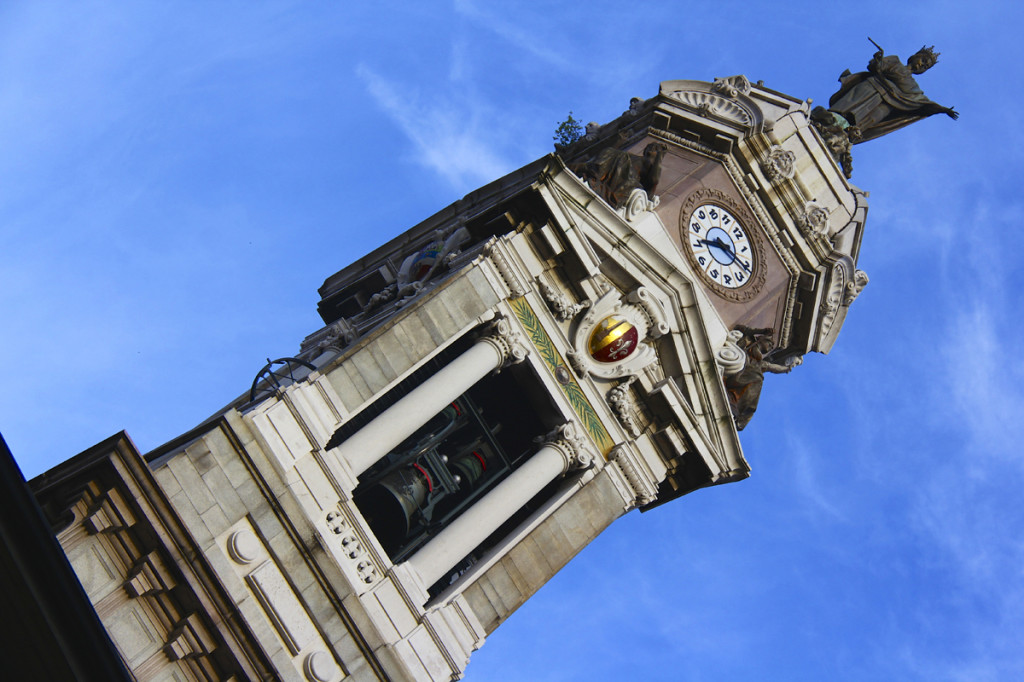
We stopped for happy hourThe lower city has a charm that rivals the higher cityThe streets are full of shops and caffèsChurch tower in Città Bassa
My only regret is that my photos don’t do this special city justice. I urge you to spend a full day exploring Bergamo and come discover for yourself why this is Italy’s “most underrated city”.
Who doesn’t love a good festival? The combination of food, games and fun in an outdoor setting is always guaranteed to be a success. I mean, what more could you ask for? But if the name of the festival is Primavera dei Vini (Wine in the Springtime) and the location is in the remote Italian countryside – then you’ve got all the ingredients you need and more!
Vineyards of Rovescala along our drive into townThe farmers have been producing Bonarda wine for over 800 years
If you check Wikipedia to learn about Rovescala, you will discover that this small commune (municipality) is located about 50km southeast of Milan. Aaaaand… basta (stop). That’s it. If you research the festival itself, you’re likely to uncover only two or three short blog posts about it, aaaaaand… basta! So this event is a relatively unknown festival in a small, remote Italian town – why on earth would anyone be interested in going?! Because it’s a relatively unknown festival in a small and remote Italian town, of course! In our experience, these are usually the best gatherings – genuine and unpretentious, just as it should be in Italy.
I was loving the group of Harley riders that rolled into townOf course, what Italian festival is complete with a collection of Vespa’s?!
Jen and Julia in Rovescala
Every Sunday in March, the residents of Rovescala pull together for the festival meant to celebrate the approaching spring with open air markets, parades, music and games. Of course, what Italian festival would be complete without food and wine as the central theme to the day? With the largest two spaces in town dedicated to either food or wine, you are guaranteed that something delicious will pass your palate. They also had plenty to do for the kids.
They had a face painter for the kids, free of charge – she wouldn’t even take a tipOf course, Julia wanted to be a tigerShe proved how scary she was with a growl and scratch with her clawJen and her baby tiger
I couldn’t uncover a specific reason for the festival, which is close to approaching its 30th year (many such events are held in the honor of a specific saint or battle or historical element). It is my suspicion that the collections of farmers producing a wonderful and relatively unknown wine worked with the local comune (municipal office) to promote their regional product and boost tourism. While the festival does not pull a large contingent of international visitors, each Sunday in March the town swells to capacity with other Italians living nearby.
The town fills up each Sunday in March
Like so many things Italian, the hills surrounding Rovescala are rooted in a tradition that stretches back over eight centuries. The grapes grown for the production of the local Bonarda wines are of a seldom seen variety; the Croatina grape, which is then typically blended with the Barbera grape to make the wine. You won’t discover a finer example of Bonarda wine (not to be confused with the Bonarda Piemontese vine) then you will here in the foothills of the Apennines mountains in our hometown region of Lombardia (Lombardy). This wine website describes the grape,
The mid- to late-ripening grape delivers wines with dark color, gushing fruit, low acidity and soft tannins, often resembling montepulciano or dolcetto in expression.
Before we could get to all the wine tasting, we wanted to fill our stomachs with some food. We discovered that the main pavilion had open table dining, where “neighbors” become friends. In fact, our neighbors were happy to share some of their frog legs with both me and Julia when I asked about them. To say the dining was “organized chaos” is an understatement. But the delicious food, fun neighbors, guitar player and cheap wine (I got a full glass for €1) more than made up for it! The authenticity of the experience was definitely one of these “this is why we moved to Italy” moments.
Inside the pavilion for food – good luck finding a table, we waited about 20 minutes for spaceWe were thrilled when we finally claimed our spotWe lucked out with some great neighbors who were a lot of funIt was great listening to this guy playing and singing at the next table
After lunch, we strolled past the outdoor vendors displaying their hand crafted goods – anything from homemade grappa to artisanal wooden bowls. We made our way to the main hall where the farmers were eager to showcase their wines. A modest €5 bought me an empty wine glass complete with a nifty case that allowed me to dangle the container from my neck (you know, in case I needed both hands to have a conversation like a true Italian – picture a lot of hand gestures). We befriended, Alessandro Dellafiore – the President of the Pro Loco Rovescala a local organization designed to promote local products. He explained that as long as I didn’t leave the building, I could re-fill my glass any number of times and try as many different wines as my little heart desired. “Jen, buckle up and get comfortable – we’re going to be here a while!“
Merchants sold all type of hand crafted goodsInside the wine hall Alessandro gave Julia a wine necklace so she could join in the funJulia carefully helps me select my favorite wine
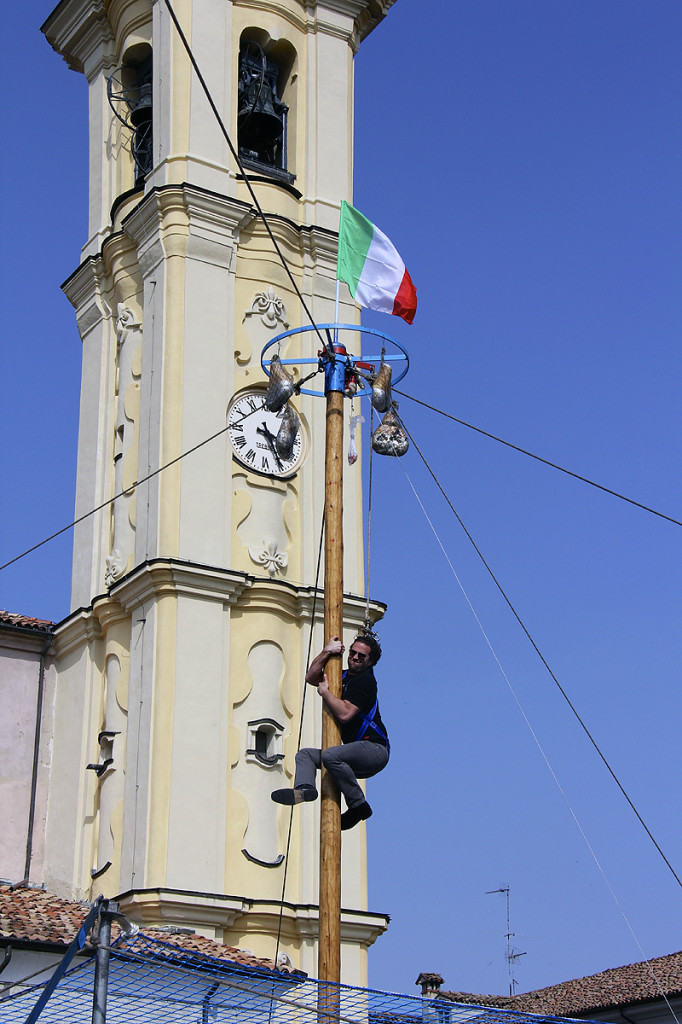
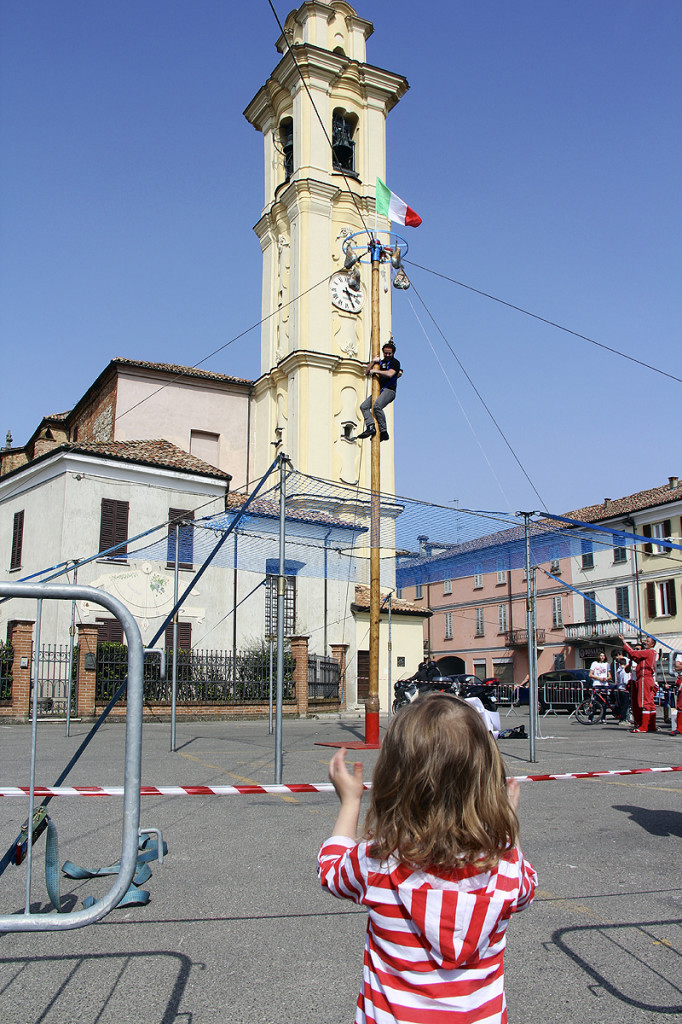
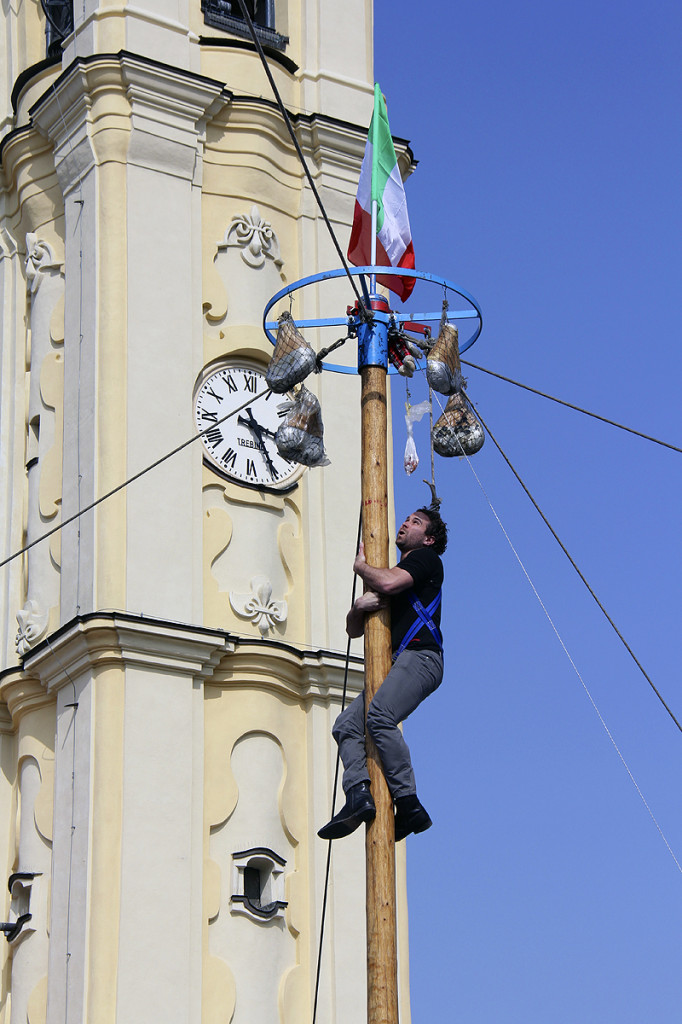
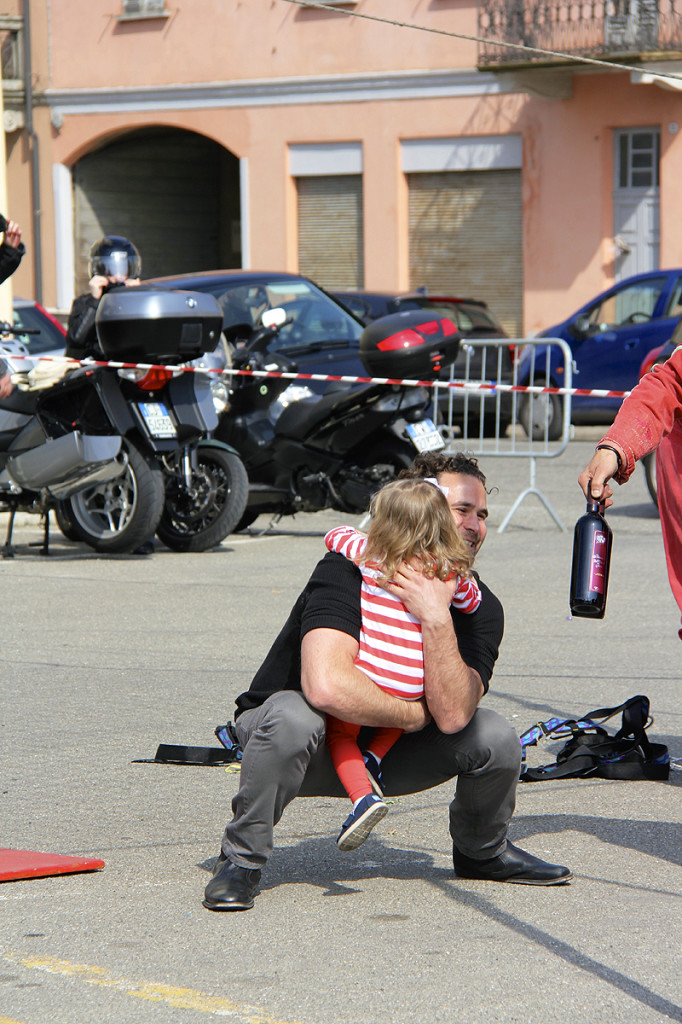
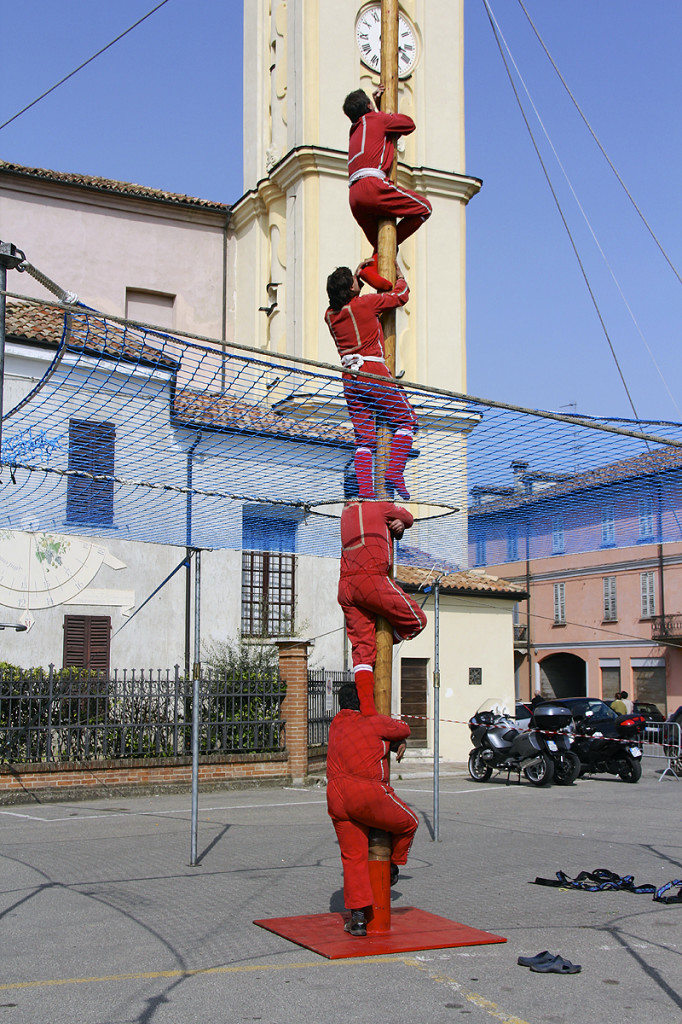
After I had enough liquid courage, I decided that I needed to demonstrate my manliness. I can think of no better way to peacock than to climb a telephone pole in order to slap a leg of prosciutto! I was in luck, as that option was readily available to the brave few willing to try. I waited and watched a half a dozen guys and gals try and fail to reach the top. While I was in line, a kid roughly fifteen years old made it to the top. His effort was rewarded with a bottle of wine. I grinned in admiration of the culture that rewards their youth with a bottle of wine. When it was my turn, I strutted to the pole as if I was Michael Jordan saddling up to the free throw line. I knew it would be no problem to practically fly to the top. That is, until I made my first upward thrust and realized my dress shoes were a major detriment. I nearly slipped coming right out of the gate, but I recovered and found my grove. I made it to the top of the pole in record time and was the only person to receive a large cheer from the crowd and two bottles of wine for my speed (and a bit of showmanship). After I came down, I was pleased to have earned a big hug from Julia in addition to my liquid prize.
I get strapped in for my long climbIt may not have been graceful, but I was the fastest climber of the dayJulia cheers me on – just the encouragement I neededAt last! I made it to the top and slapped that prosciutto like I’ve never slapped a prosciutto before!Julia ran up and gave me a big hug – that was the best prizeOf course, a couple bottles of wine isn’t too shabby eitherJulia wanted to have a goShe did pretty well – she won a generous bag of candyHere we are showing off our prizesAfter the participants all volunteered, the pros took overThey made it look easy!
We wrapped the day with a little more walking and shopping (we went back to buy some wine as gifts and to add to our cellar). Julia stopped to take a seat and “chat” with some locals in front of their home – I suppose she wanted to practice the Italian art of dolce far niente (the sweetness of doing nothing). All in all – it was a fun day and well worth the time in the car.
Julia is an expert at “dolce far niente” (the sweetness of doing nothing)Our collection of “fair booty”