Admit it… you sang the title in your head, complete with the voice raising on the “and-a I”…
I love to cruise. Jen loves to cruise. And now… Julia absolutely loves to cruise. We have very few experiences aboard cruise ships, but each time we’ve been on one of these massive floating hotels (or mini-floating city’s… I couldn’t choose between adjectives – you pick your favorite), we feel like royalty. We know that we will chose this method of vacation many more times in our lives. Cruising requires little planning and you are always rewarded with the very best customer service, the opportunity to see many more cities than you normally could in a given time period, endless activities aboard the ship, wonderful food, the benefit of unpacking only once and perhaps best of all – a very affordable vacation (you can get very good deals if you hawk the last-minute deal sites).
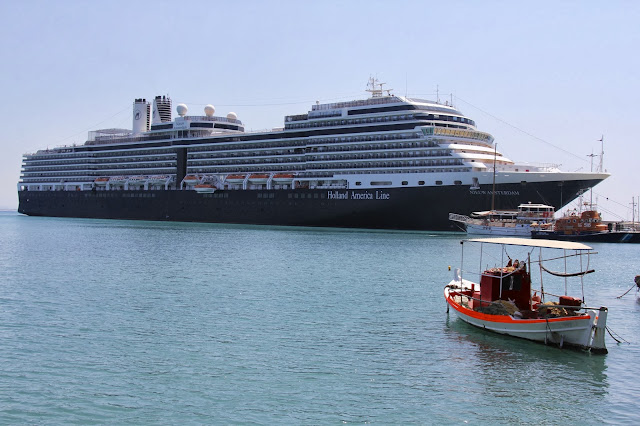
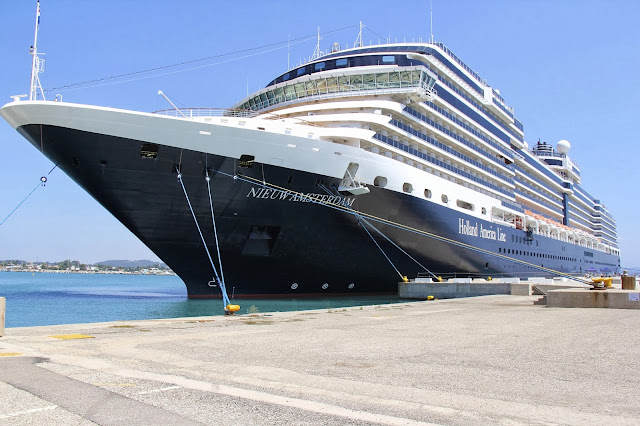
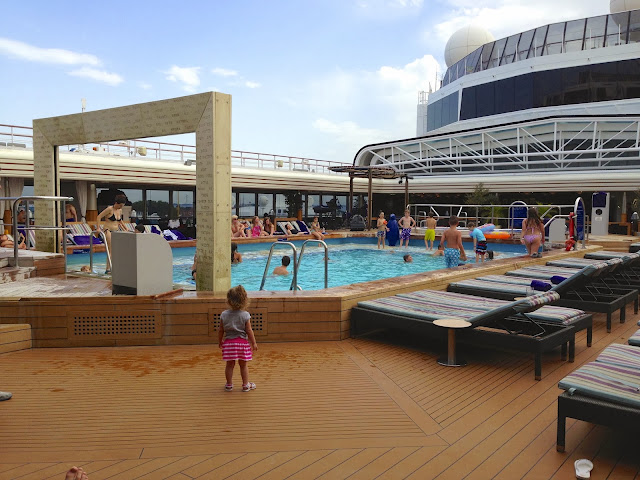
Our ship – Holland America’s MS Nieuw Amsterdam
The first time that Jen and I took a cruise was on our honeymoon. We spent three weeks sailing around South America (from Buenos Aires, Argentina all the way around Cape Horn and on to Santiago, Chile). I chose Norwegian Cruise Line (NCL) for our first cruise, primarily because the itinerary was perfect and I found it to be reasonably priced. I wasn’t nearly the internet-nerd I am today and so I did little research beyond that. We had a wonderful vacation, ate way too much food, enjoyed some lovely scenery (I have thousands of pictures to prove it) and had an absolute blast. However, I had no idea how amazing cruising could really be until we recently boarded Holland America’s, MS Nieuw Amsterdam (pronounced, n-e-w); one of the newer ships in their fleet.
Boarding the Nieuw Amsterdam
I had a few checklist items when we moved abroad – things I wanted to do and to see. Experiencing a cruising-adventure was definitely on that list. For the first time in our lives, we had the flexibility to really take advantage of a “last-minute” vacation, and so the plan was to use that to our full advantage. Unfortunately, we discovered that having a child prevents you from really getting those steep 70% off discounts you see flashing on the side of your favorite webpages. Some cruise lines require a child to pay a full fair. Others require that he or she have a special room or special bed. Either way, it seemed that the myth of really inexpensive cruising (at least with a child) was just that – a myth. Eventually, we searched for dates further into the future (ensuring the ability to book a room that could accommodate a small child) and narrowed our choice down to two cruises with two very different itineraries on two very different cruise lines.
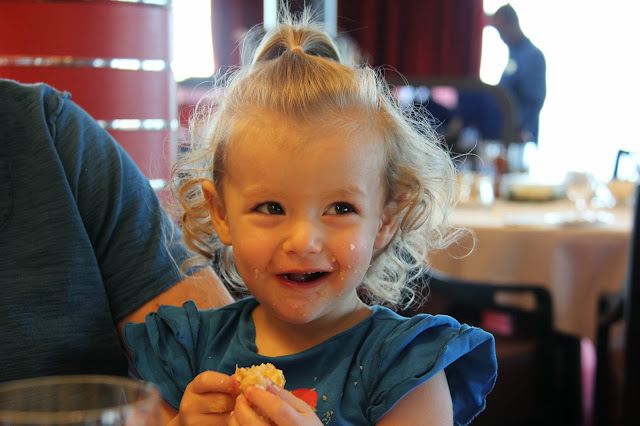
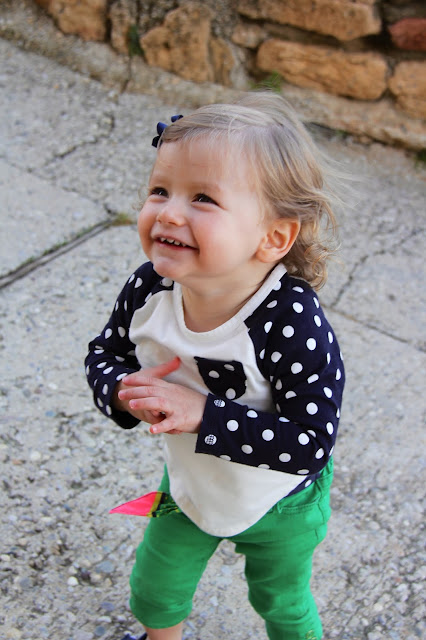
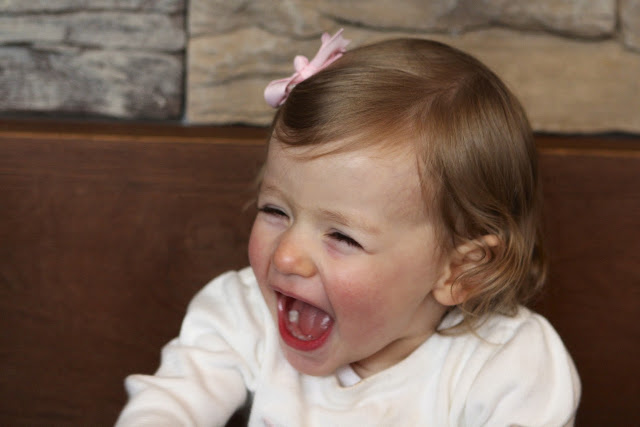
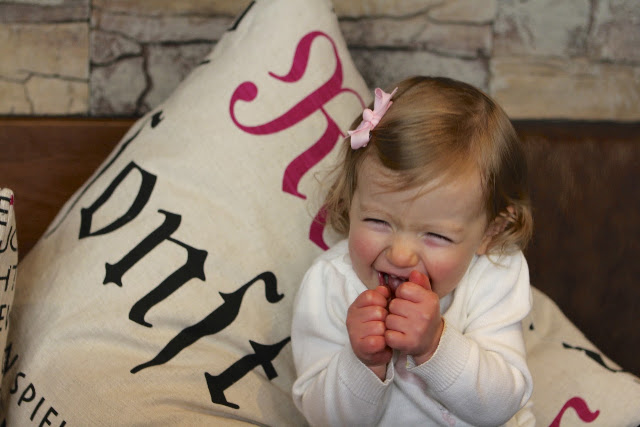
Could this little peanut (eating until her heart is content) actually prevent us from finding our perfect cruise?!
“Who me?! No way, Dad. Now, let’s EAT!”
World travelers and vacation aficionados – here’s where you need to pay attention. I am going to share two valuable resources I discovered throughout this process. First, I had been paying a fortune in cell phone bills, calling these various companies to get accurate information about their cruises. Then I stumbled across, gethuman.com – an internet based voiceover IP company that allows you to call most major companies from your computer – for free! I have spent this past year calling American Express, Visa, Wells Fargo and other companies at a cost of roughly €10 per call… just to get past the automated prompts! This site has revolutionized my ability to manage tasks at home while living abroad. Second, we discovered cruisecritic.com – the ultimate guide when selecting a cruise. Consider it the yelp or trip advisor of the sea. This site allows you to plug in any cruise line and read reviews – but more importantly it allows you to search specific cruise ships, ranking everything on that unique vessel from the food to the service – ultimately awarding the ship a nice, neat approval percentage number. It’s all very easy and streamlined. What I learned was that a cruise line can offer a vastly different experience aboard any number of their ships (for example, an older ship with lesser quality food may not be nearly as pleasant as one of their newer ships). Therefore, we learned that the ship itself is more important than the cruise operator. And we learned this lesson just in time. I was on the phone with Costa (the losing company), about to book our cruise. I had selected this particular cruise because of the funky itinerary. In addition to the “normal” places, we would have ventured into Ukraine, Romania and Bulgaria. I was moments away from giving my credit card number when Jen motioned at me frantically, having just discovered this particular ship only had a 54% approval rating. I got off the call as quickly as possible and called Holland America, booking aboard the Niew Amsterdam.
Julia evaluates one of the rooftop pools – this one was located midship
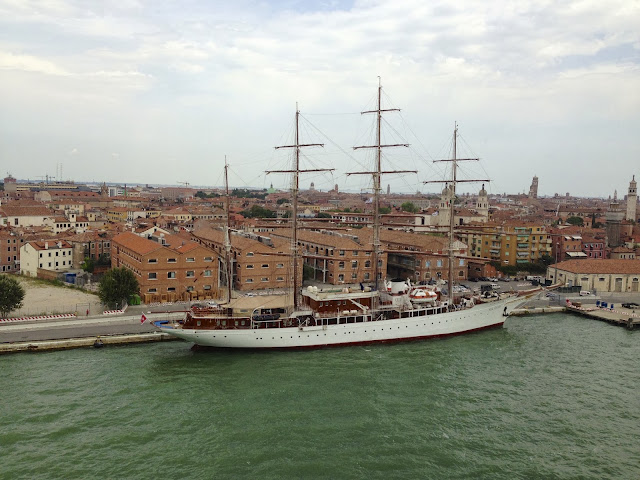
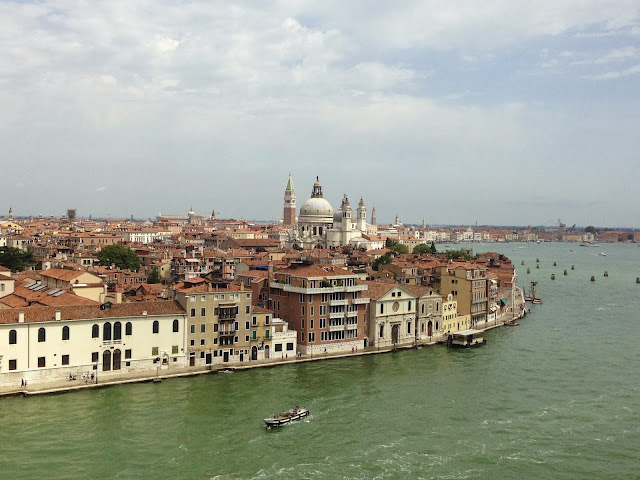
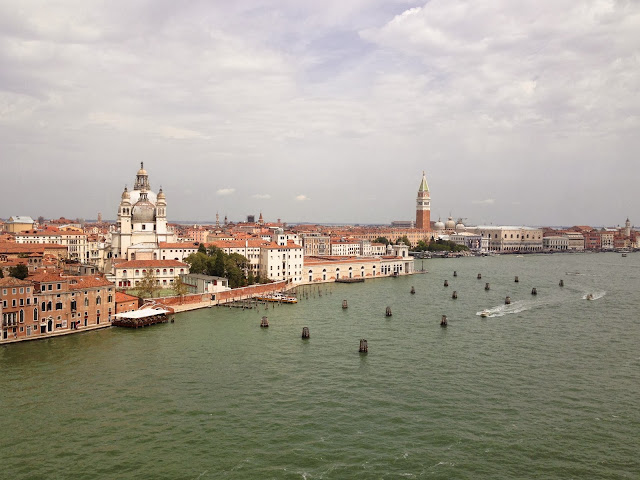
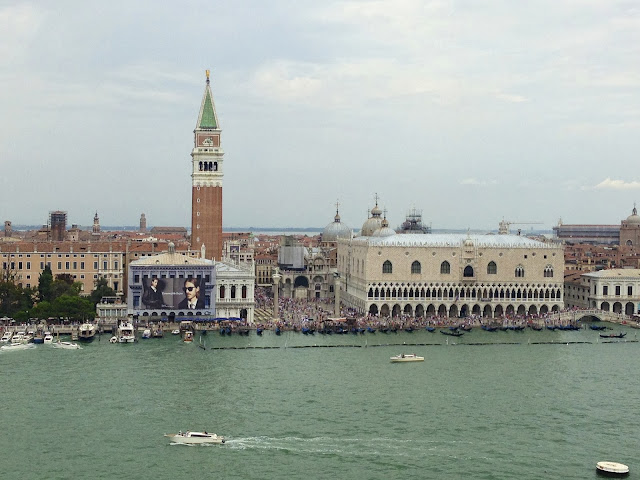
Our cruise departed from Venice, and so we took the three hour train from our home. We were in no rush to get into Venice early, having been there on previous occasions. We bypassed the throngs of tourists vying for photos of the canals and simply went right to the ship. We stayed in Venice’s port the first night, but set sail early in the morning. As we sailed through the Canale Della Giudecca in the middle of the city (I had no idea that it was deep enough to accommodate our massive ship), our fabulous Location Guide, Tom gave a memorable and insightful tour of everything that we were seeing. I apologize in advance for the pictures, I only had Jen’s cell phone with me – poor planning.
Sailing past another ship in the harbor
From high atop our cruise ship – we could see the entire city unfold before our eyes
A beautiful view of Santa Maria della Salute and the Campanile of Piazza San Marco
From this height we could actually look down and across Piazza Saint Marco – a very unique perspective
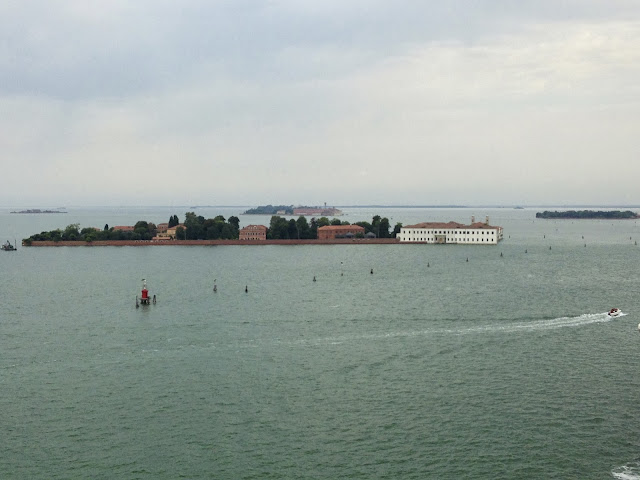
Here you can see many of the 118 different islands that make up Venice
Our first full day aboard the ship was a Sea Day, which means exactly that – we were at sea all day. This is wonderful portion of the cruise for anyone that likes to eat, gamble, drink, workout, spa, play in the pool, attend cooking courses, read, mingle, do nothing, do everything…. you get the point. I think I hit about four or five of those things in the first three hours – eating and gambling at the top of the list.
We woke up early, eager to start the day – but Julia reminds us not to wake our neighbors
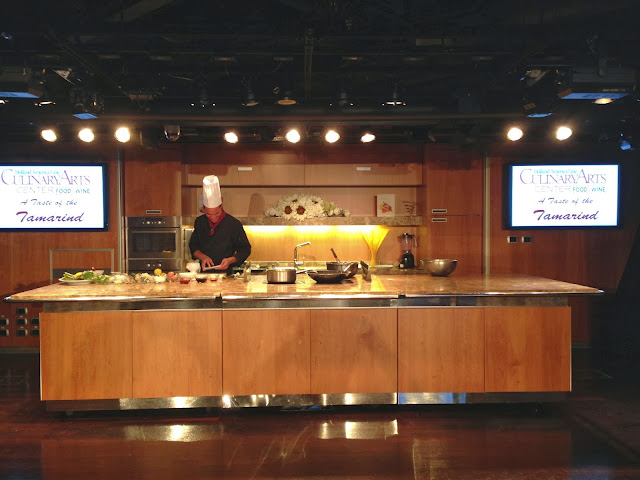
We enjoyed a cooking demonstration
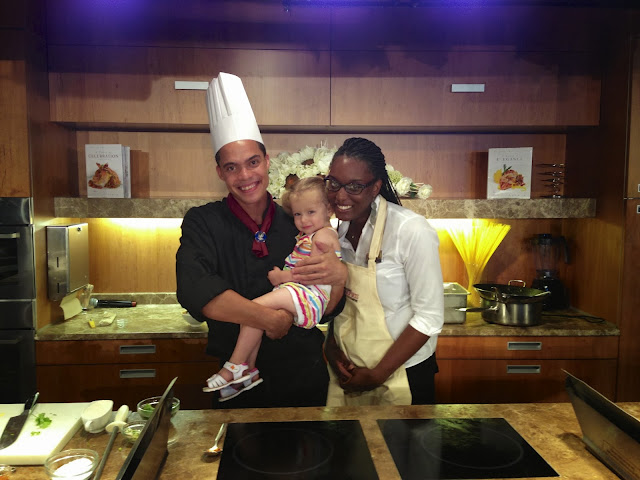
Posing with the Chef and Activities Coordinator
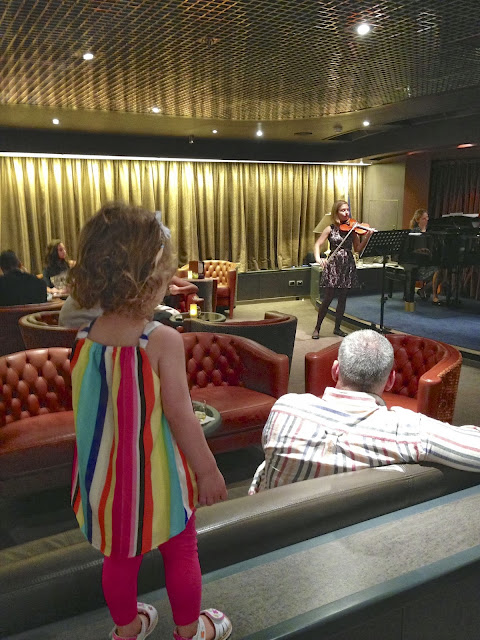
Julia would stop and watch this duo, Adagio perform each night after dinner
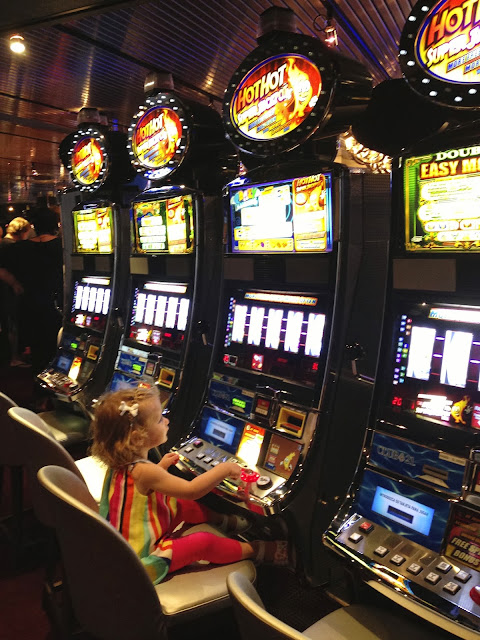
We hoped that lady luck would find Julia
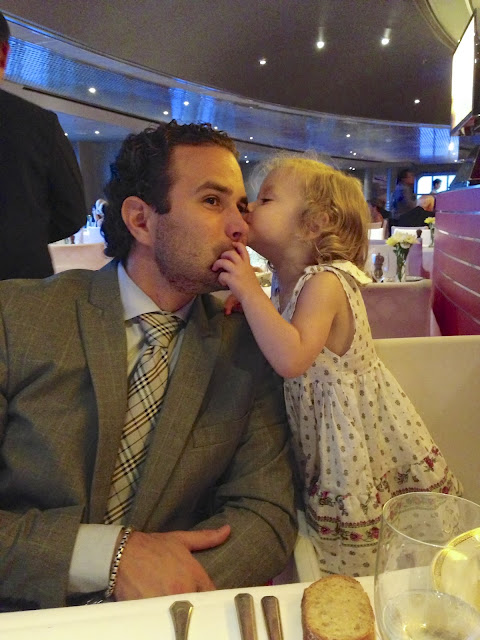
Julia treats me to a kiss during one of the “formal nights”
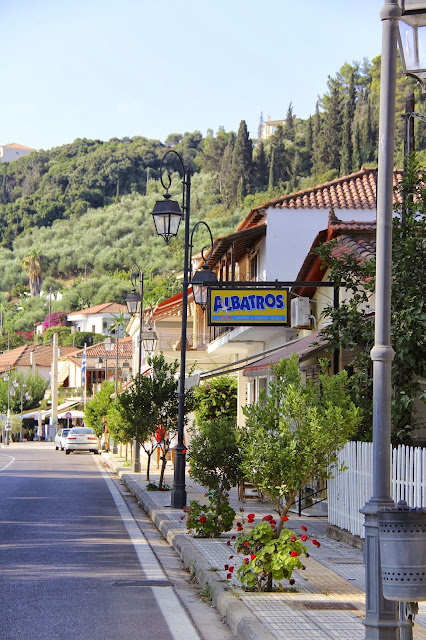
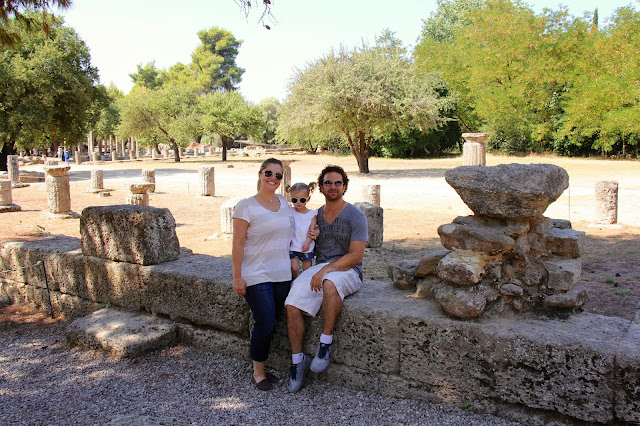
The following morning was a real treat – our first Port Day. We were at port in Katakolon, Greece, which was just a short bus ride away from something you may have heard of… Olympia, Greece. As in… the place the very first Olympic Games were ever held. As in, the place that contains the ruins of Zeus’ temple. And so I was a little geeked-up to see it all. I didn’t have to imagine standing in the very first olympic stadium – where the worlds best athletes competed since the 8th century BC; we actually got to do it. It was very awe-inspiring.
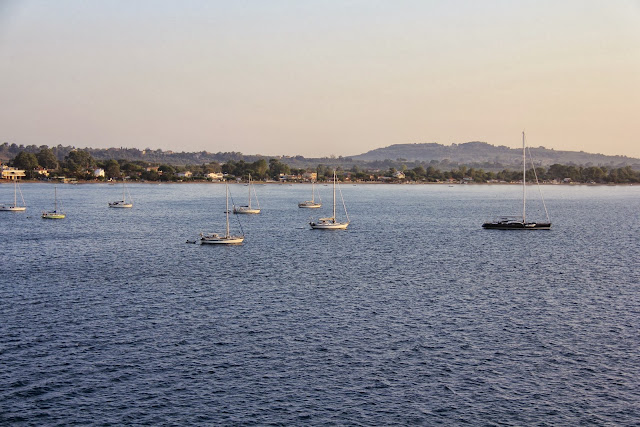
Our first sunrise at port
We strolled through Katakolon before our bus departed for Olympia
Travel-bugs… please allow me to give you another tip. If you are reading this post and thinking, “Greg is making a convincing argument for a cruise… I think I’ll give it a go”; don’t make the mistake many cruise-goers make. Do not book excursions through the cruise directly. Sure, it’s easier. Some may say safer. Others may tell you they’re better designed. That’s all true… but at an immense premium. Please allow me to state my case. Below is one of the excursion options at our first port (copied from Holland America’s site). Just skim it if you’d like… I’ll recap:
The small fishing village of Katákolon is your gateway to the mystical site of ancient Olympia, 25 miles to the east. The sanctuary of Olympia has the appearance of a park, and as you step back 2,000 years into the past, imagine the area crowded with athletes, orators, merchants and philosophers surrounding the Temple of Zeus with its forty-foot statue of the god, the ruins of which you will see today. It’s easy to imagine the roar of the spectators as the athletes took their marks on the marble starting blocks, and to picture the temples, treasuries, porticoes and statues as they were. After your visit to Olympia, you will continue to Mercouri Estate, known not only for its wines of supreme quality but also for its magnificent location. This is the area where the Refosco grape was first planted after being imported from Italy. In 1930, the Mercouris built a modern winery and distillery, updated again in 1990 with the latest technology. You are invited to experience the beauty and charm of the vineyards, to see the old and new wineries, and also to taste the locally produced wines.
OK – so you get a bus ride with 40 other schmoes to Olympia, gate access and a wine tasting. It’s very well written and this guy is singing a sweet sirens song – but he couldn’t lure me. Guess what it costs… $150 per person plus $60 for kids. OK – so we’d be all in for $360. Guess what we did? We got off the ship, walked over to the person selling bus tickets to Olympia (the same cushy travel bus with A/C and TV’s that the cruise people take) and bought both tickets for $20. Then another $20 at the gate and I’m all in for $40. A savings of $320. With that much left in my pocket, I had my choice of any number of Greek wines “known for their supreme quality” that we picked up at Duty Free on the way back to the ship.
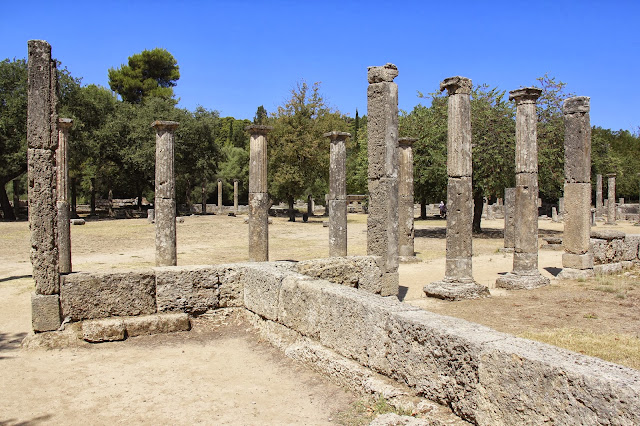
We stop for a family photo in front of the Palaestra
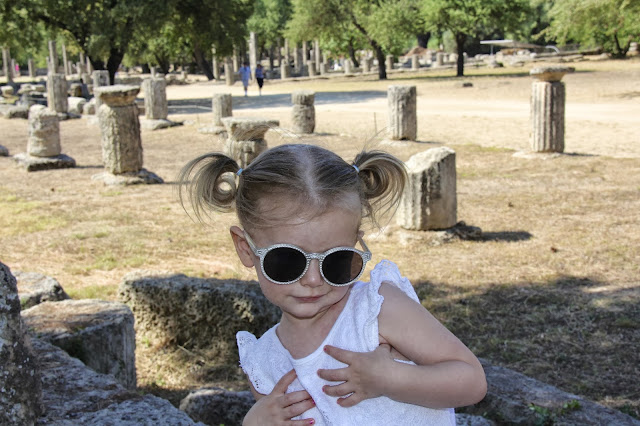
Julia does a little dance number
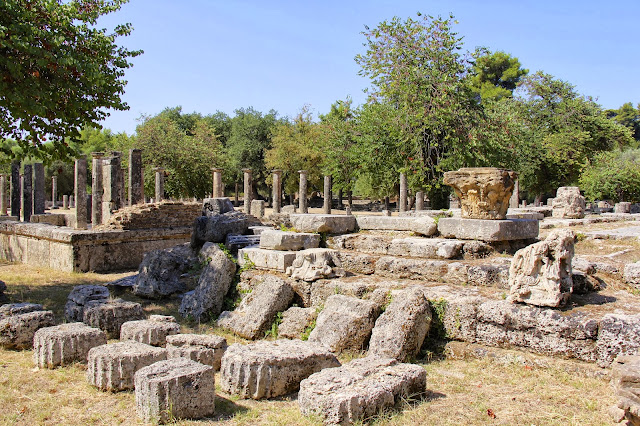
Ruins of the Theokoleon
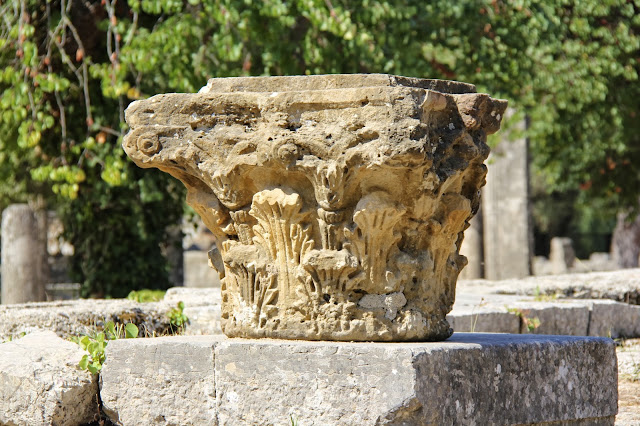
A lone column capital (top) remains… 1,000 years old? 2,000 years old? 2,500 years old??
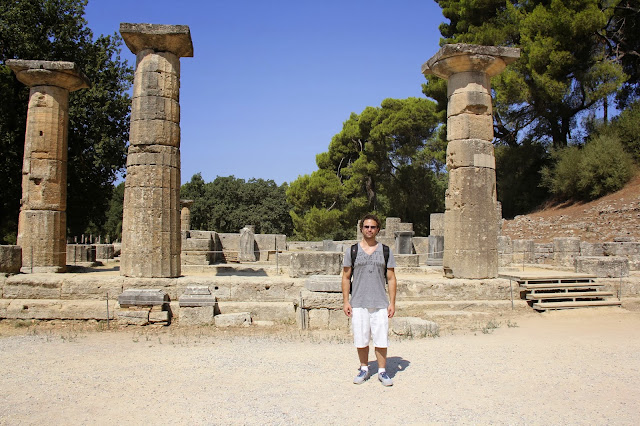
I stop to stand in front of the Temple of Hera
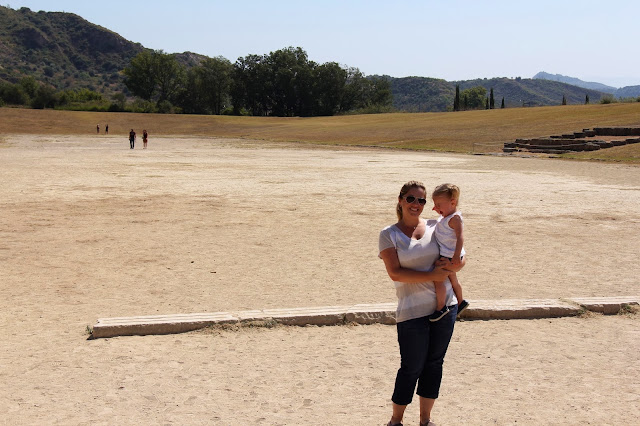
Jen and Julia challenge competitors on the Stadium ground
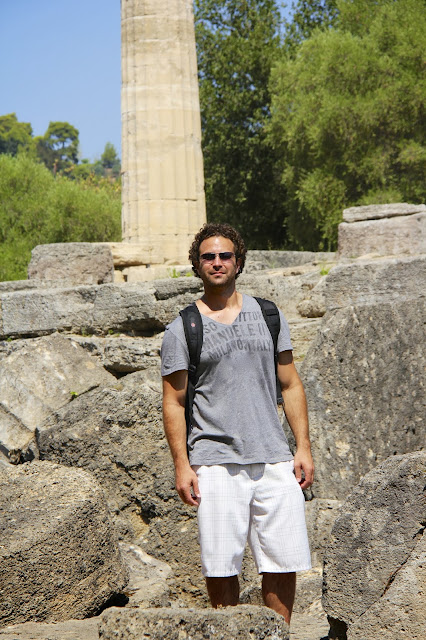
Lost amongst the rocks in front of the Temple of Zeus
Another view of the Theokoleon
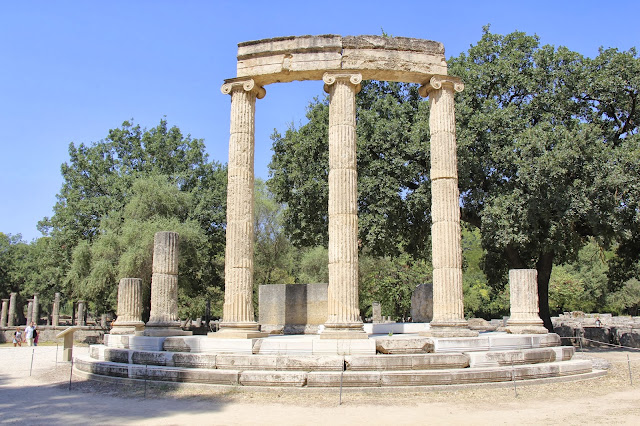
Impressive remains of the Philippeion
The next day we woke up in Piraeus, Greece – which is the port city outside Athens, Greece. Same thing as before – I bypassed the tempting, but expensive excursions and departed with Jen and Julia in tow. We walked around the corner and found that the Greek Gods were smiling on us that day. In addition to the regular cabs and buses to take us the 20 minutes into Athens, there were “Hop On-Hop Off” open-top tour buses. That meant we would get a ride, an audio tour and the ability to come and go as we pleased, all for $30.
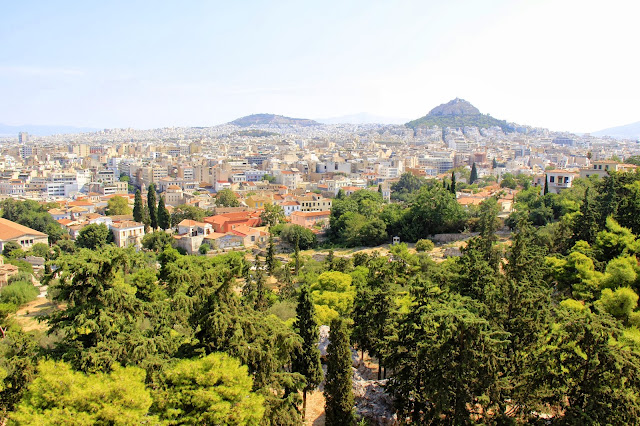
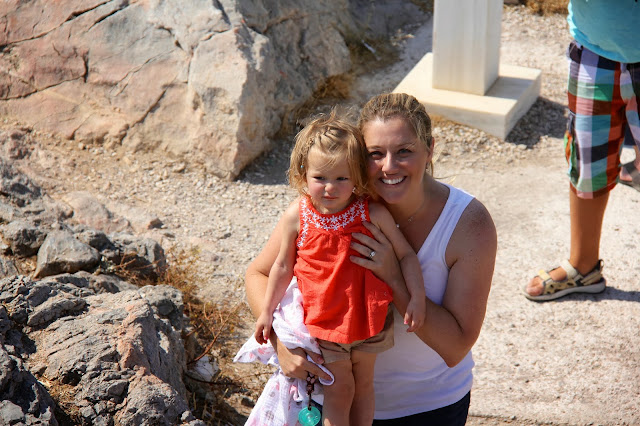
Athens is an amazing city with a recorded history spanning 3,400 years
We rode around Athens, enjoying our tour and chuckling to ourselves at the Greek music they kept playing over and over (imagine the soundtrack to “My Big Fat Greek Wedding” on repeat). My plan was to complete the loop and finish the audio tour before getting off, but when I saw the majesty of the Parthenon, I knew we needed to depart the bus immediately.
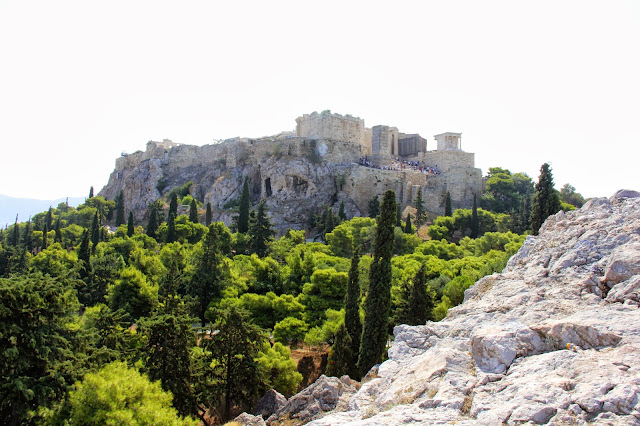
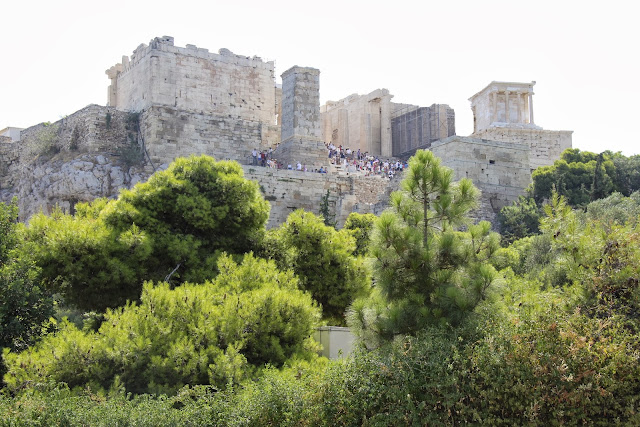
The Parthenon sits atop the Acropolis of Athena
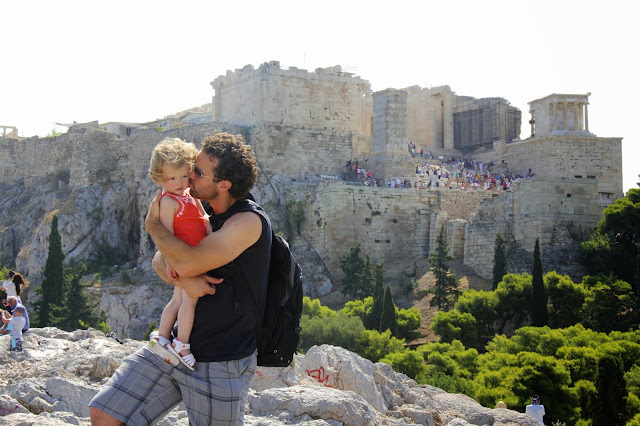
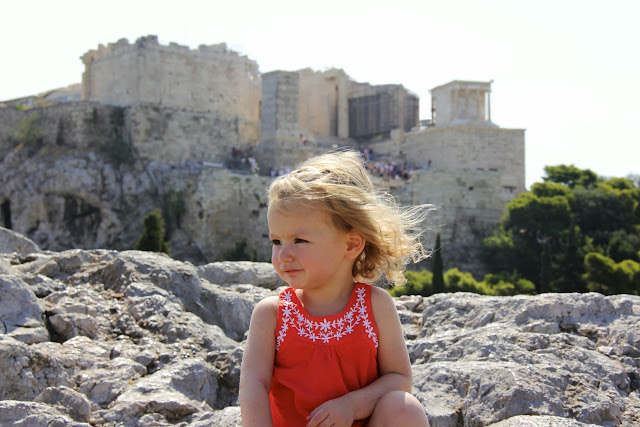
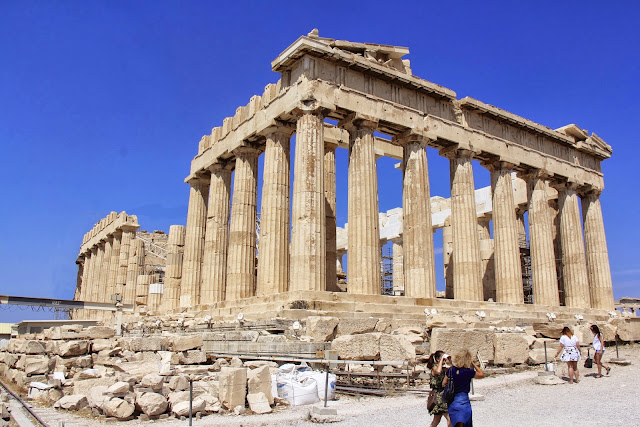
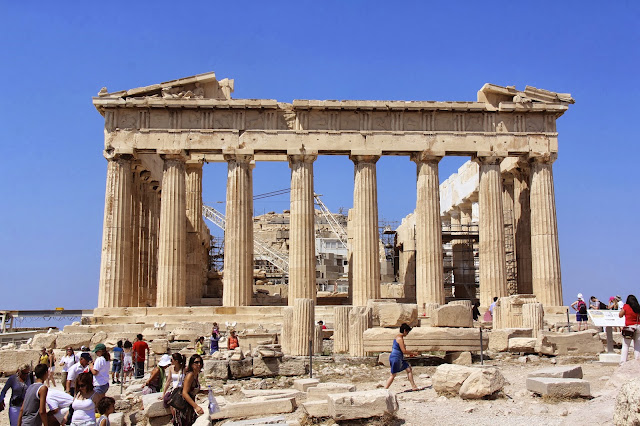
The Parthenon is the featured temple within the Acropolis of Athena; a temple built to honor the Goddess, Athena. Construction of the temple began in 447 BC and today it is widely considered the most important surviving building from Ancient Greece. In order to reach the temple, you must climb the imposing slate steps to reach the Acropolis of Athens, an ancient citadel set high atop a rocky outcrop far from today’s modern Greece. But before we climbed the steps of the Acropolis, we first climbed a neighboring cliff for a view of the magnificent ancient city and the more modern one below.
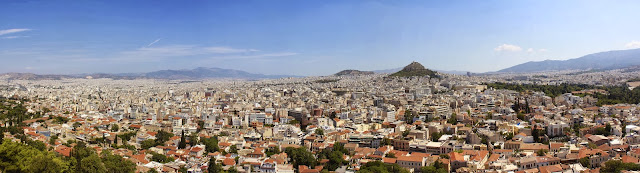
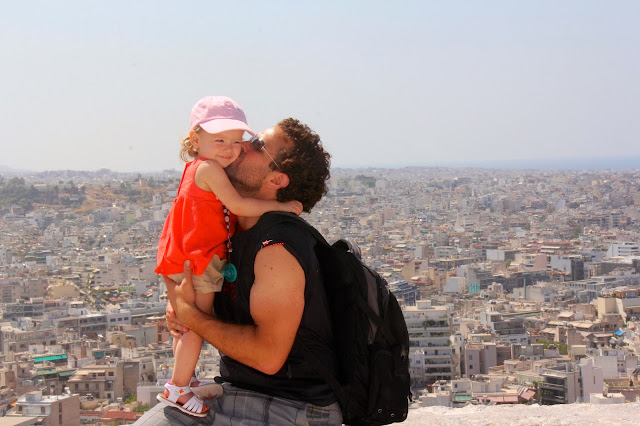
Athens has roughly 3.2 million inhabitants – Greece’s largest city by a wide margin
Hundreds of visitors passing through the gates of the Acropolis
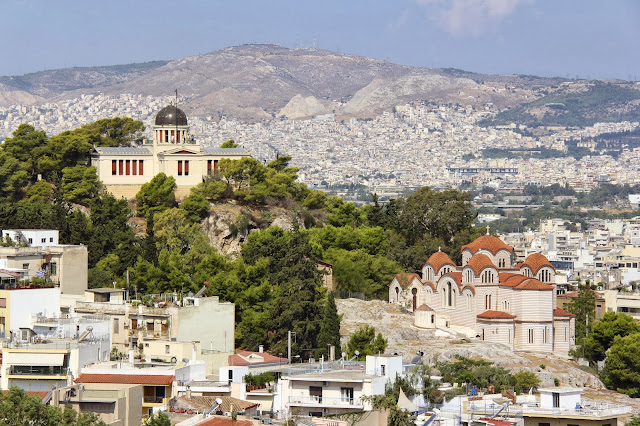
Ancient ruins are a part of the city – even as modern urban sprawl is built around it
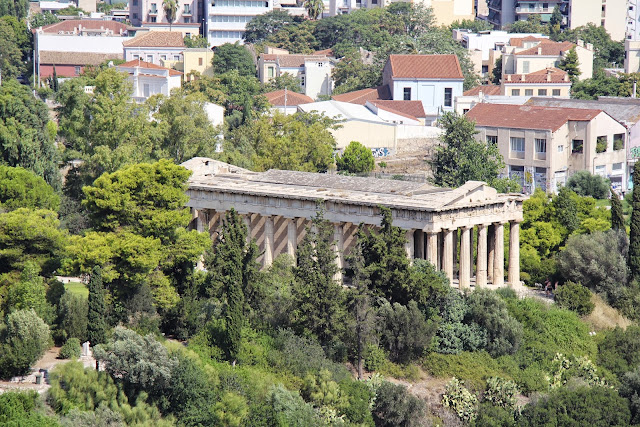
Some more “modern” temples perched atop their own cliffs
My girls begin their ascent
Julia fights the wind and I steal a kiss
I think Athena herself would have been pleased to have this little guest in her temple
As we climbed the steep incline of the Acropolis toward the temples, we narrowly missed slipping and sliding back down to the bottom. The slate steps were slick even though they were bone dry – I couldn’t imagine making the climb if it had rained. There were many sights to see, including the amazing expanse of a remarkable city below. We marched through the ancient doorway leading into the city and stopped for a rest and some photos.
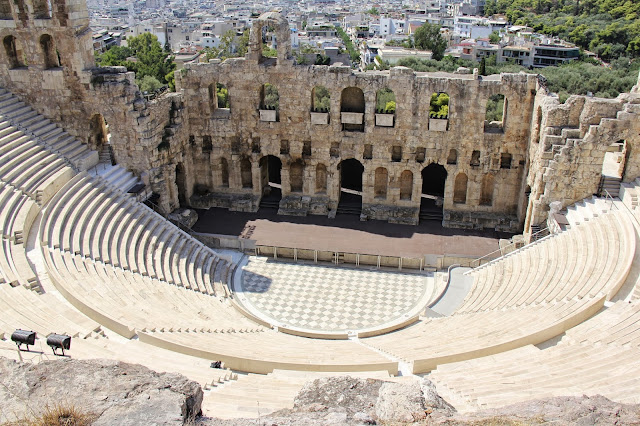
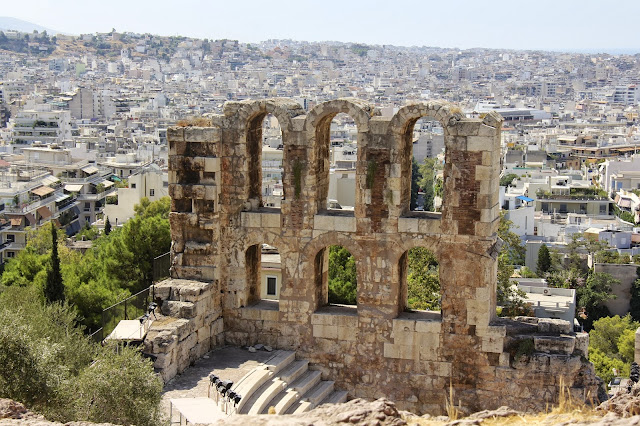
Odeon of Herodes Atticus – a steep sloped amphitheater built in 161 AD
The southern wall remains well intact
Julia lets me kiss her for all of Athens to see
The Parthenon – Temple of Athena
It’s amazing how well the Parthenon has been preserved
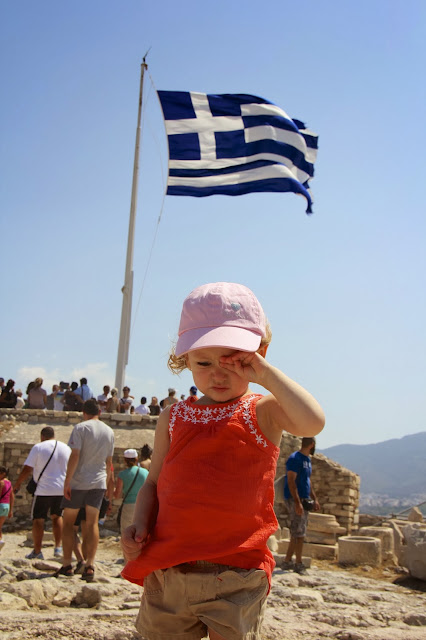
Julia pays her respects to the Greek flag
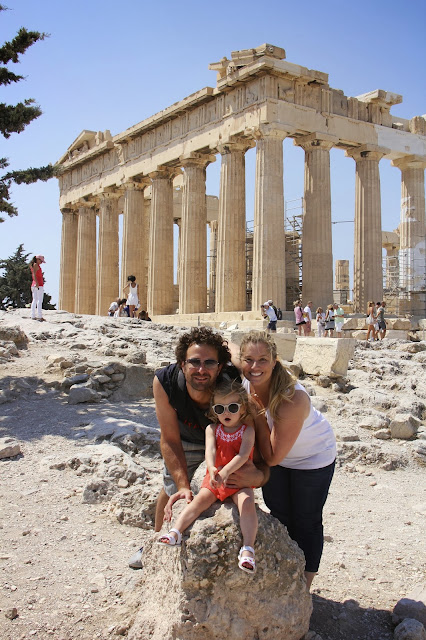
Family photo in front of the Parthenon
While the Parthenon is clearly the star of the show within the Acropolis, there are many other important ancient buildings and temples. The Greek word Acropolis (Ακρόπολη) is made up of two components – akron, meaning “edge” and polis, meaning “city”. While there are many other Acropolis’ within Greece, it is commonly accepted that the Acropolis of Athens is the Acropolis in all of Greece. From the moment we walked through the gateway into the city, I truly felt as if I was transported into an ancient, mythical world – where Gods and Goddesses ruled from on high. Perhaps I have seen too many movies, but I really did feel as though I was apart of something far bigger than I’ve ever known. I think I was even annoying Jen a bit with my enthusiasm and newfound feeling of power (as if I was somehow apart of the world of The Gods and could strike down any mere mortal…). It was probably good that I got out of there when I did, lest I try to actually smite someone.
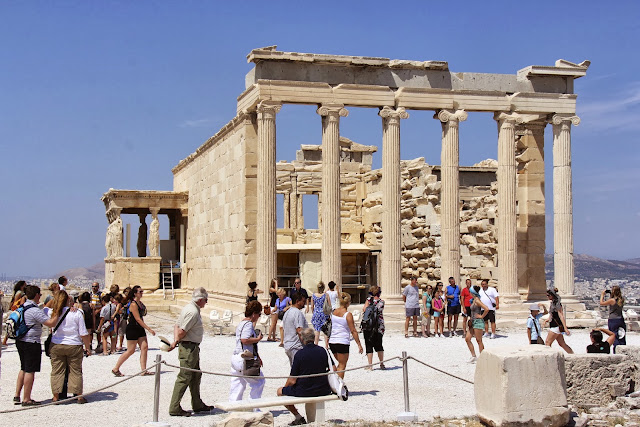
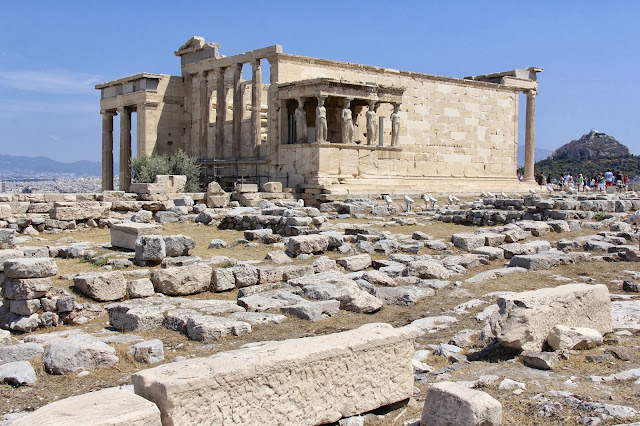
The Erechtheum – a Temple for both Athena and Poseidon built between 421 and 406 BC
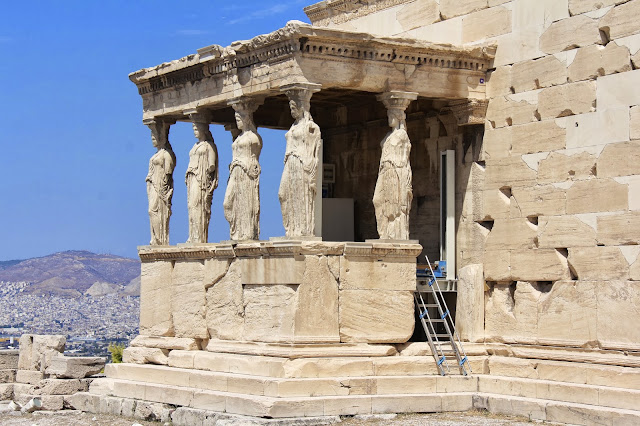
The Porch of the Caryatids (maidens) built to conceal a 15 foot support beam
Another view of the Erechtheum from the south west
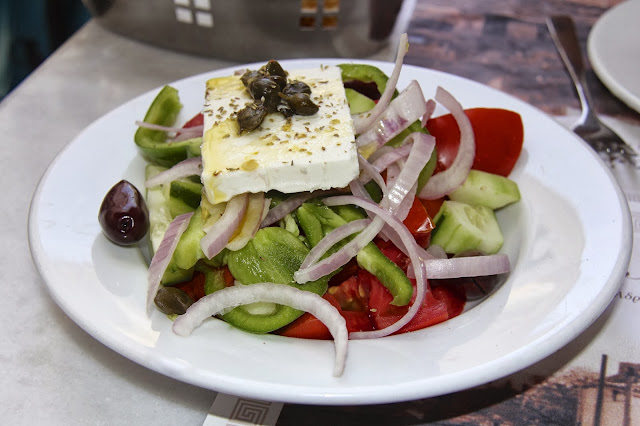
We had worked up quite the appetite touring the Acropolis and so we descended the ancient city toward a more modern part of town. We found a charming pedestrian area of the modern city and stopped for a lunch of what else… Greek salad! We drank a couple of refreshing Greek beers and then strolled through the ample markets.
Greek salad – the authentic way!
Finally, we boarded the ship and set sail for our next adventure… I hope you’ll hop back aboard for Part II (coming soon)!
I’ve always been amazed by my father’s dad, even though I have very few memories spending time with him. My “Poppy” was a career photographer for National Geographic. He was born before the turn of the century (February 24, 1898… have you ever known anyone from the 1800’s?!) in a rural town in Delaware that even today only boasts a few hundred residents. He raised his family in Washington DC and got to travel the world for his work (long before traveling the world was something you actually did). These are all things that I find particularly fascinating and I have discovered we even have a few parallels in our lives. Except, he was a rather short man and I’m basically what you call basketball height (5’9″ is about the tallest you’ll see on the court, right?).
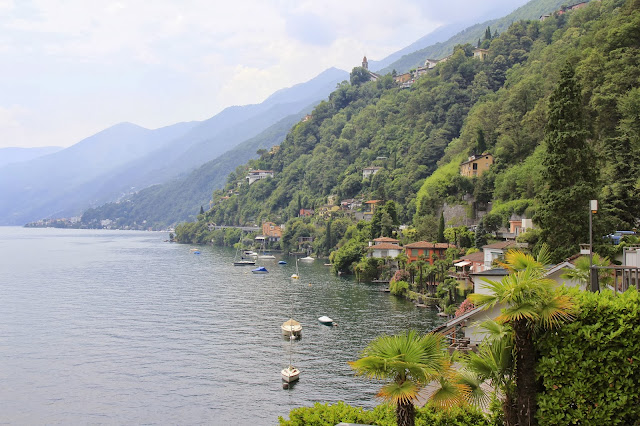
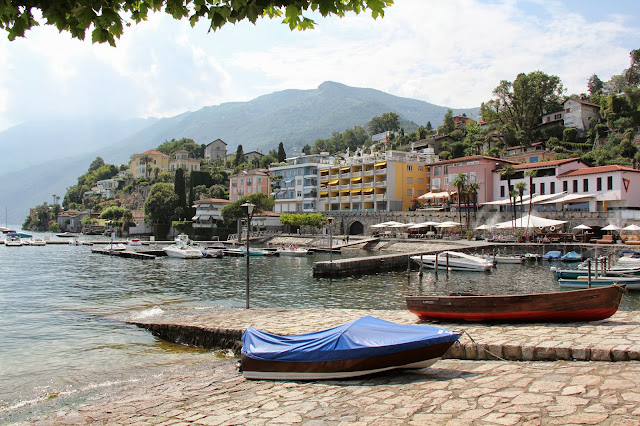
A scene along Lago di Maggiore
Of all those attributes, his long-standing career with National Geographic is probably the most interesting to me (and one I’m happy to brag about). On a whim one day (several years ago), my sister-in-law, Jessica googled his name and was surprised at the results. Over 400 of his images appeared on websites like art.com and others (I’m still researching how I can lay claim to the royalties… lawyers feel free to message me). Jessica conspired with Jen and they surprised me with an huge print of one of his 1950’s Washington DC images (I was living downtown at the time). Since Jen’s parents, Dominic and Diane had just purchased their condo in the Lake Como, Jessica and Diane also purchased one of his more famous 1950’s lake images in order to surprise me twice, as well as Jen. When the gifts were presented, my dad, beaming with pride ran out of the room for a moment and came back with the two original copies of National Geographic magazines that contained those exact images. I kept one magazine with my image at my home in Washington DC, and we took the other magazine to Dominic and Diane’s condo in Italy to be with the print that now hangs above our bed.
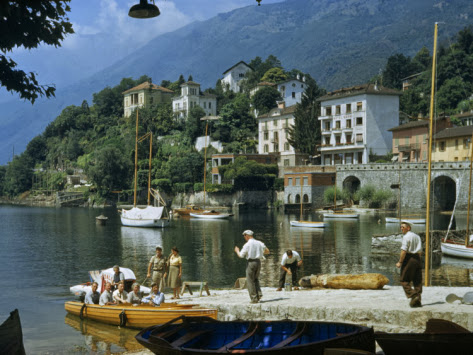
My grandfather’s photo that appeared in the August 1950 issue of National Geographic
I promise, there’s a reason I’m giving such a long account of my personal family history and it all ties back to my wonderful wife. Not only was she thoughtful enough to present me with this great present a few years ago, but she also had a fantastic idea for a day-trip when my parents came to visit, which they did recently.
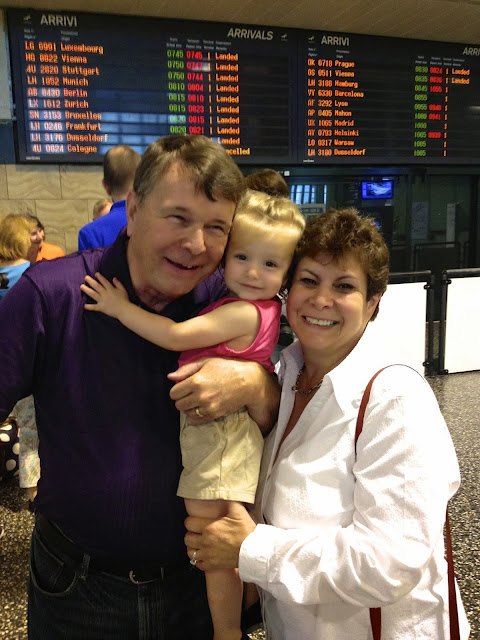
Julia was all smiles when her “Pop-Pop” and Grandma got off the plane. My folks had been with us to Lake Como before, but this was the first time in warm weather. They were excited to see everything with new eyes, all over again.
“Benvenuto, Pop-pop and Grandma”
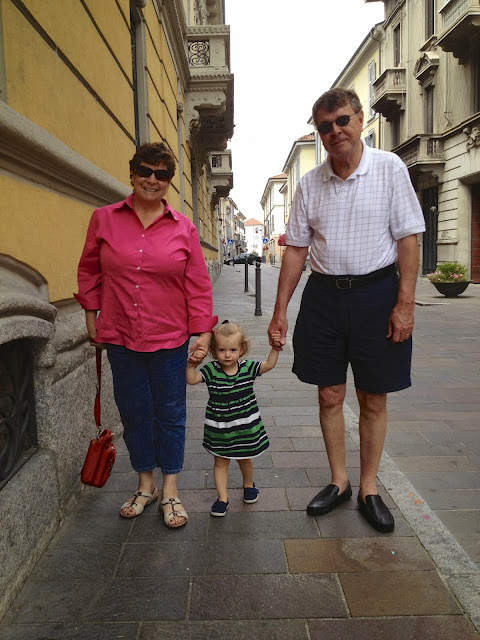
Julia shows them around Italy
We had a long, but flexible plan laid out. We went to a small nearby lake, Lago di Montorfano and had a picnic.
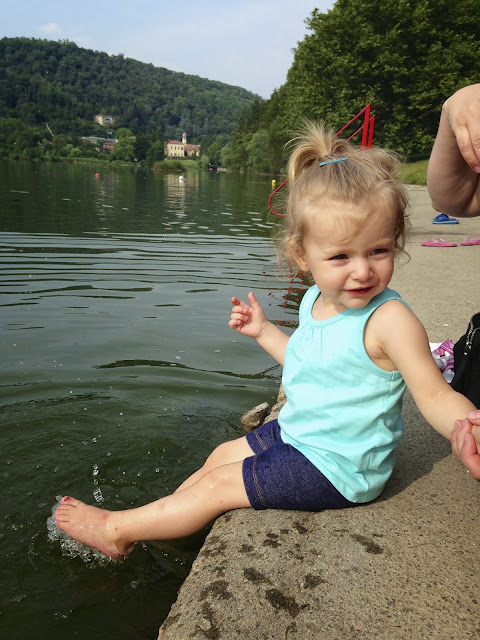
Julia splashes in Lago di Montorfono right by our house
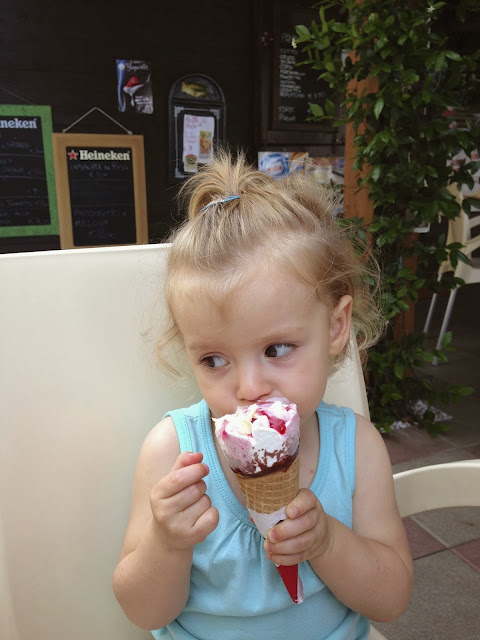
Then she needed a little gelato to cool down
We went for a drive along Lake Como and visited one of our favorite towns, Menaggio.
Stefani and Sonny are all smiles in Menaggio
Julia wanted to tell Pop-Pop a secret
I think she told him to smile
Julia can’t hog all the kisses from Pop-pop and Grandma
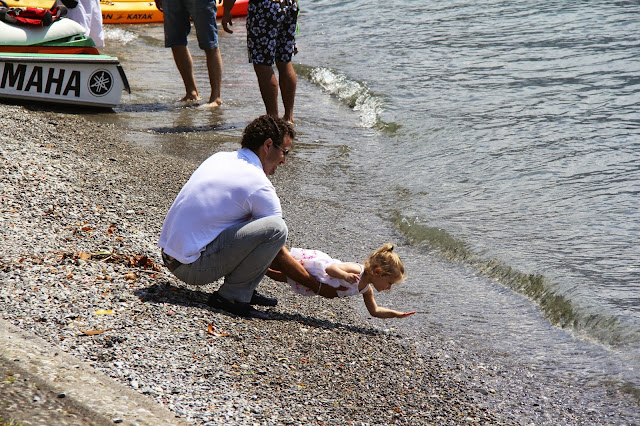
She wanted to touch the water but would get startled at each little wave crash
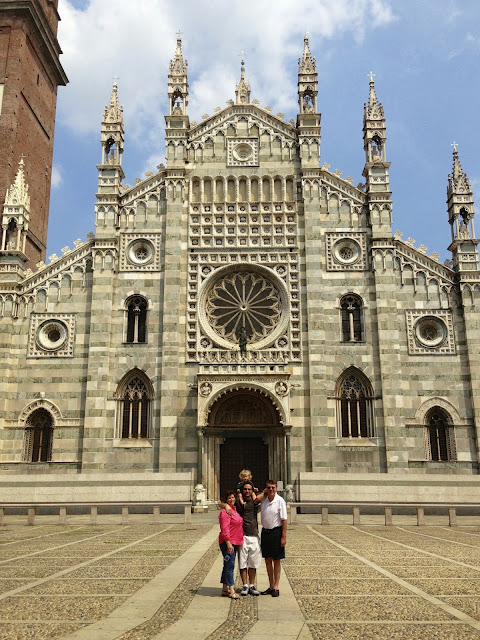
We also took a day trip to Monza – a town famous for the Formula 1 races that are held in the streets each September.
In front of the chiesa (church)
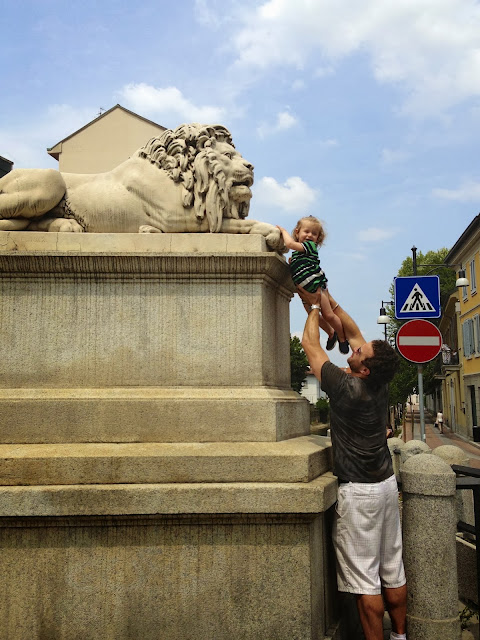
Julia insisted on “petting” the lion
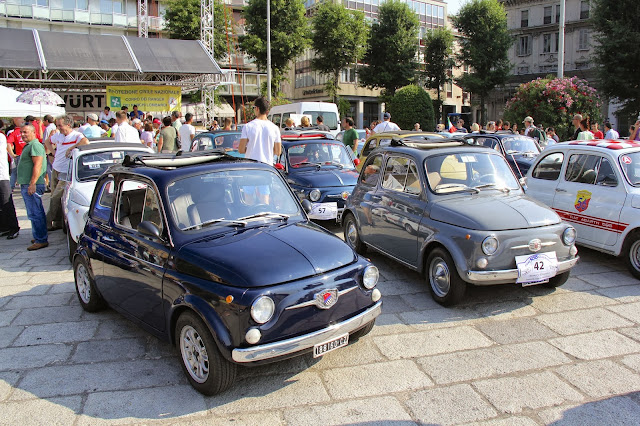
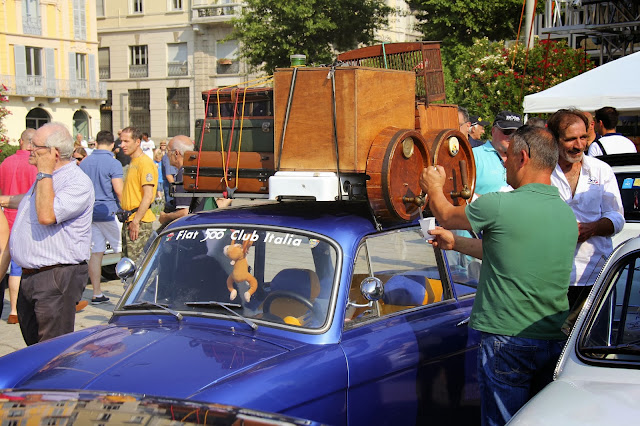
And of course, we visited downtown Como. On the day we were in Como, there was Fiat 500 rally in Piazza Cavour. Recently, I was telling some American friends about this gathering of miniature vehicles and describing the car as the “Fiat Cinquecento”. They were looking at me like they had no idea what I was talking about and I was getting more and more frustrated – “Come on… I know that you know what I’m talking about. They’ve been in the States for a long time now. The little car. The Cinquecento!” Finally, I realized that I had been saying “five hundred” in Italian and so it wasn’t making any sense to him!
Classic old Fiat 500’s
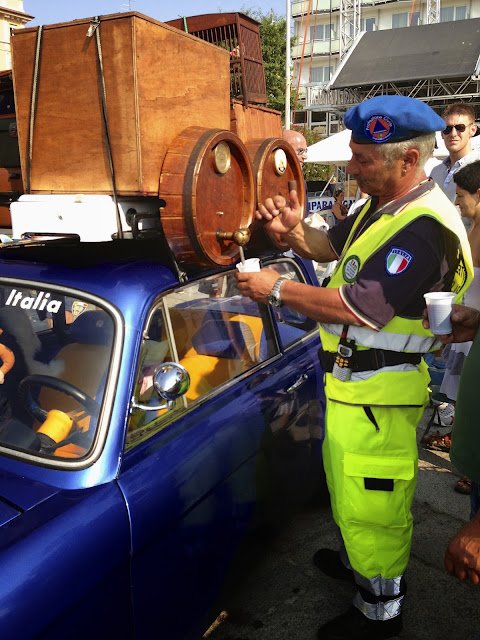
This guy had his 500 equipped right – barrels of wine attached to the roof!
Hey, even security needs a little vino!
Of all the day trips though, Jennifer had planned something that eclipsed them all. She had decided that we would find the exact spot where my grandfather captured his lake image and recreate the exact same photo. I thought this was a marvelous idea, but equated it to finding a needle in the haystack. I think my dad thought it was the best idea he had ever heard and didn’t doubt for a moment that we would find the location. Since we had the original magazine, we read the account of the photo described by my grandfather. He captioned the photo, Summer Villas in Tiny Ronco Flank the Shores of Europe’s Deepest Lake, Maggiore, Shared by Switzerland and Italy. So it turned out that the image was actually taken on the Swiss side of a lake that crosses the border of both Italy and Switzerland. We knew the lake – Maggiore and we knew the town – Ronco. Some quick time spent on google confirmed that Ronco was a small village and so I became confident that we could cover the shoreline by foot and car fairly easily.
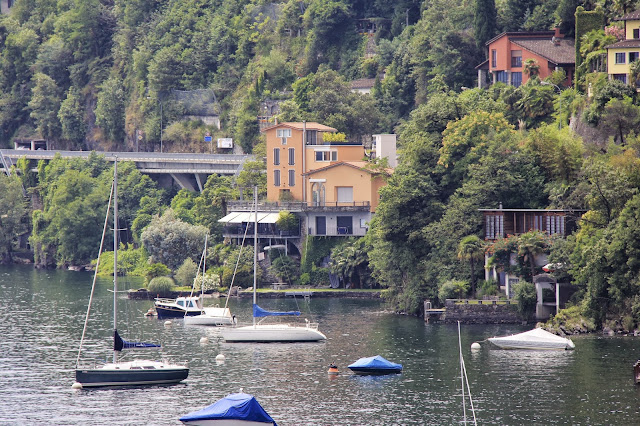
Some sailboats in Ronco
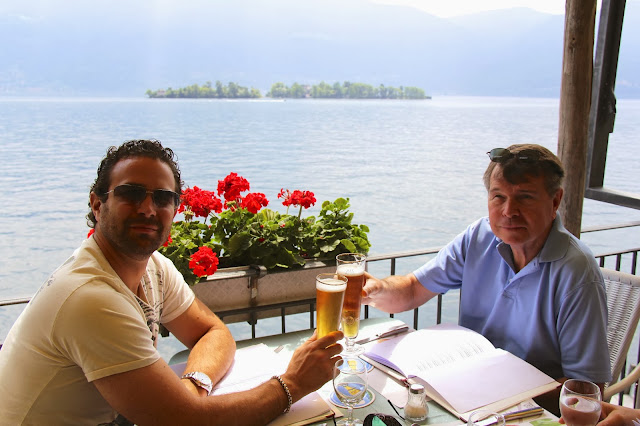
On a clear day, we packed up the car and set out toward the northwest corner of Lake Maggiore. The journey would take about two hours crossing some beautiful countryside. When we arrived in Ronco, I cruised the shoreline for a while looking for anything that resembled the photo. Nothing stood out. That’s OK… no reason to panic. It was time for lunch anyways, so we stopped to reward ourselves with a wonderful lunch overlooking the beautiful lake.
“Cin-cin, Dad!”
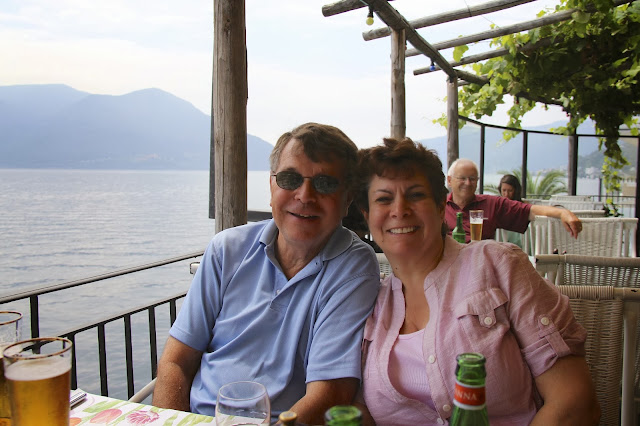
A happy couple eating lunch that overlooks the lake
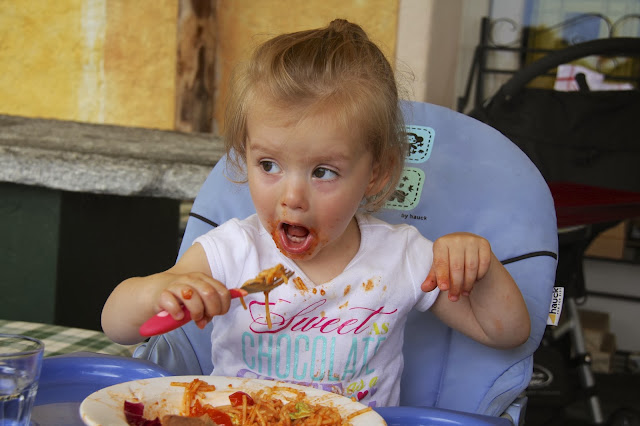
Julia makes a silly face while eating her pasta (and she also made a big mess)
After a leisurely lunch it was time to go back to work. Since we had covered the south side of the village and the car was already parked, I made the decision to go north by foot. We walked for a bit. Then we walked further. Finally, I spotted it. But it wasn’t right. So we pushed on. Everyone’s pace slowed. But I remained confident it was just around the bend. It was not. Eventually, the sidewalk ended and I was pretty sure we had left Ronco twenty minutes prior. Sadly, we turned back to the car, but not before stopping at a bar to talk to the locals. I asked the proprietor if he was familiar with the location of my image (I had printed a copy to take with me). With barely a glance, he said “sì, sì. Conosco quel posto. Questo è Ascona” (yes, yes I know that place. That is Ascona). Wait, what? Ascona – the town about 10 kilometers up the road? He couldn’t be right, could he?
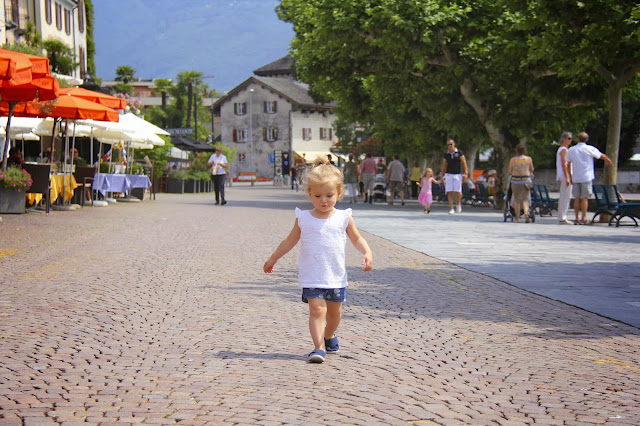
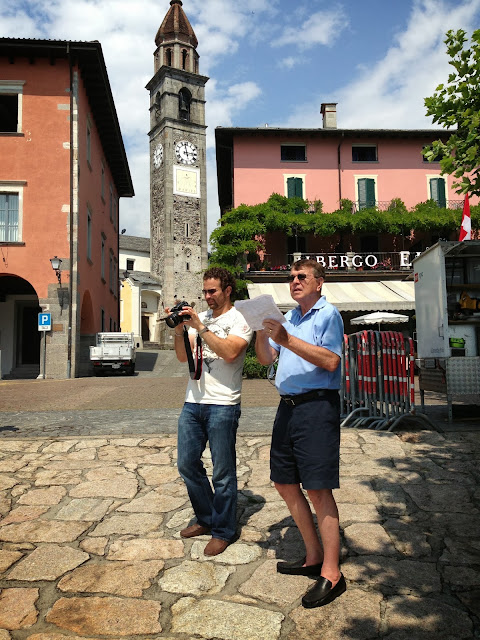
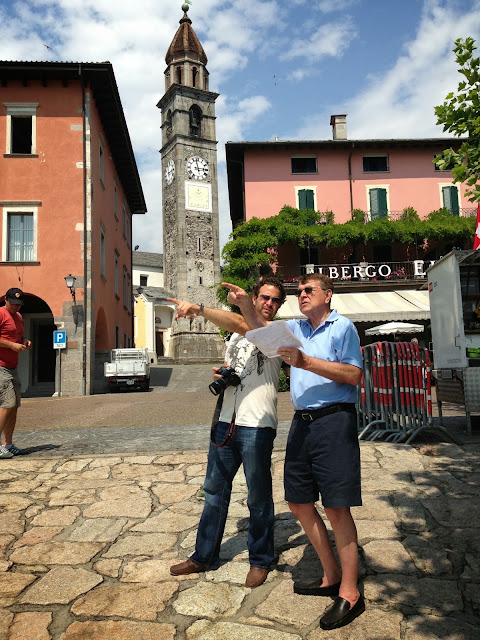
Julia marches through Ascona on the hunt for Poppy’s spot
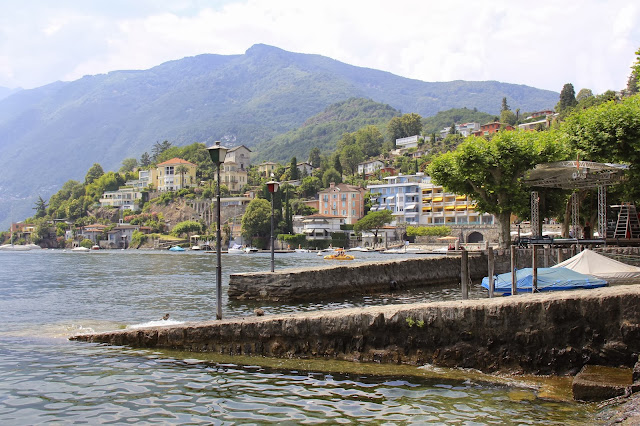
We piled back in the car and drove to Ascona, just a few minutes up the road. Immediately after we parked, we saw it – the exact spot where my grandfather snapped his photo over sixty years prior! I learned something about my Poppy that day. Even though he was an exceptional photographer, his attention to detail may not have been the best. We imagined him, hunched over his photography equipment and notepad, enjoying a leisurely lunch and wonderful vino. I pictured him scribbling a few notes about the Lake and then asking a waiter the name of the town, not bothering to care (or realize) that he was lunching in Ronco, a town close – but yet so far from Ascona.
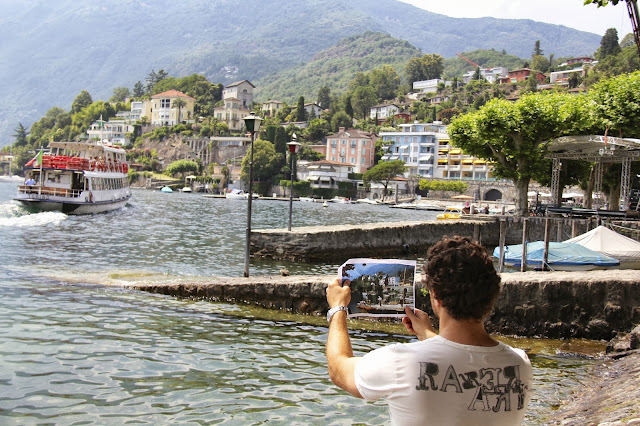
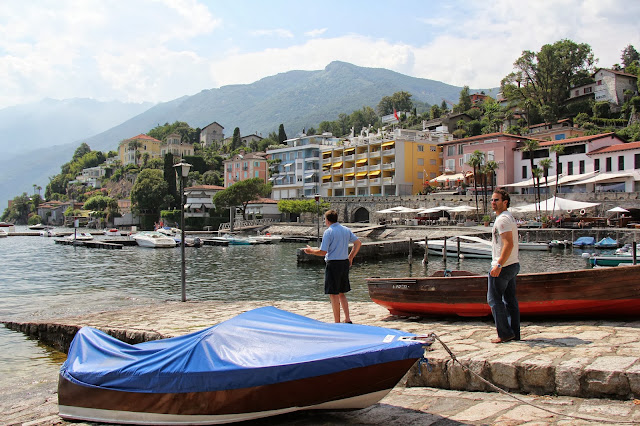
This was the area of the shot – the houses were different colors, but they were all still there
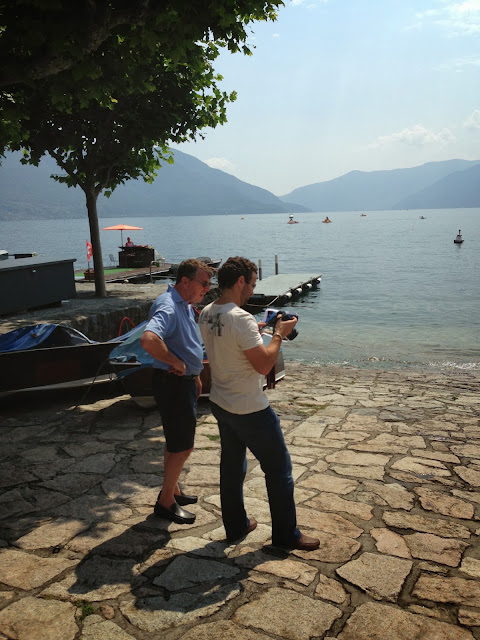
We were thrilled to have found it, Poppy’s published error notwithstanding. We were also amazed at the beauty of Ascona, a charming town with roughly 5,500 inhabitants. We walked along the water’s bank, our eyes always gazing upward toward the mountains and homes that appeared in Poppy’s image. I was particularly pleased, but not altogether surprised to see that all the same homes were still intact (although a few additional homes and condo’s had sprung up over the years). My father and I plotted and planned and finally agreed on the frame of the image. I must have taken over 100 images before we were done. Really getting into the spirit, I made my mom and dad pose with me like the dockworkers did so many years ago. We walked further down the shore and then realized we had picked the wrong spot. I suppose my grandpa isn’t the only one entitled to a mistake.
I’m trying to line up the image
My father and I review my work to check for accuracy
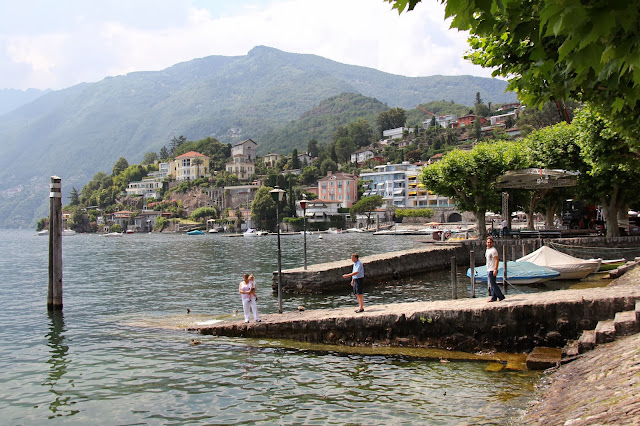
I posed us all as the dockworkers and tourists in the photo
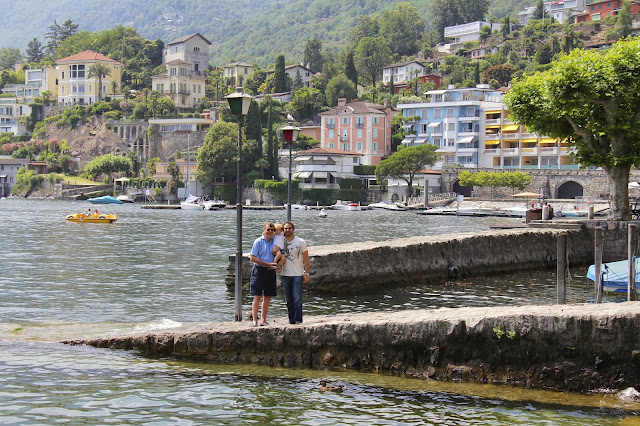
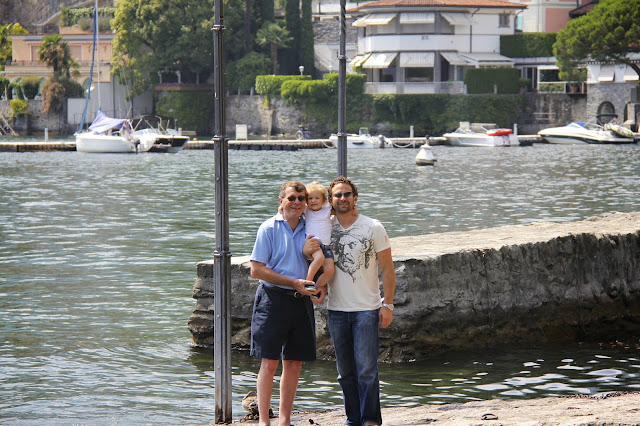
Three generations pose where the prior generation had been over sixty years prior
Julia was all hugs
After we discovered we had been shooting in the wrong spot, we re-set and shot again. This time, we were confident that we captured the exact same image. There was even a boat on the ramp, like in the original photo.
Re-framing the shot
We both agreed on the new spot
Posing as dock works again
The final product – this was the shot I chose to resemble the original
And the original again so you can compare how we did
We spent a little time walking around the town and then headed back to the car, pleased with a job well done.
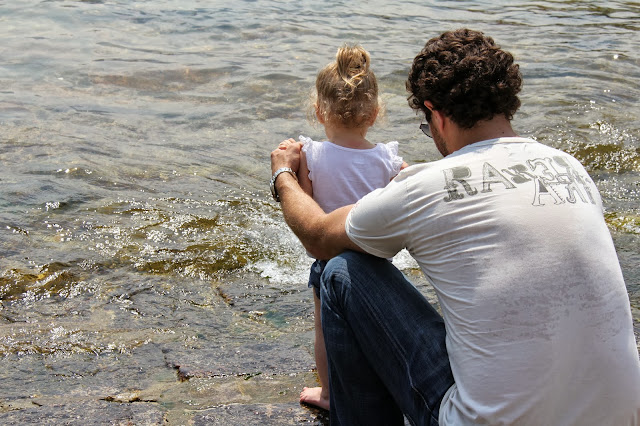
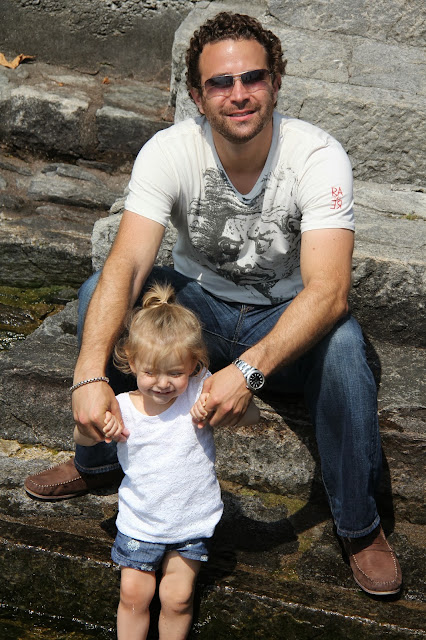
Julia insisted on getting her feet wet
Playing with daddy
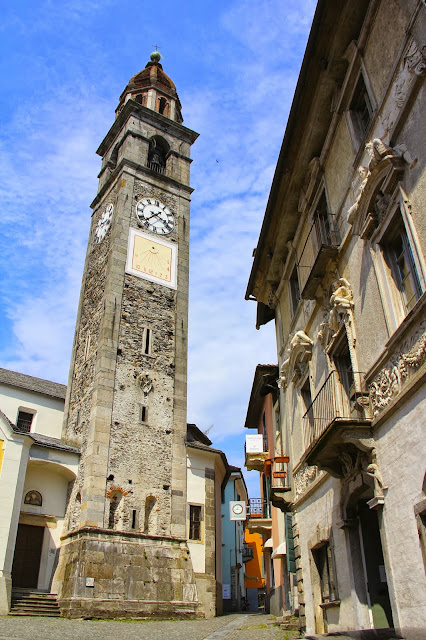
Campanile (bell tower) of Ascona
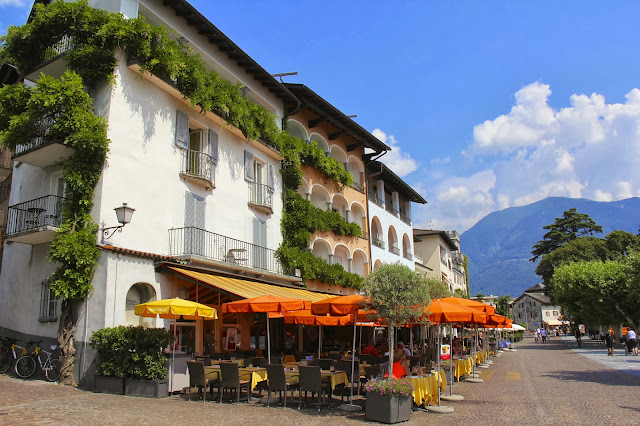
Restaurants line the pedestrian street along the lake
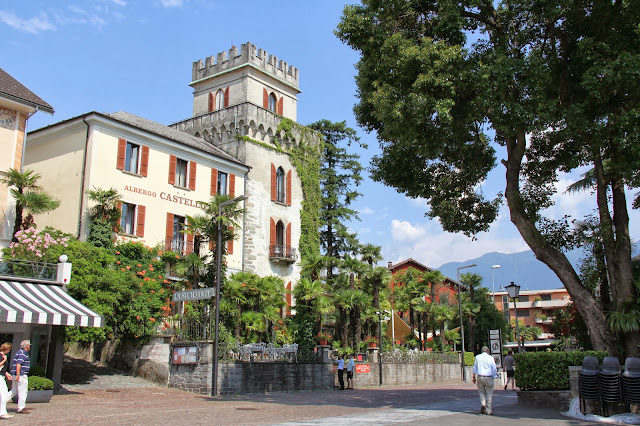
An old Castello (castle) turned into a modern day Inn
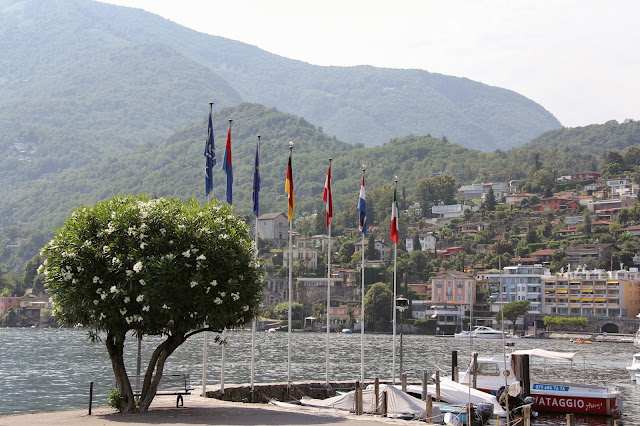
Flags of various European countries lay still on a windless day
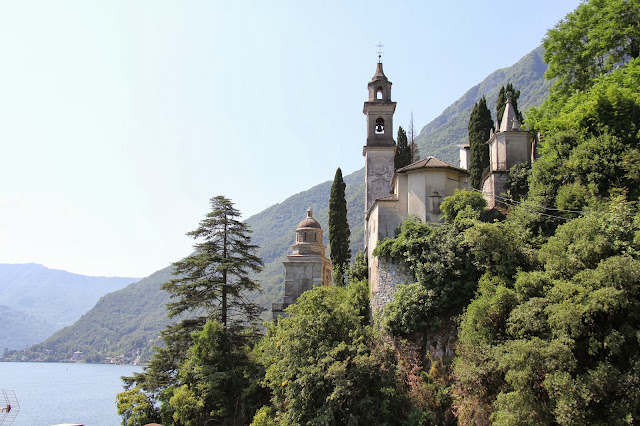
An old church on the hillside
Boats in the harbor
I couldn’t believe that I stood within feet (perhaps even the exact same spot) that my grandfather did sixty three years prior. My grandfather passed away nearly thirty years ago – when I was five years old. I felt more connected to him at that very moment that I ever had before. I know it was a special day for me and I’m sure it was even more special for my own dad. I will always be grateful to my wife for suggesting that we embark on this journey together.
Channeling my inner Poppy in order to take good pictures
Jen and I recently went to Scotland with her family (HERE) and had a fabulous time exploring the Scottish Highlands. We saw Aberdeen and quite a bit of the Scottish countryside. Next on the agenda was a trip to the country’s capital, Edinburgh. The original plan was to make it a day-trip, but we felt that there was too much to see and do in just one day (not to mention a two hour drive each way), so we planned an overnight stay.
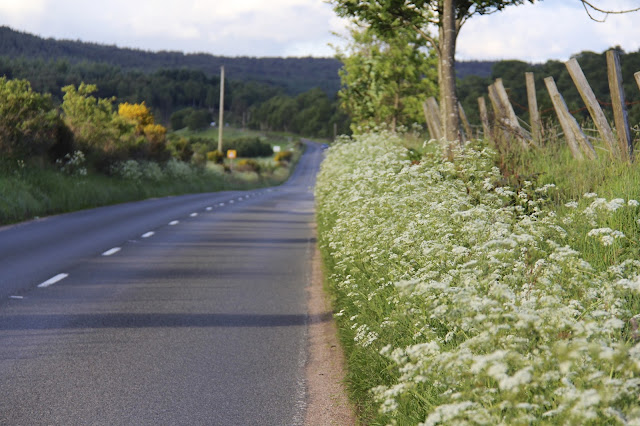
Country road in Ballater
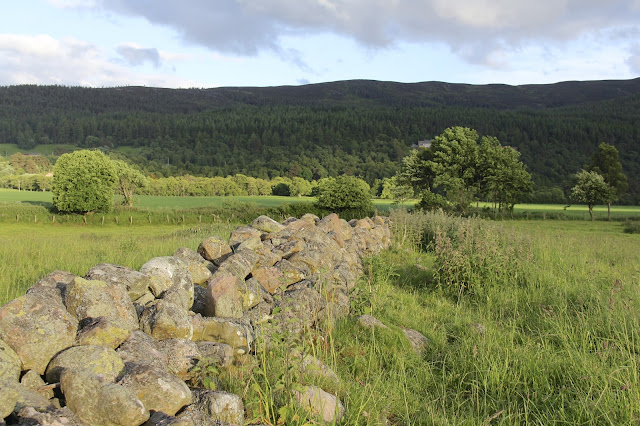
These dry stone walls have been used as field boundaries for well over a thousand years in Scotland
We set out early in the morning from our cottage in the charming town of Ballater, and headed south (still on the wrong side of the road) toward Edinburgh. I was simply amazed to see how the landscape could change so quickly from one part of the country to the another (the colors went from a lush, fertile green to a more rustic, almost coarse landscape – beautiful in it’s own right).
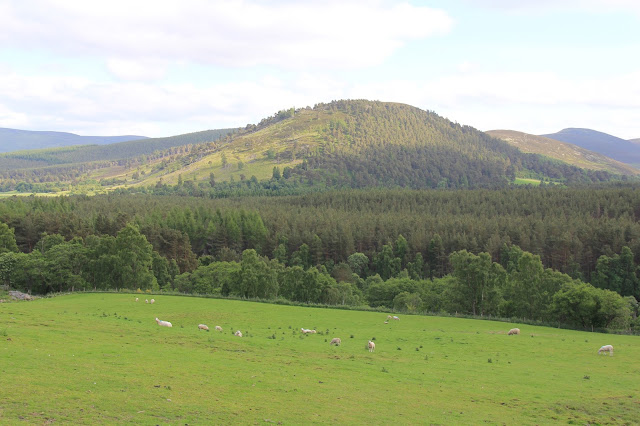
A hilltop basking in the sun, near Ballater – in the Scottish Highlands
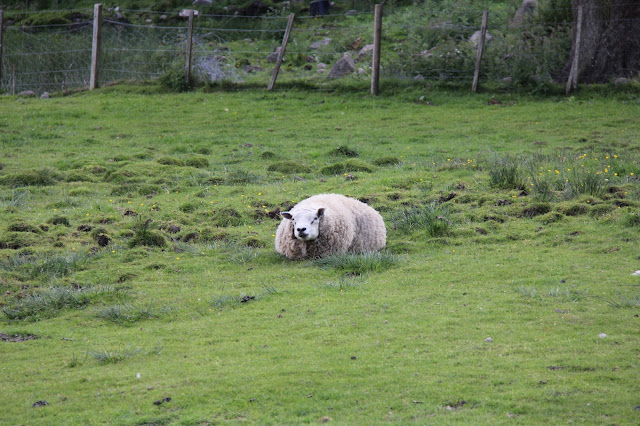
A sheep sits down for a rest
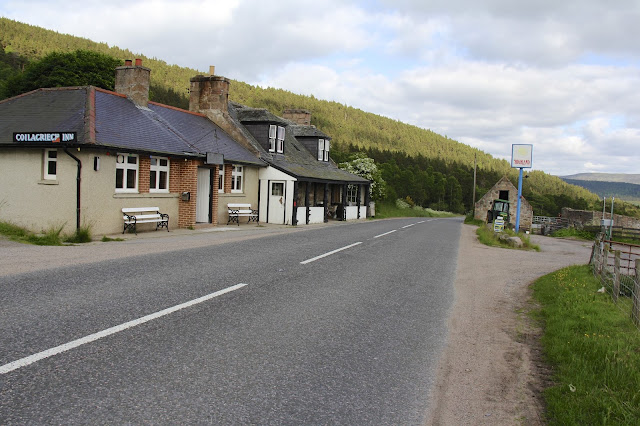
Booming commercial center near Ballater
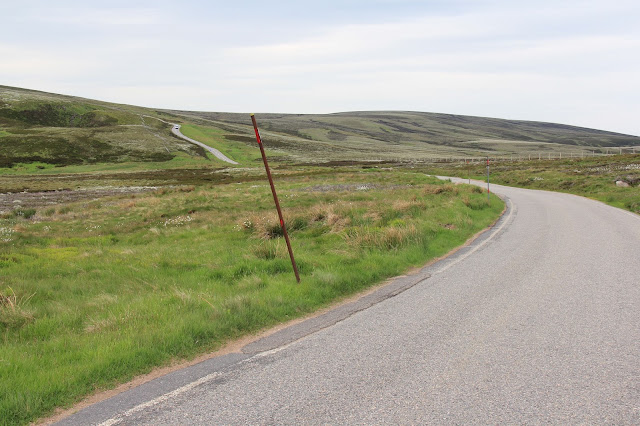
There was a long and desolate stretch of road as the hills flattened and changed their colors
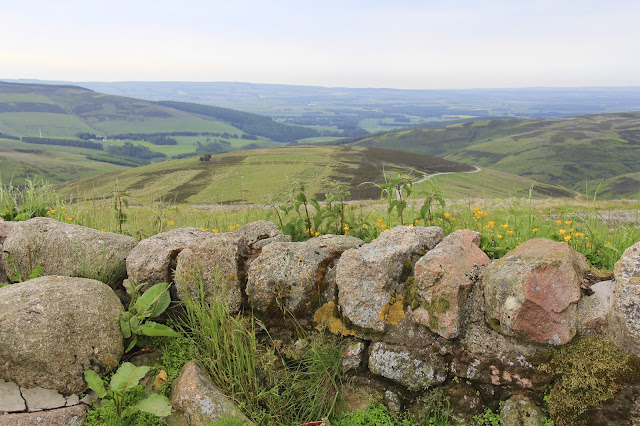
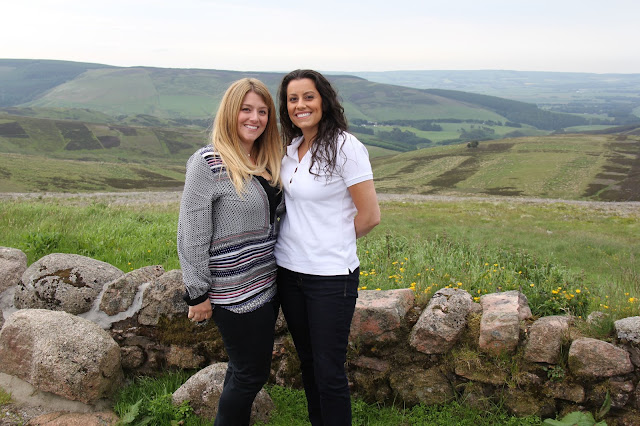
We paused at a scenic overlook to drink up the new landscape
Jen and her sister, Jessica are naturals in front of the camera
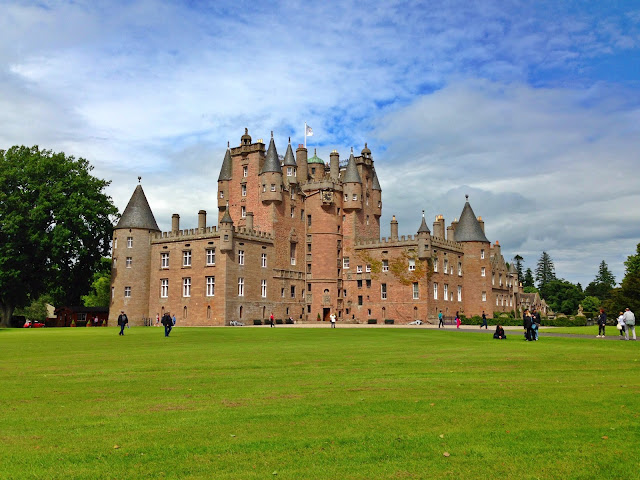
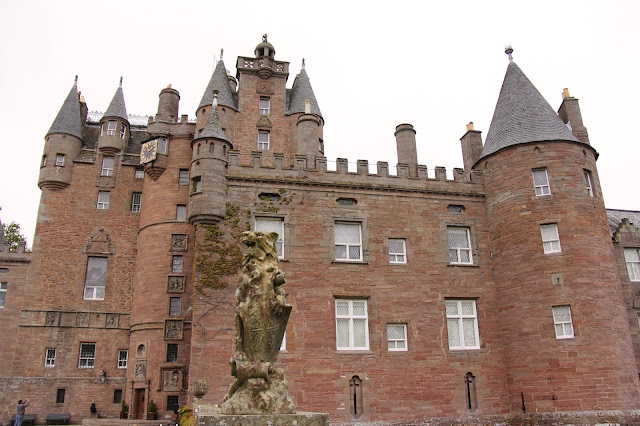
Since we opted for an overnight to Edinburgh, we weren’t as rushed to get there, freeing up time to see another glorious castle. Based on local feedback, countless websites and geographic convenience along our route, we chose to visit, Glamis Castle– often dubbed, “Scotland’s most beautiful castle”. The current home of the Earl and Countess of Strathmore and Kinghorne (yes, they really do live there; we could still smell the pleasant aroma of red cedar in the fireplace from the night before) began in the 11th century with much more humble beginnings. Set far in the woods within the town of Glamis, the current castle was once merely a hunting lodge nearly a thousand years ago. But changes in Royal titles, transfer of property, the ego of a few as well as some sordid stories of murders and love affairs transformed a simple hunting lodge into the massive castle it is today. There are legends of a ghost playing cards with the devil until dawn and myths of a monster strolling through the long corridors at night. The castle plays a prominent role in Shakespeare’s MacBeth when Duncan is murdered by MacBeth in Glamis Castle. And what proper castle would be without it’s Royal ties? Glamis Castle has boasted a direct link to the Royal Family in many ways, since 1372 (most recently, the childhood home of the Queen Mother).
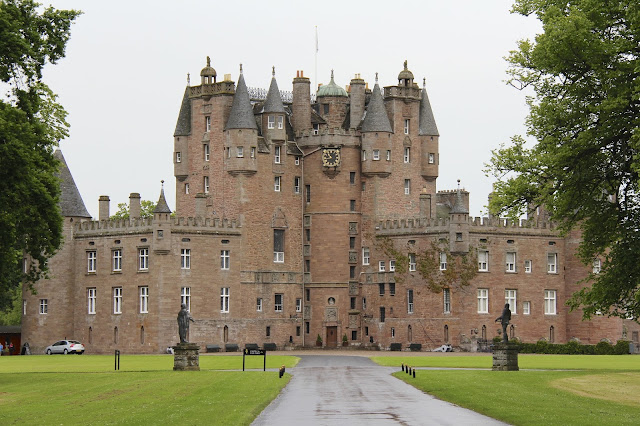
Glamis Castle
Welcome to Glamis Castle
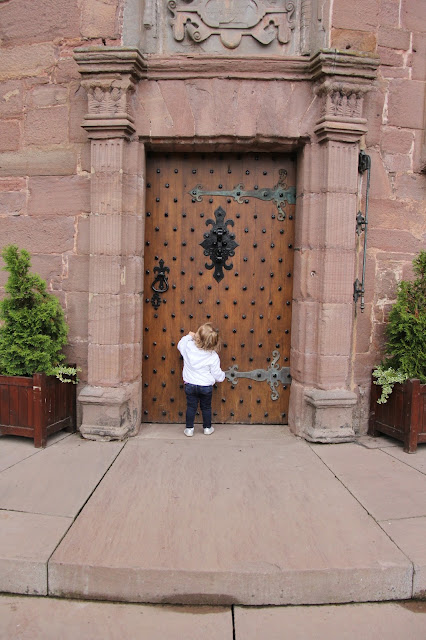
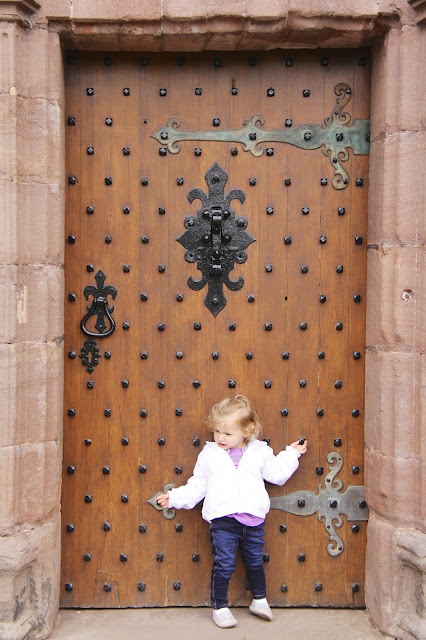
Julia went right up to knock on the front door
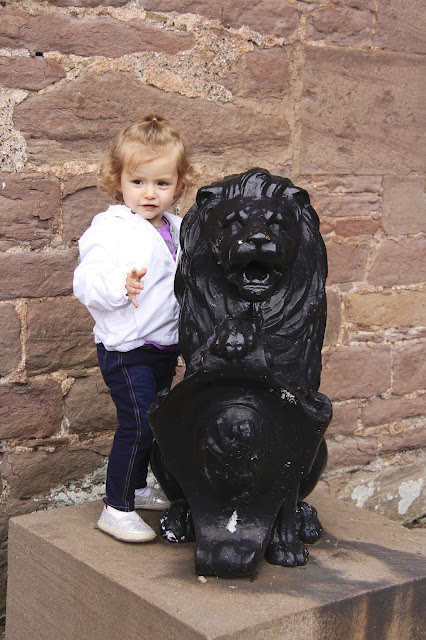
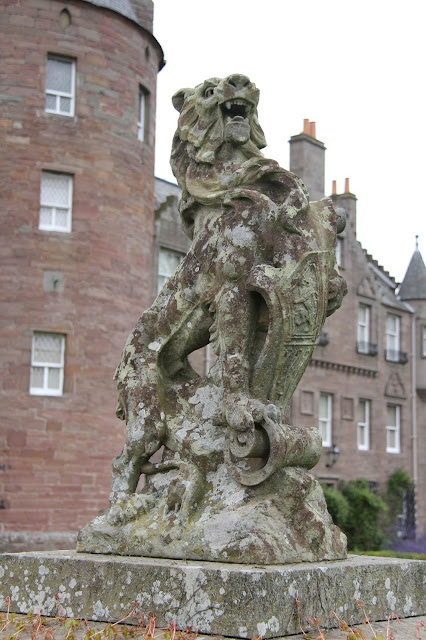
“Well, if no one is home… I’ll just use this as a back scratcher”
The lion’s are a symbol of the castle and appear in some form in every single room (except the chapel)
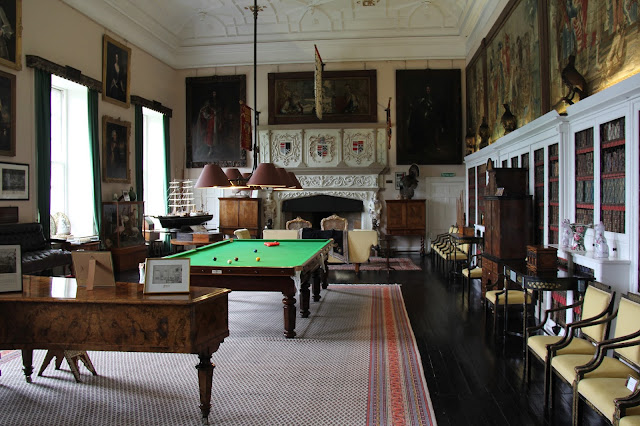
Interior photographs were strictly prohibited. Obviously, I couldn’t resist.
Billiards room
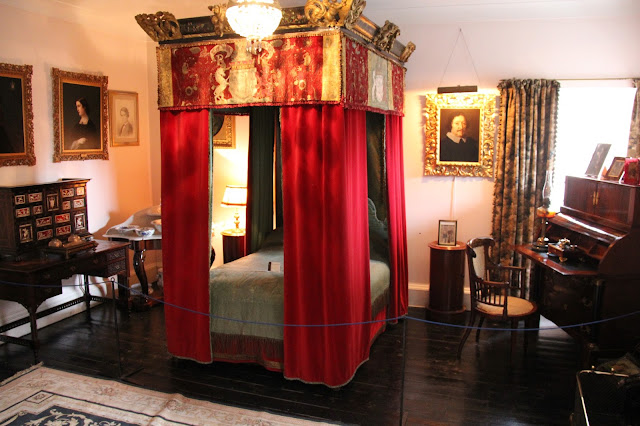
Someone’s bedroom – I was hanging back too far to listen so that I could get this shot. In retrospect, I see how dumb that was. I’ll just call it… the “guest bedroom”.
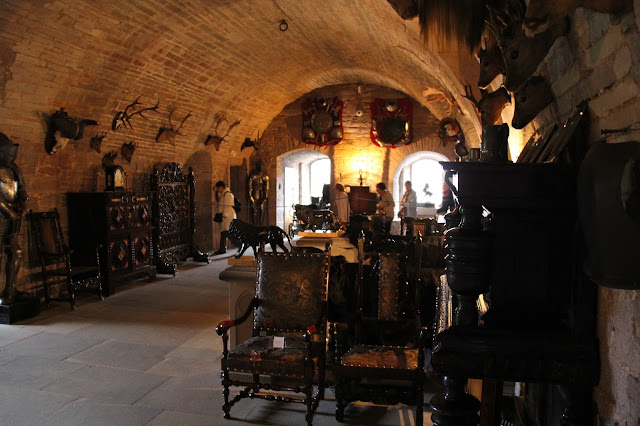
My favorite room – the trophy room where Earl Beardie plays cards with the devil each night (behind the wall to the left)
After the tour (I’ll have you know, I only got scolded for using my camera about four times), we were free to walk about the museums and gardens. First, we viewed a toy soldier exhibit and read more about the Royal history with the castle. Then we strolled around the castle, along the nature trail and into the Italian gardens.
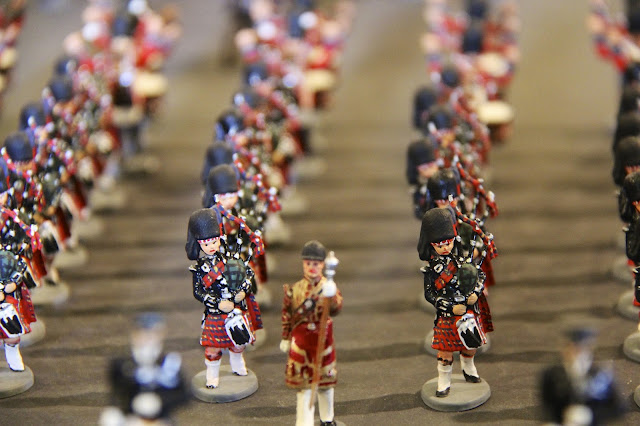
Impressive toy soldier exhibit
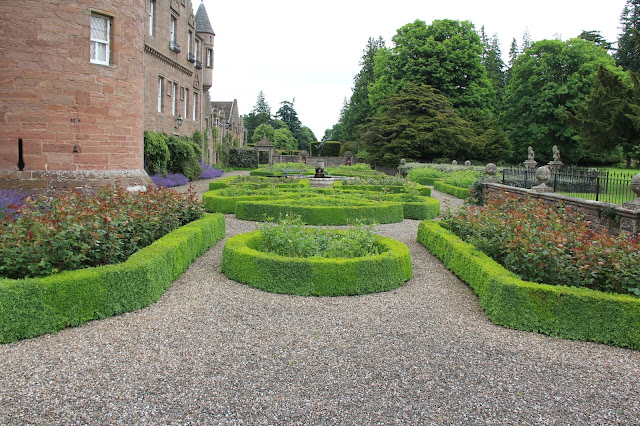
Private gardens adjacent to the castle
More lions
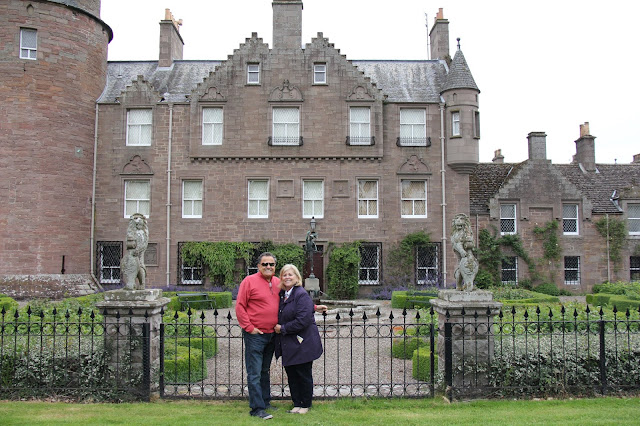
Castle from the side – the lion protects this side
Jen’s parents, Dominic and Diane snuggling up
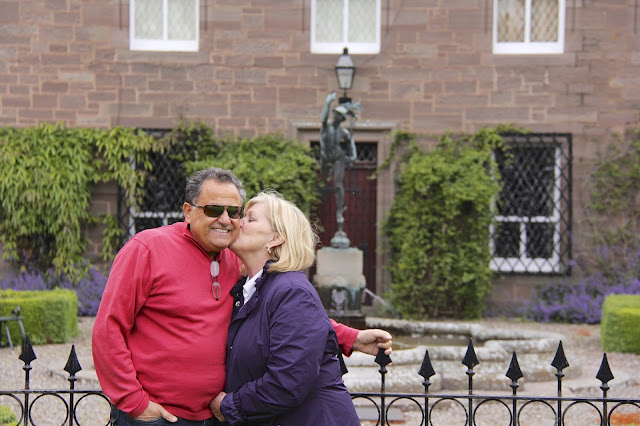
And smooching a bit
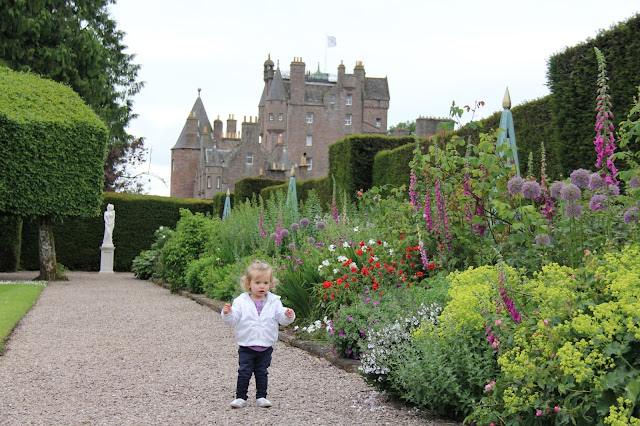
Julia felt right at home in the Italian gardens
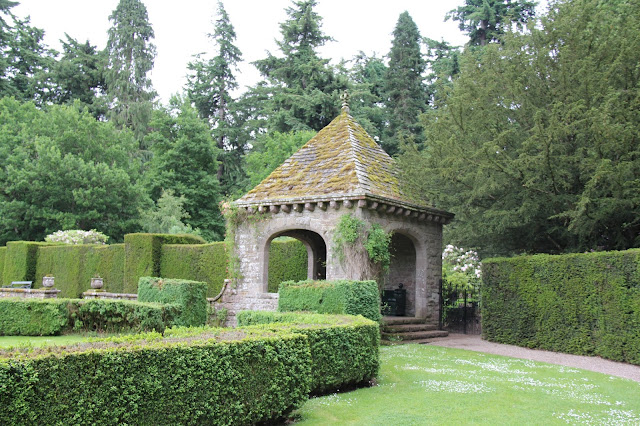
One of the garden’s intricate gazebos
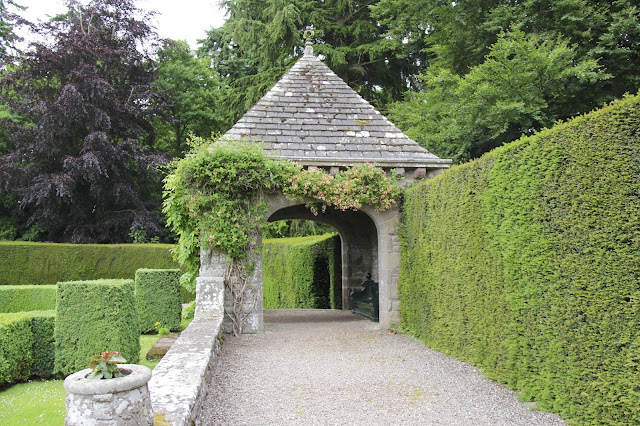
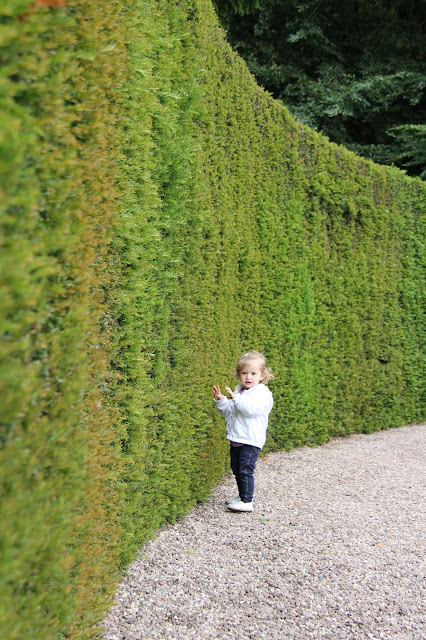
A beautiful hedge wall enclosed the magnificent gardens
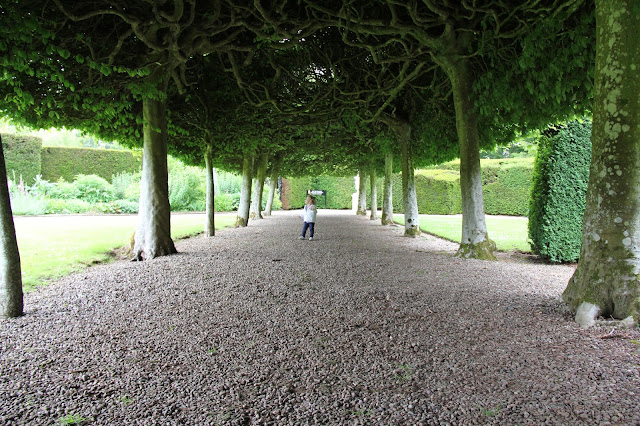
A path covered by a canopy of trees interweaving their branches
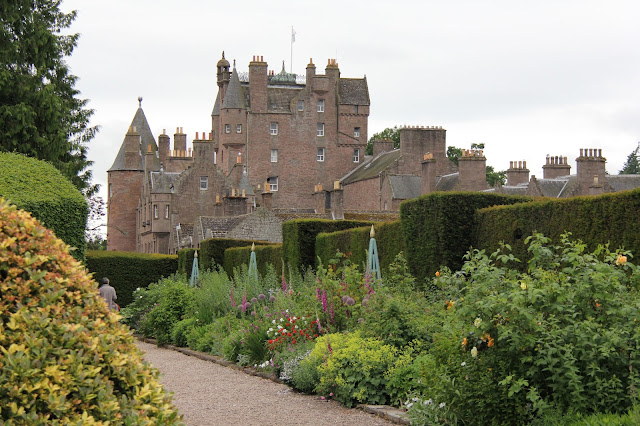
View from the garden looking back toward the castle
A similar view with Julia (who would barely stand still long enough to take one quick shot)
A second gazebo framing the garden
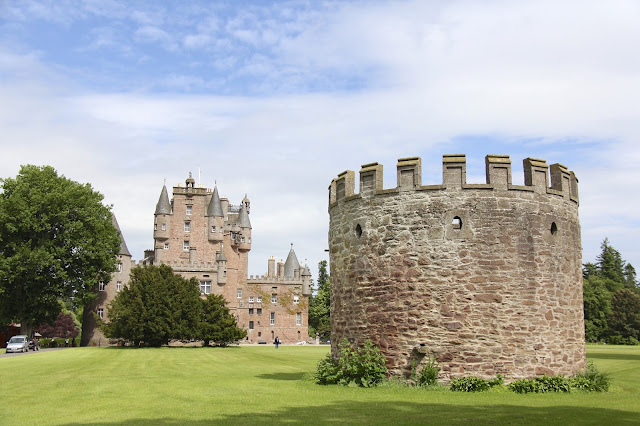
A guardhouse stands alone from the castle
View from the road as we departed such a magical place
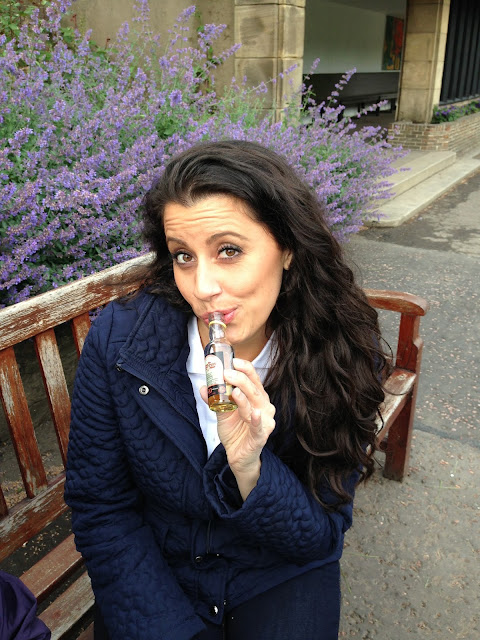
After we left the castle, we pushed the rest of the way toward Edinburgh, pausing only long enough to capture a few wonderful scenic photos. We arrived late in the afternoon and strolled around town. We stopped for souvenirs and found a perfect kilt for Julia. Jen’s father, Dominic suggested that it had been too long since our last whisky and so he purchased a few miniatures for us to enjoy as we took in the sights. I didn’t hesitate to jump on board – that’s why he’s the best father in law around!
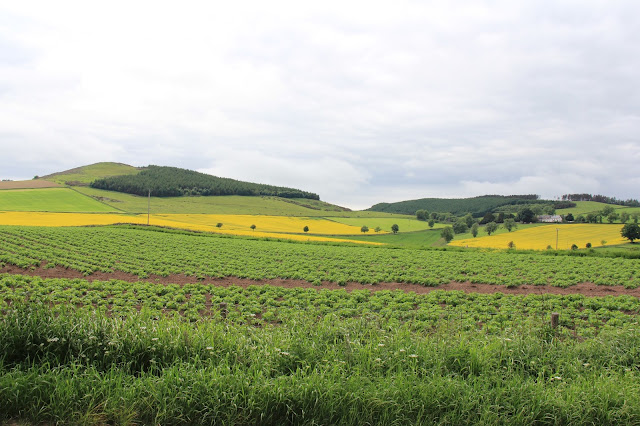
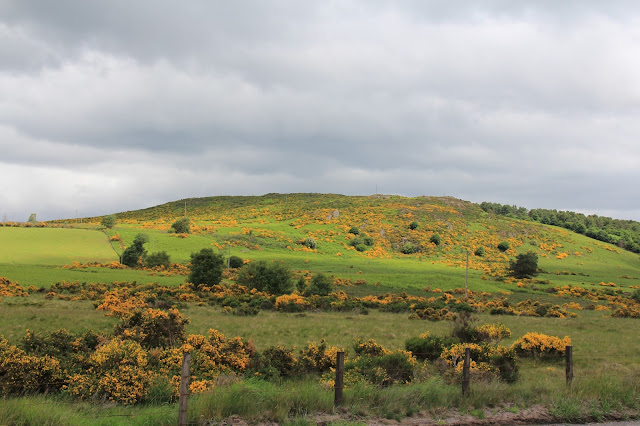
We would pass fields that glowed almost a bright, neon yellow
This guy was sitting on the job
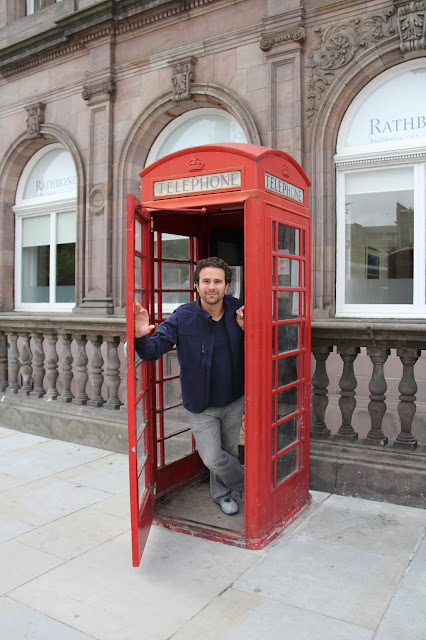
I regretted this photo-op. I think the booth was more commonly used as a toilet than a phone
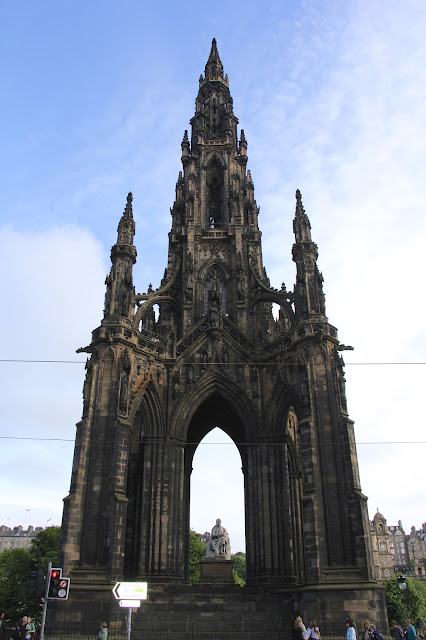
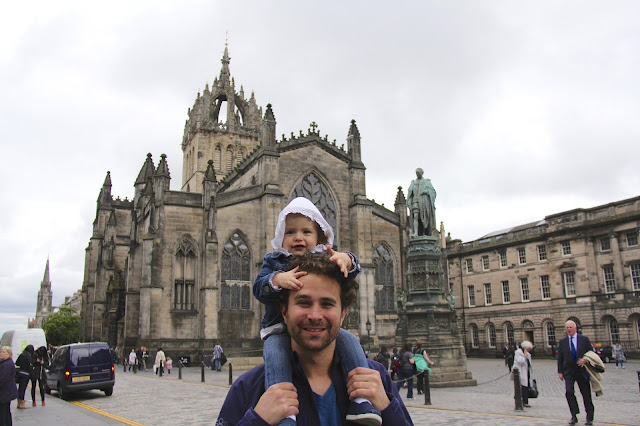
Gothic tower surrounds the statue of Sir Walter Scott, completed in 1846
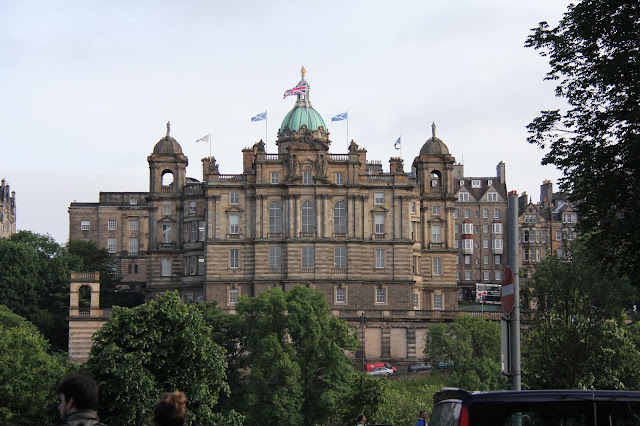
Bank of Scotland, Head Offices
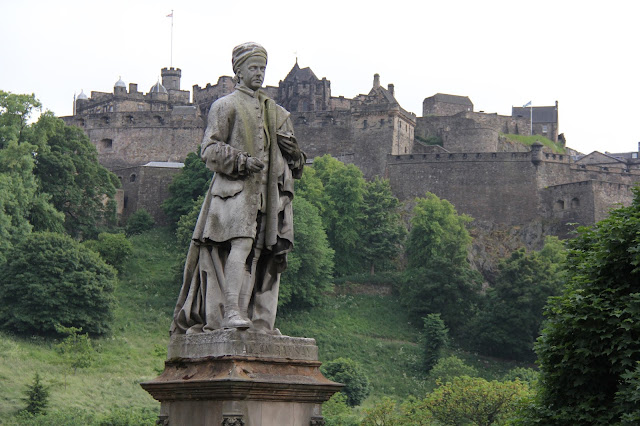
Allan Ramsay statue stands in front of Edinburgh Castle
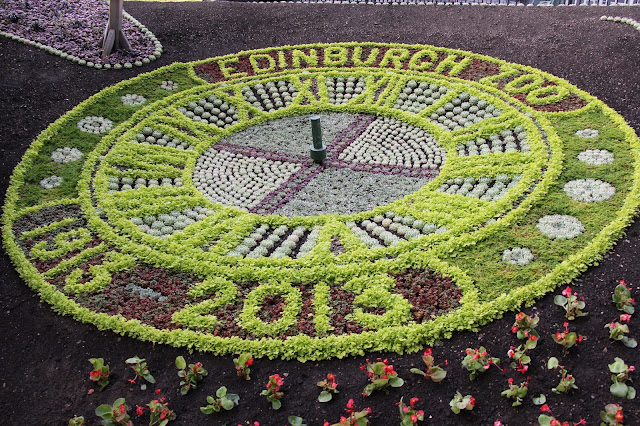
Who can resist images created from flowers?!
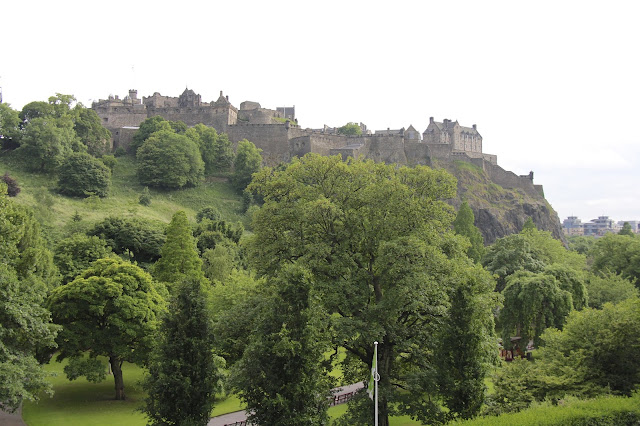
Edinburgh Castle overlooks the older and newer parts of the city
Part of the castle
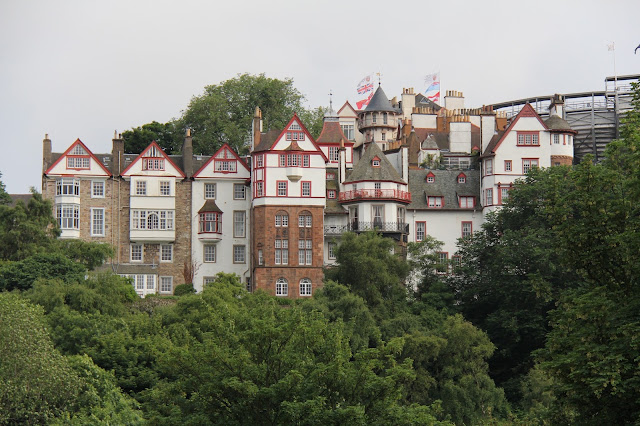
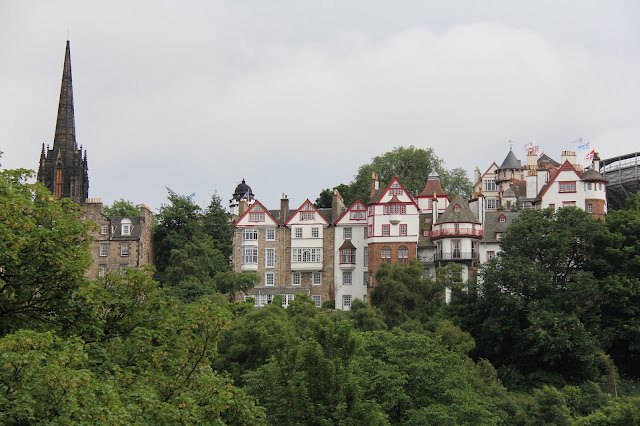
Every city has pricey real estate – you’re looking at some of Edinburgh’s most expensive private residences
And again from a slightly different angle – the old city frames the backdrop
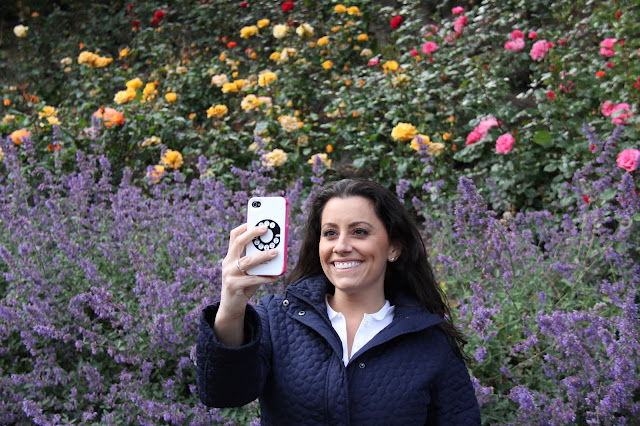
This looks like a good place for a “selfie” LOL, #lovescotland
And this looks like a good place for a serious sip of whisky
Jess took a little sip of her own
The Anderson Clan
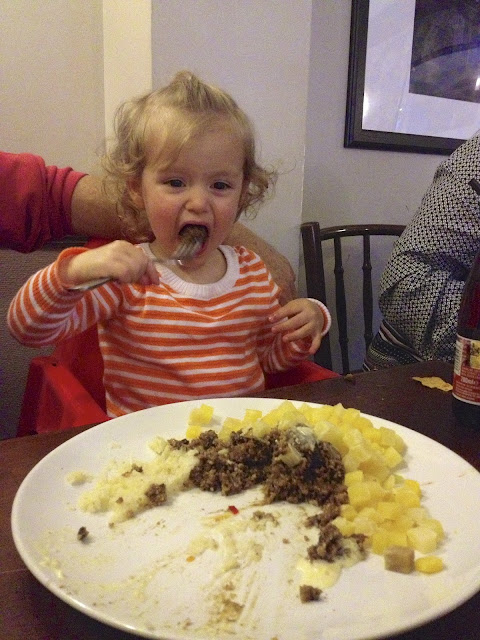
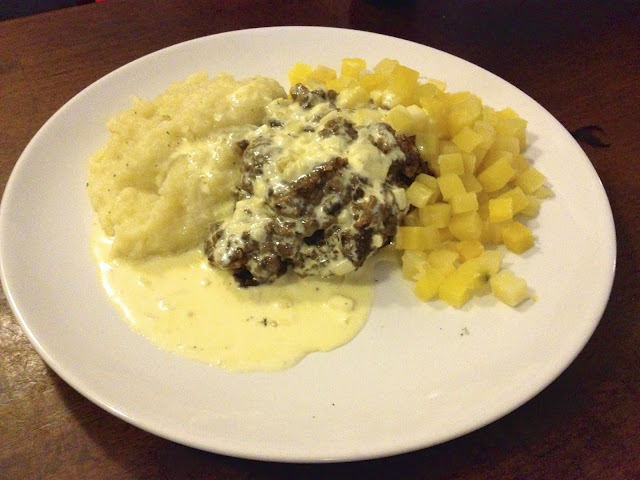
After walking for a couple hours, we bent the tour towards the George Street – a pedestrian friendly street full of pubs and restaurants. We found one with tasty looking food, a good atmosphere and appeared to be baby-friendly. We picked correctly and had a wonderful meal. However, the best part was when we ordered the haggis. Julia simply could not get enough. She would scream for the waiter to leave her plate each time he tried to clear it, until she got every last morsel (for those that don’t know what haggis is… just google it).
Haggis and potatoes for the table to share and try (even Diane tried it… and liked it)!
Julia nearly finished the entire plate herself
The next day, we encountered a typical Scottish drizzle (perhaps a bit heavier than a drizzle). With only indoor options appealing to us, but still a lot of city to cover – we found ourselves at a crossroads. We discovered the perfect solution aboard one of the city’s “hop on-hop off” tour buses. We were covered and warm, but still got to see all the highlights of the city, explained to us by a charming tour guide (through a thick Scottish accent).
Scotland is a city divided essentially in two. There is the Old Town, composed of wonderfully narrow and intricately wound streets that exude more charm than you could imagine. The west side of the Old Town is dominated by the large and imposing Edinburgh Castle. Over time, as the city became more and more populated, Edinburgh became one of the world’s first cities to develop “high rises” with 11 and 12 story buildings built as early as the 16th century. At one point in the 18th century, the city decided to assess property taxes based on number of windows in a building, so many building owners bricked over most of their tenant’s windows. You can still see these tax-evading buildings as you drive through the city. As population reached an all-time high in the Old Town, trash became a problem. During the night, people would dump their trash and toilet refuse from their windows onto the streets below. It became well known which streets to avoid after a night drinking in the pubs, lest you wanted a shower of the worst kind.
When the population reached an unmanageable amount, city planners developed the New Town on the northern end of the city. A young, relatively unknown 27 year old, James Craig became the lucky architect for the new city. He did a wonderful job establishing a well-laid city that stood in stark contrast of the chaotic city just south. Edinburgh became divided by Princes Street. Take note, that it is Princes (one “s”) and not Princess Street as many people mistake. The King had two sons and named this important street after his two male heirs (plural for prince). When the New Town became developed in the 18th century, the city planners hoped and envisioned that the cities elite would immediately move to newer section. But no one did – no one wanted to move to what was essentially “the boonies”. So the city built some of the most elaborate and beautiful homes and actually paid the cities upper crust to move into the New Town.*
Below are some shots I snapped on our tour as the bus rolled at a rapid pace through this fascinating city.
*The interesting little tidbits I sprinkled in above, were all given to me from the tour director.
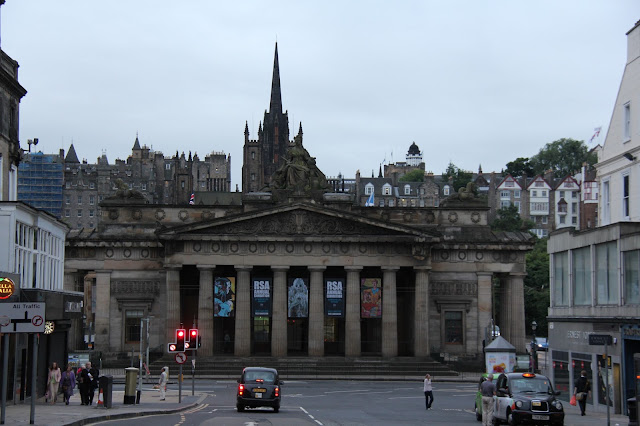
Royal Scottish Academy, featuring a magnificent collection of works by Scottish artists
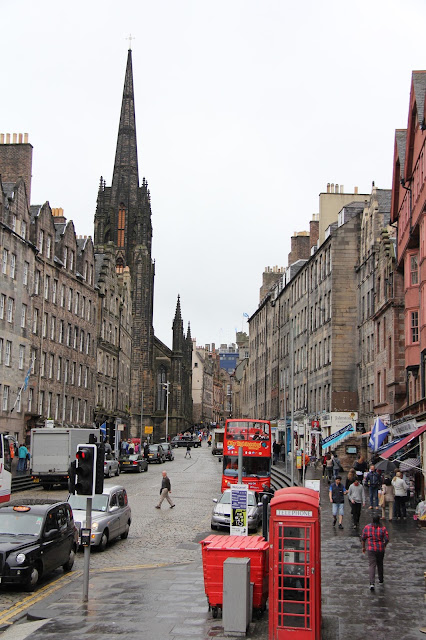
A street scene in the old city
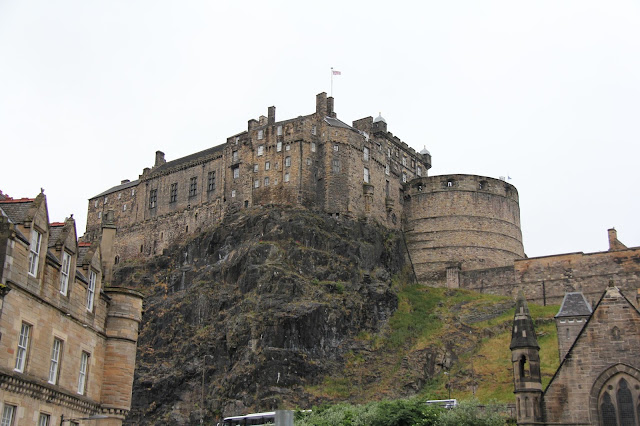
A closer view as we drove beneath part of Edinburgh Castle
After experiencing a wonderful tour and benefiting from a clearing sky, we elected to exercise the “hop-off” feature of our tour and headed around a bit by foot. We did a little shopping, a little walking and a little eating. Diane got a plaque with her Clan’s tartan for her new home in Maryland.
Julia plays with her nonno
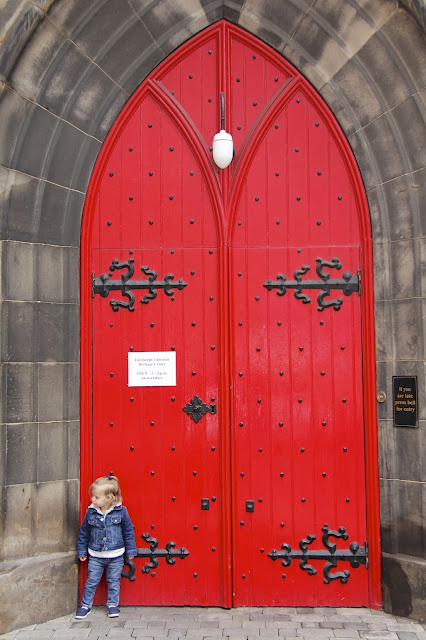
Striking church door
Julia turned out to be a pretty decent make-shift hat during a drizzle
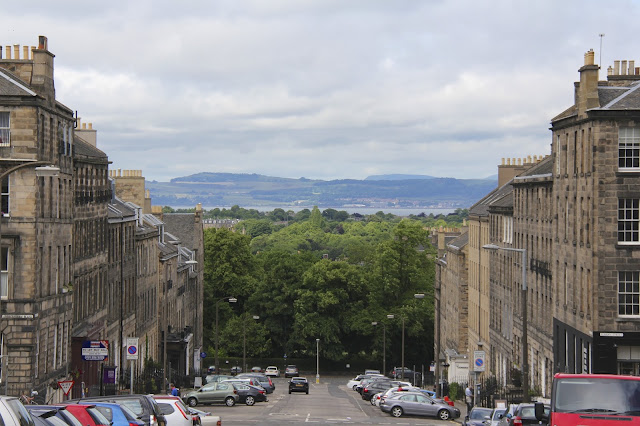
Edinburgh is a port town – you can se the water along the horizon
We wrapped up an amazing couple days in Edinburgh and set our courses back to Ballater. We travelled along a new route and got to experience even more of this wonderful country. A few of my favorite images from the drive are below.
This was absolutely stunning in person
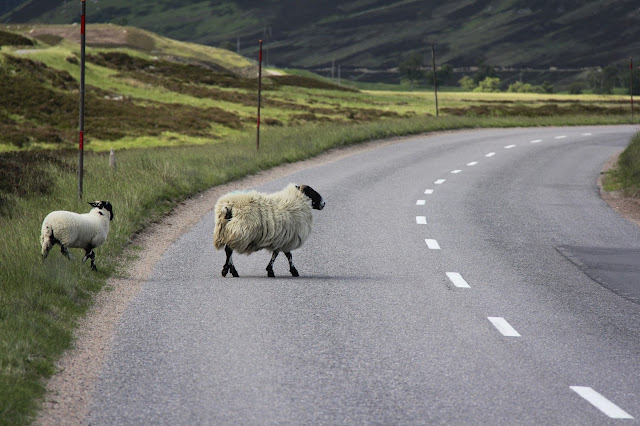
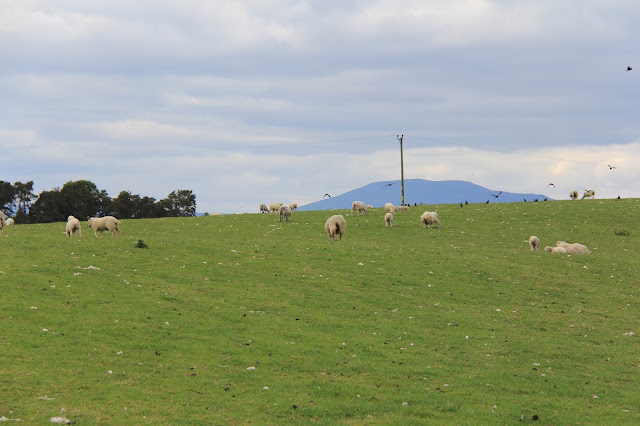
Why did the sheep cross the road? So I could stop in wonderment that this was actually happening
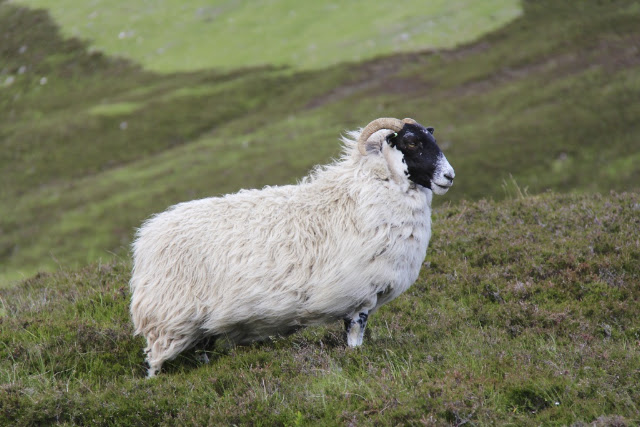
He let me get about 10 feet away before he started telling me to back off
Our wonderful trip to Scotland had come to an end. So too had Jen’s family’s visit with us in Italy – sadly, we bid them arrivederci, cheerio, adeus and a good trip home.
No, I didn’t wear one myself, but only because we were already half-way through our trip before I came across a store that sold them. Real men also eat haggis (sheep’s heart, liver and lungs encased in it’s own stomach) – I did do that! Of course, so did my two-year old daughter… and she probably had more than all of us combined.
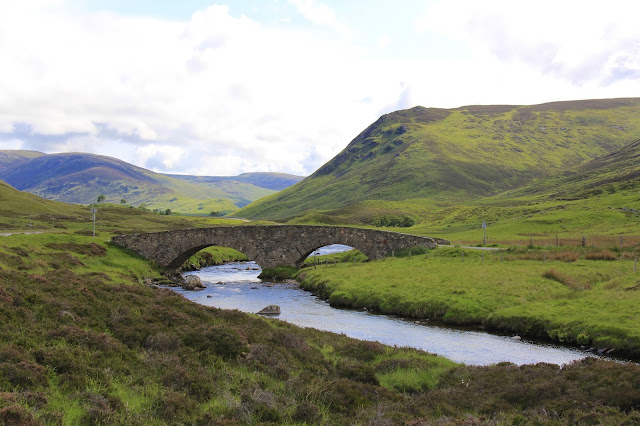
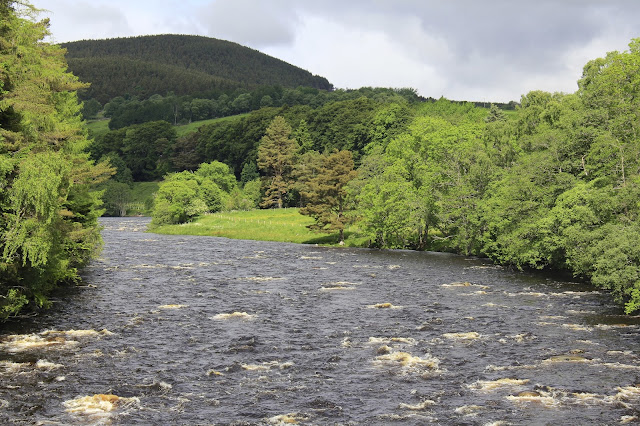
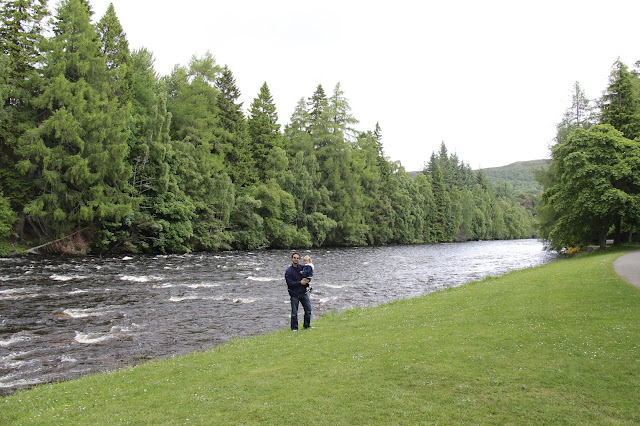
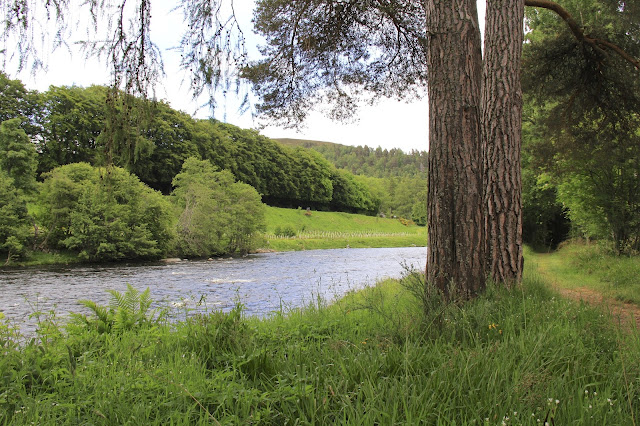
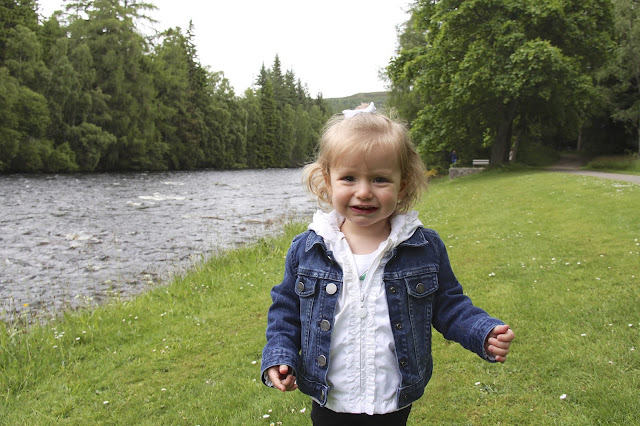
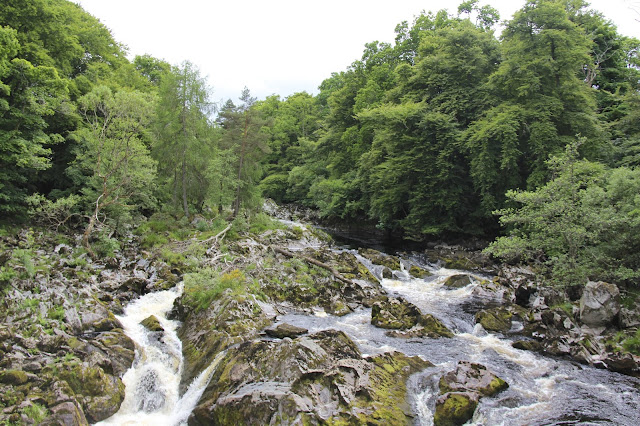
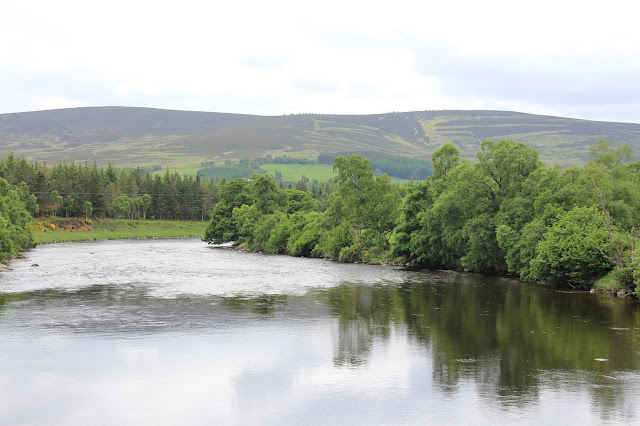
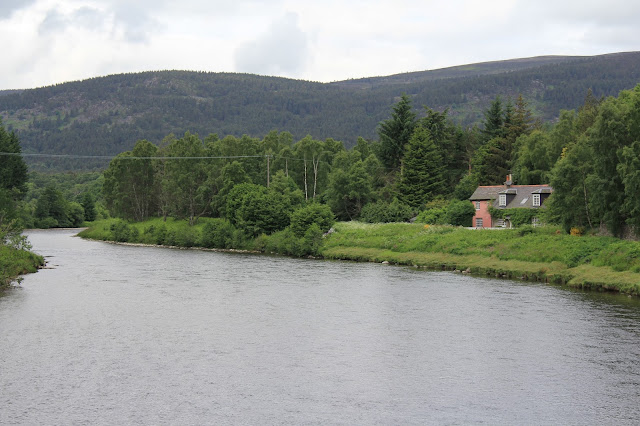
A scenic shot of the River Dee in the Scottish Highlands
Since living abroad, we’ve been able to get in touch with most of Jen’s roots. Her father is Italian (hence us living in Italy) and we’ve gone to many of the places where he has or had family. Since he grew up in Africa, we still have that left to do. Jen’s mother grew up in Ohio, and having crossed that off the list multiple times – it was time to go a bit further. Diane’s lineage is a mixture of Irish (we went to Dublin in March, HERE) and Scottish. Now, it was finally time to go to Scotland! And since Jen’s parents and sister were here visiting us, we would all embark on this adventure together.
Jen’s mom had reserved a private cottage exactly where I wanted to be… in the Scottish Highlands. There were a variety of reasons I was excited about this particular area of Scotland. The beauty of the countryside is well renowned. The area is an important part of the country’s and the world’s history. But I think there were two reasons more intriguing than all of that.
1) Many of the scenes from my all-time favorite movie, Braveheart were shot and took place in the Scottish Highlands.
2) Most of the world’s fine scotch is made in the Highlands.
I needed no better reason than those above to break out the scotch and watch Braveheart (for the umpteenth time) with Jen’s parents before we boarded our plane to Scotland. Jen’s eyes rolled as I screamed “FREEEEEDOM” along with Mel Gibson for the 1,000th time since we’ve been together.
After a short flight from Milan, we landed in Aberdeen, Scotland famished. We had one important task to tackle before we would allow ourselves to eat lunch… re-training our brains to drive on the wrong side of the road (that’s right to all you Brits, Aussies, Scots, etc. reading this blog… the wrong side). Jen’s father, Dominic and I each rented our own car and narrowly missed colliding into each other as we took a few practice laps around the parking lot. Five minutes later and confidence at 100% – our plan was fairly simple; we would spend the day touring Aberdeen before driving north to our cottage in Ballater, a charming town in the Royal Deeside. By the time we had parked our cars for lunch, it became apparent that none of us had packed properly for the Scottish weather. We ducked into a TKMaxx (I suppose it’s the Scottish cousin of TJMaxx) and bought jackets and warmer wears. I suppose it pays to read a few more blogs before traveling and arrive prepared.
Once we were warm and cozy, we walked around Aberdeen for a bit. We found a charming pub that fit the bill of exactly what we wanted. I scarcely glanced at the menu before ordering what I knew I would be the staple of my diet all week – fish n’ chips.
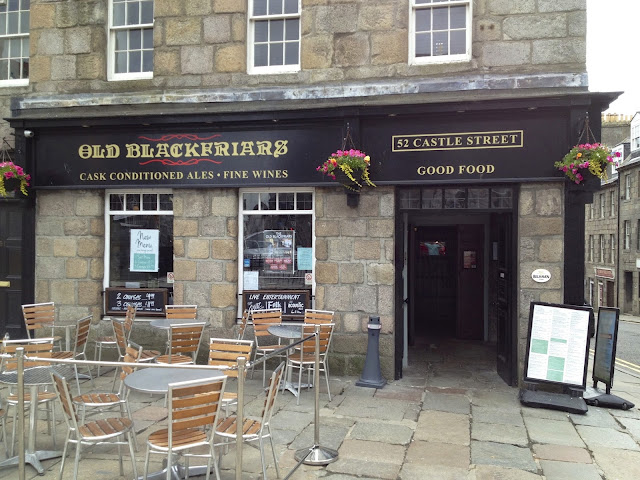
Old Blackfriars – the sign didn’t lie, it was Good Food indeed
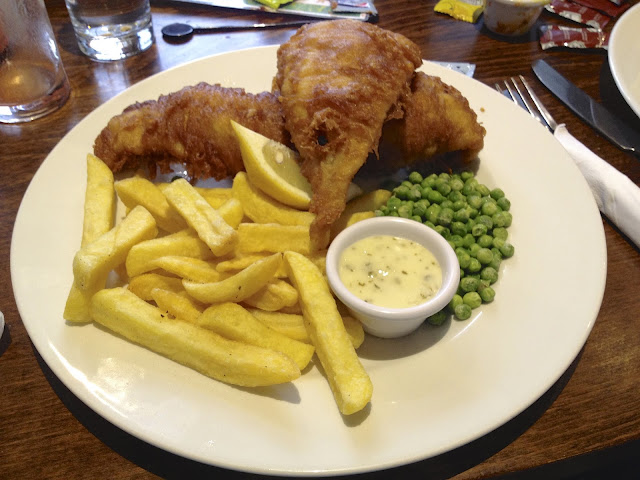
My fish and chips, served with peas (although not mushy peas as tradition dictates, still delicious)
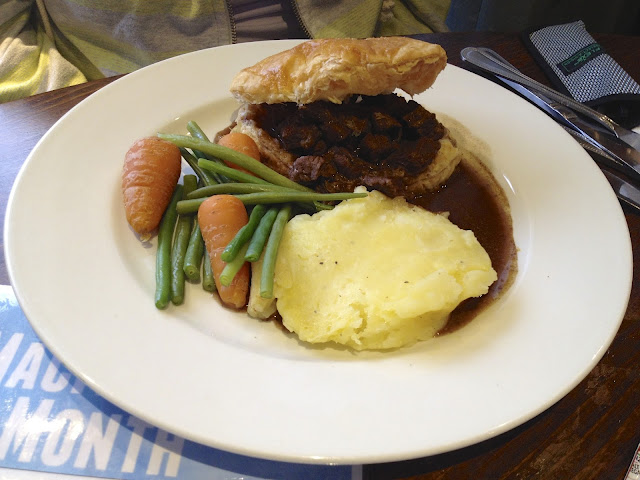
The “Belhaven Best Steak Pie” that Diane ordered
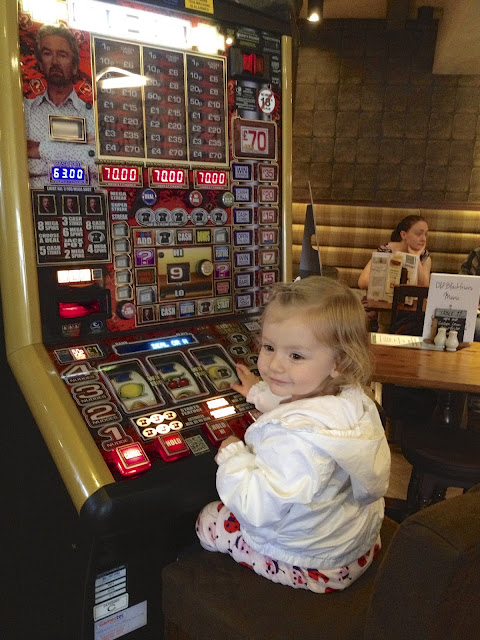
Julia found time to fit in a few slots
After lunch, we walked around Aberdeen a bit more and discovered truth to the nickname, the Grey City. Our group was weary and ready to shed our luggage. Additionally, we still had a two hour drive to Ballater, so our Aberdeen tour was cut a bit short. Headed due north and still on the wrong side of the road, we undertook one of my top 10 all-time favorite drives. The Scottish countryside was every bit as majestic as I would have imagined. We found Ballater, we found our cottage and then we found a great place for dinner later that evening. Unfortunately for Jen’s sister, Jessica – she had yet to find a wifi signal. Something those crazy, young kids need these days.
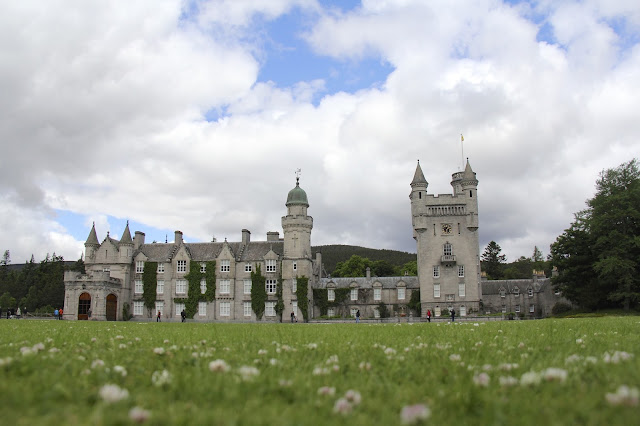
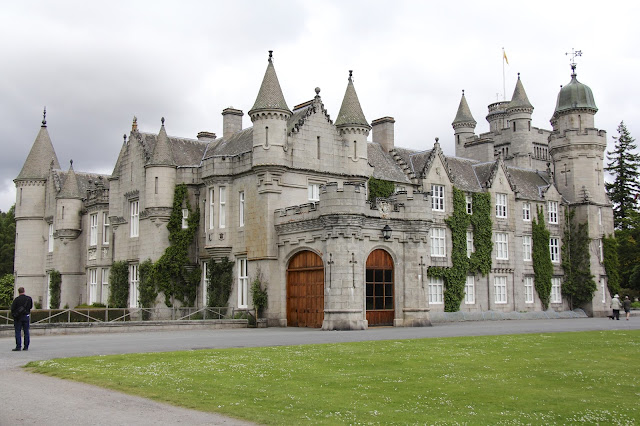
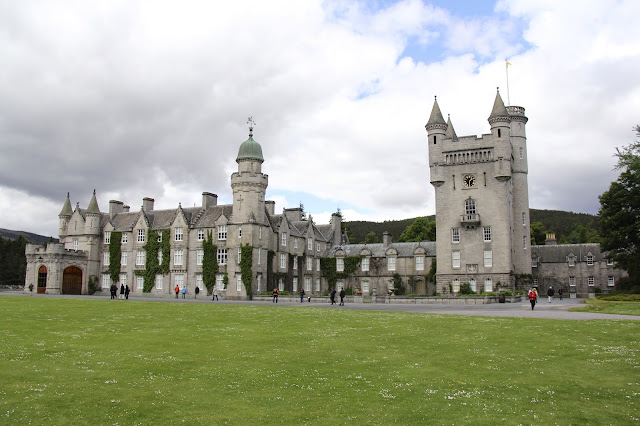
We wasted no time on our first full day in Scotland. The country is full of castles and Diane, knowing how much Jen and I love castles, was eager to share in the exploration of the country’s historic beauties. She had spent many fruitful hours researching a few castles to visit. Our first choice was somewhat local to our location, Balmoral Castle. This particular castle was an excellent choice, because of it’s direct and current ties to the Royal Family. It is the Queen’s personal residence each fall and has been used consistently by Royals since 1852. The castle is closed to public tours from August through October each year while the Queen takes up residence.
For posterity’s sake (and because I chuckle each time I think about it) I would be remiss not to mention a funny anecdote. When we purchased our tour tickets, I mentioned that my mother-in-law was of the Anderson Clan. The little old lady working in the shop proclaimed that “she knew many Anderson’s in her day and they were a bit like the Drummond’s… but nothing like the Cameron’s…” and on and on until she arrived at, “but watch out for those Macfie’s, they’re sheep stealing bastards, they are!” with more conviction than I would have expected from such a sweet little lady on such an otherwise innocent exchange. Sheep… stealing… bastards. That absolutely made my trip!
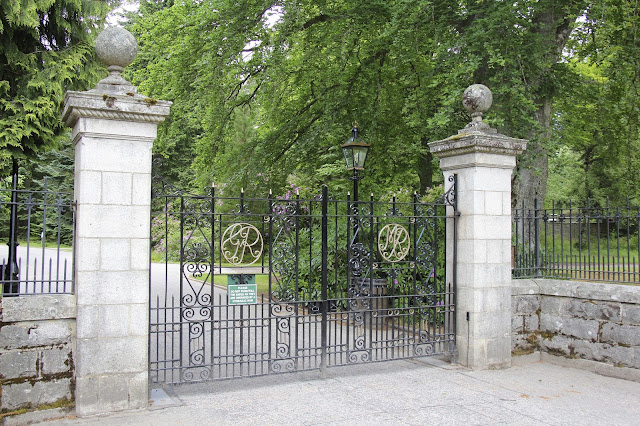
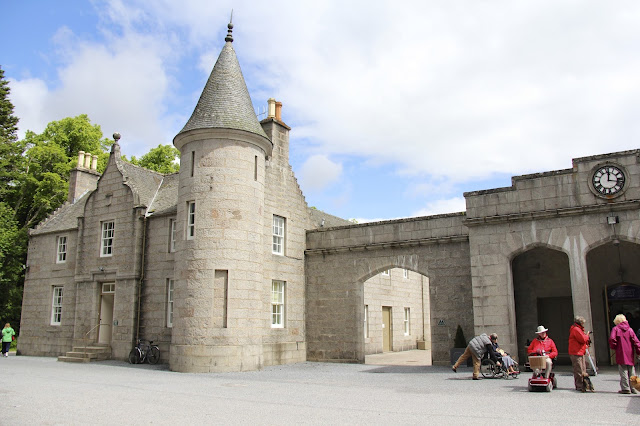
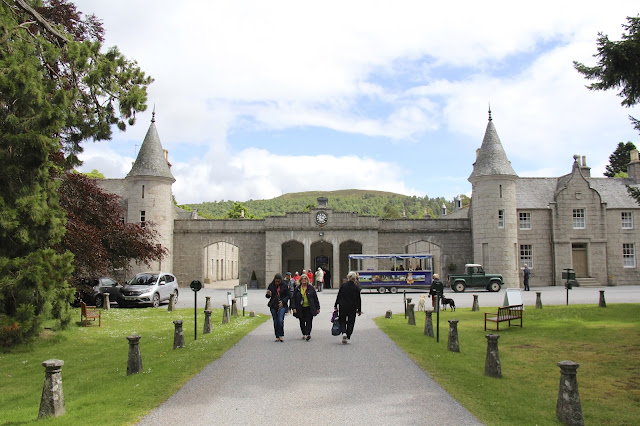
Balmoral Castle gates
The gatehouse and museum
Full view of the gatehouse
Julia prepares to go in the castle
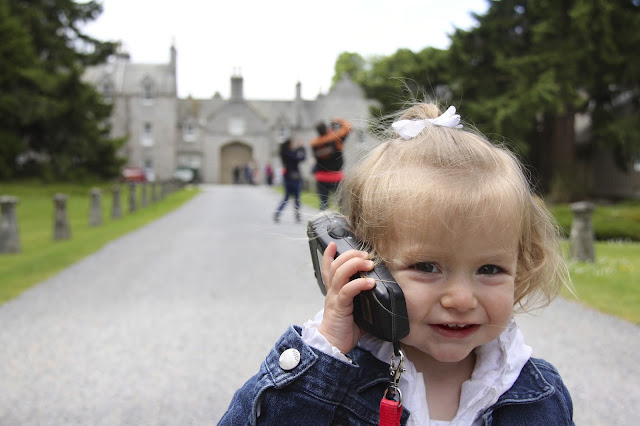
But not without her audio guide
“I’m ready guys, let’s go!”
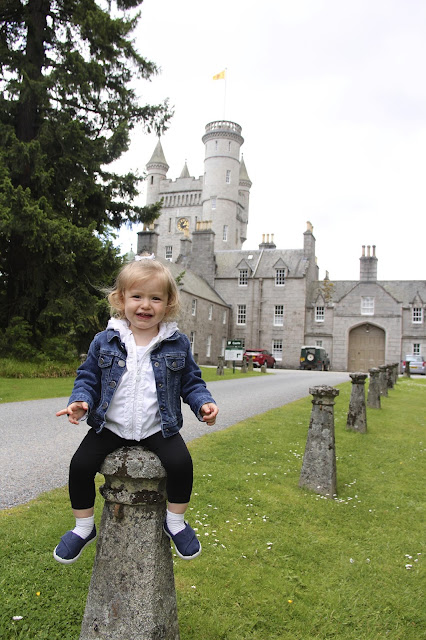
Balmoral castle from the main courtyard
I loved the turrets of the castle
Another angle
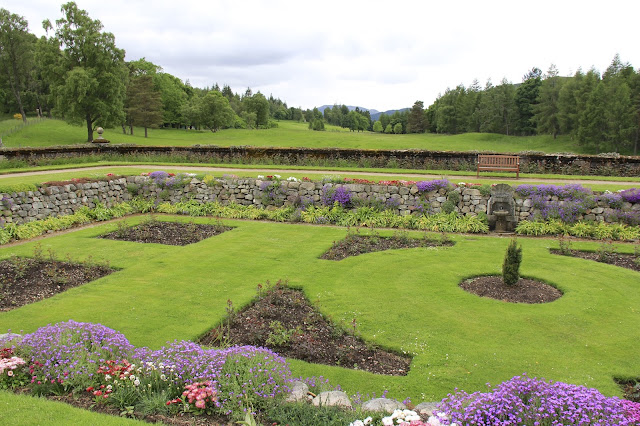
Part of the Queens garden – her bedroom overlooks a rose garden and then this beautiful, sunken garden
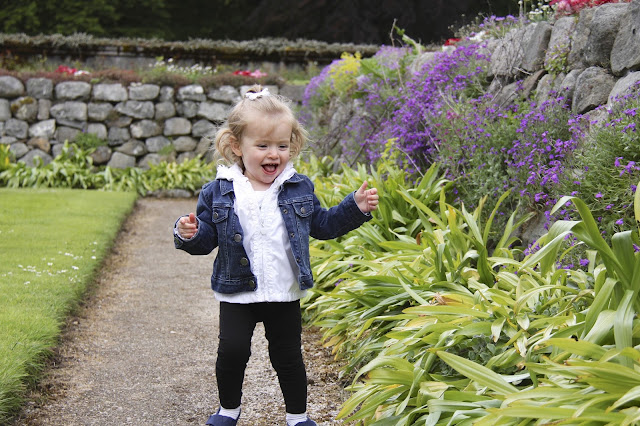
Julia was delighted to be in the Queen’s garden
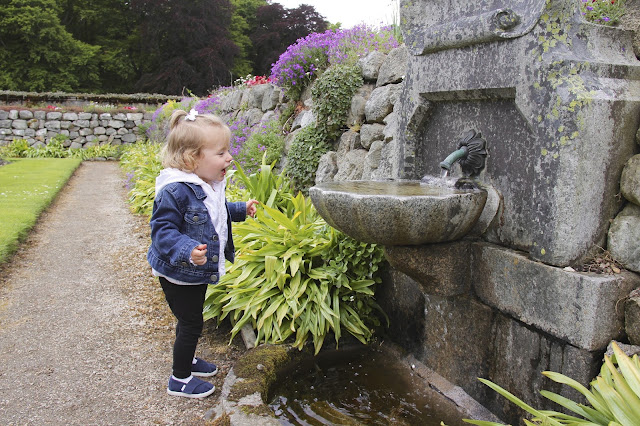
She found such wonderment in the fountain as well
After a delightful tour of the castle (admittedly, it was more a tour of the grounds than the interior since the castle is still very much in use) – Jen, Jessica, Julia and I went for a stroll along the River Dee.
We took a stroll along the river
As well as the adjacent pathway through the woods
Beautiful scenery
The girls in the woods
I was so happy to be in such majestic outdoors
Julia was so happy, she broke out dancing
Sissies forever!
“What a day!”
At the end of the day, we checked in with the properties Event Manager to listen to all the activities available to us. They had some wonderful choices including fly-fishing, nature walks, bike tours and horseback riding. But the one that immediately caught the attention of me and Dominic was the whisky class, happening in a mere 30 minutes! I think we both half-expected the ladies to bow out and head back to the room, but we were pleasantly surprised when all three (Diane, Jen and Jess) told us they wanted to join in on the fun and spirits too.
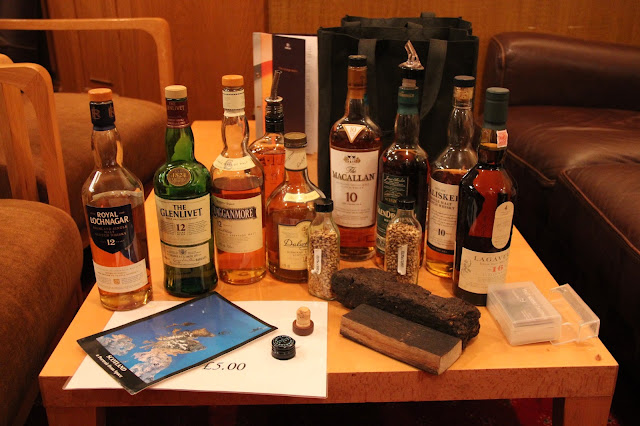
All the whisky we got to taste
Whisky is as much a part of Scotland as cold weather, kilts or bagpipes. But let’s pause for a minute, because you may have a question.
“Greg, you referred to it earlier as scotch and now you’re calling it whisky. How come? Isn’t whisky different? And while we’re at it – how does bourbon play into all this… isn’t that in there somewhere? And is that stuff, rye invited to the party?”
If you already know the relationship between these spirits, please continue to the next section. If you’re curious – please read on. First, I called it scotch earlier to simplify things and use the commonly accepted American vernacular for this drink. Scotch, is in fact a whisky. So is bourbon. So is Tennessee whiskey and Irish whiskey (those would seem obvious) as well as the often forgotten rye. So, all these delicious brown drinks are considered whisky.
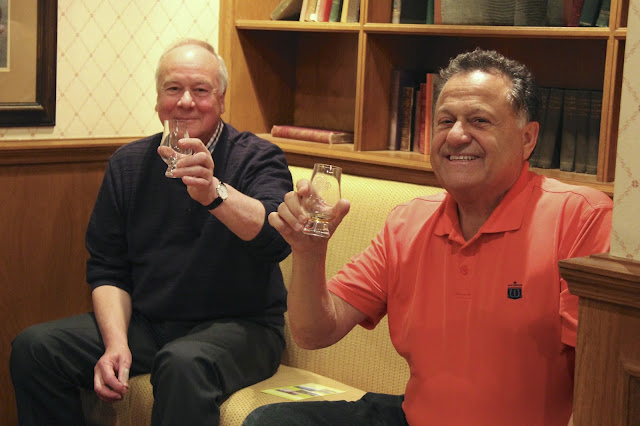
Dominic drinks with his new English pal
So what differentiates all these types of whisky’s and what’s with all the different names (but speed it up, would ya)?
Can’t promise to speed it up, but let’s continue. The differentiators are [mainly] their geography, the ingredients/process used and their spelling (notice the “e” comes and goes). Let’s start with geography. Whisky made in Scotland is, Scotch Whisky (even though we call it “scotch” they just call it “whisky” and laugh at anyone that calls it scotch. It would be like ordering an “American” when you really meant to order a “Budweiser”). If it’s made in Ireland, it will be an Irish Whiskey (think, Jameson). If it is made in that young country we call America, it will either be a Bourbon, Tennessee Whiskey or Rye. Bourbon is made (to my knowledge) exclusively in Kentucky while Tennessee Whiskey (think, Jack Daniel’s) is made exclusively in Tennessee. A few years ago I sought to unravel this web and found a blog that rumored the only difference between Tennessee whiskey and Bourbon was that the Tennessee folks didn’t want to claim the same name of anything made in Kentucky, and so Tennessee Whiskey was born (as I’m doing a little boning up for this piece, I’m learning that there is more to it). In any event, it turned out to be a wonderful marketing angle for Jack Daniel’s. Oh yeah, and then there’s Rye. It’s made in America and Canada, but as far as I’m concerned – it’s really only prevalent in Canada (think, Crown Royal). Rye is nice and all, but a bit forgettable at times (just like our nice neighbors from the north).
As far as the ingredients, they use malted barely on the more formal side of the pond, while us swashbuckling American’s distill from corn (heck, why not – we have a lot). Oh yeah, and that forgettable rye drink – you guessed it; it’s distilled from rye (although in Canada it doesn’t have to be… yeah, that makes a lot of sense, Canada!).
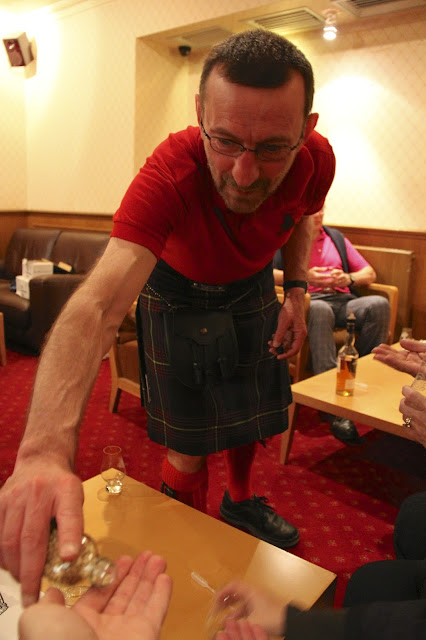
Our instructor, Gordon Muir pours some malted barley into my hand
OK, I’m afraid to ask… but I will anyway. Now that I know we’re discussing whisky from Scotland, what is the difference between a single malt and blended whisky? I really will fit this one into a nutshell (as I have a lot more typing left to do). A single malt is whisky that is all from the same distillery. The distillery will usually blend many different barrels to make their final product, but it will all be from the same distillery (think, Glenmorangie 18). A blended scotch whisky is the final product of whisky from two or more distilleries (think, Johnnie Walker – yes, all of them from Red to Blue). I didn’t know Johnnie Walker was a blend either (yeah, I’m talking to you), until my time in Scotland. If you want to read further on the subject, check out this guy’s blog – he does a far better job answering this particular question than me.
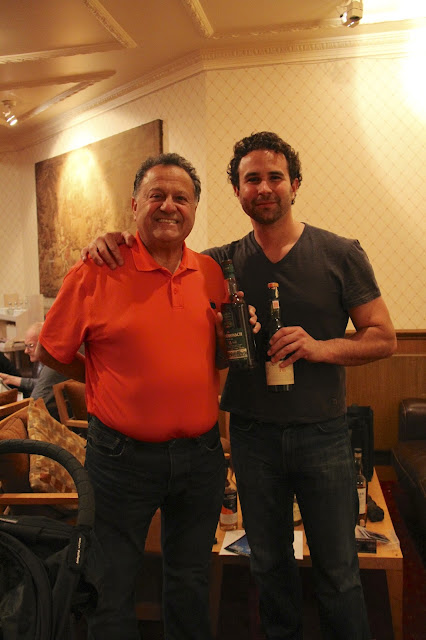
Me and my boy after a fun tasting
Since Scots call their drink simply by it’s proper name, whisky – henceforth so too shall I share in this fine tradition and proclaim, whisky whilst blogging about the great Scotland and forevermore (at least until I return home to the States – lest someone pour me a glass of Jim Beam, when I really meant Oban). Interesting fact that I learned while doing these whisky tastings (yes, a few more tastings were still to come). To add ice cubes to a nice glass of whisky is simply sacrilege and (I’m quoting my instructor here) “reserved for the Americans and those bourbons they call…pause for a chuckle… whiskey”. He went on to explain that the only good thing an American whiskey was good for is to mix with some of Scotland’s more inferior whisky’s to “liven them up a bit“. I spoke with a Scottish accent the rest of the class and hid the bald eagle that had previously been perched on my arm.
OK – whisky lesson over. WAKE back up!
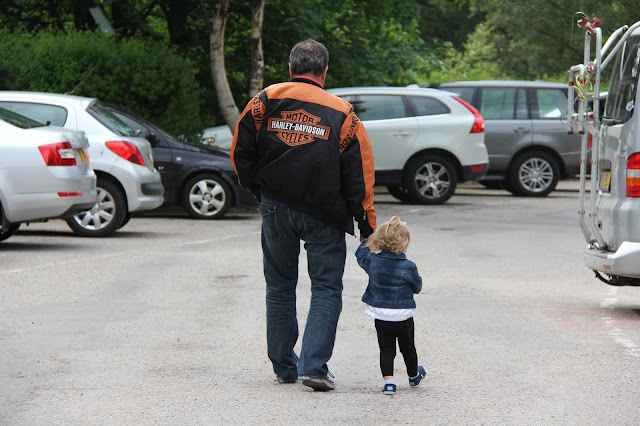
Dominic walks Julia back home after the tasting
For those that endured a quick history on whisky and hoped for a more exciting adventure along the trip, I’m sorry but I may have to disappoint you. For those that skipped ahead as I offered you could do many paragraphs ago, I have accidentally mislead you. When I said to simply “skip down” I hadn’t yet consulted my photos, which chronologically catalogue our trip. So, you may be dismayed to learn that the whisky tasting only whet our whistles for a whiskey tour in an actual distillery. So you get… more whiskey photos! But before we did that, we went to go see the Falls of Feugh, explored some of the magical countryside and visited an intriguing suspension bridge.
The Falls of Feugh (pronounced almost like the naughty F word)
The Scottish-Irish crew
Scottish countryside – absolutely breathtaking
There were sheep everywhere
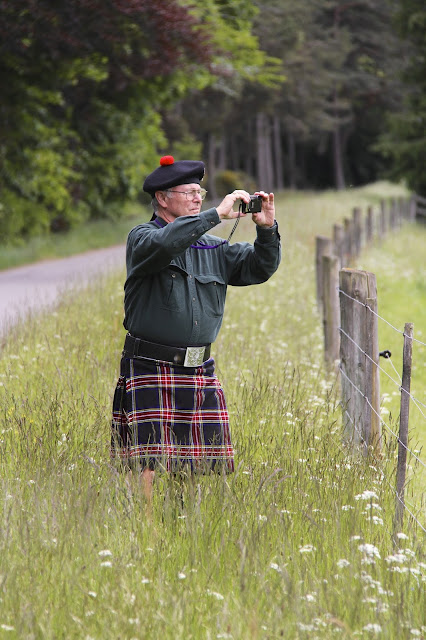
Dominic and I pause for a photo along the path to the suspension bridge
Father-daugher photo
My “artsy” shot with my muse
I felt like we were taking engagement photos
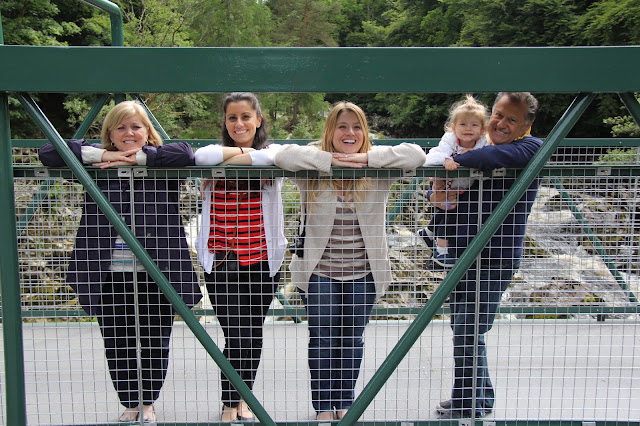
View from the bridge
The view from the other direction
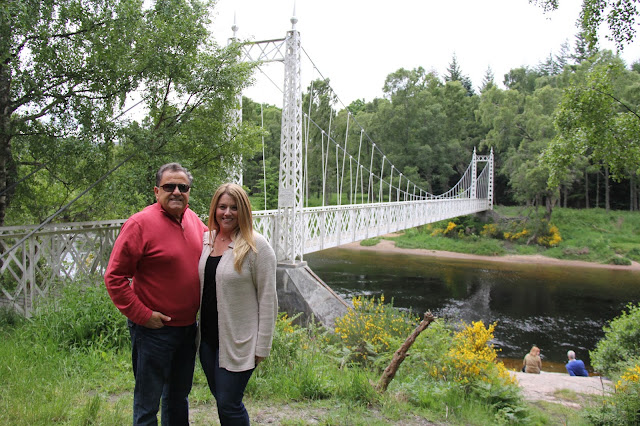
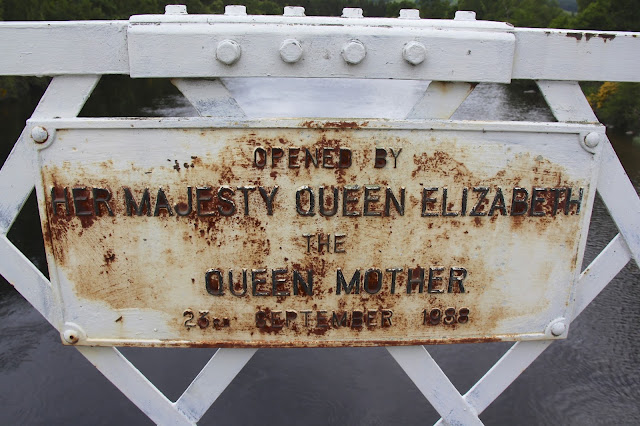
Queen Elizabeth opened the bridge in 1988
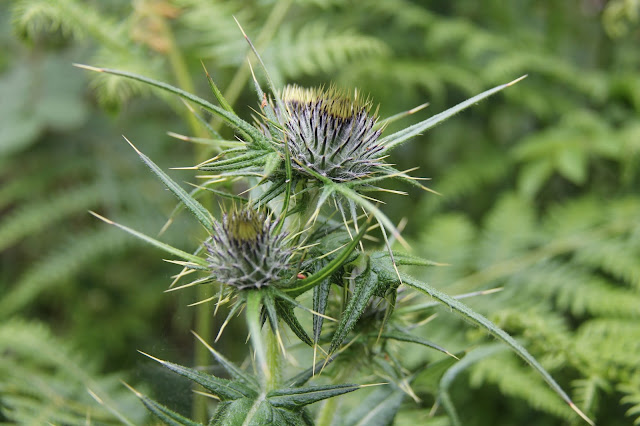
A Scottish thistle (emblem of the Scottish nation) not quite in bloom
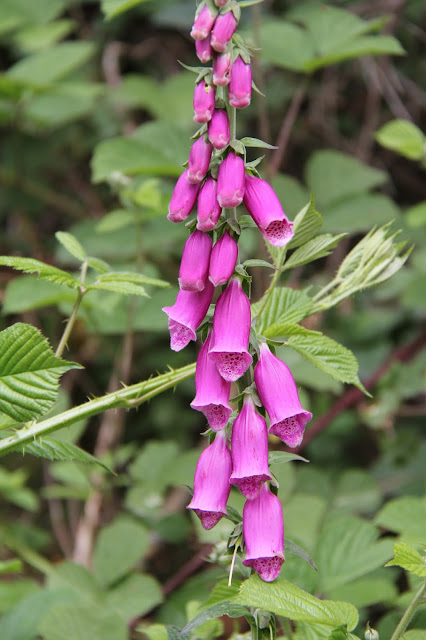
Digitalis Purpurea or Foxglove Flower
After all this time with nature, it was off to visit the Royal Lochnagar Distillery and see firsthand the process of how whisky is made. This particular distillery produces a relatively small amount of single-malt whisky each year. The distillery received it’s Royal Warrant in 1848 when the owner, John Begg invited Prince Albert to stop by for a drink. He offered him a sheep ride back to the neighboring Balmoral castle, since it wasn’t that far away (OK, I made that last part up).
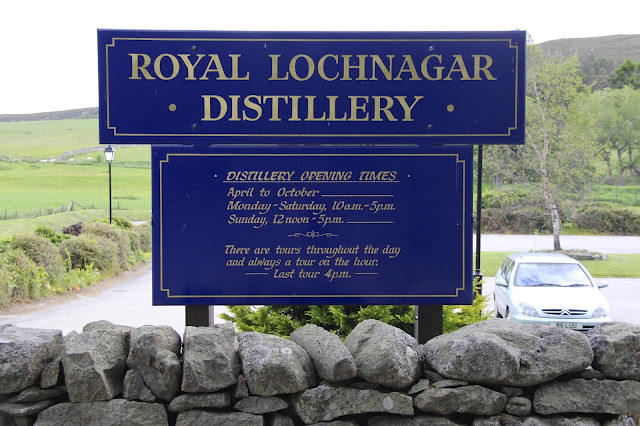
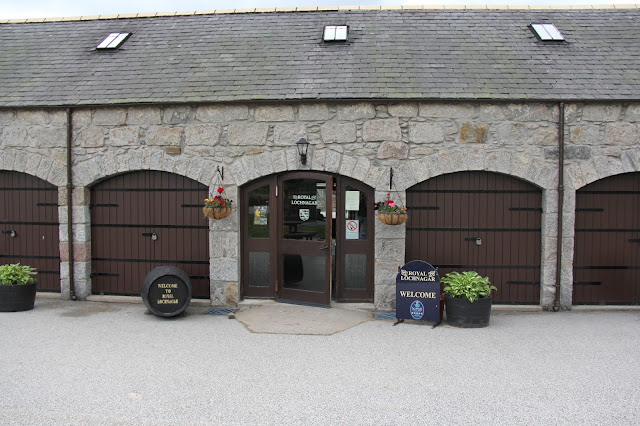
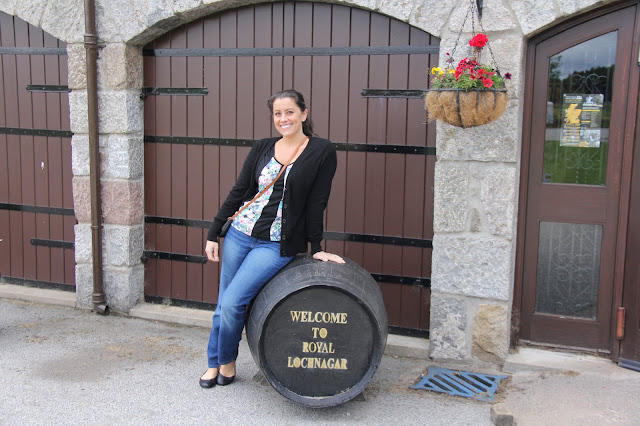
The sign out front
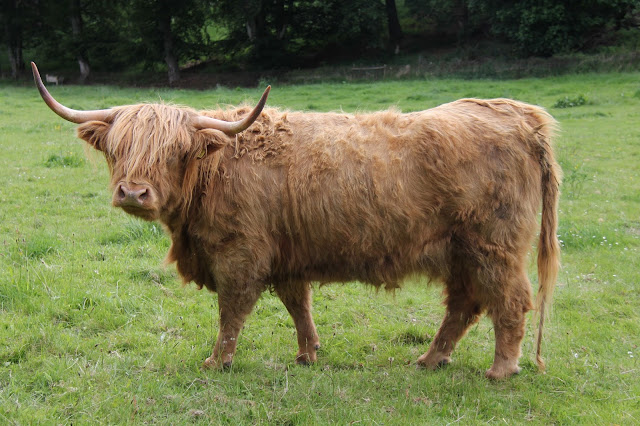
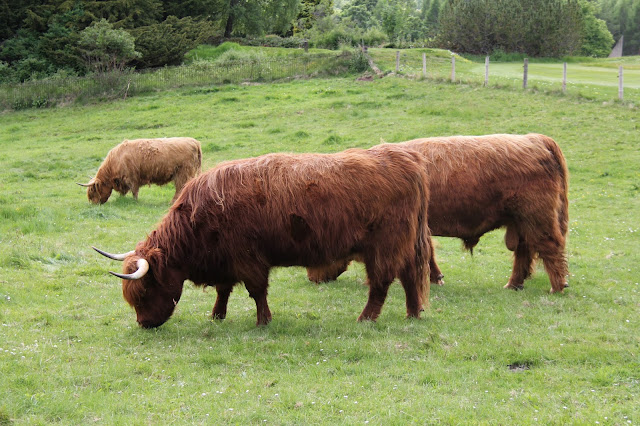
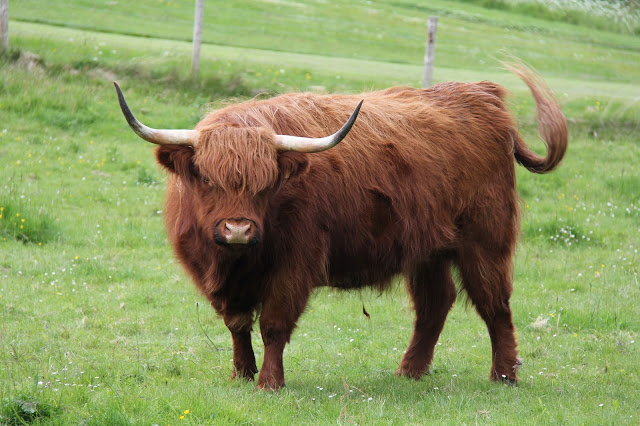
They had Highland Cattle out front
The breed was developed in the Scottish Highlands and Western Isles
I couldn’t get enough of these guys
Apparently, neither could he
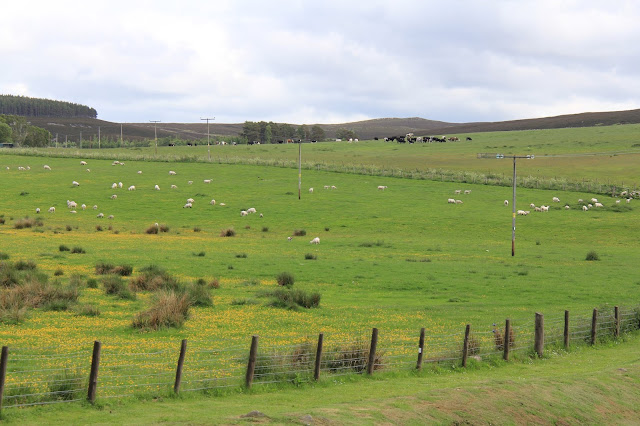
Fields in front of the distillery
I’ve never seen a more welcoming front door
Jessica stops to welcome us
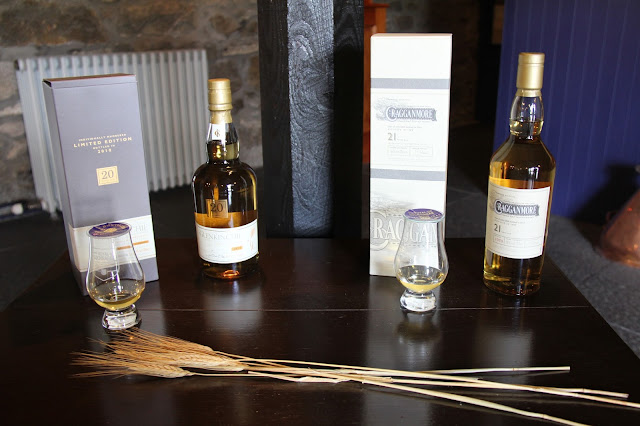
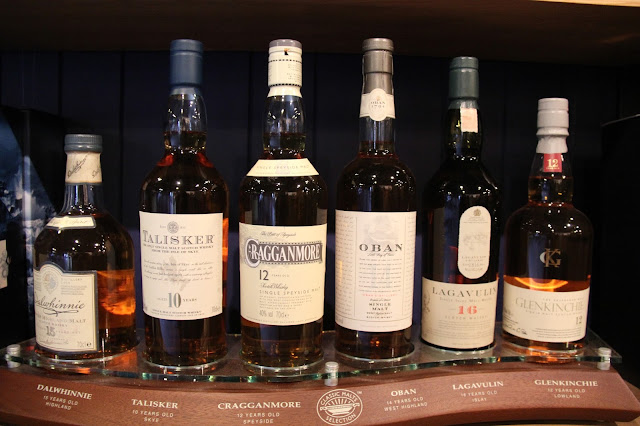
A display of some of their finer whisky’s
If you want to buy a good whisky – just consult this group above, you can’t go wrong with any of them
I snuck all the following interior shots. We were not allowed to take photos inside the premises… but they didn’t realize I had a BLOG to write!!
On the left – peat (a wood burned to add smokey flavor), barley both natural and malted and an old scale
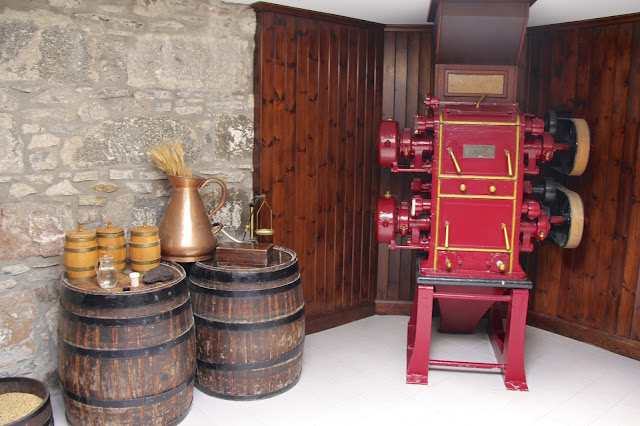
On the right – an old fashioned kiln that would be fed with peat
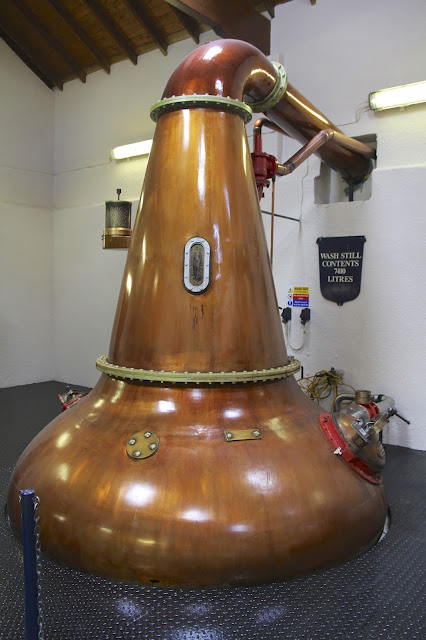
Copper pot still used during the distillation process
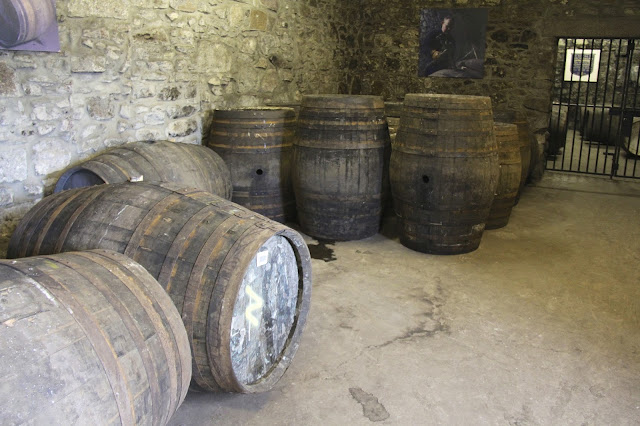
Barrels used during the aging process
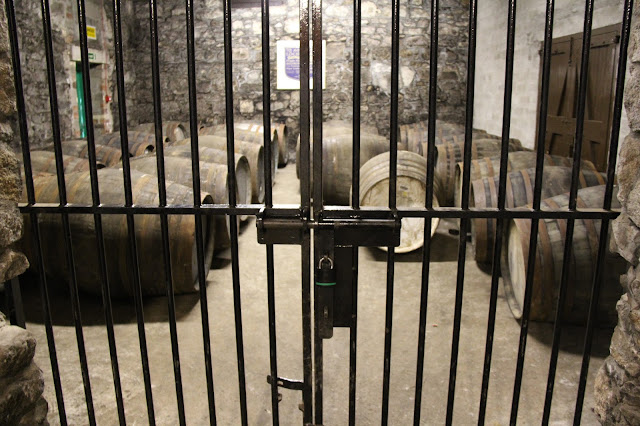
The distillery always sets aside some of the best for a special whisky released in limited quantities
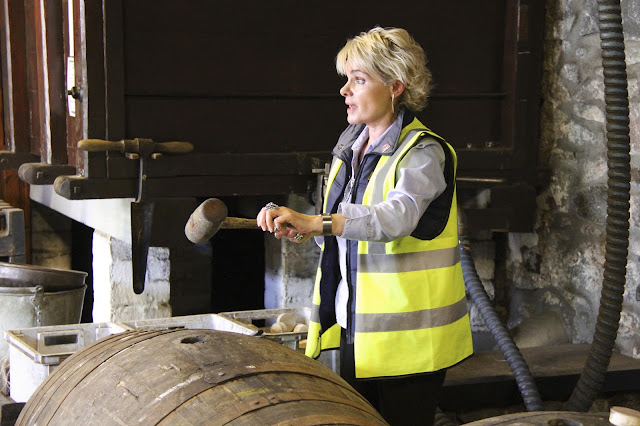
Our guide demonstrates how to property seal a barrel
Look at the mugs on these two – guess no one taught either of us how to smile
Water is a critical element in the process – this is the reserve that Royal Lochnagar uses
Another thing I learned – this is the “official” design of a proper whisky glass adopted somewhat recently
The next adventure within our Scotland trip was a pilgrimage to the capital, Edinburgh. Since I boiled 1,094 pictures from this trip into a mere 120 for this post – I think I’ll pause here and resume with a new post. Tune in again soon – plenty more fun to come!
Since I’ll never be a movie producer, I finally have another outlet to satisfy my life-long dream to wrap something up with the simple phrase…
I think this is a fitting title to end our trip in France, which you can read about HERE, HERE and HERE.
Our little family recently journeyed into France for a visit with some wonderful friends, Michel and Shirley (read his blog HERE). We spent a few days with them in their home in Sablet, France. They were wonderful tour guides, packing in many activities that they knew we would enjoy. After a day spent touring some of the most beautiful villages in France, we had a serious thirst to quench. So the next day, we took advantage of our prime location in the Côté du Rhône region of France (arguably one of the most well-known wine producing regions in the world) and drank our way throughout the area.
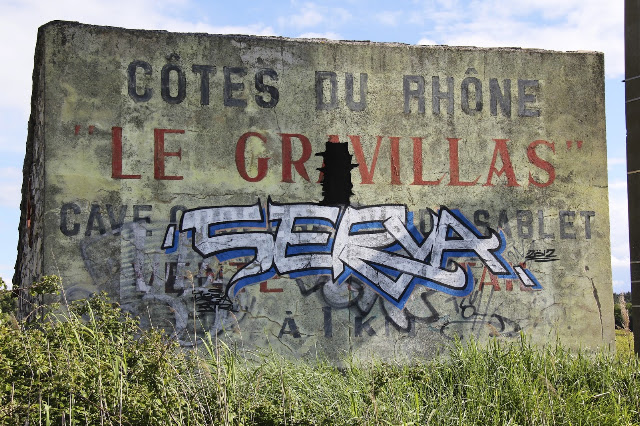
Cool street art just outside of Sablet
Michel owns a charming bistro in Northern California (Bistro des Copains) that has not only increased his knowledge of Californian and French wines, but also given him a unique “in” to the local wine producers surrounding his village. It’s one thing to call and set up a tasting, and another thing entirely to call and set up a tasting because “I might decide to purchase your wine for my restaurant”. Ladies and gentlemen, feel free to unroll your red carpets now!
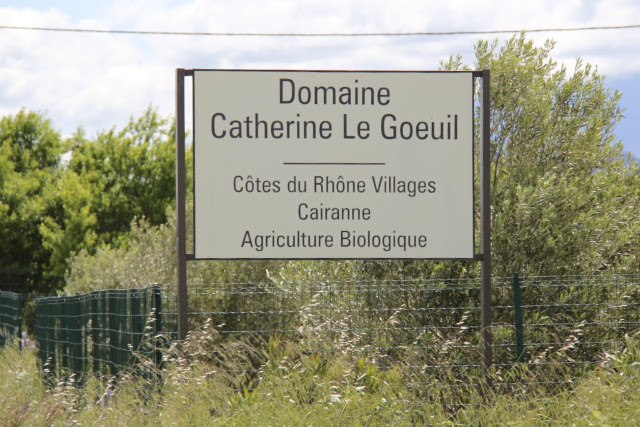
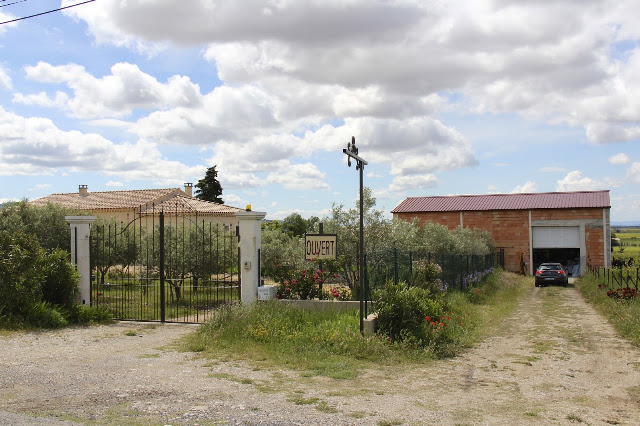
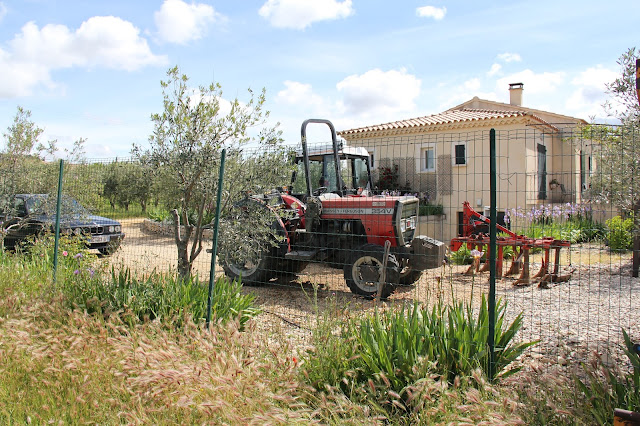
Michel did a wonderful job selecting three wineries to visit, ranging in size of production, type of wine produced and varying ambiance for our tastings. We started the tour at, Domaine Catherine Le Goeuil in Cairanne, a short ride from Michel and Shirley’s home. Catherine had set up a tasting for us in the production facility next to her home. Since I could not possibly tell Catherine’s story better than she could, I have copied her brief biography about the wine she produces from Kermit Lynch’s wine merchant website.
Catherine Le Goeuil’s taste for adventure has made her a leading pioneer in Cairanne. Having been born in the Congo to French parents, she had already lived in interesting places, but she longed to return to her roots. In 1993, with little experience and great determination, she and her family bought a six-hectare domaine. Soon after implementing one of their first chemical treatments on the vines, Catherine became very ill. The viticultural direction for the domaine became instantly clear. In her mind, farming as naturally as possible was the only way to go. Over time, she started the conversion to organic farming, and is now fully certified in this methodology. In a village just shy of one thousand inhabitants and only two others who farm organically nearby, her decisions have been met with suspicion and trepidation. Though rooted to the place both figuratively and literally, she is still considered an outsider—not that she lets this dilute her conviction in any way.
Domaine Catherine Le Goeuil
Ouvert (Open)
Part of the modest estate
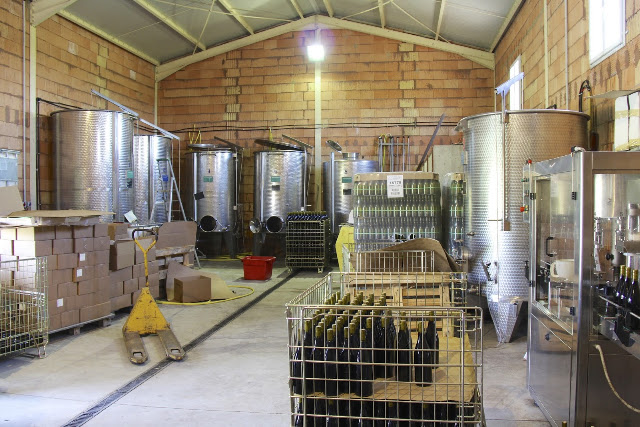
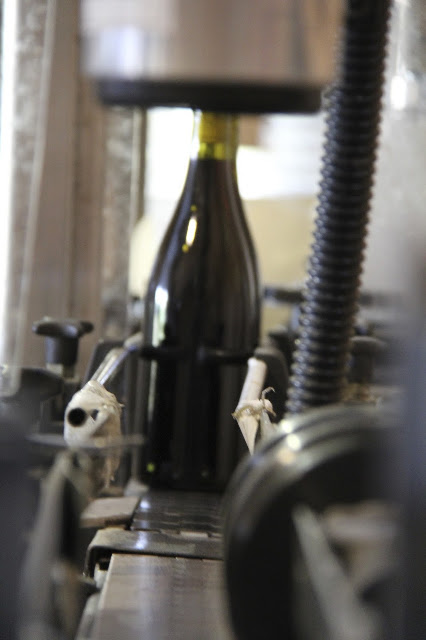
Inside the bottling facility
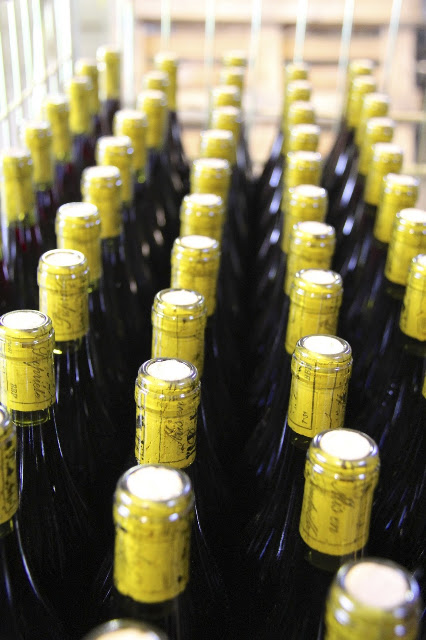
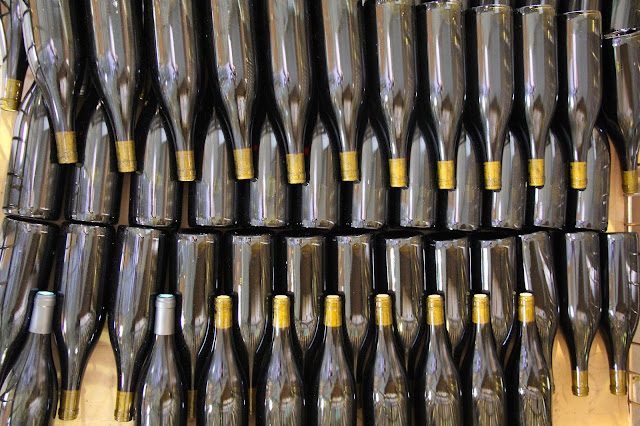
French wine bottles
Bottling process in action
Loved the symmetry of the packaging
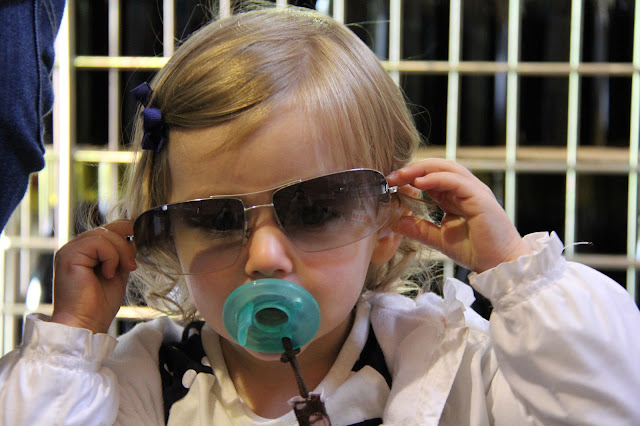
Julia always has to look her coolest
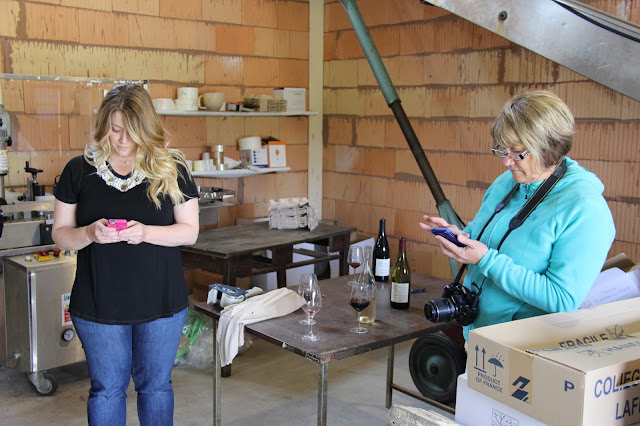
Jen and Shirley were kind enough to be our “scribes” so Michel and I had the necessary information for the our blogs
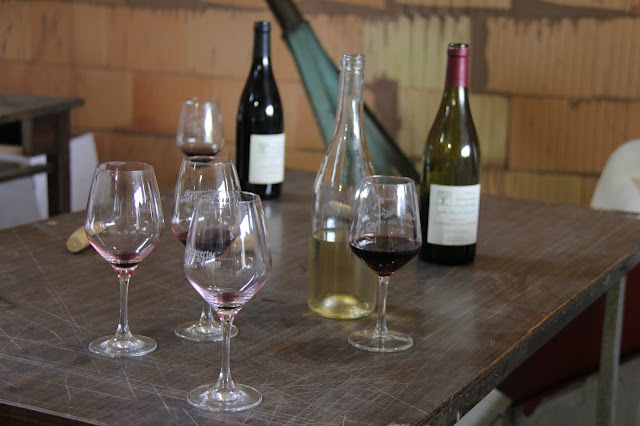
Aftermath of our tasting
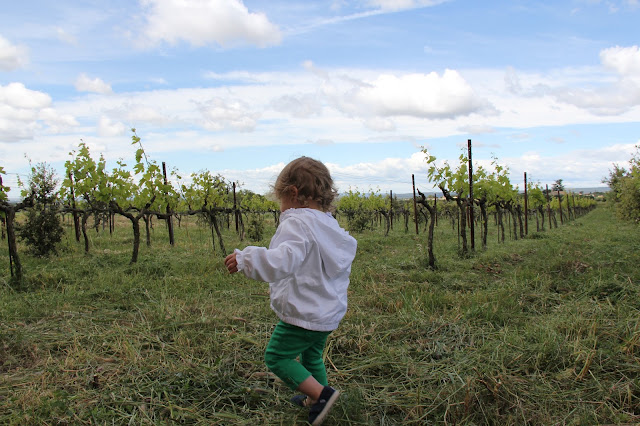
Julia ran wild in the vineyards
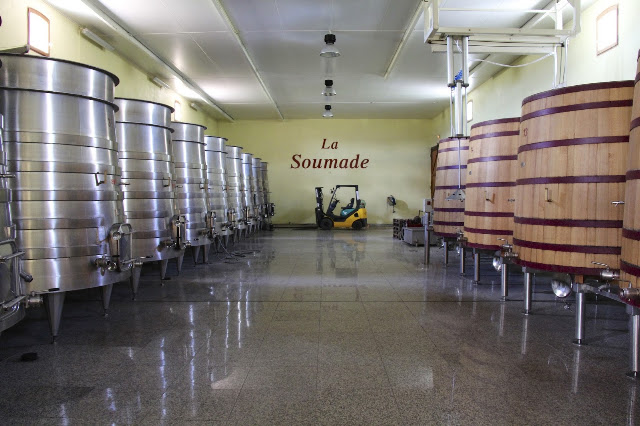
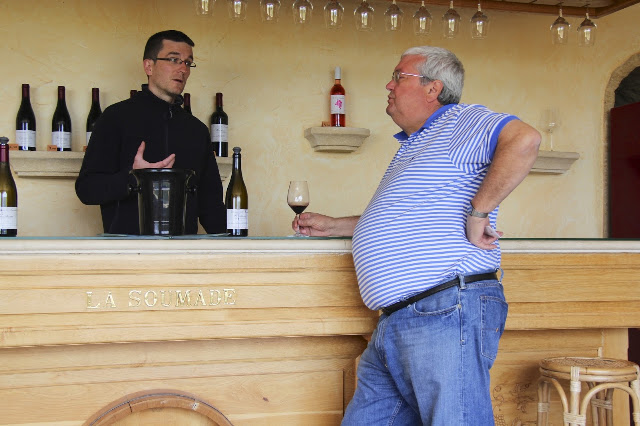
Next, we ventured to Domaine la Soumade, a winery founded in 1979 by André Roméro (website). We slowly worked our way through a flight of Rasteau before selecting which bottles to purchase (or in Michel’s case, which cases to purchase).
Casks
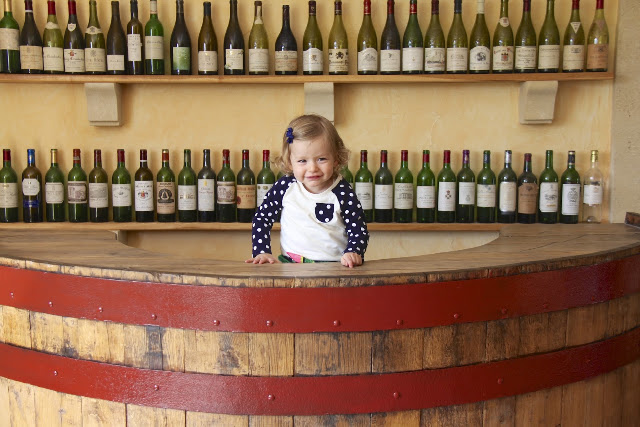
“Step right up… what’ll it be? May I recommend a grenache?”
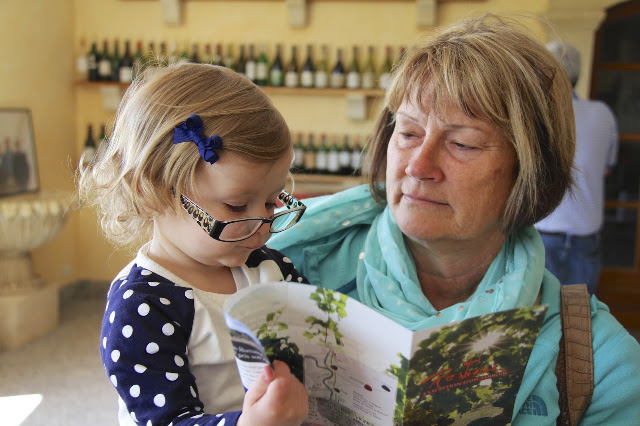
Reading to Shirley
Michel speaking to our host about his wines
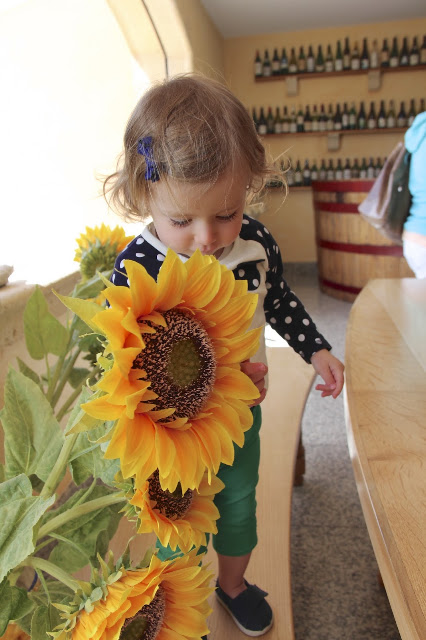
Julia plays with the sunflowers
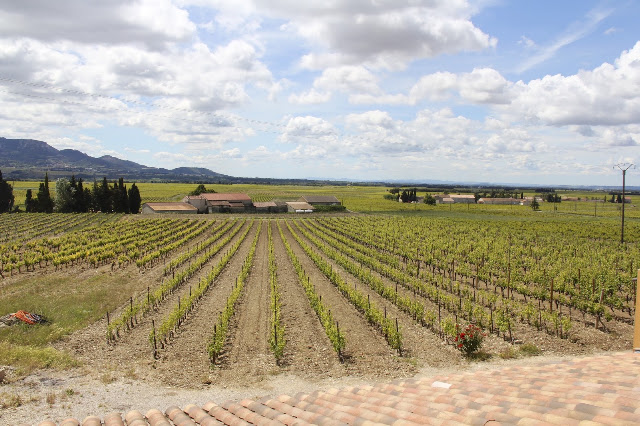
Vineyards out back
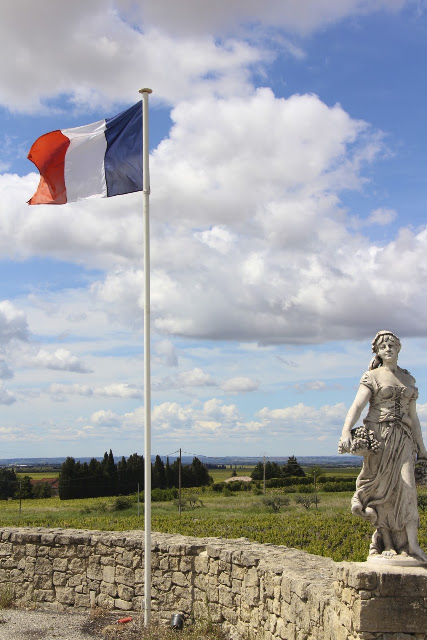
Interesting to see the French flag as opposed to the Italian flag
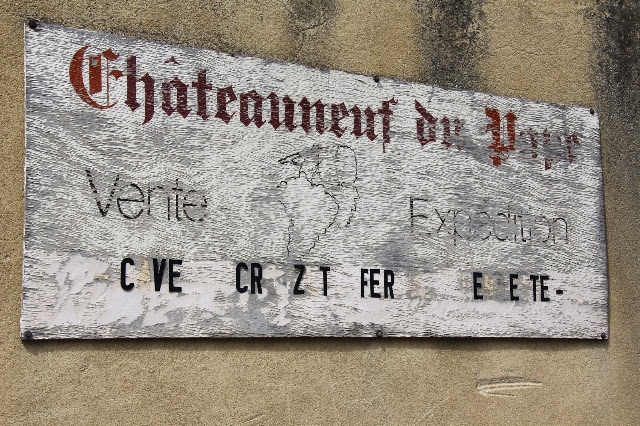
After lunch, we pointed the car toward the much anticipated village of Châteauneuf-du-Pape. If you’re no more than a casual drinker of French wine (like me), than you may be questioning that statement. “I thought Châteauneuf-du-Pape was a grape, or a style of wine, or (what I thought) a region?” Certainly, a wine as noted around the world as Châteauneuf-du-Pape couldn’t simply take the name of a small village with fewer than 1,000 inhabitants…could it?
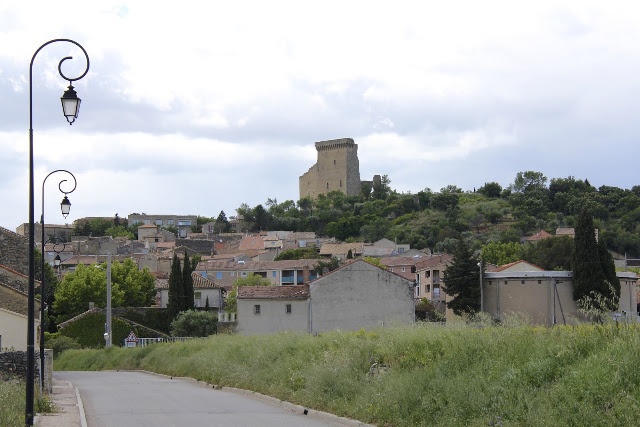
Driving into Châteauneuf-du-Pape
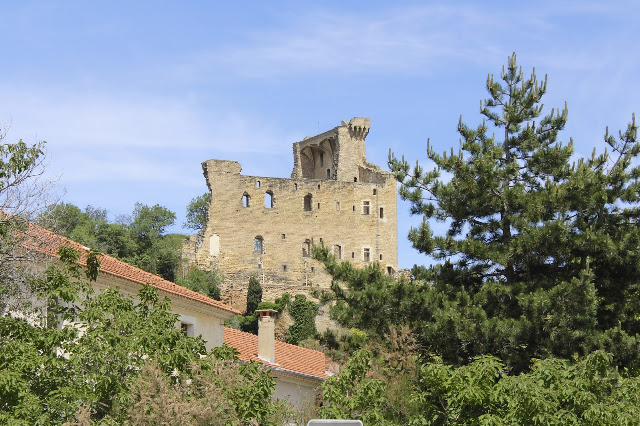
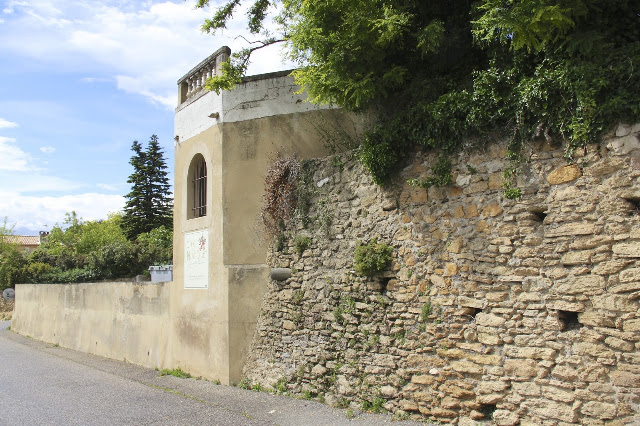
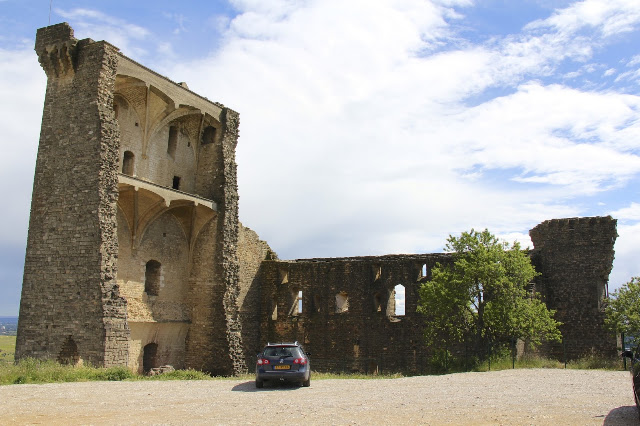
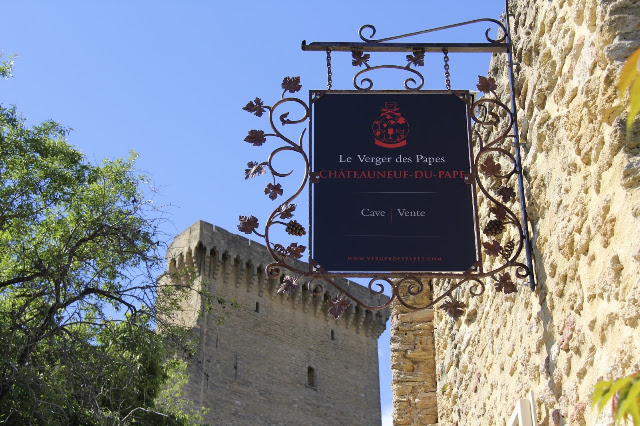
The Popes castle sits high above the village
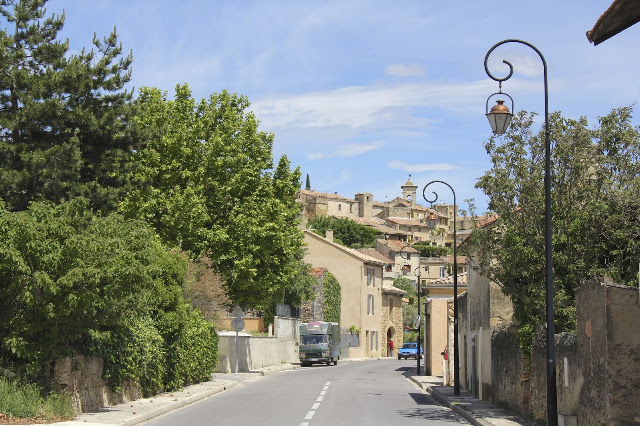
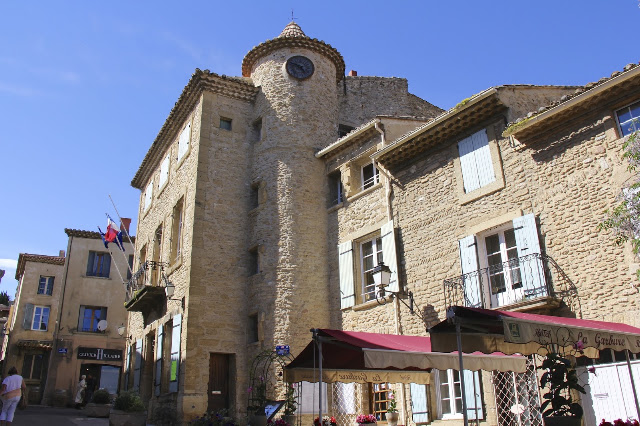
Street in Châteauneuf-du-Pape
The central concept to higher end French wine is the notion of terroir, the location where the grapes are grown and wine is made. The Appellation d’Origine Contrôlée (AOC) classification system uses this concept of terroir when classifying French wine. It is this rigorous classification issued by the government agency that ultimately determines (in part) how your wine bottle reads. The history of the AOC dates all the way back to 1411, when Roquefort (yes, the cheese) was first regulated. It wasn’t until 1935 that the Institut National des Appellations d’Origine (INAO) was created exclusively to manage the process for wines.
I learned that as you drink wines across France- the labeling practices are different and take on their own set of rules depending on which region the wine was made in and what level of classification the wine carries. The minimum information a label will carry is usually the classification and the name of the producer. Michel explained to us that in the Côté du Rhône region the ranking of a wine’s quality is fairly easy to determine, starting with Côté du Rhône (the generic label), thenCôté du Rhône-Villages (which includes 95 communes), next moving on to Côté du Rhône-Villages (named village) (where the village has earned the right to include its name on the label) and finally the highest class-action, Crus (the most demanding level of distinction, upon which the village will use only its name on the label, without needing to include Côté du Rhône). There are only 16 communes that have achieved this high level of distinction. The wines of Châteauneuf-du-Pape have been awarded this high level of crus status and therefore, only use the name of the village on the label.
After drinking the spectacular wines of Clos du Mont-Olivet, we toured the proprietors private cellar. It was jaw-dropping indeed to see bottles of wine that were worthy of serving royalty, reaching values too astronomical for me to fathom. It also made my draw drop to see Julia running wild in said-cellar and I had to put my camera down to chase her on more than one occasion. I don’t think stomping grapes the rest of my life to repay the debt of a single broken bottle would have been a wise notion. The estate is managed by David, the third generation in a line of winemakers of the Séraphin family. A kind and gentle man, he was happy to take time to explain his wine, show off his cellar, extol a few interesting anecdotes and allow us to take tons of pictures. David told us that the current spring (when the grapes begin to grow) was the coldest on record since 1887 and that winemakers all over the region were nervous of the outcome. If the outcome was anything like the wines we drank all day – they’ll be just fine!
A sign hangs outside Clos du Mont-Olivet
Outside Clos du Mont-Olivet
Julia kept herself pre-occupied by drawing…
And tasting French water along with us…
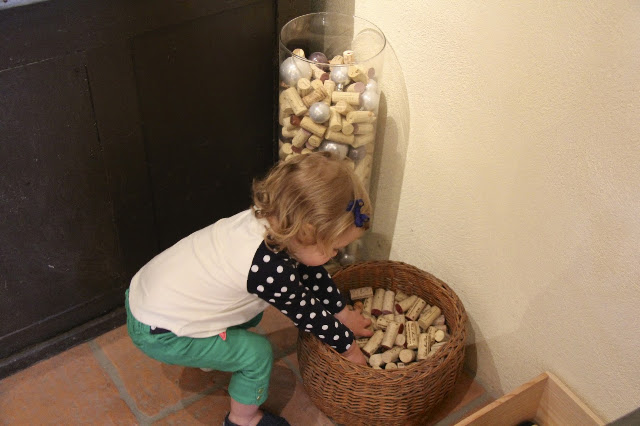
And finally, re-organizing corks
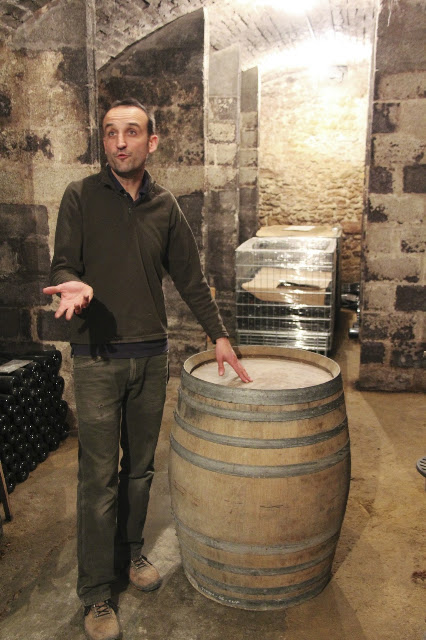
David welcomes us into his family’s cellar
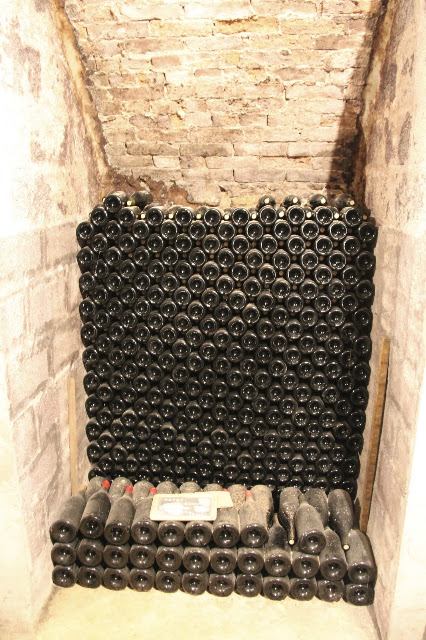
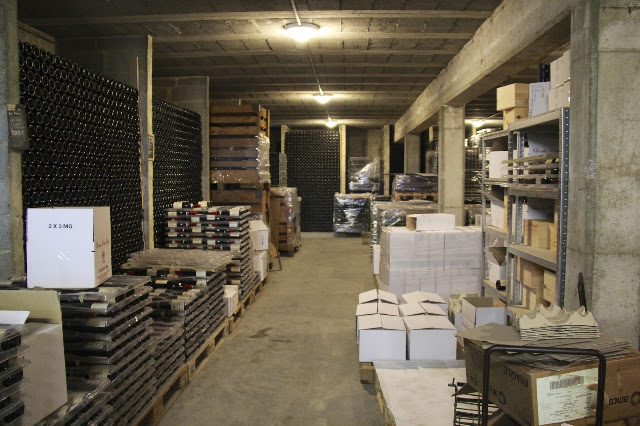
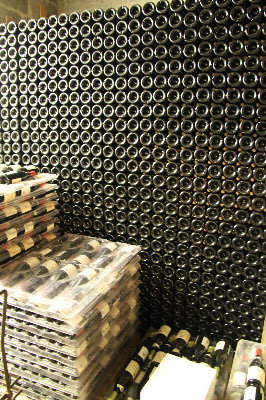
There were thousands of wines inside
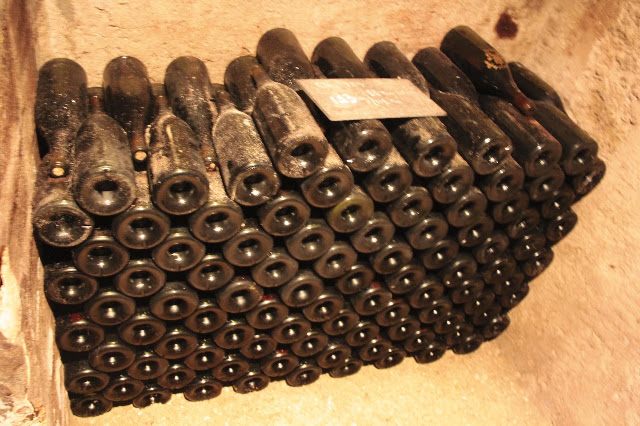
Some wines dated back fifty years
They had one of their original floor corking machines
Julia wanted to go “this way” toward the really expensive wines
Another shot of the cellar
Leading back into the production area
Packaging and storage area
Bottles prepare to ship
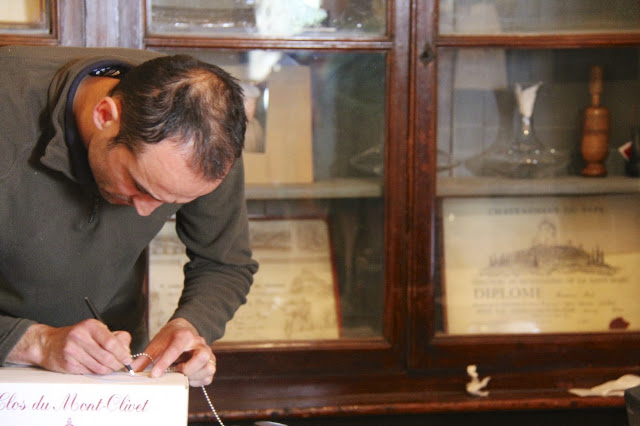
David prepares an invoice for our purchases
When we left Clos du Mont-Olivet we spent some time touring the village of Châteauneuf-du-Pape, which is as firmly intertwined with papal history as it is wine. In 1308, Pope Clement V relocated the papacy to the city of Avignon. My buddy Clement V and his subsequent “Avignon Popes” were rumored to be great lovers and promotors of wine during the seventy-year duration of the Avignon Papacy. John XXII (who came second) is responsible for erecting the famous castle that still stands today, known as the “Popes Castle”.
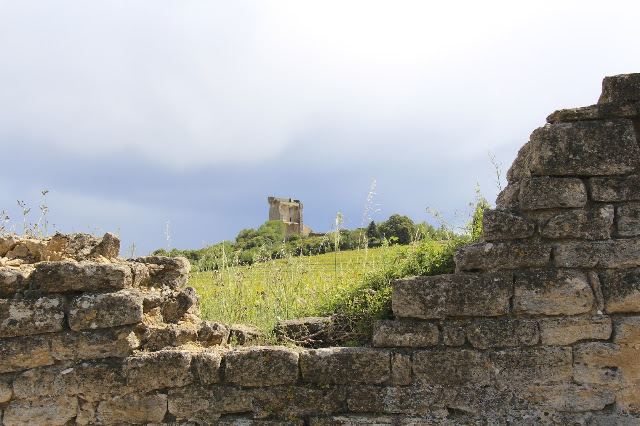
The Pope’s Castle through an ancient wall
Remains of the Pope’s Castle
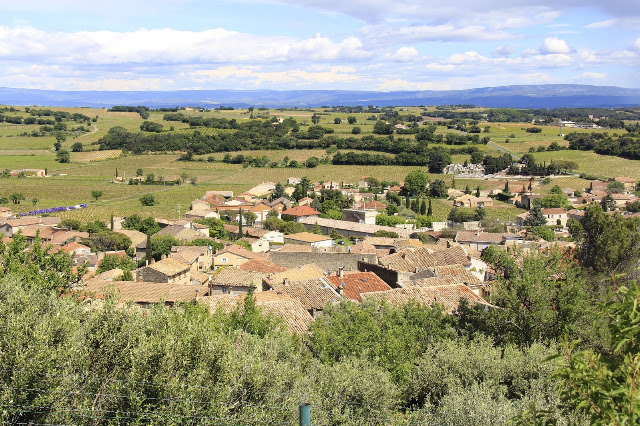
View of the valley
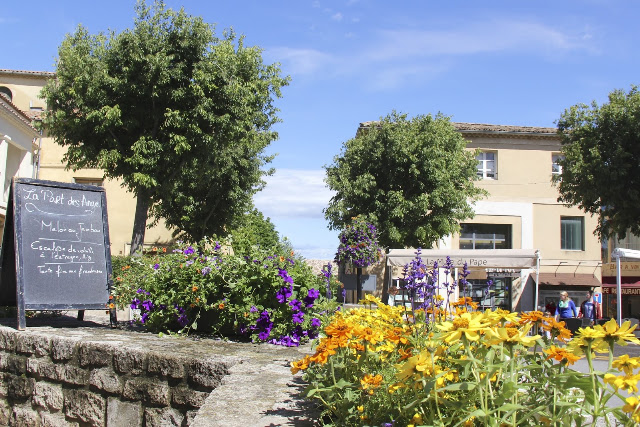
In the village of Châteauneuf-du-Pape
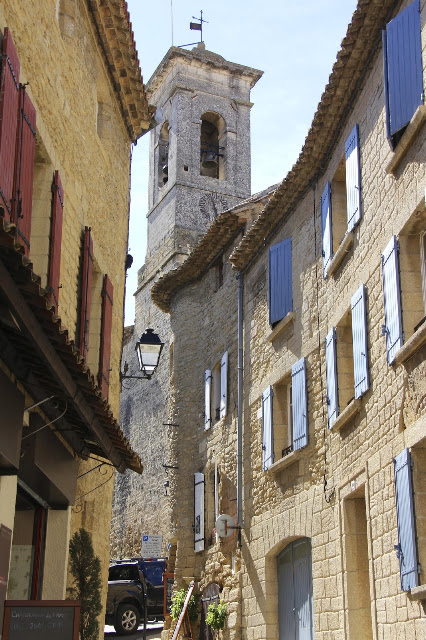
The village was beautiful
Street scene
Looking back up toward the top of the castle
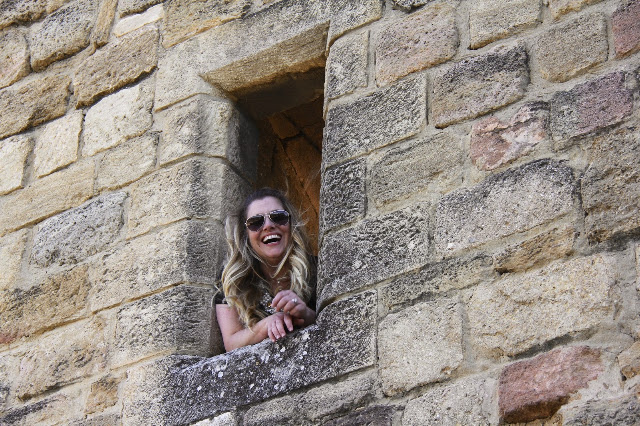
“Hi, everybody!”
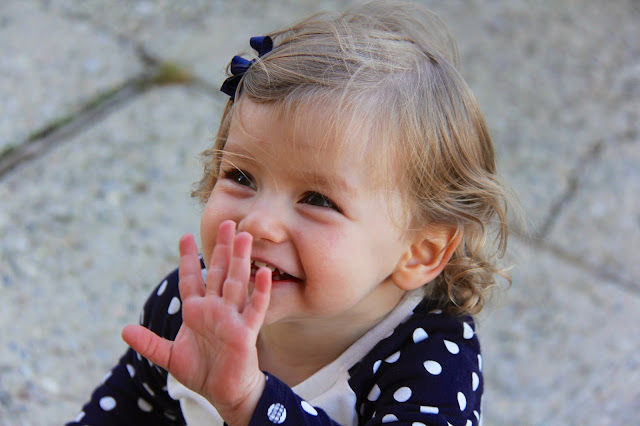
“HI, MAMMA!”
“That’s so funny… I want to go up there!”
“Ciao, everyone…errr, I mean bonjour!”
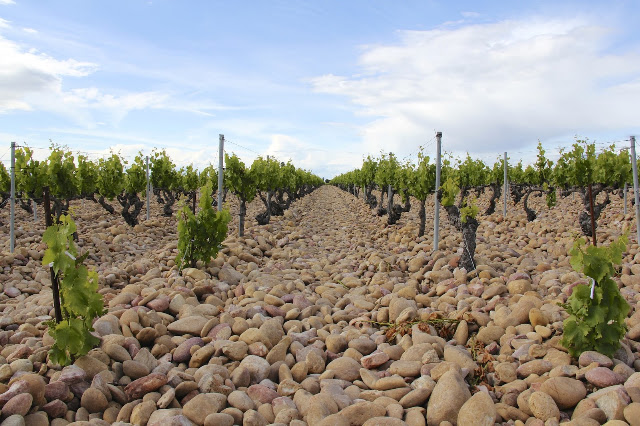
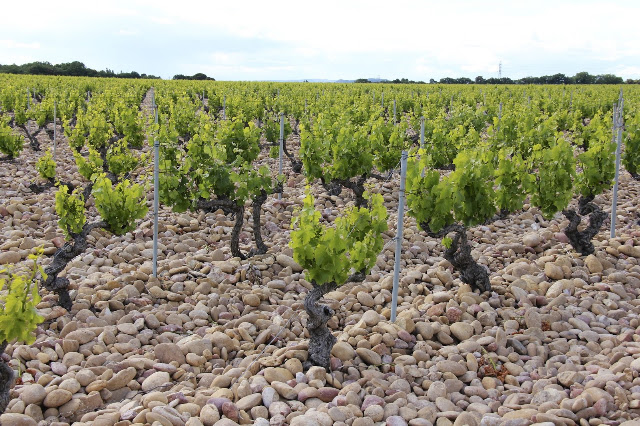
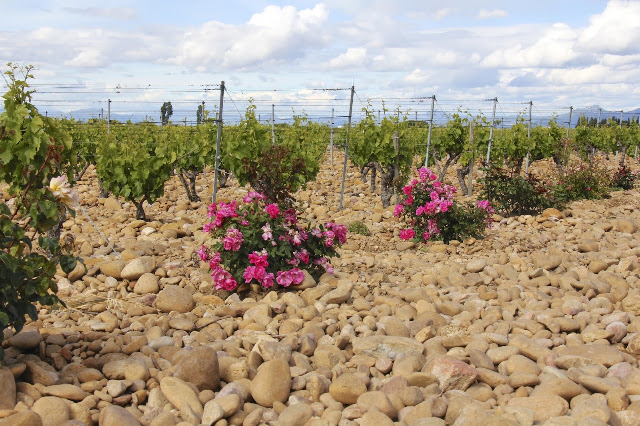
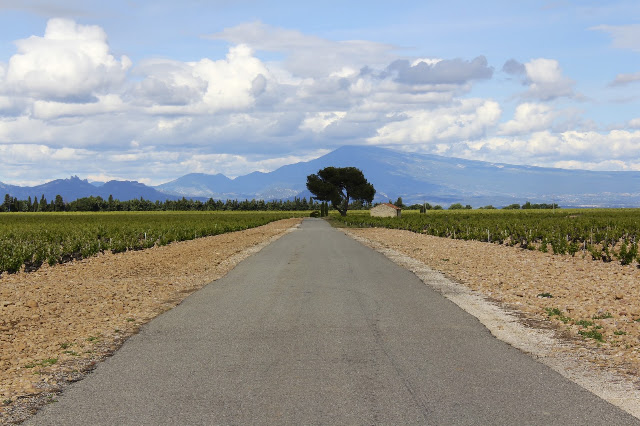
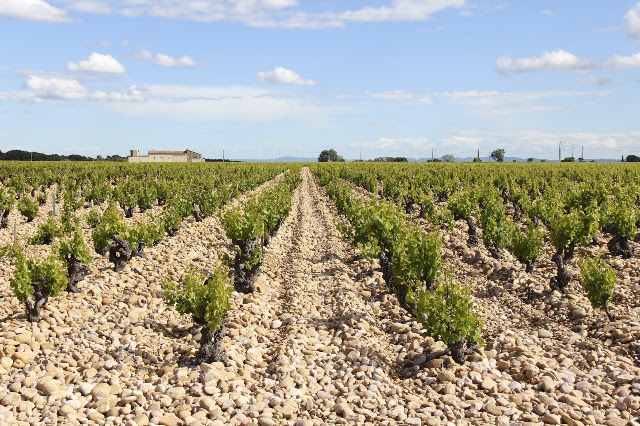
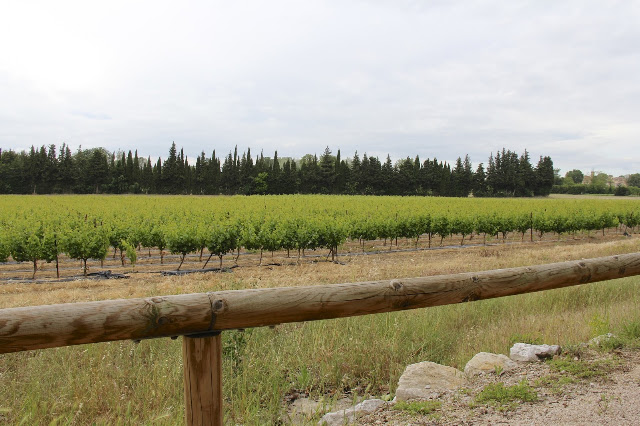
Next, we drove to some of the vineyards, which we were surprised to learn were covered in rocks. Michel explained that these are naturally occurring and even when the farmers rake all the rocks, they simply re-surface again over time. Of course, everyone embraces the rocks and think its what gives Châteauneuf-du-Pape it’s unique terroir.
The rocks were amazing
Vineyards in Châteauneuf-du-Pape
One of the wineries planted roses at the end of each row of grapes
View in the middle of the vineyards
Another angle
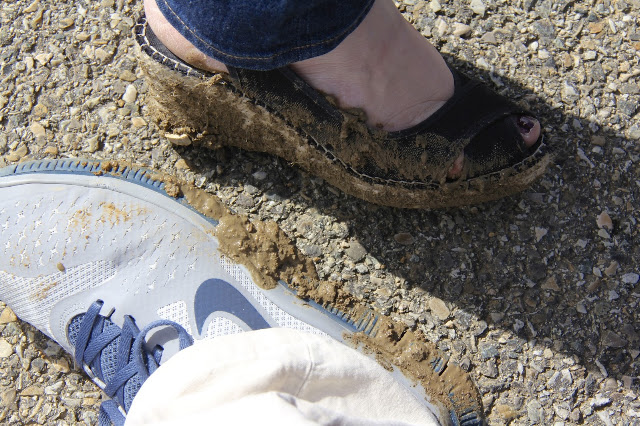
Jen and I paid the price for stepping into the fields to snag a couple rocks as souvenirs
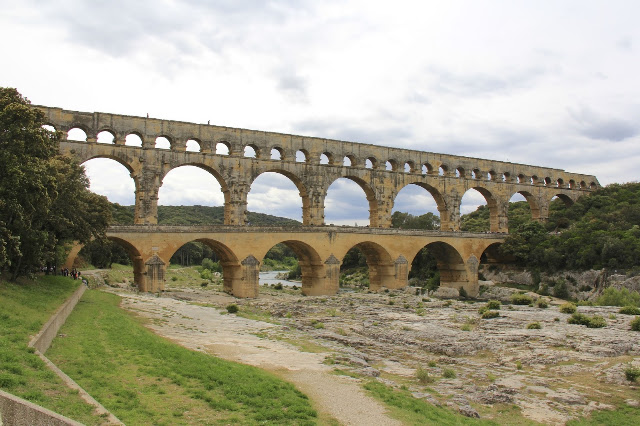
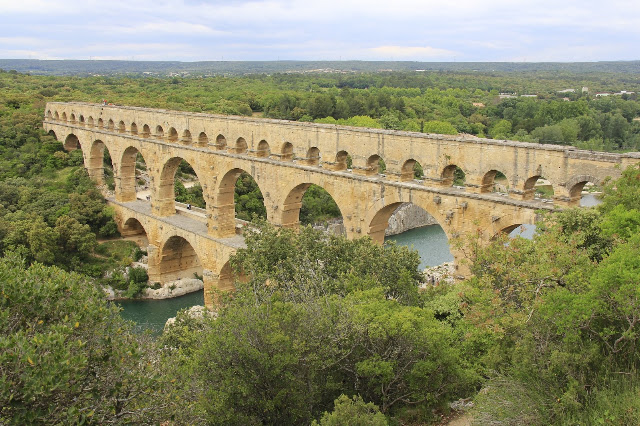
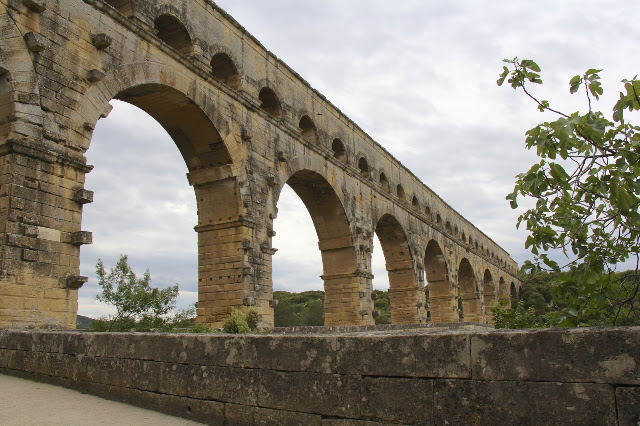
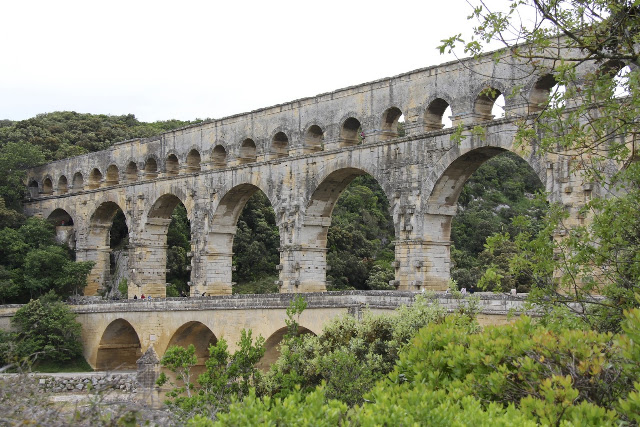
On our final day in France, we visited the Pont du Gard, an ancient Roman aqueduct bridge that crosses the Gardon River. The site is simply stunning to behold, and the UNESCO World Heritage Centre agreed, adding it to their list of World Heritage Sites in 1985 because of it’s historical importance.
Pont du Gard
The opposite side, higher viewpoint
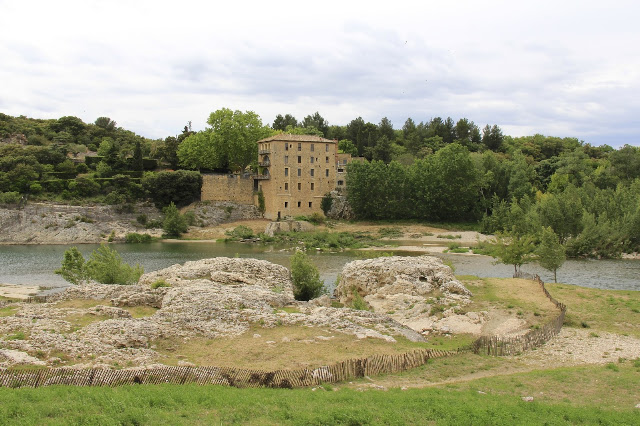
Ancient villa on the Gardon River
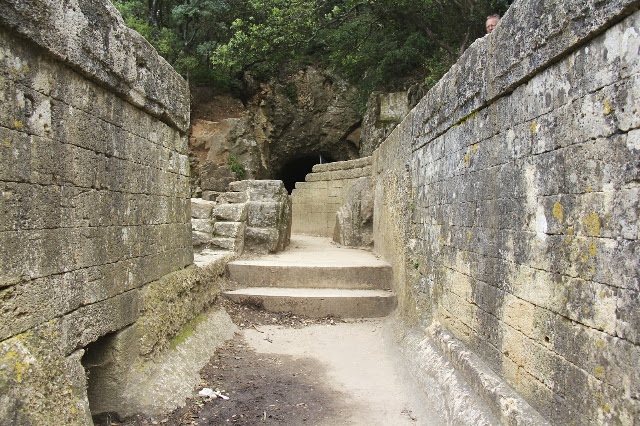
We walked to the top of the aqueduct
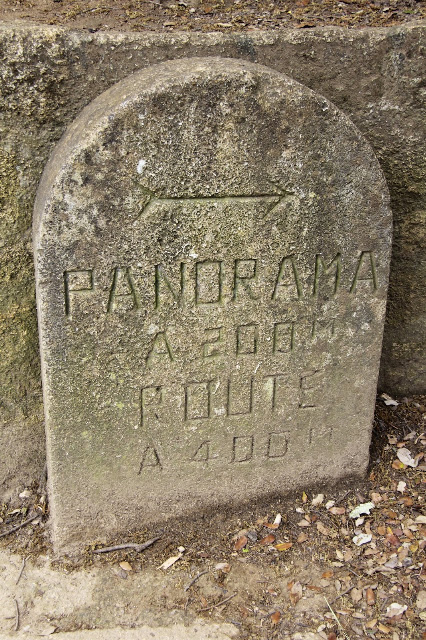
We followed the route up to the panoramic viewpoint
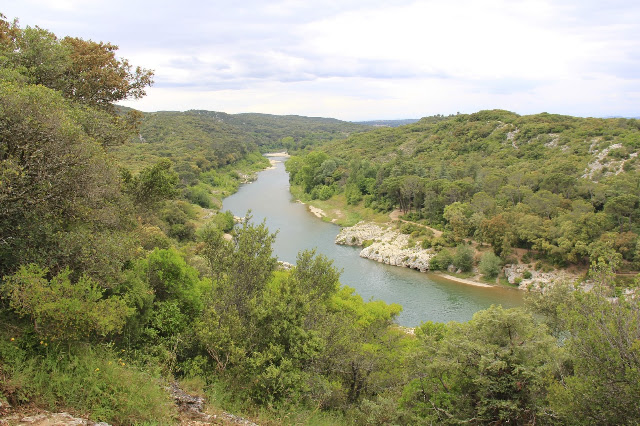
The trek was worth it – there were stunning views
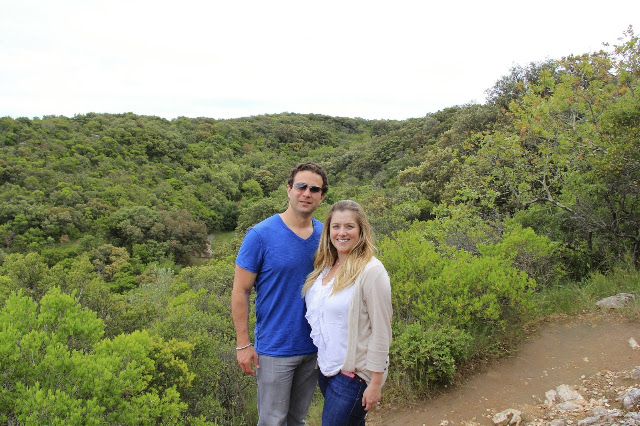
At the top
Amazing to see the bridge up close
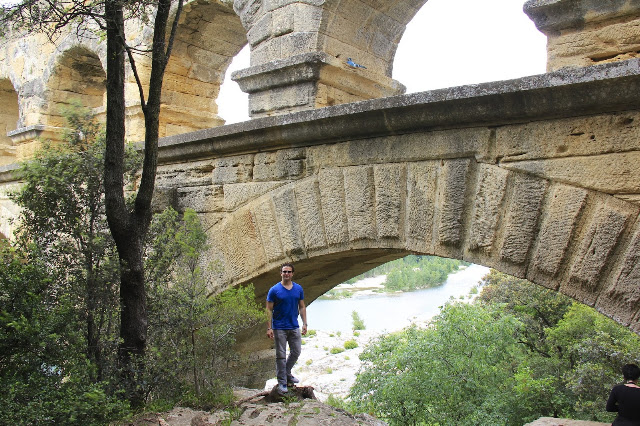
Angle from below
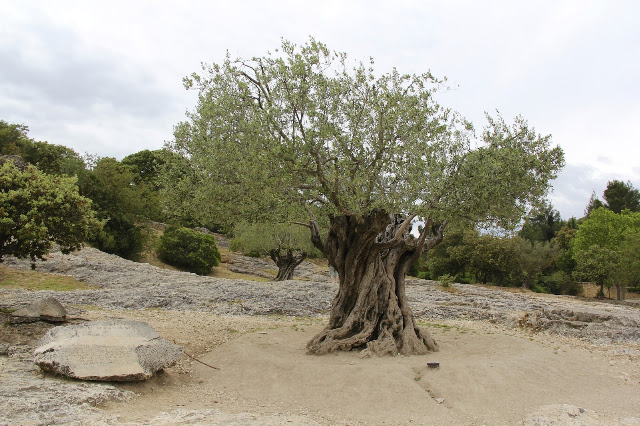
This olive tree, along with it’s sister tree were relocated here and have thrived since 908 AD
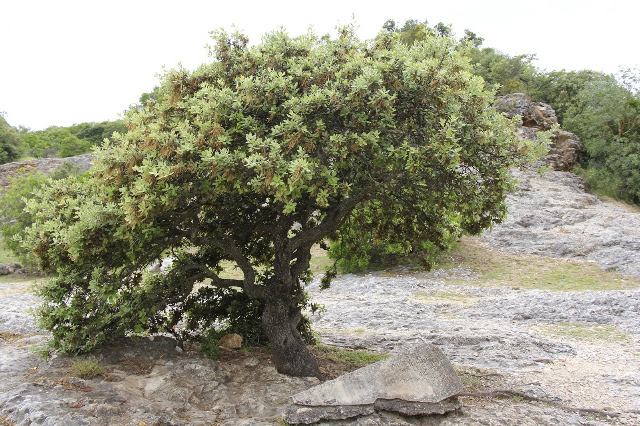
Sister tree
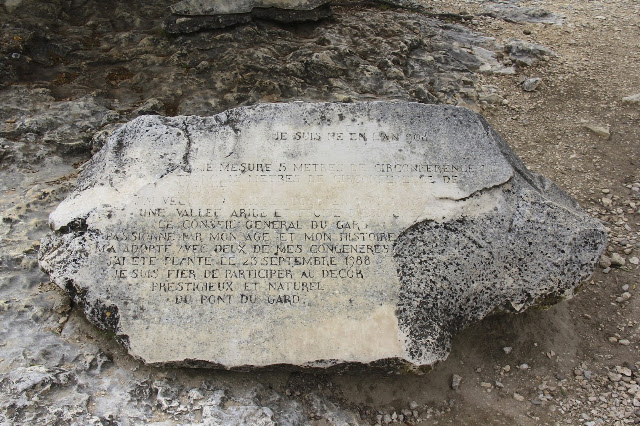
Stone placard commemorating and expelling the trees’ history
View from the opposite bank
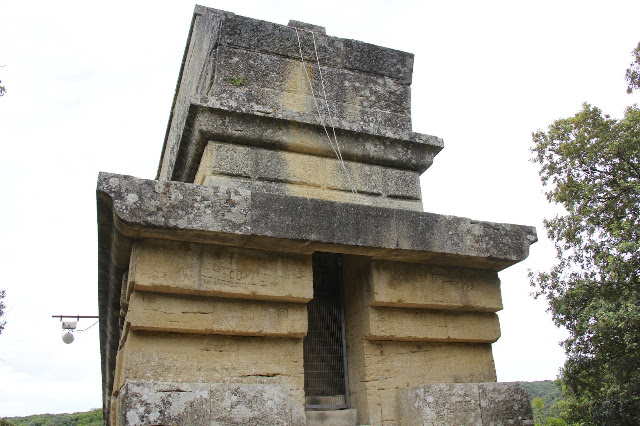
One of the end caps
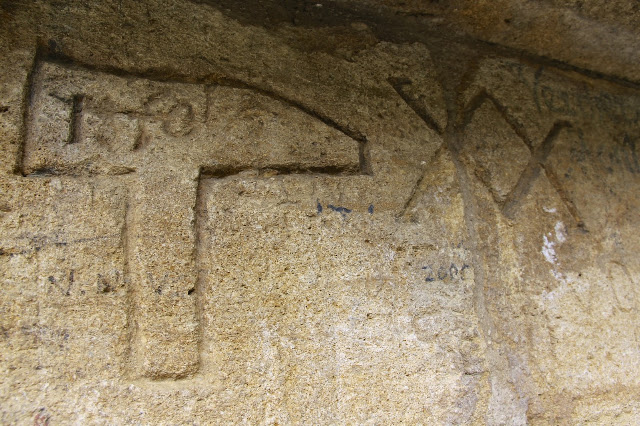
The ancient carvings were magnificent. I think this says, “this end up”
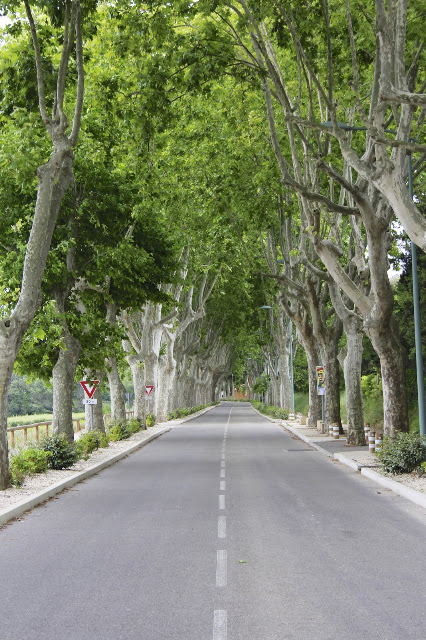
Trees covered the roads to offer shade to the soldiers in ancient times
Nice scenery shot
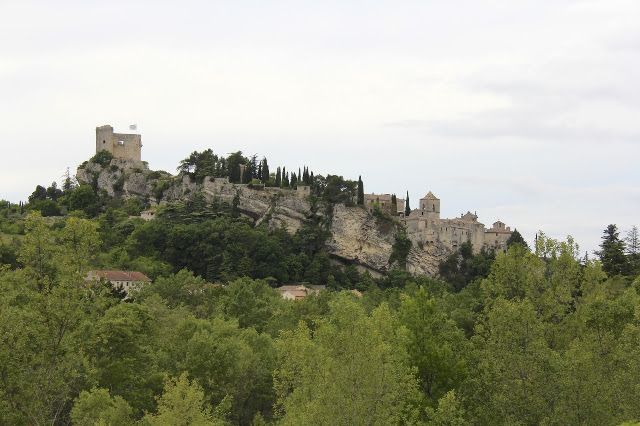
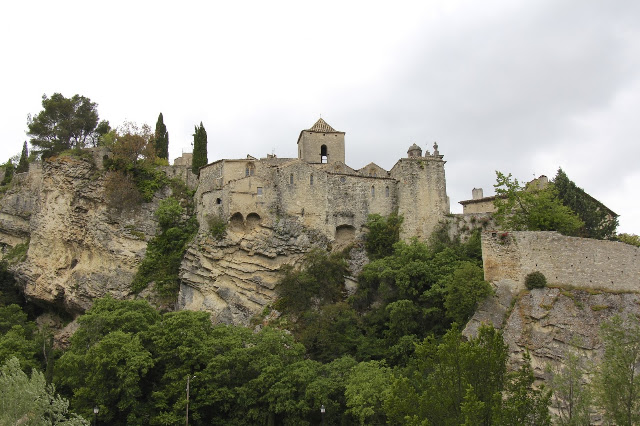
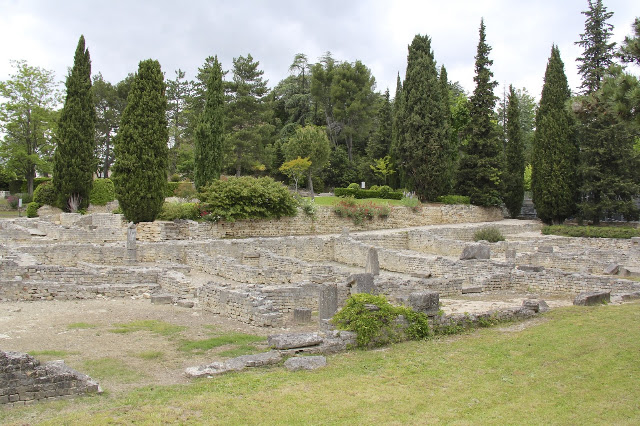
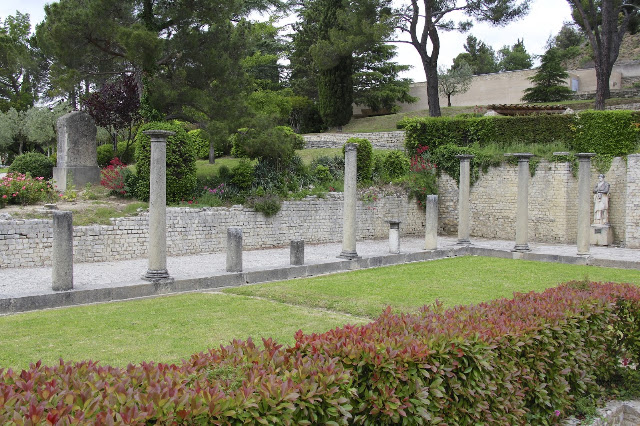
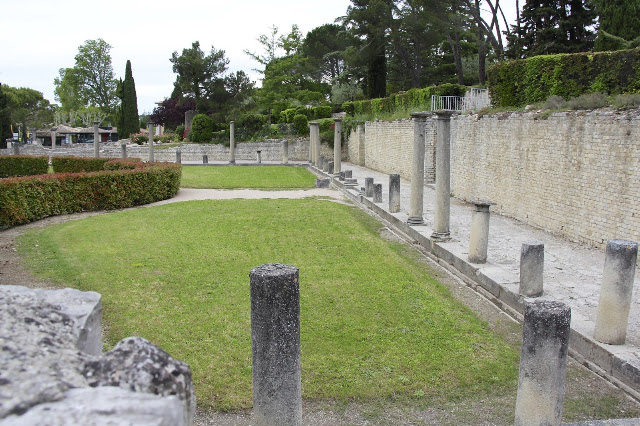
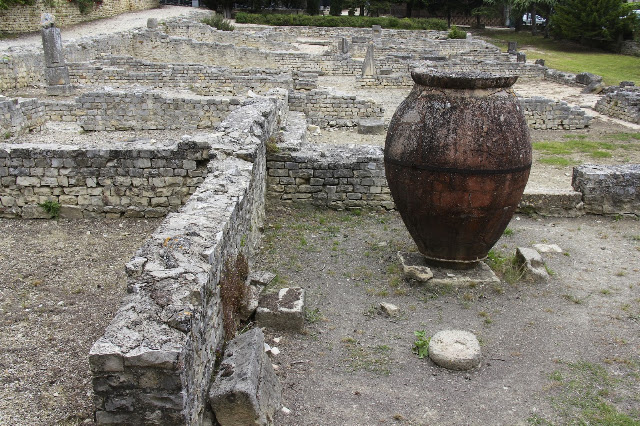
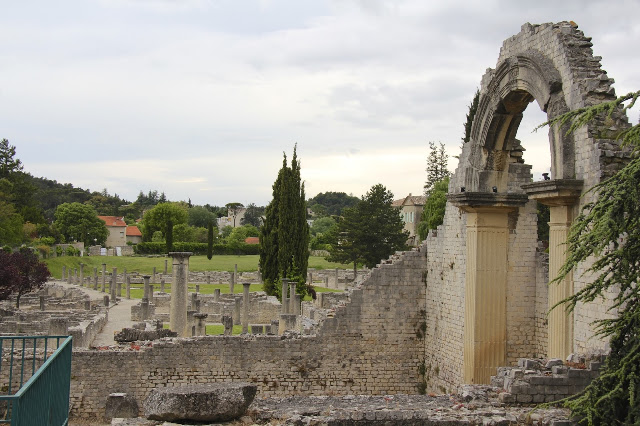
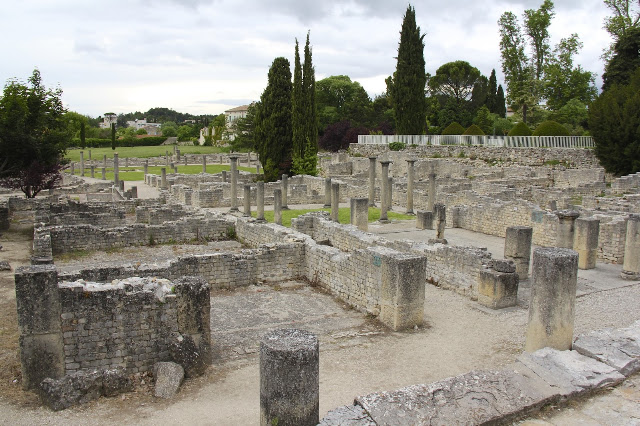
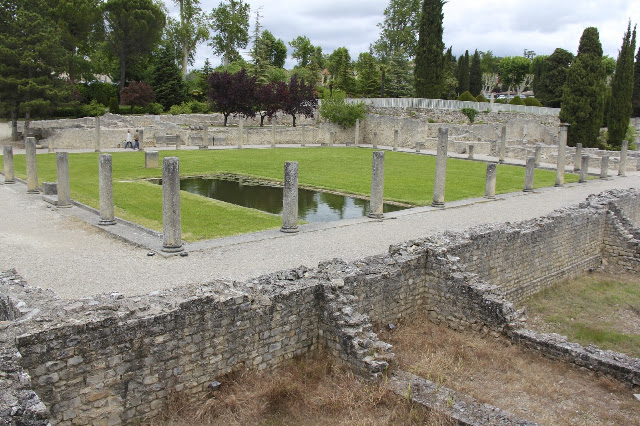
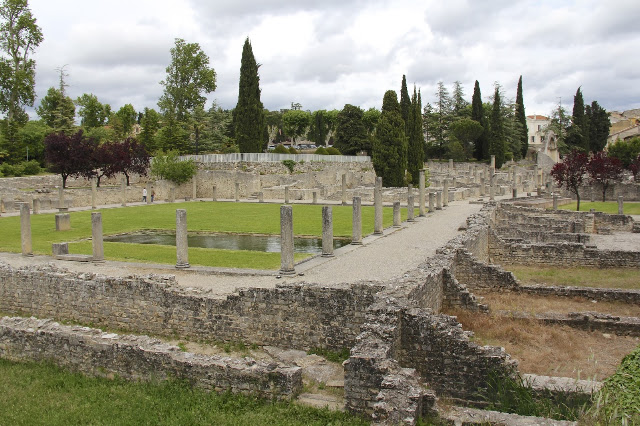
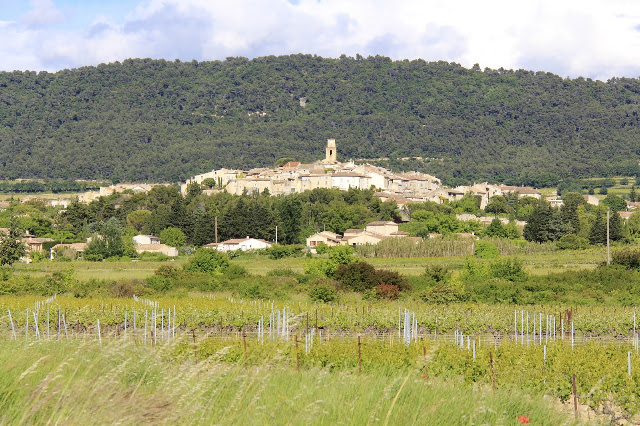
Finally, we ended our day in Vaison-la-Romaine, a village that showcases an interesting historic perspective. Not only is the historic section separated into two parts, it is divided in two distinct ways. On the high side of the dividing river, Ouvèze you have Medieval ruins including a castle. On the lower side, centered on the Colline de la Villasse, you have the largest filed of Roman ruins in France. It’s quite stunning to take it all in.
The upper city – the Medieval city
View of the Medieval castle
Some of the Roman ruins
Roman ruins – pillars surrounding a courtyard
Courtyard
They believed this portion was housing
Ancient Roman gate still intact
The ruins covered such an impressive and vast amount of land
Would have loved to known who’s pool this was… some ancient tycoon?
A final look back over the Roman ruins
I hope you enjoyed your tour through France with us (both historical and culinary) as much as we did. Stay tuned as we return back to Italy and stay busy while Jen’s family comes to stay a month.
Our good friends Michel and Shirley have a wonderful home in a small village in the Côtes du Rhône region of France. They invited us to join them for a few days recently, an invitation we were happy to accept. Google maps told me that the journey from our home to theirs was approximately six hours and so we decided a stopover at the beach for a night would break up the drive nicely (read about it HERE). After a relaxing night in Beaulieu-Sur-Mer, we headed north to Sablet, France so that we could savor an enjoyable visit with good friends.
Sablet, France
We arrived in Sablet as scheduled, late in the afternoon. However, I had misplaced all the phone numbers to reach Michel and so I wasn’t quite sure exactly where to go upon arriving in the village. Michel gave me specific instructions not to attempt a drive directly to his home. “The roads are far too narrow – many cars scrape on either side. Don’t attempt it – park at the local bakery and head by foot”. I only had his home address plugged into the GPS and admittedly, I had the words of Barney Stinson ringing in my head “I shouldn’t attempt the drive… challenge ACCEPTED!” After creeping up, up, up, slowly, slowly, slowly – I made it to their home. Luckily I made it with all car paint intact – but it was close. I had been far too cocky and got lucky – I literally had centimeters on either side of my car at times. We found their home and discovered they were just out at the local market, preparing for our arrival.
Michel is a business man, blogger (his blog), wine connoisseur and a fabulous chef. He owns a restaurant that I’ve mentioned in past blog posts, Bistro des Copains in Northern California. Jen and I knew that we were going to be in for a treat if he was coming back from the the market with fresh groceries to make dinner. When they returned home, we walked in, unpacked and quickly settled in for an epic meal. Luckily, Michel and Shirley are grandparents of four wonderful kids – and so they were naturals with Julia, who instantly fell in love with them both. After a wonderful dinner, stuffed and tired from a long day – we turned in, excited about the following day. Even though we didn’t know the plans, we were still eager knowing that we would have an action-packed day lead by two wonderful guides.
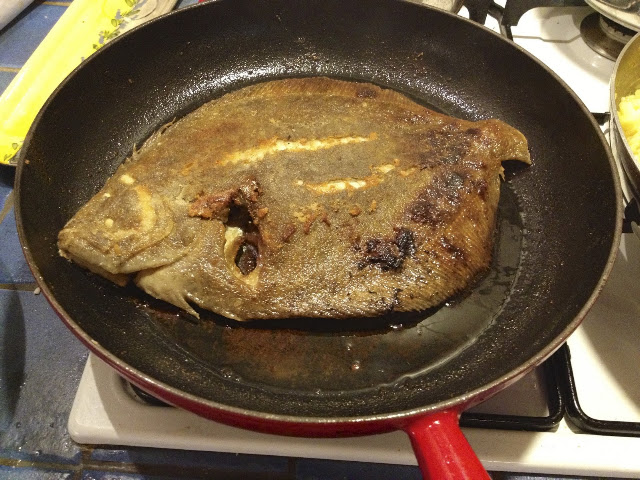
Pan fried fish cooked by Michel
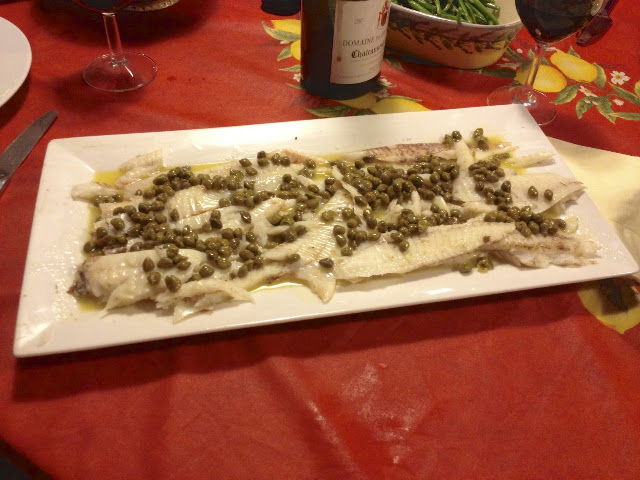
Filleted and seasoned with butter, oil and capers
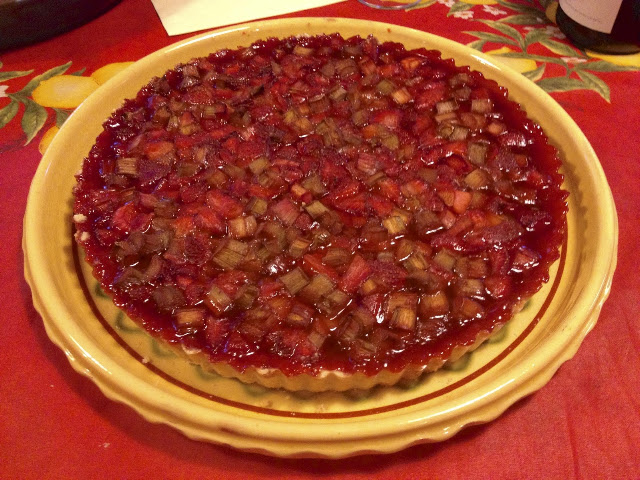
Shirley made the most amazing strawberry and rhubarb torte
Cheese and baguettes for breakfast. Not something you normally think of eating at 8:00am. However, this rich indulgence seems perfectly normal when you’re in France…and when the cheese and bread are that good, you are happy to get your fill. After breakfast, but before I finished my last sip of coffee, Michel jumped up and declared that, “we will be leaving in ten minutes!” For me, this was wonderful – an early start to the day. For Jen, nothing could be more horrific. She rushed to get herself ready, get the baby ready, get the diaper bag packed, etc. and still make it to the car before we pulled away. Somehow she managed and we set out to the first of three villages we would see throughout the day.
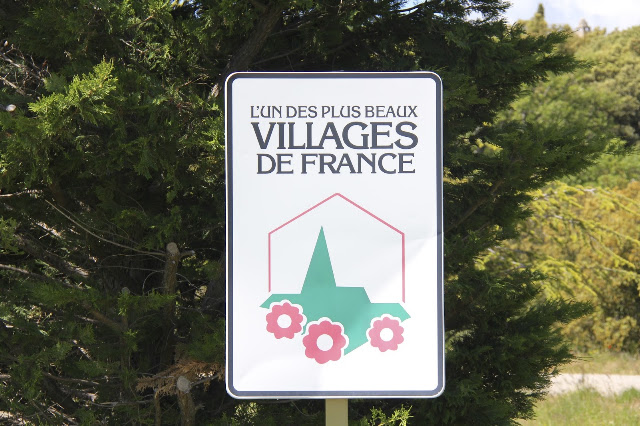
The term, L’un des Plus Beaux Villages de France (official site) means, One of the Most Beautiful Villages of France. This is a formal classification, reserved for only the most special of villages that dot the landscape of this fantastic country. Of the 32,000 villages that make up the country, only 157 are classified as such. 15 of these villages are in Provence, where Michel and Shirley have their home. We were fortunate enough to see 3 of these impressive places all in one day.
One of the Most Beautiful Villages of France
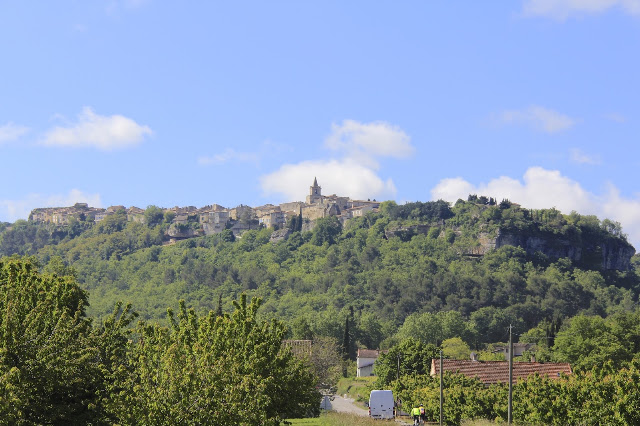
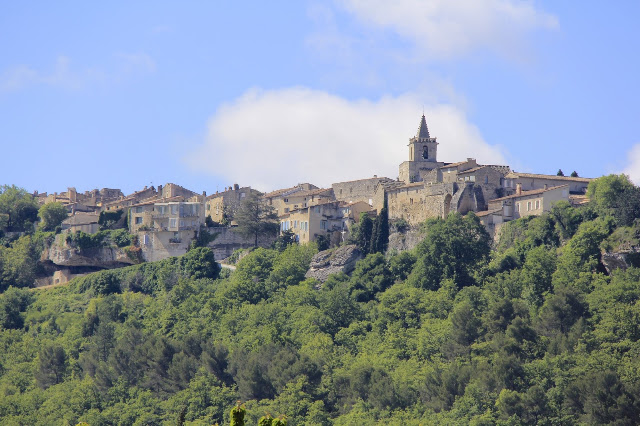
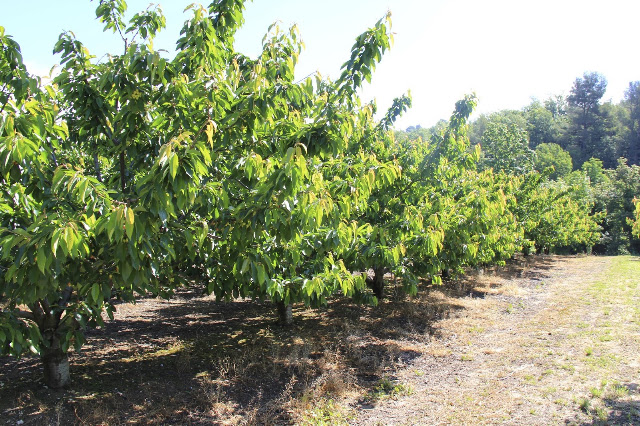
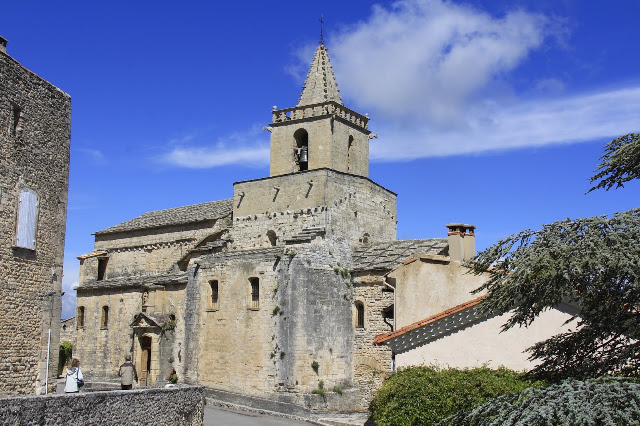
The first stop on our tour was Venasque, a hill-top village at the foot of Mont Ventoux. Venasque overlooks vineyards of many types, including vast fields of cherry trees (a unique sight in a landscape otherwise dominated by grape vineyards). The cherry’s were just starting to come into bloom and so we stopped to take a couple pictures. This medieval town has only the remains of three Saracen towers from those times. A large church from the 11th century stands in the center of town, composing part of the unique beauty we discovered while there.
Approaching Venasque
Venasque sits high atop a hill
We passed fields of cherry trees
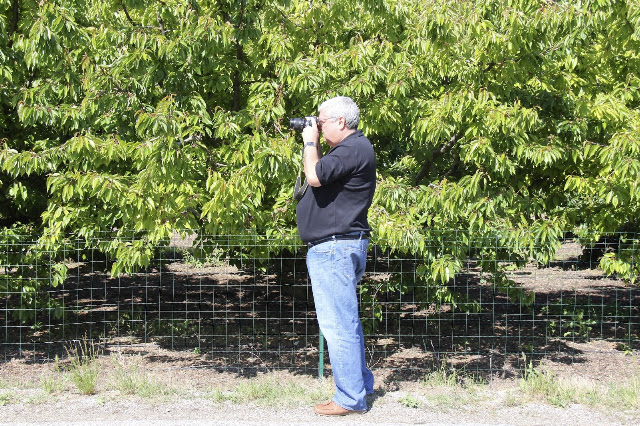
Michel in action, capturing images for his own blog
Julia and Jen in front of the remains of the medieval castle
The view of the valley below
Julia enjoying the scenery
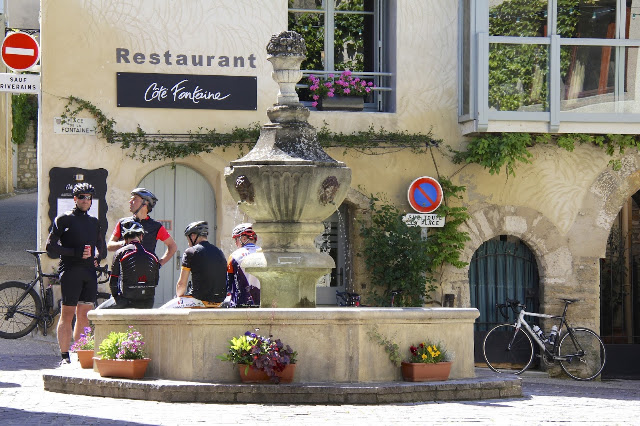
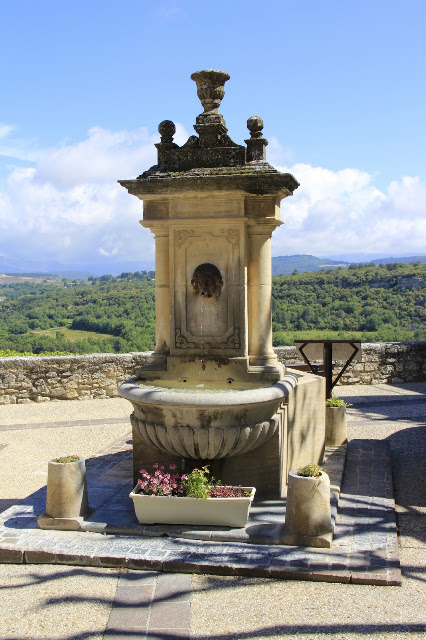
A fountain in the center of town
We passed many bicycle tour groups in each of the villages
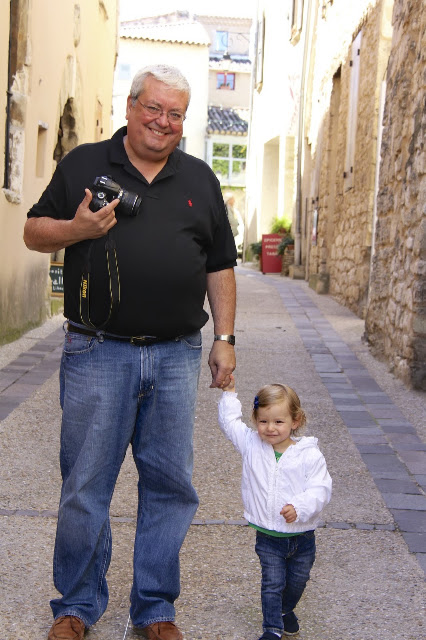
Michel strolling along with Julia
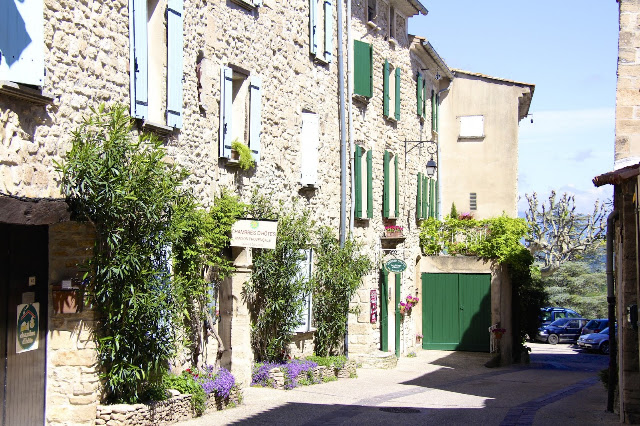
A street scene in Venasque
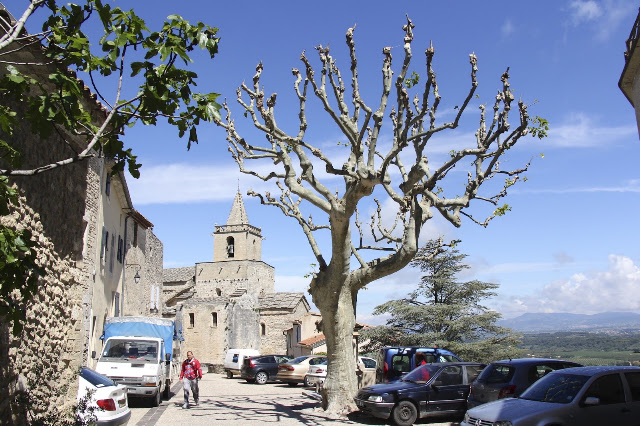
The villages main church framed behind a wonderful tree
A fountain in town, La Planette
Church in the center of town, dating back to the 13th century
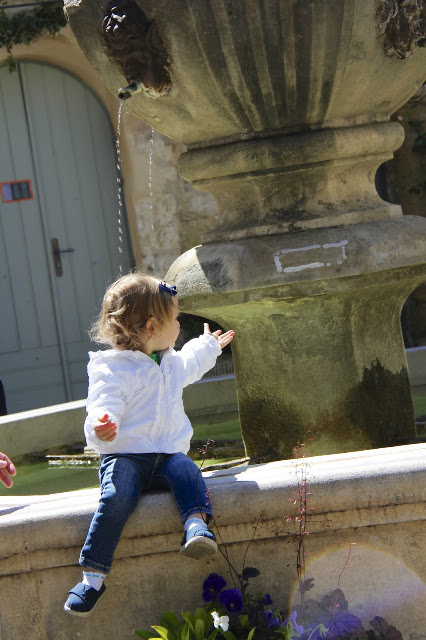
Julia playing in the fountain
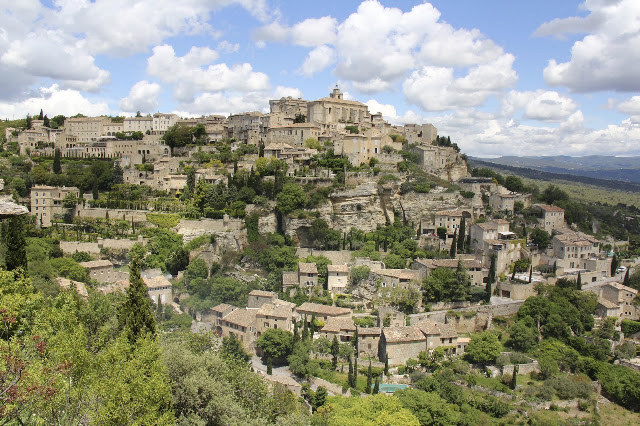
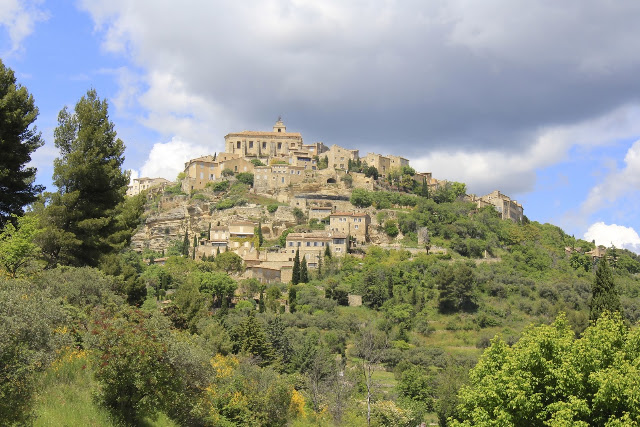
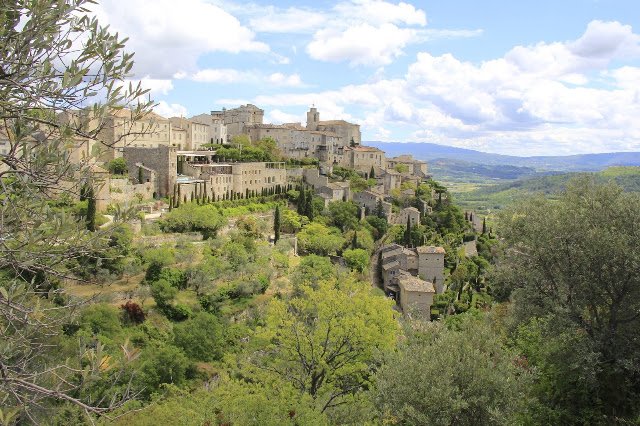
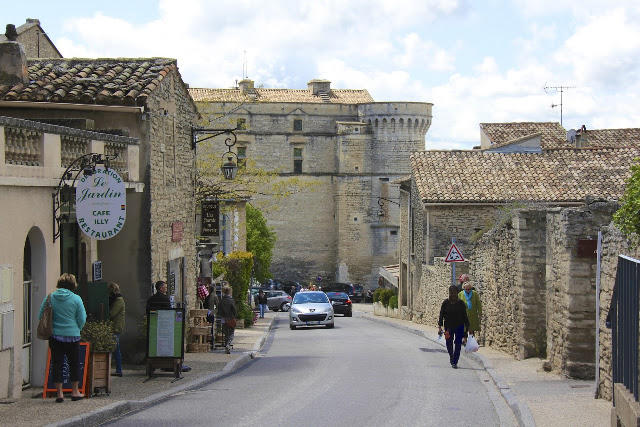
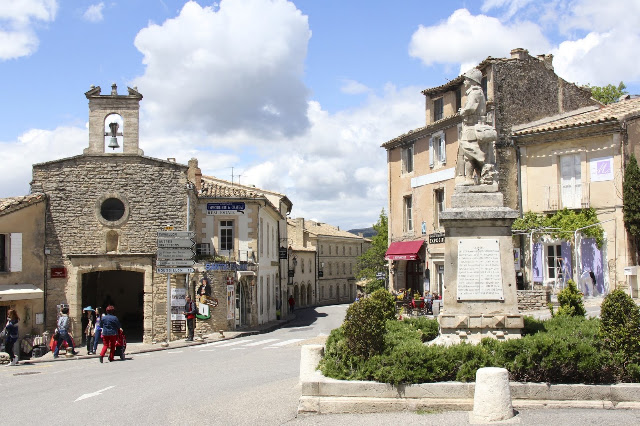
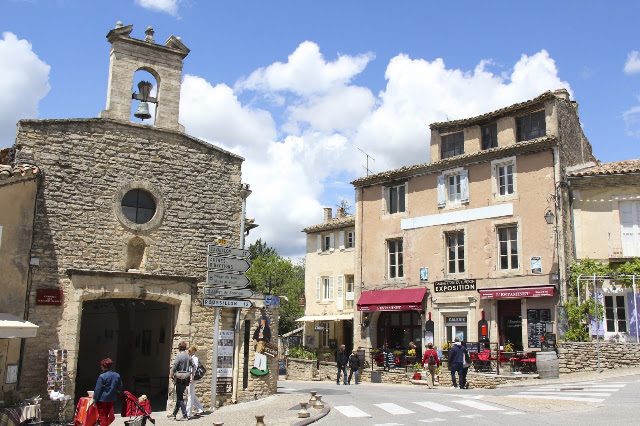
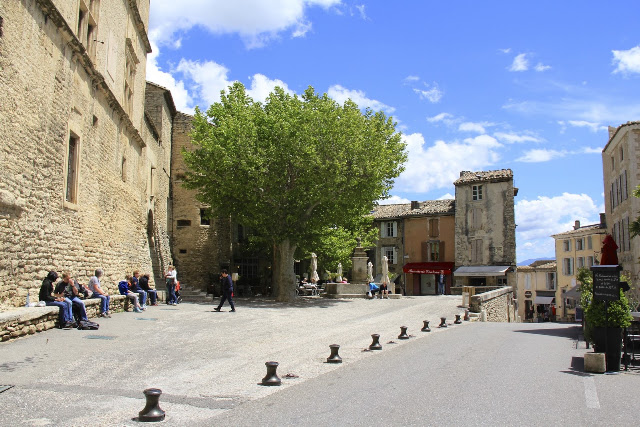
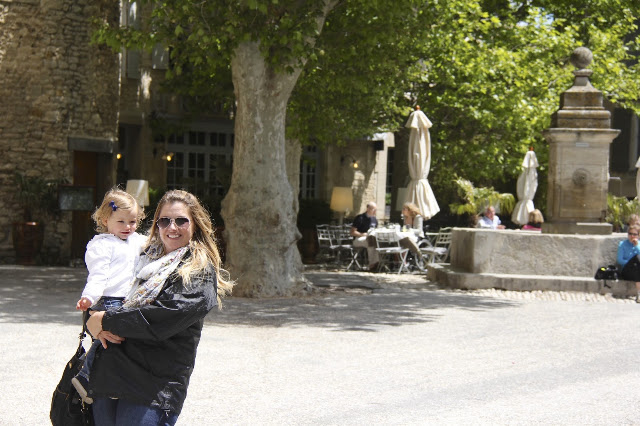
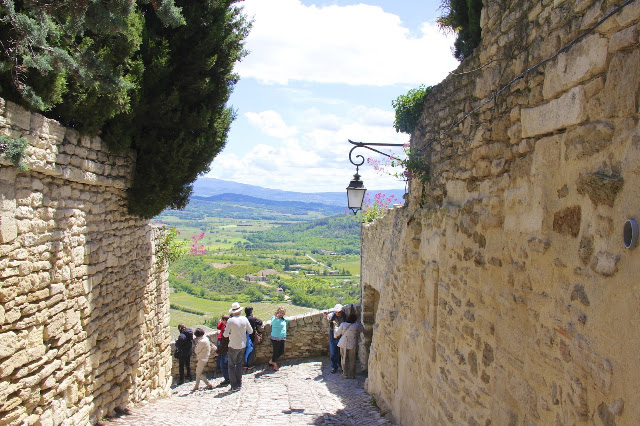
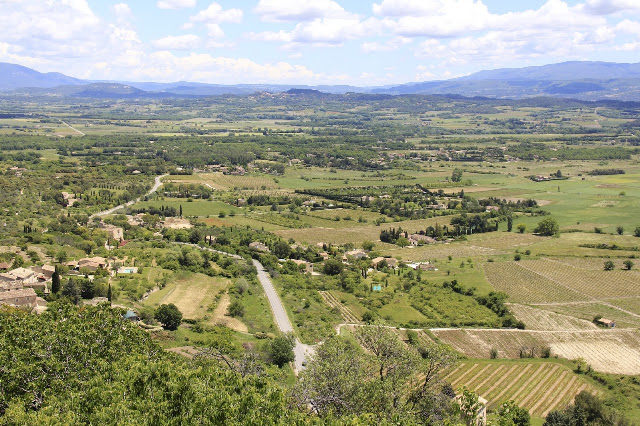
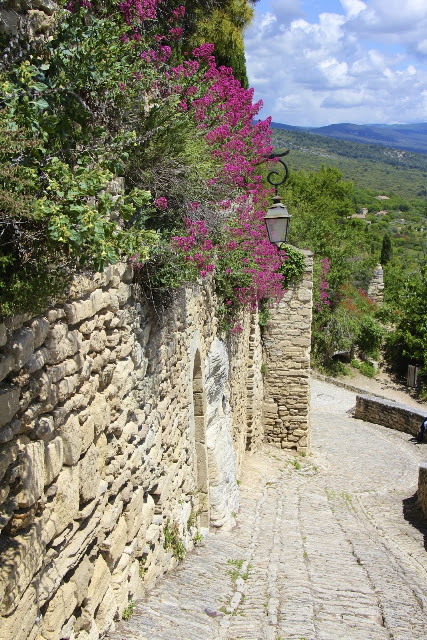
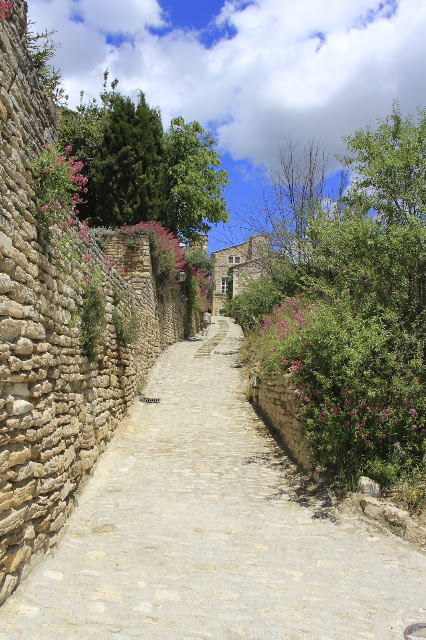
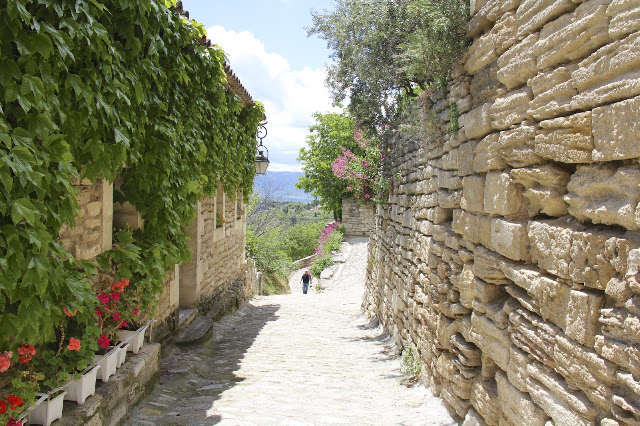
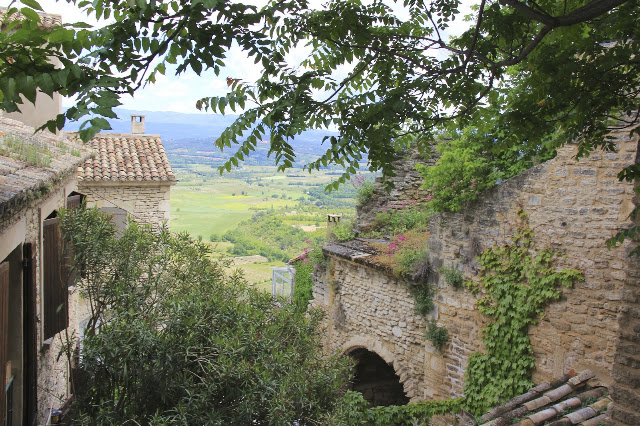
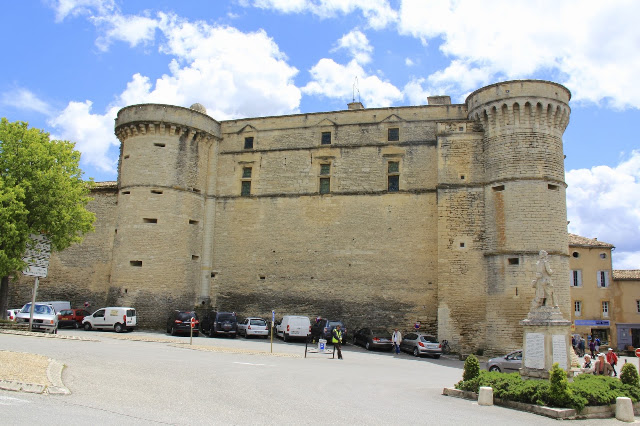
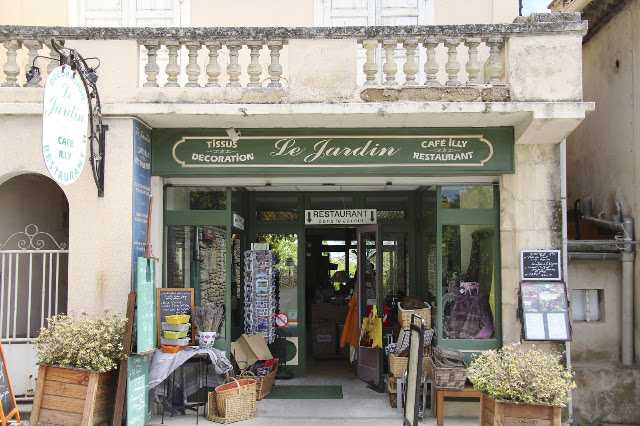
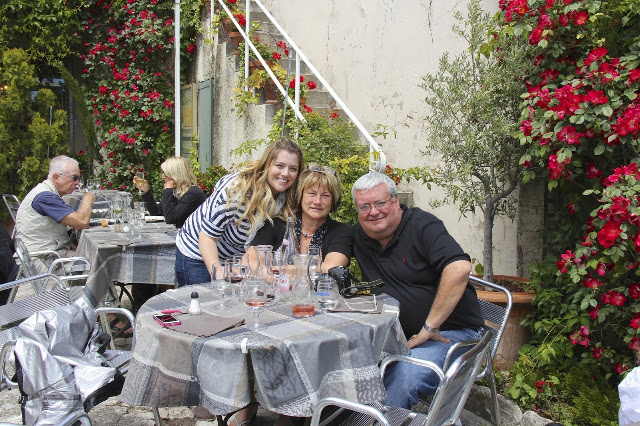
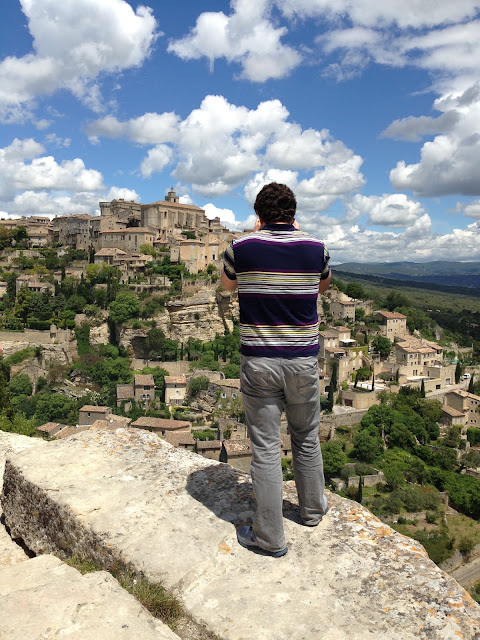
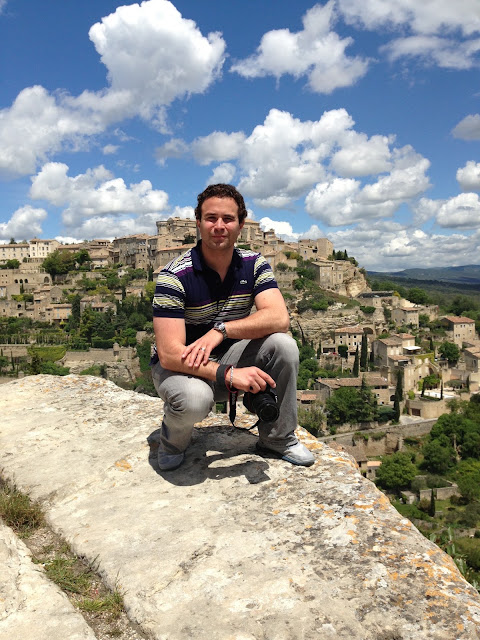
After leaving Venasque, next we drove to Gordes, a village with houses literally clinging to the sides of the Vaucluse ridges, overlooking the Cavaillon plain. The houses and narrow cobble streets are arranged in winding tiers all the way up to the [existing] Renaissance castle and church. Gordes is a village well known to artists, including Chagall (and others I don’t know and can’t remember). Before entering the village from the top and winding our way down and back… we needed to refill and refuel. Lunch time! Michel and Shirley selected a place they had dined before – a charming outdoor restaurant tucked behind a local gift shop. After a delicious lunch, we started winding our way through the streets of Gordes. Jen and I bought Julia a cute hand-made sun dress. We found some of the most picturesque scenes we’ve ever encountered. And right on cue for our magical family photo – Julia didn’t want to cooperate for a posed photo. At least I got some nice landscape photos.
I’ve never seen anything quite like this before – simply stunning in person
Gordes – another angle
It almost appears to be sliding off the side of the cliff
Approaching the city wall – marked by the medieval castle
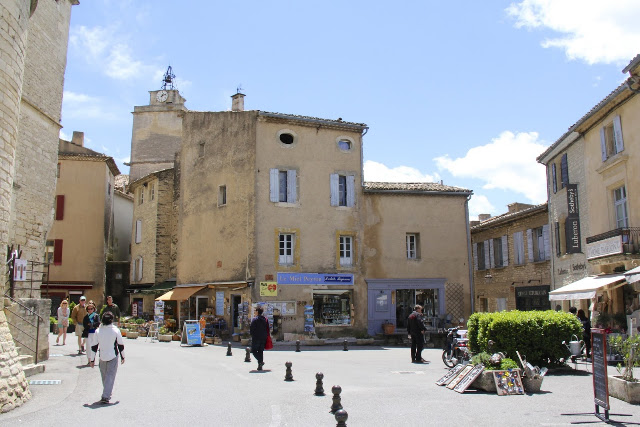
The main square, what we call a piazza… what do they say in French?
Further into the main entry point
Walking through the village
We had a great time walking around
The girls had fun
A scenic view, indeed!
View of the valley below
Loved this…
and this…
and of course, this!
The buildings in Gordes were truly special
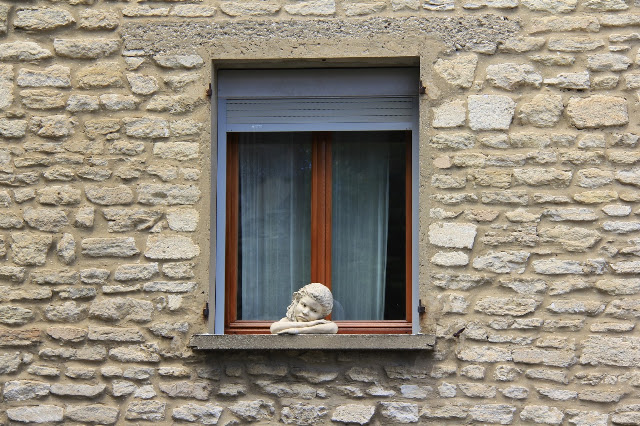
Even the angels come here to day dream
A better view of the castle
Le Jardin – store in the front, restaurant in the back
Enjoying a wonderful lunch
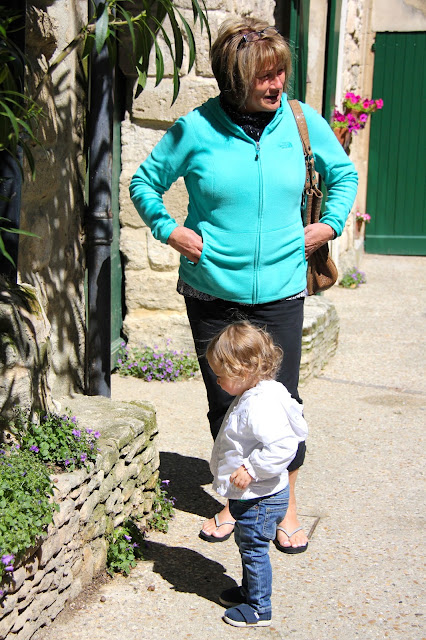
Julia stopping to smell the flower with Shirley
Jen took a picture of me taking a picture of the village
Cheeeeese!
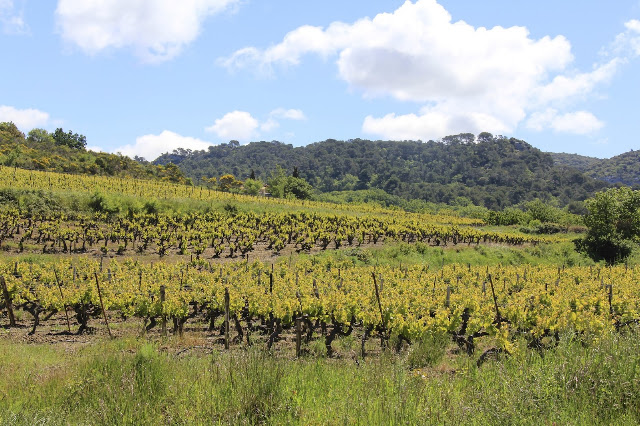
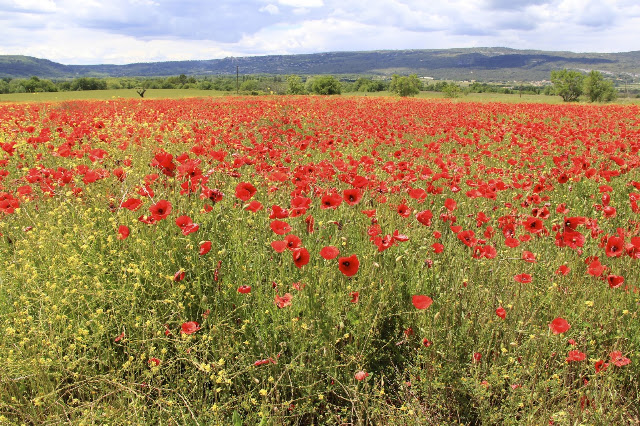
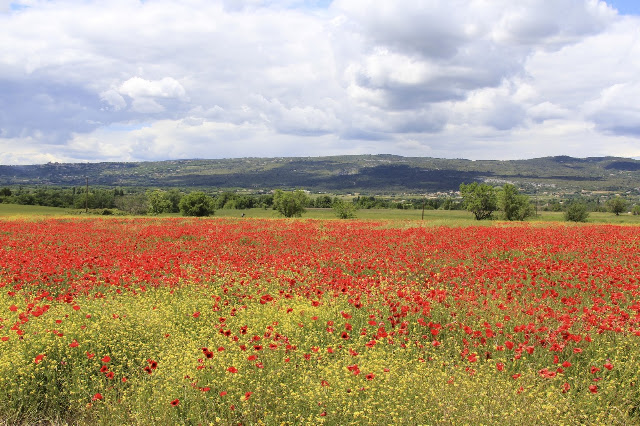
We eventually left Gordes and drove to Roussillon, a village far different than the first two. Along the drive in between towns, we passed a beautiful vineyard that I thought to be so typically French. But the real bonus was when we discovered a huge field of poppies, growing wild – we had to pull over and take some pictures.
Anyone up for a bottle of wine?
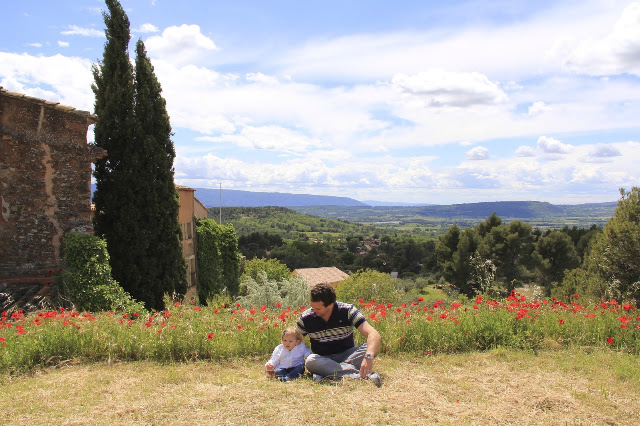
Large field of poppies
The poppies were growing wild
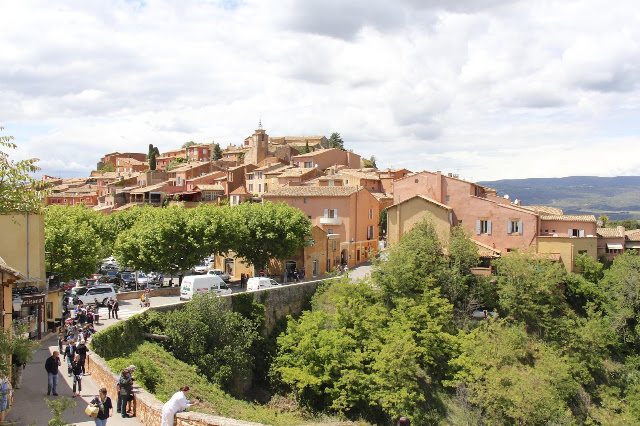
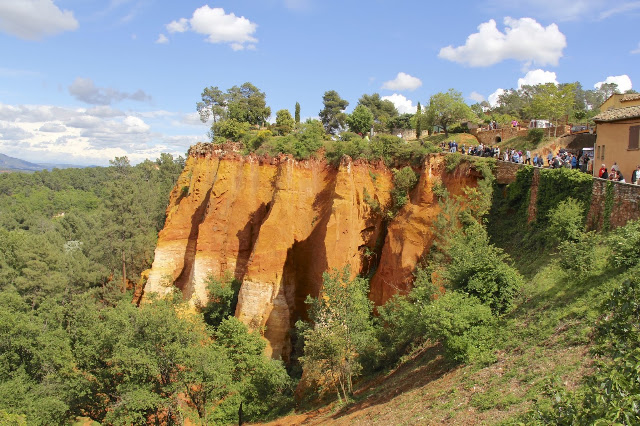
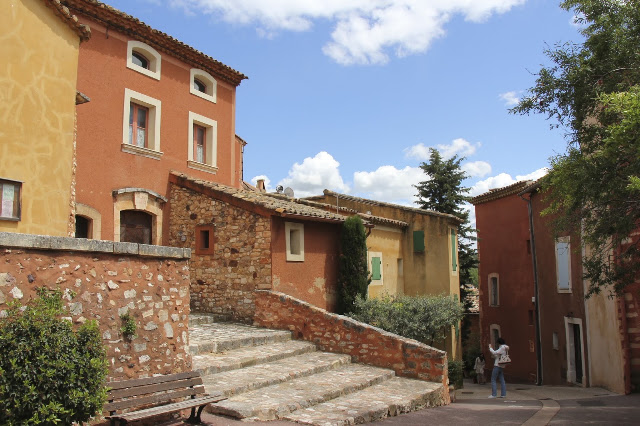
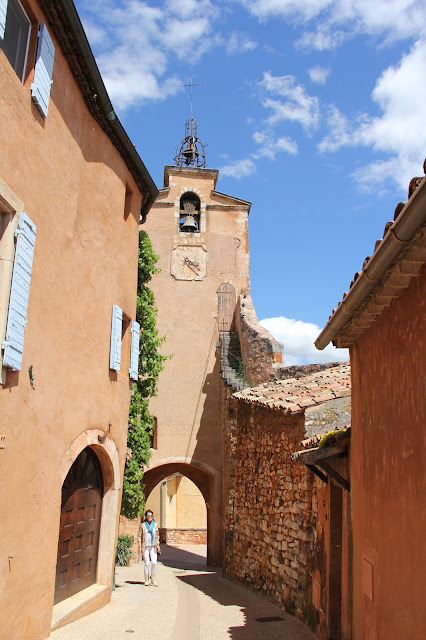
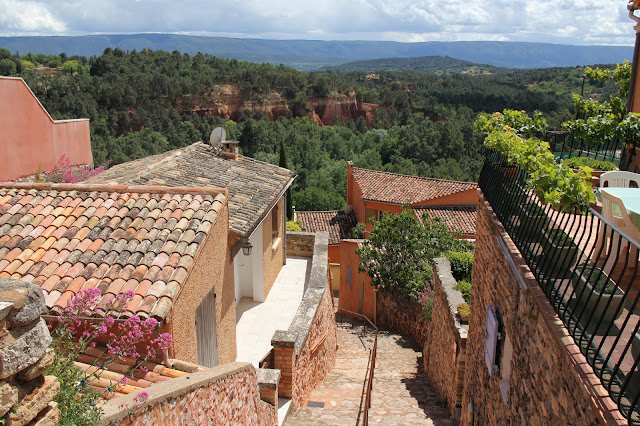
Roussillon screams its independence from other nearby villages by proudly brandishing peaks of vibrant red and ridges of bright orange. We were instantly reminded of Sedona, Arizona. The village sits atop the biggest ochre deposit in all of Europe and the result is a civilization built on bright orange clay-like earth. The village itself has since been shaped by the surrounding land and the homes, churches and buildings all marry this natural beauty perfectly. After a long time exploring, we stopped and had an a apéritif at an outdoor cafe.
Roussillon from slightly above
The earth beneath the village was wonderful to behold
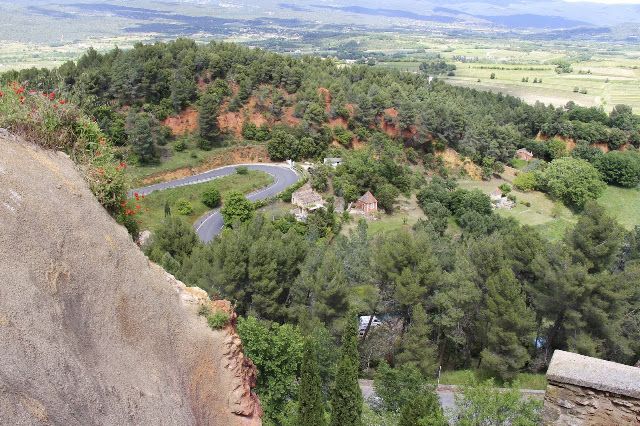
The orange earth follows the bends in the road
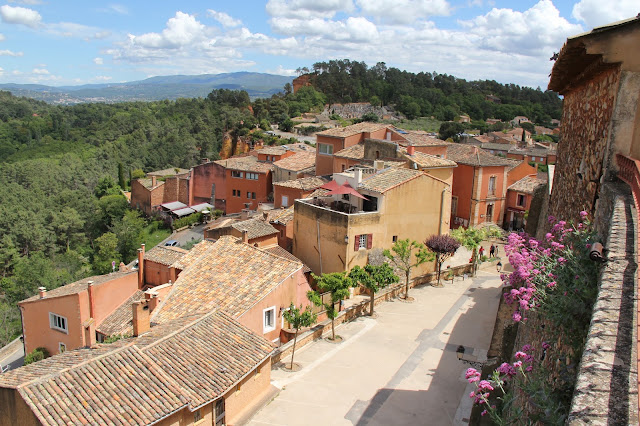
The houses were painted to match the landscape and unique soil
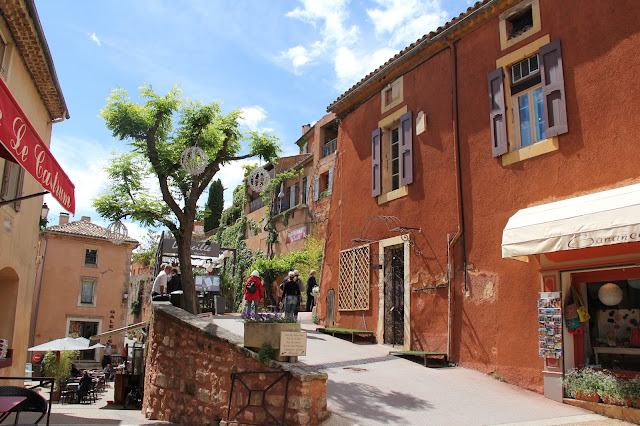
Strolling through town was wonderful
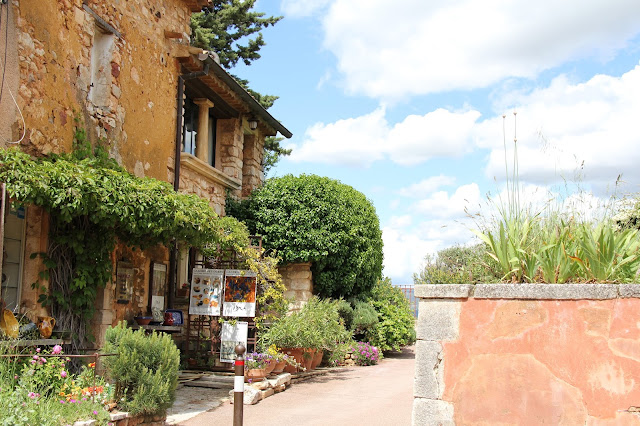
Beautifully landscaped front yards
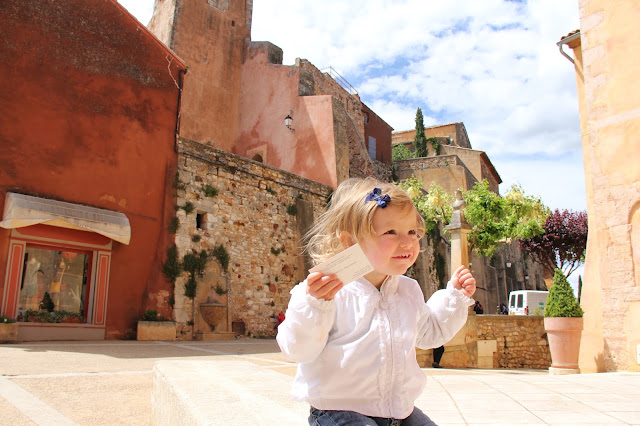
Julia started dancing to music she heard coming from a nearby store
Street scene
Julia snuggled up to me in a nice field overlooking the valley
Great bell tower
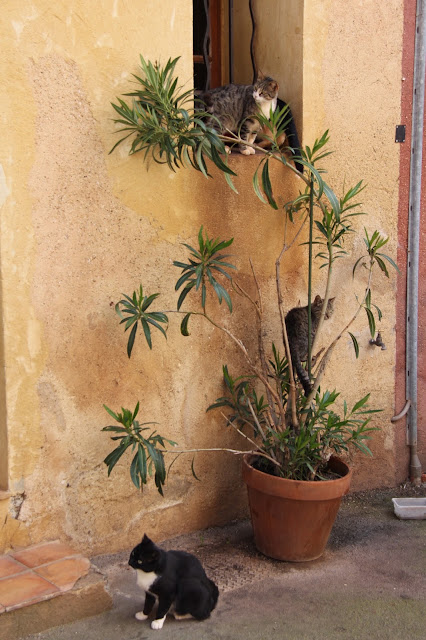
We found “cat-lady’s” home – we counted 8 cats just in this area
Stairway to heaven?
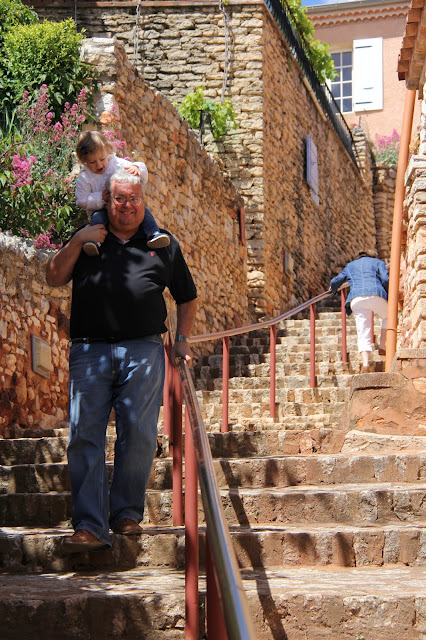
Now that’s the way to ride down a long set of stairs
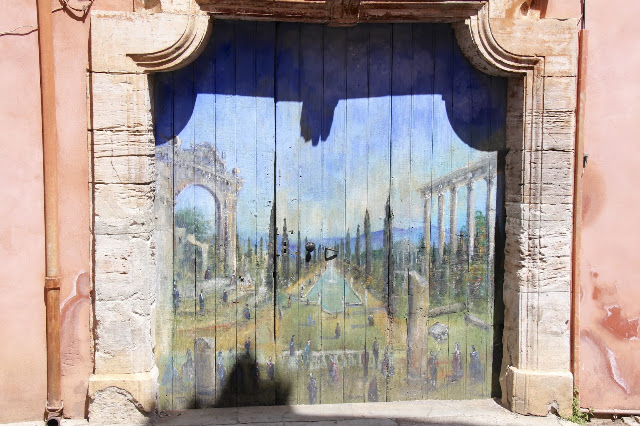
Beautifully painted door
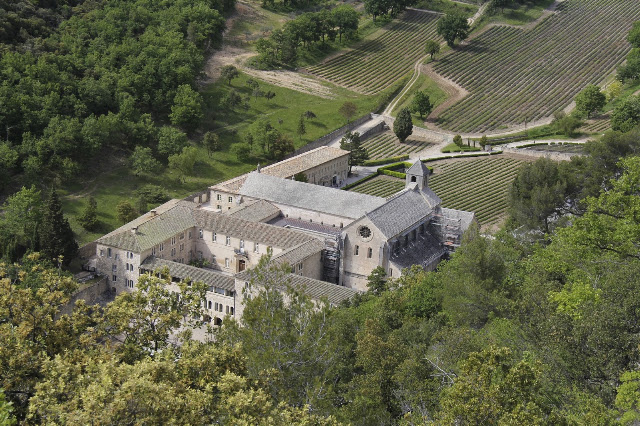
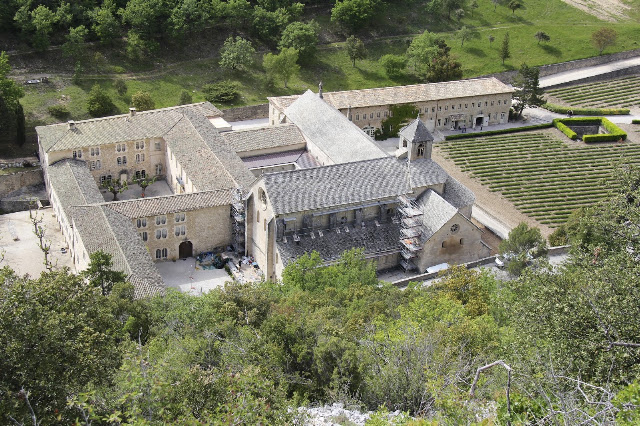
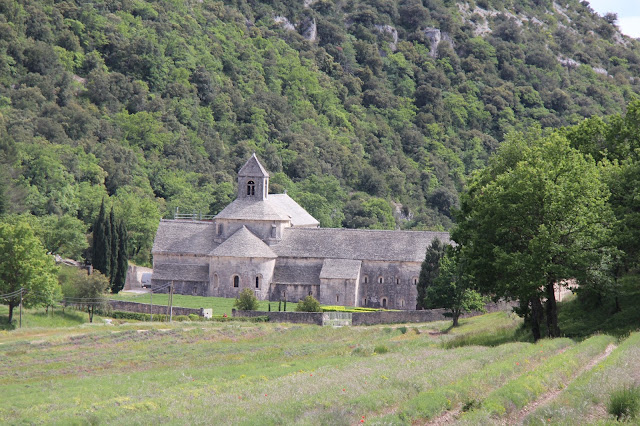
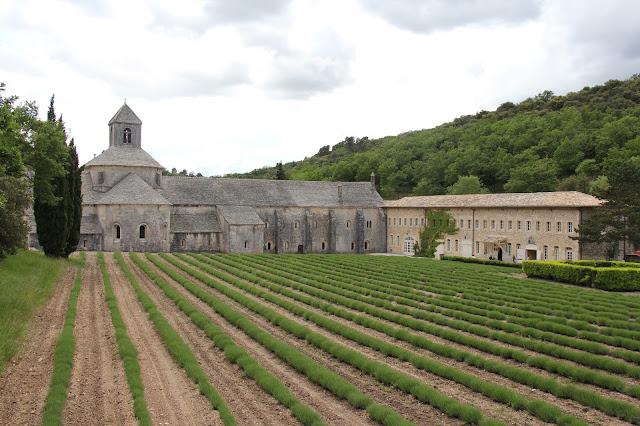
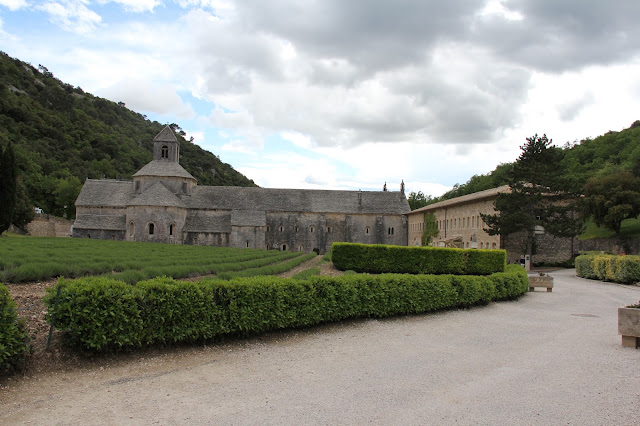
We had one more stop left – an abbey built in the middle of the 12th century. Abbaye Notre-Dame de Sénanque is a working abby, where the local monks tend to large fields of lavender that they sell to subsidize the abby (along with tourist sales of tours and merchandise).
Abbey as we approached from above
Another angle
The monks “front yard”
Fields of lavender, not yet in bloom
12th century Abbey
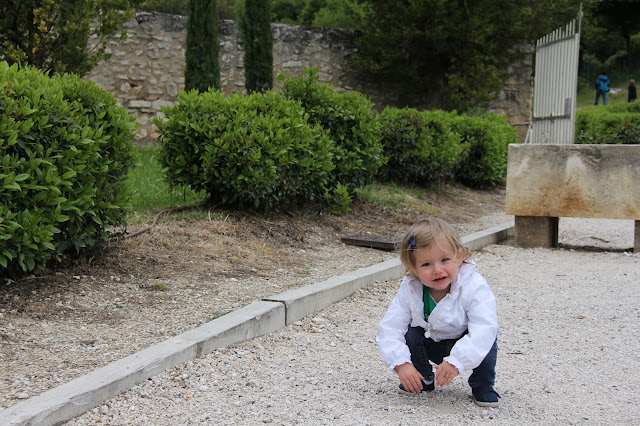
Julia had fun
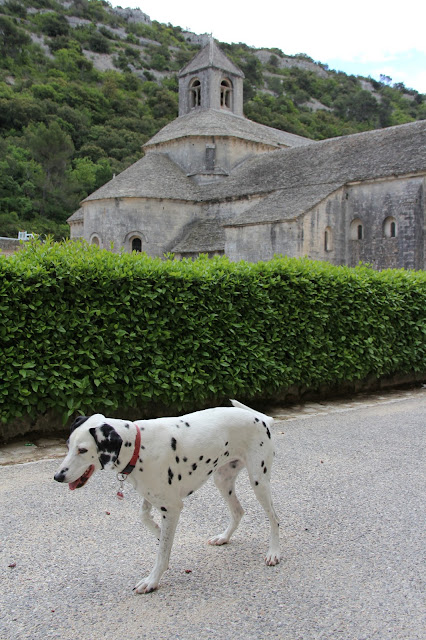
Julia thought this was the dog from, 101 Dalmatians
By the time we reached our “home” village of Sablet at the end of a long day, we were wiped out. But we were only half-way done! We had dinner plans with friends of Michel and Shirley’s – a couple that owns the local bar in town. We had just enough time to freshen up and then head down the street to meet them in front of their bar. We all shared a nice bottle of rosé over introductions and then headed out for dinner. I’ll feature this dinner, along with a few others in a separate “food” post.
Jen and I decided that we had so much fun on our first day, we needed to extend our two day trip into a three day trip and our wonderful hosts obliged us. Stay tuned for tales of glorious wine tastings, wonderful meals and impressive historical sights.
It’s been a long time since I completed a blog post. So long, that for some reason – I’m a bit nervous (strange, my friends will tell you that I love to talk about myself). So I’ve been procrastinating. I have organized my DVD drawer. I carefully tended to the plants (I’ve discovered I love gardening…in small doses). And the past few days, I have been playing Mr. Mom while Jen is in California for work. I have done just about everything to avoid writing on the blog for the past month… and the only thing I’ve come to realize is that I now have a mountain of work ahead of me.
A mountain in Beaulieu-Sur-Mer, not completely unlike my mountain of work
It’s not that I’ve just been procrastinating. We’ve been busy. I mean, very busy. Albeit, busy doing more of the same (traveling, eating, drinking, etc.) – but still always experiencing something new. So, please grant me the excuse of allowing the experience to get in the way of the blog – just this one time! In the coming days and weeks, you will hear of our wonderful trip to visit our good friends in France; the visit from Jen’s family and the upcoming visit with my parents. I’ll toss in a few food posts and hopefully a feature on where we’ve been living (which has been in the pipeline since I started this blog). So let’s get this party started… no more delays. And so, it begins with a trip to France…
When I last left you, my sister and her family had come to visit. We had a short window between their departure and the arrival of our next guests, Jen’s parents and sister. The timing was perfect, because good friends of ours, Michel and Shirley arrived at their home in Sablet, France just days before this brief “window”. They had graciously invited us to their home and we both jumped at the chance to see France through their eyes. We decided to take the circuitous route, passing by the sea and staying overnight in a small town along the French Riviera before joining them in what could easily be called, vin de pays (wine country).
Scenery along the drive
The drive from our home to the French Riviera was only a few hours (we were pleased to learn this – we hope to embark on a repeat journey while we’re here). We first passed through a small portion of the Italian Riviera before crossing into France. The landscape was stunning – windy roads encased by a vast ocean on our left and coarse mountains to our right.
The plan was simple – stop by Monte Carlo, Monaco for a little while before continuing to Beaulieu-Sur-Mer, where we had made hotel reservations. My secret plan that I kept to myself was also simple. Take Jen and Julia to the world-famous Monte Carlo Casino and win thousands of dollars in mere moments while they both waited and applauded. Needless to say, when I presented that plan I was shot down. Strange, I always thought I could sell anything. Something about a baby in a Casino… blah, blah, blah.
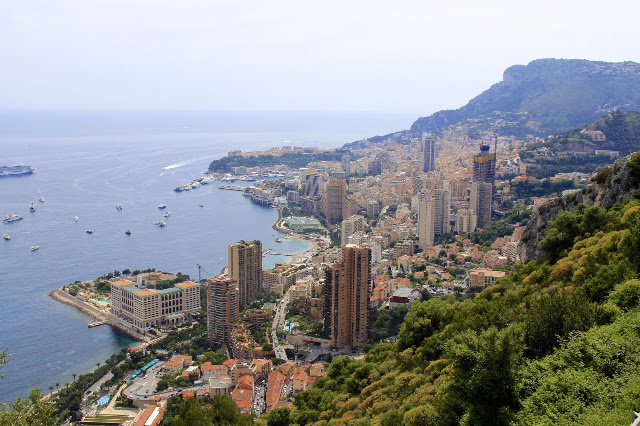
View as we approached Monte Carlo
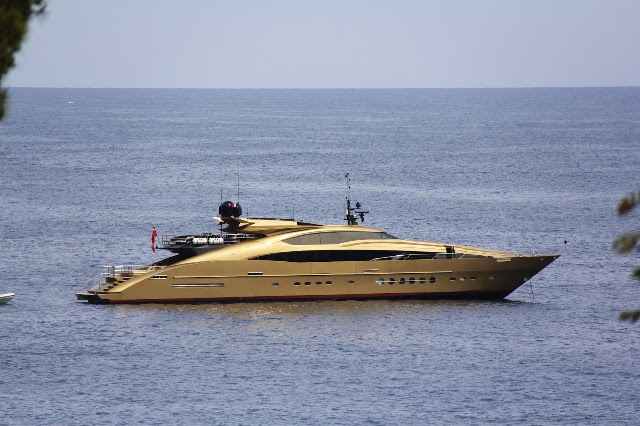
A gold yacht?! You may think “tacky”. I think “baaaallllleeerr!”
We had gotten our typical late-start from home and so by the time we got to Monte Carlo we did not have enough time to properly enjoy the city. We were hungry and eager to stretch our legs, so after a brief drive-through we pushed on to Beaulieu-Sur-Mer, vowing to come back when we had the time to really enjoy Monte Carlo (also, when I had my tuxedo so that I could do my best Bond impression).
I chose Beaulieu-Sur-Mer to stay overnight because Michel had recommended Villefranche-Sur-Mer, the neighboring town. I liked his recommendation based on the town’s size, proximity to Nice and Monaco, and hotel availability. It fit snugly into my travel plans and so I booked a nice seaside hotel with views of the ocean and mountain. It wasn’t until I arrived that I realized I actually booked in the neighboring town. Oh, well – c’est la vie (that’s life). It turned out to be a nice blessing, because “our” town was beautiful and couldn’t have made for a better overnight stay.
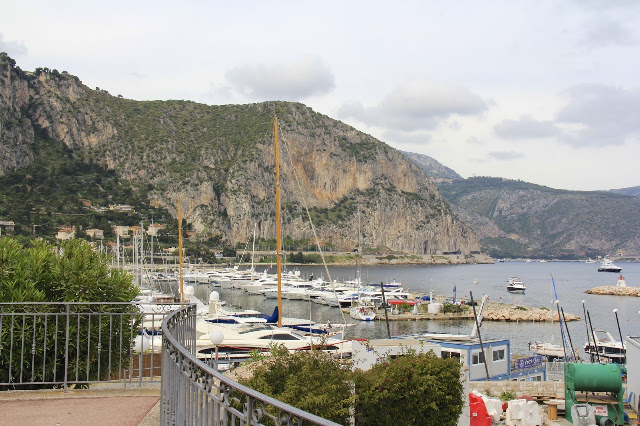
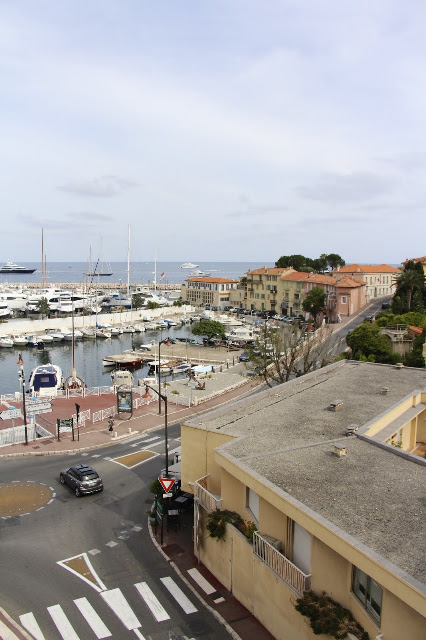
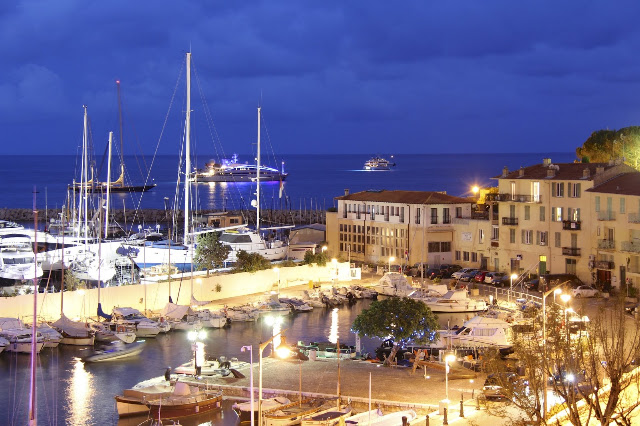
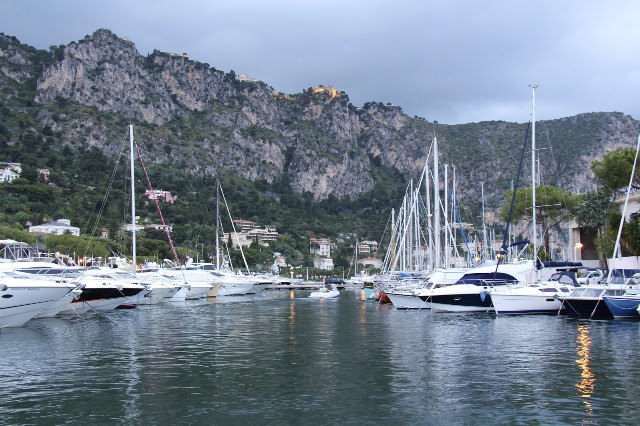
View of the marina from our balcony
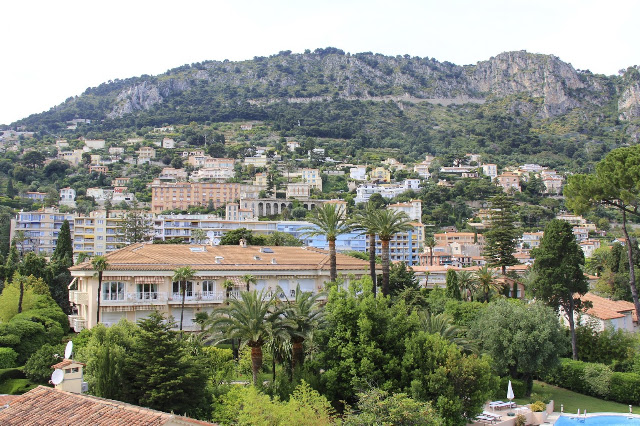
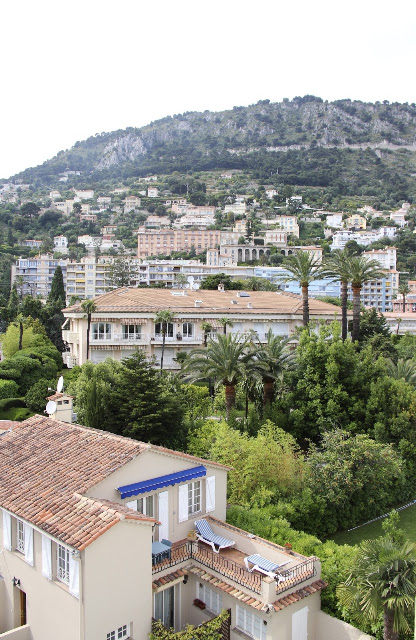
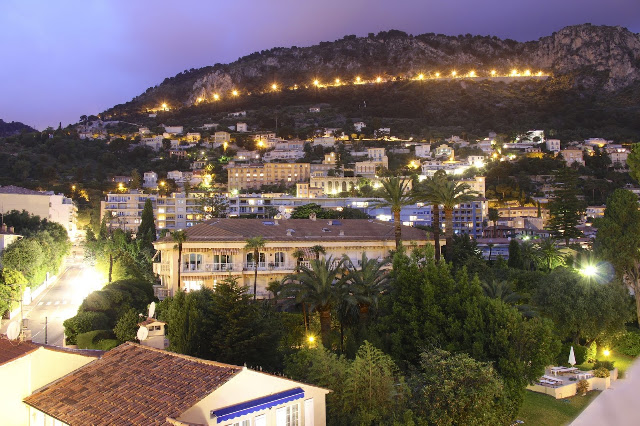
View of the mountain from our balcony
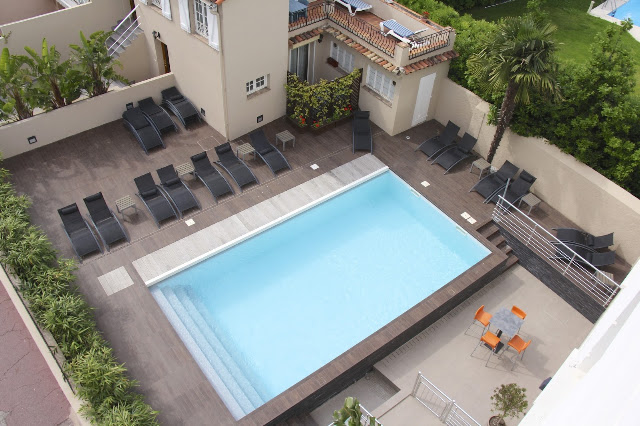
Our pool that we didn’t have time to use
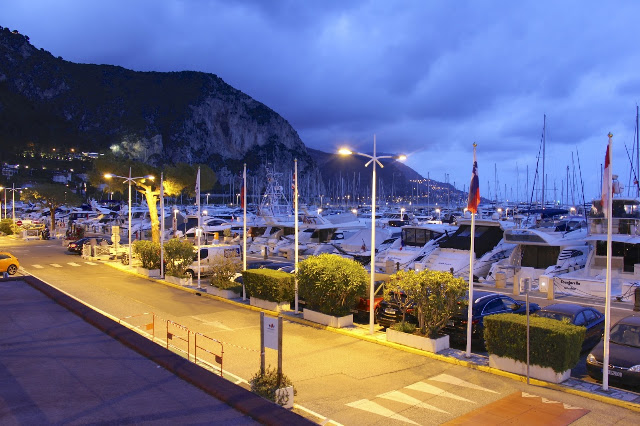
Same marina view at night – loved the night sky
Same mountain view at night
Upon checking in, we asked the young lady at the front desk where we should eat lunch. She stumbled over her answer and said that “maybe you could go to the marina, or maybe you could go into town” but she wasn’t quite sure which way either of those things were (FYI – the marina was literally across the street and town was ten minutes north by foot). I quickly dismissed her recommendations and we ventured off on our own (ever get that “this person has no idea” feeling before they’re even done talking?). Maybe it’s the language barrier you say? I hope not – she was from Southern California.
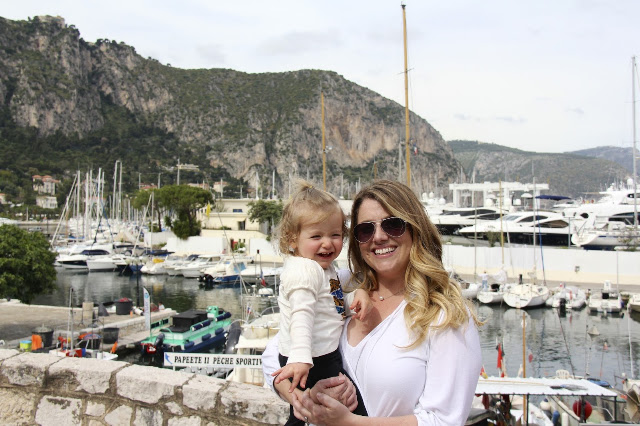
Jen and Julia in front of the marina across from our hotel
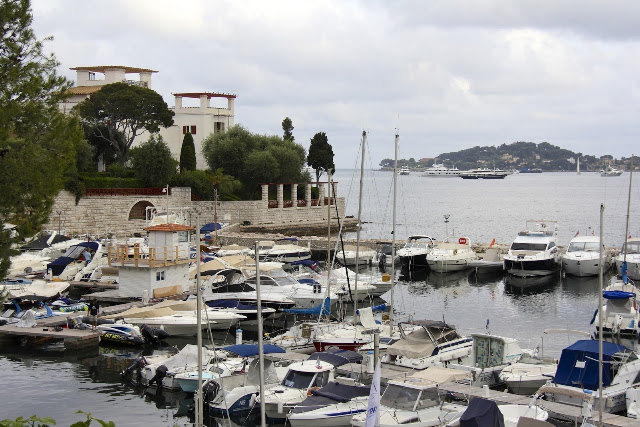
A different marina nearby
Making me wish I knew how to sail
We took off in the direction opposite of her suggestion and found ourselves in one beautiful setting after another. My camera flashed on Julia and the scenery like I was a photographer from the National Geographic (sadly, my pictures turned out to be of slightly lower quality). We made our way into the center of town and purchased a bottle of wine to enjoy on our balcony later that night. We ate a light snack in lieu of lunch and continued to explore on our own whilst waiting for our restaurant of choosing to open their doors for dinner. We found a Casino (a-ha!) and I was able to convince Jen that a few hands of blackjack were just what the doctor ordered! Julia was asleep in her carriage and it was just the angle I needed to close the deal. Sales record intact! Sadly, it was closed for renovation – a disappointing turn of events that cost me hundreds of euro’s (or saved me, depending on your view of gambling).
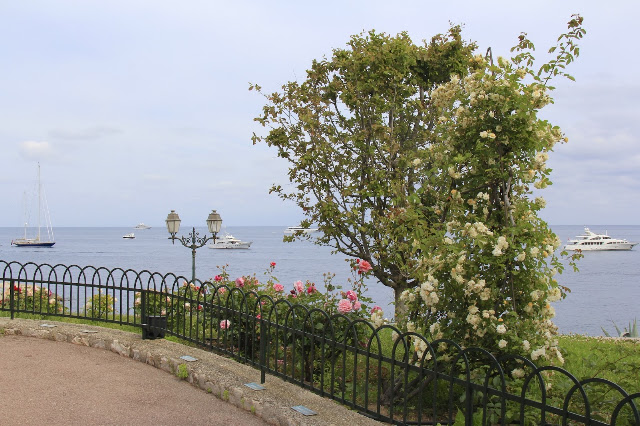
A park we passed
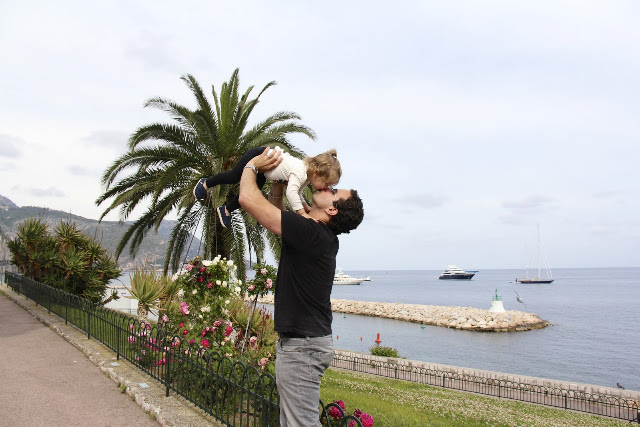
Kissing my baby
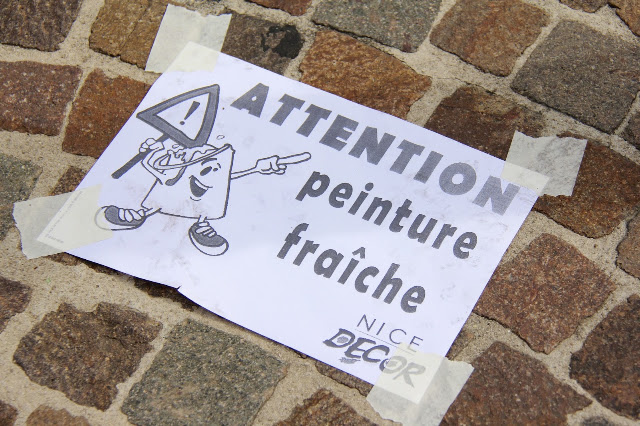
Wonder what that says, too bad it’s in French
Oh, it says “wet paint”!
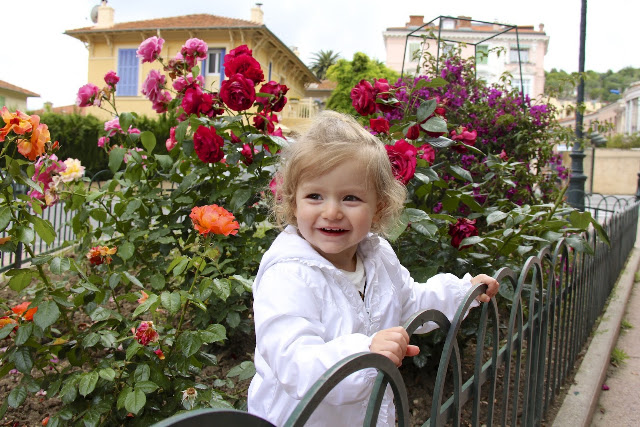
Julia’s favorite flower is a rose
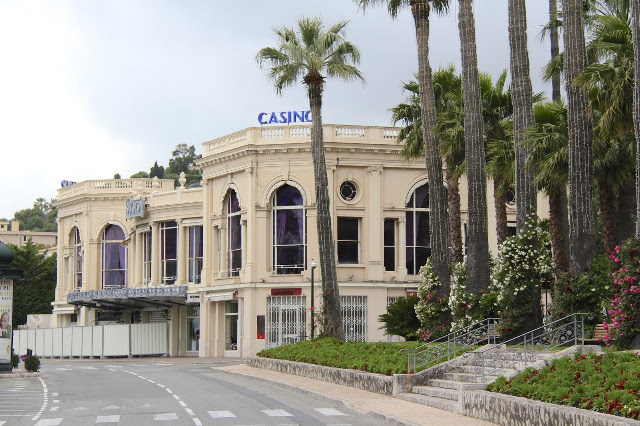
We found a casino! Too bad they were closed
Dusk sets in as we walked home after dinner
Street scenes in the evening
Boat scenes at night – we enjoyed walking past all the docked yachts
We ate a delicious dinner at, La Pignatelle, which I’ll feature in a separate piece on some of our favorite French dining experiences. Finally, we strolled home and enjoyed our balcony before turning in to bed.
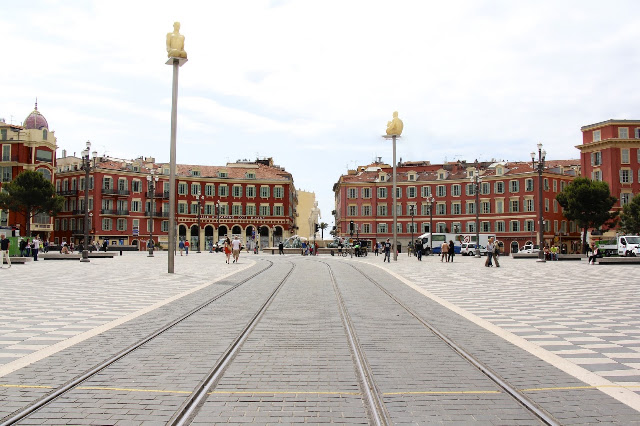
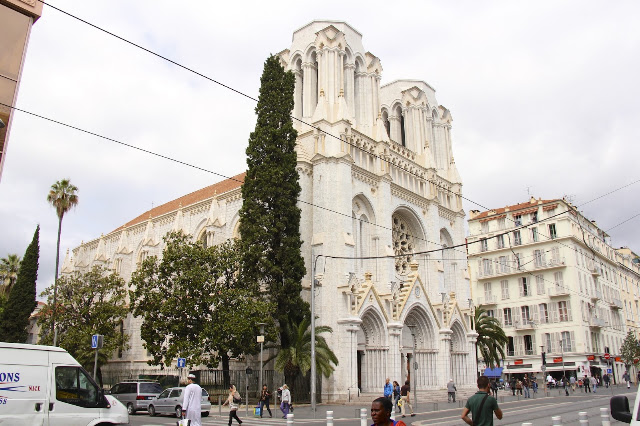
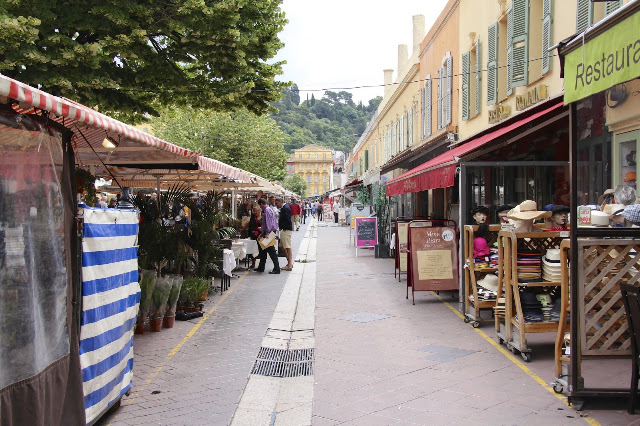
The next day, we departed and headed for Michel and Shirley’s home – two hours north of our current location. We had coordinated our arrival for late afternoon, allowing enough time to travel the twenty minutes southwest into Nice, France for lunch and exploration. I parked in the center of town and we got out and enjoyed wandering from one end of Avenue Jean Medecin (Nice’s main street and shopping corridor) to the other. Since Nice is the fifth most populated city in France, a few hours would not be nearly enough to explore properly – but perhaps enough to get a bit of the local flavor.
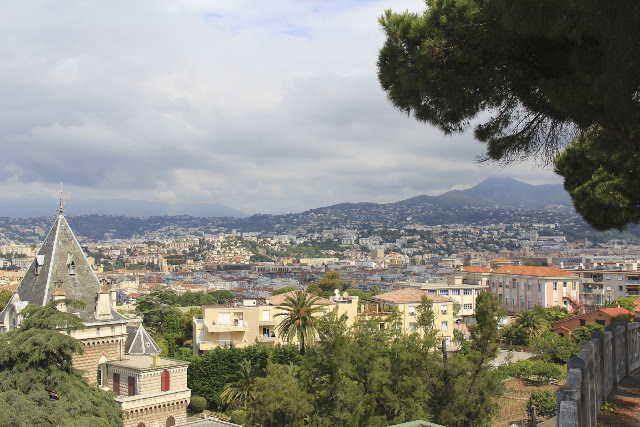
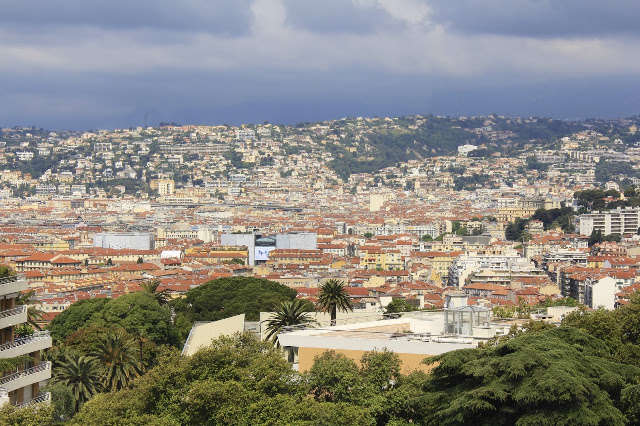
Nice from afar
You can see the city is quite grand
We followed Avenue Jean Medecin all the way to it’s end, where it nearly intersects with the sea. We strolled through the markets they have set up (we were very impressed with the French markets throughout our entire time there) and ended up on the beach.
View from the Place Masséna
The Basilique Notre-Dame de Nice is the largest church in Nice
A market was set up besides open-air restaurants
“Can I pull this off?”
Beautiful array of flowers
Large selection of fresh vegetables
Aromatic spices available for purchase
As you may know about Nice, the beaches are not at all nice and sandy, but rather awash with large stones. It’s charming simply by it’s uniqueness and what’s better – Julia could have all the fun in the world without getting dirty!
Playing in the rocks…errr, playing on the beach
“Look at me!”
“I’m going to throw it”
“I really am…”
“Nah, just kidding – here you go”
Julia teaching me how to use the camera
Behind the scenes of our photo shoot
Mom and daughter having fun
After lunch on the beach (sandwiches on French bread – my pick, not Jens. I’d tell you a mini-battle raged over my selection of lunch, but Jen will be mad at me – so it never happened) we walked around a bit more before getting back in the car and departing for a few days with Michel and Shirley. So far, we were loving what France had to offer. Much more to come, stay tuned…
Two posts about the Dolomites and now four posts about Austria… will the posts about this road trip ever end?! I promise, I’ll wrap it up here… I think I’m spending as much time writing as I did enjoying the trip!
An unfortunate haze covers a beautiful city
You may have gathered (HERE) that we instantly fell in love with Salzburg and extended our trip by an extra day/night to see more. We started day one with a visit to a castle, Hohenwerfen Fortress and so I thought starting our second day with a visit to it’s sister castle, Festung Hohensalzburg would be appropriate.
Castle tower
Inside the main gates
From the main courtyard
Festung Hohensalzburg (literally, High Salzburg Fortress) sits atop the Festungberg Mountain, commanding a view of all Salzburg – a useful feature during the middle ages. Today, the opposite is even better – a view of the beautiful castle is ever-present as you walk through the city below. I described a history of it’s sister castle (HERE) – the purpose for this castle was the same. The original fortification began in 1077 under Archbishop Gebhard von Helfenstein as one of three fortifications during the Investiture Controversy. Today, it remains as one of the largest medieval castles in all of Europe.
The day was hazy, which was unfortunate given our high position over the city. I was hoping to capture some amazing panoramas of the city – but the haze wanted to get in my way. Still, the castle tour was amazing. We started with a ride up the funicular and then wound our way through the various museums built into the original fortress.
A ride up the funicular
Beautiful views blocked by fog
Wouldn’t want to pick a fight with this crew
I like my lady wearing a bit more “contemporary” undergarments
Don’t be a jackass in the 15th century – or else you’d be sporting this
Guys – just go ahead and shiver. Yeah, this punishment is for THAT
The chapel
Julia found her knight in shining armor
Leaving the main castle
“My milkshake brings all the boys to the yard…no, really. Where’s my milkshake?”
Castle tower
View from below
Next up, a classic Sound of Music attraction – Schloss Leopoldskron. The movie was filmed in Salzburg in 1965 and Schloss Leopoldskron, an amazing estate just outside the city – served as the backdrop for some of the most infamous scenes. Surprisingly, the city’s fascination with the movie consumed me and I did an ample amount of research about the film. It turns out, many tour operators pass off the estate as the Von Trapp Family home featured in the movie. Couple points of order (during which, we’ll take a brief detour). The movie, The Sound of Music staring Julie Andrews (America’s earlier version of Julia Roberts) was based on the 1959 musical, The Von Trapp Family Singers. The musical was based on the real life Von Trapp family, a family that lived in Austria in the early 1900’s. OK – this brings us back to Schloss Leopoldskron, which is often falsely presented as the Von Trapp home. The real family did not live there (they lived in a more modest estate in another neighborhood). This was not their home in the movie (there’s only one brief front exterior scene of the Von Trapp home, and that was yet another estate). They did not film inside (the interior shots were done in Hollywood). So, why on earth would anyone come here? Well, it’s easy for tours to pass off as the home because it’s a wonderful sight to behold and who really remembers anyway?! The tie to the movie you ask… remember when the kids paddle home in the canoe to meet The Captain’s girlfriend (and fall in the lake, getting soaked in the process)? Well, that scene was filmed here (and the subsequent scene with the pink lemonade). In any event, it made for a nice walk along the side of the castle and down into another town. Plus, we still had a lot of sausage and pretzels to work off!
We followed a beautiful road that wrapped us around the castle
Julia kept wanting to “pet” the ducks – Villa in the back
Schloss Leopoldskron – castle in the background
A stroll with one of my favorite ladies
As we walked back, we navigated through town and then walked along the river. Our new mission – successfully make it to Augustinerkloster und Brau – a beer house and oh, so much more! But we passed an outdoor food market… the best kind of market. I had to stop and get a German sandwich.
Rooftop view along the route back to the city
Soft pretzels – I happen to be a sucker
I love me some vendor food – this place made a mean sandwich
Eventually, we made it to Augustinerbier. The monastery, now turned beer hall is furnished with a large dining area (picture your mall’s food court, but exclusively German food… and no samples on toothpicks), several great halls for drinking, a beer garden and more. The brewery was founded in 1621 by Augustinian monks called from Bavaria. To this day, they follow the Purity Law of Brewing, set in 1516. Your journey begins by picking a mug (the size of your choosing) and then washing it in a communal sink. Next, you present your mug to be filled and go find your seat. Many of the tables are reserved, so move fast! We were among the first through the doors at 3:00pm on a Wednesday and the place was packed within 20 minutes. Many of the tables are reserved for individuals and companies – just like box seats at a stadium.
The most amazing beer house I’ve ever been to outside of Munich
I think this says, “Come in and enjoy some beer”
Food court before the crowds arrived
Choose your mug
Give it a good rinse (that’s not me, by the way)
Guess who’s is who’s. You’re correct… mine is on the left. Jen has a wooden leg
“Not, ‘cin-cin’ Mom… here you say, ‘prost’!”
Julia on the loose!
Look at the placards on the wall – choice seats go for big bucks
One of the smaller drinking halls
We were bummed it was too cold for the garden – maybe next time
After a couple brews (and apple juices for Julia) we had another Sound of Music destination – Mirabellgarten. These immaculate gardens are beautifully maintained and offer the perfect line of sight to the castle on the hill. They are also great for singing “do-ray-me-fa-so-la-te-do” and running beneath a tunnel of foliage. I even helped a group of college girls photograph a replica of the moment when the Von Trapp family jumps on the entry steps. They could only jump about 4″ off the ground. It was not easy to photograph.
Beautifully maintained garden
Perfect juxtaposition with the castle – sad about the haze
Julia wanted to ride the “horse”
Early for flowers – but in a nice bloom
Julia ran around like a kid in a candy store
I had all of three seconds to capture this shot
The Von Trapps ran under this archway in the movie
A nice fountain
Many beautiful statues
As the sun fell behind my new favorite castle, we headed back toward the hotel to eat dinner. We finally found Das Stadtwirtshaus, a restaurant near our hotel that we were unsuccessful in finding the day before. The 24 hour wait was worth it – everything about the restaurant was exactly what we wanted. Truly authentic and delicious. Unfortunately, a full week in some of the most amazing places we’d ever seen and my camera’s memory card was full, so you’ll have to imagine this meal along with us.
The next day we woke up early and enjoyed a nice breakfast in our hotel. Afterward, we piled into the car and began the six hour ride home. Our three-day trip that turned into a two-country-week-long-tour was finally over. And so are the stories about this particular family adventure. Thanks for reading!
Apparently I’m the only person in the world to forget that, “The Sound of Music” took place in Salzburg, Austria. I base this observation on the countless number of tour operators and tourists we observed visiting and posing at key movie locations. However, thanks to a quick iTunes movie download in the hotel, we were quickly singing our doe-ray-me’s along with the rest of the cheese balls.
Not only was this classic movie set and shot here, but a fairly famous musician was also born and raised in the city. Perhaps you’ve heard of him… Wolfgang Amadeus Mozart. Salzburg is an amazing city filled with a rich history and jaw-dropping beauty. We left northern Italy for Austria on a whim two days prior. We continued riding that whim and drove further into Austria to see Salzburg on the suggestion of family. Since our expectations of the city were nonexistent, they were easy to surpass – but I would think this city could have easily leapt the most lofty of them all.
Julia taking in the sights
Since our first day in Salzburg was framed with an incredible visit to Hohenwerfen Castle (HERE), we didn’t arrive in the actual city until mid-afternoon. Having spent more than the anticipated amount of time at the castle, we had a lot of ground to make up. We walked down Linzer Gasse until we crossed over Staatsbrücke Brücke (State Bridge), one of the oldest in the city. The original bridge was built in 1090 and now the 10th incantation of this passage stands with a plaque commemorating the slave labour from Eastern Europe used to reconstruct it during WWII.
View from the Staatsbrücke Brücke
Landestheatre (Provincial Theatre)
We spent quite a bit of time walking through the Altstadt (Old Town), taking in the marvel of the city. My carefully planned itinerary seemed to constantly evolve as we made turn after turn based on our curiosity, rather than our plan of attack. We strolled past the birthplace of Mozart, but declined to pay the €35 admission (for all of us) to see some old violins. Sorry, Wolfgang… I’m still a fan.
Street view – Google, I’m available for free-lance
St. Blaise’s Church at the end of the shops
Mozart’s first “crib”… literally, he was born here
We next discovered the Pferdeschwemme (Horse Pond) – one of two remaining in the city where horses would go to get cleaned. In the middle stands a statue, Der Rossebändiger (horse whisperer), which is a bit of an inside joke unique to the city. Not sure I got the joke, but we did enjoy the spectacle.
The Horse Pond with the “funny” statue in the middle
The pond is carved directly into the face of a mountain
A better view of the horse’s entrance
At this point in our voyage we were at a critical crossroads. We could head northwest to the Augustinerkloster und Bräu (Monastery and Beer… a beer garden) for a brew and dinner. This would consume the remainder of our first of only two days. Or we could head southeast and continue further into the city. I wanted it all, but knew we had to chose. So we made the right choice – stay another night and do it all! We postponed the Beer Garden for the next day.
We were happy with our choice to stay another day
We walked along Hofstallgasee, passing by some incredible sights – and always with an eye upward at Festung Hohensalsburg (the Castle that sits overlooking the city).
Festung Hohensalsburg above the city
Kollegienkirche (Collegiate Church)
A nice horse and buggy through the city would be fun
And the castle again
This path led us directly to St. Peter’s Abbey, one of the oldest monasteries in the German area. The abbey was formed in 696 by Saint Rupert. During medieval times, the monastery was known for its educational prowess. Adjacent to the monestary were catacombs that were carved into the face of the mountain, just next to the cemetery. St. Peter’s Cemetery was created at the time of Late Antiquity and therefore, older than the Abbey itself. The dead have been buried here for 1,300 years.
Welcome!
Inside the courtyard
The Abbey at Saint Peter’s
“Hey guys, let’s go!”
“I’m not waiting for you suckers, I’m off!”
“Are you coming?!”
The cemetery
Always time to stop…
…and smell the roses
Catacomb Chapel built directly into the face of the mountain
Private burial sites
“I love this place!”
After leaving the awe-inspiring Abbey, we stopped to watch a life-sized chess match in action in the Domplatz (plaza outside the Dom). One of the other spectators was nibbling on a giant pretzel and we had to get in on that action!
Check… and… mate!
Num-num-num!
Next up was the Dom of Salzburg, or Salzburg Cathedral. Today’s baroque style cathedral was finished in 1628 and replaces the original cathedral built on the site in 774. I’m sorry to admit, but most European cathedrals, while beautiful – do not particularly hold my attention. However, the Dom was different. My father-in law (Dominic) may say it’s because of the name – but I think perhaps the artwork and painting intrigued me a bit more. We barely got out before closing, and somehow I became the valet as 30 people exited through the surprisingly heavy door I was holding. Good thing I had eaten that pretzel for strength!
The Salzburg Dom
Allegoric figures representing an Angel, Devil, Wisdom and the Church
Jen lights a candle
Inside one of the domes
I promise – this door is as heavy as it looks
The day was winding down, and Julia needed to eat. OK… I needed to eat. We walked back toward the hotel and searched for a restaurant the concierge recommended, Das Stadtwirtshaus. Our German hadn’t improved since we first arrived in Austria and we couldn’t find the place. Instead, we found Altstadtheuriger-Bruderhof – a modern place that blended classic German cuisine with a contemporary style. The result was delightful. And Julia couldn’t have had any more fun!
“We’re eating weinerschnitzel?! Hahaha!”
“Daddy, you’re so funny…you said schnitzel!”
“BWHAHAHAHAHA!”
“Oh, did you want to sit here?!”
Clear beef soup with root vegetable and liver dumpling
Wienerschnitzel served with parsley potatoes
Baked breast of corn chicken
served with a creamy and lime flavored cucumbers and parsley potatoes
At the end of the day, we still hadn’t visited the castle overlooking the city, had a beer at the beer garden or seen any of the classic Sound of Music sights. Glad we had planned to stay an extra day – we would be busy waking up the hills with the sound of our music tomorrow!
I did it! I saw my first castle. It was wonderful – so tender and caring. And it lasted all morning! A first I’ll never forget!
Hohenwerfen Fortress
When we drove into Austria, the hardest part after visiting Innsbruck (read about it HERE) was choosing which castle to visit. We had already planned on visiting Salzburg next, so I carefully chose among the four major castles near the city. I settled on Hohenwerfen Fortress about 40 km southeast of Salzburg. The plan was simple – leave Innsbruck early and drive straight to the castle. We would spend an hour or so at Hohenwerfen Fortress and then head to our hotel in Salzburg. My plan was solid – but I underestimated how much fun we’d have at the castle, and we ended up staying nearly four hours.
The original fortification was started nearly 1,000 years ago and has withstood an interesting history full of war, civil unrest, fire and constant expansion and re-construction. The castle sits high atop a 155m rock in the town of Werfen, Austria.
The castle commands a view of the entire valley *stock photo
A watch guard’s view from one of the towers
The original fortress was commissioned in 1075 by Archbishop Gebhard of Salzburg (along with it’s “sister” castle Fortress Hohensalzburg, which we saw two days later). It was built as a stronghold during the Investiture Controversy, a beef between Kings and Popes that somehow lasted nearly 50 years. What were they were fighting over, you ask? The right to appoint church officials, such as Bishops and Abbots. I didn’t understand why this was such an important issue for the monarchies, but after reading a bit on the battle – I was not surprised to learn it boiled down to one of the three major “fighting follies” (as defined by me… term is patent pending). It always boils down to money (to include lands), ego (to include power and legacy) or a woman (self explanatory). Back then, the title of Bishop came with a substantial amount of wealth and land. And since a title was simply a commodity that could be appointed by a king… the monarchy could sell the title and make a tidy little profit. So, in this case – it was about money (although, I wouldn’t be surprised if there was a woman in there somewhere).
In one corner, we had King Henry IV – a German King since the age of 6. And in the other corner, we had Pope Gregory VII (I’m pulling for him… his name makes him seem trustworthy. And probably good looking). The Pope essentially claimed that since the Roman church was founded by none other than God, it’s power to appoint Bishops lay solely with the Pope himself. King Henry (now a man) disagreed and vocalized it in a public letter to the Pope, essentially starting a 50 year battle-royale, beginning in 1075. And so the Archbishop of Salzburg (an ally of my man, Gregory) built three major castles as protection against the German king. The ending you ask? Well… everyone should know, you don’t mess with a Gregory! The Papacy gained the right of appointment.
Lower courtyard *stock photo
Even though this castle had a long and bloody past, our visit was rather tranquil and quite pleasant. At the base of the great rock (upon which the castle is perched) we had the option of riding a funicular (cable car) or walking up a path. Since it was early in the day and the weather was perfect, we opted to walk. Julia also enjoyed stretching her legs after being in the car for two hours.
“Look mom, I’m a hiker!”
Julia was definitely happier walking…
…and exploring!
View of the valley from the path
Entering through the gates
The castle’s main fortification walls
There was a house inside the gates that was inhabited – groundskeeper?
Admission to the castle (€11 per person) included quite a bit. A walking tour with audio guide, an impressive falconry display of flight, an illuminating exhibition on the construction of the castle, an interactive history of weaponry and a museum on the history of falconry. You can see why we were there for four hours!
Julia particularly enjoyed the audio guide
The falconry show was about to begin
Our timing through the castle gates was perfect. Just minutes after we bought our tickets, the flight show commenced, featuring many different types of falcons and other birds of prey. It was purely breathtaking.
The Falconer explains the presentation
She shows us the first Falcon
One of the falcons in flight
Naturally, the birds loved taking to the air
The Falcons got right in the crowd
My favorite part was the majestical eagle. The falconer had some fun with the crowds. He would prompt these great birds to fly just a few feet over our heads. It was a great way to start the castle tour.
The eagle – our favorite
He’s headed right for us
RIGHT FOR US!!!
Next, we moved on to the guided castle tour, which was in German. Fortunately, we got electronic audio guides that we used. The tour guide herself was trilingual so she was able to field all our questions. It took some time to navigate through the chapel, prisons, torture chambers, royal quarters, bell tower and more.
We’re about to go in!
Love the turrets
View of the monarchies chambers and courtyard
Birds in flight – another demonstration had commenced
The castle’s chapel, reconstructed in the 16th century
Bob here, simulates an archer at his post
This stone weighed 1/2 ton – no problem for me!
A device in the torture chamber
Our group crammed into the torture chamber
A scene along the tour
The loo – it opened straight down the side of the outer wall
400 year old wood floors in the bell tower
Jen and Julia climbing to the top of the bell tower
The bell would sound to wake everyone up
Julia tried to ring it
We spent some additional time walking around the various parts of the castle, including the main courtyard, and museums of weaponry and falconry. We also grabbed a light lunch at the restaurant in the original dining hall of the castle.
Julia in the courtyard
Playing on one of the unicorns (FYI – I nailed 4/5 rings from 12′ out)
Bell tower (reconstructed in 1826 after a fire)
Julia in the dining hall before her lunch
I was more than happy that my first real castle didn’t disappoint! Next, we headed off to Salzburg… a lot more on that wonderful trip to come!