I suppose that I’ve sufficiently succeeded in being completely cheesy and unoriginal, using the two most obvious cliche’s to name my two posts about Rome (first post). Oh well, this is what you can expect from me when I’m faced with the monumental task of bringing you up to speed on our many recent adventures. So, let’s begin!
When I last left you, we had seen the Pope’s home (Vatican City), a bunch of steps (Spanish Steps) and a some running water (Trevi Fountain). The next day, we wanted to see a pile of stones (Colosseum) and a big dome (Pantheon). And if anyone ever describes some of the world’s most precious treasures like that again, smack them!
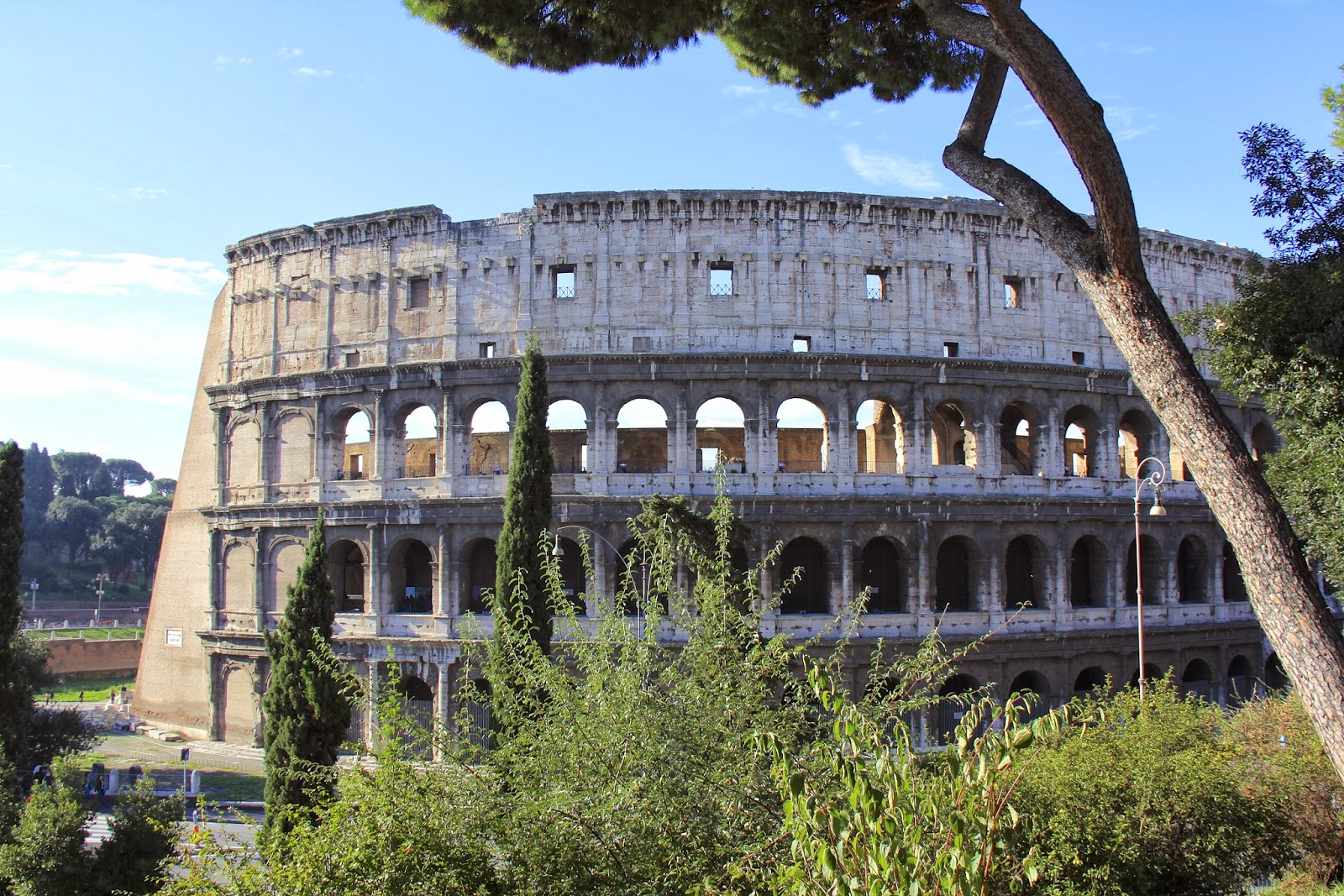
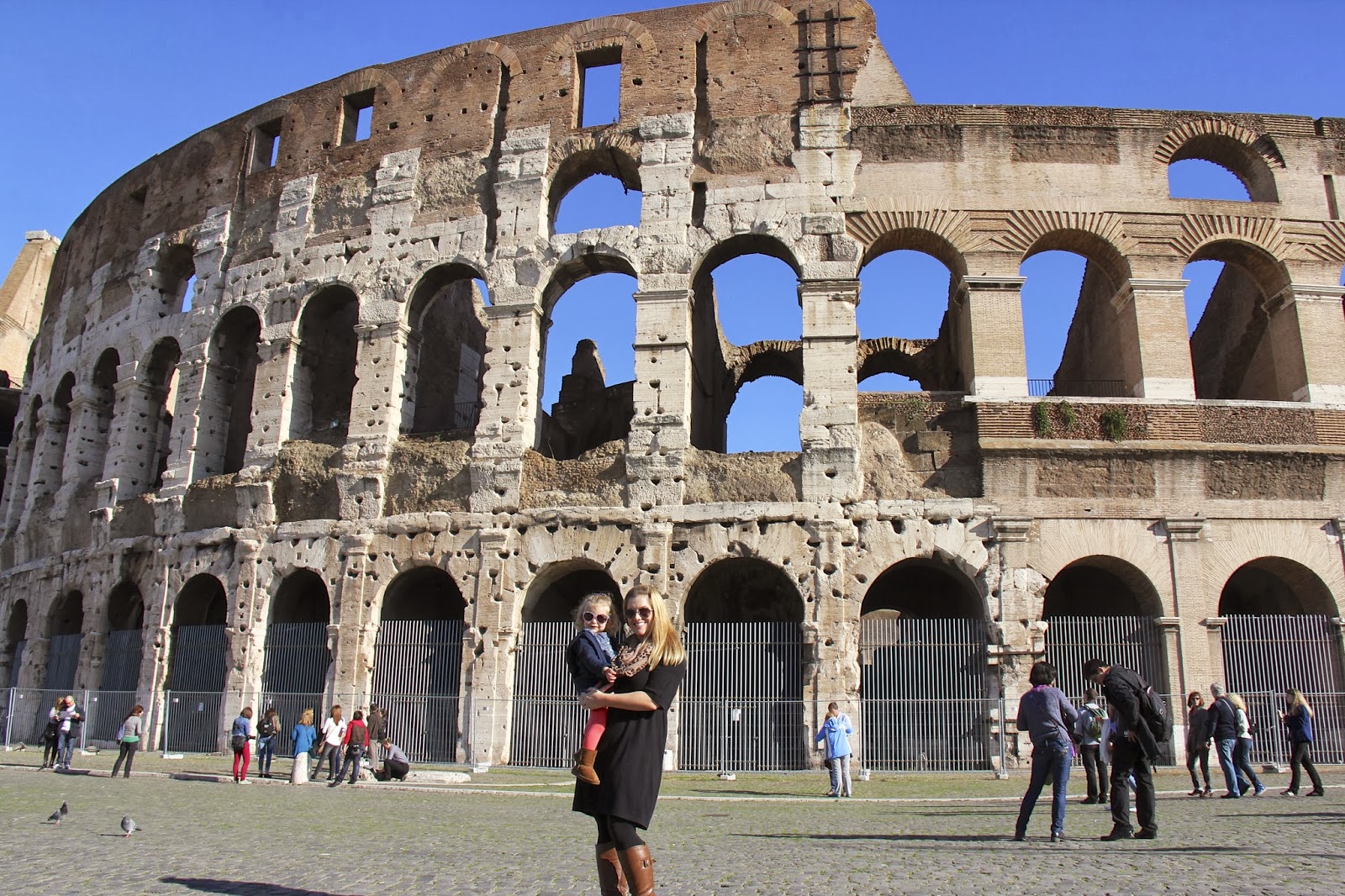
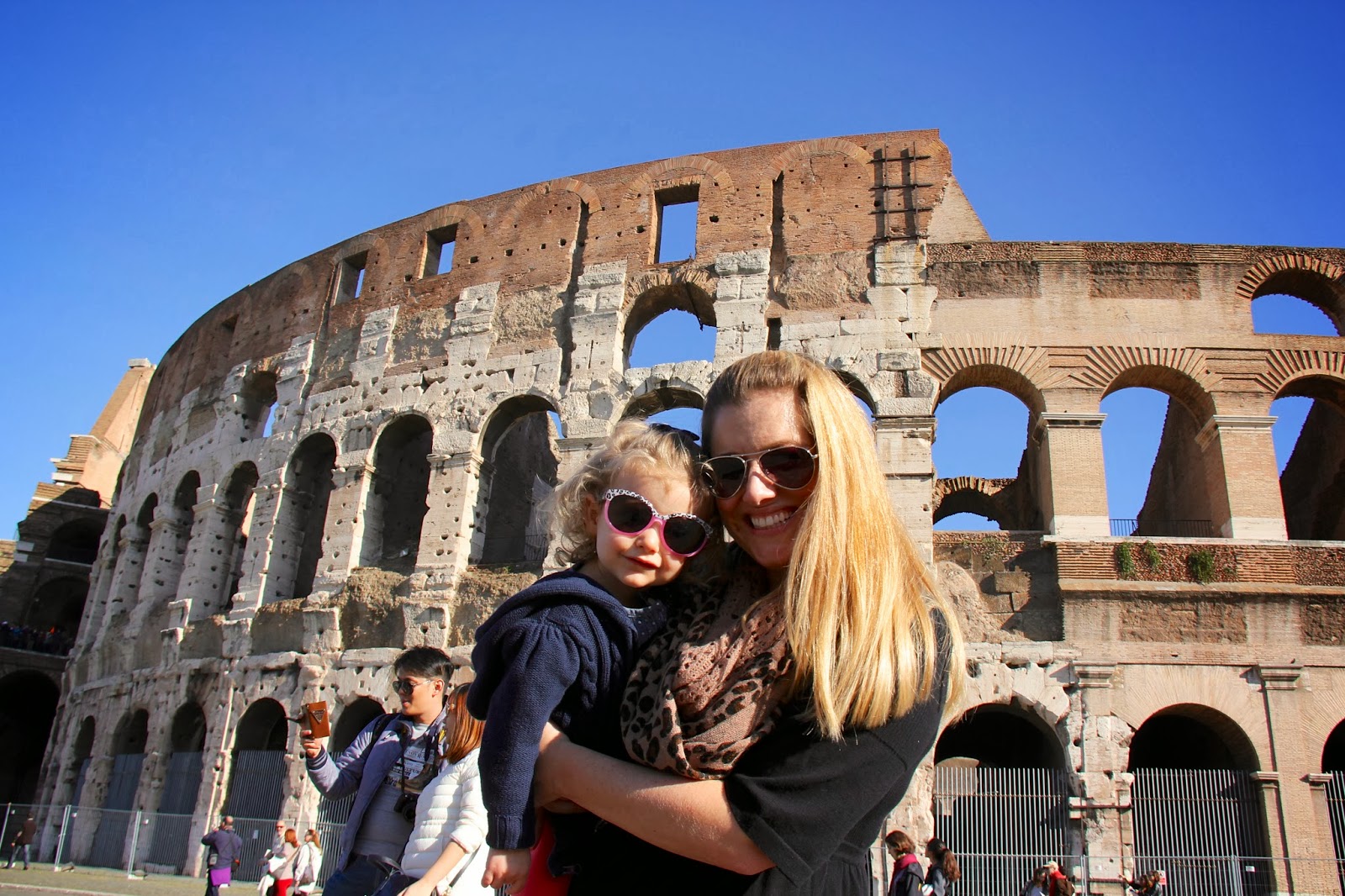
On our second day in Rome, we set out early to reach the Colosseum, the world’s largest ancient amphitheater and one of the most spectacular examples of Roman engineering and design. It is estimated that the colosseum could hold as many as 80,000 spectators. If you put that into perspective, that’s as big as most NFL football stadiums – only it was built almost 2000 years ago! I’m no historian, but I don’t think they had reinforced steel, engineering software and cement-mixing trucks back then. It’s no wonder that the Amphitheatrum Flavium (it’s Latin name) is a UNESCO World Heritage Site and one of seven wonders of the world [source].
Amphitheatrum Flavium (Colosseum)
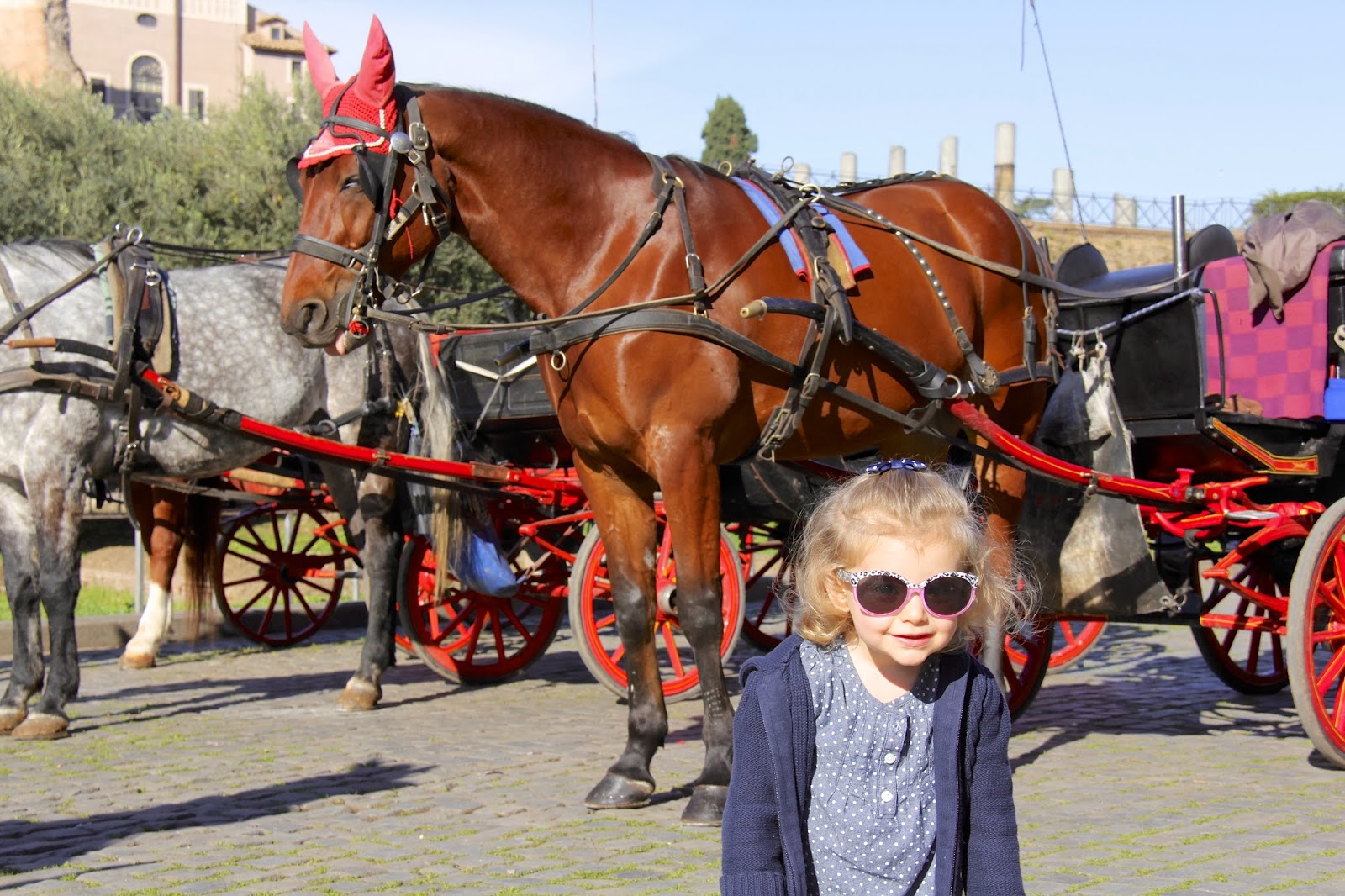
Julia found some horses that she wanted to ride
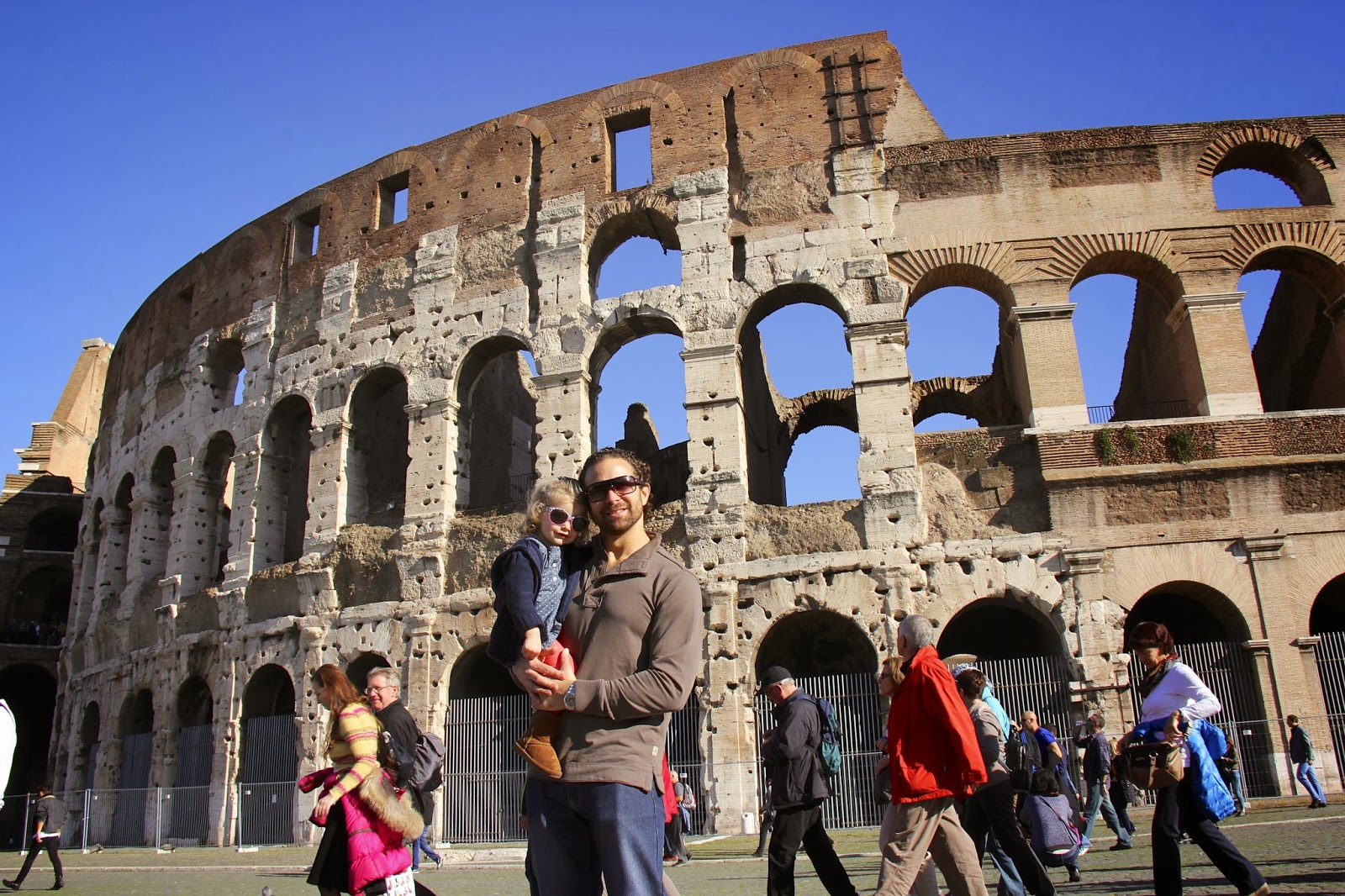
I hold Julia outside the massive stadium
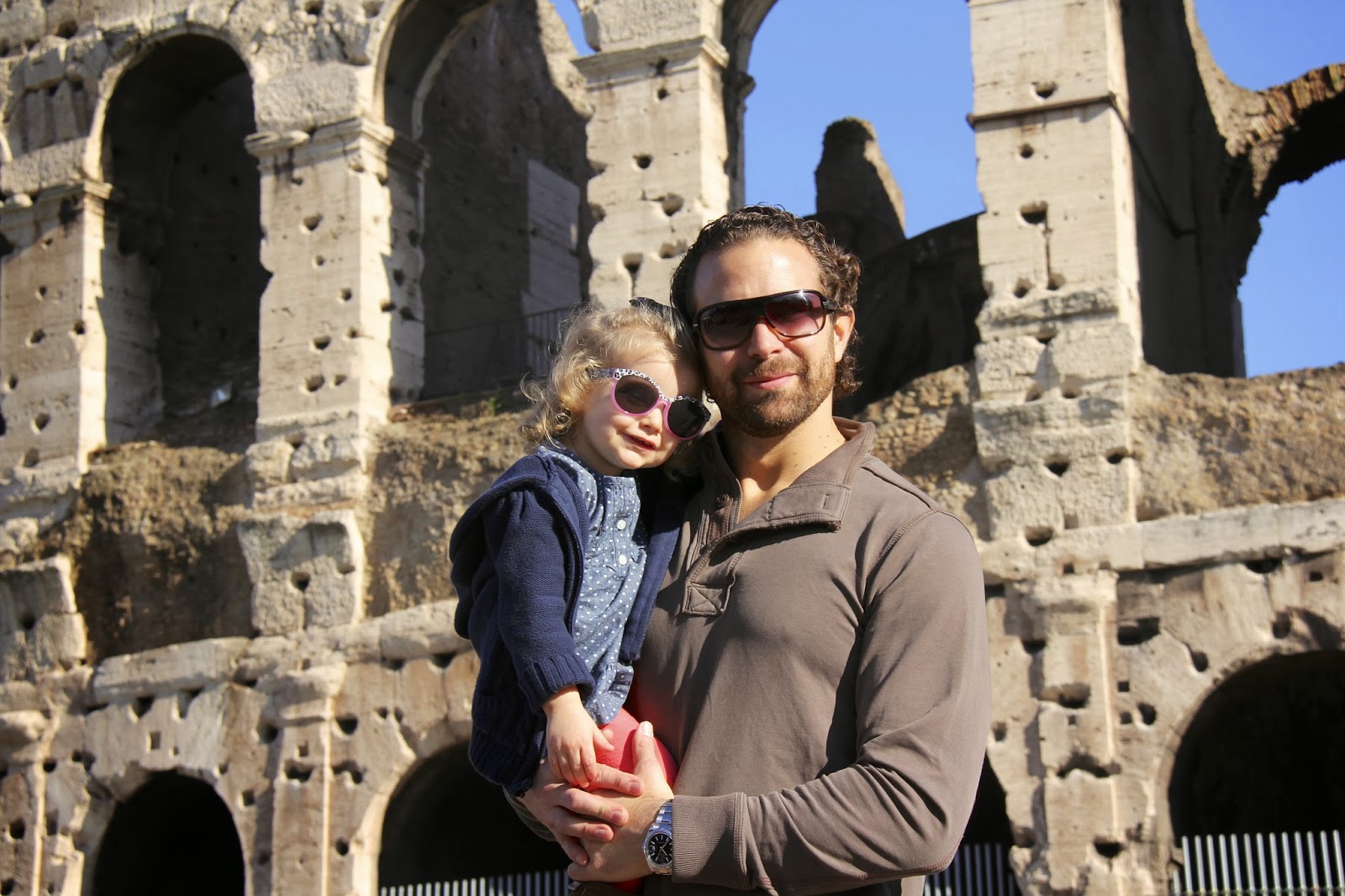
Posing with Dad
Now momma gets a photo with Julia
“Cheese!”
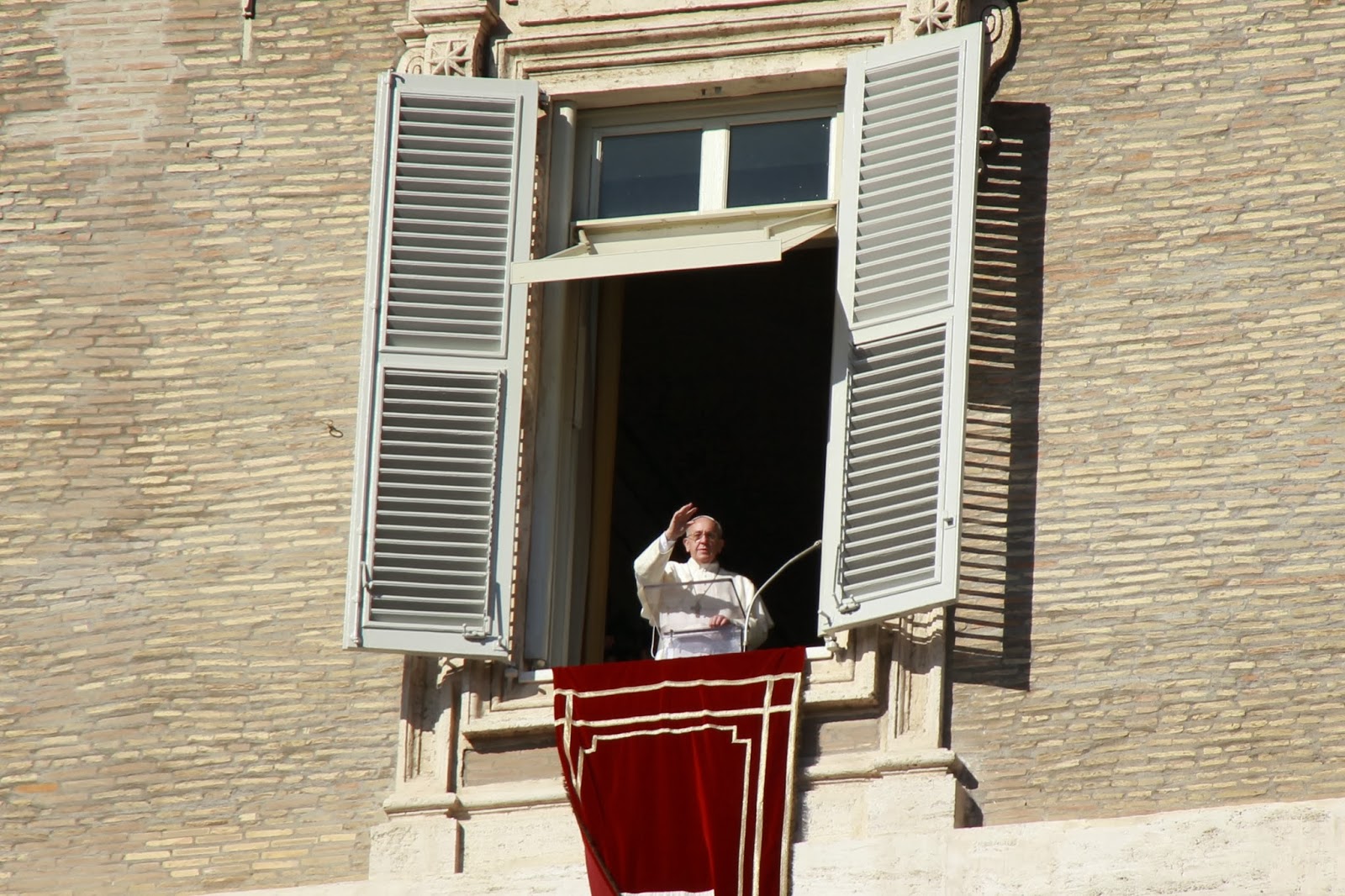
We didn’t get to spend too much time at the Colosseum because we had something even more important to do as we approached mid-day. I know, you’re thinking… “Greg, I’ve been reading this blog long enough to know that your very important thing is just lunch”. On any other day, you would be correct. But on this particular day… lunch would have to wait. We had a meeting with someone you may have heard of. Oh you know… Pope Francis.
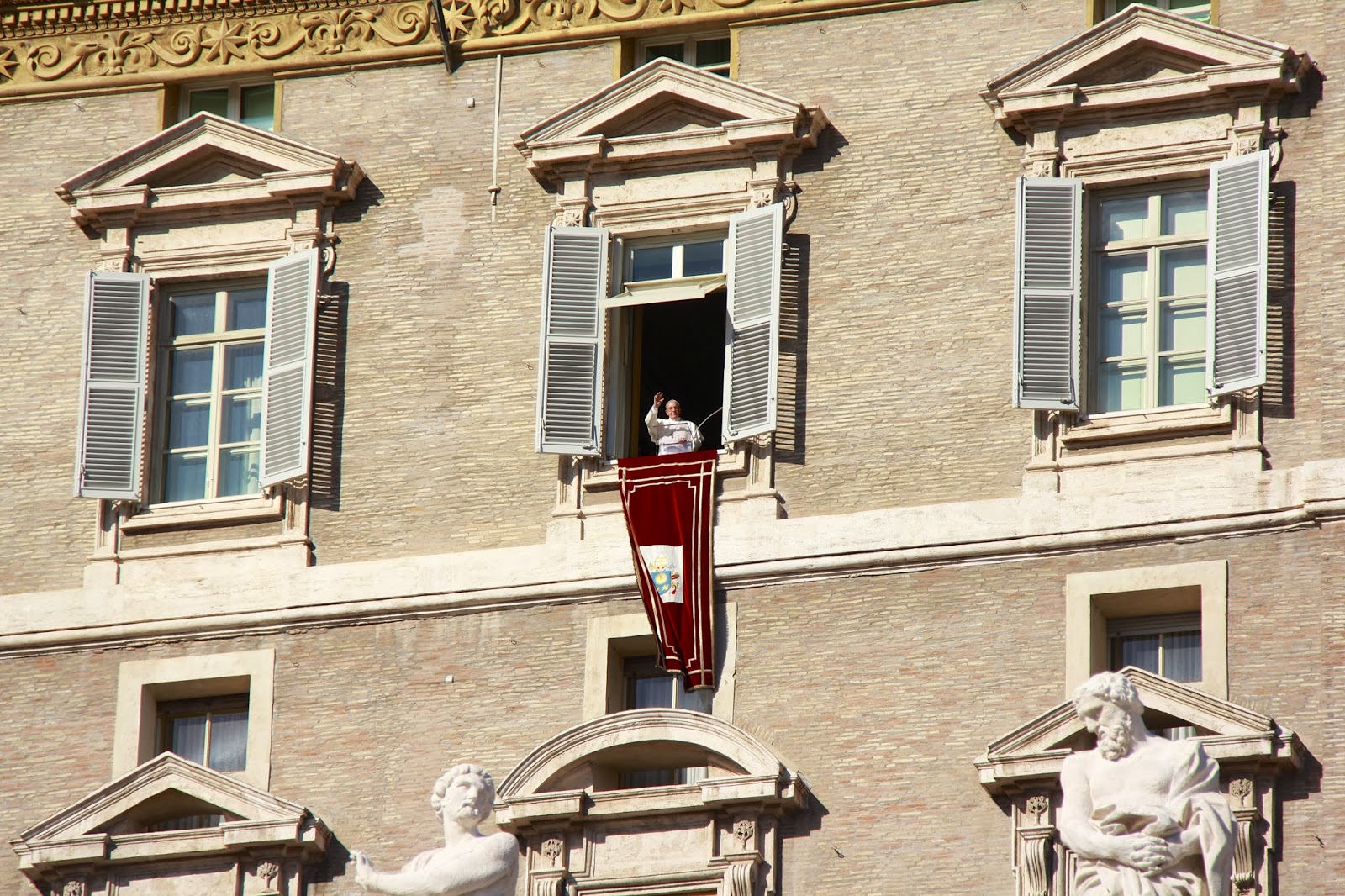
Papa Francesco greets us from a window in the Papal Residence
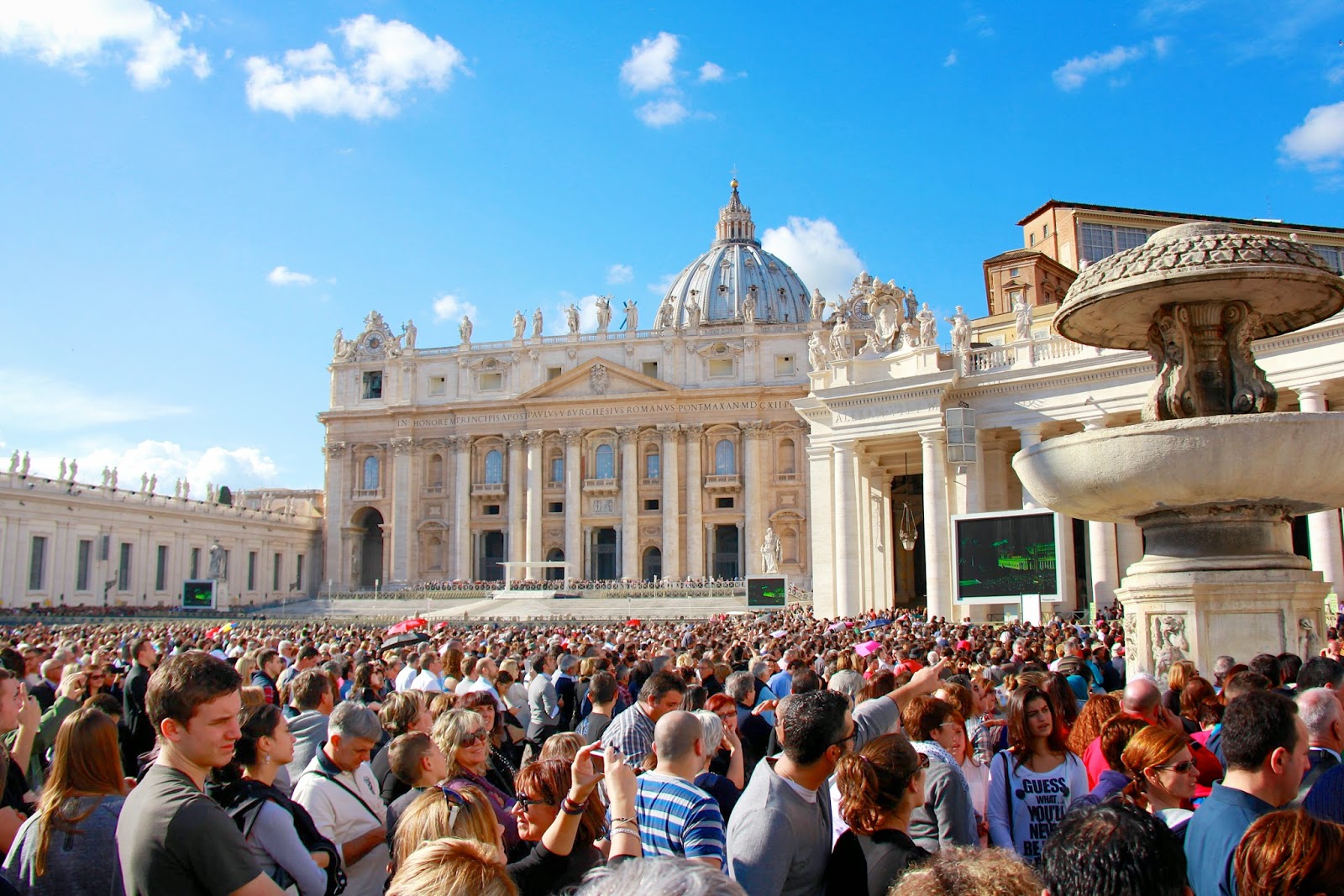
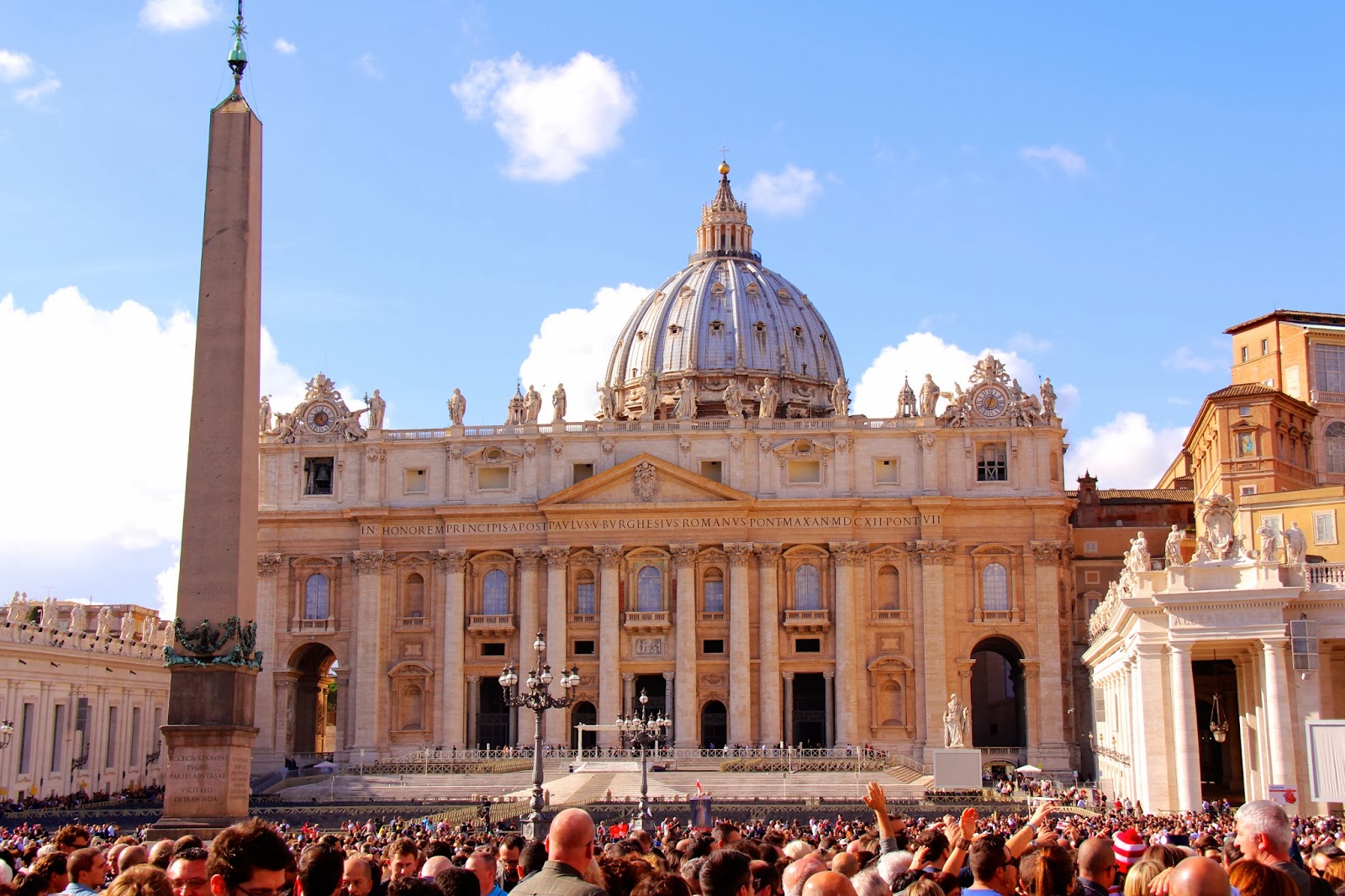
Now, when I say “meeting with the Pope” – I mean, a meeting of sorts. A meeting that I generously shared with about 5,000 other people. Every Sunday at noon, the Pope addresses the masses from the Papal Residence and delivers a short address to the crowd, followed by a blessing. It was quite a tremendous thing indeed to be blessed by the Pope!
Large crowds await the Pope’s appearance
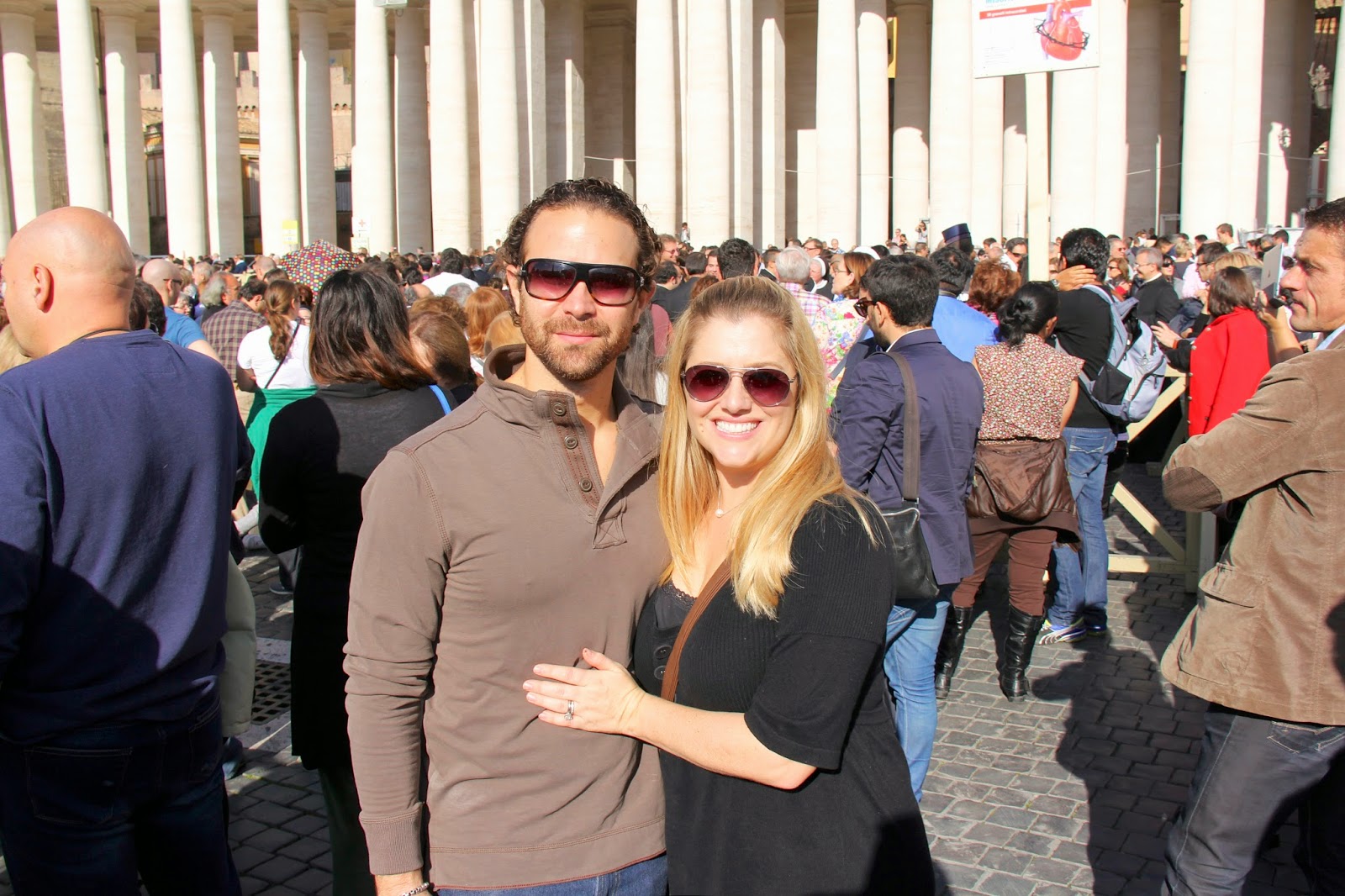
We take a picture amongst the crowd
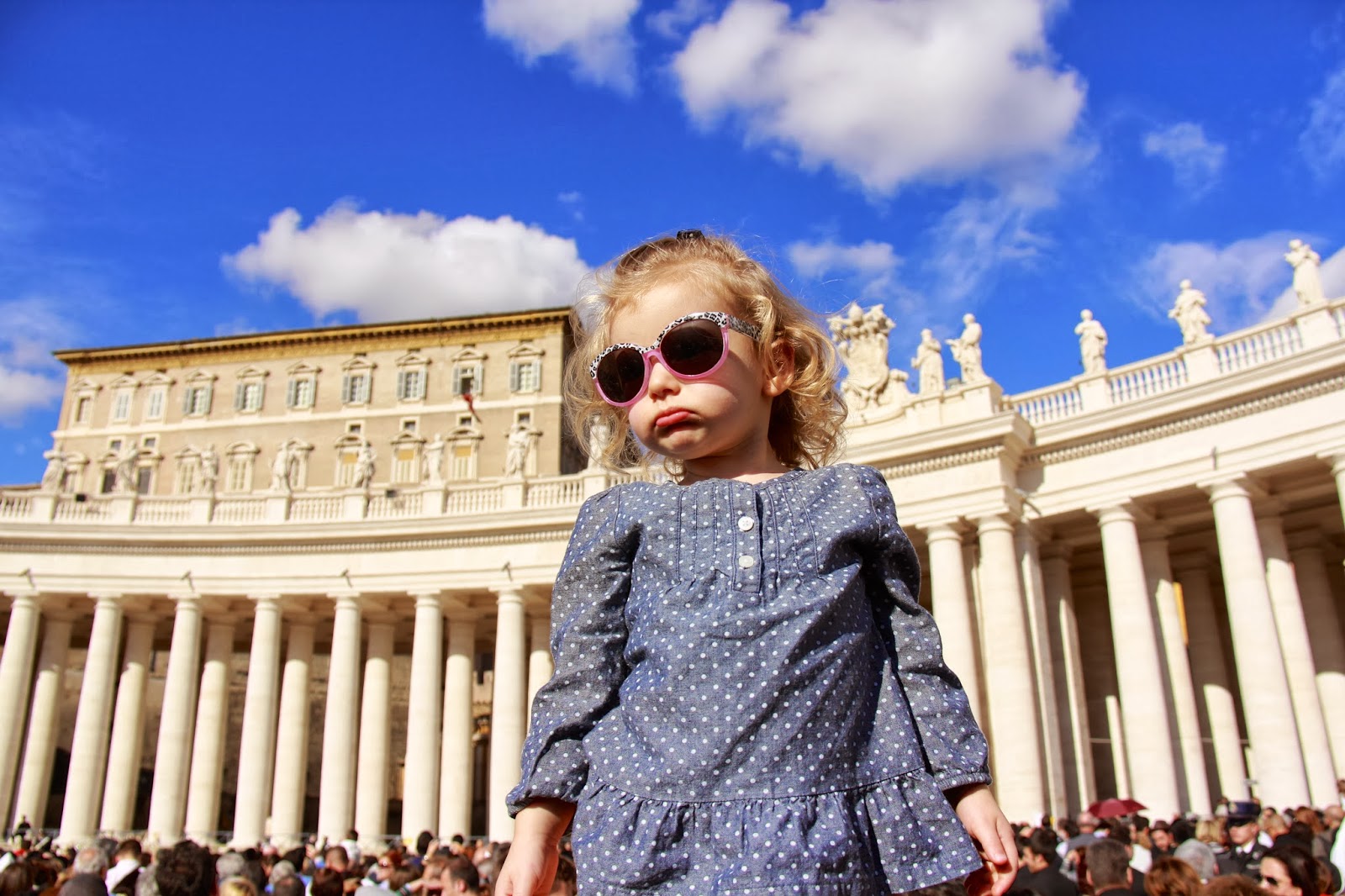
A somewhat grumpy Julia rises above the crowd to take a picture with the Papal Residence in the background
The crowd roared with jubilation when Pope Francis appeared
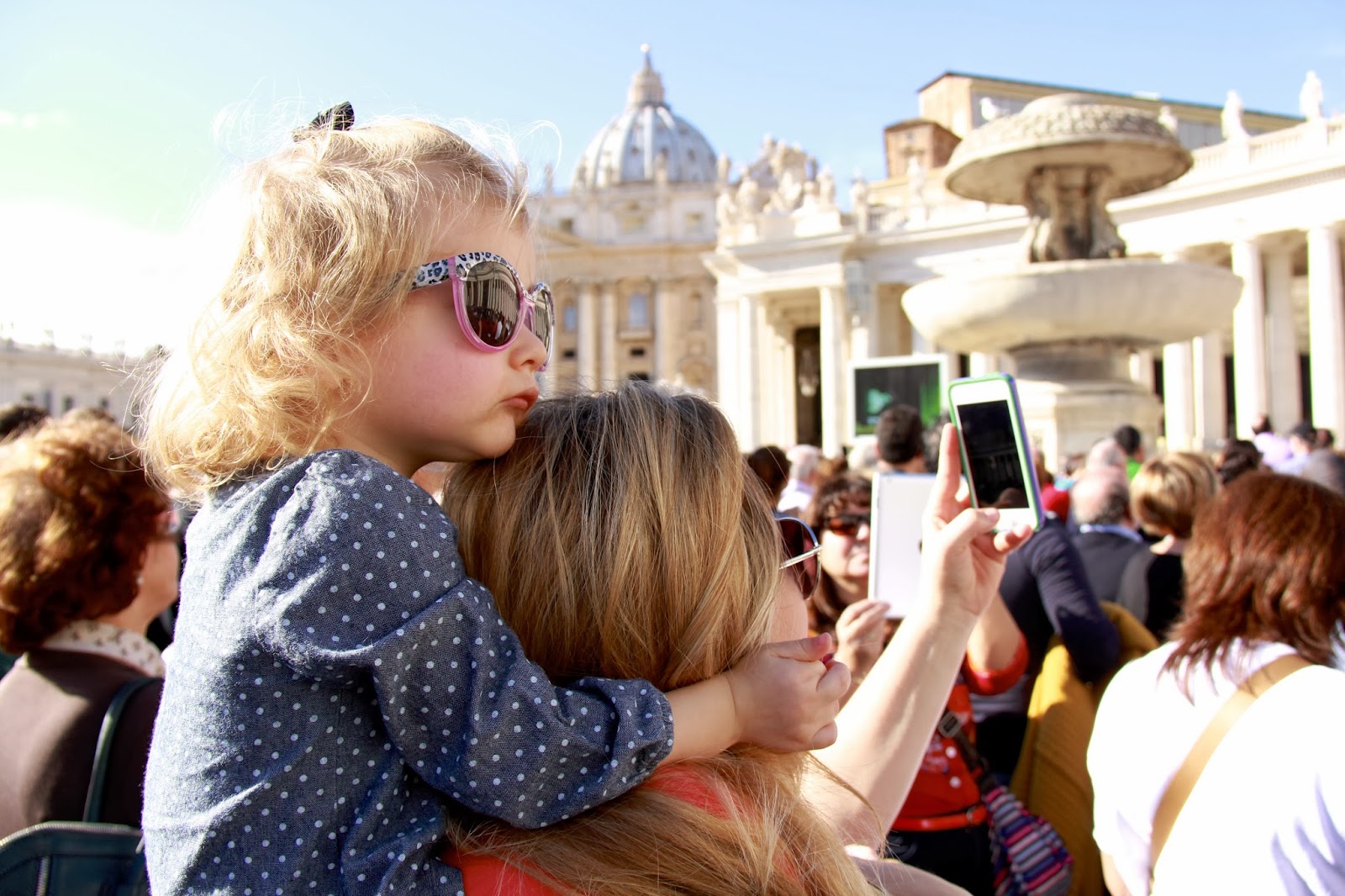
Jen and Julia listened intently during his address
A view of Saint Peter’s Basilica with the crowd
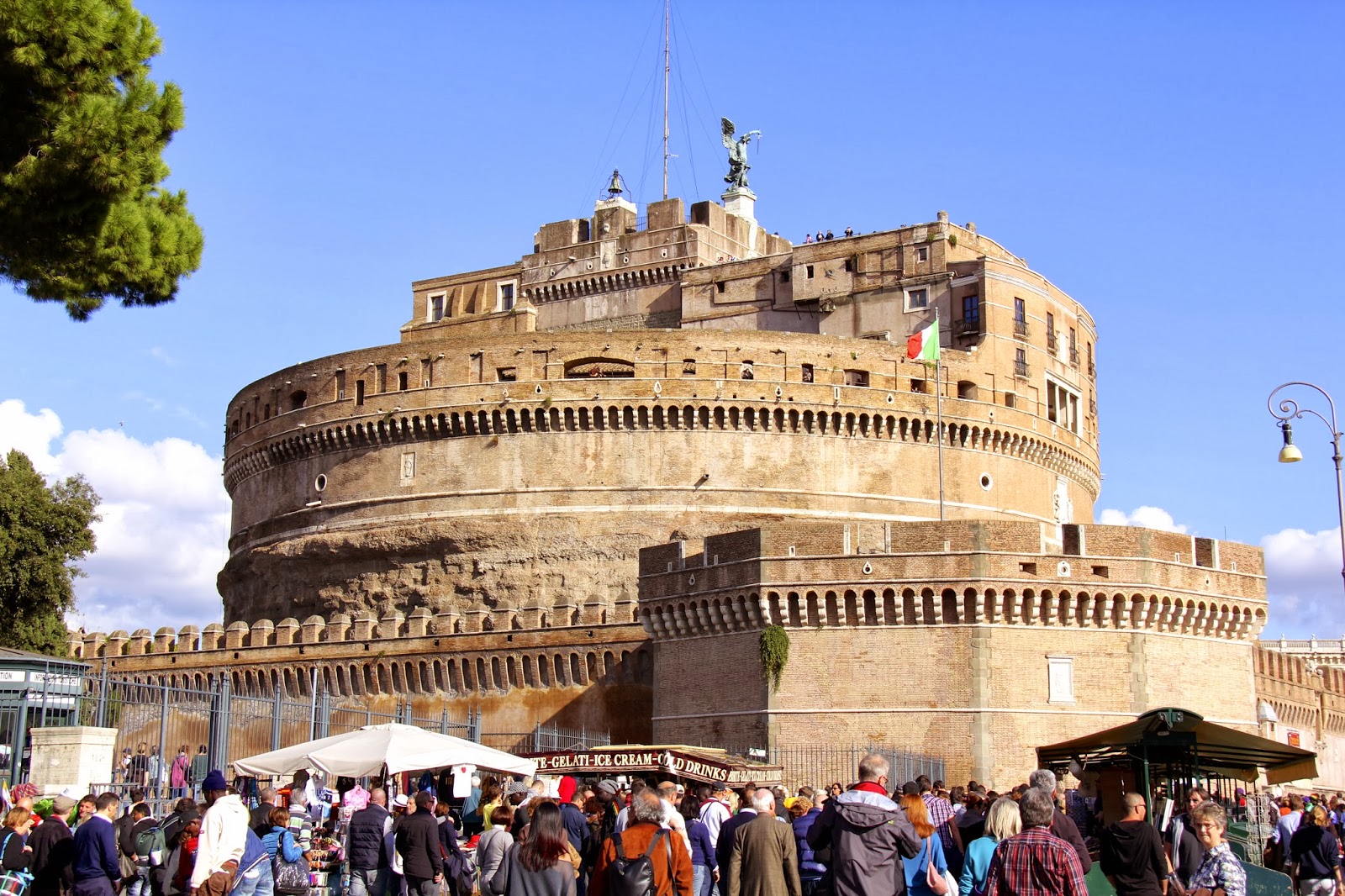
We left the Vatican feeling great and enthralled by the beautiful weather. We decided to continue our tour of Rome with wide detours, adding time and additional sights to our pedestrian footpath. We departed from the Vatican and walked past the Castel Sant’Angelo before crossing over the famous Ponte Sant’Angelo bridge. We strolled along the Fiume Tevere (Tiber River), Italy’s third longest river that courses directly through the city of Rome.
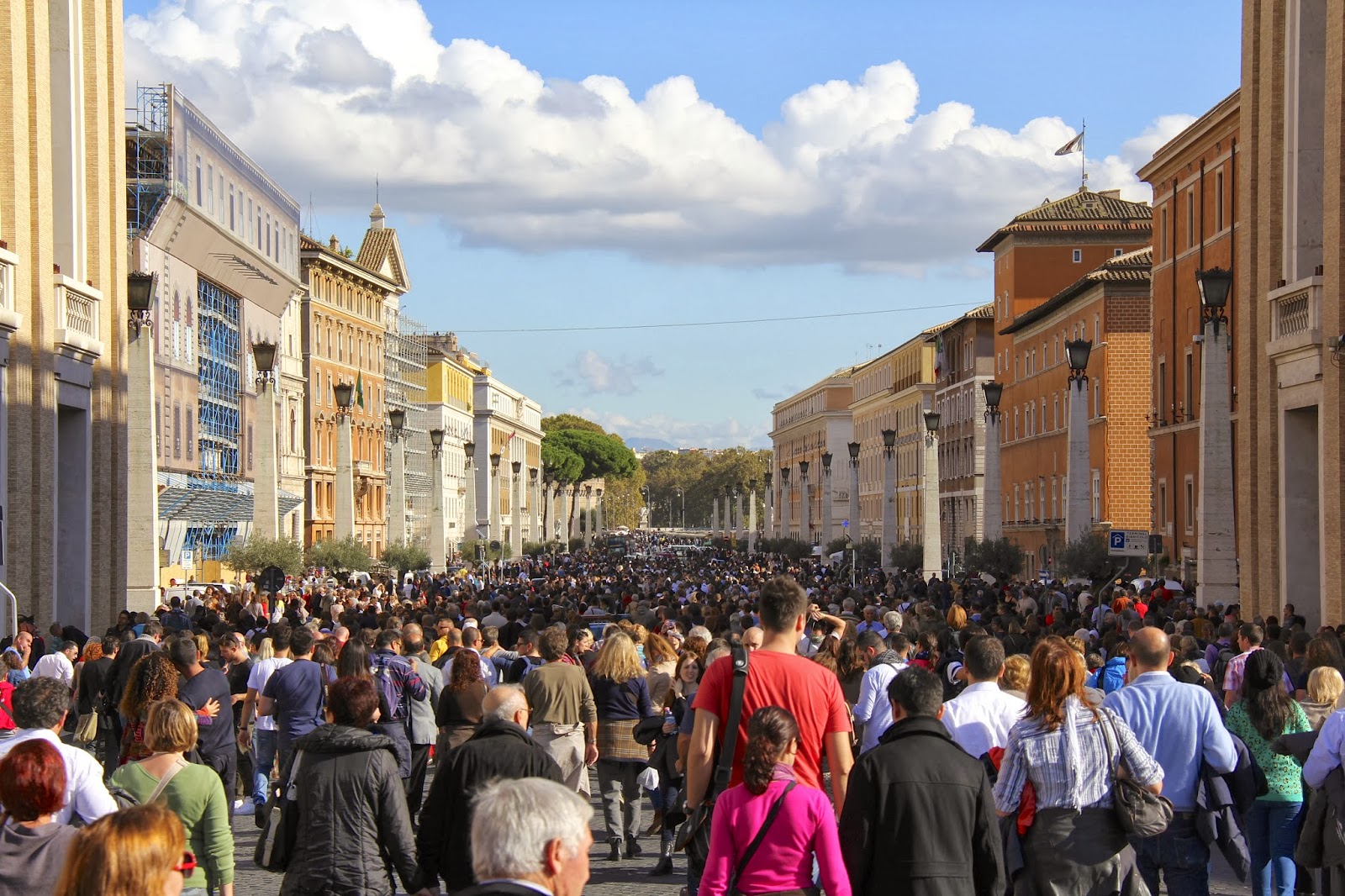
We were lost among a sea of people departing Vatican City along Via Della Conciliazione
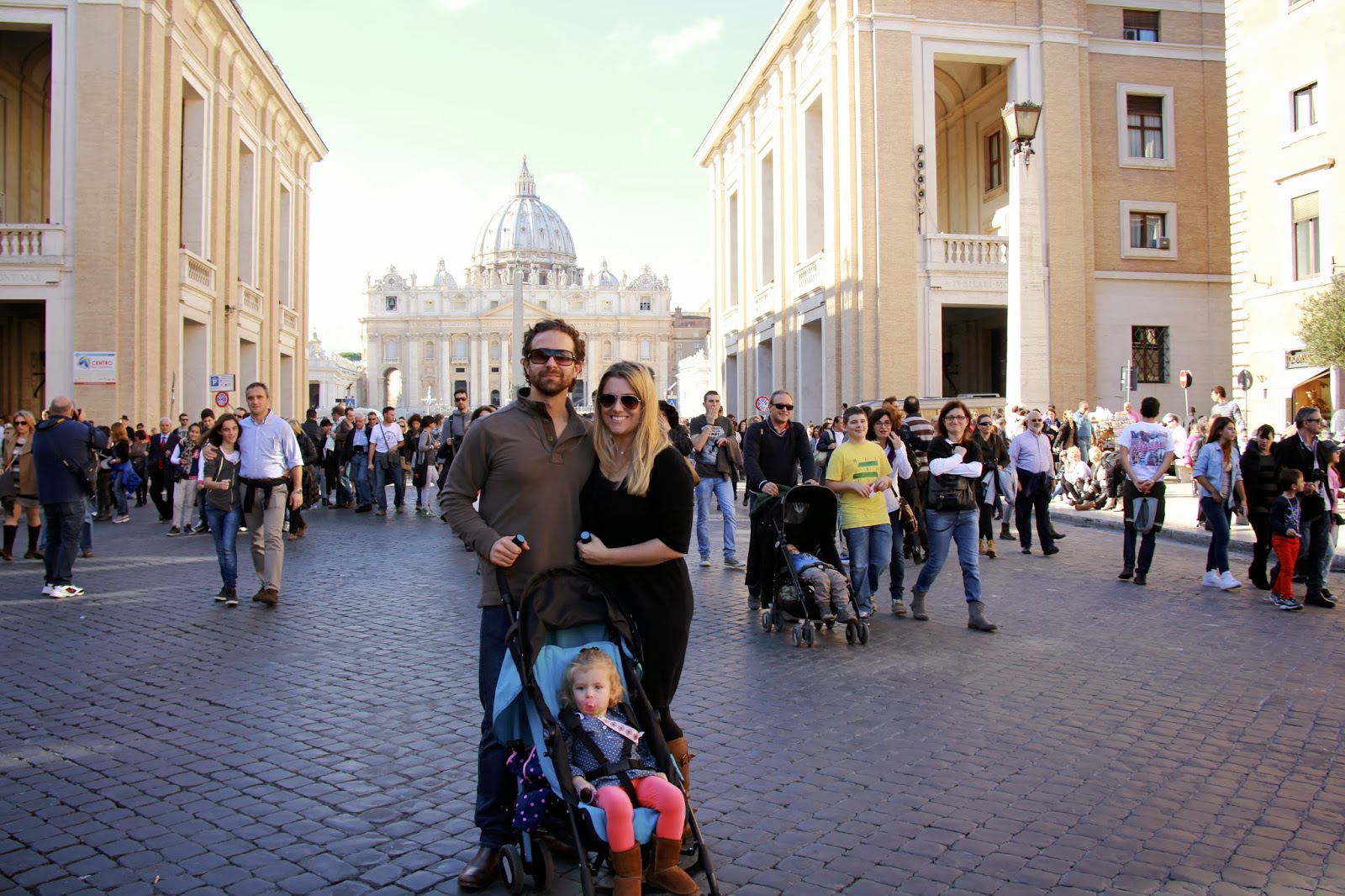
We have our photo taken with Vatican City in the background
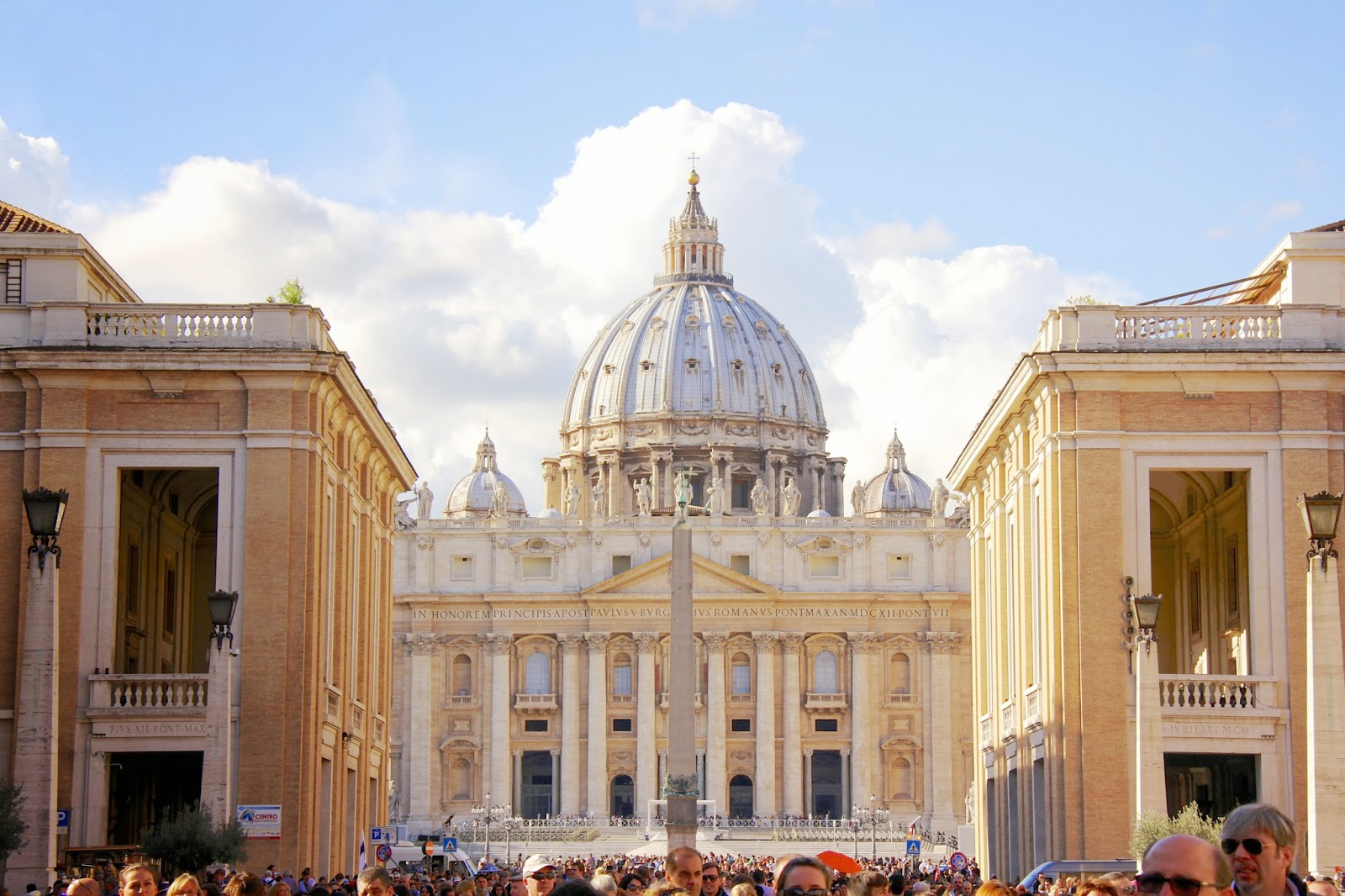
A direct shot of Saint Peter’s Basilica and the Obelisk that sits in front
Castel Sant’Angelo
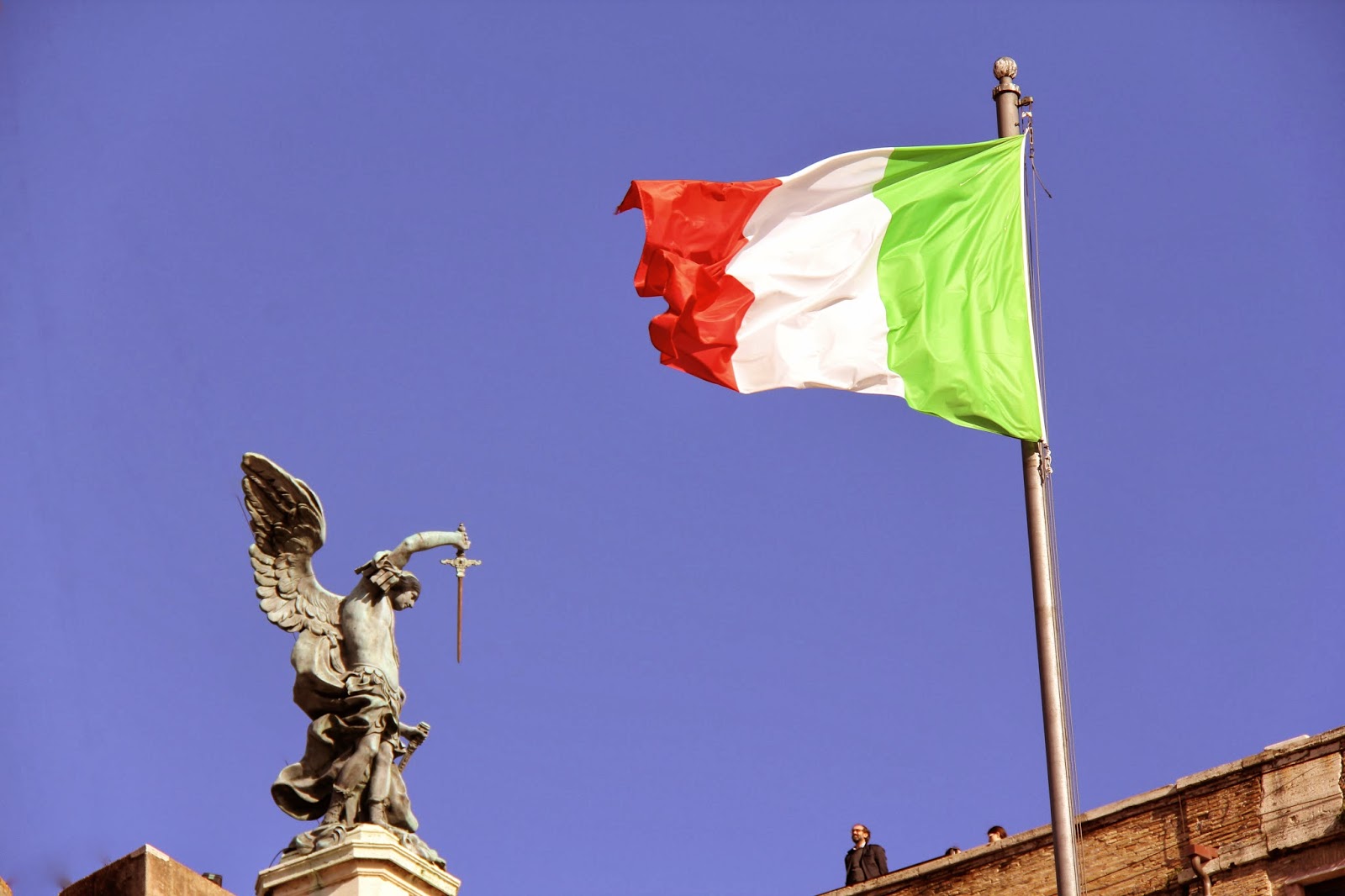
The Italian flag waves proudly atop the castle
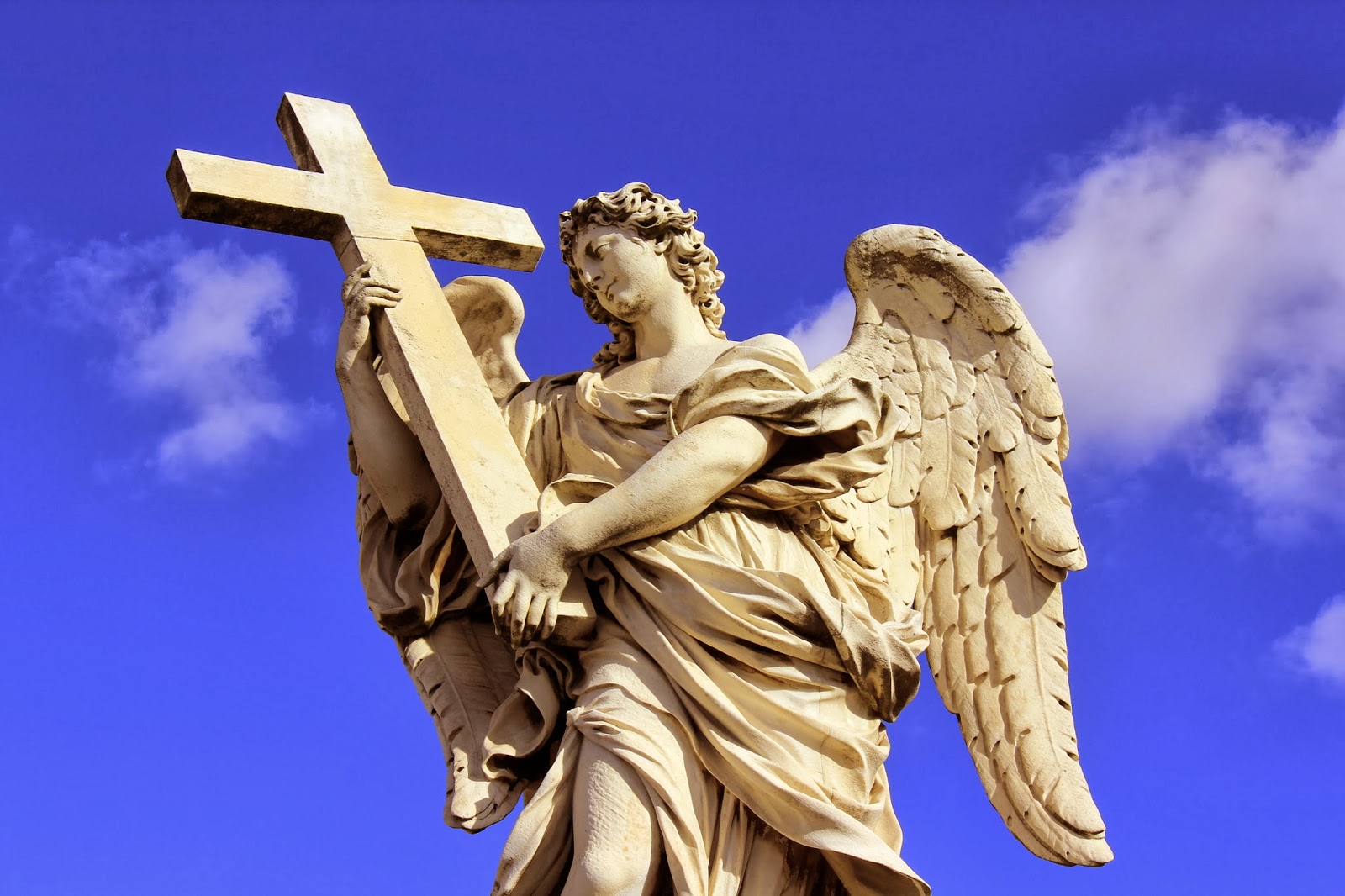
Angels fly overtop the Ponte Sant’Angelo
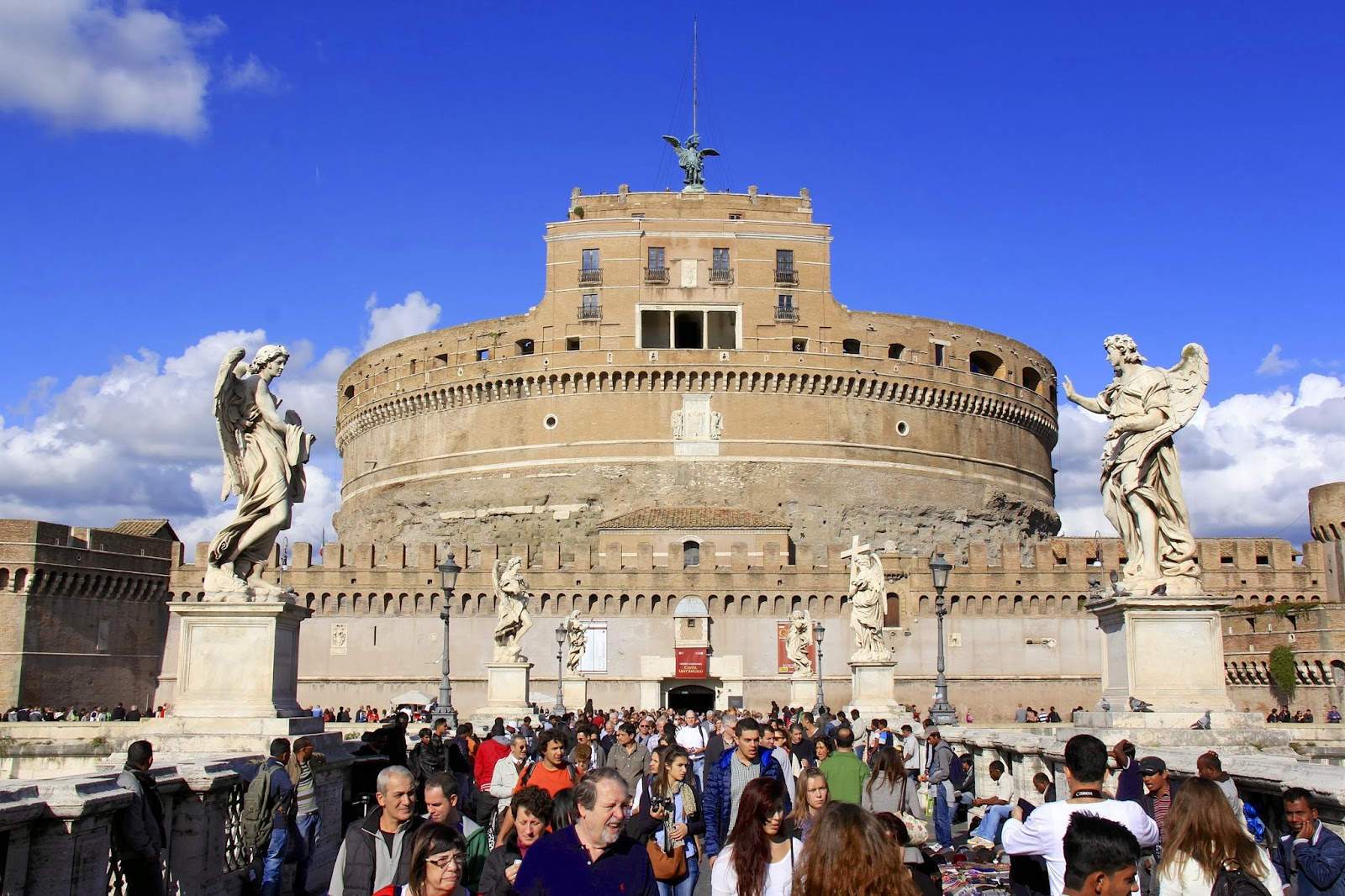
Crossing the Ponte Sant’Angelo I turned for a view of the castle
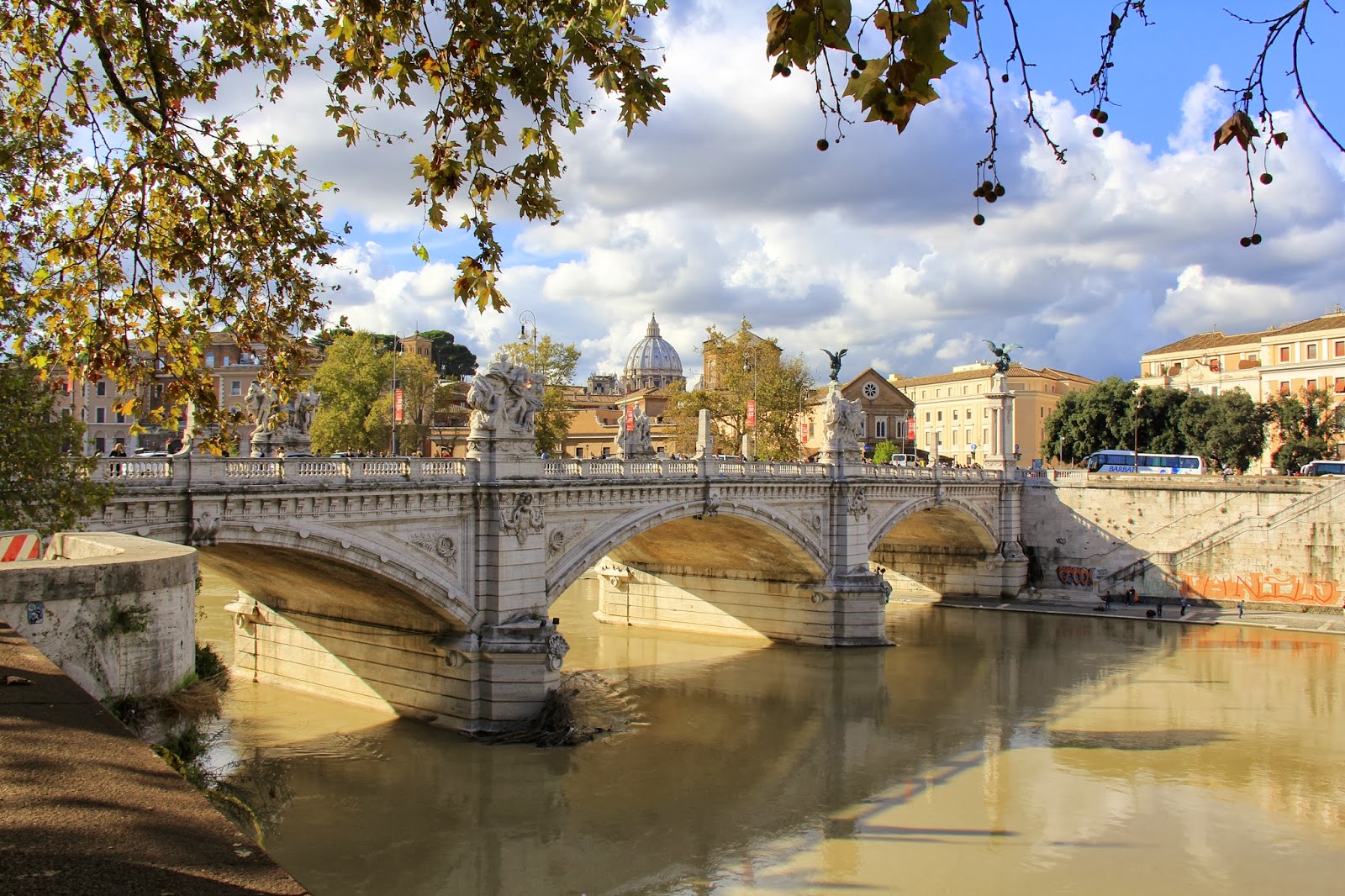
View along the Fiume Tevere (Tiber River)
Although, this was my favorite view along the river
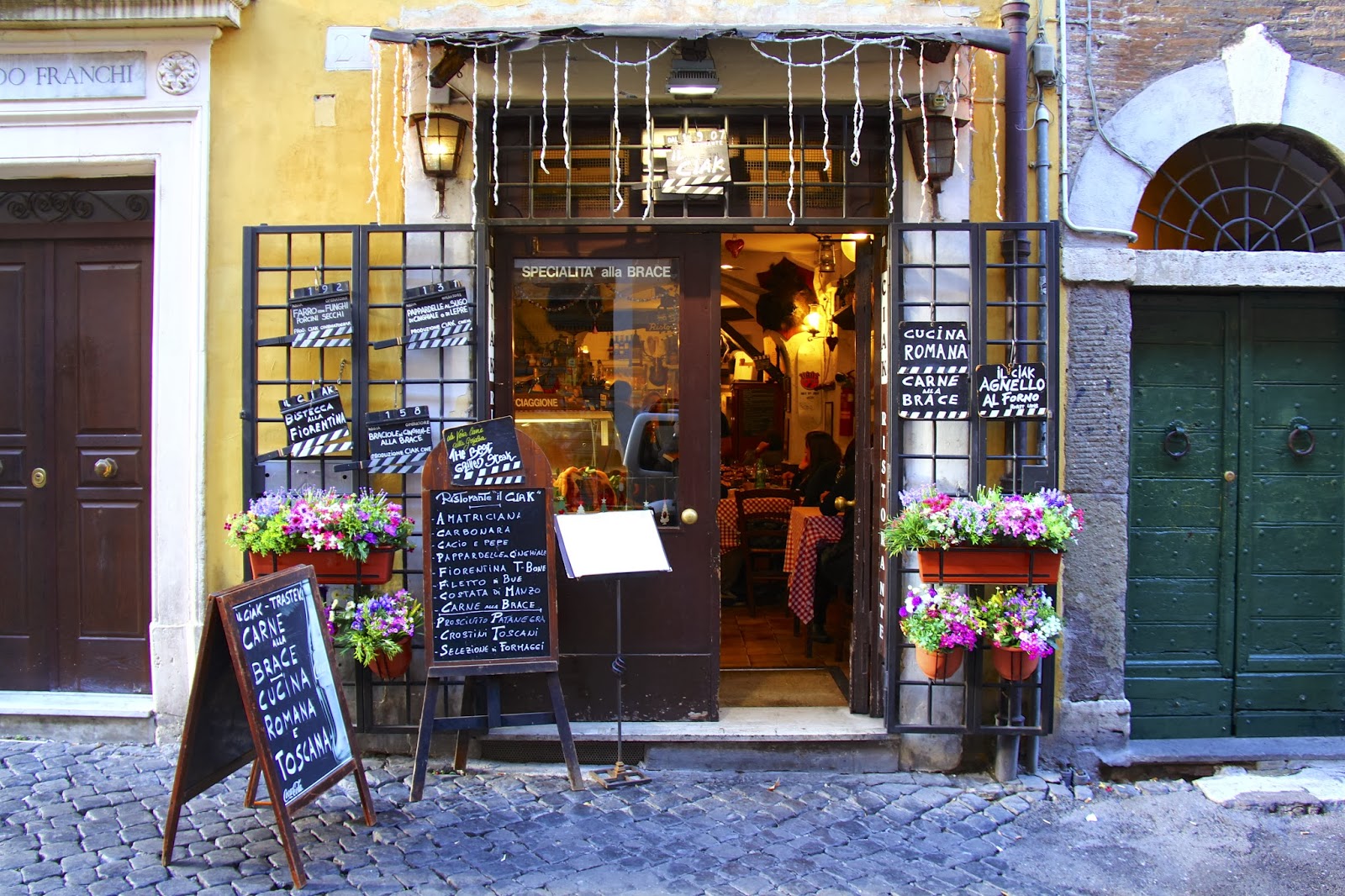
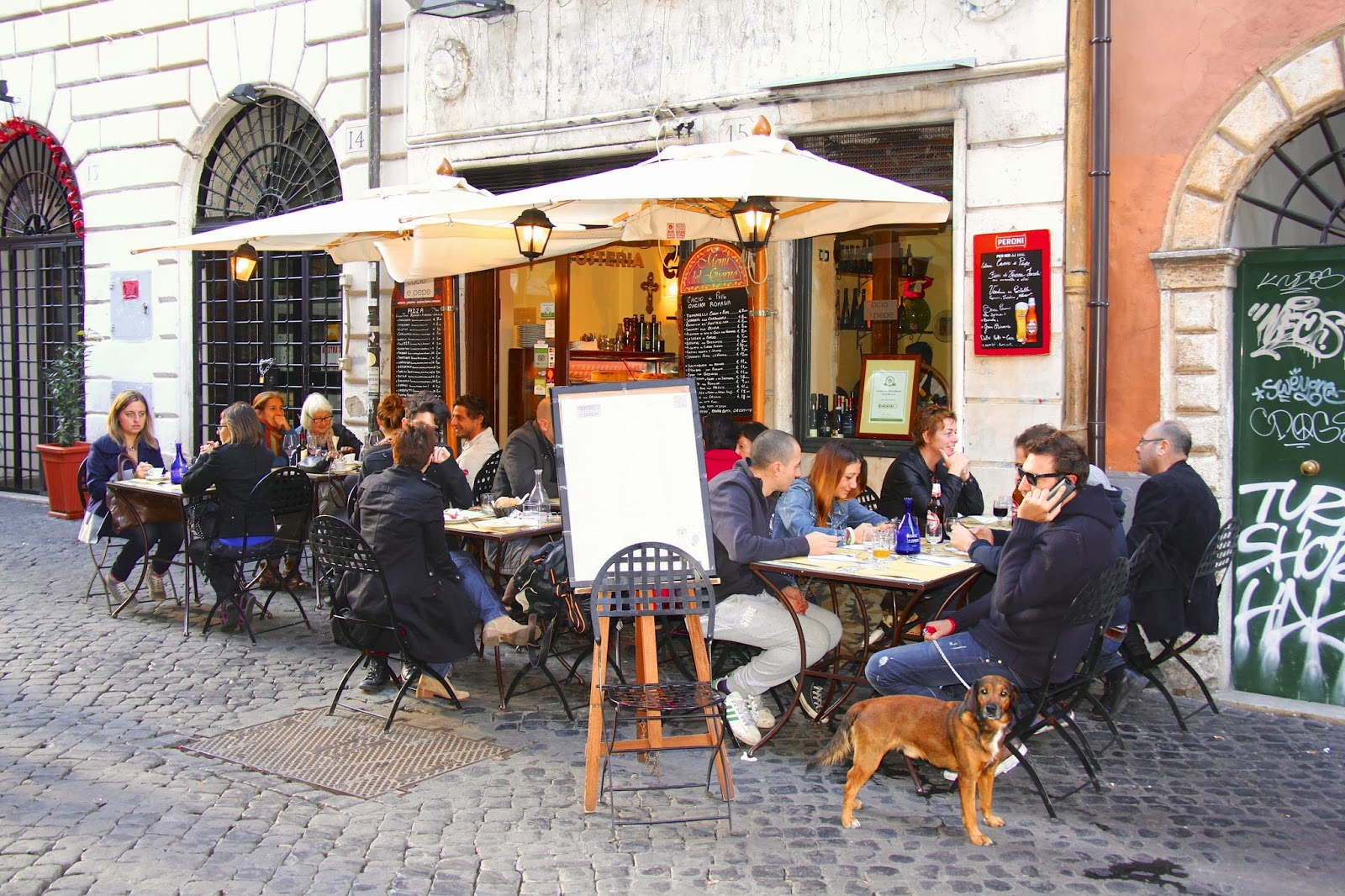
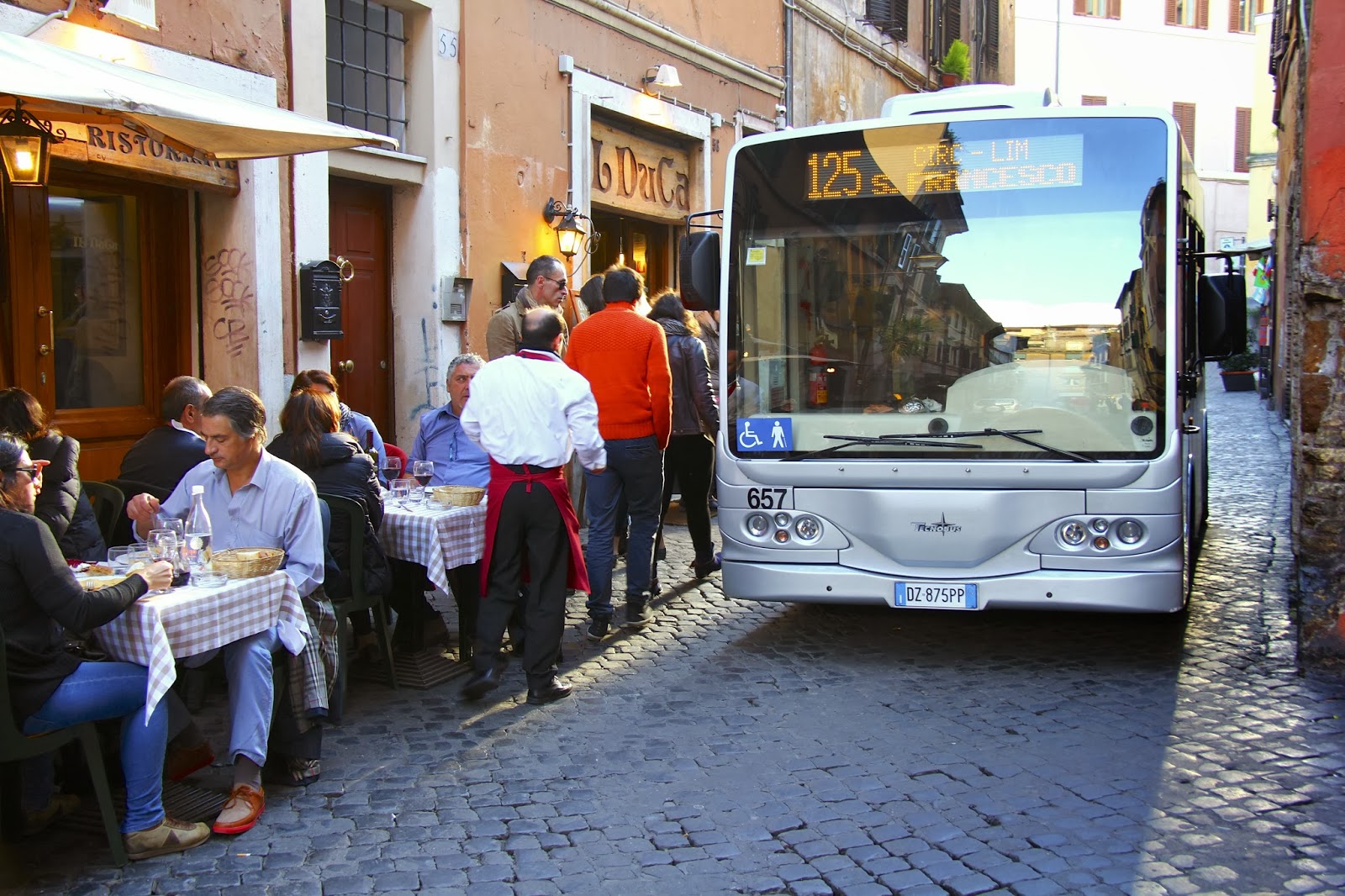
Our destination was the chic neighborhood of Trastevere. Trastevere is to Rome as the West Village is to New York, but with fewer hipsters and MacBooks. Small streets are lined with great shops, cafes and restaurants. People spend time outside and congregate with neighbors. The short time we spent there was long enough to fantasize about owning a pied-à-terre in this particular part of Rome. We ate a fabulous lunch at a local place and continued on by foot.
A small ristorante in Trastevere
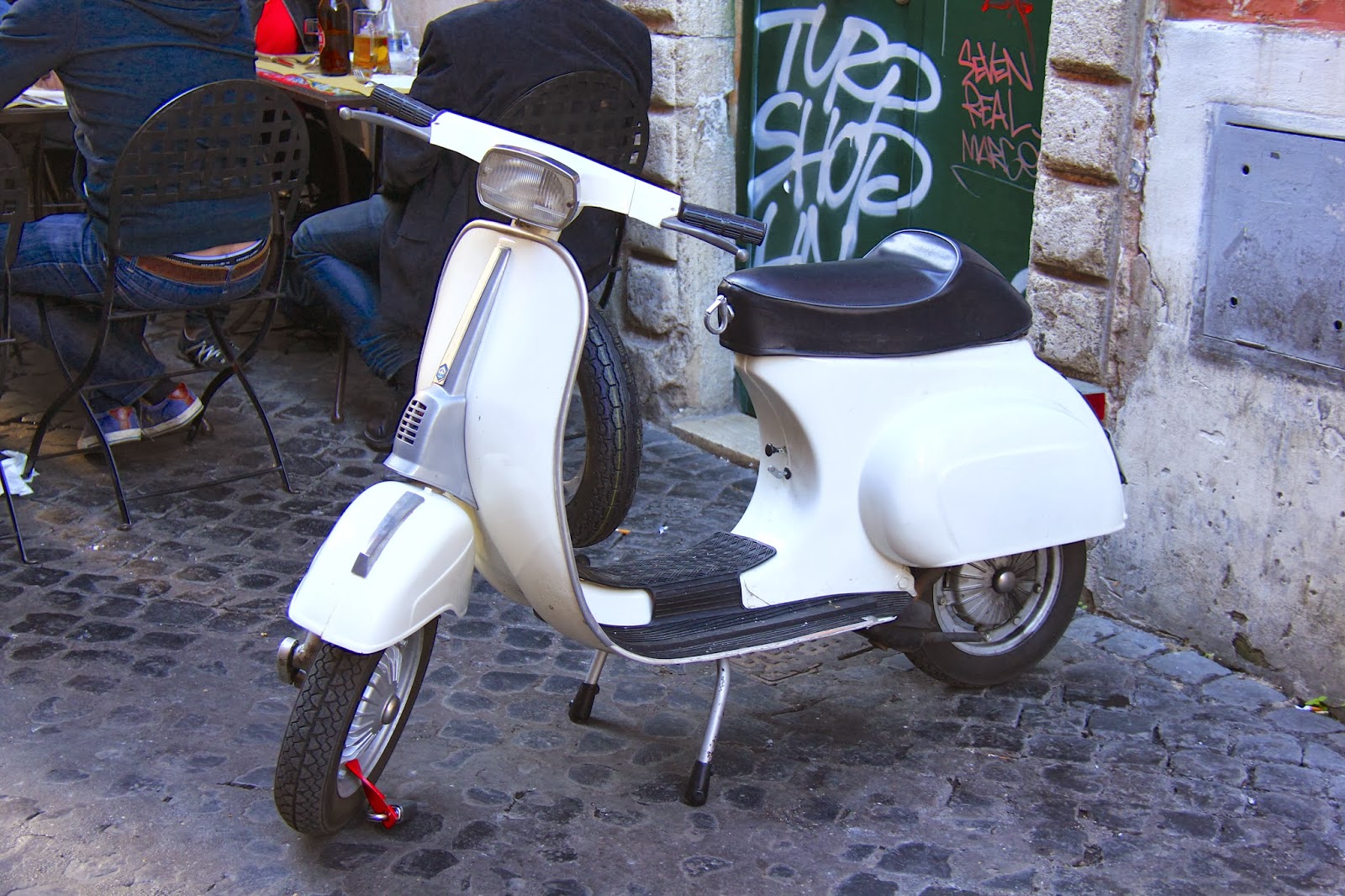
Even the Vespa’s look hipper
People gather at a cafe
The narrow streets don’t offer a lot of room for the public transportation
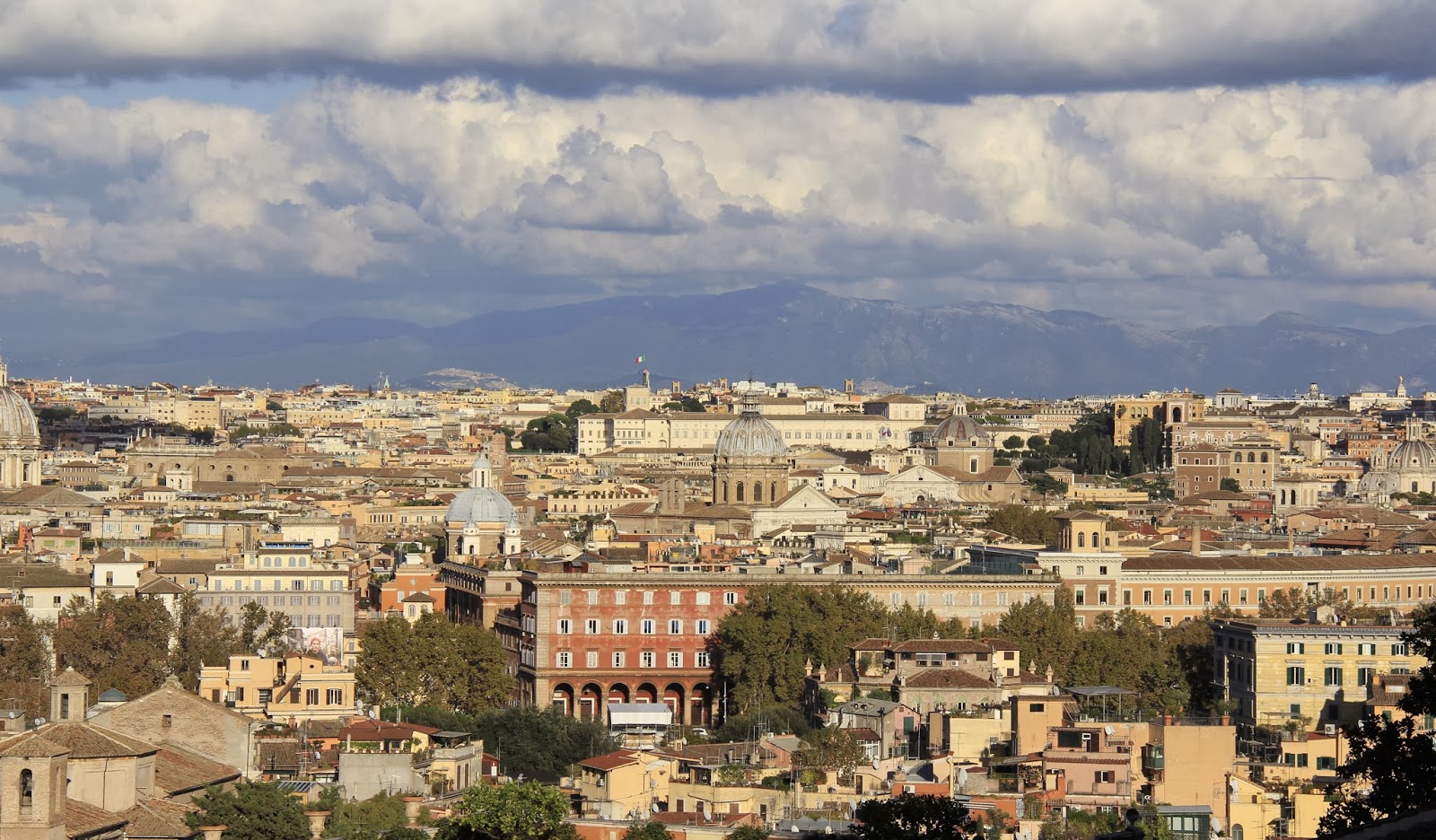
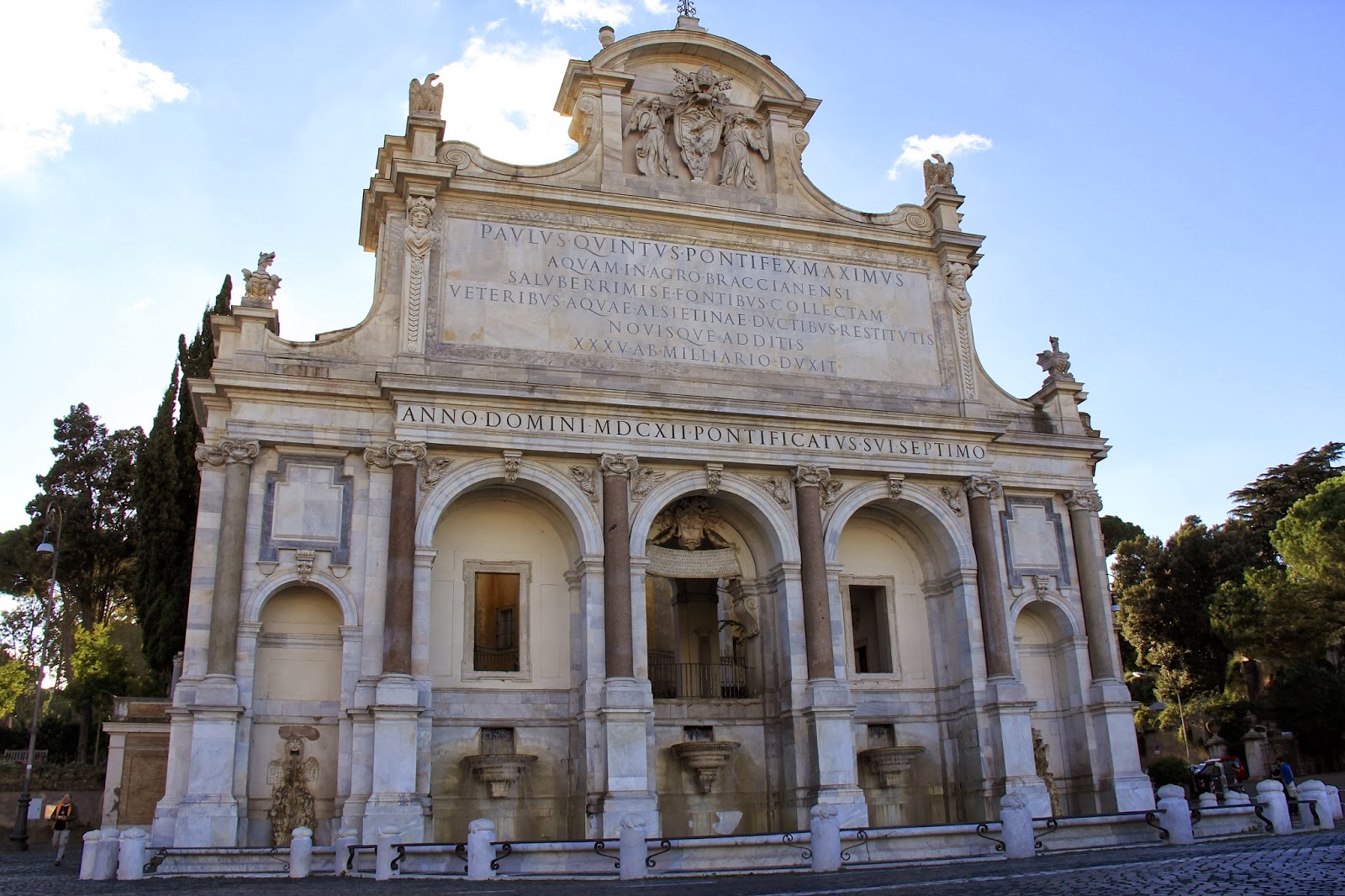
We wrapped around to the southwest portion of the city to see the Fonte Acqua Paola – a site that is seldom talked about, but worth a visit. A panoramic view of the city opens before you eyes from the elevated vantage point. The styling of the fountain is nearly as impressive as the Trevi Fountain, but without the crowds.
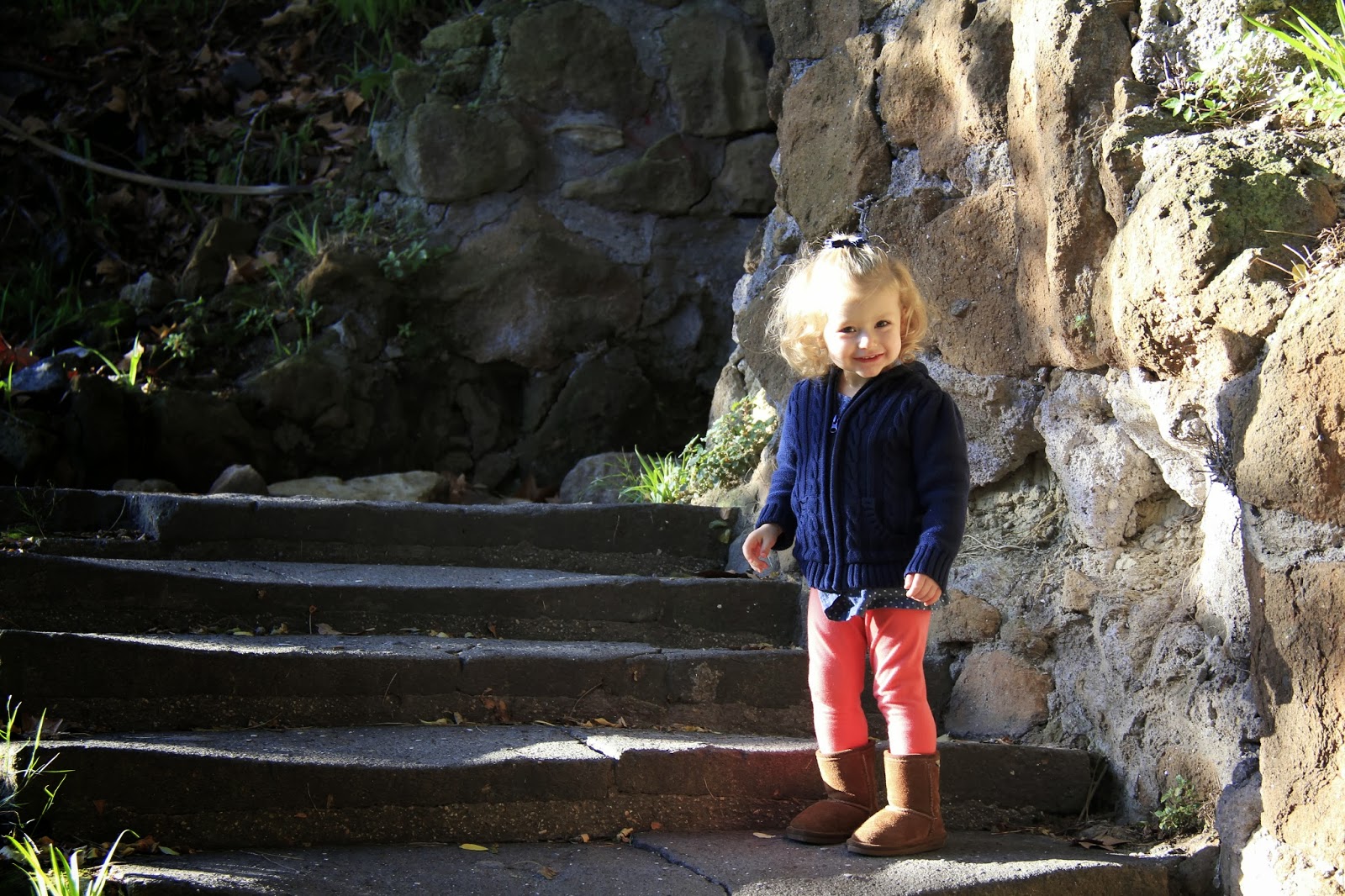
Julia leads the way up to the fountain
A beautiful panoramic view of Rome opens from this high vantage point
Fonte Acqua Paola – built in 1610 to mark the end of the Acqua Paola acqueduct
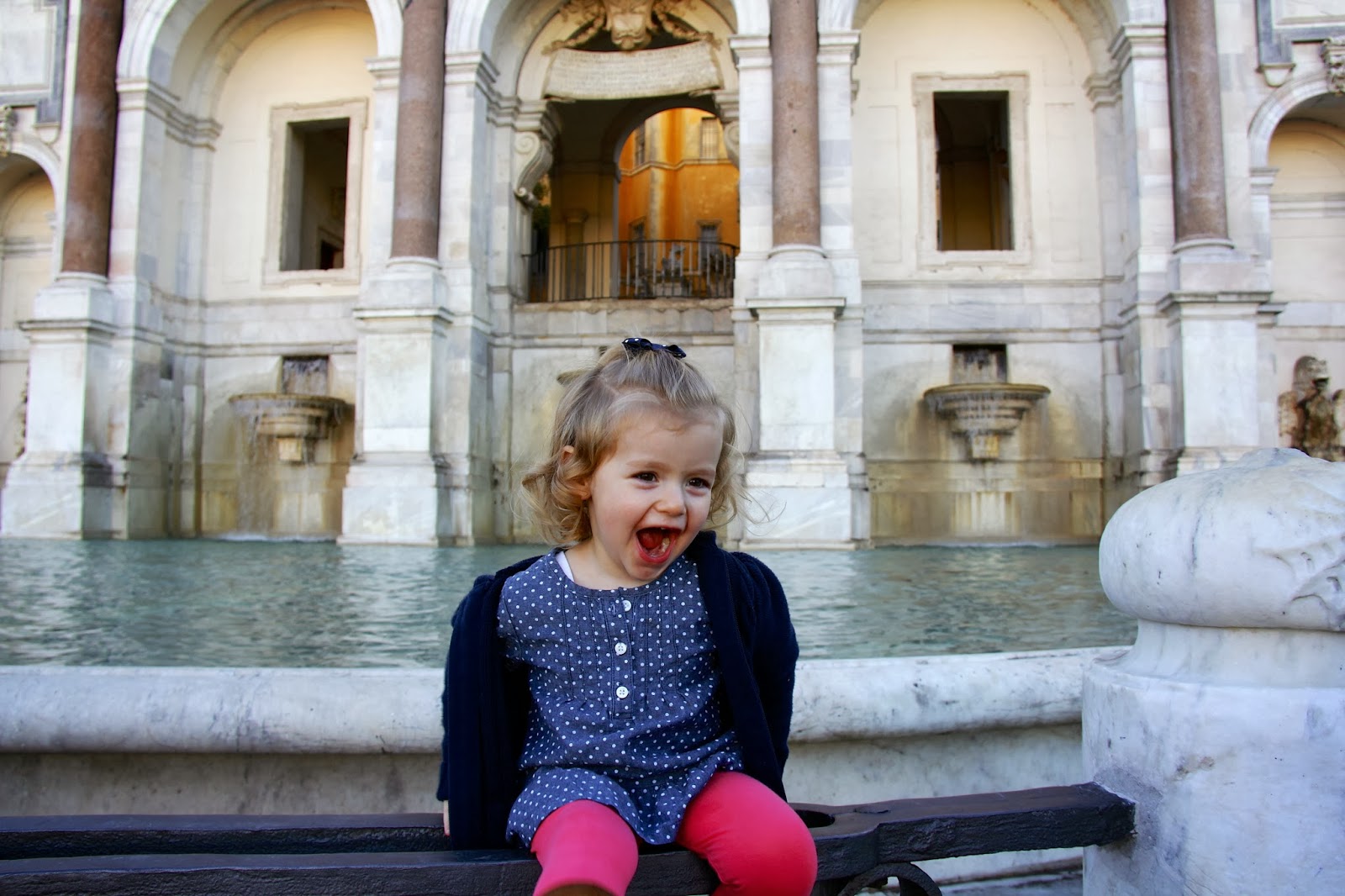
Julia is thrilled to have discovered another fountain
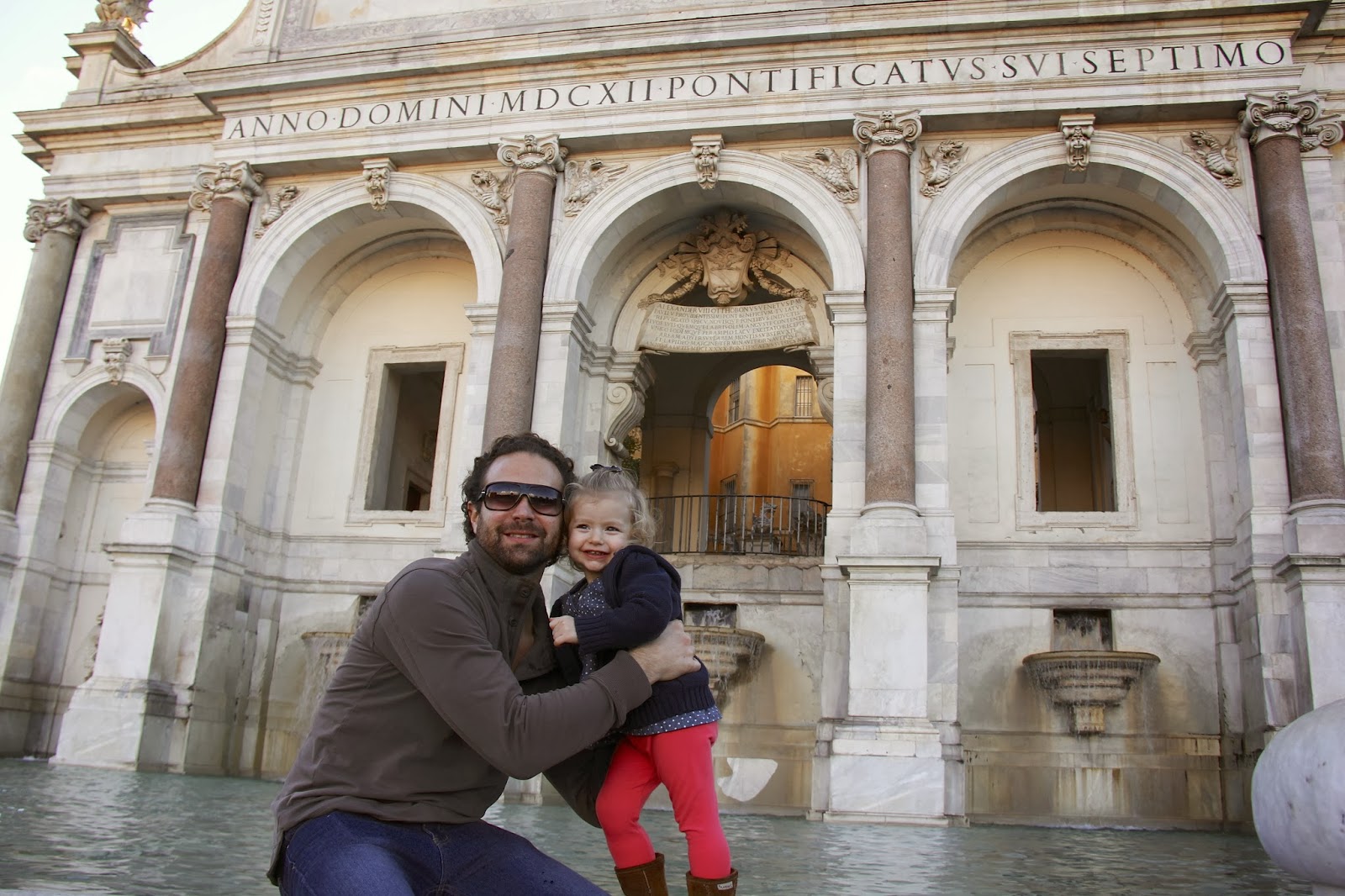
She allows me to take a picture with her
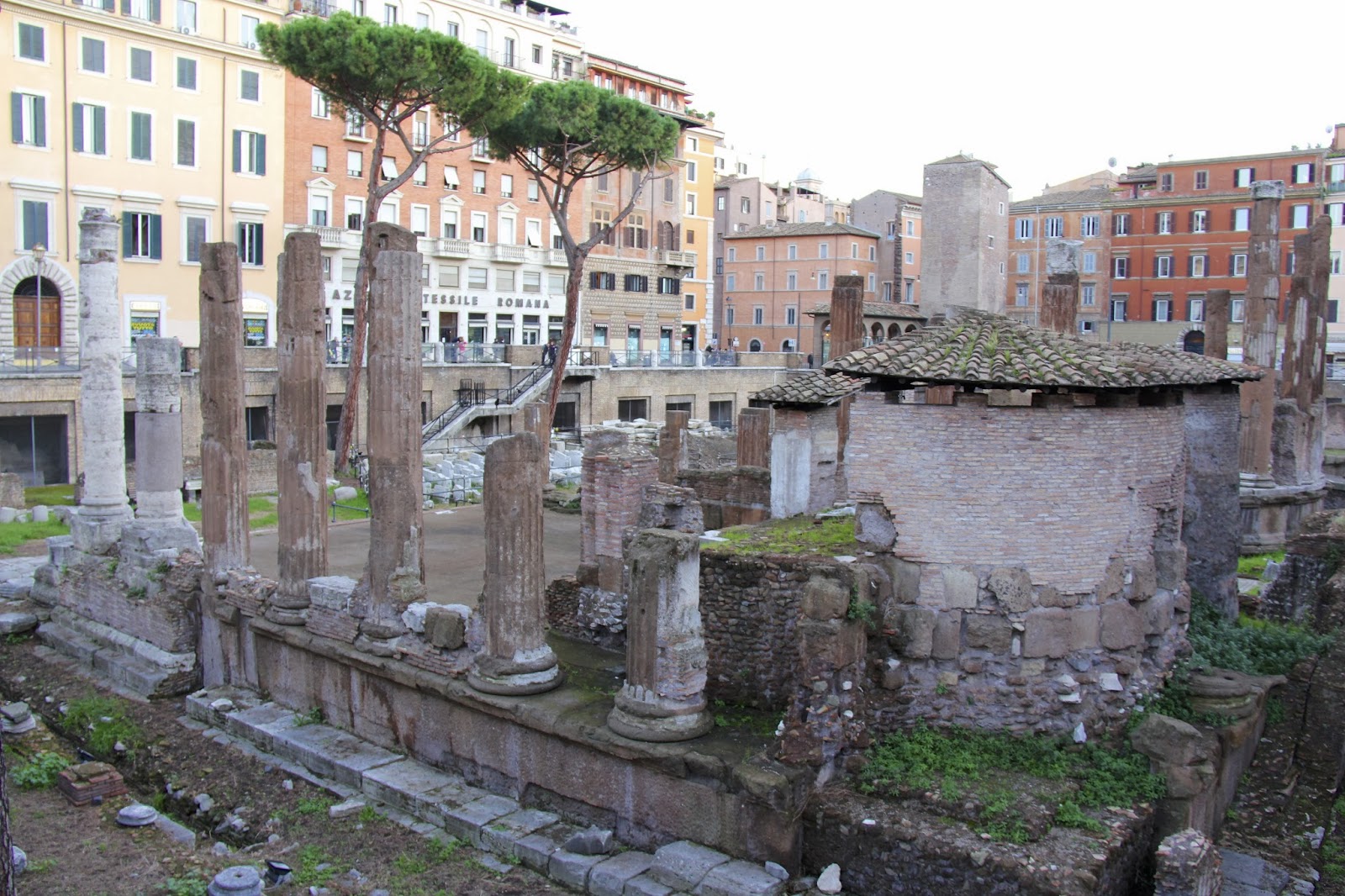
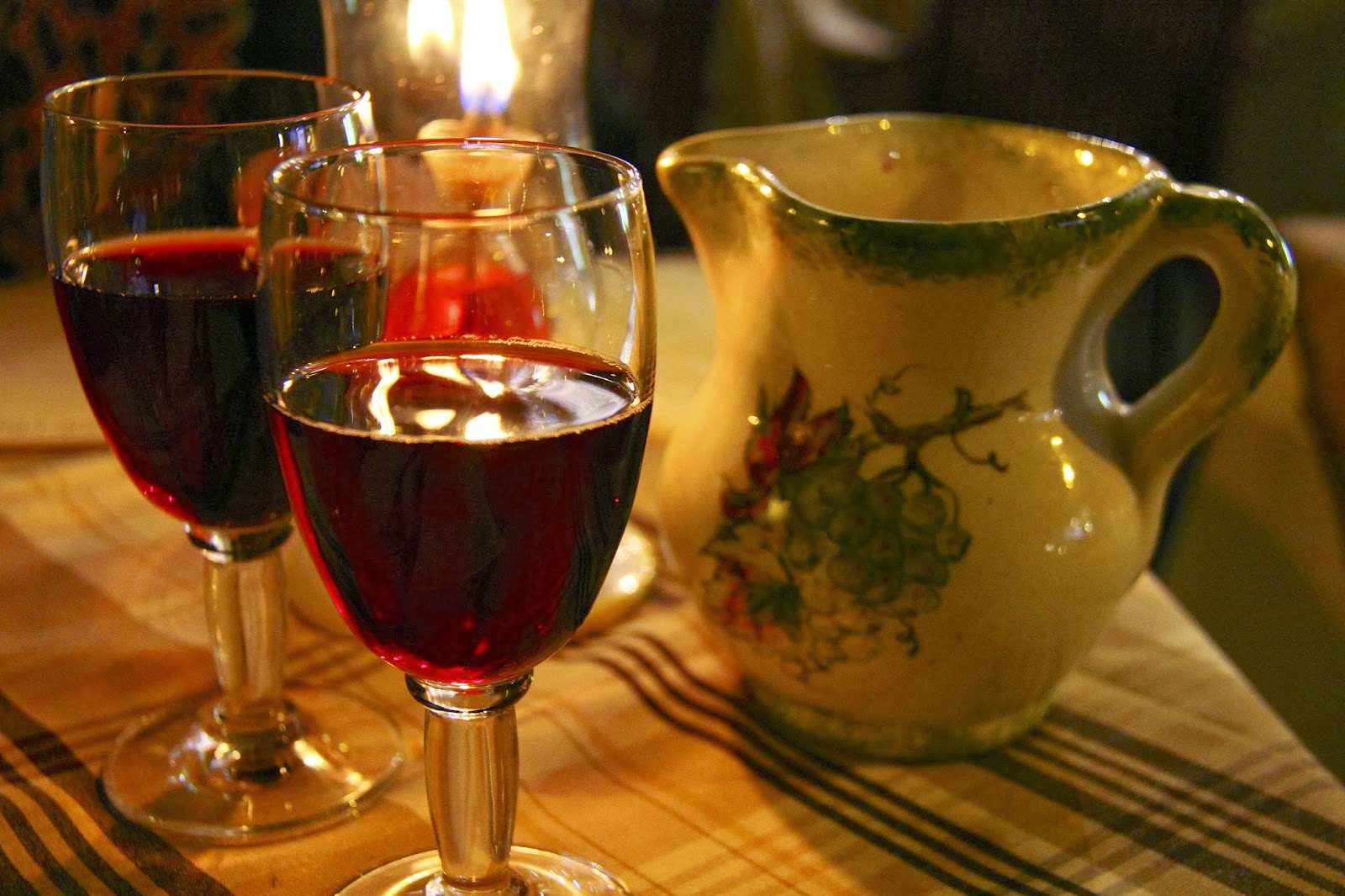
We next made our way to the east banks of the Tiber river and visited Campo dè Fiori, an outdoor marketplace. We followed a short arc back toward the Pantheon. Along the way, we saw the Area Sacra, one of Rome’s most significant archeological finds. Four temples dating as far back as the fourth century BC were discovered quite by accident in 1926. We planned to eat dinner in one of the restaurants in Piazza Navona, Rome’s largest piazza built on grounds of the ancient Stadio di Domiziano. After taking in the beauty of the piazza, we spent all of three minutes evaluating and then quickly dismissing the restaurant options. The places were obvious tourist traps, many of them boasting pictures of their food (which is always our first sign it’s time to scram). Instead we tucked into a little trattoria on a nearly unnoticed street and settled in for a couple nice glasses of wine.
Area Sacra a significant find in the middle of the modern city
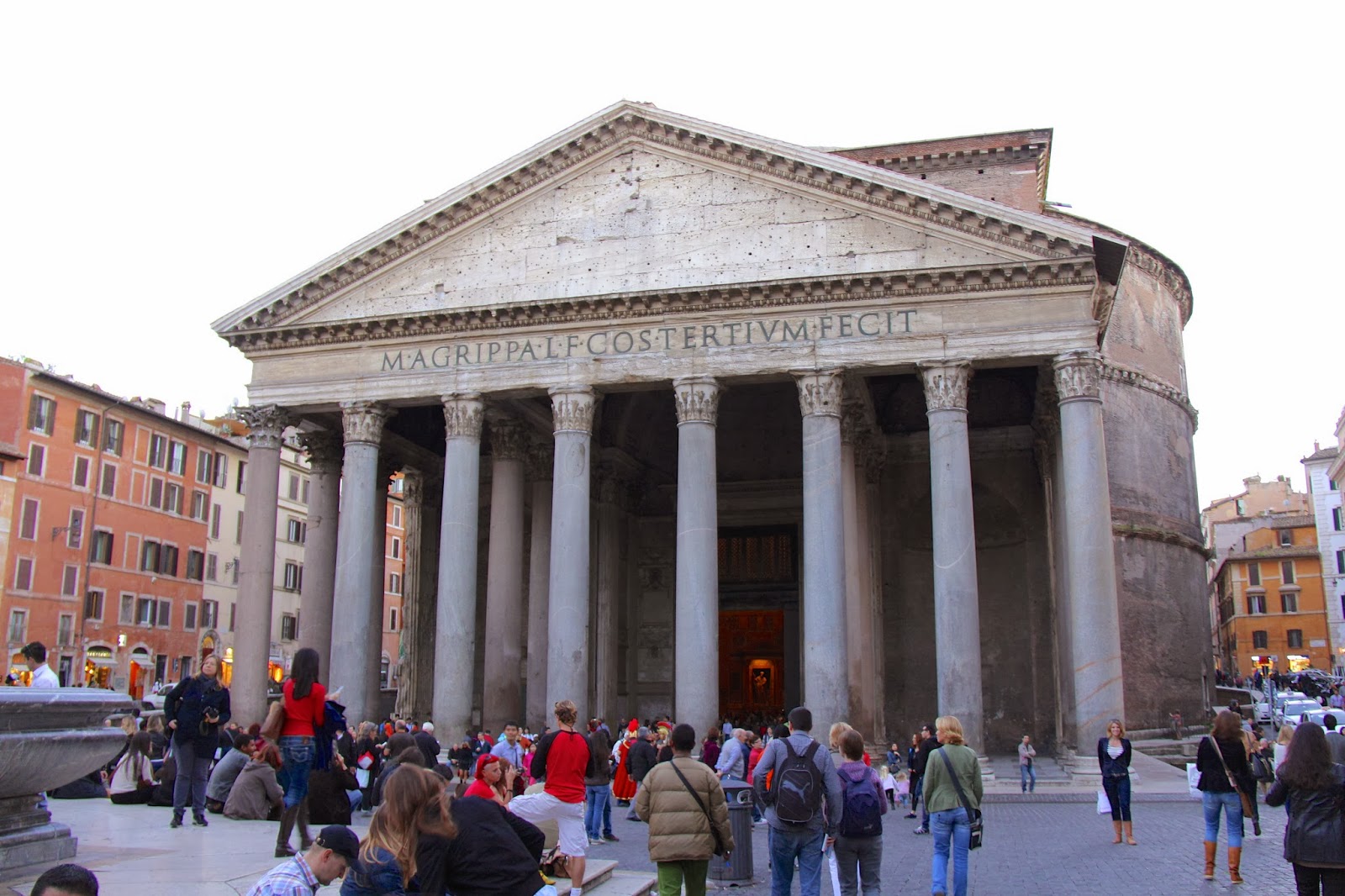
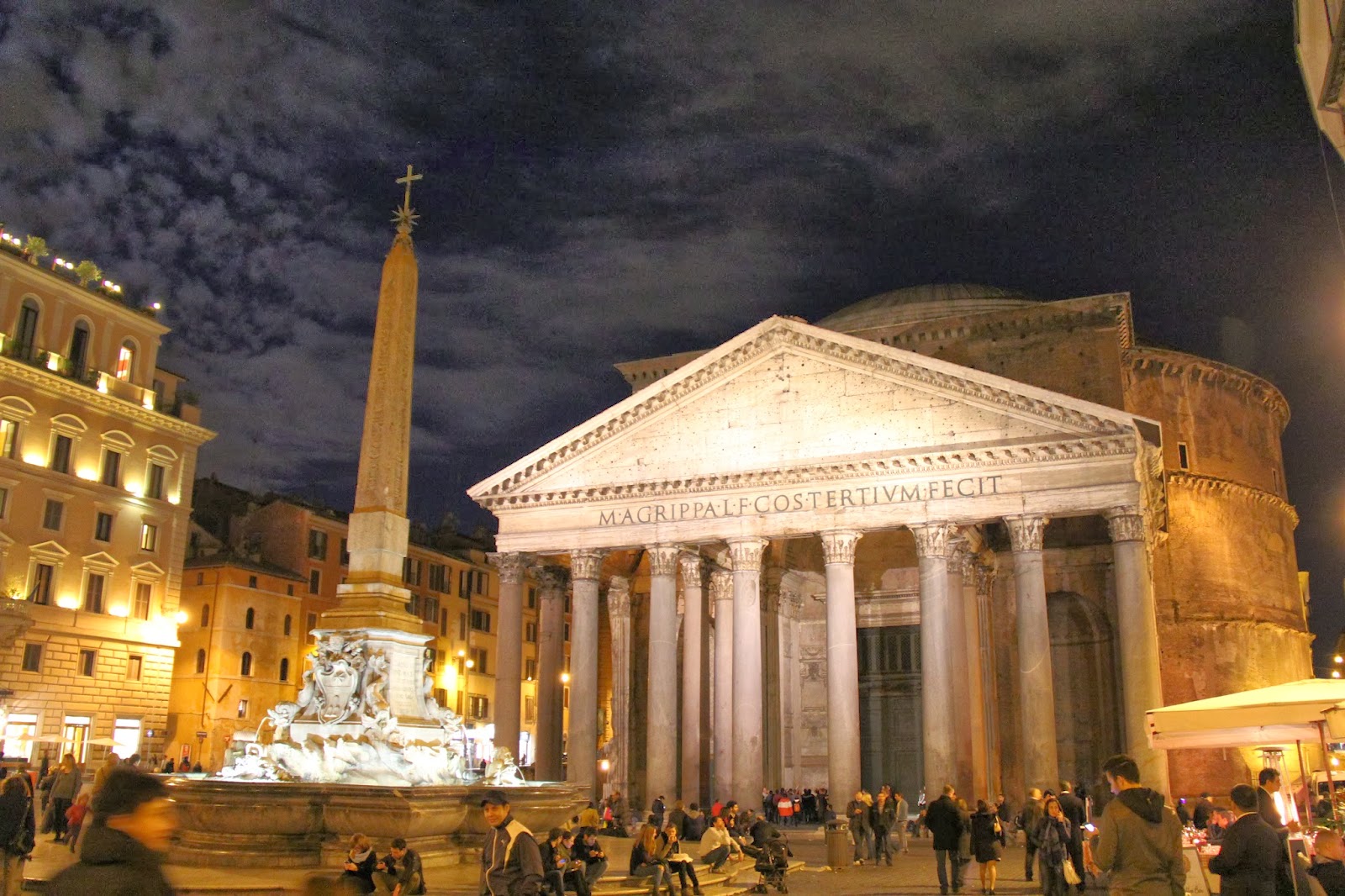
The Pantheon was built in 126 AD
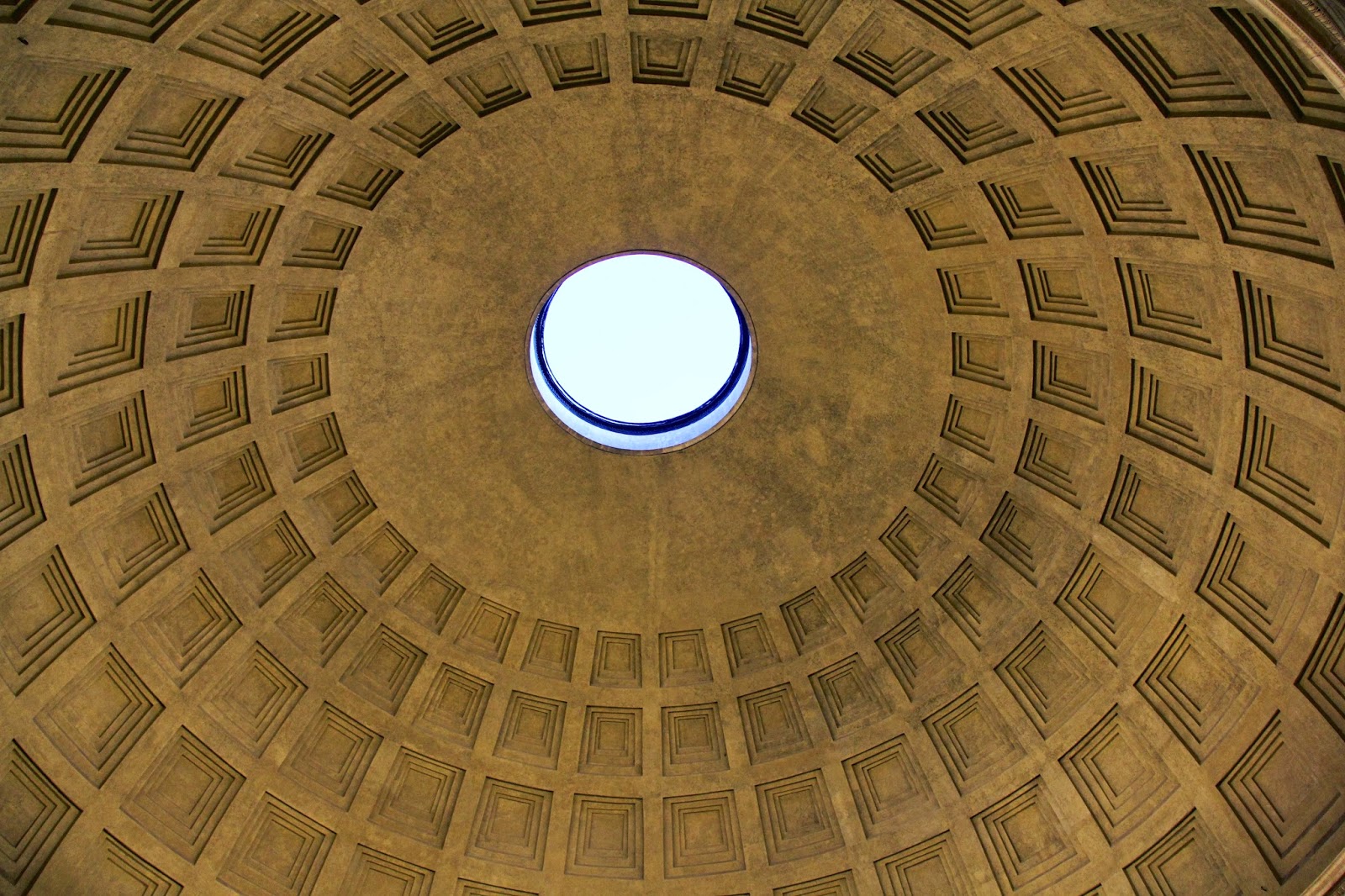
The Pantheon’s coffered dome was poured in concrete moulds- the oculus is the main source of natural light
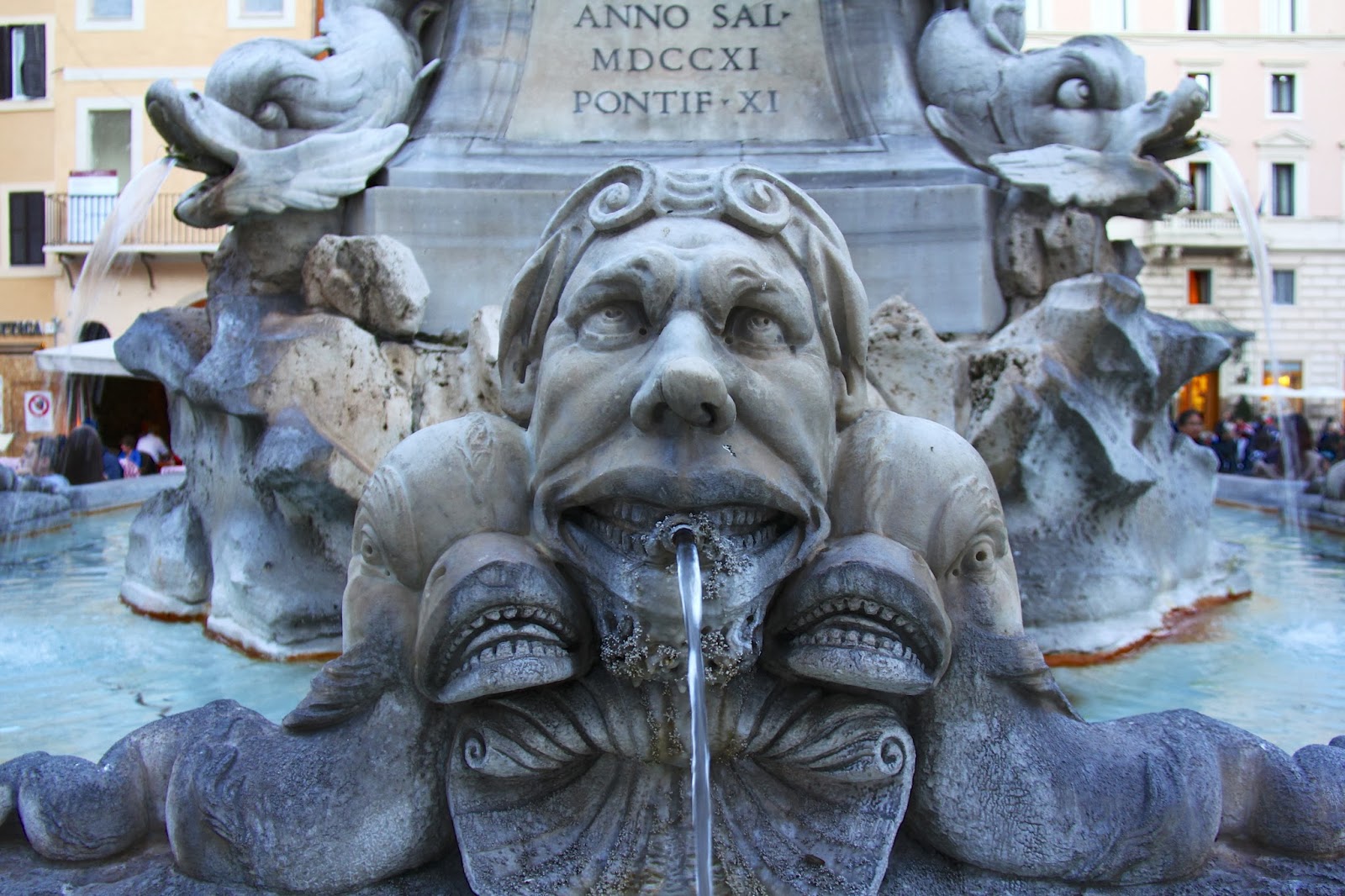
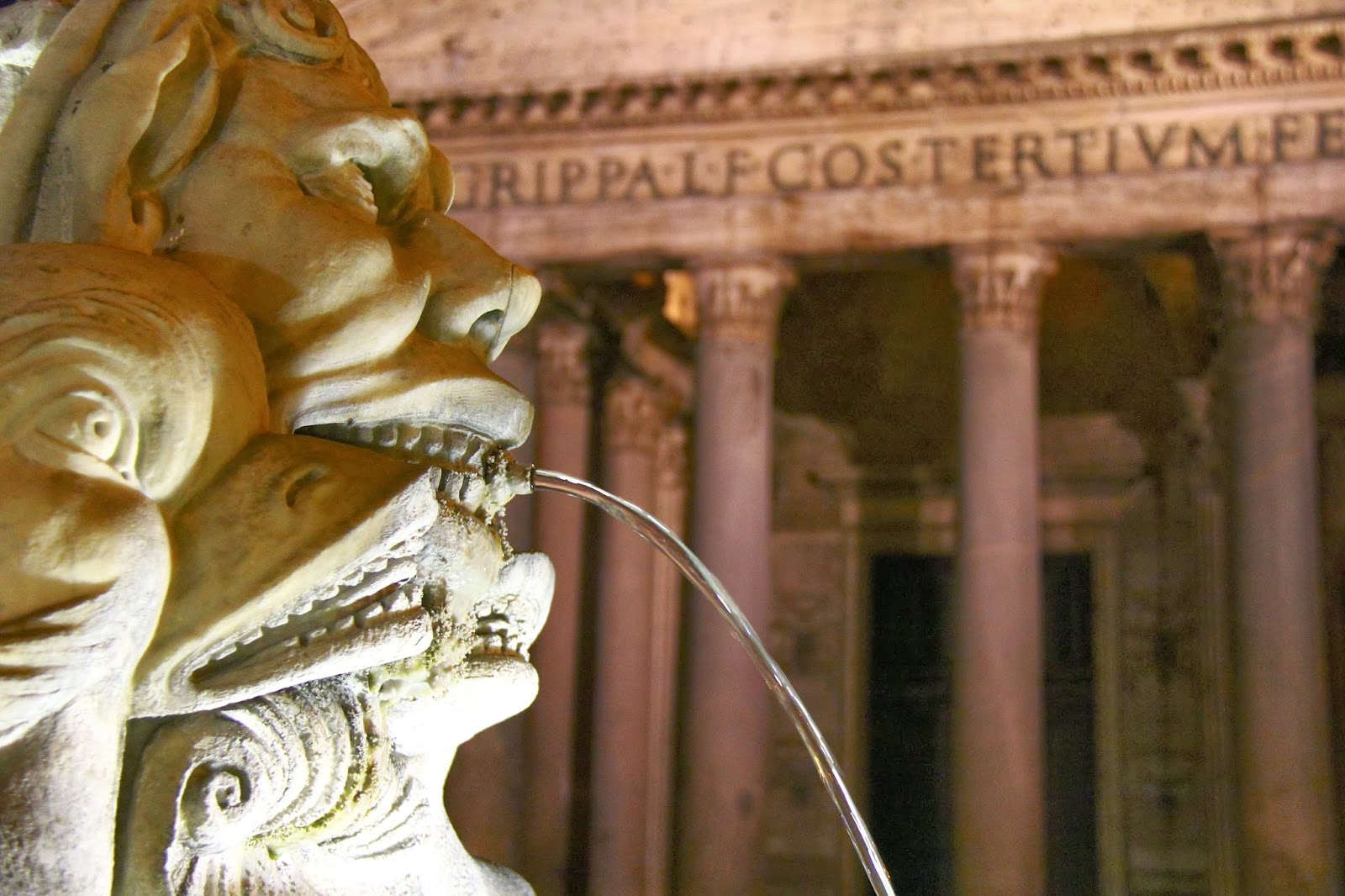
Fontana del Pantheon across from Pantheon in Piazza della Rotonda
We stopped for some wine in a nearby piazza while Julia had dinner
The Pantheon and Piazza Rotunda at night
The fountain in front of the Pantheon
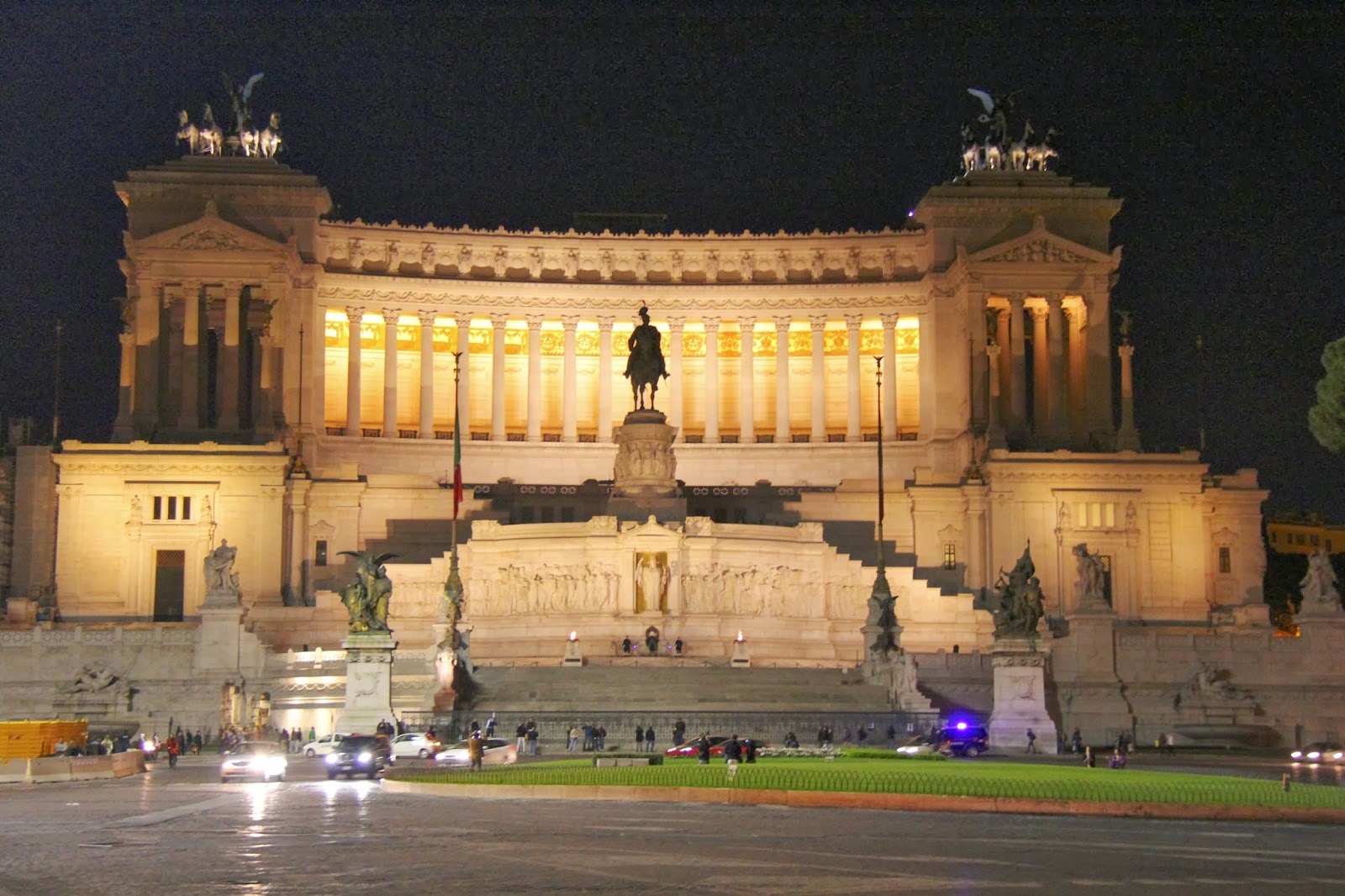
Altare della Patria (Alter of the Fatherland) also known as Monumento Nazionale a Vittorio Emanuele II
We had two big days in a magical city, but so much more still ahead of us. We were departing on our cruise the next day; eager to embark on another adventure on the sea.
I did it! I saw my first castle. It was wonderful – so tender and caring. And it lasted all morning! A first I’ll never forget!
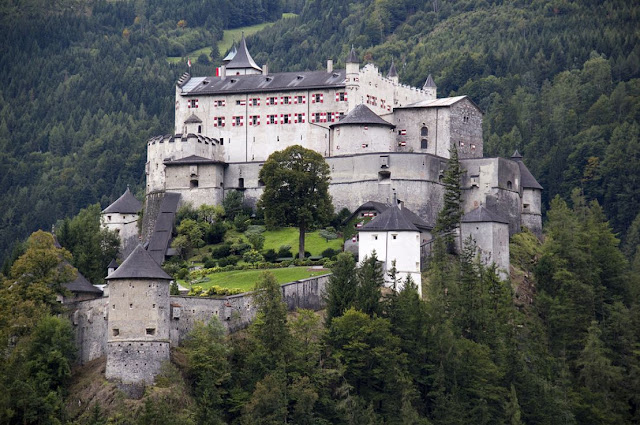
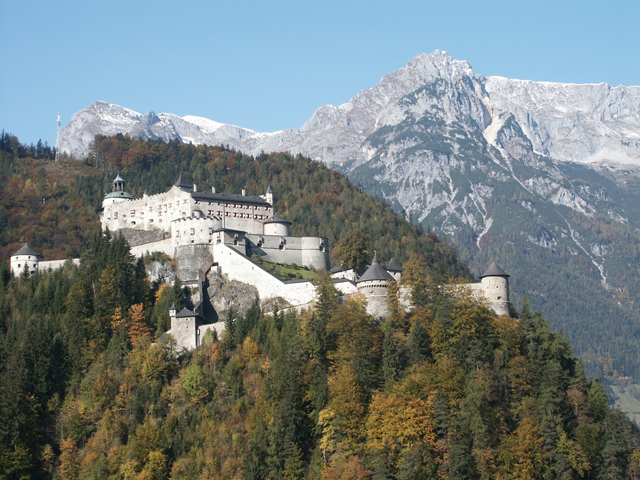
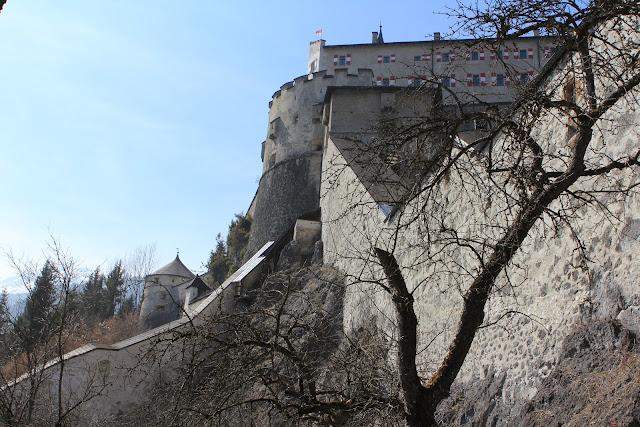
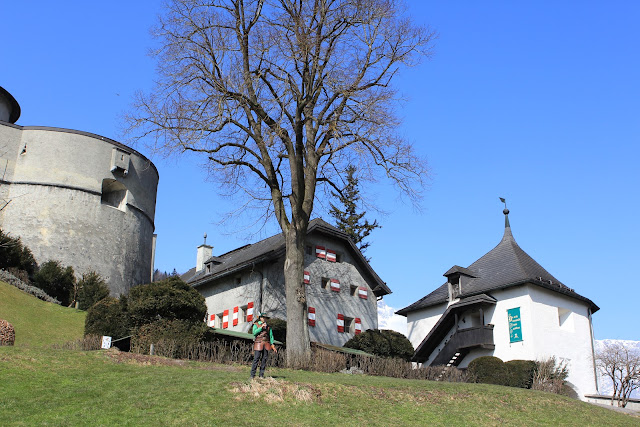
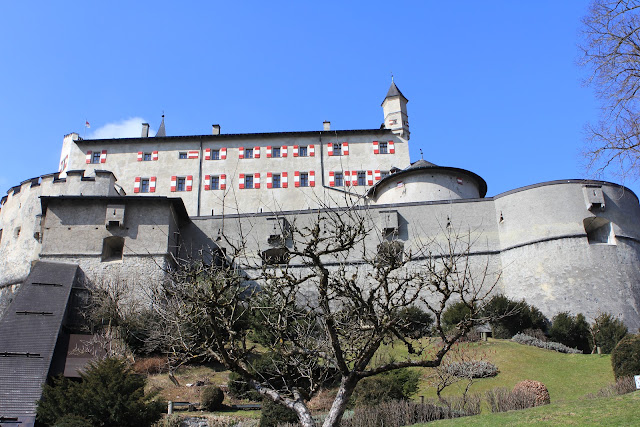
Hohenwerfen Fortress
When we drove into Austria, the hardest part after visiting Innsbruck (read about it HERE) was choosing which castle to visit. We had already planned on visiting Salzburg next, so I carefully chose among the four major castles near the city. I settled on Hohenwerfen Fortress about 40 km southeast of Salzburg. The plan was simple – leave Innsbruck early and drive straight to the castle. We would spend an hour or so at Hohenwerfen Fortress and then head to our hotel in Salzburg. My plan was solid – but I underestimated how much fun we’d have at the castle, and we ended up staying nearly four hours.
The original fortification was started nearly 1,000 years ago and has withstood an interesting history full of war, civil unrest, fire and constant expansion and re-construction. The castle sits high atop a 155m rock in the town of Werfen, Austria.
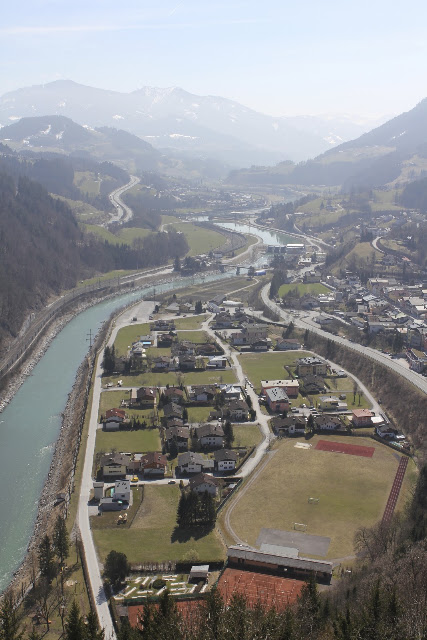
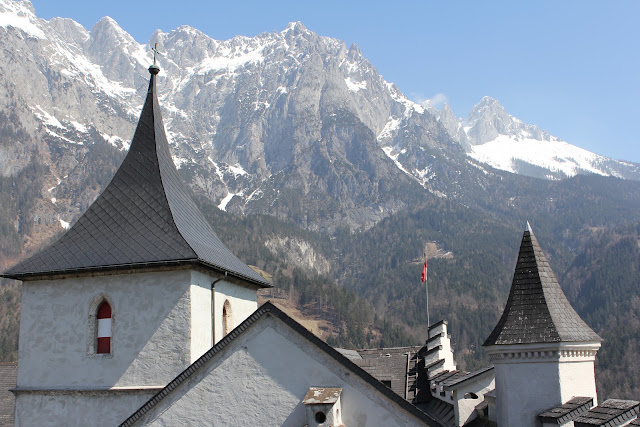
The castle commands a view of the entire valley *stock photo
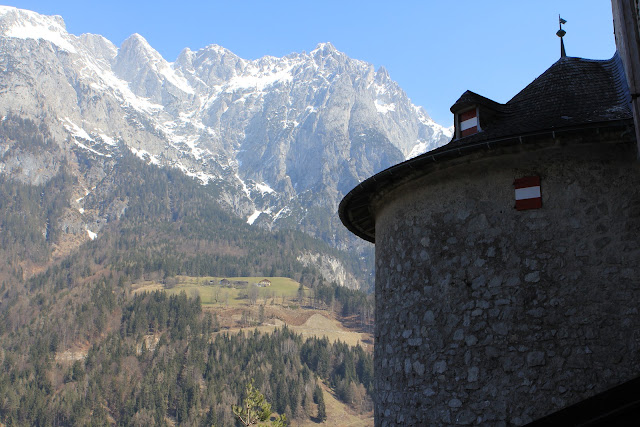
A watch guard’s view from one of the towers
The original fortress was commissioned in 1075 by Archbishop Gebhard of Salzburg (along with it’s “sister” castle Fortress Hohensalzburg, which we saw two days later). It was built as a stronghold during the Investiture Controversy, a beef between Kings and Popes that somehow lasted nearly 50 years. What were they were fighting over, you ask? The right to appoint church officials, such as Bishops and Abbots. I didn’t understand why this was such an important issue for the monarchies, but after reading a bit on the battle – I was not surprised to learn it boiled down to one of the three major “fighting follies” (as defined by me… term is patent pending). It always boils down to money (to include lands), ego (to include power and legacy) or a woman (self explanatory). Back then, the title of Bishop came with a substantial amount of wealth and land. And since a title was simply a commodity that could be appointed by a king… the monarchy could sell the title and make a tidy little profit. So, in this case – it was about money (although, I wouldn’t be surprised if there was a woman in there somewhere).
In one corner, we had King Henry IV – a German King since the age of 6. And in the other corner, we had Pope Gregory VII (I’m pulling for him… his name makes him seem trustworthy. And probably good looking). The Pope essentially claimed that since the Roman church was founded by none other than God, it’s power to appoint Bishops lay solely with the Pope himself. King Henry (now a man) disagreed and vocalized it in a public letter to the Pope, essentially starting a 50 year battle-royale, beginning in 1075. And so the Archbishop of Salzburg (an ally of my man, Gregory) built three major castles as protection against the German king. The ending you ask? Well… everyone should know, you don’t mess with a Gregory! The Papacy gained the right of appointment.
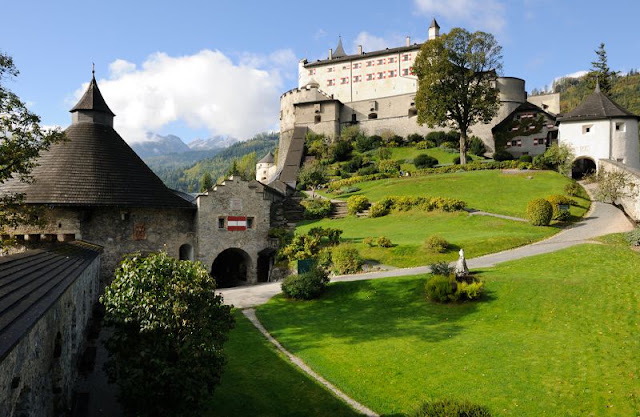
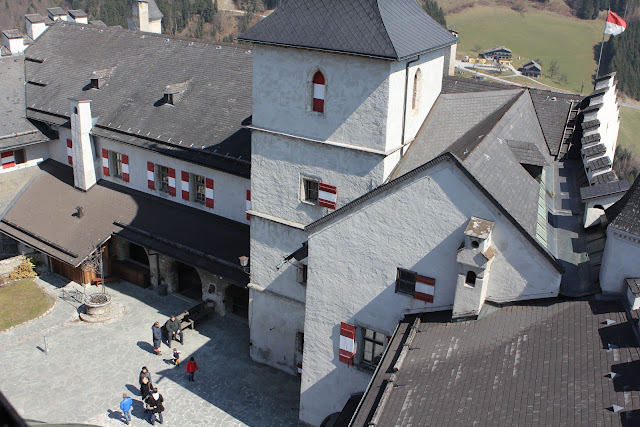
Lower courtyard *stock photo
Even though this castle had a long and bloody past, our visit was rather tranquil and quite pleasant. At the base of the great rock (upon which the castle is perched) we had the option of riding a funicular (cable car) or walking up a path. Since it was early in the day and the weather was perfect, we opted to walk. Julia also enjoyed stretching her legs after being in the car for two hours.
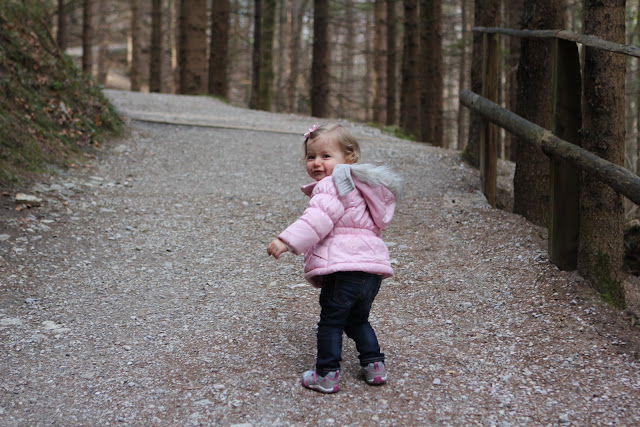
“Look mom, I’m a hiker!”
Julia was definitely happier walking…
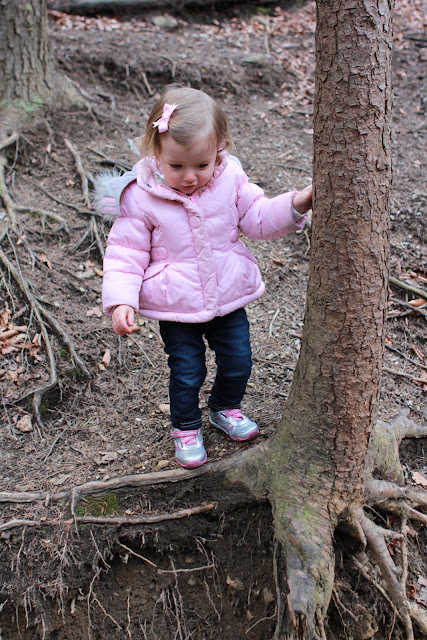
…and exploring!
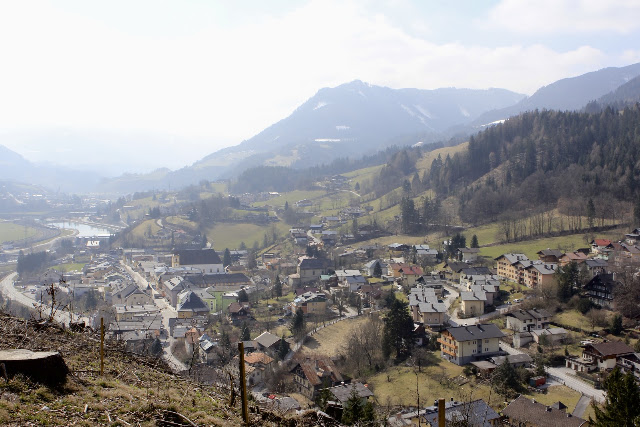
View of the valley from the path
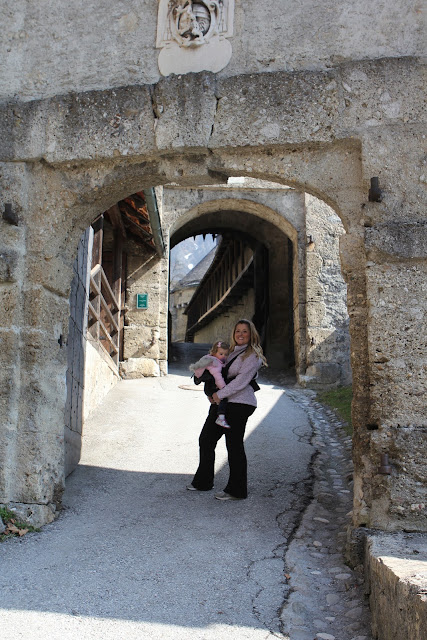
Entering through the gates
The castle’s main fortification walls
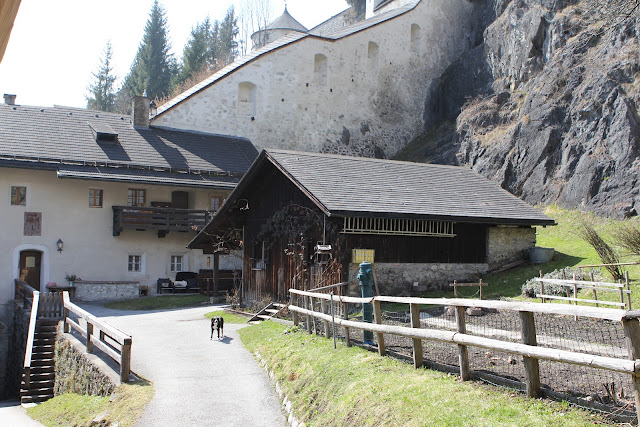
There was a house inside the gates that was inhabited – groundskeeper?
Admission to the castle (€11 per person) included quite a bit. A walking tour with audio guide, an impressive falconry display of flight, an illuminating exhibition on the construction of the castle, an interactive history of weaponry and a museum on the history of falconry. You can see why we were there for four hours!
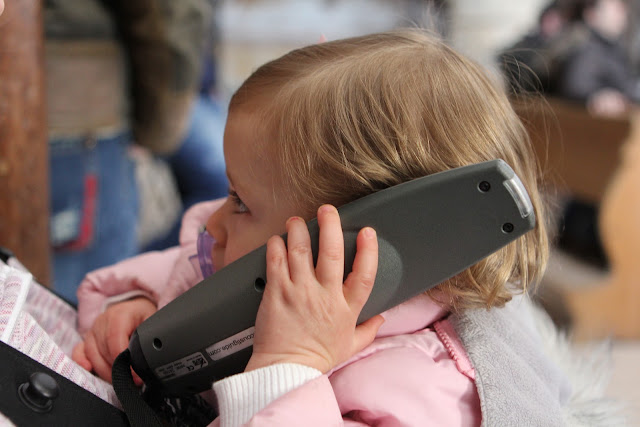
Julia particularly enjoyed the audio guide
The falconry show was about to begin
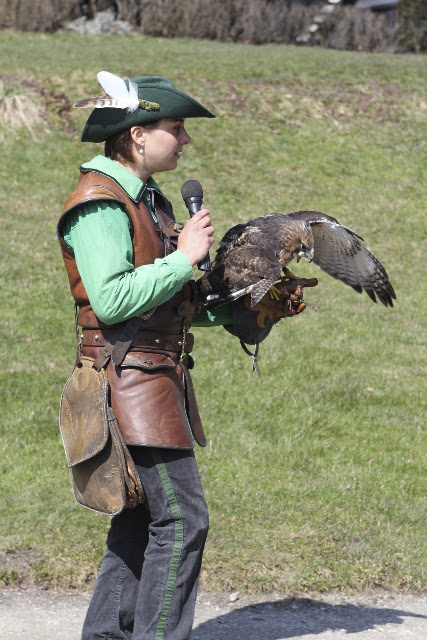
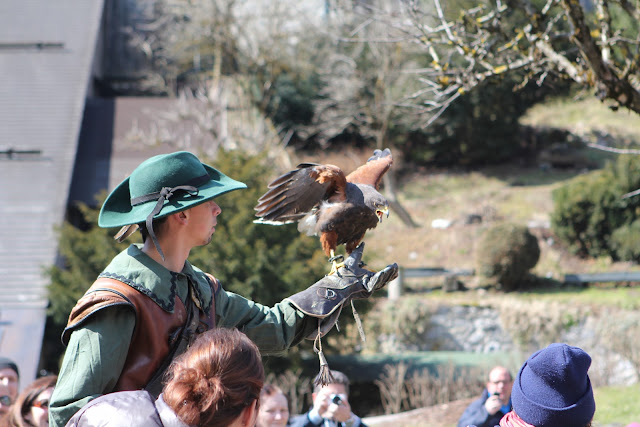
Our timing through the castle gates was perfect. Just minutes after we bought our tickets, the flight show commenced, featuring many different types of falcons and other birds of prey. It was purely breathtaking.
The Falconer explains the presentation
She shows us the first Falcon
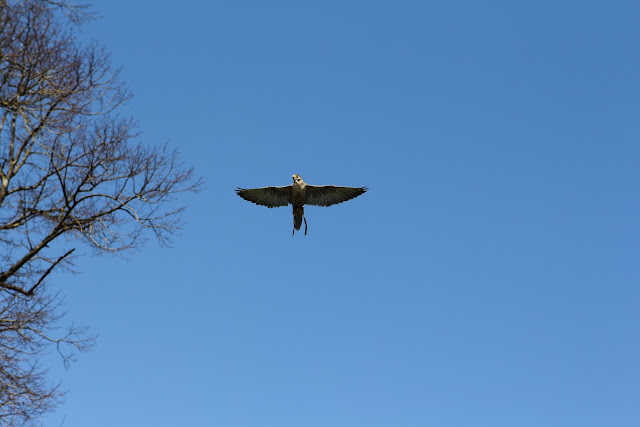
One of the falcons in flight
Naturally, the birds loved taking to the air
The Falcons got right in the crowd
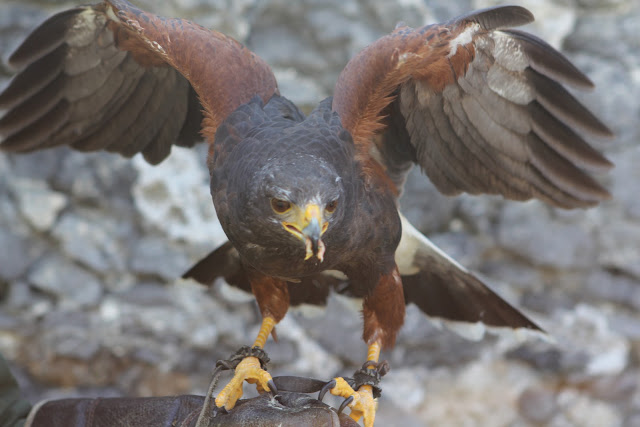
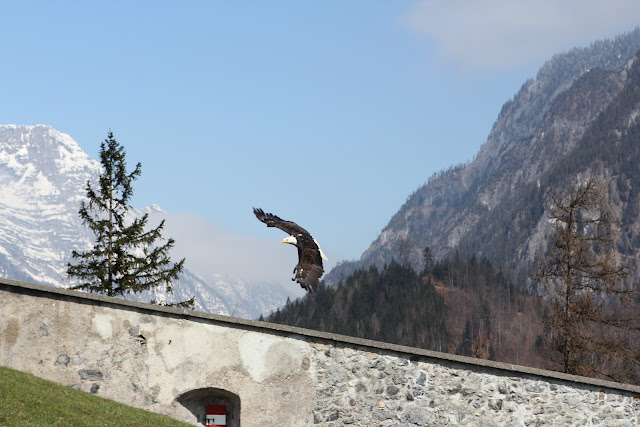
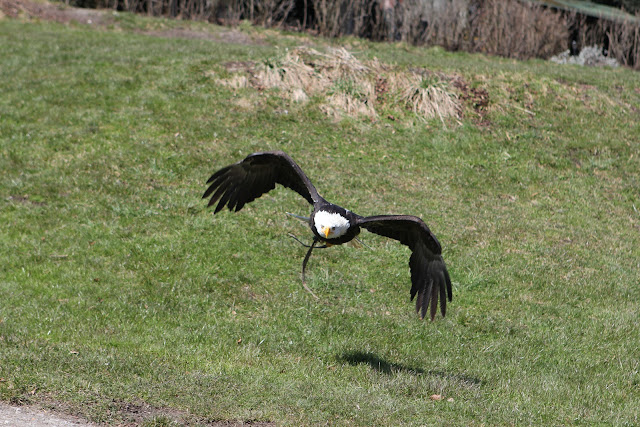
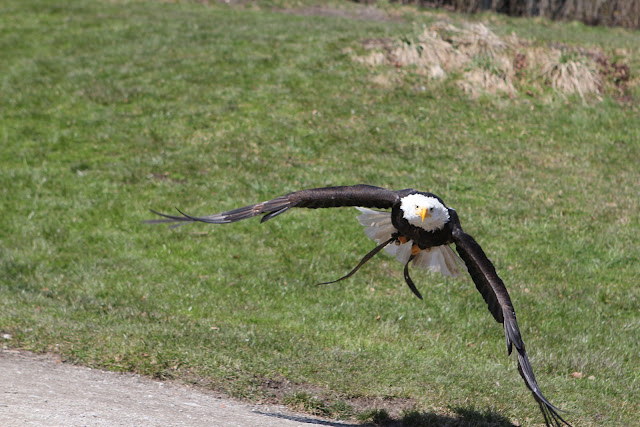
My favorite part was the majestical eagle. The falconer had some fun with the crowds. He would prompt these great birds to fly just a few feet over our heads. It was a great way to start the castle tour.
The eagle – our favorite
He’s headed right for us
RIGHT FOR US!!!
Next, we moved on to the guided castle tour, which was in German. Fortunately, we got electronic audio guides that we used. The tour guide herself was trilingual so she was able to field all our questions. It took some time to navigate through the chapel, prisons, torture chambers, royal quarters, bell tower and more.
We’re about to go in!
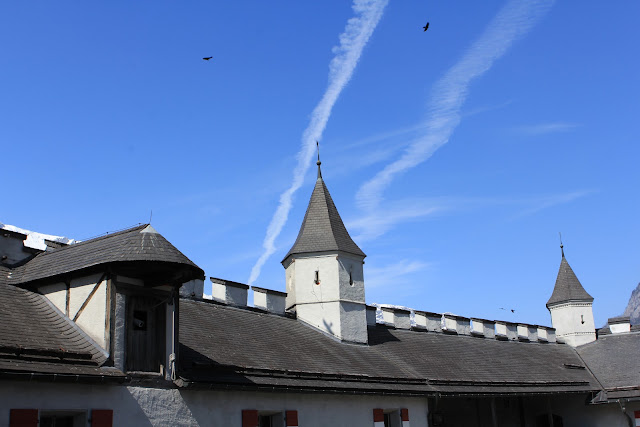
Love the turrets
View of the monarchies chambers and courtyard
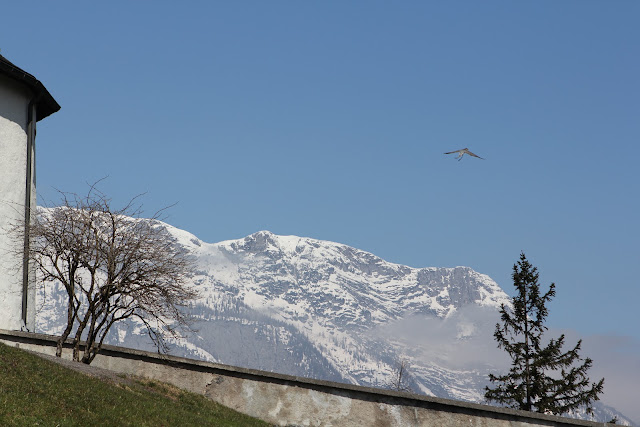
Birds in flight – another demonstration had commenced
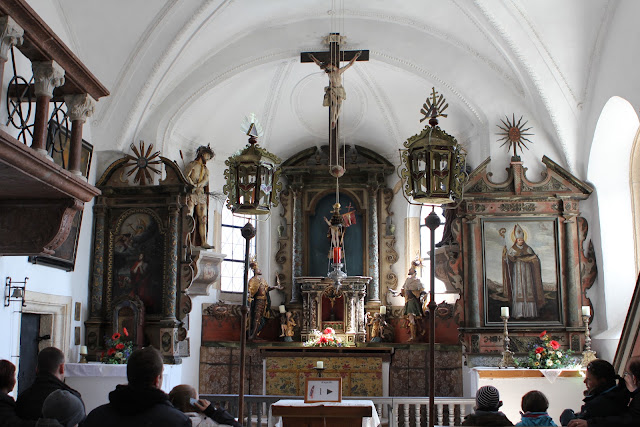
The castle’s chapel, reconstructed in the 16th century
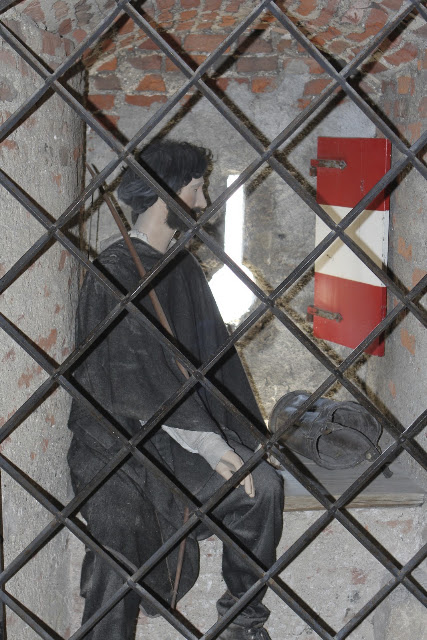
Bob here, simulates an archer at his post
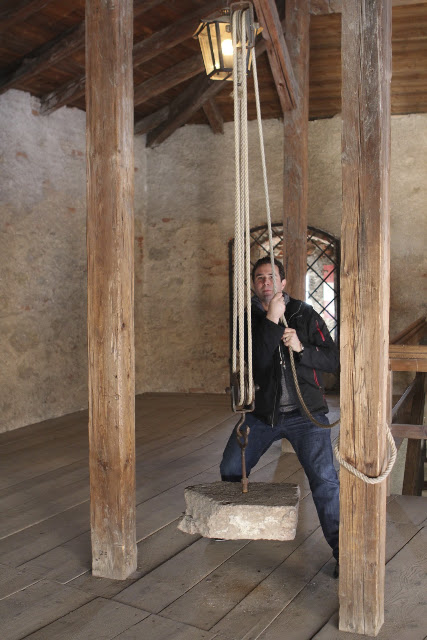
This stone weighed 1/2 ton – no problem for me!
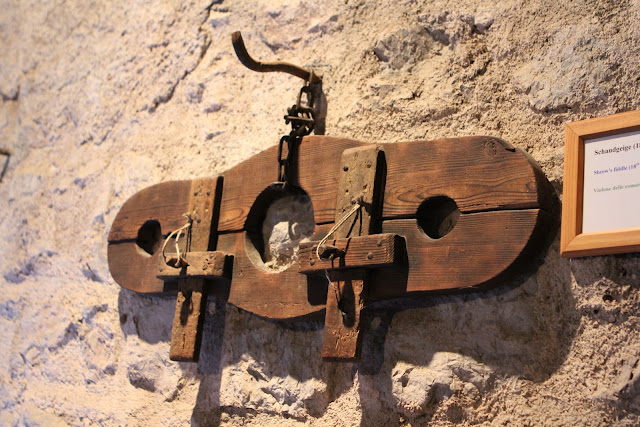
A device in the torture chamber
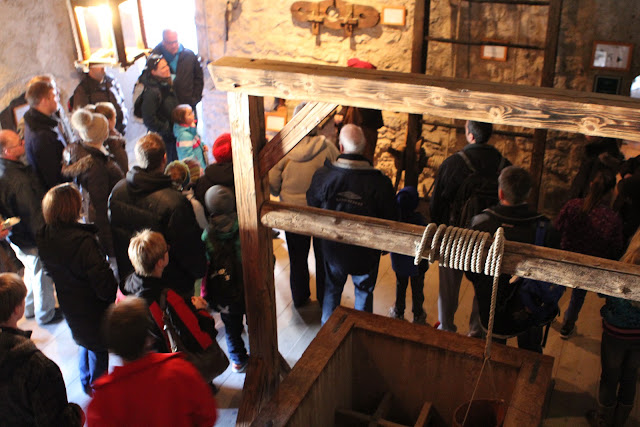
Our group crammed into the torture chamber
A scene along the tour
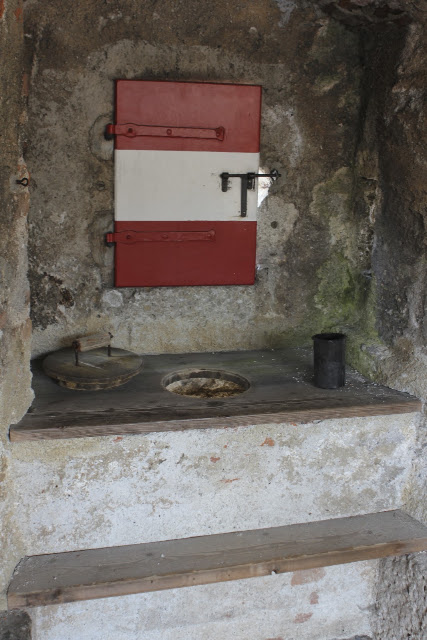
The loo – it opened straight down the side of the outer wall
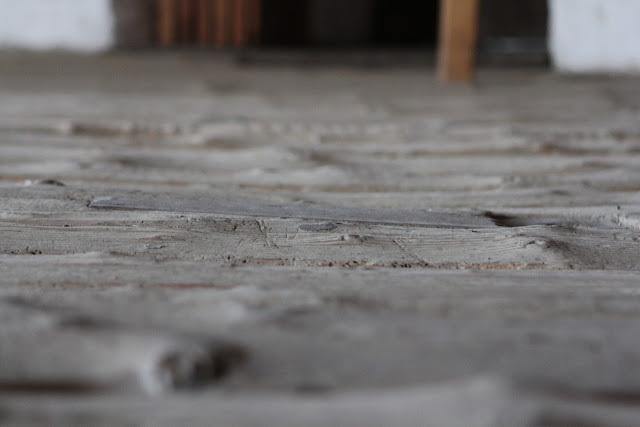
400 year old wood floors in the bell tower
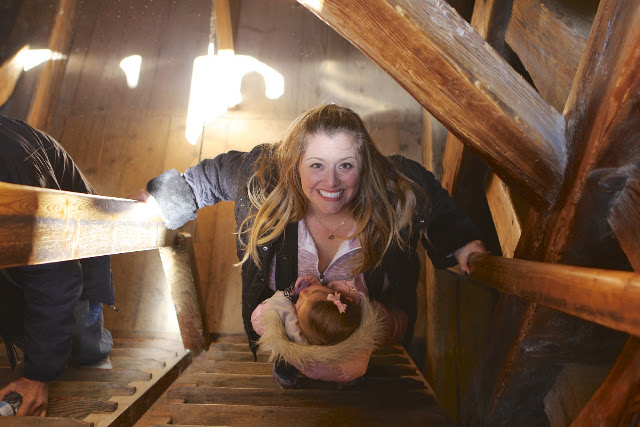
Jen and Julia climbing to the top of the bell tower
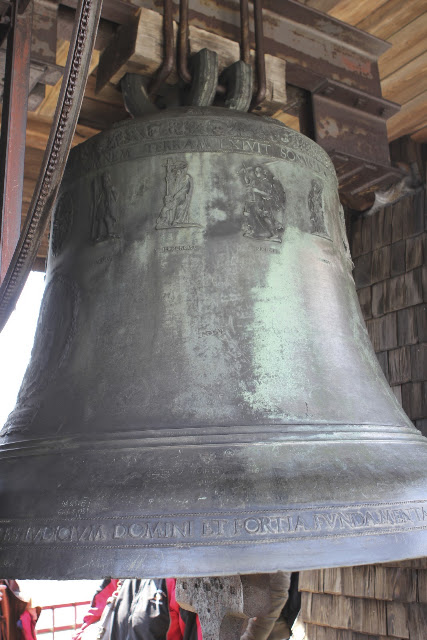
The bell would sound to wake everyone up
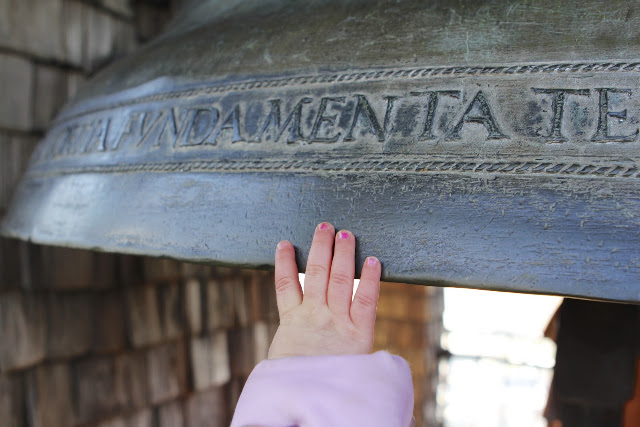
Julia tried to ring it
We spent some additional time walking around the various parts of the castle, including the main courtyard, and museums of weaponry and falconry. We also grabbed a light lunch at the restaurant in the original dining hall of the castle.
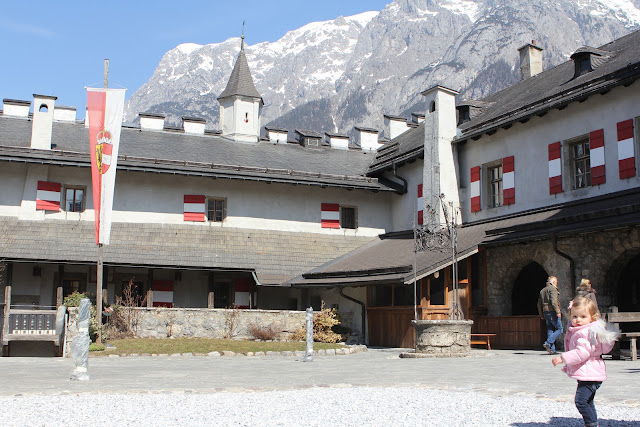
Julia in the courtyard
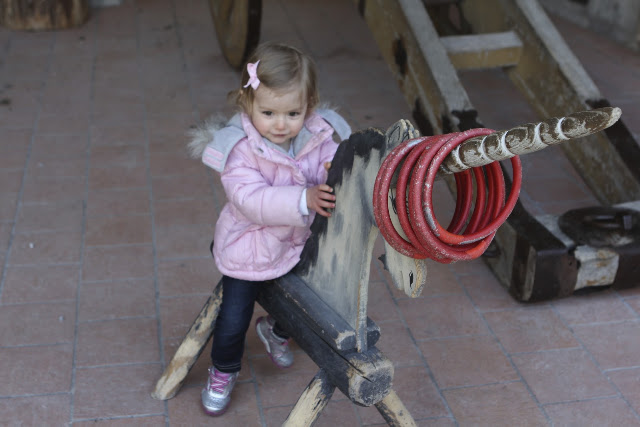
Playing on one of the unicorns (FYI – I nailed 4/5 rings from 12′ out)
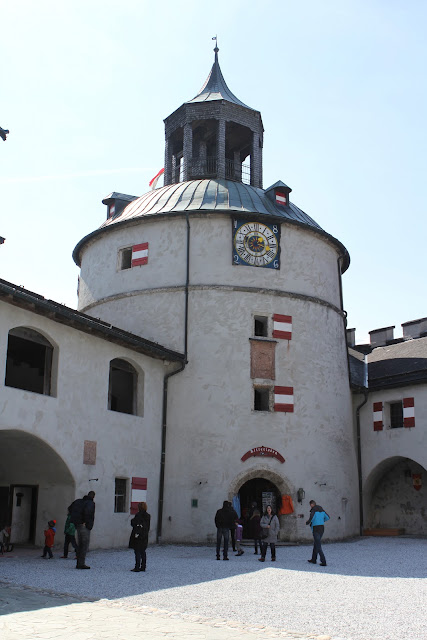
Bell tower (reconstructed in 1826 after a fire)
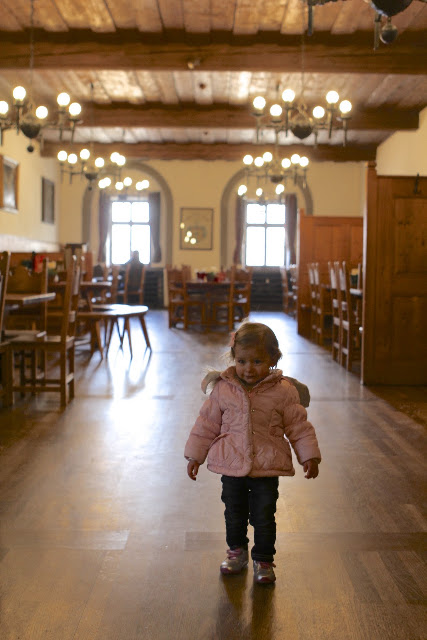
Julia in the dining hall before her lunch
I was more than happy that my first real castle didn’t disappoint! Next, we headed off to Salzburg… a lot more on that wonderful trip to come!
This year we took full advantage of living in Italy and went to the Pope’s Church for Easter! Only, it wasn’t in Vatican City and it wasn’t the current Pope. But it was still his church! If I may explain…
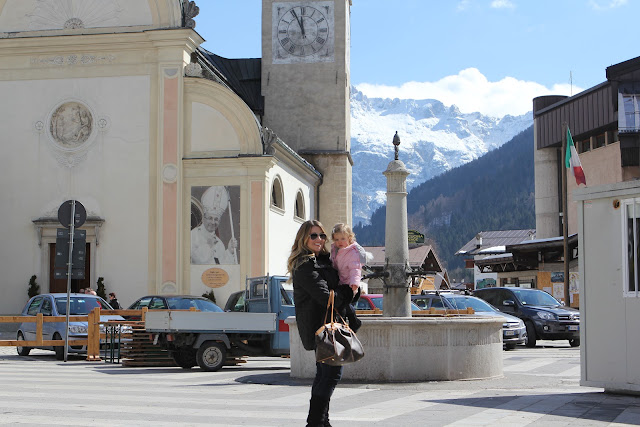
Jen and Julia in front of the church in Canale D’ Agordo
If you’ve read a few posts (or know us), you’ll know that we’ve been fortunate enough to live in Jen’s parent’s condo while in Italy. Even more fortunate is that Jen’s Zio (Uncle) Franco and Zia (Aunt) Claudia live above us. This means we’re eaten countless meals upstairs (she’s a wonderful cook), have built in baby sitters, tour guides and translators… basically we have a third set of parents and new besties.
Franco and Claudia both have interesting life stories. We’ll save his for another post.
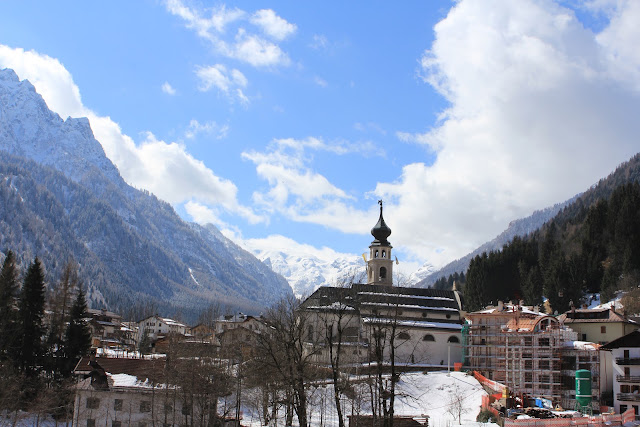
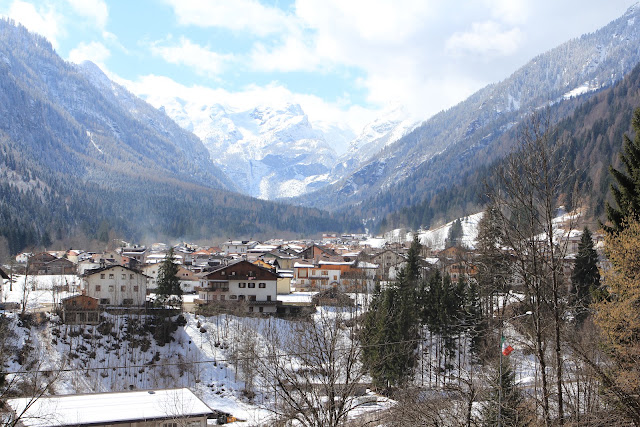
Claudia was born and raised in Canale D’ Agordo – a town in the Dolomite Mountains, one of the most spectacular places on earth. The Dolomites are a large mountain range in northeast Italy. In 2009 the Dolomiti were declared a UNESCO World Heritage Site. This means that the mountains are a site with significant importance (and beauty) and are therefore, protected. Interestingly enough, I have just now learned that Italy is home to more UNESCO World Heritage sites than any country in the world. After living here a short time, I cannot say that I am surprised.
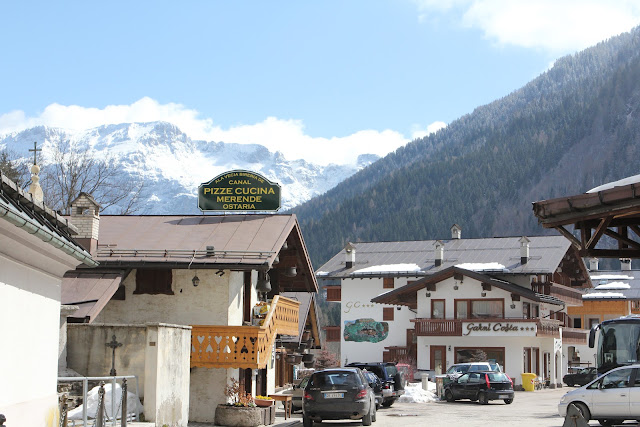
Canale is in a valley surrounded by two mountains
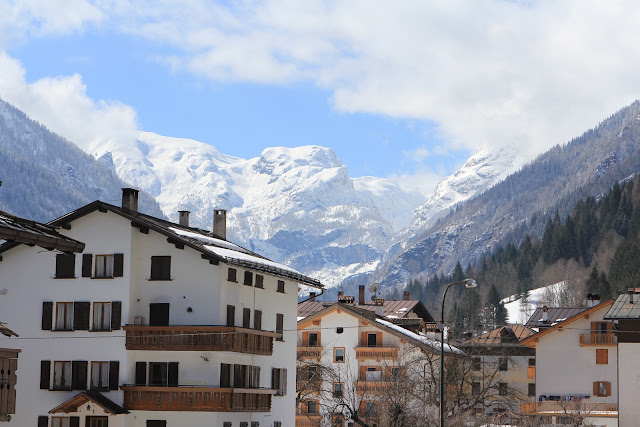
Beautiful scenery at every turn
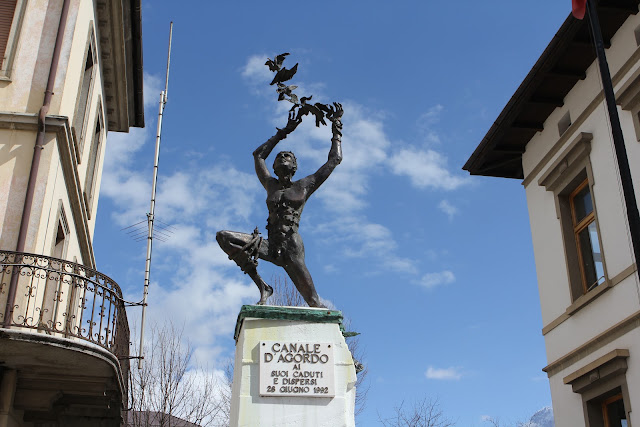
A statue stands near the center of town
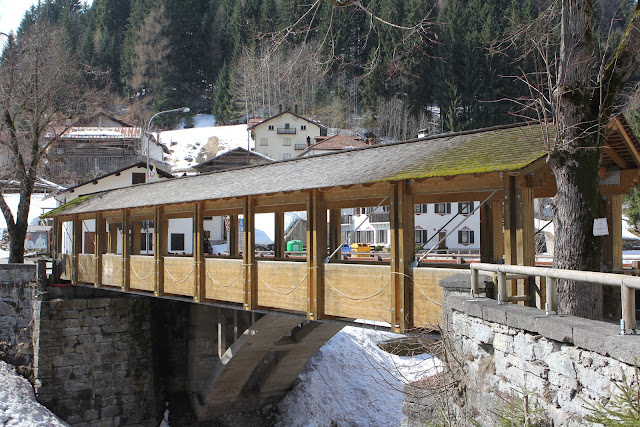
The pedestrian bridge leading into town
We’ve been coming to Italy for many years with Jen’s family and I have always wanted to see the Dolomites. I have a strong love for the mountains, most likely due to my love of skiing. I have always been excited to see the Dolomites because they were bound to be at least a little more special than Sugarloaf or Wisp Mountains. They did not disappoint!
Canali D’ Agordo in the foreground of the Dolomiti mountains
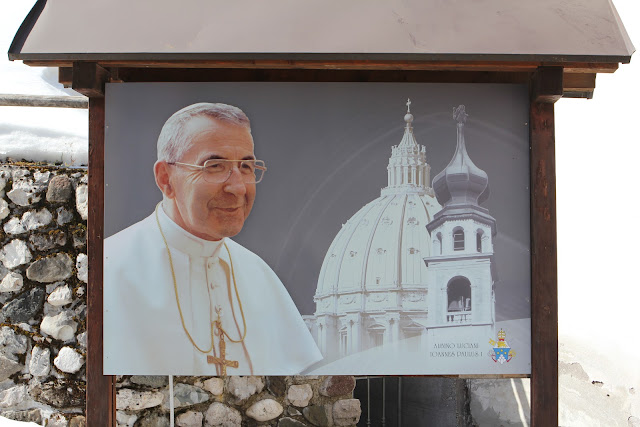
Each year, Franco and Claudia spend several weeks together in each of their respective hometowns. Luckily for us – she invited us to join them for part of their trip, over the Easter weekend. This was great because we had no idea what we were going to do for Easter. We were also excited because her town, Canale D’ Agordo was the home to Pope Giovanni Paolo I (Pope John Paul I). Let that sink in for a moment… her small town of roughly 1,000 people was the hometown of the Pope. That’s like saying, “yeah… the President used to live right next to me… here’s his house” Only, he’s not just the leader of a single nation, but rather the spiritual leader of the world.
Pope Giovanni Paolo I – a hometown hero
Pope Giovanni Paolo I has an interesting history. He has the unusual honor of being the shortest reining Pope in history – just 33 days as Sovereign of Vatican City. He is also the most recent Italian-born Pope. It is widely whispered, even today – that his death was not due to natural causes (if you’re a fan of conspiracy theories, you can click HERE to read a few). This cloud of mystery and short reign does nothing to dispel the love and connection that people of Canale and Italy feel for Giovanni Paolo I, The Smiling Pope. In fact, the very next Pope adopted the name of Giovanni Paolo II, to honor and respect his predecessor.
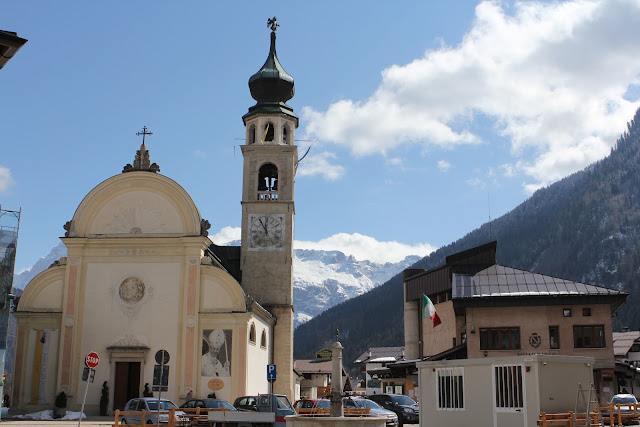
Albino Luciano (as was his given name) was ordained a priest in 1935 and served for a time as the parish priest for the town church (also, one of the main churches in the region), Parraocchia di Canale D’ Agordo, the church you see pictured below.
Parraocchia di Canale D’ Agordo – a 550+ year old church
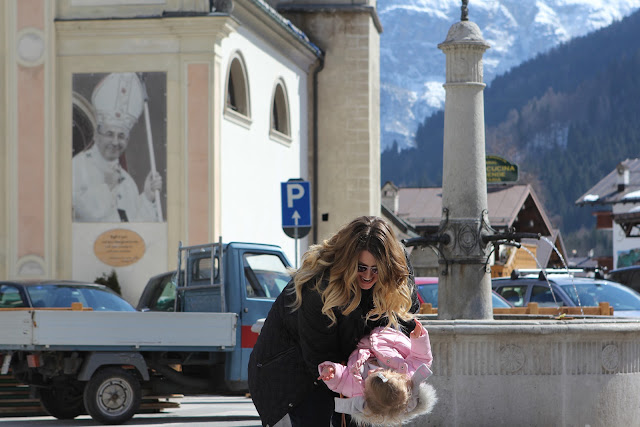
Jen and Julia in front by the town fountain
We arrived in Canale on Saturday – just in time for a wonderful lunch at Claudia’s home (the home where she was raised). Then she left us to walk around town as she went to help clean the church for Easter’s big service. We walked around the wonderful town, and bumped into about 30 of her cousins along the way.
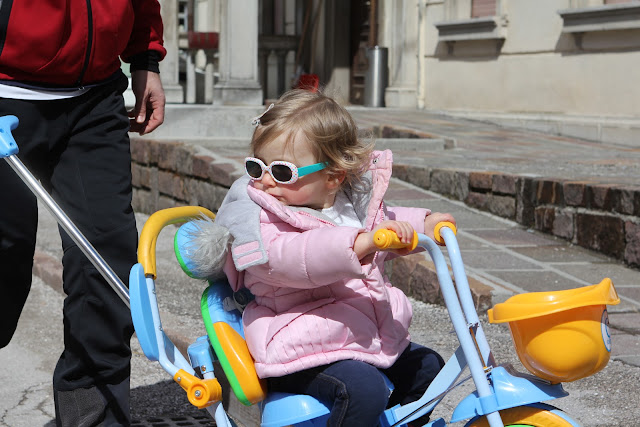
Julia ridin in style with one of Claudia’s cousins
Julia strikes a pose
On Easter Sunday, we attended a wonderful service (where we understood everything that was said in Italian) in the Pope’s Church, Parracchia di Canale.We walked the short 200 yards back to our beautiful hotel, where the Easter Bunny had left Julia a surprise.
Our hotel on the right
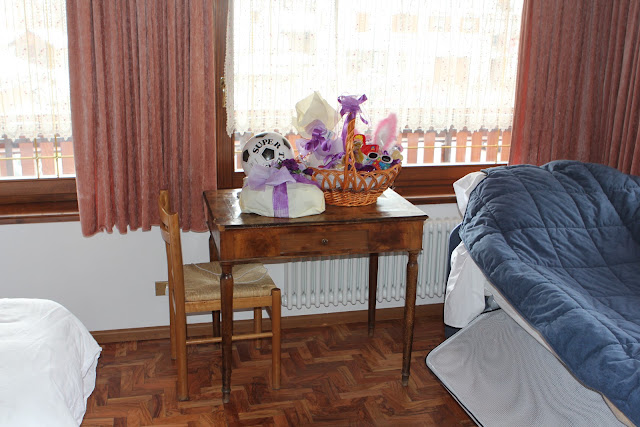
We had her Easter basket ready for her
“What’s that up there?! Is that for ME?!”
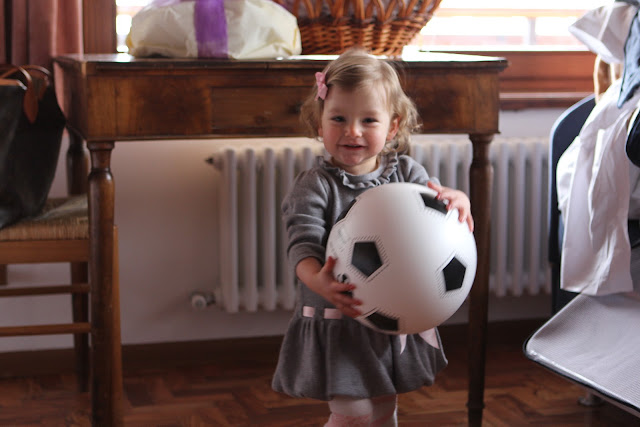
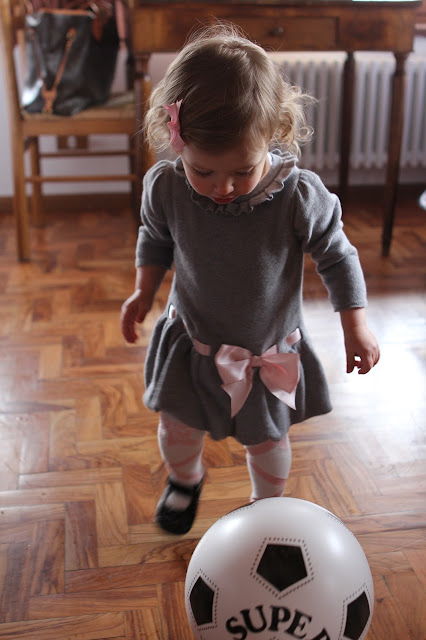
“A soccer ball?! Well, I’ll just take this.”
“Don’t worry, I got THIS pops”
“I told you I got this!”
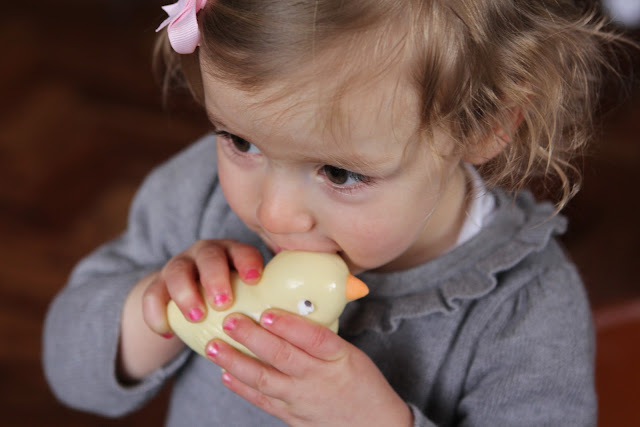
She loved her soccer ball, until she saw her chocolate chick
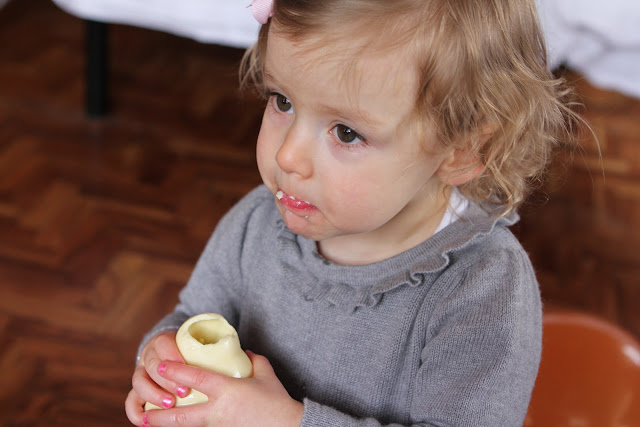
Which she loved so much, it’s head fell off!
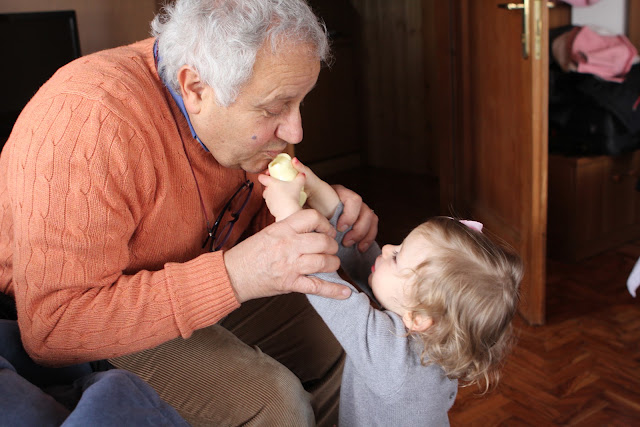
“Here, Nonno Franco – take a bite. Please, it’s my pleasure”
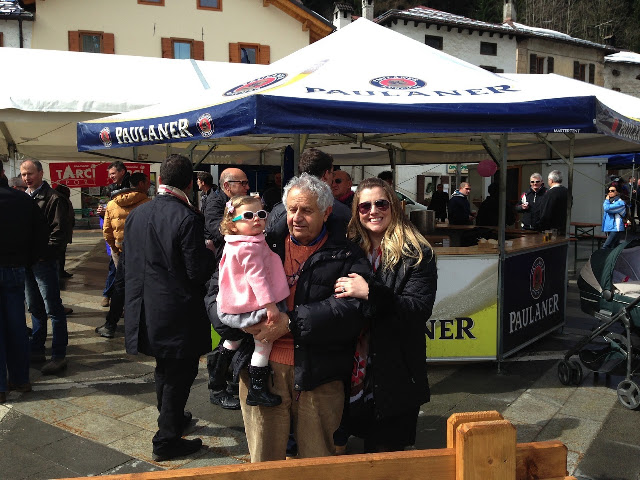
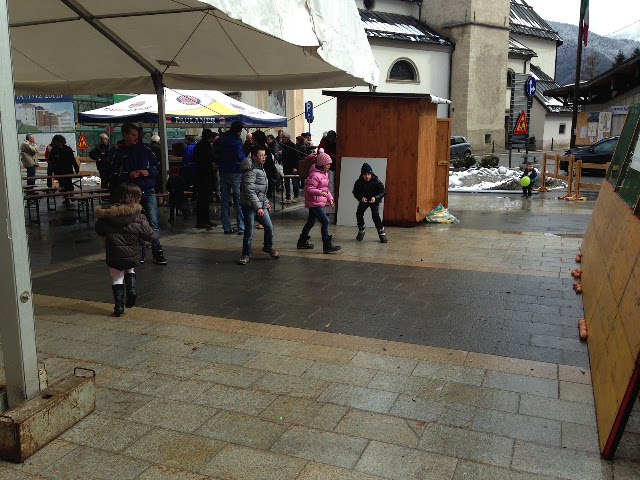
Afterward we went to the town square, where they had set up an outdoor festival. We danced, we ate and we drank.
The festival in the main piazza (town square)
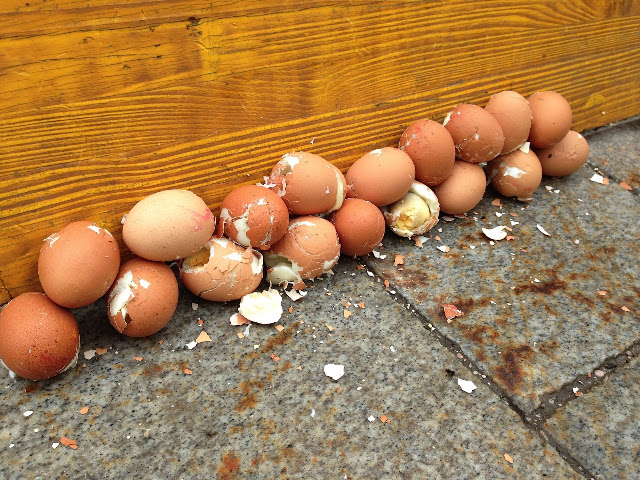
Coin tossing competition – you try to toss your coin into an egg
The winner is the person that sticks the most coins in the eggs
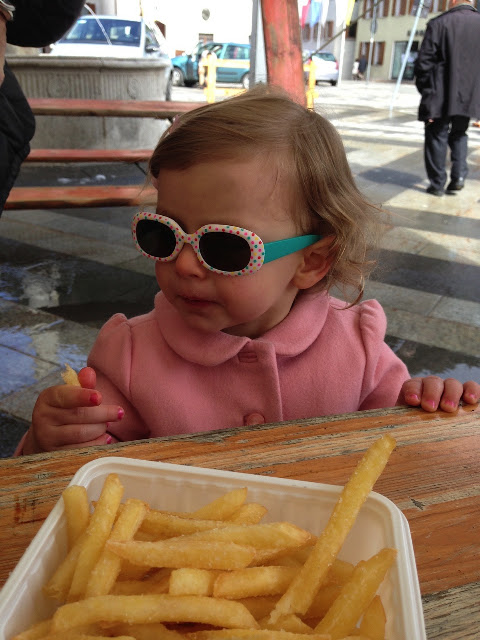
Julia “chill-axing” at the festival
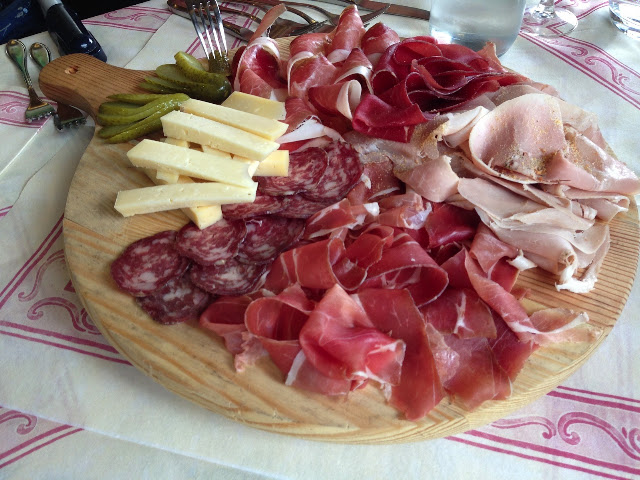
Later in the day, we went to one of Claudia’s cousin’s (another cousin) restaurants and enjoyed some more delicious food.
We started with some antipasti
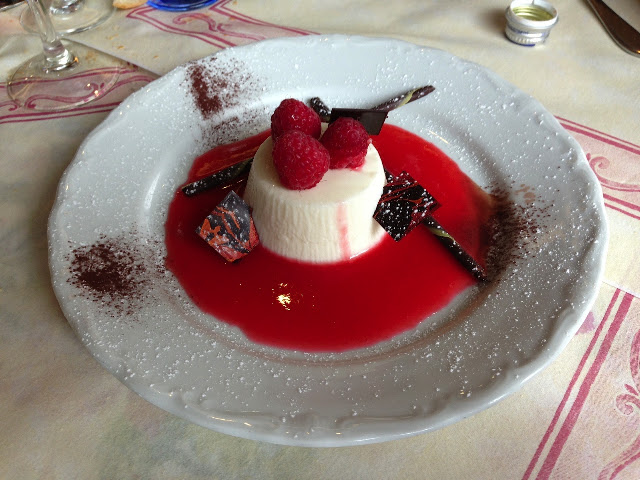
We each ended with a wonderful dessert
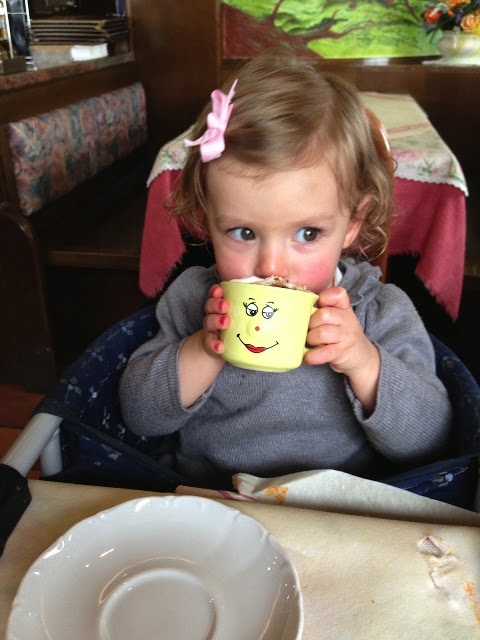
Even Julia got dessert out of a cup featuring her new favorite cartoon (Barbarapappa)