Since I’ll never be a movie producer, I finally have another outlet to satisfy my life-long dream to wrap something up with the simple phrase…
I think this is a fitting title to end our trip in France, which you can read about HERE, HERE and HERE.
Our little family recently journeyed into France for a visit with some wonderful friends, Michel and Shirley (read his blog HERE). We spent a few days with them in their home in Sablet, France. They were wonderful tour guides, packing in many activities that they knew we would enjoy. After a day spent touring some of the most beautiful villages in France, we had a serious thirst to quench. So the next day, we took advantage of our prime location in the Côté du Rhône region of France (arguably one of the most well-known wine producing regions in the world) and drank our way throughout the area.
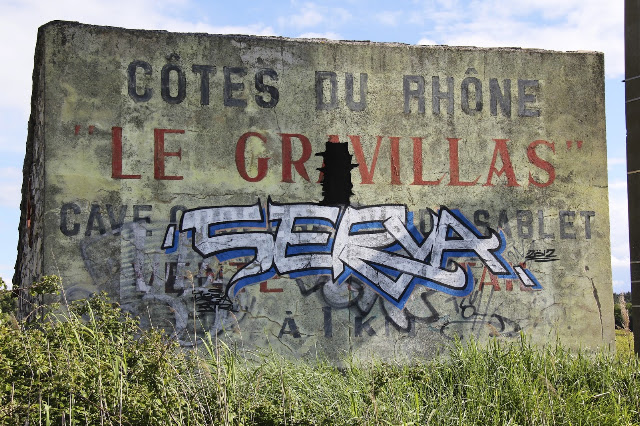
Cool street art just outside of Sablet
Michel owns a charming bistro in Northern California (Bistro des Copains) that has not only increased his knowledge of Californian and French wines, but also given him a unique “in” to the local wine producers surrounding his village. It’s one thing to call and set up a tasting, and another thing entirely to call and set up a tasting because “I might decide to purchase your wine for my restaurant”. Ladies and gentlemen, feel free to unroll your red carpets now!
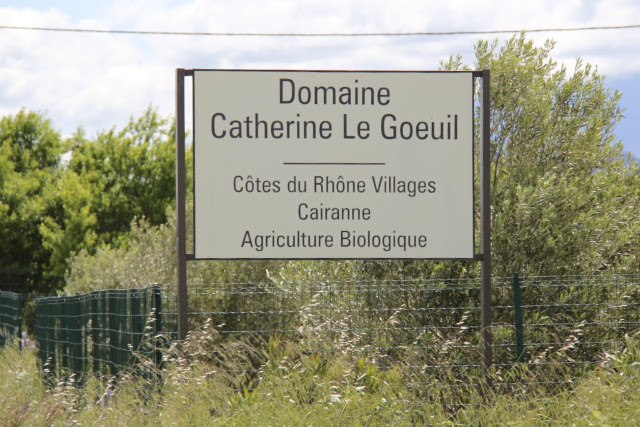
Michel did a wonderful job selecting three wineries to visit, ranging in size of production, type of wine produced and varying ambiance for our tastings. We started the tour at, Domaine Catherine Le Goeuil in Cairanne, a short ride from Michel and Shirley’s home. Catherine had set up a tasting for us in the production facility next to her home. Since I could not possibly tell Catherine’s story better than she could, I have copied her brief biography about the wine she produces from Kermit Lynch’s wine merchant website.
Catherine Le Goeuil’s taste for adventure has made her a leading pioneer in Cairanne. Having been born in the Congo to French parents, she had already lived in interesting places, but she longed to return to her roots. In 1993, with little experience and great determination, she and her family bought a six-hectare domaine. Soon after implementing one of their first chemical treatments on the vines, Catherine became very ill. The viticultural direction for the domaine became instantly clear. In her mind, farming as naturally as possible was the only way to go. Over time, she started the conversion to organic farming, and is now fully certified in this methodology. In a village just shy of one thousand inhabitants and only two others who farm organically nearby, her decisions have been met with suspicion and trepidation. Though rooted to the place both figuratively and literally, she is still considered an outsider—not that she lets this dilute her conviction in any way.
Domaine Catherine Le Goeuil
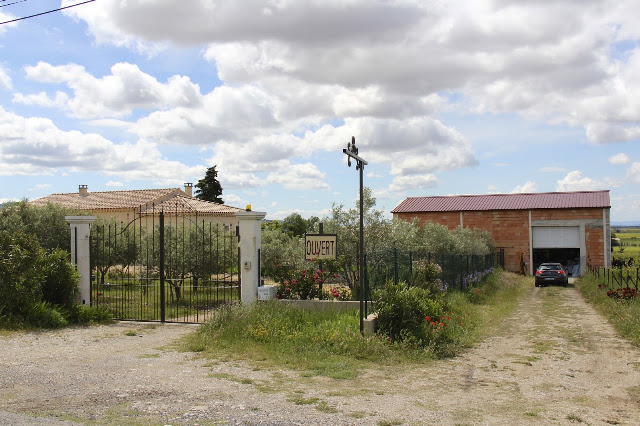
Ouvert (Open)
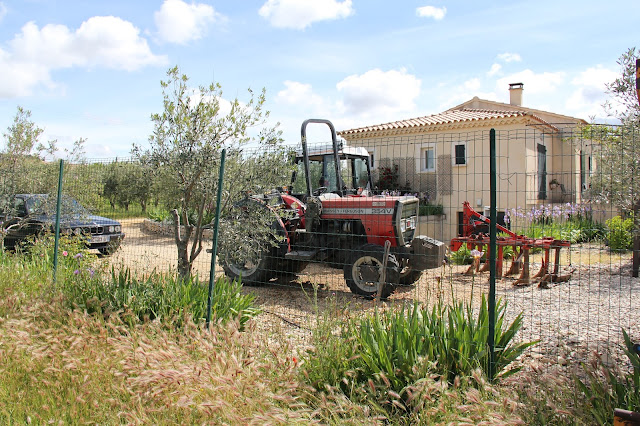
Part of the modest estate
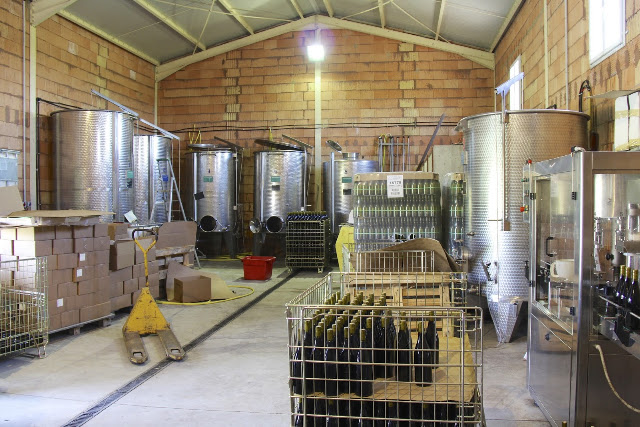
Inside the bottling facility
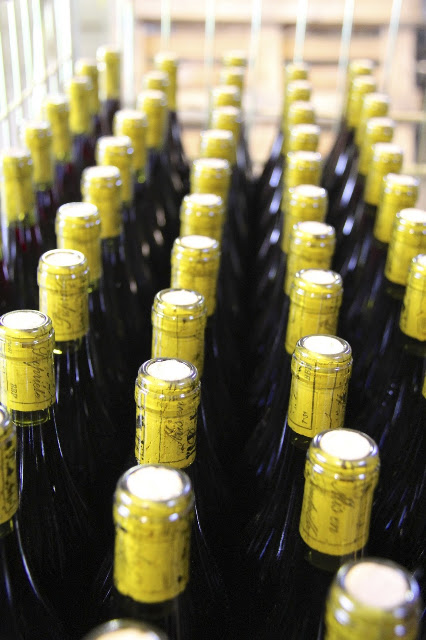
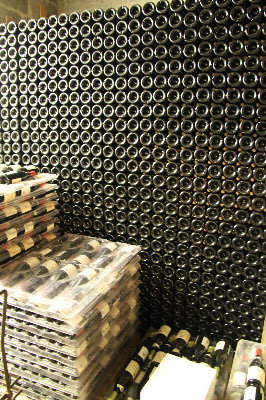
French wine bottles
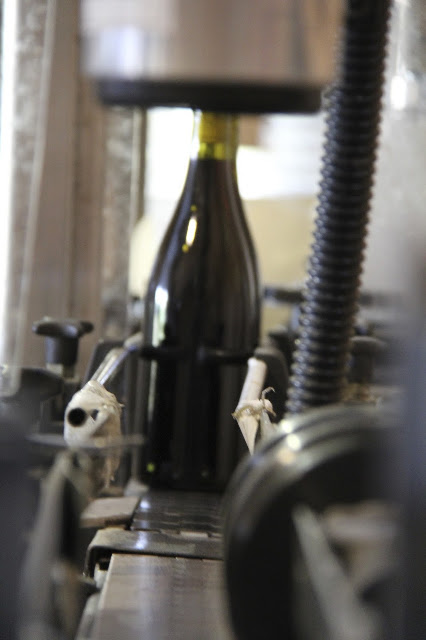
Bottling process in action
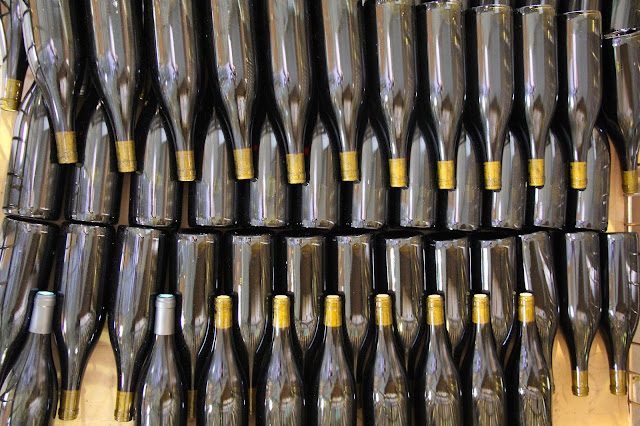
Loved the symmetry of the packaging
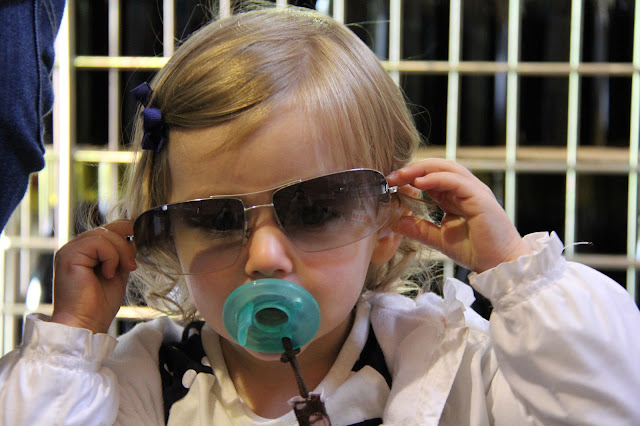
Julia always has to look her coolest
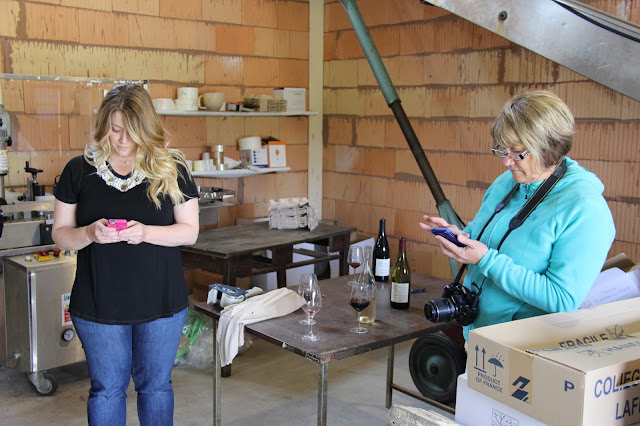
Jen and Shirley were kind enough to be our “scribes” so Michel and I had the necessary information for the our blogs
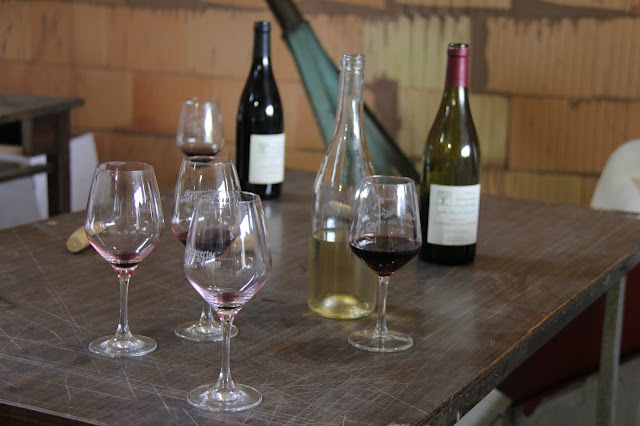
Aftermath of our tasting
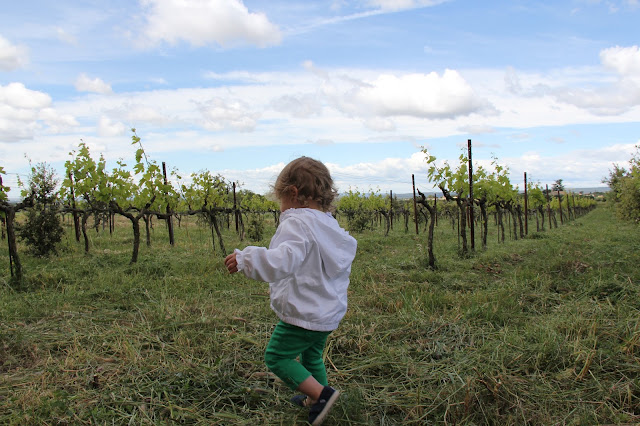
Julia ran wild in the vineyards
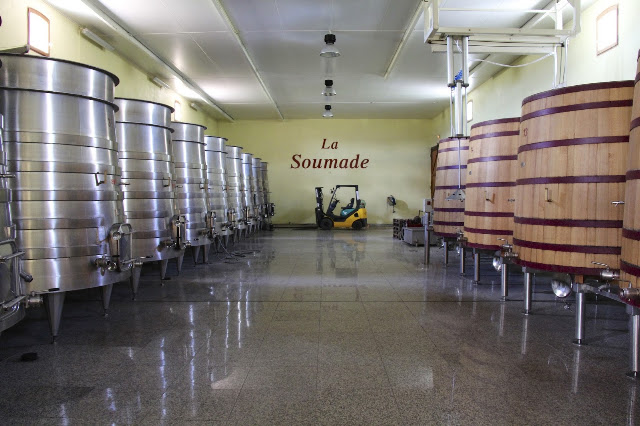
Next, we ventured to Domaine la Soumade, a winery founded in 1979 by André Roméro (website). We slowly worked our way through a flight of Rasteau before selecting which bottles to purchase (or in Michel’s case, which cases to purchase).
Casks
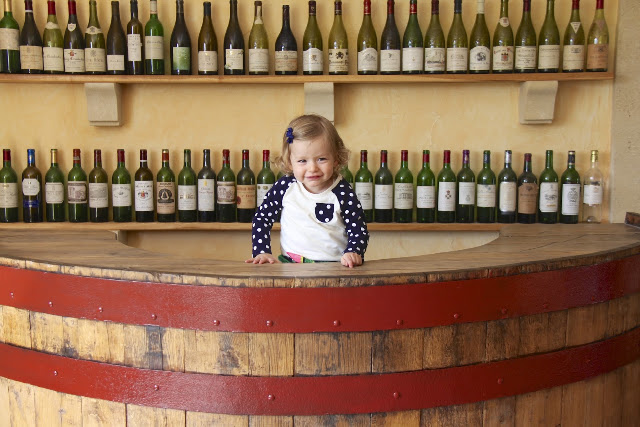
“Step right up… what’ll it be? May I recommend a grenache?”
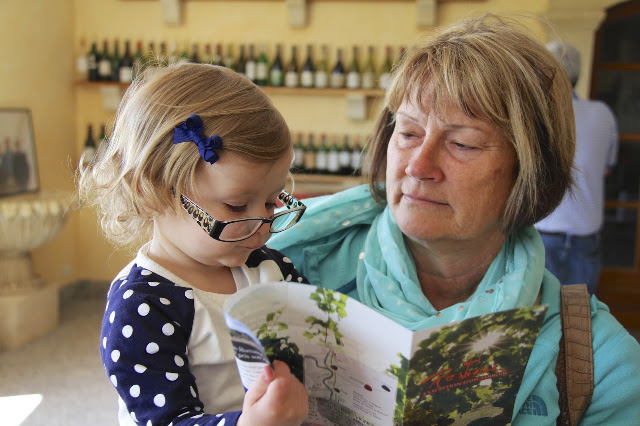
Reading to Shirley
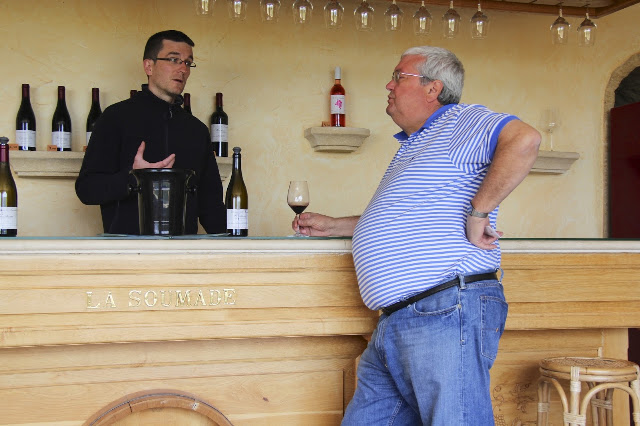
Michel speaking to our host about his wines
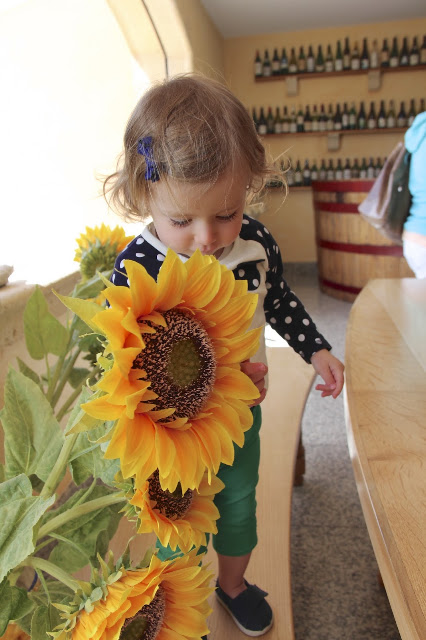
Julia plays with the sunflowers
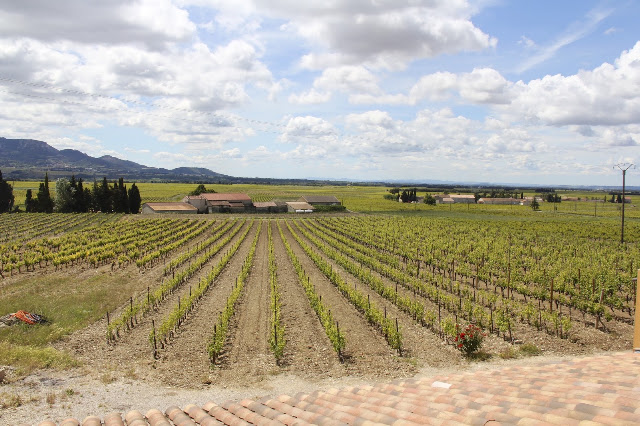
Vineyards out back
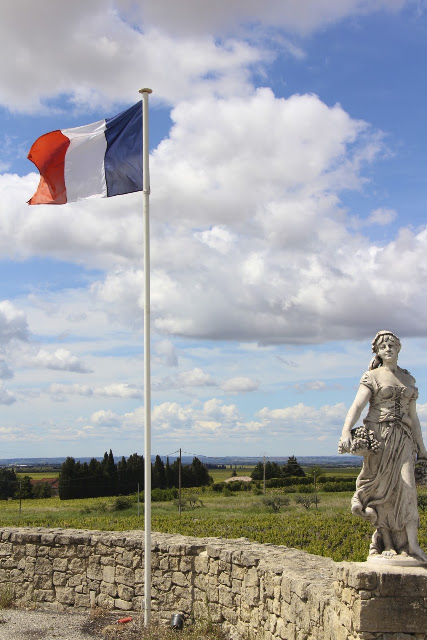
Interesting to see the French flag as opposed to the Italian flag
After lunch, we pointed the car toward the much anticipated village of Châteauneuf-du-Pape. If you’re no more than a casual drinker of French wine (like me), than you may be questioning that statement. “I thought Châteauneuf-du-Pape was a grape, or a style of wine, or (what I thought) a region?” Certainly, a wine as noted around the world as Châteauneuf-du-Pape couldn’t simply take the name of a small village with fewer than 1,000 inhabitants…could it?
Driving into Châteauneuf-du-Pape
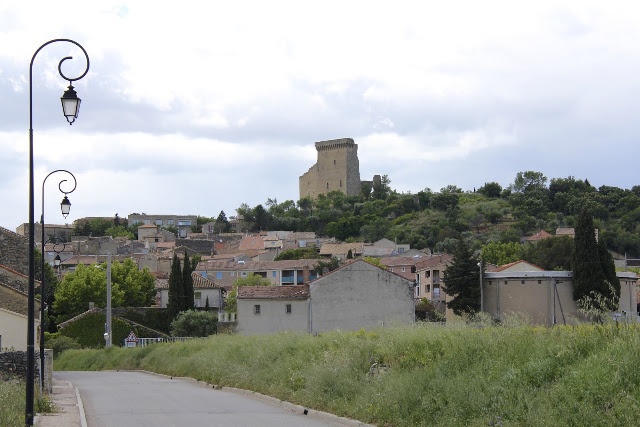
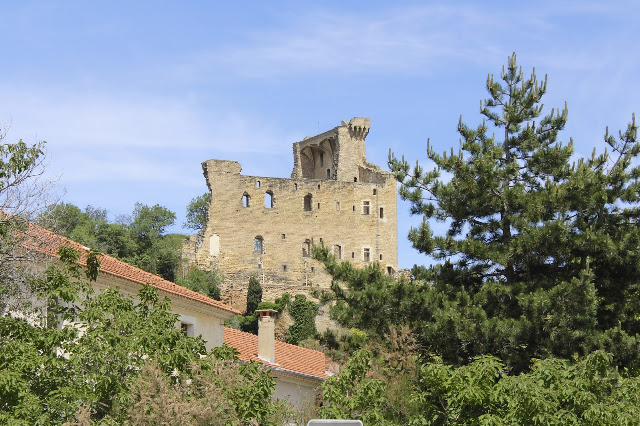
The Popes castle sits high above the village
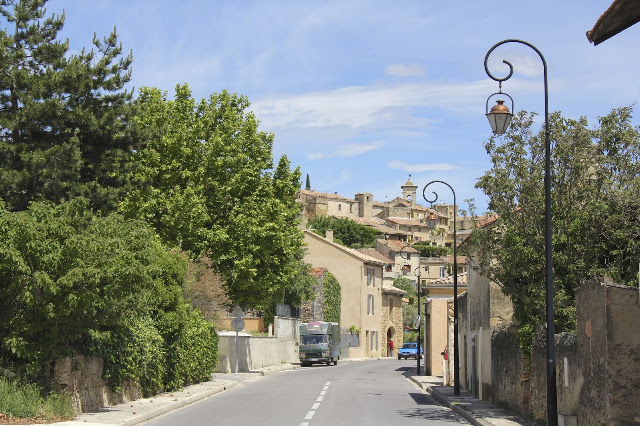
Street in Châteauneuf-du-Pape
The central concept to higher end French wine is the notion of terroir, the location where the grapes are grown and wine is made. The Appellation d’Origine Contrôlée (AOC) classification system uses this concept of terroir when classifying French wine. It is this rigorous classification issued by the government agency that ultimately determines (in part) how your wine bottle reads. The history of the AOC dates all the way back to 1411, when Roquefort (yes, the cheese) was first regulated. It wasn’t until 1935 that the Institut National des Appellations d’Origine (INAO) was created exclusively to manage the process for wines.
I learned that as you drink wines across France- the labeling practices are different and take on their own set of rules depending on which region the wine was made in and what level of classification the wine carries. The minimum information a label will carry is usually the classification and the name of the producer. Michel explained to us that in the Côté du Rhône region the ranking of a wine’s quality is fairly easy to determine, starting with Côté du Rhône (the generic label), thenCôté du Rhône-Villages (which includes 95 communes), next moving on to Côté du Rhône-Villages (named village) (where the village has earned the right to include its name on the label) and finally the highest class-action, Crus (the most demanding level of distinction, upon which the village will use only its name on the label, without needing to include Côté du Rhône). There are only 16 communes that have achieved this high level of distinction. The wines of Châteauneuf-du-Pape have been awarded this high level of crus status and therefore, only use the name of the village on the label.
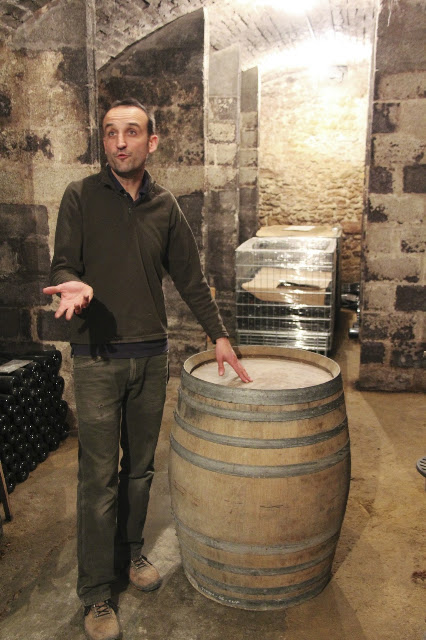
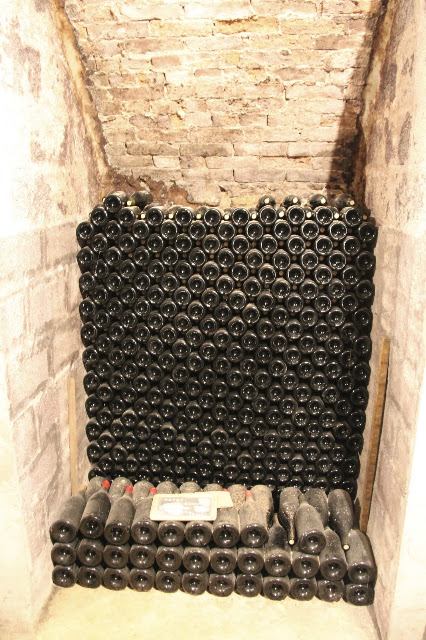
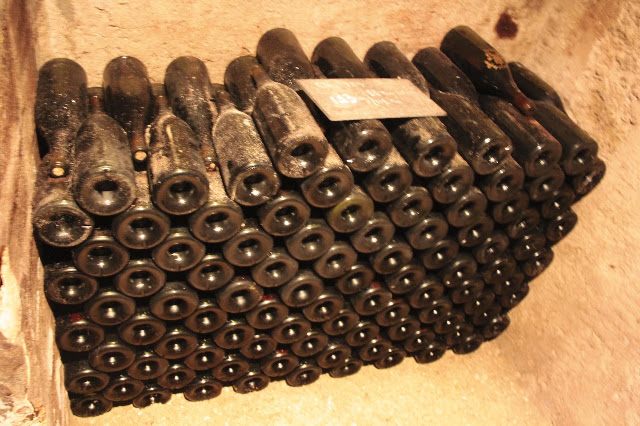
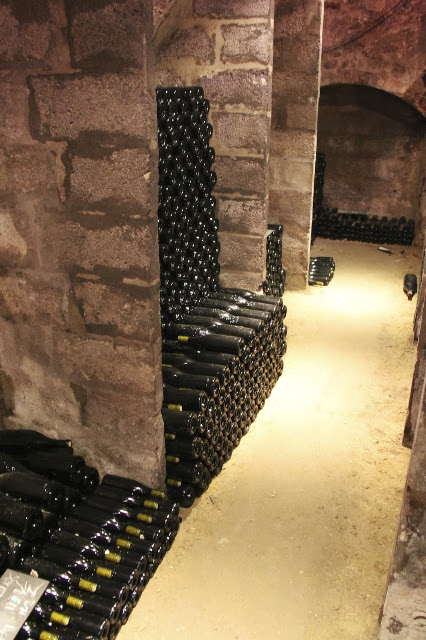
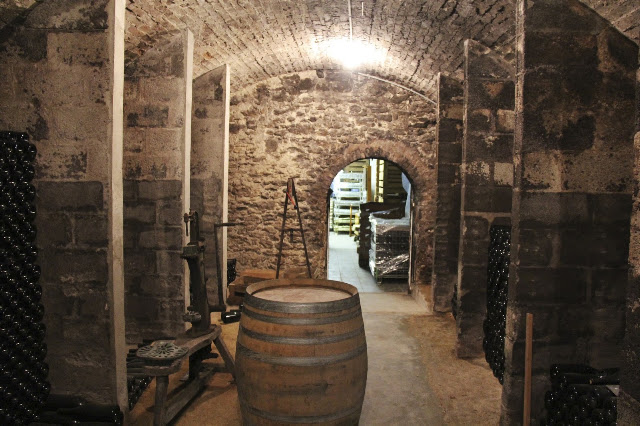
After drinking the spectacular wines of Clos du Mont-Olivet, we toured the proprietors private cellar. It was jaw-dropping indeed to see bottles of wine that were worthy of serving royalty, reaching values too astronomical for me to fathom. It also made my draw drop to see Julia running wild in said-cellar and I had to put my camera down to chase her on more than one occasion. I don’t think stomping grapes the rest of my life to repay the debt of a single broken bottle would have been a wise notion. The estate is managed by David, the third generation in a line of winemakers of the Séraphin family. A kind and gentle man, he was happy to take time to explain his wine, show off his cellar, extol a few interesting anecdotes and allow us to take tons of pictures. David told us that the current spring (when the grapes begin to grow) was the coldest on record since 1887 and that winemakers all over the region were nervous of the outcome. If the outcome was anything like the wines we drank all day – they’ll be just fine!
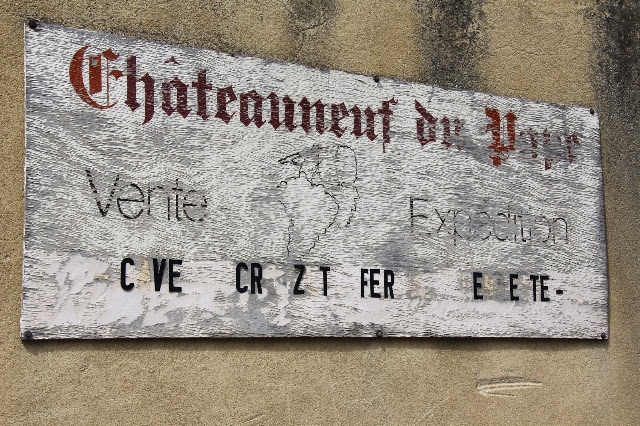
A sign hangs outside Clos du Mont-Olivet
Outside Clos du Mont-Olivet
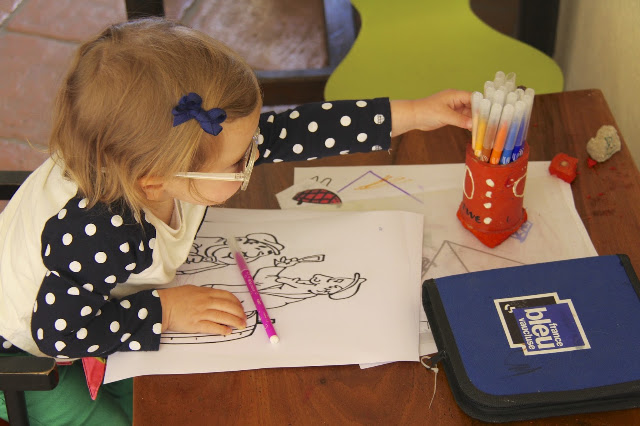
Julia kept herself pre-occupied by drawing…
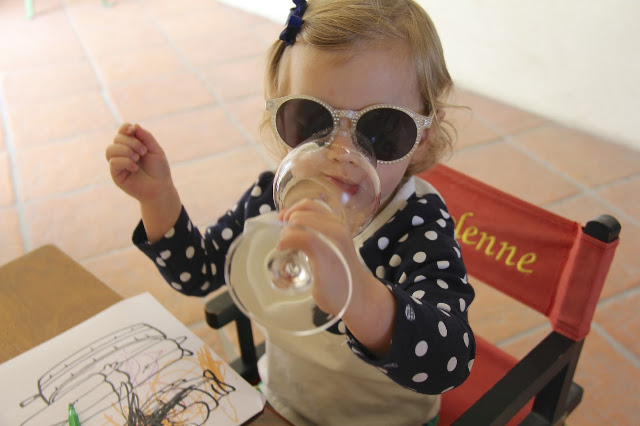
And tasting French water along with us…
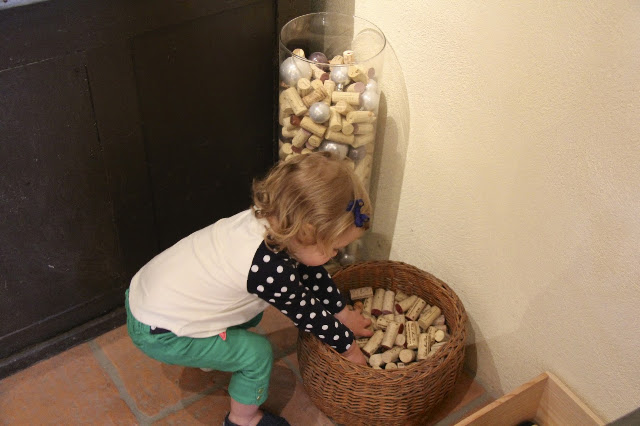
And finally, re-organizing corks
David welcomes us into his family’s cellar
There were thousands of wines inside
Some wines dated back fifty years
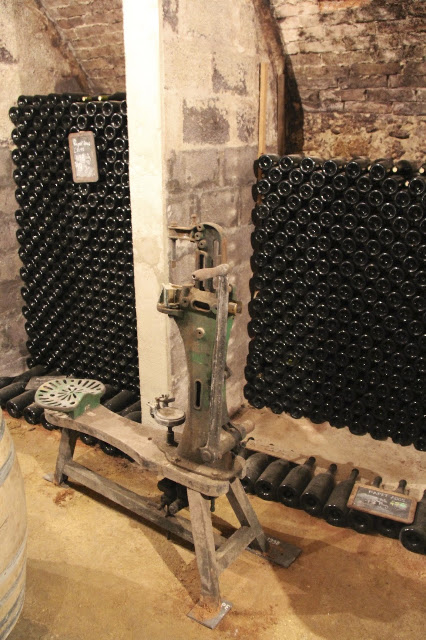
They had one of their original floor corking machines
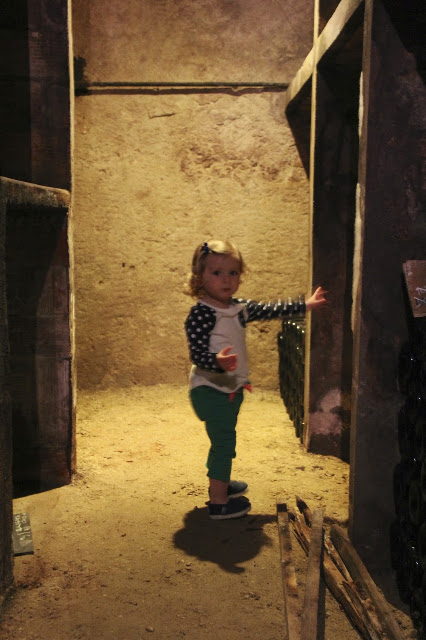
Julia wanted to go “this way” toward the really expensive wines
Another shot of the cellar
Leading back into the production area
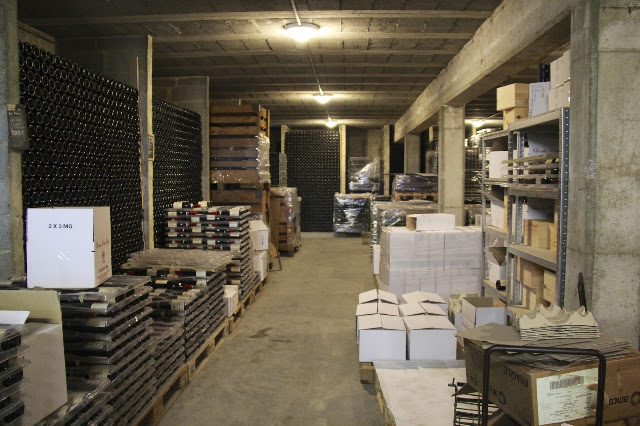
Packaging and storage area
Bottles prepare to ship
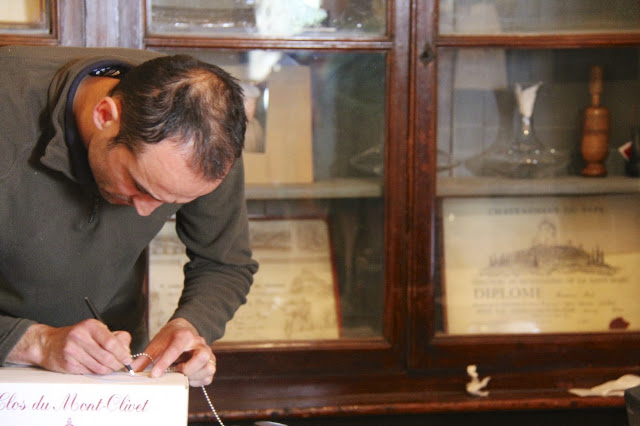
David prepares an invoice for our purchases
When we left Clos du Mont-Olivet we spent some time touring the village of Châteauneuf-du-Pape, which is as firmly intertwined with papal history as it is wine. In 1308, Pope Clement V relocated the papacy to the city of Avignon. My buddy Clement V and his subsequent “Avignon Popes” were rumored to be great lovers and promotors of wine during the seventy-year duration of the Avignon Papacy. John XXII (who came second) is responsible for erecting the famous castle that still stands today, known as the “Popes Castle”.
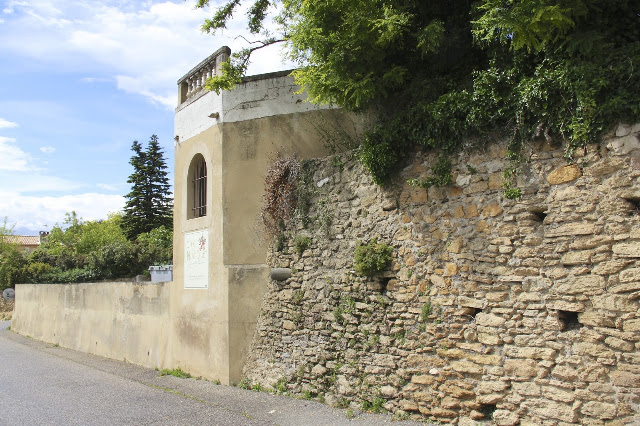
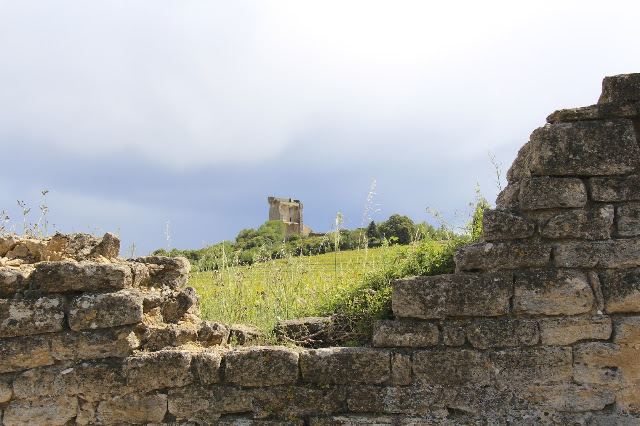
The Pope’s Castle through an ancient wall
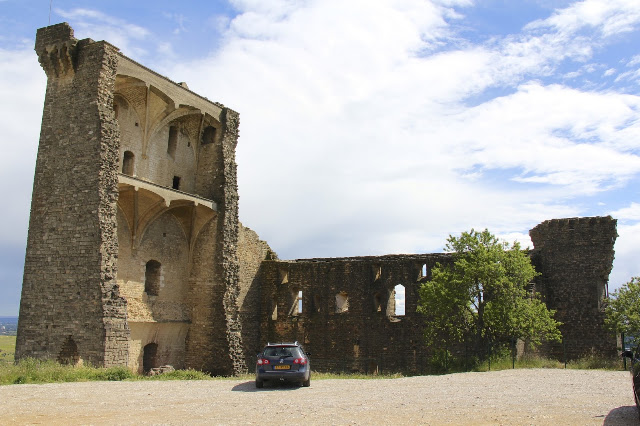
Remains of the Pope’s Castle
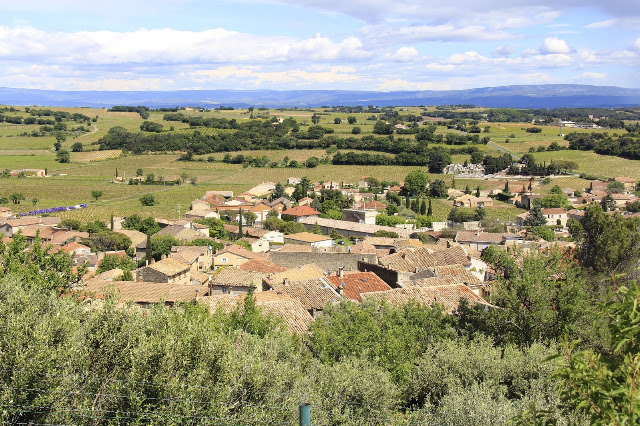
View of the valley
In the village of Châteauneuf-du-Pape
The village was beautiful
Street scene
Looking back up toward the top of the castle
“Hi, everybody!”
“HI, MAMMA!”
“That’s so funny… I want to go up there!”
“Ciao, everyone…errr, I mean bonjour!”
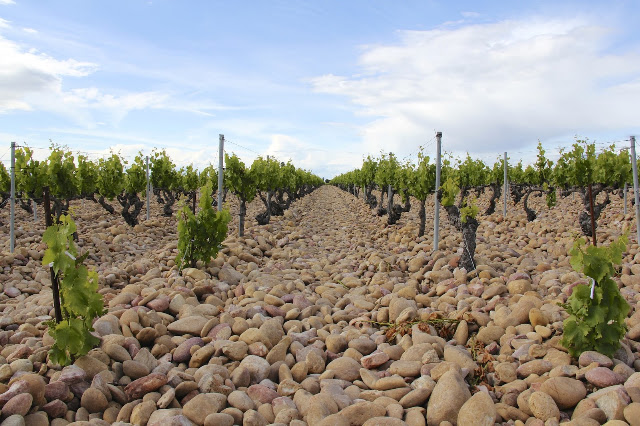
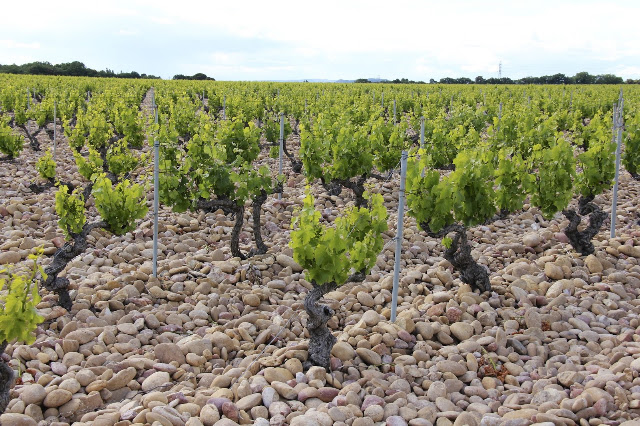
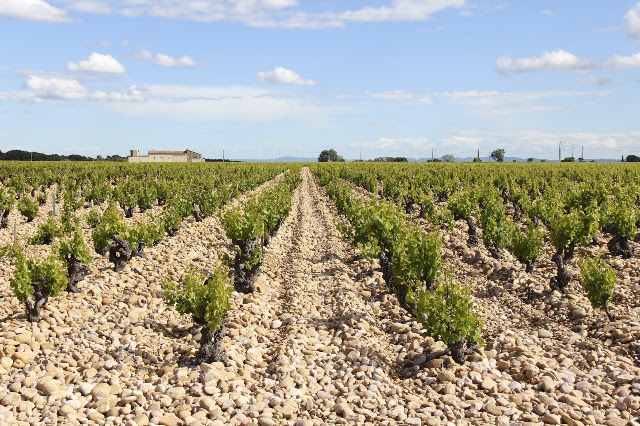
Next, we drove to some of the vineyards, which we were surprised to learn were covered in rocks. Michel explained that these are naturally occurring and even when the farmers rake all the rocks, they simply re-surface again over time. Of course, everyone embraces the rocks and think its what gives Châteauneuf-du-Pape it’s unique terroir.
The rocks were amazing
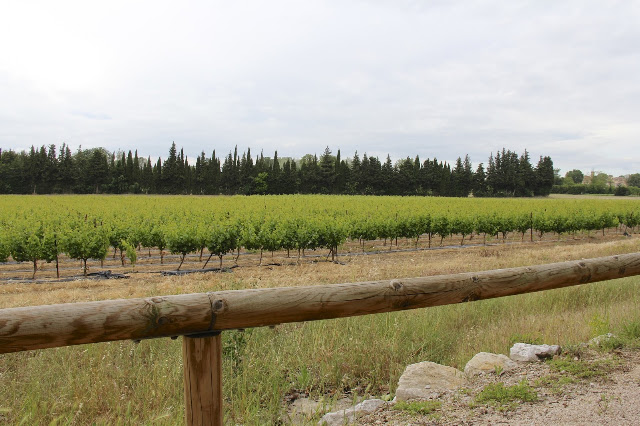
Vineyards in Châteauneuf-du-Pape
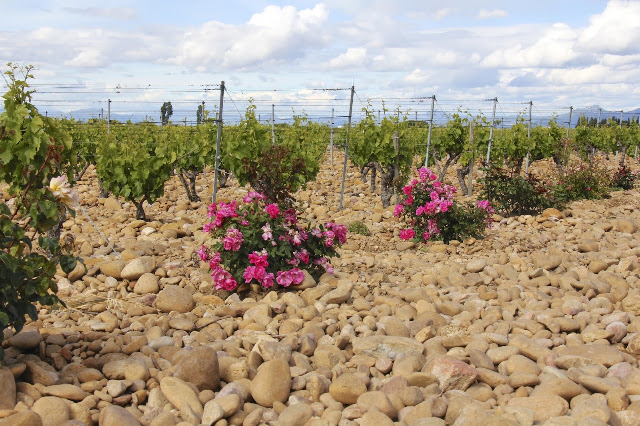
One of the wineries planted roses at the end of each row of grapes
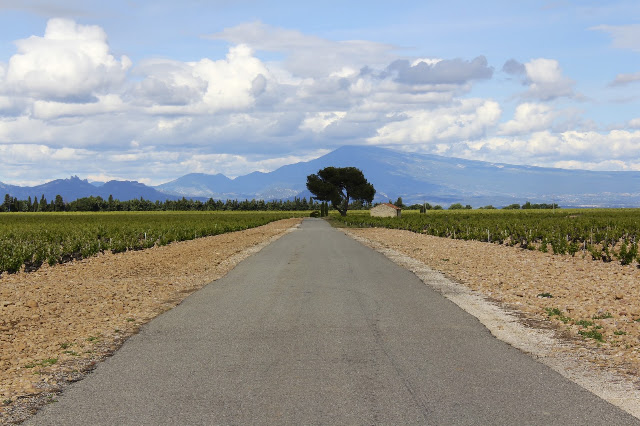
View in the middle of the vineyards
Another angle
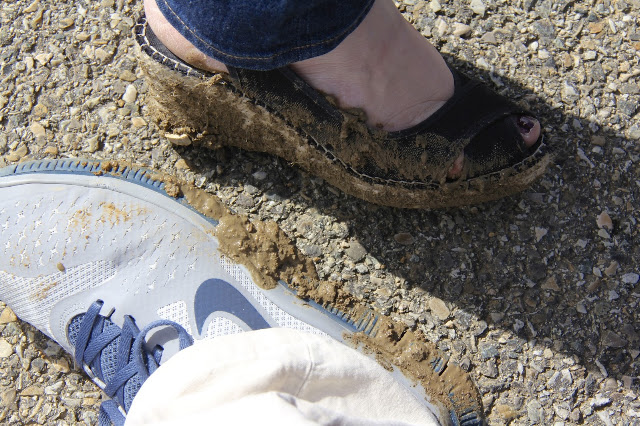
Jen and I paid the price for stepping into the fields to snag a couple rocks as souvenirs
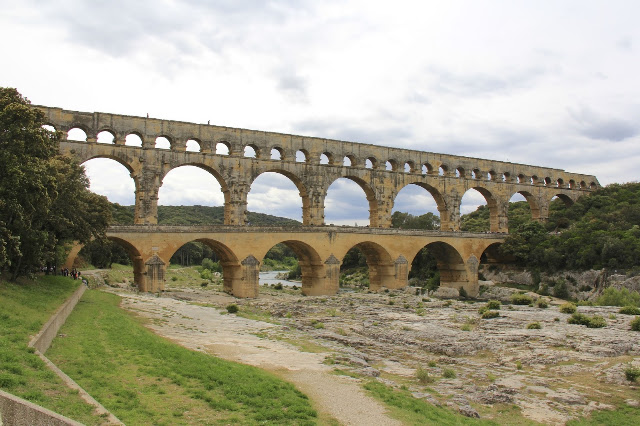
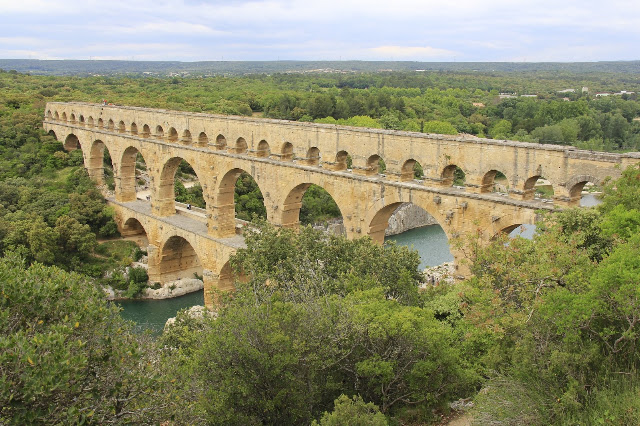
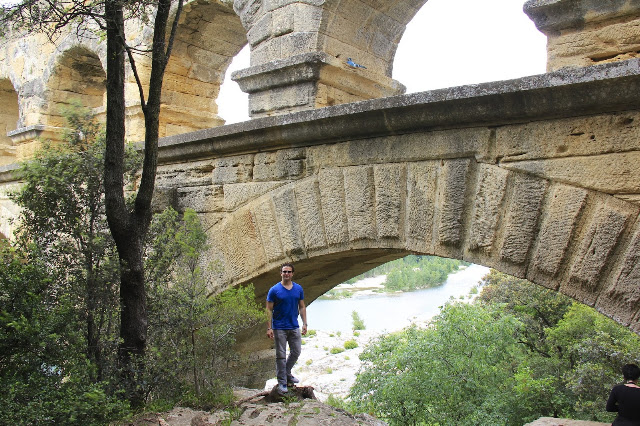
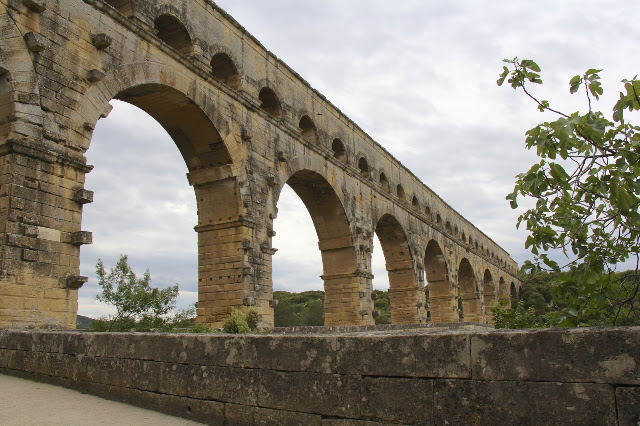
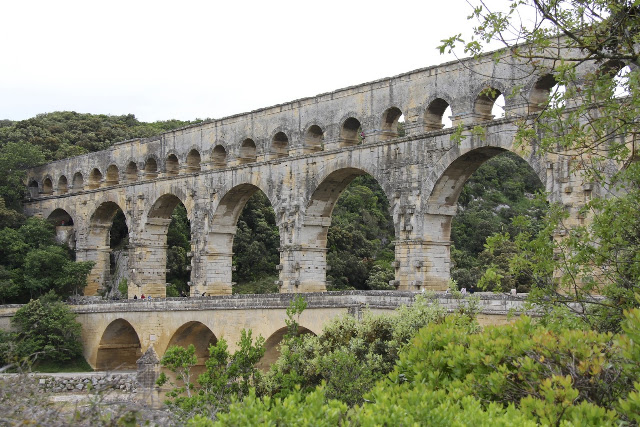
On our final day in France, we visited the Pont du Gard, an ancient Roman aqueduct bridge that crosses the Gardon River. The site is simply stunning to behold, and the UNESCO World Heritage Centre agreed, adding it to their list of World Heritage Sites in 1985 because of it’s historical importance.
Pont du Gard
The opposite side, higher viewpoint
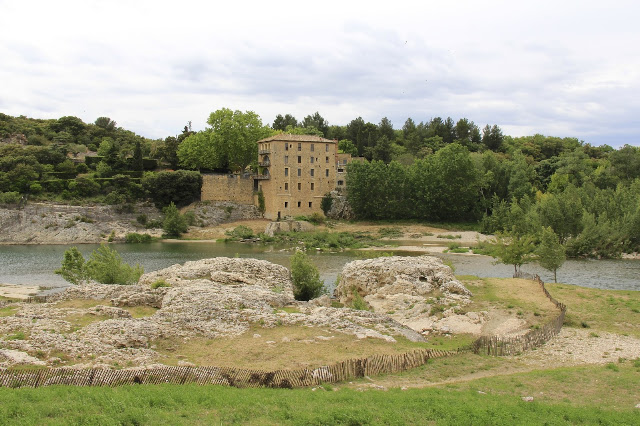
Ancient villa on the Gardon River
We walked to the top of the aqueduct
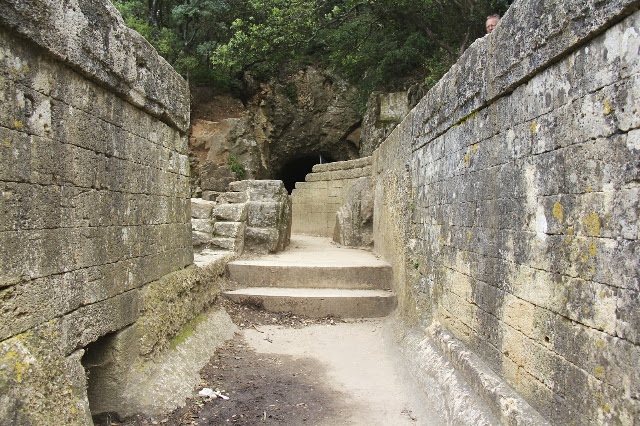
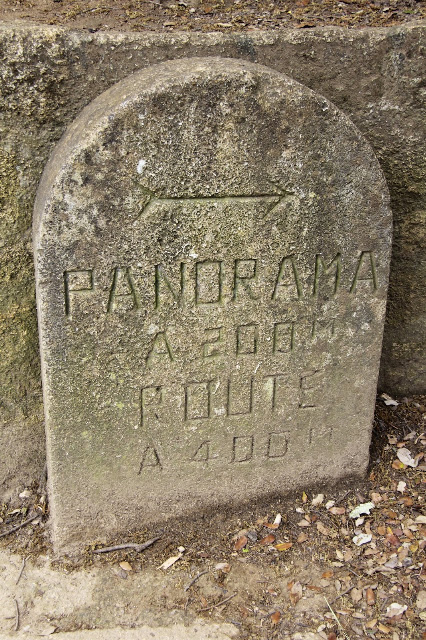
We followed the route up to the panoramic viewpoint
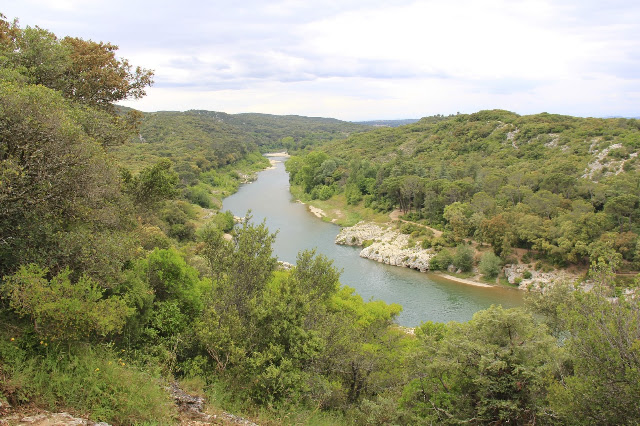
The trek was worth it – there were stunning views
At the top
Amazing to see the bridge up close
Angle from below
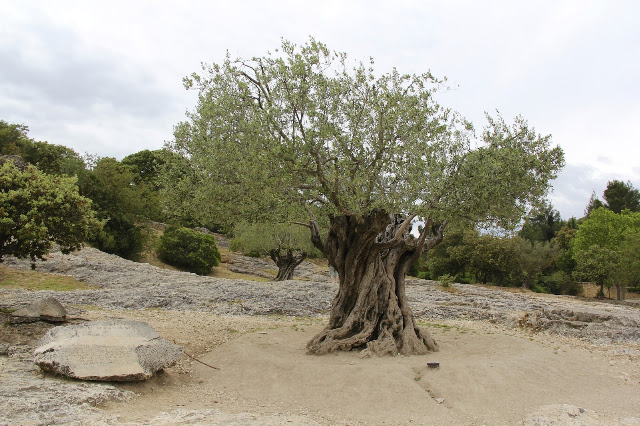
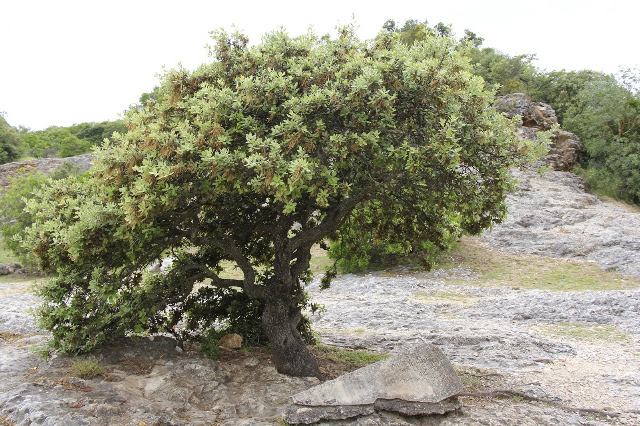
This olive tree, along with it’s sister tree were relocated here and have thrived since 908 AD
Sister tree
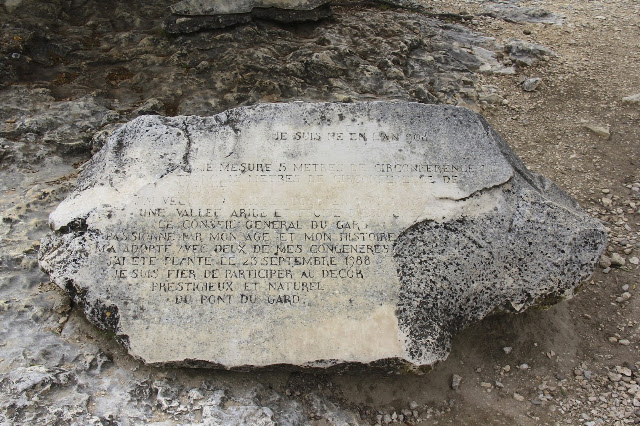
Stone placard commemorating and expelling the trees’ history
View from the opposite bank
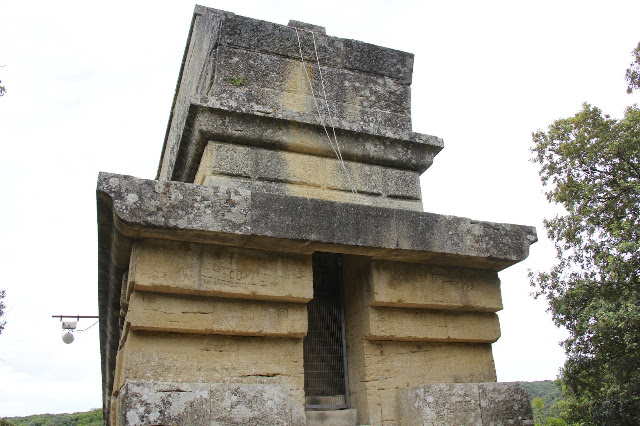
One of the end caps
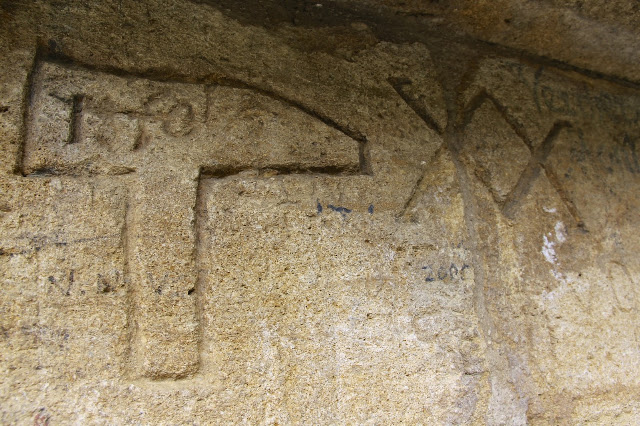
The ancient carvings were magnificent. I think this says, “this end up”
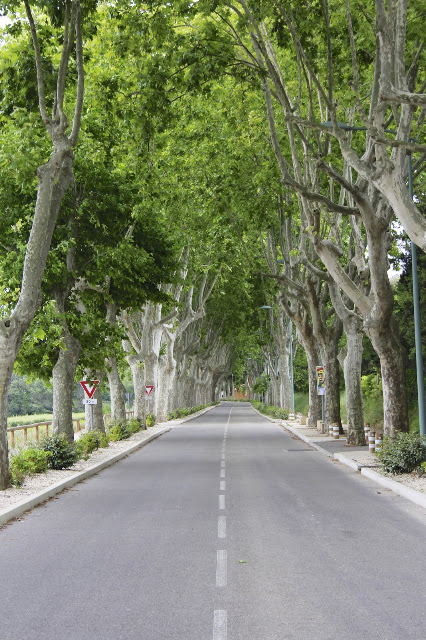
Trees covered the roads to offer shade to the soldiers in ancient times
Nice scenery shot
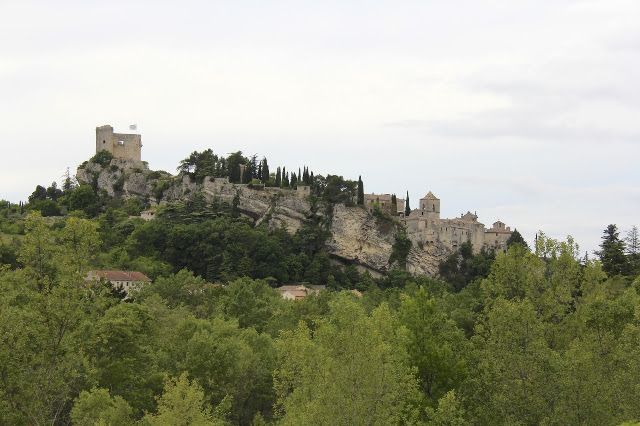
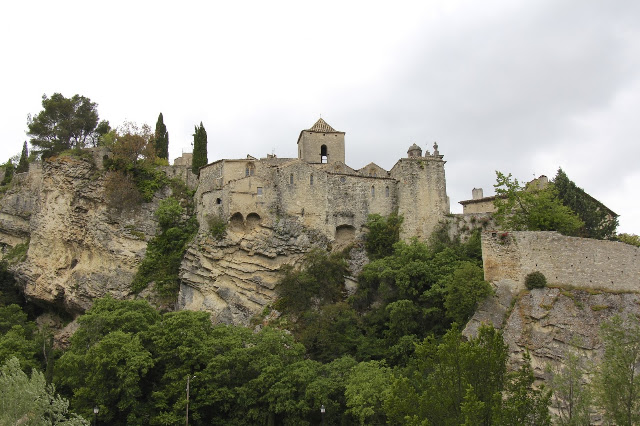
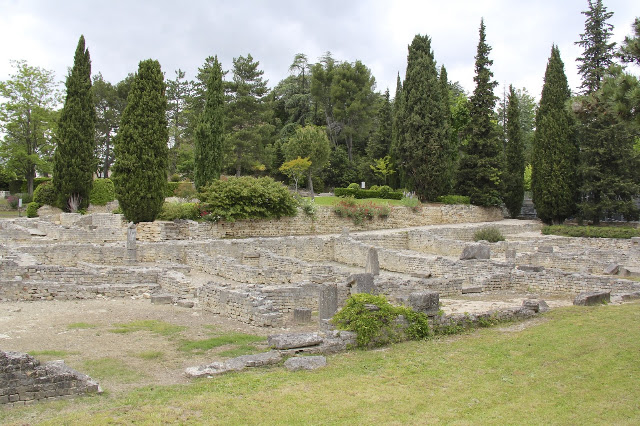
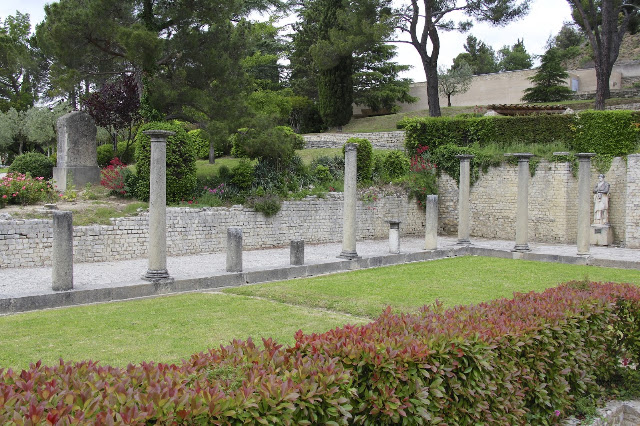
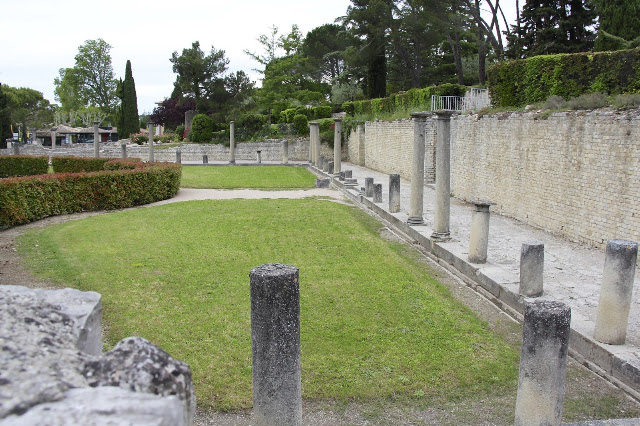
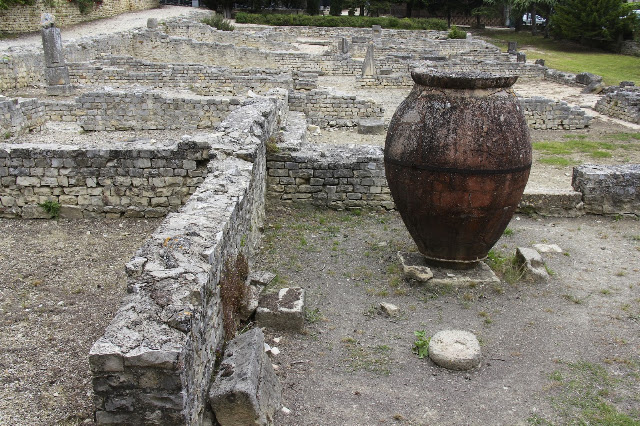
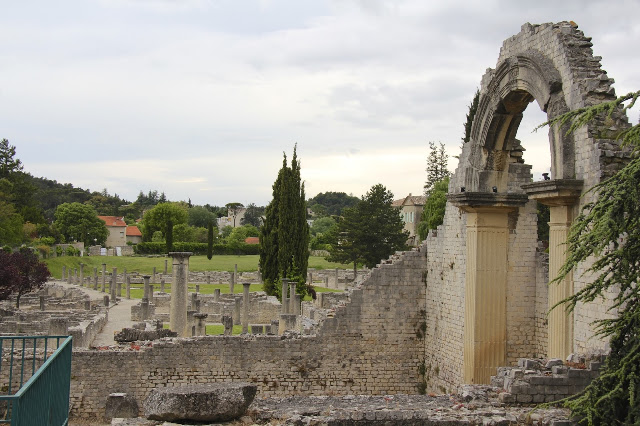
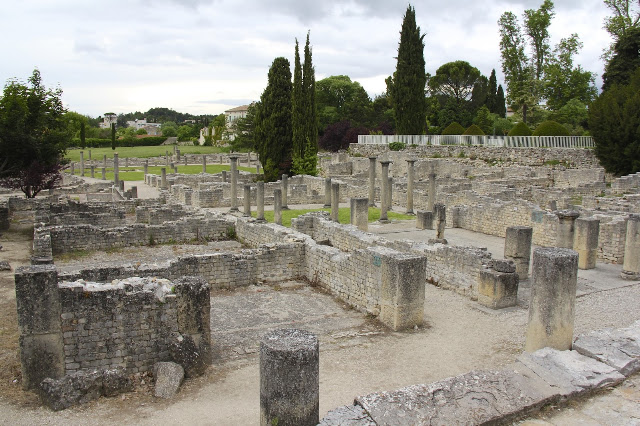
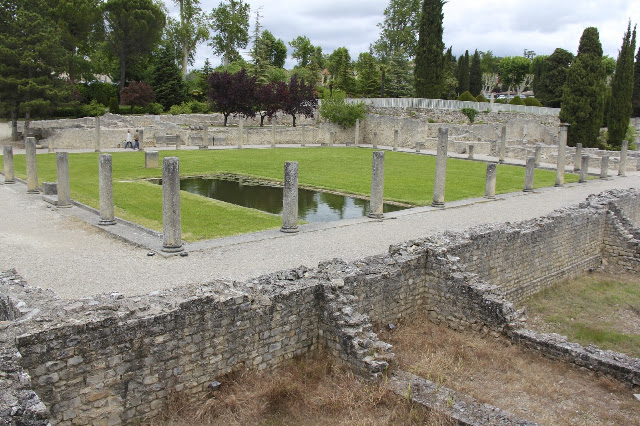
Finally, we ended our day in Vaison-la-Romaine, a village that showcases an interesting historic perspective. Not only is the historic section separated into two parts, it is divided in two distinct ways. On the high side of the dividing river, Ouvèze you have Medieval ruins including a castle. On the lower side, centered on the Colline de la Villasse, you have the largest filed of Roman ruins in France. It’s quite stunning to take it all in.
The upper city – the Medieval city
View of the Medieval castle
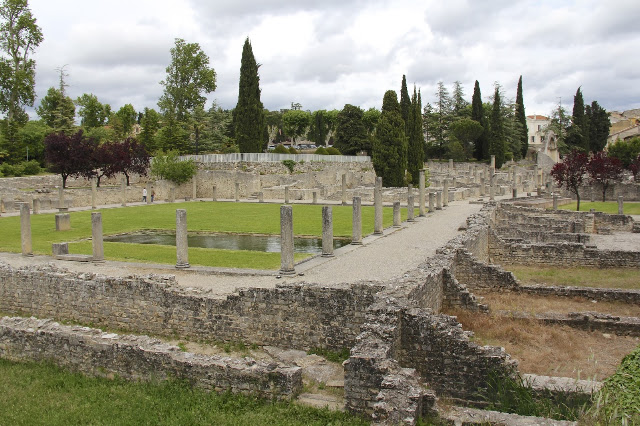
Some of the Roman ruins
Roman ruins – pillars surrounding a courtyard
Courtyard
They believed this portion was housing
Ancient Roman gate still intact
The ruins covered such an impressive and vast amount of land
Would have loved to known who’s pool this was… some ancient tycoon?
A final look back over the Roman ruins
I hope you enjoyed your tour through France with us (both historical and culinary) as much as we did. Stay tuned as we return back to Italy and stay busy while Jen’s family comes to stay a month.
One of the true gems of the world…. Venezia (Venice). The name alone evokes powerful feelings for many people. Romantic gondola rides, historical architectural treasures, beautiful creations blown from Murano glass, unique hand-crafted masks and always… always a city constructed with streets of water. Amazingly, the entirecity is listed as a World Heritage Site in order to preserve it’s unique beauty. According to my Wiki research, Luigi Barzini described it in the New York Times as “undoubtedly the most beautiful city built by man”. I’d have to agree with Luigi!
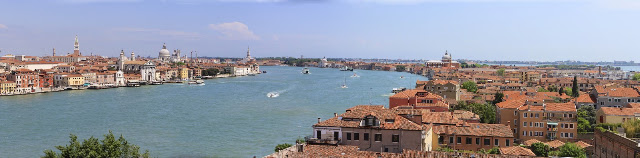
Panoramic view from the roof of our hotel
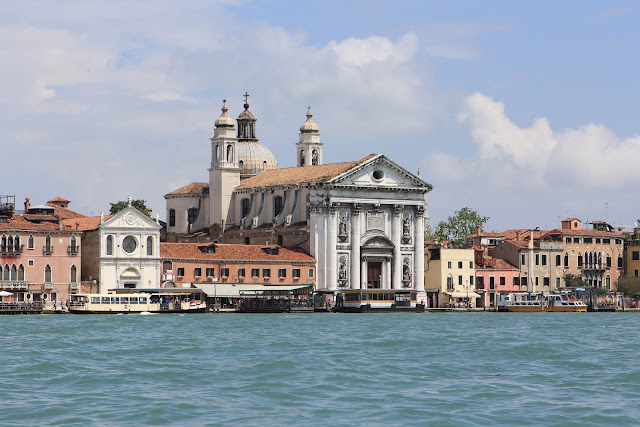
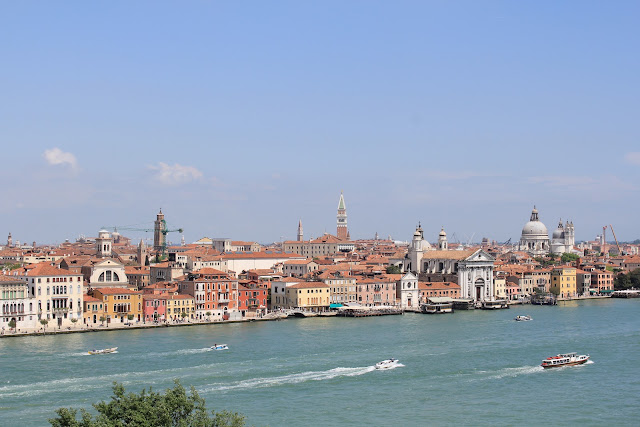
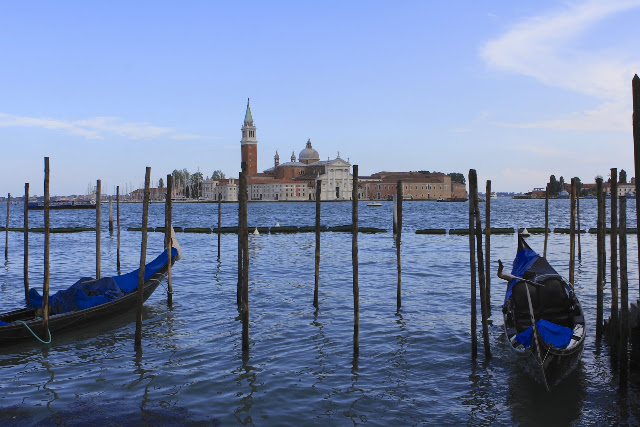
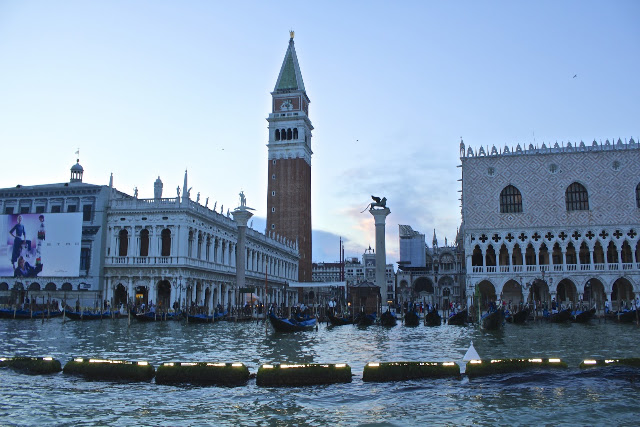
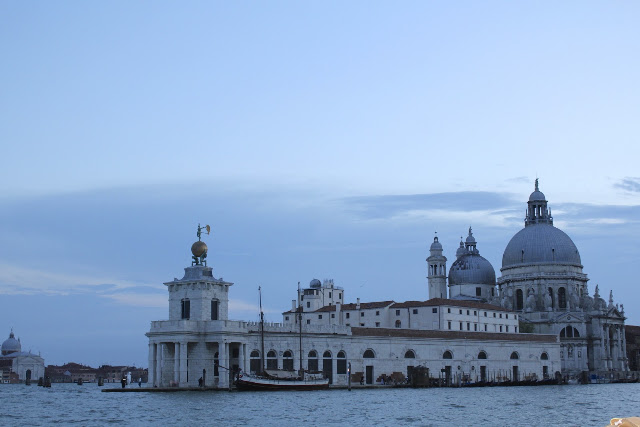
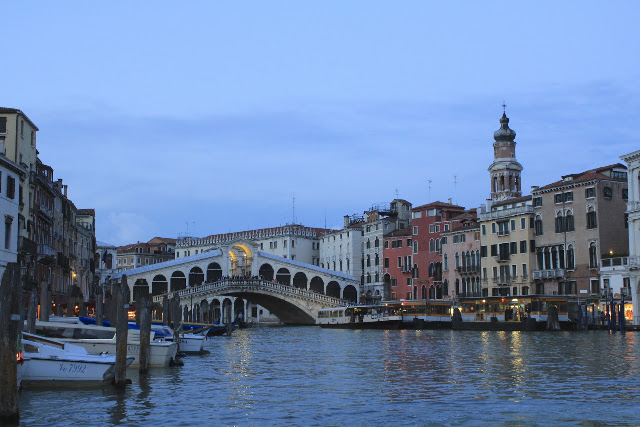
Venice from the water
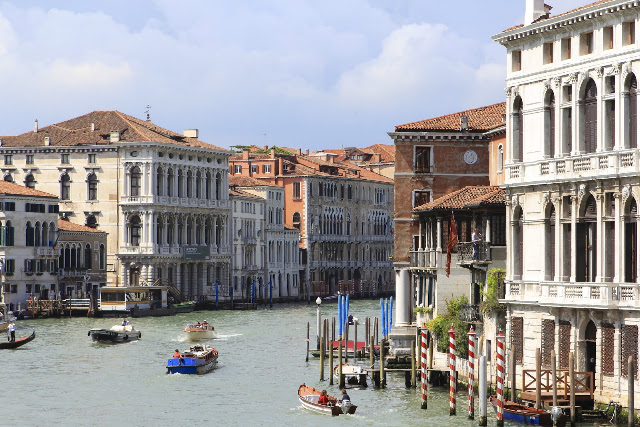
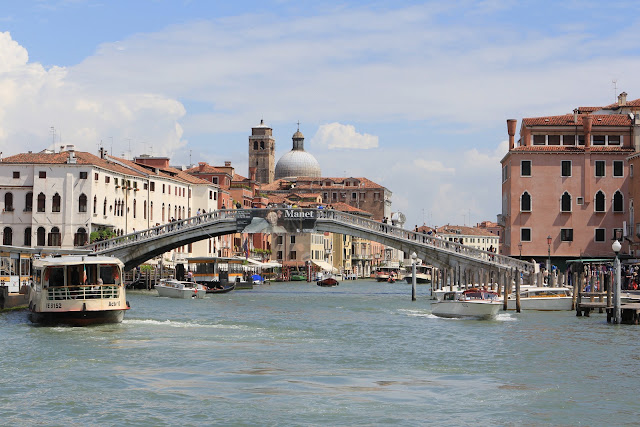
The Grand Canal
More of the Grand Canal
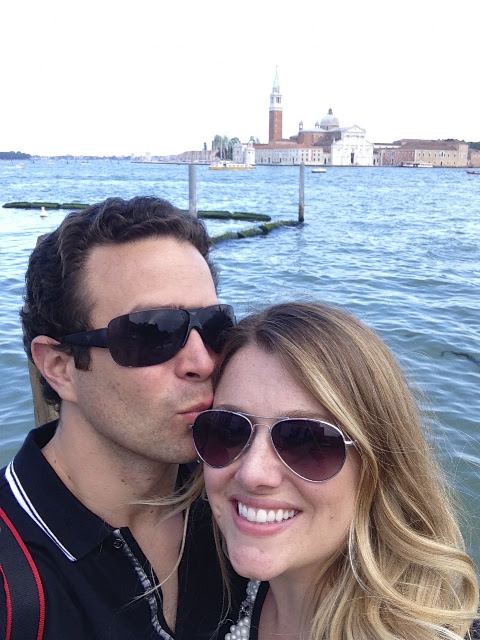
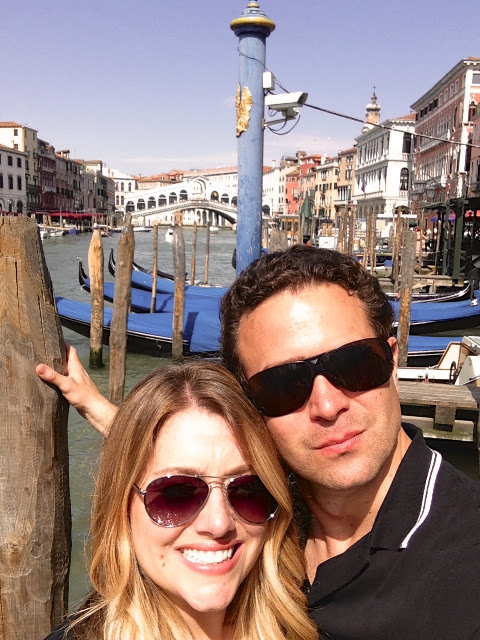
Happy to be here
Our good friends Nathan and Danielle joined us recently for a whirlwind visit filled with food, wine and lots of fun (read about it HERE). We punctuated their trip with a stopover in this romantic city. I was intrigued by the history of such a unique place and just did a little research. Venice consists of 117 islands, formed by 177 canals and connected by 409 bridges. I kept waiting for that “ah-ha” moment when I discovered the name of the genius city planner that decided to create a magical city on the water. But unlike Bugsy Siegel’sLas Vegas or Sheikh Maktoum bin Rashid’s reinvention of Dubai – there was no one person that can be credited with the conceptualization of Venice. The truth is that refugees fleeing from invasion of the Lombards sought shelter in the marshland that is now Venice. And how do any cities really get built? A collection of people working together to establish trade and industry, creating habitation and then services to support the population. And so the city grew around the marsh and homes and churches and municipal buildings were constructed. This begs another question. How can you build a city on water?
The city built on water
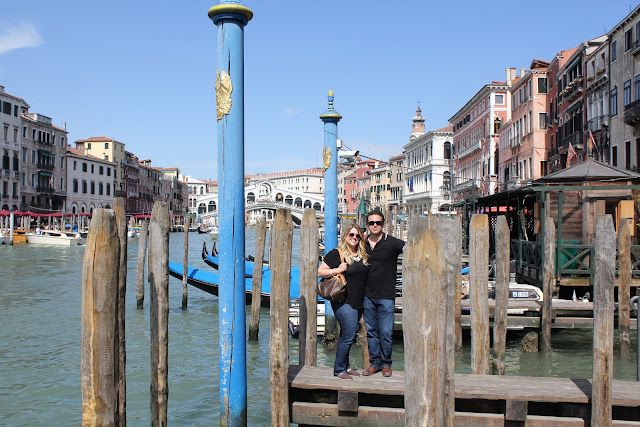
Piers and bridges everywhere
Loved this view
There is a tree that grows in Slovenia and Croatia called an alder tree that is noted for it’s water resistance. Thousands of these trees were imported (and subsequently credited as a contributing factor for the barren land of the Kras region). The tree trunks were fashioned into piles that were submerged in the water, penetrating the sand and mud until settling in the much denser layer of compressed clay. Foundations were laid on the piles and buildings of stone and brick were constructed on these footers.
Peekaboo!
Cheese!
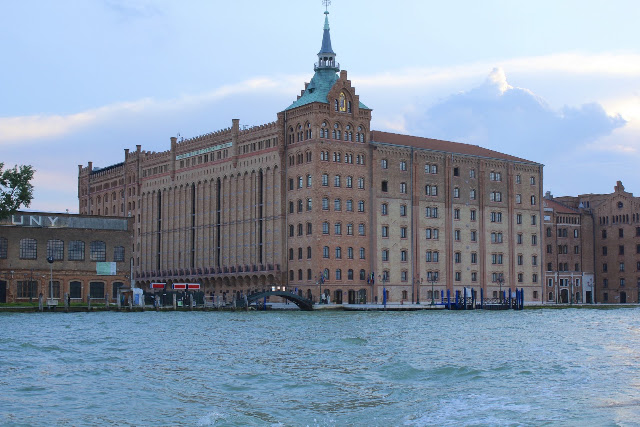
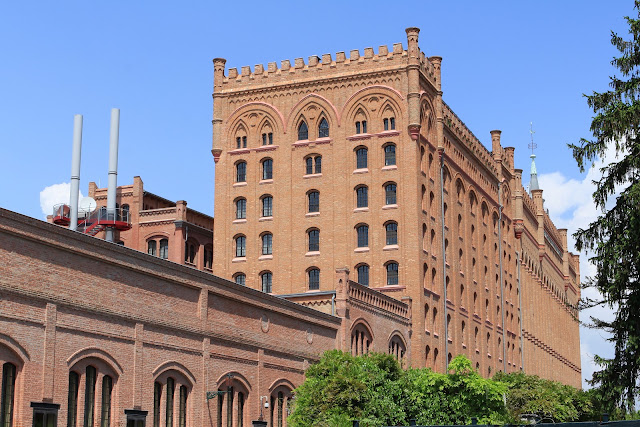
So now that you know the history, you can join us on our journey. We arrived early in the day via train (the easiest way into the city) and checked into our hotel. Our hotel, Molino Stucky is on the island of Giudecca, set in a beautifully renovated flower mill. After a quick lunch on the roof, we hoped on our hotel’s private ferry to the main island. We toured through the streets and canals, passed over bridges and stopped in shops. The girls bought scarves, glass and other souvenirs while Nathan and I took in all the scenery. We visited the infamous Piazza San Marco and fought for space among the crowds of tourists. We stopped for an afternoon cocktail on the water and eventually made our way back to the hotel to change for dinner.
Our hotel from the water
Hotel from the opposite side
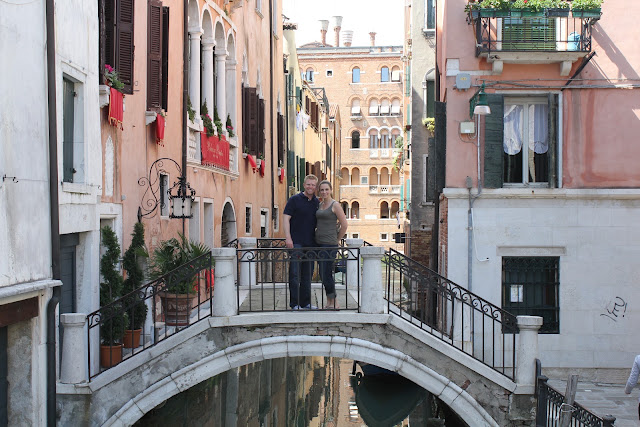
Nathan and Danielle on one the pedestrian bridges
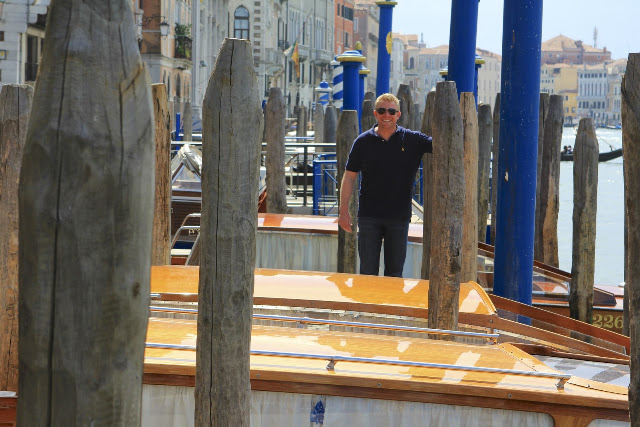
Looking good
Having fun touring
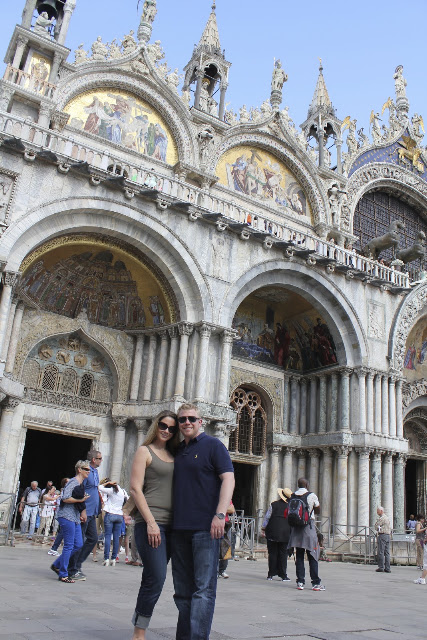
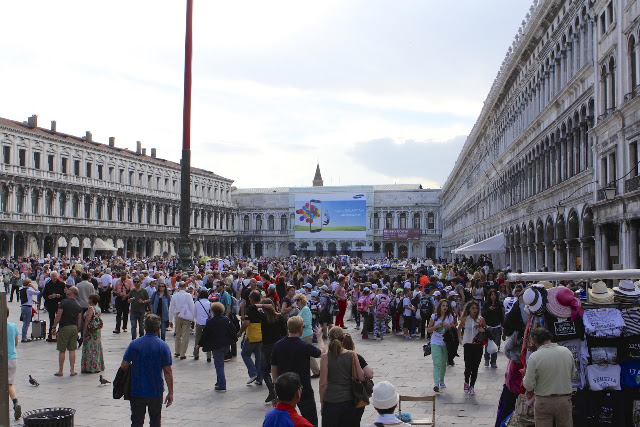
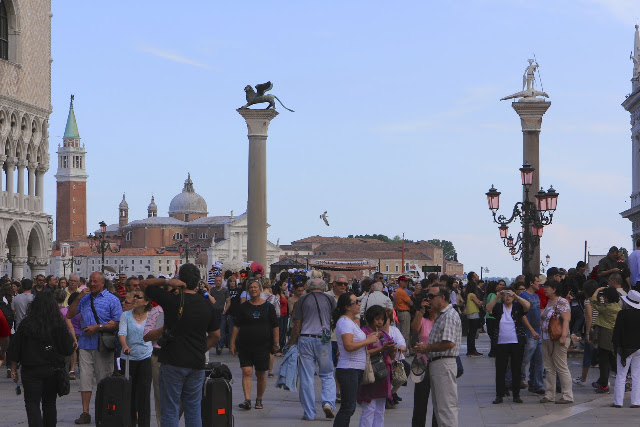
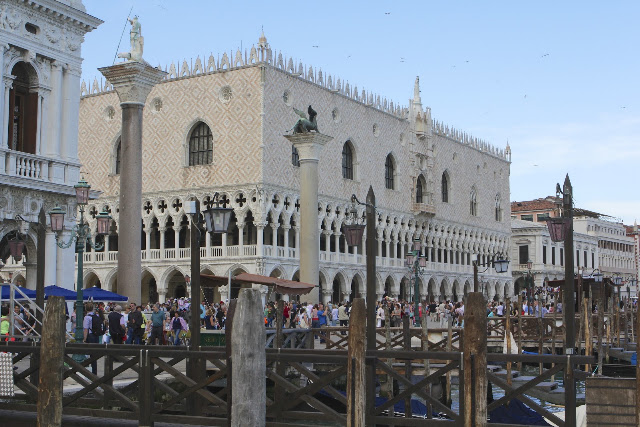
Piazza San Marco
The lion is symbolic of the Veneto region
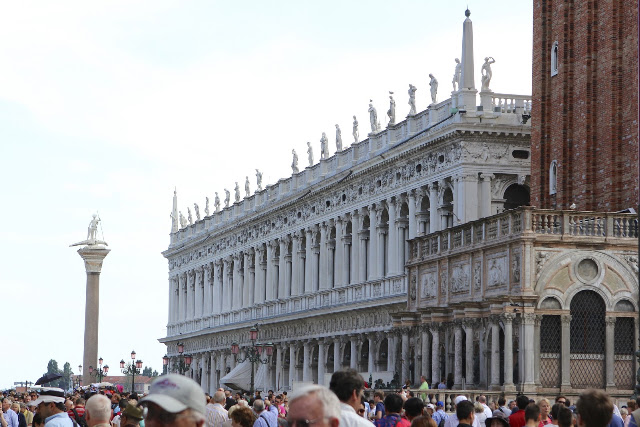
Incredible architecture – the Libreria (library)
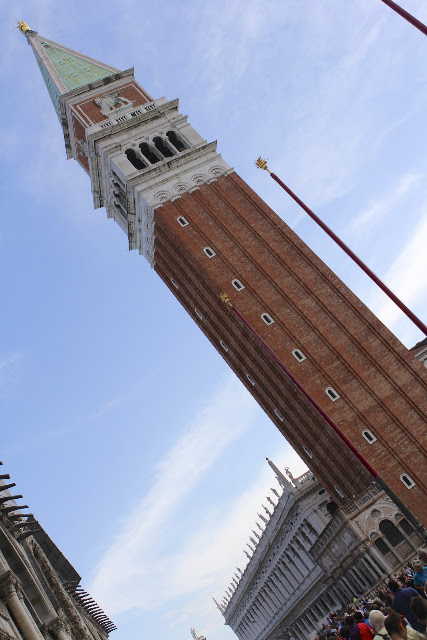
The Campanile – Bell Tower
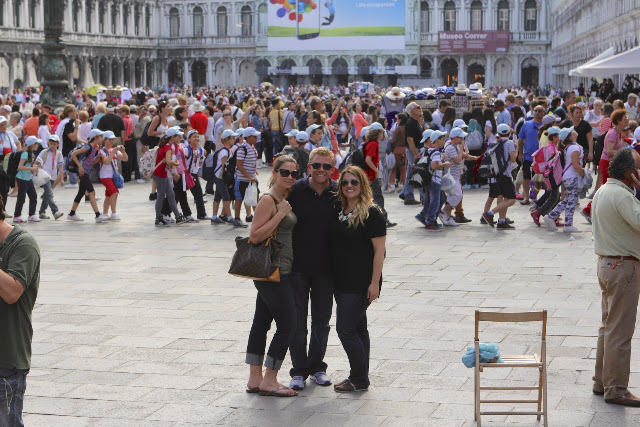
My three favorite people in the crowd
Procuratie Nuove built by Vincenzo Scamozzi c.1580
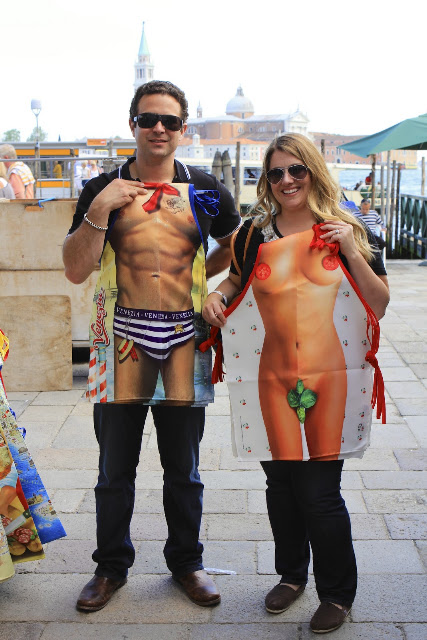
Those aren’t aprons – we just lifted our clothes
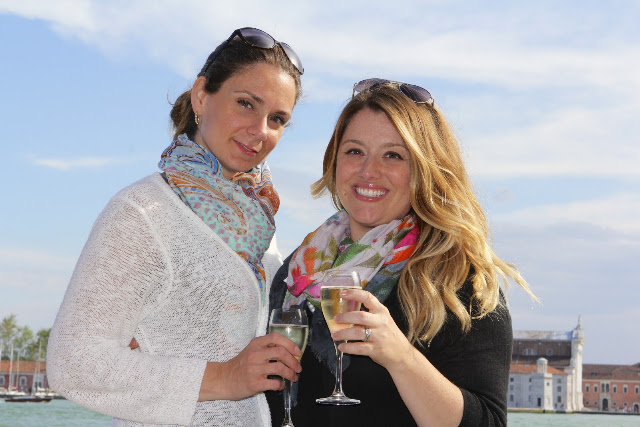
The girls enjoying their prosecco
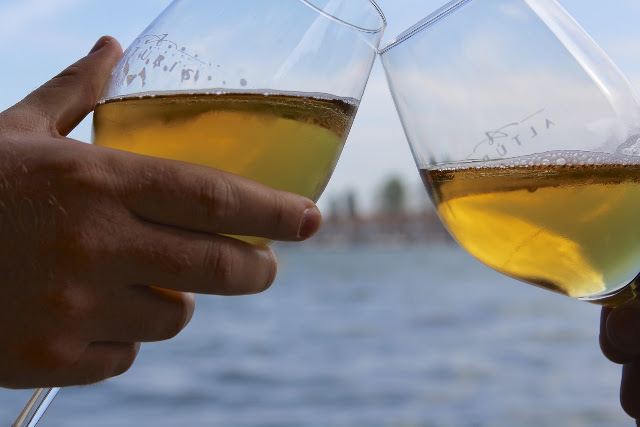
Looks like a romantic moment – really it’s just Nathan and I clinking our beers
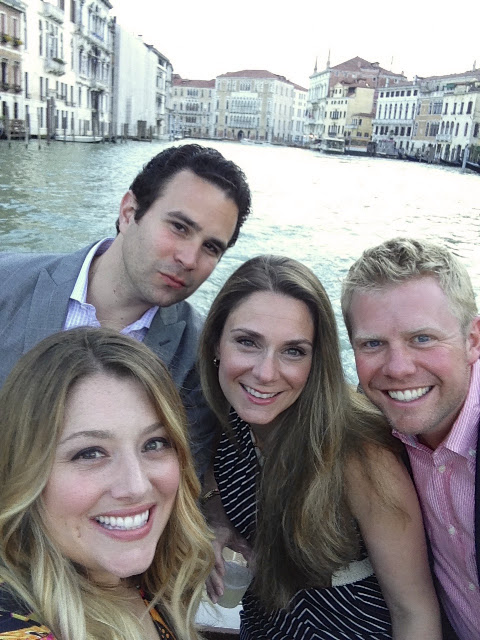
After freshening up, we met in the lobby and discovered that we were in for a real treat. Nathan and Danielle had reserved a private boat to tour us through Venice – a wonderful journey elevated by the setting sun . We stopped for some wine and cheese and sat back to enjoy the ride.
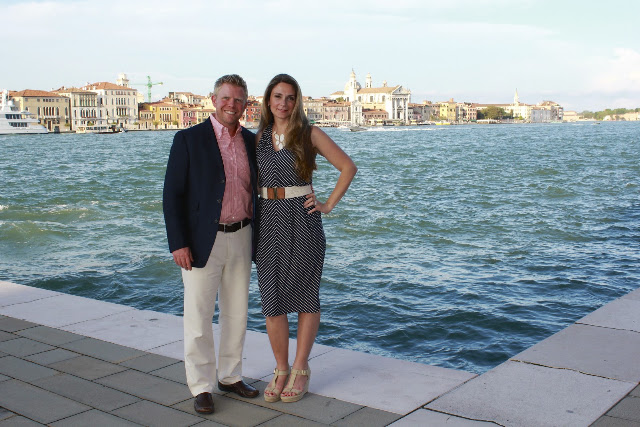
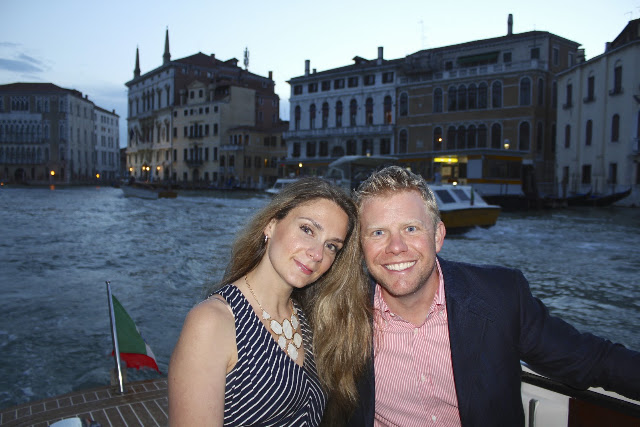
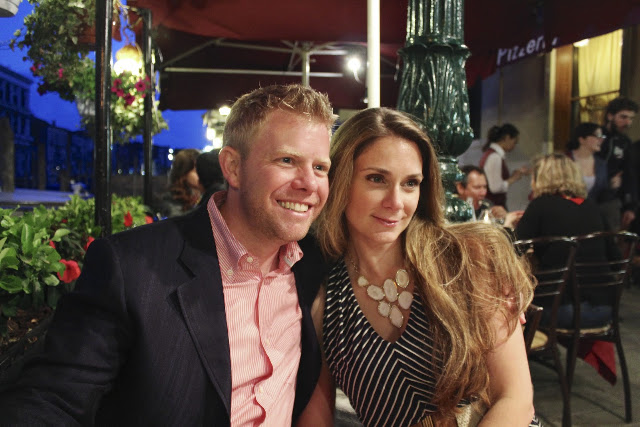
Now look a this couple!
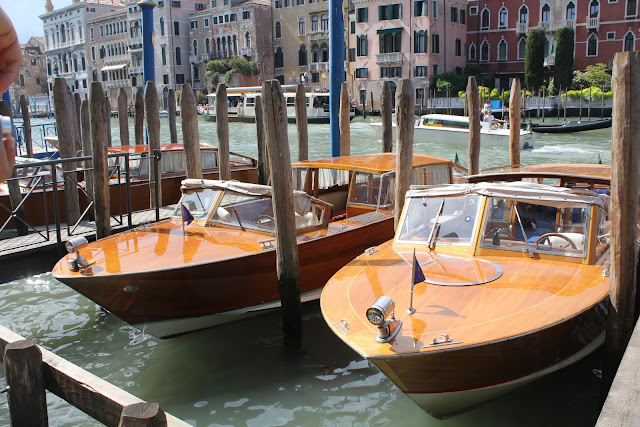
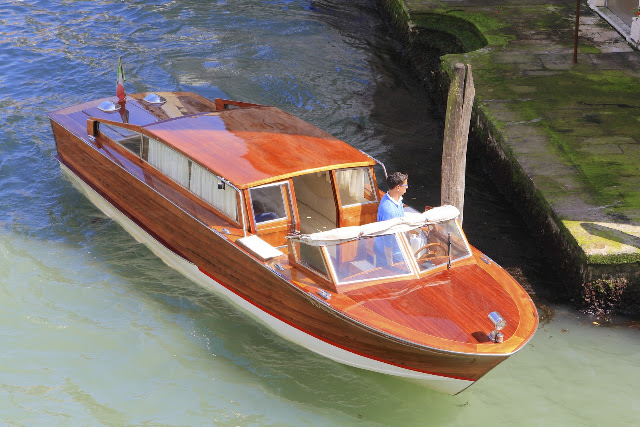
Some similar boats to the one we had
Traveling in style
View of Piazza San Marco from the boat
Along the tour
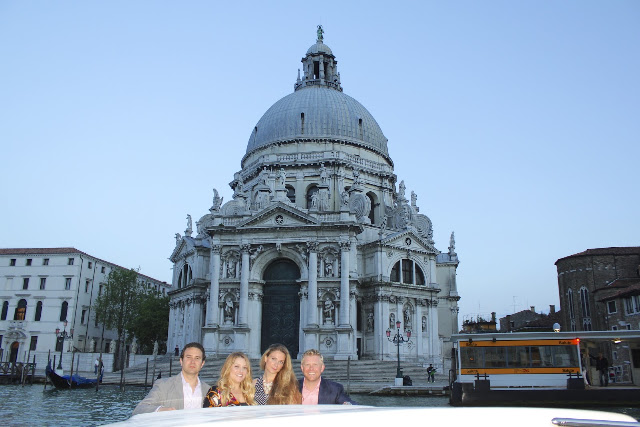
Stopping for a photo on the boat
Nate and D
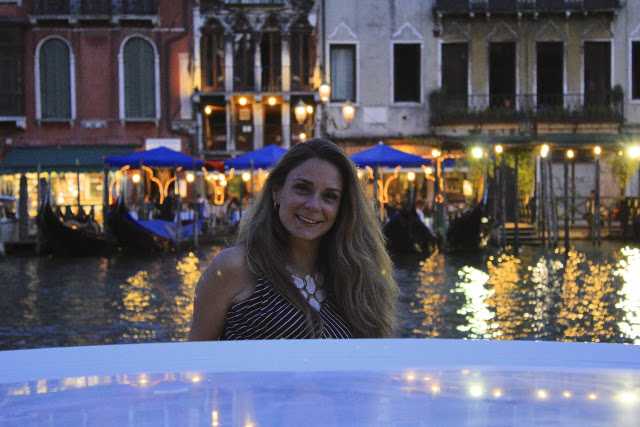
Magical at night
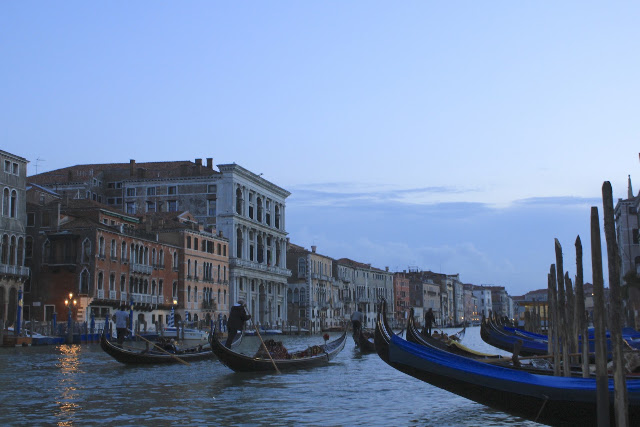
The gondoliers were still out as the sun was setting
Danielle on the water
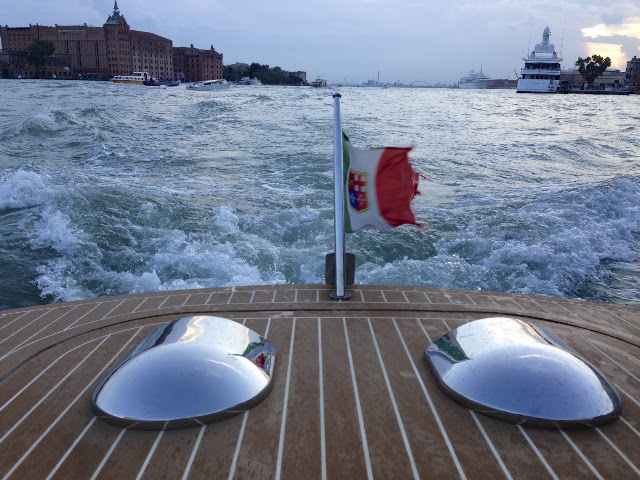
From the rear of the boat
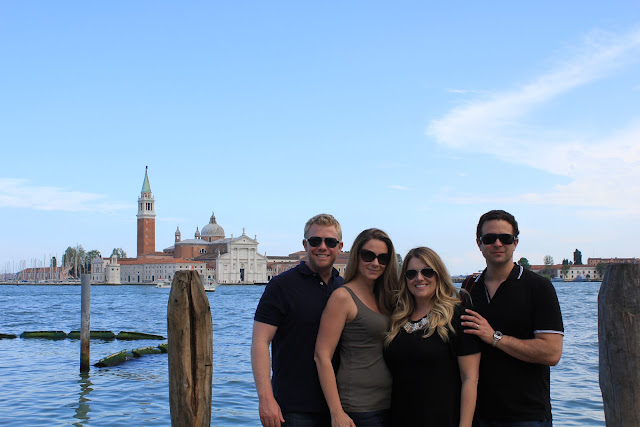
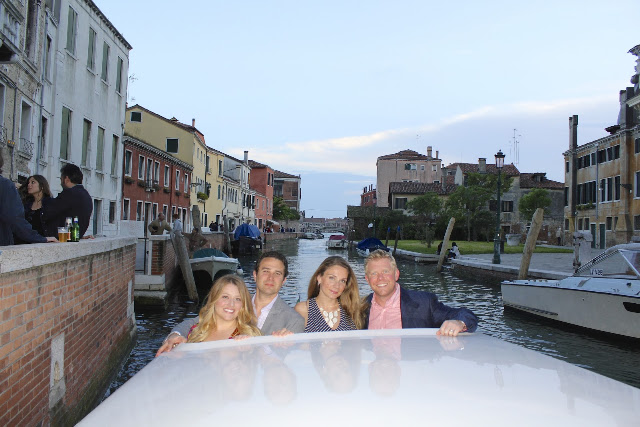
All of us on board
Similar to our boat
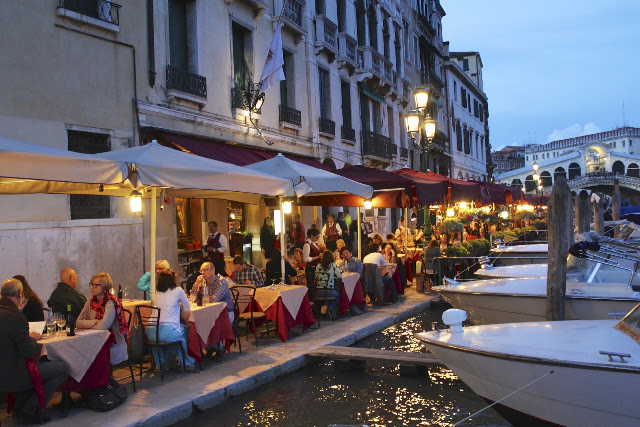
Eventually our driver dropped us at one of his local favorites for seafood. We settled into a table directly on the canal and enjoyed ordering a variety of food to taste and share. At one point, I felt something wet kissing my feet and realized the water in the grand canal had risen high enough to splash the patrons (me) sitting on the edge.
Our restaurant
What a wonderful setting
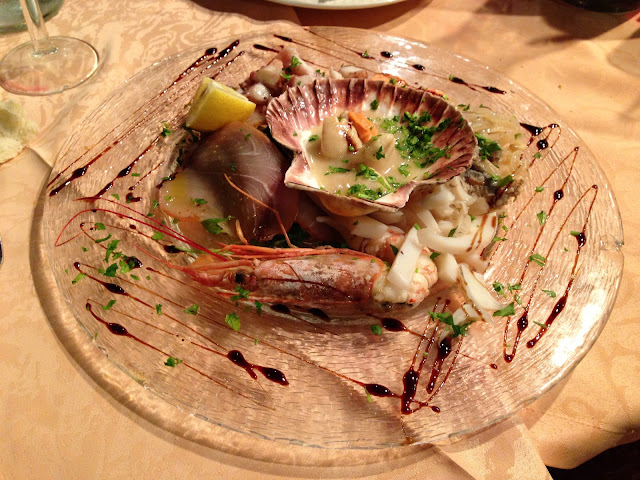
Starter – mixed seafood
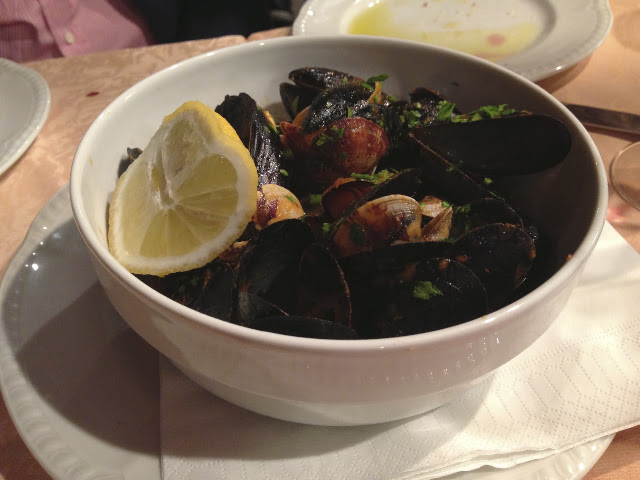
Mussels and clams
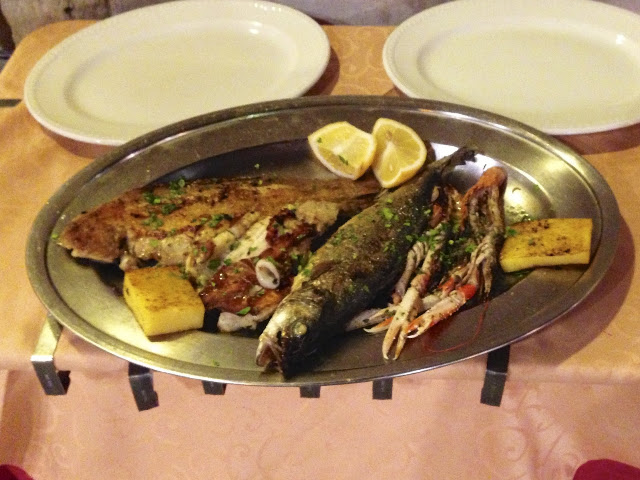
Nathan and I shared grigliata mista di pesce (mixed grilled seafood)
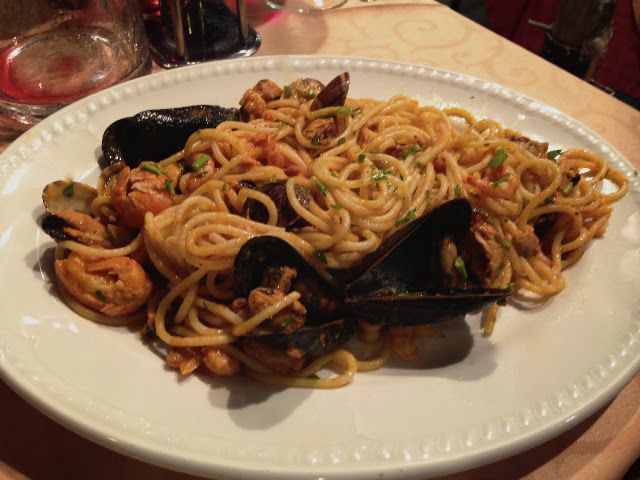
Jen got pasta with a variety of seafood
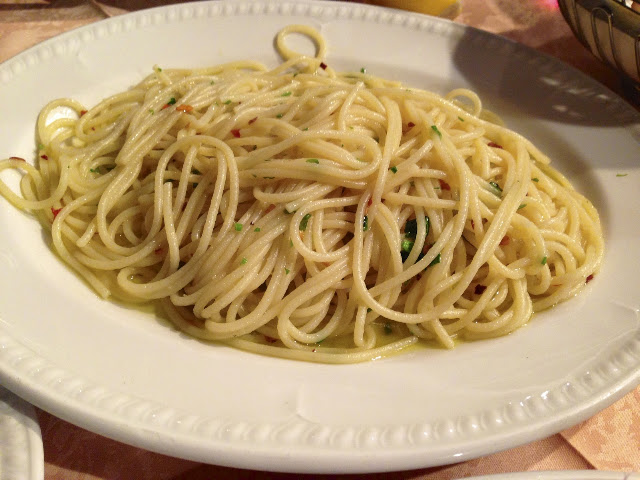
Pasta Aglio e Olio
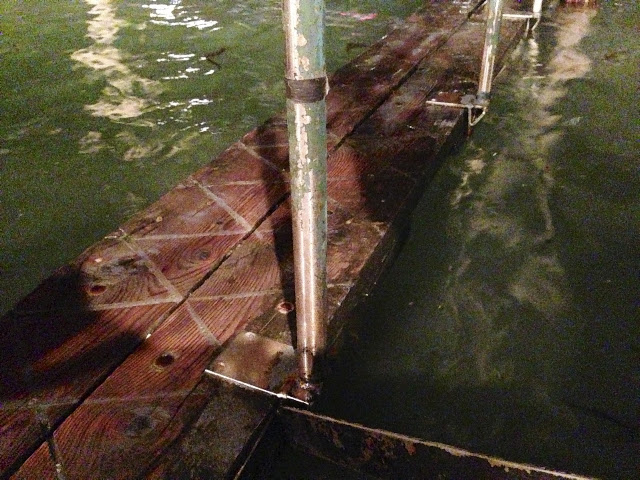
The water started rising above the pier
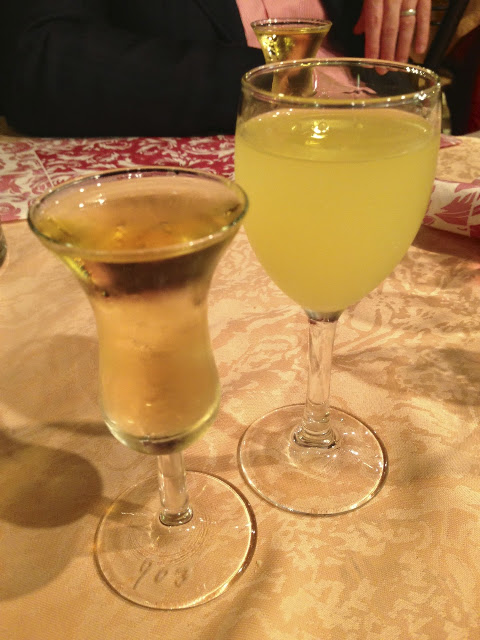
Our grappa and limoncello after dinner
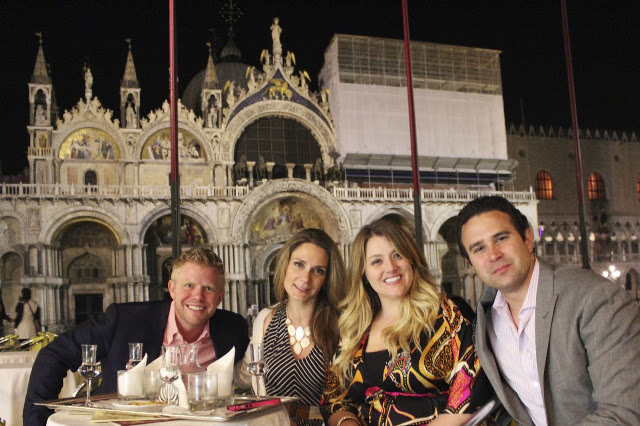
When dinner was over, we wound our way through the city at night to discover an entirely different Venice than the one we had seen all day. Long after the sun sets, the landscape of the city changes significantly. Without droves of tourists jockeying for the position to snap a photo (myself included) you are able to re-discover an entirely new place. Piazza San Marco becomes a magical amphitheater where dueling bands play wonderful music and the crowd shifts back and forth to capture the best view possible. We outsmarted the crowd and took up seats directly in front after ordering a nightcap. It was a great way to end the day before hopping on a boat back to our hotel.
In front of the Basilica
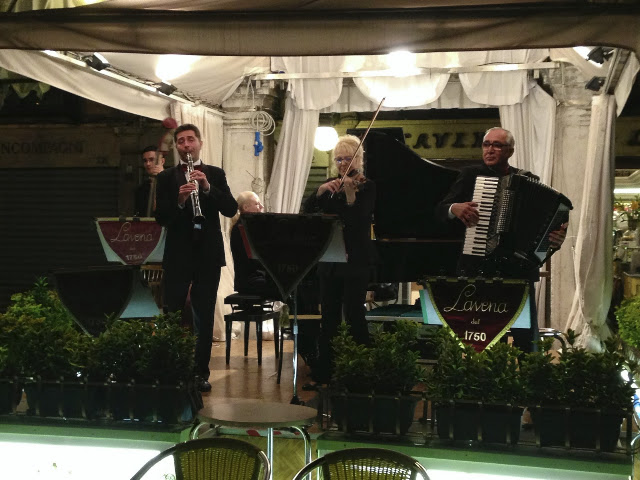
One of the “dueling bands”
Our trip to Venice had come to an end as had Nathan and Danielle’s visit with us. We spent one final day with them in Milano (Milan) and bid them buon viaggio (a good trip) back home. We were so thankful we got to do so many wonderful things with friends so special to us. After dropping them off, we rushed home and immediately started prepping for my sister’s visit… she would be arrived just a couple days later. Stay tuned for upcoming posts about their visit – more action packed fun.
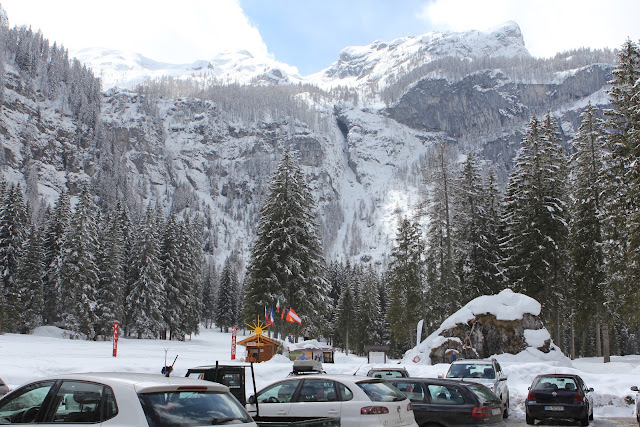
You may have recently read HERE about our trip to the Dolomiti (Dolomite Mountains) to visit Franco and Claudia over Easter weekend. What I wasn’t able to fit into that post, was all the imagery we captured of the most spectacular mountain range we have ever seen.
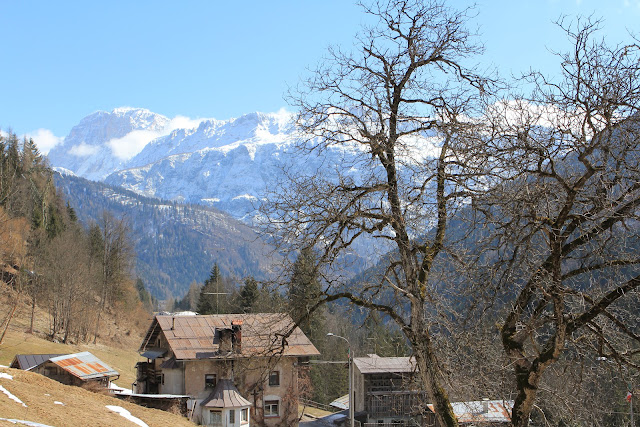
Hilltop view – I had to trespass to get this shot
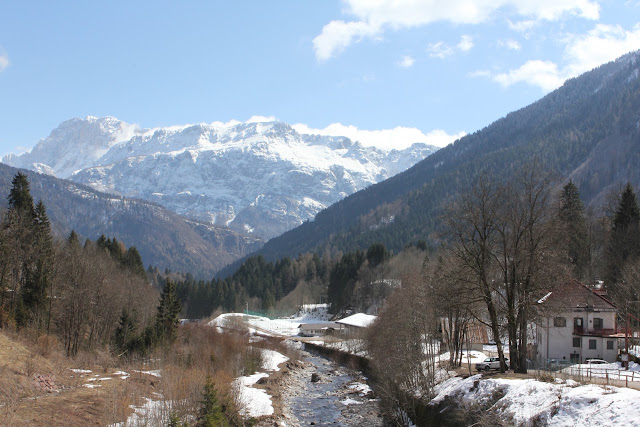
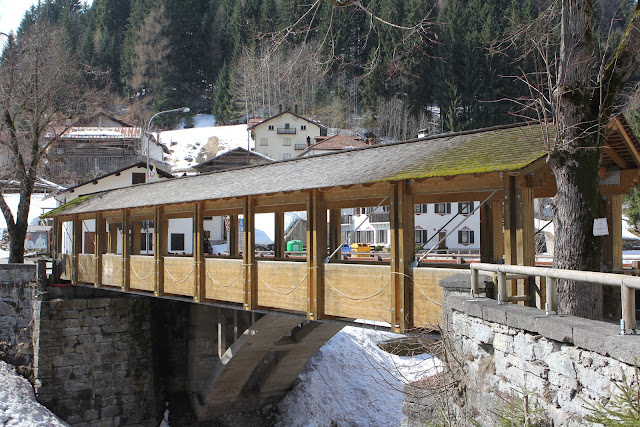
Mountain view from “Claudia’s” bridge in Canale D’ Agordo
We extended our trip in Canale D’ Agordo (Claudia’s hometown) by a day, because the three days we planned was barely enough to just scratch the surface in this region of Italy. Claudia wanted to show us not only her town of Canale D’ Agordo, but also the surrounding towns. We would like to now share them with you.
The day after Easter, we went to neighboring Gares, Claudia’s actual hometown. While she was born in Canale D’ Agordo, she grew up in Gares – a small town with barely a couple hundred residents. The only doctor in the region was in Canale and so she was delivered there, in her mother’s home. The very next day, her mother bundled her up tight and walked the some 10k back to Gares through a snowstorm to bring her home.
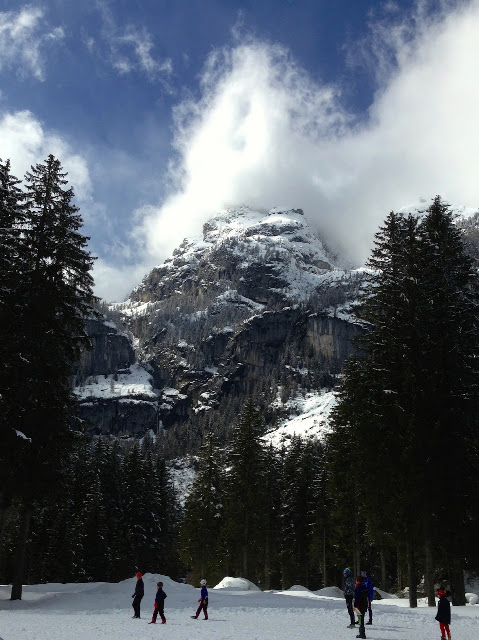
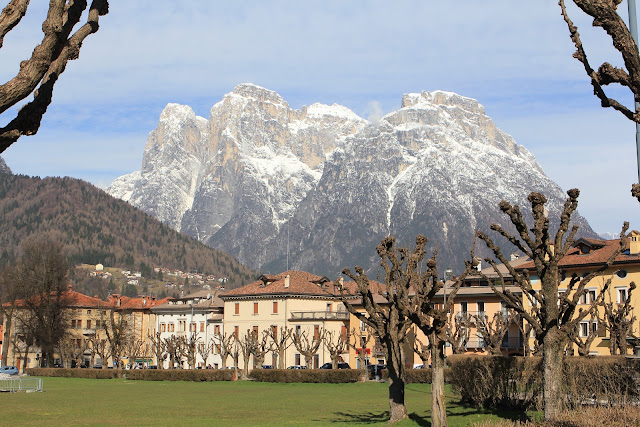
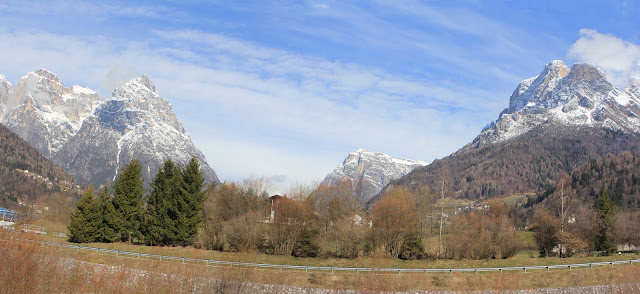
Sheer mountain range in Gares
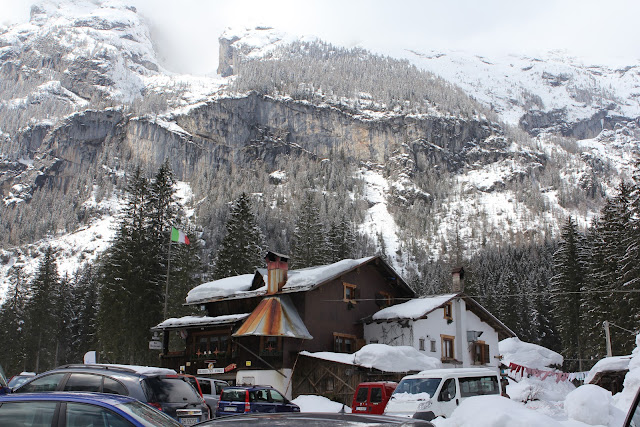
Claudia’s cousin’s restaurant sits at the bottom of the valley
Today, her cousin owns a wonderful restaurant, at the foothills of a large mountain range. Not only was it a treat to eat some of the regional cuisine, it was wonderful to spend time with her family and see this incredible valley.
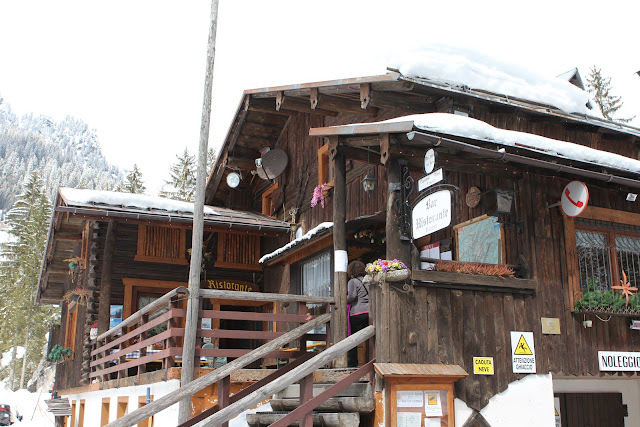
An incredibly charming restaurant
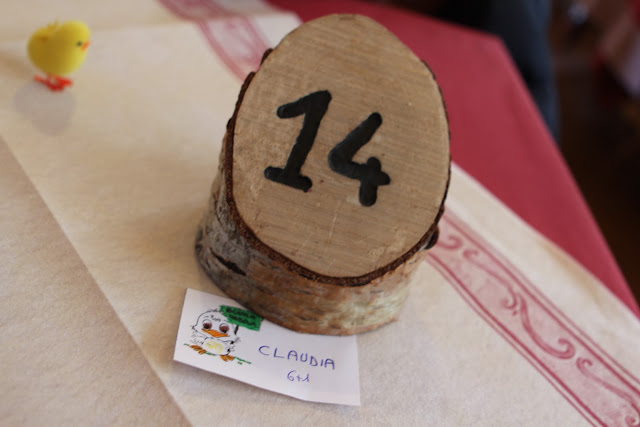
Special VIP reservations
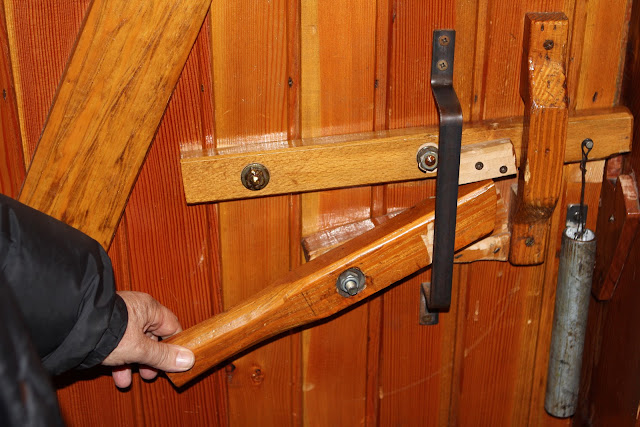
Franco demonstrating the high-tech weight, functioning as a door lock
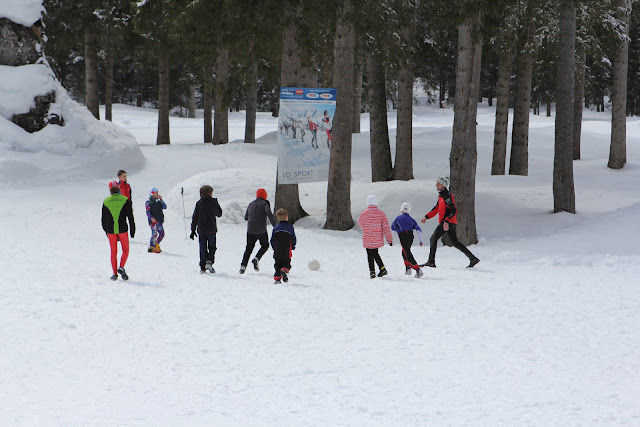
When you live in the mountains, this is your futbol field
The “field” at the base of the mountain
After lunch we walked all through Gares, a voyage that only took a couple minutes by foot.
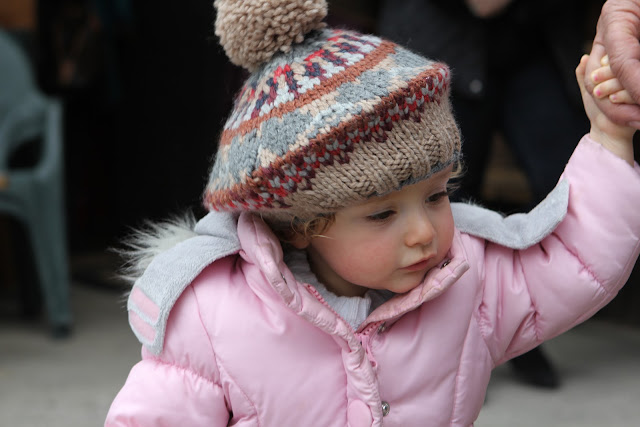
Julia sporting a fun hat for the mountains
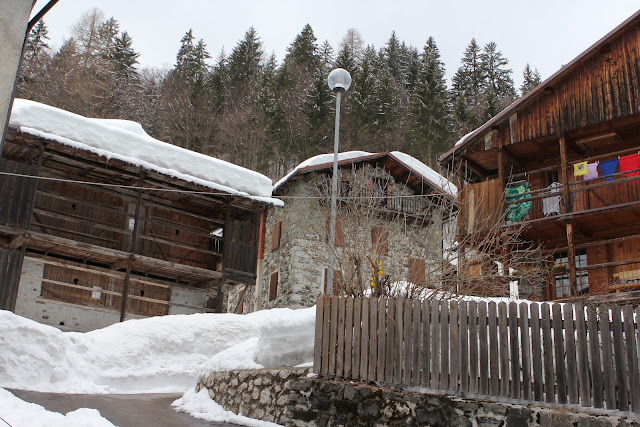
The main street bend in Gares
Part of the house next to Claudia’s original home
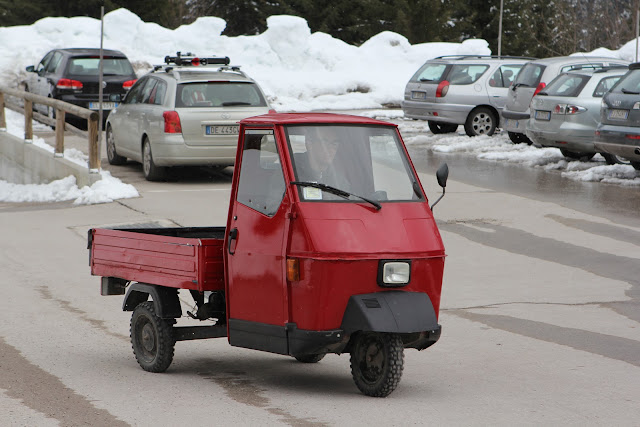
I crack up when I see these little guys driving around
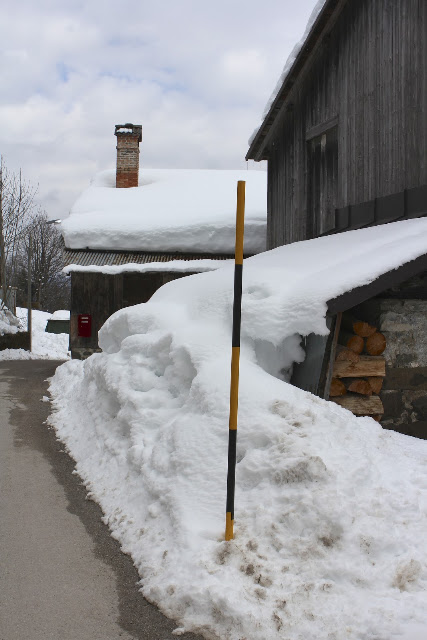
Poles mark the roads atop all the snow
Since we had extended our trip by a day, the next day we went with Franco and Claudia to see some of the other nearby towns. First, we went to Agordo – also in the same Province of Belluno. This town; at a lower elevation, displayed a striking contrast to the previous towns, which were still covered in snow. Green grass had already flourished in the center of town, showcasing a completely different juxtaposition with the mountainous backdrop than the previous towns, still primarily all white.
View from the center of Agordo
Main church
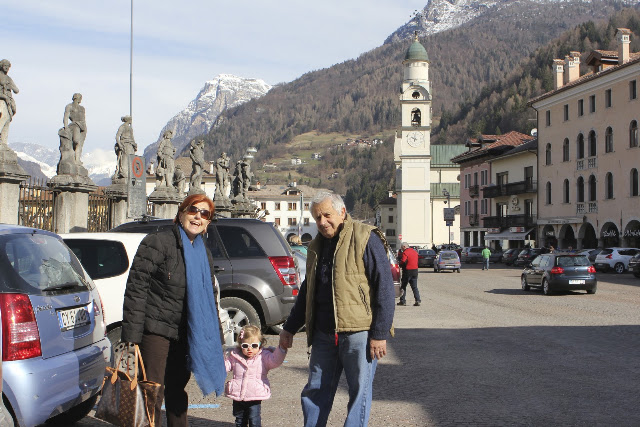
Franco and Claudia walk with Julia
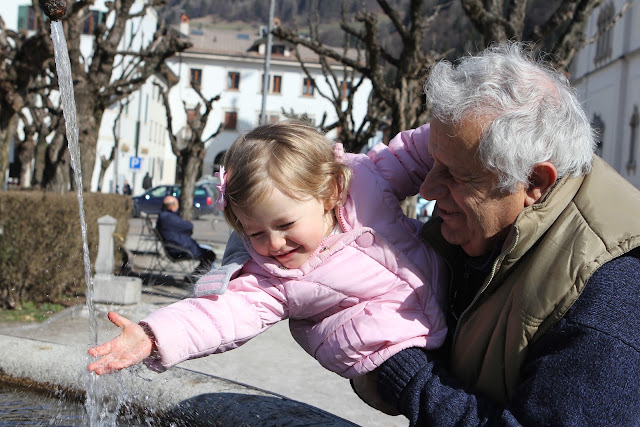
Julia can’t get enough of the fountains
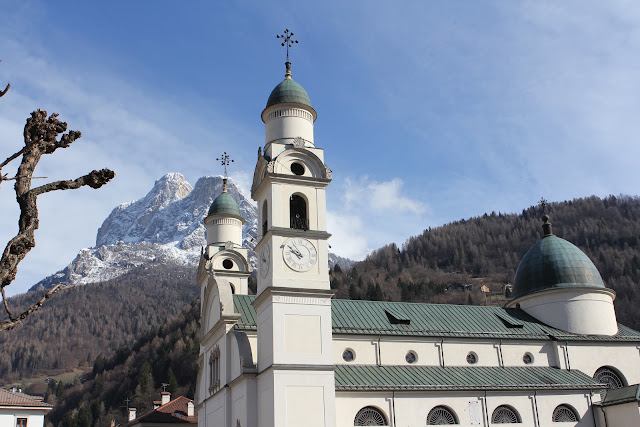
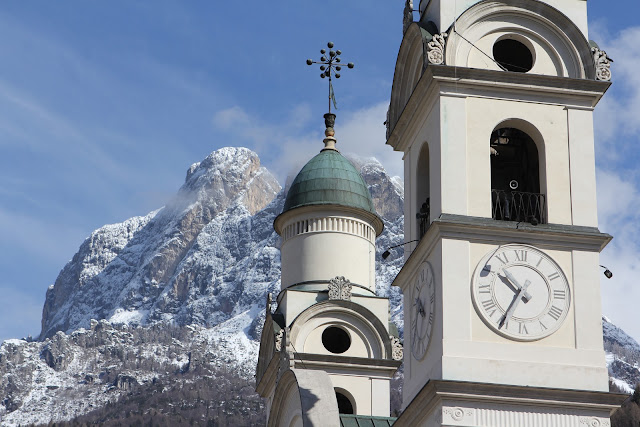
The chiesa (church) in Agordo is of significant importance to the region – and proudly displays it’s high stature by featuring two bell towers (as opposed to the standard one).
Two bell towers
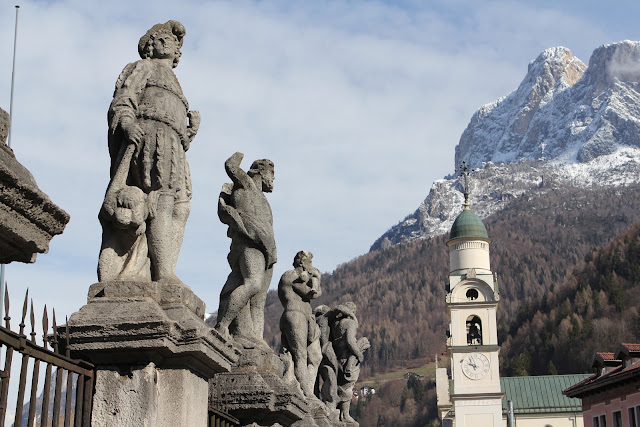
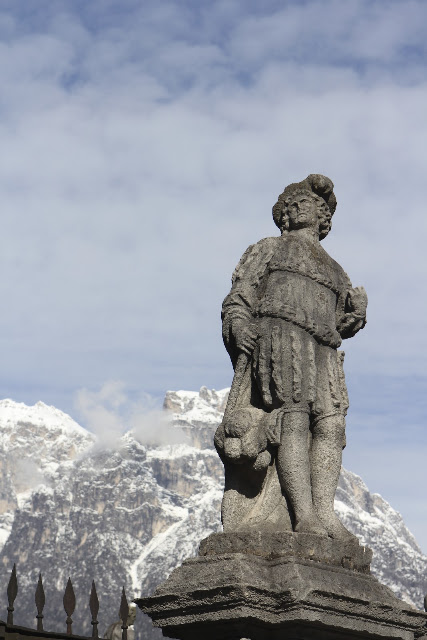
A prominent family of Agordo, Familia di Grotta (the Grotta family) owned a large villa in the center of town. They adorned the outside wall of the villa with the Mutt di Grotta (the Mutes of Grotta) – different “mute” stone statues that represented various traits (poetry, agriculture, astronomy, etc.).
Mutt di Grotta
Perhaps this guy represented philosphy?
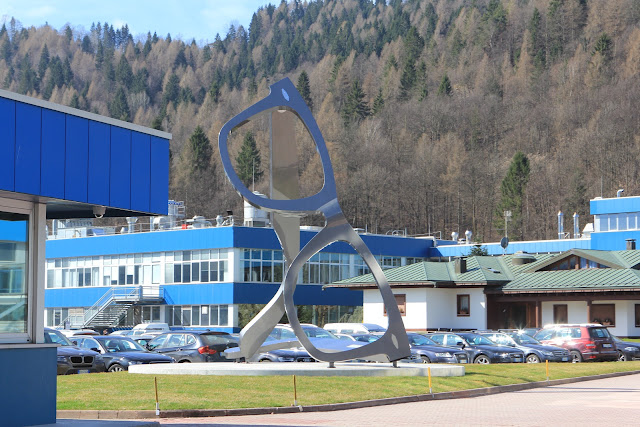
We took a quick detour to visit one of the Luxottica factories, just outside of town. Haven’t heard of Luxottica? Well, have you ever walked into a LensCrafters, Sunglass Hut or Pearle Vision? No? OK – perhaps you’ve put on a pair of Oakley, Ray-Ban or Revo sunglasses? These are all brands owned by the company. And even if you haven’t worn one of their brands, you’re sure to have worn a pair of glasses by Coach, Chanel, D&G, Ralph Lauren, Tiffany or Versace (to name a few). They don’t own these brands, but they do make their glasses with exclusive licensing agreements. The company moved it’s headquarters to Milano, but their factories all still remain in the Belluno region and is the main employer in the area.
The Luxottica factory
I’d fight hard for a corner office to get this view
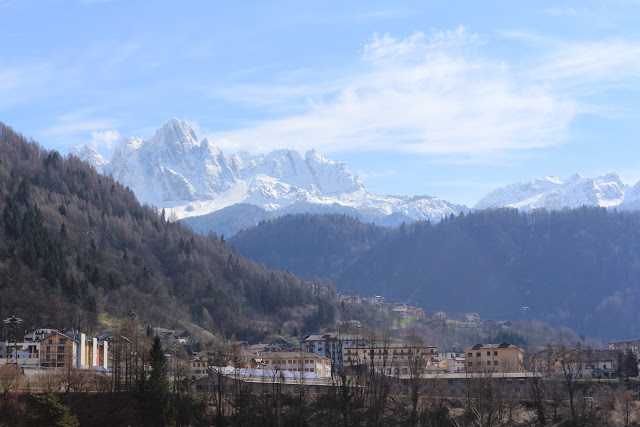
Amazing how the landscape changes in the various towns
After touring Agordo we drove to Alleghe, a beautiful lake town with a very unique history. The town of Alleghe, which surrounds the lake and runs all the way to the foothills of the mountains is actually much younger than many of the nearby towns. The town was re-built “brand new” in 1771 (young by most measures here) after a severe landslide buried the original town under today’s vast lake. The original town remains buried forever under water. When the lake’s water level falls low enough – you can see the original church’s steeple peeking from atop the waterline.
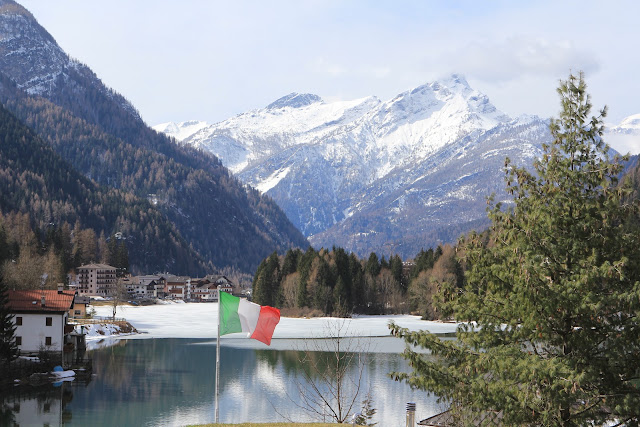
We love seeing the Italian flag – reminds us we’re really here
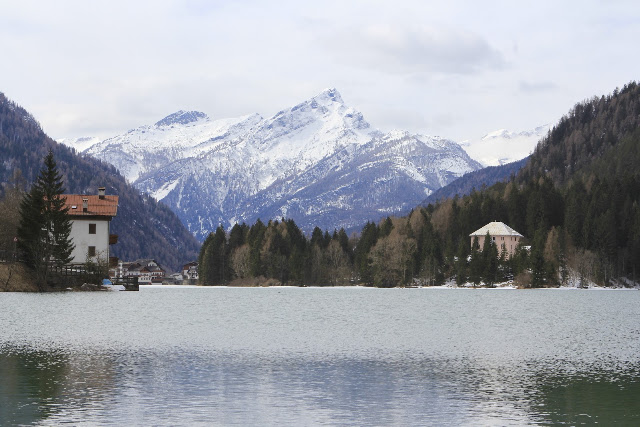
View right from the lake
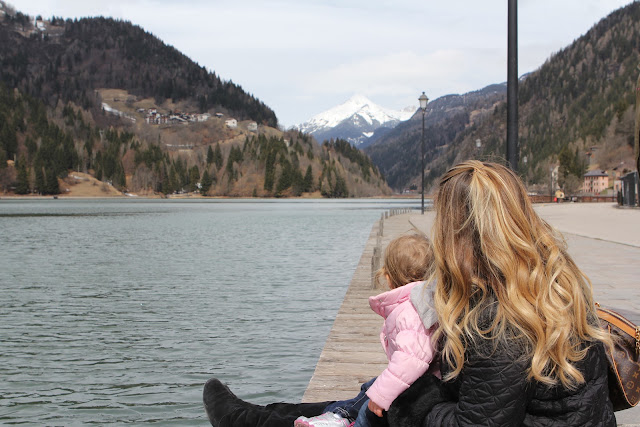
Jen and Julia soaking up the scenery
We were glad that we stayed the extra day to enjoy all the additional sights – we hope you did too.
This year we took full advantage of living in Italy and went to the Pope’s Church for Easter! Only, it wasn’t in Vatican City and it wasn’t the current Pope. But it was still his church! If I may explain…
Jen and Julia in front of the church in Canale D’ Agordo
If you’ve read a few posts (or know us), you’ll know that we’ve been fortunate enough to live in Jen’s parent’s condo while in Italy. Even more fortunate is that Jen’s Zio (Uncle) Franco and Zia (Aunt) Claudia live above us. This means we’re eaten countless meals upstairs (she’s a wonderful cook), have built in baby sitters, tour guides and translators… basically we have a third set of parents and new besties.
Franco and Claudia both have interesting life stories. We’ll save his for another post.
Claudia was born and raised in Canale D’ Agordo – a town in the Dolomite Mountains, one of the most spectacular places on earth. The Dolomites are a large mountain range in northeast Italy. In 2009 the Dolomiti were declared a UNESCO World Heritage Site. This means that the mountains are a site with significant importance (and beauty) and are therefore, protected. Interestingly enough, I have just now learned that Italy is home to more UNESCO World Heritage sites than any country in the world. After living here a short time, I cannot say that I am surprised.
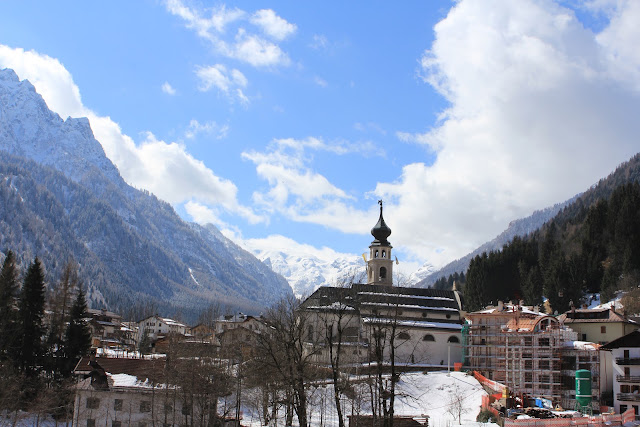
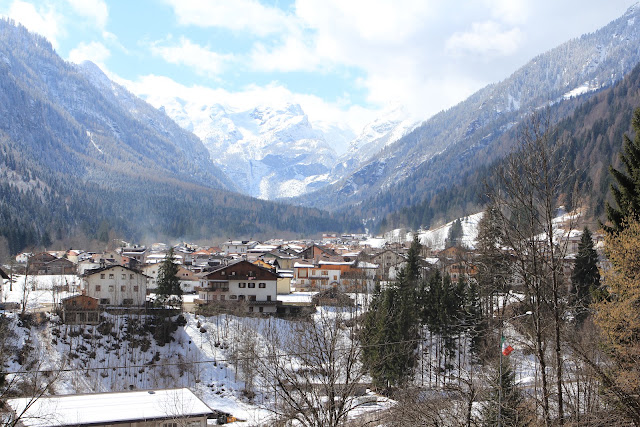
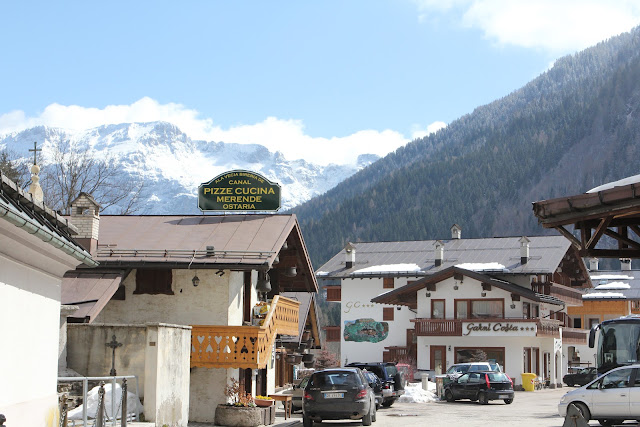
Canale is in a valley surrounded by two mountains
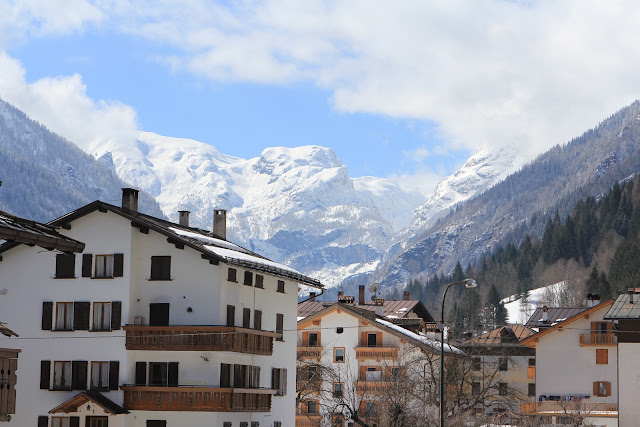
Beautiful scenery at every turn
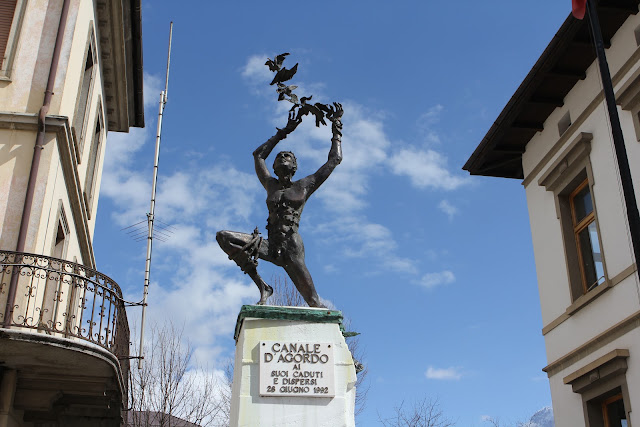
A statue stands near the center of town
The pedestrian bridge leading into town
We’ve been coming to Italy for many years with Jen’s family and I have always wanted to see the Dolomites. I have a strong love for the mountains, most likely due to my love of skiing. I have always been excited to see the Dolomites because they were bound to be at least a little more special than Sugarloaf or Wisp Mountains. They did not disappoint!
Canali D’ Agordo in the foreground of the Dolomiti mountains
Each year, Franco and Claudia spend several weeks together in each of their respective hometowns. Luckily for us – she invited us to join them for part of their trip, over the Easter weekend. This was great because we had no idea what we were going to do for Easter. We were also excited because her town, Canale D’ Agordo was the home to Pope Giovanni Paolo I (Pope John Paul I). Let that sink in for a moment… her small town of roughly 1,000 people was the hometown of the Pope. That’s like saying, “yeah… the President used to live right next to me… here’s his house” Only, he’s not just the leader of a single nation, but rather the spiritual leader of the world.
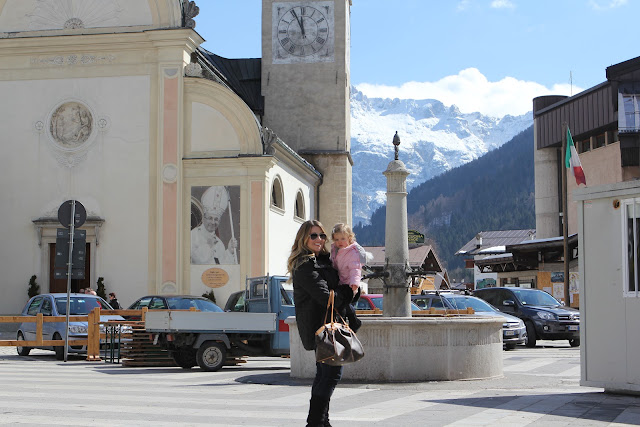
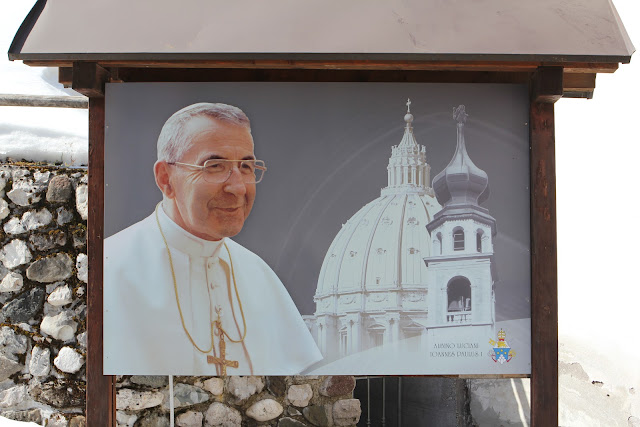
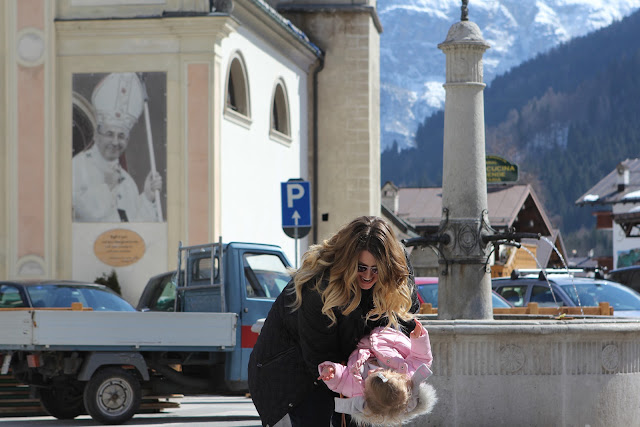
Pope Giovanni Paolo I – a hometown hero
Pope Giovanni Paolo I has an interesting history. He has the unusual honor of being the shortest reining Pope in history – just 33 days as Sovereign of Vatican City. He is also the most recent Italian-born Pope. It is widely whispered, even today – that his death was not due to natural causes (if you’re a fan of conspiracy theories, you can click HERE to read a few). This cloud of mystery and short reign does nothing to dispel the love and connection that people of Canale and Italy feel for Giovanni Paolo I, The Smiling Pope. In fact, the very next Pope adopted the name of Giovanni Paolo II, to honor and respect his predecessor.
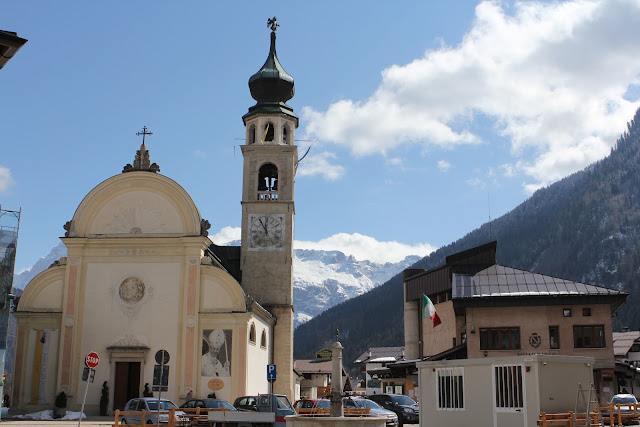
Albino Luciano (as was his given name) was ordained a priest in 1935 and served for a time as the parish priest for the town church (also, one of the main churches in the region), Parraocchia di Canale D’ Agordo, the church you see pictured below.
Parraocchia di Canale D’ Agordo – a 550+ year old church
Jen and Julia in front by the town fountain
We arrived in Canale on Saturday – just in time for a wonderful lunch at Claudia’s home (the home where she was raised). Then she left us to walk around town as she went to help clean the church for Easter’s big service. We walked around the wonderful town, and bumped into about 30 of her cousins along the way.
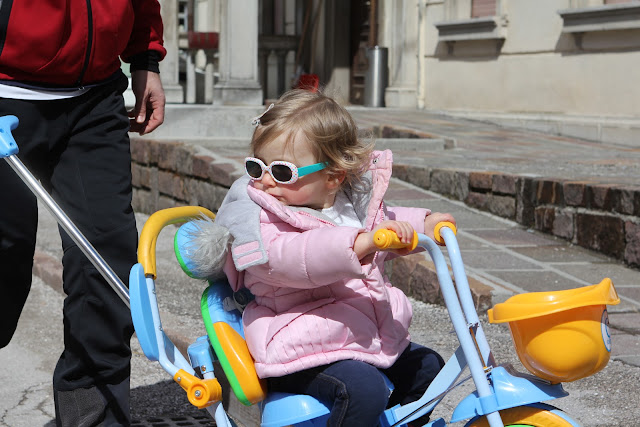
Julia ridin in style with one of Claudia’s cousins
Julia strikes a pose
On Easter Sunday, we attended a wonderful service (where we understood everything that was said in Italian) in the Pope’s Church, Parracchia di Canale.We walked the short 200 yards back to our beautiful hotel, where the Easter Bunny had left Julia a surprise.
Our hotel on the right
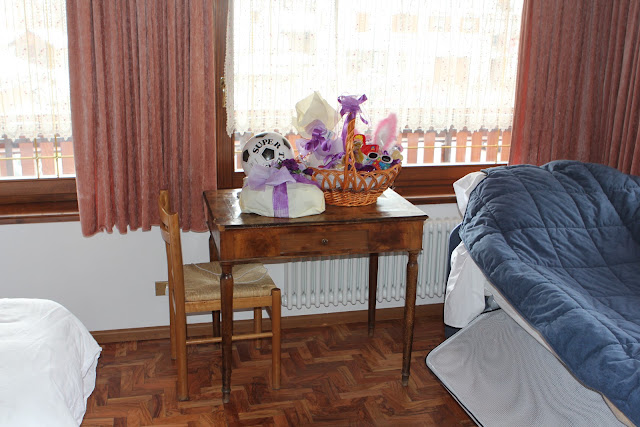
We had her Easter basket ready for her
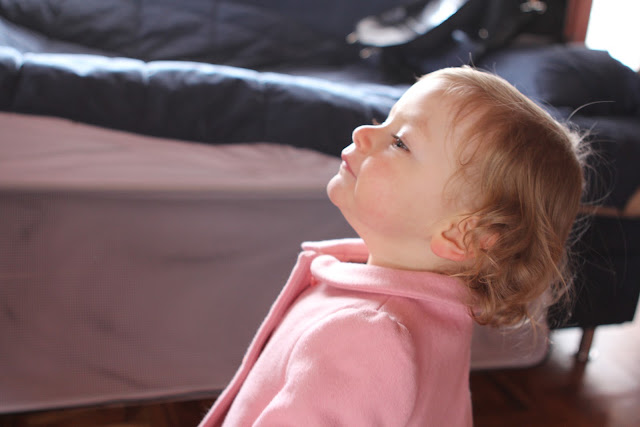
“What’s that up there?! Is that for ME?!”
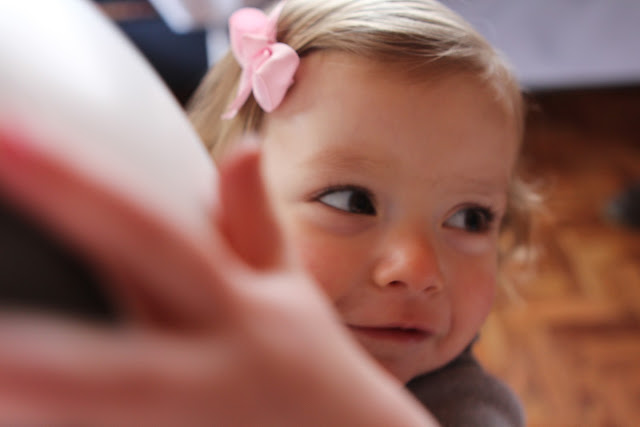
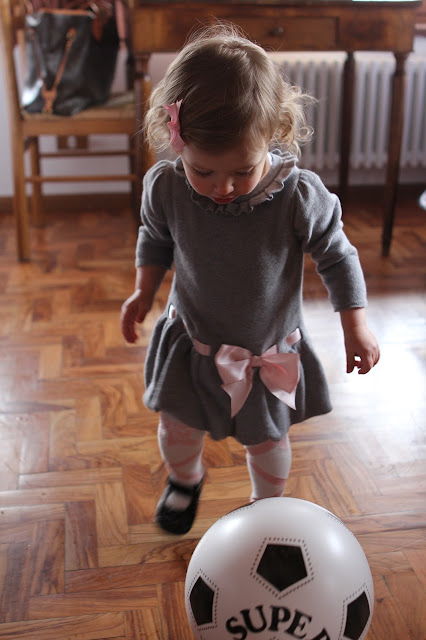
“A soccer ball?! Well, I’ll just take this.”
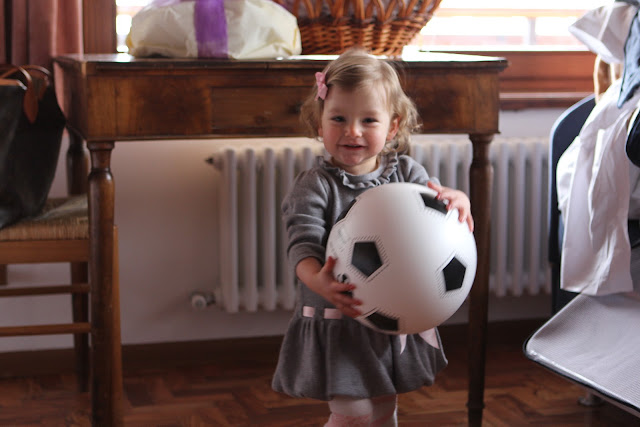
“Don’t worry, I got THIS pops”
“I told you I got this!”
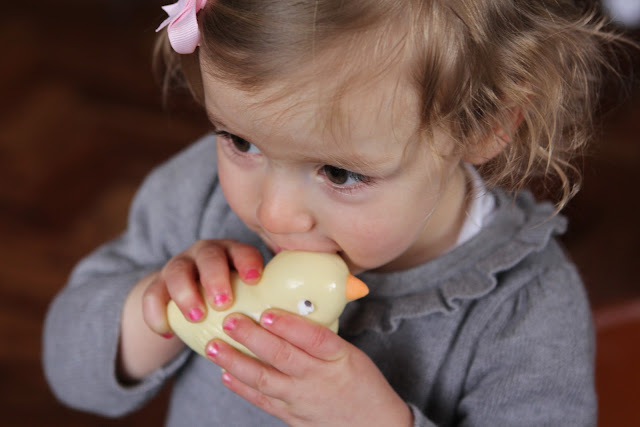
She loved her soccer ball, until she saw her chocolate chick
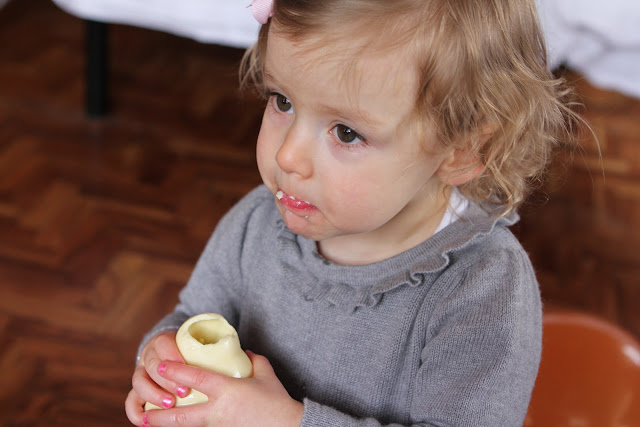
Which she loved so much, it’s head fell off!
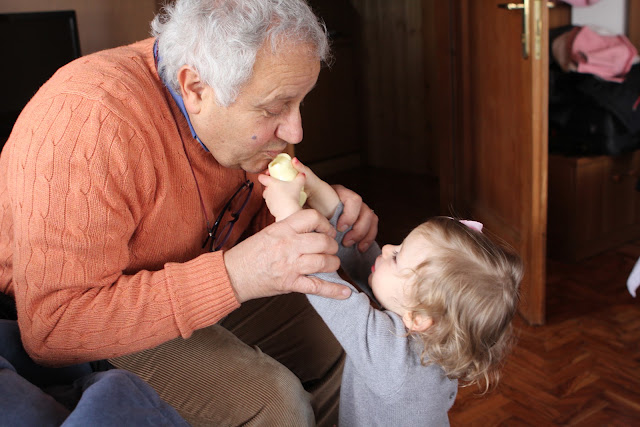
“Here, Nonno Franco – take a bite. Please, it’s my pleasure”
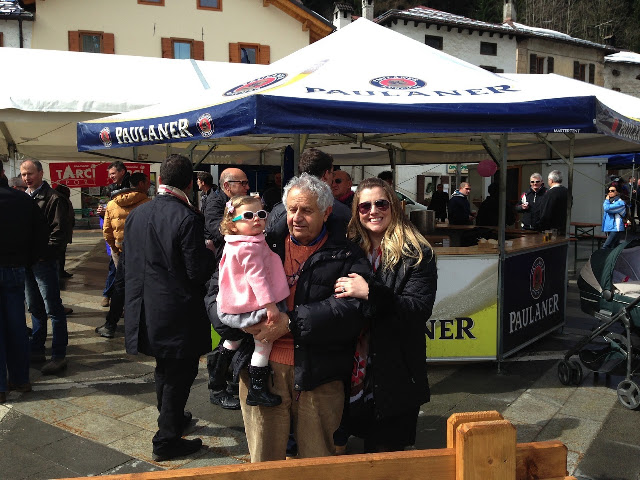
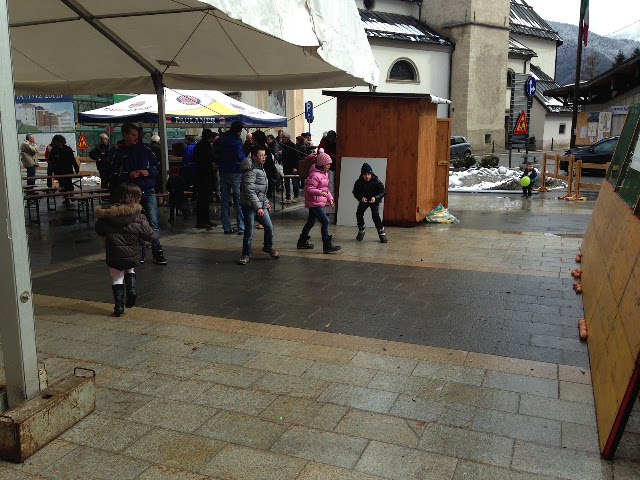
Afterward we went to the town square, where they had set up an outdoor festival. We danced, we ate and we drank.
The festival in the main piazza (town square)
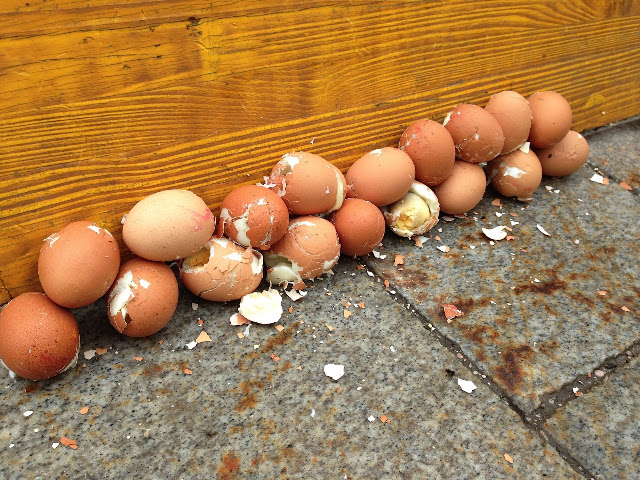
Coin tossing competition – you try to toss your coin into an egg
The winner is the person that sticks the most coins in the eggs
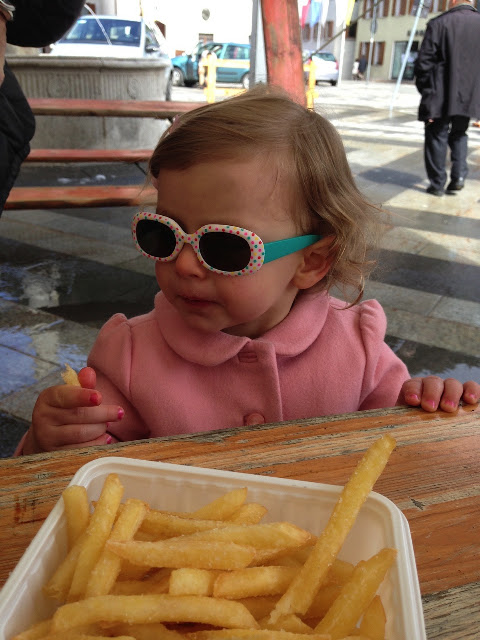
Julia “chill-axing” at the festival
Later in the day, we went to one of Claudia’s cousin’s (another cousin) restaurants and enjoyed some more delicious food.
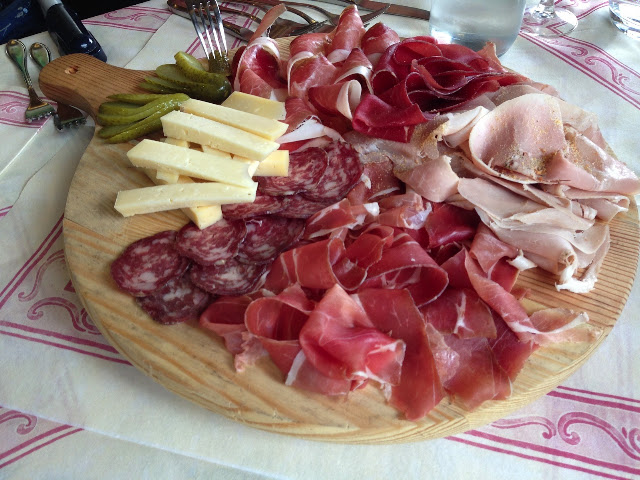
We started with some antipasti
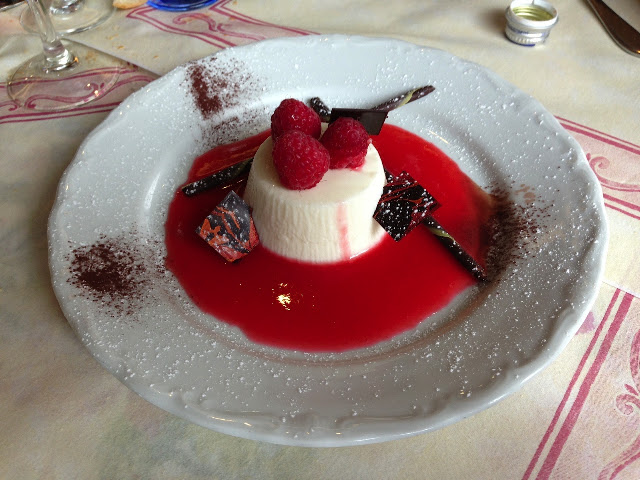
We each ended with a wonderful dessert
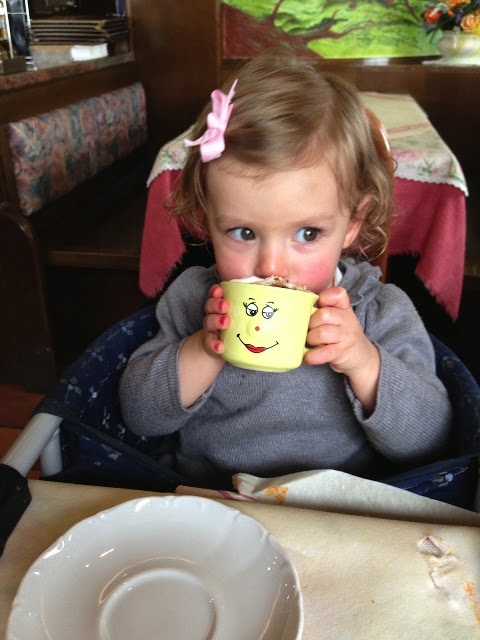
Even Julia got dessert out of a cup featuring her new favorite cartoon (Barbarapappa)