King Joffrey might just be the most evil little man-boy on the planet, but he has got one thing right – he gets to live in a beautiful and unique city (King’s Landing) with a history no more interesting than the real-life city in which the show is filmed. If you’re a fan of the show Game of Thrones, you may know that most of the filming takes place in Dubrovnik, Croatia. This site was chosen after season one wrapped (they originally filmed in Malta) because of the city’s perfectly maintained medieval appearance. It is purely coincidental (and perfectly fitting) that the city of Dubrovnik happens to have a past that is as violent and completely peppered with dastardly deeds as King’s Landing itself.
Midway through our cruise on Celebrity Cruises ship, the Silhouette, I was bursting at the seams with excitement. The port of call I was most eager to see had finally arrived! The previous ports had been no less fantastic, Rome (here and here), Florence (here), Corfu (here) and Kotor (here) – but this was the icing on the cake for me. I’m a fan of the HBO hit series, but more importantly I’m a fan of history. I’m also a fan of 6’2″ blond models and this city seems to export them in droves.
The view from our balcony when we arrived in port. This is the more modern part of Dubrovnik“Let’s get going!”
The city of Dubrovnik is pleased to be recognized as one of the most popular tourist destinations on the Adriatic Sea and they are certainly proud to have their Old City listed as a UNESCO World Heritage Site. It’s no surprise that the city is so popular; it is truly something to behold.
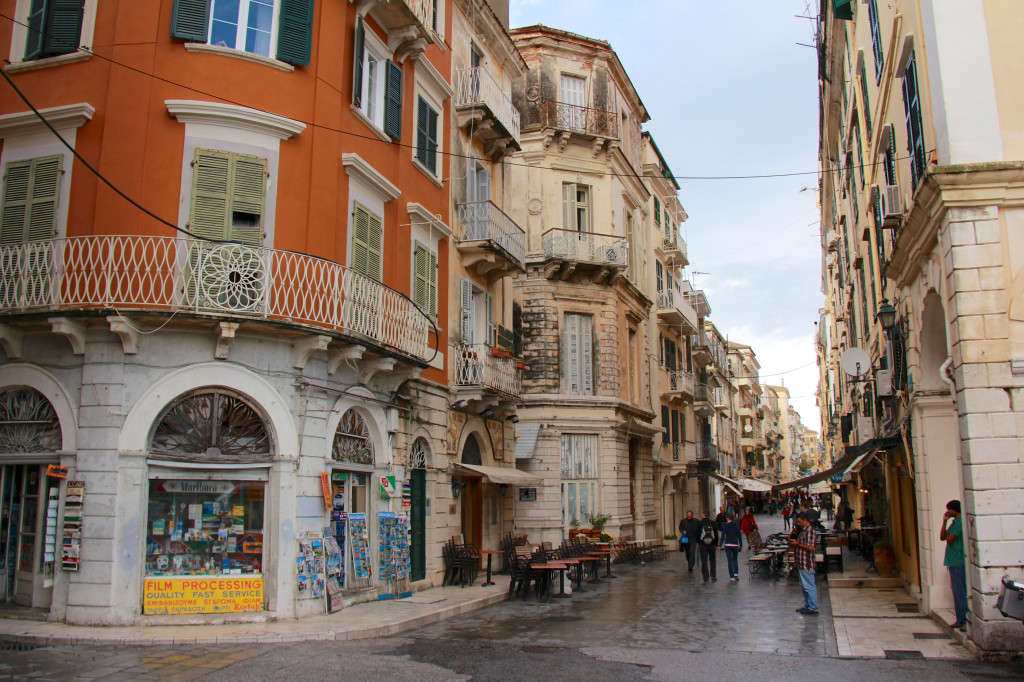
The Old City of Dubrovnik exudes charmIt’s hard to forget that the entire city has been fortified against invadersDubrovnik is an important port city with strong ties to the seaPile near the man entrance gateTower Minčeta is the strong fort located in the North wall endingTower MinčetaThe city is fortified by large walls over which tile roofs can be seen peeking throughFort of Saint Lawrence in Blackwater Bay
It is commonplace for me to weave travel tips into many of my posts; if any of the things that we have learned are helpful to anyone, than I am pleased to have been of service. Please allow me to draw out one specific point that I’m sad to have recently learned:
Do not take a Mediterranean cruise during rainy season – the precipiation will certianly affect your time in the port cities and cause your ship to sway and rock like a ’68 Camero at “make out point”
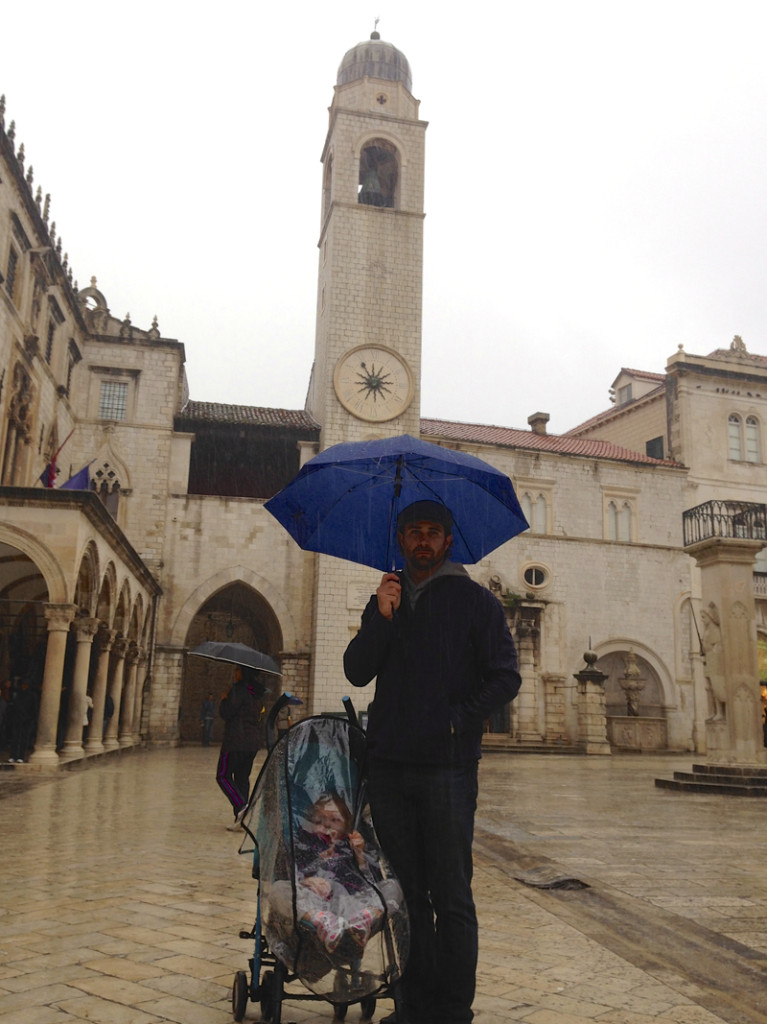
First, it drizzled when we were in Florence. Then, it sprinkled as we visited Corfu. Next, it rained while we were in Kotor. Finally, it poured when we reached Dubrovnik. Luckily for us, for all the time it rained – we were blessed with just as much sunshine. The rain would pass by quickly, but not before wetting our socks and changing our plans at each port. You see, there are dozens of interesting activities that you can enjoy in Dubrovnik (just like the previous cities). However, when you spend a couple hours hiding out in an Irish pub before finally soldiering through the rain and puddles, you will miss out on the opportunity to participate in organized activities. Indoor museums and churches become more appealing than boat rides and walking tours. I have to say, I am usually a much bigger fan of the latter, but when you are fighting to stay dry – sitting quietly in a 600 year old church somehow seems much more exciting than normal.
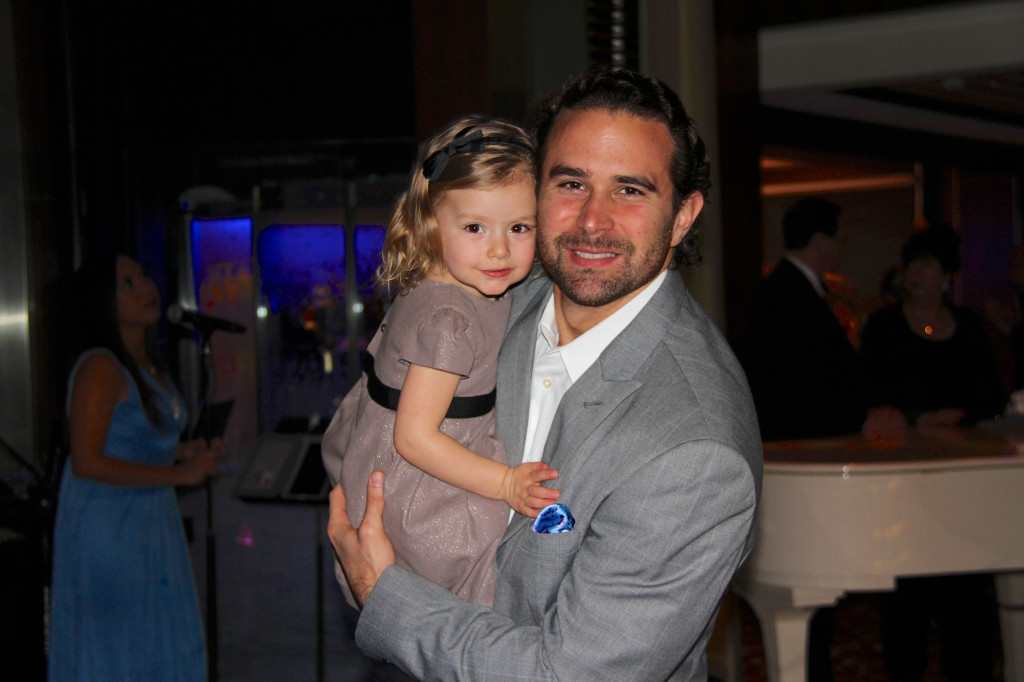
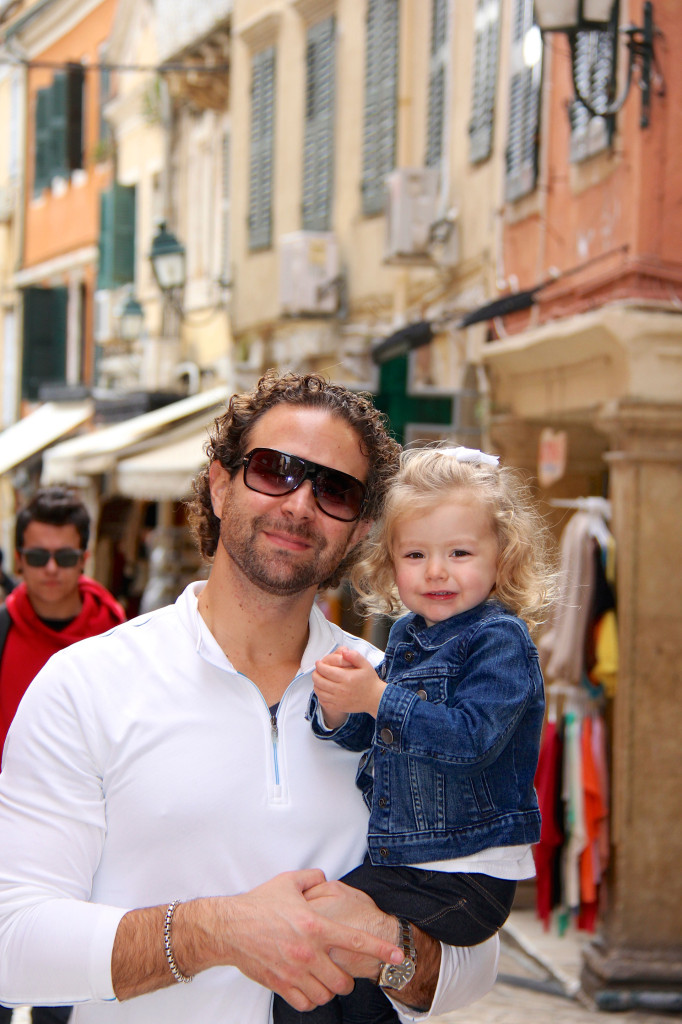
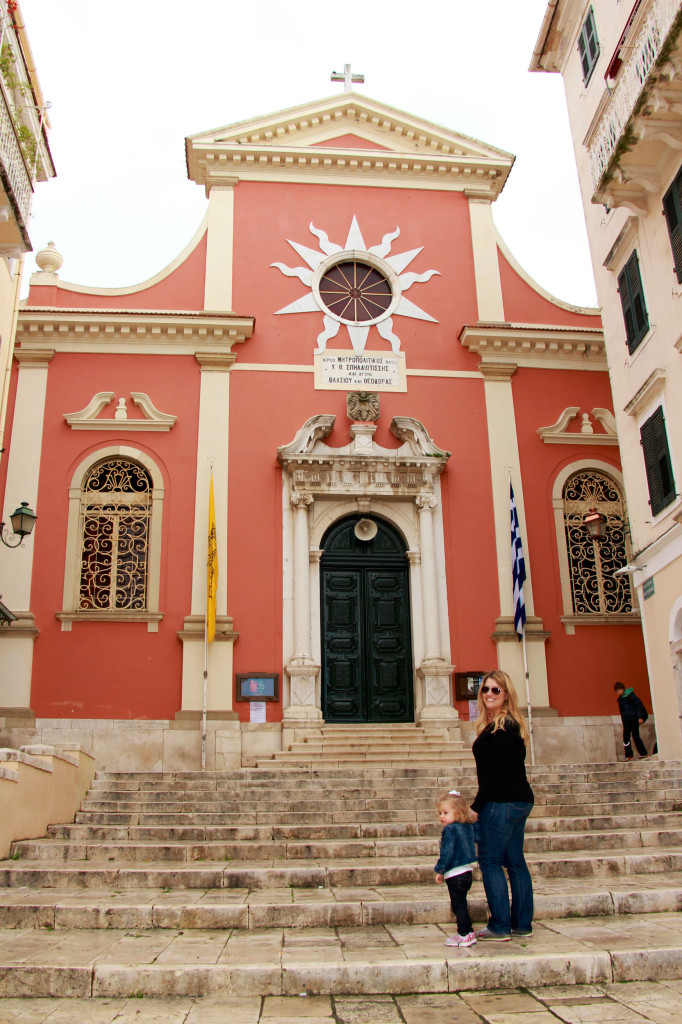
It wasn’t raining when we crossed through the Pile Gate into the cityJulia stole her daddy’s “travel hat”“If it’s going to rain, I need this more than you!”The rain came shortly after we crossed the city gatesThis guy was working overtimeWe spent quite a bit of time in St. Blasius ChurchAfter hiding out in churches, I wanted to hide out here because at least I could order a pintJulia seemed to think I ordered this for her – she was mistaken!
Eventually, the torrential downpour did cease and a beautiful sky appeared over the ancient city. We spent the rest of our day walking around and taking in the sites. The city did not disappoint, but I have to leave it on my travel bucket list as “a place I would like to see again”. I can’t say that we fully took advantage of all that Dubrovnik has to offer. There is the Ancient City Walls Walking Tour (you get to see the city from a unique perspective, from atop the walls that enclose the city). Of course, there is the ‘Game of Thrones’ Walking Tour (self explanatory) and then there is the Cable Car Ride to Mount Srd (to witness the best views of the city). I discovered that renting a boat and touring some of the nearby islands is very reasonably priced – but only fun to do when the sun is shining (I was particularly bummed about this, I love putting a boat in the water).
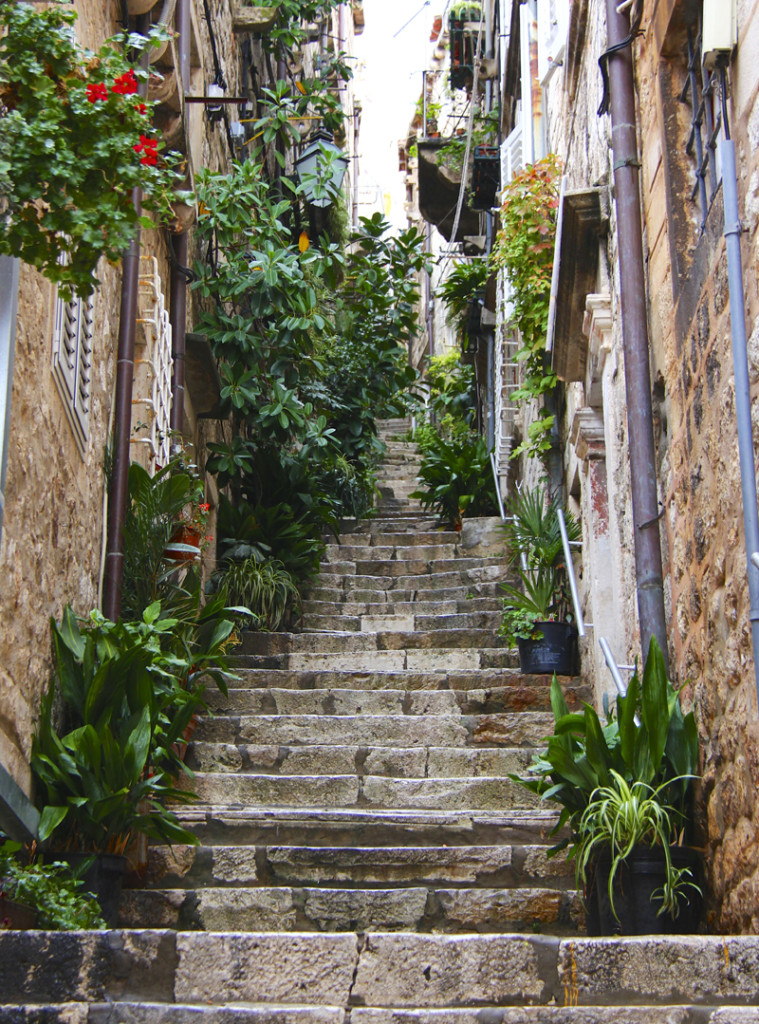
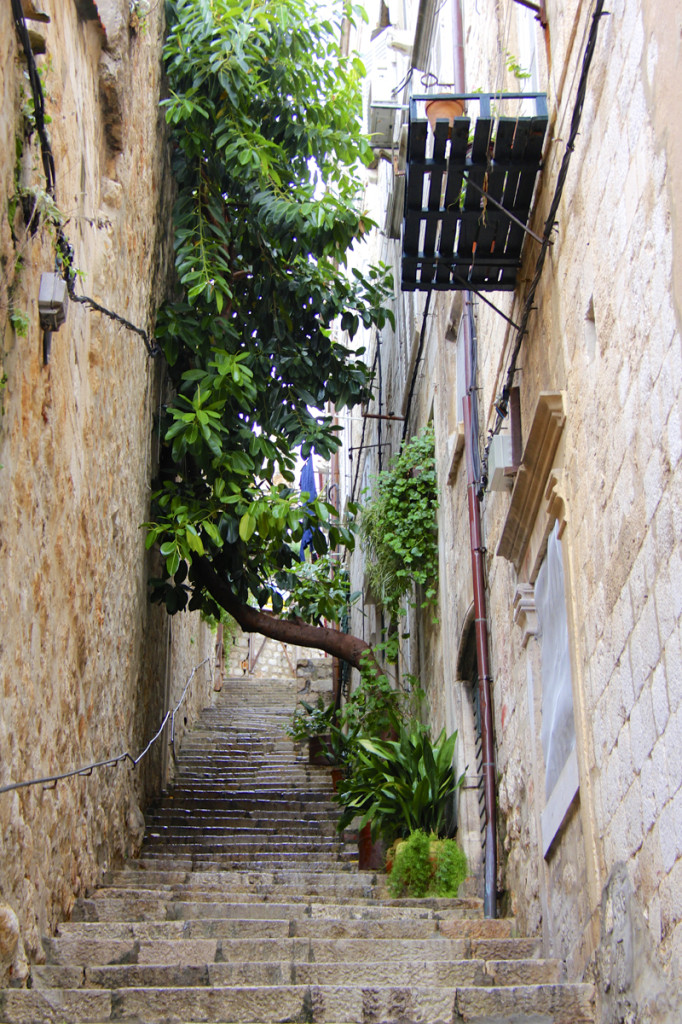
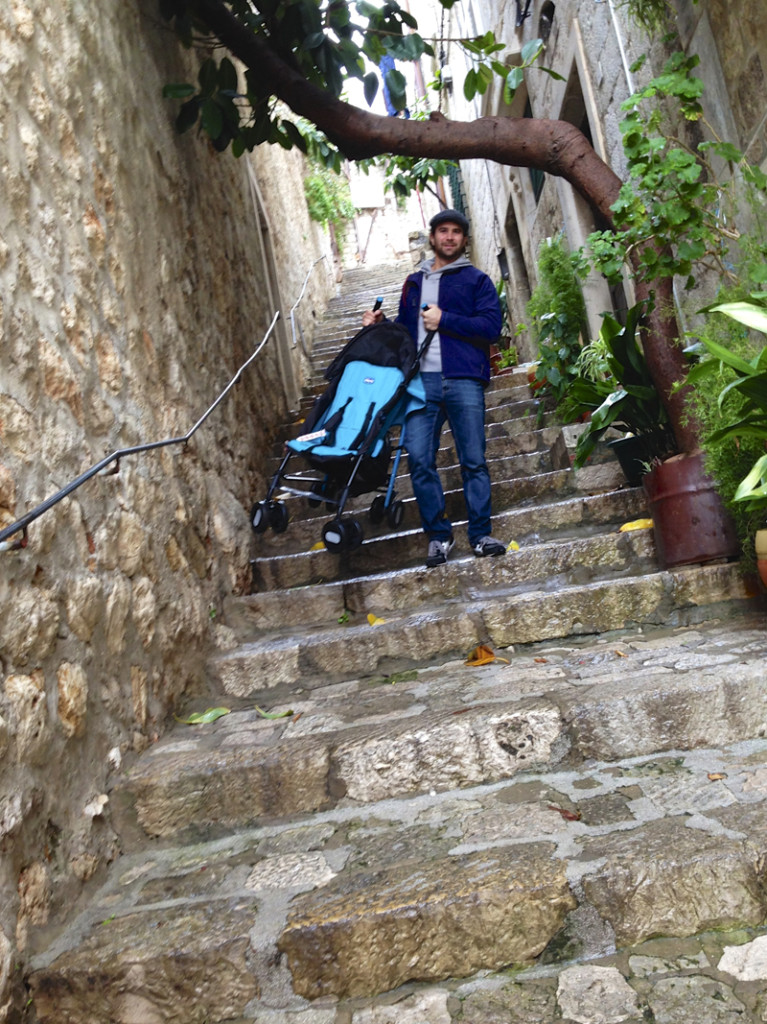
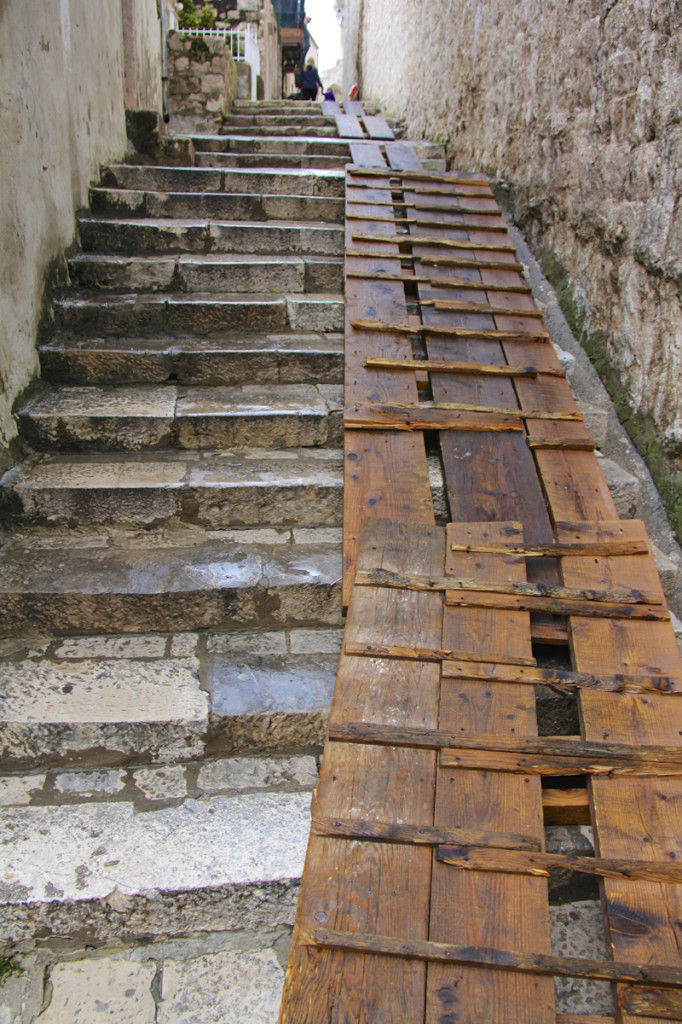
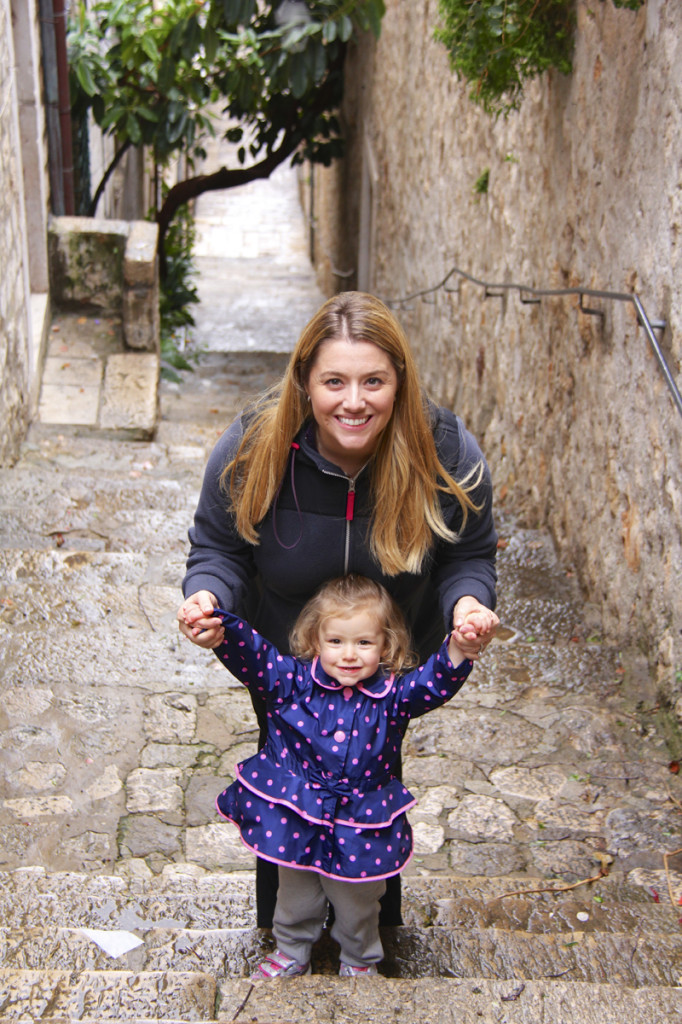
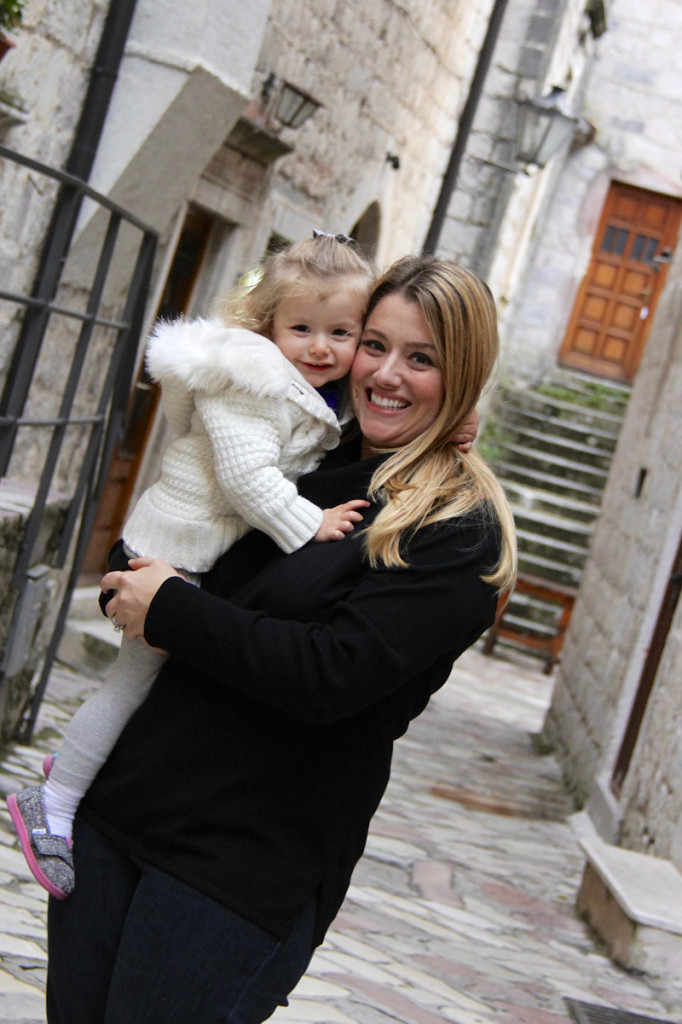
Jen and Julia near the main city gateMain city street – Placa – StradunLovely side streets wind up the side of the hill with long stairwaysTrees and bushes vibrantly grow out of the rugged stoneMany of the streets became desolate after the heavy rainJulia strolls on aheadJen guides Julia down a long stairway…While I get left with the heavy liftingWe stop for a “selfie”The port was beautiful just outside the city wallsI was disappointed it didn’t work out for me to rent a boatJulia doesn’t want to share her mid-day snack with her motherShe does stop eating to let me take a picture with herJulia leads us through the Ploče GateIt was nice of the local residents to make the city handicapped accessible (umm, does this conform to ADA standards?)View of city roofs and the tower of the Franciscan MonasteryJen and Julia loved walking around Dubrovnik
If you do visit Dubrovnik, please click on this link to get some ideas of things to do. And may I suggest checking the weather forecast before booking!
The city at night – the sky was a beautiful calm blue after a torrential day
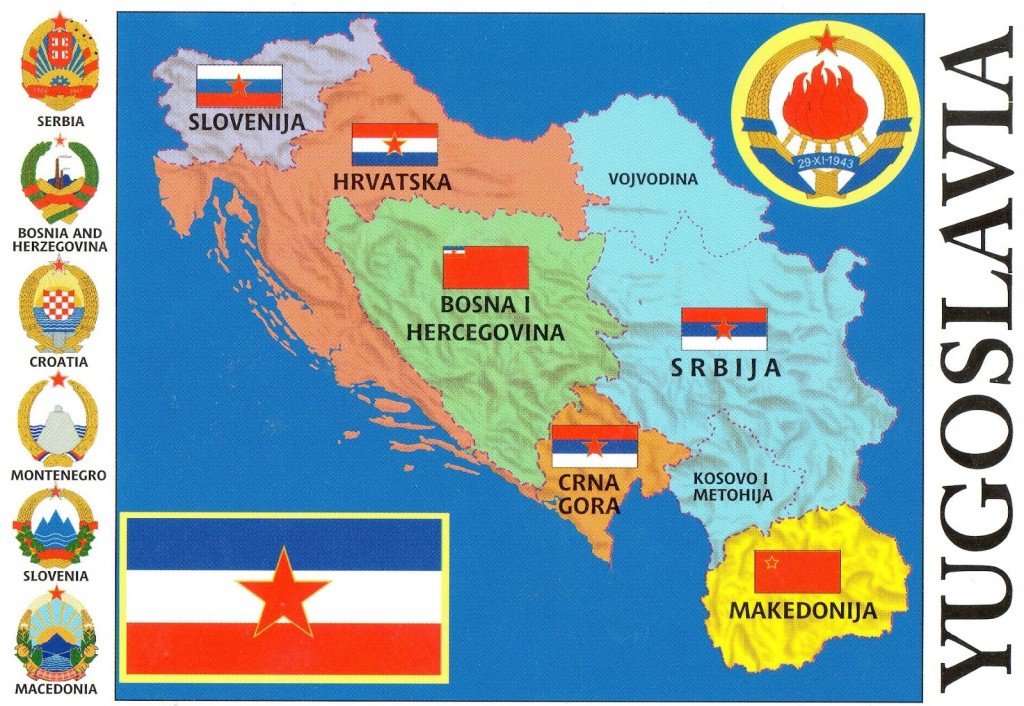
I am not a dedicated student of history or geography, although I like to believe I have a little knowledge of the world. I recently exposed my own ignorance on the recent affairs of eastern Europe and I am embarrassed to admit the depths of it to you now. Let this paragraph serve as my confession booth when I tell you that just over a year ago, I had never heard of the country of Montenegro. Allow me to further confess that as recently as six months ago, I didn’t know that Yugoslavia was no longer a country, but rather a former Socialist Republic that had been divided into what stands today as seven independent countries (Serbia, Kosovo, Macedonia, Croatia, Montenegro, Bosnia, Slovenia) .
Of course, I knew that this entire Slavic area of the European continent was [very recently] rife with political tension and civil unrest. The result of which sparked years of bloody wars culminating in both great losses for many of the citizens and great victories for each independent nation. I knew this because when I was younger, my sister and father each had friends from the area. But eleven-year old Greg was more interested in tuning in to see how MacGyver was going to use a pocketknife to escape from a flooding submarine than he was to tuning into C-SPAN.
I find that most of my current reading and research regarding the evolution of the world we know today pre-dates what I would call, “modern-history”. I love to read about the Roman or Greek Empires. I am intrigued by all the British Colonies and absolutely love the history of my native America and my adopted Italy. It didn’t really occur to me that major territorial lines were still being redrawn through force as recently as the 90’s. Sixteen-year old Greg was more focused on deciding which plaid Abercrombie shirt best matched his denim jean jacket. It was even more shocking to just recently learn that an entire country as significant as Montenegro could become independently recognized less than a decade ago (they were granted independence in May of 2006). And even though I could easily cite another example of something else that preoccupied my time when the referendum was signed on May 21st 2006…. it would be embarrassing since I was clearly an adult eight years ago. Even as I write these words, Ukraine is fighting [a losing battle] with Russia over Crimea, further proving that nothing in this world is permanent.
I was recently intrigued with the matter of Yugoslavia by chance. Shortly after we moved to Italy, a friend sent me an article – one of those “Places You Have To See” type things. He and I both agreed that Montengro appeared to be one of the most stunning locations on the list. This was the first I had heard of Montenegro and I was excited when Google maps confirmed that this young country was close to Italy. I knew that I wasn’t going to leave Europe without setting foot on her shores. I recently had that opportunity when we embarked on a cruise with Celebrity Cruises. Our cruise began in Rome, Italy (HERE and HERE) and continued to Florence, Italy (HERE) before moving onto Corfu, Greece (HERE) – but not without a couple pitstops in some of the ship’s wonderful restaurants (HERE).
A couple days before arriving in Kotor, Montenegro I was given an interesting narrative of the city, as well as a brief history of Yugoslavia by none other than my favorite blackjack dealer, Brajuško (you’ve got to talk about something to pass the time while you’re splitting your 8’s and doubling down on your 11’s). He was a native of a neighboring city and recounted an interesting personal history of his country’s independence.
Kotor hosts about 13,000 inhabitants. The fortified city rests along the shores in the Gulf of Kotor – an ancient Mediterranean port. The city was first settled in 168 BC by the Ancient Romans. The city became fortified in the middle ages when it’s importance in the region grew (port cities were often crown jewels of any large empire and therefore targeted by many outside invaders). The city eventually fell under the control of the First Bulgarian Empire before becoming acknowledged by the Republic of Venice in 1420. This Venetian control over the city was evident to me as we walked up to the city gates and saw the Winged Lion of Saint Mark. This symbol marks the cities that were under the control of the Venetians… a symbol that we encounter regularly across northern Italy.
The Winged Lion of Saint Marco immediately told the story of Venetian control
Jen and I both awoke early on the day we were set to arrive in Kotor. This was fortunate because we had not yet arrived in port and our large sea craft was slowly drifting through the narrow gulf. We got to bear witness to the massive ship deftly navigating the shallow waterway. We thread through the narrow aqua valley like an accurate strike thrown from Aikman to Irvin. There were times when I felt as though I could easily toss a peanut off either side of the ship, only to have it find dry land.
Our massive ship skillfully navigated the narrow waterwaysOur only footprint was a small ripple as we navigated through the gulf
As soon as our ship cleared the local port authority, we were first in line to take one of the tenders (little boats that deliver you to shore when the ship has to stay some distance from the port). We walked through the city walls with eager anticipation. Kotor is truly one of Europe’s best preserved cities of the medieval era and Renaissance. I was thoroughly impressed with the local receiving committee. Dozens of locals had prepared for our reception with tables full of local treats and plenty of people positioned to give tourist information.
We reach the shores of KotorI was particularly excited about this port of callMy enthusiasm rubbed off on my two girls
Before we had the chance to take in the main sites of the city, the sky decided to give us the wonderful gift of rain (note the sarcastic tone). We ducked into a local cafe to wait out the wet weather and check our email. Since we had gone ashore without umbrellas or Julia’s rain cover, we found ourselves stuck for nearly an hour. As the time ticked by, we got restless and tried to set out once again. The weather hadn’t improved so we decided our best option was to head back to the ship and collect our rain gear. We also had the benefit of eating a free lunch on the ship before returning to Kotor, properly dressed and equipped for anything.
We ducked into a small cafeJulia steered the tender boat back to the ship while we waited out the rain
Fortunately, the sun made an appearance in the afternoon and we got to see the old Town Clock Tower, dating from 1602. We visited 17th century palaces and 11th century churches. We went in Regional Institute for the Preservation of Culture Moments. We strolled along ancient cobblestone streets that made me concerned I might come face to face with a 600 year-old vampire at any moment. My eyes kept glancing up the hill (the town is nestled at the base of a mountain) toward the Church of Our Lady Remedy (Црква Госпе од здравља or Црква Марије Колеђате) with the idea to climb the city walls toward her massive doors. Jen read the idea in my mind before the words were formed by my mouth and quickly put a kibosh on that plan. She had to remind me that it was a few-hundred meter climb along a slick stone path with a stroller and kid before I relented. There were still enough sites in the city to keep me entertained and so I agreed to stay closer to sea level.
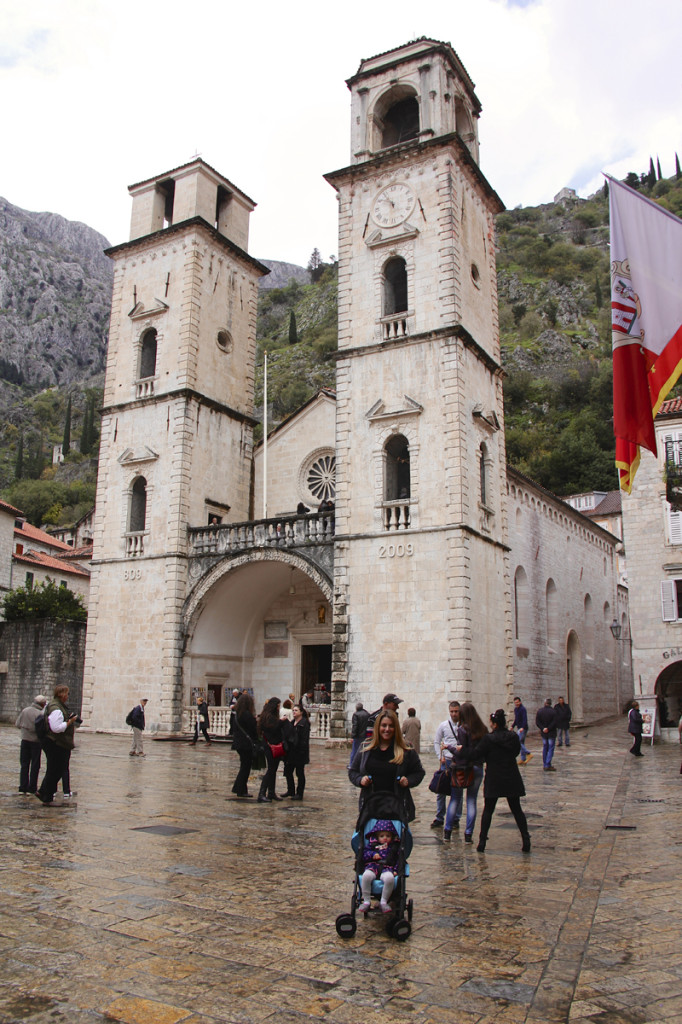
Pima Palace 17th centurySt. Triphon’s Cathedral, 1166Beautiful historic buildingsCharming piazzasAncient cobblestone streets…wait, is there a vampire in the background? Oh no, it’s just a shadowThe Gurdic Gate – the south gate, 1540
We thoroughly enjoyed Kotor and I would recommend a visit to this magical place to anyone interested. If you happen to make it to this part of Europe, plan a few extra days and visit some of Montenegro’s beautiful beaches. They have some fabulous looking resorts that I hope to visit myself some day.
Oh, I would be remiss not to mention that night’s entertainment. Julia had recently become best of friends with a young girl named Ava and we had become good friends with her parents and their family. Jen forced me onstage with our friends, Catherine, Mike and Feng to be “hypnotized” by David Knight, one of the world’s preeminent hypnotists. I eventually excused myself from the stage, but not before there was some “sexy dancing” and “piano playing”.
David Knight puts Catherine and me (background) under his tranceI think he had a stronger hold over Cat than he did over meThe girls were thoroughly entertainedWe joined the Ni family for dinner after the showJulia treated us to a song after dinner
It’s been nearly a month and a half since my last meaningful post and I am once again faced with the monumental task of getting caught back up. I’m not sure how or why I allowed myself to get so far behind, but I do know that I have left myself a lot of work. The wine, cheese and salami will just have to wait (well, I suppose it can’t hurt to have a little wine while I write). I would like to apologize to my readers for this delay and I would like to acknowledge one loyal reader in particular; Helen actually reached out to me through our Contact Us page and basically said, “what the hell, Greg – where’ve you been?!” Helen and everyone – even though it can’t excuse the lack of content, we just got back from a two-week trip to the States where, in my capacity as Best Man, I roasted my good buddy Josh and toasted his beautiful bride, Abby (read about Josh and Abby’s trip to visit us here and here).
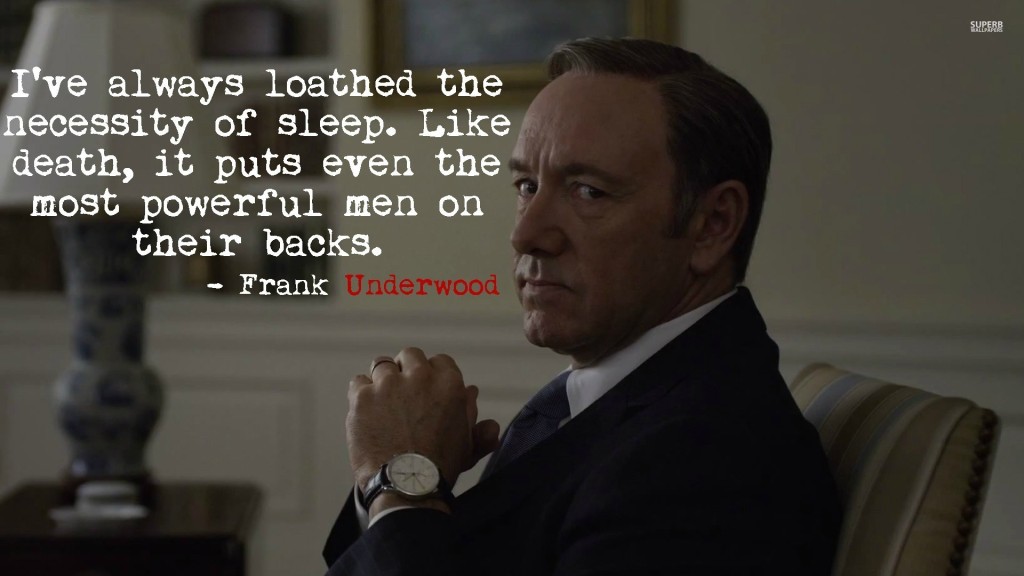
While we were home, I rediscovered some magical things – burritos, quality customer service and Netflix. We haven’t watched as much TV over the past year as we did over the past two weeks. I became obsessed with the Netflix original series, House of Cards – an amazing drama starring, Kevin Spacey as Frank Underwood, a cagey and politically ambitious congressman who is constantly scheming and conniving to reach the next rung of the political ladder. If Frank Underwood can work through all hours of the night and stay ten moves ahead of his opposition, surely I can bang out a few extra blog posts in the next couple weeks.
You and me both, Frank
We still have tons of travel left to do together – I’ve only written about the very first part of our cruise late last year and so much has happened since. So put on your boating shoes and let’s get going…
Here we go again!
When I last left you, we had already visited Rome (here and here) before hitting the Mediterranean Sea for Florence. We spent the next day at sea (which means there is no port and therefore no disembarking the ship), which can often be my favorite time onboard a cruise ship. We tend to pick our cruises based on the ports of call, but I always like to be sure there are two or three sea days allotted in the itinerary. It may sound crazy – but it’s nice to have a day to relax in the middle of it all. Carrying a toddler, stroller, backpack (and sometimes even a wife) across miles and miles of city streets, on and off tour buses and in and out of museums [while rewarding] is a lot of work. To have a day where you cannot do anything other than enjoy your ship’s amenities is a pretty sweet prospect. That, and I like to gamble – sea day’s are the only time you can sit in the casino all day (or as long as your wife can tolerate being left alone with your child).
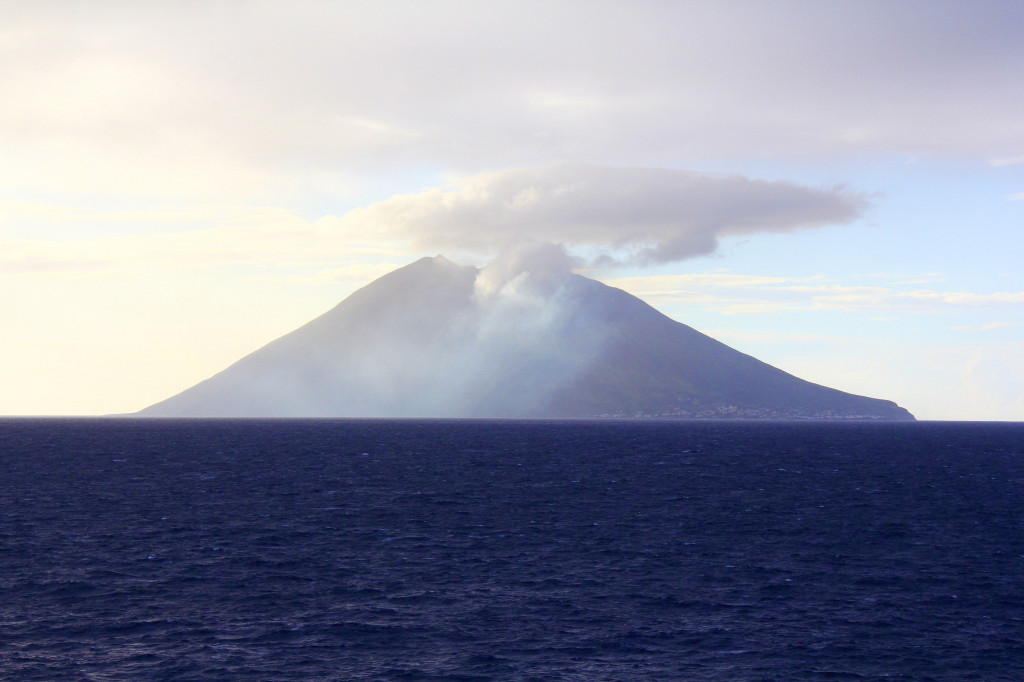
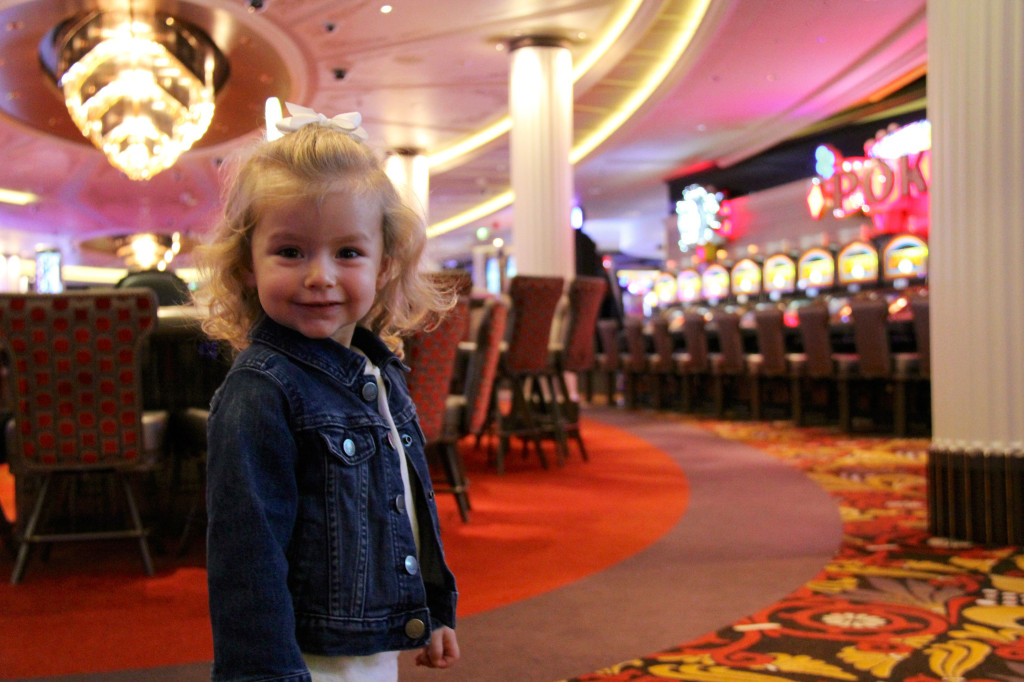
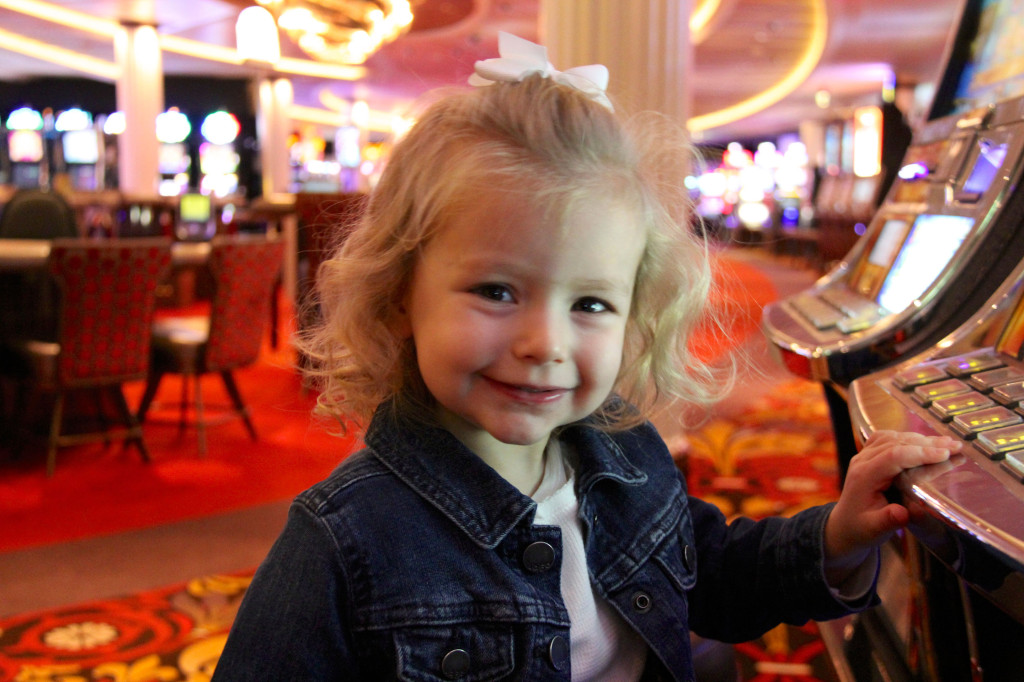
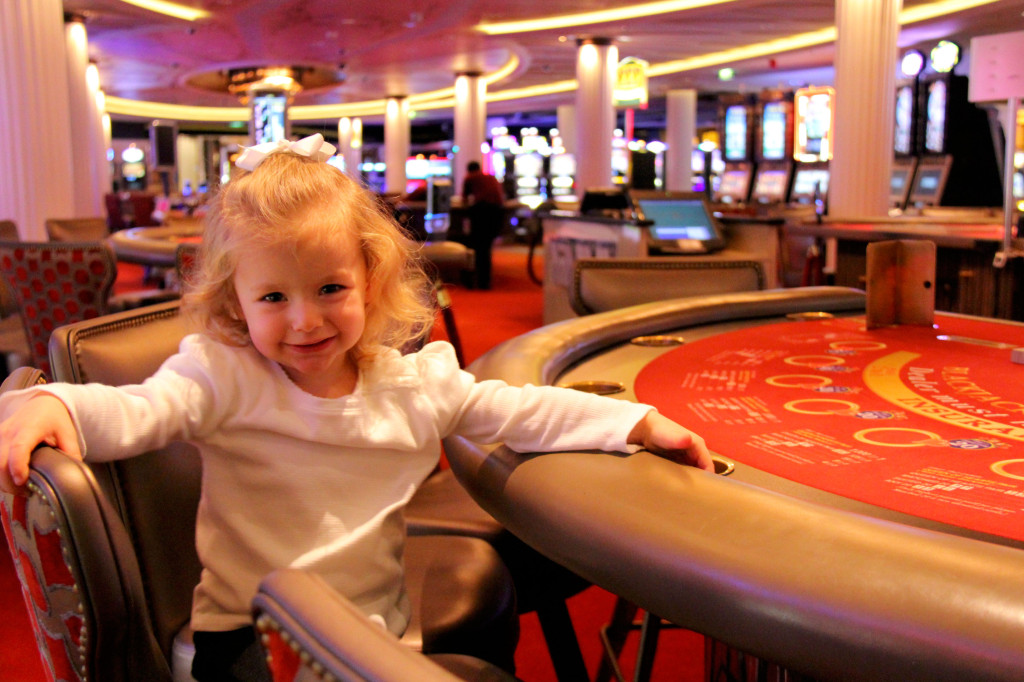
A dormant volcano visible from the ship while we sailed past SicilyApparently, gambling is a part of our blood line – Julia enjoys the Casino as much as I doFirst she hit the slotsNext, she discovered the blackjack tables – that is definitely my little girl
The first sea day was also the first “formal night” and so we all three enjoyed an opportunity to get dressed up and go to dinner. I was up a little after a hard day playing blackjack and so I was in high spirits. The delicious prime rib they served helped to keep me and my tummy happy (they even brought it out “bloody and still mooing with a mountain of horseradish”, just like I asked) . After dinner, we took in a very enjoyable show and went to bed content with a day of doing… well, not much of anything.
Ready for a fun “night on the town”Julia let me take her for a spin on the dance floor before dinnerJulia and Jen at dinner
The next day we woke up at port in Corfu, Greece. It was drizzling and we had a long day at port in a relatively small city, so we decided we would try to wait out the rain on the ship. We spent the morning participating in some of the cheesy activities organized by the ship’s Cruise Director (imagine a business team building activity). It would have been an uneventful morning if it had not been for a strengthening bond between two little girls who would quickly be known as the fastest of friends onboard Celebrity’s Silhouette. Ava had met Julia in one of the cafe’s the day before and she didn’t hesitate to chat her up on either occasion. She was likely craving companionship of someone close to her own age (Ava is about a year older). The two instantly clicked and after the game, they spent some time dancing, playing and “conversing” (if you can consider each girl stating her independent and random observations a conversation).
We meandered about the ship while we waited for the clouds to disperseAva found a new friend in Julia and Julia discovered her new hero
As the girls played, we spent some time getting to know Ava’s parents, Catherine and Jim without realizing that we were making fast friends of our own. After just a few minutes talking with Cat and Jim, we learned that they have a close-knit family too – they were cruising with Jim’s brother, “Uncle” Mike and his wife, Feng as well as the boy’s parents – Bob and Dorothy. The entire family was very pleasant and even though we didn’t realize it at the time, we were forming a relationship with a big family we would “adopt” as our own for the remainder of the cruise. Eventually, the rain let up and we took our leave for Corfu.
A panoramic of Corfu, Greece
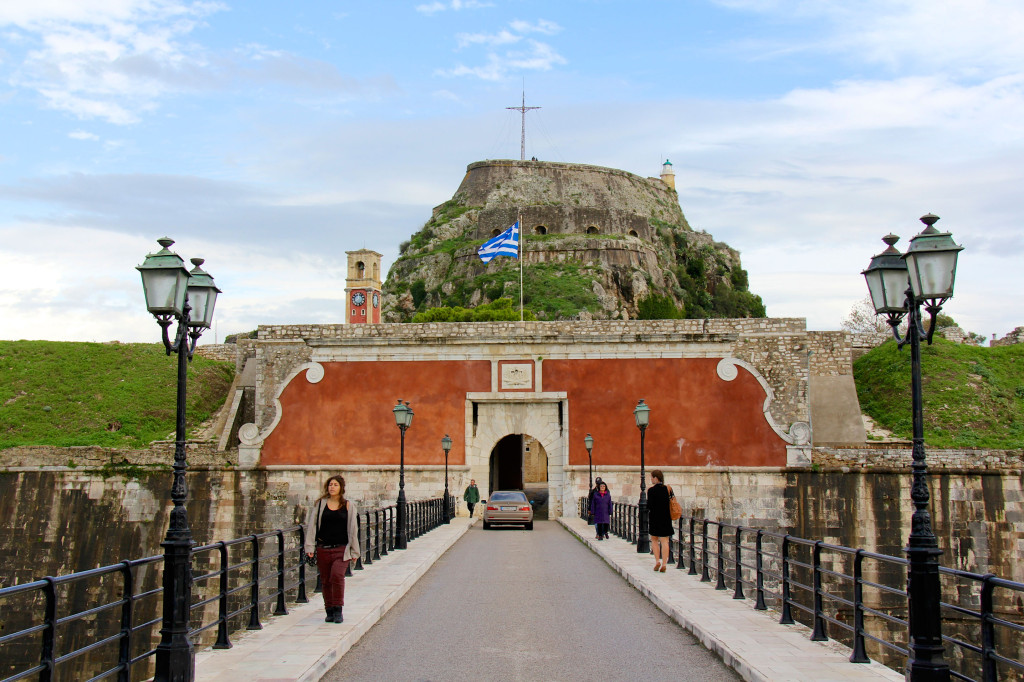
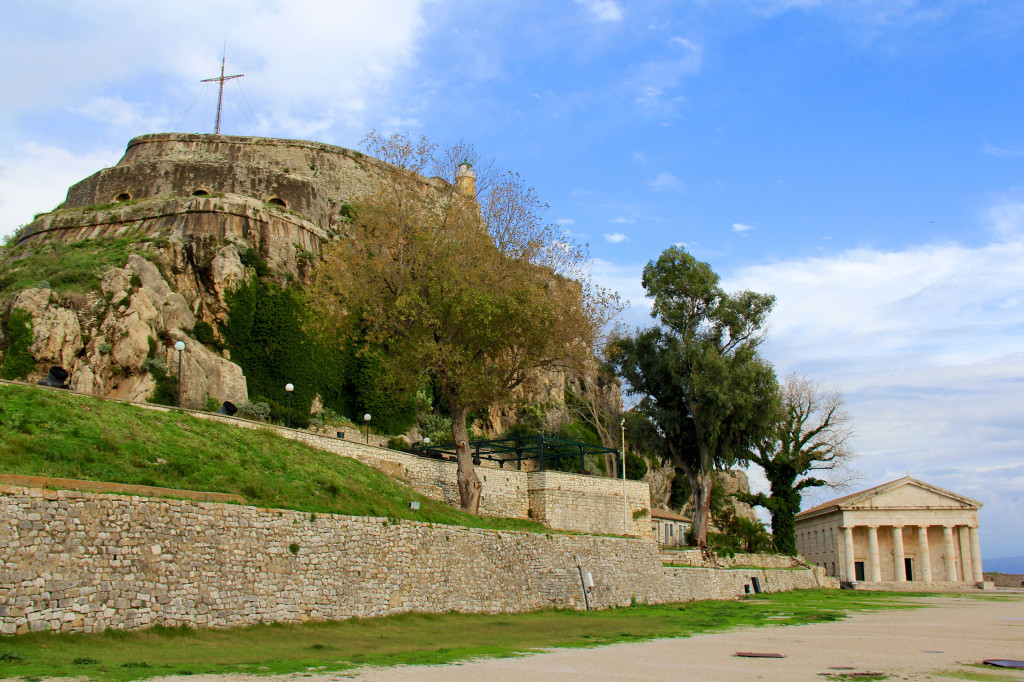
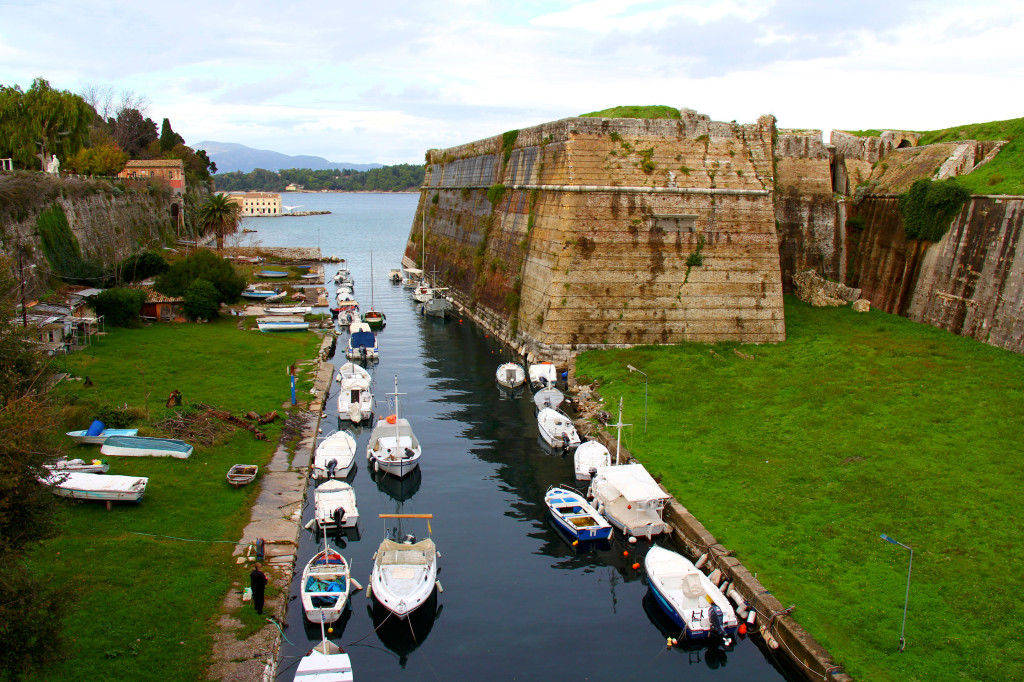
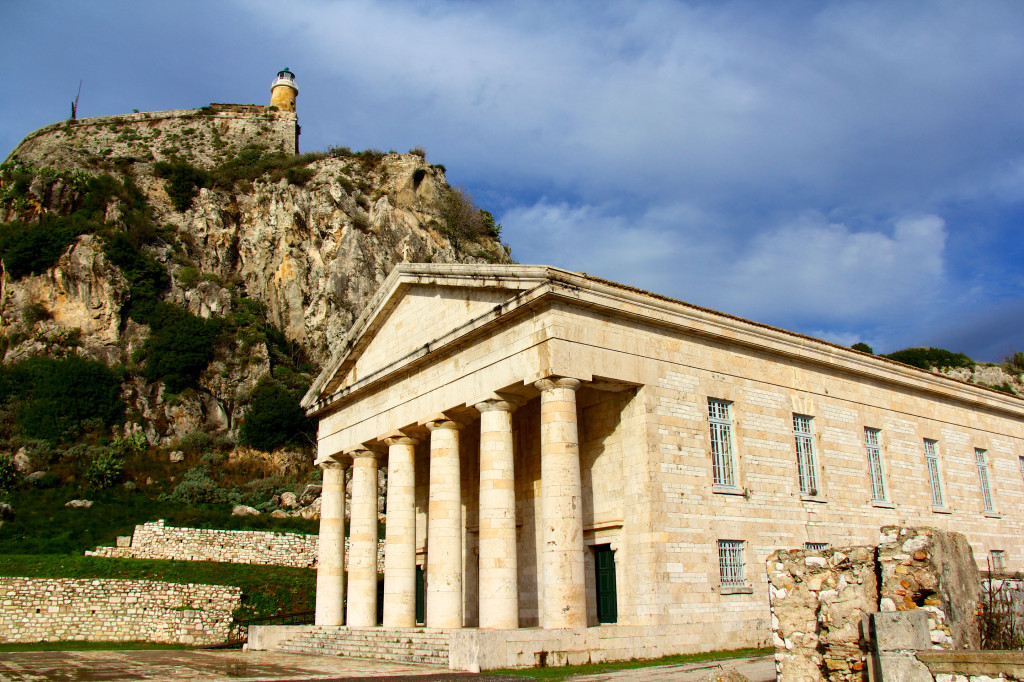
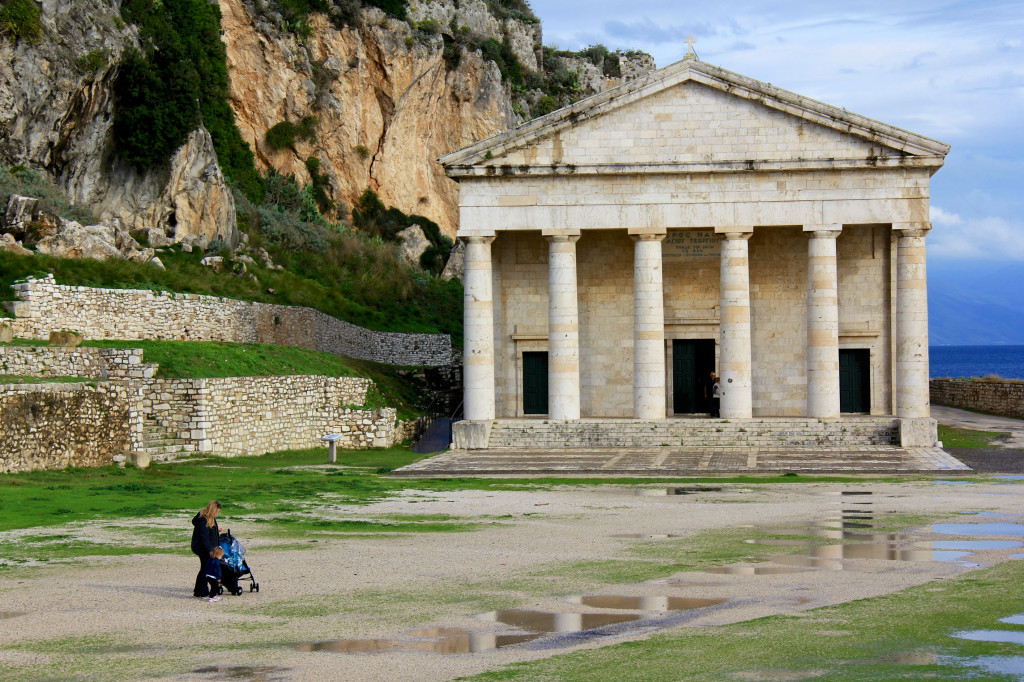
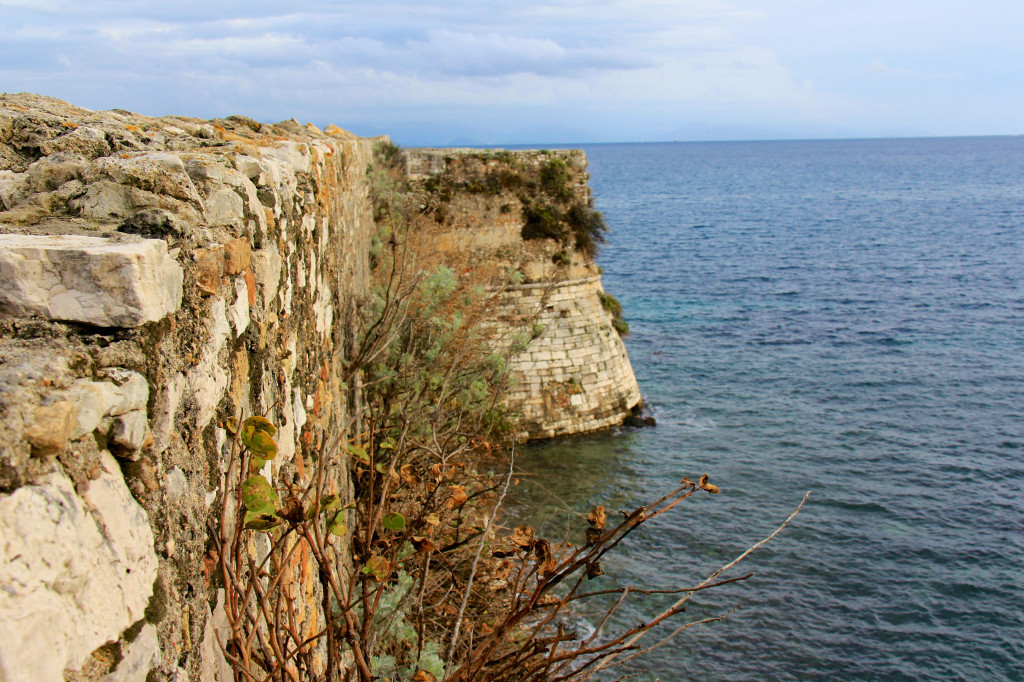
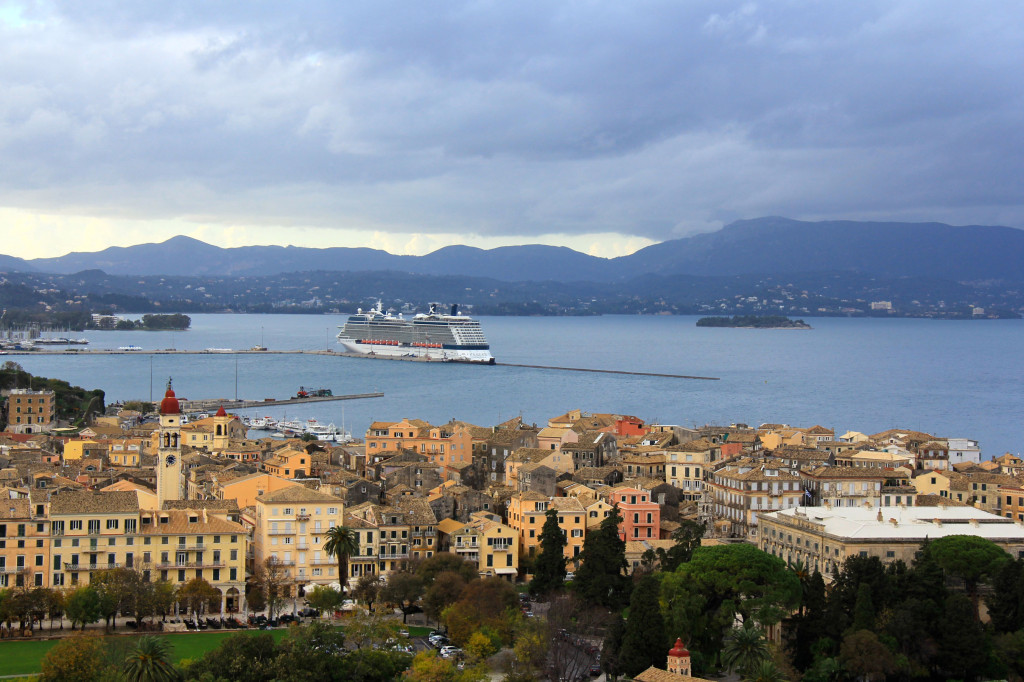
Corfu is a Greek Island dating back to 1300 BC when it was first inhabited by the Phaeacians. The history of the island is a story penned by bloody battles and conquests. This is evidenced by the two fortresses that enclose the capital city; two formidable structures standing as pillars of protection against would-be invaders from the sea . Jen and I decided that we were up for a walk and so we strolled from the ship, past the “New” Fortress (Νέο Φρούριο) and into the downtown area. We meandered past ancient churches and charming shops and restaurants when heard a tiny, little voice scream, “Juila”! It was her new friend Ava, who came barreling up and generously gave Julia a big hug and a piece of her bread. We kept hiking past the outskirts of town and into the Old Fortress (Παλαιό Φρούριο) – a citadel that offers the most magnificent panoramic of the ancient city, justifiably deemed a UNESCO World Heritage Site.
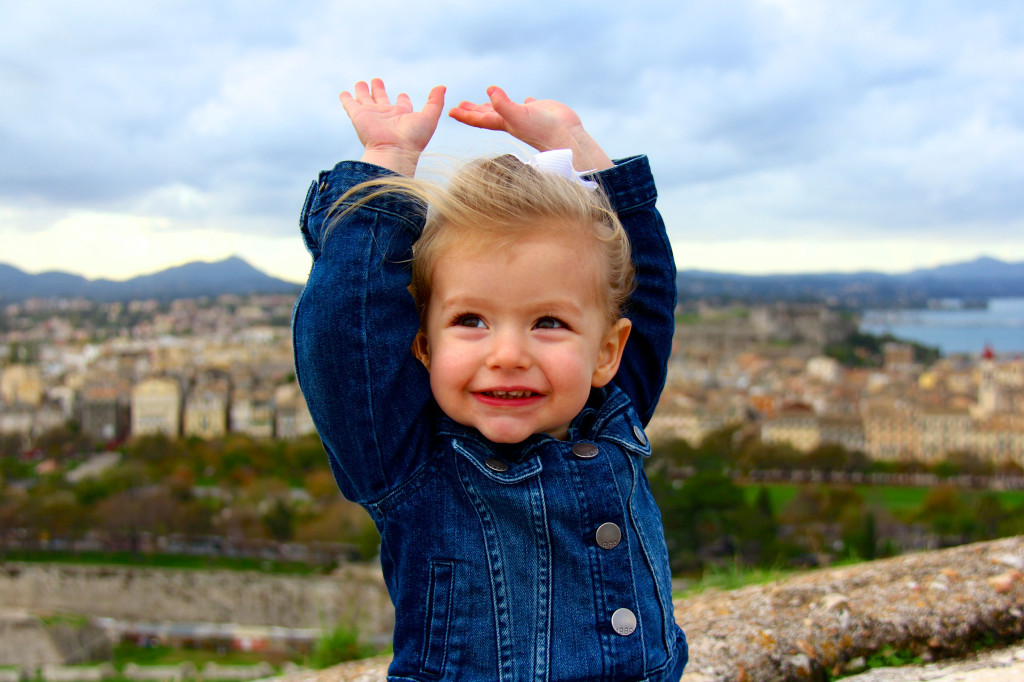
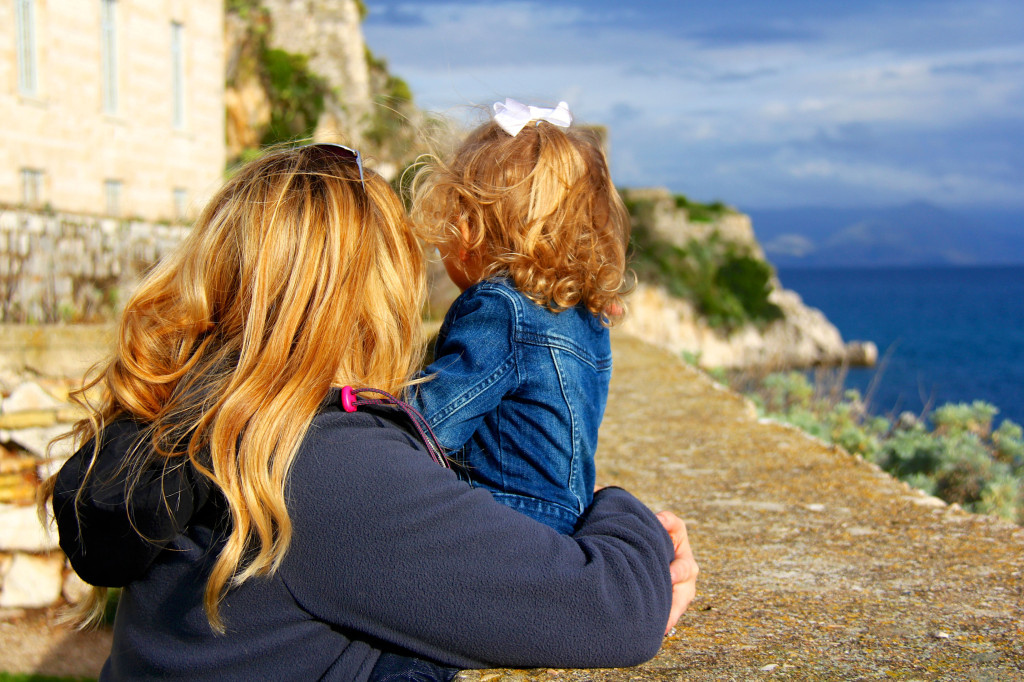
Strolling through the city streets and taking in the shopsThe city streets of ancient Corfu are full of charmWe walked past beautiful churchesWe came across Ava eating lunch with her familyOld Fortress (Παλαιό Φρούριο)The Old Fortress and church that was built on the grounds for the soldiersCrossing the drawbridge toward the Old FortressThe church and Old Fortress high atop the rocksJen and Julia stroll across a desolate stretch on their way toward the churchA view of the sea from the fortress wallsJen and Julia take in the viewFrom the top of the cliff, we had a great view of the city and our shipJulia sits along a fortress wall with Corfu in the backgroundShe gives me a big hugJen wanted to get in on that action
After a pleasant and rewarding day, we concluded our self-guided tour when we missed the last bus back to the ship, thereby closing the loop on our long walk by hustling back to the ship on foot. We were just moments away from getting back on a course of exploration throughout eastern Europe, just as I am back on track blogging. For any other HOC (House of Cards) fans out there, imagine me concluding this post with two quick raps of my class ring on the desk. Frank Underwood would be proud!
The Renaissance was a cultural movement that spanned three centuries and gave us some of the world’s most precious treasures. It changed the way people thought, it altered politics and it had an impact on art and architecture that lasts to this day. The exciting changes in art and philosophy reached across Europe and quite literally brought people out of the Dark Ages and into the light of a new era. There is little debate about the birthplace of the Renaissance; nearly all scholars will agree that it is Florence, Italy. Because of the city’s important impact on the world as we know it, as well as it’s own unique beauty – Florence is a city that everyone should see in their lifetime. If those are not compelling enough reasons, Florence is in Tuscany – one of Italy’s most beautiful regions.
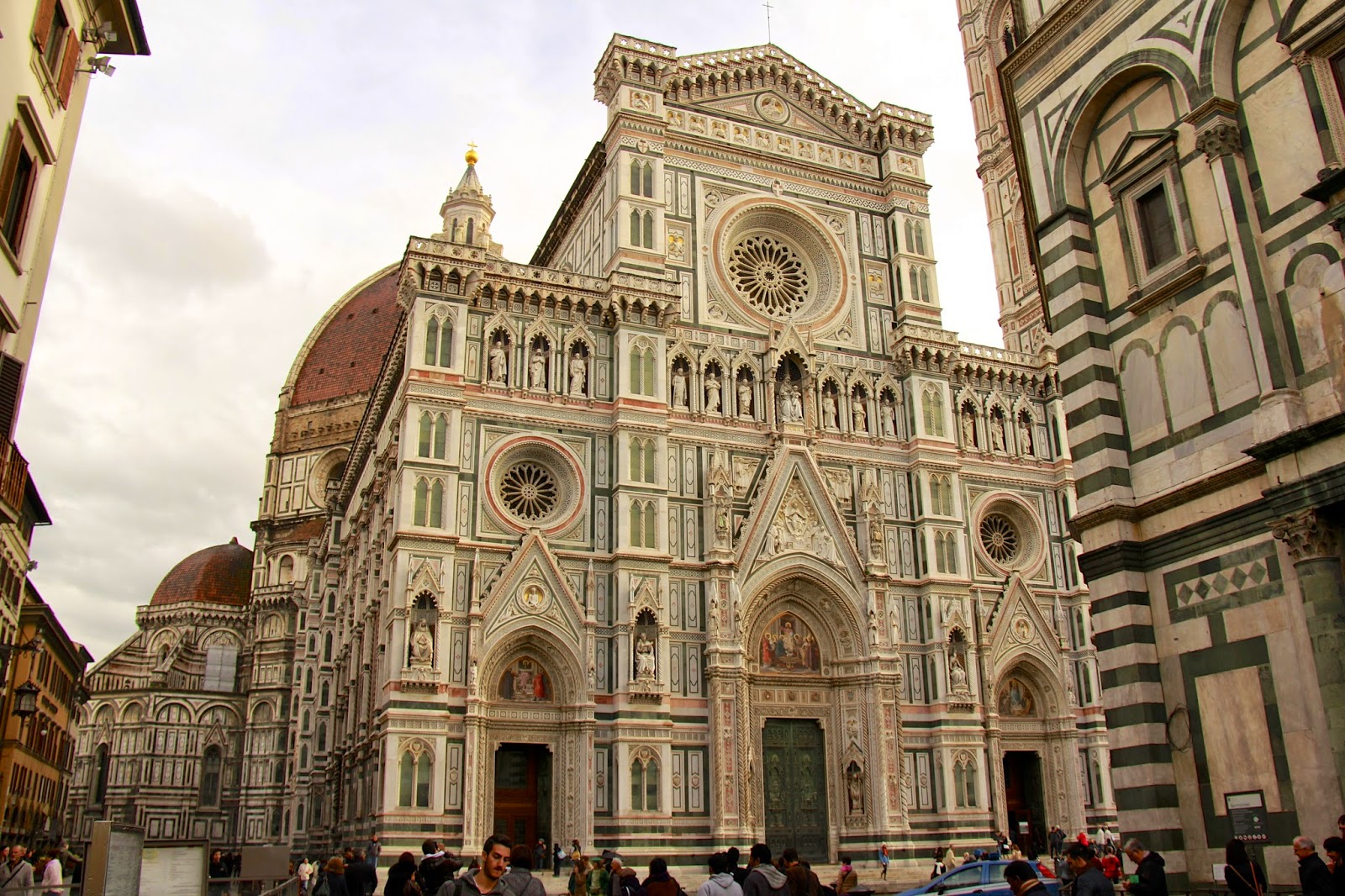
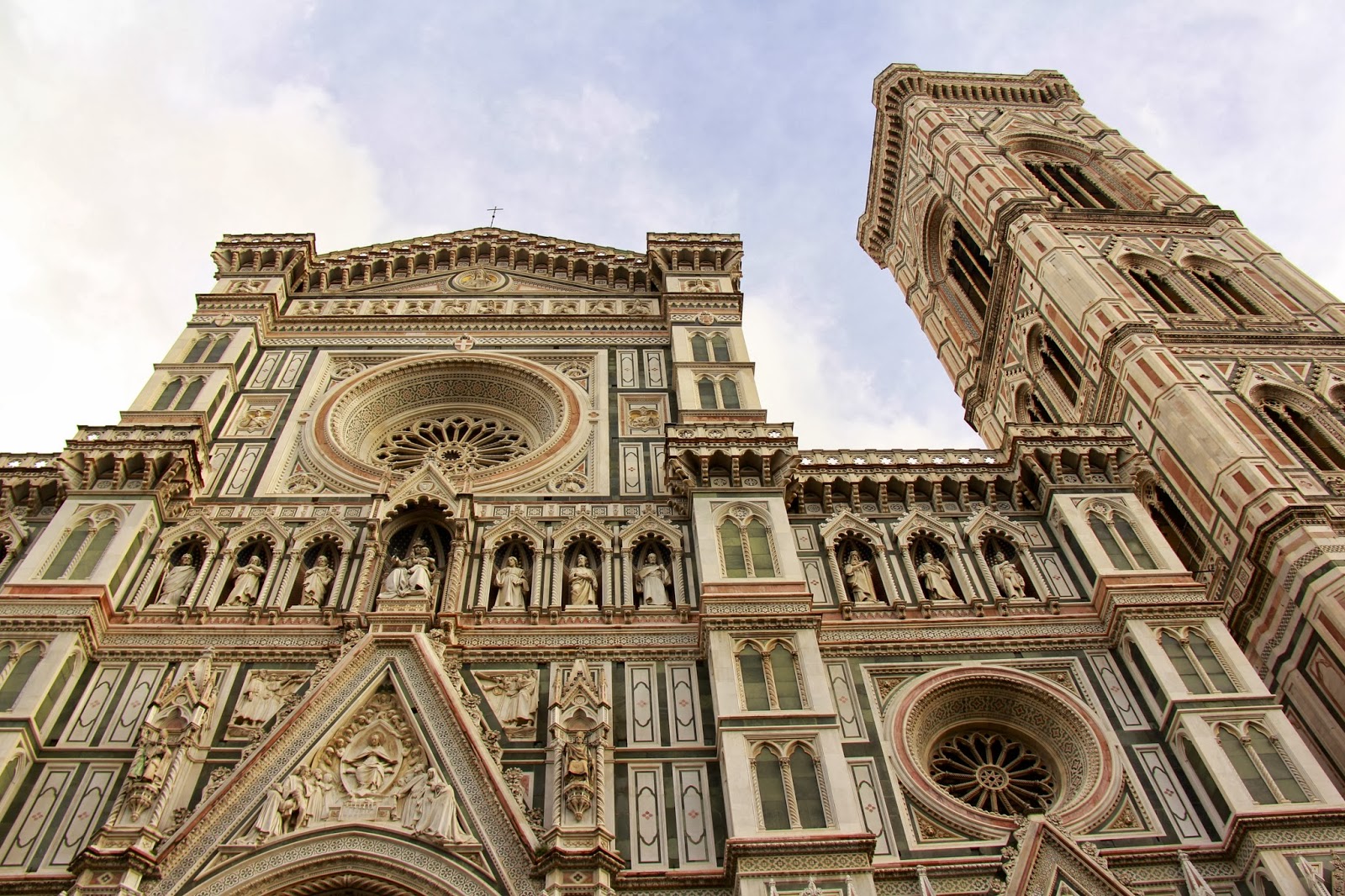
Basilica di Santa Maria del Fiore – the famous Duomo of Florence
We recently embarked on a cruise aboard Celebrity Cruises new ship, the Silhouette. We chose this particular cruise for a variety of reasons; among the most convincing was the itinerary. We have wanted to visit certain parts of Italy, including Florence and parts of southern Italy. The ports of call fit in with our “Italy bucket list” perfectly. We spent two days (HERE and HERE) in the bejeweled city of Rome before we set sail and woke up the next day in Livorno. Livorno is a port city in Tuscany that has access to some of the region’s most renowned cities. Cruise-goers opted to visit Florence, Siena or Pisa or the smaller towns of Volterra and San Gimignano. We always knew that we would venture to Florence; the only question was how we would get there. If you read any of my previous posts from our summer cruise (HERE, HERE, HERE) – you’ll know that I am not a fan of booking daily excursions through the cruise line. On a positive note, booking through the cruise ship is easier and they do offer some great itineraries. But it is often five or ten times the cost of organizing the day trips on your own. Armed with that knowledge, we bypassed the cruise’s tour buses and instead opted to visit Florence by train, given its far away proximity to the port city.
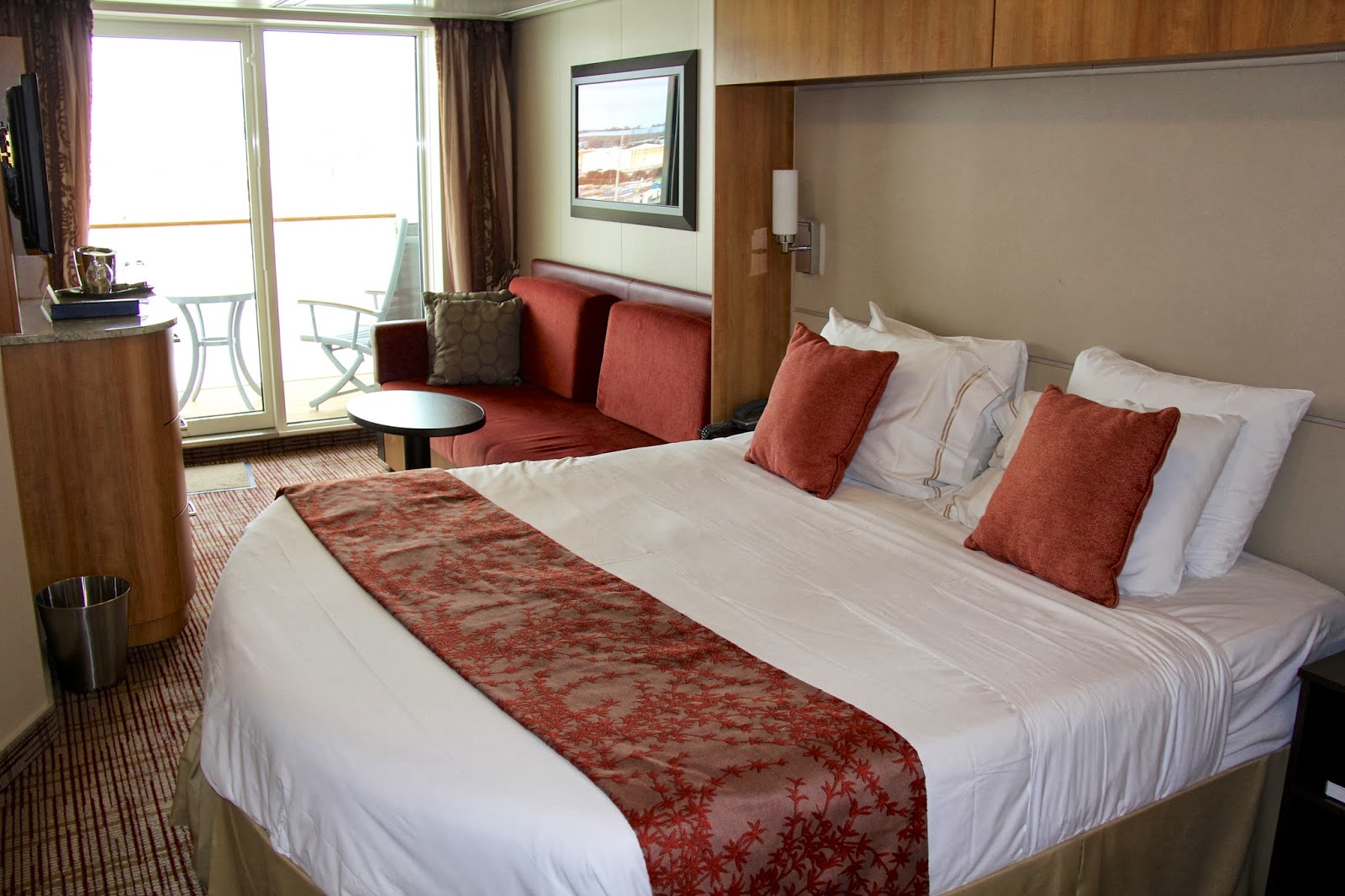
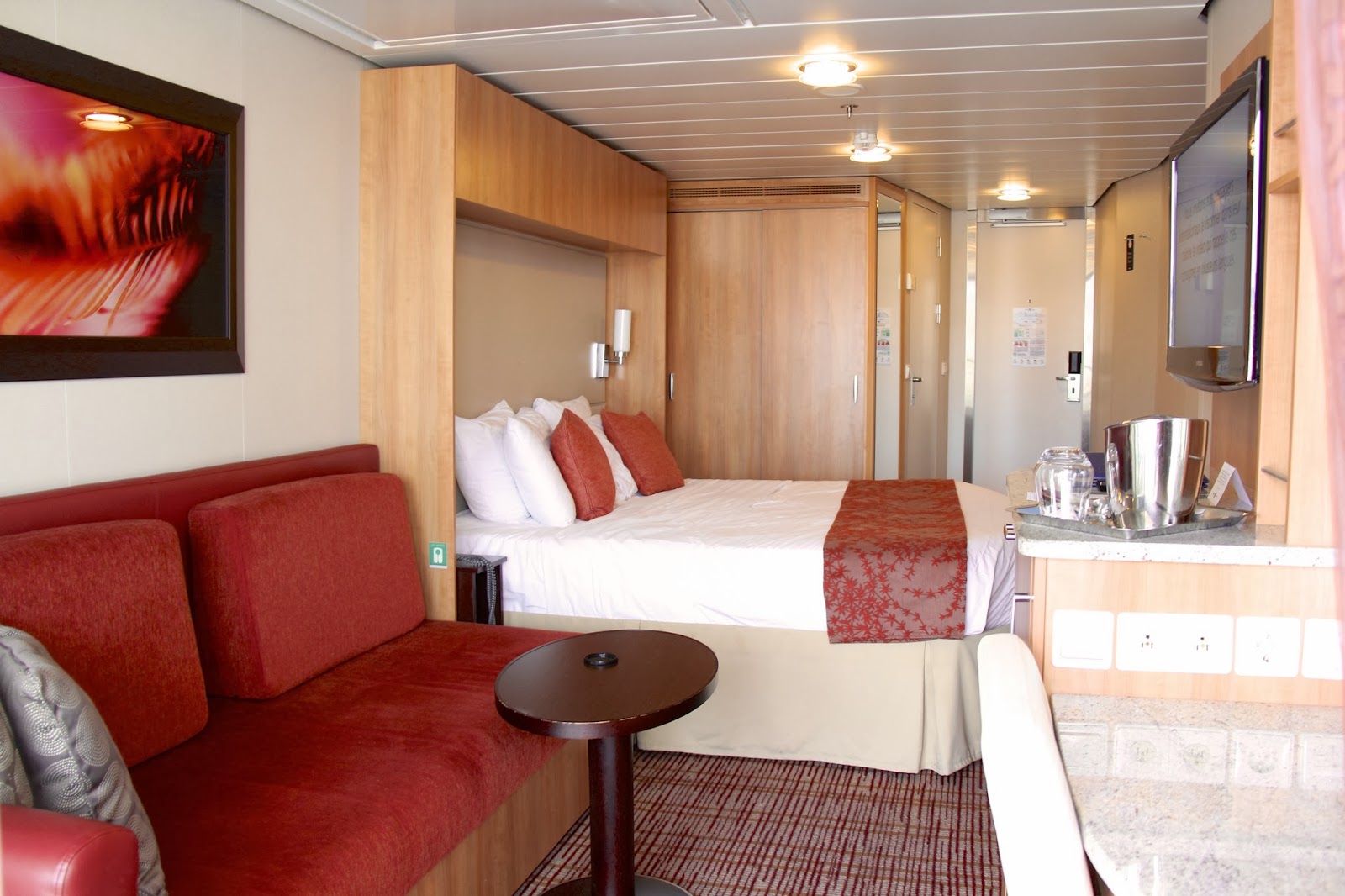
Our suite aboard Celebrity’s Silhouette
We found the room to be spacious and very pleasant for a cruise ship
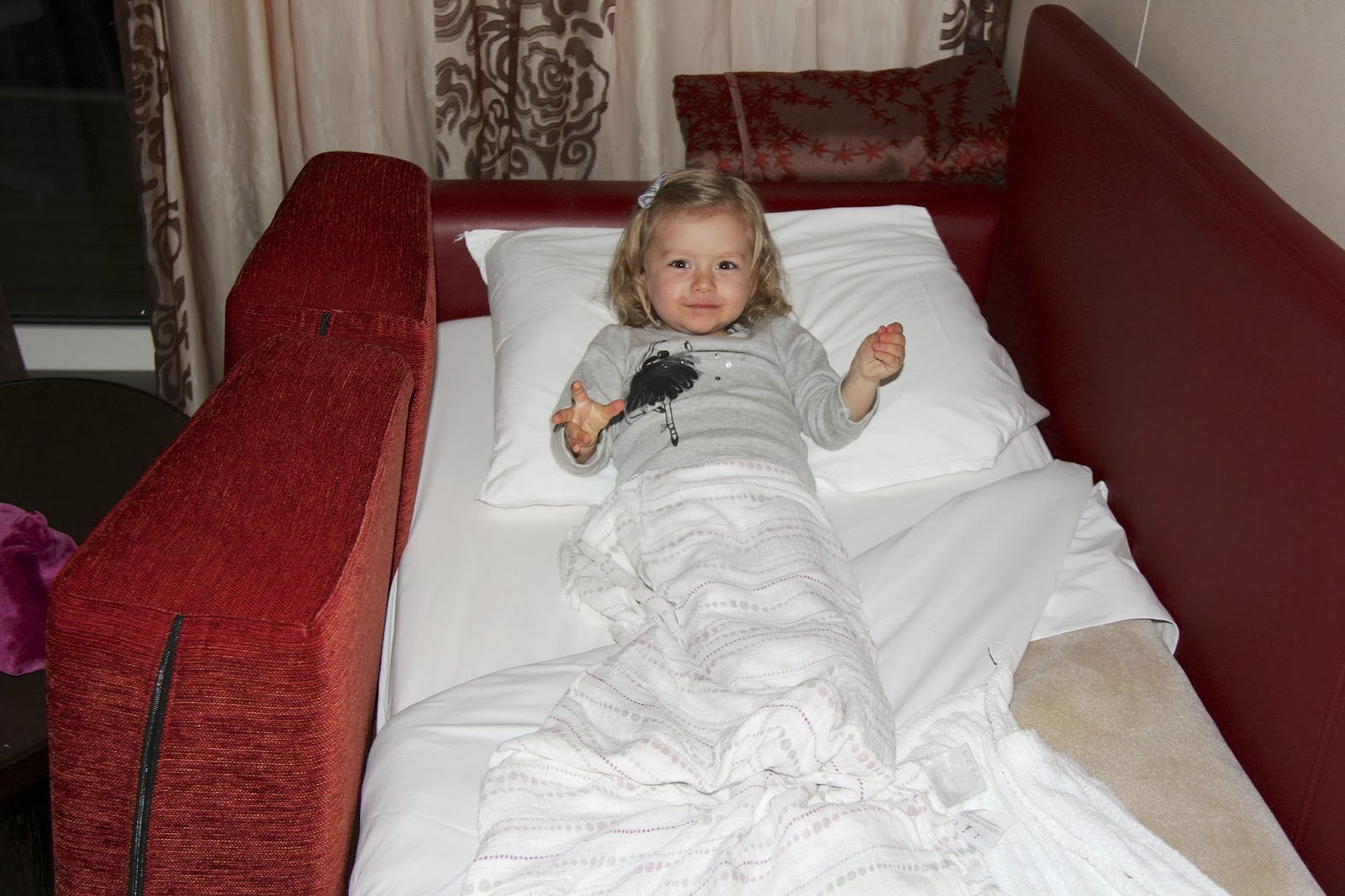
Julia got to sleep in her first “big girl” bed
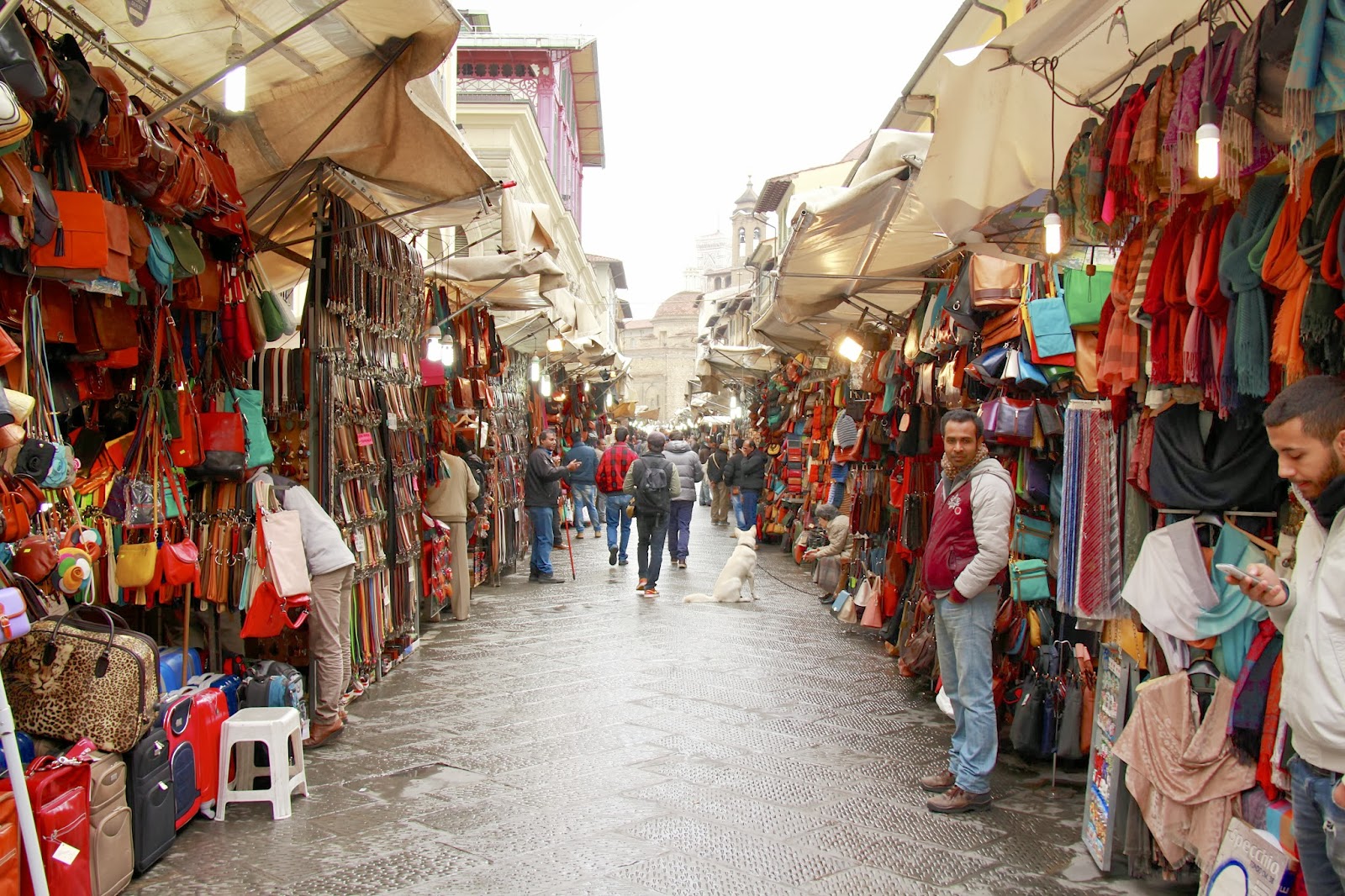
After over an hour on the train, we arrived in Florence eager to soak up the sights and the culture. My uncle had left us a great guide book on his previous visit, so we had a rough idea of how we wanted our day to evolve. I bought a city map for a €1 from a guy selling them on the street and confirmed our route. We first strolled through one of Florence’s main markets. The city is well known for their leather goods and we wanted to see what they had. As we continued our tour along the city streets, the sky decided to open up. Our plan had been to soak up sights and sounds of Florence and instead we simply ended up getting… soaked.
Florence boasts great markets – they are renowned for their leather products
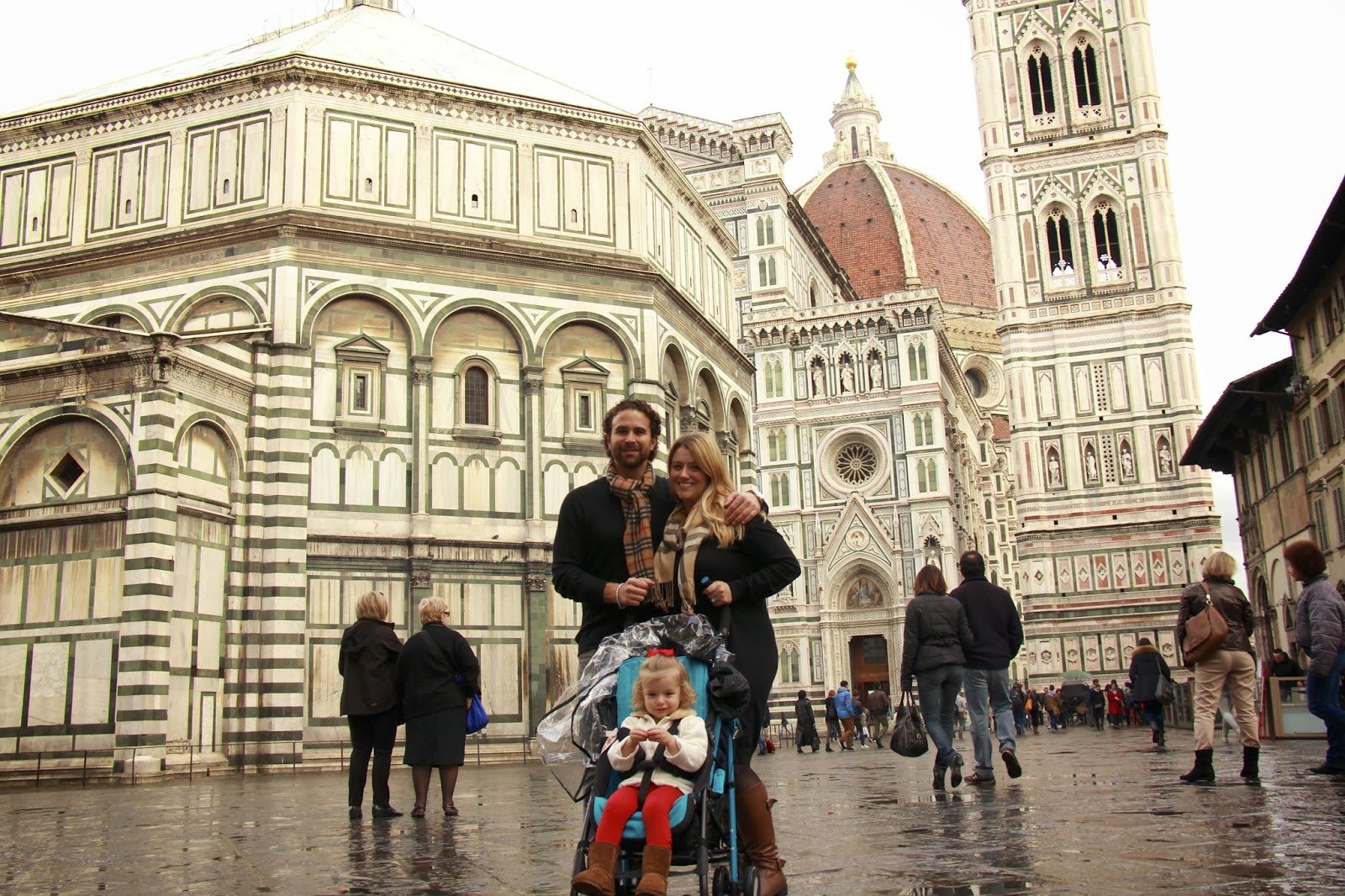
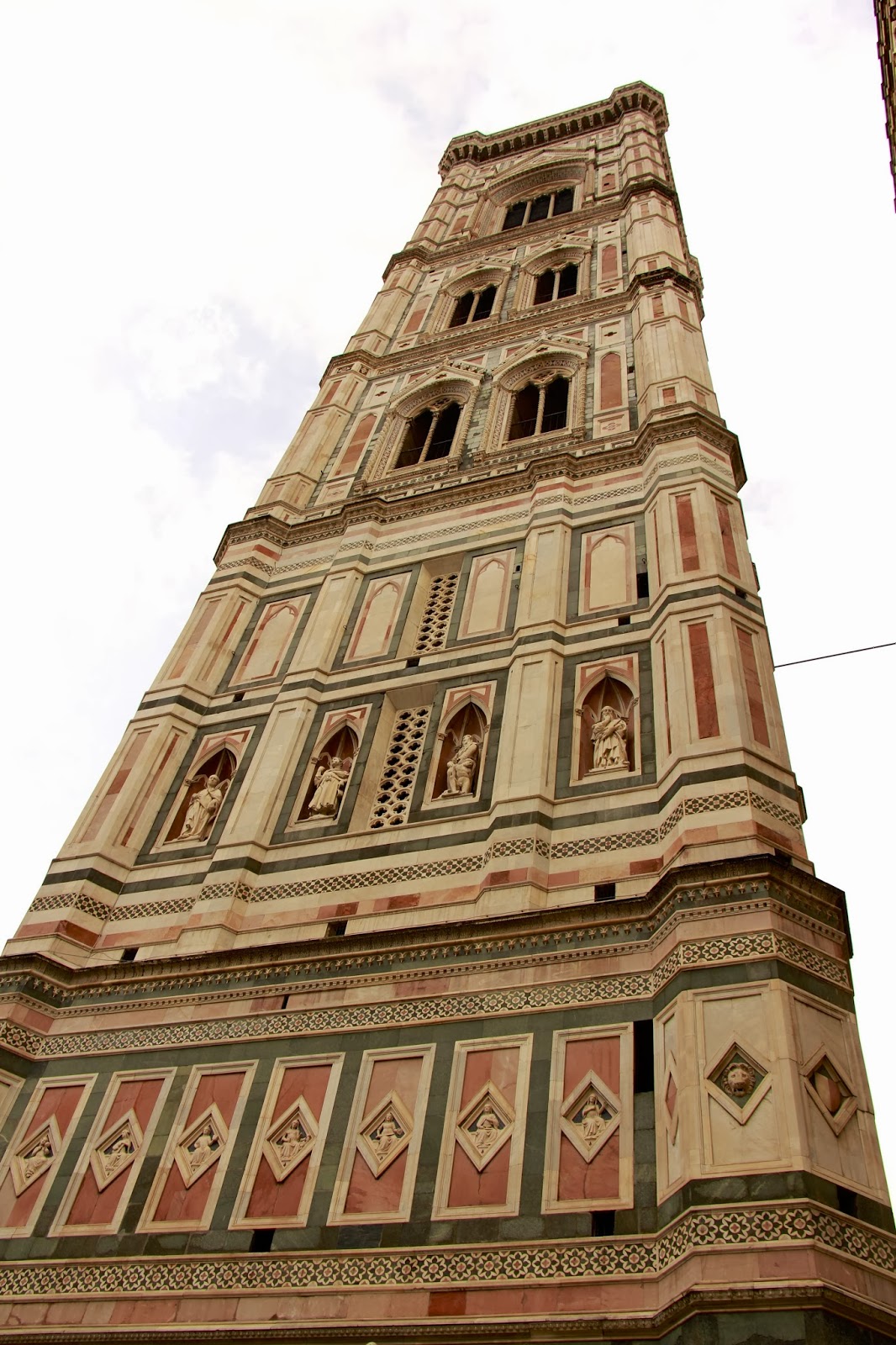
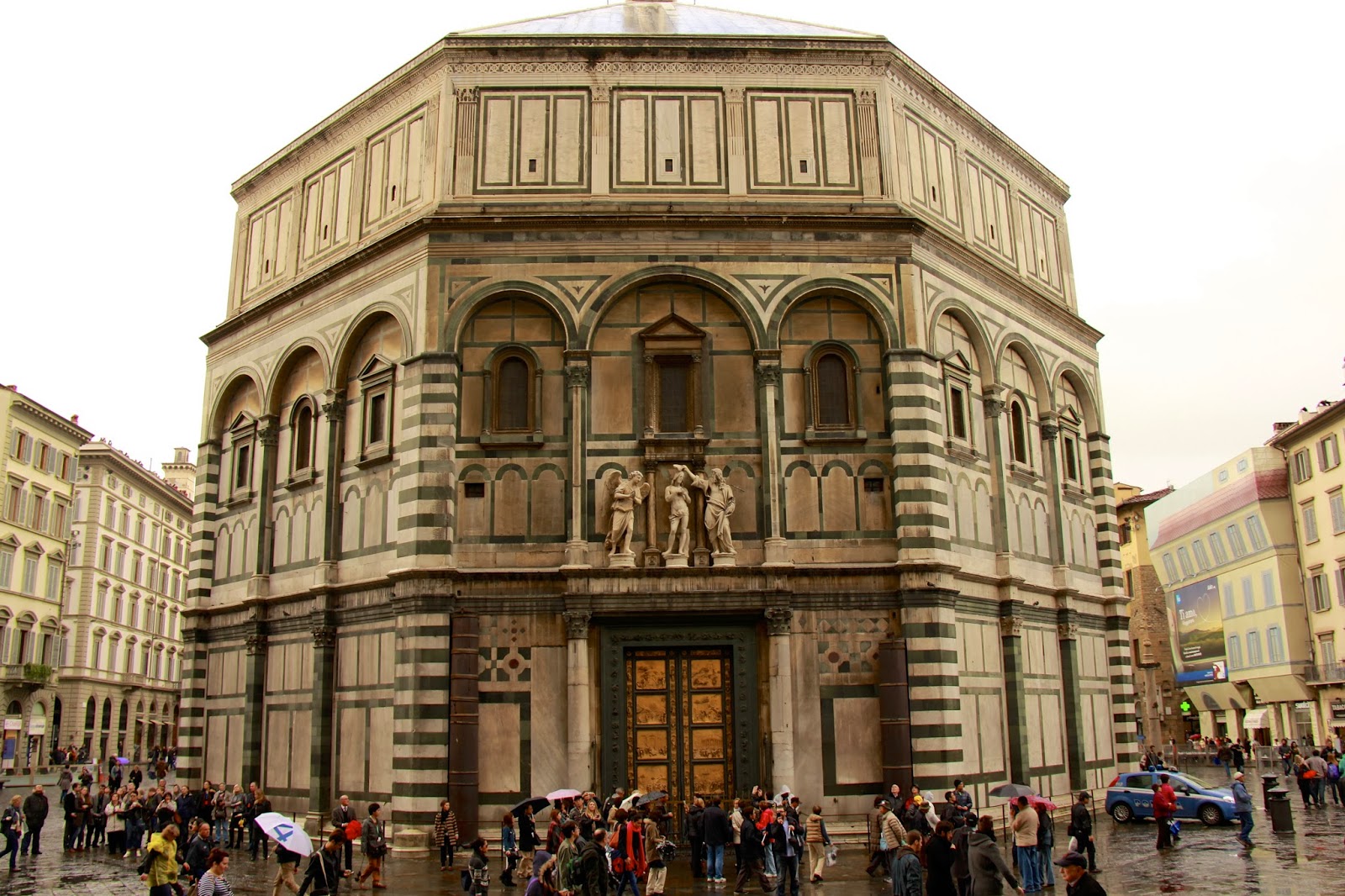
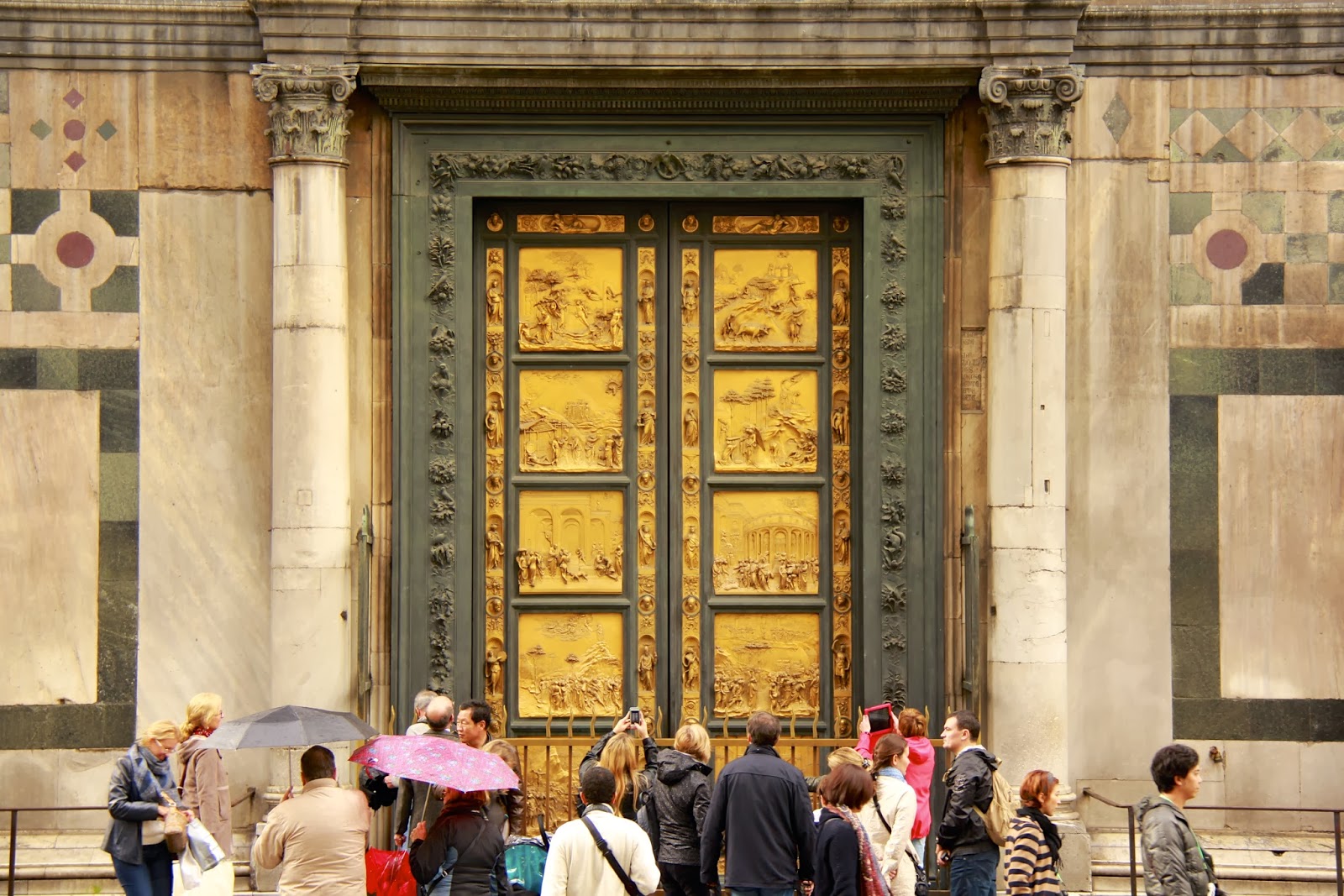
After trying in vein to stay dry under the canopy of a shoe store, we decided that pushing on was our only option. So we walked past the Medici Chapels and Basilica of San Lorenzo. We strolled down the puddle-filled Via Cavour and arrived in the Piazza del Duomo. The piazza houses three very important architectural triumphs. Giotto’s Campanile (bell tower) is a showpiece of Gothic architecture. The Battistero di San Giovanni (Baptistery of St. John) is one of the oldest buildings in the city, constructed in the Romanesque style. The octagonal building once served as a Roman temple constructed to honor Mars, the tutelary god of Florence. Today, the baptistery is most famed for it’s eastern doors, known as the “Gates of Paradise”. Constructed of gilded bronze, the doors feature ten intricate panels that depict scenes from the Old Testament. Most people don’t realize that the doors on display are actually replicas (the originals are kept in Museo dell’Opera del Duomo). Even though they are not the “real deal” it is still amazing to behold the work of LorenzoGhiberti, a project that took him twenty seven years to complete and has been described by art historian Antonio Paolucci as “the most important event in the history of Florentine art in the first quarter of the 15th century”.
We stop for a family photo in the Piazza del Duomo
Giotto’s Campanile (bell tower) offers some of the best views of the city
The Battistero di San Giovanni is an octagonal shaped structure
The impressive bronze-gilded doors referred to as the “Gates of Paradise”
The third and most renowned attraction in the piazza is the Basilica di Santa Maria del Fiore or as it’s most commonly referred, Duomo di Firenze (Florence’s Dome). Construction began in 1296 in the Gothic style and was finally finished in 1436 in the Gothic Revival style with the completion of the famous dome. So much time had passed during construction that Gothic architecture had been all the rage, became “totally uncool” and then turned “retro and hip” again before the church was finished! The construction of the dome was overseen by the famed architect and master goldsmith, Filippo Brunelleschi, spanning sixteen years (1420 – 1436). Although, the history of the dome dates back much further – the commission was awarded to Brunelleschi in 1418 based off Arnolfo di Cambio’s original design of the dome, dating back to 1296. In fact, the church was completed in 1380 with only the dome remaining incomplete (a period of 40 years stretched across the completion of the church and the start of the dome). The main reason for such a long gap in time? Nothing had ever been engineered at quite this high level of intricacy and it took someone 40 years to come up with a good solution. The end result is nothing short of an engineering marvel. The design and construction of the dome is largely considered one of the first events marking the Italian Renaissance. Together, the three structures in the piazza (the Duomo, the Battistero and the Campanile) are a part of UNESCO World Heritage Site, covering the historic center of Florence.
The basilica with the famous dome shown
The front façade is composed of various marble from within Tuscany
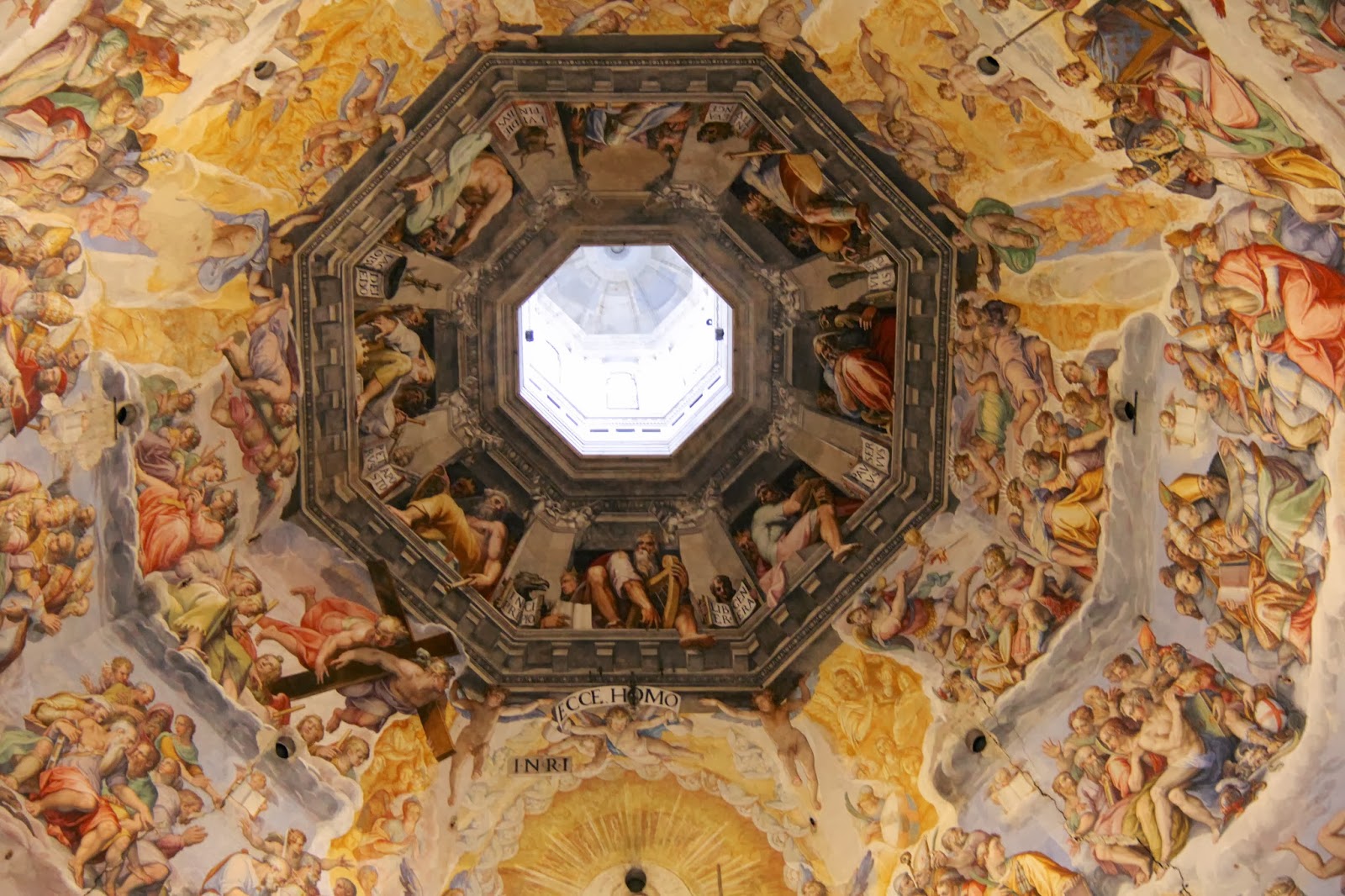
The fresco in the central dome was begun by Vasari in 1568 and finished by Zuccaro in 1579
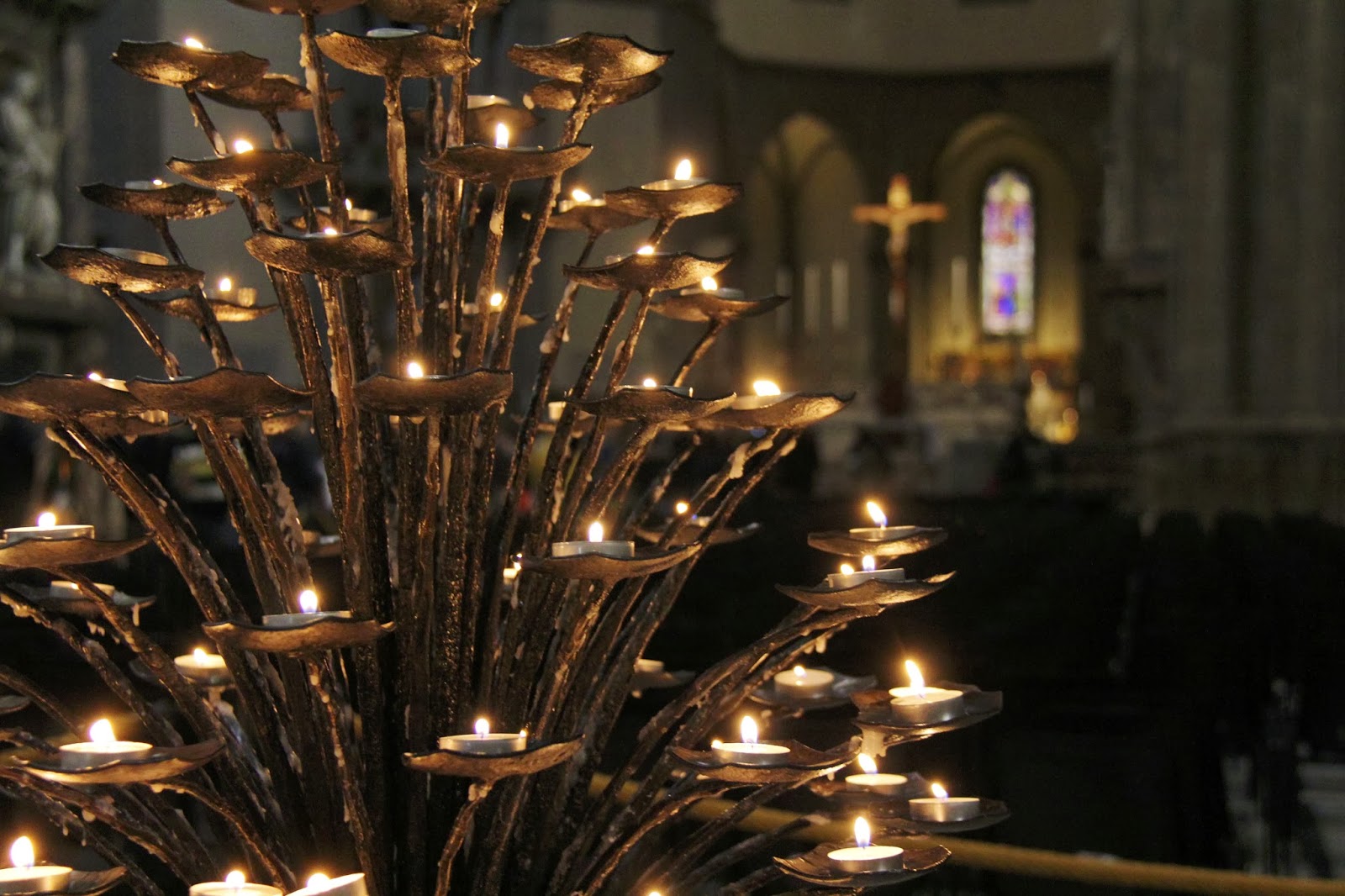
Inside the cathedral
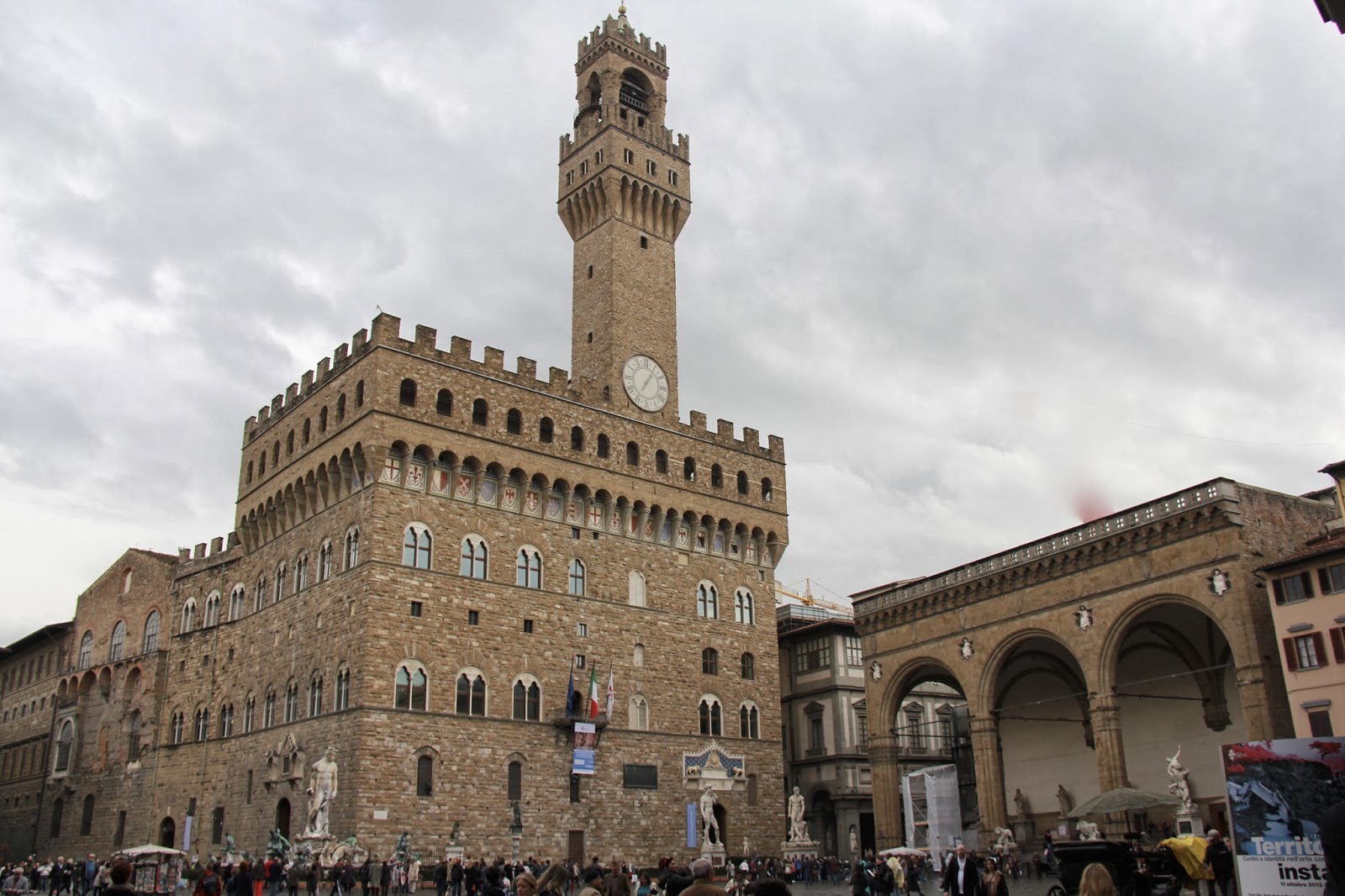
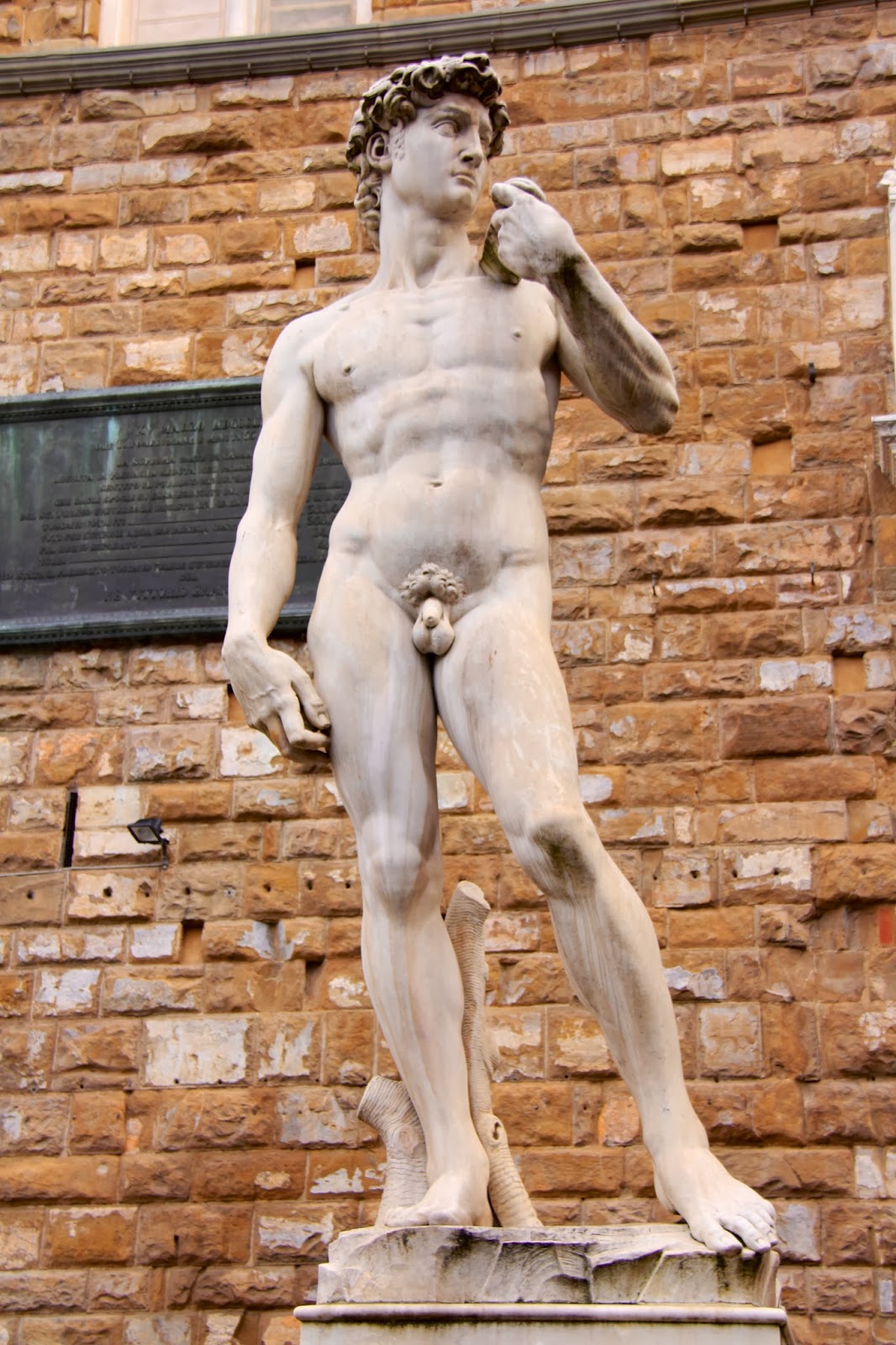
Next up was a visit to the Piazza Della Signoria and a visit to the Palazzo Vecchio (Old Palace). This impressive Romanesque fortress stands today as Florence’s town hall. A replica of Michelangelo’s David stands at the front gates. The original marble statue carved by the young artisan stood at the entrance from its completion in 1504 until it was moved in 1873.
The Palazza Vecchio inside Piazza Della Signoria
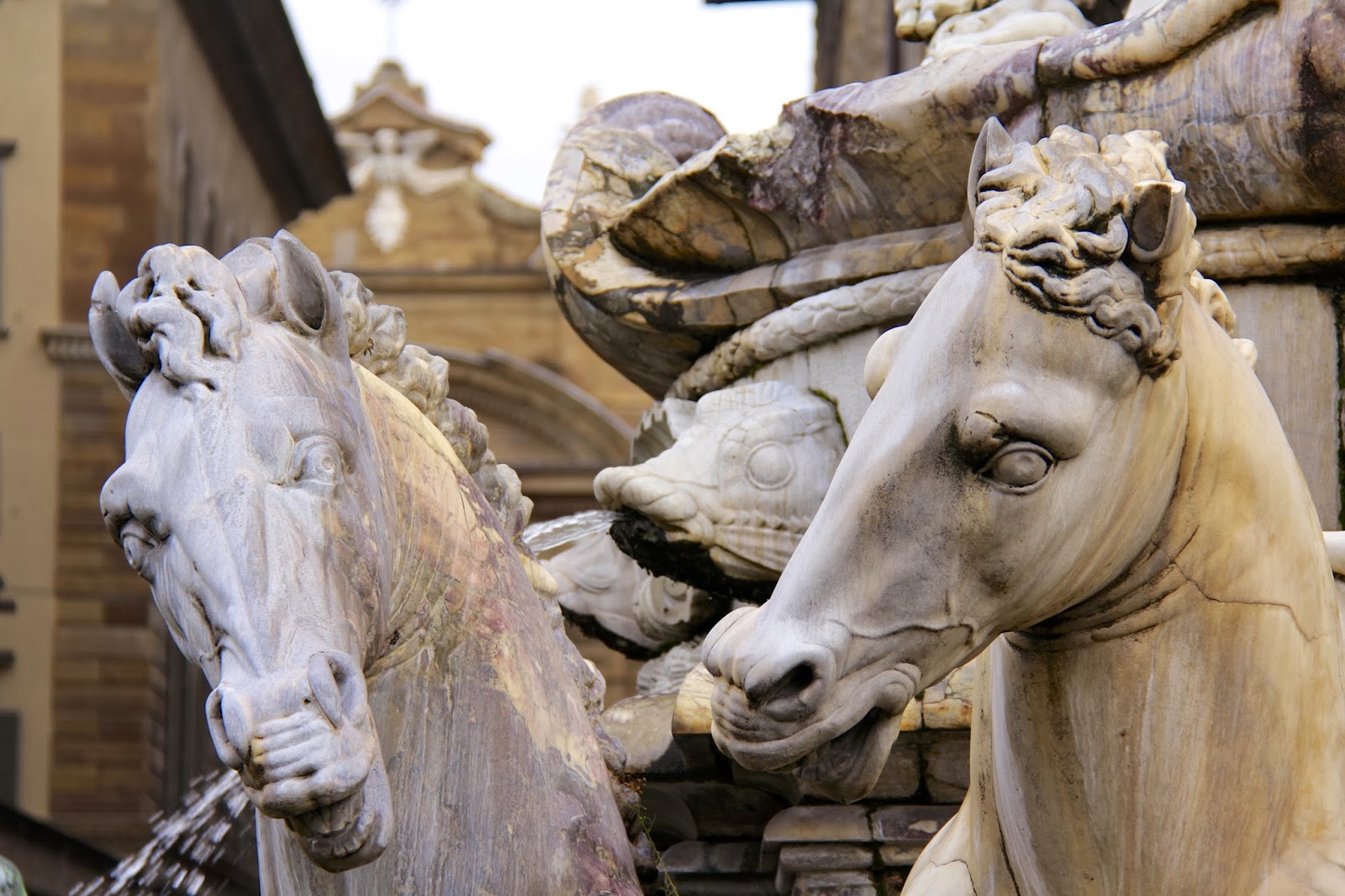
The Fountain of Neptune by Bartolomeo Ammannati commissioned in 1565
An exact replica of The David stands in the location of the original
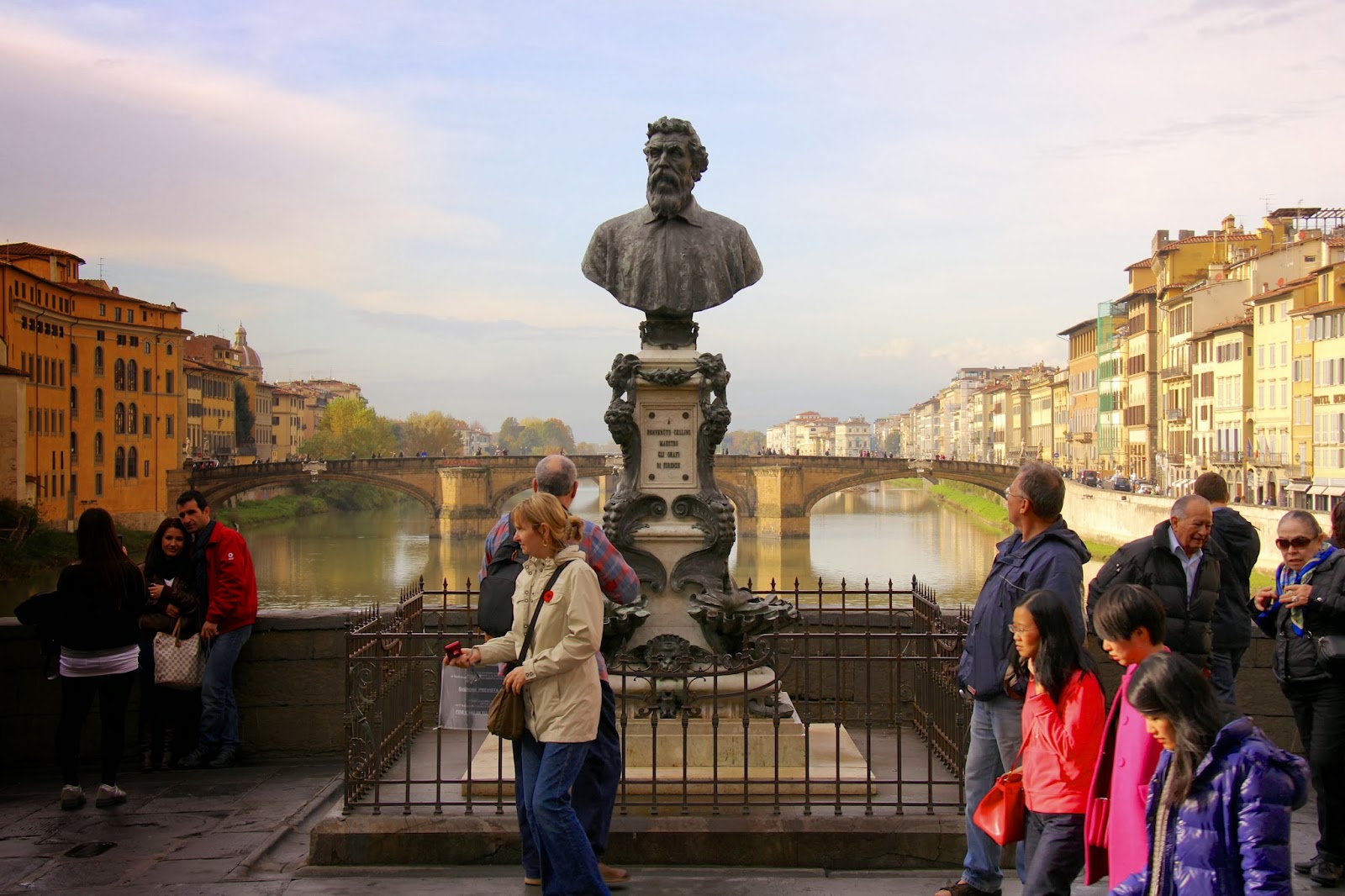
We concluded our tour of the city by crossing over the Ponte Vecchio (Old Bridge). To fully appreciate the bridge, you first need to learn a little bit about one of the most powerful families of all time – the Medici family. The “House of Medici” was the preeminent Tuscan family that first attained it’s wealth and political power in Florence during the 13th century. Their successes in banking and commerce cemented their wealth, while their philanthropic and political involvement garnered them prestige and infamy. The family dominated politics, economics and culture in Florence for three centuries (15th to the 18th centuries) and provided the world with four Pope’s, two Queens and countless Dukes. Through their banking empire they developed a significant improvement to the general ledger system with the development of the double-entry bookkeeping system for tracking credits and debits. Their financial sponsorship of arts and architecture largely funded the Renaissance itself, paving the way for advances never before seen. The patronage of a young and inspired mind, Leonardo da Vinci gave the world some of our most prized treasures and significant cultural advancements.
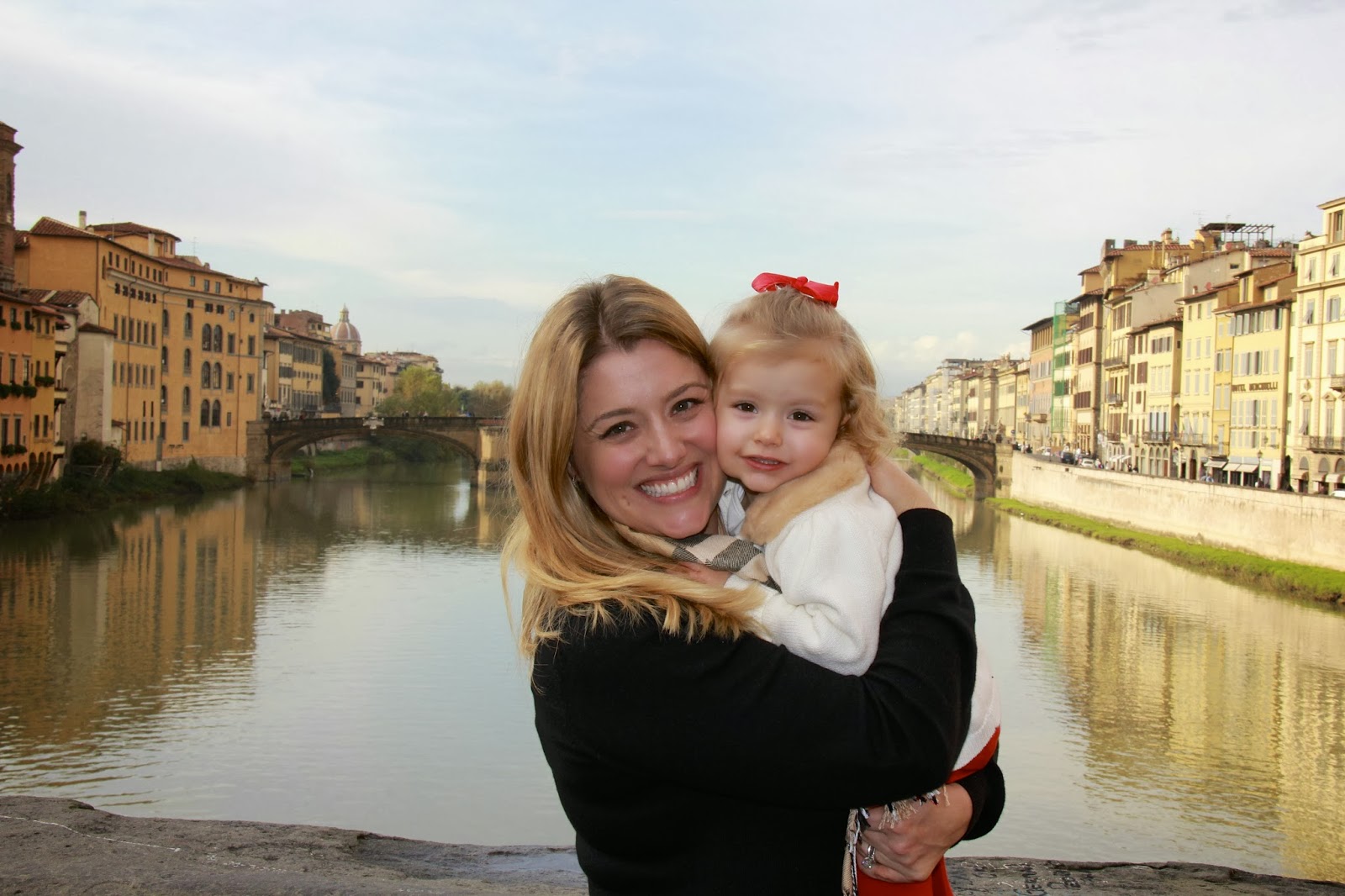
Jen and Julia on Ponte Vecchio
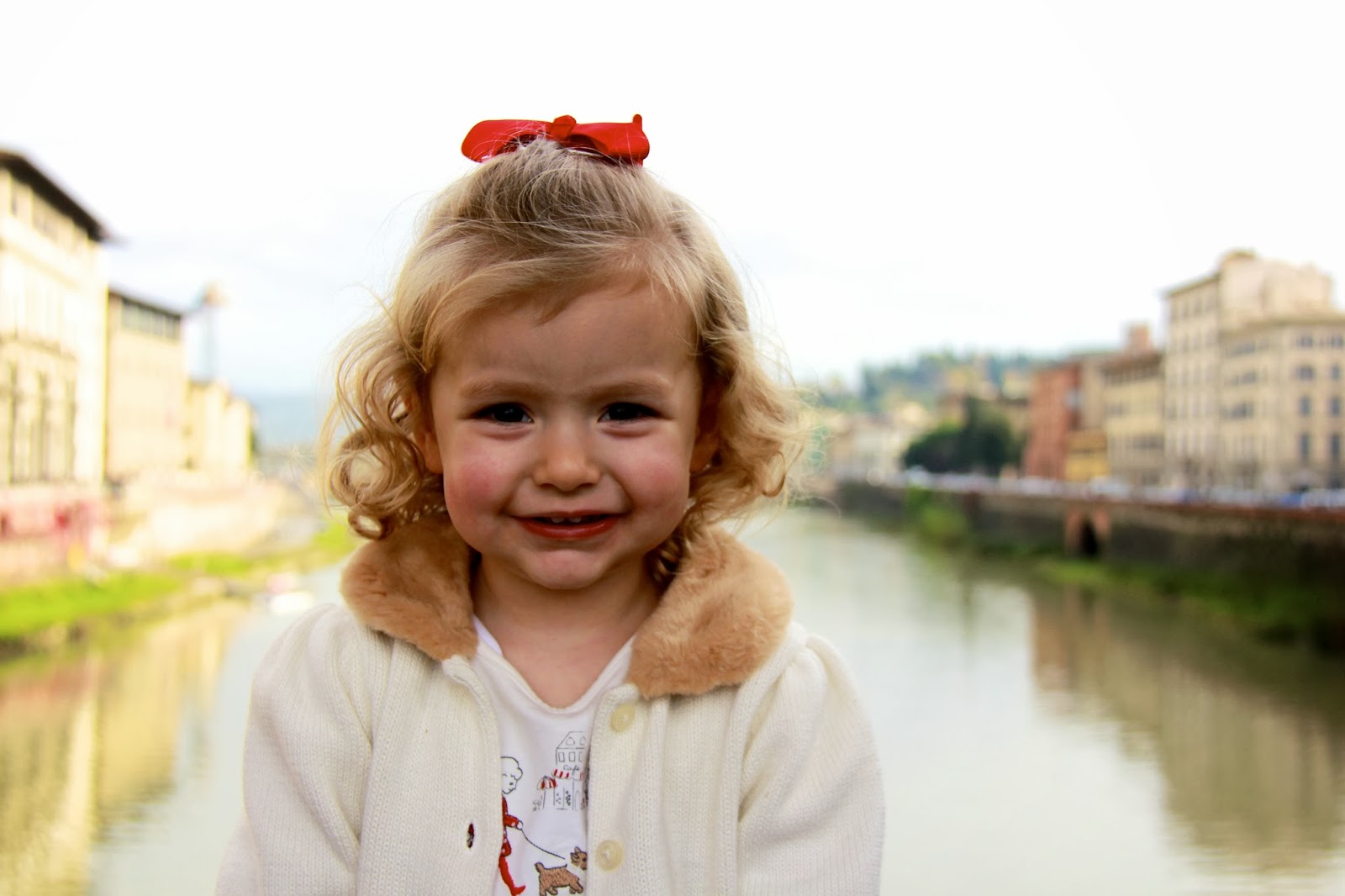
Our little Tuscan girl
The bust of famed Florentine artist, Benvenuto Cellini
So what did the Medici’s have to do with a bridge you ask? You may assume that they funded it (and you’d be right – the reconstruction effort of 1345) and think to yourself… “what’s the big deal, Greg – you just told me they basically bankrolled the entire Renaissance, who cares about a single bridge”? Well, in my opinion there are two very interesting things about this particular overpass.
First, the bridge is credited as being the birthplace of bankruptcy, an action the banking family supported. The bridge has always housed shops and merchants (as it still does to this day) and when a merchant could not pay his debts, the counter on which he sold his wares (the “banco”) was physically broken (“rotto”) by soldiers. The practice was thus referred to as bancorotto (broken counter, or as it became known, broken bank). Once the merchant lost his table, he was no longer able to sell anything.
The second interesting factoid about the bridge also has to do with these merchants. Butchers dominated the shops along the bridge, nearly since it’s inception. In 1564, Grand Duke Cosimo I de’ Medici commissioned the Vasari Corridor – an enclosed passageway elevated above the Ponte Vecchio in order to connect the Palazzo Vecchio with the Palazzo Pitti. The Grand Duke commissioned the bridge because he wanted a private walkway when crossing between his personal residence and the government palace – he couldn’t be bothered to walk amongst the commoners. As if this was bad-ass enough… he took it a step further. The smell of meat was not a scent that he cared to inhale, so he had all the butchers removed and oversaw the installation of gold and jewelry shops (a tradition that persists today – there are nothing but gold and jewelry shops along the bridge… with a couple souvenir places sprinkled in). The gold merchants not only offered a less offensive odor, they extended a much more pleasant view and enhanced the prestige of the bridge.
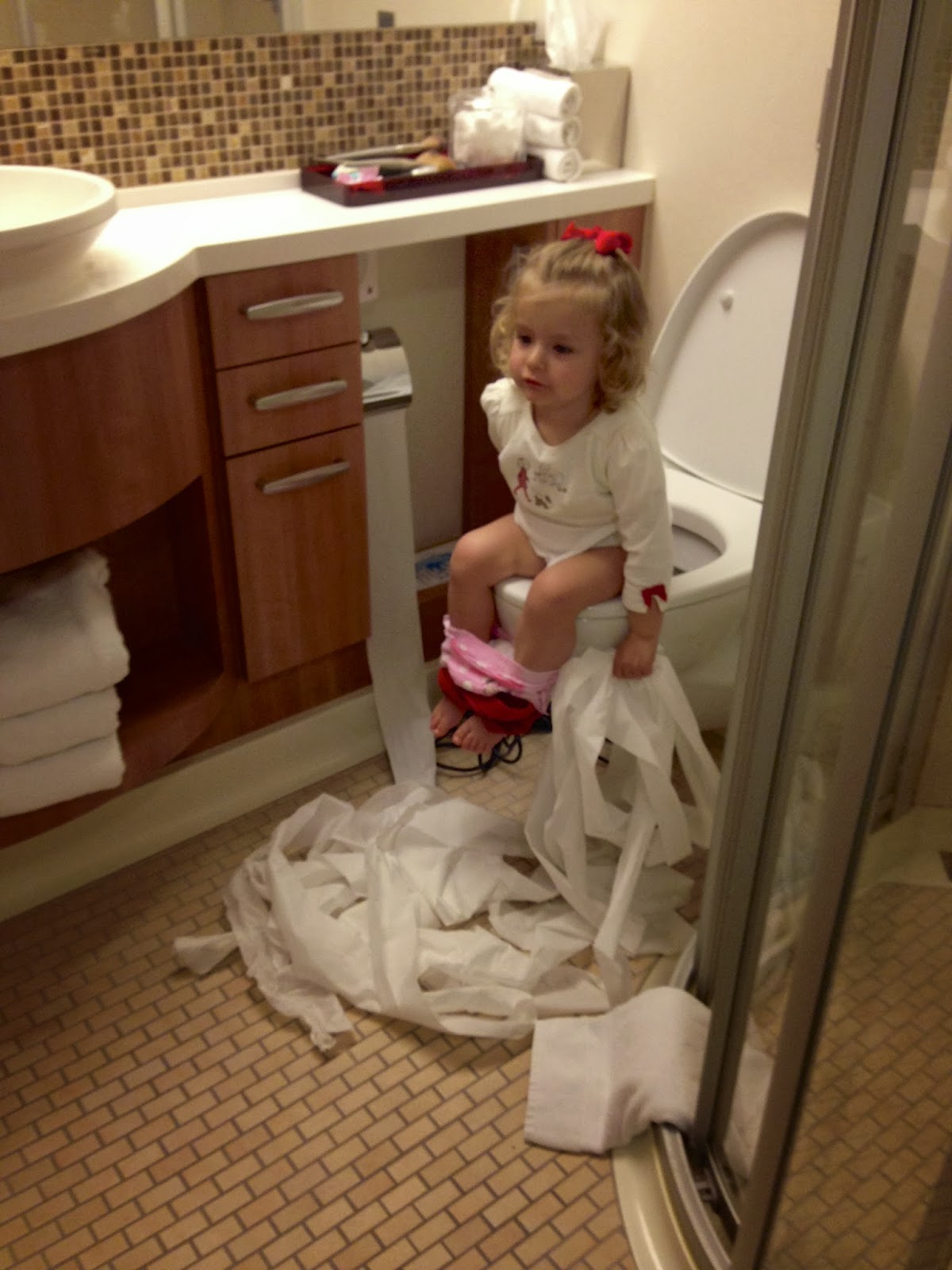
Julia kept us on our toes with shenanigans like these our entire time at sea
We got a few souvenirs for ourselves and then hustled back to the ship for a lot more fun at sea!
I suppose that I’ve sufficiently succeeded in being completely cheesy and unoriginal, using the two most obvious cliche’s to name my two posts about Rome (first post). Oh well, this is what you can expect from me when I’m faced with the monumental task of bringing you up to speed on our many recent adventures. So, let’s begin!
When I last left you, we had seen the Pope’s home (Vatican City), a bunch of steps (Spanish Steps) and a some running water (Trevi Fountain). The next day, we wanted to see a pile of stones (Colosseum) and a big dome (Pantheon). And if anyone ever describes some of the world’s most precious treasures like that again, smack them!
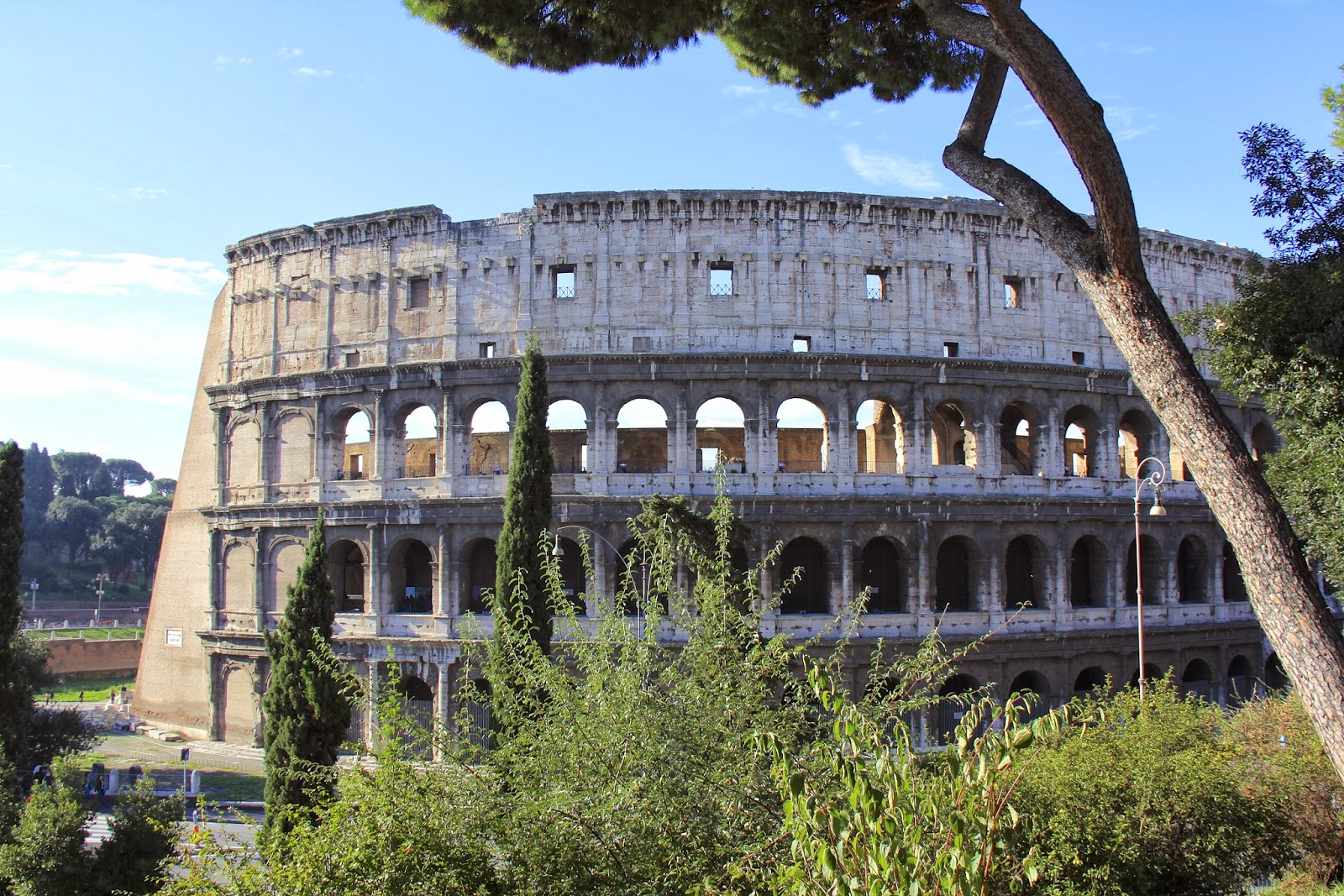
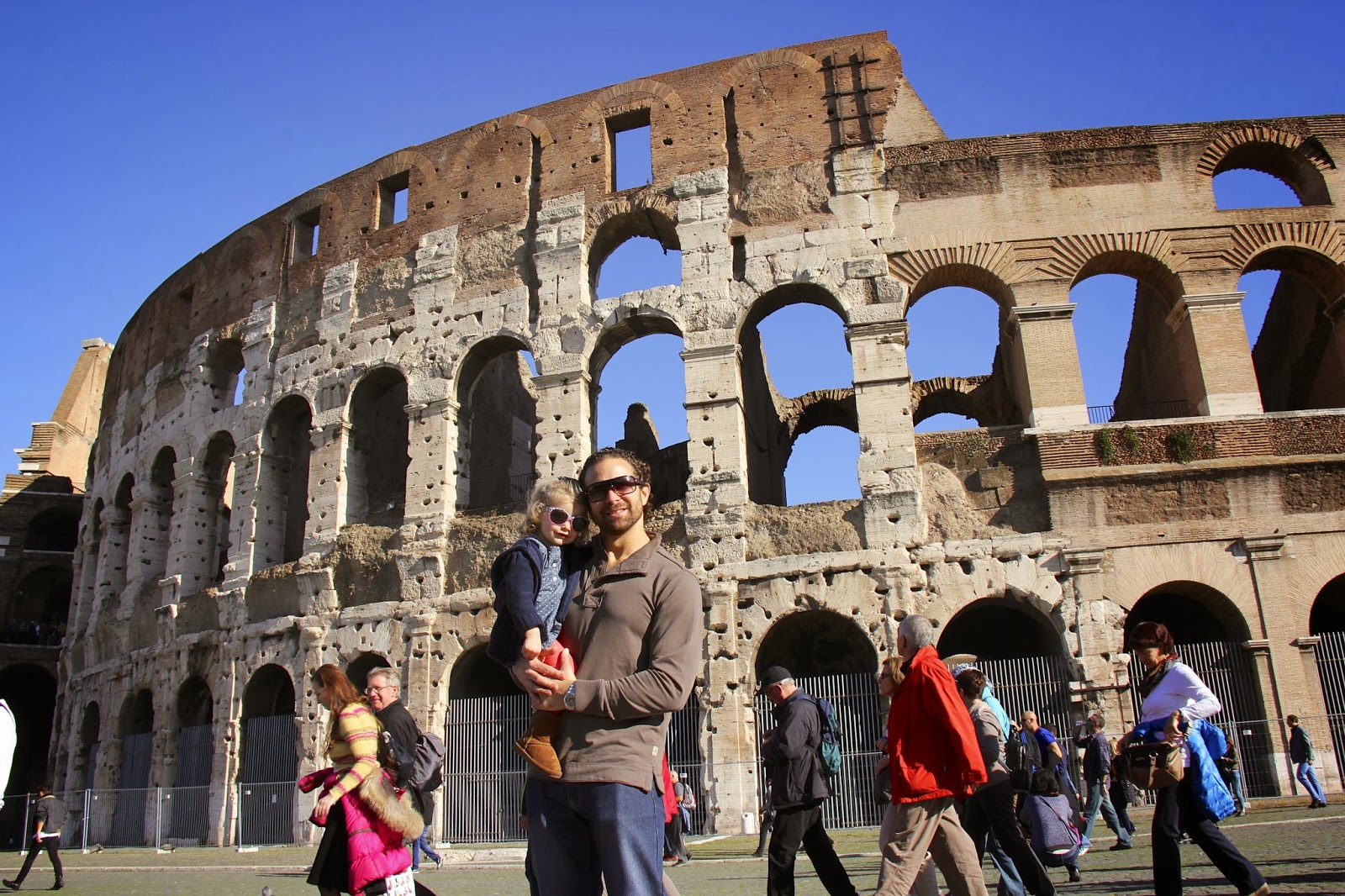
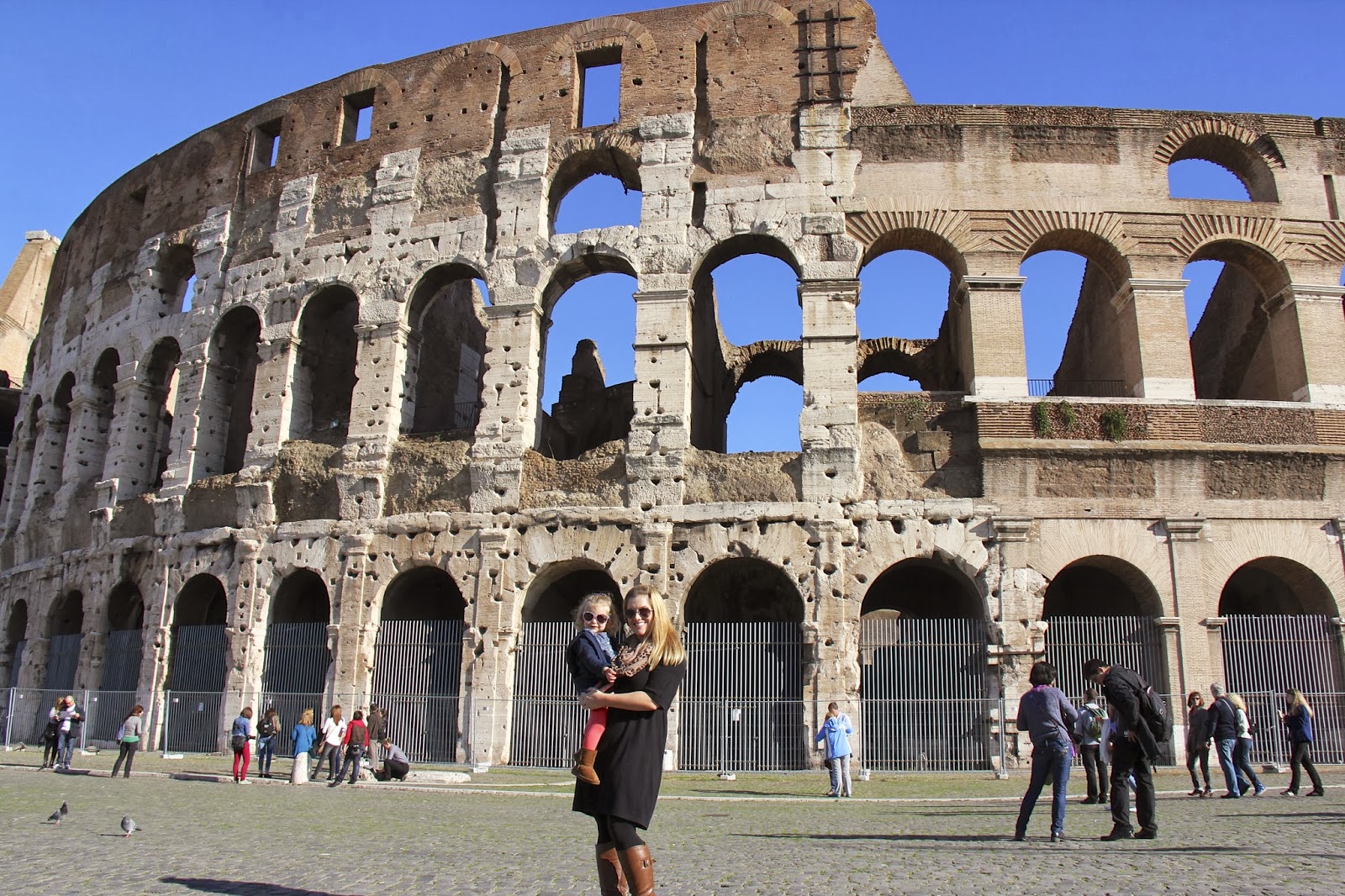
On our second day in Rome, we set out early to reach the Colosseum, the world’s largest ancient amphitheater and one of the most spectacular examples of Roman engineering and design. It is estimated that the colosseum could hold as many as 80,000 spectators. If you put that into perspective, that’s as big as most NFL football stadiums – only it was built almost 2000 years ago! I’m no historian, but I don’t think they had reinforced steel, engineering software and cement-mixing trucks back then. It’s no wonder that the Amphitheatrum Flavium (it’s Latin name) is a UNESCO World Heritage Site and one of seven wonders of the world [source].
Amphitheatrum Flavium (Colosseum)
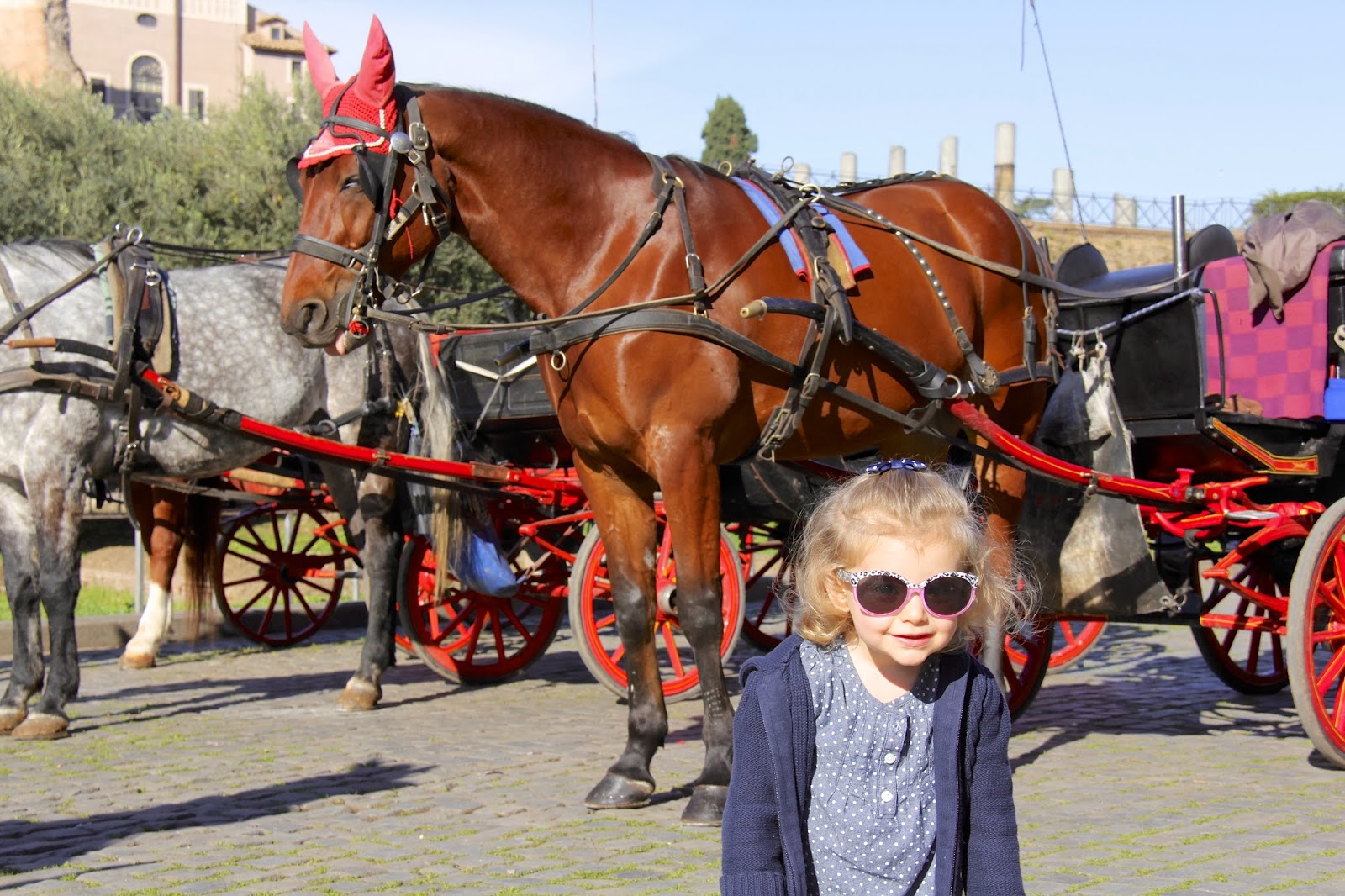
Julia found some horses that she wanted to ride
I hold Julia outside the massive stadium
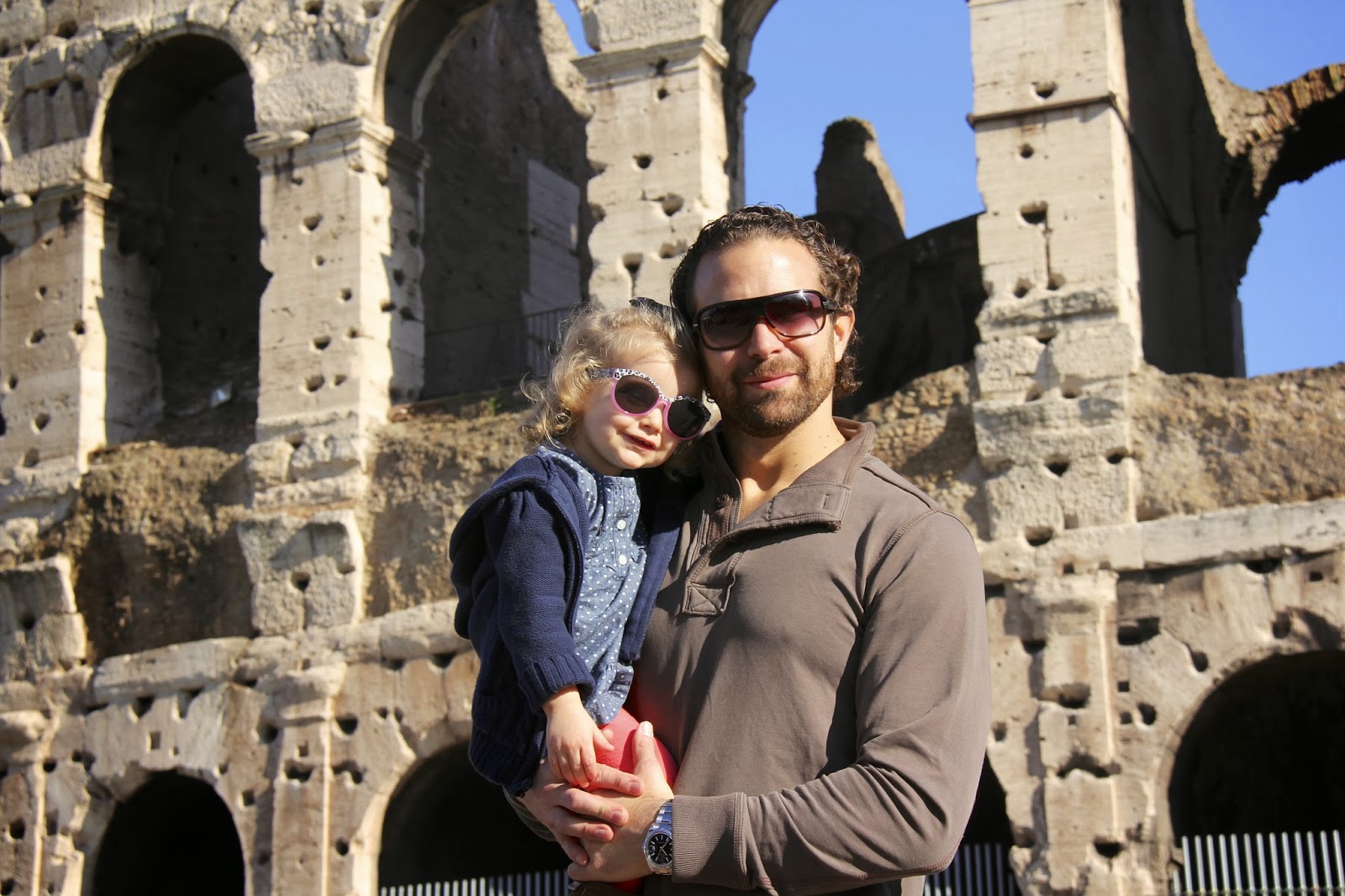
Posing with Dad
Now momma gets a photo with Julia
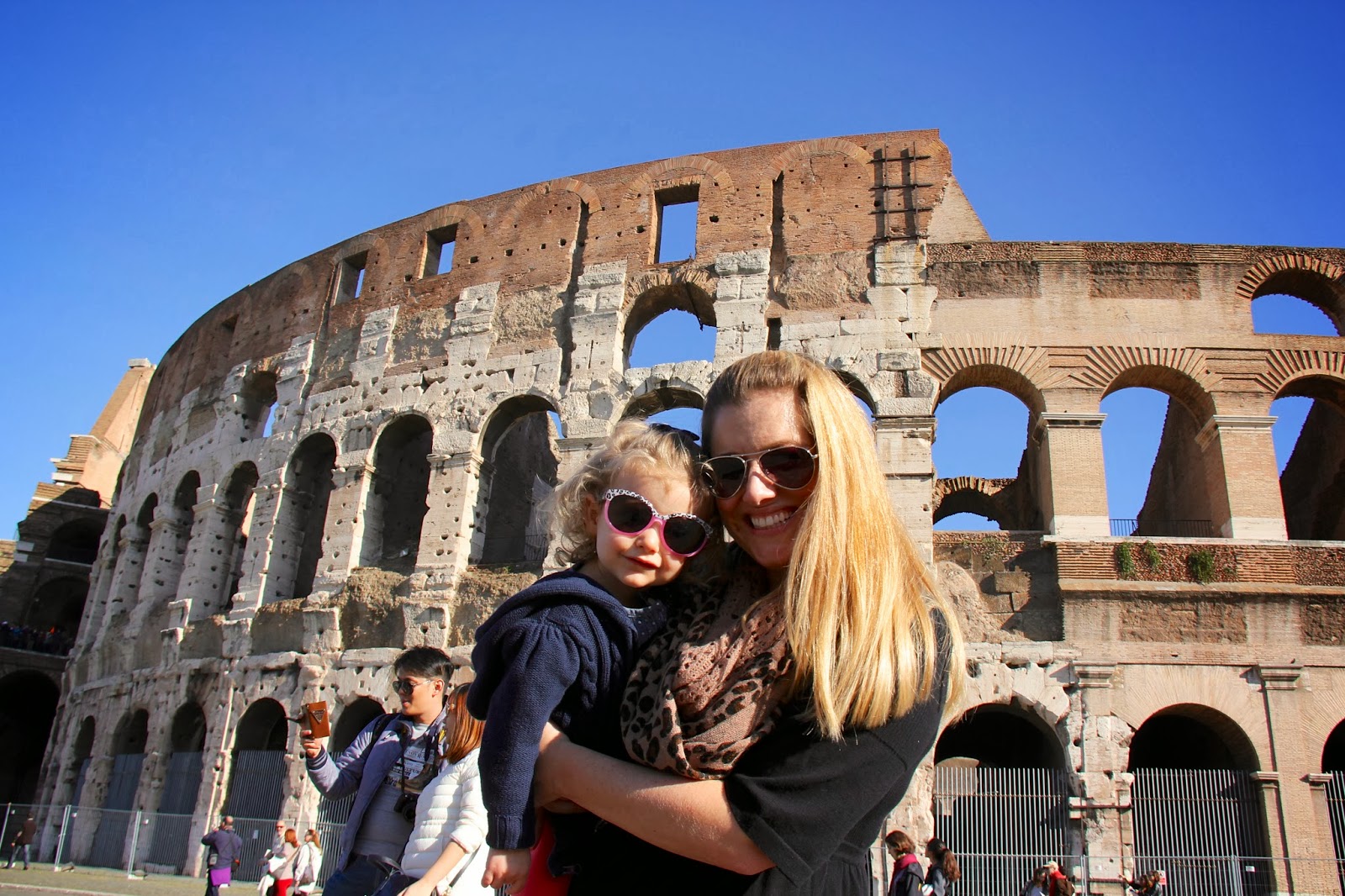
“Cheese!”
We didn’t get to spend too much time at the Colosseum because we had something even more important to do as we approached mid-day. I know, you’re thinking… “Greg, I’ve been reading this blog long enough to know that your very important thing is just lunch”. On any other day, you would be correct. But on this particular day… lunch would have to wait. We had a meeting with someone you may have heard of. Oh you know… Pope Francis.
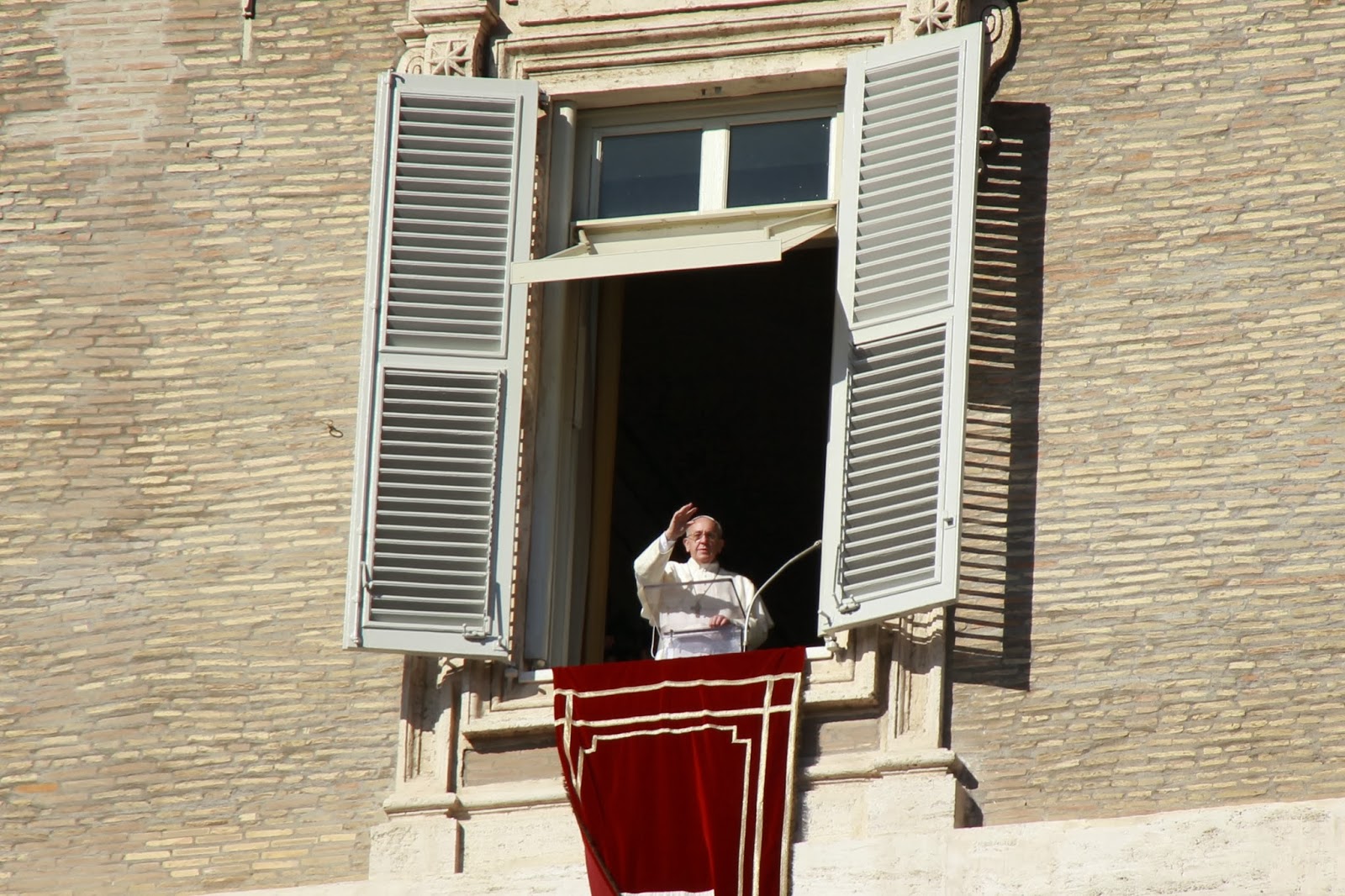
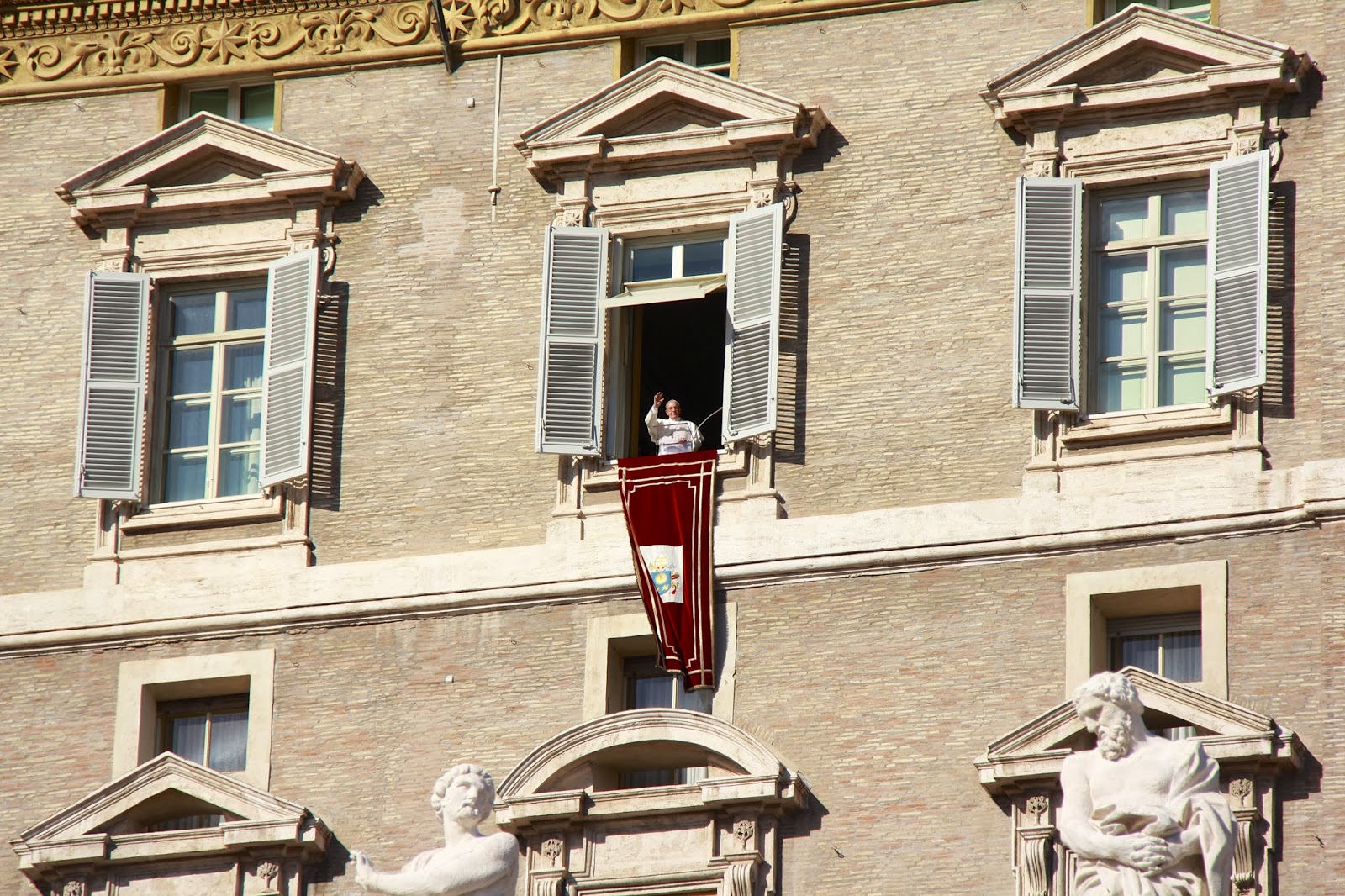
Papa Francesco greets us from a window in the Papal Residence
Now, when I say “meeting with the Pope” – I mean, a meeting of sorts. A meeting that I generously shared with about 5,000 other people. Every Sunday at noon, the Pope addresses the masses from the Papal Residence and delivers a short address to the crowd, followed by a blessing. It was quite a tremendous thing indeed to be blessed by the Pope!
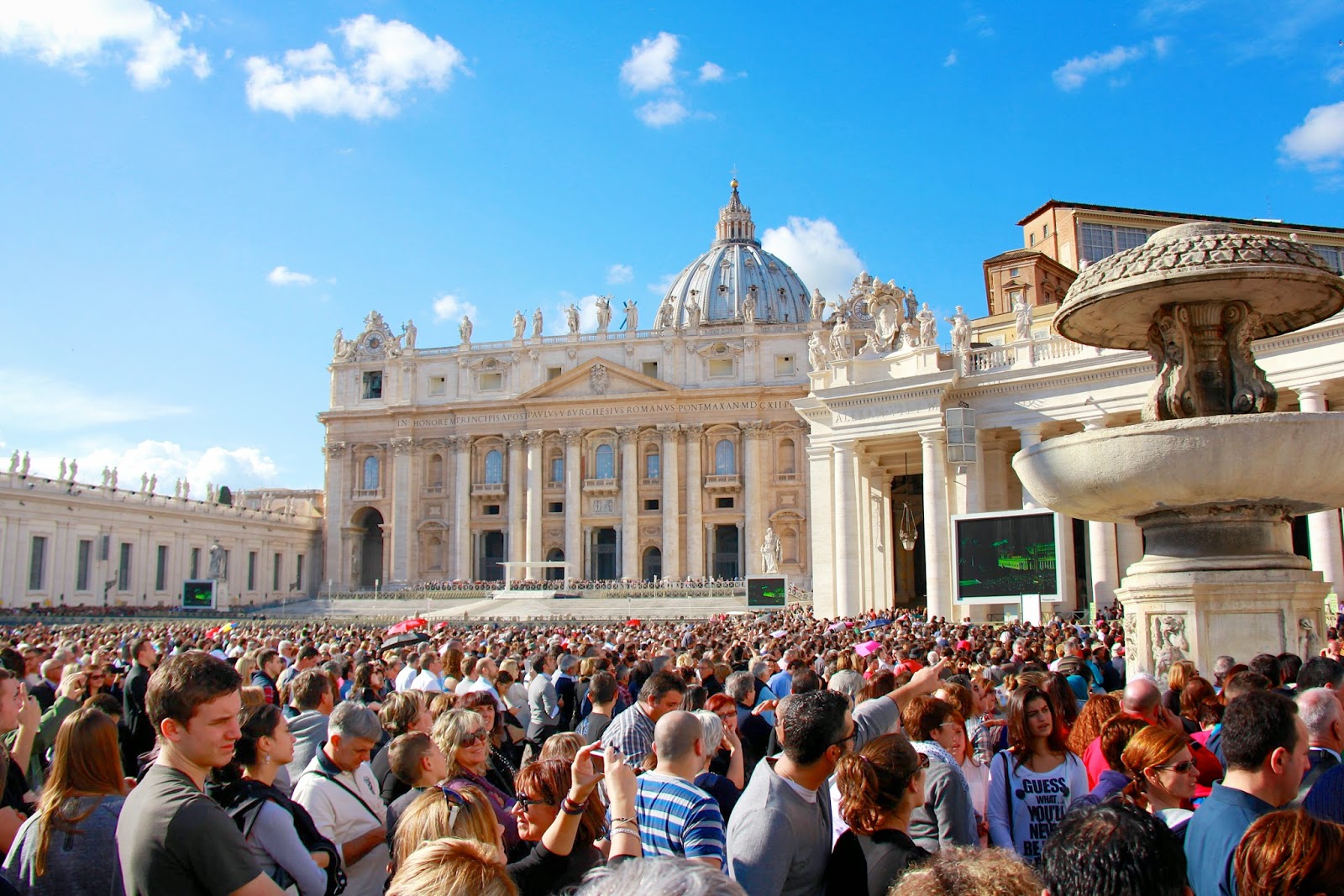
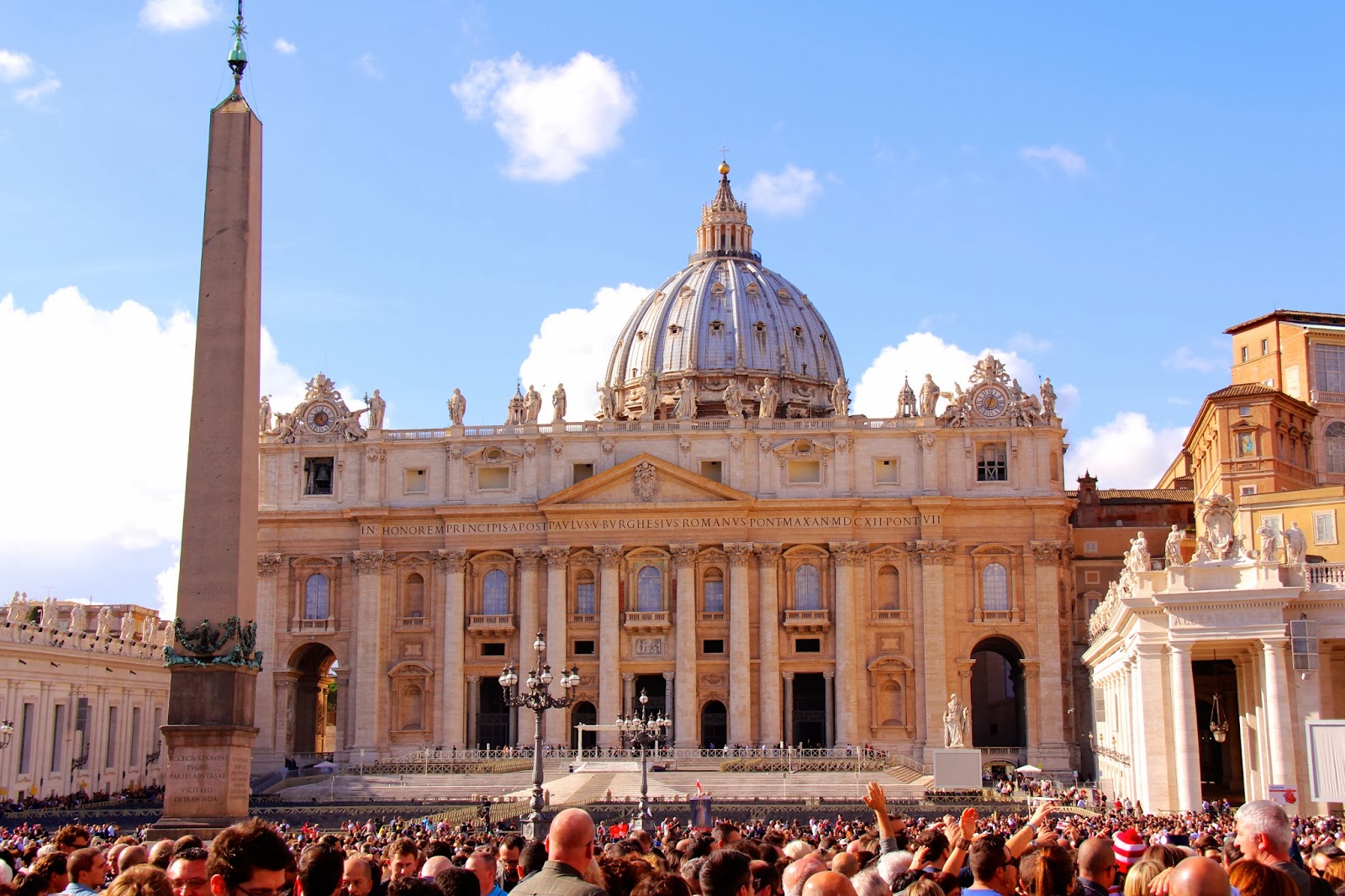
Large crowds await the Pope’s appearance
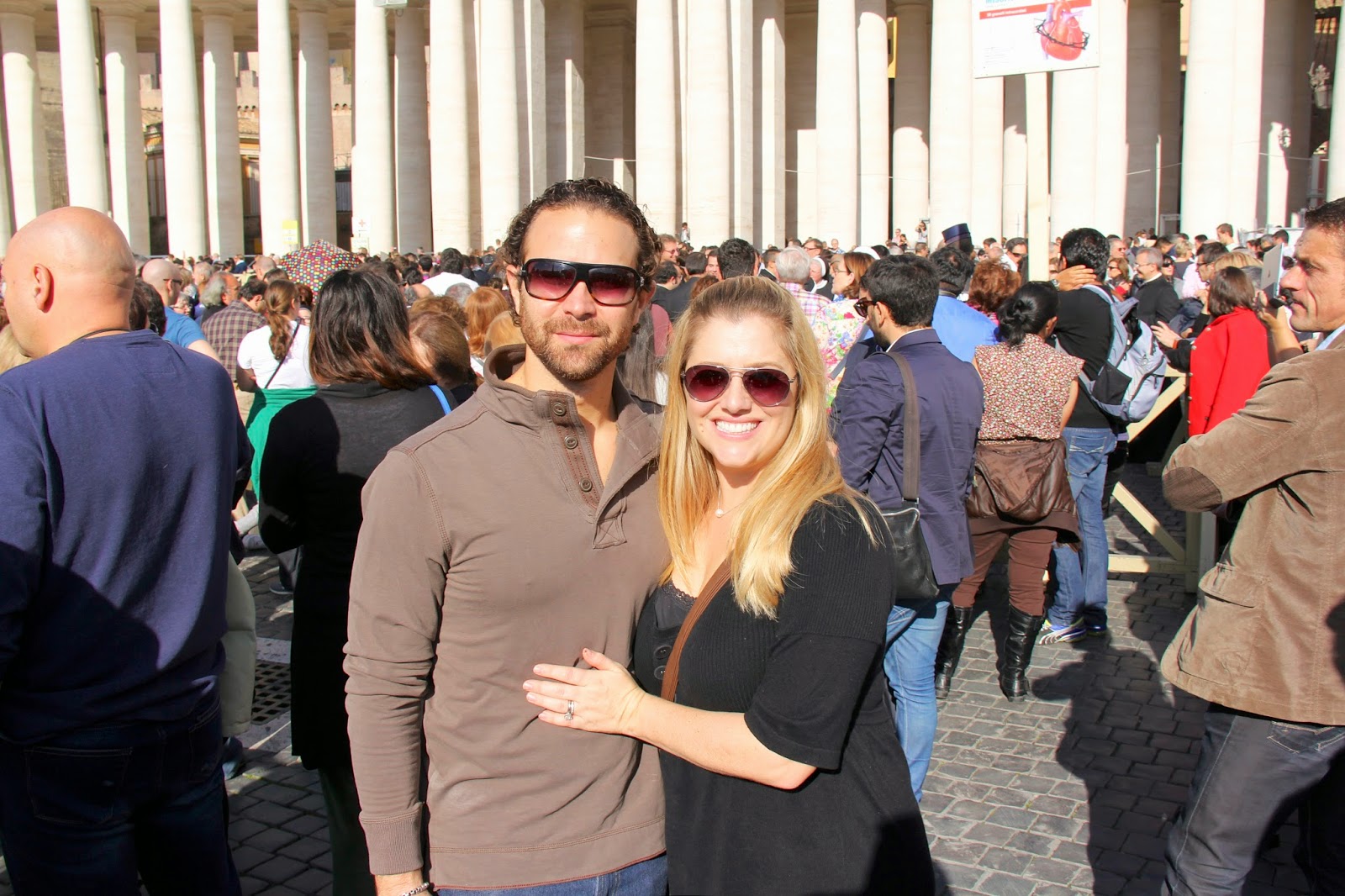
We take a picture amongst the crowd
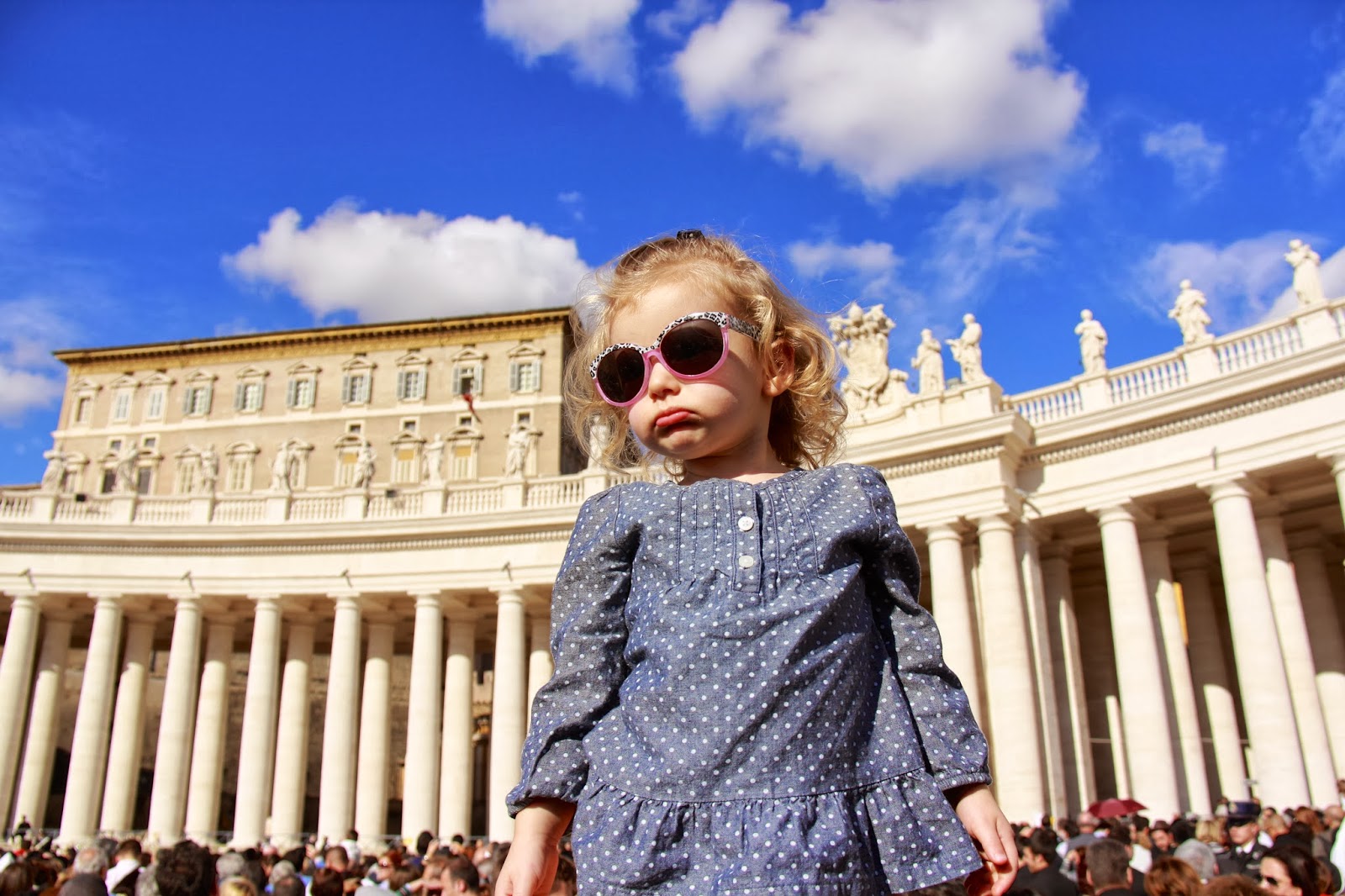
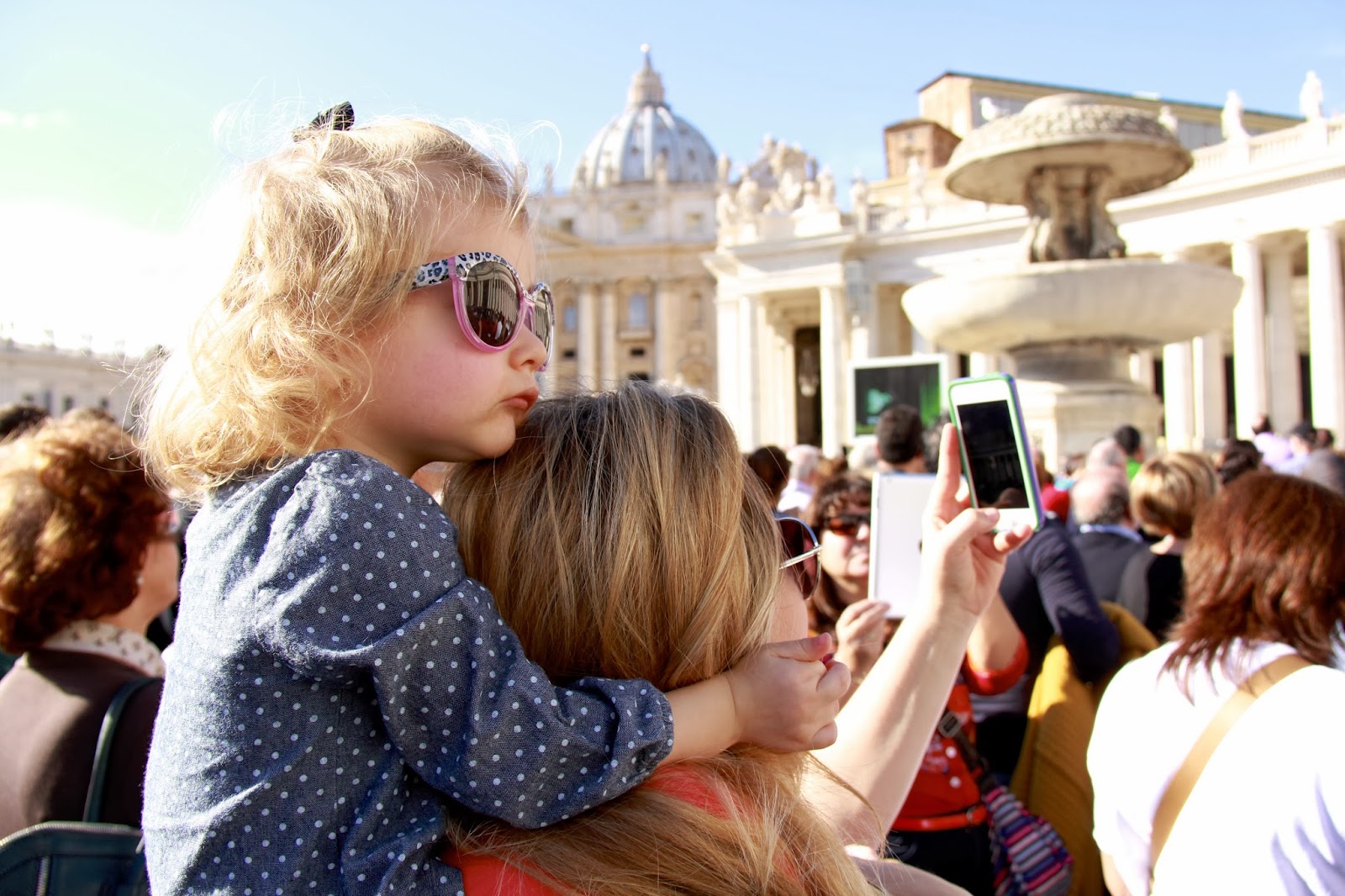
A somewhat grumpy Julia rises above the crowd to take a picture with the Papal Residence in the background
The crowd roared with jubilation when Pope Francis appeared
Jen and Julia listened intently during his address
A view of Saint Peter’s Basilica with the crowd
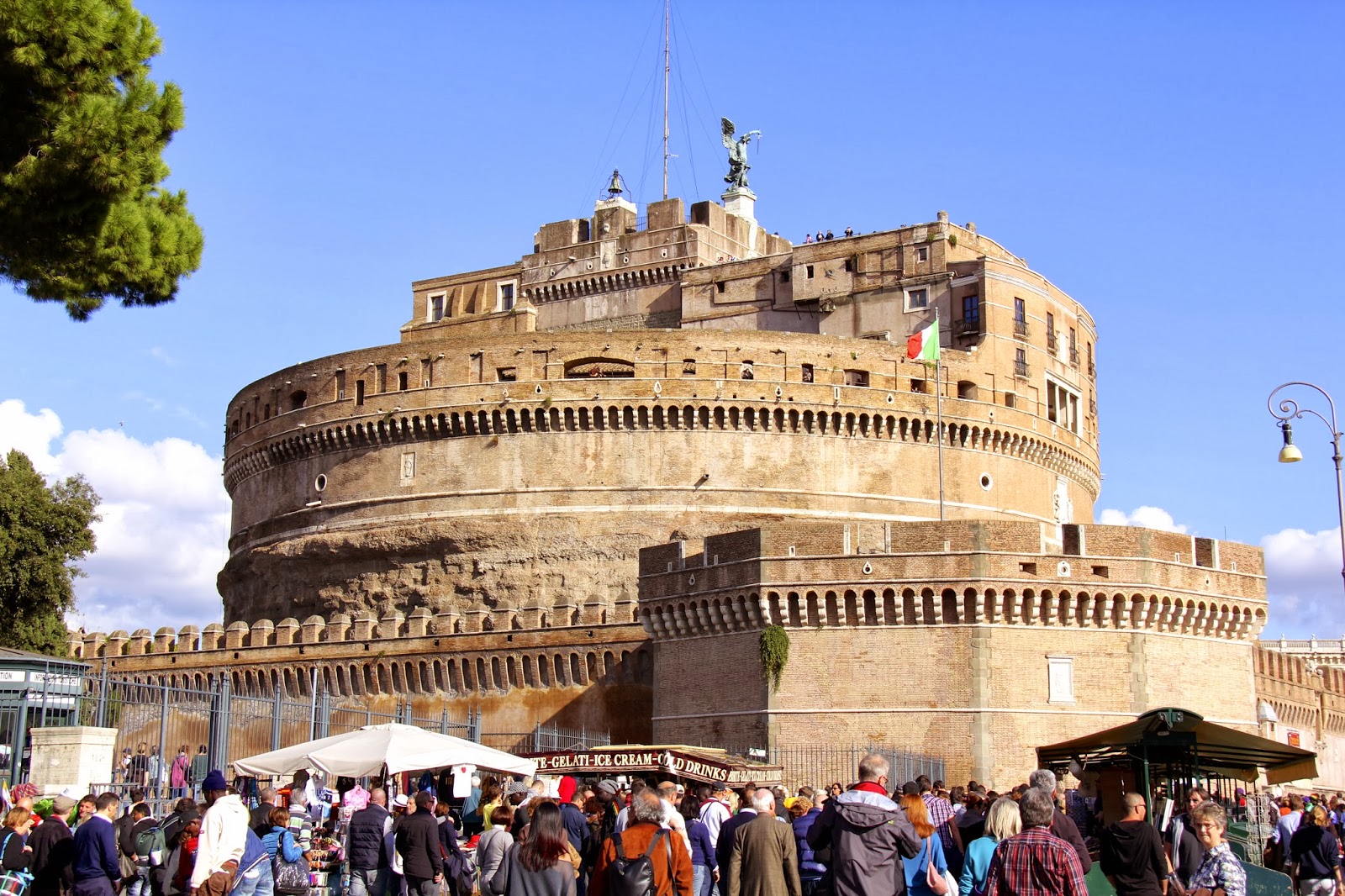
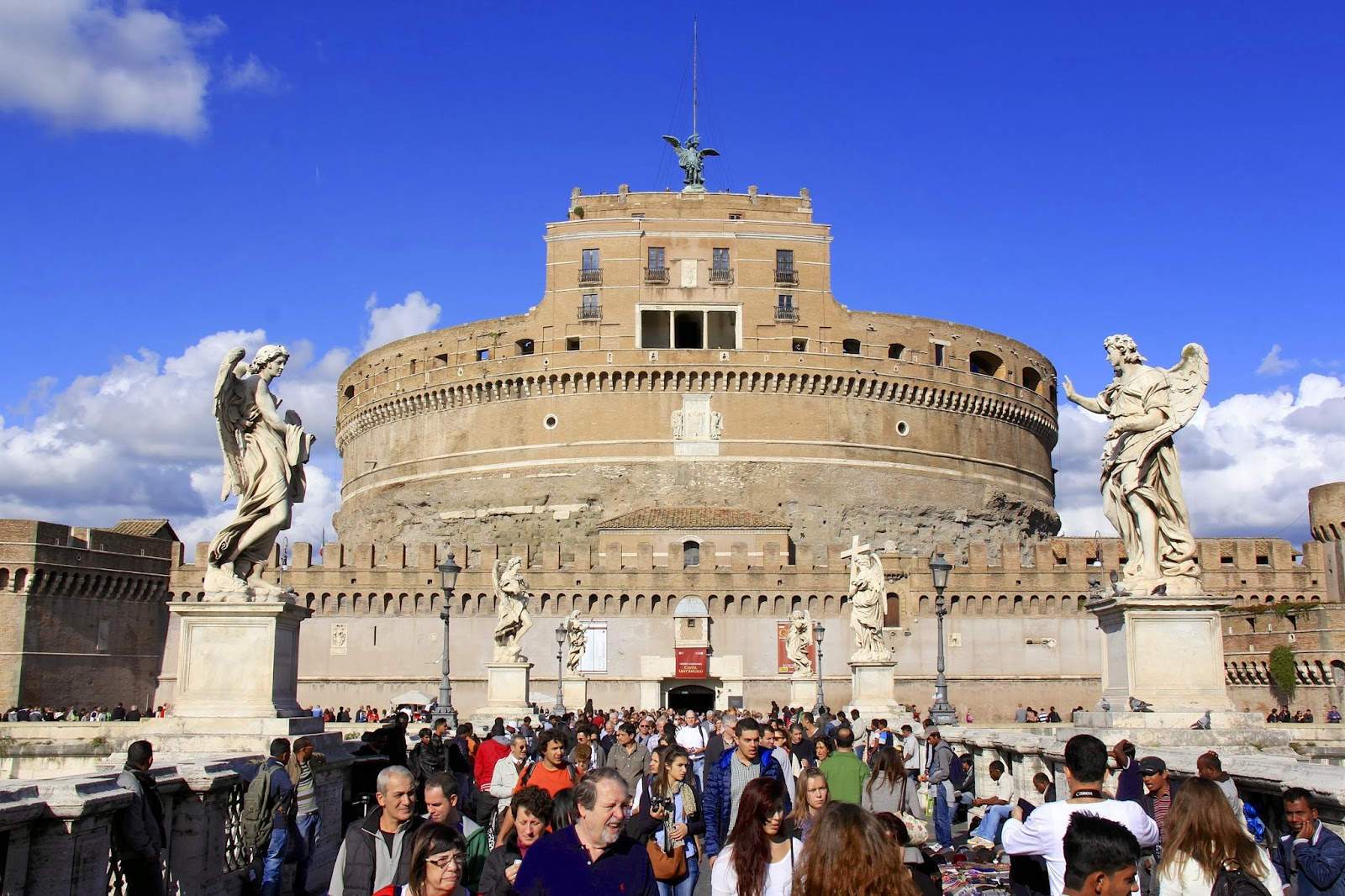
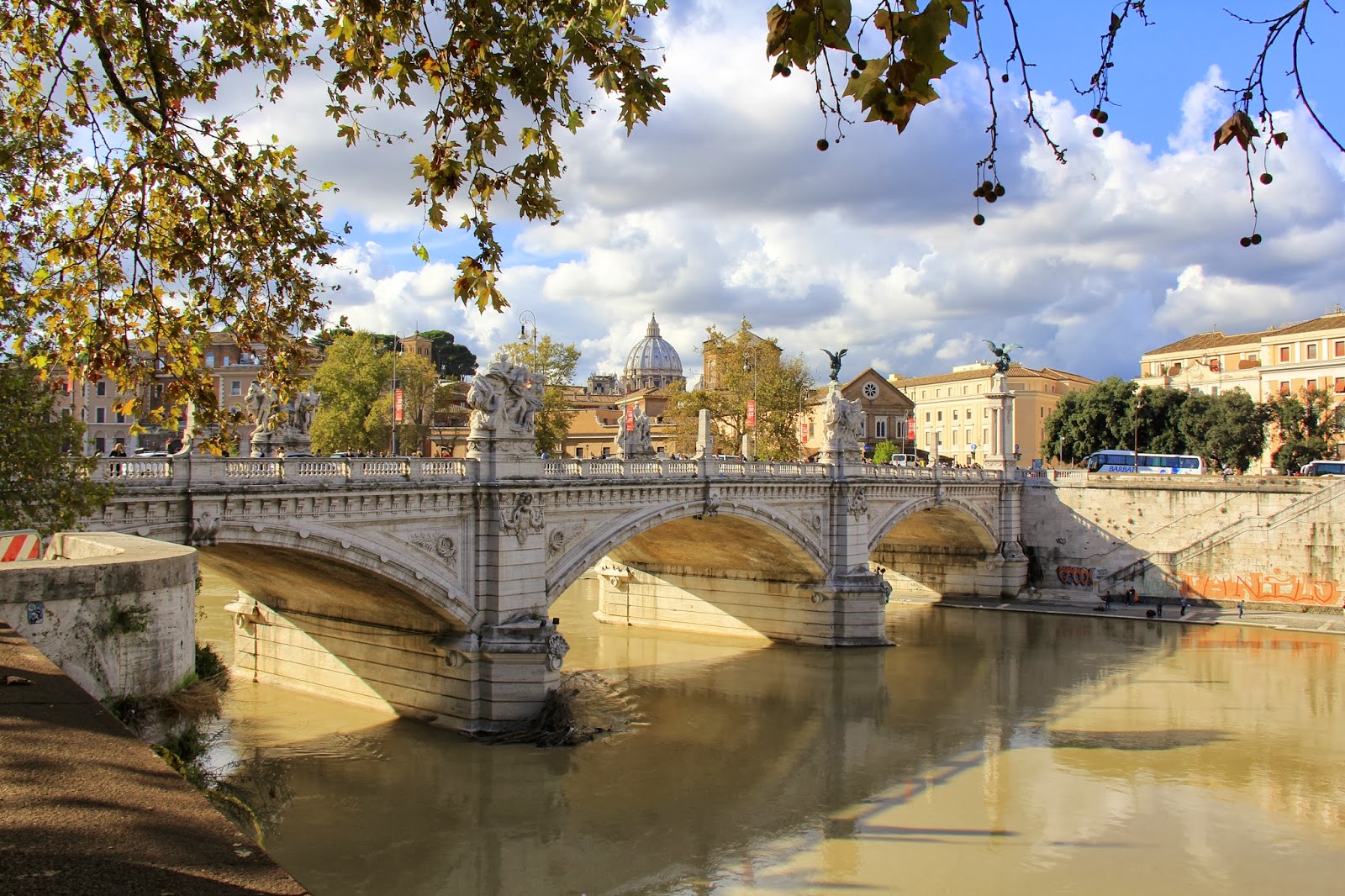
We left the Vatican feeling great and enthralled by the beautiful weather. We decided to continue our tour of Rome with wide detours, adding time and additional sights to our pedestrian footpath. We departed from the Vatican and walked past the Castel Sant’Angelo before crossing over the famous Ponte Sant’Angelo bridge. We strolled along the Fiume Tevere (Tiber River), Italy’s third longest river that courses directly through the city of Rome.
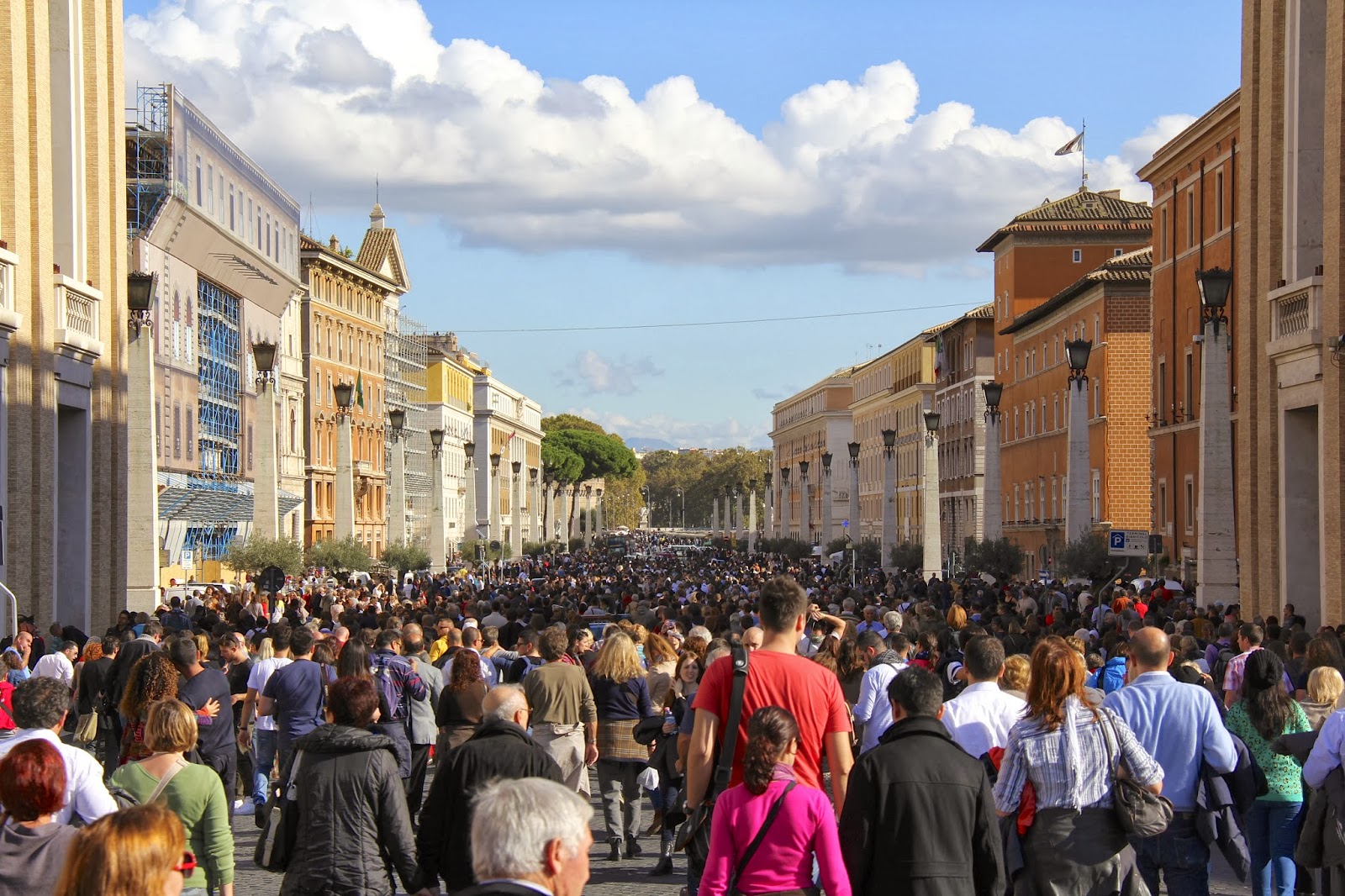
We were lost among a sea of people departing Vatican City along Via Della Conciliazione
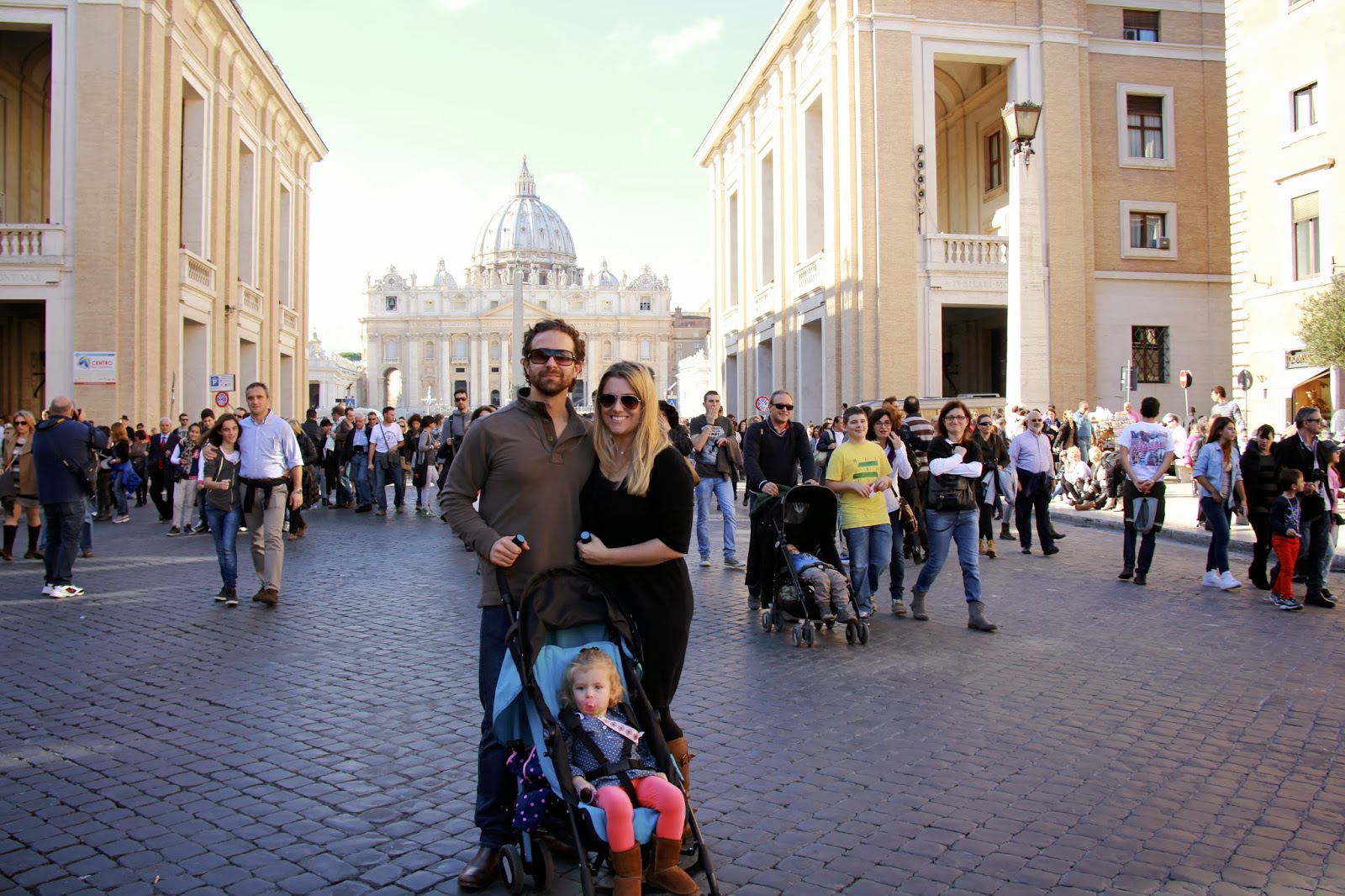
We have our photo taken with Vatican City in the background
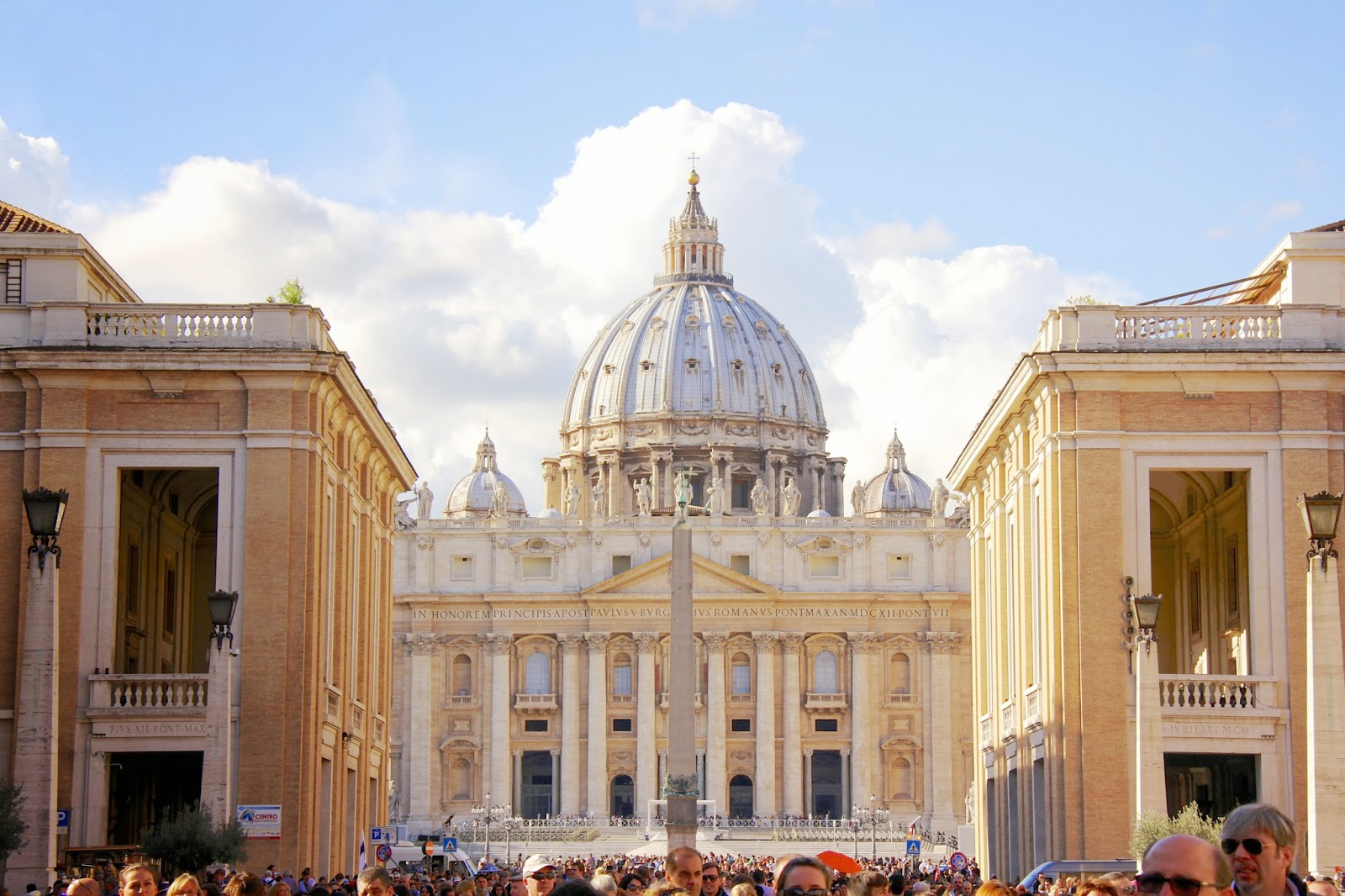
A direct shot of Saint Peter’s Basilica and the Obelisk that sits in front
Castel Sant’Angelo
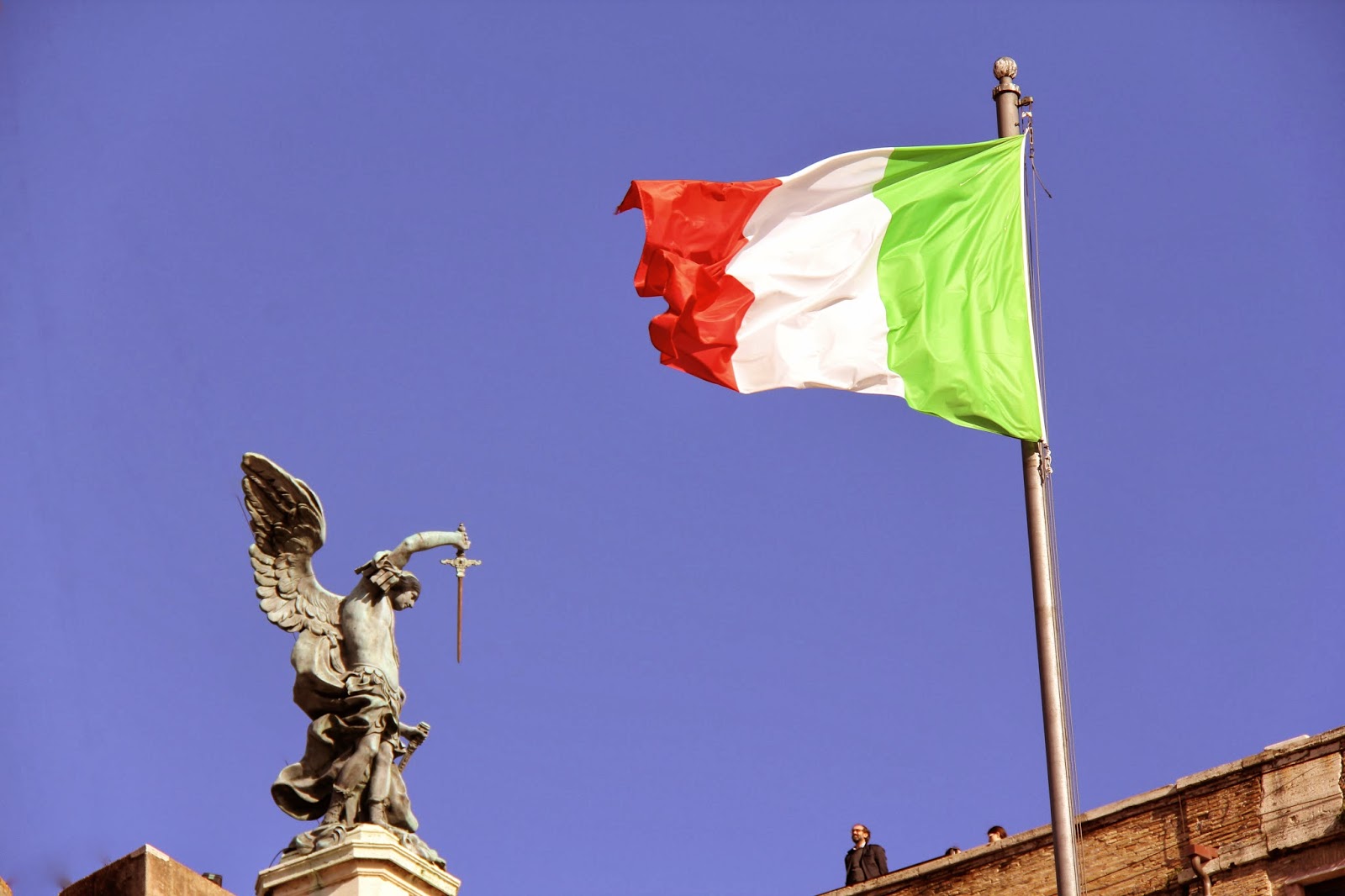
The Italian flag waves proudly atop the castle
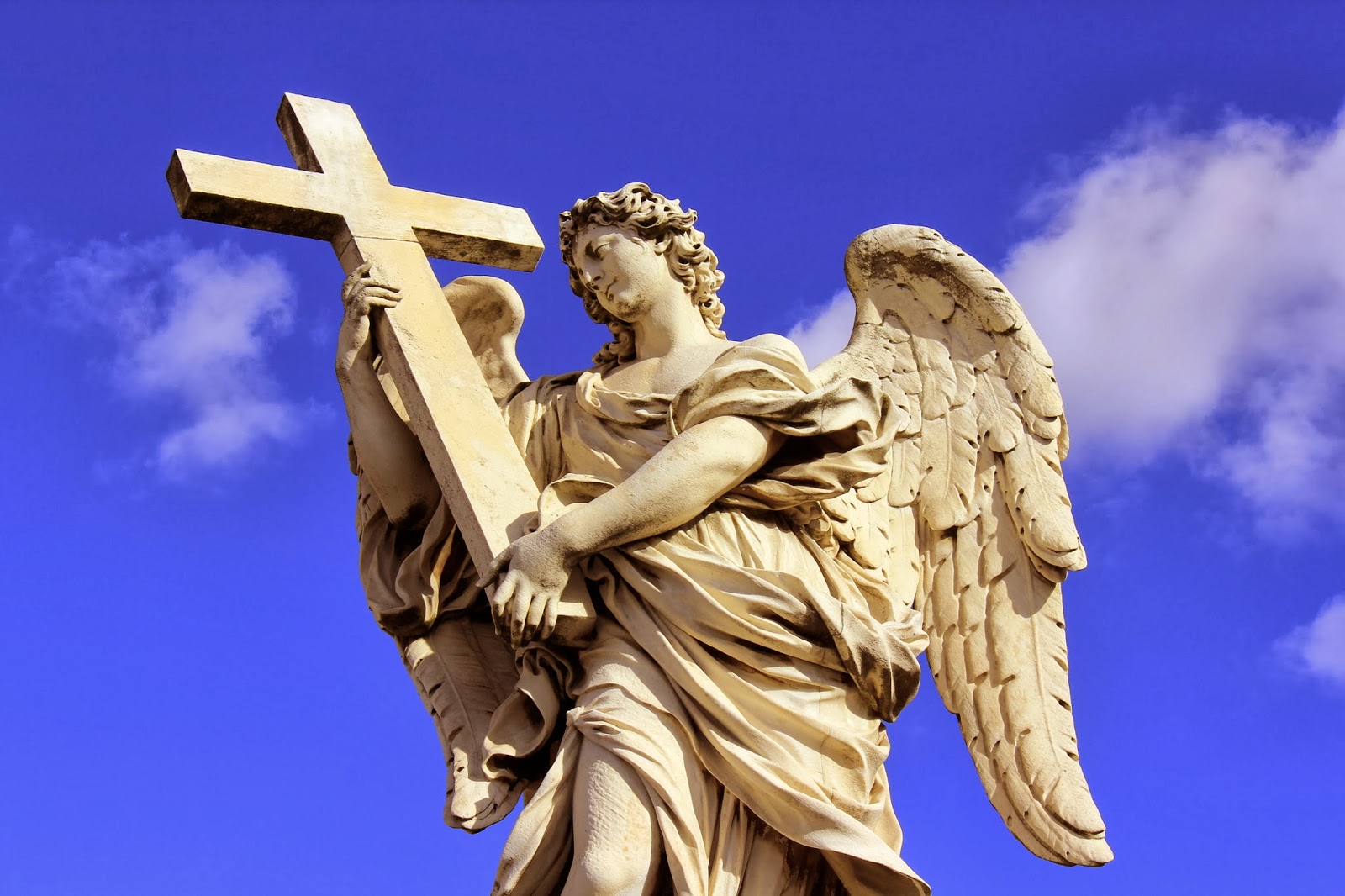
Angels fly overtop the Ponte Sant’Angelo
Crossing the Ponte Sant’Angelo I turned for a view of the castle
View along the Fiume Tevere (Tiber River)
Although, this was my favorite view along the river
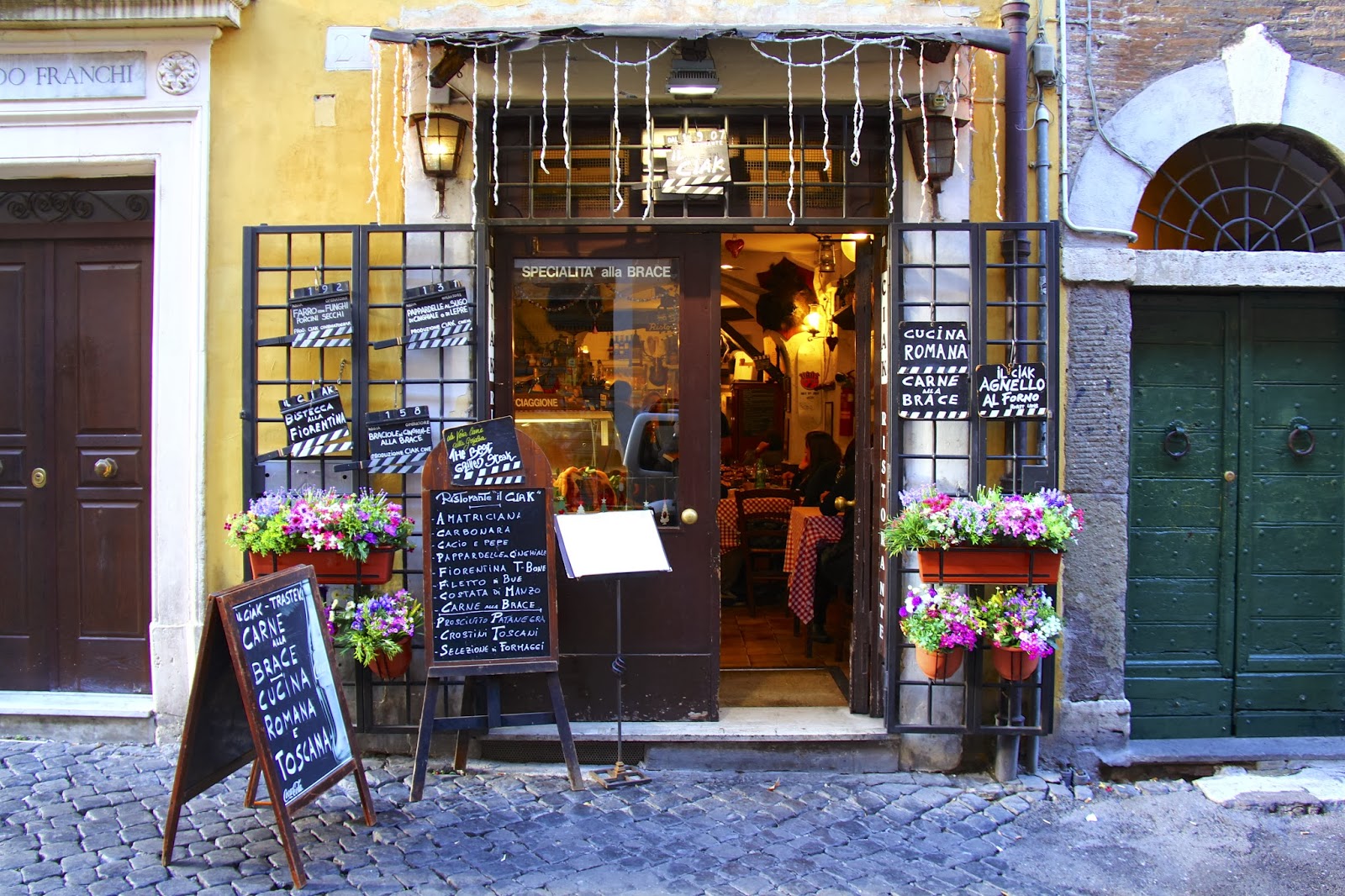
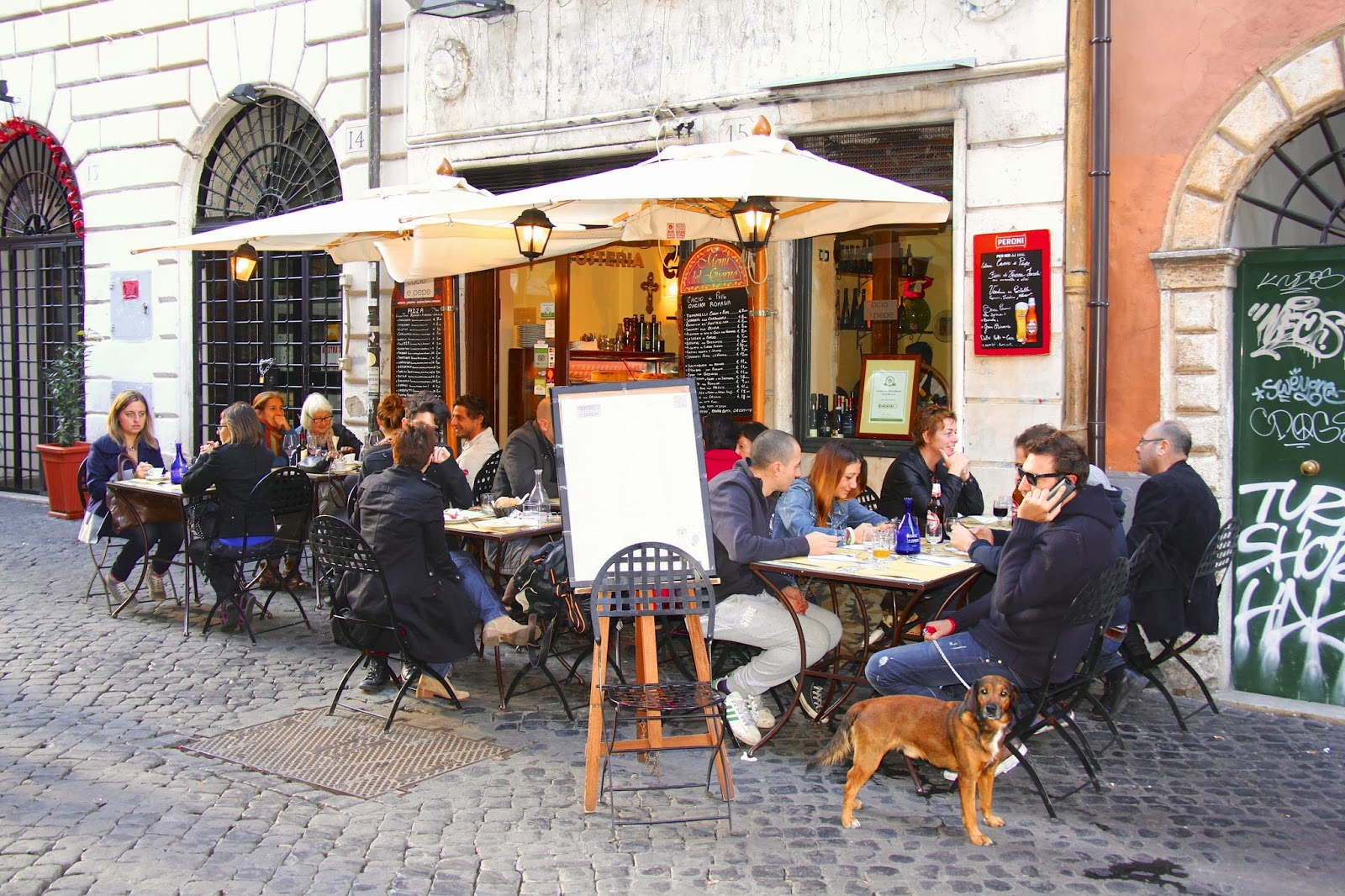
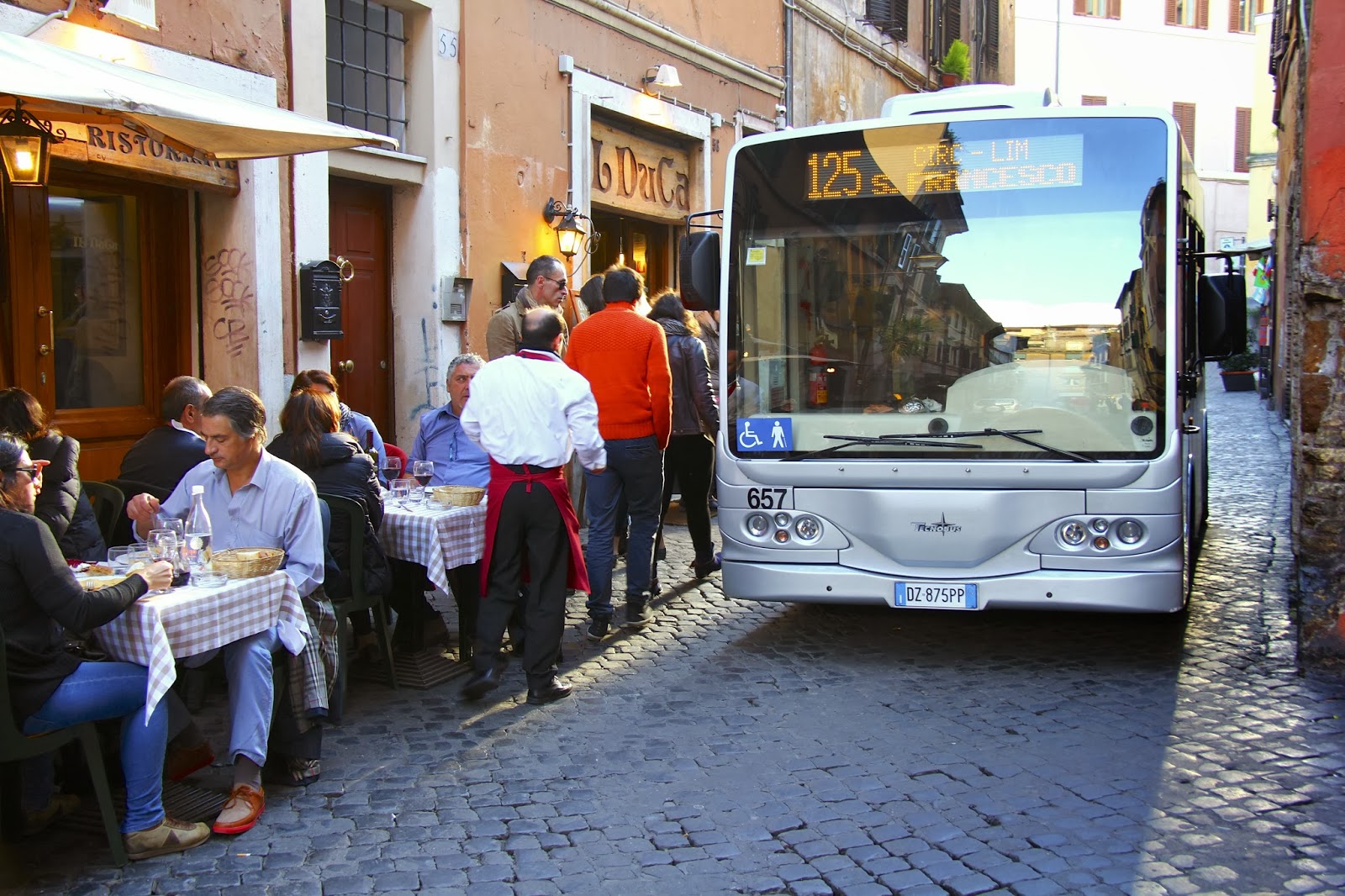
Our destination was the chic neighborhood of Trastevere. Trastevere is to Rome as the West Village is to New York, but with fewer hipsters and MacBooks. Small streets are lined with great shops, cafes and restaurants. People spend time outside and congregate with neighbors. The short time we spent there was long enough to fantasize about owning a pied-à-terre in this particular part of Rome. We ate a fabulous lunch at a local place and continued on by foot.
A small ristorante in Trastevere
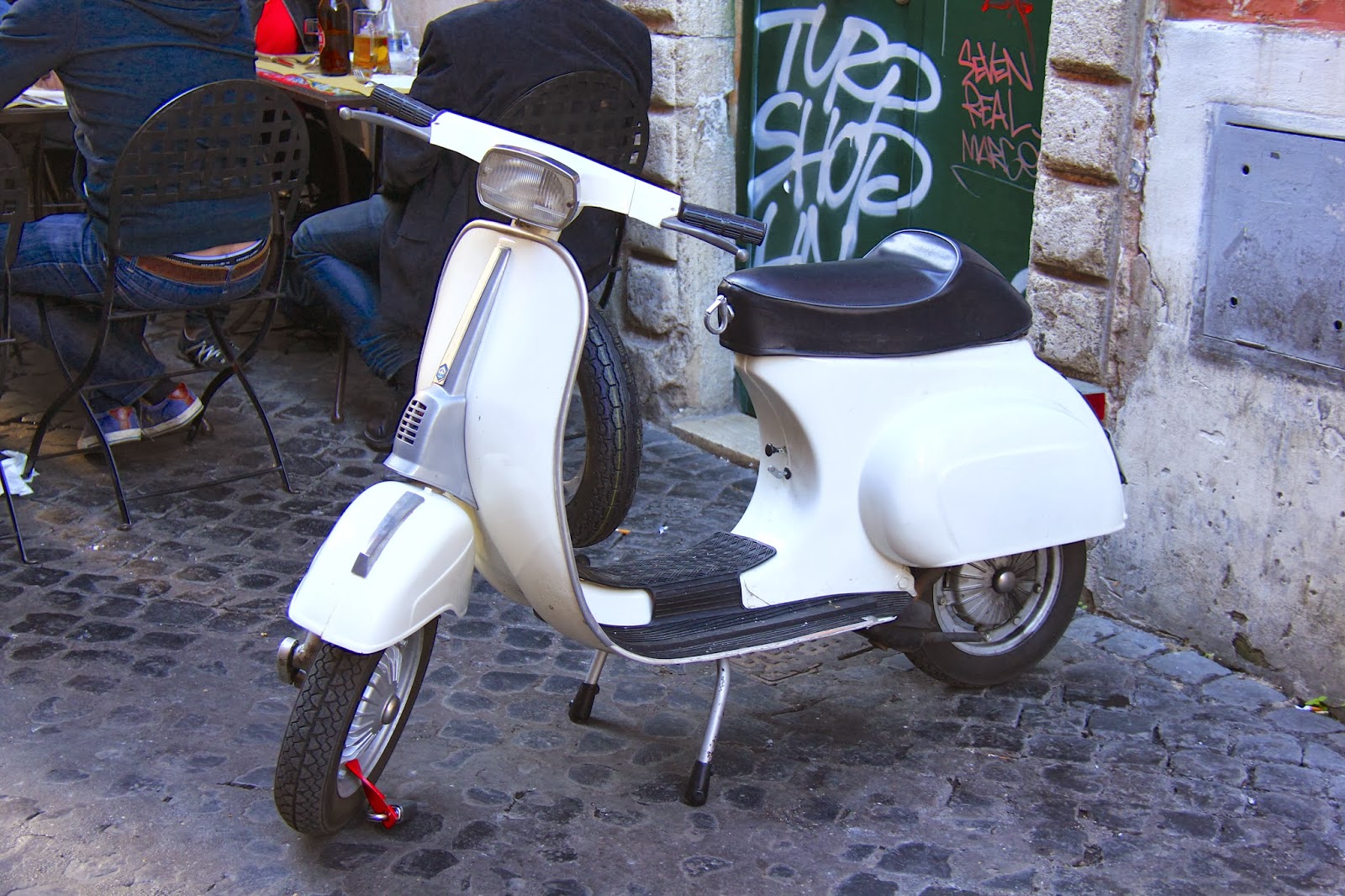
Even the Vespa’s look hipper
People gather at a cafe
The narrow streets don’t offer a lot of room for the public transportation
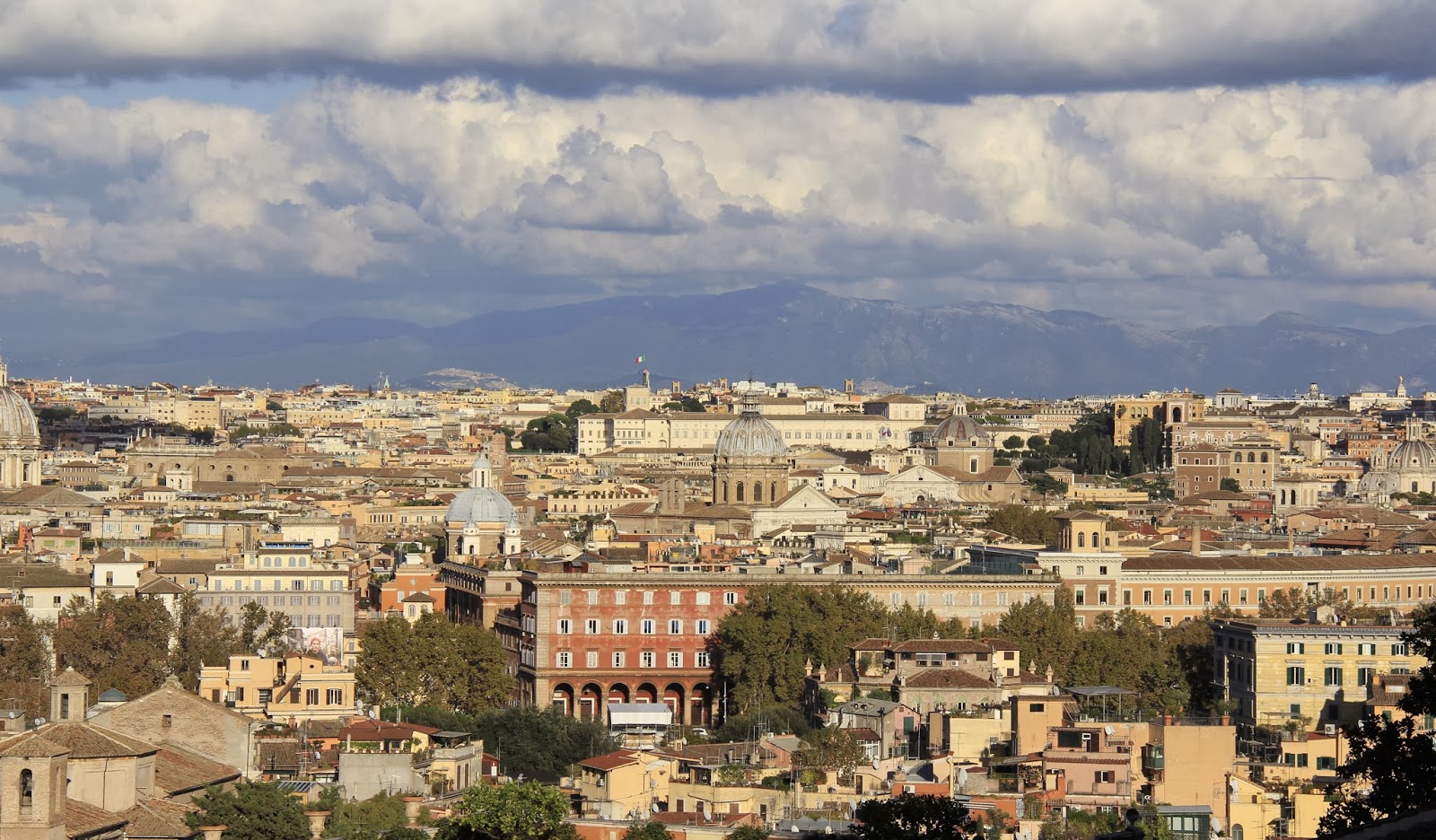
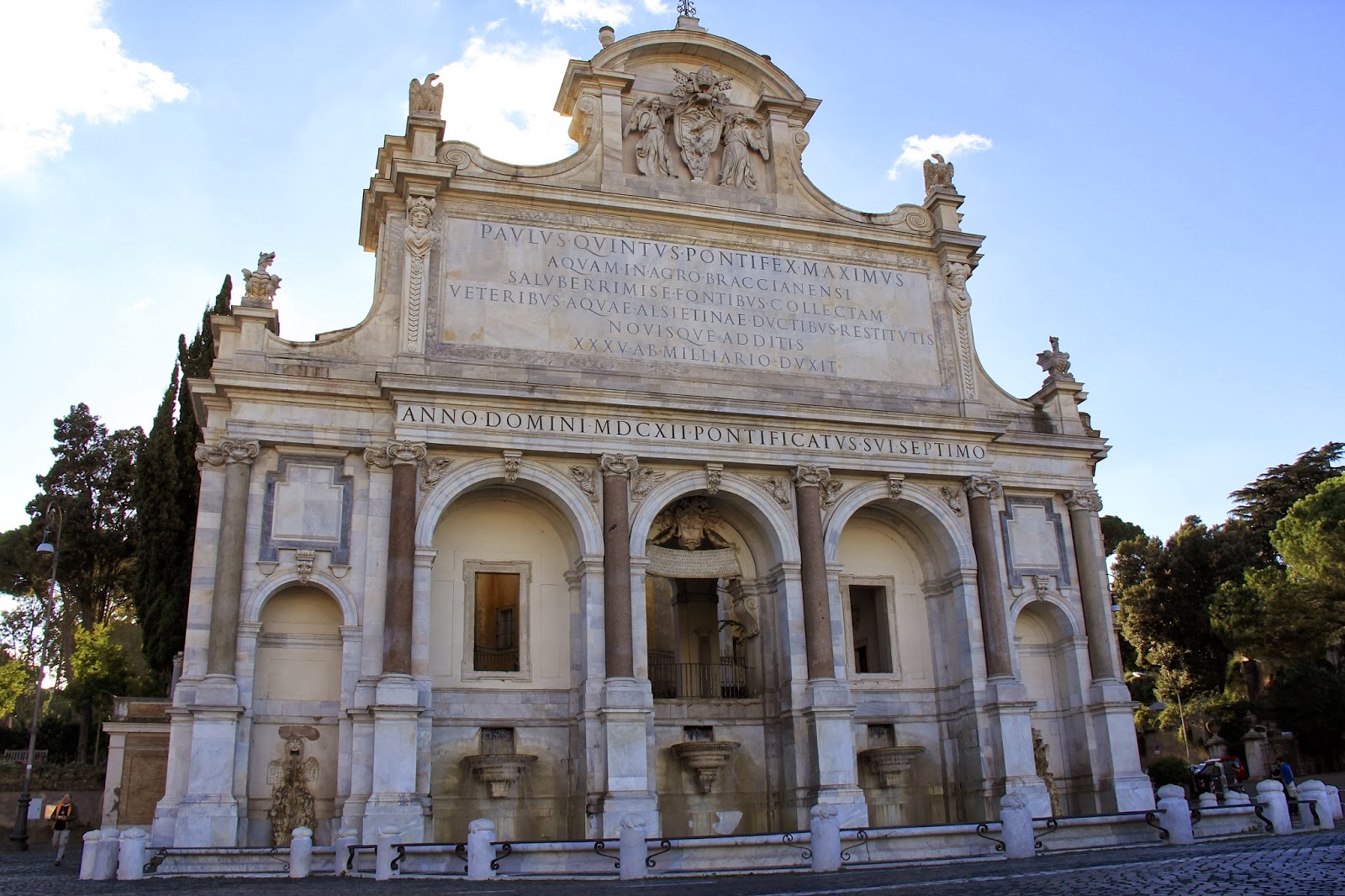
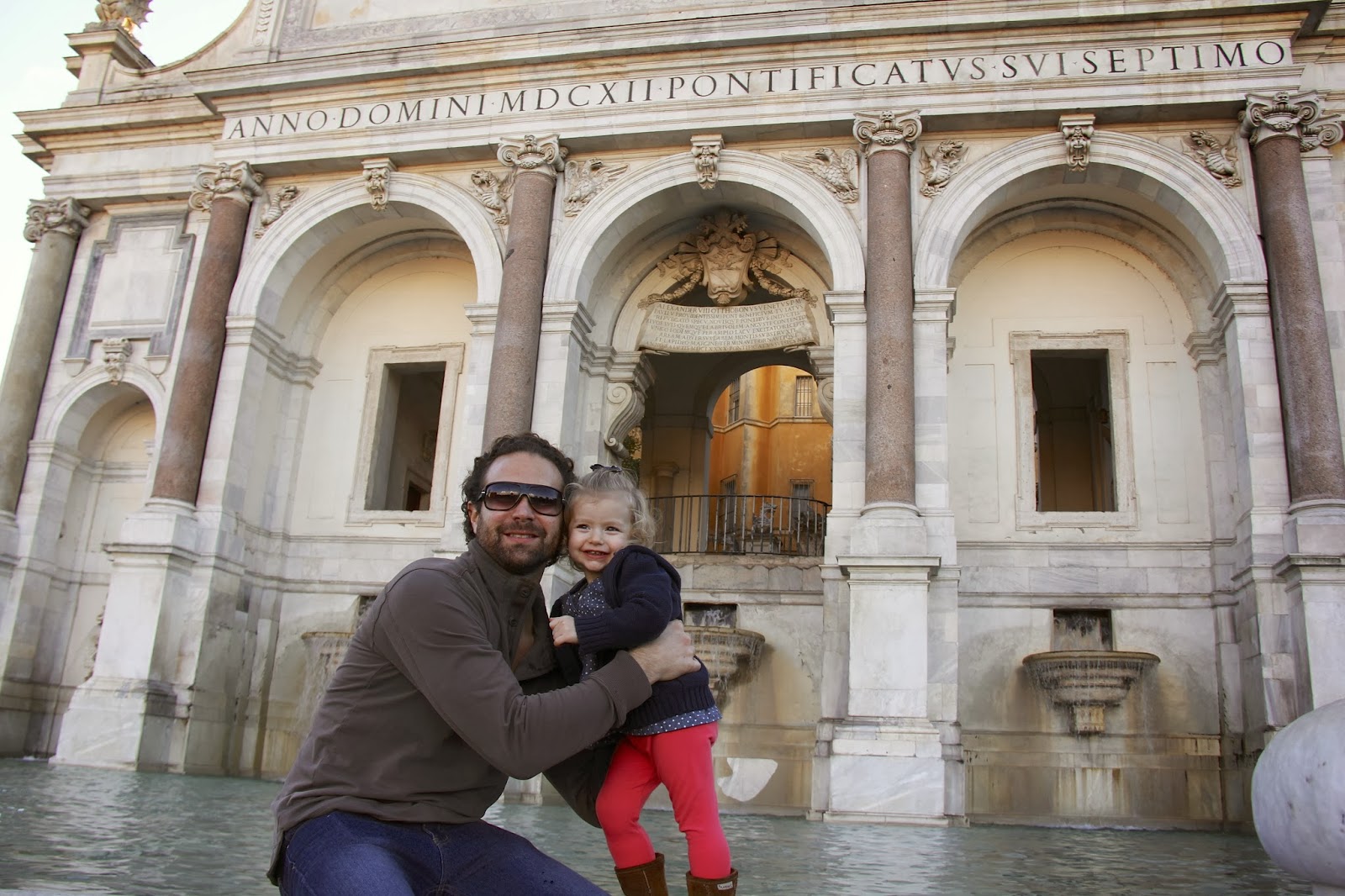
We wrapped around to the southwest portion of the city to see the Fonte Acqua Paola – a site that is seldom talked about, but worth a visit. A panoramic view of the city opens before you eyes from the elevated vantage point. The styling of the fountain is nearly as impressive as the Trevi Fountain, but without the crowds.
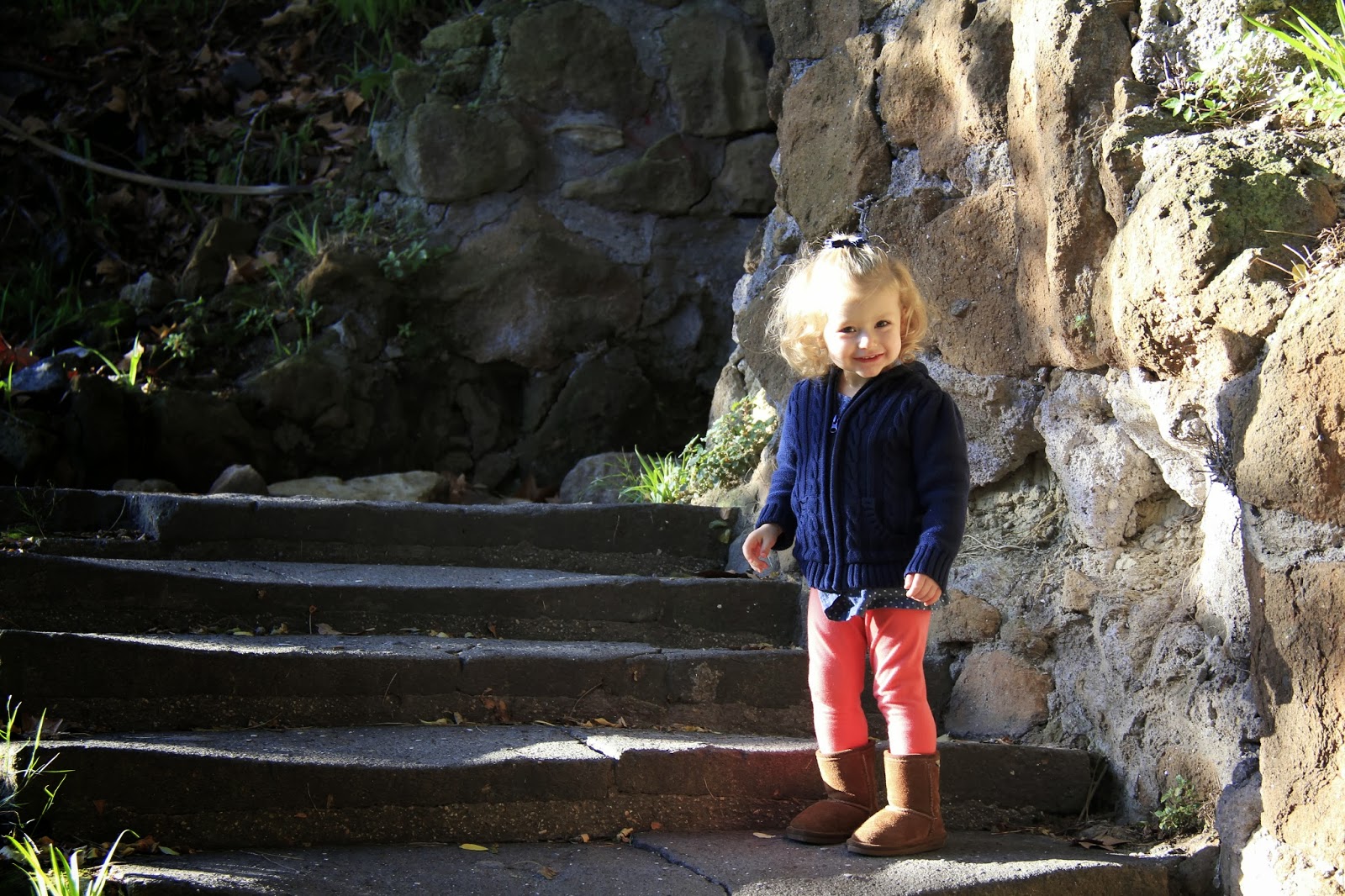
Julia leads the way up to the fountain
A beautiful panoramic view of Rome opens from this high vantage point
Fonte Acqua Paola – built in 1610 to mark the end of the Acqua Paola acqueduct
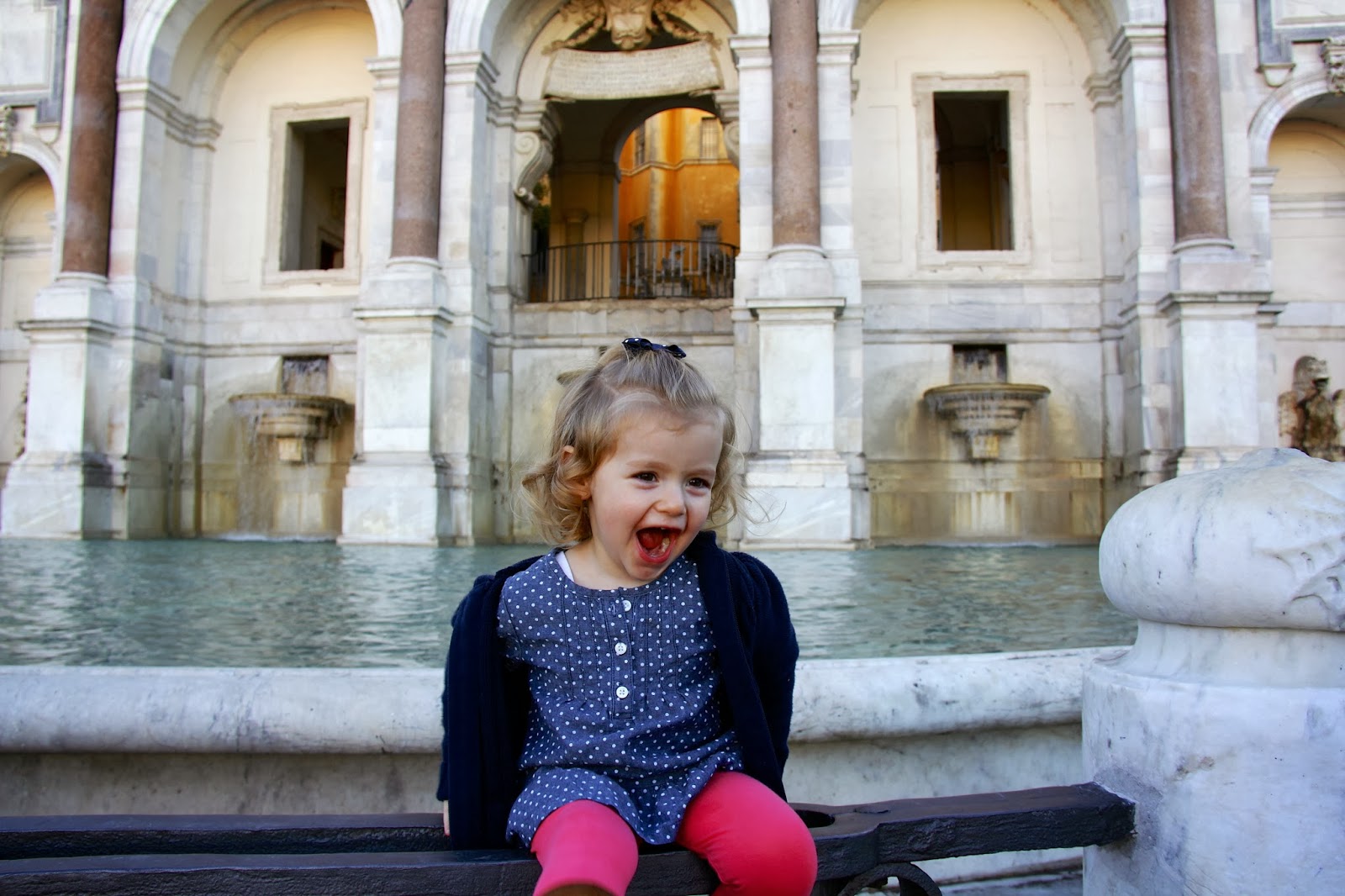
Julia is thrilled to have discovered another fountain
She allows me to take a picture with her
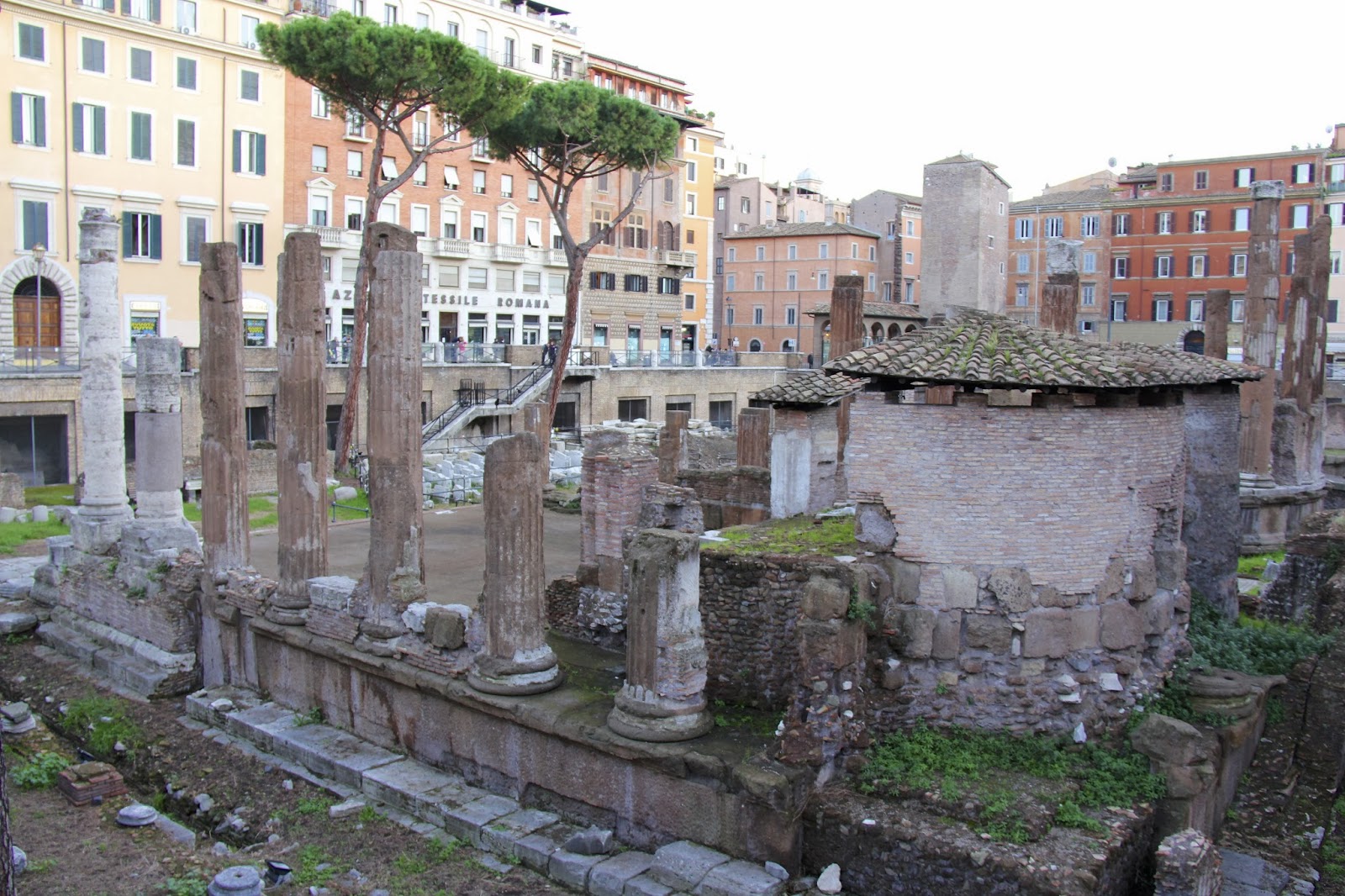
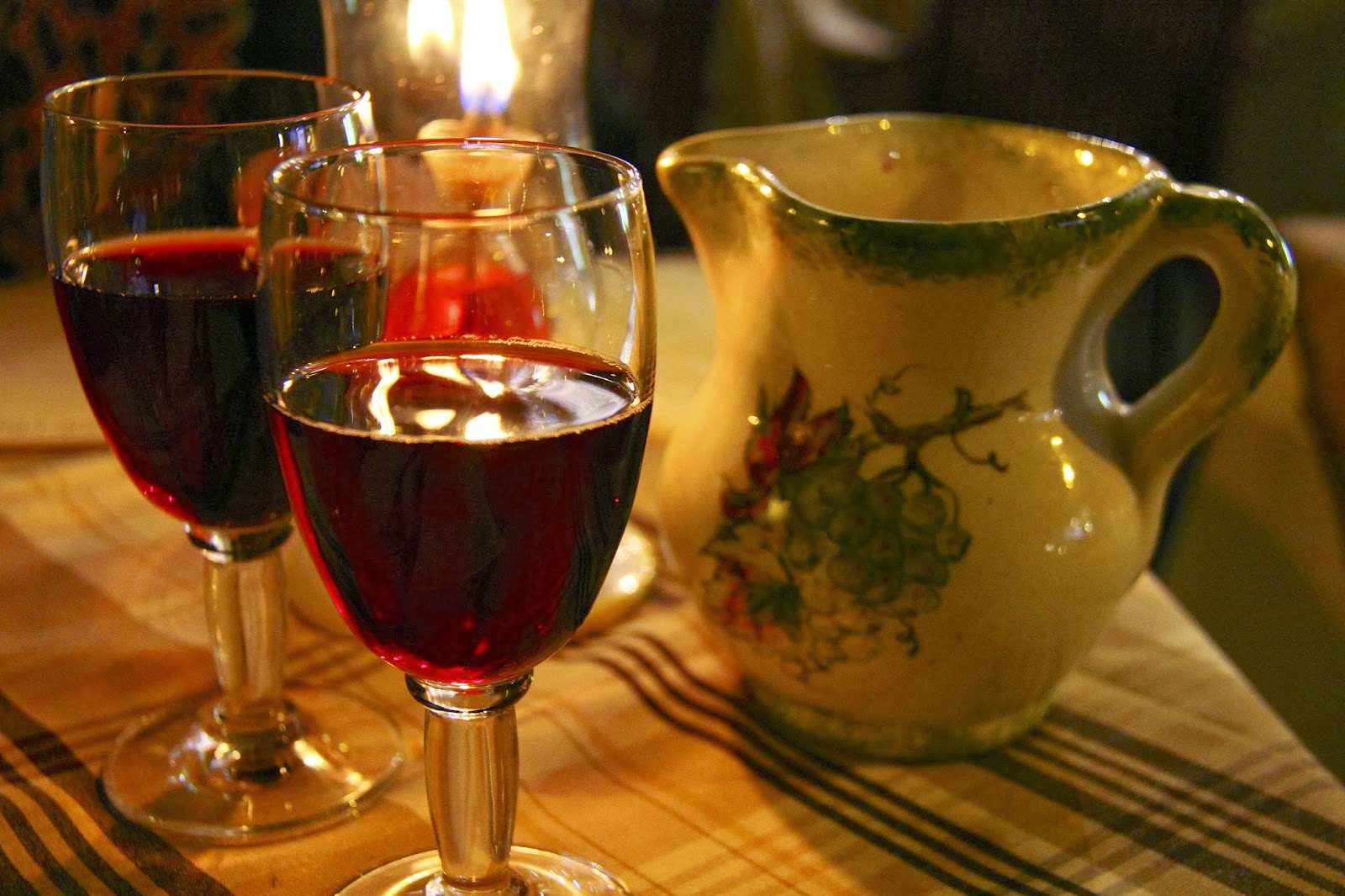
We next made our way to the east banks of the Tiber river and visited Campo dè Fiori, an outdoor marketplace. We followed a short arc back toward the Pantheon. Along the way, we saw the Area Sacra, one of Rome’s most significant archeological finds. Four temples dating as far back as the fourth century BC were discovered quite by accident in 1926. We planned to eat dinner in one of the restaurants in Piazza Navona, Rome’s largest piazza built on grounds of the ancient Stadio di Domiziano. After taking in the beauty of the piazza, we spent all of three minutes evaluating and then quickly dismissing the restaurant options. The places were obvious tourist traps, many of them boasting pictures of their food (which is always our first sign it’s time to scram). Instead we tucked into a little trattoria on a nearly unnoticed street and settled in for a couple nice glasses of wine.
Area Sacra a significant find in the middle of the modern city
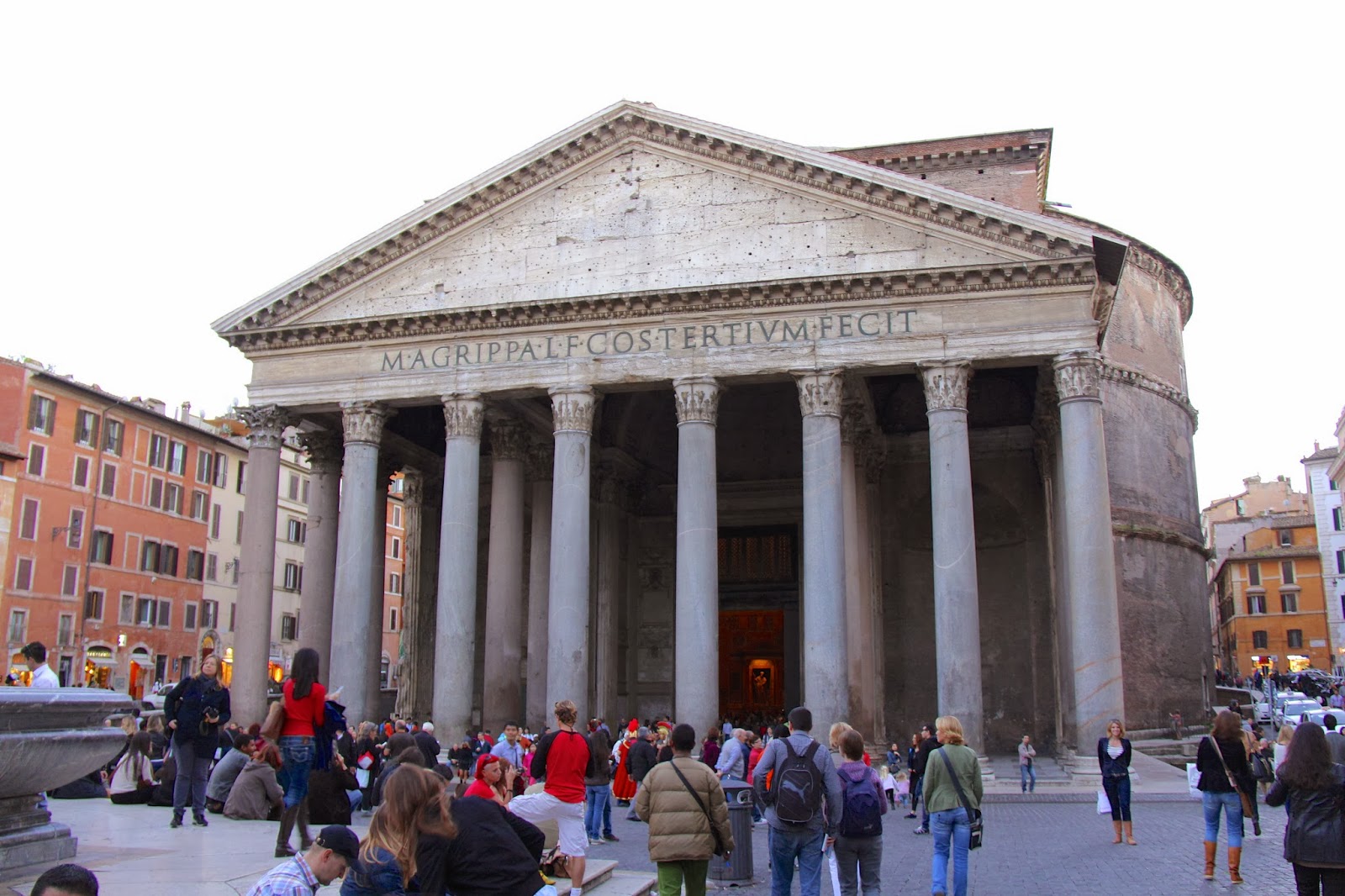
The Pantheon was built in 126 AD
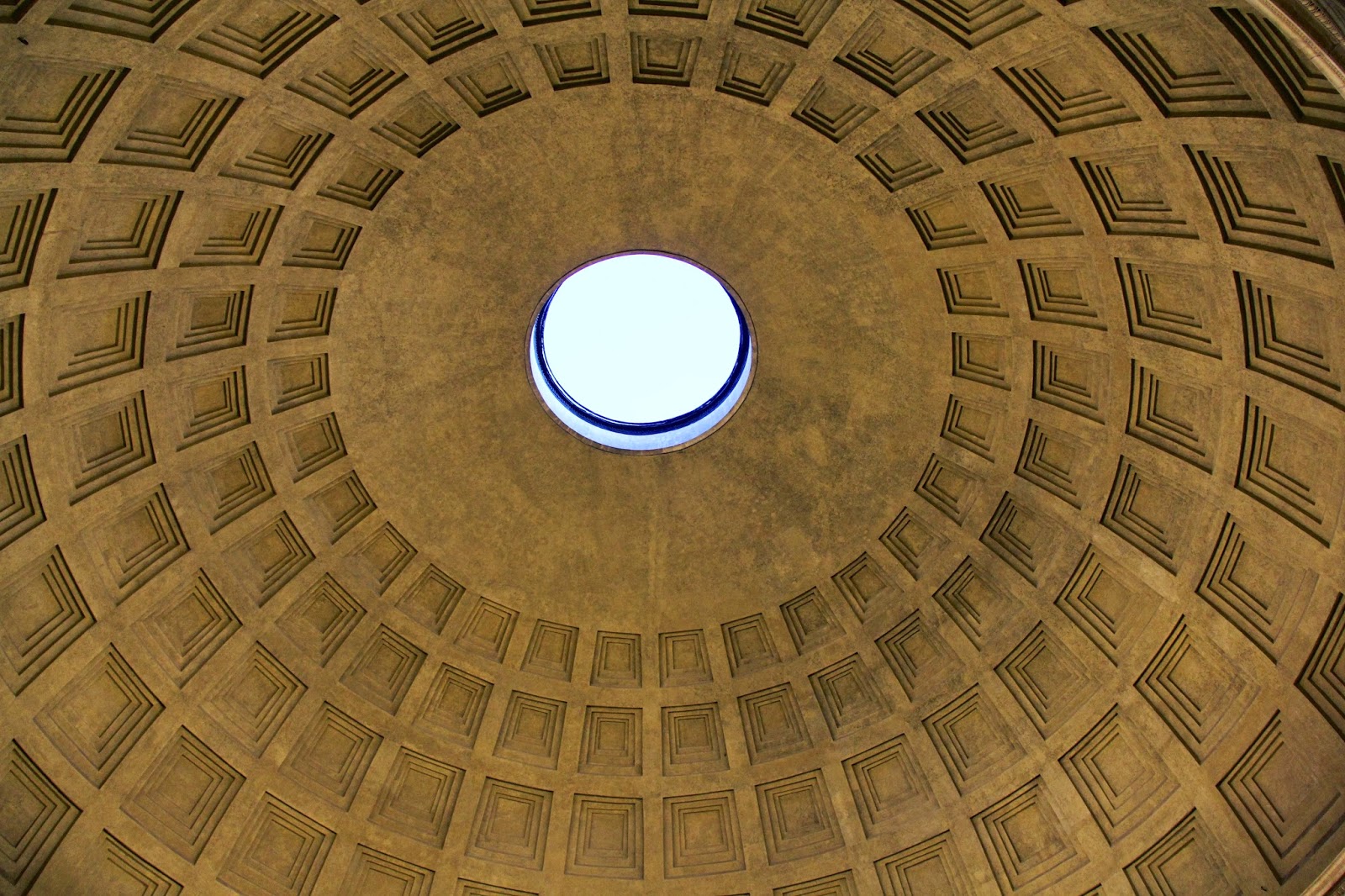
The Pantheon’s coffered dome was poured in concrete moulds- the oculus is the main source of natural light
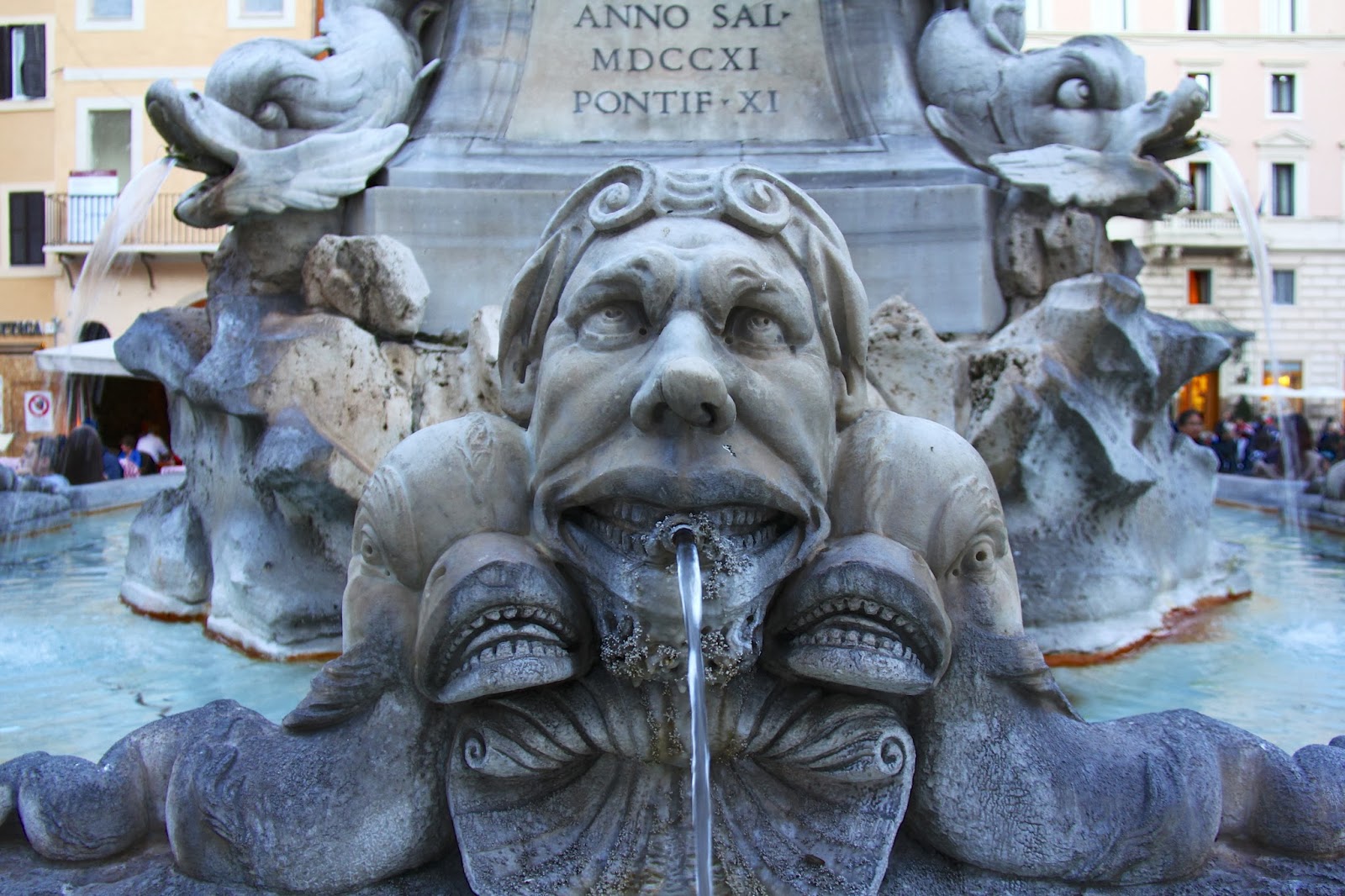
Fontana del Pantheon across from Pantheon in Piazza della Rotonda
We stopped for some wine in a nearby piazza while Julia had dinner
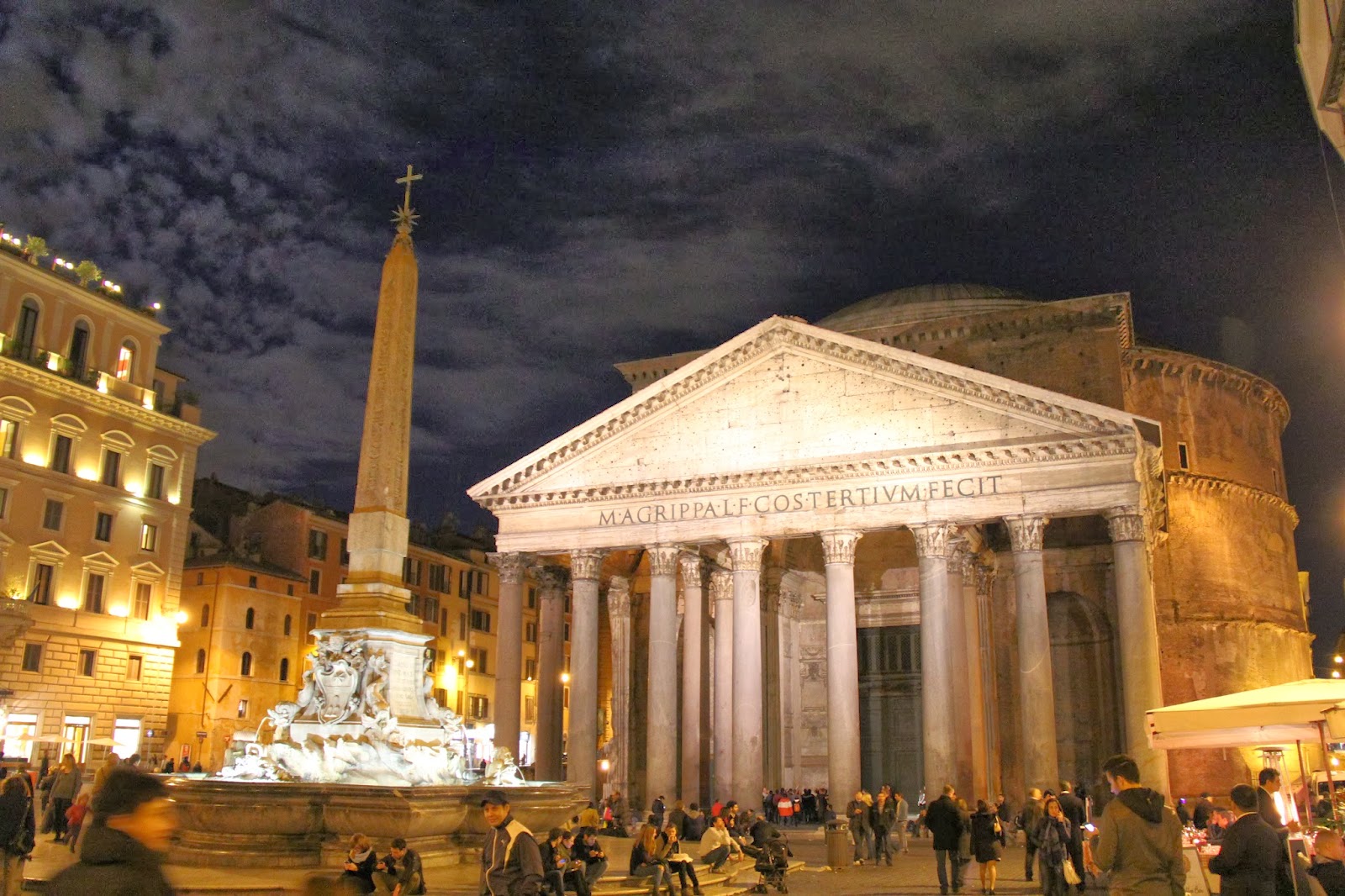
The Pantheon and Piazza Rotunda at night
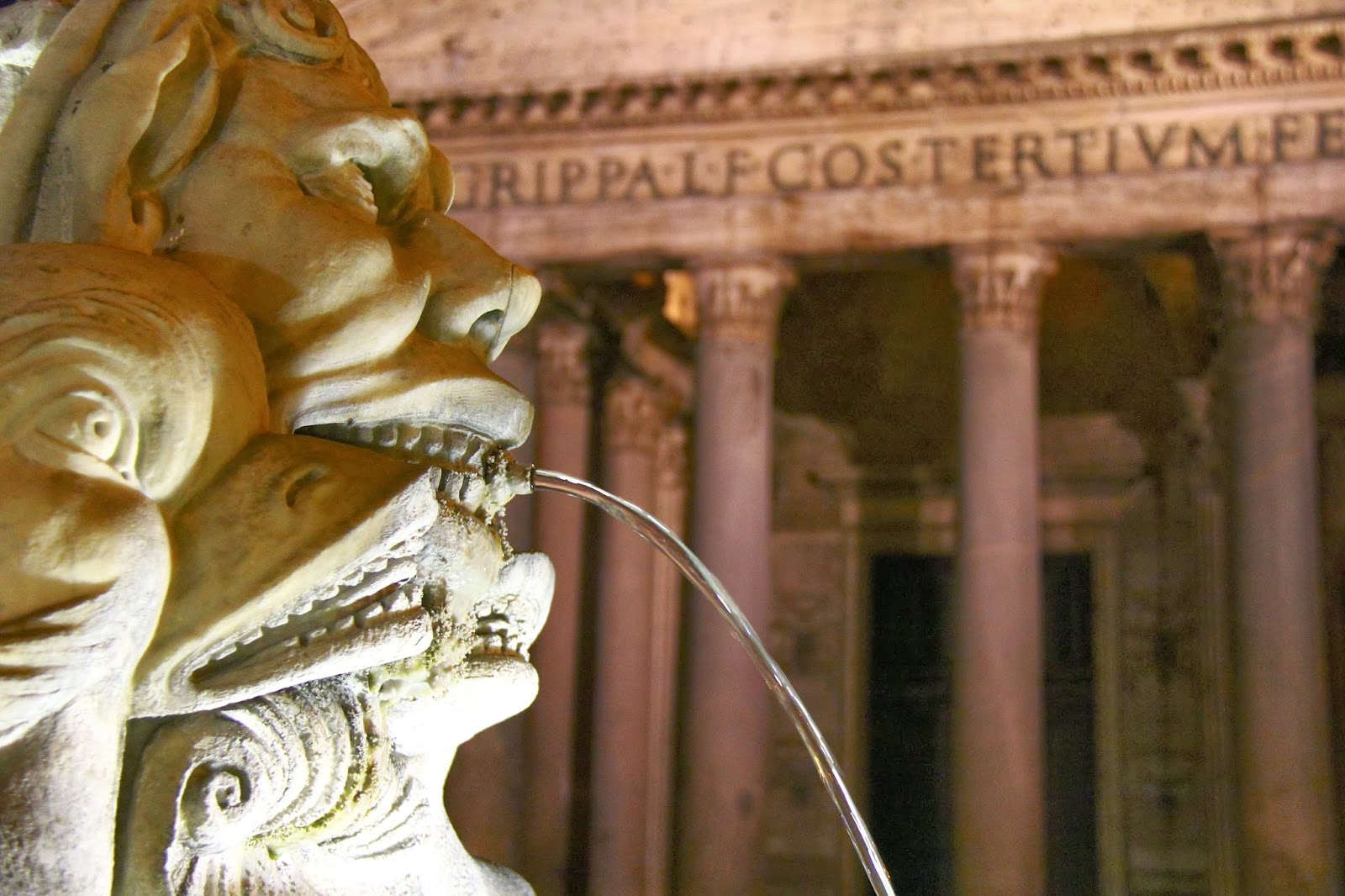
The fountain in front of the Pantheon
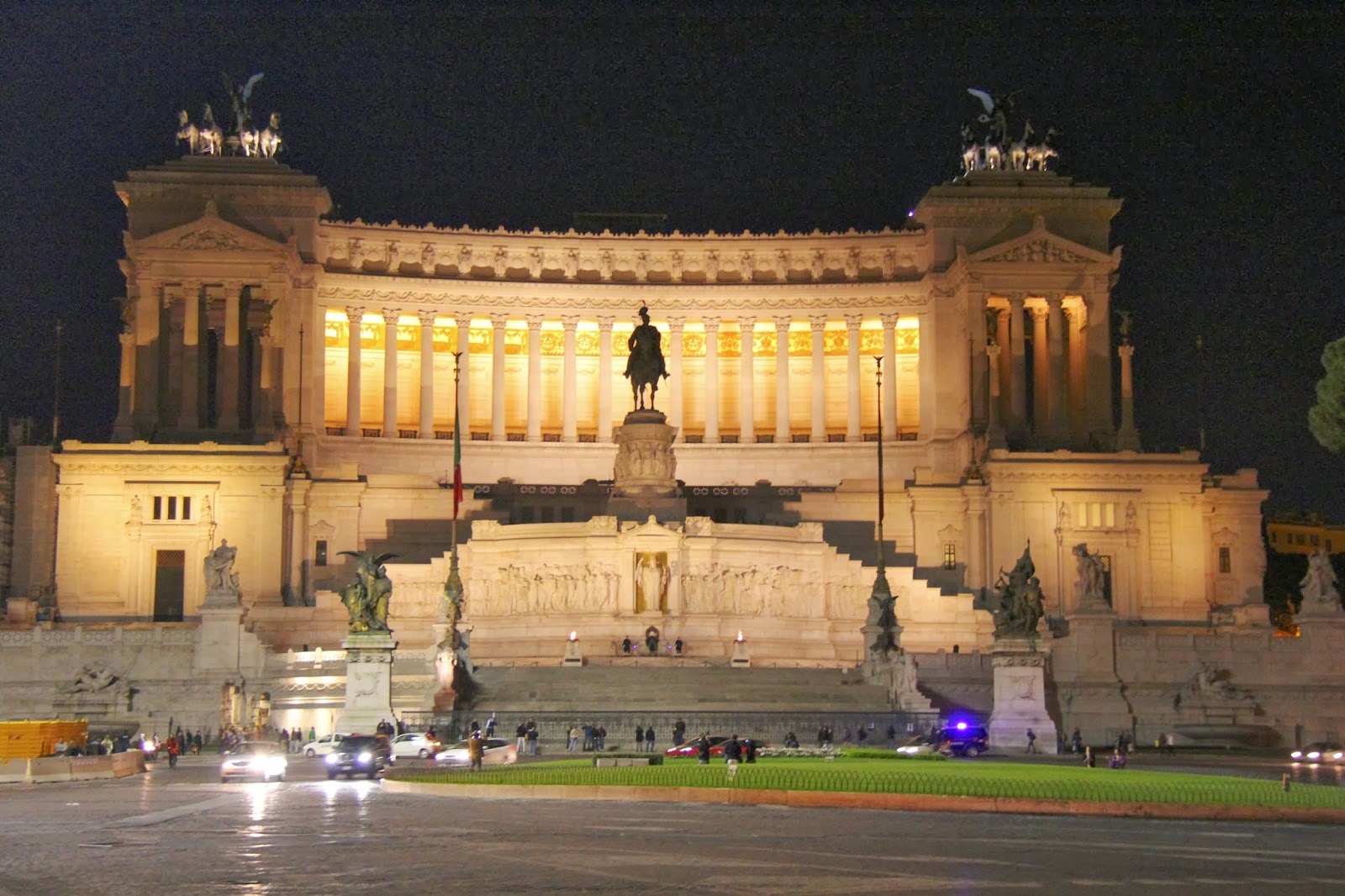
Altare della Patria (Alter of the Fatherland) also known as Monumento Nazionale a Vittorio Emanuele II
We had two big days in a magical city, but so much more still ahead of us. We were departing on our cruise the next day; eager to embark on another adventure on the sea.
If all roads lead to Rome, nowadays you could also say that all European cruises start from Rome. Well, maybe not all – but a good many of the cruise ships use this port of call as a starting point for their Mediterranean voyages. At least, this was the case on our cruise aboard Celebrity Cruise Lines ship, Silhouette. The Silhouette is one of five ships in their newest Solstice Class – a group of sleek, modern ships with a heavy emphasis on style and dining. The ship and the cruise did not disappoint. We had many ports of call and a lot of wonderful activities that I’d like to write about, so let’s start at the beginning…
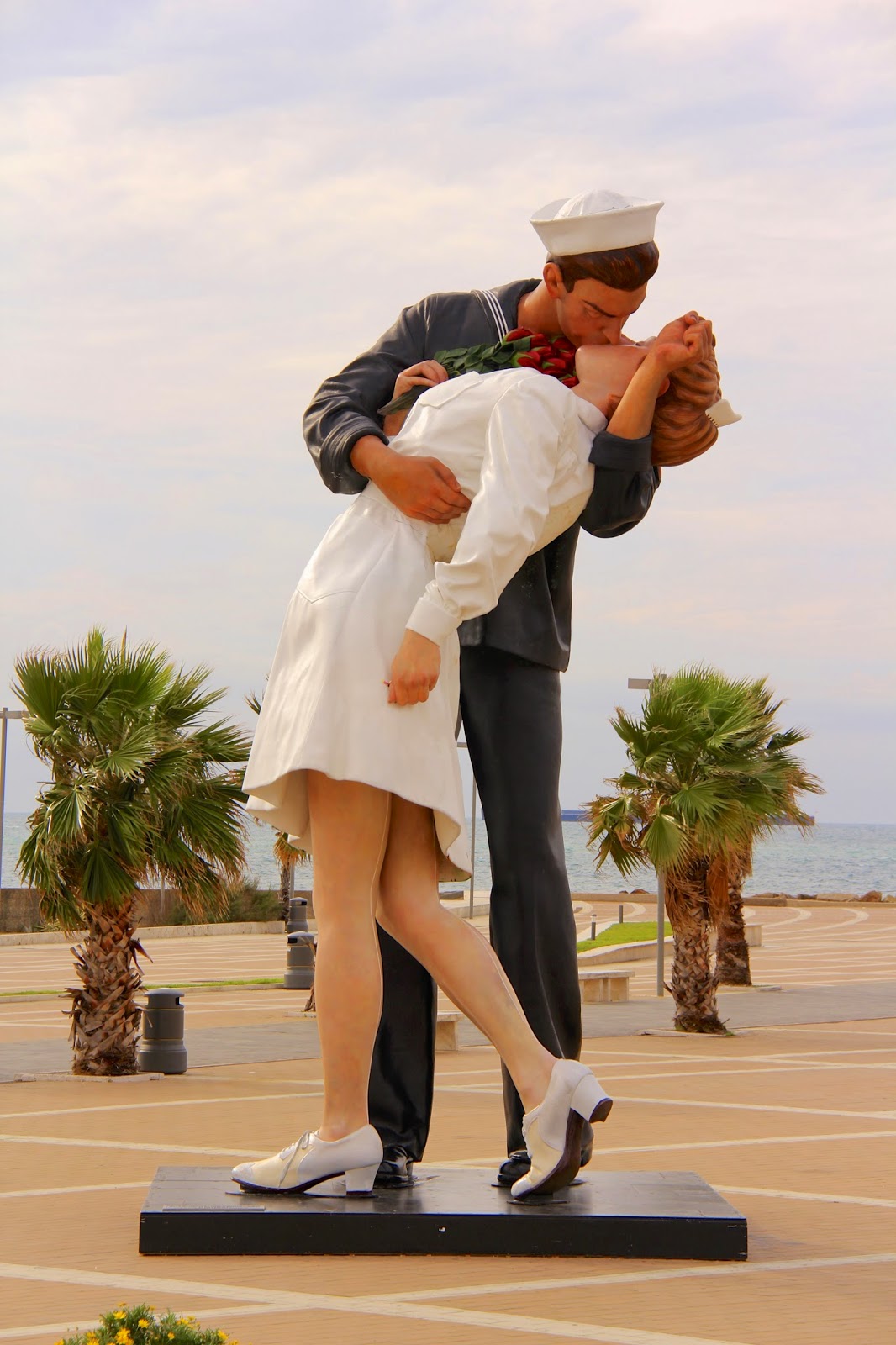
A wonderful statue stands outside the port of our ship
We arrived in Rome two days ahead of our ship’s departure to explore the city’s history, experience the cuisine and absorb the magic of a place you absolutely must see in your lifetime. Two days is barely enough time to scratch the surface, but we did our best to fit in as much as possible. On this blog, I’ll often write about a city’s history before detailing our adventures. The history of Rome is so storied and captivating, that a single paragraph couldn’t possibly do it justice. Instead, I invite you to click on this link to read about Rome and this link to read about Ancient Rome. Or get off the internet and pick up a book (but not until you finish reading my blog post)!
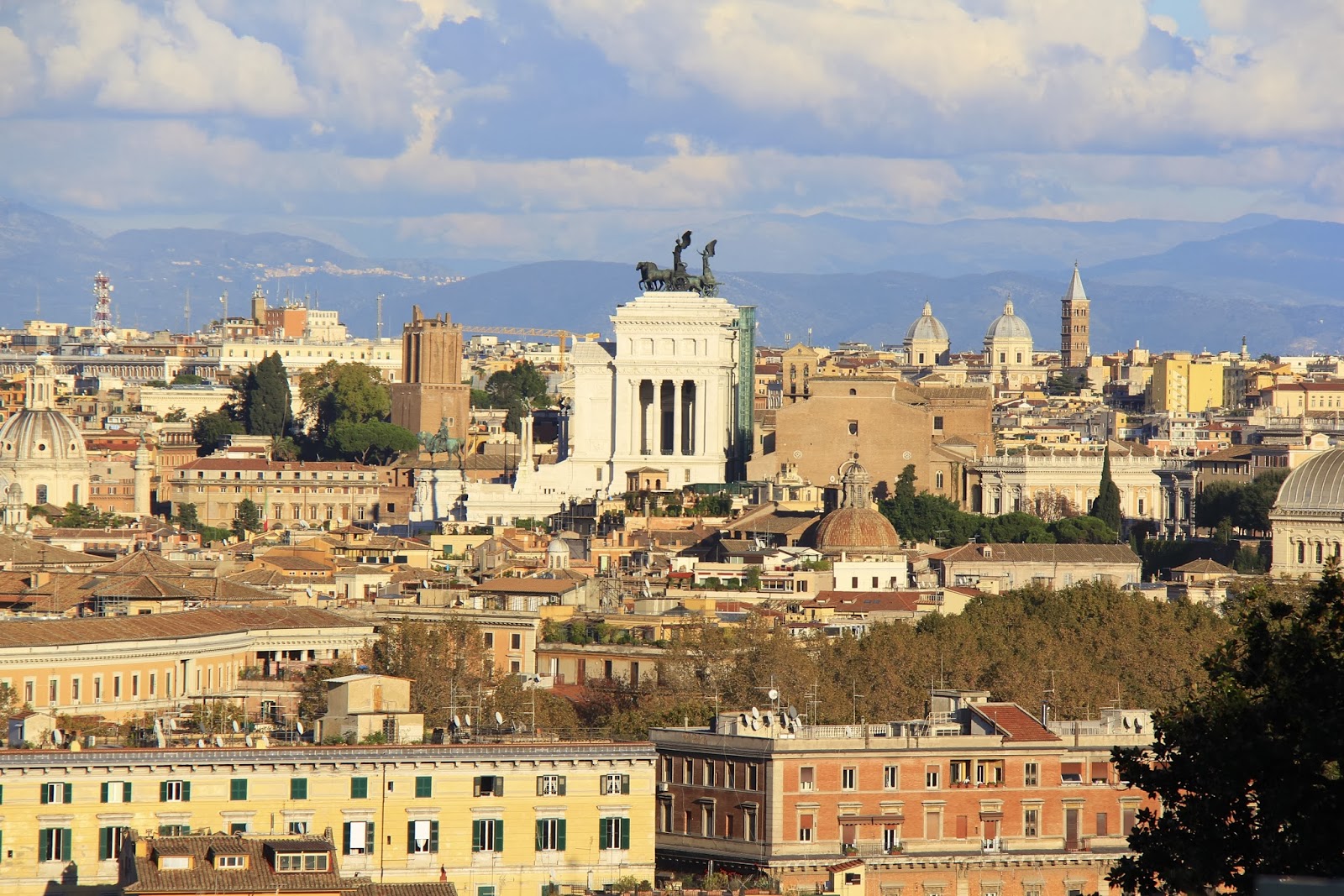
A view of Rome – Altare della Patria stands prominently above the rest of the city
After living in Italy for nearly a year, we are still learning travel tips on a constant basis. A new lesson you may be surprised to learn (and one that could possibly be applied to real life) – procrastination doesn’t pay. Even though I knew our travel dates, I waited months to reserve our train tickets. I paid roughly €80 for two tickets from Milano to Roma on the express train (a great price), but more than triple that amount on the way back – they only had first class seats available. Suggestion – if you know your dates, book early! Better suggestion – if you have flexibility in your dates, book your train first and then schedule everything around it (for example, I could have stayed an extra night in Rome for the difference in train fare). Additionally, go talk to someone at the ticket counter (most of them speak English). They often have access to fares that are different (and better) than the kiosks. If you travel from Milano to Roma, book aboard the velocità alta (high speed train), which whisks you across the country at a remarkable 300km per hour, delivering you in just over three hours.
We arrived in Rome just after lunch and went immediately from our hotel to Città del Vaticano (Vatican City), thereby entering a country not apart of Italy. The city-state is sovereign territory of roughly 110 acres entirely enclosed behind large ancient walls. The city boasts a population of around 840 people, making it the world’s smallest internationally recognized independent nation in terms of both size and population. As they say, good things come in small packages. We opted to join a tour group, since there is so much to see and do inside the city walls. The tour included the Vatican Museums, the Sistine Chapel and Saint Peter’s Basilica – the three main attractions in the city.
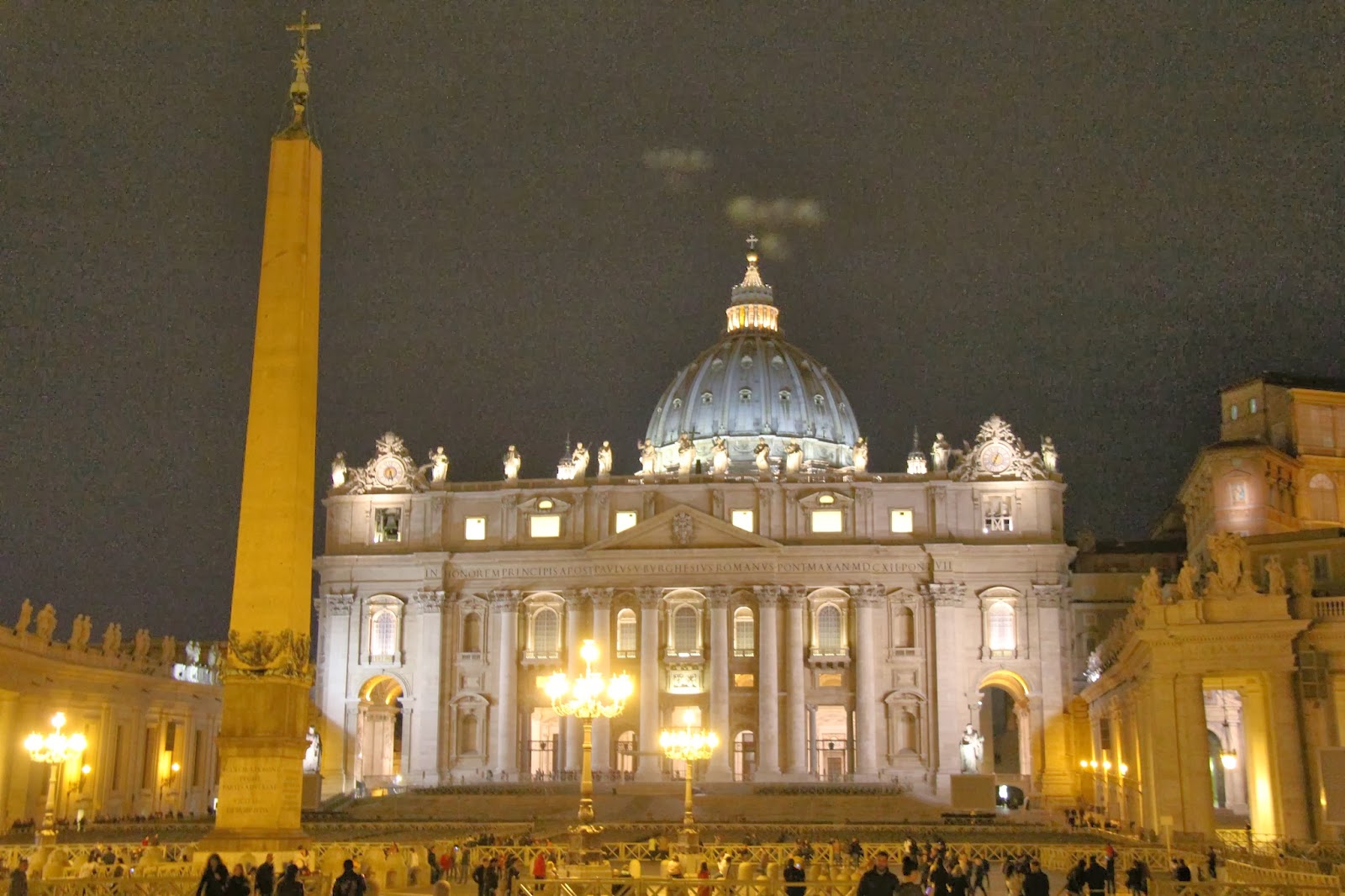
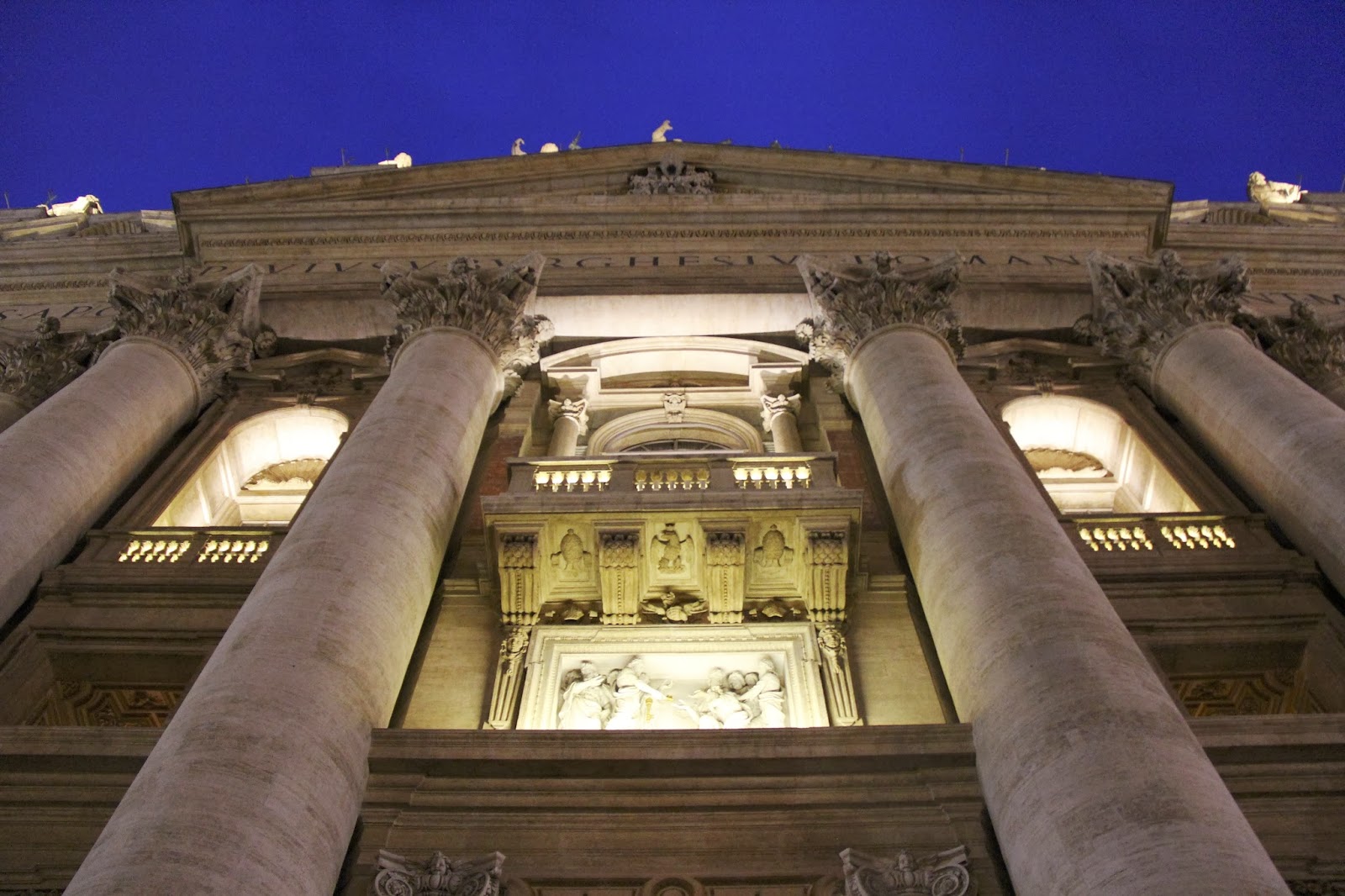
Saint Peter’s Square at night – shown here are the Basilica and the obelisk
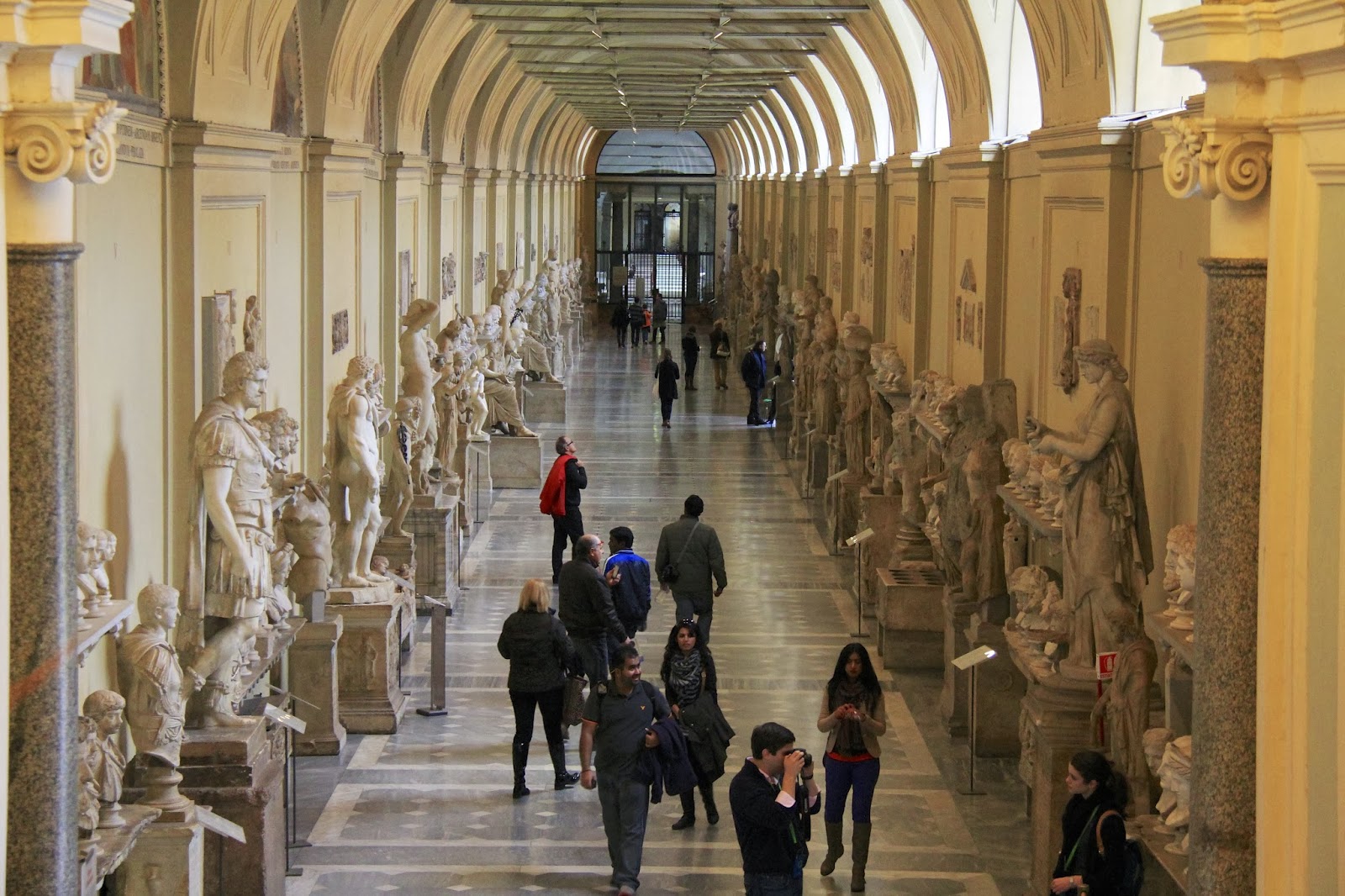
We started in the Vatican Museums, a collection of buildings that hold some of the world’s most priceless and inspiring works of art. My camera was smoking from staying on overdrive. In 2011 over five million people visited the museums founded by Pope Julius II in the early 16th century [source]. Our tour included passage through the Borgias’ house; family of the controversial Pope Callixtus III, popularized by the hit Showtime series, The Borgias.
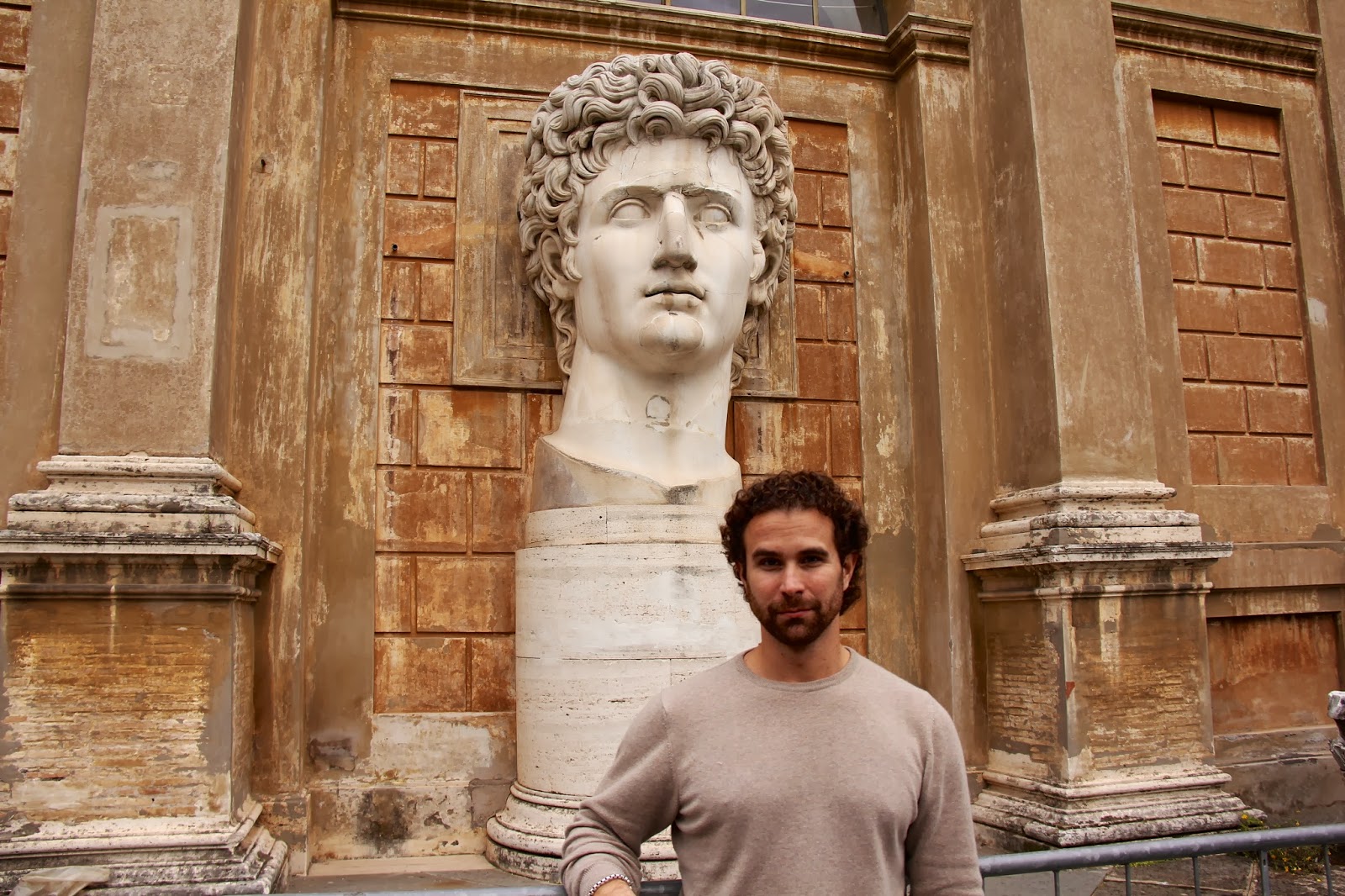
Just hanging out with my pal, Augustus – “hmm, I like his hair… but he needs a beard”
Amazing works of art carved from marble greet us in the entryway
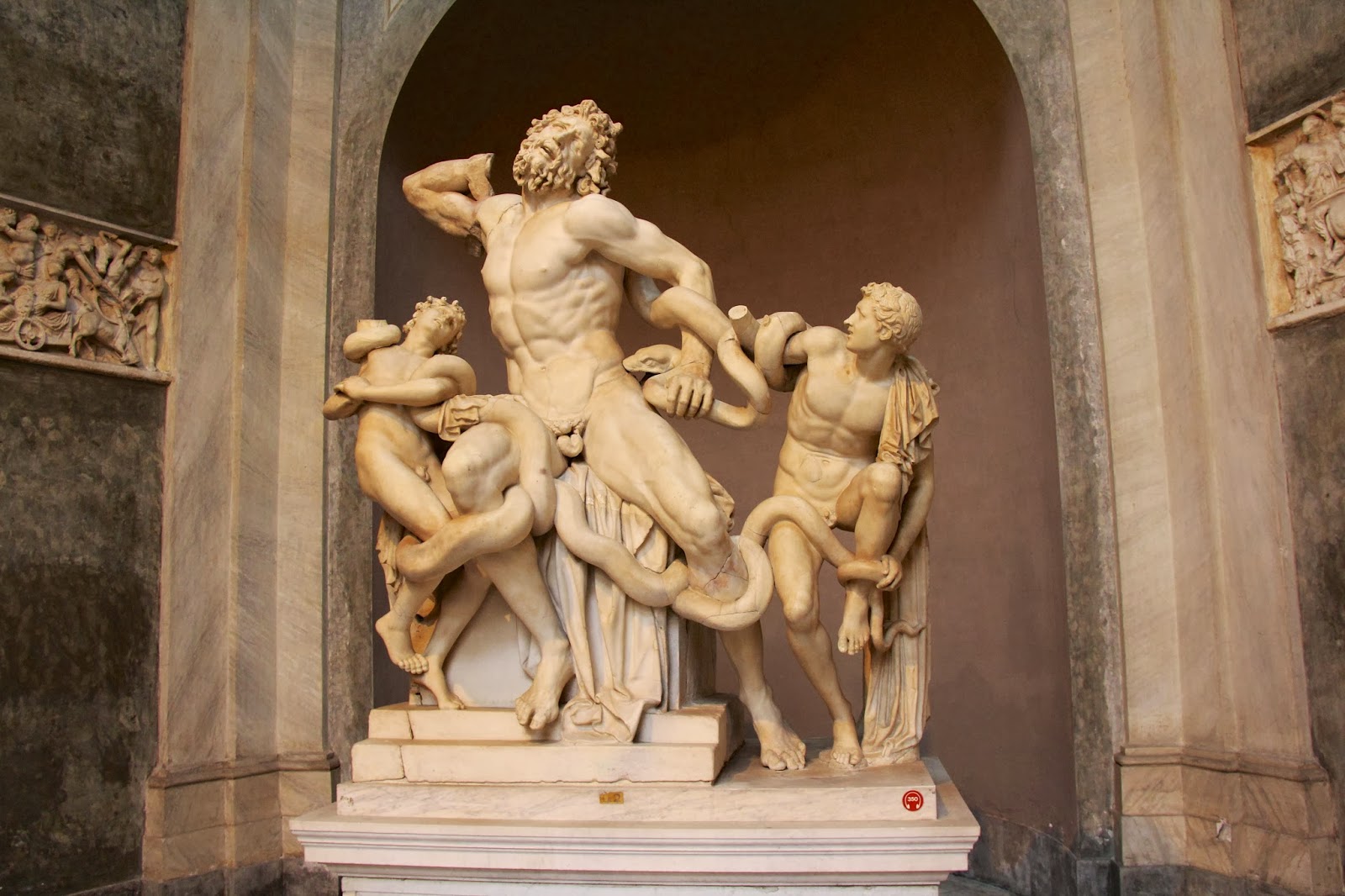
Laocoön and His Sons excavated in Rome in 1506
The piece is dated between 200 BC and 70 AD
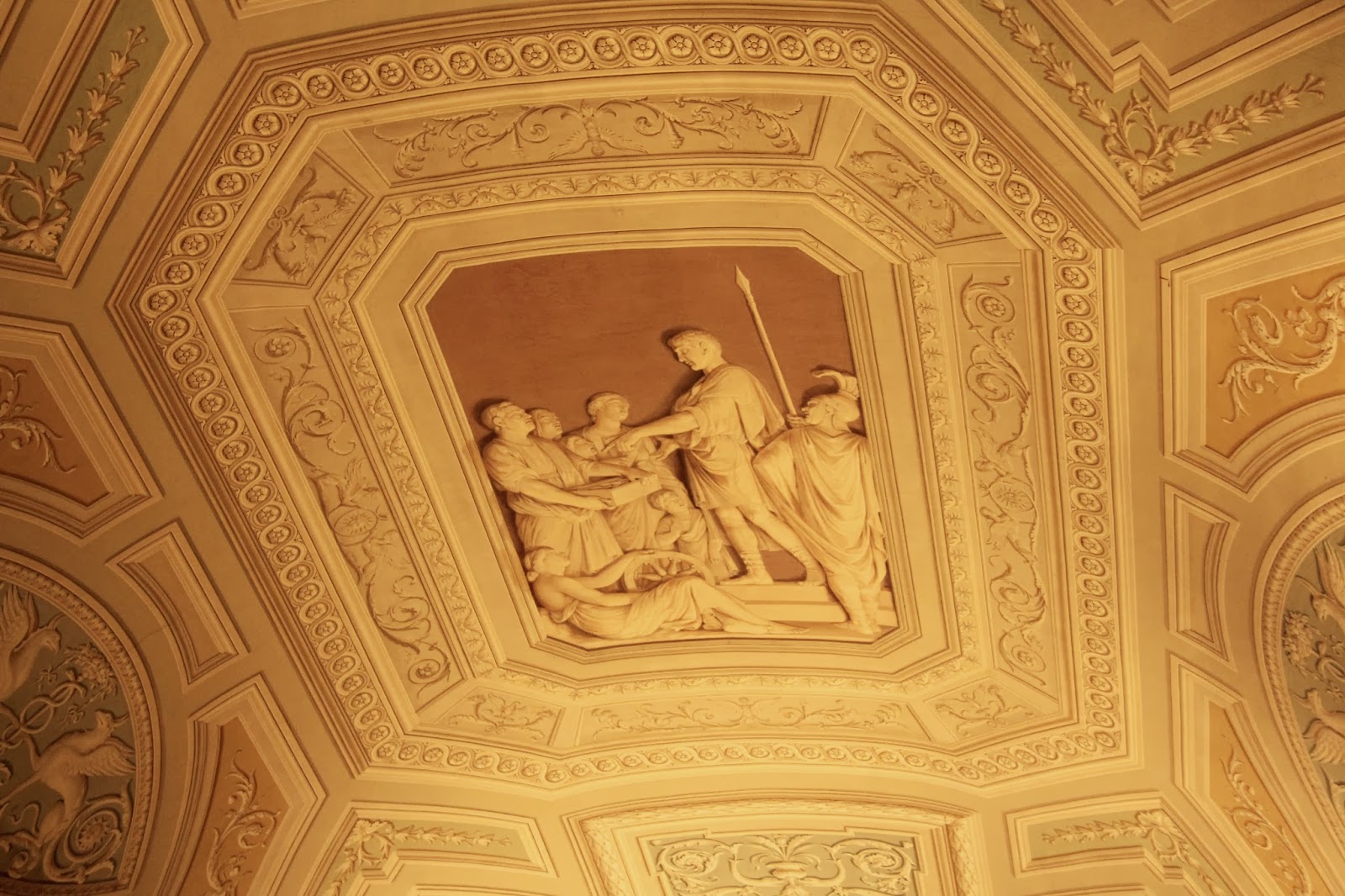
An example of the French painting style, trompe-l’œi (deceive the eye) – the image appears three-dimensional
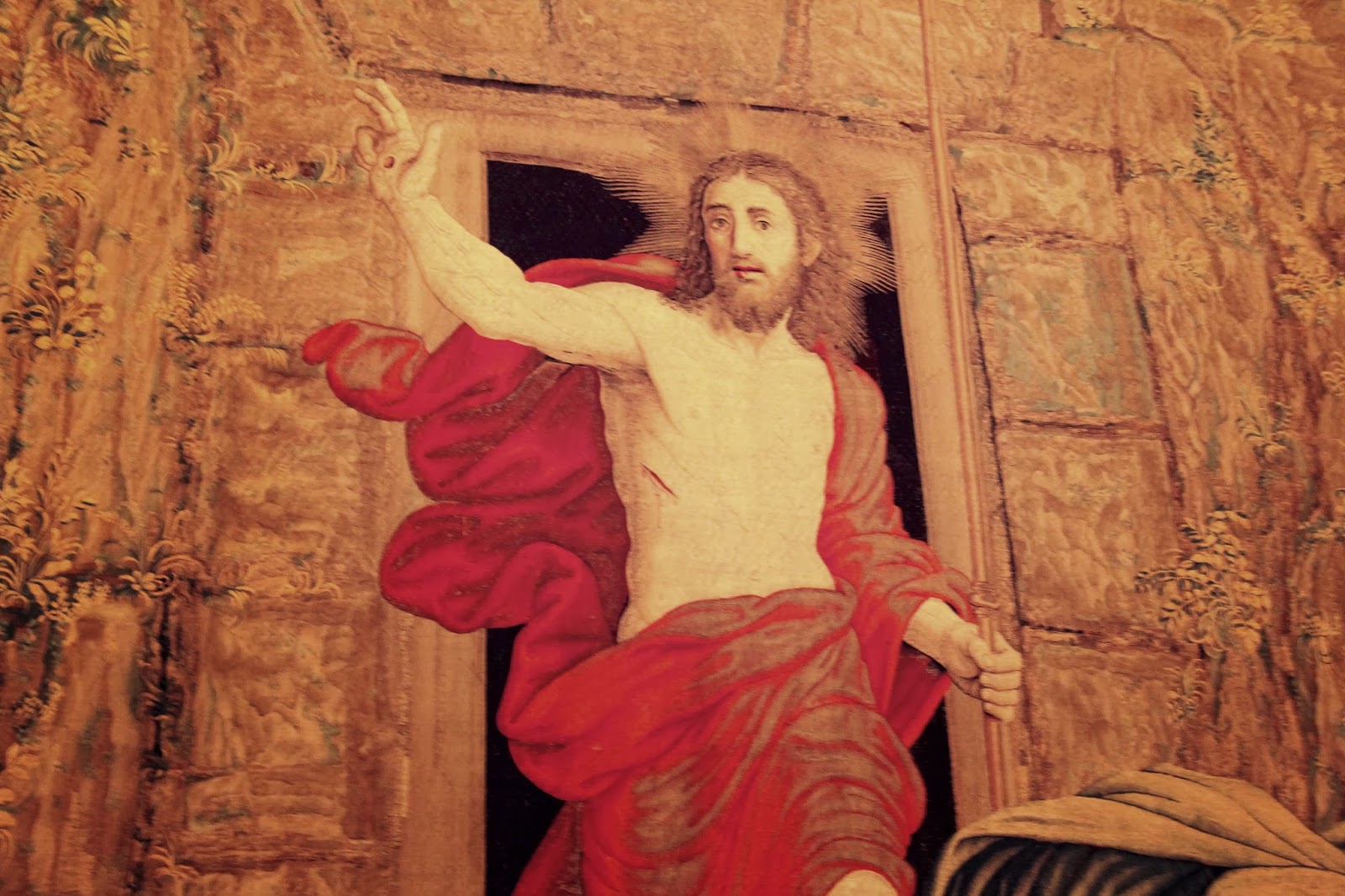
Central portion of the tapestry, The Resurrection of Jesus
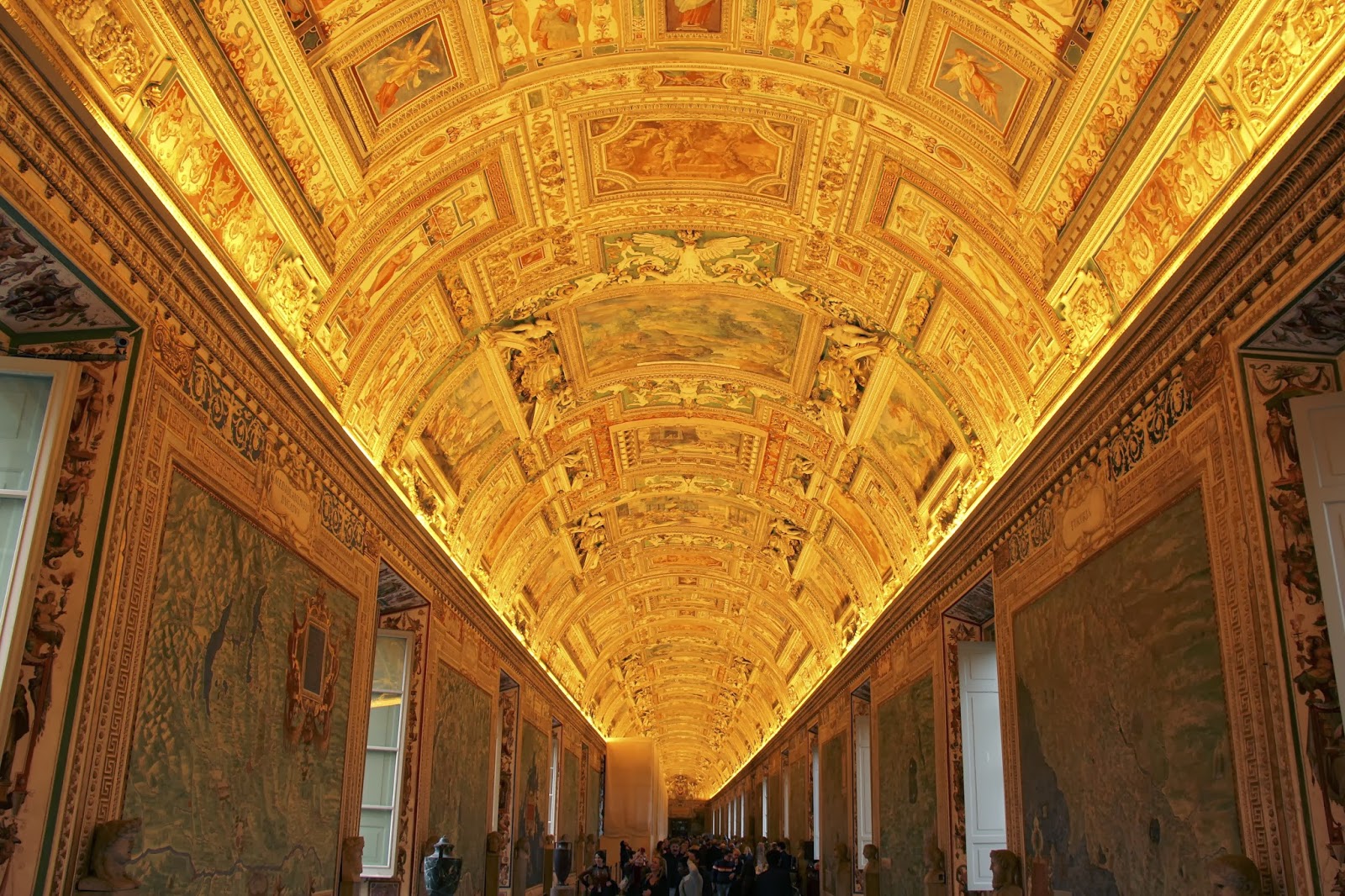
Eye-popping ceiling in the impressive Galleria delle Carte Geografiche (Gallery of Maps)
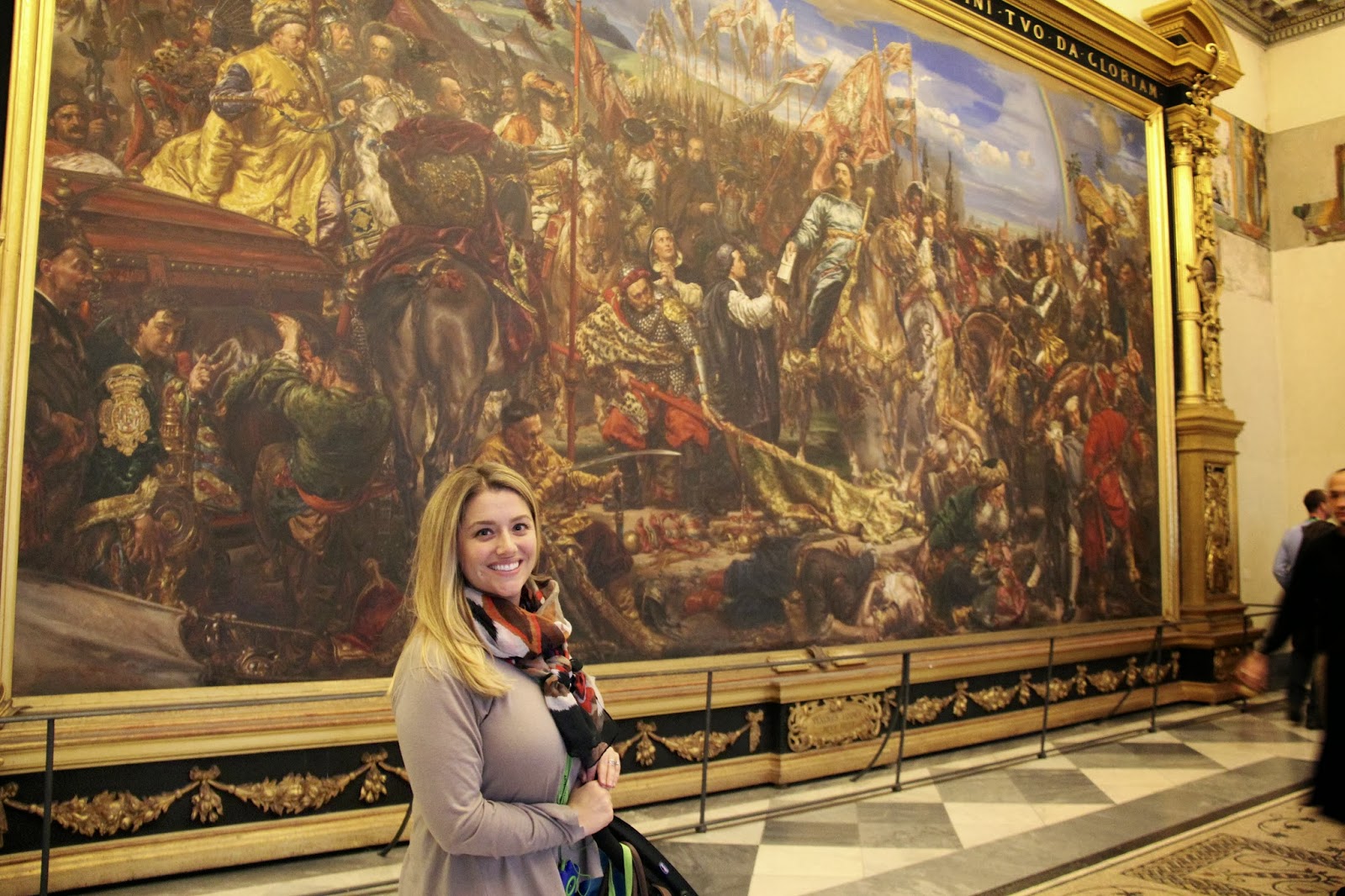
Jen stops for a photo
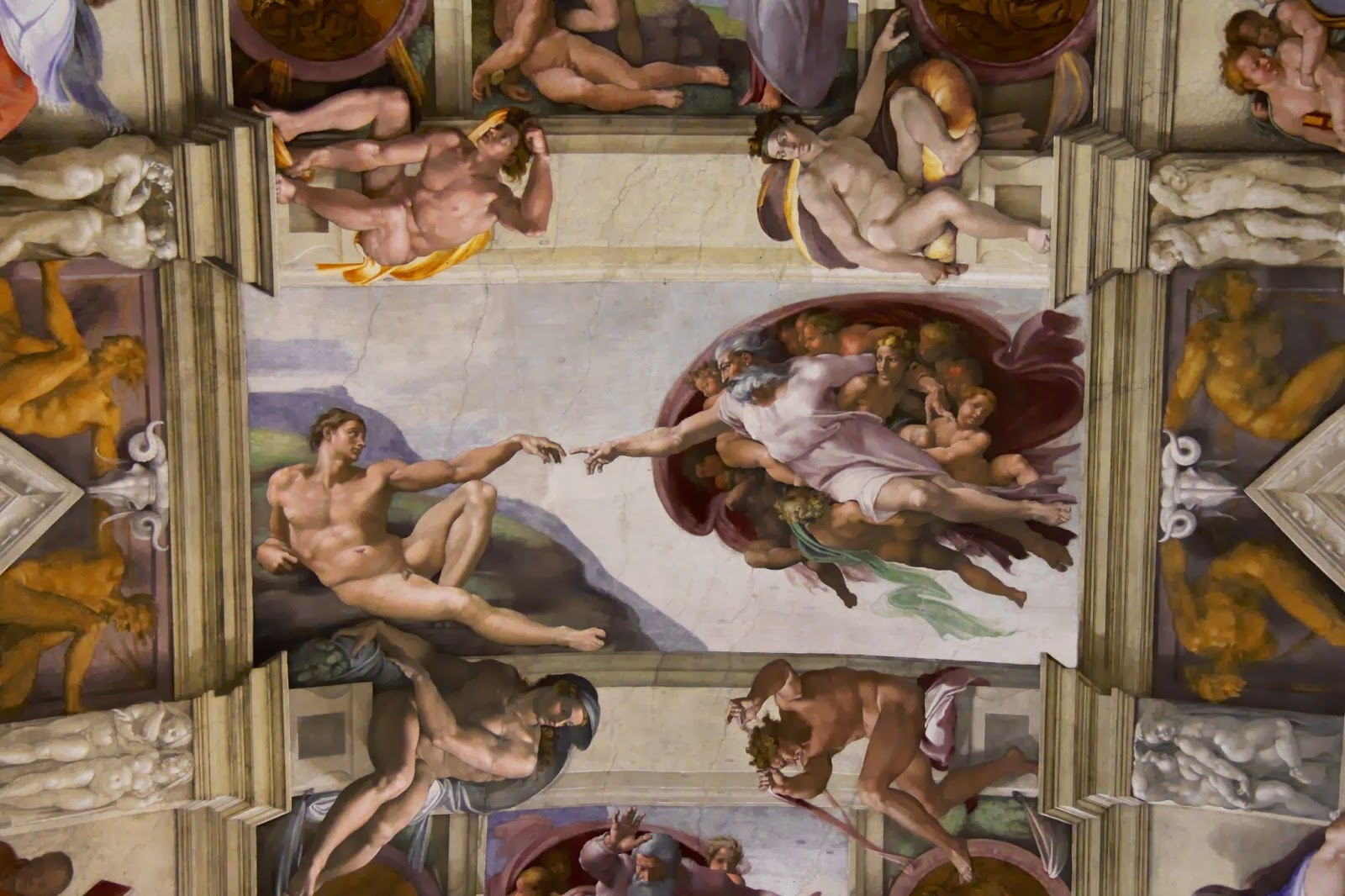
Next, we walked into the adjoining Sistine Chapel. On the tour, we learned that the Sistine Chapel is the largest chapel in the world. A chapel, practically by definition is a small place of worship (either freestanding or attached to a larger church). This is significant because the papal conclave (the sequestering of cardinals when electing a new Pope) is held in the Sistine Chapel (as opposed to the more spacious Basilica, next door). Inside the basilica, Michelangelo’sLast Judgement monopolizes the back wall, while the even more famous Creation of Adam rests prominently in the center of the ceiling. Words cannot describe the feeling that washes over you as you sit in such a historically significant place. The amazing frescoes inspire images of Michelangelo, resting on his back atop scaffolding and slowly painting each section, a brush in one hand and a candle in the other.
The most iconic portion of Michelangelo’s ceiling in the Sistine Chapel, The Creation of Adam
As the sun set on our tour, we visited Saint Peter’s Basilica, one of the largest churches in the world. The church sits in the center of St. Peter’s Square, which is flanked by large rounded colonnades – intentionally reaching out like long arms embracing visitors. From an aerial perspective, you’ll see that the church itself is designed in the shape of the cross, while the entire square resembles a keyhole (echoing Saint Peter’s role as holder of keys to heaven).
A beautiful blue night’s sky had settled over St. Peter’s Basilica
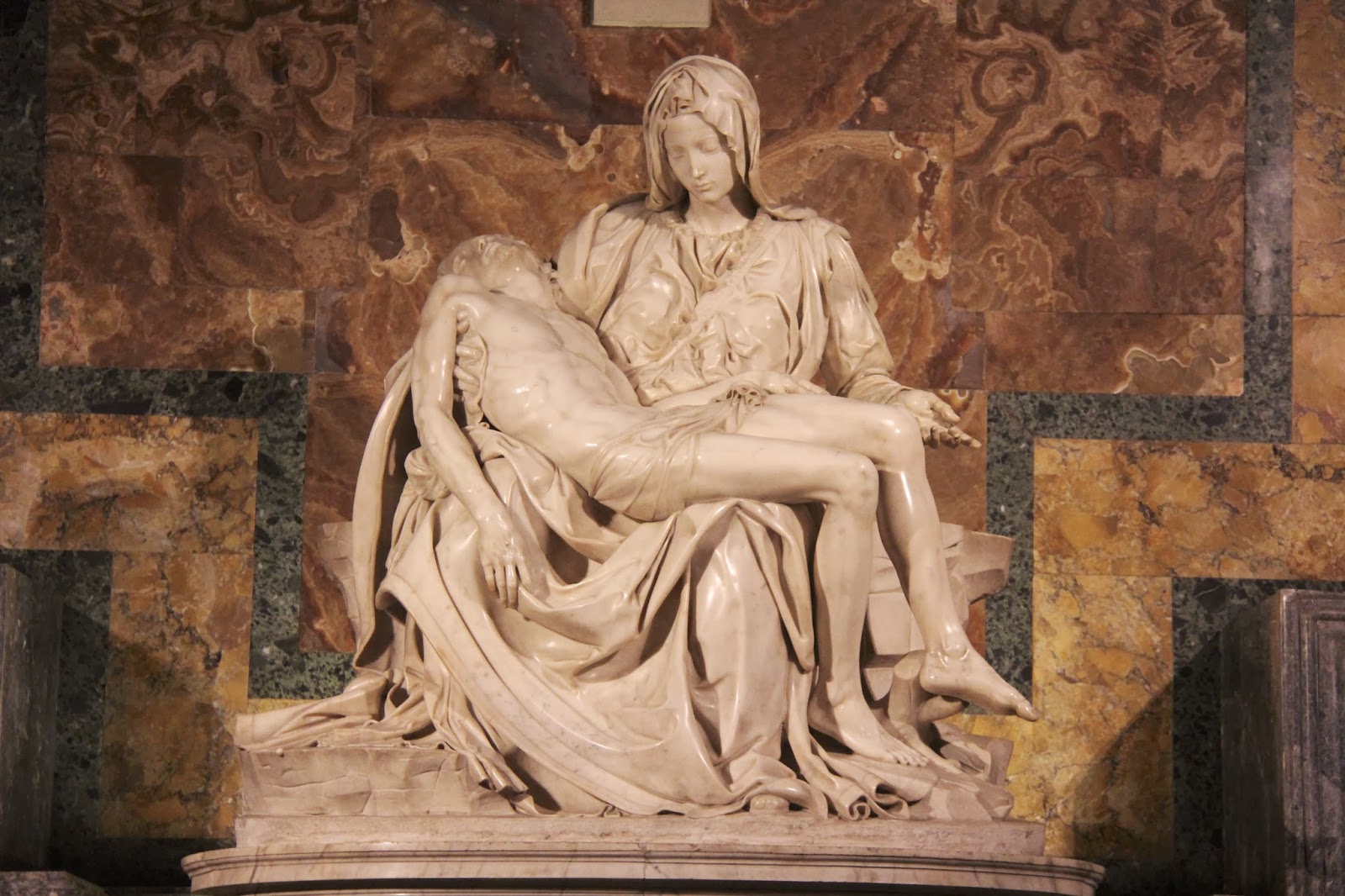
Pietà, also by Michelangelo
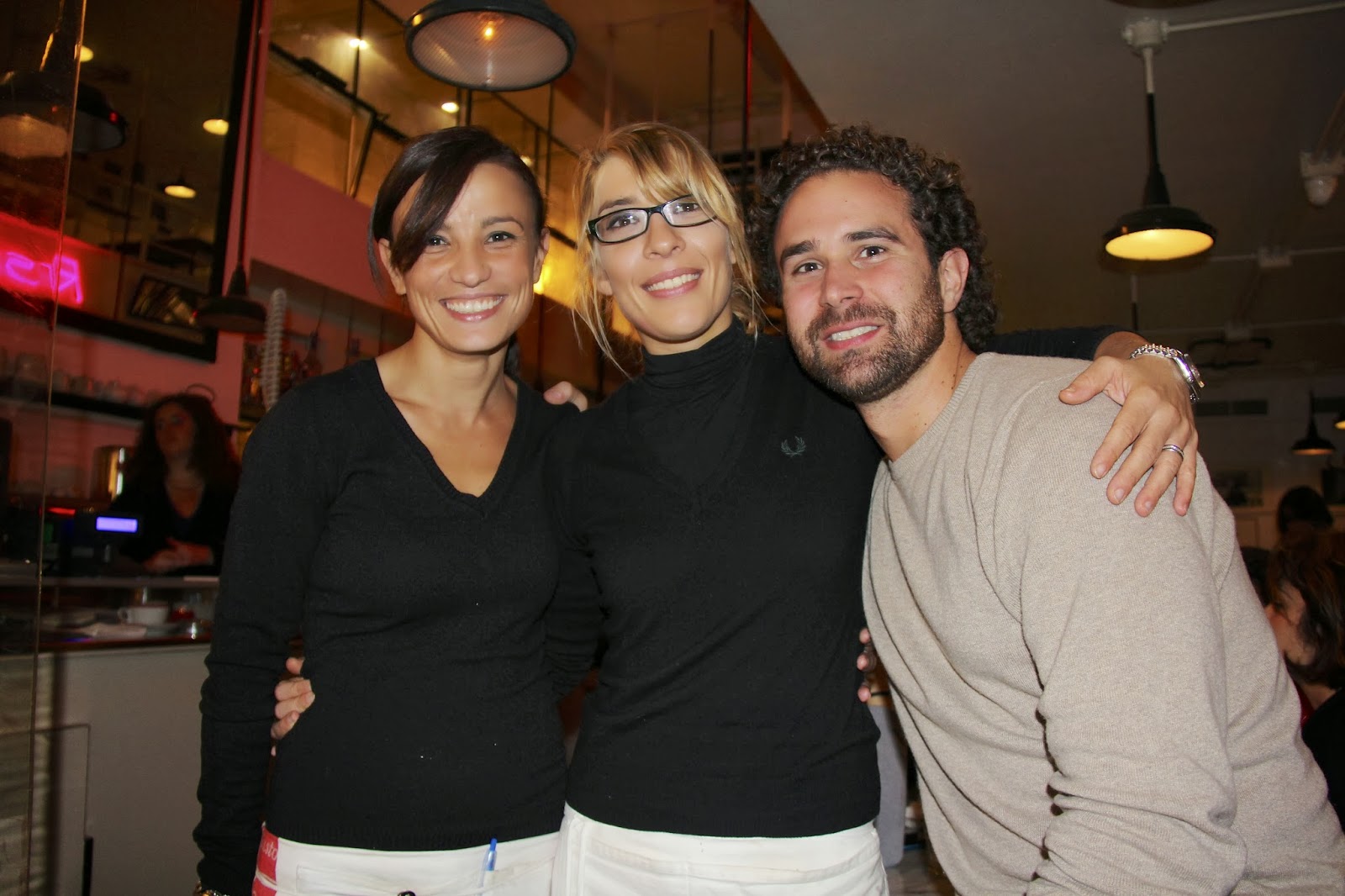
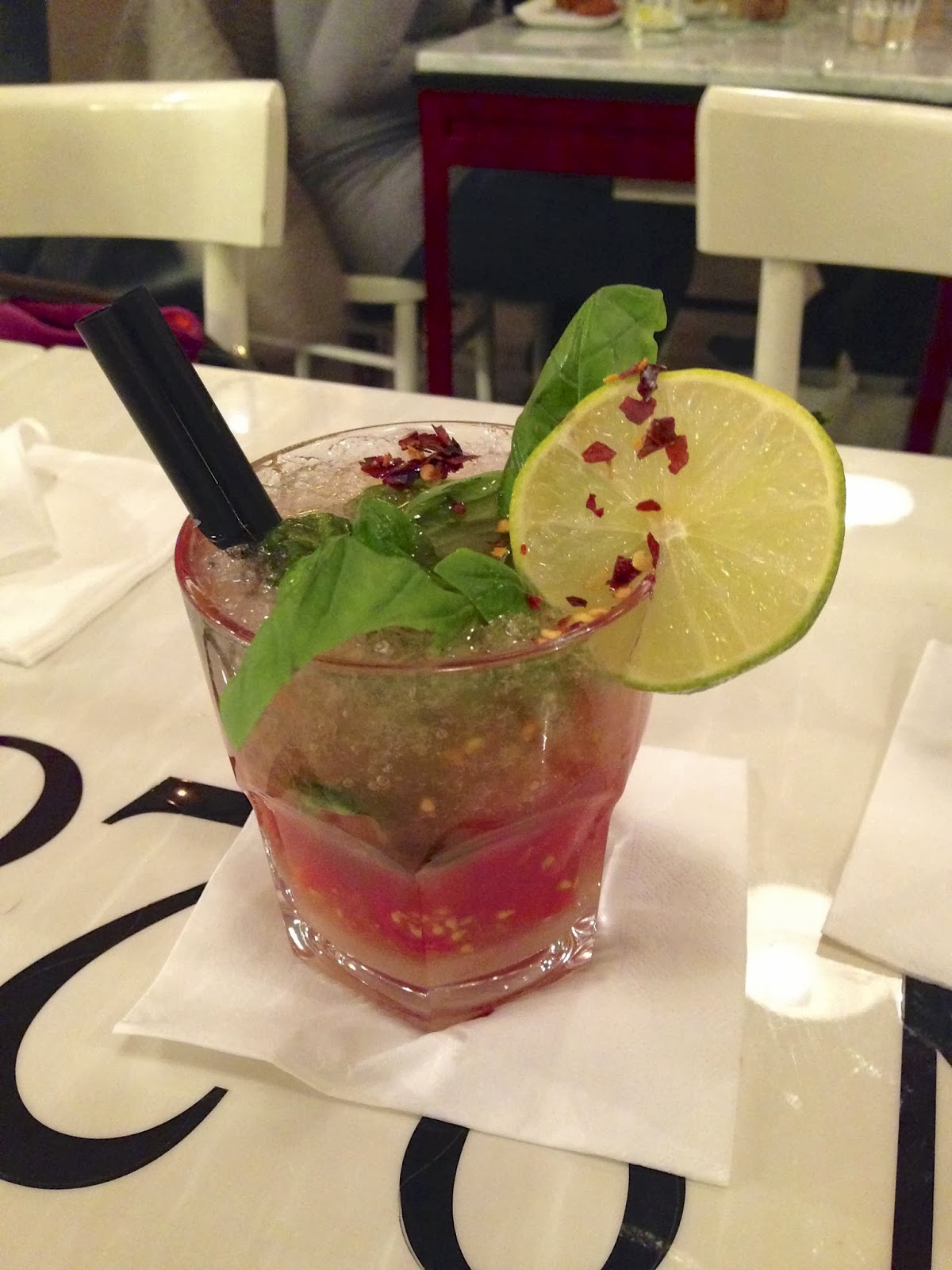
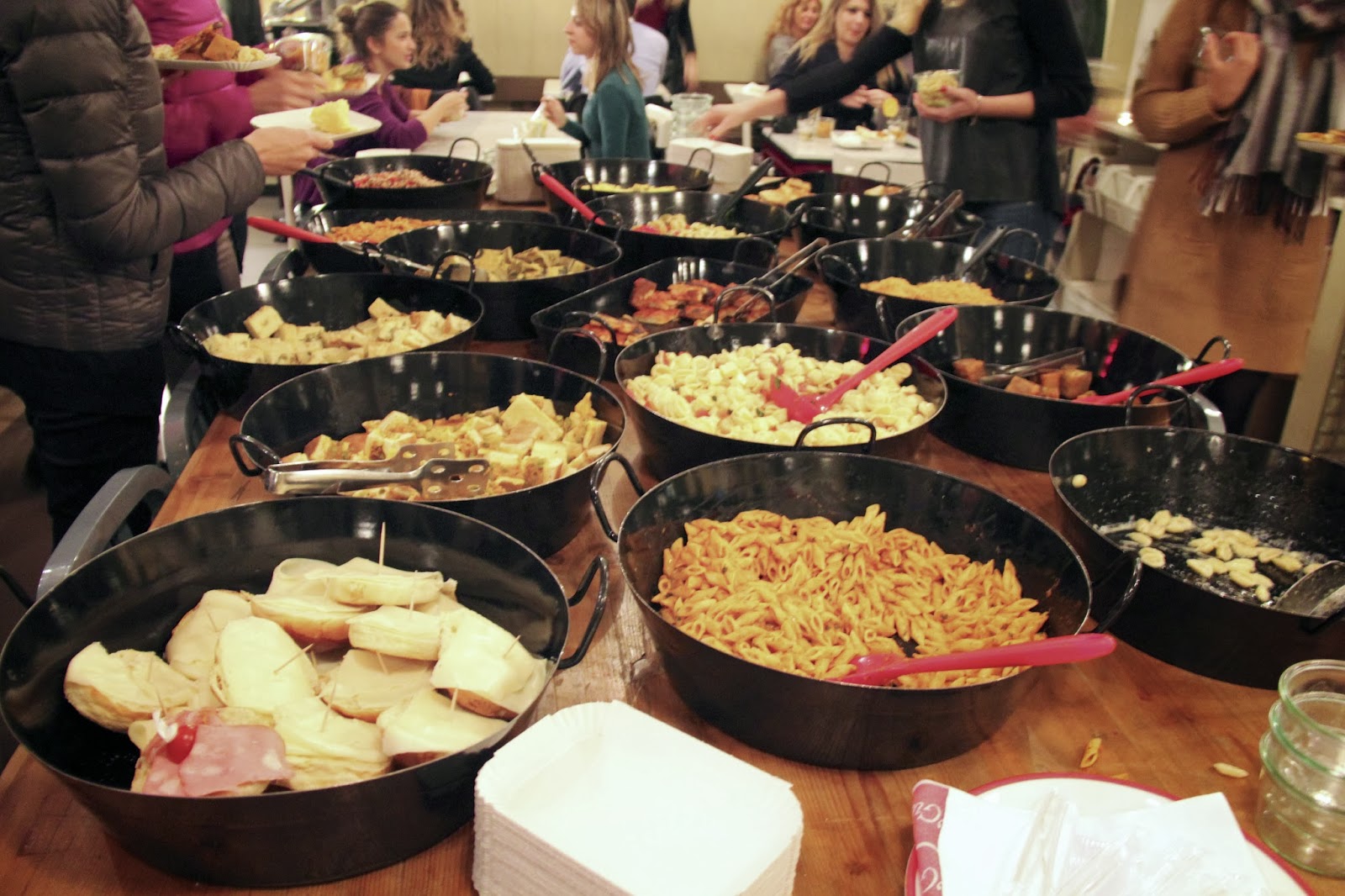
While our appetites for spiritual enlightenment had been quenched, our appetite for food was ravishing. We found a wonderful place, Gusto Forno and went in for dinner. What we found was even better – a happy hour with a buffet included in the price of your drink. And the drinks were magical! The bar-genius, Nina had created a cocktail inspired by a margherita pizza. Sounds weird, but the result was nothing short of fabulous. If you’re in Rome, stop by and see her.
I take a picture with our wonderful waitress and the fabulous bartender, Nina
Nina’s creation – the Pizza Margherita cocktail
Some of the buffet that was included with the order of a cocktail
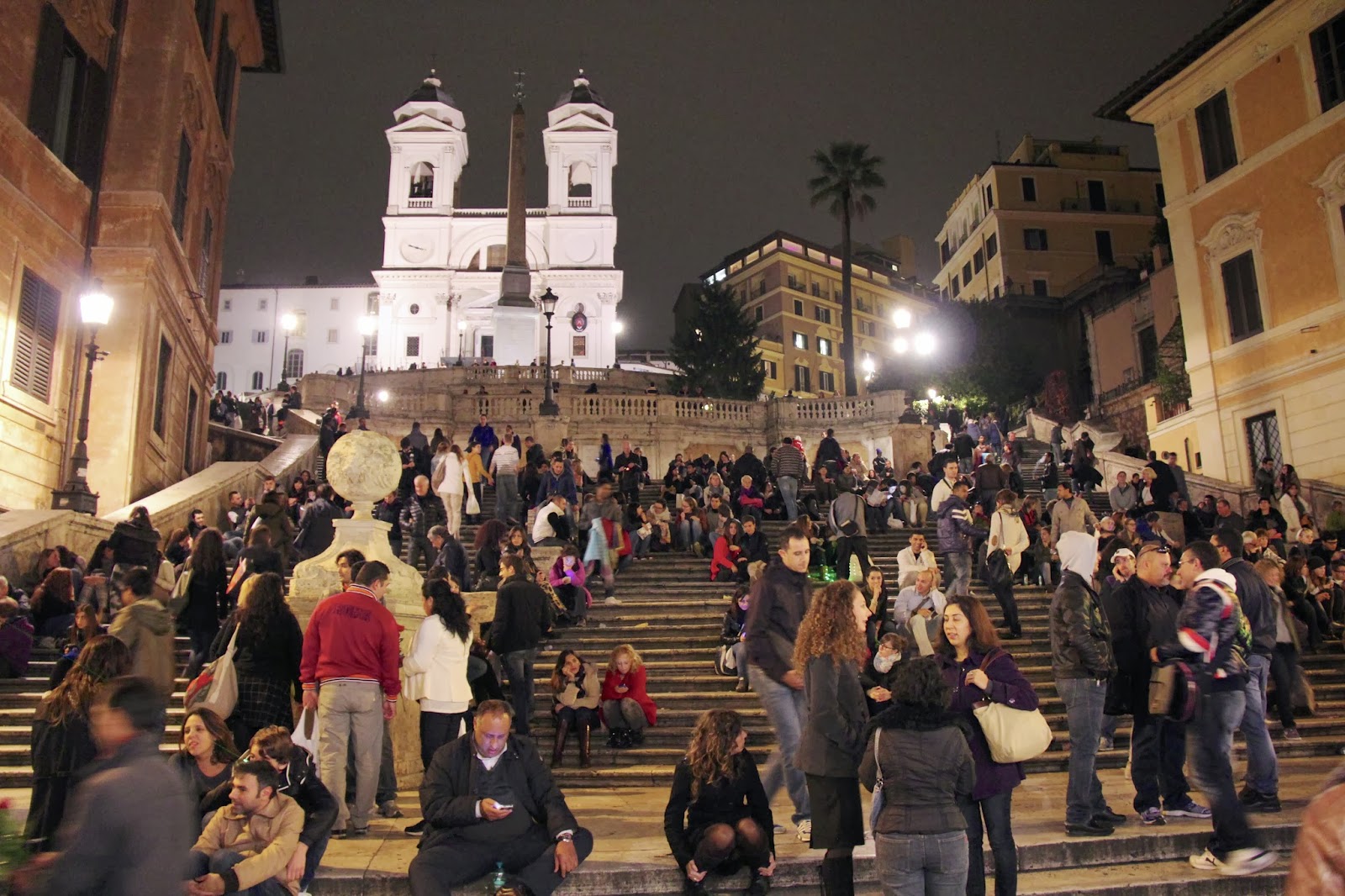
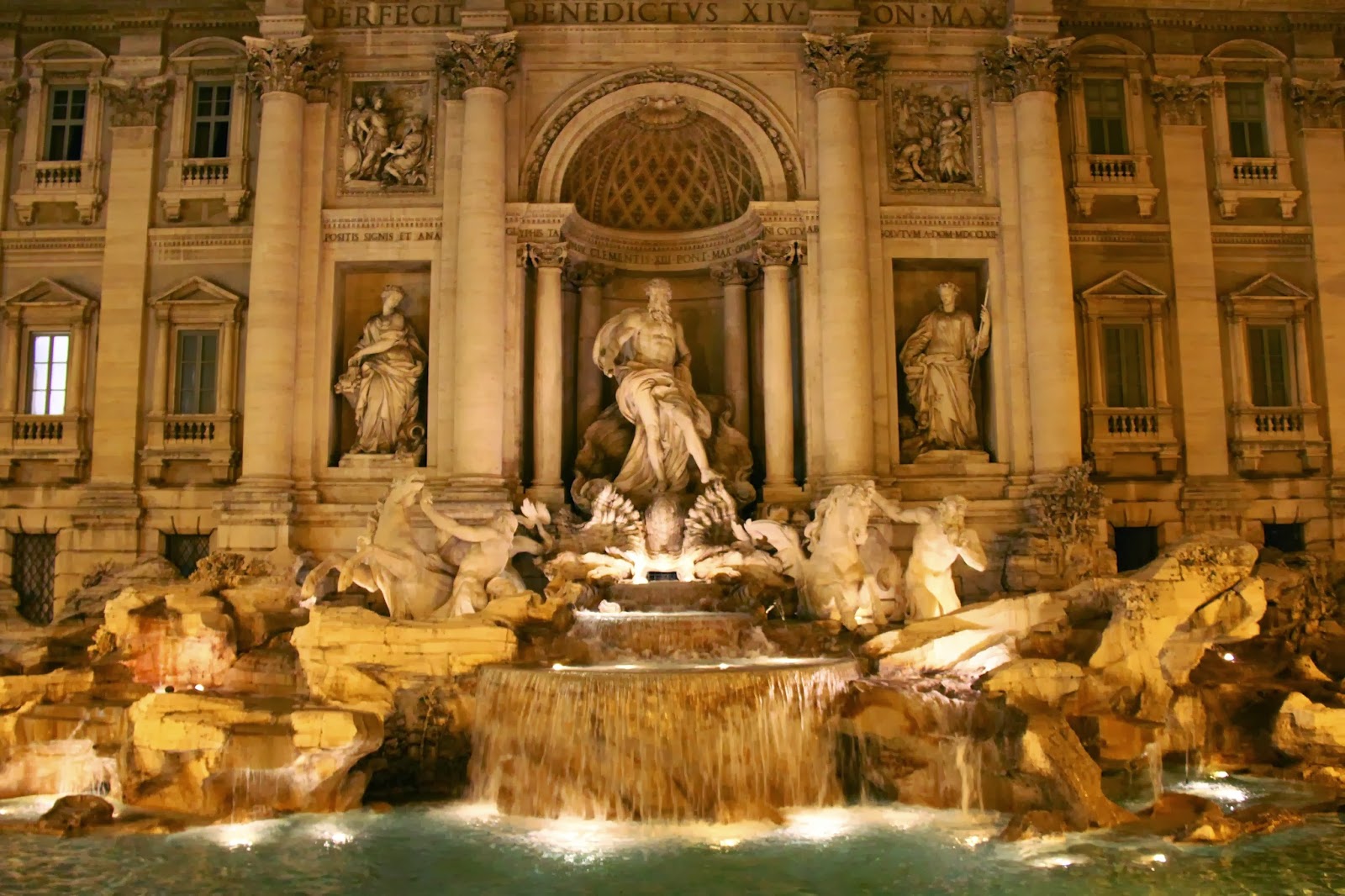
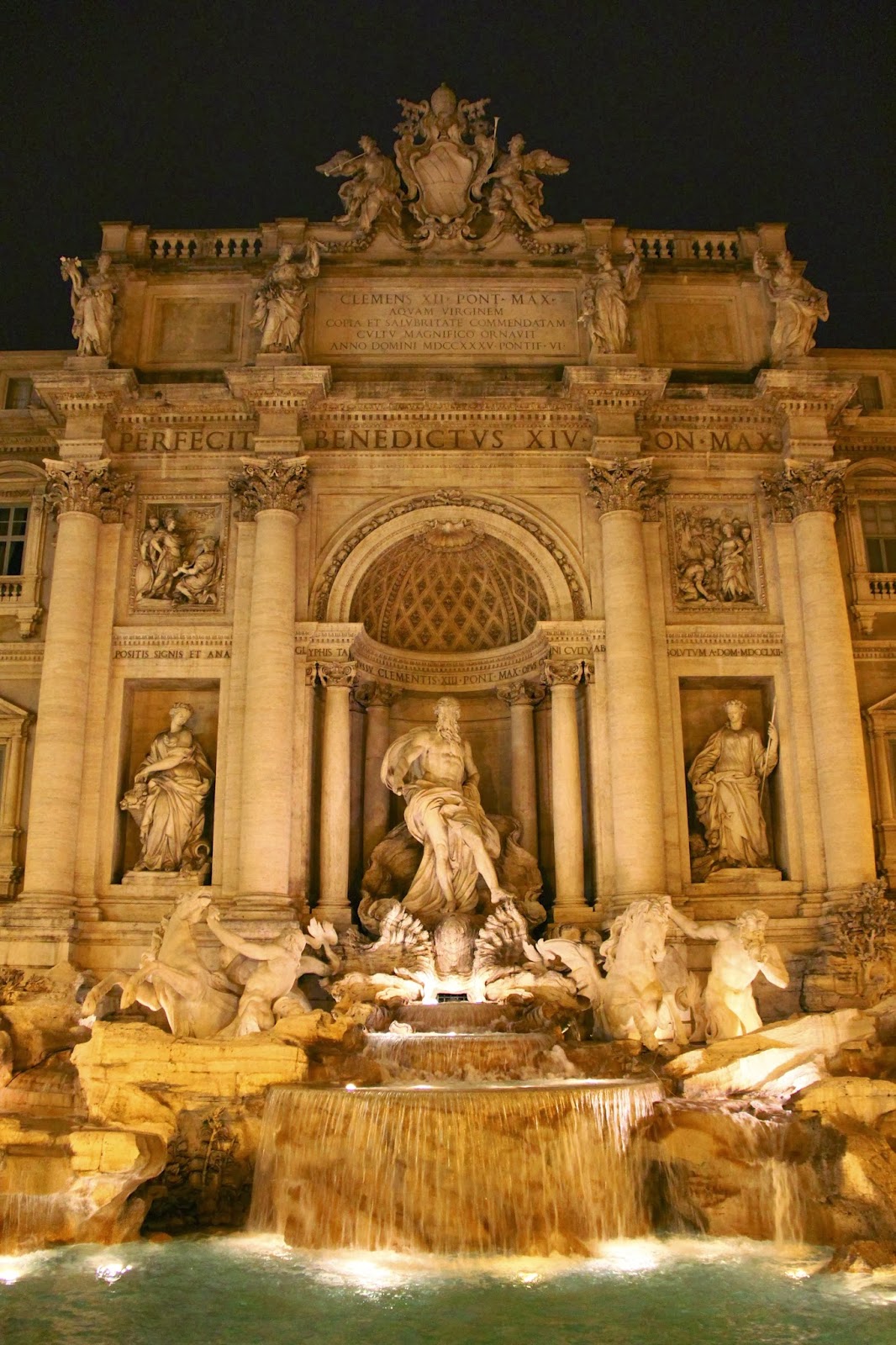
Before the night was over, we stopped by Scalinata della Trinità dei Monti (Spanish Steps). Of course, no visit to Rome would be complete without throwing a coin over your shoulder (guaranteeing your return to the city) in the Fontana di Trevi (Trevi Fountain).
Scalinata della Trinità dei Monti (Spanish Steps)
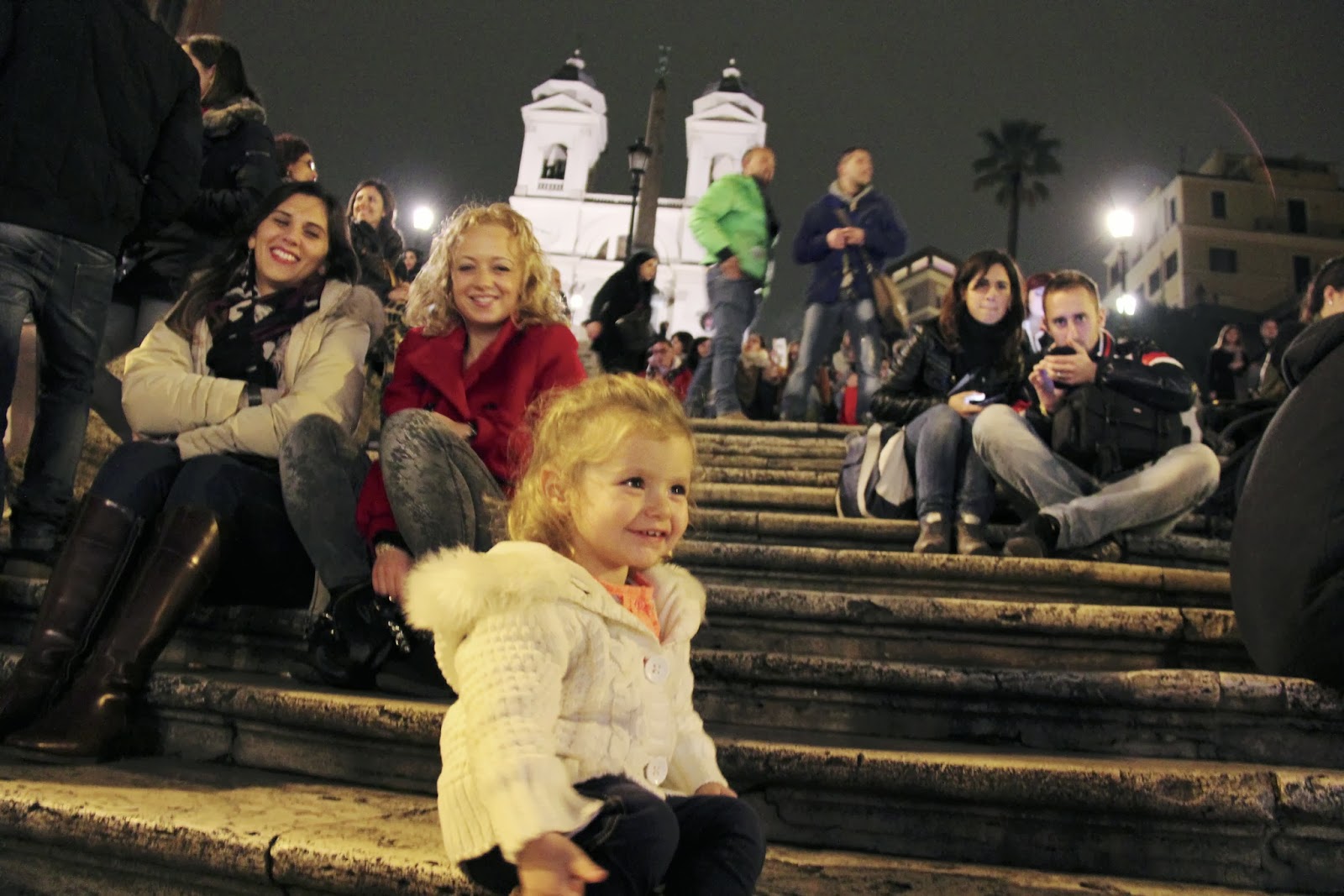
Julia on the Spanish Steps
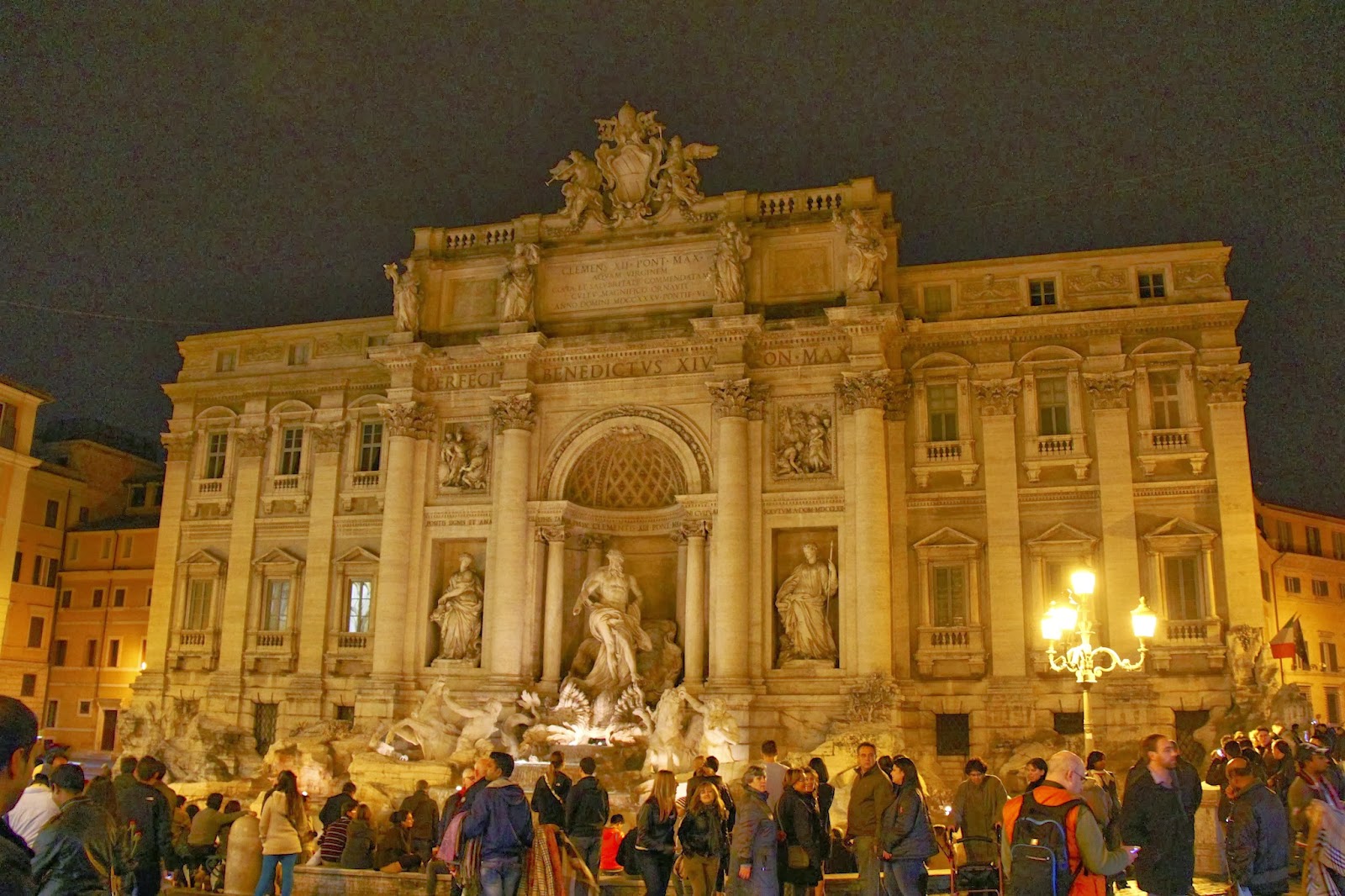
Fontana di Trevi (Trevi Fountain) at night
This magnificent fountain stands 86 ft. high
Julia gives her momma a hug
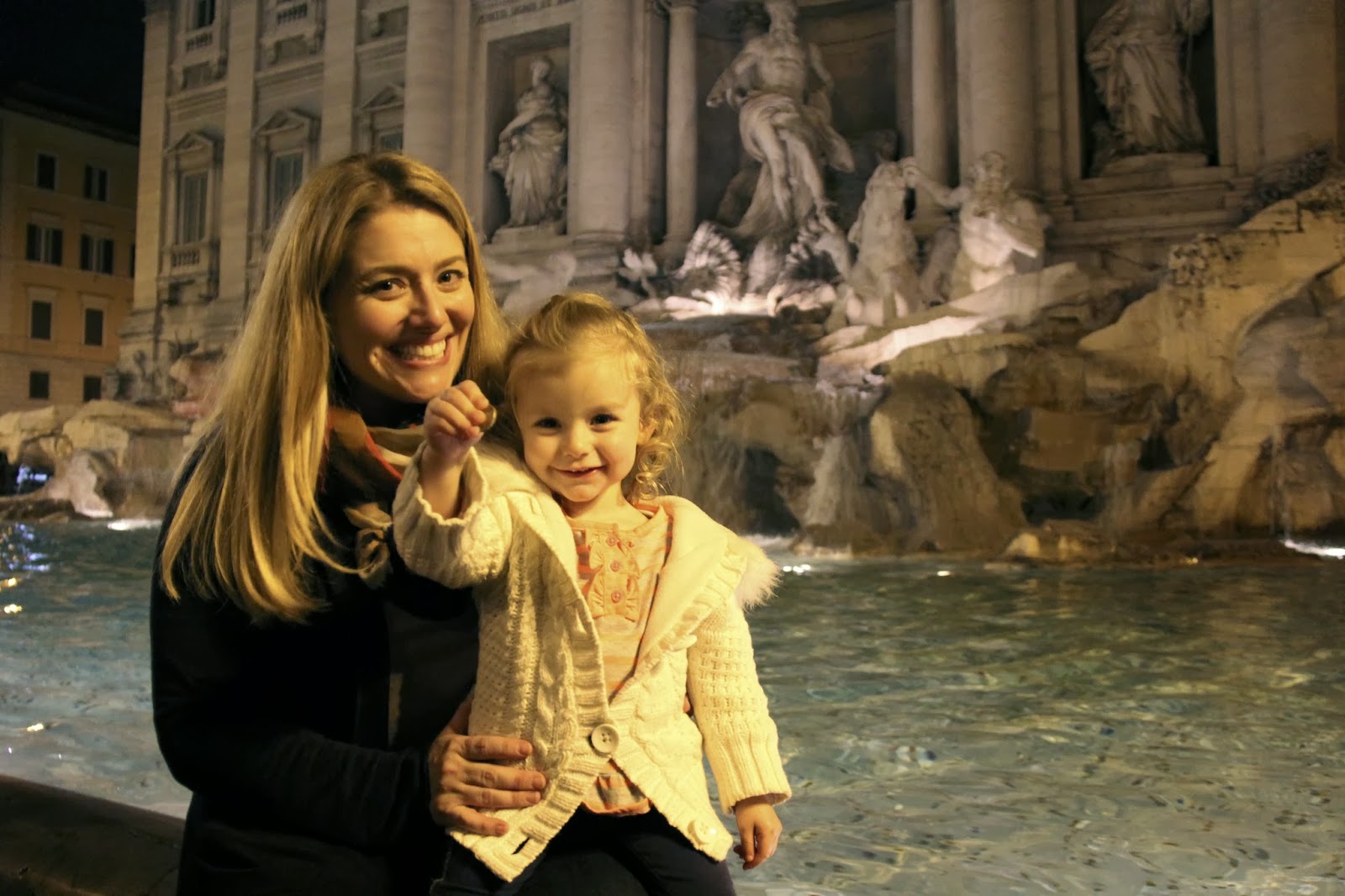
Jen and Julia in front of the Trevi Fountain
Family photo
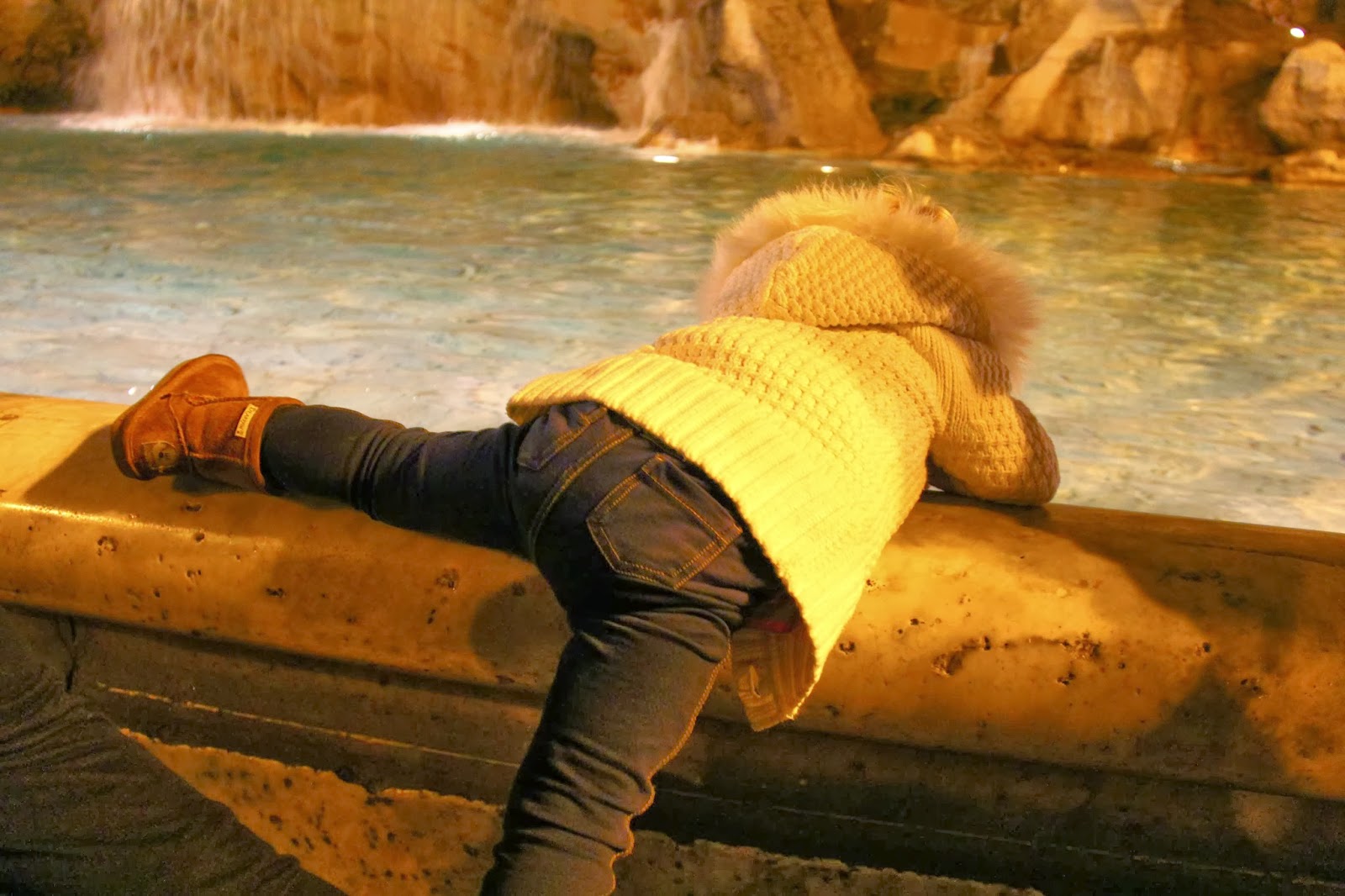
Julia wanted to go for a swim
Julia gets ready to toss her coin and ensure her return to Rome
Italian architect Nicola Salvi lost the original contest to design the fountain, but was awarded the commission anyway due to public outcry in Rome that a Florentine (Alessandro Galilei) had won – a fortunate turn of events
As it turns out, two days in Rome is too action packed to fit into one post – so I’ll continue in a subsequent posting. Ciao for now!
Most people visit Europe in the spring or summer. Of course, these are great times of year to see such a magical and historical place. But may I suggest to you a unique alternative?
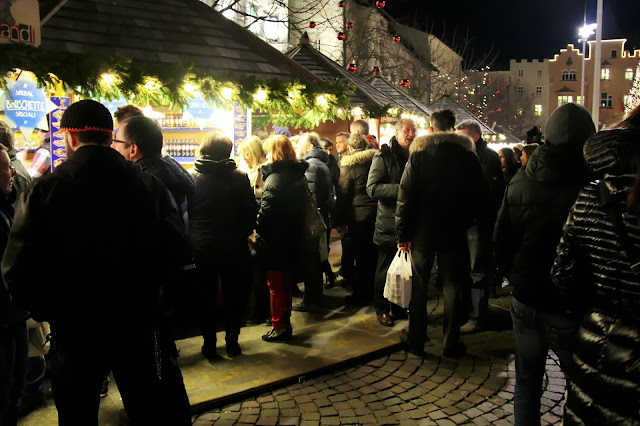
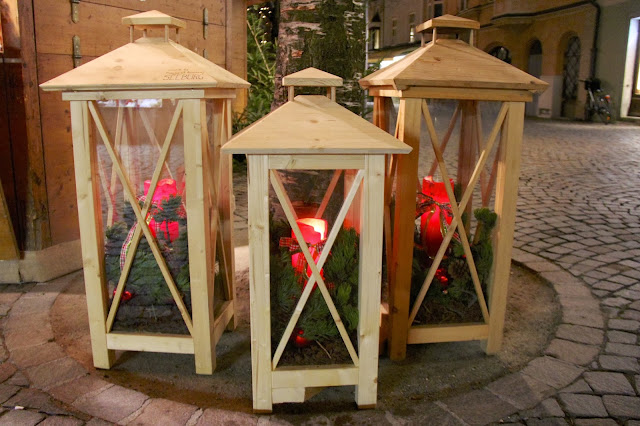
Come in December, when the weather is at it’s coldest and the people are their warmest. When the cobblestone streets are strung with lights and the ancient buildings are trimmed with garland. Imagine your most magical place for the holidays – a winter wonderland, if you will. You will be sure to find something that fits your image here in Europe. There are amazing markets and festivals across the continent. Some countries boast cities that are particularly renowned for their holiday cheer. Finland, Germany and Austria are at the top of the list. Denmark and Switzerland are there as well. And of course, our personal favorite place to be for Christmas is right here in Italy. Before you plan your next Christmas vacation, add Europe into the running.
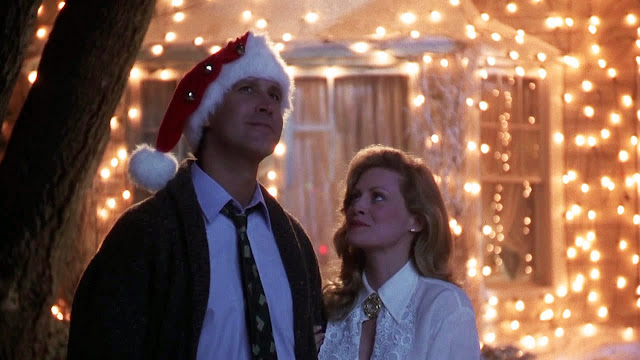
“Boy, Clark – I think we should go to Europe next year”
We had been toying with the idea of visiting another country to experience some of the large and festive Christmas markets (two of the top cities in the running were Cologne, Germany and Lapland, Finland). As we did more and more research, we kept noticing many towns in Italy topping the lists. We decided to stay close to home and shop in a language we know (well, sort of). Jen came across this article describing some of the best Christmas towns in the Trentino Alto-Adige region of Italy. One look at the photos of each town and I was sold. Beyond that, I was eager to explore this region of Italy for it’s unique wines and always breathtaking Dolomiti mountains. So I went to work on google maps and figured out that we could comfortably see five cities (with a bonus sixth on the return) over a period of three days. We would visit Vipiteno, Bressanone, Brunico, Bolzano and Merano with another full day reserved for the region’s capital city, Trento.
When I plotted our course, I literally sketched a rough map on a piece of scratch paper and realized that four of the five towns made a diamond shape. The fifth was sort of floating off to the right side, but for creative purposes – we’ll just stick to the “Five Diamond Christmas Tour”. It has a better ring than “Four Points & That Other One Tour”.
“Sounds great, dad – lets GO!”
We carefully chose our hotel, located just outside of Bolzano. What I didn’t pay much attention to was the name of the actual town, Soprabolzano (literally meaning, above Bolzano). ABOVE Bolzano it was. Our hotel sat roughly 4,100 ft above the town, which gave us two options. Drive up the winding and perilous mountain road or take the 15,000 ft cable car (gondola) ride. I opted to drive, even when the snow fell and the tailgaters lined up behind me.
The view from the road leading to our hotel
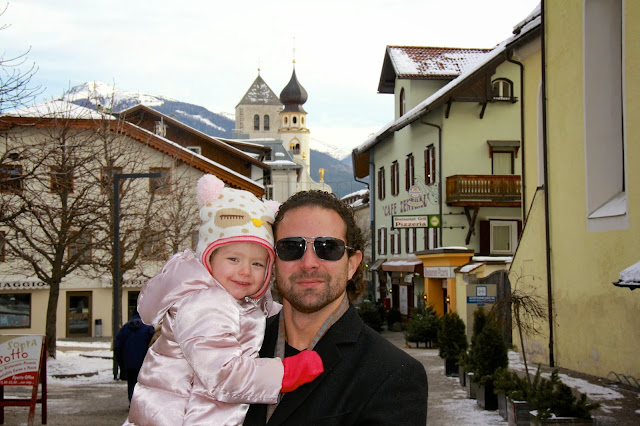
We were surprised to learn from Franco and Claudia (Jen’s aunt and uncle) that the area of Italy we were visiting was more Austrian than Italian. They couldn’t have been more correct. We definitely felt as though we were in Austria (which feels just like you’re in Germany). The houses are constructed with charming German architecture (picture gingerbread houses). The food served in the restaurants is German (picture sausages and sauerkraut). The people even spoke German instead of Italian! It was strange to experience, because we were in Italy – but it was also nice because it felt like a more unique “vacation” away from our normal lives. Funny, we were nervous to order pasta for the first time in Italy because we felt like it would be ordering pasta in Germany (something you would never do).
VIPITENO (Sterzing – German)
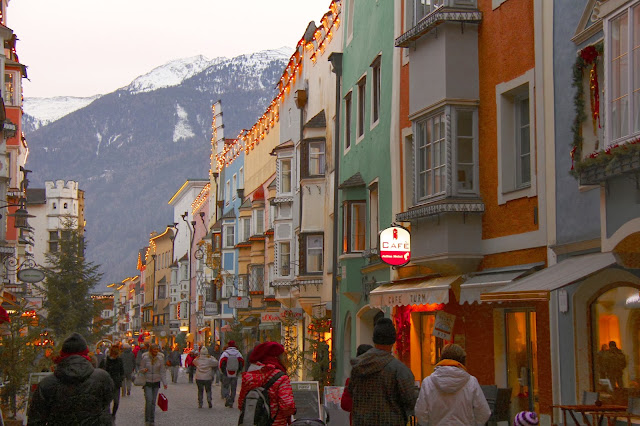
On the first day of our “Christmas Tour” we drove from our home directly to the northernmost town, Vipiteno. We arrived after lunch and took our time strolling through the market and the charming streets. We were eager to see the setting sun because we knew that meant the Christmas lights would soon be ablaze. We stopped for a vin brulé to warm up and sit for a bit. As opposed to going inside the restaurant, we instead opted to sit outside under the blankets they provided for their guests. It was cozy, fun and comforting. Eventually, we had to tear ourselves away from Vipiteno because we had one more stop on the schedule.
Julia is excited as we enter the market
Jen and Julia hugging
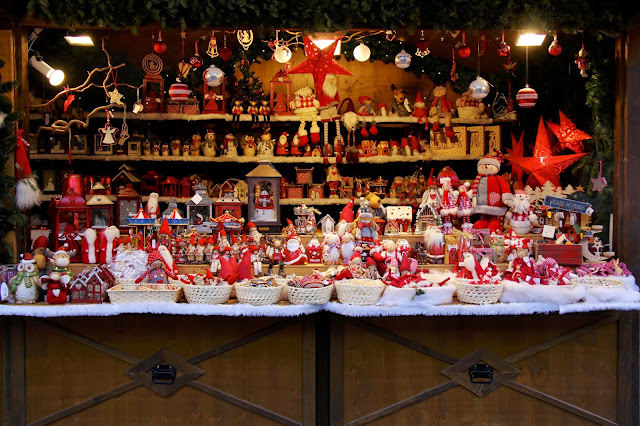
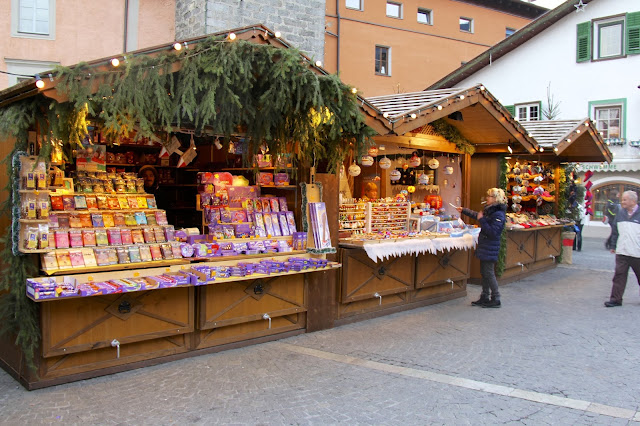
One of the stands, selling a variety of Christmas ornaments
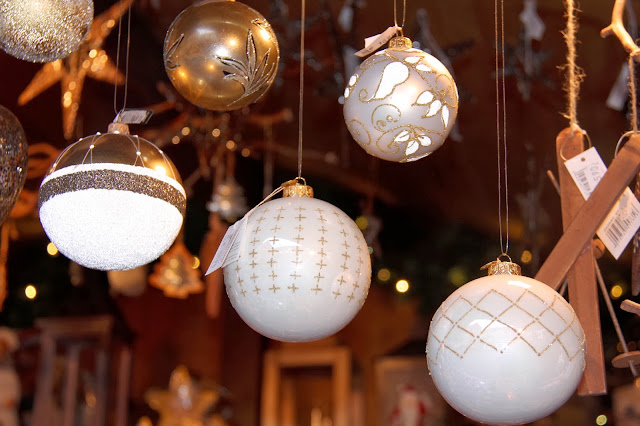
Some beautiful ornaments
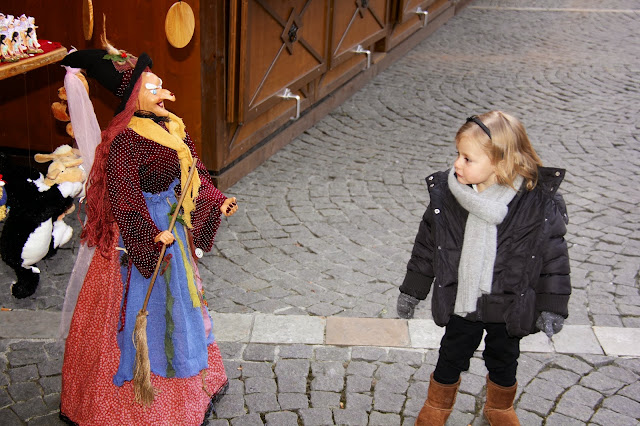
Julia sizes up a Befana (Italy’s Christmas Witch)
The charming town square
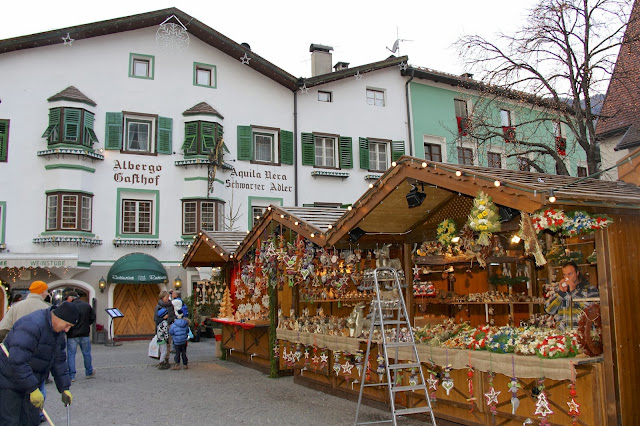
Another stand selling local specialties
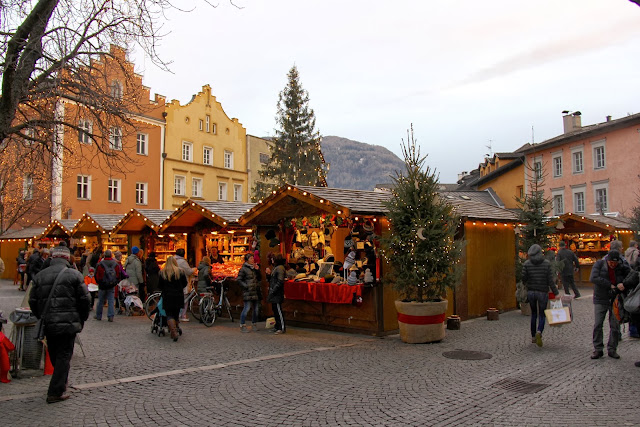
More Christmas stands
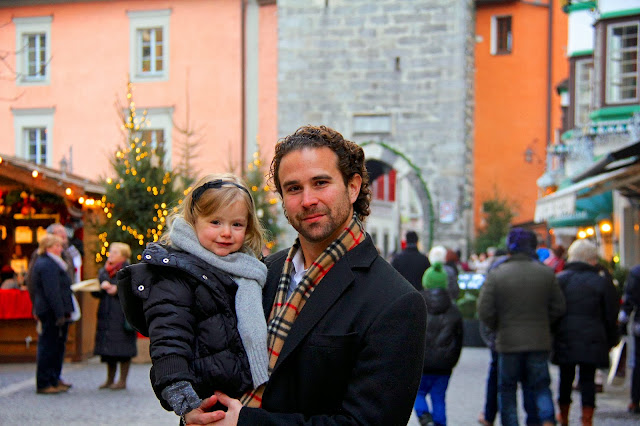
My favorite little girl
The lights got a little brighter as it got a little darker
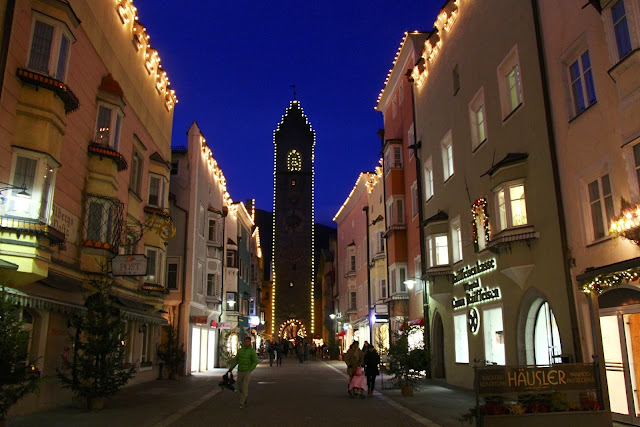
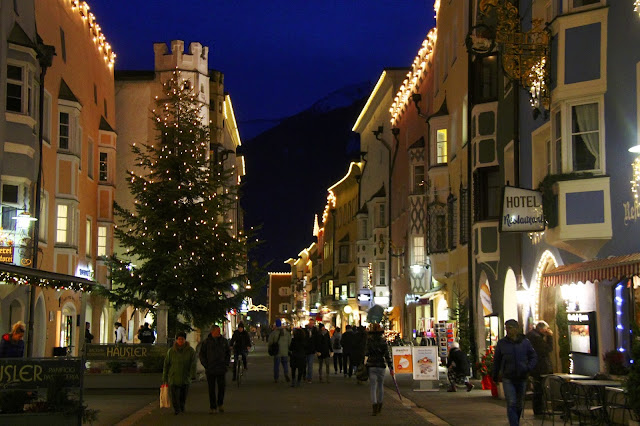
The main street was stunning with a beautiful mountainous backdrop
The main piazza
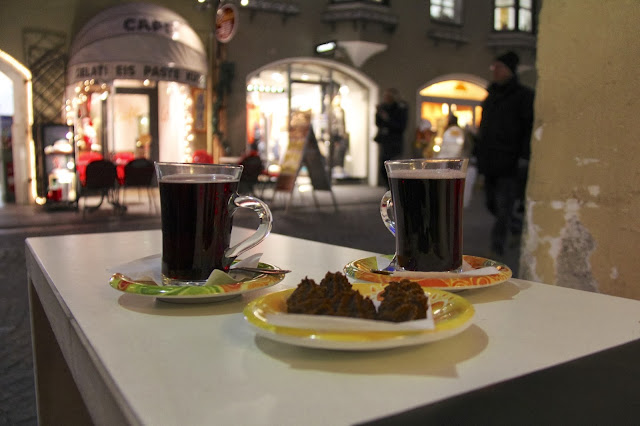
We stopped to warm up and enjoy some vin brulé
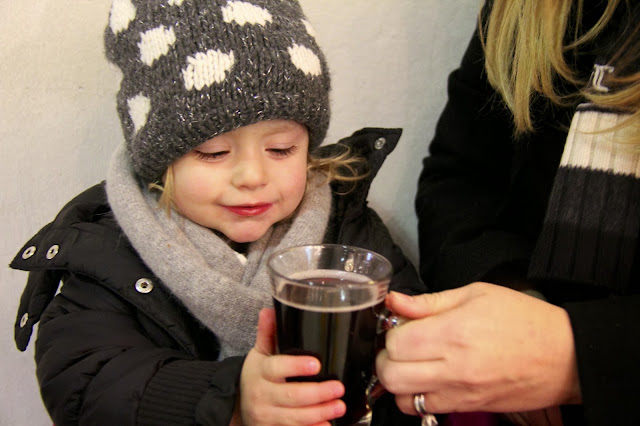
Julia warms her hands on mom’s cup
The sun officially sets
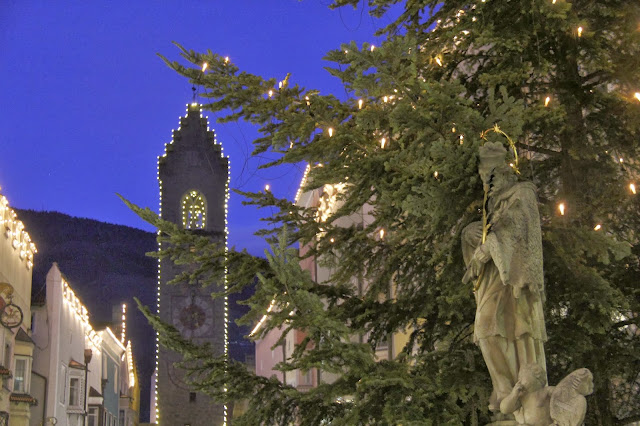
Vipiteno at night
The main square at night
Vipiteno was simply beautiful
BRESSANONE (Brixen)
I almost scratched Bressanone from the list – originally, I didn’t think I could fit all five towns and this was the one that I felt could be sacrificed. We were VERY glad that we kept it in the itinerary. This was arguably one of our favorite towns. We didn’t realize that it is the third largest and and oldest town in the province. Bressanone is absolutely full of charm. Beyond all the Christmas festivities, we enjoyed just walking around the city itself, although most everything had closed by the time we finished dinner.
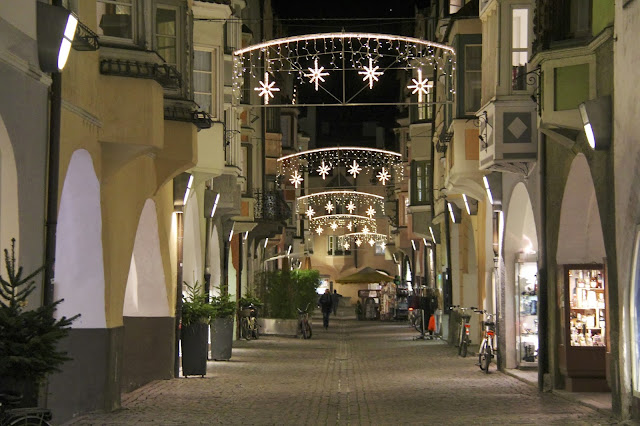
One street leading to the main piazza
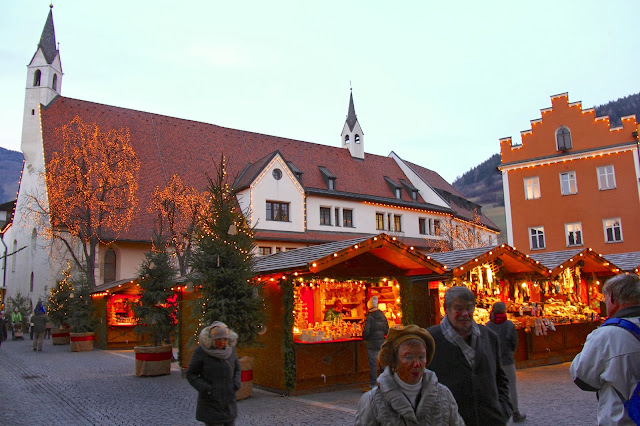
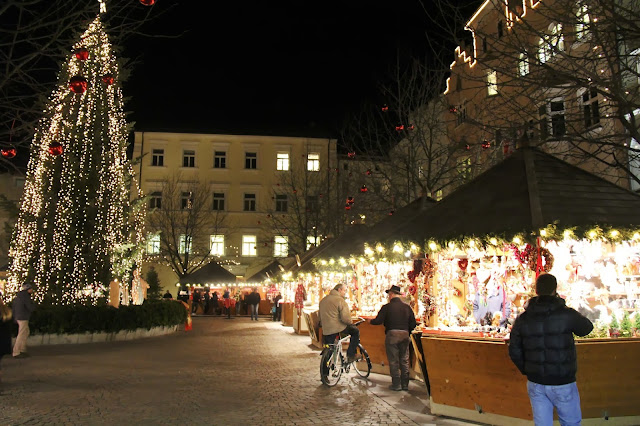
The market in the main piazza
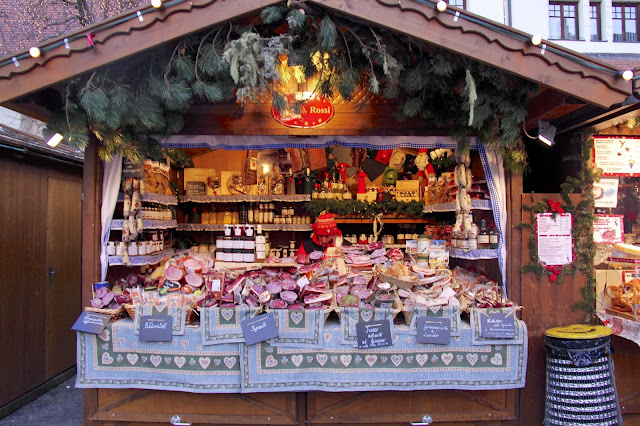
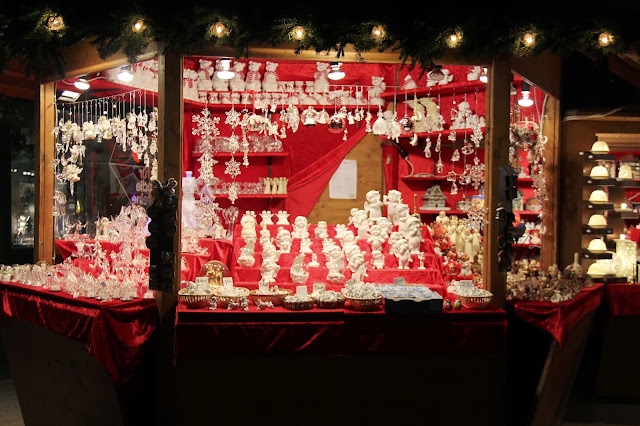
The booths were different than the previous town
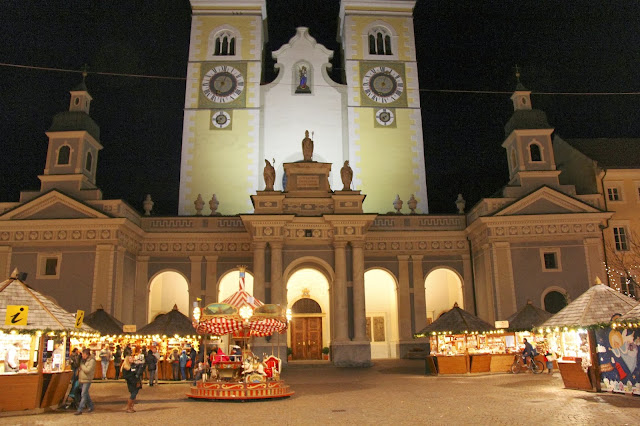
Julia rode the carousel in front of the main church
The most crowded and popular stands were always the ones selling vin brulè – they had an outdoor “bar” vibe
Holiday decorations
SAN CANDIDO (Innichen)
Did you catch it? San Candido was not listed as one of the five towns above. Franco and Claudia suggested that we add it to the voyage – they described the town as “piccolo ma bello” (small but beautiful). It was only a half an hour away and snuggled tightly in the Dolomites, so it was a no-brainer for me. They didn’t have nearly the amount of Christmas decorations as the originally planned towns, but it truly was “small but beautiful”. Plus, there are only a handful of towns in the world that are nestled in the Dolomite mountains, so it was certainly worth the extra drive.
Julia and I enter the charming town of San Candido
Our first snow of the season
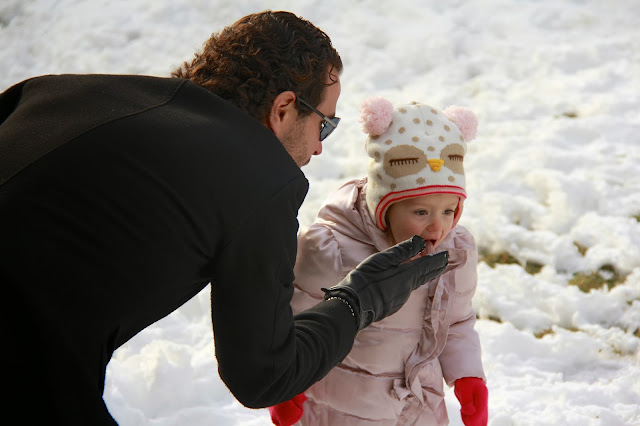
Julia remembered how much she loved to eat it
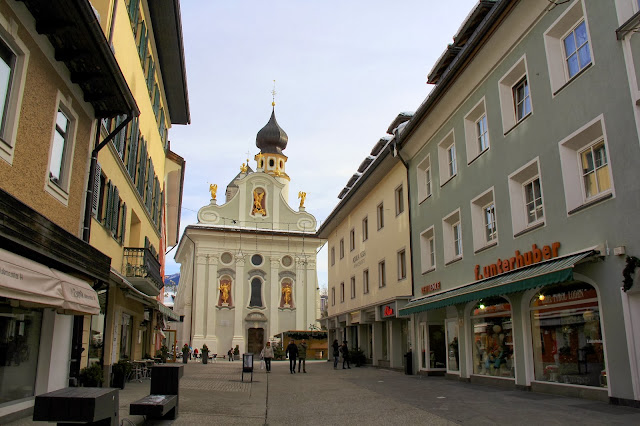
Main street in the town
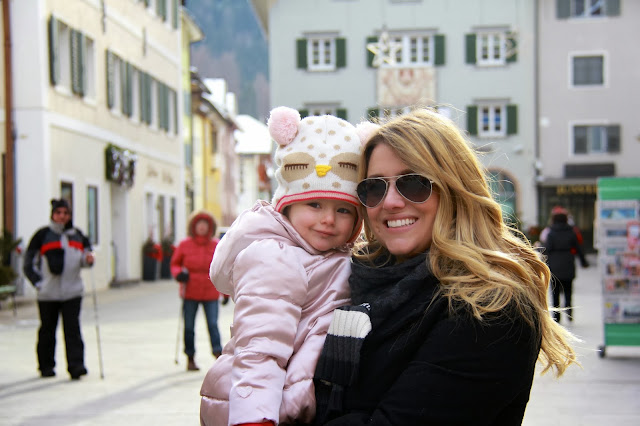
Jen and Julia in the main piazza
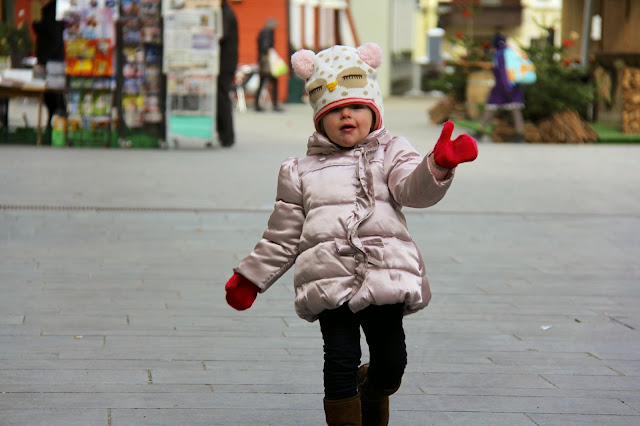
“Hey guys, wait for me!”
A small river runs through town
The Dolomites surround the town
Another town we passed on the way out
BRUNICO (Bruneck)
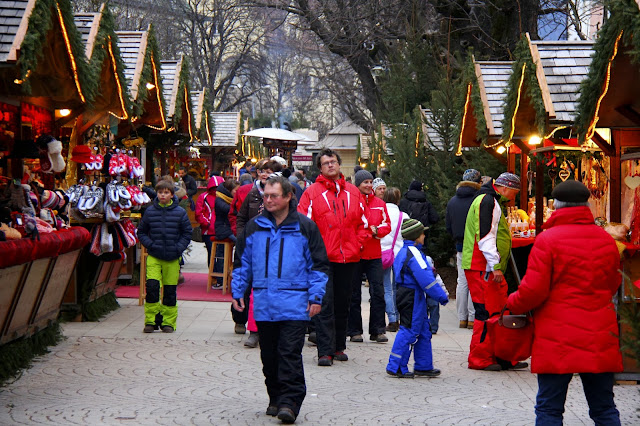
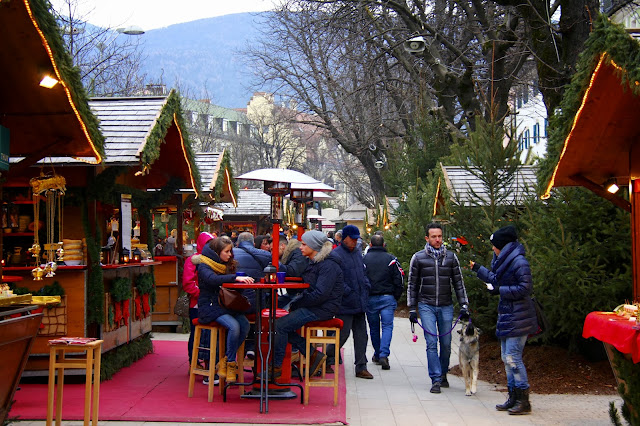
Our second stop of the second day was Brunico. We strolled through the markets and then through the city streets. It was a beautiful town, but the markets were small in comparison to the other towns – so we didn’t spend a tremendous amount of time here.
The market surrounded the outer wall of the main city street
They had some great stands with local food and crafts
As usual, the busiest stands were the ones serving the drinks
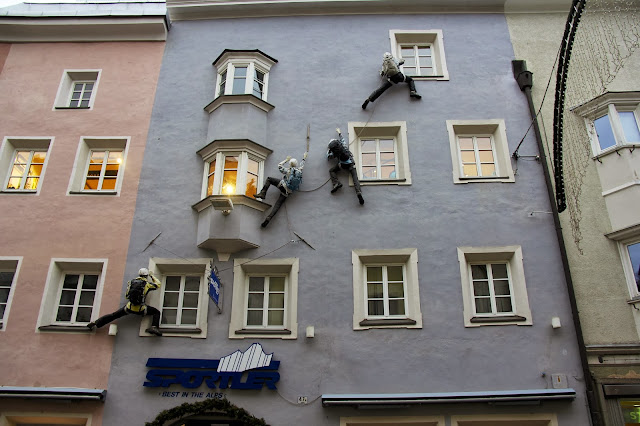
I just loved this outdoor sports store’s display
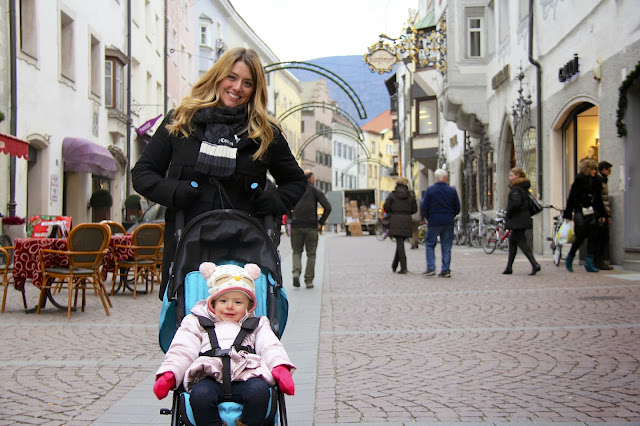
Jen and Julia in the center of Brunico
BOLZANO (Bozen)
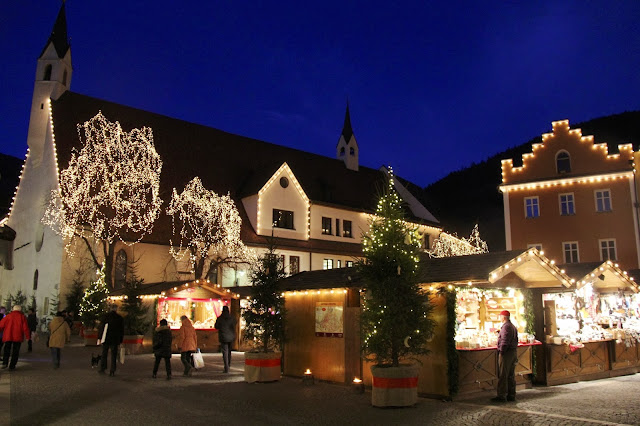
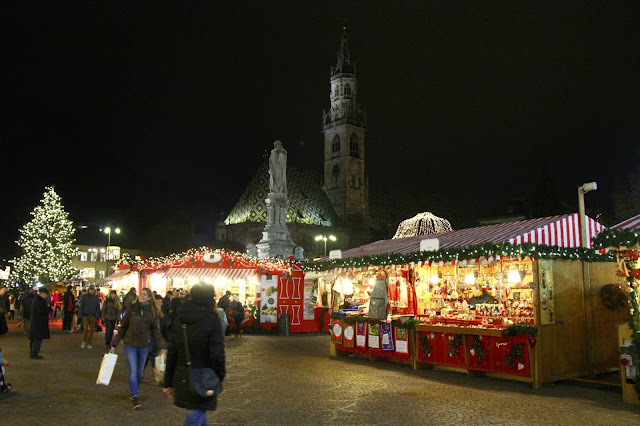
We didn’t think that anything could top Bressanone, which we had seen the night before. We were wrong. We arrived in Bolzano after nightfall and our eyes opened wide as we walked into the center square. Of all the towns, this one had the biggest Christmas market by far. They had the most decorations. They had the best rides for kids (a toy train that Julia loved riding). In conclusion, one could say they had the most charm. Beyond the markets, we loved losing ourselves in the city streets, taking in the restaurants and the shops. We had a wonderful dinner and walked some more. It was the perfect end to a fun-filled day.
The markets and main church of Bolzano
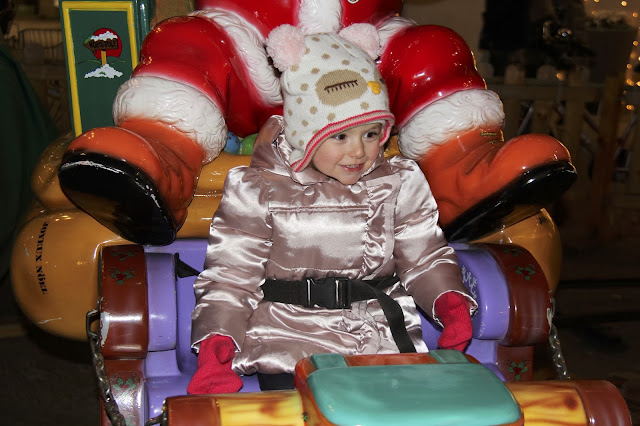
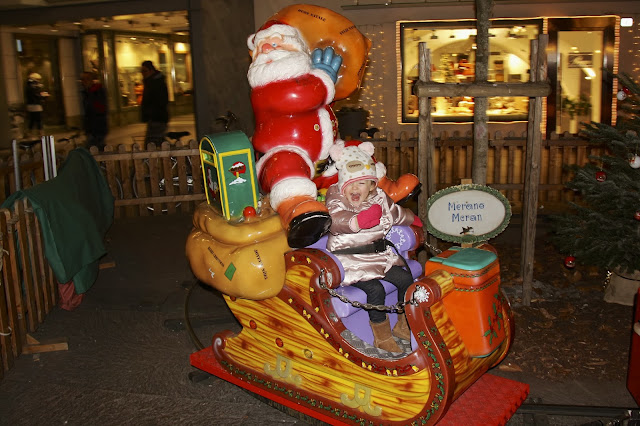
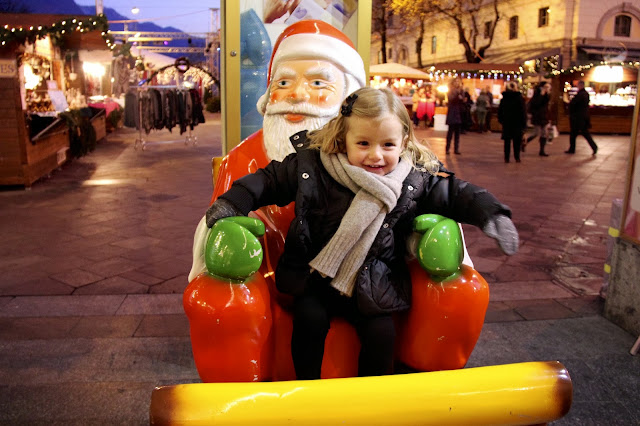
Julia goes for a train ride on Santa’s sleigh
For a kid that’s always happy, I’ve never seen her this tickled
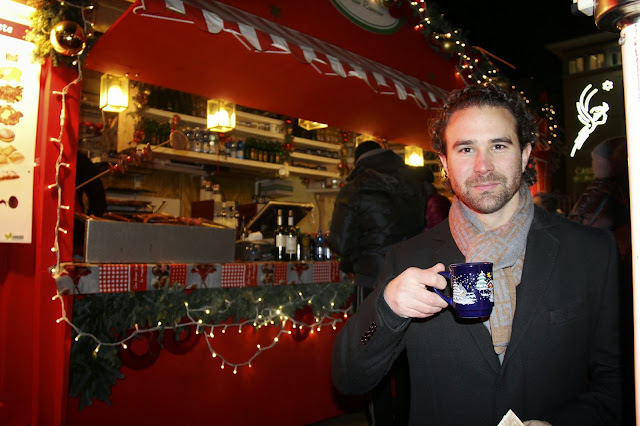
We stopped for a little vin brulé
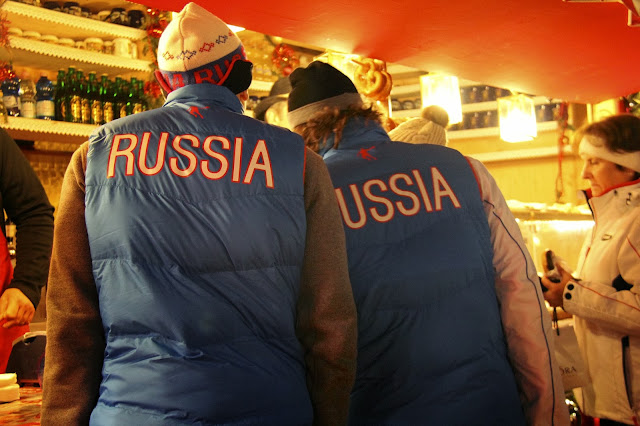
Looks like the Russian hockey team also wanted a little vin brulé to warm up
They had a secret Christmas garden off the main piazza
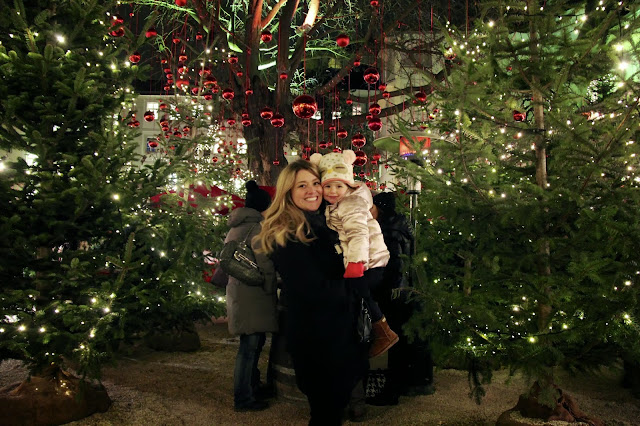
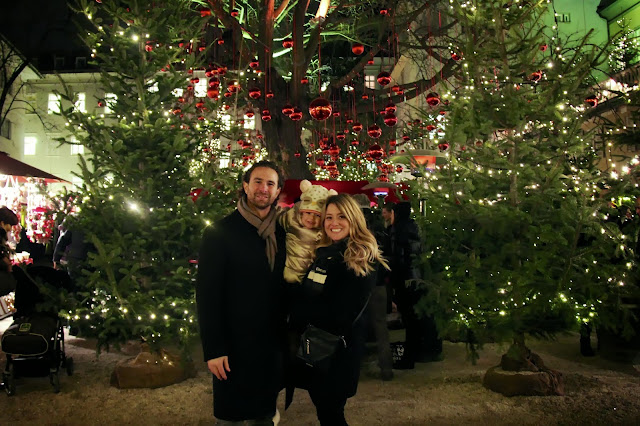
Family photo in the garden
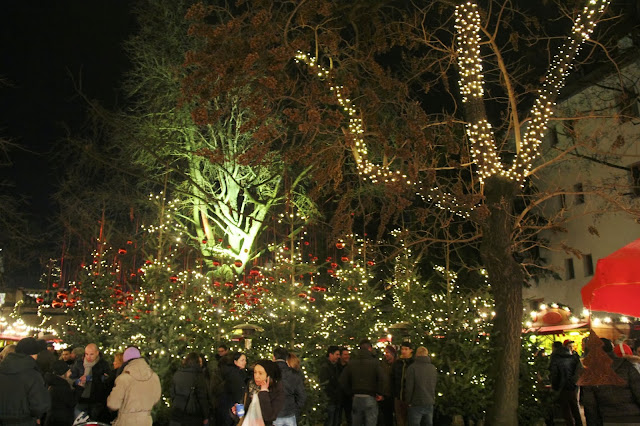
Vendors and crowds flanked the garden made out of Christmas trees, lights and ornaments
Julia floats through the trees
We just loved the garden
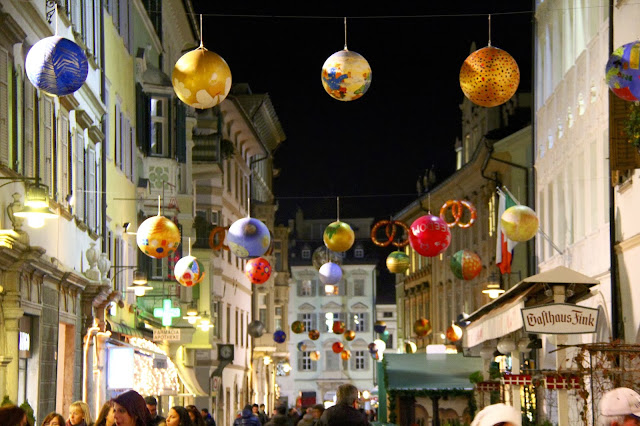
Big ornaments on this street were a nice surprise from the lights that are usually strung across
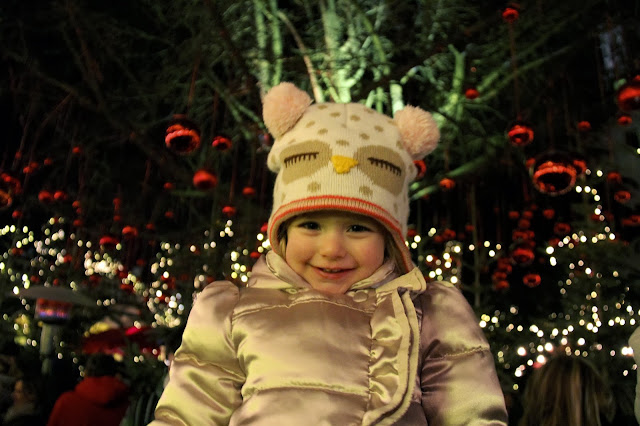
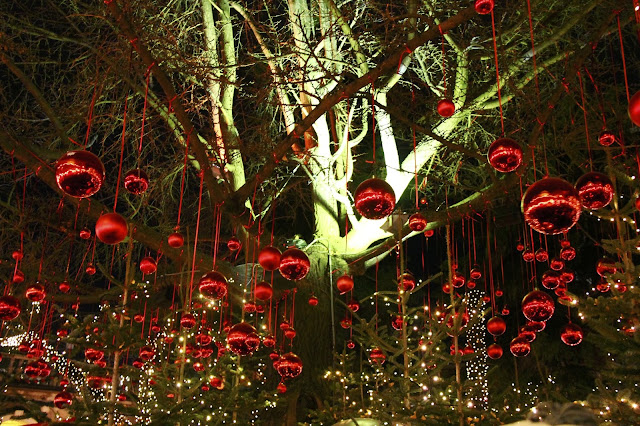
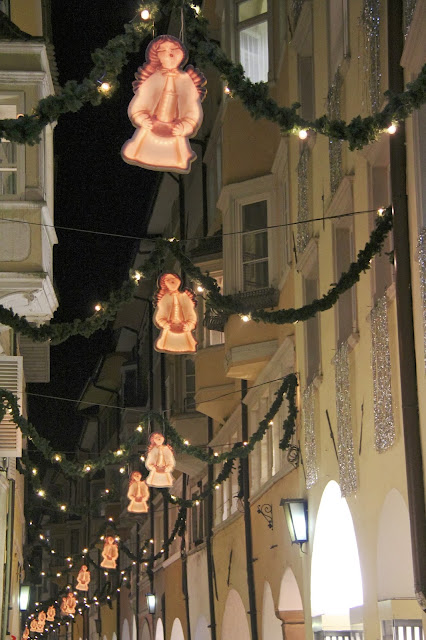
Angels glide across the rooftops
Sadly, our final day was marred by a heavy rain. Our final two stops, Merano and then Trento (two of the places we were most excited about) were unfortunately, scratched from our trip. We didn’t think it would be nearly as much fun to walk around in the rain. If you do decide to take my “Five Diamond Christmas Tour” – do as I say, not as I do. Stick to my original itinerary (Vipiteno, Bressanone, Brunico, Bolzano,Merano and then Trento) and be sure to check the weather forecast!
You may have recently read that our Christmas spirit was put into gear when we attended a Milanese festival early in December. We continued our drive toward Santa’s big day by slipping into second gear and crossing the border into neighboring Switzerland. Our Christmas spirit grew as we set out to enjoy one of the things we love most about Europe in December – the Christmas markets.
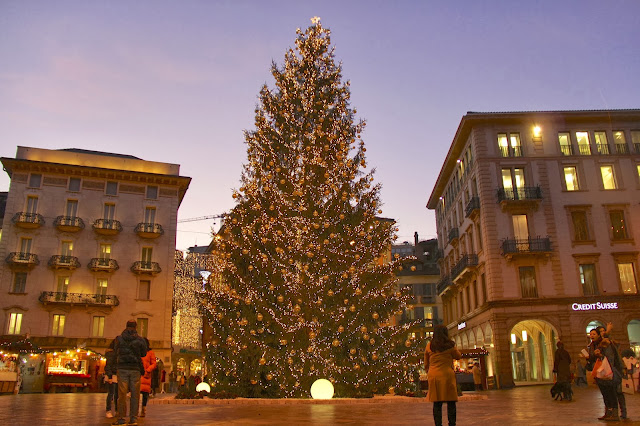
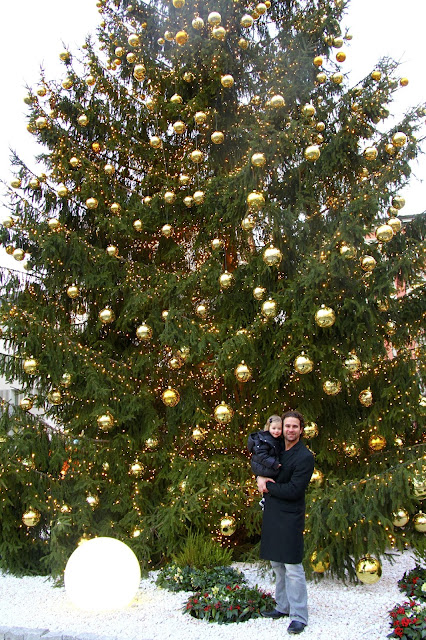
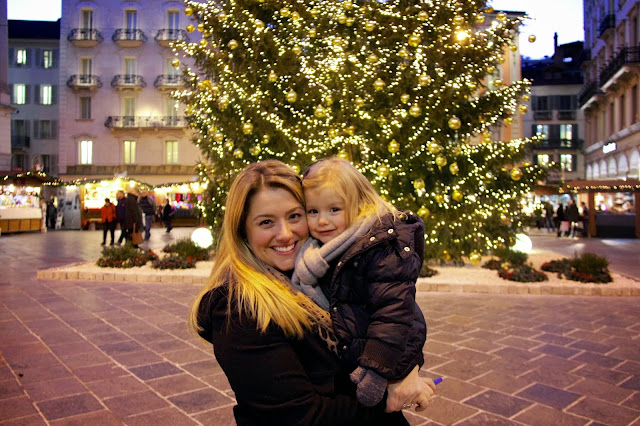
Christmas trees like this are in cities all over Europe – this is in the main piazza of Lugano, Switzerland
It just so happens that one of our favorite things about living in Italy is access to wonderful markets year round. In the spring and summer, we can stroll the markets to buy fresh vegetables and aged cheese. In the fall, we can purchase delicious homemade jams and carefully crafted grappa. However, the winter markets are undoubtedly our favorite. The backdrop is perfect – streets framed with Christmas lights. Good cheer around every turn. Wonderful food and beautiful artisanal goods at each stand. Beyond that, it is perfectly acceptable to walk around drinking the specialty drink of the season, vin brulé. This cooked wine is seasoned with sugar and spices – designed to warm your hands and belly as well as comfort your soul. No market visit on a cold December day would be complete without a cup (or two).
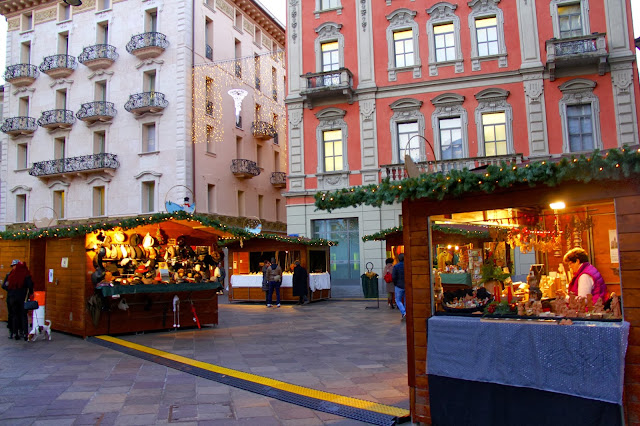
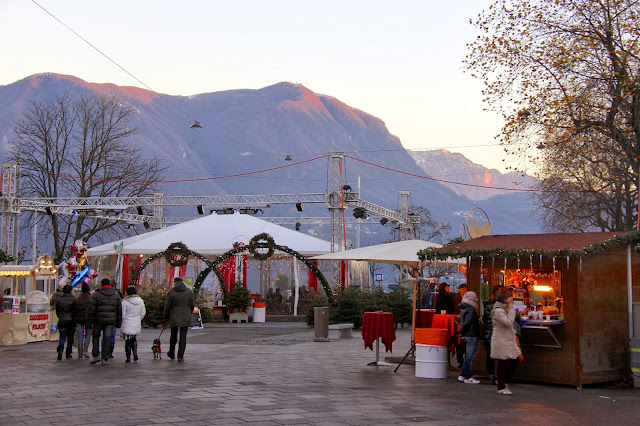
A few of the vendors set up in the piazza
Soon, I will feature one of our favorite towns to visit during Christmas – our very own Lake Como. Before we do that, I’ll showcase another lake town that we love – Lugano, Switzerland. The Swiss do a lot of things right. They’ve pretty much nailed watches, chocolate and banking. They have some of the worlds most beautiful lakes and best mountains. Beyond that, we have discovered that they play host to some of the world’s greatest Christmas markets.
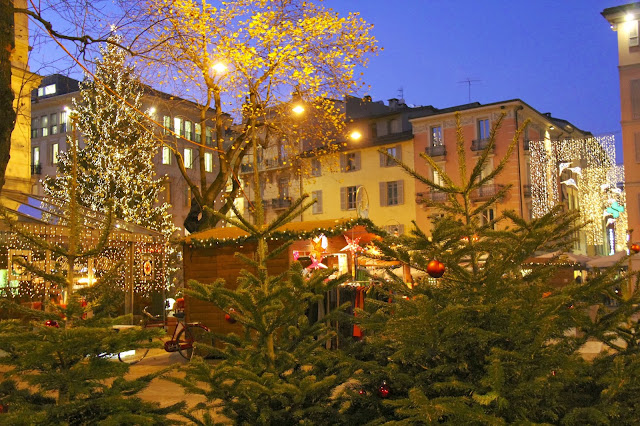
You can just feel the Christmas spirit walking around
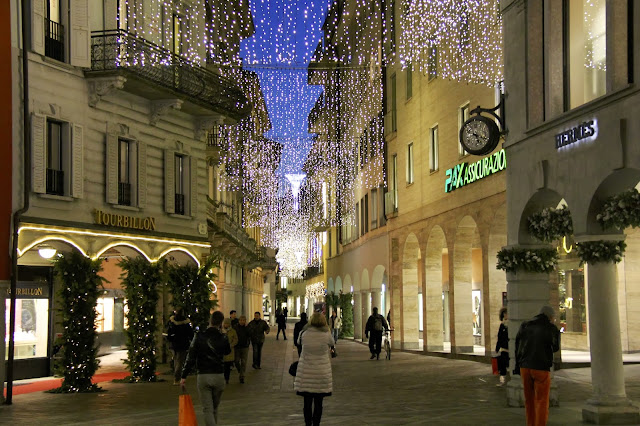
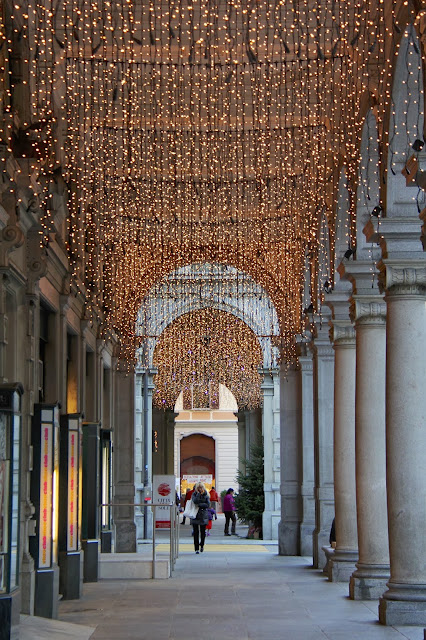
The always beautiful streets are enhanced with thousands of sparkling Christmas lights
Lugano is a beautiful city that sits along a lake with the same name, Lago di Lugano. In one of the world’s wealthy countries – Lugano stands out as one of it’s richest cities. The charming city and popular tourist destination recently garnered worldwide fame, brought on by America’s favorite mega star – Oprah Winfrey. You may recall a tale that spread like wildfire this past summer (well, it did here anyway). Oprah was shopping and asked to see a purse, but was refused because the the clerk (not knowing whom she was serving) told her in no uncertain terms that, “it was out of her price range“. Strange, I was told the same thing when I asked to see the very same purse!
Lights frame the arches of a building’s walkway
Julia and dad in front of the tree
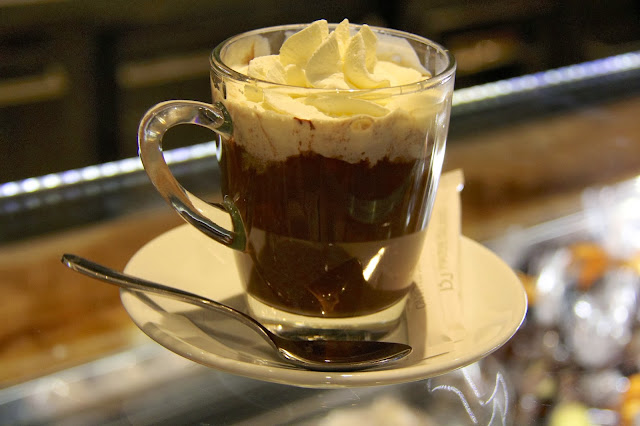
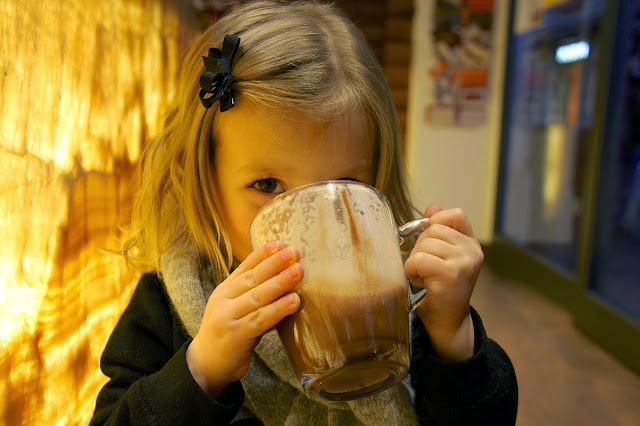
We arrived in Lugano in the afternoon, but stayed long enough to watch the sun set over the mountains. The Christmas lights blazed bright and we felt the joy of the season deep in our cores. We strolled through the market and decided to enjoy a Swiss specialty – hot chocolate. In Italy and in Switzerland, the hot chocolate is very thick – almost syrupy. I’m not usually a fan, but there is a shop in the Lugano’s piazza that makes the drink perfectly (still thick, but not obscenely dense and chocked full of flavor). Of course, you know that you’re in Lugano when you pay roughly $8 for a cup of hot chocolate and another $3 for the extra whipped cream that your daughter insists on ordering.
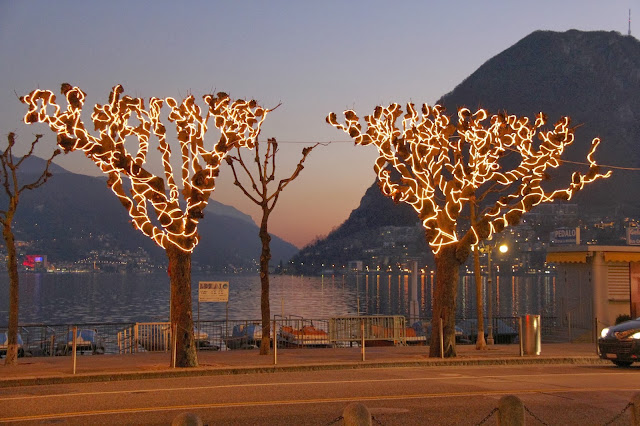
The sun sets on the mountains behind the lake
The trees are trimmed back during the winter, but that doesn’t mean they can’t use a little seasonal festivity
Miss Julia
The thick hot chocolate of Switzerland
Julia sure seemed to enjoy it
A tight squeeze in the piazza
They don’t have your “mall Santa” here so we had to improvise. We had her tell this Santa what she wanted
We returned home to Italy full of Christmas spirit, eagerly discussing our upcoming tour of Italy’s best markets and towns for the holidays. But before we drove to the Trentino Alto-Adige region of Italy, I had an early present to unwrap. I had to practice my driving on one of Italy’s most renowned race tracks…
Living in Italy grants us access to a lot of great restaurants. We fully take advantage of that and eat at… a lot of great restaurants. I recently read that 75% of the food in Italy is great and 25% of the food is exceptional. I would agree with that – most meals leave you feeling completely satisfied and pleased with the overall experience. But occasionally, you’ll find yourself “mmm’ing” and “aahhh’ing” with more delight than you intended to express aloud.
We can usually spot these exceptional places before we’ve walked in the door. We may have heard about the joint from a friend or relative. It’s possible I’ve read about it on the internet or a travel book. Or sometimes, we just walk into a place and the intense amount of “old-world charm” smacks us in the face. We’re greeted by a little nonna (grandma) who then scurries to the back to cook our meal – and we just know that we are in for a treat. Since it is usually one of those three paths that lead to our exceptional meals, I had all but dismissed, Osteria da Clo’ Filomena when we made our reservation. The reason for the swift dismissal, you ask? Well, the restaurant was in our B&B, in a remote part of Emilia-Romagna, surrounded by nothing by small villages and towns. I’m usually quick to dismiss restaurants in hotels anyway, with a few exceptions. Furthermore, the place was empty. I wasn’t surprised, because it would probably be a 20-30 minute drive for most patrons to arrive. I assumed that the restaurant was in place, merely to service the guests of the hotel and therefore had to serve mediocre food (which, if you remember still falls into the 80% “great” category).
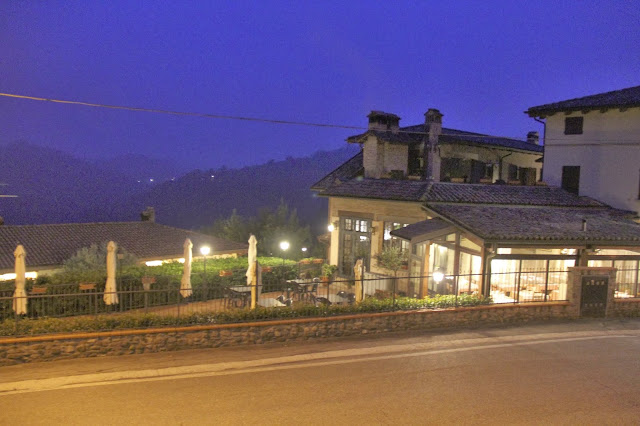
The Osteria at night – the outdoor patio is used in the spring
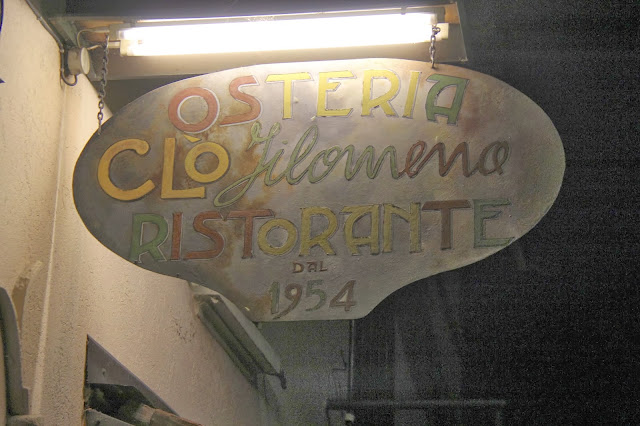
The ristorante opened in 1954
I am happy to say that I have never been so wrong! And we weren’t the only ones in on the secret – by the time we left, the place was nearly full. People had been coming in from [presumably] all over – from towns and villages several miles away. The waiters, two young men (I regret not getting their names) were very helpful and pleasant. Our server spoke fluent English, but indulged me and kept the conversation in Italian until I really needed the help on a word or two.
Our group decided that we would order several dishes and that we would be generous with each other when it came time to share. There were too many things to taste to keep each dish all to ourselves. Our group? Four weary travelers (and a baby past her bedtime), comprised of myself and Jen as well as my aunt Deborah and uncle S, visiting from the States (read about their trip HERE and HERE).
Antipasti
For the antipasti (appetizer), each couple elected to order the:
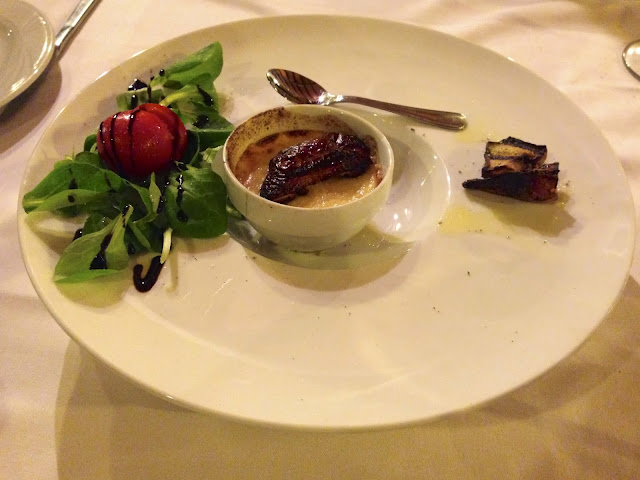
Creme Brulè ai Quattro Formaggi con Porcini e Balsamico
Four Cheese Creme Brulè with Porcini Mushrooms and Balsamic Vinegar
This dish was so tasty, we asked what the four cheeses were so that we could attempt to recreate it at home
Primi Piatti
For our primo (first course), each couple shared a pasta:
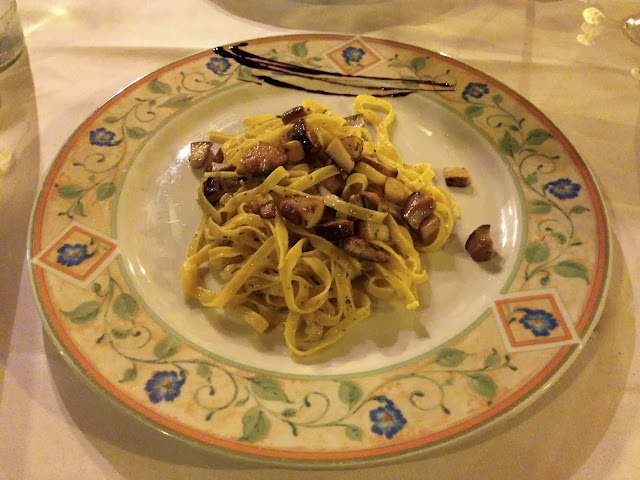
Tagliatelle ai Fungi Porcini (S and Deborah)
Tagliatelle Pasta with Porcini Mushrooms
Dishes with porcini mushrooms were among the restaurant’s specialties
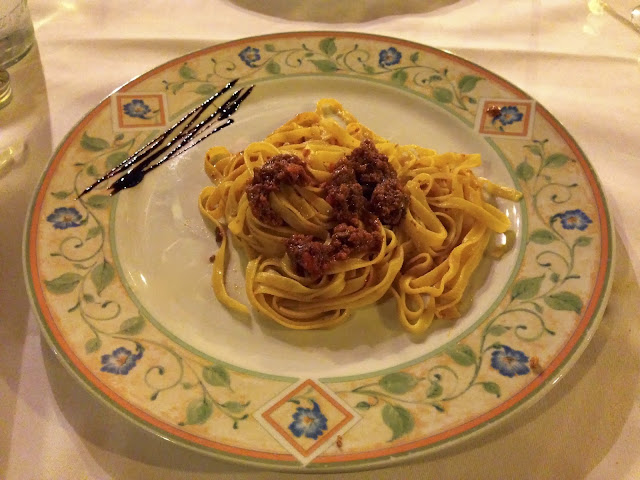
Tagliatelle al Ragù alla Bolognese (Greg and Jen)
Tagliatelle Pasta with a Meat Ragù
Jen and I like to try classic examples of Bolognese – it is a dish that has subtle changes across various regions of Italy
Secondi Piatti Tipici
For our secondo (main course), each couple shared once again:
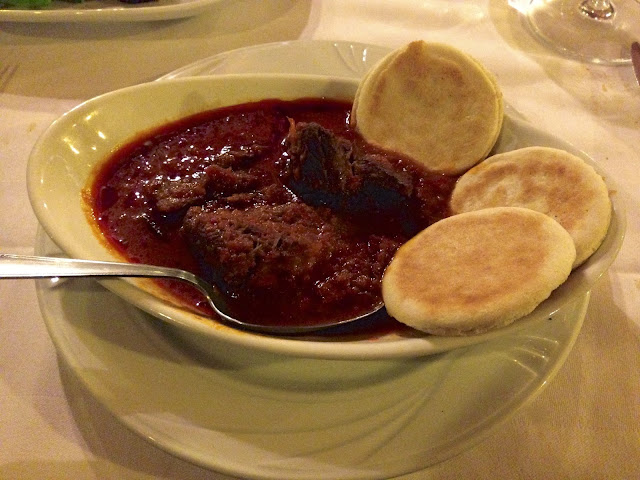
Spezzatino Rosso di Cinghiale con Tigelle (S and Deborah)
Red Stew of Boar with Tigelle Tigelle is a bread that looks like a small pancake, local to the region
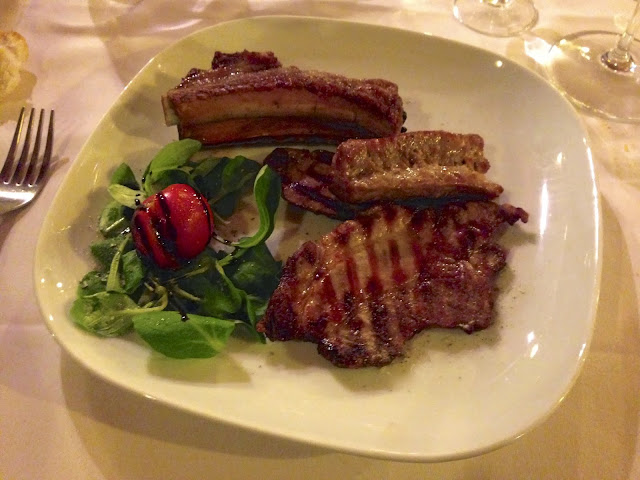
Grigliata Mista di Maiale (Greg and Jen)
Mixed Grill of Pork
This is a fairly common dish throughout Italy, but this was superior to most – perfectly seasoned and tender
Contorni
For our side dishes we selected:
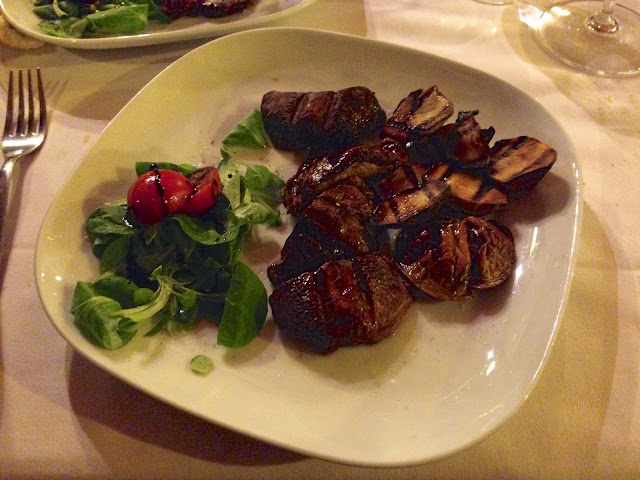
Funghi Porcini Grigliata (a seasonal dish)
Grilled Porcini Mushrooms
This dish is only served during “mushroom season” (September, October, November)
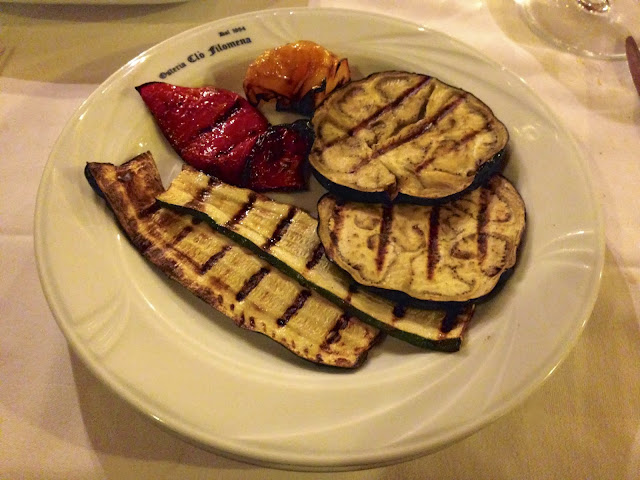
Verdure alla Griglia
Grilled Vegetables
A simple and healthy selection from the grill
Dolce
For me, dessert is usually the weakest part of the meal – I was proved wrong once again. I had to tell myself over and over that it was impolite to pick my plate and lick the remaining chocolate residue. We all shared:
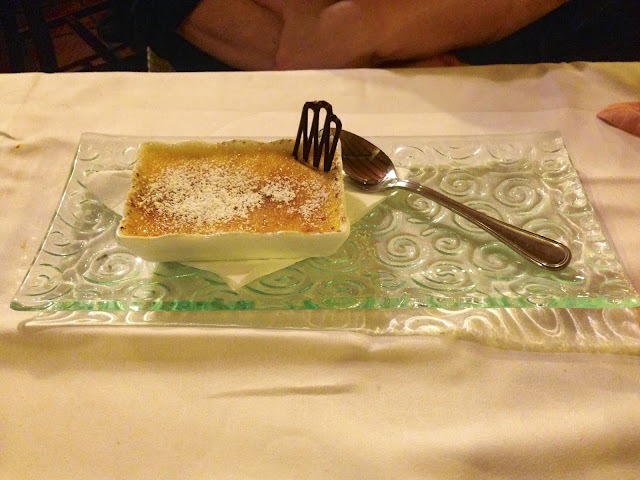
Creme Brulè
Creme Brulè
As delicious as it looks
Torta al Cioccolato di Lave
Chocolate “Lava” Cake
Jen had to restrain me from licking the plate
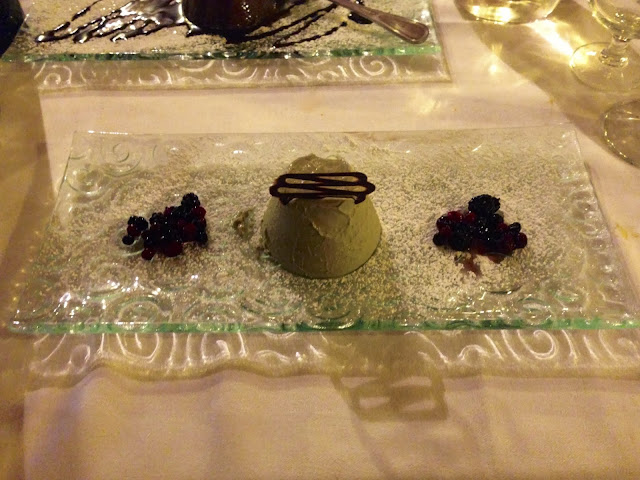
Torta di Pistacchio
Pistachio Cake
I’m not a huge pistachio fan, so it came as no surprise that this was my least favorite of the trio
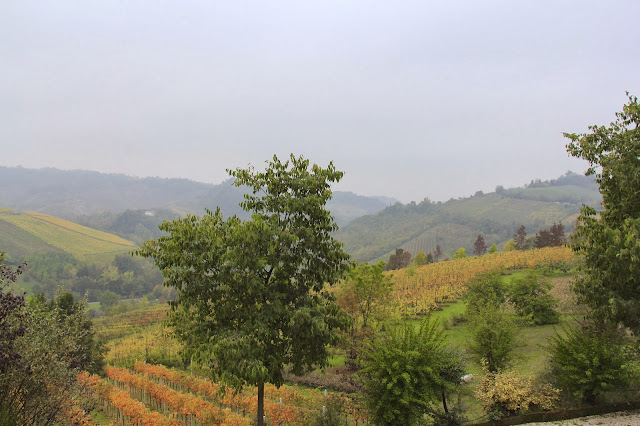
We were fortunate to have found, Osteria da Clo’ Filomena as a byproduct of first discovering the hotel in which we were staying, La Locanda Gli Ulivi. From what I could gather, the restaurant was established first, in 1954 – and is still the main draw on the property. The hotel is a charming B&B, set just far enough away from Modena and Bologna that you can’t help but become immersed in the nature and hills of vineyards.
The rolling vineyards behind Osteria da Clo’ Filomena
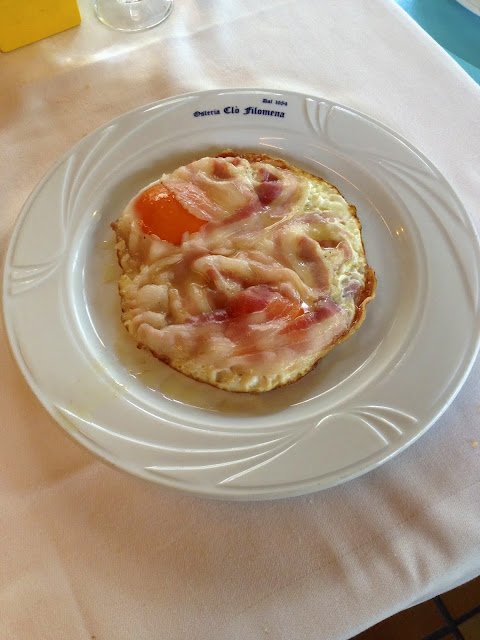
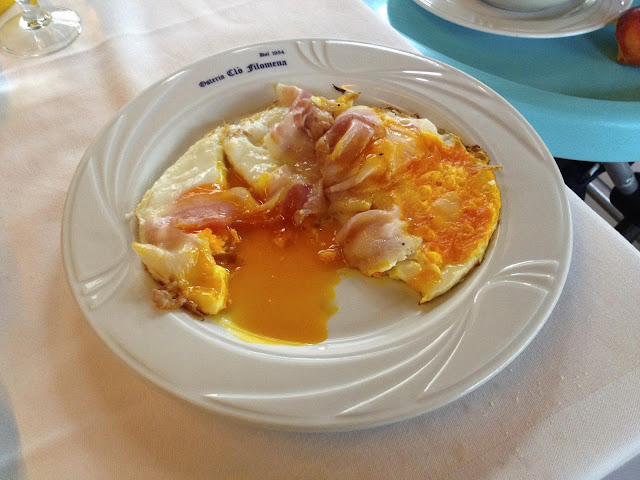
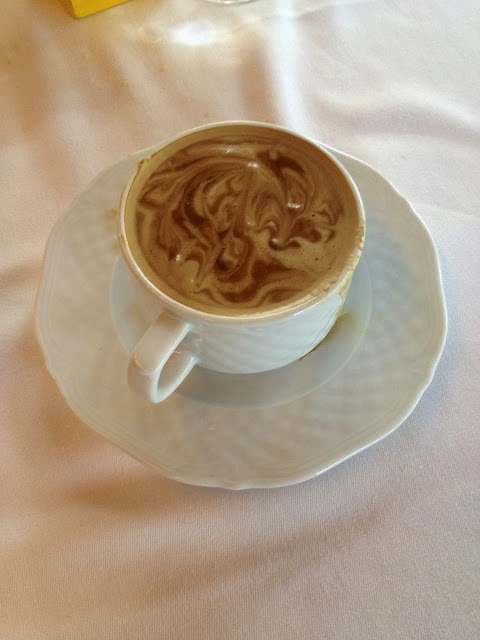
In the summer, a small waterfall cascades on the patio as diners eat under a setting sun and in the winter the fireplace is always glowing – warming the patrons next to the chestnut wood tables. If you stay at the hotel, you can expect a breakfast as delicious as the one pictured below.
Eggs, made to order
Perfectly cooked with delicious pancetta
Cappuccino con doppio espresso (cappuccino with double espresso)
Next time you’re in Emilia-Romanga, stop by and have a meal. Be sure to tell everyone that we said, “ciao!”