I recently realized that our “Home Cooking” section of the blog was growing the slowest throughout the entire site. I’m only partly ashamed to admit that the one consistent about our trip is that we’ve been indulging in some of the most amazing food we’ve ever had. However, my OCD recently kicked in when I noticed all our food posts landed in the “Restaurant” or “Jen’s Kitchen” sections. So, in an effort to right this wrong… here is one very memorable home-cooked meal we hosted a little while ago.
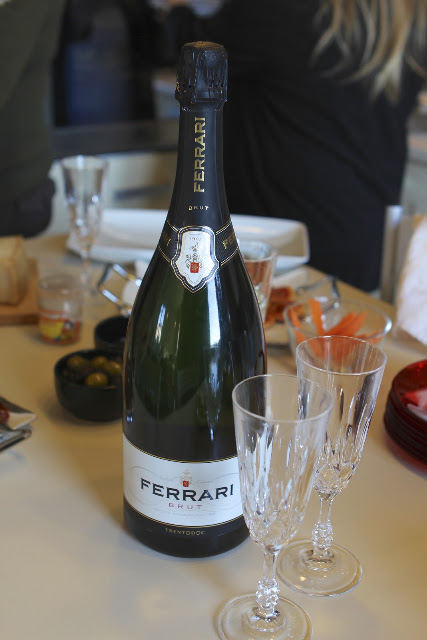
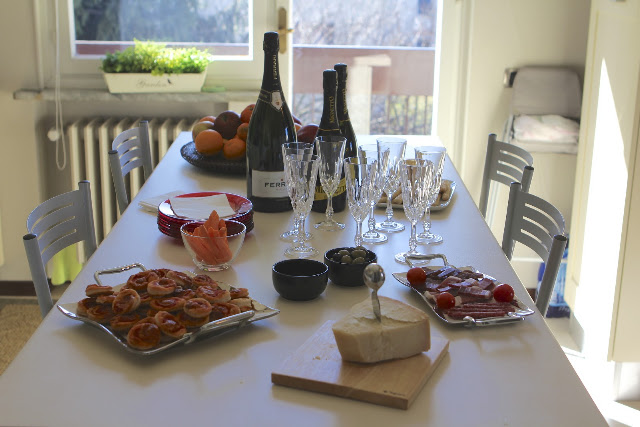
Eugenio brought a wonderful Champagne
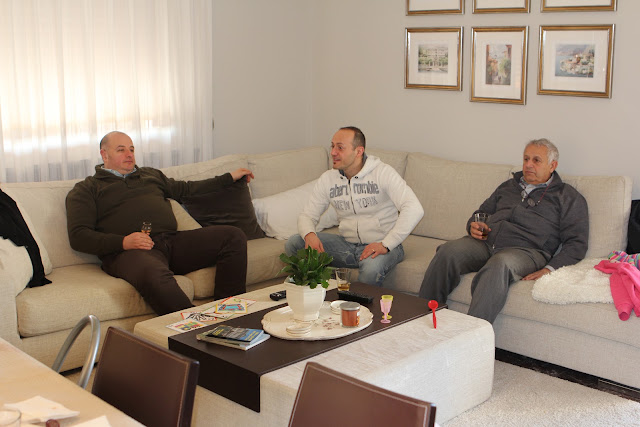
Jen has a warm and wonderful family, with whom we love spending time. Recently, her cousin Eugenio drove from Torino to spend time with us and get reacquainted with Julia. He brought his lovely girlfriend, Barbara as well.
But enough jabbering… this post is all about the food and drink!
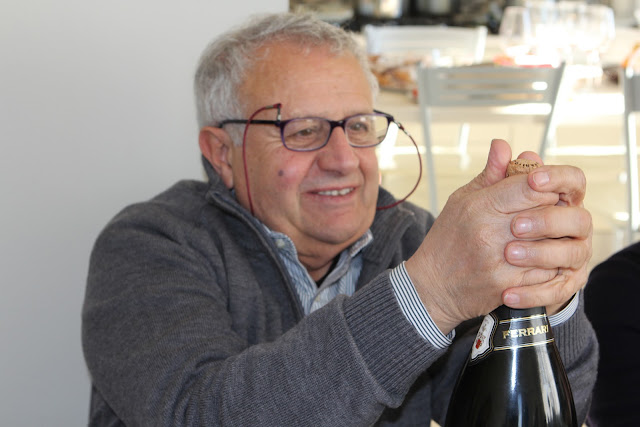
Let’s pop this cork and get the party started!
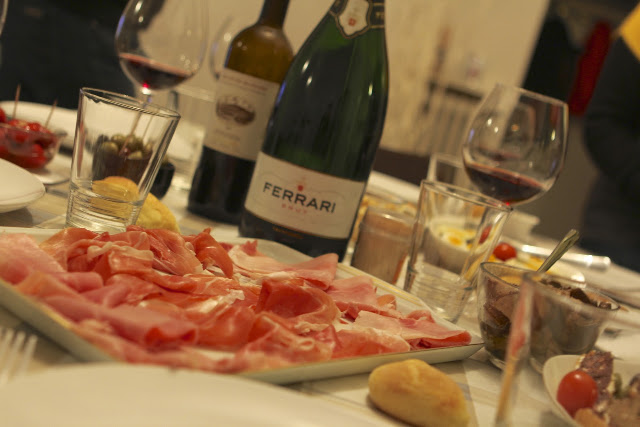
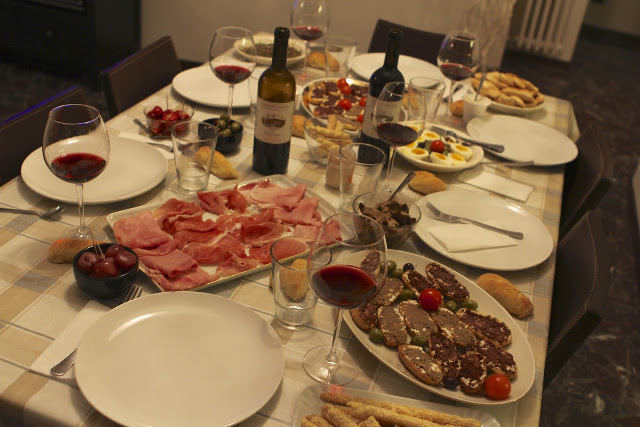
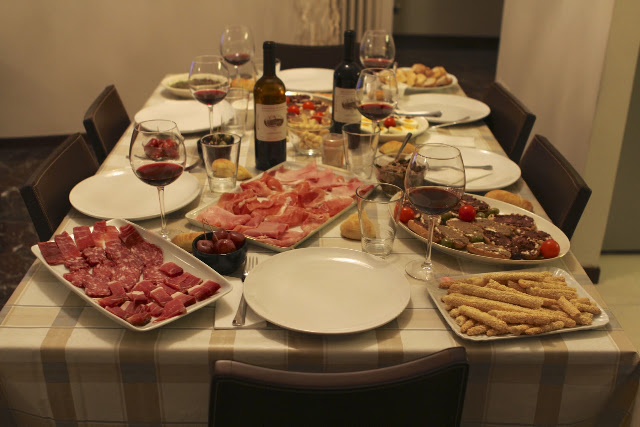
The night Eugenio and Barbara arrived, we set out a light dinner – just some typical Italian antipasti to nibble on, as well as some regional snacks we all like to enjoy.
Eugenio brought the Champagne
I think we’re going to need a bigger table
Oh wait, there was a free corner – let’s fill it with food
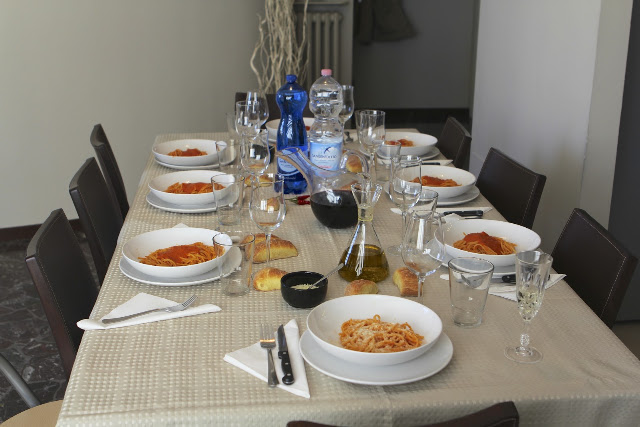
The next day, we had Jen’s cousin Massimo and his beautiful family over for a proper meal.
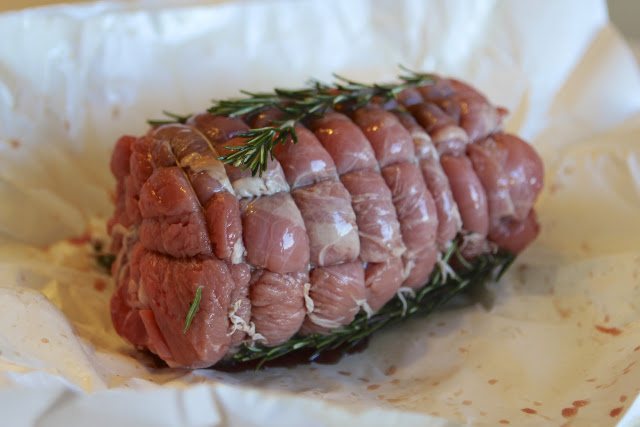
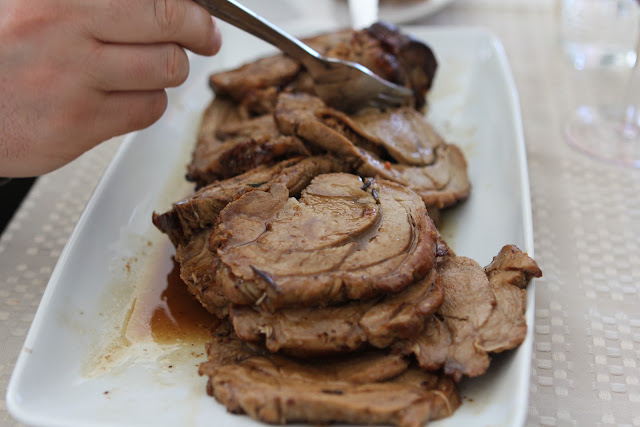
Vitello (veil) roast from our local butcher…
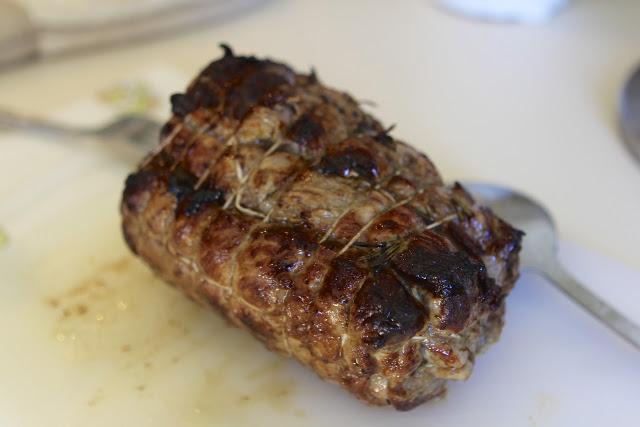
…after a nice sear
Antipasti for our guests
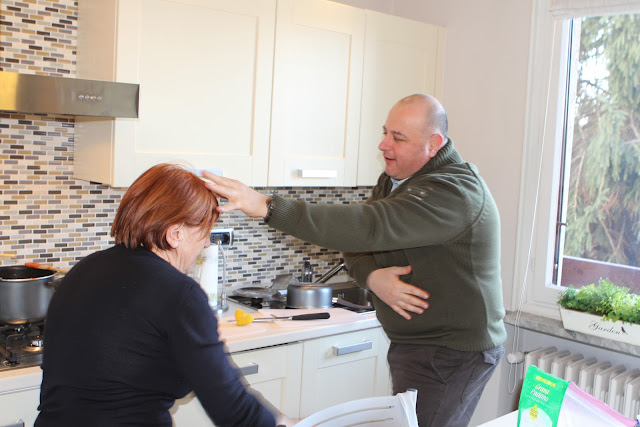
Claudia and Eugenio horsing around
Wait – who hit who?! Love both their expressions
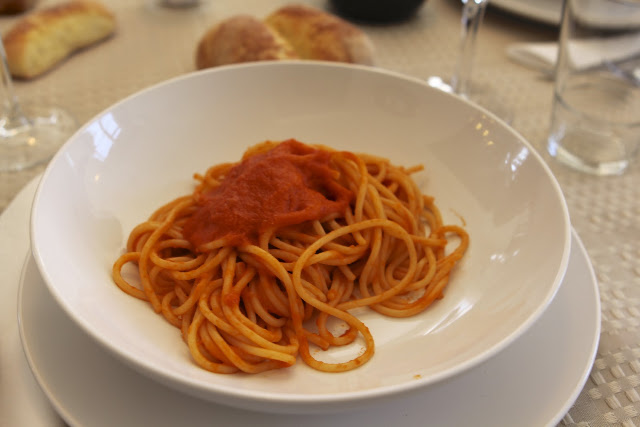
Jen made a delicious prima (first course) – pasta pomodoro
Yummy!
The secondo, our vitello (veil roast)
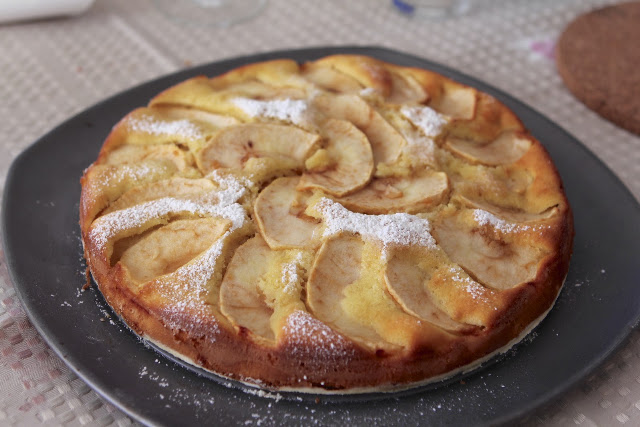
Alessandra (Massimo’s wife) made a beautiful torta
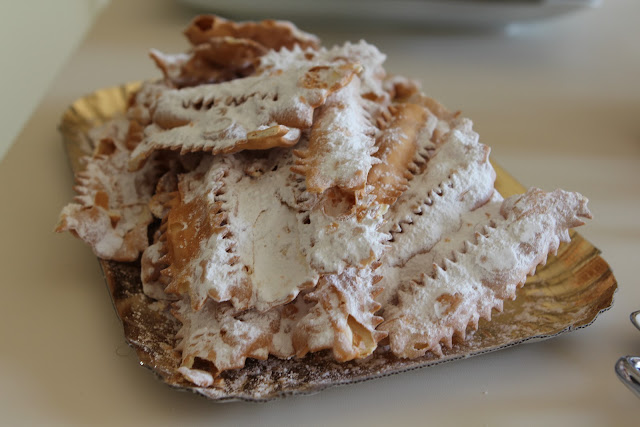
We picked up some chiacchiere
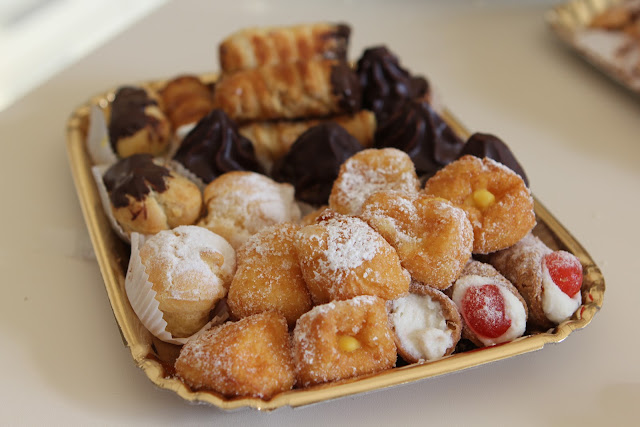
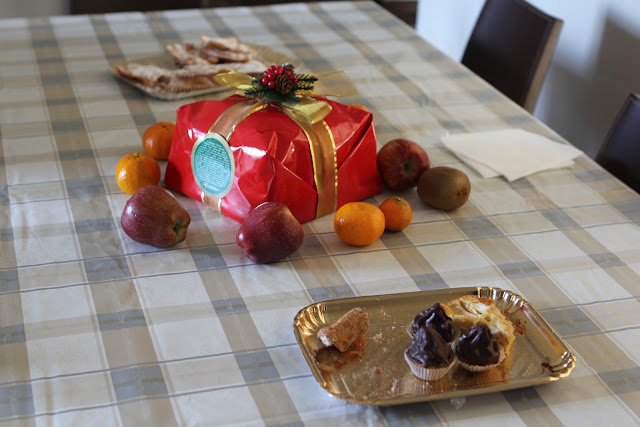
Eugenio got some additional pastries
Julia’s cousin Bea, enjoying her ice-cream
Julia stole a taste
Everyone was so stuffed we needed a break with some scotch
It’s not a party unless you serve a second dessert
It was a wonderful weekend filled with too many delicious treats. Hopefully you were able to enjoy as well.
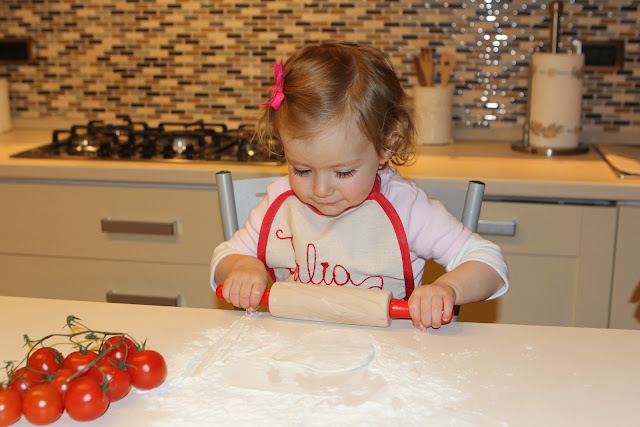
Here is something my Mom, Greg and I all have in common…we love Pizza. And pizza in Italy is the best! Pizza originated in Italy and they have continued to perfect the art ever since. When my Mom was in town we decided to make our own versions of our favorite pizza’s at home. We had so much fun and Julia even got in on the action.
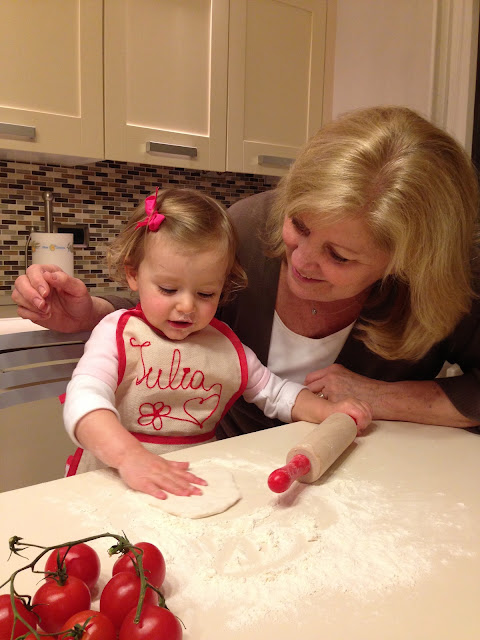
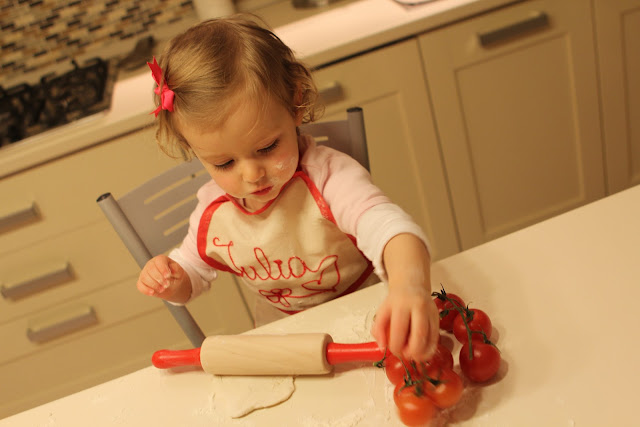
Rolling out her dough
When I told my uncle our plan to try to duplicate our favorite pizza’s at home he gave us a brief history lesson on the pizza. As it turns out, pizza started as a flatbread consumed by many people in Europe. In 16th century this was a common meal sold on the streets to the poor throughout Naples. It was an inexpensive dish that offered many different types of toppings. Credit for the first Margherita pizza is given to pizza maker Raffaele Esposito of Naples. The story is that in June of 1889 to honor the Queen consort of Italy, Margherita of Savoy, he created a “Pizza Margherita” for the Queen (I had to get that from Wiki – History of Pizza) . This pizza consisted of tomatoes, mozzarella cheese and basil to represent the colors of the Italian flag. Thank you Raffaele! Today people around the world enjoy this simple but delicious pizza.
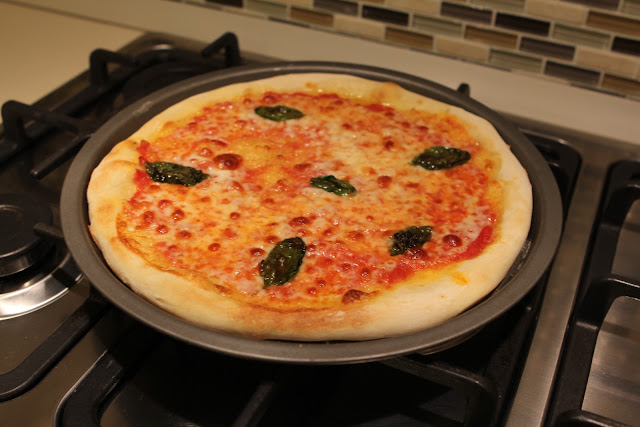
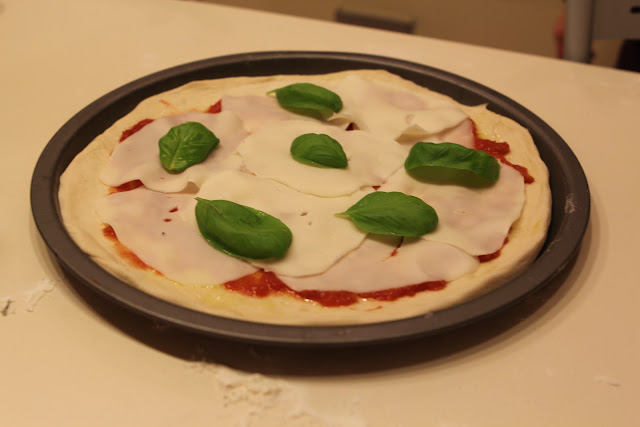
Our own Pizza Margherita
After our history lesson we were ready to prepare dinner. On the menu were our three favorite dishes. Diane’s favorite, Pizza Margarita; Greg’s, a Napoli Pizza; and my go to, Quattro Formaggi (four cheese).
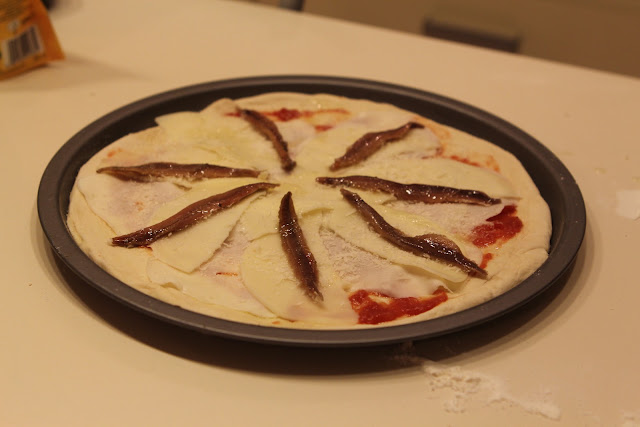
Pizza Napoli
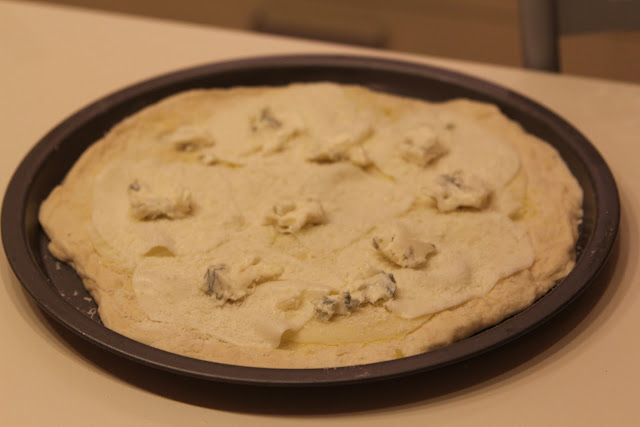
Quattro formaggio
We wanted dinner to be “easy” so we opted for store bought pizza dough. We will try making the dough another day. We also don’t have any fancy pizza stones or brick ovens here but we managed to create a crispy crust and pretty darn good pizza. Here is what we did:
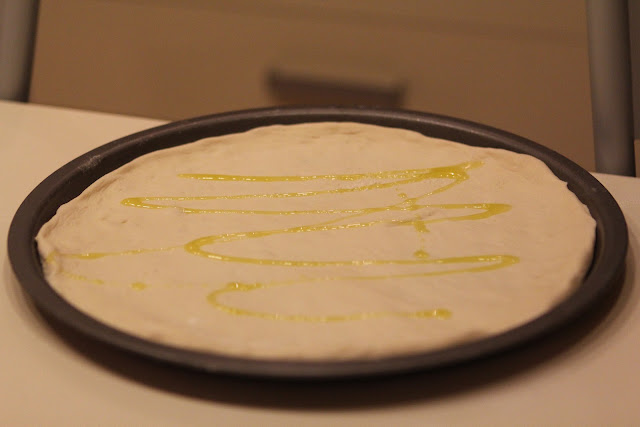
All of the pizza’s started off with the same crust. Coat the baking pan with a little bit of olive oil so that the dough doesn’t stick. Instead of rolling out the dough we used our hands to stretch it and work it into a circle for the baking sheet. Once on the baking sheet we used a fork to poke a few holes in the dough (to prevent bubbles). Next we drizzled some olive oil and added some sea salt. Below is how to make the different types of pizza.
Drizzle olive oil on the dough
Pizza Margarita
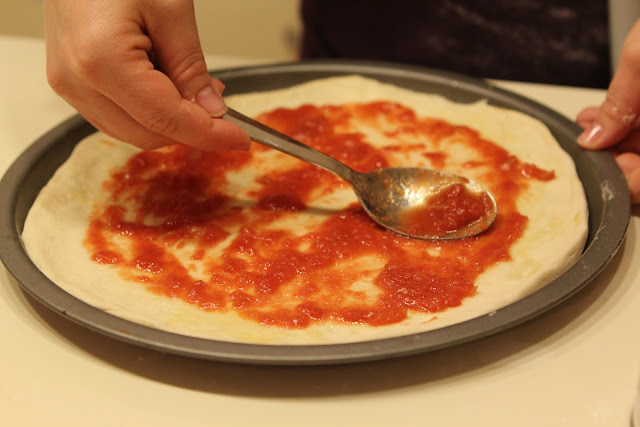
For the sauce use a can of crushed San Marzano tomatoes. Simple is always best! Next you need to add slices of mozzarella cheese and fresh basil. Or, you can also choose to add the basil to the pizza after it comes out of the oven. It’s totally up to you! Either way you end up with a beautiful red, white and green pizza.
Crushed tomatoes as the sauce
Next, add your toppings
Pizza Napoli
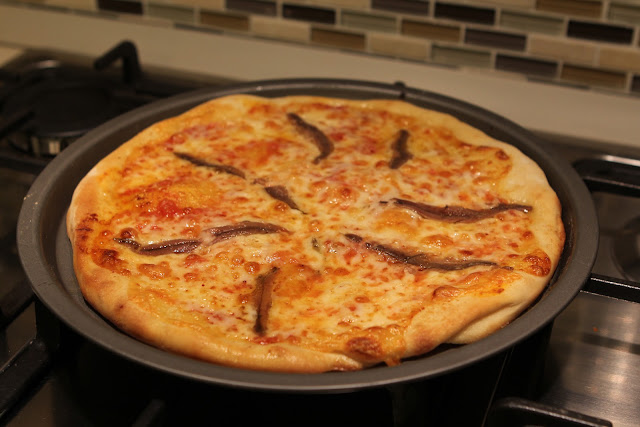
Again, for the sauce simply use a can of crushed San Marzano tomatoes. Next, add slices of mozzarella, provolone and grated parmigiano reggiano cheese. What makes this a Napoli Pizza is adding acciughe(anchovies) as the final step. Feel comfortable to arrange them in any pattern you like.
The acciughe (anchovies) – Greg’s favorite
Pizza Quattro Formaggi
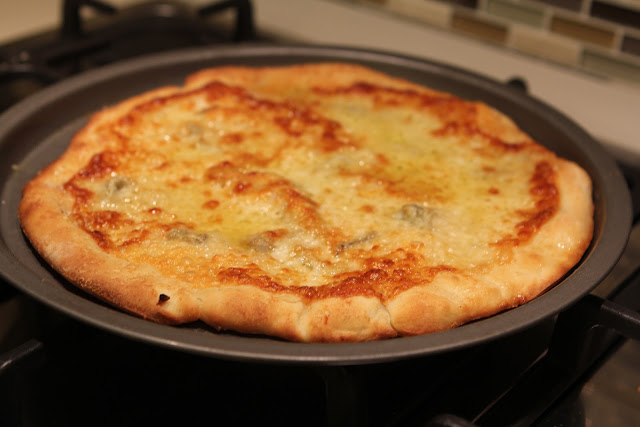
There is no need for sauce when making this pizza. Since the pizza is a four cheese, it does not need any sauce as a base. Instead, use some olive oil and crushed garlic on the dough. Our four cheese pizza consisted of mozzarella, provolone, grated parmigiano reggiano and gorgonzola cheese. Feel free to substitute any or all of the cheeses for your favorite (and if you’re feeling really crazy, make it a five or even six cheese pizza!).
Give spacing for your gorgonzola – it will melt over a large surface
All three pizza’s will cook in under 10 minutes at 425 degrees Fahrenheit. The trick is to watch the pizza and look for the crust to brown and the cheese to start to bubble. Once the crust is crispy enough to transfer, remove the pizza from the baking sheet and finish cooking it directly on the oven rack. This will give it a crispy crust without the brick oven. When you remove the pizza’s allow the cheese to cool for a few minutes before you cut and serve.
Julia and her Nonna
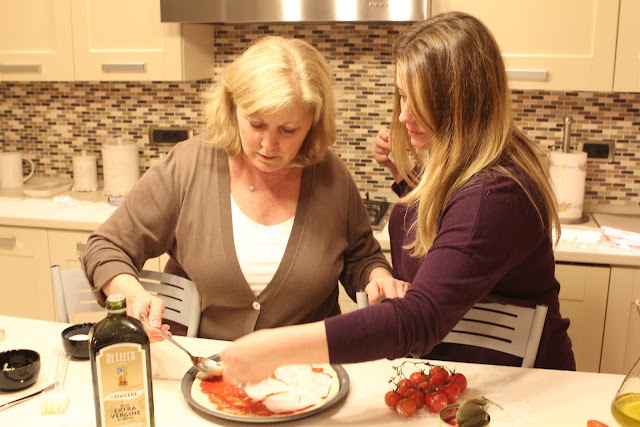
Jen and her Mom
Julia “rolling” on her own!
I hope you enjoy making pizza at your home. You can try these or invent one of your own with your favorite toppings.
I (Jen) can safely say Minestrone Soup will be a new staple in our home. I love it for many reasons. First, it’s something that I was eating as a baby when my Mom and Nonna (Grandma) would prepare it for me before I even had teeth. For that reason it’s a soup that not only warms the belly, but also warms my heart.
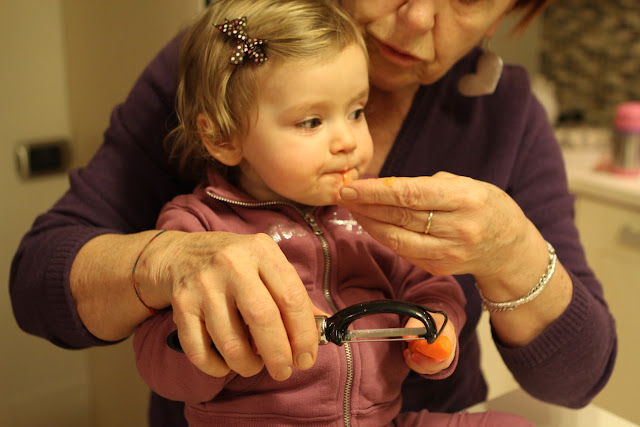
Julia enjoying some vegetables – pre-soup
I also love that it’s a hard dish to mess up. You can throw in whatever you have in your pantry and fridge and even though it may not taste exactly the same as the last time; it will always be good. I also love that I feel good about serving it to my family. It’s a healthy, complete, meatless dish that tastes good and leaves everyone feeling satisfied. I love that it works for all ages. As I mentioned I ate this as a child. This is a perfect dish to blend up for your baby once they start eating real food. And I love that now my daughter asks for this soup by name, nearly every day “mom-mom… ZUP!”
So here are very simple instructions for how to make this soup. Keep in mind I have made this a dozen times since and it’s always different. I will try to include ways I have switched it up.
INGREDIENTS
>1/4 of extra virgin olive oil, plus more garnish
>Three (3) carrots
>Two (2) sticks of celery
>One (1) small onion
>Half (1/2) vegetable bouillon cube (possibly a full cube depending on taste preference)
>Four (4) potatoes
>One (1) tomato or four (4) small cherry tomatoes
>One (1) green vegetable, on this evening I used an Italian vegetable that I don’t even know the name of. You can instead use a cup of peas or a zucchini
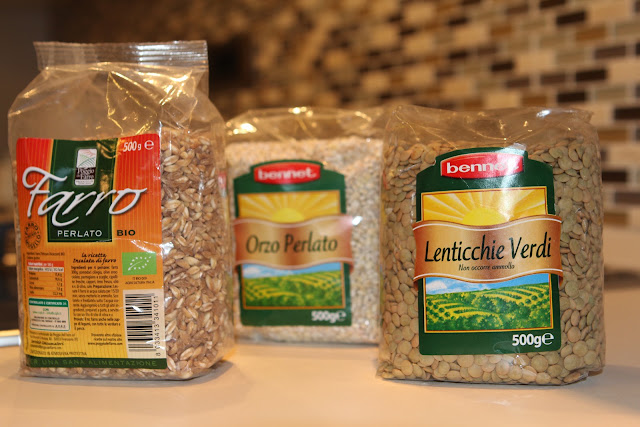
>Farro (a grain similar to barley, I think you can get this at Wholefoods)
>Green lentils
>Orzo (this is a pasta shaped like rice)
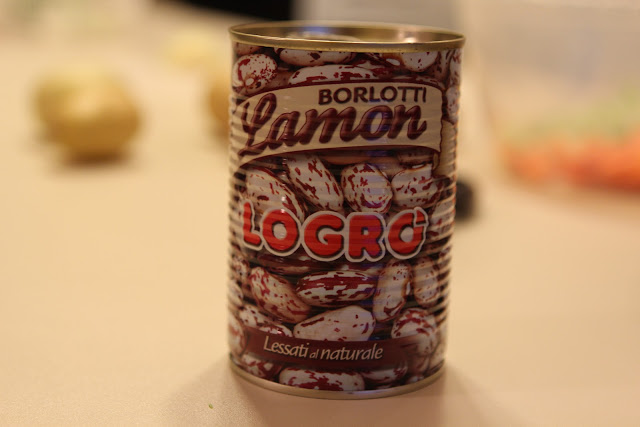
>Two (2) cans of beans, you can use the ones you like the best. I think it tastes the best when you use fresh beans though
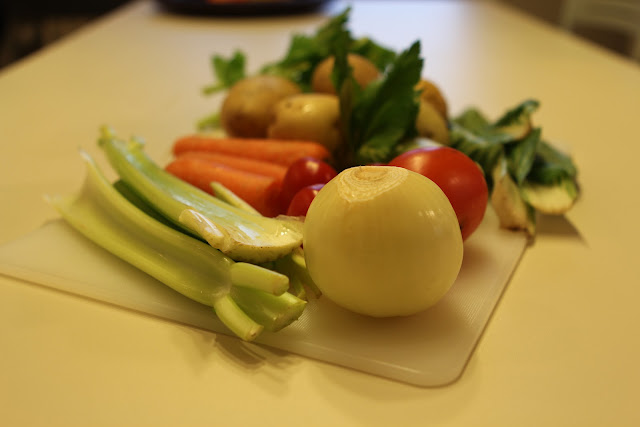
Fresh vegetables
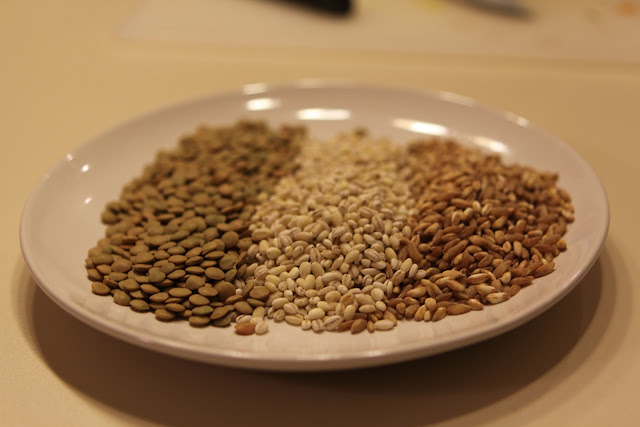
Your grains
Your beans
DIRECTIONS
My “cookbook” – pictures from Claudia making the soup earlier
>In a bowl set aside faro, orzo and lentils and let them soak.
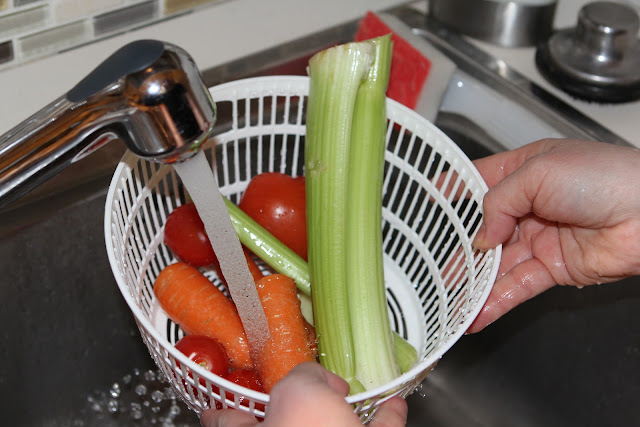
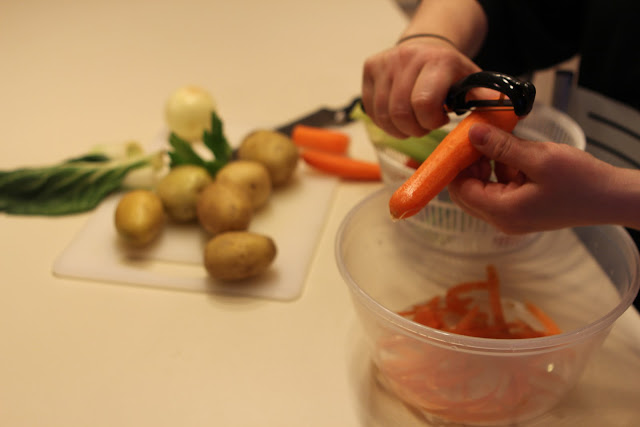
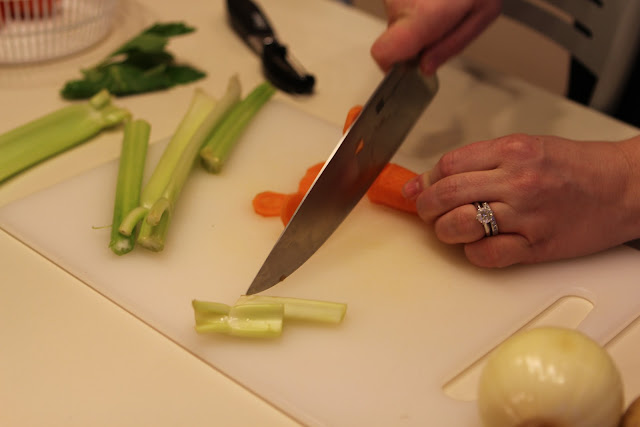
>While they soak clean vegetables and chop into bite sized pieces. I chop the onion and celery into smaller pieces.
Washing…
Peeling…
Chopping…
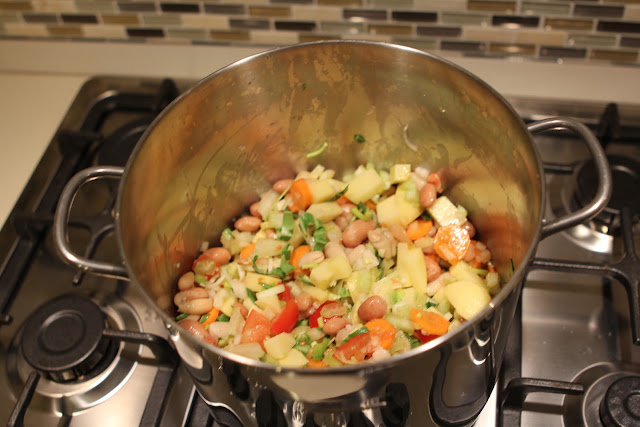
>In a large pot cover the bottom of the pan with olive oil. Add all the vegetables*, drained and cleaned beans and the rinsed farro, orzo and lentils. Cover the ingredients with water.
Place all the washed, peeled and chopped vegetables in a pot
>Bring the pot to a boil and add the bouillon cube along with about a teaspoon of salt.
>Once it is boiling turn the heat down.
>Cover the pot and let simmer for about an hour. Stir often and be careful not to let the soup burn on the bottom of the pot.
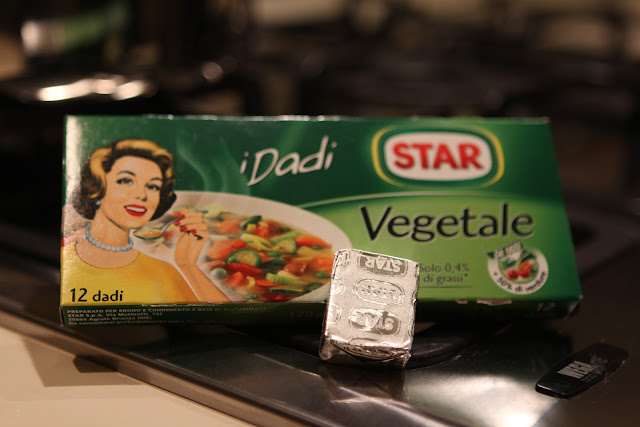
Dadi (bouillon cubes)
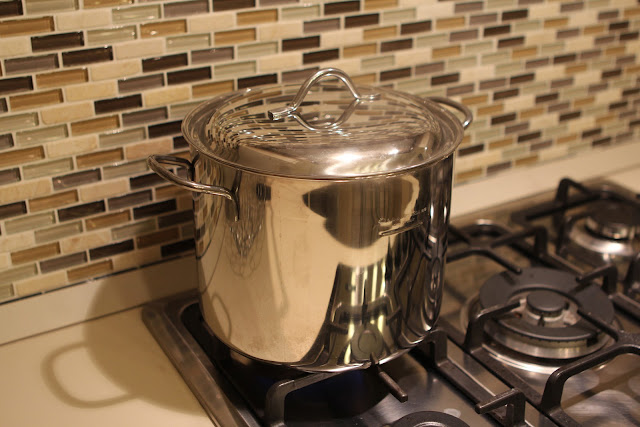
Pot simmers with the lid closed
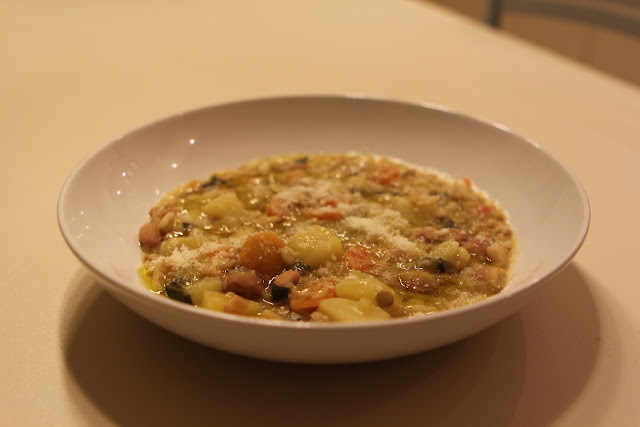
To serve, drizzle with high-quality olive oil and cover with grated parmigiano cheese.
The finished product!
ENJOY! I would love to hear how your soup turns out.
*another method is to add the finely chopped onions, celery and a single carrot (leaving the others carrots cubed) to the olive oil and cook until tender and fragrant (approximately 4 minutes). Then add all the remaining ingredients and proceed as outlined above.
Well, we have heard a lot from Greg so I thought it was time for me (Jen) to give this blogging a go. I have had a lot of people ask me how to make sauce. Growing up in an Italian family this was a staple in our house. I didn’t even know until college that most people buy pasta sauce from a jar! Sorry, but… yuck.
I am by no means an expert cook but I have had many very talented woman in my life that have taught me a lot. Until recently everything I know has been taught to me by my nonna (grandma), my mother and my mother-in-law, who are all incredibly talented in the kitchen.
Even though my Mom isn’t Italian she learned from the best Italian cook (my nonna) how to prepare all of my Dad’s favorite Italian meals. In the beginning of their marriage she made all the foods she grew up eating – good Ohio cuisine. This consisted of meat and potato cooking such as meat loaf and casseroles. Don’t get me wrong, all these foods are delicious… just not to my Dad. It wasn’t until maybe a year or so of eating this food that my Dad admitted he missed his mother’s cooking and my Mom’s path to creating mouth watering Italian dishes began. One of the best things she learned from my Nonna was how to prepare Sugo (sauce). My Nonna’s recipe requires a lot of chopping and it is time consuming to make. Since I have been living in Como I have had the opportunity to learn from another very talented woman, my Zia (Aunt) Claudia. She recently taught me a quick and easy way to make delicious sugo with ingredients you probably already have in your pantry and refrigerator. I hope you enjoy the sauce as much as everyone here enjoys eating it.
Marinara Sauce
This should be enough sauce for one pound of pasta (4 to 5 servings). I would suggest doubling the recipe and putting half in the freezer. It will save beautifully for about six months.
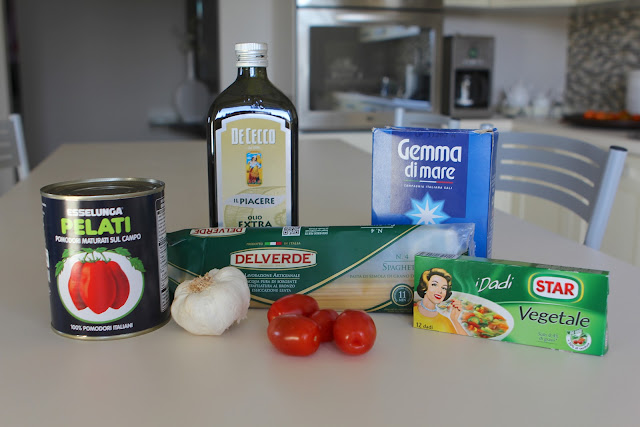
Simple ingredients you can find anywhere
INGREDIENTS
>Canned tomatoes – can be whole or chopped (must be San Marzano from Italy)
>Four (4) raw cherry tomatoes
>Two (2) Garlic cloves
>Half (1/2) bouillon cube (a quick shortcut to avoid lots of vegetable chopping)
>Extra virgin olive oil
>One (1) pound of pasta (I recommend Delverde or DeCecco)
>Sea Salt
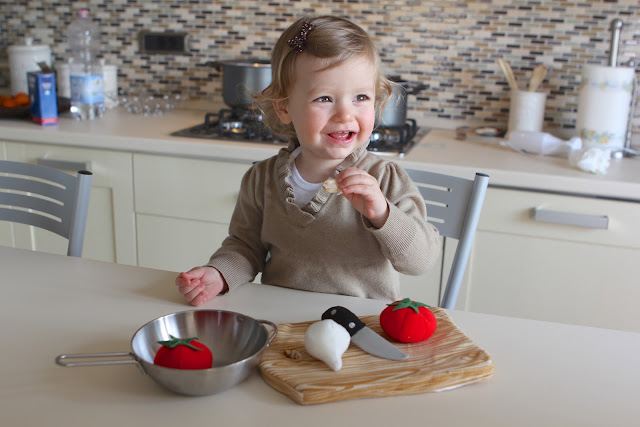
“Put me to work, Mom!”
DIRECTIONS
>Peel two cloves of garlic
>Cover the base of your pot with extra virgin olive oil. Heat on a low setting and do not adjust temperature.
>Leave the garlic cloves whole to put in sauce (Italians prefer just a hint of garlic flavor). If you prefer a stronger garlic flavor you can chop or mince the garlic.
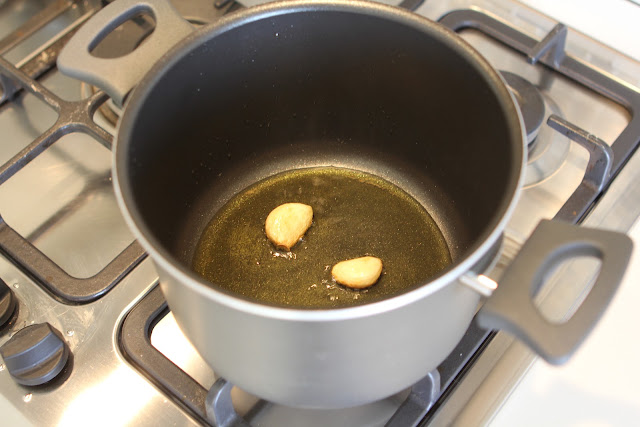
>Put the garlic in the pot with the heated olive oil and cook long enough to extract flavors. Be mindful not to burn.
Garlic should be lightly browned
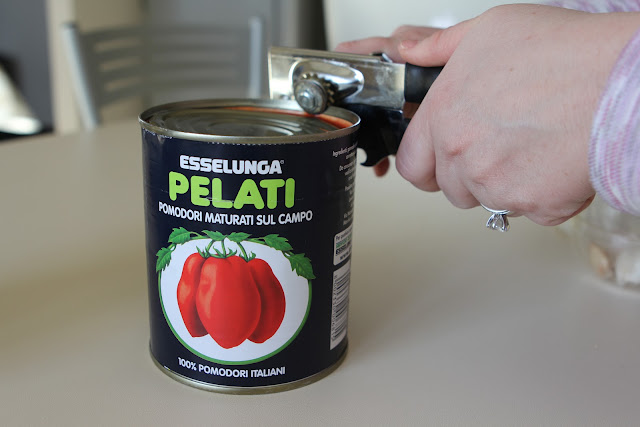
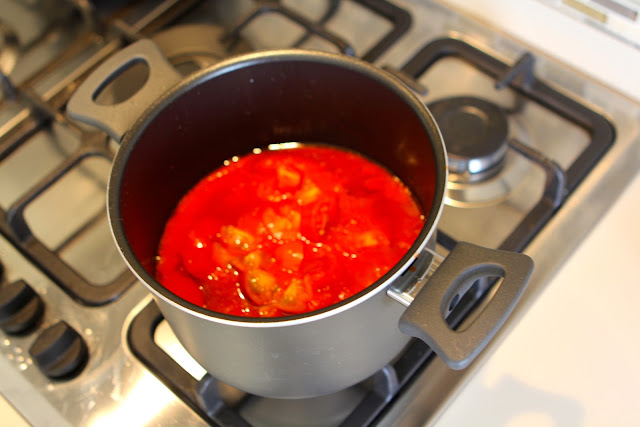
>Add can of tomatoes (must be San Marzano, which is the region in Italy – there are various brands)
Canned tomatoes
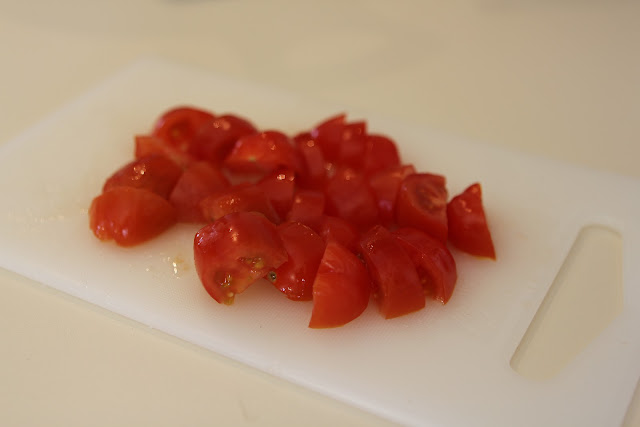
>Dice raw tomatoes and add to sauce
Diced, raw tomatoes
Tomatoes added to pot
>Add half of a vegetable bouillon cube and stir
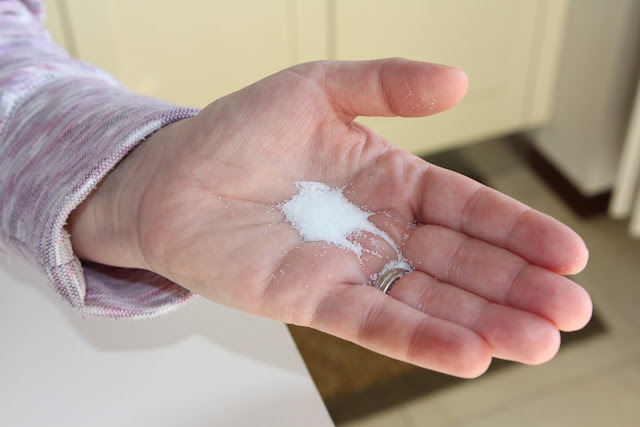
>Add sea salt (approximately a teaspoon… or Italian style, this much)
About this much salt… adjust based on hand size
>Remove the garlic and set aside (it gets added again)
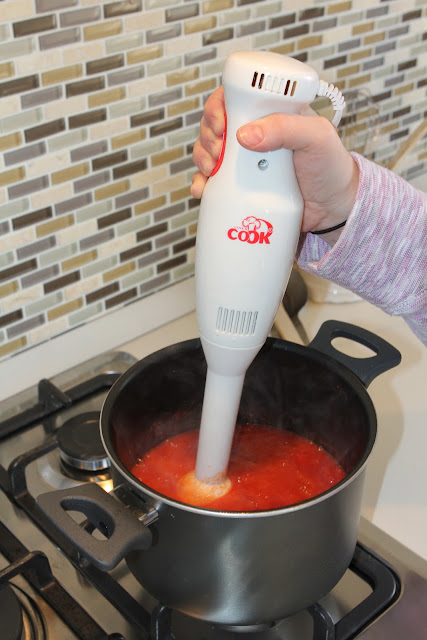
>Blend the sauce with a hand mixer
Blend with hand mixture to get the correct consistency
>Place garlic back in pot
>Let sauce simmer over medium-low heat for approximately 30 minutes
>Finish with a dab of butter
>Remove from heat and serve
Pasta
>Add cold water to the pasta pot with coarse sea salt (my mother always taught me to pour the salt until you finish saying “Father, Son and the Holy Spirit”)
>Boil water as your sauce nears an end
>Place pasta in water
>Cook to a nice al dente – the appropriate time will be listed on the spaghetti package
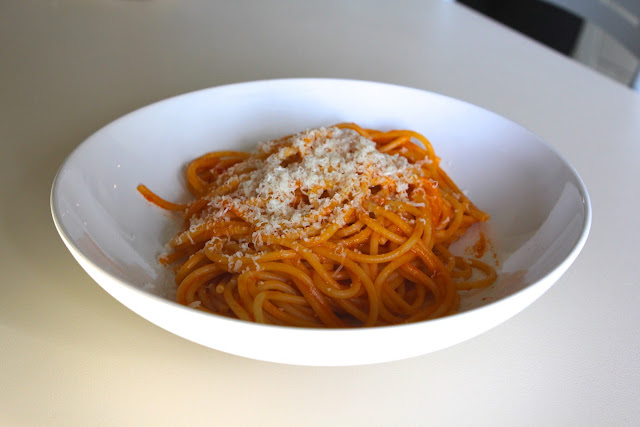
>Drain pasta water and cover pasta with sauce until it is covered but not drenched
The requests have been flooding in by the virtual truckload…
“Now that you live in Italy… what are you cooking?”
Well, we’re here to tell you two things:
1) Not a single person actually asked the aforementioned question (I just thought the subject might make a fun post).
2) Some things are not that different – some things are very different.
And since I’ve thrown myself headfirst into this “blogosphere” and haven’t posted in a couple days… I’m starting to feel like an addict without an outlet. So here we go – we’re going to let you into our kitchen and show you our pantry and refrigerator. You’ll be able to get a first-hand glimpse at what we’ve been eating (when we eat at home that is)!
OUR PANTRY (my favorite)
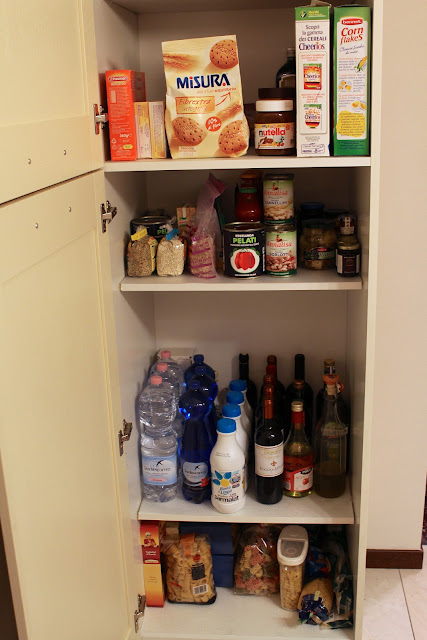
Pantry Overview
It’s my favorite because I can so easily organize and stack everything neatly, as you see above. This image was not “doctored”. I did not straighten up before taking this shot, but I must confess – I did just unload some groceries and so it was freshly organized. For those that now me best, they won’t be surprised to see all labels out. OK… let’s break it down.
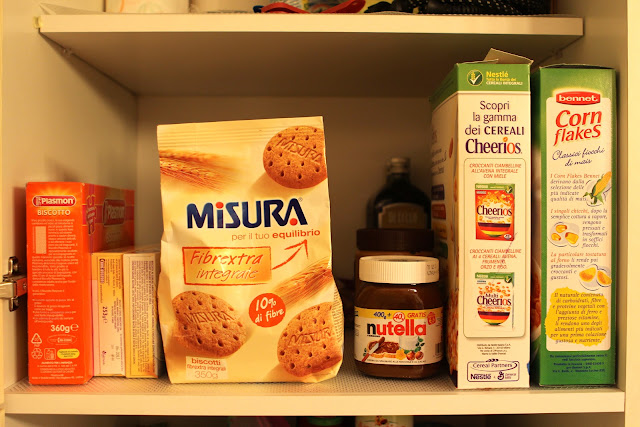
Top shelf – cookies, biscotti, baby biscotti (yes, it exists), dry cereal, etc. Jen’s convinced the fiber in those biscuits make them good for breakfast. I’m still too Americanized and prefer a bowl of cereal.
Top Shelf
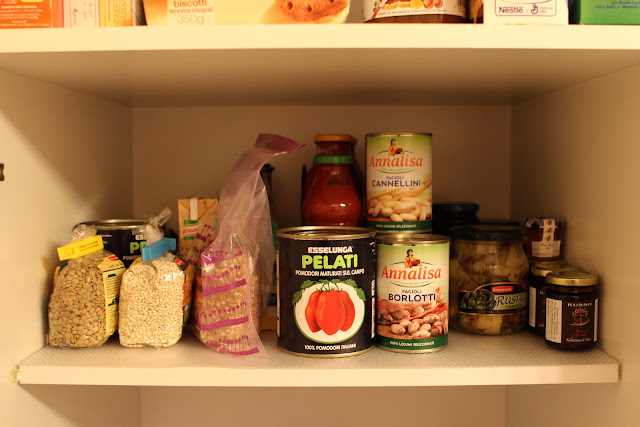
Next is “Jen’s shelf”. I call it “Jen’s shelf” because I have no interest in it other than making sure it’s straight and tidy. Here you’ll find the dried beans and canned goods she uses to make her various soups, her tomatoes which are sometimes used as a base in her delicious sugo (sauce) and some other stuff I know nothing about. Oh, I picked up those artichoke hearts – they were on sale. Can’t figure out when/how we should eat them.
Jen’s Shelf
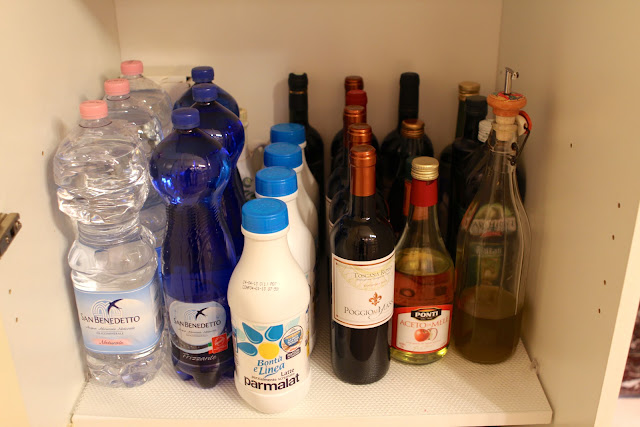
Next is my favorite shelf, because it’s easy to put stuff away and very easy to keep clean. So, I guess I’ll call it my shelf. Let’s see… we’ve got (from left to right) acqua naturale (flat water), acqua frizzante (sparkling water), milk… ok let’s pause a moment. Yes, I said milk. You see, milk is sold here in an aisle as well as the refrigerated section. Initially, we were only getting the refrigerated milk – but it goes bad after a couple days, so after my insescent “encouraging” – we tried this stuff and it’s actually pretty good. Plus, you don’t have to drive frantically to the store if you’re low on milk – you just go the pantry. OK… where were we? Ah, yes. Wine. You’ll see one of our new favorites in the front there. Just picked up four of these puppies for the low-low price of 3€ a piece! And it’s goooood! Moving on we have a row of various vinegar’s and then several types of olive oil – including a special one in front from Civitella, the town of Jen’s nonna (grandmother).
Greg’s Shelf
Our Fridge…
“Shut the damn door!”
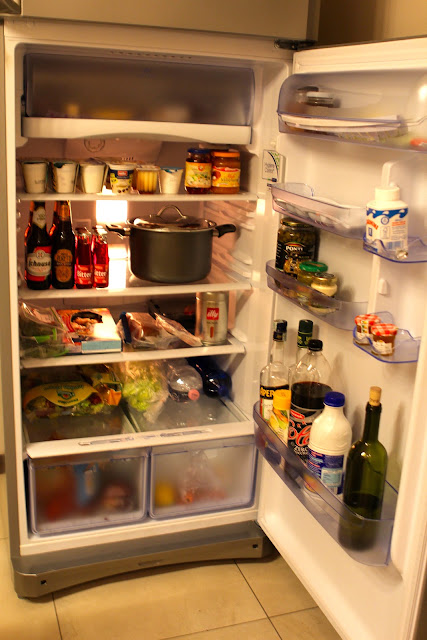
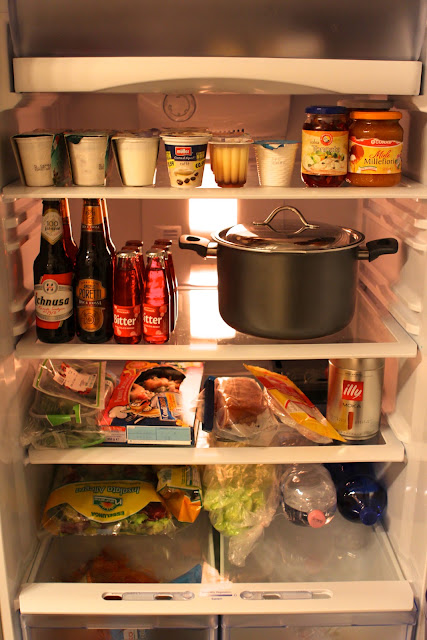
We don’t have anything too fancy, several common things based on Italian dietary habits. Yogurt, for your afternoon “snack”. Beer (for Greg) – sold in three packs (weird), bitters (for Jen… I hate the stuff), minestrone soup fresh from last night’s dinner, herbs, frutti di mare (seafood mixtures) that we’ll have for lunch tomorrow over spaghettini (thin spaghetti), Illy coffee, salad and water.
Oh, the good stuff you can’t really see. At the top is a slide out drawer where we keep the ever-present salami, prosciutto, parmigiano cheese, and today we got a real treat… a hunk of speck from Jen’s Aunt upstairs.
A peak inside our fridge
Well, it may not have been the most exciting adventure into our lives – but now you know what we eat on a normal day. I have to say, with Jen’s culinary skills improving at a rate much faster than our lingual skills – I’d rather stay home and eat any day!!